



Note that this is a discontinued product. You may want to visit the brand's page here to browse their newer products.
What reviewers think
Bloggers and YouTubers have tried this product—so we've summarized their strongest opinions below. Links to full reviews follow.
Product Strengths
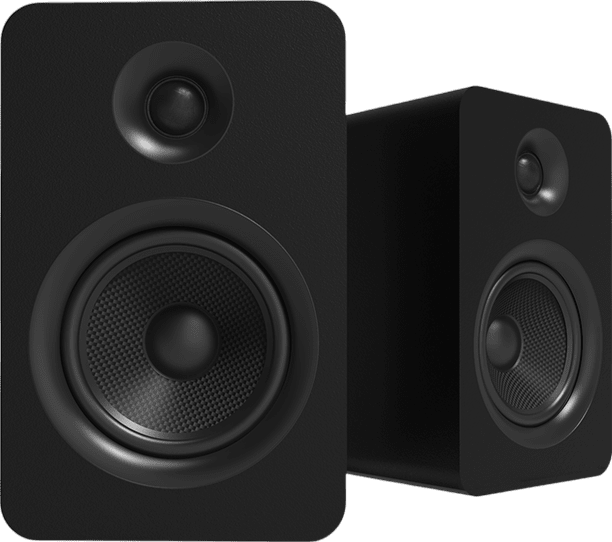
- Impressive build quality, constructed from solid MDF cabinets that feel sturdy and well-braced
- Aims for accuracy with a balanced sound that doesn't emphasize any particular part of the music, taking a 'studio monitor' approach
- Good at revealing the details in acoustic music and vocals due to its neutral presentation
- A great entry point into enhanced sound for your TV or two-channel gear
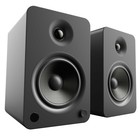
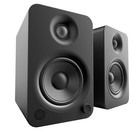
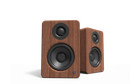
- Features a modern, minimalistic look that will blend in with any room's style and decor
Product Considerations
- As a passive speaker, it requires an external amplifier to operate, increasing the overall system cost
- The minimalist style might be unexciting for some
- Placement near walls affects the bass response more noticeably
- Grills do not attach to the front of the speaker cabinets
- There are better options to consider if someone is looking for the best sound, but these speakers do a great job presenting good sound in smaller to medium-sized rooms
Comparisons (according to reviewers)
- Vs Klipsch RP-500M: The Kanto YU Passive offers more neutral, accurate sound reproduction ideal for acoustic music and vocals, while the Klipsch RP-500M provides more dynamic, exciting performance better suited for rock and electronic music
- Vs Klipsch R-51M: The Kanto YU Passive has better build quality and more refined sound but needs more power, while the Klipsch R-51M offers more dynamic sound and is easier to power
- Vs Edifier R1280T: The Kanto YU Passive delivers more detailed and spacious sound with a passive design allowing for future amplifier upgrades, whereas the Edifier R1280T is an all-in-one powered system that's easier to set up but offers less upgrade potential
Takeaway: The Kanto YU Passive 5.25 bookshelf speakers are a great choice for those seeking accurate and detailed sound in a compact and aesthetically pleasing design. They offer excellent value and flexibility, especially for music lovers looking to build a quality audio system.
All
Yu Passive
reviews


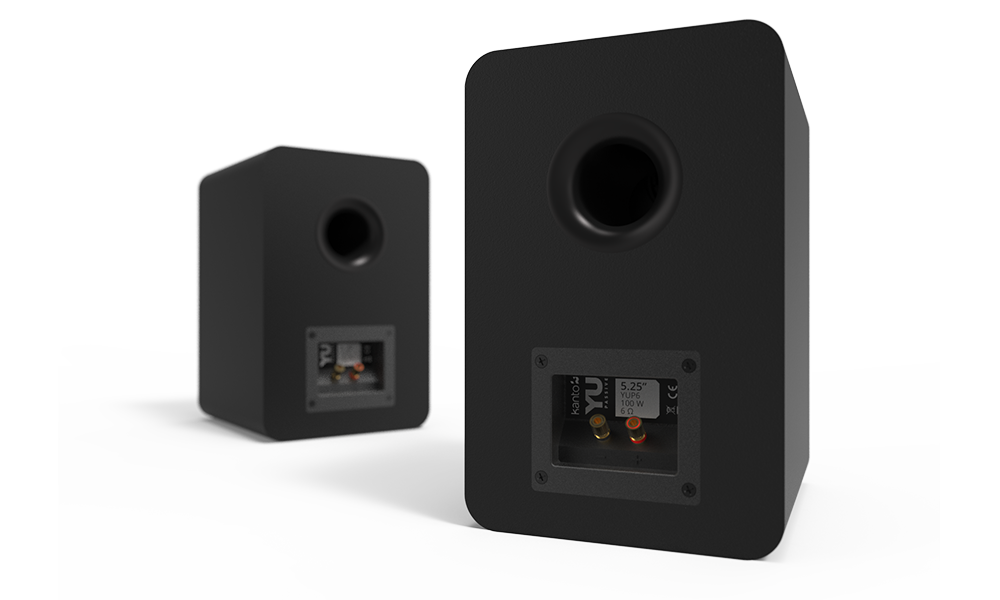
Manufacturer details
- Drivers: 1" Silk Dome Tweeters, 5.25" Kevlar® Drivers
- Power Handling: 100 Watts Per Speaker
- Impedance: 6 Ohms
- Frequency Response: 50 Hz – 20 kHz
- Dimensions (each speaker): 6.9" W x 8.1" D x 10.7" H (17.5 x 20.5 x 27.2 cm)
- Net Weight (each speaker): 8.7 lb (4 kg)
- Mounting: 1/4"-20 Threaded Mounting Hole

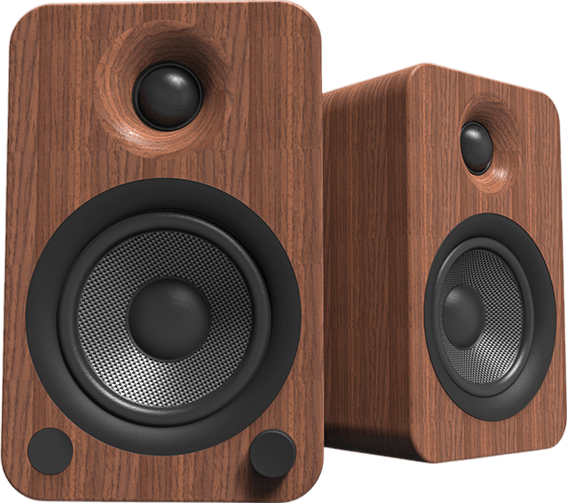
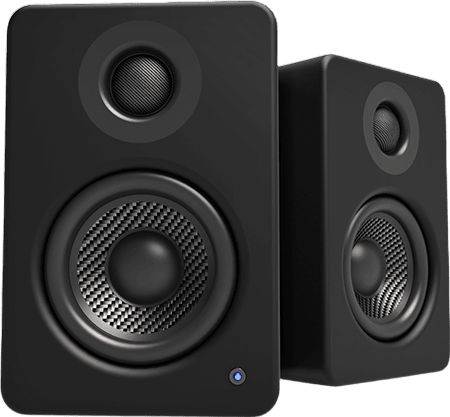
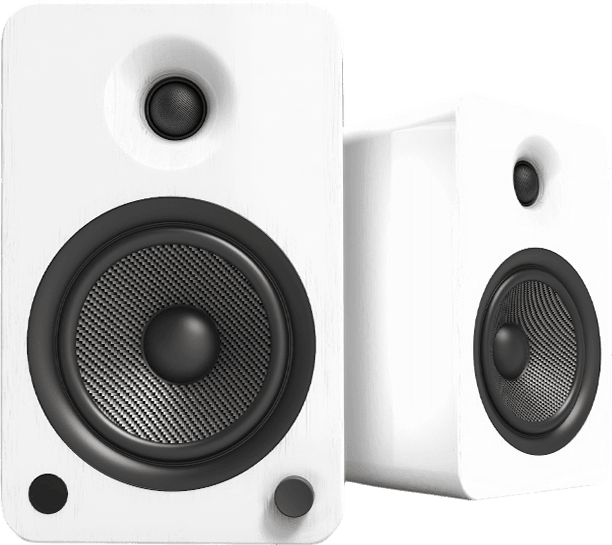

Brand highlights
Taking a step back to look at reviewers' thoughts of the brand's entire lineup—not just this product—what stands out most is the following:
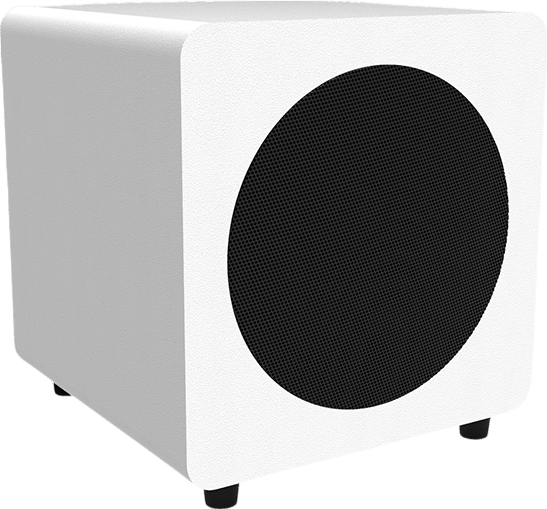
- Kanto specializes in producing powered loudspeakers with modern connectivity options like Bluetooth with aptX, TosLink, and RCA inputs including a built-in MM phono stage.
- The brand is known for a clean, minimalist design language across its product line, offering a range of stylish colors and finishes to complement various aesthetics.
- Kanto offers versatility in setup by including a remote control with many of its speakers, giving the user options for controlling volume, bass, and treble along with source selection.
- They design products aimed at enthusiasts, rather than just audiophiles, focusing on delivering quality sound and user-friendly features without unnecessary complexity.
Select products
YU2
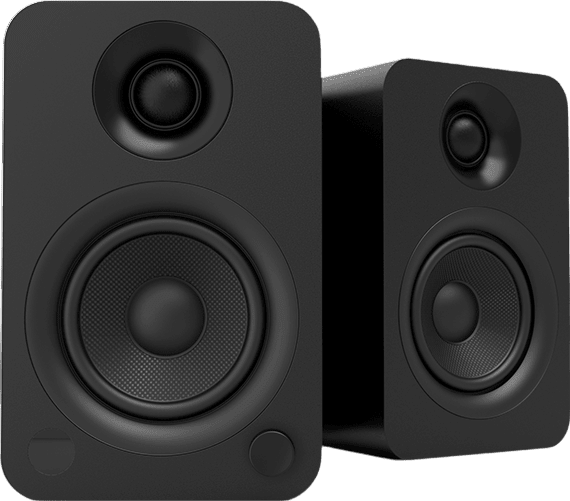
- Positioning: Entry-level speakers designed primarily for compact desktop use.
- Description: Features a compact amplifier system with smart digital controls that deliver clear, balanced sound ideal for small spaces. Compared to the Ora, TUK, REN, and YU6 models—each offering more advanced connectivity or deeper bass—stands out for its simplicity and cost-effectiveness when budget and space are tight.
ORA
- Positioning: A mid-range line aimed at versatile home and multimedia setups.
- Description: Incorporates modern connectivity, including support for 8K HDMI, which makes them well-suited for living room entertainment scenarios. In contrast to the basic design of the YU2 and the more performance-focused TUK, REN, and YU6, balances smart features with attractive design for users who need connectivity and ease of use.
TUK
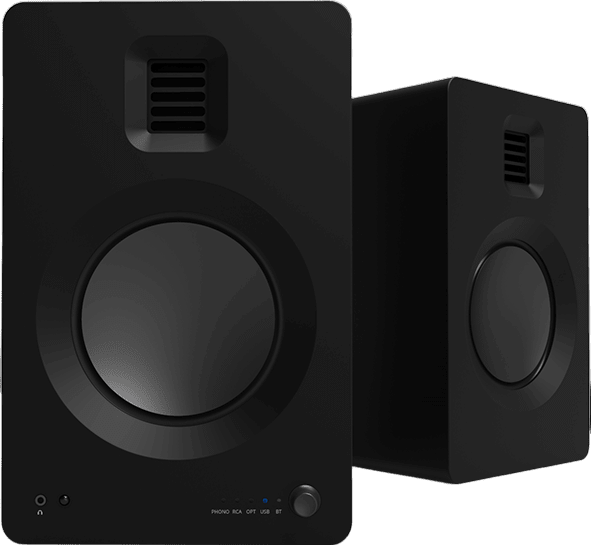
- Positioning: A mid-tier series that focuses on robust sound delivery in a compact design.
- Description: Uses an innovative driver setup that enhances clarity and detail, making them ideal for home audio applications without extra fuss. When measured against the minimalistic YU2, connectivity-driven Ora, and the more specialized REN and YU6 offerings, offers a balanced choice for buyers seeking quality sound.
REN
- Positioning: A high-end series aimed at audiophiles seeking refined audio performance.
- Description: Integrates a unique acoustic chamber design that improves sound staging and tonal detail, providing a noticeably refined listening experience. Compared to the TUK's balanced sound and the YU6's emphasis on strong bass output, the REN is tailored for users who value detailed reproduction.
YU6
- Positioning: The flagship speakers designed for larger spaces and superior performance.
- Description: Features a larger woofer and enhanced amplifier output that deliver deeper bass and an expansive soundstage, making them ideal for big rooms and high-impact audio setups. In contrast to the budget-friendly YU2, the feature-rich Ora, and even the audio-focused TUK and REN, the YU6 provides maximum output and rich low-frequency performance.

Our take on the brand
Look inside the brand
Our interview with the brand
What are two key technological innovations or strong opinions that differ you from other brands?
What's your approach to customer support?
What are your favorite tracks for showcasing the strength of your products?
What other products pair best with yours?

Used
Kanto







What if you spend more?
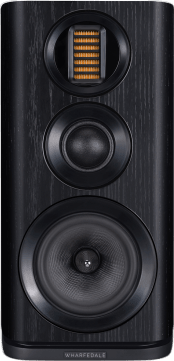


Wharfedale’s new EVO4 has grown out of the extensive research and development that produced the ELYSIAN flagship loudspeakers and borrows much of the technology involved in ELYSIAN.

.svg)
Our summary
Product Strengths
- Excellent focus and separation, with the speakers 'disappearing' to create a natural soundstage
- Impressive low-end performance, adding authority to the music
- Cohesive driver integration, with no perceivable handover between the AMT tweeter, midrange dome, and woofer
- Remarkable neutrality in the midrange, with a detailed yet smooth treble—avoiding harshness even at higher volumes
- Clear and detailed sound reproduction, extracting nuances and levels of information outstanding for its price
Product Considerations
- Vertical off-axis performance of the AMT tweeter is not good, so correct speaker height and toe-in are important
- Soundstage is not super wide, with the presentation mostly between the speakers
- Some reviewers found the aesthetics or proportions to be awkward or not to suit all tastes
- Bass may be a bit polite for some listeners wanting subwoofer-type rumble
- The midrange can be fatiguing if the listener's ear is at the midrange driver level
Takeaway: The Evo4.2 is a well-rounded speaker that delivers excellent sound quality with impressive imaging, detail, and tonal balance. It is capable of providing an audiophile experience at an affordable price.
Video review
Our take on the brand

Our summary
Product Strengths
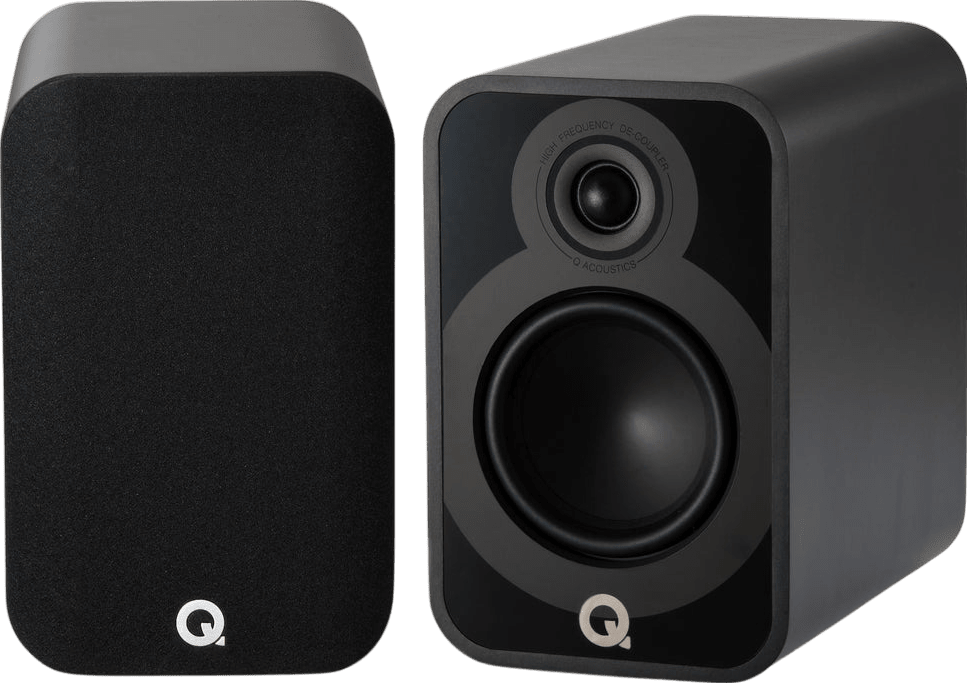
- Attractive design with rounded cabinet edges and multiple finish options (Satin Black, Satin White, Santos Rosewood, Holme Oak)
- Good midrange reproduction—clean and uncolored—especially for the price
- Clear and detailed sound with good separation of instruments
- Taut and agile bass performance
- Internal bracing (P2P) stiffens the cabinet, reducing vibrations and improving stereo image
- Connectivity options such as binding posts
Product Considerations
- Can tend towards brightness, potentially causing fatigue during longer listening sessions—especially with the wrong equipment pairing
- Cabinet size is relatively large for a bookshelf speaker
- Bass response is somewhat subdued
- Some reviewers noted imaging issues, with vocals lacking a firm presence in the center
- Grilles muddle the sound
Takeaway: The Q Acoustics 5020 is a great-looking speaker that offers a rich and musical sound, making it a very entertaining listen for the price. With its ability to reveal details from recordings, it's a wise choice for those looking for a well-built and sonically pleasing speaker.
Video review
Our take on the brand
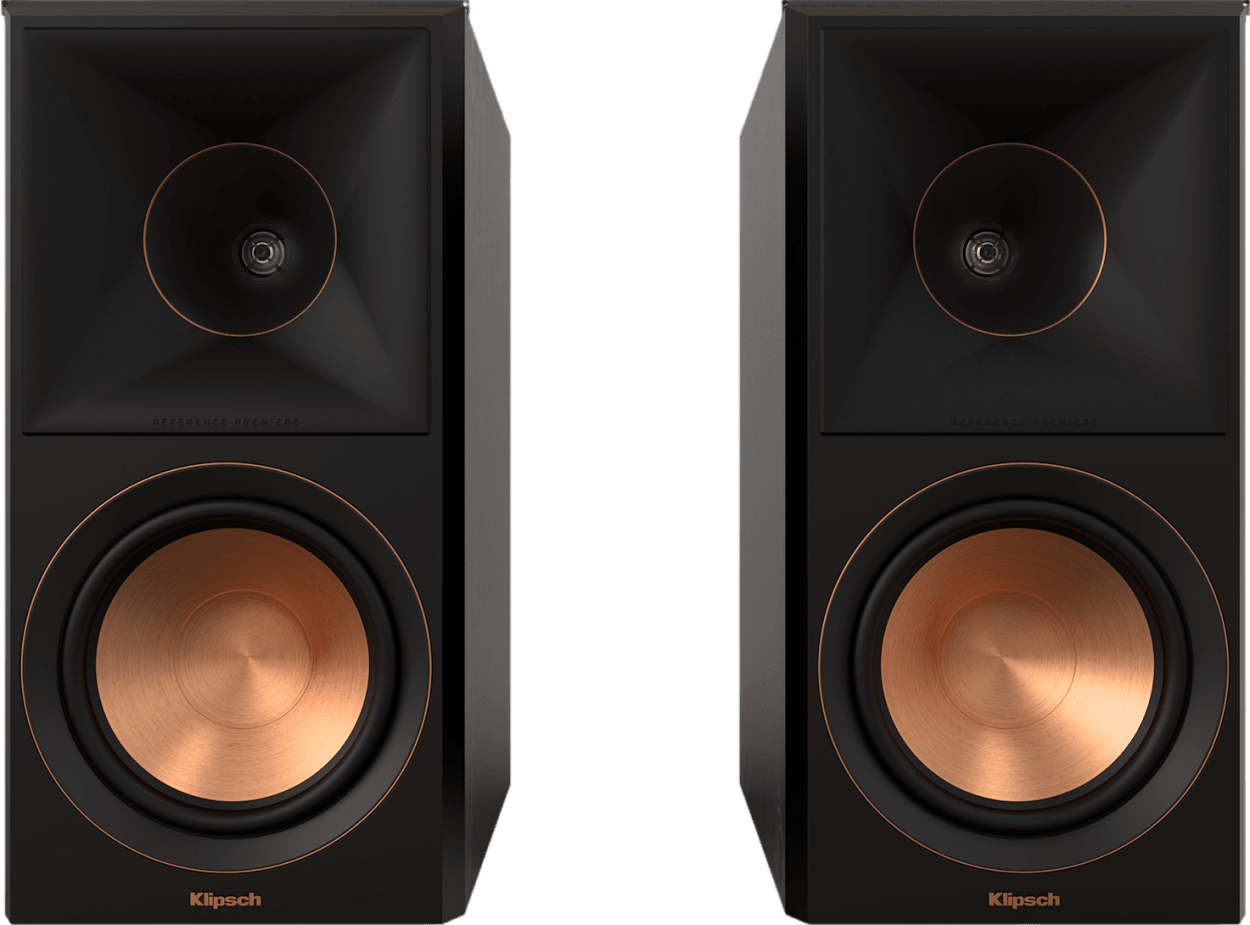

Product Strengths
- Larger horn tweeter and a new Cerametallic woofer, compared to its predecessor
- Upgraded binding posts and crossover plate elevate to Reference Premiere status
- Larger diameter voice coils and aluminum shorting rings on the woofers give the speaker better linearity throughout the bass, decrease distortion while upping power handling resulting in improved speed and accuracy
- Better detail retrieval, more articulate bass, and vastly improved soundstage width and imaging, compared to the RP-600M
- The binding posts are the same that are found on costlier Heritage speakers
Product Considerations
- Finish options did not receive an upgrade over the outgoing model, leaving customers with the same ebony or walnut wraps
- The tweeter may be too bright for some listeners who are sensitive to a more aggressive top end
- Rated sensitivity is 94.5dB, which is a decrease compared to the original's reported sensitivity of 96
- Needs a bit of space behind them and to the sides, or at least positioning on open shelves, if the powerful output from that port isn't to muddy the sound
Comparisons (according to reviewers)
- Compared to the older RP-600M, the new sounds far more linear
- The new is very easy to listen to for long periods of time, and while it still has a presence, a speed and transparency to the artist or instrument—at least with respect to the midrange—it is not as forward sounding as past designs
- The new proved to be surprisingly flat, but best of all, not the least bit fatiguing
- There was very little difference in tone with respect to the mids between the new and a costlier Revel bookshelf
- These two are actually pretty neck and neck
- As for the Wharfedale Evo 4.1, the Evo is better constructed, not to mention nicer looking
Takeaway: The RP-600M II is a refined speaker with better components, improved sound, and better bass response and imaging. It's a speaker that would be great for someone who likes to listen to a variety of music genres and wants a good-sounding speaker that can last a long time.
Video review
Our take on the brand
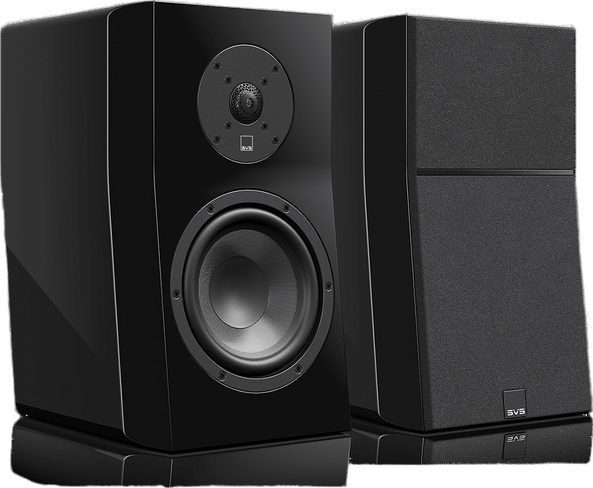

SVS Ultra Evolution Bookshelf speaker represents the culmination of SVS breakthroughs in driver design, component materials, and cabinet architecture, married with a relentless passion for audio excellence. The science of sonic perfection in harmony with a love of convincing and immersive sound. With a big, expansive sound that's revealing and detailed, Ultra Evolution Bookshelf gives the impression of a much larger speaker without sacrificing refinement or accuracy.
Never has this fusion of design elements existed in a single speaker. Time aligned cabinet geometry, diamond coated aluminum dome tweeters, organic cellular lattice diffuser, and other advancements embody an uncompromising approach to speaker design. These innovations are brought to life with painstaking anechoic and real-world measurement and voicing. This final bit of artistry places Ultra Evolution Bookshelf among the highest fidelity speakers ever created.
Our mission has always been to ignite a passion for transcendent music and home theater experiences by rendering the truest sonic playback. The joy of pristine clarity, absolute transparency, stunning dynamics, and effortless bass for more people than ever. SVS Ultra Evolution Bookshelf deeply connects you to the emotion of sound.
Our summary
Product Strengths
- Incredible power handling capabilities, performing as well as speakers in the $2,000–$3,000 range
- Sound quality is comparable to stand-mount speakers in the $1,500–$2,000 range
- Build quality is phenomenal for its price point, with real wood veneer options available
- Produces a dense and deep soundstage, especially for a two-way design
- Neutral and clean sound with nice extension in the upper mid-range to high-frequency extension, avoiding a 'hot' sound
Product Considerations
- Stereo imaging is decent, but not as precise as some listeners may prefer
- The mid-range can be a weak point due to some potential resonance in the upper frequencies of the woofer's range
- The speakers are not the easiest to drive and pairing with neutral, slightly warmer amps is recommended
- The treble response is slightly forward with some extra sparkle which may not be ideal for those sensitive to higher frequencies
- While the bass is good, listeners of bass-heavy music may want to add a subwoofer
Comparisons (according to reviewers)
- Vs. SVS Nano: The Ultra Evolution has a more open and expansive midrange and more linear bass, while the Nano has punchier—slightly boosted—bass
- Vs. Heco Salon Revolution 3: The Ultra Evolution is a good replacement since the Heco is discontinued, the Ultra Evolution favors neutrality, while the Heco has a warmer midrange, but the treble is very similar on both
- Vs. KEF R3 Meta: The SVS Ultra Evolution disappears better, but the R3 Meta sounds more neutral
- Vs. Dali Opticon II Mark IIs: Dali is warmer and more nuanced in the midrange but the Ultra Evolution is a little more exciting in its presentation
Takeaway: The SVS Ultra Evolution Bookshelf speakers provide exceptional performance for the price and create an immersive listening experience. They are well-built, attractive, and offer a balanced sound that makes them a strong contender in their price range.
Video review
Our take on the brand
What competes at this price?
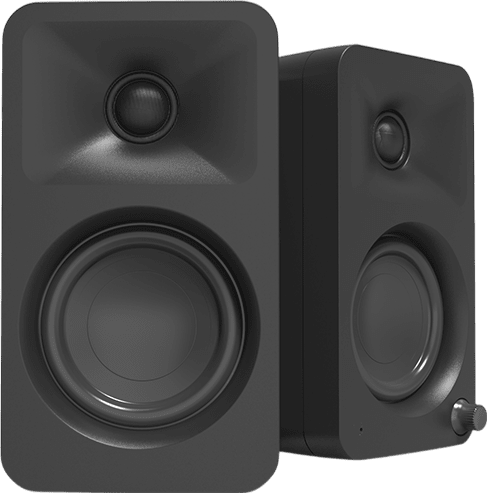

Our Summary
Product Strengths
- Impressive sound quality with balanced and detailed audio, creating a wider soundstage than expected for their size
- Compact size is ideal for smaller desks
- Can be paired with a subwoofer for deeper bass
- Clean and understated design blends well into desktop environments
- Can work well with CRT televisions due to magnetic shielding, preventing buzzing
- Versatile connectivity options including USB-C, Bluetooth 5.0, and RCA inputs
Product Considerations
- Lacks deep bass without a subwoofer
- Some reviewers noted a slightly scooped or recessed midrange
- No aux (3.5mm) headphone jack is included
- No USB-C or RCA cables are included in the box, requiring users to source their own
Comparisons (according to reviewers)
- The ORA holds its own against the Fluance AS61s, a larger speaker with larger drivers and cabinet, with comparable in-room sound
- The ORA sound better than the M1 MacBook Pro speakers, with better bass performance and a stronger midrange
- The ORA sound better overall, cleaner, and more detailed than the Kanto YU2 and YU4, similar to—but possibly cleaner than—the YU6
- The Kanto TUK is in a different sound class, with more depth and clarity, so the ORA wouldn't be considered an upgrade
- The Kanto Aura sounds more distinct and textured than the Audioengine speakers
- The ORA has more prominent bass than the Audioengine A2 Plus
Takeaway: The Kanto ORA speakers offer a great balance of sound quality, size, and connectivity, making them a good upgrade for a desk. They are worth it if you want great sound in a compact design.
Video review
Our take on the brand

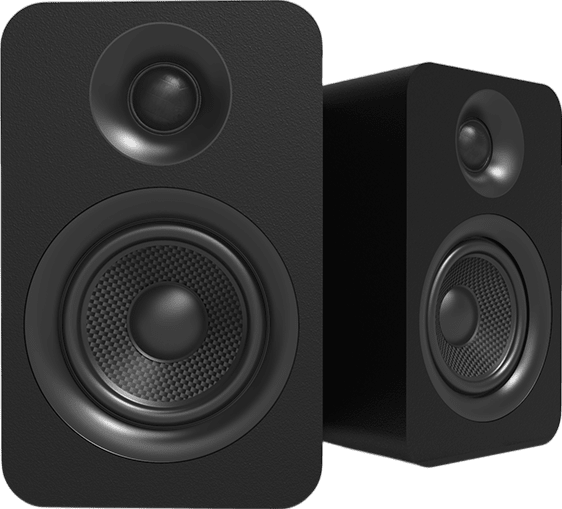
Our Summary
Video review
Our take on the brand

Our Summary
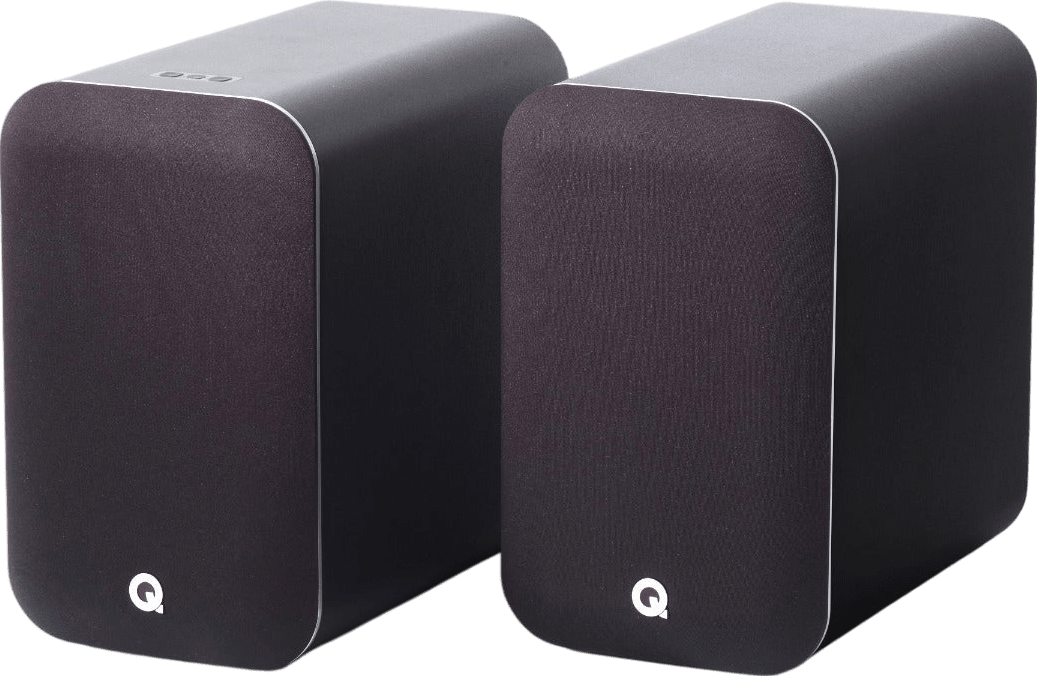
Product Strengths
- Effortlessly detailed and balanced sound
- Excellent stereo imaging and dynamics
- High-quality Bluetooth streaming
- Simple setup and control
- Multiple connection options, including subwoofer output, digital input for TV, and analog inputs
Product Considerations
- No HDMI ARC for seamless control with TV remote
- No dedicated app for adjusting settings
- Bass output may be lacking for some listeners, potentially requiring a subwoofer
- Grilles are non-removable
- Speakers power down after 20 minutes at rest, requiring manual Bluetooth pairing each time
Comparisons (according to reviewers)
- Compared to Ruark Audio MR1 Mk2, the Q Acoustics M20 sounds fuller, louder and less compressed
Takeaway: The Q Acoustics M20 HD speakers offer detailed, balanced sound and are easy to set up with various devices. They're a versatile audio solution for upgrading sound, whether for music, movies, or gaming.
Video review
Our take on the brand
Our Summary
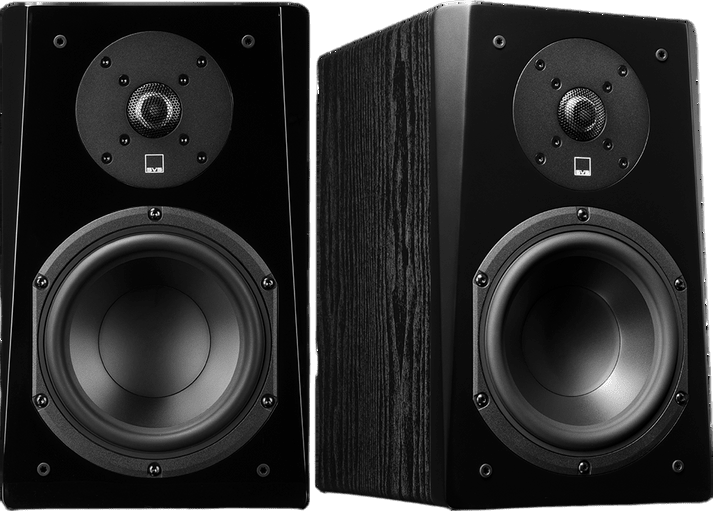
Product Strengths
- Good ability to get loud, clean sound without distortion or compression issues above 80 Hz when paired with a subwoofer
- Really good build quality cabinet
- Very clear, immediate, vivid sounding speaker
- Ultra-focused sounding, clean, and nicely balanced vocals
- A lot of treble liveliness combined with quality clarity and crispness
Product Considerations
- Treble is a little bit bright
- Not the most neutral speaker
- Leaner sound in terms of bass delivery
- Very tight, tuneful, and on-point bass, but the perceived amount of bass is less substantial than other speakers reviewed
- Some port noise or chuffing can be heard when setting the speakers to deliver as much bass as the Klipsch RP600M
Takeaway: The SVS Prime bookshelf is a sweet little speaker that delivers clear and vivid sound and has great build quality. It's also versatile, as it can be used in a stereo setup or as part of a home theater system.
Video review
Our take on the brand


Our Summary
Product Strengths
- Delivers stereo sound, unlike the Sonos One, due to angled tweeters
- Has a larger woofer, resulting in deeper bass
- Features Bluetooth connectivity, in addition to Wi-Fi and AirPlay 2, offering more flexibility
- Easy to set up and use with the Sonos app, which integrates many music sources
- Includes Trueplay room tuning, now available for Android users, which optimizes the speaker's sound based on its placement in the room, and adjustable EQ
Product Considerations
- The Apple HomePod 2 provides more natural warmth of human voices
- A separate adapter is needed for a wired connection, and it's not included in the box
- Lacks Google Assistant support
- Android users may find the Quick Tuning feature is not as capable as the iOS version
- Isn't designed for outdoor use
Comparisons (according to reviewers)
- Era 100 has better sound quality with cleaner bass and can playback stereo content without downmixing to mono, compared to Sonos One/One SL
- Era 100 is more affordable and compact but lacks Dolby Atmos support, compared to Sonos Era 300
- Era 100 is cheaper but doesn't have a built-in battery for portability, compared to Sonos Move 2
Takeaway: The Sonos Era 100 is a versatile wireless speaker with great sound, enhanced bass, and easy integration with streaming services. It's a solid choice for anyone seeking a compact, all-in-one speaker that delivers both convenience and quality audio for an immersive listening experience.
Video review
Our take on the brand
How to buy
Speakers
Search all hifi products
Explore our database of 10,000+ new and 25,000+ used hifi products.