



Note that this is a discontinued product. You may want to visit the brand's page here to browse their newer products.
What reviewers think
Bloggers and YouTubers have tried this product—so we've summarized their strongest opinions below. Links to full reviews follow.
Product Strengths
- Output is closest to the original master tape recordings
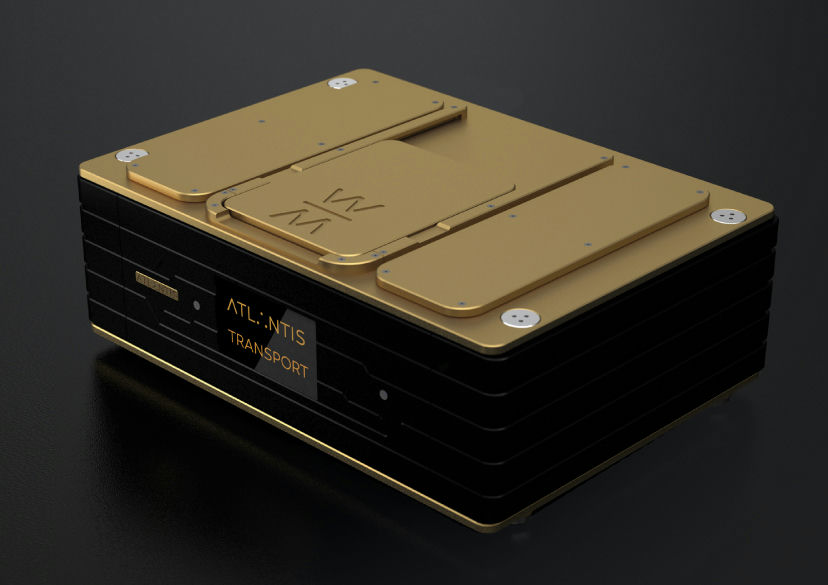
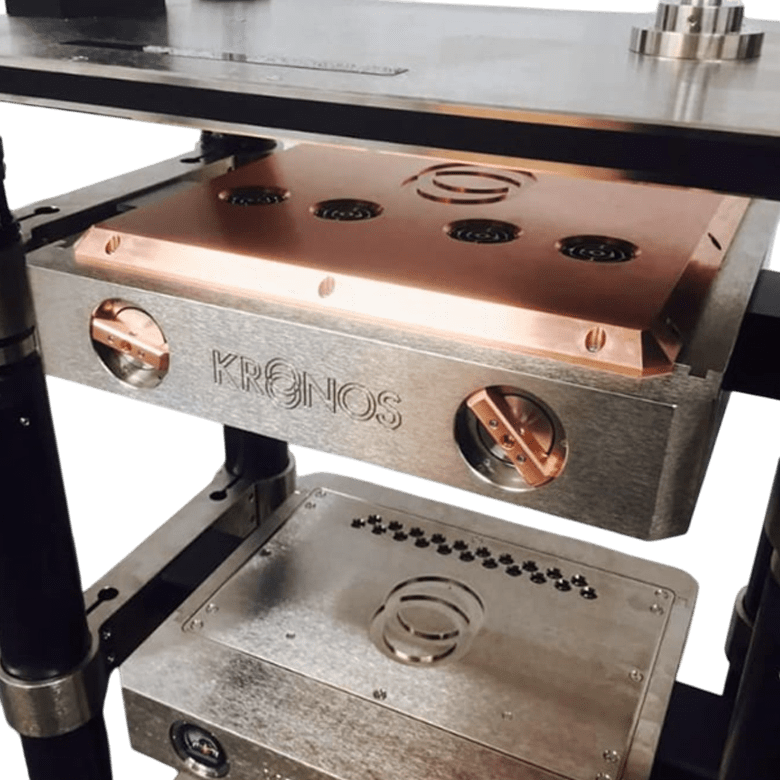
- The design includes separate chassis for signal and power to isolate electrical interference
- The phono amplifier design is a dual mono topology
- The MM stage has a hearty gain of 44dB
- The design topology, choice components, NOS tubes, and hand-wound transformers contribute to a high-end product
Product Considerations
- The best sound comes from new old stock (NOS) tubes, which are rare
- Selectable impedance with a resistor will compromise the sound
Comparisons (according to reviewers)
- Compared to True Life Audio ARGΩ, the Kronos Reference phono amplifier is a completely different—and much higher-level—design
- Compared to Audio Note or Kondo, Kronos offers much higher performance
Takeaway: The Kronos Reference phono preamplifier uses excellent design and premium components to create a high-end product. It has flexible settings to match different cartridges.
All
Kronos Phono
reviews




Brand highlights
Taking a step back to look at reviewers' thoughts of the brand's entire lineup—not just this product—what stands out most is the following:
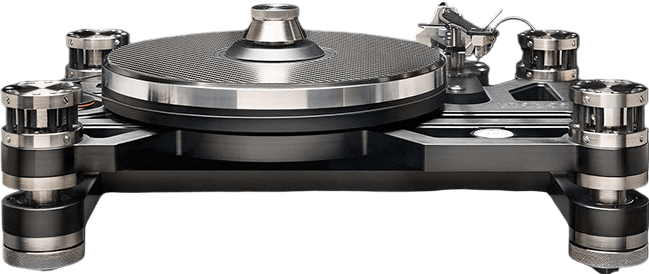
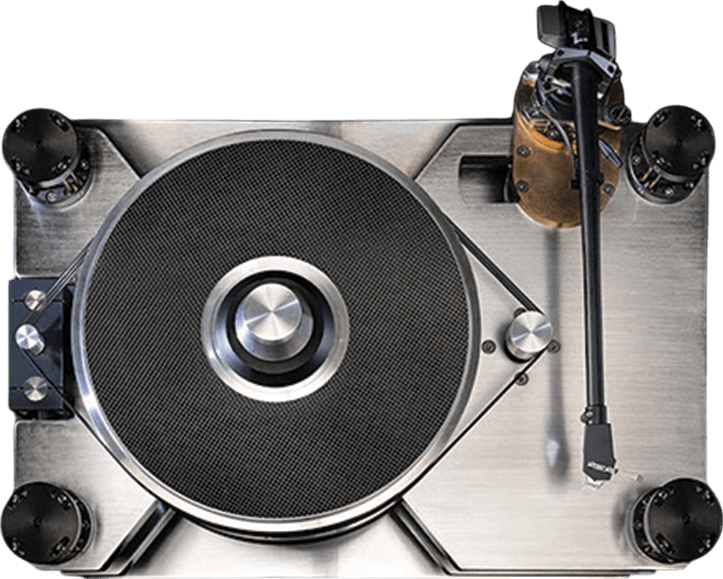
- The counter-rotating platter design effectively eliminates torsional forces, contributing to exceptional stability and reduced blurring of the musical signal.
- Kronos products incorporate materials with different resonant Q factors in modular structures, minimizing interactive parasitic vibrations and improving isolation.
- Kronos components enhance the resolution of recorded details to an exceptional degree, making the walls of the recorded venue "flex, bend, contort, and pulsate as if live/alive," delivering a singularly revelatory experience.
Select products
Sparta 0.5
- Positioning: The entry-level model in the Kronos lineup.
- Description: Offers a solid frame base with a single subchassis, making it a great choice for those seeking high-quality sound in a more compact and affordable package. Unlike the more advanced Sparta model, it features a single tonearm mounting plate, which is ideal for users with limited space or budget but still desiring excellent performance.
Sparta
- Positioning: Positioned as a mid-range option in the Kronos lineup.
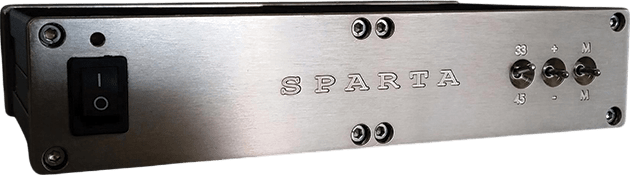
- Description: Features a dual-platter design, providing enhanced stability and sound quality. It uses the counter-rotational technology of the flagship Kronos Pro but in a more affordable package.
Kronos Pro
- Positioning: The high-end model in the Kronos lineup.
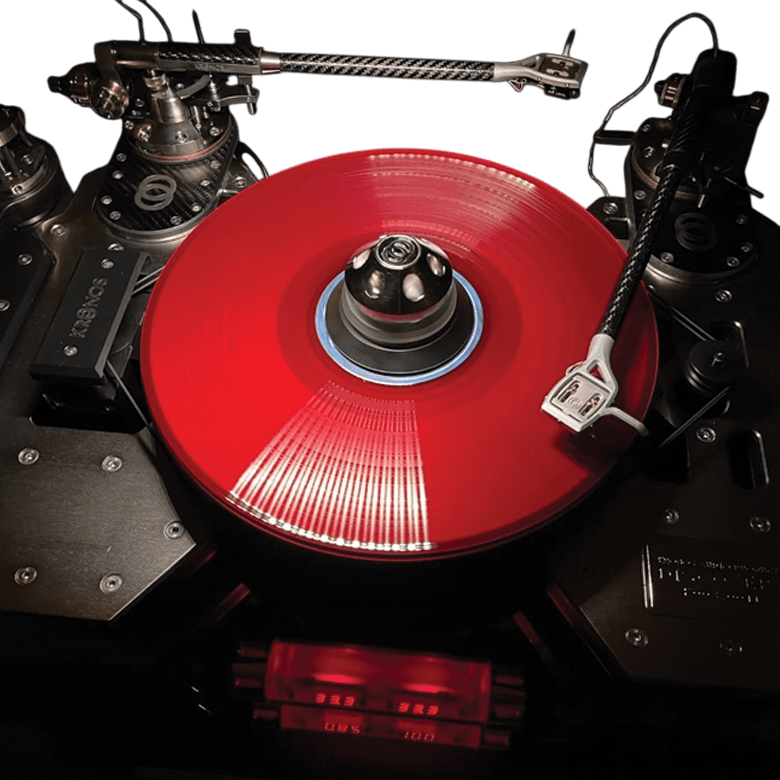
- Description: Features a dual-platter system that rotates in opposite directions, effectively eliminating torque-induced vibrations for superior sound clarity.
Discovery
- Positioning: The flagship model in the Kronos lineup.
- Description: Introduces a groundbreaking chassis suspension system that enhances sound quality by treating the chassis like a musical instrument's soundbox. It surpasses the Kronos Pro with its innovative design.

Our take on the brand
Look inside the brand
Our interview with the brand
What are two key technological innovations or strong opinions that differ you from other brands?
What's your approach to customer support?
What are your favorite tracks for showcasing the strength of your products?
What other products pair best with yours?

Used
Kronos
What if you spend more?



.svg)
Product Strengths
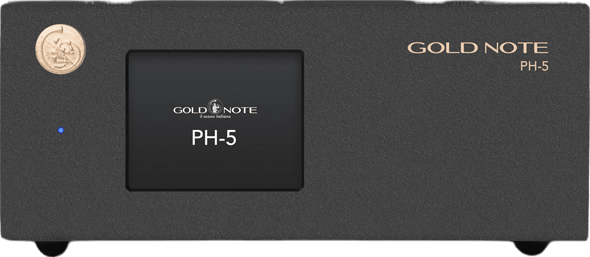
- Offers a versatile range of adjustments, including nine input impedance choices and four gain options, to match various cartridges
- Offers three different equalization curves (RIAA, Decca London, and American Columbia), unusual for phono stages in its price range
- Produces a clean, smooth, lucid, and well-balanced sound that is uncolored and neutral, allowing for greater transparency and speed
- Musical, smooth, coherent and dynamic, with a very good pace, rhythm, and timing
- Touchscreen interface is easy and intuitive to use
Product Considerations
- Moving magnet capacitance is set at 220pF and is not adjustable
- Some reviewers express concern about potential RF interference from the digital display affecting the analog circuitry, particularly with sensitive MC cartridges
- Instrumental images may be smaller than with other phono stages
- May sound a little weightless compared to significantly more expensive phono preamps
- Reviewers note the forthcoming PSU-5 power supply
Comparisons (according to reviewers)
- Compared to a similarly priced phono stage, the Gold Note PH-5 provided greater insights into how Miles Davis played each note, and was more full-bodied and dynamic
- The Pathos In the Groove was more spacious and shapely sounding but lacked the PH-5's sense of control and smoothness
- Compared to the Gold Note PH-10, there's a remarkably similar sound, with a tad more weight to recordings played through the more expensive PH-10
- The PH-5 sounds closer to the GrandiNote Celio MK IV—a bit richer, smoother, and more saturated—whereas the ESE Lab Nibiru is more about speed, precision, and transparency
Takeaway: The Gold Note PH-5 is a versatile phono stage that sounds musical and natural. It provides many options to adjust the sound, and it is an affordable way to get great performance from vinyl records.
Video review
Our take on the brand

Product Strengths
- Straightforward, high-quality preamp that does everything asked of it, very well
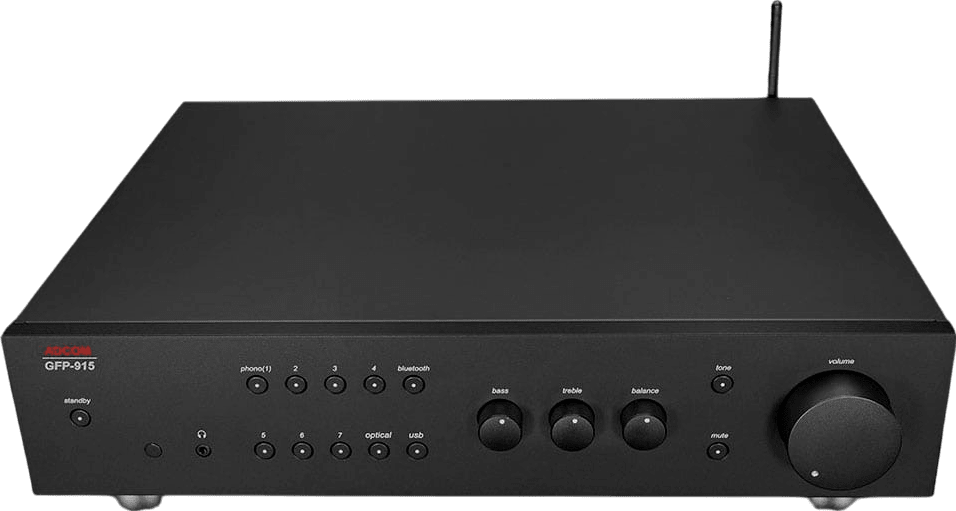
- Includes tone control knobs for bass and treble to personalize the listening experience
- Allows turntable users to switch between moving magnet (MM) and moving coil (MC) modes
- Features seven source audio inputs, a front-panel 3.5mm headphone jack, Bluetooth 5.1, optical and USB inputs, as well as a phono stage for turntables
Product Considerations
- Bluetooth 5.1 connectivity, while present, is not super high resolution compared with Wi-Fi and may not appeal to those seeking a more robust streaming experience
- Has no balanced inputs
Comparisons (according to reviewers)
- Against Rotel's RC-1572 MKII, the Adcom GFP-915 wins in many audiophile categories, such as a lower reported total harmonic distortion and noise floor
- The Schiit Freya S stereo preamp at $599 is another solid, no-frills audiophile option that can compare to the Adcom GFP-915
- The NAD C 3050 integrated amp's HDMI switching, internal DAC, Bluetooth 5.4 and phono stage might sway one to spend a few hundred more dollars than the Adcom
Takeaway: The Adcom GFP-915 is a traditional stereo preamp that delivers quality performance and offers a range of useful features for audiophiles. It is a worthwhile option for those seeking a simple and effective way to manage audio sources and volume control.
Video review
Our take on the brand

Product Strengths
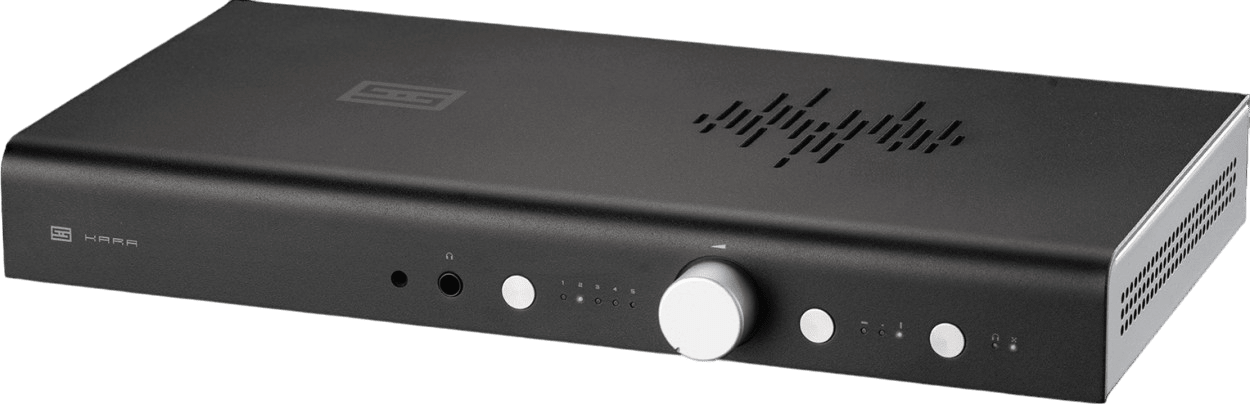
- Features a fully discreet headphone amplifier built-in that sounds good
- Offers flexibility with passive, low gain, and high gain settings, not commonly found at its price point
- Build quality feels good, with a nice textured black finish
- Features a precise 128-step attenuator for accurate left-right balance, unusual for a $699 preamplifier
- Features a metal remote with volume, mute, and input selection
Product Considerations
- One reviewer experienced the Kara going into protection mode and muting the sound when adjusting the volume quickly—requiring a power cycle to resolve
- One reviewer said they prefer the RCA input and output sound
- XLR inputs for stereo mode are not available
Comparisons (according to reviewers)
- Vs Schiit Freya S: It replaces the Freya S and has significant upgrades, including a headphone jack and a more powerful power transformer
- Vs Pass Labs HPA1: The Pass Labs is a better-sounding pre-amplifier and headphone amplifier overall, but is significantly more expensive
Takeaway: The Kara preamplifier offers great flexibility with gain options and a good-sounding headphone amplifier. It's a well-built component that could be a good addition to an audio setup, especially if clarity is valued.
Video review
Our take on the brand

Our summary
Product Strengths
- Balanced connections improve sound, though stellar audio is available via RCA inputs
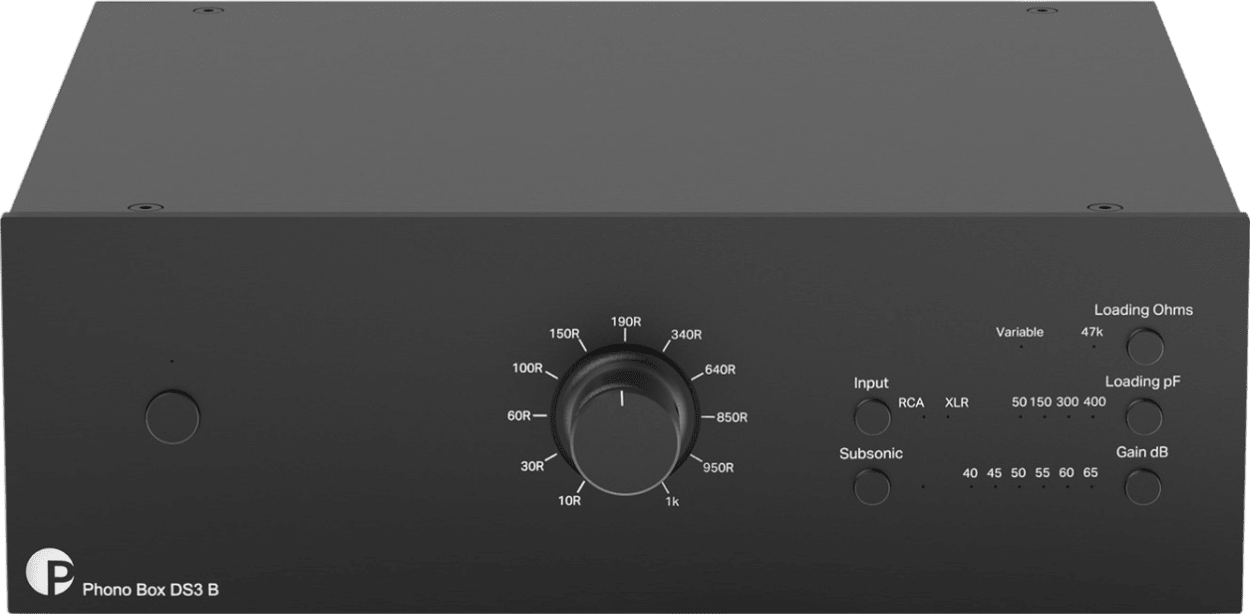
- Tighter and continuous control over load impedance via a potentiometer control
- Discrete circuit design offers a more neutral sound than integrated circuits
- Two turntables can be connected at once, one with XLRs and one with RCAs
- Expanded soundstage and individual instrument placement both horizontally and vertically
Product Considerations
- Turntable with XLR outputs needed to experience its best features
- More expensive if balanced connection features are not being used
- Tube box will push coloration into the mix, so tubes need careful system matching
- Balanced outputs and moving coil cartridge are needed to reveal the sort of detail that vinyl aficionados champion
Comparisons (according to reviewers)
- Vs NAD Phono Preamp PP-1: Allows for markedly more detail and separation between instruments
- Vs Phono Box S3 B: Integrates all the technology from the SB3 and adds in a few extra features, as well as a potentiometer
- Vs Projects Tubebox DS3: The sound is far more clear, and the weighted treble and upper spectrum sound more pronounced
Takeaway: The Pro-Ject Phono Box DS3 B unlocks the potential of a turntable, enhancing the listening experience with more dynamics, details, and soundstage. It's a versatile phono preamp with remarkably neutral and detailed sound.
Video review
Our take on the brand
What competes at this price?

Our Summary
Product Strengths
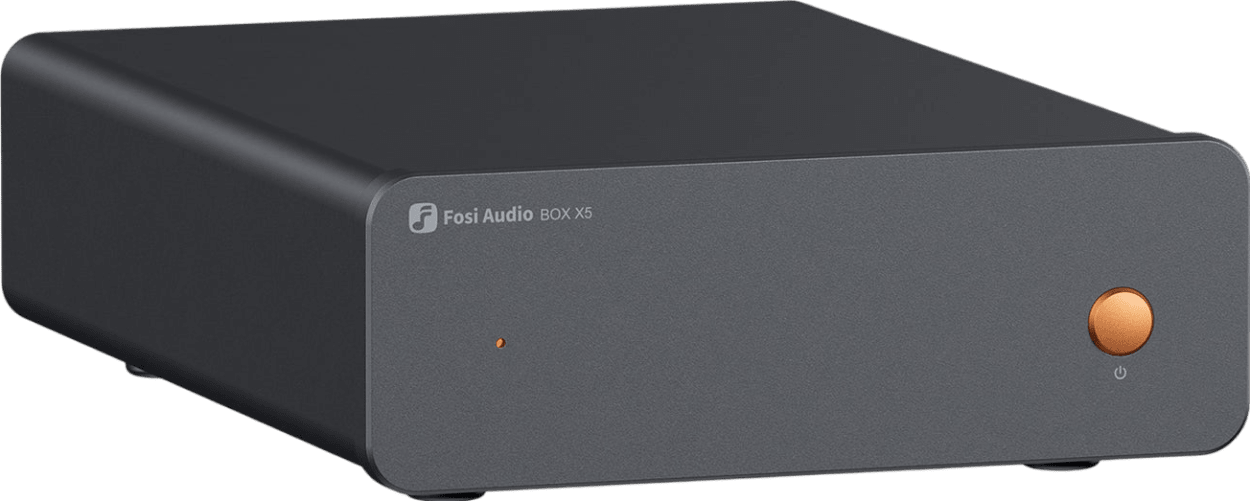
- Good sound quality, warm with lows and highs present, and a quiet noise floor
- Supports both Moving Magnet (MM) and Moving Coil (MC) cartridges
- Adjustable gain settings to match different cartridge output levels
- Metal construction for durability and shielding
- Offers DIY upgradeability with a socketed op-amp that can be swapped to change the sound signature
Product Considerations
- The ground post is positioned close to the power input, which can be inconvenient
- To power it off, one must press and hold the power button instead of pressing it quickly to turn it on, which is not intuitive
- Lacks a headphone jack
- Does not have a subsonic filter or capacitive loading switch
Comparisons (according to reviewers)
- Compared to the Schiit Audio phono preamp, the Fosi Audio Box X5 is on par or better than the Schiit Audio phono preamp generation one version
Takeaway: The Fosi Audio Box X5 is a great value phono preamp that provides good sound quality and versatile features for both MM and MC cartridges. It is a solid choice for anyone looking to upgrade from a built-in preamp or start with their first turntable.
Video review
Our take on the brand


Our Summary
Product Strengths
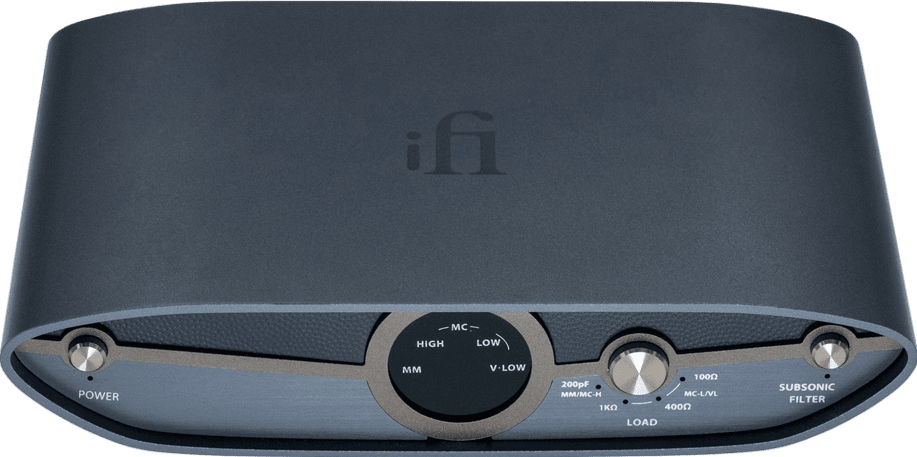
- A very low noise floor, even with high gain settings for moving coil cartridges
- Various gain settings for moving magnet and moving coil cartridges, making it versatile
- An 'intelligent' subsonic filter effectively reduces rumble without negatively impacting bass frequencies
- A balanced 4.4mm output, which is uncommon in phono stages at this price point
- Impressive sound quality for its price, including a wide soundstage and good dynamics
Product Considerations
- Large diameter RCA plugs may not fit due to the small chassis
- The number of load settings is stated inconsistently across sources, with some stating four and others stating three
- Connecting RCA and balance output together simultaneously to two different amplifiers can result in noticeable humming noise
- One reviewer mentioned a 'clinical' sound that might pair better with warmer cartridges, though this was addressed by changing the setup
Comparisons (according to reviewers)
- The ZEN Phono 3 has a wider soundstage and better dynamics than the iFi Zenfone Stage
- The ZEN Phono 3 has deeper bass than the Accuphase AD-60, but slightly less clarity and definition in the bass region
- The ZEN Phono 3 delivers a larger, beefier—and more rhythmic sound than the built-in phono stage in the U-Turn Orbit Special
- The ZEN Phono 3 produces significantly less noise than the Musical Fidelity M5SI phono stage
Takeaway: The ZEN Phono 3 is a valuable phono stage that provides a clean and dynamic sound, along with features typically found in more expensive units. It is especially useful for those looking to upgrade from a basic phono stage or for vinyl enthusiasts who want to explore different cartridge types.
Video review
Our take on the brand

Our Summary
Product Strengths
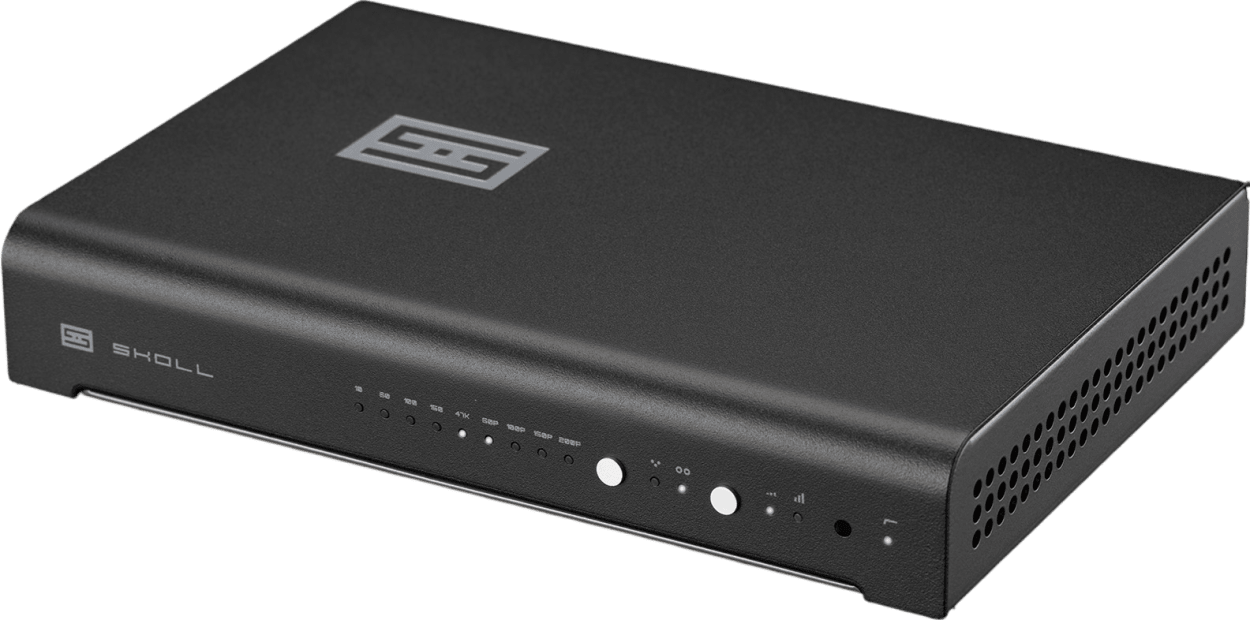
- Offers a full feature set including balanced XLR inputs and outputs, typically found in more expensive units
- Provides remote control functionality for adjusting gain, loading, and filters from the listening position
- Delivers detailed, clean, and modern sound reproduction, with good transient clarity and precision, and quiet backgrounds
- Offers versatile settings for both Moving Magnet (MM) and Moving Coil (MC) cartridges
- Improves system sound, adding clarity and a warmer feel compared to budget options
Product Considerations
- Some users experienced a static or buzzing noise in the left channel, with inconsistent severity
- The initial balanced input tests revealed D.C. issues, causing speaker drivers to alarmingly suck in and out
- The unit's physical aesthetics are not particularly eye-popping or luxurious
- The tiny silkscreened letters and icons associated with the front panel LEDs might be difficult to read
- May not be ideal for systems already on the lean side, as it might not add warmth
Comparisons (according to reviewers)
- Vs Schiit Manny, the Skoll is much quieter
- Vs Michael Yee PFE1, the Skoll has less hum and more hiss
- Vs Fosi Audio Box X4, the Skoll has better clarity
Takeaway: The Schiit Skoll is a versatile and feature-rich phono preamp that delivers impressive sound quality and customization options. It can be a great upgrade to get more enjoyment out of vinyl records.
Video review
Our take on the brand

Our Summary
Product Strengths
- True balanced connections reduce noise and increase detail, dynamics, and musicality
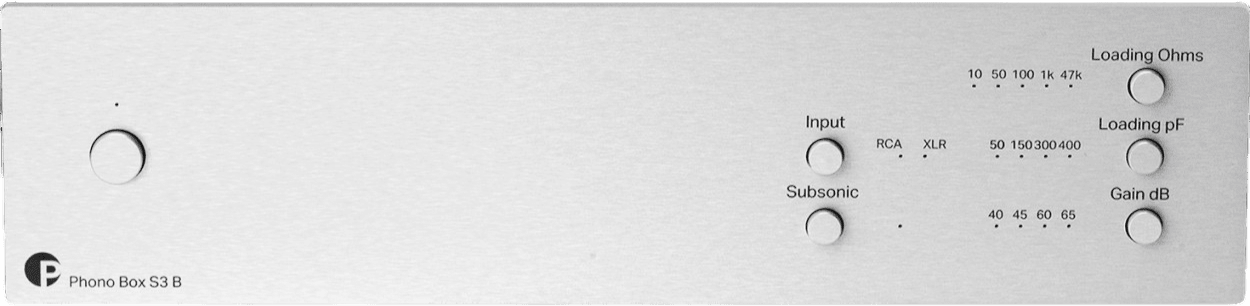
- Settings are easily adjustable on the front panel, including impedance, capacitance, and gain
- Well-made metal chassis is compatible with both MM and MC cartridges
- Discrete circuits are used in its gain stages, which Pro-Ject believes delivers the best sound
- Offers both single-ended (RCA) and balanced (XLR) inputs and outputs
Product Considerations
- Balanced cables are required for optimal performance if using balanced connections
- Relay switching causes a time lag when switching impedance, capacitance, or gain
Comparisons (according to reviewers)
- The Lehmannaudio Black Cube had more power in the low end, while the Pro-Ject tended toward a drier character
Takeaway: The Phono Box S3 B is a well-designed phono stage offering balanced connections, making it a great choice for those wanting to upgrade their vinyl listening experience. The adjustable settings and solid build quality make it a versatile and worthwhile addition to any system.
Video review
Our take on the brand


Our Summary
Product Strengths
- Cohesive, lively, and musical performance
- Expressive dynamics and good insight
- Strong rhythmic drive
- Quality of build and finish is perfectly fine for the money
- Adds some warmth to the sound, along with vitality—with the right cartridge
Product Considerations
- Only cosmetic changes over the previous generation
- Only compatible with moving magnet cartridges
- Treble could be a bit sweeter
- The review mentioned a feel of a cheap Chinese amp, and the power button feeling cheap
- Matching well with the right cartridge is critical to get the best sound
Takeaway: The Rega Fono MM Mk5 offers a strong and engaging performance for the price, making music sound lively and fun. It's a great choice if one wants to enhance their vinyl listening experience with a moving magnet cartridge.
Video review
Our take on the brand
Questions? Ask the brand's dealers.




How to buy
Preamplifiers
Search all hifi products
Explore our database of 10,000+ new and 25,000+ used hifi products.