





Note that this is a discontinued product. You may want to visit the brand's page here to browse their newer products.
What reviewers think
Bloggers and YouTubers have tried this product—so we've summarized their strongest opinions below. Links to full reviews follow.
All
300p
reviews


Manufacturer details
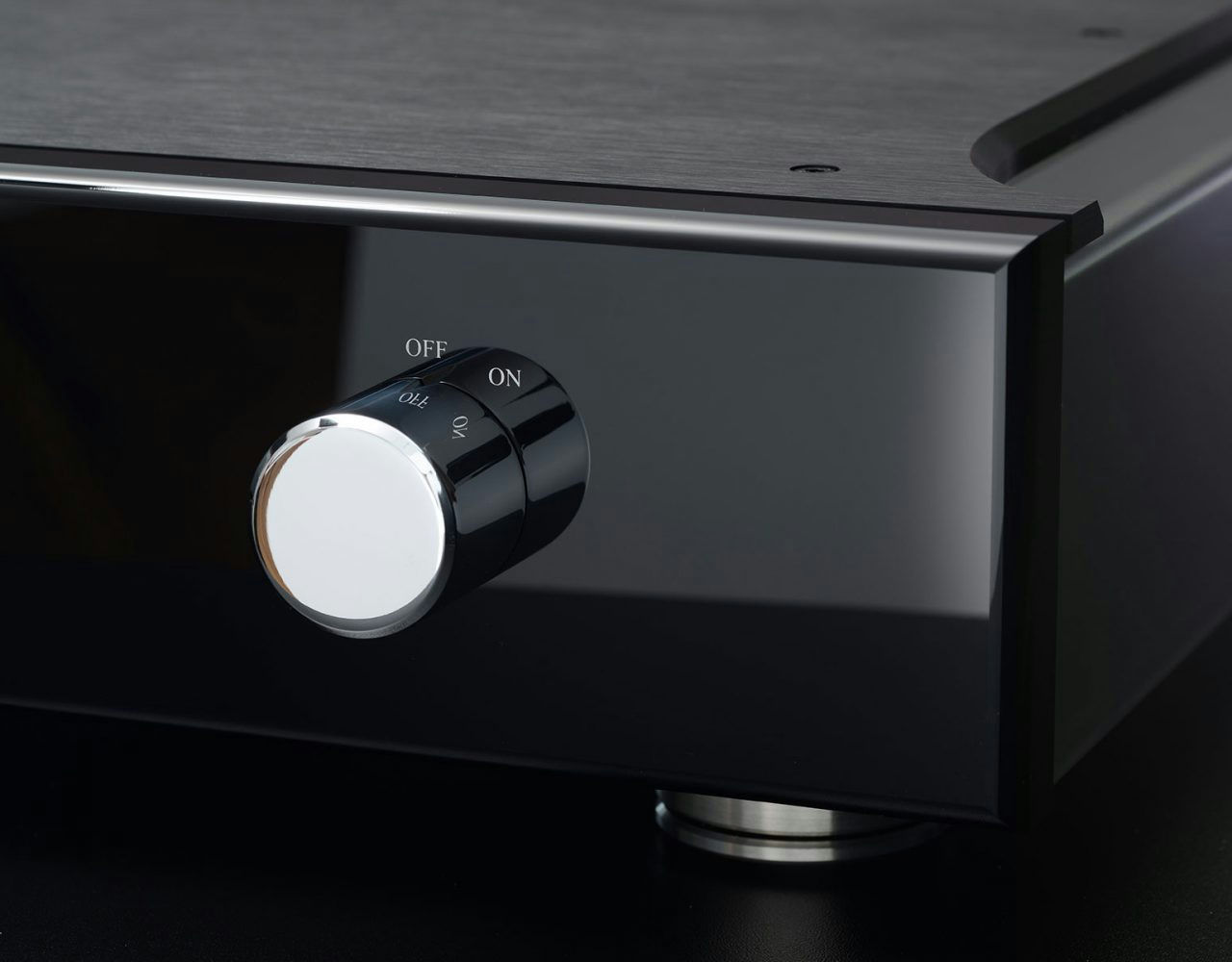
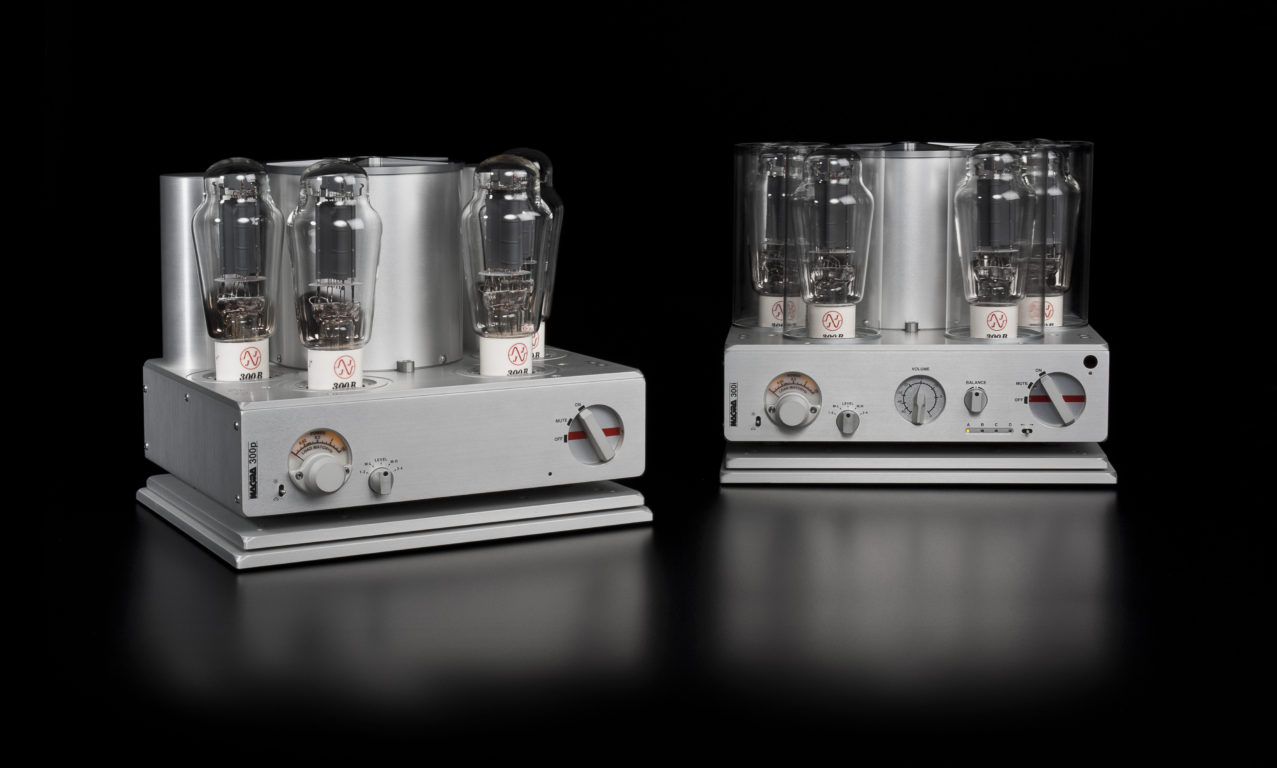
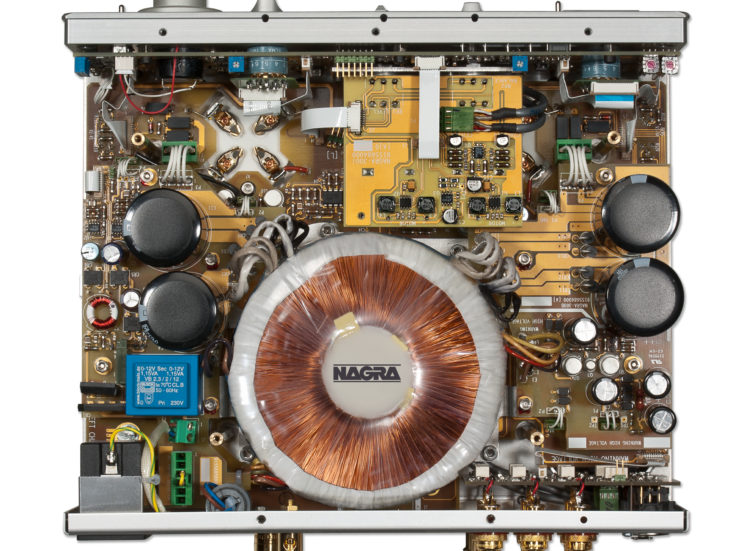
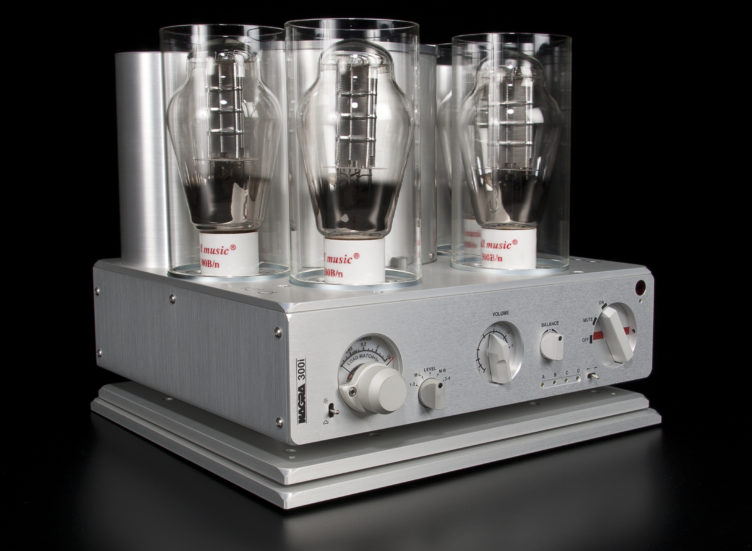
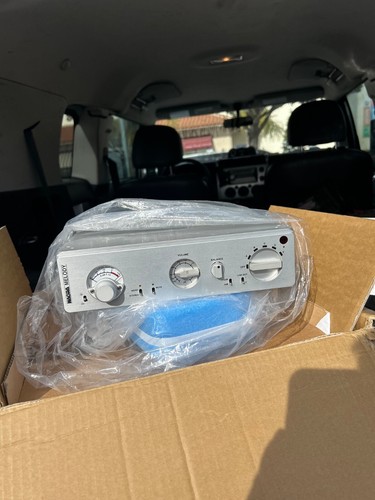
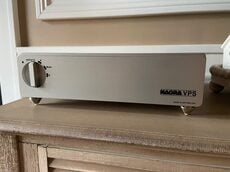
- Power: 2 x 20 watts RMS stereo into 4, 8 and 16 Ω
- Bandwidth: 14 Hz at 56 kHz, +0/-3 dB
- Signal-to-noise ratio: Typically 105 dB (ASA-A weighted)
- THD: 0.8% @ 20 W
- Input impedance: >48 kΩ
- Consumption: 120 W continuous, <1 W stand-by
- Mains power: 115, 230 V ± 10%, 50-60 Hz
- Dimensions: 277 x 275 x 232 mm (10.9 x 10.8 x 9.1 inches)
- Weight: 14 kg (31 lbs)


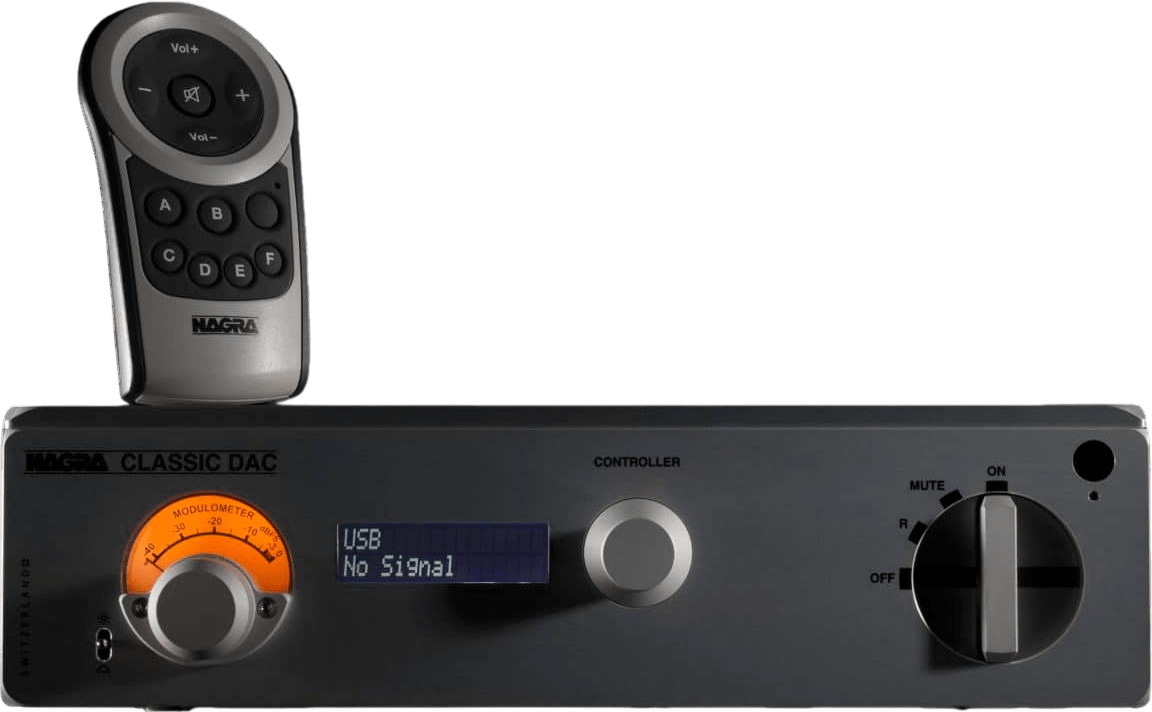
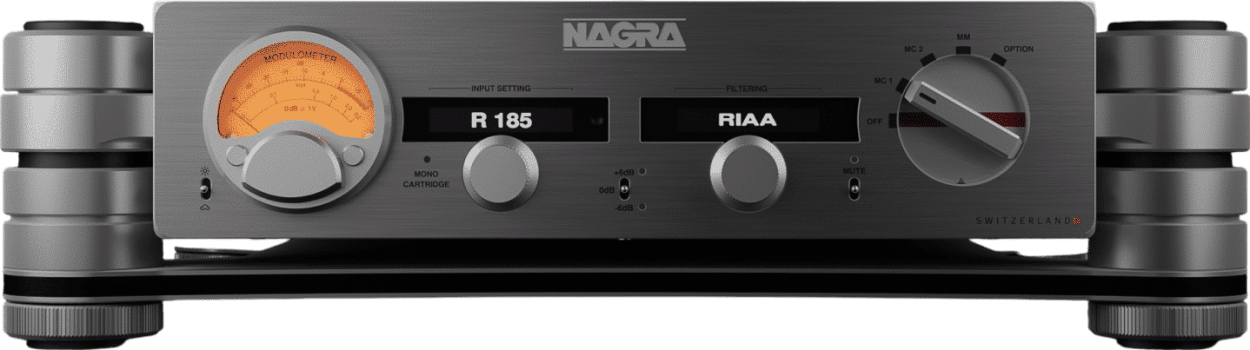
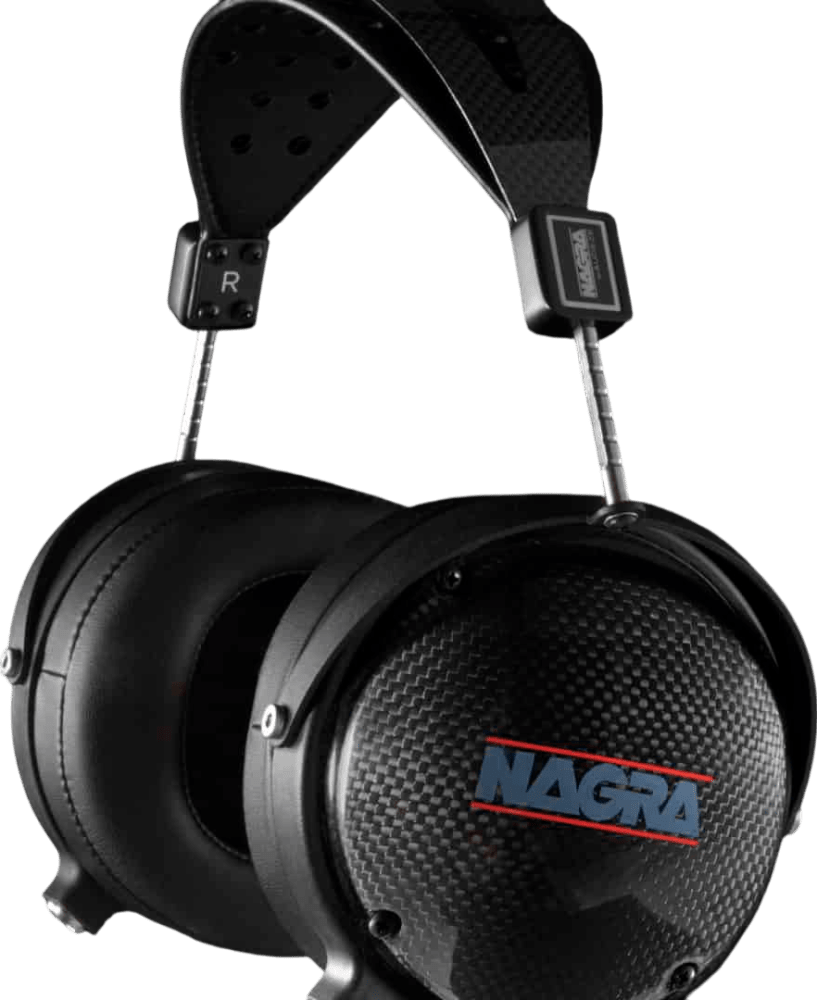
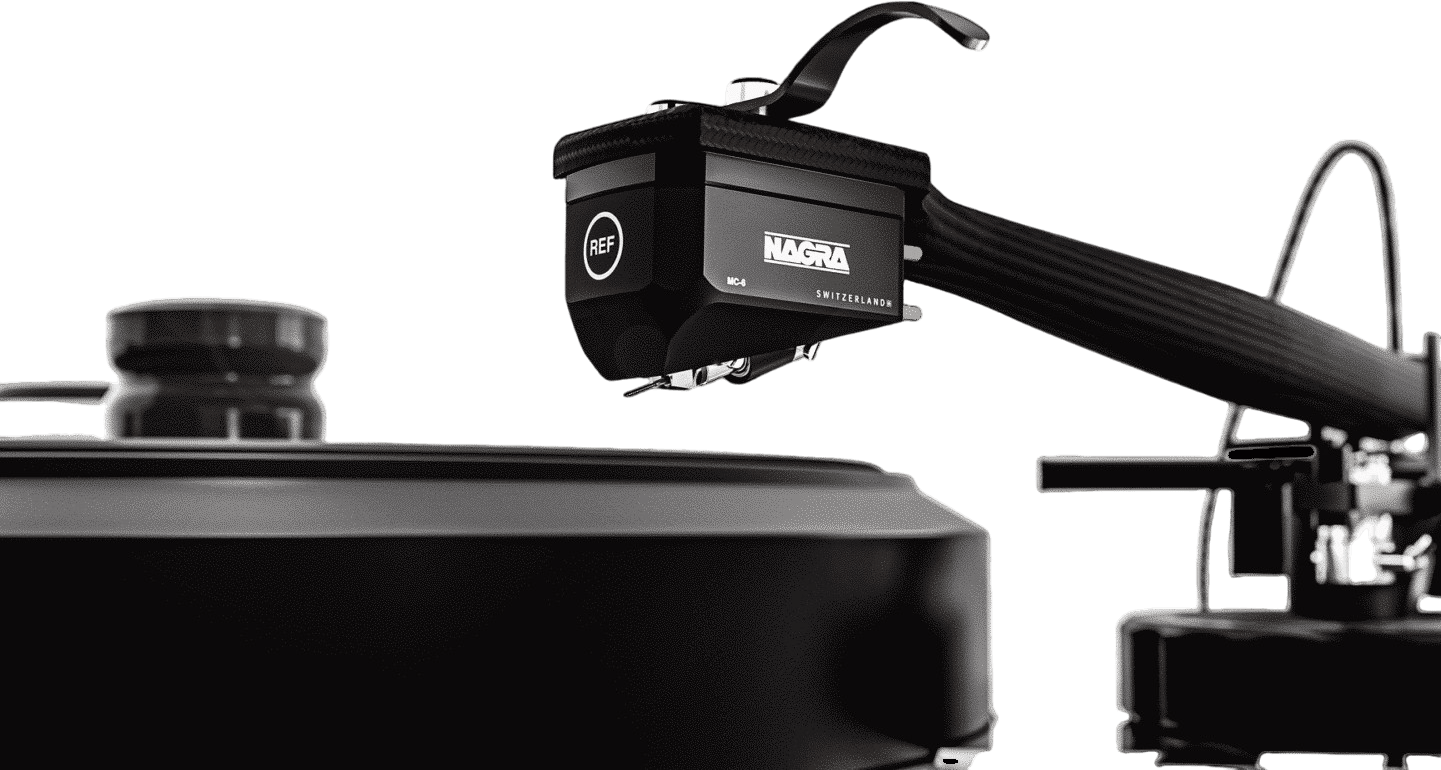




Brand highlights
Taking a step back to look at reviewers' thoughts of the brand's entire lineup—not just this product—what stands out most is the following:
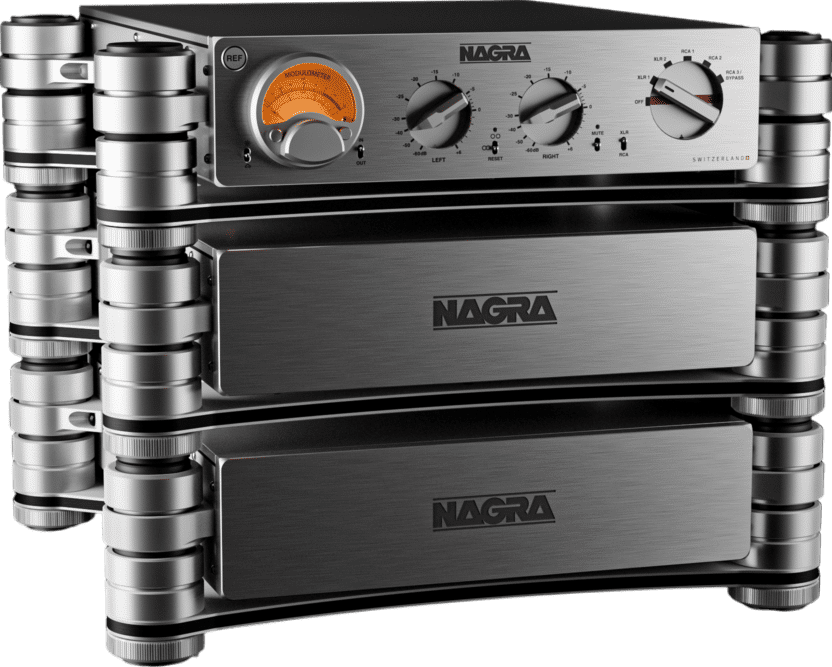
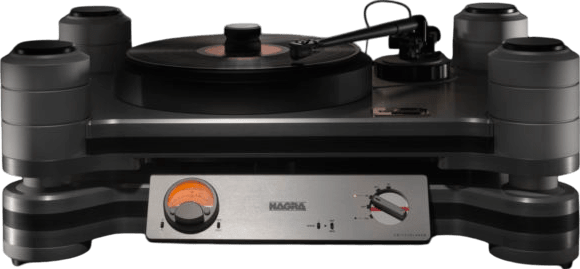
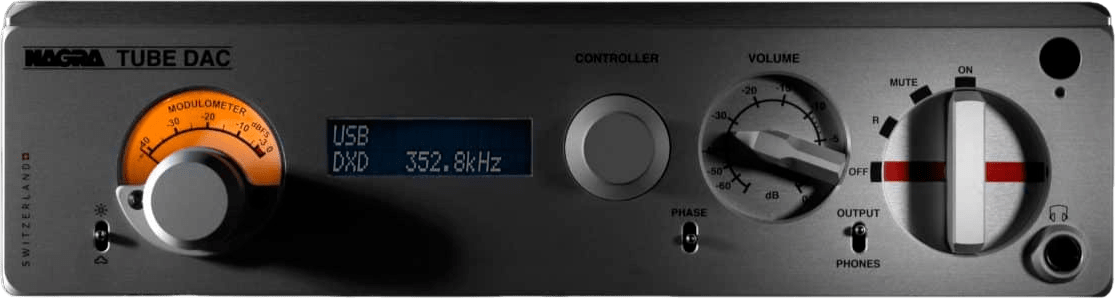
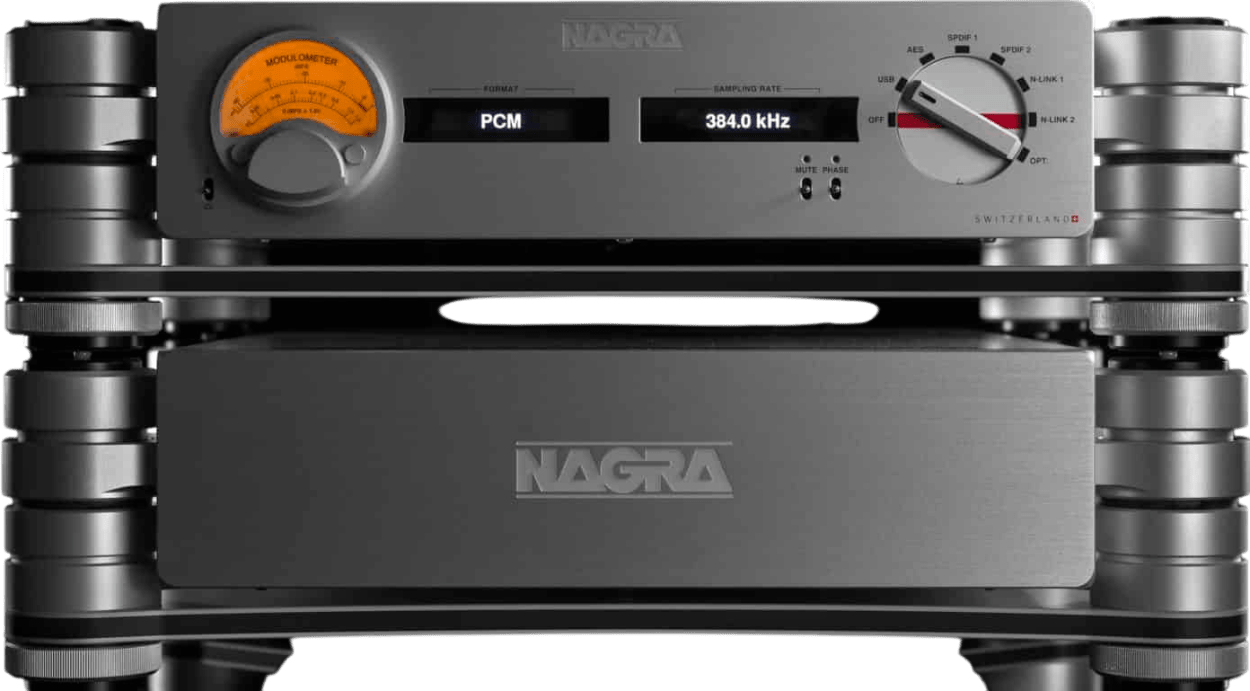
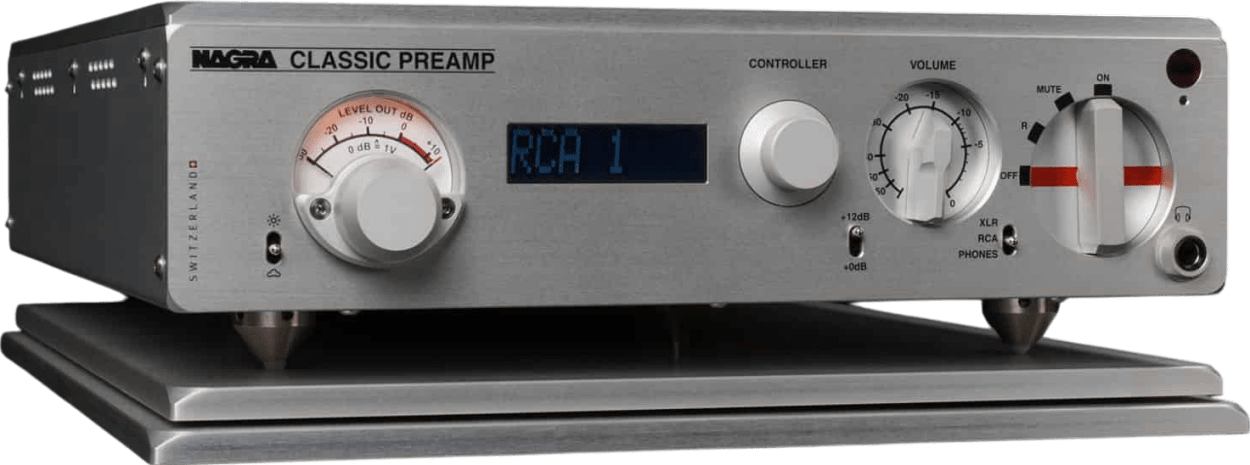
- Nagra products draw heavily from their professional audio recording heritage, evident in their rugged build quality, compact form factor, and the inclusion of the iconic Modulometer.
- The company meticulously handcrafts its own components, including transformers and custom capacitors, often exceeding industry standards by rejecting a significant portion of sourced parts to maintain exceptional quality control.
- Nagra integrates sophisticated solid-state electronics with vacuum tubes, achieving a balance of modern performance with the desirable sonic characteristics of tubes, often described as a musical and emotionally engaging experience.
- They offer a modular system approach, where external power supplies and vibration-free systems can significantly enhance the performance of their components, allowing for a scalable upgrade path.
Select products
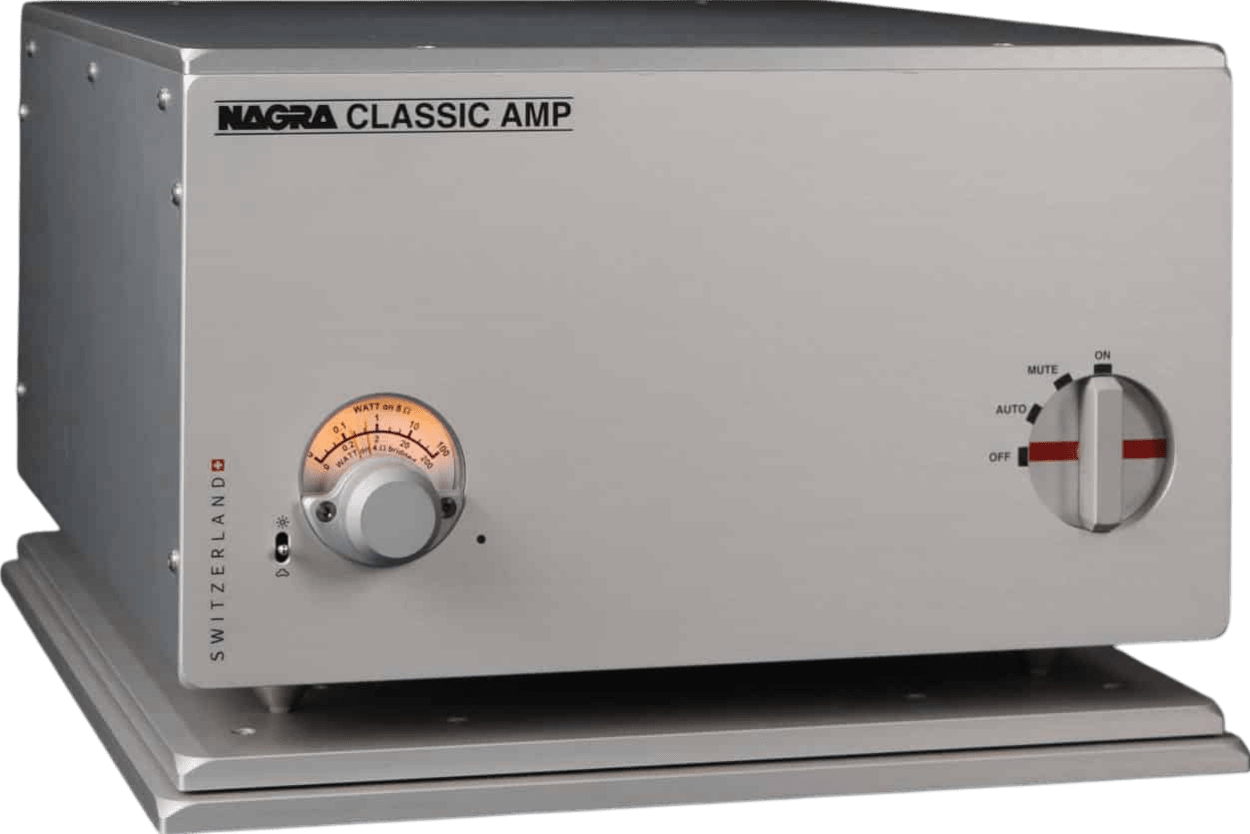
Nagra Classic Amp
- Positioning: The entry-level high-end amplifier in Nagra's lineup, suitable for high-quality installations.
- Description: Features pure class A operation over a large power band. Uses tandem MOSFET transistors, which are simpler than the more complex designs in the Reference and HD lines. Its power supply concept with an overdimensioned transformer ensures stability, but it lacks the advanced mechanical damping and larger power supplies found in the more expensive models. Making it ideal for smaller rooms or those with a moderate budget.
Nagra HD Amp
- Positioning: A high-end model designed for ultimate performance in large rooms with demanding speakers.
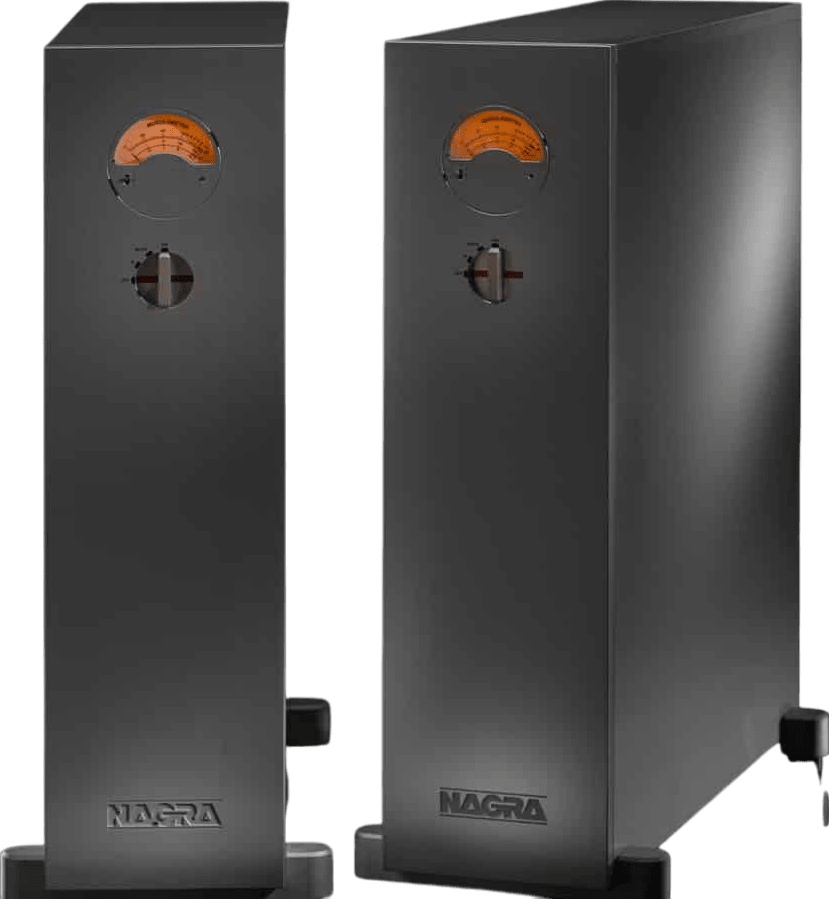
- Description: Features a 1600 VA transformer and a dual Pi filter for stable power delivery. Offers more power and a larger chassis compared to the Classic Amp, making it suitable for larger spaces and those seeking a more powerful soundstage. However, it does not have the latest mechanical and electronic improvements of the Reference Amp.
Nagra Reference Amp
- Positioning: The flagship model, representing the pinnacle of Nagra's amplifier technology.
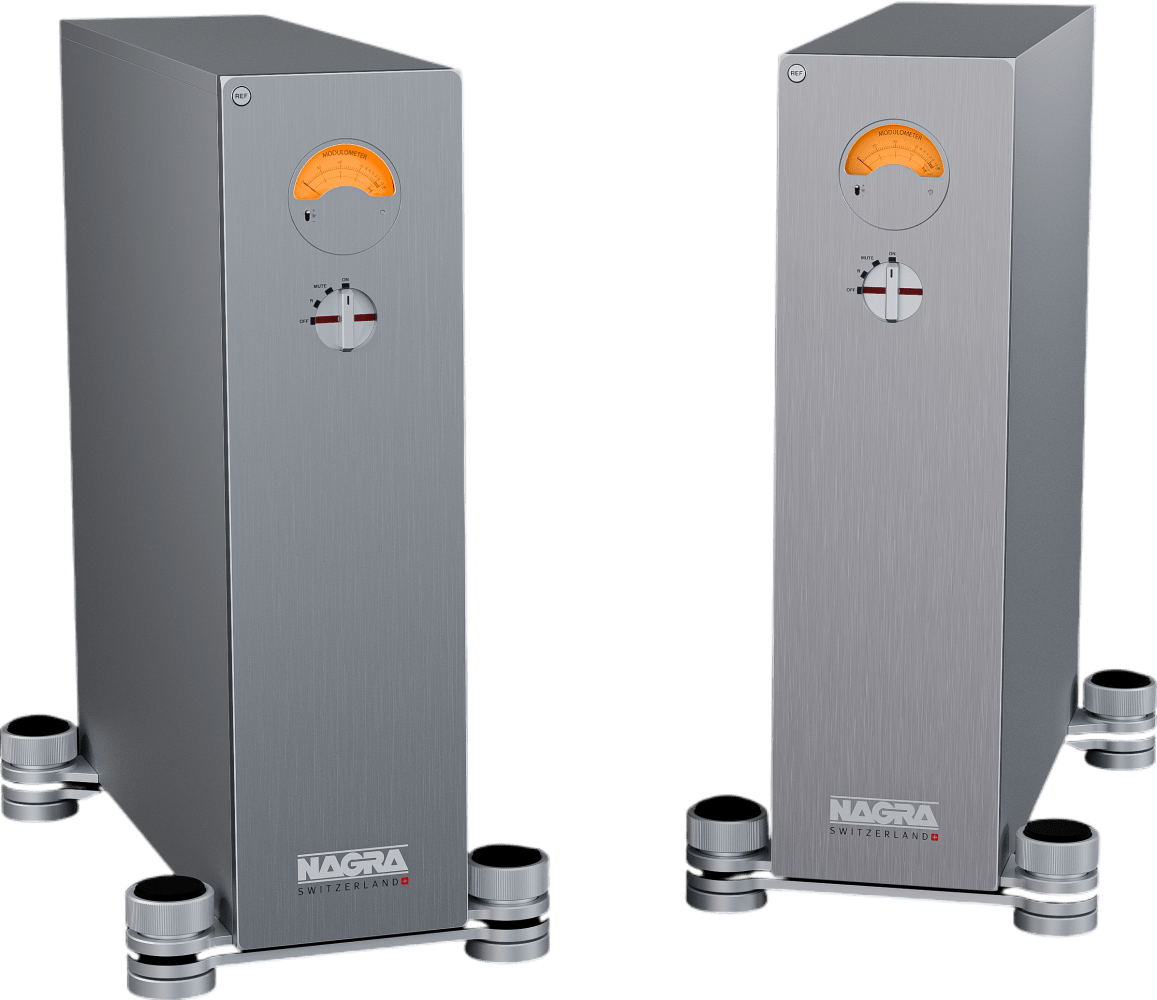
- Description: Distinguished by its new power supply, 25% larger than the HD Amp, and features like adjustable resonance decoupling feet and new input circuits. Offers the most refined sound with increased class A operation and advanced mechanical damping. Compared to the HD Amp, it provides even greater sonic detail and flexibility in matching with various speakers and room acoustics.

Our take on the brand
Look inside the brand
Our interview with the brand
What are two key technological innovations or strong opinions that differ you from other brands?
What's your approach to customer support?
What are your favorite tracks for showcasing the strength of your products?
What other products pair best with yours?

Used
NAGRA







What if you spend more?



.svg)
Our summary
Product Strengths
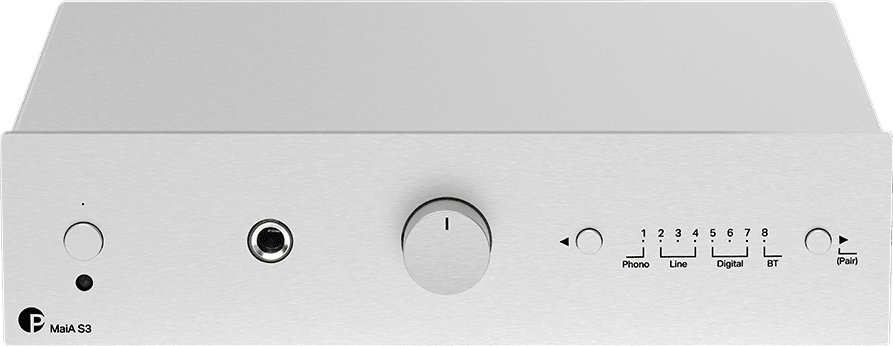
- Noted for its impossibly small and ultra-compact size, making it suitable for compact living spaces
- Offers a feature-rich design with an integrated phono stage, aptX HD Bluetooth connectivity, and additional RCA and TOSLINK digital inputs
- The unit runs cool due to its Class D amplifier design, making it energy-efficient
- Connectivity is praised, particularly the aptX HD Bluetooth, which delivers superior streaming quality
- Delivers a lively and engaging sound with excellent detail across phono and digital connections
Product Considerations
- The limited power output (23W at 8 ohms, 40W at 4 ohms) may be better suited to smaller listening spaces and efficient loudspeakers
- Some reviewers found the bass to be slightly lean, lacking heft or roundness
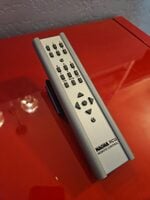
- The included remote control's button configuration for volume and input selection is unconventional
- The phono stage may benefit from an upgrade with an external phono amplifier for improved performance
- One reviewer found the line out voltage for the subwoofer is not strong enough to drive a powered sub
Comparisons (according to reviewers)
- Compared to the Pro-Ject Stereobox DS2, the MaiA S3 is more affordable and has digital inputs and superior Bluetooth connectivity
- Compared to the Rega Io, the MaiA S3 has strength in depth—specifically referring to the detail across the line, phono and digital connections
- The MaiA S3 is described as more resolving and ultra clean compared to the Rotel amplifier, with the Rotel offering a slightly more colored and warm sound
- Compared to the Technics amplifier, moving to the MaiA S3 results in a faster transit response, especially noticeable in classical music, while the Technics sounds slow in comparison
Takeaway: The Pro-Ject MaiA S3 is a compact and versatile integrated amplifier that delivers impressive sound quality and a range of connectivity options, making it an excellent choice for audiophiles with limited space. It is especially appealing to vinyl enthusiasts looking for a convenient and high-performing solution.
Video review
Our take on the brand
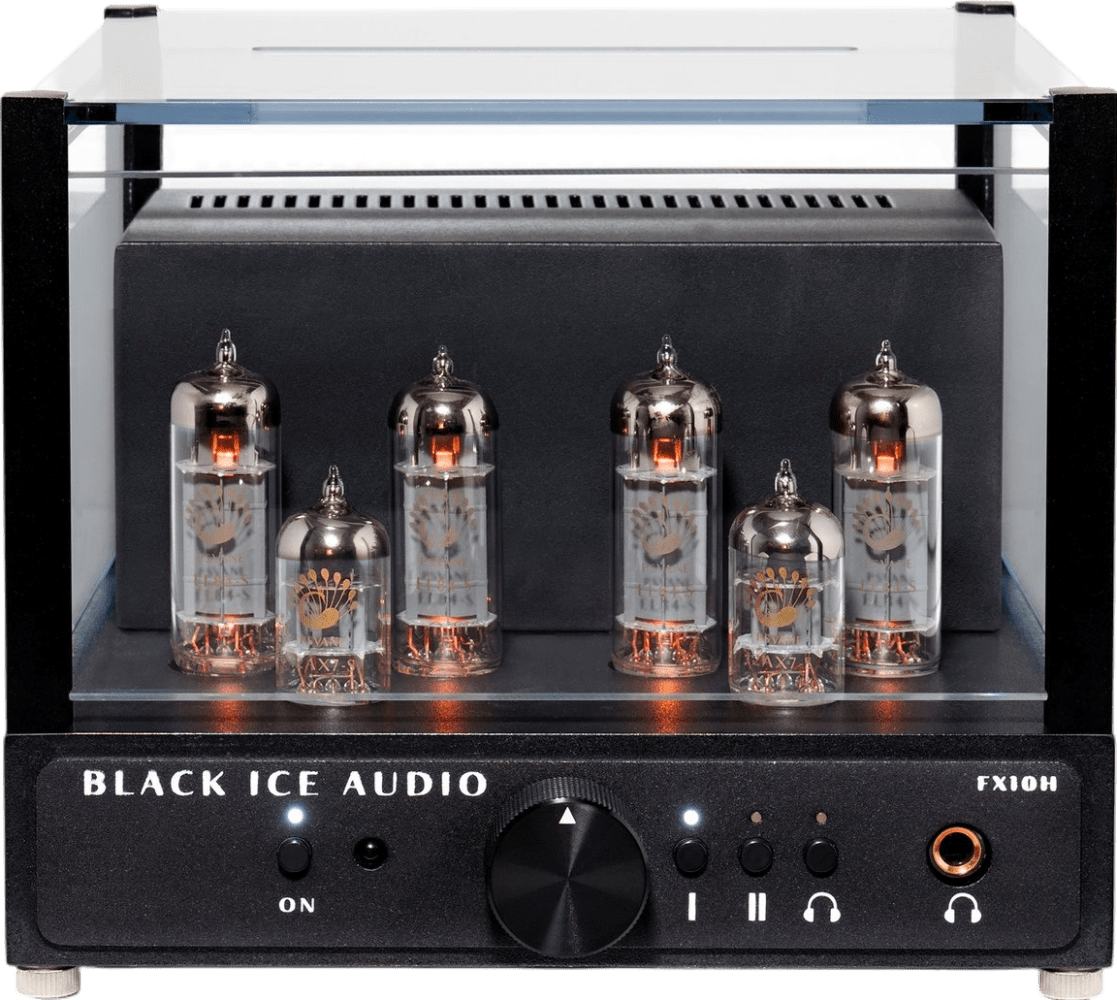

The FX10H is an evolution of our amazing FX10. They both share the same sonic signature and are twins, but the FX10H incorporates the most requested features and revisions to reduce noise. The FX10H has a blacker background that gives it a more detailed holographic sound than its predecessor. New features include a 1/4in headphone out, RCA sub out, an all-new remote, and many more improvements.
Product Strengths
- Offers a 'seductive, silky mid-range' where voices live
- The top end is extended but smooth, making it not a bright amp that would fatigue the ears
- The headphone amp is 'quite good' and comparable to higher-dollar headphone amps
- It has a dedicated subwoofer output on the back, making it easy to hook up a subwoofer
- Upgraded from the standard FX-10, it's been improved with better ventilation and tweaked circuit to create less heat, and it also comes with upgraded stock tubes
Product Considerations
- The FX-10H runs pretty warm, although improved ventilation helps
- It is 12 watts per channel
Takeaway: The FX-10H is a well-made, easy-to-use tube amplifier that delivers a beautiful, rich, and musical sound. It is a great choice for anyone wanting to experience the warmth and depth of tube amplification.
Video review
Our take on the brand
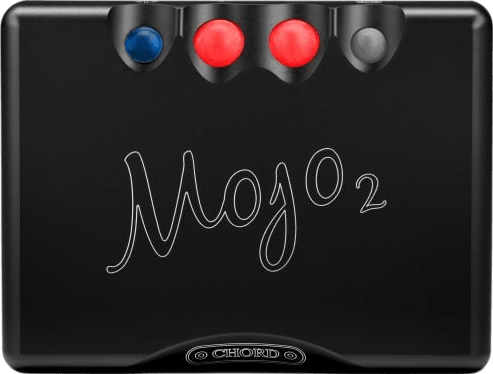
Product Strengths
- Improved battery management offering faster charging rates and better efficiency than its predecessor
- Features a new USB-C data input for greater flexibility alongside other inputs
- Offers the world's first lossless DSP for tone adjustments without degrading sound quality, providing customization options
- Excellent resolution and dynamics with a large soundstage and extreme detail
Product Considerations
- The Mojo 2 can get warm when in a pocket for a period of time
- Complicated menu navigation with color-coded buttons that may require the manual
- Still uses Micro-USB for charging, which some find outdated
Takeaway: The Chord Mojo 2 is an exceptional DAC/headphone amplifier for those seeking high-resolution audio and customized sound in a portable format that is easy to move. Its sonic accuracy, detailed soundstage, and improved features provide a versatile and enjoyable listening experience, making it a worthwhile consideration for audio enthusiasts.
Video review
Our take on the brand
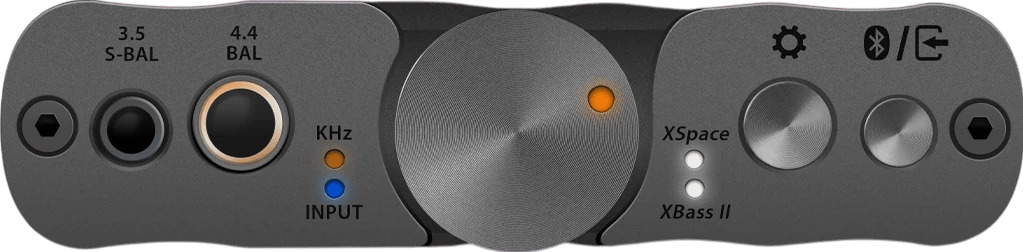

Product Strengths
- Versatile connectivity with both wireless (Bluetooth 5.1 with various codecs) and wired options (USB, S/PDIF, analog inputs) makes it suitable for various setups—from desktop to portable usage
- Eloquent, informative, and entertaining sound quality, able to produce clear, non-artificial sound across different headphones
- Features such as XBass II and XSpace provide additional sound shaping options for the user to customize the sound to their liking
- The aluminum build provides a robust and premium feel, with a design that's described as sleek and comfortable to handle
Product Considerations
- The user interface is not very intuitive
- Decent headphones are needed to reveal its quality
- The OLED screen can be difficult to read
- Battery life is around six to eight hours
Comparisons (according to reviewers)
- Compared to the hip-dac2, the Gryphon offers better sound quality, more features, and flexibility
- Compared to the iFi GO bar, the Gryphon is bigger and has a built-in battery, and the GO bar is much smaller and draws power from the source device
- Compared to the iDSD Diablo, the Diablo has more power for very demanding headphones, Gryphon has more functions
- Compared to the Zen DAC, the xDSD Gryphon has a more sophisticated and detailed sound
Takeaway: The iFi xDSD Gryphon is a portable and versatile device delivering high-quality sound with extensive features that cater to audiophiles. Its ability to improve sound quality from various sources and its robust build make it a worthwhile investment for music lovers on the go.
Video review
Our take on the brand
What competes at this price?
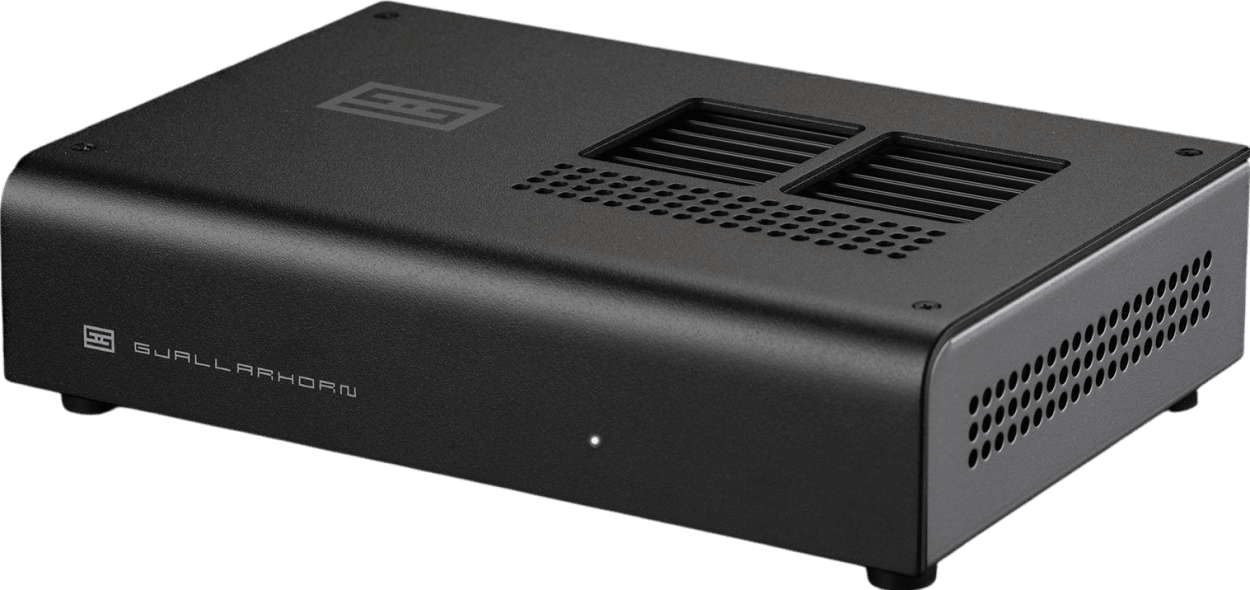

Our Summary
Product Strengths
- Impressive clarity, especially in the midrange, enhances detail in the music
- Bass performance is focused and precise, adding detail and punch to the lower frequencies
- A wide and expansive soundstage creates a sense of space and separation between instruments
- The amp is small and light, but is a fully linear class AB amplifier with a transformer inside
- It offers neutral presentation
- Requires a preamplifier with volume control, as it is a power amplifier without a volume knob itself
- Banana plugs are required for speaker connections, spades are not compatible
- In monoblock configuration, a preamplifier with balanced outputs is required
Product Considerations
- Requires a preamplifier with volume control, as it is a power amplifier without a volume knob itself
- Banana plugs are required for speaker connections, spades are not compatible
- In monoblock configuration, a preamplifier with balanced outputs is required
- 10 watts might not be enough for all listening setups and all environments
- It is important to pair this amp with speakers with high efficiency rating
Comparisons (according to reviewers)
- Versus the Cambridge Audio 651A—the Gjallarhorn had a wider and cleaner soundstage, provided a bigger bass performance, and separated the instruments in a more efficient manner, thus enhancing the clarity
- Versus the Rega Brio-R—the Gjallarhorn had a wider and cleaner soundstage, provided a bigger bass performance, and separated the instruments in a more efficient manner, thus enhancing the clarity
- Versus the Fosi Audio BT20A Pro—the Gjallarhorn had a bit more space and instrument separation
- Versus the Schiit Vidar—the Vidar has a lot more power, which is not the Gjallarhorn's intent
- Versus the Schiit Rekkr—the Gjallarhorn outperforms the Rekkr (2 watts), and is designed for more powerful home set ups rather than desktops
Takeaway: The Gjallarhorn is a versatile amplifier that excels in near-field setups and can be transformed into a powerful monoblock system, delivering clarity and balanced sound. It is a great choice for those seeking a compact yet capable amplifier for smaller spaces or desktop use, especially when paired with efficient speakers.
Video review
Our take on the brand

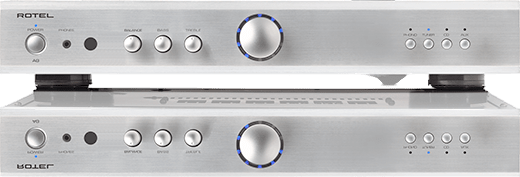

Our Summary
Product Strengths
- Offers a full and robust sound
- Simple, stripped-down integrated amplifier that's easy to set up and use, with the essentials covered
- Solidly made, with good build quality and well-engineered controls
- The phono stage is surprisingly good, especially if paired with a modest turntable
- Features tone controls (bass and treble) adjustable by ±6 decibels, are a notable and highly recommended feature
Product Considerations
- Lacks digital inputs and Bluetooth connectivity which are common at its price point
- Has no outputs on the unit whatsoever, which makes integrating a subwoofer rather difficult
- The remote is a large plastic letdown
- At higher volumes, depending on the speakers used, the sound can become a bit aggressive
- The power output is modest
Comparisons (according to reviewers)
- Vs Marantz PM6007: Delivers a more authentic performance thanks to its pleasing resolution and greater insight into the subtleties
Takeaway: The Rotel A8 is a great starter amplifier that's easy to incorporate into any system and has surprisingly audiophile performance for the price. Its simplicity and sound quality make it ideal for those who appreciate straightforward design and solid performance.
Video review
Our take on the brand
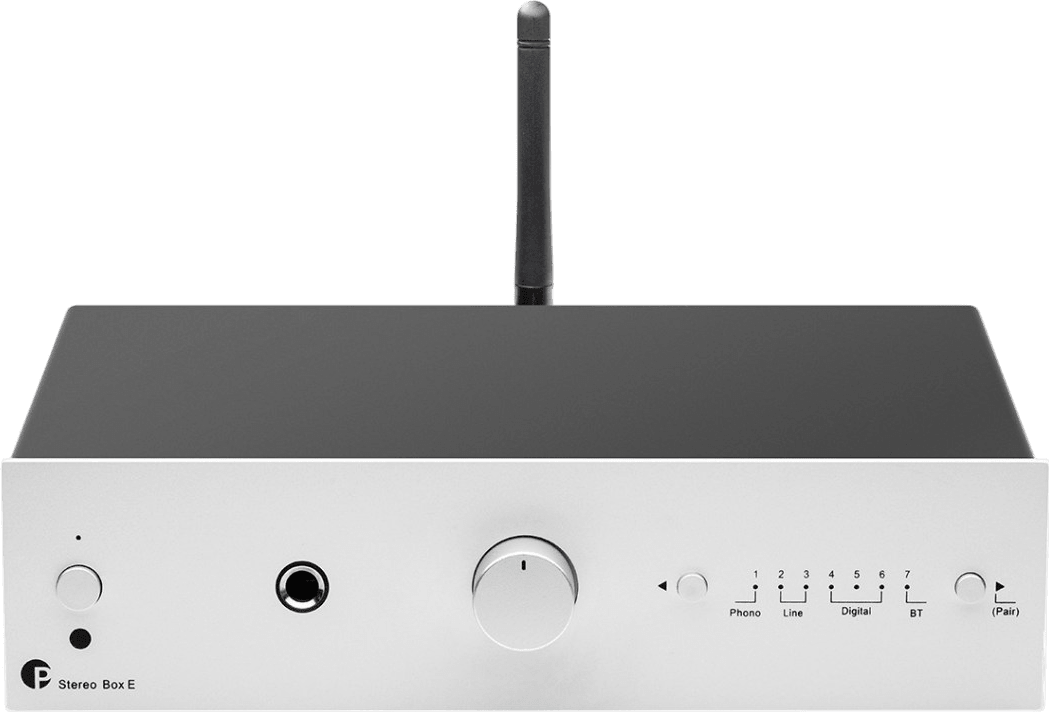

Our Summary
Product Strengths
- Tonally sweet and detailed
- Able to engage with faster material
- Impressive phono stage with low noise and plenty of gain
- Extra functionality that works a charm
- 21-watt output is sufficient for any listening level
- Connectivity options
Product Considerations
- Dinky volume control is a little sensitive to over adjustment
- Input indicator is invisible at any distance
- Block type PSUs mean that they aren't quite as compact as expected
Comparisons (according to reviewers)
- The Node Nano is fractionally better doing its own decoding than the Stereo Box E, when the Node Nano is connected via the analogue out against the coax
Takeaway: The Stereo Box E is a sweet and detailed amplifier with impressive phono stage and sufficient output, which makes it a genuinely good piece of affordable two channel hifi. It provides new arrivals the starting point they need to build systems of their own
Video review
Our take on the brand
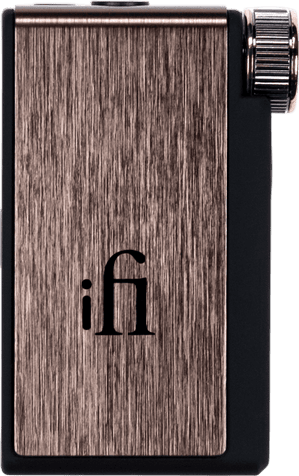

Our Summary
Product Strengths
- Detailed and expansive presentation, offering a sonic upgrade to phones, especially when portability is a priority
- Versatile, with both wired and wireless connectivity options, including balanced and unbalanced headphone outputs
- Impressively small size and lightweight design, making it pocket-friendly and convenient for on-the-go use
- Sound quality is generally linear, with fast and accurate bass, flat and clean mids, and a detailed treble that is not harsh
- XBass and XSpace features offer customized listening experiences
- Build quality and aesthetics are generally well-received, with its design standing out from other devices
- ChronoDial volume knob is particularly praised for its tactile feel and functionality
Product Considerations
- Black rubberized plastic casing can feel a bit flimsy to some users
- Some reviewers noted hiss with sensitive IEMs, especially on the balanced output
- Battery life estimation can be unreliable
- No dedicated app for the device, limiting EQ and DSP options
- Lacks a clip, making it less convenient for truly portable use
Comparisons (according to reviewers)
- Compared to the Audiolab M-DAC Nano, the Go Blu offers a wider soundstage, better separation, and dynamic sensitivity, though the M-DAC Nano is fractionally punchier in the bass
- Compared to the AudioQuest DragonFly Cobalt, the Go Blu is a wireless proposition, unlike the DragonFly Cobalt, which is a USB plug-in DAC
- Compared to the FiiO Q3, the iFi GO blu highs are a bit too brilliant, but everything else sounded quite impressive
- Compared to the NuPrime Hi-mDAC, the iFi GO Blu mids sound a lot like it, even if voices are slightly less natural
- Compared to the Hidizs S9 Pro and Aune BU2, the GO Blu provides a relaxed sound and has better build and functionality compared to the Hidizs S9 Pro, but is better when using bluetooth compared to Aune BU2, however when competing on wired terms, the Aune is clearer
Takeaway: The iFi GO blu is a tiny but mighty device that delivers impressive sound and versatility—improving the wireless music experience. It is easy to use and has some cool features, making it a good pick for anyone looking for a portable upgrade for their headphones.
Video review
Our take on the brand
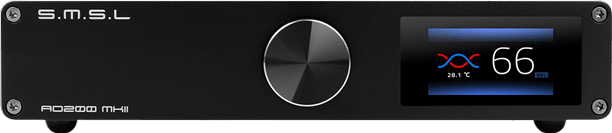

Our Summary
Product Strengths
- Delivers a neutral and transparent sound signature, providing an accurate representation of the source material
- Offers plenty of power for its size, capable of driving even demanding bookshelf speakers without losing composure
- Features built-in EQ presets and bass/treble tone controls for customizing the sound
- Built with high-quality materials, featuring an aluminum alloy chassis that is both durable and lightweight
- Has versatile connectivity options, including balanced XLR inputs, RCA inputs, USB input, and Bluetooth
Product Considerations
- Internal DAC and Bluetooth performance are underwhelming compared to the amplifier section
- The stock SBC Bluetooth codec limits wireless audio streaming quality
- EQ settings can be confusing and require some experimentation to dial in a balanced sound
- The volume knob might be slightly wobbly
- The power cord could be too short for some setups and might need to be replaced
Comparisons (according to reviewers)
- The MKII offers nearly double the power output and sounds more dynamic than the SMSL AO200 (original)
- Compared to the Yamaha A-670, the AO200 MKII offers more detail and soundstage, though the Yamaha is warmer and more forgiving
- The AO200 MKII has higher driving power, a more dynamic sound, and lower distortion than the Arylic A50+
- The AO200 MKII offers a more palpable and lifelike sound than the Topping PA5
- The AO200 MKII has better driving power at times, better EQ with no degradation, and is a better value than the Burson Funk
Takeaway: The SMSL AO200 MKII is a compact and powerful stereo amplifier with a neutral sound, making it a solid option for those who want clean sound, plenty of connectivity options, and customization features. It is a good value that can improve the sound of many speaker setups.
Video review
Our take on the brand
How to buy
Amplifiers
Search all hifi products
Explore our database of 10,000+ new and 25,000+ used hifi products.