




Note that this is a discontinued product. You may want to visit the brand's page here to browse their newer products.
What reviewers think
Bloggers and YouTubers have tried this product—so we've summarized their strongest opinions below. Links to full reviews follow.
Product Strengths
- Kadence aims to achieve a reference sound with the best possible details and balance.
- Technically very strong, with a neutral and uncolored sound.
- Excellent micro-detail.
- The mids have great transparency, resolution, and realistic timbre.
- The treble is transparent, detailed, and high-resolution, without being aggressive, thick, or thin.
Product Considerations
- Kadence is not a monitor to impress on first listen.
- The larger body for its housing may result in a fit that seems a bit stretched out and may not be the most comfortable IEM in its price range.
- It can slide down ears if proper eartips are not used.
- Listening to poor quality records can be underwhelming.
Comparisons (according to reviewers)
- Vs Sennheiser IE 900: Kadence's soundstage may initially seem underwhelming compared to the IE 900, but it provides transparency and clear stereo positioning.
Takeaway: The Kadence is a neutral IEM that offers accurate sound, high comfort, and durability, making it great for long listening sessions. It presents a spacious soundstage and a great deal of detail in the treble, midrange, and bass.
All
Kadence
reviews


Manufacturer details
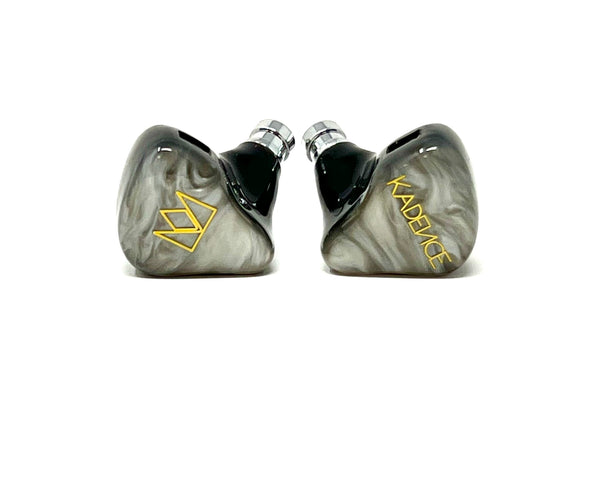
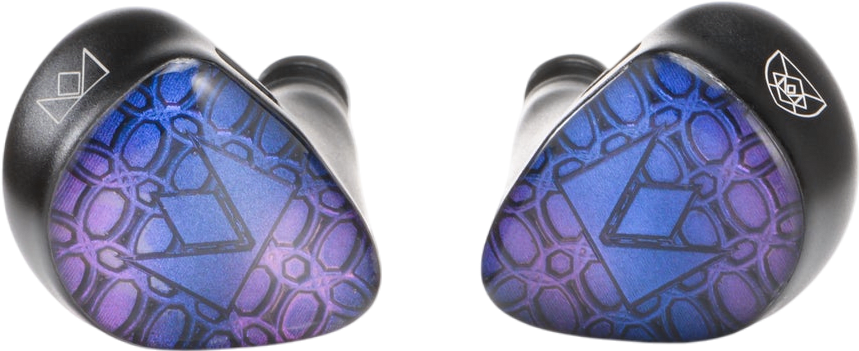
- Driver Configuration: 8 × Balanced Armature drivers (6 × Sonion + 2 × Knowles)
- Impedance: < 35 Ω
- Nozzle: Stainless steel nozzle with integrated wax guard
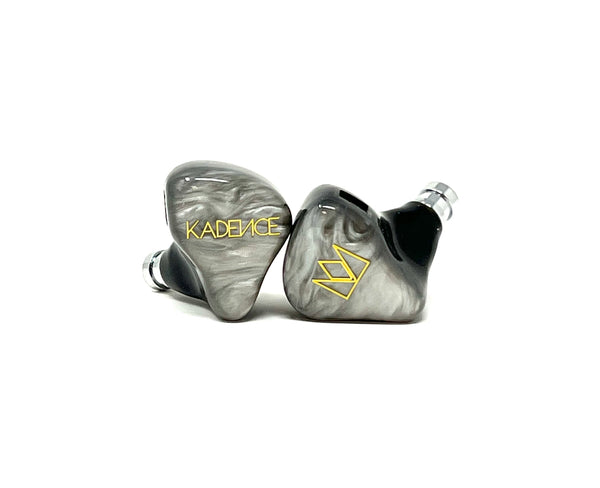
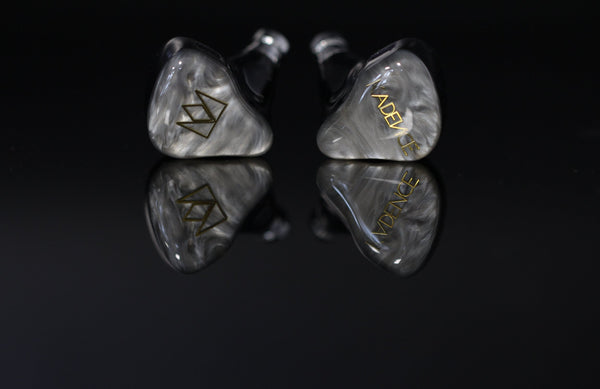
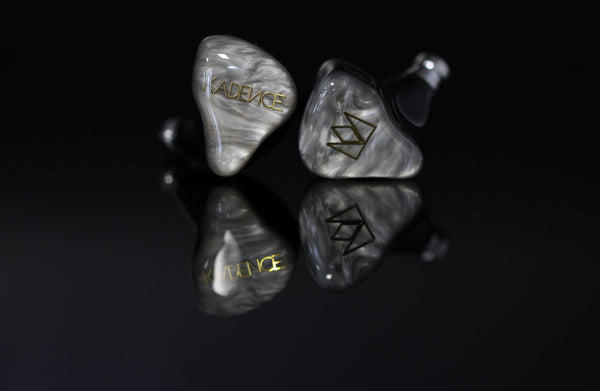
- Body: Composite shell with unique acetate faceplate
- Assembly: Hand-assembled and matched
- Type: Noble 8-core detachable cable
- Connector: 0.78 mm 2-pin
- Termination Options: 3.5 mm, 2.5 mm, or 4.4 mm




















Brand highlights
Taking a step back to look at reviewers' thoughts of the brand's entire lineup—not just this product—what stands out most is the following:
- Noble’s product line features custom-built balanced armature drivers, meaning they are engineered specifically for their IEMs rather than using off-the-shelf components.
- They use a unique hybrid driver configurations in their IEMs, such as their "quadbrid" design that incorporates dynamic, balanced armature, electrostatic, and bone conduction drivers within a single product.
Select products
Noble FoKus Rex5
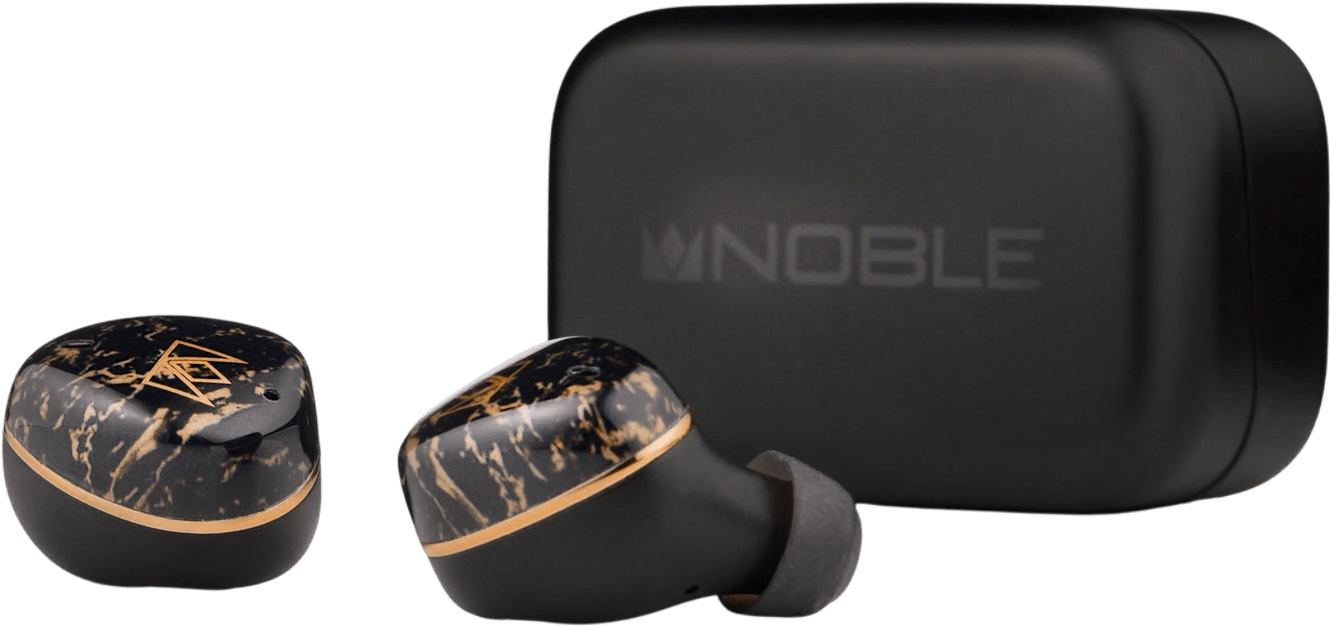
- Positioning: A wireless in-ear model designed for users seeking personalized sound with high portability.
- Description: Features a hybrid five-driver configuration and Audiodo sound personalization that tailors audio based on individual hearing, providing a dynamic and adaptive listening experience. Compared to the wired and over-ear models in the lineup, it offers wireless convenience at a lower price point, making it ideal for budgets and on-the-go use.
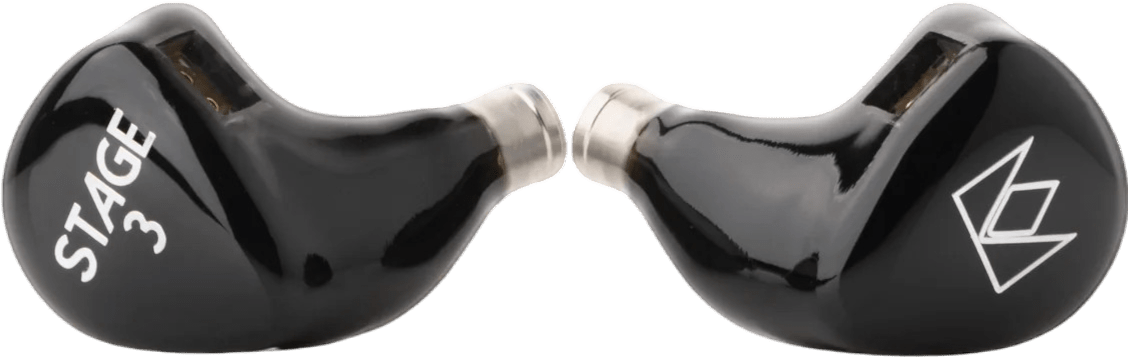
Stage 3
- Positioning: A wired in-ear monitor built for musicians and performing artists.
- Description: Features a 3-driver architecture that combines a 10mm dynamic driver with two balanced armature drivers for rich lows, detailed mids, and sparkling highs. Compared to models like the wireless Rex5 and over-ear Apollo, it focuses on performance in live settings with purpose-built durability and specialized cable options for better stage functionality.
FoKus Apollo
- Positioning: An over-ear headphone crafted for audiophiles demanding high-quality sound and versatile connectivity.
- Description: Features a hybrid design that pairs a 40mm dynamic driver with a 14.5mm planar magnetic driver, delivering an expansive soundstage with clear mids and punchy bass. Compared to in-ear monitors such as the Rex5 and Stage 3, it offers a more immersive listening experience with premium build elements and extensive connection options.
Viking Ragnar (Universal Fit)
- Positioning: A flagship wired in-ear monitor featuring robust, high-end construction for professional audio applications.
- Description: Features an all-metal design that includes two 10mm dynamic bass drivers, four balanced armature drivers, and four electrostatic drivers, ensuring a balanced and detailed frequency response. Compared to the lower-priced models in the lineup, it delivers premium craftsmanship and performance for studio or critical listening environments.
Viking Prestige Universal
- Positioning: A top-tier wired universal in-ear monitor that represents the pinnacle of in-house design and sonic performance.
- Description: Features an advanced driver setup combining dual 10mm dynamic drivers, four balanced armature drivers, and four electrostatic drivers, delivering an exceptionally balanced soundstage with meticulous driver matching and premium connectivity. Compared to other products in the lineup, this model is engineered for users seeking the utmost in sonic accuracy and build quality.

Our take on the brand
Look inside the brand
Our interview with the brand
What are two key technological innovations or strong opinions that differ you from other brands?
What's your approach to customer support?
What are your favorite tracks for showcasing the strength of your products?
What other products pair best with yours?

Used
Noble
What if you spend more?

.png)

.svg)
Our summary
Product Strengths
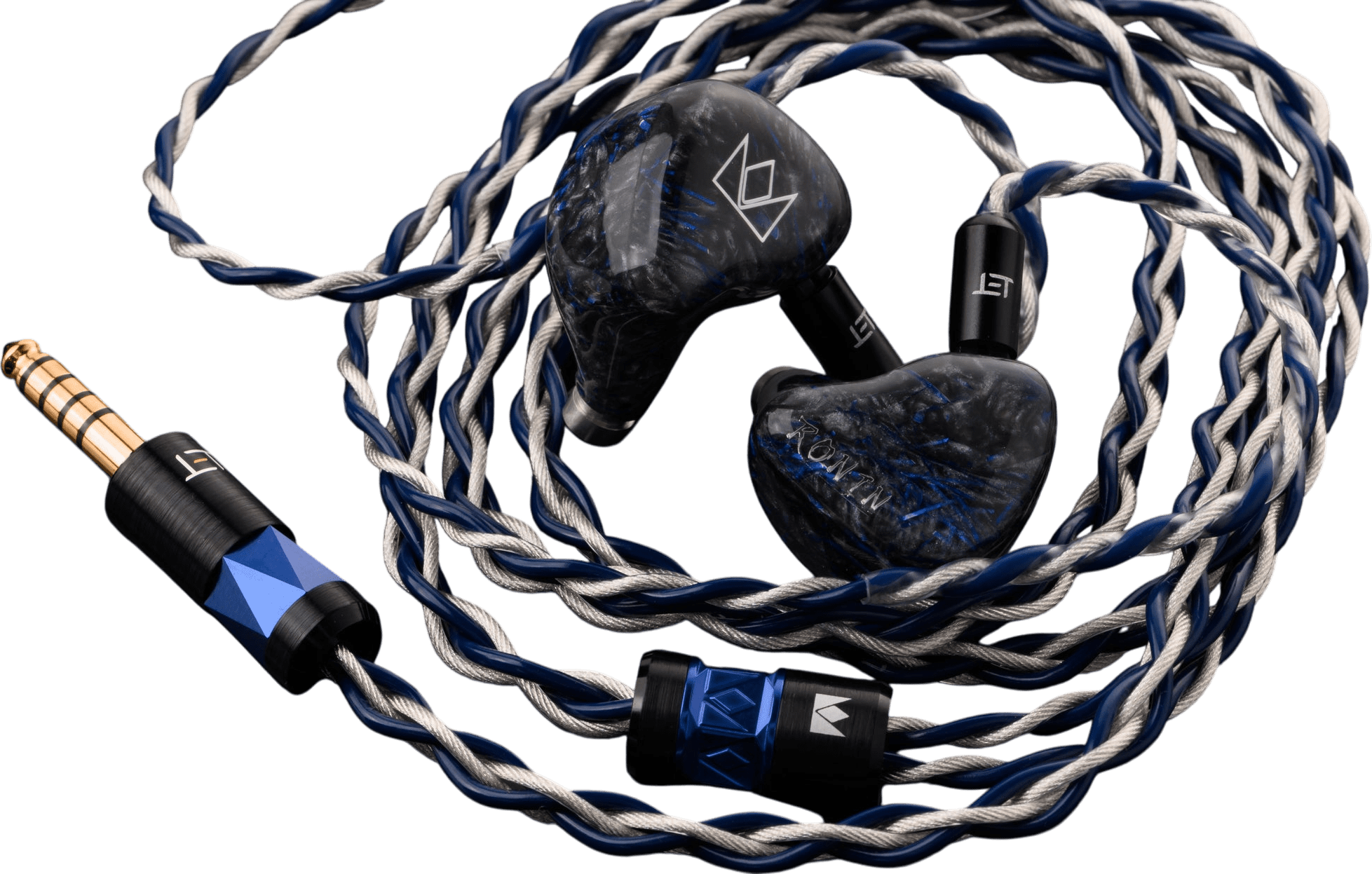
- Gorgeous IEM with a finish worthy of a top-of-the-line IEM, pictures not doing it justice
- Highly revealing, with incredible detail and microdynamics that deliver a vivid, lifelike reproduction of music
- Excellent speed and strong texture in the balanced armature based low-end
- Clean, detailed, and transparent mids with top-tier detail retrieval coupled with strong layering and separation
- Soundstage is wide and three-dimensional, with holographic imaging, giving a real sense of being on stage or in the studio with the performers
Product Considerations
- The IEM is on the larger side, so consider this if you've got smaller ears
- Ronin is bright and has energetic treble, which may not be preferred by those who like a warmer sound with bass emphasis
- Bass is more neutral, and it's not going to have the impact of a dynamic driver bass
- Treble can be somewhat unforgiving, highlighting unpleasant aspects of older or lower-quality recordings
- Some reviewers found the character of Ronin to be a little bright and sometimes bass-lite, and may need proper pairing to sound its best
Comparisons (according to reviewers)
- Vs Empire Ears Odin: Odin is more versatile, but Ronin's treble performance is at a higher level
- Vs 64 Audio Fourte Blanc: Fourte Blanc offers a more balanced sound overall, while Ronin leans towards a more technical, bright sound
- Vs Noble Viking Ragnar: Ragnar has more rumble and denser, deeper layers of bass, while Ronin has slightly higher resolution
- Vs Noble Sultan: Ronin has more details, while the Sultan is more weightier and warmer in representation
Takeaway: The Noble Ronin offers incredible detail, imaging, and resolution, delivering an immersive listening experience for those who appreciate a highly revealing sound. For those with a collection of high-resolution music who want to hear every nuance, the Ronin is an excellent choice.
Video review
Our take on the brand
Our summary
Product Strengths
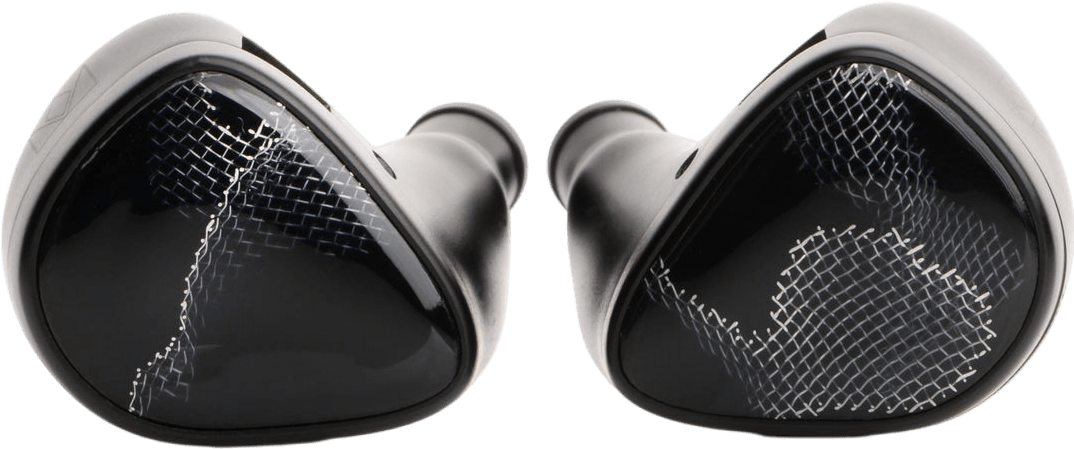
- High-quality build and materials, with CNC-milled aluminum shell and Raffir composite faceplate, which gives a jewelry-like element
- Great imaging with a big soundstage, good instrument separation, and placement
- Excellent vocal imaging with a forward, intimate, and balanced vocal presence that avoids sibilance
- Deep bass extension with physical characteristics (bone conduction driver), and good texture across the entire range
Product Considerations
- Fit can be tricky due to the larger size, potentially problematic for those with smaller ears, but a deep penetration ensures a good seal with the right ear tip
- Can be source-sensitive, and might become muddy with warmer sources—more reference or incisive sources are recommended
- Bass bloom can overwhelm the mids on some recordings
Comparisons (according to reviewers)
- Vs Vision Ears VE10: The Onyx has a massive arena-like soundstage, while the VE10 feels more like a studio; the VE10 has stronger mids and more extended treble, but can be shouty
- Vs U12T: The Onyx has more focused and bodied vocals, and the bass provides better pressure and control, while the U12T has greater clarity
- Vs Aurora: The Onyx offers more precise and lively sound with better bass, and a more realistic vibration
Takeaway: The Noble Audio Onyx has a great build and delivers a unique, dark sound signature with a wide soundstage. With a good blend of bass, smooth highs, and clear vocals, the Onyx provides a great listening experience, especially for genres like rock and metal.
Video review
Our take on the brand
Our summary
Product Strengths
- Lovely tuning balance across the board, backed by a wonderfully holographic and immersive soundstage that keeps the listener deeply involved without fatigue
- Excellent channel balance from left to right, but holographic layering and cavernous presentation will engulf the listener in the presentation
- Noble Audio's hardest hitting tuning yet, with a combo of fast, physical bass, deep extension, and the brand’s signature top end detail and clarity
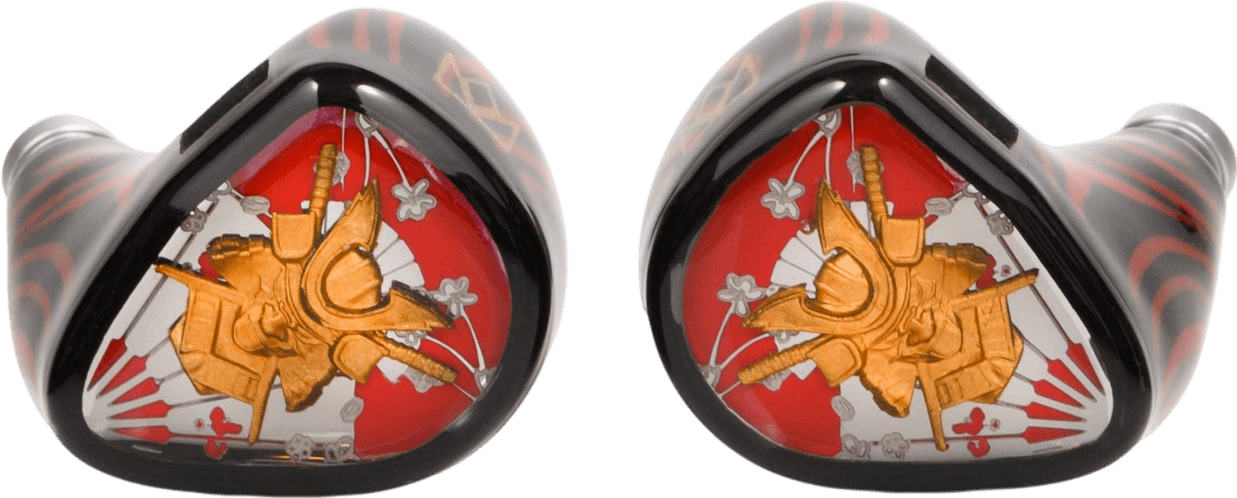
- Visually stunning design with intricate Japanese-themed aesthetic
- Excellent passive isolation
Product Considerations
- Slightly dark lower-treble
- The shell is sizable which could feel big in some ears, and the initial insertion might feel cumbersome
- The Shogun’s aesthetic design may be 'too much' or 'too gaudy' for some
- Bass texture might not be as present as expected for the price range
- Mids and highs could use a bit more energy
Comparisons (according to reviewers)
- Vs Noble Ronin, the Shogun has a warmer, heavier sound
- Vs Empire Ears Raven, the Raven has a deeper, stronger subbass response, while the Shogun emphasizes the midbass and low mids a little more, the Raven also adds a bit of an extra pop in the vocals
Takeaway: The Shogun is an all around great IEM that adds a little more warmth and color to Noble’s flagship lineup and stands strong among the competition. It's worth checking out if you want a balanced sounding, flagship quality IEM with hard-hitting bass and impressive spatial imaging.
Video review
Our take on the brand

.png)
Our summary
Product Strengths
- Beautifully balanced tonal quality
- Excellent and innovative shell design
- Unique unboxing and premium accessories
- Comfortable fit despite the larger shells
- Wide stereo separation
Product Considerations
- Treble might seem too controlled for some
- The sound is source dependent
- More mid-treble and air up top, lesser fullness in lower-midrange, and less of the mid-bass boost would be ideal
Comparisons (according to reviewers)
- Compared to 64 Audio’s Fourte and the Vision Ears Phonix, the Enigma competes with them in the summit-fi range
- Compared to Softears Twilight, the bass is tighter and more focused, with better detail, also the Enigma has a more precise and layered soundstage
- Compared to Elysian Annihilator, the Enigma trades the sharp precision of the Annihilator for a smoother and more forgiving presentation
- Compared to Empire Ears Odin, the Enigma is easier and more laid back to listen to, whereas the Odin grabs attention with its bold dynamics
- Compared to Lime Ears Anima, the Enigma feels more refined in comparison, excelling in accurate ear gain/upper-midrange, which results in it sounding more linear and natural
- Compared to Kinera Loki Emerald, the Enigma outshines the Loki in mids, offering a more natural and emotive presentation
Takeaway: The Softears Enigma is a well-balanced high-end IEM, with craftsmanship and attention to detail evident in its distinctive design and thoughtful packaging. If one favors a sound that leans toward musicality with a relaxed tuning, the Enigma is sure to please.
Video review
Our take on the brand
What competes at this price?

Our Summary
Product Strengths
- Thunderous lows with thick bass slam, detail, and texture are delivered.
- Wide, three-dimensional soundstage, with a strong, focused center image.
- Clarity in the midrange, with a bit of coloration that adds character, especially to male vocals.
- Treble presentation that's airy and sparkly, with the right amount of detail.
- Engaging, fun sound signature overall.
Product Considerations
- People with smaller ears might have a little difficulty getting the right fit because of the large shell.
- Discomfort can occur after extended wear for some users due to the shell's size or shape pressing against the ear.
- Some reviews say that the stock cable might be of lower quality than expected for the price range.
- The sound signature is V-shaped, which may not appeal to everyone.
- The timbre has a 'cool' characteristic, which might not be the most natural sound.
Comparisons (according to reviewers)
- Vs 64 Audio Volur, the Spartacus offers faster and more detailed bass, while the Volur has more natural bass, the Volur also has airier treble and clearer, more holographic imaging.
Takeaway: The Noble Audio Spartacus is an IEM with a fun and engaging sound that is great for people who love a lot of bass and big soundstages. It's fast, detailed, and technically impressive, making it a great choice for many music genres.
Video review
Our take on the brand

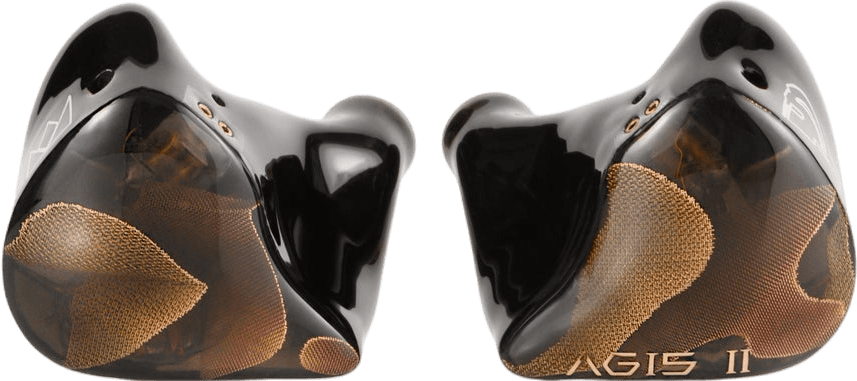
Our Summary
Video review
Our take on the brand


Our Summary
Product Strengths
- Captures the sound of the original Svanar, with a balanced tuning emphasizing bass and treble while maintaining the mids
- Incredible imaging performance, offering a wide, well-rounded, three-dimensional soundstage with excellent positioning and separation—highly competitive, even compared to non-TWS IEMs under $1000
- Has an R2R DAC which permits unreachable technical performance
- Very light and comfortable
- Excellent connectivity and usability
Product Considerations
- LDAC connectivity issues with invasive intermittence and noise cutting
- ANC and Transparency mode aren’t very useful and lack dynamic, delivering leaner dynamic, less musicality
- Plastic build might not be most durable if dropped
- High-frequencies are quite sensible to the source, making it one of the least forgiving TWS
- Hiss is also present
Comparisons (according to reviewers)
- The Svanar Wireless is punchier, with better bass detail and imaging, and a wider soundstage, while the Final ZE8000 has a warmer, more neutral sound
- The Svanar Wireless has stronger imaging performance, a wider soundstage, and a better balance between separation and cohesion
- The Svanar Wireless is superior in technicalities and tonal balance, as well as timbre and tone naturalness, and ultimately musicality
- The Svanar Wireless' soundstage is taller and wider but not as deep, since clarity isn’t as sharp and clean, silence being more "noisy"
- The Svanar Wireless has better sound and performs better technically
- The Sony TWS has bloated bass that overwhelms everything else; in comparison, the soundstage and treble performance of the Svanar Wireless is miles ahead, presenting a much more detailed, natural, and sophisticated kind of sound
Takeaway: The Svanar Wireless sounds impressive for wireless earbuds, and it has great connectivity and features. For those seeking high-end wireless sound, these are worth considering.
Video review
Our take on the brand
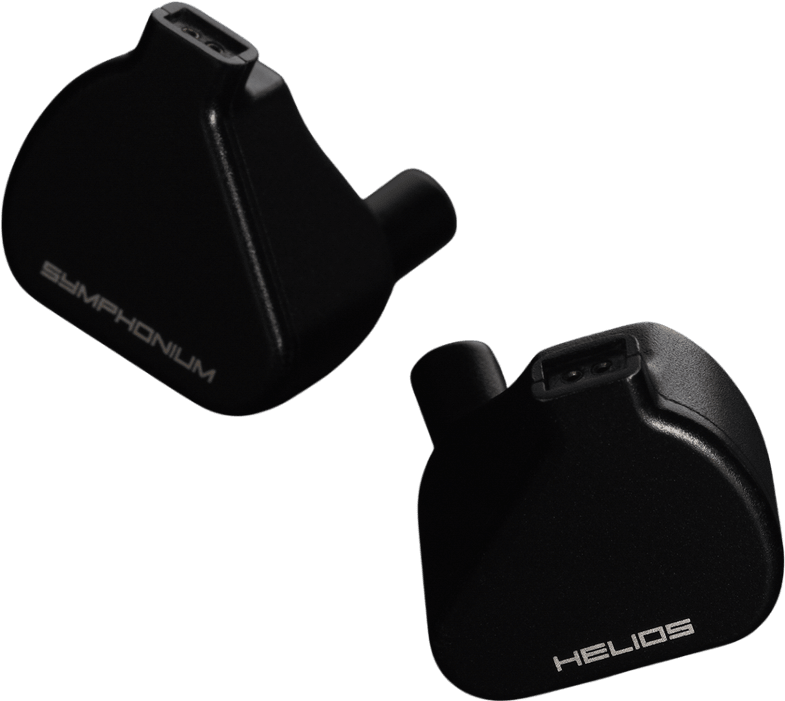
.png)
Our Summary
Product Strengths
- Excellent bass and treble response.
- Impressive dynamics and imaging.
- Has excellent treble extension.
- The Helios delivers an immensely deep-reaching sub-bass, accompanied by exceptionally clean articulate treble, with no overdone mid-bass to muddy things up.
Product Considerations
- Large angular shell that may be hard to fit.
- Needs a reasonably powerful source, because many dongles will not be able to run these.
- Midrange is somewhat mixed and quite pushed back.
- Some found the stock cable annoying to deal with.
- There is a lack of mid-bass.
Comparisons (according to reviewers)
- Vs Campfire Audio Andromeda 2020: Helios has a leaner sound and demands attention, sporting aggressive dynamics, sharper resolution, and BA bass that actually slams.
- Vs Hidition Viento-B: One can consider the Helios a Viento-B on steroids with more bass, a more balanced midrange, and a more linear, extended treble response.
- Vs Moondrop S8: The Helios clearly pulls ahead in its impactful dynamics and standout BA bass.
- Vs Sony IER-M9: The Helios has far better dynamics and a smoother, more airy treble response.
- Vs Thieaudio Monarch: The Helios has more treble extension and presence in those final octaves, and for technical performance outdoes the Monarch all around, particularly in the staging and imaging presentation.
- Vs Unique Melody MEST/MK2: The Helios doesn't make compromises, as it sports comparable resolution to the OG MEST and outclasses both IEMs in the dynamics department, and the Helios' treble is a step ahead of the ESTs being used in the MEST IEMs.
Takeaway: The Symphonium Helios is worth consideration for those seeking high-quality sound with great bass and clear highs. It is designed to sound good with diverse musical genres, so listeners can enjoy what they are hearing.
Video review
Our take on the brand
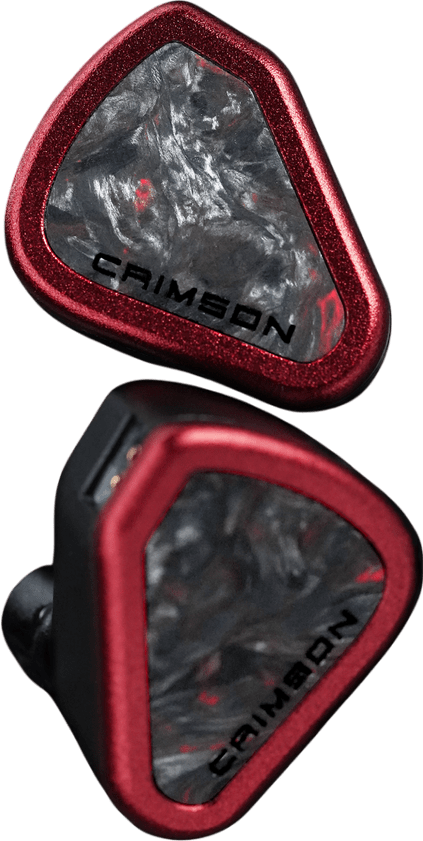
Our Summary
Product Strengths
- Ergonomically comfortable for long listening sessions, and has significantly improved from the earlier Helios model.
- The bass is exceptional in quality, it's tasteful, well-controlled and doesn't intrude into the mids or lower mids.
- The Crimson delivers above and beyond expectations if the fit and power requirements are met, demonstrating quality of drivers over quantity.
- Dynamics, soundstage, and resolution are at a flagship level, offering an immersive listening experience.
- The all BA configuration allows the bass to slam hard as some of the best dynamic driver IEMs out there.
Product Considerations
- The upper treble can be too bright and zingy, potentially causing listening fatigue, particularly on certain tracks and sources.
- The sealed, ventless design can create pressure buildup in the ear canals, leading to discomfort, especially during flights or long train rides.
- The Crimson requires a powerful source to perform at its best, and may sound bland if not adequately powered.
- The short nozzle and specific design may cause fit issues for some users, requiring experimentation with different ear tips for optimal fit and seal.
- The stock cable's ear hook is practically non-existent and not doing anyone any favors.
Comparisons (according to reviewers)
- Compared to the 64 Audio U12t, the Crimson is technically superior, particularly in bass and upper-midrange, but lacks venting for longer listening.
- Compared to the Elysian Diva, the Crimson has an edge in technical performance—particularly for a sense of sound stage.
- Compared to the Unique Melody MEST MKIII, the Crimson has much sharper sounding treble, and it has way more energy in the upper treble unlike the MKIII.
Takeaway: The Symphonium Crimson is an IEM that delivers exceptional sound quality and powerful bass despite having only 4 BA drivers, making it great for listeners that want to enjoy a highly detailed and immersive listening experience. For those seeking a unique and high-performing audio experience, the Crimson is worth considering.
Video review
Our take on the brand




How to buy
Headphones
Search all hifi products
Explore our database of 10,000+ new and 25,000+ used hifi products.


.png)