




Note that this is a discontinued product. You may want to visit the brand's page here to browse their newer products.
What reviewers think
Bloggers and YouTubers have tried this product—so we've summarized their strongest opinions below. Links to full reviews follow.
Product Strengths
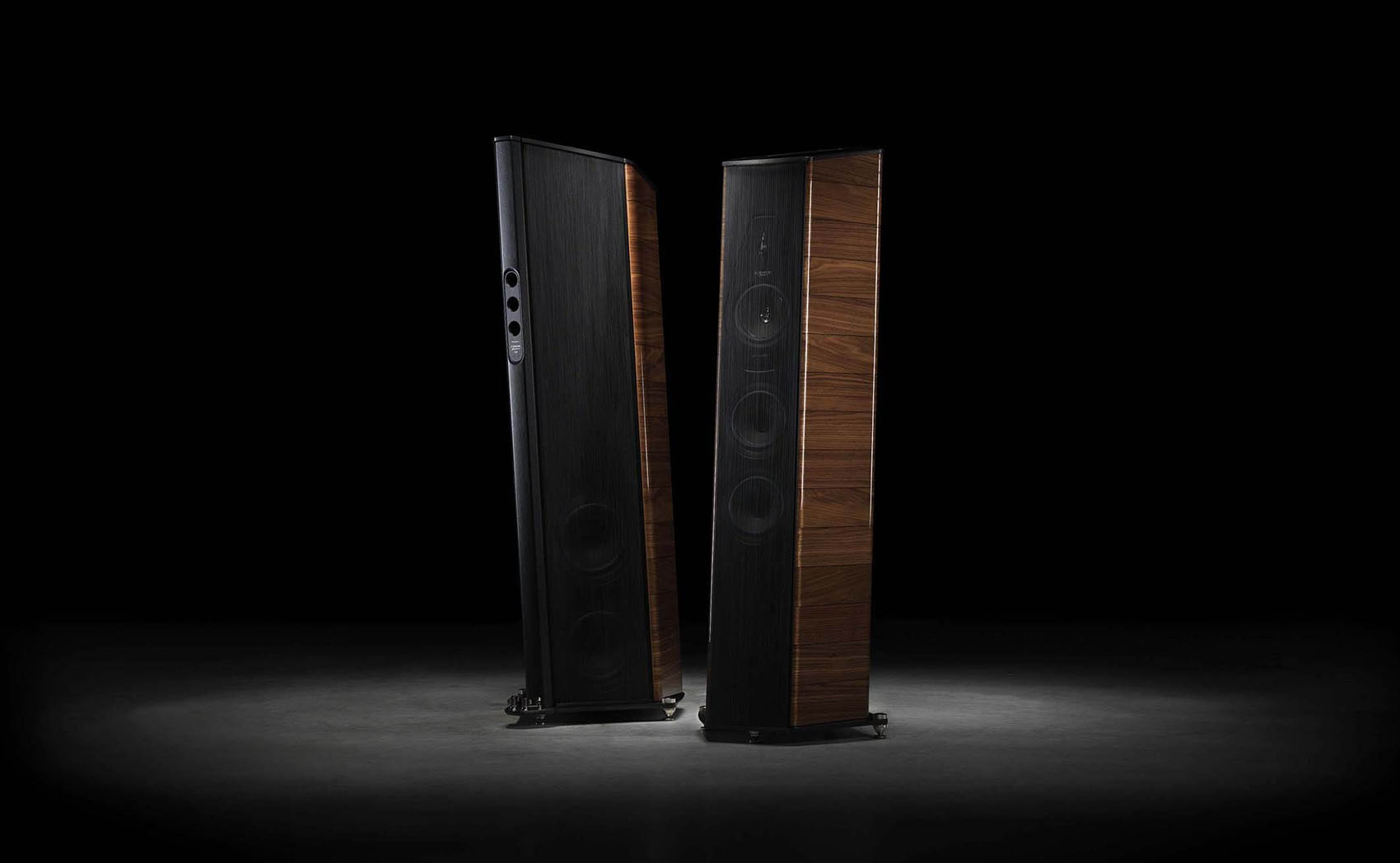
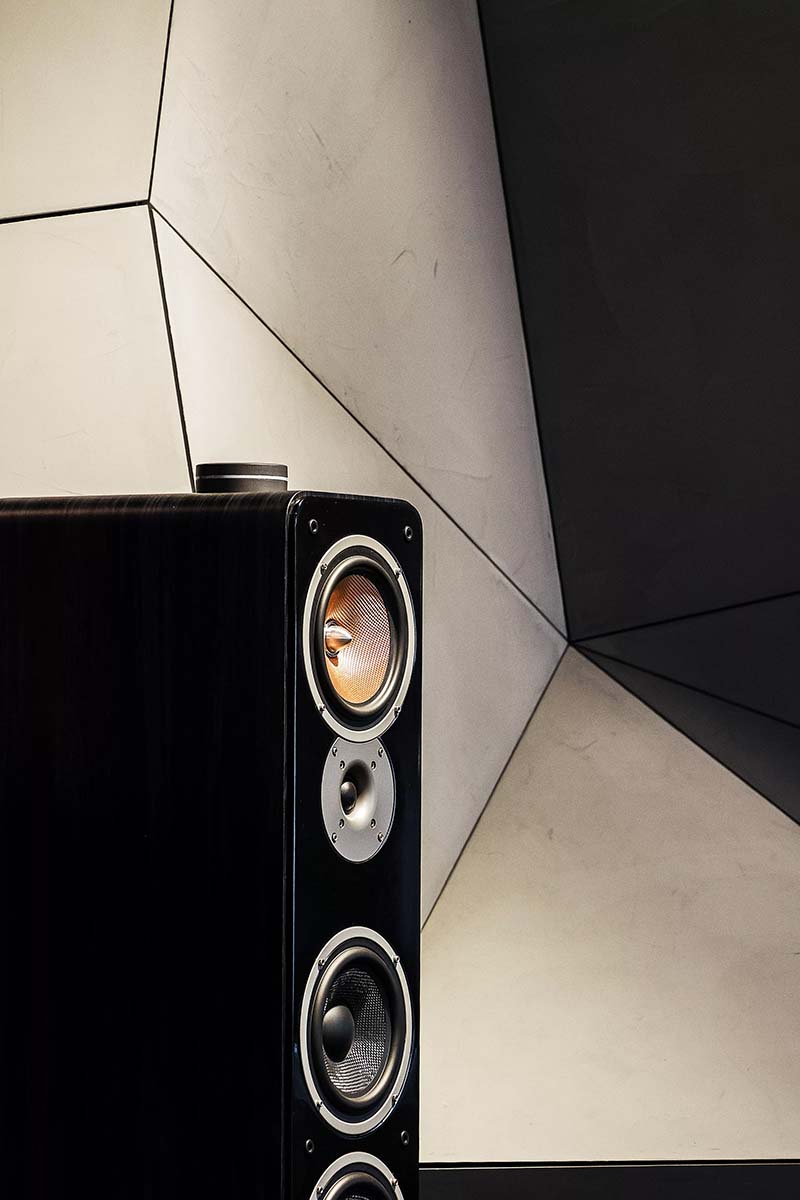
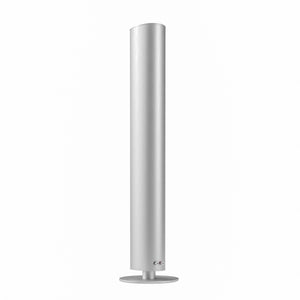
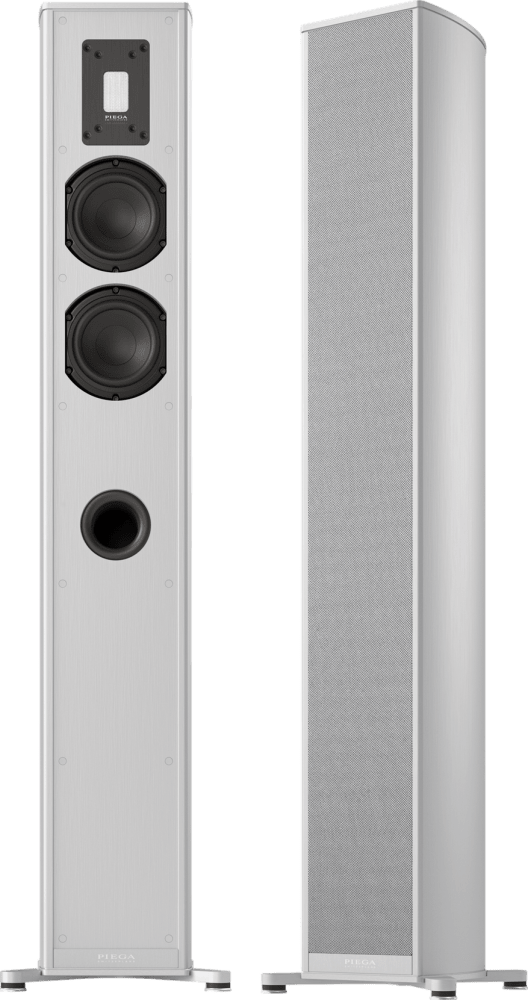
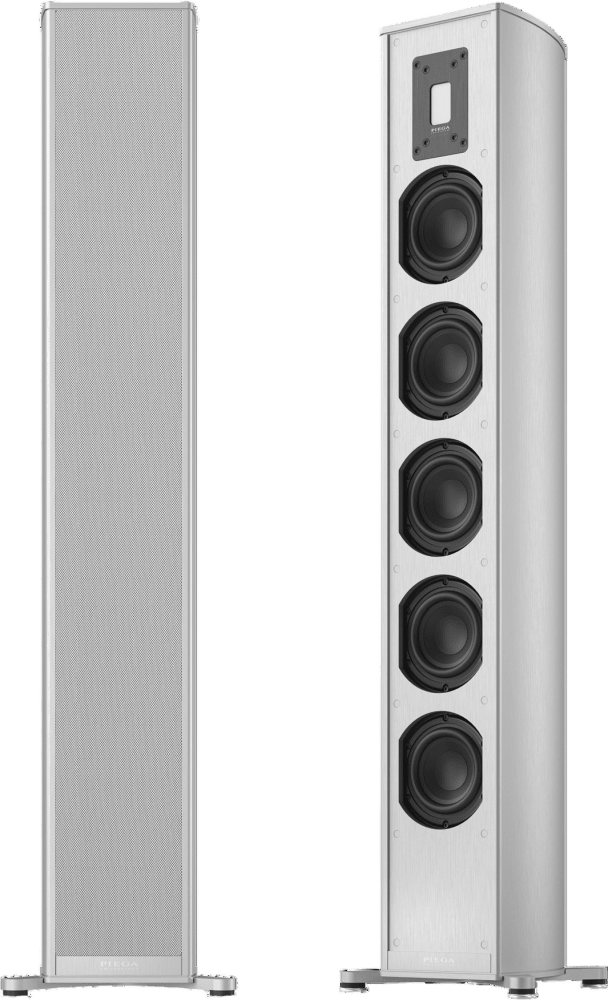
- Gorgeous looks and a sleek aesthetic are thanks to designer Stephan Hurlemann
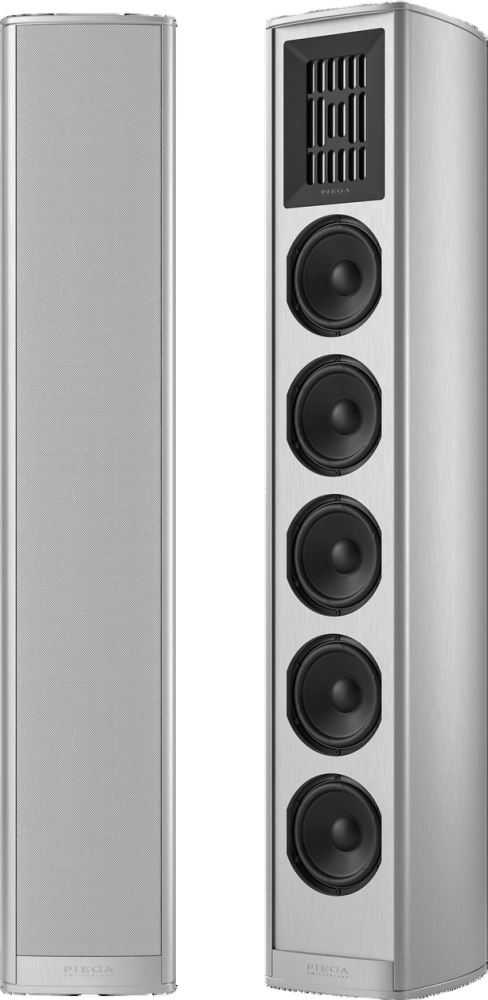
- High-end build quality is ensured by its braced aluminium enclosure, which ensures absolute consistency in resisting resonance while ensuring fine frequency linearity
- Delivers a sound that can be described as lithe, elegant, clean, refined and precise
- Front-firing port allows for closer placement to walls
- AMT-1 (Air Motion Transformer) tweeter offers a smooth, sweet, and extended top end
Product Considerations
- Stabilizing plate at the base has to be screwed on, which involves aligning shiny, dinky screws with precision-cut threads
- Removing the grilles requires a thin, flat implement because they are pre-attached, making it a quite tricky affair
- Plinth stands, while emphasizing its slender silhouette, are not the most ruthlessly stable of stands
- Bass isn't the weightiest compared to other floorstanders
- Not a speaker for viscerally engaged volume levels, trouser flapping bass or the kind of percussive slam that can rearrange one's hairdo and blow out one's windows
Comparisons (according to reviewers)
- Compared to the Scansonic M20, it possesses similar finesse, openness and superb timing, which also employs a ribbon tweeter
Takeaway: The Piega Ace 50 speakers look great and sound refined and precise, making them an excellent addition to any room. The Ace 50 could be a perfect choice for those seeking speakers that blend style with a balanced sound.
All
Ace 50
reviews


Manufacturer details
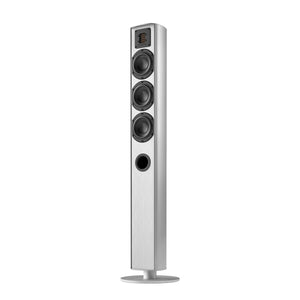
- Recommended Amplifier Output: 20 - 150 watt
- Sensitivity: 90 db/W/m
- Impedance: 4 ohms
- Frequency Range: 45 Hz - 40 kHz
- Dimensions: H 40.9" x W 5.5" x D 6.2"
- Weight: 26.4 lbs
- Technology: 2 x 120 mm MDS-B, 1 x 120 mm MDS, 1 x AMT-1
- Finishes: White, Black, Aluminum






Brand highlights
Taking a step back to look at reviewers' thoughts of the brand's entire lineup—not just this product—what stands out most is the following:
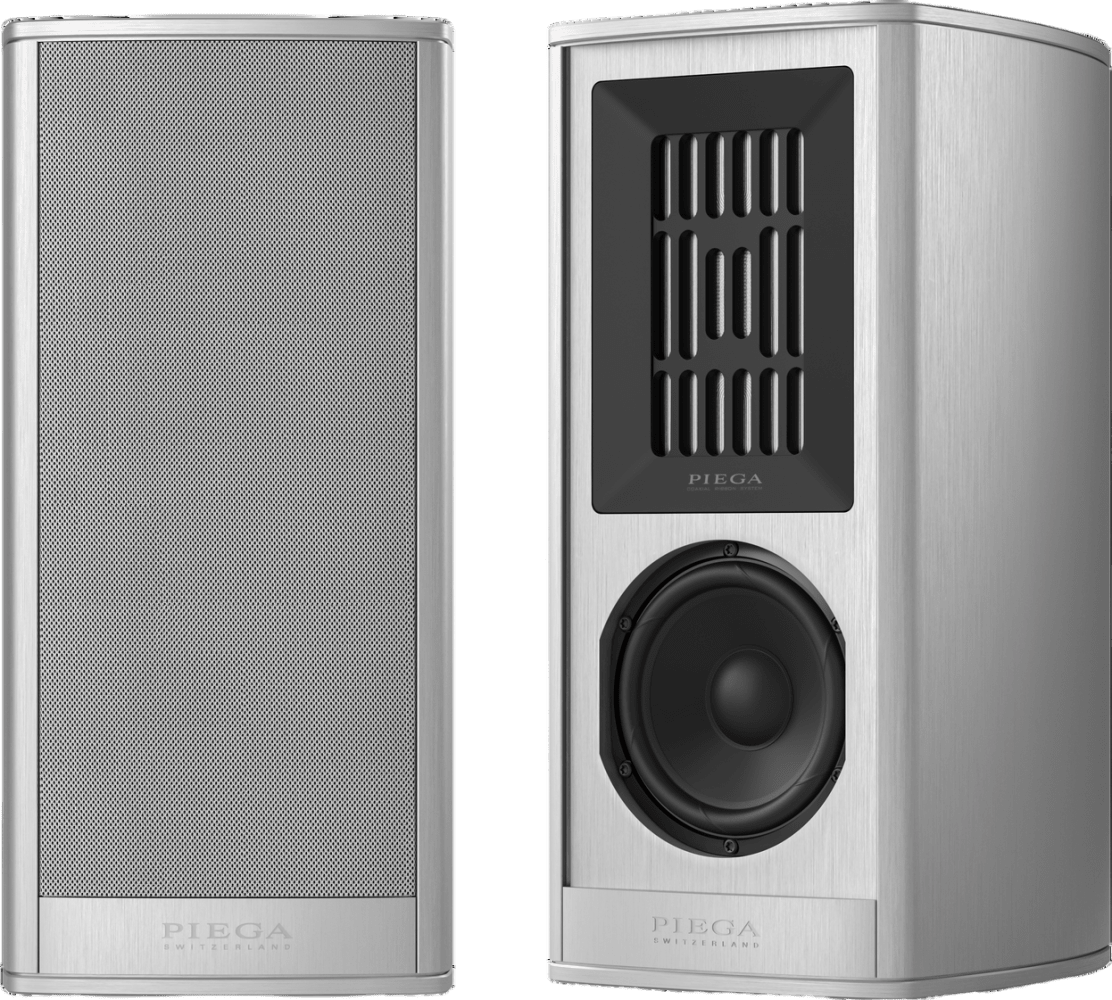
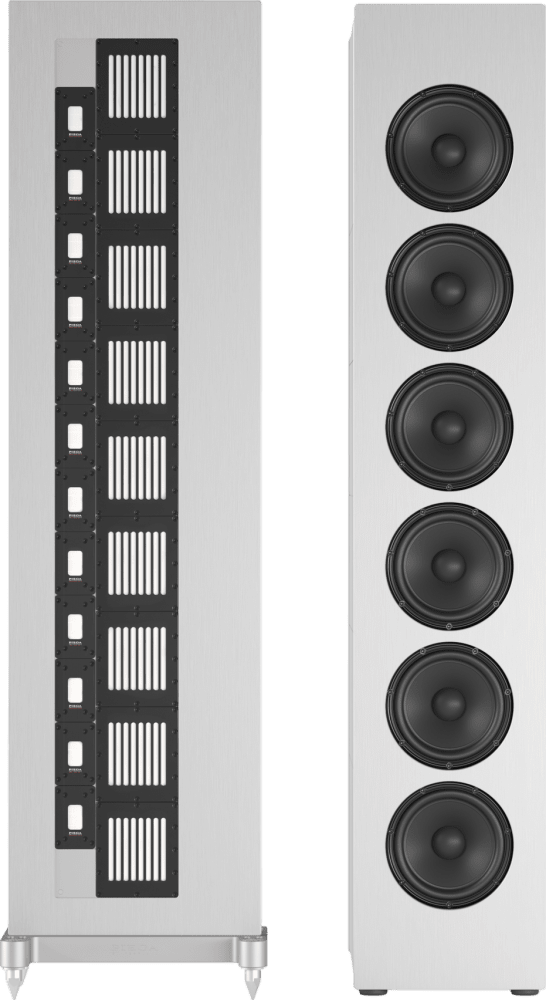
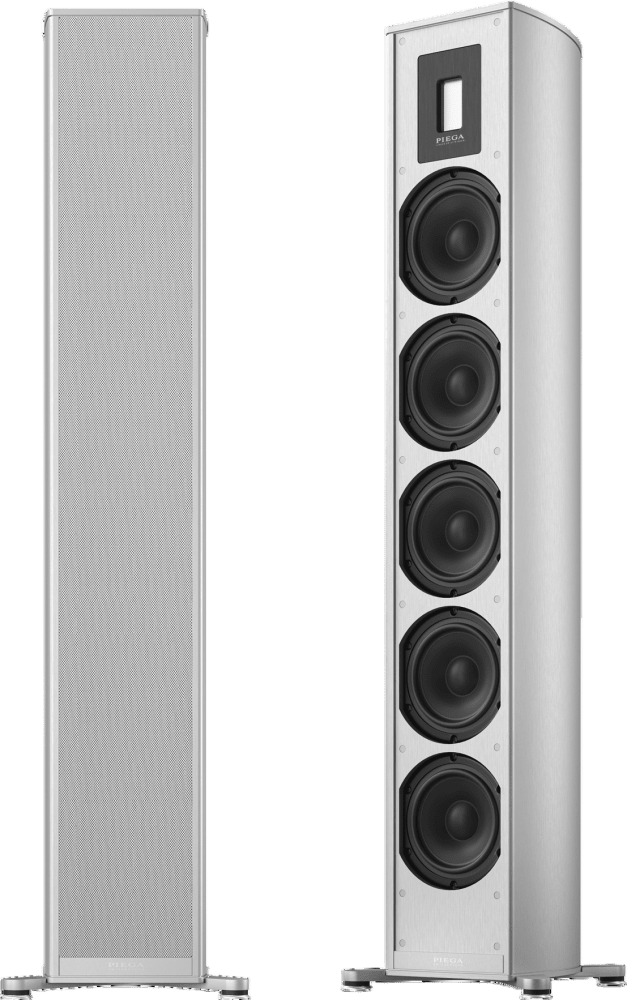
- Piega speakers are crafted with seamless, extruded aluminum enclosures, designed by Swiss architect Stephan Hürlemann, which minimizes vibrations and resonances.
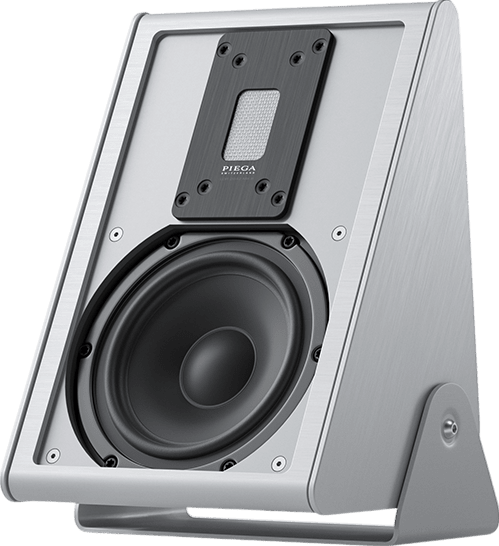
- They utilize custom-designed Air Motion Transformer (AMT) tweeters, manufactured in-house, known for their clarity, detail, and extended high-frequency response.
- Piega offers a unique Wireless Spatial Sound (WiSa) technology in select models, allowing for cable-free stereo or multi-channel setups without compromising audio quality.
- The brand incorporates Tension Improve Module (TIM) technology, including TIM2 in newer generations, which tensions internal components to further reduce cabinet resonance and improve sonic purity.
Select products
Ace Series
- Positioning: The entry-level lineup in PIEGA's offerings, designed for compact spaces and affordability.
- Description: Features the AMT-1 Air Motion Transformer for detailed sound. Compared to the Premium Series, offers a more compact and budget-friendly option, making it ideal for small rooms or those seeking portability. While it lacks the advanced ribbon technology of the Coax and Master Line Source series, it provides a balanced sound suitable for everyday listening.
Premium Loudspeakers
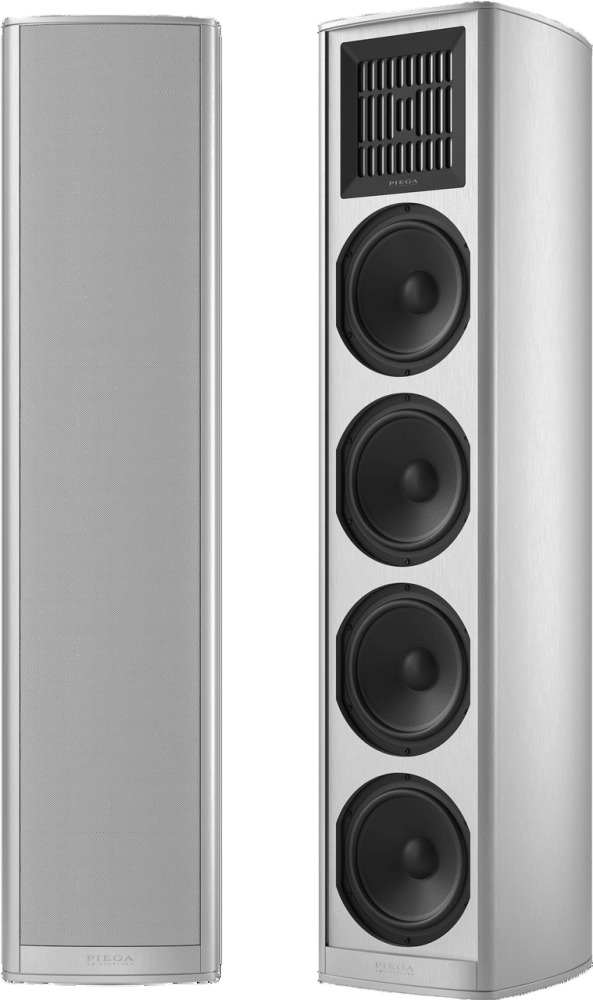
- Positioning: Sits in the mid-range of PIEGA's lineup, offering a balance of performance and design.
- Description: Known for its elegant design and advanced ribbon tweeter technology, providing clear and precise audio. Features a reinforced aluminum structure that enhances sound clarity, setting it apart from the Ace Series.
Coax Gen2
- Positioning: A high-end offering, positioned just below the flagship Master Line Source series.
- Description: Stands out with its proprietary coaxial ribbon technology, delivering exceptional clarity and balance. Uses advanced TIM2 modules to reduce cabinet vibrations, offering superior sound purity compared to the Premium Series.
Master Line Source Gen2
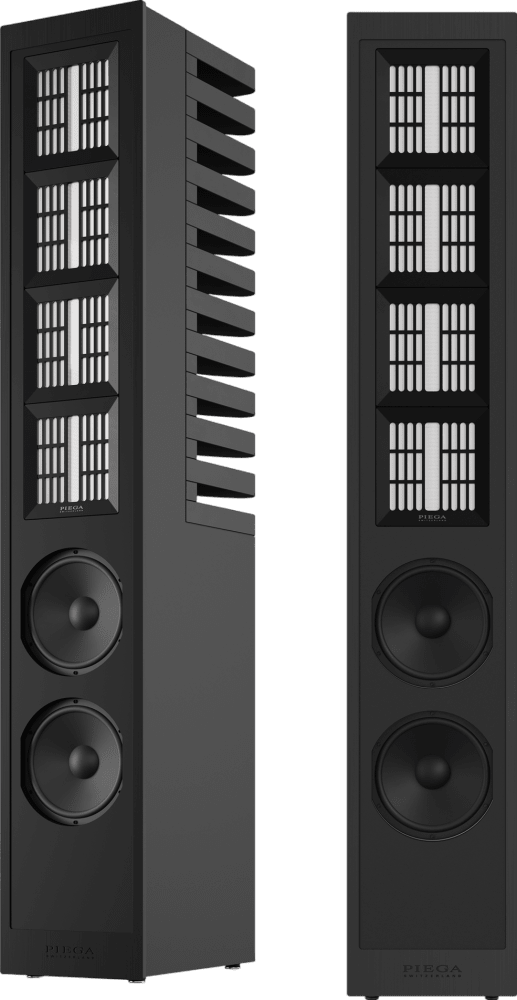
- Positioning: The flagship series, representing the pinnacle of PIEGA's technological innovation.
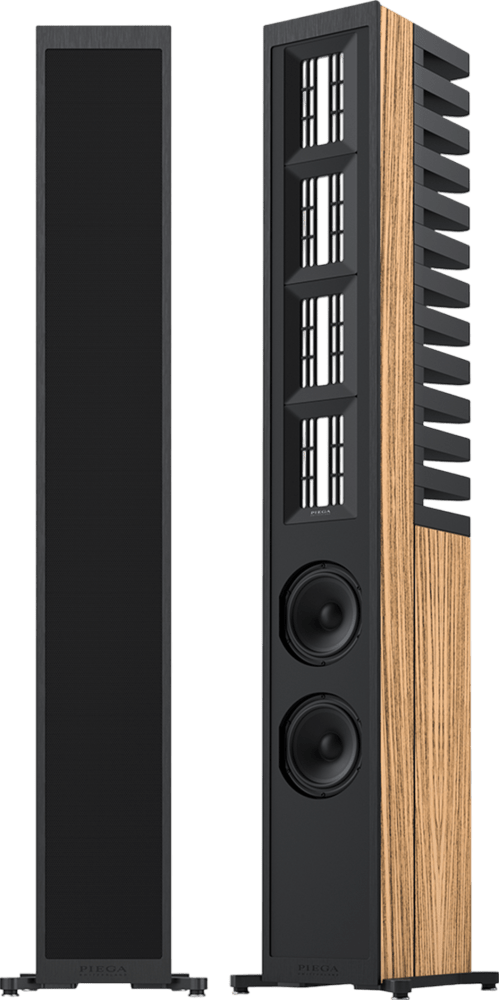
- Description: Features innovative Line Source ribbon technology, providing exceptional sound with authentic and coherent sound reproduction. Uses a unique dipole speaker design that fills the space with a coherent cylinder sound wave, surpassing the capabilities of the Coax Gen2.

Our take on the brand
Look inside the brand
Our interview with the brand
What are two key technological innovations or strong opinions that differ you from other brands?
Our ribbon tweeters, especially the coaxial versions used in our Coax and Master Line models, deliver exceptional resolution and spatial imaging. What’s particularly noteworthy is that we have been developing these tweeters entirely in-house for over 40 years – and we still manufacture them by hand at our facility in Horgen, Switzerland. The quality is, in our view, outstanding – not only acoustically, but also in terms of technical precision and minimal unit-to-unit variance.
Our aluminum enclosures, combined with internal damping and sandwich construction, ensure distortion-free performance – even at high volumes – and are a unique feature both acoustically and visually.
What's your approach to customer support?
We generally recommend that customers first reach out to their dealer or national distributor for any questions or issues. These partners are trained and authorized to assist quickly and effectively. In more complex cases – or when customers contact us directly – we are, of course, committed to providing personal and dedicated support.
Additionally, we regularly invite customers to visit our headquarters in Horgen. During these visits – which include a tour of our production and personal consultation – very close relationships have developed, and in some cases, even real friendships have formed. We take pride in maintaining close and reliable contact, even after the purchase.
What are your favorite tracks for showcasing the strength of your products?
- “Queen Mary” – Francine Thirteen: For dynamics and tight bass, excellent at high volume.
- “Liberty” – Anette Askvik: For atmospheric depth and spaciousness.
- “The Headless Horseman” – Bobby Bass: Great for vocals and evaluating seamless transitions between multi-way drivers.
What other products pair best with yours?
We experience excellent synergy with HiFi Rose electronics – both sonically and aesthetically. Setups with T+A or Cambridge Audio also pair beautifully with our speakers. And of course, there are no limits at the high end: just recently, I heard a large Burmester and McIntosh system driving our Coax 811 at a dealer – the result was absolutely stunning.

Used
PIEGA








What if you spend more?




.svg)
Our summary
Product Strengths
- Slim, aesthetically pleasing design from Stephan Hurlemann, made with aluminum
- Rigid aluminum enclosure helps resist resonance and ensures frequency linearity
- Smooth, sweet, extended top end from the AMT-1 Air Motion Transformer tweeter
- Sound is lithe, elegant, clean, refined, and precise
- Confident low-frequency performance that is smoothly extended, agile, and tuneful with good articulation
Product Considerations
- Bass is not the weightiest for its class
- Not a speaker for very loud volume levels or trouser-flapping bass
- Sound plays it a little too safe
Comparisons (according to reviewers)
- Vs Bowers & Wilkins 603 S2 Anniversary Edition: The Bowers & Wilkins sounds bigger and bolder with excellent detail resolution
- Vs Scansonic M20: The Scansonic rivals the Piega's finesse, openness, and superb timing
Takeaway: The Piega Ace 50 offers a harmonious blend of style and sound with its gorgeous looks and refined sonics. It is a good choice for anyone who appreciates a clear, open, and tonally natural speaker that does well with most types of music.
Video review
Our take on the brand


Our summary
Product Strengths
- Rock-solid build quality with die-cast aluminum construction leading to a durable and rigid design without resonances
- Precise and balanced sound, suitable for all musical styles without emphasis, with warm vocals and good intimacy
- Powerful dynamics and serious SPL capability from a small cabinet, delivering decent sound even in larger rooms
- Features Genelec's GLM room correction system, which is flexible, fast, and provides a comprehensive report about the listening space with recommendations
- Elegant and unique design that looks good from any angle, and doesn't take up much footprint in the room
Product Considerations
- All connections use professional standards, and balanced outputs are preferred
- The GLM kit is an additional cost
- The professional XLR cable connections can seem cumbersome
- There is no wireless connectivity or network option
- The manual is quite involved and detailed for GLM, and could be improved with a quick start manual
Comparisons (according to reviewers)
- Vs Reference Techniques SBR1: The SBR1 has better bass insight and space and more 'hifi glossy silkiness,' while the 6040R is a better 'music communicator'
- Vs ATC SCM40 actives: The ATC is better in timbre and bass-treble coherence, but the 6040R is more precise, dynamic, and easier to integrate
- Vs KEF LS50 Metas and a Buchardt i150 amplifier: The 6040R has greater drive and greater soundstage precision
Takeaway: The 6040R is a well-built speaker system with great sound, room correction, and built-in power amps, making it a long-lasting music system with all-round sound. It is a compact, elegant design that delivers an exceptional and uncolored listening experience, and it has enough power and nuance to play any type of music in any situation.
Video review
Our take on the brand
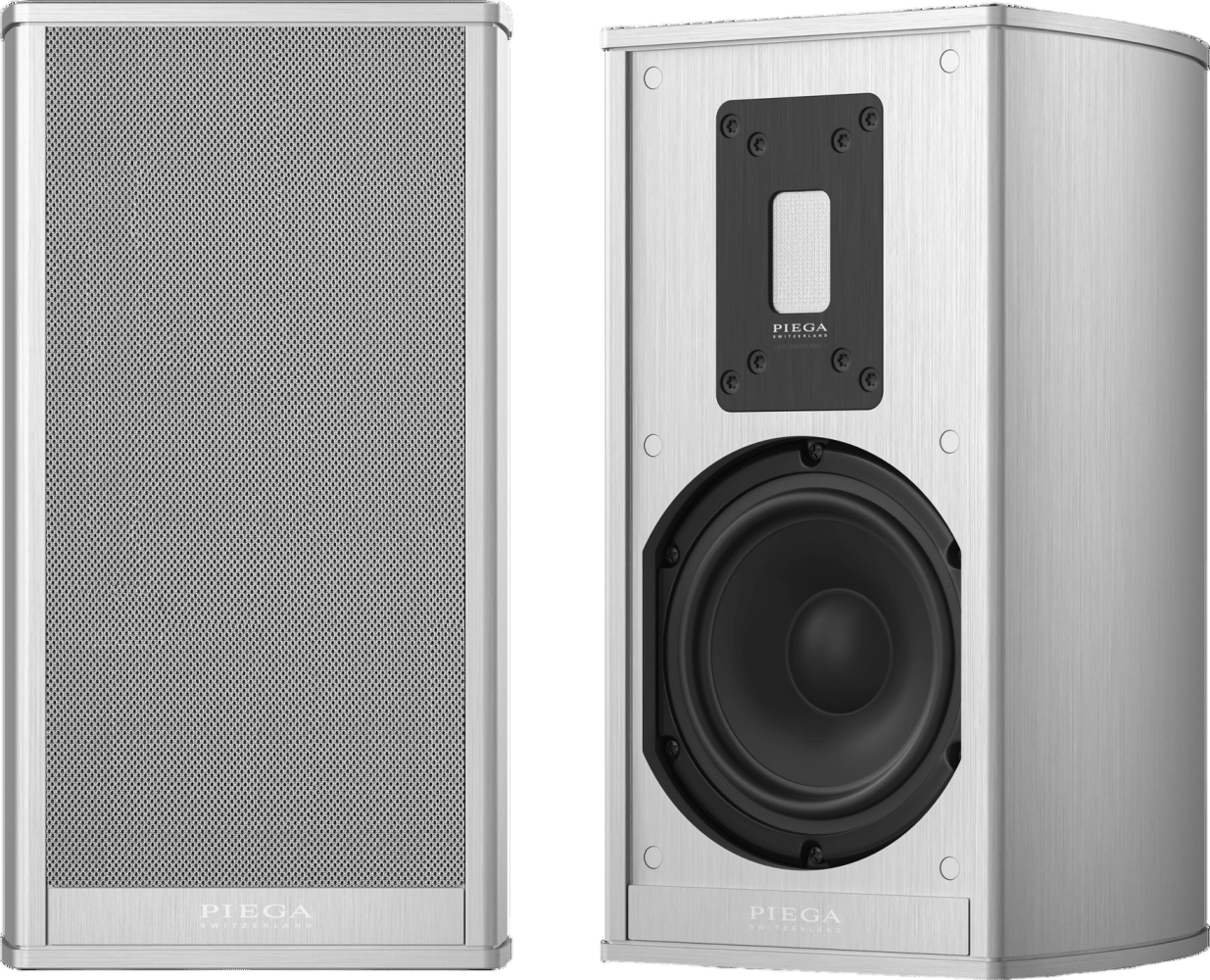
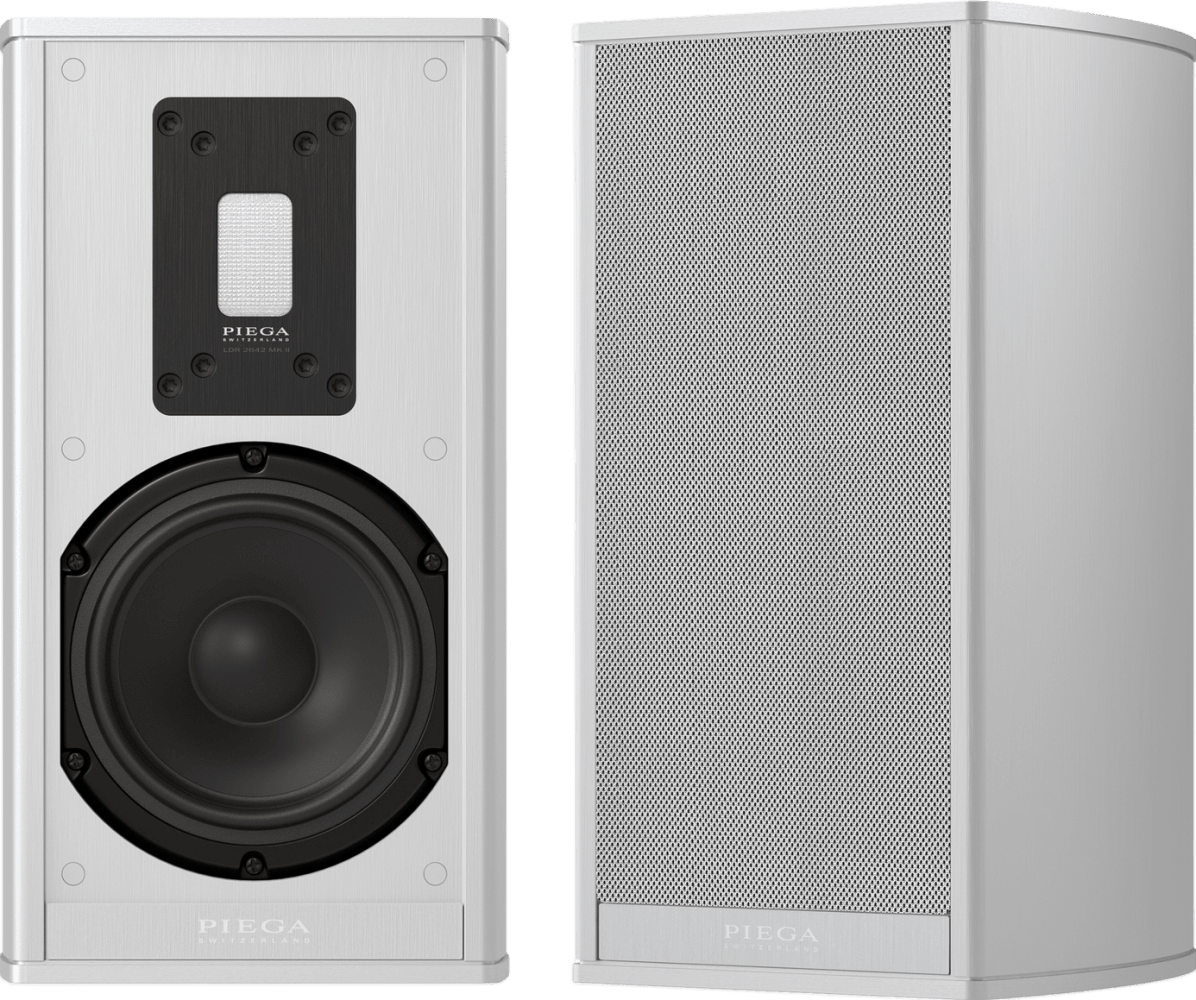
The Premium Wireless Gen 2 301 bookshelf speaker packs a potent punch with its 100-watt amplifier, offering robust performance in a compact form. This 2-way speaker combines a 140 mm MDS woofer with the LDR-2642-MKII ribbon tweeter, achieving an expansive frequency range of 35 Hz to 35 kHz. Its elegant design ensures it fits seamlessly into any space, be it on a shelf, sideboard, or stand, making it a versatile and powerful addition to your audio setup
Our summary
Product Strengths
- Very detailed and fine sound image
- Balanced and dynamic sound with dry bass that allows for flexible placement
- Excellent overall sound quality, with an open and very attractive sonic output
- Many connectivity options via the Connect Plus hub, including streaming standards, Bluetooth, HDMI, and digital/analog hifi interfaces
Product Considerations
- Fine-tuning of the Piega Control App showed some room for improvement
- Image appears large, but two-dimensional
- The Piega's own Connect DAC is not the best, because it can be pushed too far and it complains in a slightly edgy way at high volumes
- Low volume performance was fair, but nothing to write home about
Comparisons (according to reviewers)
- Vs KEF LS 50 Wireless II: KEF LS 50 Wireless II offers more natural imaging and more substantial low bass, while the Piega played much more detailed and lively and fits acoustically better in the corner or shelf
- Vs Mission LX Connect: The Mission LX Connect is similar in concept with a multifunctional transmitter, but it cannot keep up with the Piega in terms of streaming features or sound
Takeaway: The Piega Premium Wireless 301 Gen2 offers a detailed sound and many ways to connect to favorite music sources. It is a good choice for someone looking for a compact, good-sounding, and versatile wireless speaker system.
Video review
Our take on the brand
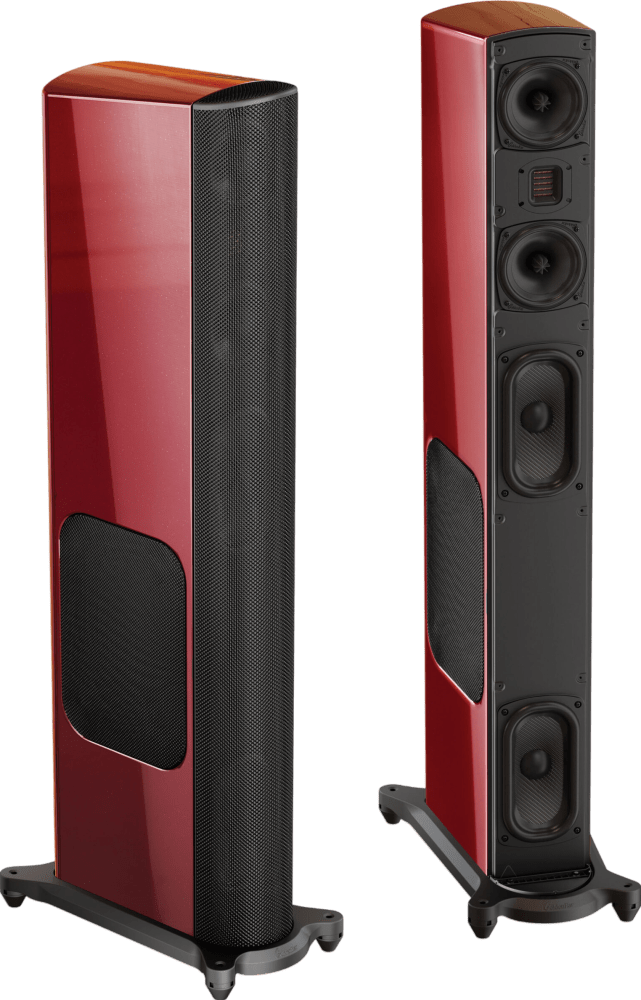

Introducing the T Series The T66 is the first model in GoldenEar’s new T Series. While it boasts several significant refinements of our time-tested design concepts, the T66 is undeniably a GoldenEar loudspeaker, placing beautiful sound and music before all else. Honoring the Triton Series The T66 honors the critically acclaimed Triton Series, sharing a similarly tall, slender profile; built-in DSP-controlled subwoofer amplification; and a driver complement comprising GoldenEar’s High-Velocity Folded Ribbon AMT tweeter, cast-basket mid/bass units, quadratic planar radiators, and long-throw powered sub-bass section. Onward and Upward Several important cosmetic and sonic refinements distinguish the new T66 from previous GoldenEar speakers. These include a dramatically augmented crossover design, high-quality internal wiring, a new cast-aluminum base and metal grille, and, in addition to GoldenEar’s Gloss Black cabinet finish, a vibrant Santa Barbara Red.
Our summary
Product Strengths
- Excellent bass performance is a defining feature, providing tight, smooth, even, solid, and tangible bass extension into the 20 Hz range, eliminating placement issues associated with separate subwoofers
- Balanced overall sound, coherence, and ability to present music in a natural and effortless way is consistently praised
- High levels of detail come through with the High-Velocity Folded Ribbon AMT tweeter and cast-basket mid/bass units
- A holographic image over the seating area of a typical sofa is capable with excellent imaging and a wide and open soundstage, even when not seated in the exact sweet spot
- The Santa Barbara Red finish option receives high marks for its visual appeal
Product Considerations
- Still a significant investment, especially the Santa Barbara Red finish
- The metal grille covering the drivers is not designed to be easily removed
- Care should be taken with system matching, due to a slightly hot high-end
Comparisons (according to reviewers)
- The T66 offers more refinement and a more 'of-a-piece' sound than the Triton One.R
- Has internal structural improvements that make it even more stable and rigid than previous generations
Takeaway: The GoldenEar T66 delivers audiophile-grade sound and aesthetics, with powerful bass and exceptional detail. These speakers are easy to incorporate into nearly any environment, and have the power to let the listener appreciate all the nuances in favorite songs or movies.
Video review
Our take on the brand
What competes at this price?

Our Summary
Product Strengths
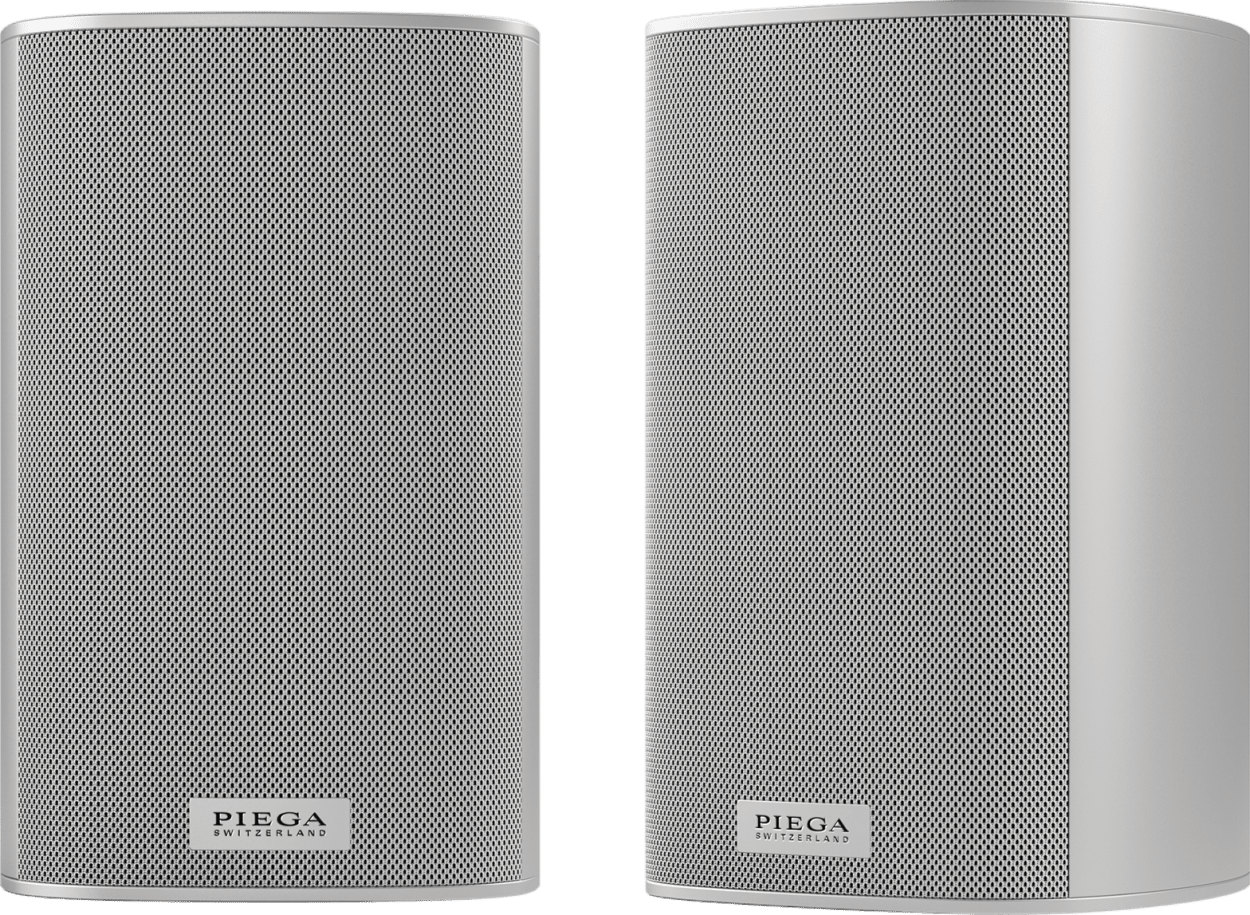
- Diverse input options are available, including digital coax/optical, HDMI eARC, analog stereo, Ethernet, and infrared, allowing for flexible setup
- Compatible with various streaming services like Apple Airplay 2, Google Chromecast, Spotify Connect, Bluetooth, and DLNA
- Clear and dynamic sound, with the AMT-1 tweeter providing clarity and imaging
- Solid all-metal build with sleek design available in multiple finishes
- Compact size allows them to fit discreetly in a room
Product Considerations
- Initial setup can be frustrating, especially for iOS users requiring the Google Home app
- The Piega Control app can be unreliable
- Limited dynamic variation and punch—not musically engaging
- Limited transparency compared to competitors
Comparisons (according to reviewers)
- Vs. KEF LS50 Meta: The KEF LS50 Meta are more musical and offer better dynamic variation and scale
- Vs. Bluesound Pulse 2i: The Bluesound Pulse 2i is a little more familiar to most consumers in terms of design and footprint
- Vs. Triangle Borea BR08: The Triangle Borea BR08 are floorstanders, unlike the Piega Ace 30, which are bookshelf speakers
Takeaway: The Piega Ace 30 Wireless Speakers offer convenience and flexibility with their compact size, multiple streaming options, and solid build quality, making them a good choice for those seeking a high-end, discreet audio solution. They can serve as main speakers in a compact stereo system or integrate seamlessly into a whole-home or surround sound setup.
Video review
Our take on the brand


Our Summary
Product Strengths
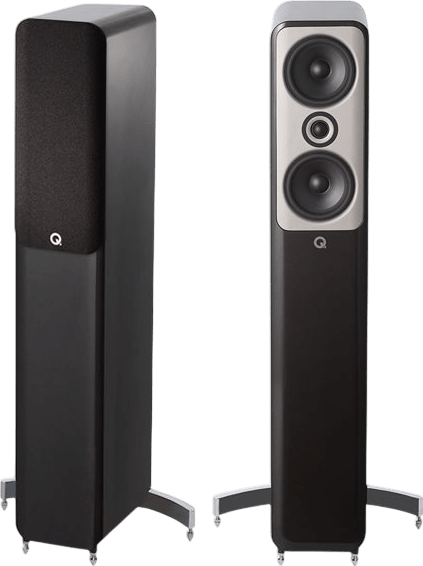
- Fit and finish plus performance that is a bargain for around $3k/pair
- Gelcore cabinet construction minimizes unwanted sound energy from resonance and vibrations
- A tweeter that is hermetically sealed and mechanically isolated (floating) from the baffle provides lower distortion
- Size, weight, and richness of tone belies their size, with a wider baffle to each loudspeaker pointing at you
- A mild sound throws emphasis back to the midrange that in itself seems almost holographic, as well as deeply insightful in a gentle but revealing manner
Product Considerations
- A medium to large size room is required to shine, otherwise the bass will dominate
- Flaws in poor recordings can be revealed due to their detail and accuracy—warts and all performance
- The top-end is a little soft and gentle—classic BBC like—which may require amps with some zing to compensate
- Listeners seeking absolute detail or transparency might not be satisfied because of Q Acoustics' house sound that massages treble and plumps up bass and lower mid
- They don't go sub-40Hz deep, frequency response is rated at 42 Hz – 30 kHz (-6dB)
Takeaway: The Q Acoustics Concept 50 offers excellent value with its blend of innovative design and high-quality sound, making it a great choice for enjoying music with a sense of depth and engagement. The Concept 50s are easy to listen to and fun.
Video review
Our take on the brand

Our Summary
Product Strengths
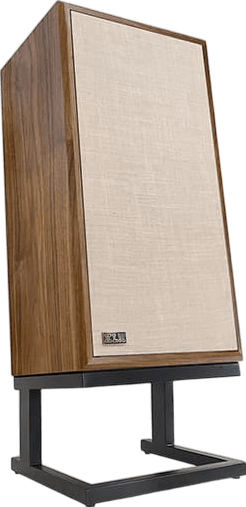
- Retro aesthetics reminiscent of vintage speakers, with a well-applied veneer and woven front panel
- Balanced sound with clarity in the midrange and treble, creating an immersive listening experience
- Good sensitivity makes them relatively easy to drive with a range of amplifiers
- Acoustic suspension design provides tight bass and allows for flexible placement near walls
- Three-position attenuation switch allows for adjustment to different room acoustics
Product Considerations
- Can sound a bit bright out of the box, requiring a break-in period
- Sound can harden a little when provoked by poor or bright recordings, and they are finicky about upstream electronics
- Bass might not be punchy enough for some listeners, potentially requiring a subwoofer or EQ adjustments
- Lack of provision for spikes to fasten the speakers to the carpet
- Grilles need to be off for best sound, according to one reviewer
Comparisons (according to reviewers)
- Compared to the JBL L100, the Model Five is better balanced and more enjoyable to listen to
- Compared to the NHT C3, the Model Five is an upgraded variant, offering deeper, wider sound and more resolution
- Compared to the Buchardt S400, the Model Five sounds more open, brighter, and more detailed—with better instrument placement
- Compared to the Aurender S5W, the Model Five reaches lower frequencies and has better overall resolution and detail
- Compared to the Graham LS6, they perform on par, albeit via a different approach, trading in some refinement for a more direct—in-your-face sound
Takeaway: The KLH Model Five is a speaker with retro style and balanced sound. They are versatile and can be used in different listening spaces.
Video review
Our take on the brand
Our Summary
Product Strengths
- Excellent clarity and detail resolution, with leading edges of notes crisply defined
- Accurate reproduction, with precise tonal accuracy and fine spatial definition within the soundstage
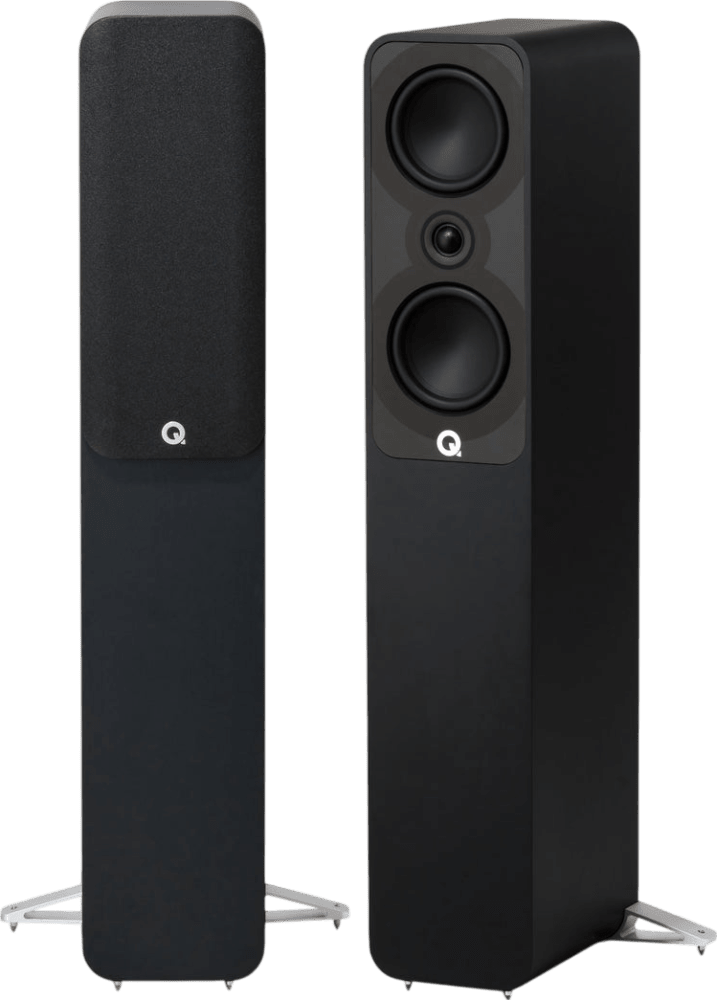
- Superb build quality for the money, and they look more expensive than they are
- Easy to drive without requiring excessive power to perform to their best
- Soundstage width is better than the 3050i
Product Considerations
- Needs care in system matching, as they are transparent and will reveal shortcomings in the source or amplifier
- Can sound slightly lean throughout the lower midrange, and the highs can sometimes present as a bit hot depending on the content
- Does not plumb the depths that some other floorstanders do
- Not designed for pokey rooms and cupboard-sized man caves, they need to breathe and require adequate space
- Some reviewers felt the build quality of the binding posts could be better
Comparisons (according to reviewers)
- The 5040 has a more neutral tonal balance with better-defined bass and exceptional clarity, while the 3050i delivers greater overall impact with its larger drivers and cabinet
Takeaway: The Q Acoustics 5040 is a well-built speaker that sounds great and looks modern, making it a good choice for those who want clarity and detail in their music, but system matching is important to avoid a bright presentation. These speakers are a strong statement in the right listening environment for the price.
Video review
Our take on the brand
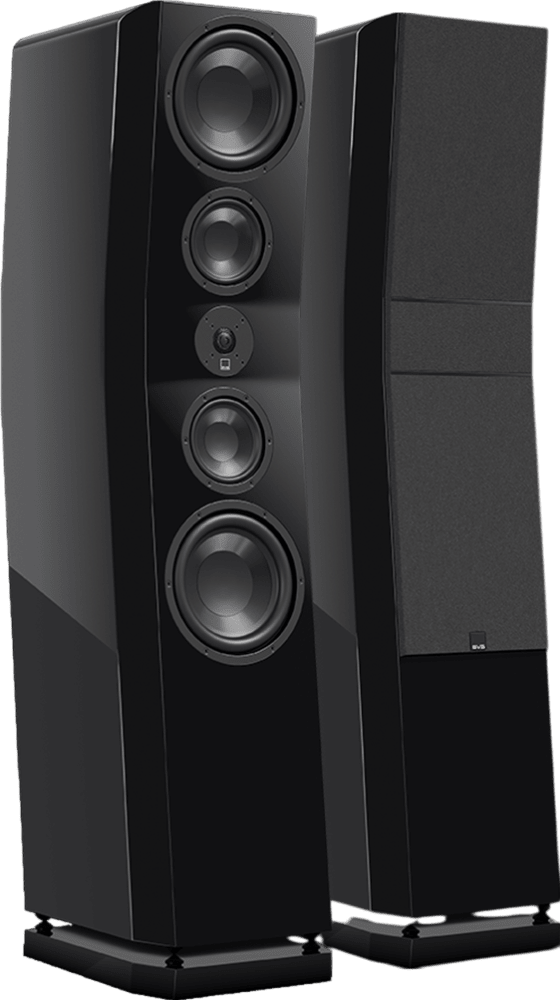

Our Summary
Product Strengths
- Delivers a lot of sound output and low bass, good for listeners who like full-range speakers
- The diamond-coated tweeter offers a big sonic improvement, sounding more open and less tinny or strained on the high end
- Exceptional value for money
- Exceptional bass weight and presence for the price range
- The Ultra Evolution Pinnacle offer scale, drama, and full-range sonics
Product Considerations
- Voiced for warmth rather than accuracy
- Can be room-sensitive in ways that other designs are not
- Should be driven with a robust amplifier
- The speaker's tonality is not linear, with a dip in the upper mid-range followed by a peak, making the sound somewhat shouty
- Speakers require placement away from walls due to a wide Q bump in the lower bass region
Comparisons (according to reviewers)
- vs Bowers & Wilkins 802 D4: The new tweeter in the SVS Ultra Evolution Pinnacle loudspeakers had a lot of that open sound when playing "Blackbird" from QoBuz, but the highs weren't as open and airy as the nearly six times more expensive Bowers & Wilkins 802 D4 speakers—the improvement over the past tweeter is notable
- vs Bowers & Wilkins 702 S3: B&W is slightly more money and slightly more refined
- vs MartinLogan XT F200: The SVS Ultra Evolution Pinnacle loudspeakers may have a different sonic signature
Takeaway: The SVS Ultra Evolution Pinnacle speakers are a great option for those seeking a powerful, full-range sound with exceptional bass at a competitive price. They are the best SVS speaker yet and will make the listening experience vibrant and fun.
Video review
Our take on the brand
How to buy
Speakers
Search all hifi products
Explore our database of 10,000+ new and 25,000+ used hifi products.