




Note that this is a discontinued product. You may want to visit the brand's page here to browse their newer products.
What reviewers think
Bloggers and YouTubers have tried this product—so we've summarized their strongest opinions below. Links to full reviews follow.
Product Strengths
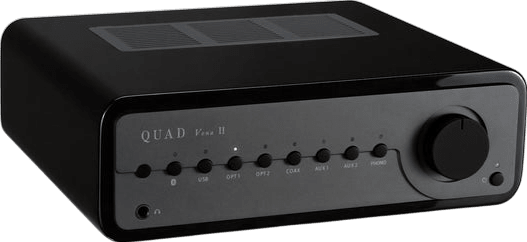
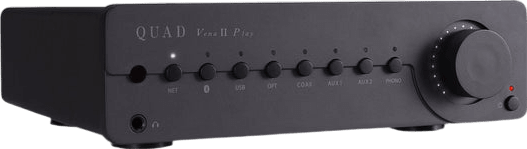
- Versatile connectivity—the Vena II offers a balance of classic analog inputs, including a phono stage, and modern digital capabilities, like Bluetooth streaming with aptX, USB, coaxial, and optical inputs
- Good DAC performance—the built-in DAC (ESS Sabre32 ES9018K2M) performs well, especially with external transports and computers, organizing the sound and removing the noise floor
- Strong bass performance—the amp provides authoritative bass, driving the lower end of speakers with ease, making bass-driven music grounded and fun
- Sufficient power—despite its modest 45W per channel (8 ohms), the Vena II has plenty of grunt and can drive many speakers comfortably, delivering a room-filling sound
- Competent phono stage—the Vena II has a better-than-average integrated MM phono stage and is considered a high-quality, low-noise JFET-based circuit
Product Considerations
- Treble can be lean or shy—the treble may not be as energized and present compared to some other amplifiers, especially those with a brighter sound signature
- DTS Play-Fi (streaming) is disliked by some reviewers—some reviewers did not like the streaming module and its app
- Grey finish may be unappealing to some—while some appreciate the purposeful look of the standard Lancaster Grey finish, others may find it dowdy
- Bluetooth is convenient, but lower quality—reviewers found Bluetooth convenient, but inferior in sound quality compared to wired connections
- Not the best separation in Mids and Treble—the separation of instruments in the mids and treble ranges may not be the best compared to other amplifiers in its price range
Comparisons (according to reviewers)
- Vs. Audiolab 6000a Play—the Quad Vena II Play offers a weightier, fuller, and more fun sound compared to the Audiolab, which emphasizes mids and airy sound
- Vs. Denon PMA-900HNE—the Quad Vena II is sonically similar to the Denon, but offers more refinement in treble and mids, while the Denon has more connections and a better app
Takeaway: The Quad Vena II is a versatile and compact integrated amplifier with a surprising amount of power, a detailed sound, and a strong focus on bass performance, making it a great all-in-one solution. With its comprehensive features and robust performance, the Vena II provides an engaging listening experience for both digital and analog sources.
All
Vena II
reviews


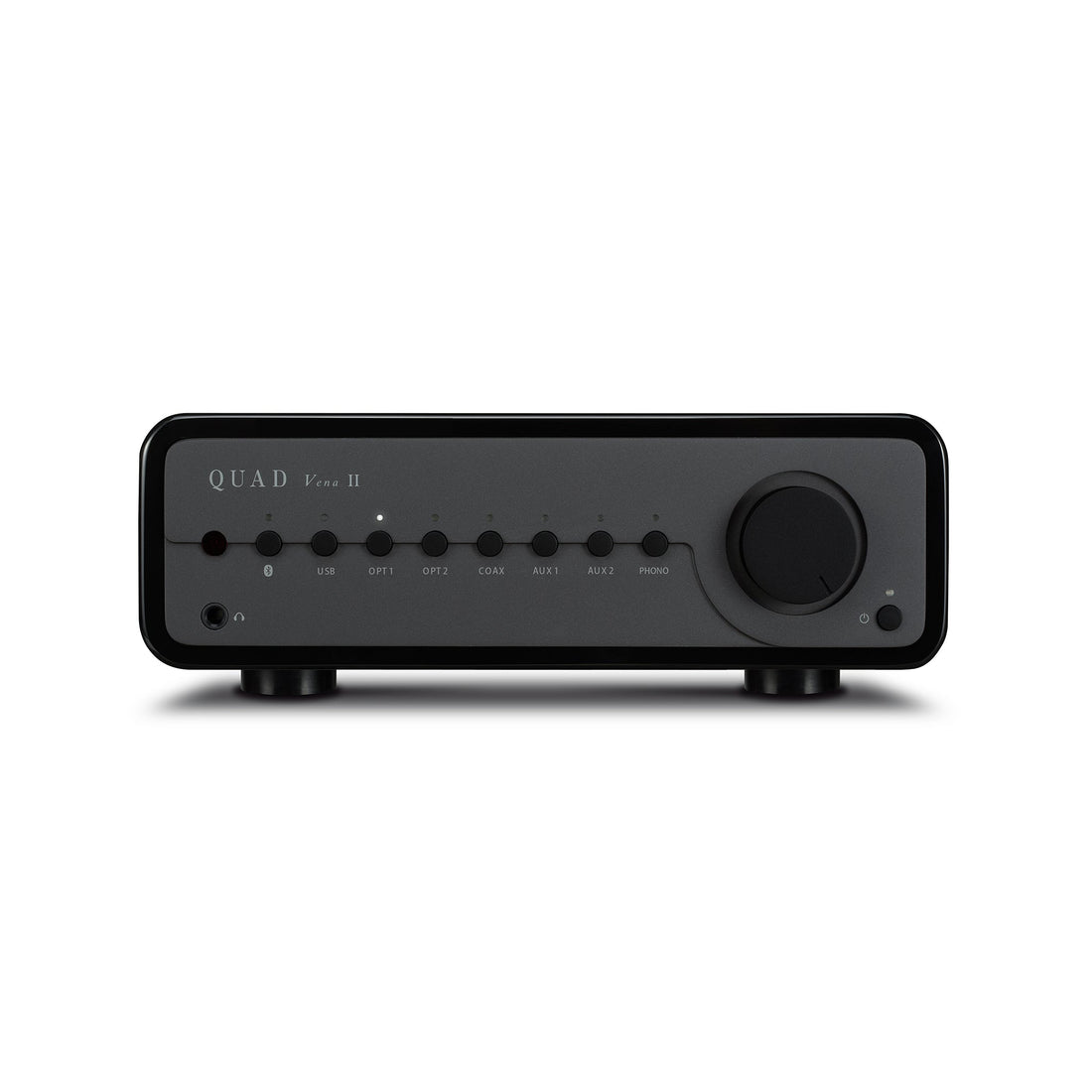
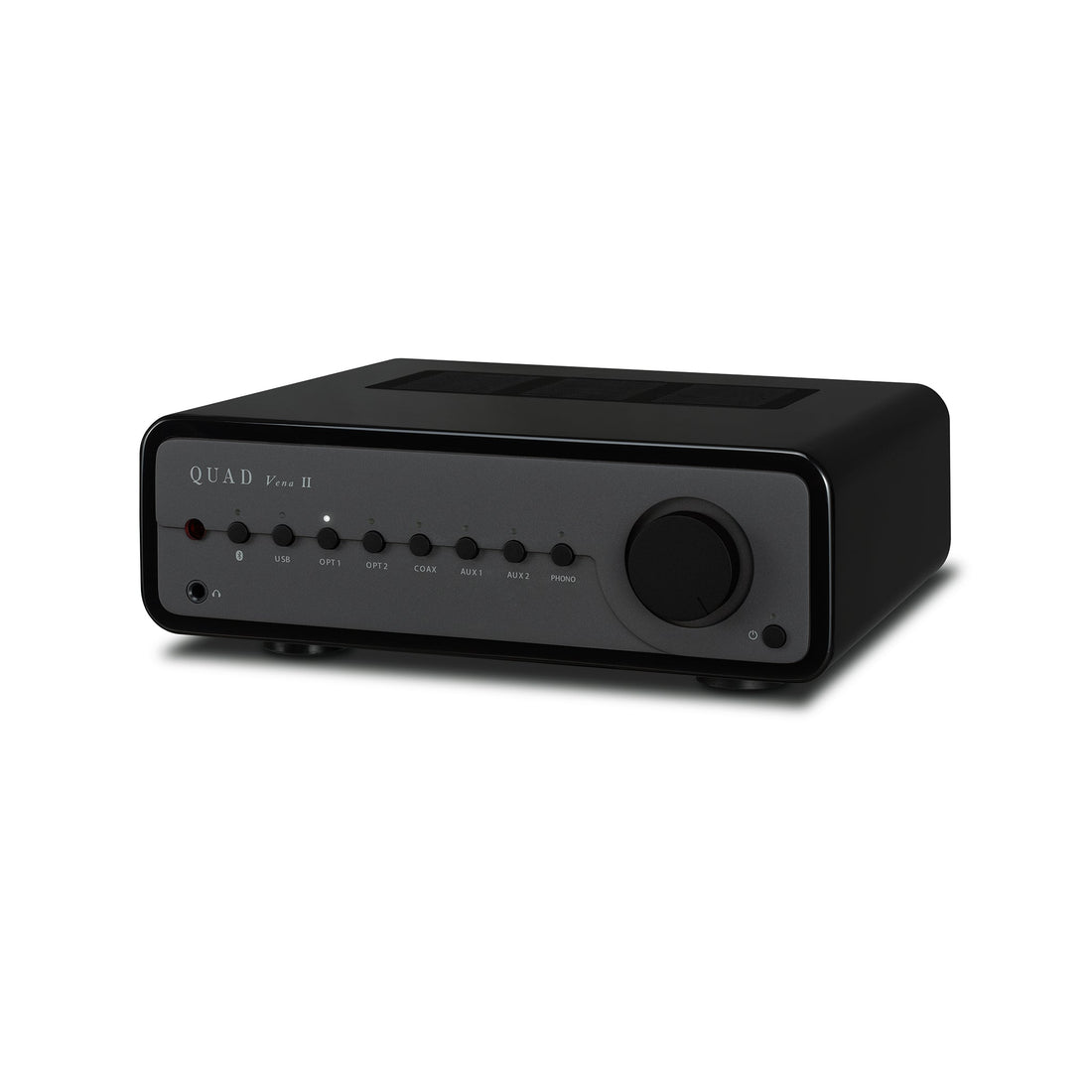
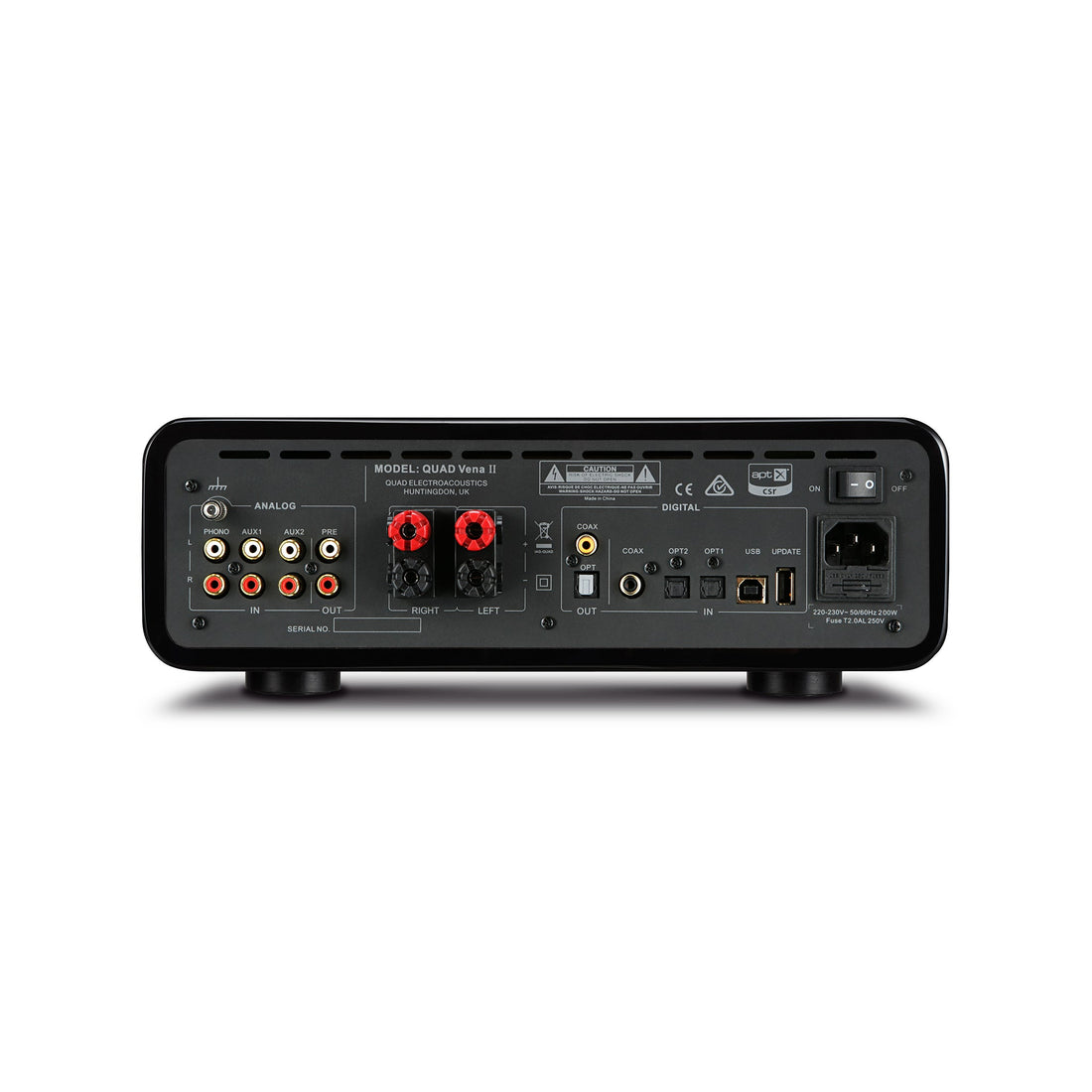
Manufacturer details
- Model: VENA II
- Analogue Inputs: 2x line-level RCA / 1x MM phono
- Analogue Outputs: 1 x RCA (pre-out)
- Analogue Input sensitivity: 450mV (line-level) / 4.1mV (MM phono)
- Analogue Input impedance: 10kΩ (line-level); 47kΩ / 100pF (MM phono)
- Frequency Response: 20Hz-20kHz (+/- 0.5dB)
- Total Harmonic Distortion (THD): < 0.002%
- Signal-to-Noise: > 110dB (A-weighted)
- Power Output: 2x 45W RMS (8Ω) / 2x 65W RMS (4Ω)
- DAC Chip: ESS Sabre32 ES9018K2M
- Digital Inputs: 2x optical; 1x coaxial; 1x USB Type A; aptX Bluetooth
- Max Sampling Frequency – USB: 384kHz PCM; DSD256
- Max Sampling Frequency – Optical/Coaxial: 192kHz PCM
- Digital Outputs: 1x coaxial; 1x optical









Brand highlights
Taking a step back to look at reviewers' thoughts of the brand's entire lineup—not just this product—what stands out most is the following:
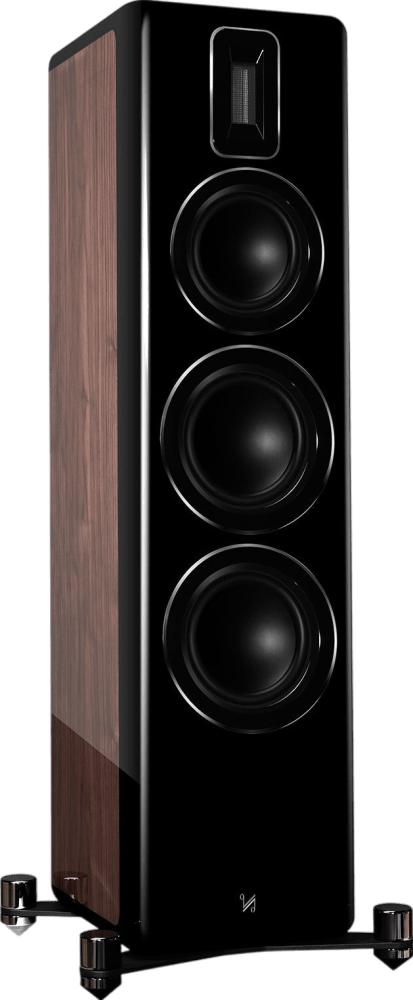
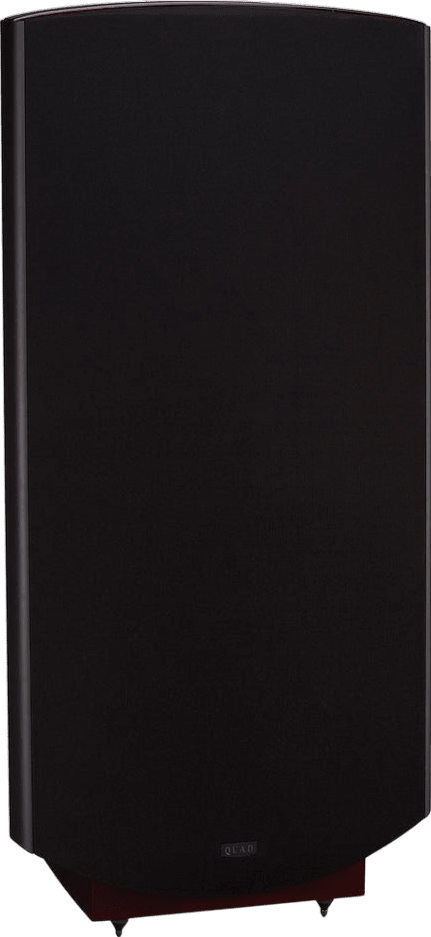
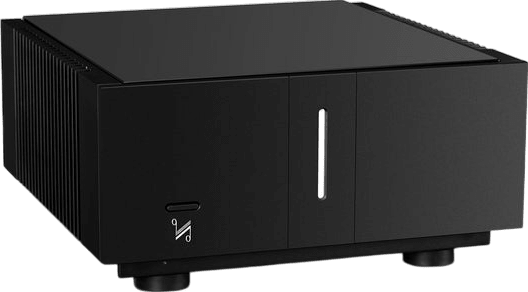
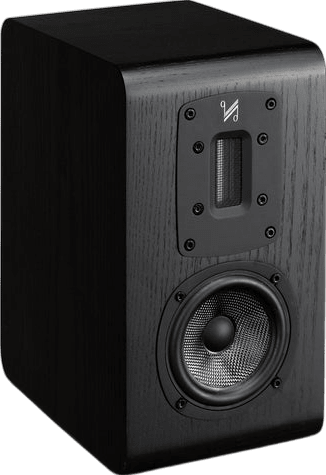
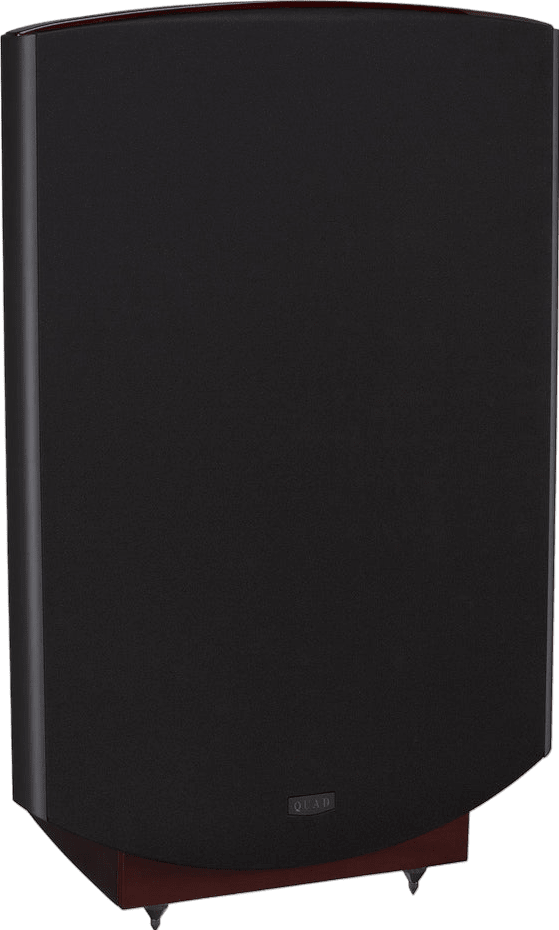
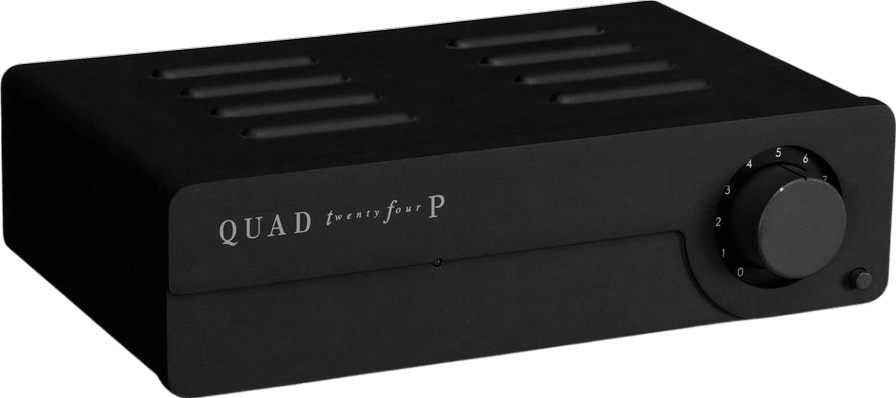
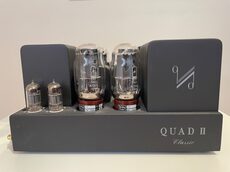
- Quad, a British hifi manufacturer with a long history dating back to the 1950s, is renowned for its iconic QUAD II Power Amplifier and ESL electrostatic speaker, maintaining a brand heritage built on exceptional sound quality.
- The brand has a long history of developing electrostatic panel loudspeaker technology, which has influenced the design and sonic qualities of their planar magnetic headphones, aligning with their heritage.
- Quad products are known for offering an exceptional price/performance ratio, often delivering superb sound quality and features that punch far above their price point.
Select products
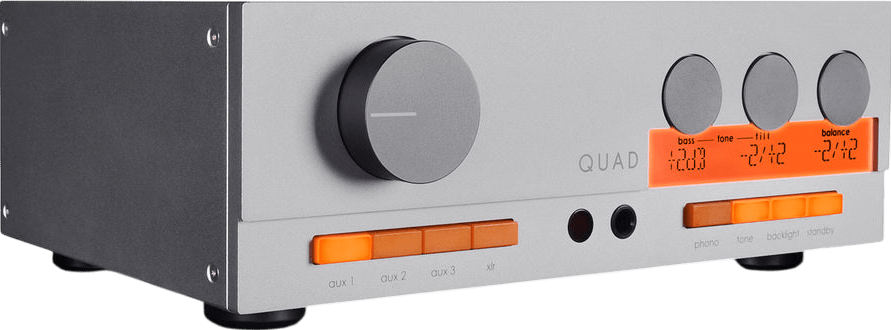
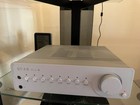
Vena II
- Positioning: The entry-level integrated amplifier in Quad's lineup.
- Description: Offers a compact design with a powerful Class AB amplifier, making it ideal for small rooms or those seeking a neat setup. It features a high-quality phono stage for vinyl enthusiasts, which is not available in the more advanced Artera models, providing excellent value for those with a diverse music collection. Its Bluetooth streaming capability and multiple digital inputs make it versatile for modern digital sources, unlike the more traditional QII-Integrated.
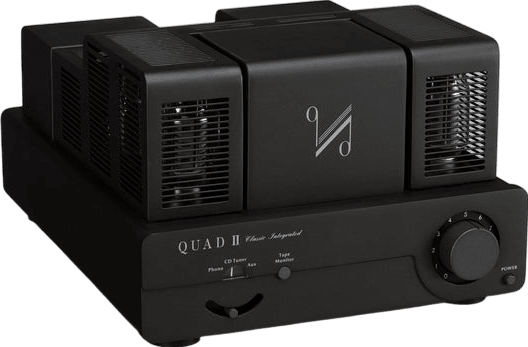
QII-Integrated
- Positioning: A mid-range integrated amplifier that combines classic design with modern functionality.
- Description: Features a push-pull KT66 output configuration, delivering a warm, rich sound that appeals to those who appreciate vintage audio aesthetics. Unlike the Vena II, it includes a high-quality built-in phono stage, making it a great choice for vinyl lovers who want a classic tube sound. Its power output is lower than the Artera models.
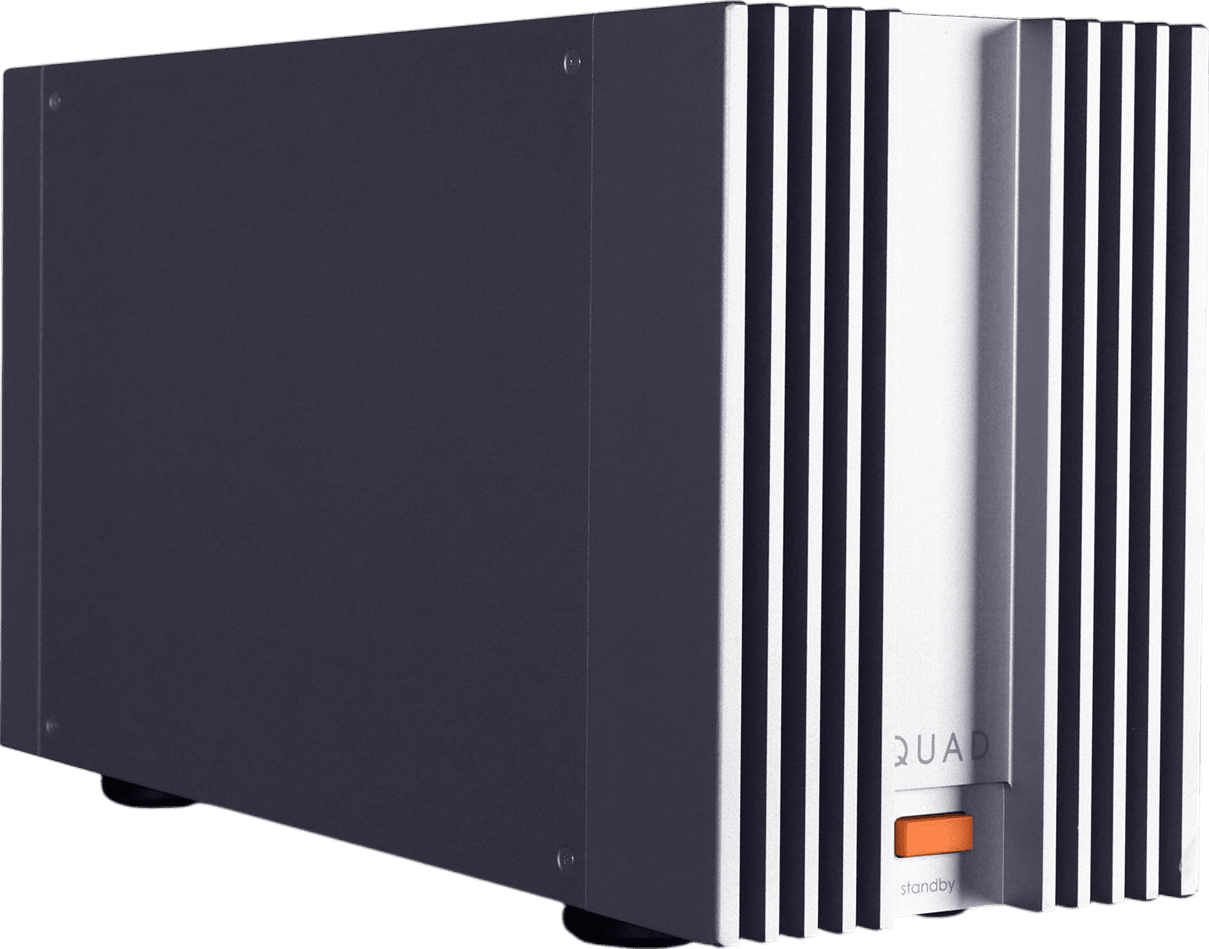
Artera Solus
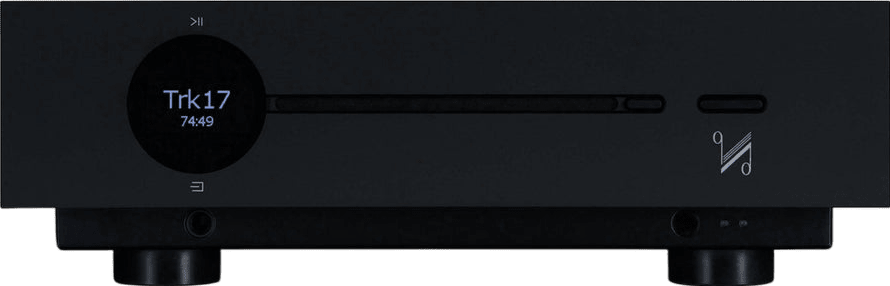
- Positioning: A high-end all-in-one system combining a CD player, DAC, pre-amplifier, and power amplifier.
- Description: Features sleek design and comprehensive functionality, integrating a CD player and Bluetooth connectivity, which the QII-Integrated lacks. Uses an ESS ES9018 DAC for superior digital audio performance, making it ideal for users who want a high-quality, all-in-one solution. Its power output and connectivity options surpass those of the Vena II.
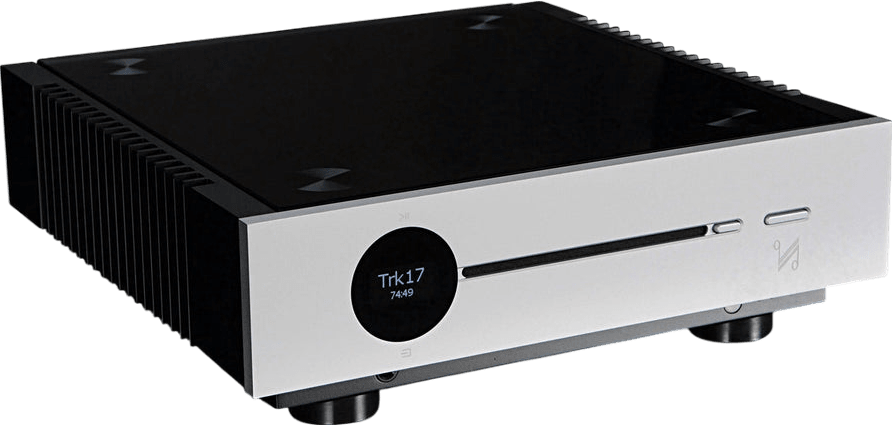
Artera Solus Play
- Positioning: The flagship model, adding wireless streaming capabilities to the Artera Solus.
- Description: Enhances the Artera Solus with DTS Play-Fi technology, allowing high-resolution wireless audio streaming, which is not available in the other models. The advanced streaming features and high power output provide a multi-room audio experience with the convenience of wireless connectivity.

Our take on the brand
Look inside the brand
Our interview with the brand
What are two key technological innovations or strong opinions that differ you from other brands?
What's your approach to customer support?
What are your favorite tracks for showcasing the strength of your products?
What other products pair best with yours?

Used
QUAD HIFI









What if you spend more?
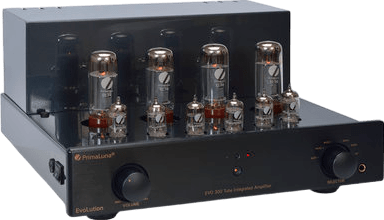


Most tube integrated amps and preamps use a solid state op-amp chip for running headphones. Stand alone tube headphone amps will vary in quality like any other tube amp. Headphones are simply small speakers that require less power. Some amps will use smaller output tubes that groan to have enough dissipation to run power-hungry planar headphones. Other brands, including those costing $5,000 or more like Mal Valve, will use larger output tubes, then use a voltage divider network to drop the power down to an acceptable level for headphones. This is how we do it. We simply took advantage of the fact that we make the best tube integrated amplifiers. Now you don't have to pay for a separate state of the art headphone amp. PrimaLuna integrateds are the favorite of owners who use everything from Audeze to Hifiman to Sennheiser!
PrimaLuna engineers wanted to make owning a tube amp so simple you would have no excuse not to have your tube dreams come true. If a tube fails, Adaptive AutoBias will instantly put the amplifier into protection mode so no parts can get damaged. A red LED will light up in front of the tube that needs replacing. Simply plug in another tube, and listen. No guesswork. No smoking amp. No getting out the soldering iron or dropping your amp off at UPS.

.svg)
Product Strengths
- Combines the tonal qualities of tubes with the power of solid-state amplification, combining the great aspects of both technologies
- Delivers a clean, detailed, dynamic, and musically insightful sound
- Well-built with high-quality components, including point-to-point wiring in the preamp section
- Includes a headphone amplifier powered by the same internal amp as the speakers, not an op-amp
- Multiple inputs and functions, including home theater bypass, subwoofer output, and tape output
Product Considerations
- Lacks balanced inputs and a pre-amplifier output
- The volume control can be very sensitive at low levels
- Optional MM phono stage requires additional purchase
- Requires good ventilation due to running warm
Comparisons (according to reviewers)
- Versus Cambridge Audio Edge NQ / 2 x Gold Note PA-10 setup, the EVO 300 Hybrid delivers a level of engagement that was captivating, the improvement over the normal setup slightly disconcerting
- Versus Schiit Jotunheim, the PrimaLuna bested it, with a slightly cleaner sound that let a touch more detail through
Takeaway: The PrimaLuna EVO 300 Hybrid offers a balance of tube warmth and solid-state power to give listeners the best of both worlds. Its detailed sound, robust build, and versatility make it a worthwhile addition to any audiophile's system.
Video review
Our take on the brand
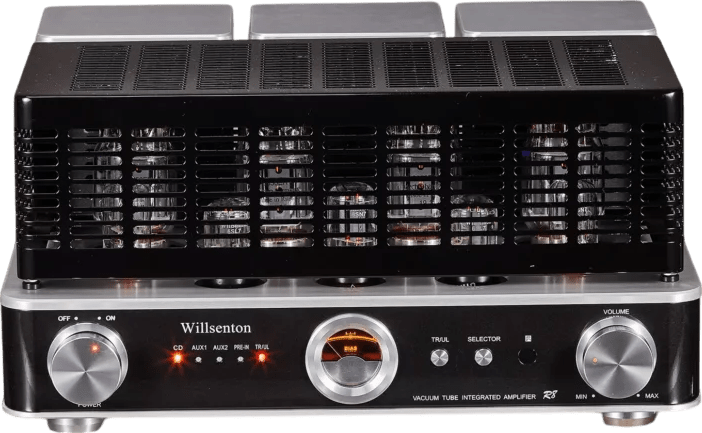

The R8 series includes three different versions that use three different types of vacuum tubes for AB1 class push-pull power amplification. Additionally, it features two 6SL7 tubes and two 6SN7 tubes for signal amplification and driving. The pre-stage voltage uses a single 6SN7 tube for a filtered power supply, achieving an output power of 40W/45W per channel.
R8 – EL34 This design uses four EL34 vacuum tubes for AB1 class push-pull power amplification. Additionally, it features two 6SL7 tubes and two 6SN7 tubes for signal amplification and driving. The pre-stage voltage uses a single 6SN7 tube for a filtered power supply, achieving an output power 40W per channel.
R8 – KT88 This design uses four KT88 vacuum tubes for AB1 class push-pull power amplification. Additionally, it features two 6SL7 tubes and two 6SN7 tubes for signal amplification and driving. The pre-stage voltage uses a single 6SN7 tube for a filtered power supply, achieving an output power 45W per channel.
R8 – EH6550 This design uses four EH6550 vacuum tubes for AB1 class push-pull power amplification. Additionally, it features two 6SL7 tubes and two 6SN7 tubes for signal amplification and driving. The pre-stage voltage uses a single 6SN7 tube for a filtered power supply, achieving an output power 45W per channel.
The R8 features handcrafted point-to-point welding construction. The chassis and transformer cover are finished with high-grade piano lacquer for a refined appearance. It includes an external, independent BIAS ADJ current monitoring gauge and a 30-second mute delay function. It also has a headphone output feature, ALPS motorized potentiometer, full remote control functionality, and pure power amp input capability, allowing connection to an independent preamp signal input. Additionally, it features an external TUBE SEL for KT88/EL34 vacuum tube swapping, offering triode and ultra-linear function selection. In triode mode, the sound is soft, pure, and smooth, suitable for enjoying vocals and string music. In ultra-linear mode, the sound is open, exuberant, and powerful, ideal for appreciating large-scale, dynamic music.
The body is made from aviation-grade aluminum alloy with piano paint. The external independent BIAS ADJ current display meter and current adjustment points. High-grade ALPS motorized potentiometers made in Japan. CNC-machined copper terminals plated with gold are aimed at further noise reduction and upgrades.
Product Strengths
- Impressive build quality and design for the price, with quality parts and point-to-point hand wiring, which is rare these days
- Versatile amplifier integrates into different systems due to the ability to use KT88, EL34, or 6550 tubes
- Offers a choice between triode and ultralinear modes, which can be switched on the fly, and it makes a big difference in sound
- Delivers a wide soundstage with good stereo imaging and a 3D holographic presentation
Product Considerations
- Bass, especially with KT88 tubes, can be strong and might benefit from more nuance, EL34 tubes offer a better balance
- Treble can be a little bright or have a hard edge in the upper midrange, especially with revealing speakers, although this can be addressed with tube rolling
- The remote control is functional but noisy, and the volume steps may not allow for fine adjustment
- May not be suitable for those who listen at very loud volumes, as the sound can harden up at higher levels
- Stock tubes are good, but tube rolling can significantly enhance and fine-tune the sound
Comparisons (according to reviewers)
- Vs PrimaLuna Evo 300: The R8 sounds just as good, if not better, and is built just as good, if not better, but at a fraction of the price
- Vs McIntosh 152: Some reviewers preferred the sound of the R8 over the McIntosh 152 despite the significant price difference
- Vs McIntosh 252: Some reviewers found the R8 better than the McIntosh, especially in ultralinear mode
- Vs Exposure 2510: The R8 offers similar detail and refinement to the Exposure 2510 but surpasses it in acoustic body, tonal richness, scale, and dynamics
- Vs Line Magnetic 219ia: The R8 brought back memories of the Line Magnetic 219ia but had more gusto and oomph while retaining much of the magic
Takeaway: The Willsonton R8 is a versatile and great-sounding tube amplifier that offers exceptional value, making it a worthwhile purchase for those seeking a tube sound experience without breaking the bank. It can enhance the sound of speakers and allows for music enjoyment in a more engaging manner.
Video review
Our take on the brand
.png)
Our summary
Product Strengths
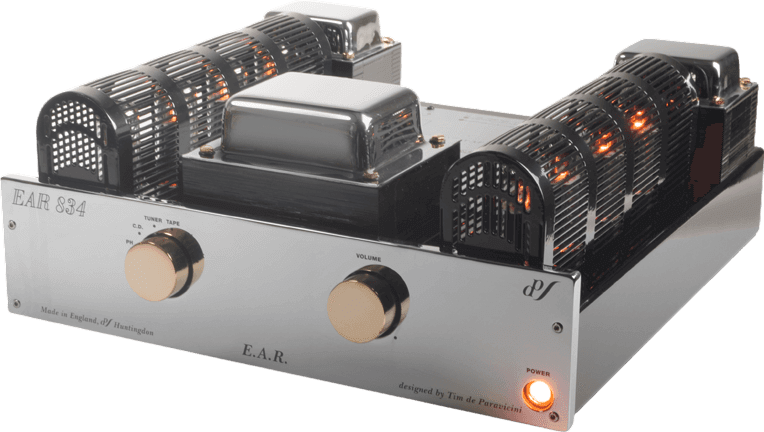
- Very fine sense of detail, especially in the midrange and treble
- Forward presentation makes instrumentalists and vocalists seem to step out in front of the speakers
- The controls have a luscious feel
- The amplifier is beautifully made with that thick gleaming fascia exciting unequivocal admiration
- Rhythmic nuances and microdynamics propelled musical lines along with foot tapping gusto
Product Considerations
- There's a small degree of hum from the mains transformer
- Can be fatiguing to listen to for long periods, especially with aggressive recordings
- Lacks the last word in texture and extension in the bass
- Doesn't present sharply defined three-dimensional images
Comparisons (according to reviewers)
- Vs Blue Circle BC3/BC3.1 and Muse 150 monoblock amps, EAR 834 has softer and less extended bass, slightly less overall detail and clarity, and a somewhat foreshortened soundstage
- Vs E.A.R. 802 preamp combined with a CLASSÉ CA 100 amplifier, the 802/CA 100 combination was quite similar in sound to the 834
Takeaway: The EAR 834 is beautifully made, looks great, and has a special sound that can really draw you into the music and make you feel like you are there. It is an integrated amplifier with a design that invites extended listening sessions.
Video review
Our take on the brand
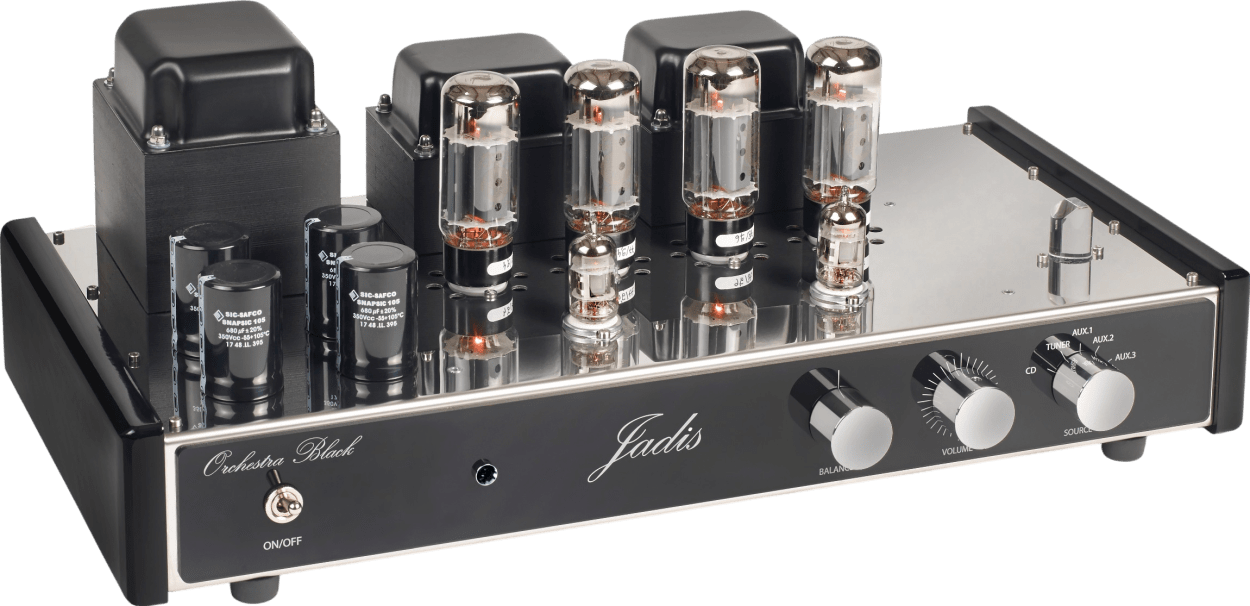

The Orchestra displays stainless steel chassis with tubes mounted on ceramic sockets with golden pins. It has 4 EL34 tubes mounted in push-pull which are driven by 2 ECC83.This is the result of a very thorough study undertaken by Jadis with one main objective: to make a product with all the essential qualities of a high-end device at a reasonable price.
Product Strengths
- Beautiful object with its own style, unmistakably a Jadis.
- The fit and finish is up to high standards.
- Not overly romantic and not analytical, sitting right in the sweet spot, it has clarity and transparency.
- The amp's workmanship is robust and exquisite.
- Produces a big sound that's rich, warm, full-bodied and strongly profiled.
Product Considerations
- Adjusting bias is best left to a qualified technician.
- The amp has a natural tendency to roll backward unless grasped firmly.
- Straight out of the box, the Jadis was a little rough.
- Limited absolute power output.
Comparisons (according to reviewers)
- Vs Jadis Orchestra Reference MkII integrated amplifier: The Orchestra Black is a budget version of the Reference with slight internal and external changes to improve the sound and reduce the price.
- Vs Musical Fidelity: The Jadis, a 40-watt valve amp, sounds better than spec suggests.
Takeaway: The Jadis Orchestra Black is a beautiful and well-built amplifier that delivers a smooth, clear, and natural sound. It is a great option for those curious about tubes, with a rich tonal bloom.
Video review
Our take on the brand
What competes at this price?

Our Summary
Product Strengths
- Open, neutral, and extremely rewarding sound quality
- Excellent phono stage and headphone amplifier
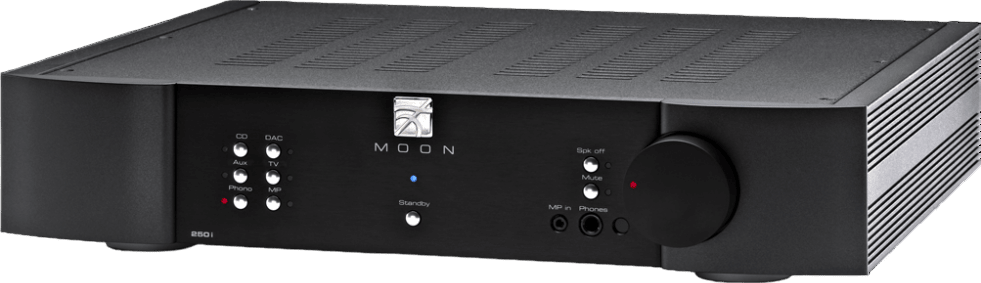
- Beautifully made with a solid build quality
- Transparent sound allows the listener to shape the system's character
- Integrated amp can be partnered to double down on transparency or to shape the system you want
Product Considerations
- Remote control can be a bit difficult to use in low light
- Offers less functionality compared to some rivals at the same price point
- Some reviewers found certain performances to be slightly cool
- Volume adjustments with the remote control could be more sophisticated
Comparisons (according to reviewers)
- The MOON 250i v2 sounds more open than the MOON 600i v2
- The MOON 250i V2 is not as tactile in the treble region, when compared to Naim Nait XS 3
- The MOON 250i V2 has more bite in the treble region, when compared to Exposure 3510
- The Pass Labs amplifier has a more transparent—involving sound, when compared to the MOON 250i V2
Takeaway: The MOON 250i v2 is a well-made amplifier that delivers transparent sound quality suitable for various audio systems and listening preferences. It is a great choice for those looking for quality audio reproduction without needing all the latest digital features.
Video review
Our take on the brand


Our Summary
Product Strengths
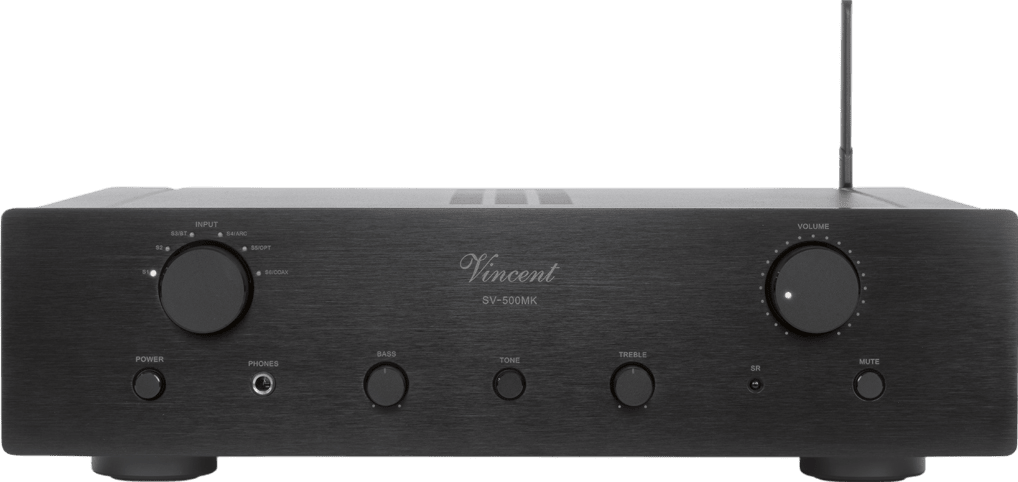
- Builds upon the foundation of its predecessor, the SV-500, by adding HDMI and Bluetooth connectivity
- Features a hybrid vacuum tube and solid-state design, combining tube warmth with solid-state power
- Integrated DAC supports digital input signals, and a built-in Bluetooth module supports modern codecs like aptX and AAC
- Offers versatility by functioning as a standalone preamplifier or DAC, in addition to being an integrated amplifier
Product Considerations
- The omission of a phono pre-amplifier is a mistake
- Absence of a subwoofer output feels like another lost opportunity
- The trademark Vincent porthole that allows one to see inside the amplifier and the glowing tubes is also not part of the package
Comparisons (according to reviewers)
- Vs Vincent Audio SV-737: The SV-500 MK may not offer the power of the SV-737, but 50 watts might be enough for a lot high-sensitivity bookshelf and floor standing loudspeakers
Takeaway: The SV-500 MK is a versatile amplifier with modern features like HDMI and Bluetooth, combined with the classic warmth of tubes. Its hybrid design and multiple functionalities make it worth considering for those seeking a balance of old and new.
Video review
Our take on the brand

Our Summary
Product Strengths
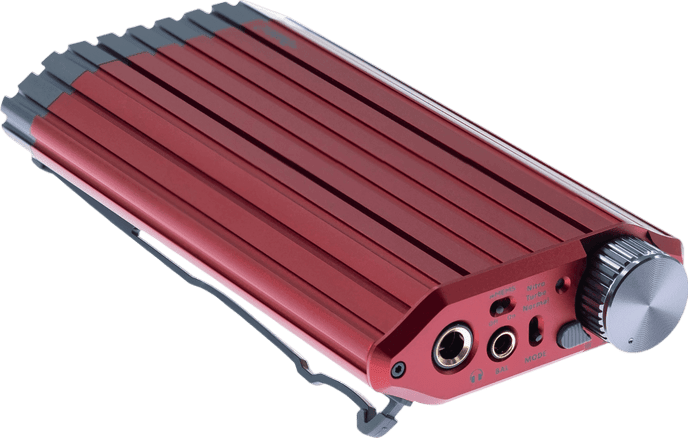
- Delivers a vividly detailed and balanced sound, handling complicated mixes with skill
- Able to extract a lot of information from digital audio files with apparent ease
- A volume lock prevents accidental volume adjustments when the device is in a pocket or bag
- Extensive specification including Bluetooth 5.4 with aptX Lossless compatibility and multiple inputs/outputs for versatile connectivity
Product Considerations
- Some reviewers feel the device is not very pocket-friendly due to its size and sharp edges, making it better suited as a transportable—rather than a truly portable—device
- The gain is set too high, making precise volume control difficult, especially with sensitive IEMs
- Using IEMatch adds output impedance, which can negatively affect the tonal balance and dynamics of some IEMs
- The length of the included USB-C cable is short, making it difficult to position the device on a desk
Comparisons (according to reviewers)
- Compared to the iDSD Diablo 1, the Diablo 2 offers slight sonic improvements and better build quality, but at a higher price
- Compared to the iDSD Signature, the iDSD Signature is considered by some to offer a better result for less money, with a more realistic instrument and vocal timbre, larger soundstage, and customizable features like crossfeed and bass boost
- Compared to the FiiO Q7, the iDSD Diablo 2 has a vivid sound, where the FiiO Q7 has a smooth and wide sound
Takeaway: The iDSD Diablo 2 is a powerful and versatile DAC/amp that enhances headphone listening with its detailed sound and extensive features. It is a good choice for users who want a high-quality audio experience on the go or at their desk.
Video review
Our take on the brand

Our Summary
Product Strengths
- Joyful sound signature with detailed output
- Can power a wide range of headphones, due to Ultima technology
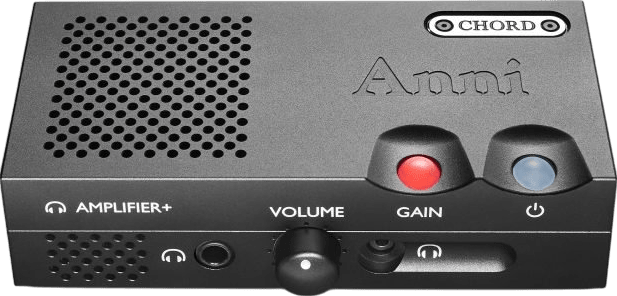
- Compact design, stacks perfectly with the Qutest and Huei
- Employs trickle-down Ultima technology to allow delivery of enormous peak current outputs
- Solid build quality using CNC-milled aluminum casework and good heat dissipation
- Connectivity options include headphone and speaker outputs
Product Considerations
- No gain switch for the headphone output
- Default gain level a bit high for sensitive IEMs
- More power limitations with speakers than headphones—best for smaller, efficient speakers or nearfield listening
- Runs hot, requiring good ventilation
- The volume control feels a little wobbly and might be difficult to use in a very precise way, and there is some channel imbalance at very low volumes
Comparisons (according to reviewers)
- Qutest/Anni pairing justifies its price premium thanks to a more composed and insightful presentation that offers notably more low-end authority, dynamic punch and tonal richness
- Cyrus ONE HD is plusher, showing that Anni has strong niche appeal
- The iFi xDSD Gryphon has digital inputs and built-in DAC, while Anni can power speakers
Takeaway: The Chord Electronics Anni is a compact and well-built amplifier that delivers a joyful and detailed sound, making it a great addition to a desktop setup for headphone and nearfield speaker listening. Its use of trickle-down Ultima technology ensures high-quality performance in a small package, and its ability to stack with other Chord devices makes it a good choice for those already invested in the ecosystem.
Video review
Our take on the brand

Our Summary
Product Strengths
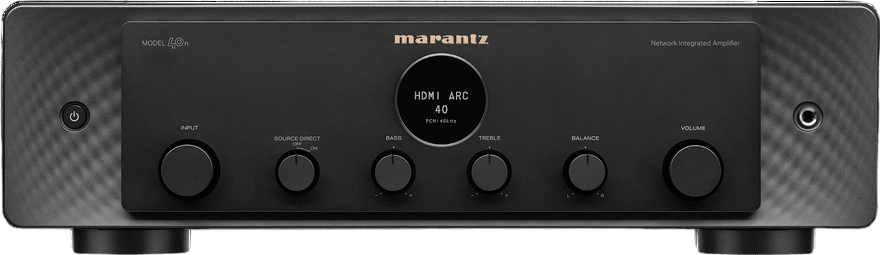
- High-quality build and aesthetics, with a metal casing and elegant fascia made to a high standard
- A clear, powerful, and spacious sound, with a presentation that is appealing right from the beginning
- Plenty of power on tap, specified at 70W per channel into 8 ohms and 100W per channel into 4 ohms
- Fantastic connectivity, with three pairs of line-level inputs, an MM phono stage, and outputs for a recorder and subwoofer
- Capable network DAC/streamer with digital controls
Product Considerations
- The dimpled effect flanking the extruded front panel gives the unit a further distinctive look, but the finish feels like plastic upon closer inspection
- The HEOS app isn't bespoke to the 40n, many of the product's set-up options can only be accessed through the unit using the included remote control
- Bluetooth pairing took longer than expected, and there were occasions when the app stopped being able to see or display the music server when switching inputs
- The lettering on the remote control is impossible to read in dim light, and the buttons are too similar in size, resulting in fumbling in the dark
Comparisons (according to reviewers)
- The Marantz Model 40n is a different proposition compared to the Marantz PM7000N, Marantz is keen to reposition itself as a luxury hifi brand and that intent is clear in the 40n's gorgeous build and aesthetics
- Rival systems such as the Cambridge Audio Evo 150 and Naim Uniti Atom do a better job of engrossing listeners in the music, being more insightful, musically engaging, and dynamically exciting by degrees
- Is super-sexy and distinctive styling, a higher level of fit and finish, a much better remote, and access to Sound United's HEOS streaming/multiroom audio platform wanted—or more coaxial and optical digital inputs, Dirac Live room-correction capabilities, more power, a more efficient topology, and access to Lenbrook's BluOS streaming/multiroom audio platform
- At first glance it's hard to distinguish the Model 40n from its slightly costlier Marantz Model 30 sibling
Takeaway: The Marantz Model 40n is a stylish and feature-packed streaming amplifier that offers a musical and inviting performance. With its versatile connectivity options and impressive sound quality, the Model 40n is a great choice for modern, lifestyle hifi systems.
Video review
Our take on the brand
How to buy
Amplifiers
Search all hifi products
Explore our database of 10,000+ new and 25,000+ used hifi products.