




Note that this is a discontinued product. You may want to visit the brand's page here to browse their newer products.
What reviewers think
Bloggers and YouTubers have tried this product—so we've summarized their strongest opinions below. Links to full reviews follow.
Product Strengths
- Clear sound with precision and transparency offers a transformative listening experience
- Lightweight design makes them comfortable for long listening sessions
- Midrange is detailed, rich, and pristine, delivering instruments and vocals in a clear and immersive fashion
- Treble is detailed and smooth, with a touch of spark and attack
- Soundstage offers layered and holographic audio landscapes with excellent instrument separation
Product Considerations
- Build quality is mostly plastic and may seem cheap
- Bass lacks depth and sub-bass presence, which may not be ideal for all music genres
- Requires a specialized amplifier, adding to the overall cost
- Some users may find the earpads too thin, leading to discomfort
- Open-back design offers little isolation and results in sound leakage
Comparisons (according to reviewers)
- Vs HiFiMan Ananda: The HiFiMan has better bass and build quality, but the Stax is more lightweight and has less distortion
- Vs Sennheiser HD800S: The Sennheiser is more comfortable and durable, but the Stax is cheaper
- Vs Audeze LCD 2 Classic: The Audeze has a more solid build and accurate bass, but the Stax is lighter
- Vs Sennheiser HD600: The Stax has better audio fidelity and sounds more open, but the Sennheiser is sturdier
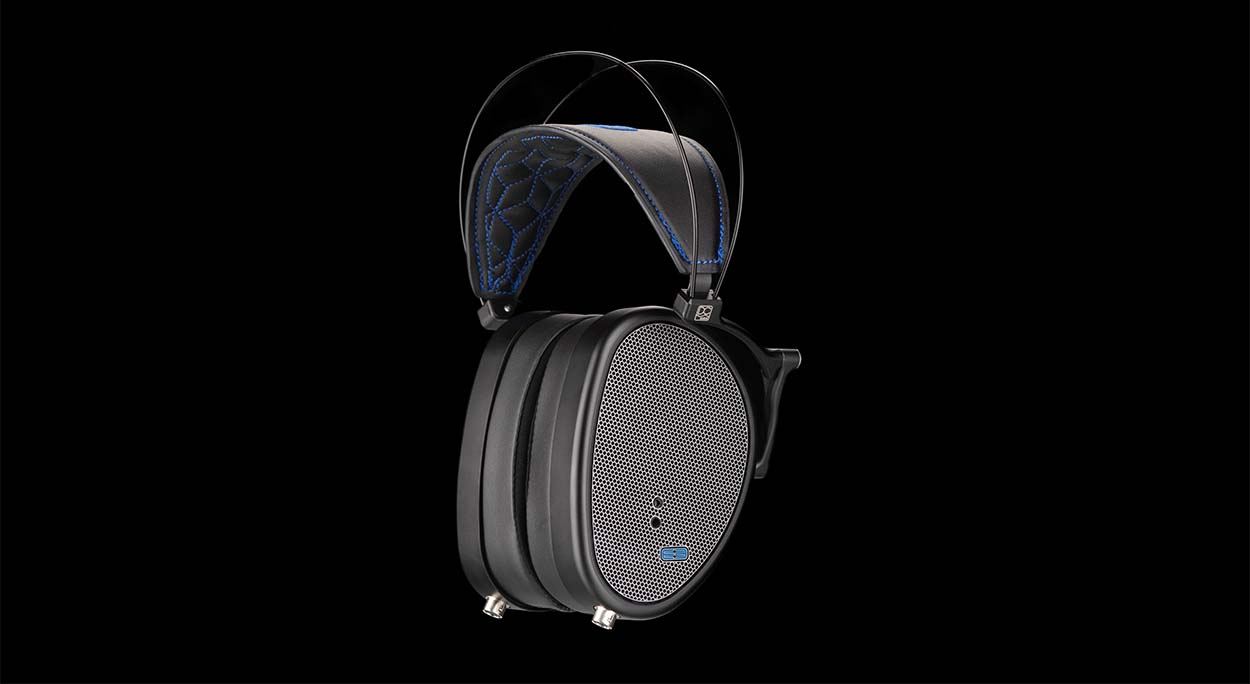
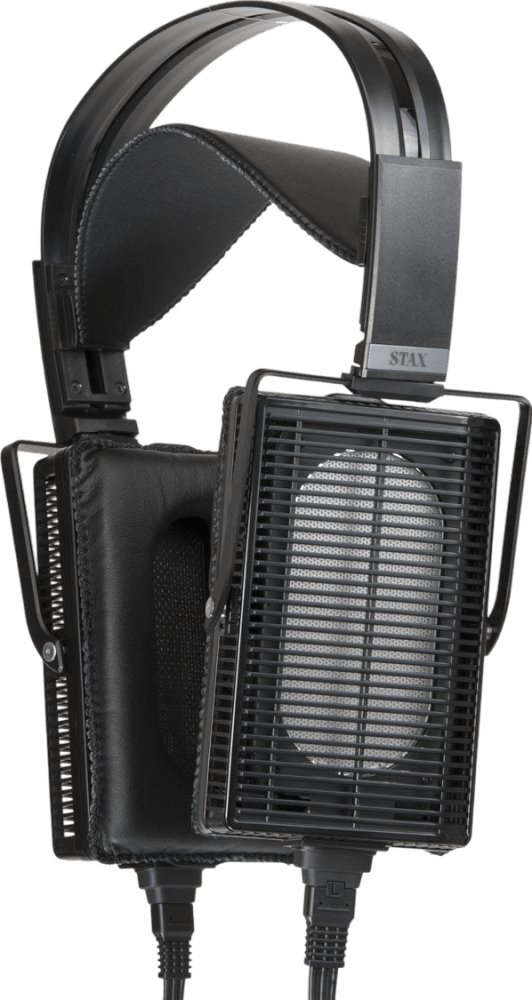
Takeaway: The Stax SR-L300 offers a unique electrostatic listening experience with exceptional clarity and a comfortable design, making it a worthwhile entry point into the world of high-end audio. Its detailed sound and engaging presentation can be highly enjoyable for listeners seeking a different sonic perspective.
All
SR-L300
reviews


Manufacturer details
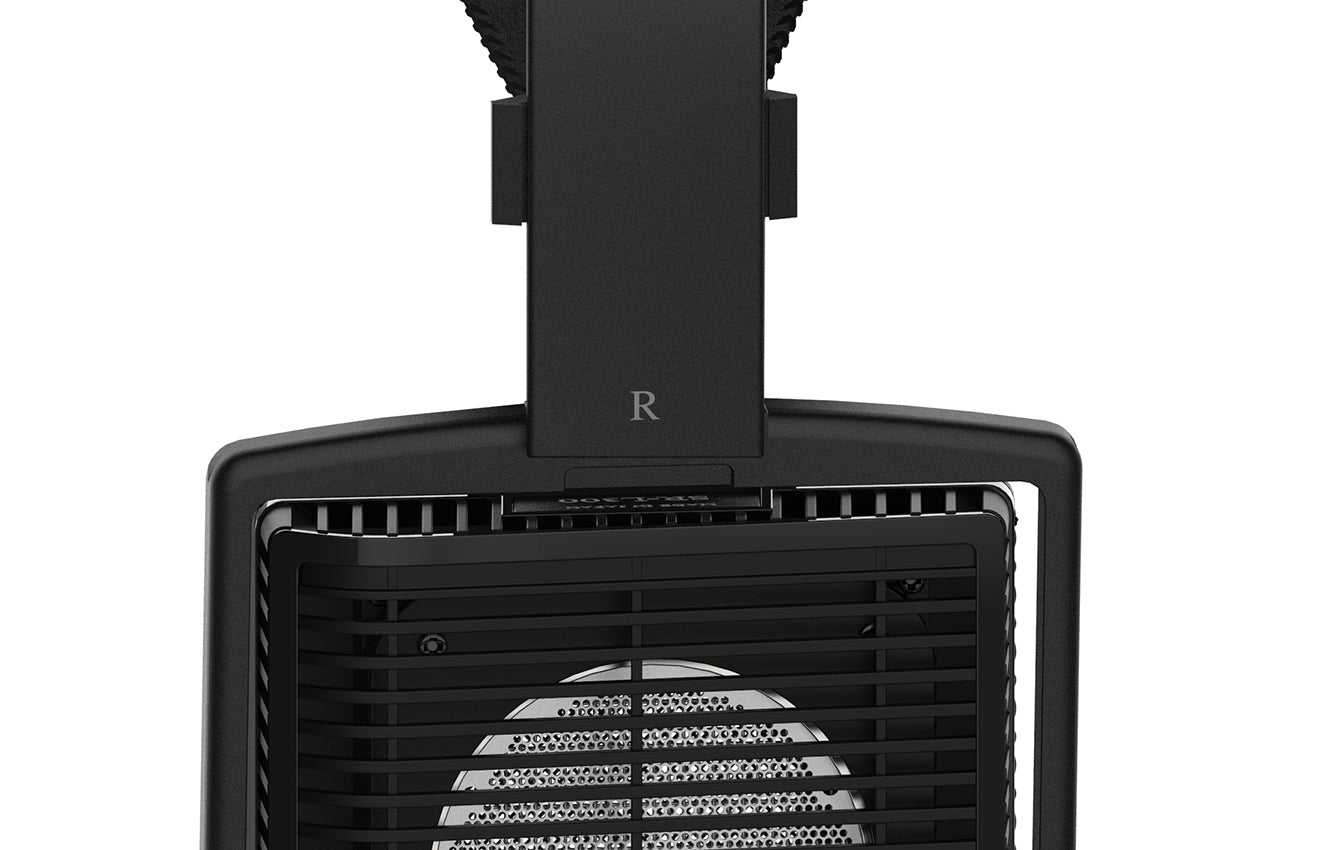
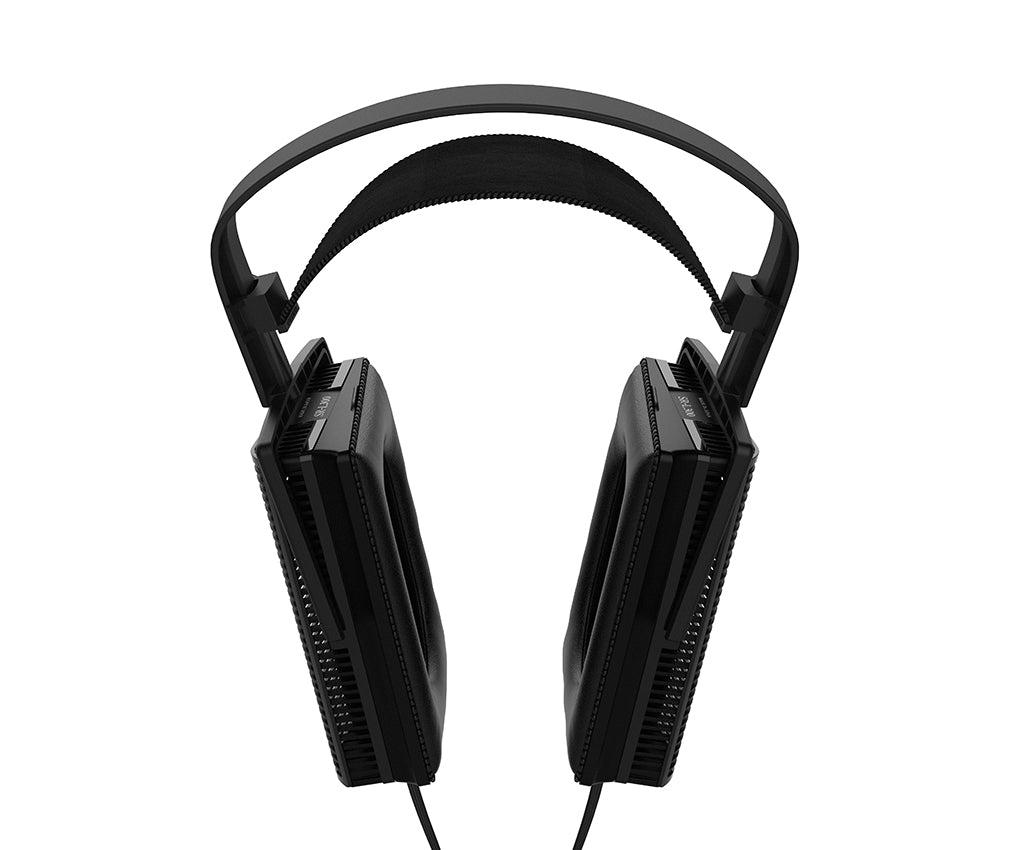
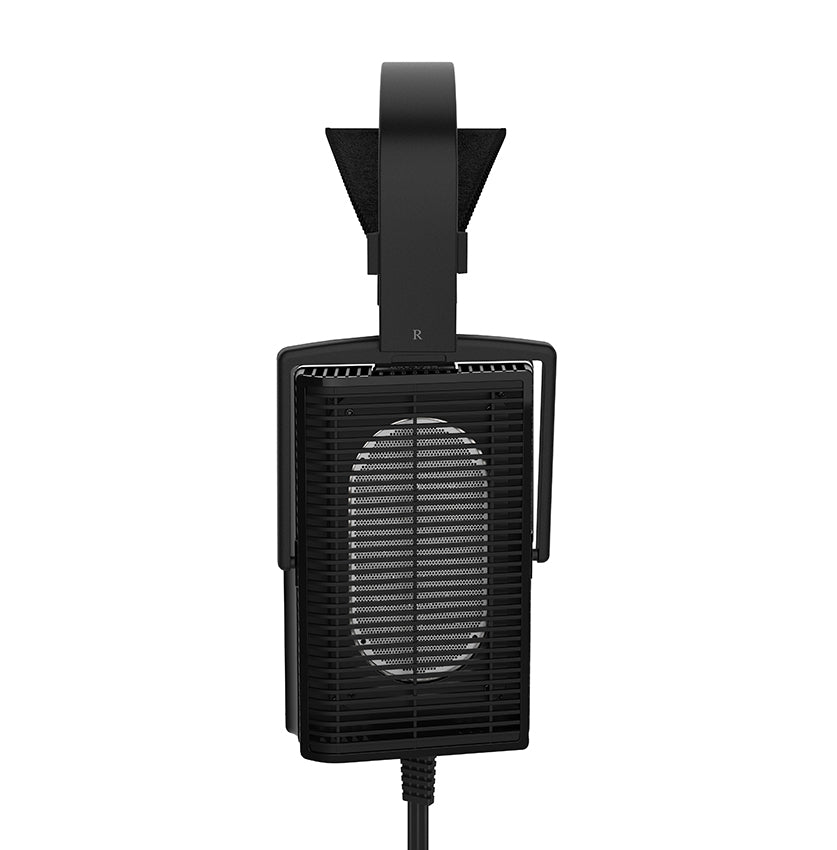
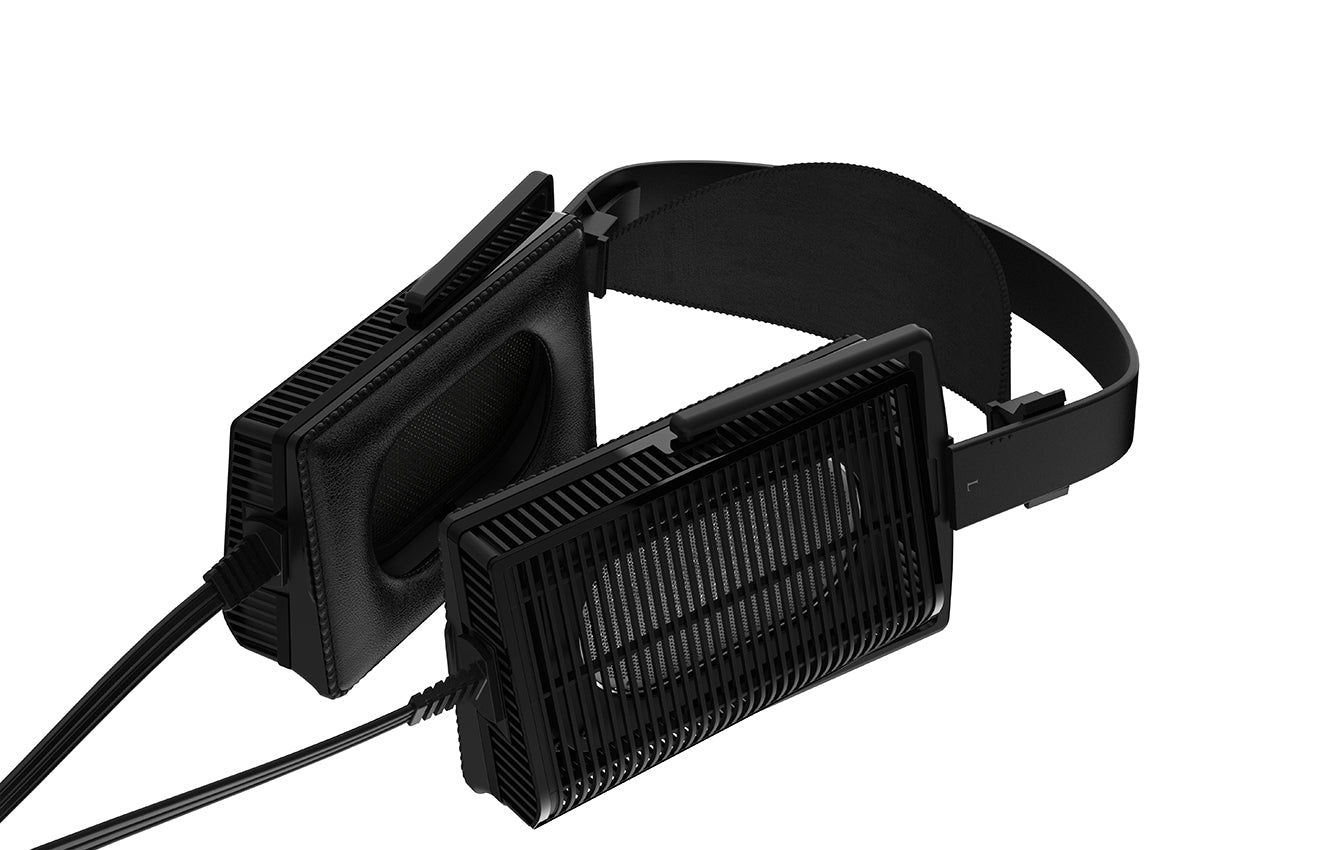
- Type: push-pull electrostatic, oval sound element, rear open-air type enclosure
- Frequency response: 7 – 41,000Hz
- Electrostatic capacitance: 110pF (including attached cable)
- Impedance: 145kΩ (including attached cable, at 10kHz)
- Sound pressure sensitivity: 101dB / input 100Vr.m.s. / 1kHz
- Bias voltage: 580V DC
- Ear pad: high-quality artificial leather (for SR-L300 only)
- Cable: parallel 6-strand, 2.5m full length, low-capacity special wide OFC cable
- Weight: 448g (including attached cable), 322g (without cable)

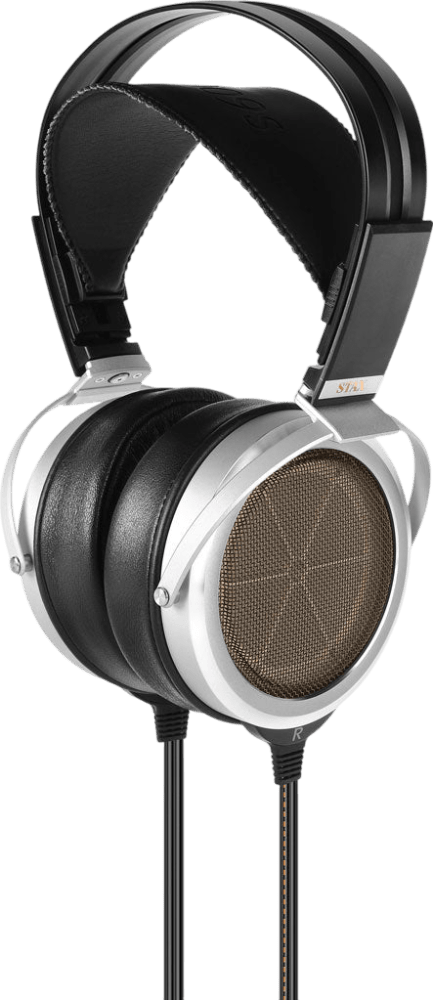
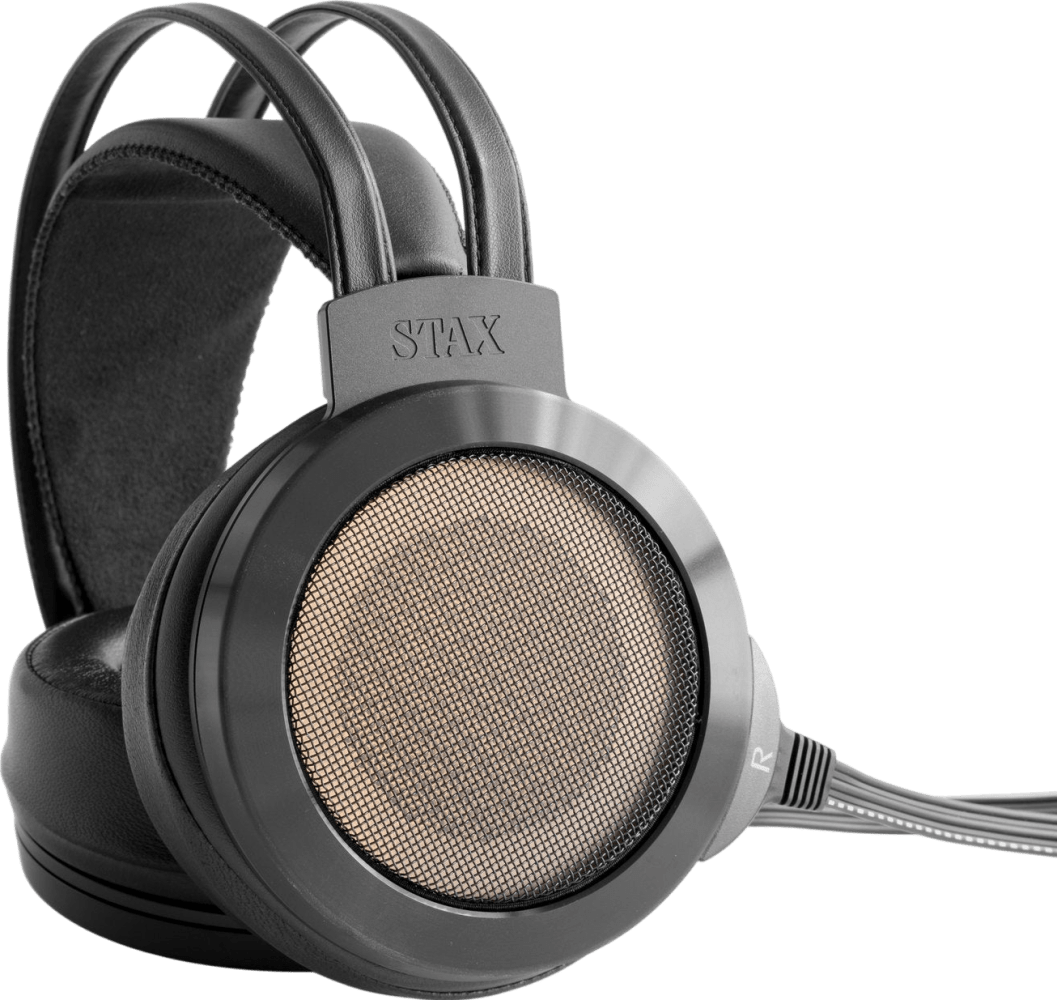
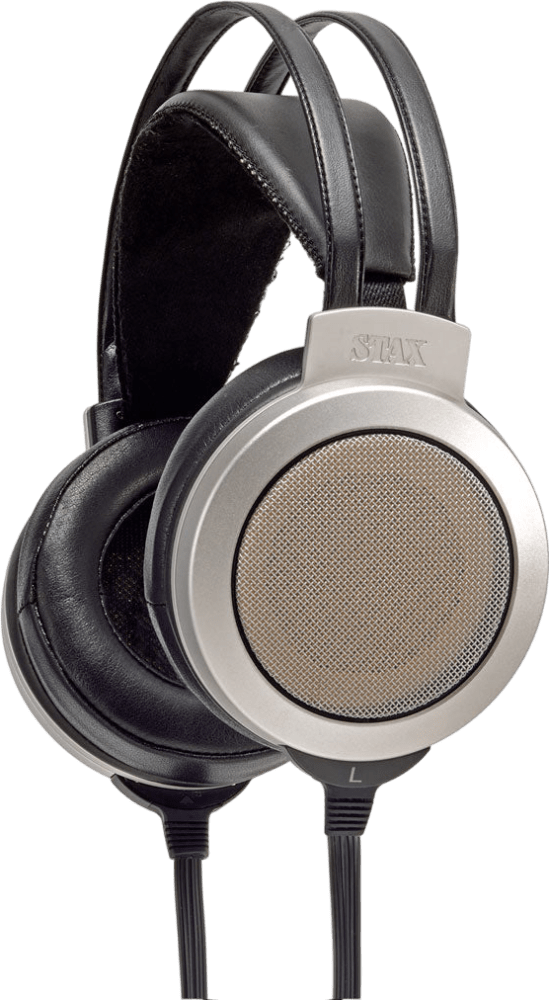

Brand highlights
Taking a step back to look at reviewers' thoughts of the brand's entire lineup—not just this product—what stands out most is the following:
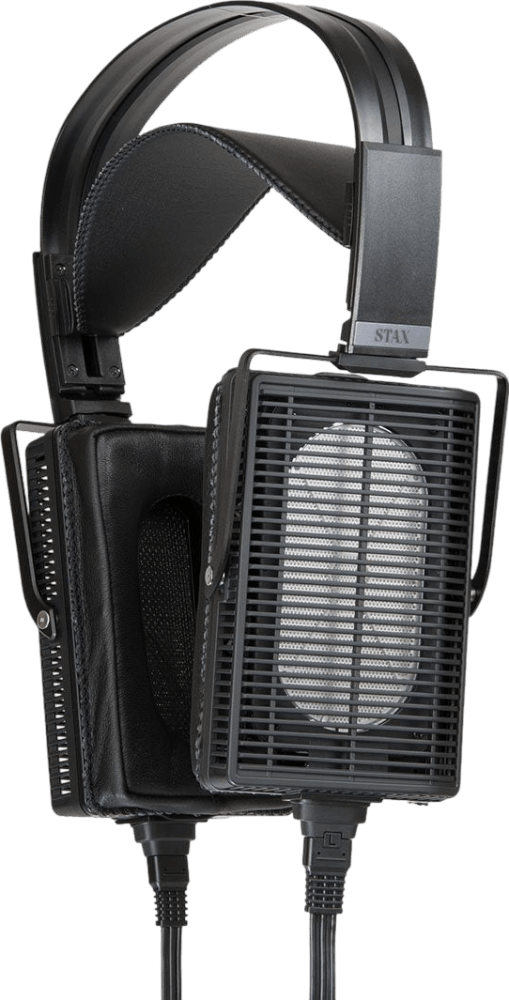
- Stax pioneered electrostatic headphone technology, creating "earspeakers" with a unique sound signature known for its clarity and detail.
- The brand's products, particularly the Lambda series, are recognized for their rectangular design and open-back construction, prioritizing functionality and comfort over aesthetics.
- Stax headphones demand specialized amplifiers ("energizers") to deliver the high-voltage signal required by their electrostatic drivers, necessitating a dedicated amplification ecosystem.
Select products
SR-X1 Electrostatic Earspeaker
- Positioning: An entry-level model that revives the classic circular earspeaker design while delivering authentic electrostatic sound.
- Description: Offers a newly designed medium-sized circular unit with a flat, neutral sound and a low capacitance wide OFC cable arranged in a modern re-cable setup. In comparison to higher-tier models like the SR-009S and SR-X9000, it targets users with modest budgets and basic functionality needs for smaller rooms.
SR-L500 MK2 Earspeaker | Advanced-Lambda series
- Positioning: A mid-tier option in the Advanced-Lambda series that focuses on balanced acoustic performance with improved mechanical design.
- Description: Uses a hand-selected thin-film diaphragm paired with tough stainless fixed electrodes and a low capacitance HiFC wide cable to achieve balanced deep bass and clear highs. Compared to the entry-level SR-X1, it offers richer sound qualities.
SR-L700 MKII Earspeaker | Advanced-Lambda series
- Positioning: A refined mid-range solution in the Advanced-Lambda series featuring enhanced sound elements and upgraded headband assembly.
- Description: Uses a hand-selected thin-film diaphragm and a 10-click slider headband for precise and comfortable adjustment, resulting in improved clarity and reduced resonance. In comparison with the SR-L500 MK2 and the high-end models, it provides a balanced upgrade.
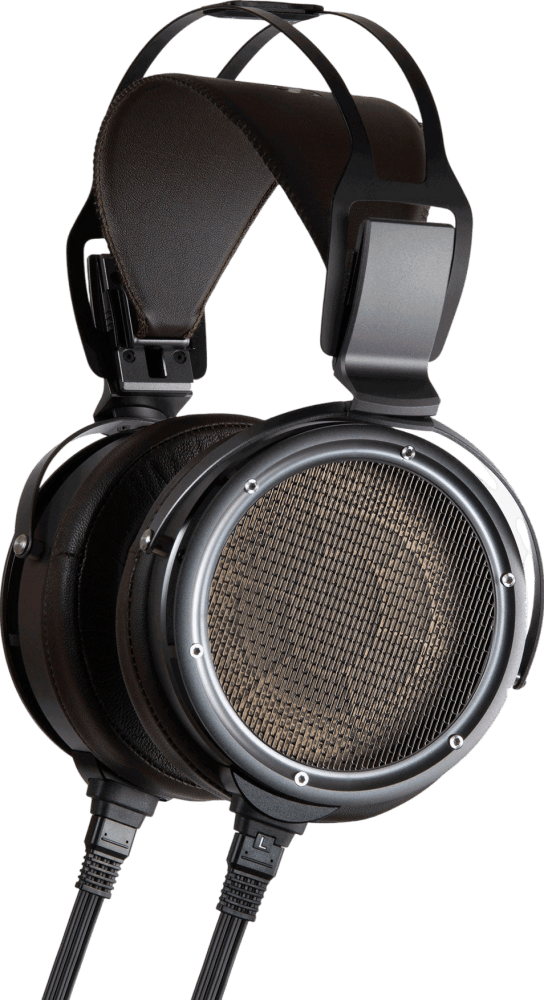
SR-009S Signature Electrostatic Earspeaker
- Positioning: A premium offering that emphasizes refined engineering and reduced diaphragm mass to deliver high transient performance.
- Description: Features an ultra-thin super engineering plastic diaphragm and a redesigned aluminum enclosure engineered to minimize resonance and achieve accurate sound reproduction. When compared with the Advanced-Lambda series products, it delivers advanced engineering characteristics.
SR-X9000 Electrostatic Earspeaker (Flagship Model)
- Positioning: The flagship product that represents the pinnacle of Stax electrostatic technology and design innovation.
- Description: Features the advanced MLER-3 four-layer electrode and a 20% larger ultra-thin diaphragm to achieve lightning-fast reactions and an expansive sound field. In contrast to other lineup models such as the SR-009S, it incorporates decades of research, offering the highest technical sophistication and build quality.

Our take on the brand
Look inside the brand
Our interview with the brand
What are two key technological innovations or strong opinions that differ you from other brands?
What's your approach to customer support?
What are your favorite tracks for showcasing the strength of your products?
What other products pair best with yours?

Used
Stax
What if you spend more?
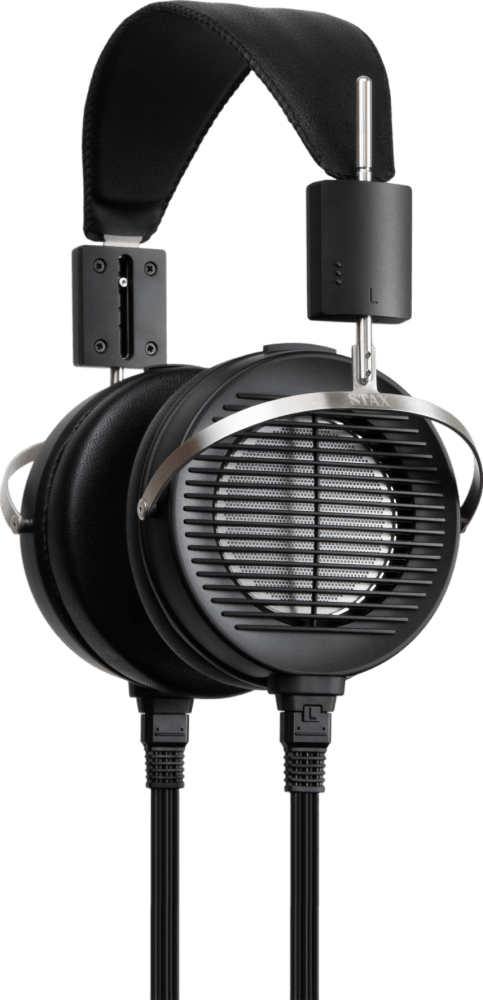


The SR-X1 Earspeaker offers a pure and immersive sound experience with: • Wide Frequency Response: Ranging from DC to 35,000Hz for full-spectrum audio reproduction. • Minimal Distortion: Harmonic distortion of 0.01% or less ensures crystal-clear sound. • Heritage Design: Embodying the spirit and concept from the SR-1 and SR-X earspeakers.

.svg)
Our summary
Product Strengths
- Noted for its clarity, detail, and rich tone, delivering a great audio experience
- Delivers a wonderfully balanced sound and is tonally well-balanced
- The design takes cues from older Stax models like the SR-1 and SR-X
- Lightweight (234g or 235g), making it comfortable to wear for long listening sessions
Product Considerations
- Headband design can cause pressure and hot spots on the head after 30-40 minutes of use
- The build quality feels basic and somewhat flimsy
- The soundstage is quite small and in-the-head, lacking 3-dimensionality
- There have been reports of developing imbalances after some weeks, with a driver eventually dying
- It requires a specific amp with a 580 volt bias to use
Comparisons (according to reviewers)
- The SR-X1 delivers a punchier and tighter sound, compared to Mini Shangri-La headphones
- Compared to the Stax Lambda, the SR-X1's bass is fuller
Takeaway: The Stax SR-X1 is a great entry point into electrostatic headphones that offers clear and detailed sound. It's light and comfortable and can be a joy for casual listening and other daily activities.
Video review
Our take on the brand

Product Strengths
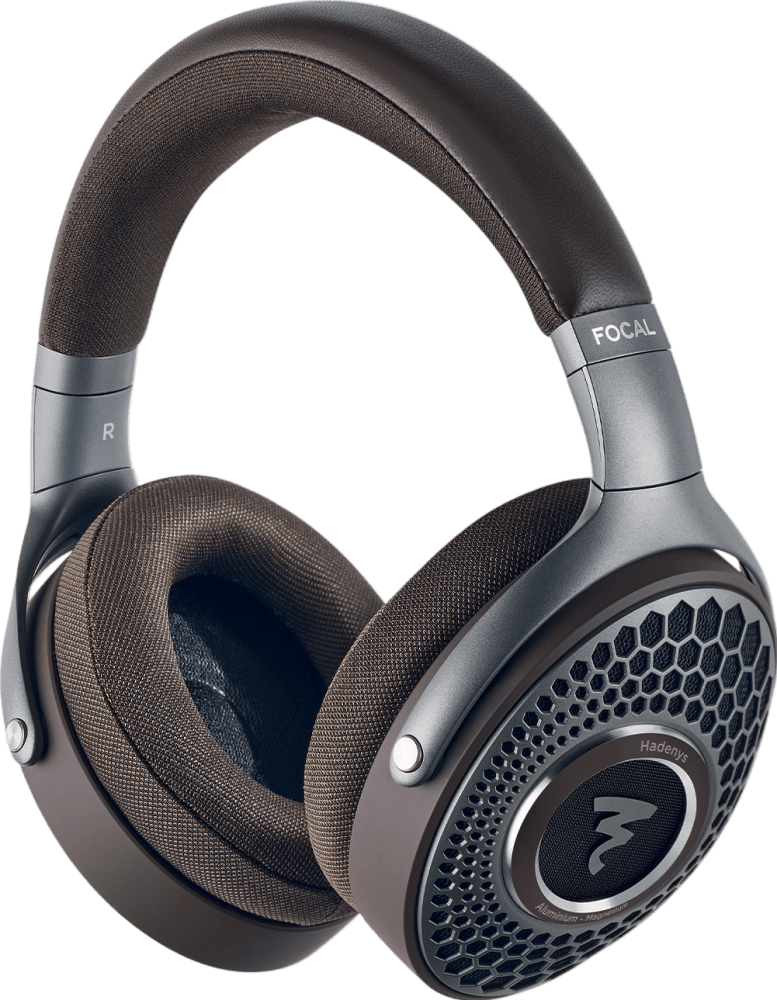
- Beautiful design and build quality with premium materials, like a magnesium yoke and genuine leather headband
- Good comfort with memory foam earpads and breathable cloth, though some find the pads shallow
- Well-rounded tonal balance with surprisingly strong bass for an open-back headphone
- Easy to drive and forgiving with different audio sources
- Clear and spacious sound presentation, with accurate imaging
Product Considerations
- The price point may be higher than some consumers want to pay
- The relatively small size might not fit all head shapes comfortably
- Stock cable is reported to have memory and be unwieldy
- Sound staging isn't the widest
Comparisons (according to reviewers)
- Vs Focal Azurys: Some prefer the sound of the Azurys for some songs and use cases
- Vs Sennheiser HD600: Hadenys has improvements in the bass and treble response, and there's more oomph and weight in the bass
- Vs Focal Clear MG: Hadenys manages to provide a remarkable amount of Clear MG for a lower price
- Vs Focal Elex: dynamics are not on par with the Focal Elex
- Vs Sennheiser HD 660S2: The Focal manages to feel as solid, while looking better, wearing better and sounding better
Takeaway: The Hadenys offers a stylish design, comfortable fit, and well-rounded sound, making it a versatile headphone for enjoying music at home. Its solid construction and easy-to-drive nature make it a worthwhile choice for those seeking a premium listening experience.
Video review
Our take on the brand

Our summary
Product Strengths
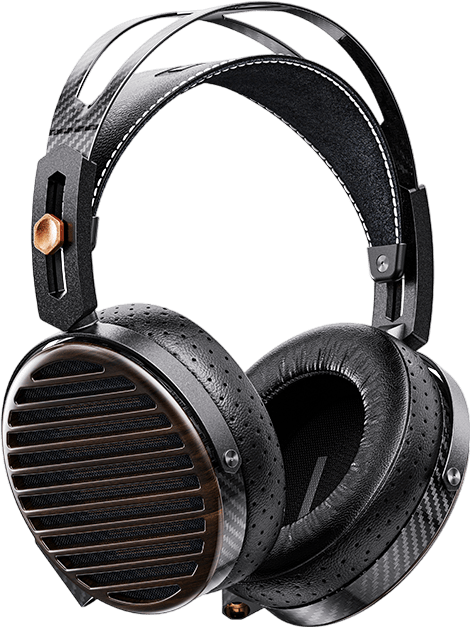
- Uses premium materials like carbon fiber, metal, sheep lambskin earpads, and zebra wood faceplates for a luxurious feel, with excellent build quality
- Has a mostly neutral sound signature, with lambskin pads bass response is very good with a tasteful emphasis placed on the sub-bass region, and a decent midrange
- Provides good detail retrieval, resolution, and transparency of sound, the drivers can show plenty of information and micro detail
- A pad swapping system allows changes to sound characteristics, with lambskin pads and breathable fabric pads included
- Comes with a quarter-inch adapter and a 4-pin XLR adapter for use with portable or desktop devices
Product Considerations
- The stock cable is 3 meters long, which is too long for desktop use
- Headband adjustment can be a little stiff to move
- With leather pads, the highs can get slightly sharp
- There is a slight sharpness in the upper treble that might pose a problem for some listeners, using fabric pads can mitigate this
- Weight distribution could be better, there's not enough padding on the headband, and the clamp force is low, this distributes all the weight across the top of the head, which can be bothersome after 40-50 minutes
Comparisons (according to reviewers)
- Vs HiFiMan Susvara: Has a similar driver structure
- Vs HiFiMan HE1000 Unveiled: Is close in terms of technical performance like resolution, transient response, soundstage, depth, and openness
- Vs HiFiMan Arya Stealth: Has a better build quality and bass response
Takeaway: The FiiO FT7 is a well-built, comfortable headphone that offers a neutral-leaning-warm sound that can be tailored with different earpads. The FT7 competes with other headphones that cost significantly more, making it a great pick at its price point.
Video review
Our take on the brand


Product Strengths
- Excellent stereo separation for mixing and monitoring
- Built with aluminum, it has a durable feel
- Designed for reference listening
- Clean, linear, and very detailed mids
Product Considerations
- Sound can be considered somewhat restrained, lacking upper midrange and low to HF 'hype'
- Cloth ear pads may not feel as soft or luxurious as velour pads on some other headphones
- Lacks impact and bite
- Headband padding is uncomfortable
- Single-entry cable is on the right side, which is an unusual placement
Comparisons (according to reviewers)
- Vs Sennheiser HD650: Differences come down to something similar to a full-range studio monitor versus a full-range hifi speaker of equal build quality and similar design, Sennheisers are geared more towards enjoying the brain-pleasing sounds of music, while you probably want to mix with the Neumanns
- Vs Sennheiser HD600/650: The HD600 and HD650 are more comfortable, with a better industrial design than the NDH-30
Takeaway: The Neumann NDH 30 is a tool that can be very helpful for mixing sessions, especially for identifying details in the mid-range of a mix. Its design and build quality also make it a lasting product.
Video review
Our take on the brand
What competes at this price?


Our Summary
Product Strengths
- Comfortable design, especially with velour ear pads, making them suitable for long listening sessions
- Solid and sturdy build quality, often using metal components
- Balanced and neutral sound with a decent soundstage, making them appropriate for mixing
- Good stereo reproduction and detailed tonal depth
- Wide frequency response allows for hearing details in mixes and spacious sound
Product Considerations
- Open-back design leads to sound leakage and poor noise isolation
- High impedance (250 ohms) may require an amplifier to achieve sufficient volume and optimal performance
- Non-detachable cable can be a point of failure and inconvenience for replacement
- Can sound harsh due to boosted treble frequencies
- Coiled cable can be heavy and pull on devices
Comparisons (according to reviewers)
- DT 990 PRO has a more immersive soundstage but less bass emphasis and poor noise isolation, compared to the Beyerdynamic DT 770 PRO
- DT 990 PRO has a bit more low-end, while the Sennheiser HD 560S has a more even top-end
- DT 990 PRO has more balanced mid and treble, but the Beyerdynamic DT 900 PRO X has wider soundstage and can play loud sound without distortion
- DT 990 PRO is better built with a wider soundstage, while the Audio-Technica ATH-M50x provides passive noise isolation and emphasized bass
- DT 990 PRO offers better value with excellent build and better bass extension, while the Sennheiser HD 600 has a slightly more spacious soundstage
- Beyerdynamic DT 1990 PRO has better bass response but sharper treble, the DT 990 PRO is still a great option for professionals
Takeaway: The DT 990 PRO are comfortable headphones with great sound, suitable for studio use in quiet environments or for gamers who want to hear all the details. They may need an amp, but will allow users to work confidently on their music.
Video review
Our take on the brand



Our Summary
Product Strengths
- Excellent resolution and imaging capabilities
- Features a nanometer thickness diaphragm and Stealth Magnet design that improves transient response and lowers harmonic distortion
- Easy to drive, it is among the most efficient open-back planar magnetic headphones on the market right now
- Features a tight, textured, and clean bass response
- Good detail retrieval and vocal clarity
Product Considerations
- Treble might be too much for some listeners
- May not be the most lively in macro-dynamics
- Reviewers note a slightly dry timbre
- Lean, slightly cold mid-range
- The included 3-meter cable is not useful for desktop use
Comparisons (according to reviewers)
- Similar to the Meze 109, but a planar
- Sounded a little bit more hifi than the Austrian Audio Hi-X 65
- Has a more warm, natural feel than the original Ananda
- Easiest to drive when compared to the Edition XS
- Superior in technical performance when compared to the Hifiman Sundara
Takeaway: The Ananda Nano is a well-tuned headphone with superior resolution and marvelous timbre, particularly good for electronic music and those who care about vocal clarity. It's a planar alternative that’s incredibly fast and detailed, with excellent imaging and soundstage.
Video review
Our take on the brand

Our Summary
Product Strengths
- The Anser is wonderfully comfortable.
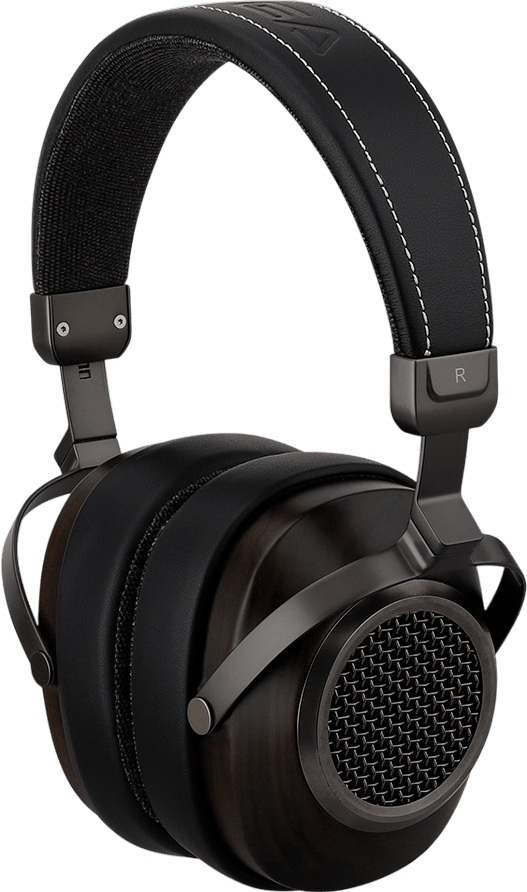
- Exceptional build quality, with premium materials rarely seen at this price point.
- It delivers a sound that's well-balanced across all frequencies.
- The Anser is easy to drive from absolutely anything.
- It has a nice sense of weight and presence in its sound, particularly in vocals and solo instrumentals.
Product Considerations
- The soundstage is somewhat restricted in width.
- The midrange is not great.
- The stock cable is a little stiff.
- Treble enthusiasts may occasionally find the presentation less energetic.
Comparisons (according to reviewers)
- Vs Sennheiser HD 560s: The Anser is significantly more comfortable and feels better built than the HD 560s, but the HD 560s is a little brighter and sharper in the treble.
- Vs Drop and Sennheiser HD 6XX: The Anser would win for most people on build quality and possibly comfort too, and is going to win for bass because extends down deep, and it's solid and full.
- Vs Philips Fidelio X2HR: The X2HR has a wider, more open soundstage, and a little more nuance in the midrange.
- Vs Sivga Oriole: The Anser has slight advantages, such as soundstage, which is still limited but nevertheless better than the Oriole.
- Vs FiiO FT1 Pro: The Anser has a slightly warmer sound signature, with a more pronounced bass response.
Takeaway: The Sivga Anser offers great build quality and is very comfortable, making it a great choice for people who want a fun and engaging listening experience. This is a headphone that prioritizes musicality over technical prowess, offering an inviting sound.
Video review
Our take on the brand
Our Summary
Product Strengths
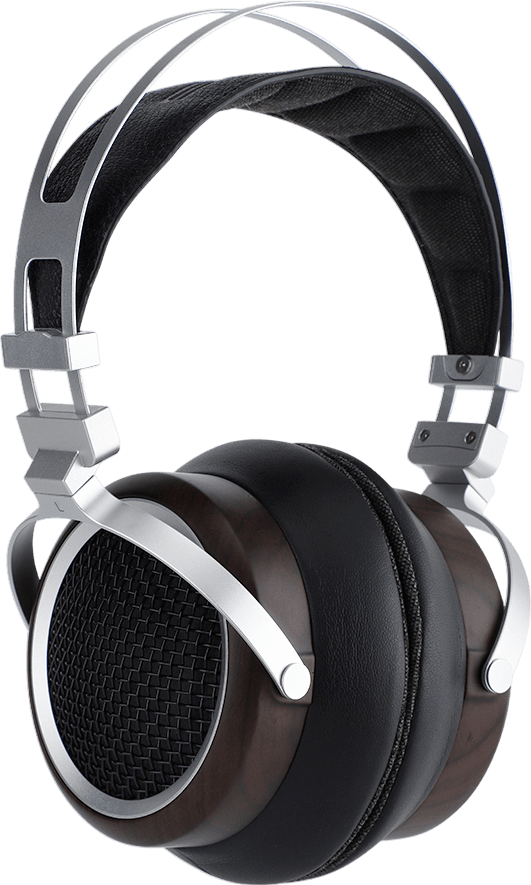
- Excellent build quality, using premium materials like metal headbands and yokes, wood cups, and soft leather or velvet for comfort
- Comfortable, with plush ear pads and a lightweight design, making it suitable for long listening sessions
- Easy to drive and scales well with better gear
- The sound signature has a good balance of detail, musicality, and accurate tonality, making it a versatile option
- Clarity and separation of instruments with a good soundstage and decent imaging
Product Considerations
- The included cable is of lesser quality compared to the build, noting its stiffness and memory effect
- The bass response may not satisfy bassheads as it rolls off slightly in the sub-bass region
- The treble and upper mids can be a bit forward or 'shouty', potentially causing listening fatigue for treble-sensitive individuals
- The symmetrical design can make it difficult to quickly discern the left and right sides
- The included case is not aesthetically pleasing to all reviewers
Comparisons (according to reviewers)
- Vs Sennheiser HD 600: The Luan has better bass and a larger soundstage, but the HD 600 is slightly better in tone and timbre
- Vs Sivga Robin: The Luan has a different sound and build quality than the Robin, which is more aggressive
- Vs beyerdynamic DT900 Pro X: The mids have better details on the DT900 Pro X
Takeaway: The Sivga Luan is a well-built and comfortable headphone with a balanced sound, making it a great choice for extended listening and versatile across different sources. It is a stylish, easy-to-drive headphone with enough punch and clarity to appeal to a wide range of listeners.
Video review
Our take on the brand
Our Summary
Product Strengths
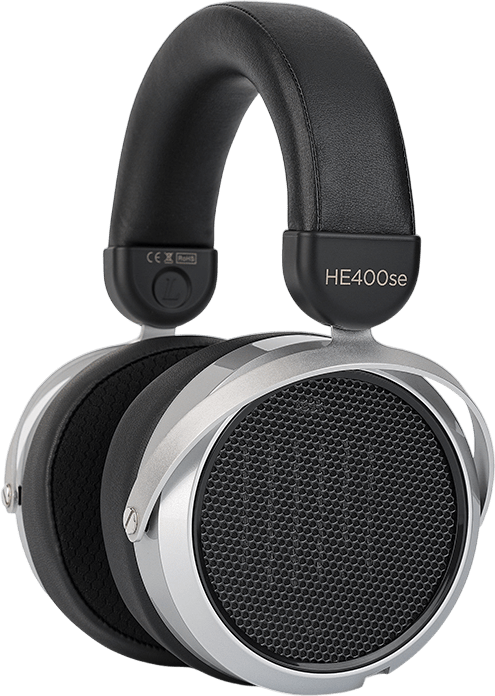
- Good build quality for the price
- Comfortable, especially with the updated headband design
- Decent detail retrieval and resolution throughout the frequency range
- A good entry point for trying planar drivers
- Good imaging and instrument separation
Product Considerations
- Stock cable is of very low quality and microphonic, replacement is recommended
- Sub-bass is lacking, and the bass response may not satisfy bass enthusiasts
- Treble can get fatiguing with potential peaks
- Pads flatten out quickly
- An amplifier is needed to shine
Comparisons (according to reviewers)
- Vs HIFIMAN Sundara: HE400se has a brighter sound, while the Sundara is smoother with a warmer quality, and the Sundara is significantly better overall and worth the upgrade
- Vs HIFIMAN HD560S: HE400se has a smoother treble presentation
Takeaway: The HE400se provides a taste of planar sound at an affordable price and is great for those wanting to experiment with modifications. The HE400se is definitely worth it for anyone looking for open back headphones with great sound.
Video review
Our take on the brand




How to buy
Headphones
Search all hifi products
Explore our database of 10,000+ new and 25,000+ used hifi products.

.png)