



Note that this is a discontinued product. You may want to visit the brand's page here to browse their newer products.
What reviewers think
Bloggers and YouTubers have tried this product—so we've summarized their strongest opinions below. Links to full reviews follow.
Product Strengths
- Known for analog-like qualities in dealing with transcoding zeros and ones
- Conveys low-level musical complexity and subtle spatial nuances that other DACs have difficulty with
- Produces voices that expand in three dimensions with a refreshing sense of presence, reminiscent of vinyl reproduction
- Returns energy to the music, instead of taking it away
- Reproduces details and anchor points with refreshing vividness, presenting the actuality with the least fragmentation of the sound image
Product Considerations
- A single-ended into a balanced pre configuration caused occasional static, making image difficult to discern during those moments
- Clarity could be improved on very complex choirs and instruments, and more separation would also be beneficial
- The attack on drums is slightly slow—perhaps medium paced—compared to some DACs
Comparisons (according to reviewers)
- Compared to CH Precision C1.2 DAC, the DAC III is more emotionally involving, while the CH Precision sounds markedly cooler, flatter, and more emotionally restrained
- Compared to aqua acoustic quality Formula xHD, the Formula xHD retrieves detail, bass precision, articulation, and transparency better, while the DAC III is airier, more fluid, and more refined
- Compared to Holo Audio May, the attack on drums is slightly slow—perhaps medium paced—and behind the Holo Audio May as well
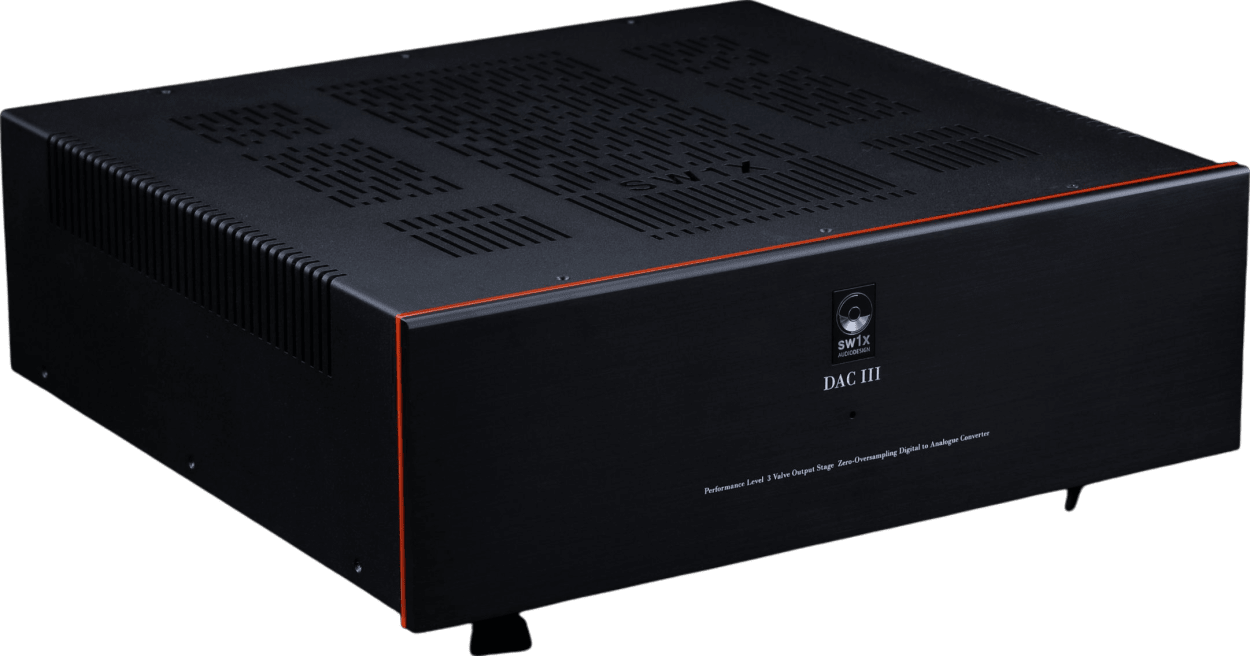
Takeaway: The SW1X Audio Design DAC III Balanced has a musicality that makes it worth considering. It expresses music in a way that is closer to analog, with a natural transparency and higher degree of contrast.
All
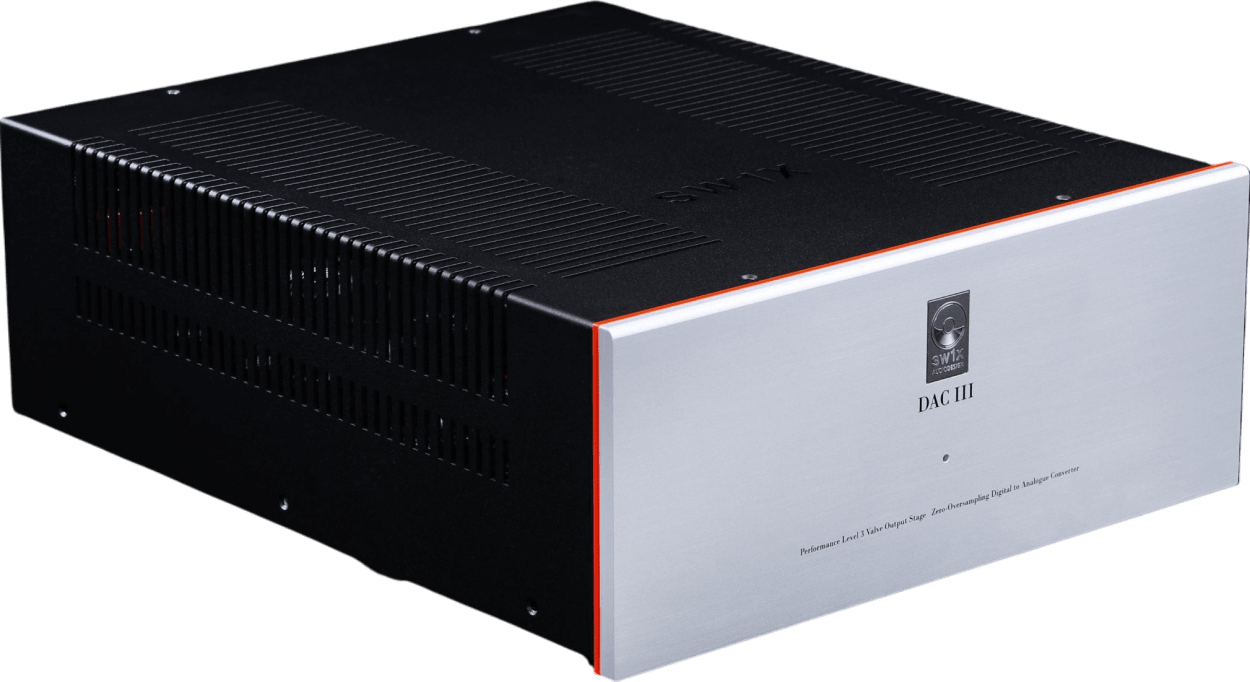
DAC III (Balanced)
reviews


Manufacturer details
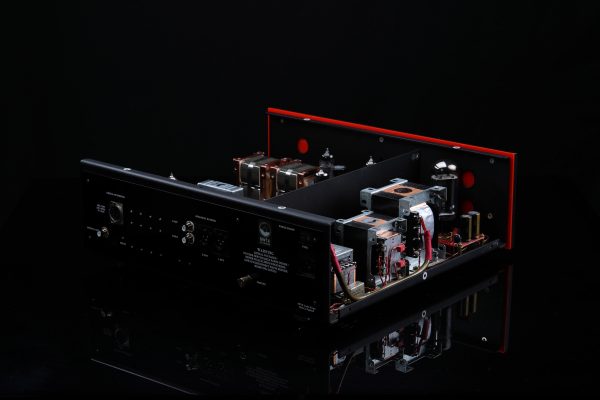
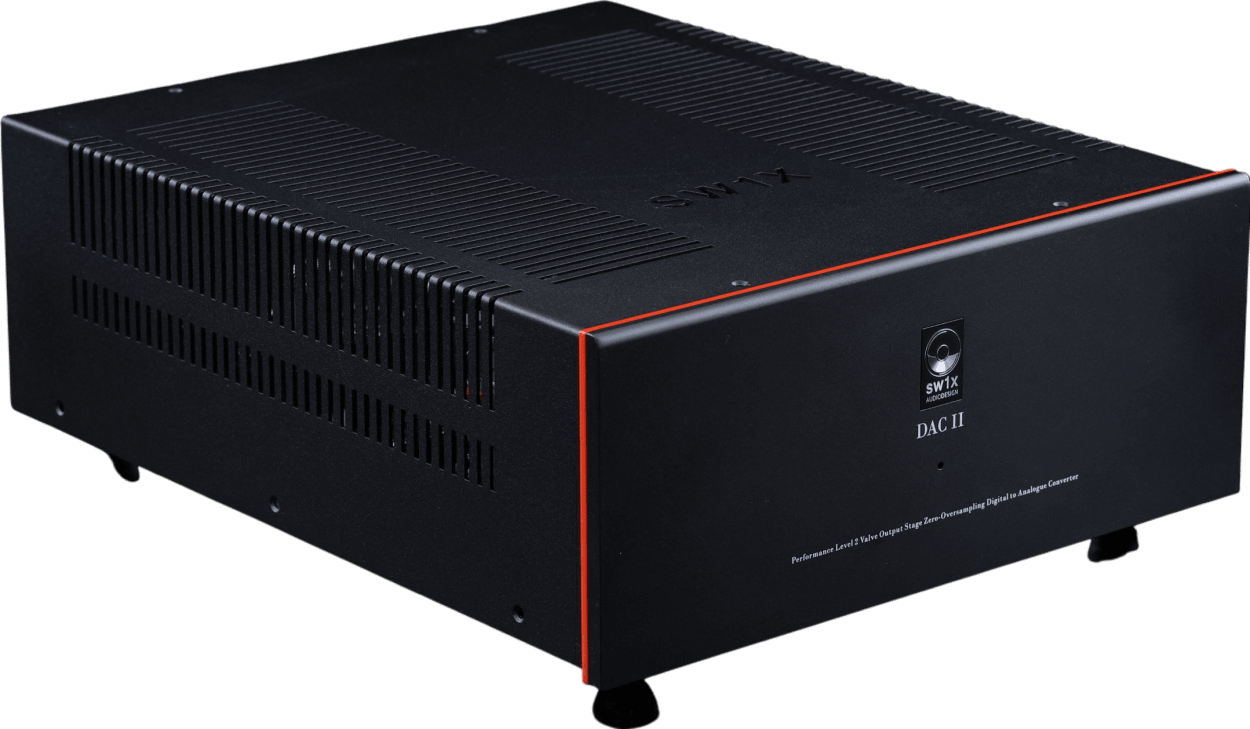
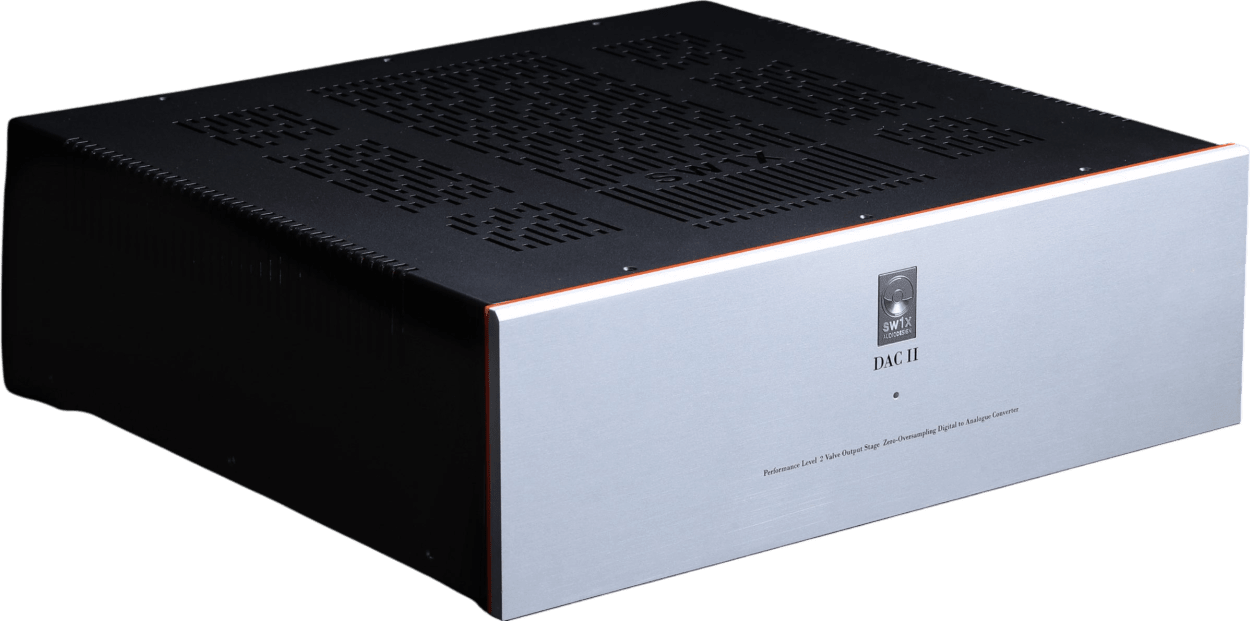
- Dimensions: 150mm (H) x 450mm (W) x 410mm (D)
- Weight: 18kg
- Max Power Consumption: 23W
- Output Noise, Unweighted: < 0.5mVrms
- Output Impedance: <100 Ohms







Brand highlights
Taking a step back to look at reviewers' thoughts of the brand's entire lineup—not just this product—what stands out most is the following:
- SW1X uses classic circuit designs, often inspired by Kondo and Audio Note UK, reimagined with modern enhancements and a focus on harmonically matched components.
- A key element is the use of non-oversampling (NOS) DACs and a lack of digital filters, aiming to eliminate digital artifacts and achieve a more analog-like sound reproduction.
- SW1X offers a wide range of models and versions within each product line, allowing customers to tailor the sound to their specific tastes and system synergy through component and material choices, such as copper or silver wiring and different capacitor types.
Select products
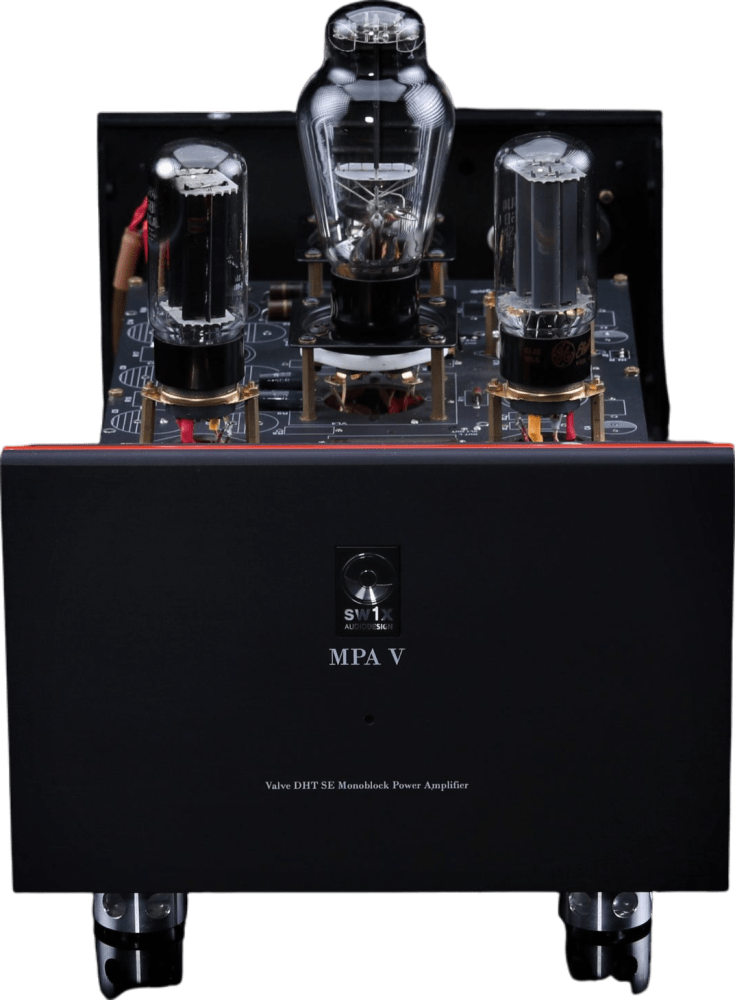
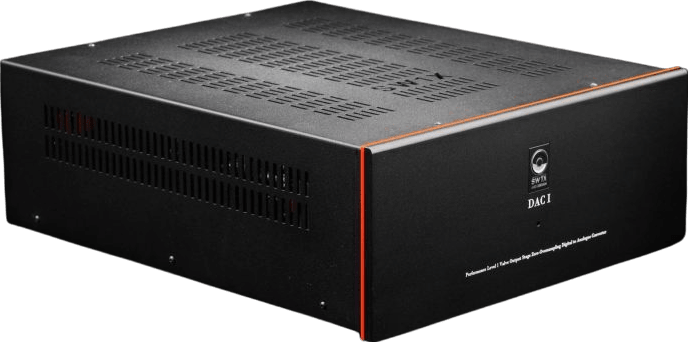
SW1X DAC I Special 2
- Positioning: Entry-level line, designed for affordability and compactness.
- Description: Offers a pure NOS R2R design, providing a musical and organic sound that is rare in its price range. It features a simple yet effective valve amplification topology. Compared to higher models like the DAC II, it lacks the more advanced power supply and output stage configurations, making it suitable for smaller setups and those with a limited budget.
SW1X DAC II Balanced Special
- Positioning: Mid-range model with enhanced features for balanced audio output.
- Description: Combines the digital side of the DAC II with the power tube output stage of the DAC IV, offering a dynamic and engaging sound. It features a balanced signal output transformer and active I/V conversion, providing a more refined audio experience than the DAC I.
SW1X DAC III VSB
- Positioning: Mid to high-end model with USB connectivity for versatile use.
- Description: Integrates a USB interface, making it versatile for modern digital setups. It offers a pure NOS design with a valve output stage, providing a rich and detailed sound. Compared to the DAC II, it includes larger power supplies and a more robust output stage.
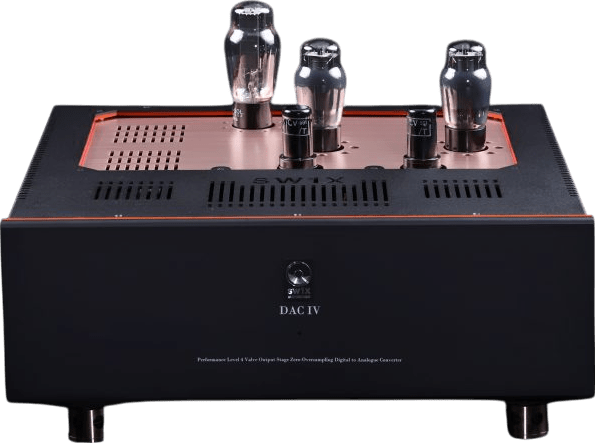
SW1X DAC IV
- Positioning: High-end model with advanced power supply and output stage.
- Description: Features directly heated diodes and a power valve output stage, offering a mature and large-scale sonic presentation. It surpasses the DAC III in dynamic range and musical refinement.
SW1X DAC X
- Positioning: Flagship model, representing the pinnacle of SW1X engineering.
- Description: The ultimate endgame DAC, combining technologies from the entire SW1X lineup into one chassis. It features a non-oversampling R2R design with a directly heated power triode valve output stage, delivering a musical and natural sound.

Our take on the brand
Look inside the brand
Our interview with the brand
What are two key technological innovations or strong opinions that differ you from other brands?
What's your approach to customer support?
What are your favorite tracks for showcasing the strength of your products?
What other products pair best with yours?

Used
SW1X










What if you spend more?



.svg)
Our summary
Product Strengths
- Notable focus and density to the midrange that is unparalleled compared to other DACs
- Exceeding naturalness and deep detail
- Top end is smooth, and the low end is present and provides a substantial foundation
- More precise, revealing, and dynamic presentation
Product Considerations
- The review unit lacked a USB input, only offering AES/EBU and S/PDIF over Coax as inputs
- Might not suit audiophiles who prize dry, bright, or hard-sounding digital audio
Comparisons (according to reviewers)
- Compared to solid-state DACs, the SW1X DAC IV Special has unparalleled focus and immediacy of dynamics, especially in the midrange
- Compared to the SW1X DAC V—the DAC IV has a more precise, revealing, and dynamic presentation
Takeaway: The SW1X DAC IV Special could be the answer if one wants to feel more emotionally connected to their music and escape the constant analysis of typical audiophile listening. It's designed to provide a musically engaging experience.
Video review
Our take on the brand
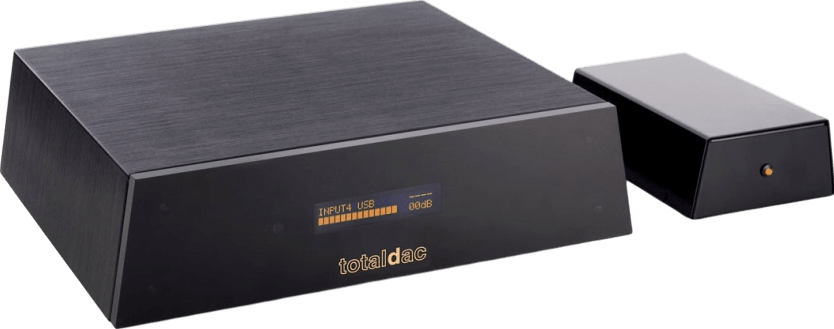

Our summary
Product Strengths
- The d1-triunity DAC is praised for its ability to reflect the core characteristics of music with purism and vibrancy
- The 'unity' architecture provides more presence, more contrast between the timbres and sizes of each instrument, more clarity, and at the same time more body and more dynamics—making the sound more realistic and natural
- Offers a richer, sweeter, fuller sound and a more spacious presentation compared to the d1-unity
- Achieves dynamic power, low-frequency depth, and punch with a skillfully engineered Class-A output stage providing double the voltage
- Transmits detail and nuance without sounding etched or bright, and provides great tonality, especially with acoustic instruments
Product Considerations
- The chassis is constructed from folded steel and the rear panel is of a thin gauge, which makes the external construction less substantial than some rivals
- Maximum resolution of 24-bit/192 kHz without the optional DSD module might be a limitation
Comparisons (according to reviewers)
- The d1-triunity brings improvements that make music sound more vibrant and alive, while offering a finer-grained view compared to the Totaldac d1-unity
- The d1-triunity provides universal compatibility in terms of voltage output, and advances the sonic performance aspect compared to the Totaldac d1-direct
Takeaway: The d1-triunity is an impressive DAC that effortlessly handles music and makes it emotion-tugging with crystallizing quality. It offers remarkable musical insight without sacrificing speed and clarity, making it a worthwhile addition to any high-end audio system.
Video review
Our take on the brand
What competes at this price?
Our Summary
Product Strengths
- Surprisingly technical, with resolution on par or better than anything else heard at its price point
- Conveys the time of music extremely well, notably with exceptional leading-edge portrayal and high resolution/micro dynamics
- Offers excellent timbre
- The internal streamer presented better clarity in the bass
Product Considerations
- With signals above PCM 24 bits and 192 kHz, the converter down-samples the signals
- DSD signal is converted internally to a PCM signal, since the R2R resistor ladder is a 24-bit circuit
- Treble compensation may be needed for optimal sound, or to lower excessive treble energy
Comparisons (according to reviewers)
- Versus Totaldac d1-tube DAC/Streamer, the d1-unity offers greater clarity, voice, and impact, providing a more fully resolved picture
- Versus Mola Mola Tambaqui DAC, the d1-unity offers more body, tone, and texture, whereas the Mola Mola emphasizes upper frequencies a bit more
- Matches the resolution and dynamic presentation of the Chord Dave
- The internal streamer is marginally better than the Sonore Optical Rendu
Takeaway: The d1-unity is a good option for those seeking an engaging and high-resolution digital source. It is especially suited for listeners who appreciate a physical and vibrant presentation of music.
Video review
Our take on the brand

How to buy
DACs
Search all hifi products
Explore our database of 10,000+ new and 25,000+ used hifi products.