



Note that this is a discontinued product. You may want to visit the brand's page here to browse their newer products.
What reviewers think
Bloggers and YouTubers have tried this product—so we've summarized their strongest opinions below. Links to full reviews follow.
Product Strengths
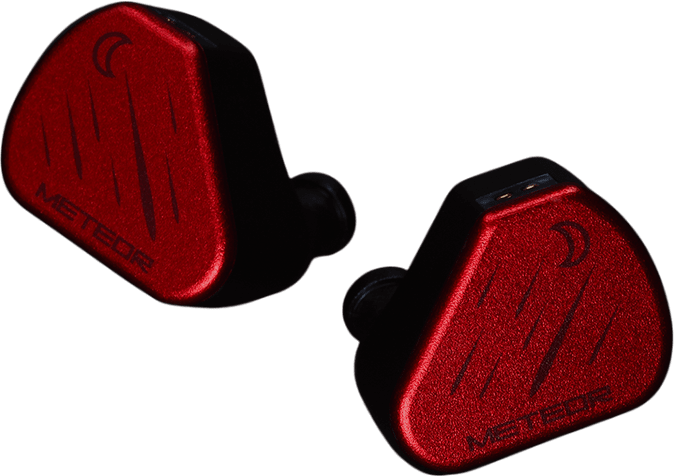
- Warm, bassy, and well-extended sound signature with a tasteful, but still aggressive, mid-bass rise
- Good treble extension that avoids sharpness and adds a nice sense of micro-contrast throughout
- Offers a 'cohesive' or 'coherent' sound presentation, creating an enveloping experience
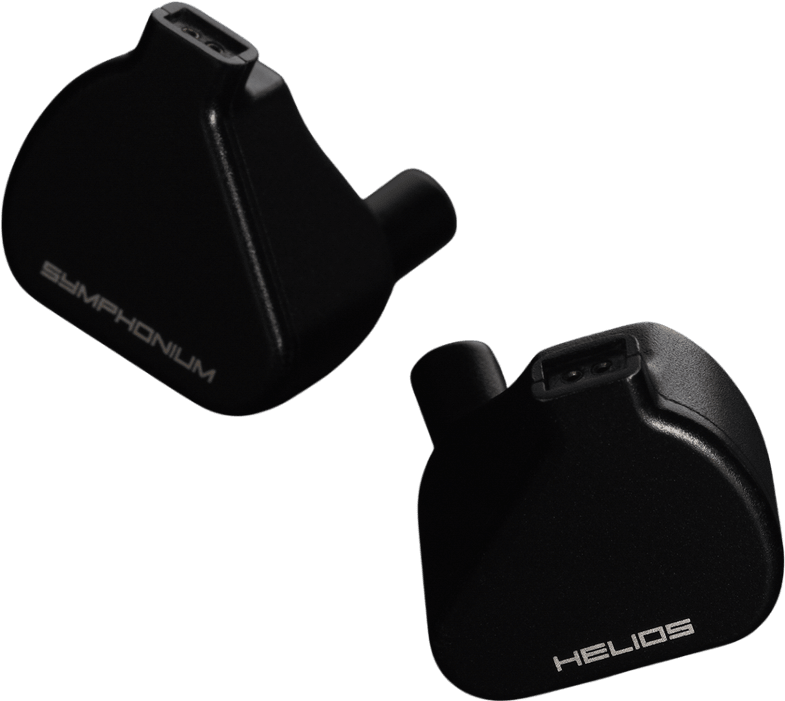
- Significant improvement in size and fit compared to previous Symphonium IEMs like the Helios
Product Considerations
- Bass may be too prominent for those who prefer more tonal clarity and forward vocals
- Imaging is described as 'so-so' and not particularly strong in technical performance
- Some reviewers found the aesthetic or finish of the shell to be a bit 'rough around the edges'
- Security of fit can be so-so out of the box, potentially requiring aftermarket ear tips for a more secure fit
- Harder to drive than normal, requiring a decent source
Comparisons (according to reviewers)
- Vs. Dunu SA6: The Meteor has more bass impact and a warmer sound, while the SA6 has a cleaner midrange
- Vs. Letshuoer EJ07M: The EJ07M is more technical, with tighter bass, while the Meteor offers a unique 'cohesive' sound
- Vs. Thieaudio Oracle MKI: The Oracle MKI is more neutral
Takeaway: The Symphonium Meteor is a good IEM for those who enjoy a warm, bassy sound signature with excellent treble. Its improved fit and unique sound presentation make it stand out.
All
Meteor
reviews


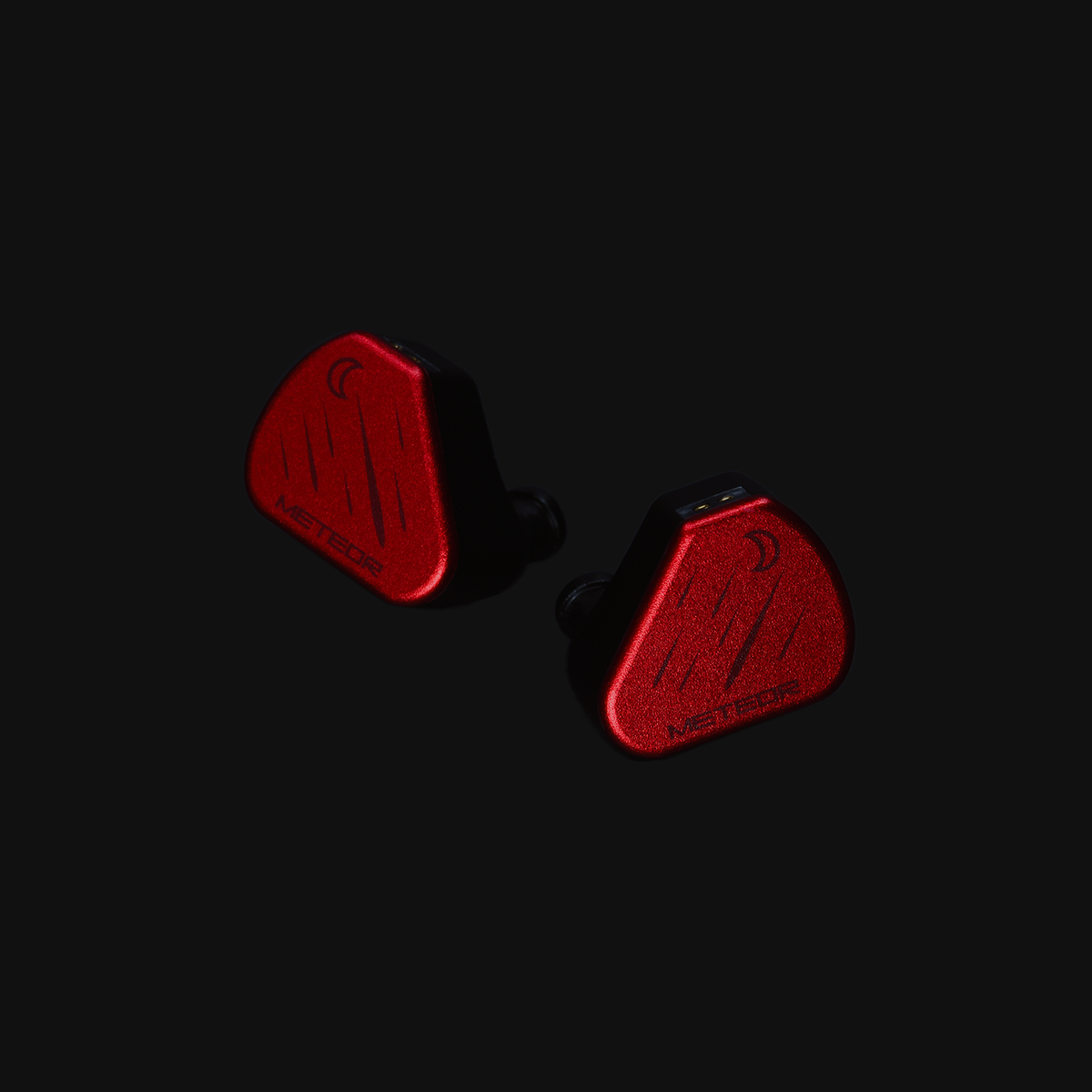

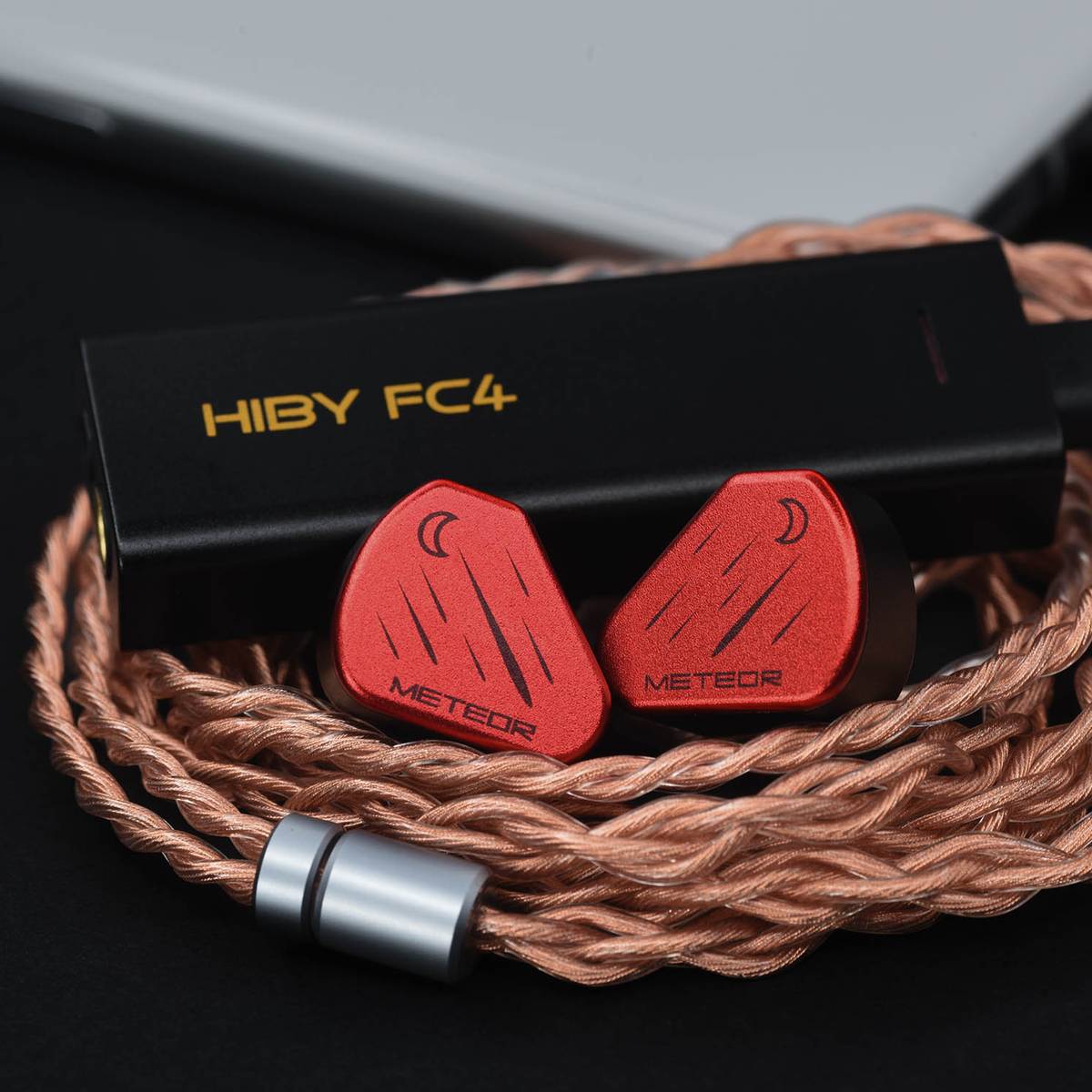
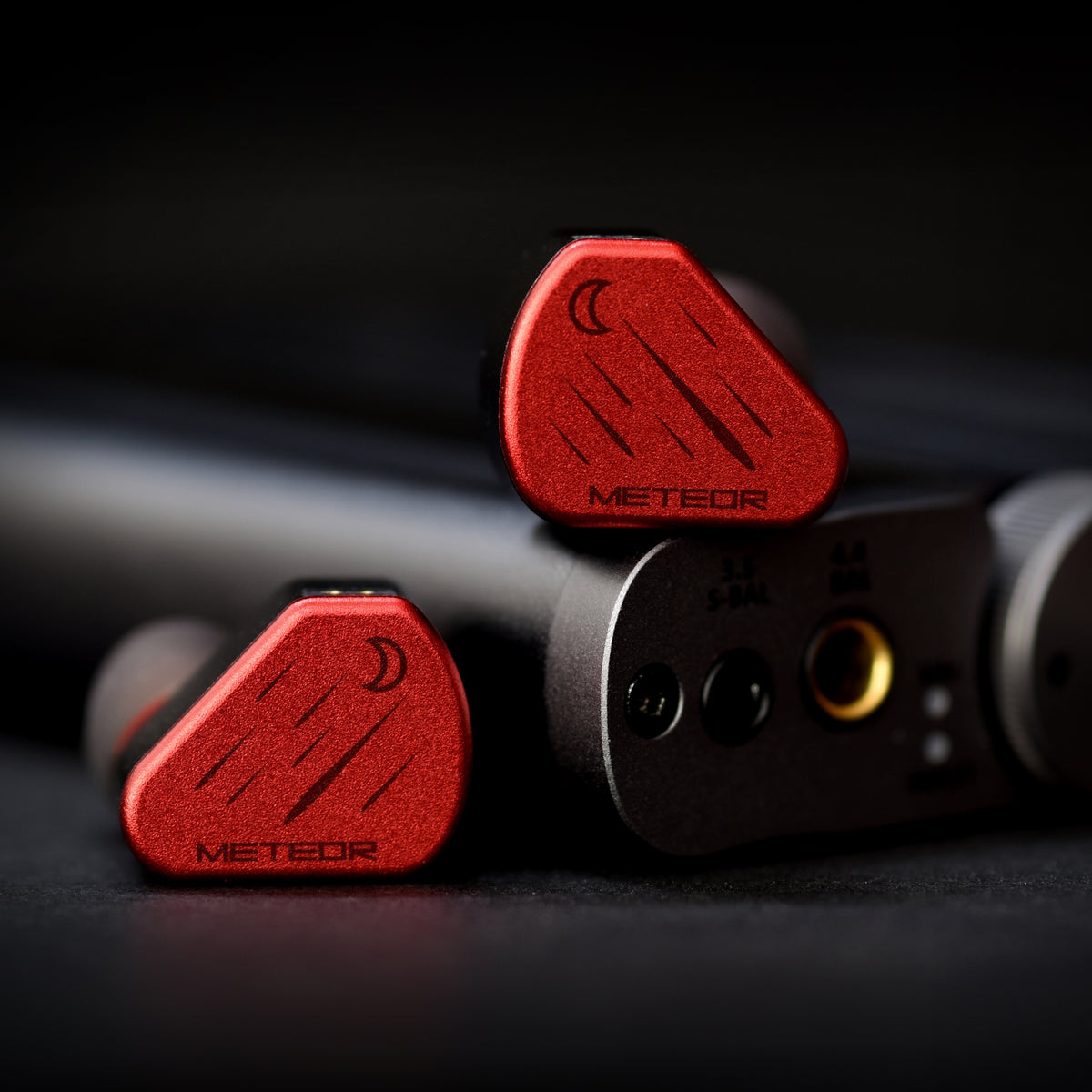
Manufacturer details
- Crossover: TrueX™ Custom 3-Way Crossover
- Technology: PHAT™
- Housing Material: Anodized T6 Heat-Treated AL6061 Aluminium
- Driver Type: Balanced Armature
- Frequency Response: 12 Hz – 21 kHz ±3 dB
- Sensitivity: 111 dB / Vrms @ 1 kHz
- Impedance: 9.7 Ω @ 1 kHz
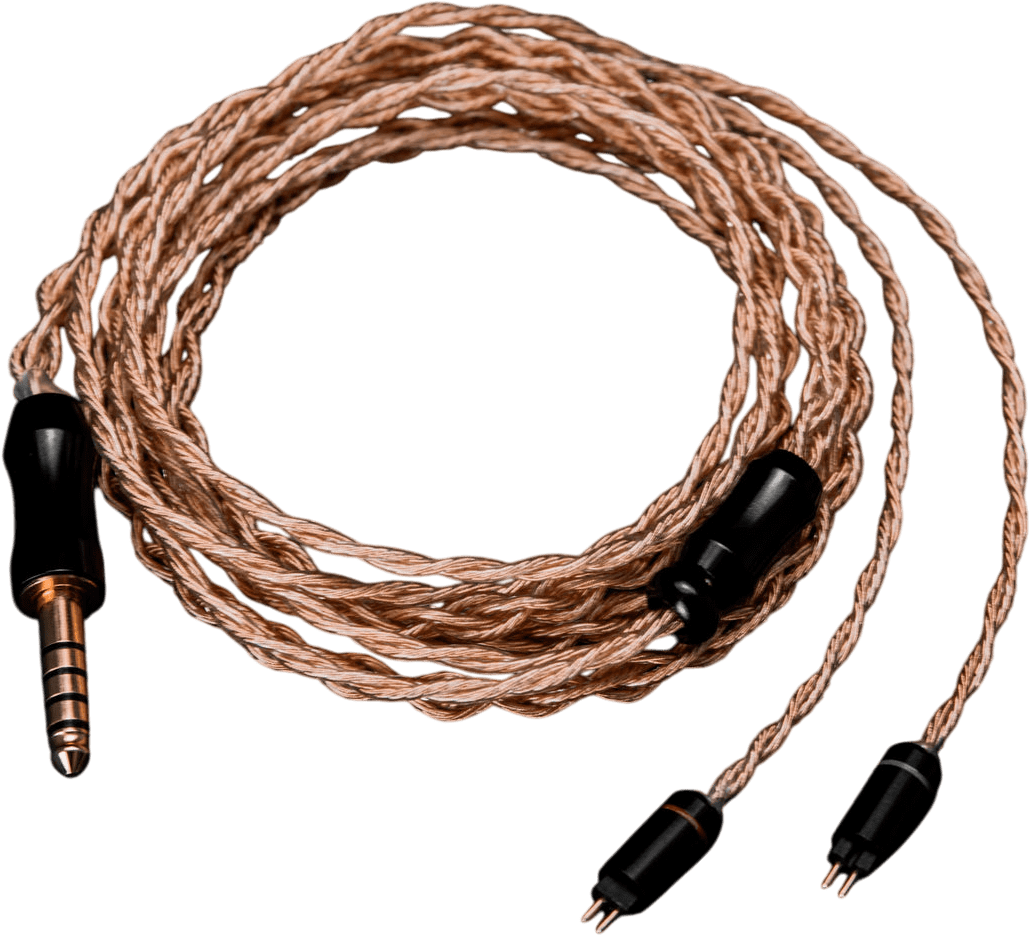
- Socket: Spring-Loaded 0.78 mm 2-Pin
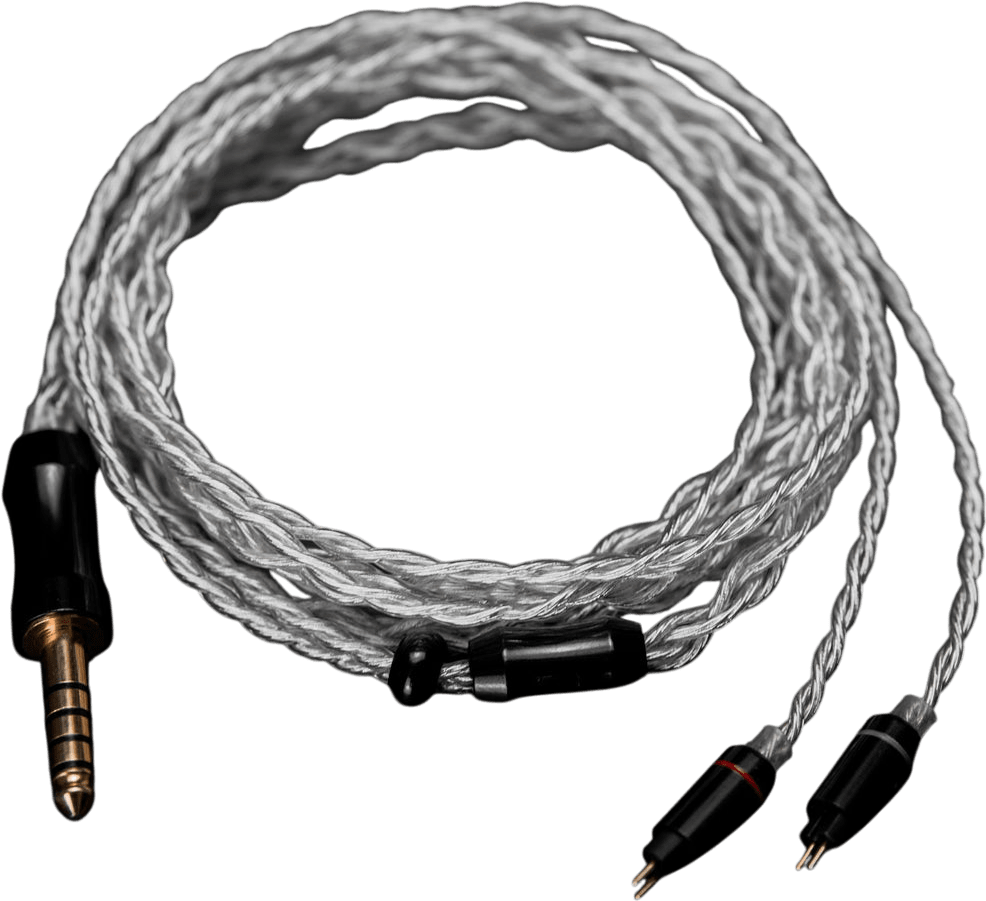
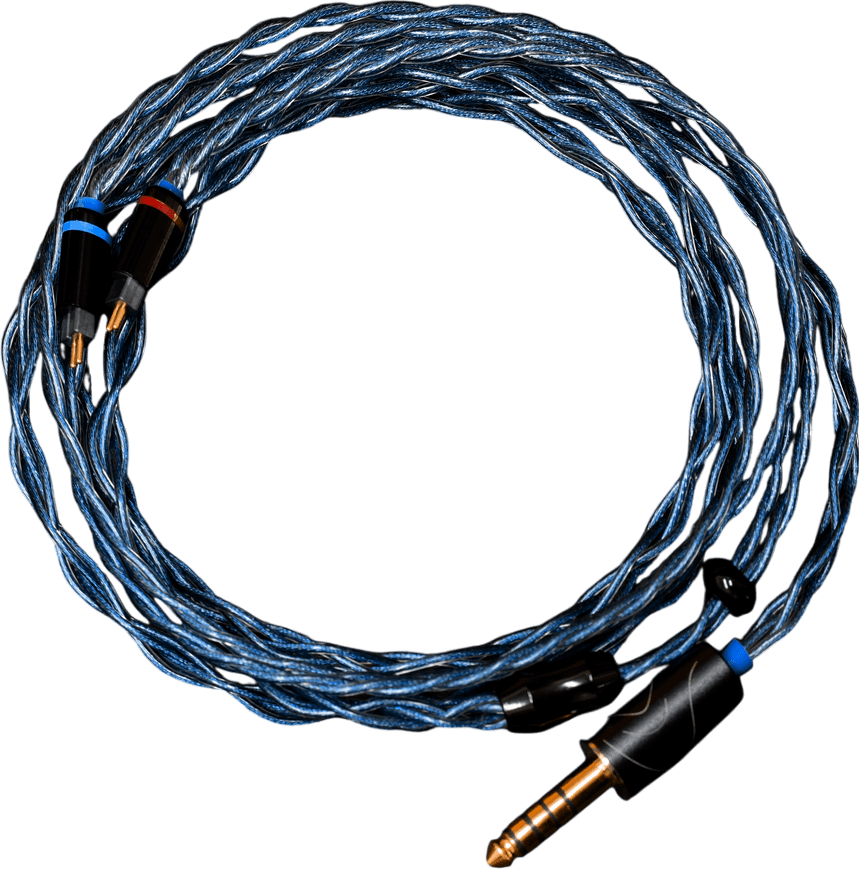
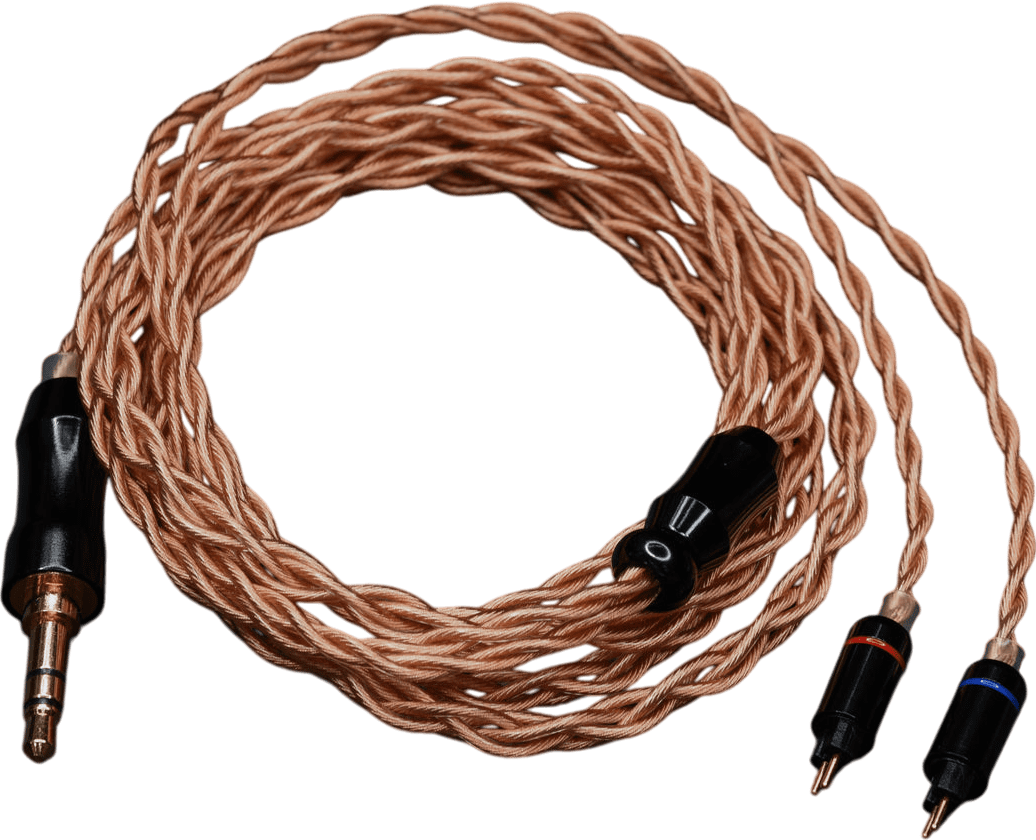
- Cable: 26 AWG Type 2 Litz OCC Copper (Nightjar Acoustics)
- Cable Impedance: 0.18 Ω (3.5 mm) / 0.17 Ω (4.4 mm) @ 1 kHz
- Warranty: 1-Year Limited



Brand highlights
Taking a step back to look at reviewers' thoughts of the brand's entire lineup—not just this product—what stands out most is the following:
- Symphonium differentiates itself by crafting IEMs with low driver counts, yet achieving sonic performance that often surpasses expectations for such configurations.
- The brand is known for its close collaboration with the audiophile community, incorporating feedback and insights from reviewers and enthusiasts into product development.
Select products
Meteor
- Positioning: An entry-level IEM line designed for compactness and everyday use.
- Description: It offers a crisp sound in a small package with a unique mini driver that delivers clear performance. Compared to the other models, its tuning and build are best for smaller rooms and tighter budgets, lacking the extra processing or larger drivers found in the Titan or Helios.
Titan
- Positioning: A mid-range model focused on delivering enhanced bass performance.
- Description: It provides a strong bass response with a dedicated driver setup that brings forward deep low frequencies. Compared to the Meteor or Helios, its simpler design suits users looking for a big sound while still meeting daily listening needs.
Helios
- Positioning: A mid-to-high range option aimed at clean sub-bass clarity and balanced sound.
- Description: It stands out with a custom low-end section that offers clear, punchy bass and smoother transitions across frequencies. When compared to the Titan, which emphasizes extra bass, Helios offers a wider soundstage and clarity.
Crimson
- Positioning: A high-end model designed for richer tonal detail and refined sound.
- Description: It features a novel tuning method that balances bass and treble for a fuller sound and improved detail. In contrast to the Helios or Titan, its design provides a more sophisticated performance for users who need refined audio imaging and extra sonic detail.
Giant
- Positioning: A flagship model offering groundbreaking performance and build quality in the lineup.
- Description: It uses an innovative driver and tuning design that delivers superior detail and a wide dynamic range. Compared to Crimson or Helios, its advanced build and processing meet the needs of users with high technical and functionality standards.

Our take on the brand
Look inside the brand
Our interview with the brand
What are two key technological innovations or strong opinions that differ you from other brands?
What's your approach to customer support?
What are your favorite tracks for showcasing the strength of your products?
What other products pair best with yours?

Used
Symphonium
What if you spend more?

.png)

.svg)
Product Strengths
- Excellent bass and treble response.
- Impressive dynamics and imaging.
- Has excellent treble extension.
- The Helios delivers an immensely deep-reaching sub-bass, accompanied by exceptionally clean articulate treble, with no overdone mid-bass to muddy things up.
Product Considerations
- Large angular shell that may be hard to fit.
- Needs a reasonably powerful source, because many dongles will not be able to run these.
- Midrange is somewhat mixed and quite pushed back.
- Some found the stock cable annoying to deal with.
- There is a lack of mid-bass.
Comparisons (according to reviewers)
- Vs Campfire Audio Andromeda 2020: Helios has a leaner sound and demands attention, sporting aggressive dynamics, sharper resolution, and BA bass that actually slams.
- Vs Hidition Viento-B: One can consider the Helios a Viento-B on steroids with more bass, a more balanced midrange, and a more linear, extended treble response.
- Vs Moondrop S8: The Helios clearly pulls ahead in its impactful dynamics and standout BA bass.
- Vs Sony IER-M9: The Helios has far better dynamics and a smoother, more airy treble response.
- Vs Thieaudio Monarch: The Helios has more treble extension and presence in those final octaves, and for technical performance outdoes the Monarch all around, particularly in the staging and imaging presentation.
- Vs Unique Melody MEST/MK2: The Helios doesn't make compromises, as it sports comparable resolution to the OG MEST and outclasses both IEMs in the dynamics department, and the Helios' treble is a step ahead of the ESTs being used in the MEST IEMs.
Takeaway: The Symphonium Helios is worth consideration for those seeking high-quality sound with great bass and clear highs. It is designed to sound good with diverse musical genres, so listeners can enjoy what they are hearing.
Video review
Our take on the brand
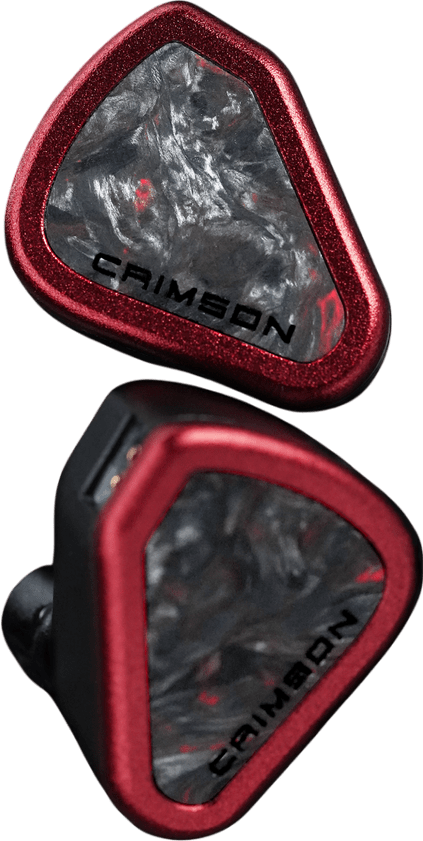
Product Strengths
- Ergonomically comfortable for long listening sessions, and has significantly improved from the earlier Helios model.
- The bass is exceptional in quality, it's tasteful, well-controlled and doesn't intrude into the mids or lower mids.
- The Crimson delivers above and beyond expectations if the fit and power requirements are met, demonstrating quality of drivers over quantity.
- Dynamics, soundstage, and resolution are at a flagship level, offering an immersive listening experience.
- The all BA configuration allows the bass to slam hard as some of the best dynamic driver IEMs out there.
Product Considerations
- The upper treble can be too bright and zingy, potentially causing listening fatigue, particularly on certain tracks and sources.
- The sealed, ventless design can create pressure buildup in the ear canals, leading to discomfort, especially during flights or long train rides.
- The Crimson requires a powerful source to perform at its best, and may sound bland if not adequately powered.
- The short nozzle and specific design may cause fit issues for some users, requiring experimentation with different ear tips for optimal fit and seal.
- The stock cable's ear hook is practically non-existent and not doing anyone any favors.
Comparisons (according to reviewers)
- Compared to the 64 Audio U12t, the Crimson is technically superior, particularly in bass and upper-midrange, but lacks venting for longer listening.
- Compared to the Elysian Diva, the Crimson has an edge in technical performance—particularly for a sense of sound stage.
- Compared to the Unique Melody MEST MKIII, the Crimson has much sharper sounding treble, and it has way more energy in the upper treble unlike the MKIII.
Takeaway: The Symphonium Crimson is an IEM that delivers exceptional sound quality and powerful bass despite having only 4 BA drivers, making it great for listeners that want to enjoy a highly detailed and immersive listening experience. For those seeking a unique and high-performing audio experience, the Crimson is worth considering.
Video review
Our take on the brand


Product Strengths
- Captures the sound of the original Svanar, with a balanced tuning emphasizing bass and treble while maintaining the mids
- Incredible imaging performance, offering a wide, well-rounded, three-dimensional soundstage with excellent positioning and separation—highly competitive, even compared to non-TWS IEMs under $1000
- Has an R2R DAC which permits unreachable technical performance
- Very light and comfortable
- Excellent connectivity and usability
Product Considerations
- LDAC connectivity issues with invasive intermittence and noise cutting
- ANC and Transparency mode aren’t very useful and lack dynamic, delivering leaner dynamic, less musicality
- Plastic build might not be most durable if dropped
- High-frequencies are quite sensible to the source, making it one of the least forgiving TWS
- Hiss is also present
Comparisons (according to reviewers)
- The Svanar Wireless is punchier, with better bass detail and imaging, and a wider soundstage, while the Final ZE8000 has a warmer, more neutral sound
- The Svanar Wireless has stronger imaging performance, a wider soundstage, and a better balance between separation and cohesion
- The Svanar Wireless is superior in technicalities and tonal balance, as well as timbre and tone naturalness, and ultimately musicality
- The Svanar Wireless' soundstage is taller and wider but not as deep, since clarity isn’t as sharp and clean, silence being more "noisy"
- The Svanar Wireless has better sound and performs better technically
- The Sony TWS has bloated bass that overwhelms everything else; in comparison, the soundstage and treble performance of the Svanar Wireless is miles ahead, presenting a much more detailed, natural, and sophisticated kind of sound
Takeaway: The Svanar Wireless sounds impressive for wireless earbuds, and it has great connectivity and features. For those seeking high-end wireless sound, these are worth considering.
Video review
Our take on the brand
.png)
Product Strengths
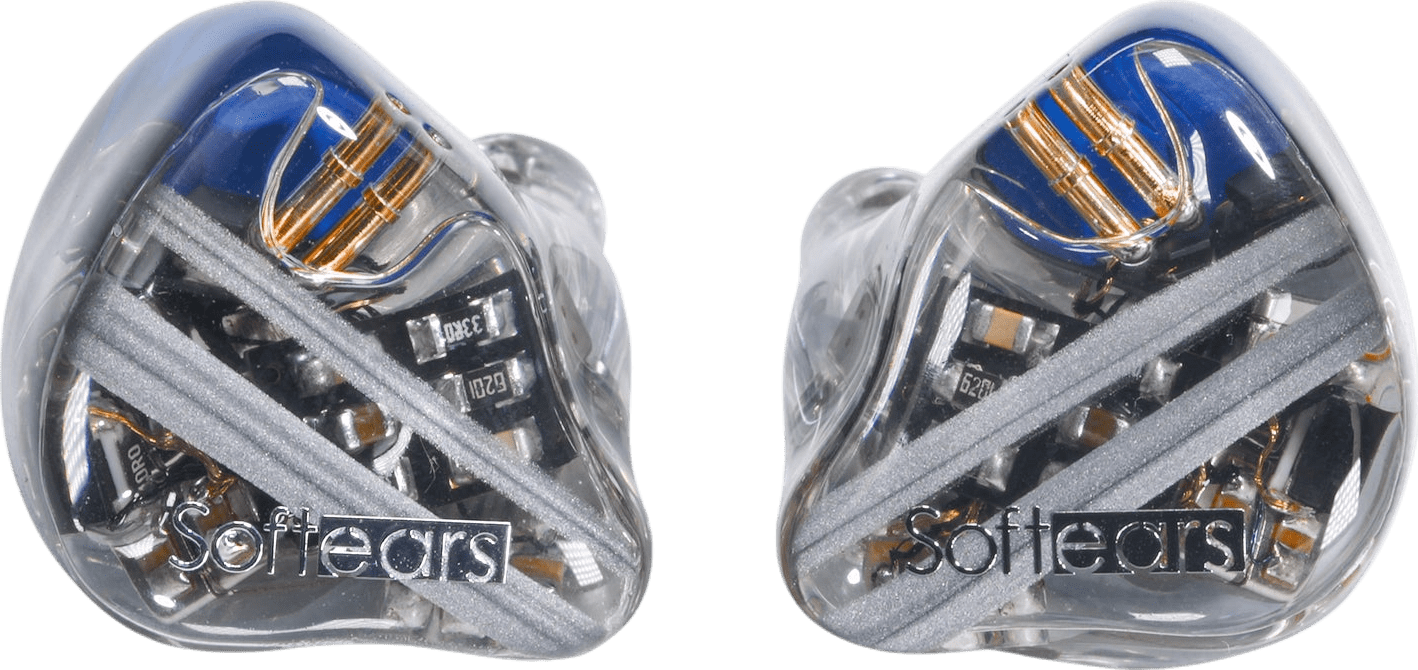
- Excellent reference monitor with heavy focus on resolution and detail
- Clean and articulate midrange presentation
- Bass is firm and wide, more focused on ultra lows
- Has an almost flat-impedance curve, enabling a consistent sound across sources with differing output impedance
- Very detailed, offers surgical precision, separates instruments into layers
- Offers great detail
Product Considerations
- Can be unforgiving of bad quality audio or sources
- Treble does not have much energy or sparkle
- Dainty stock cable and limited accessories
Comparisons (according to reviewers)
- Compared to Dunu Glacier, Dunu Glacier has a huge bass difference and more air
- Compared to the Elysian Diva, the RS-10 can beat the Diva in terms of technicalities, the Diva is an easier listen
- Compared to the Softears Volume, the tonality is very similar with a few differences, except the RS-10 is just much more detailed
- Compared to the Oriolus Percivali, vocal presentation from the RS10 is based on accuracy and linearity, the Percivali goes a step further in ornating the vocals with stronger richness and layering
Takeaway: The RS10 Reference is a supremely detailed and largely neutral monitor that is a good fit for studio monitoring. It emphasizes vocals and detail, highlighting all the nuances in your music.
Video review
Our take on the brand
What competes at this price?

.png)
Our Summary
Product Strengths
- Delivers a 'bassy, clean and smooth' sound signature, making it a well-balanced bassy set
- The bass is described as explosive, dynamic, well-controlled, textured, and impactful without bleeding into the mids
- Mids and treble are well-extended and smooth, avoiding harshness or peaks
- Build quality is generally praised with a sturdy anodized aluminum shell and an attention-grabbing design
- Easy to drive with clean and bassy sound
Product Considerations
- Lower treble can be harsh on certain tracks
- Some reviewers found the fit to be less secure than desired, even with optimal eartips
- May require tip rolling to achieve the best seal for optimal bass
- Soundstage described as average to intimate
Comparisons (according to reviewers)
- Vs FATfreq Maestro Mini: Vocals are clearer on the Titan and the bass is faster and tighter, but the Maestro Mini has a warmer timbre
- Vs FATfreq Scarlet Mini: The Titan is preferred over the Scarlet Mini due to the Scarlet Mini being too spicy in the treble
- Vs Grand Maestro: The Titan is similar, with the main difference being that the Grand Maestro sounds more energetic, has more detail, has more tuning options, and has better drivers, but the Titan is a much better value in terms of low-end
- Vs Evos: The Titan is a better value, with no atrocious driver flex, and also has better and more balanced bass with a tamer upper mid
- Vs Sennheiser i900: The i900 is a better IEM overall, but if someone is okay with cutting corners for mindboggling bass, Symphonium Titan is the correct IEM
Takeaway: The Symphonium Titan is a great IEM for bass lovers who still want a balanced sound, and it is a fun listen with all types of music. It can bring back the feeling of listening to bass-heavy music on a big sound system.
Video review
Our take on the brand


Our Summary
Product Strengths
- Striking ice blue colourway featuring a carbon composite faceplate, feels robust, and made of solid aluminum
- CORE+ venting system prevents pressure build-up in-ear
Product Considerations
- Upper treble peak can be piercing
- Particularly sensitive to recording quality
- Bass quality has a very rounded characteristic due to significant lower mids bleed
- Nozzle size is quite large at 6.6 mm
- Picky with what tracks it excels in
Comparisons (according to reviewers)
- Vs Symphonium x Nightjar Meteor: Giant's dynamic drivers allow it to be less sensitive to having a perfect seal than the Meteor’s balanced armatures, allowing for a deeper, fuller bass response
- Vs Sennheiser IE 600: The IE 600 comes off as a much more vibrant, vivid sounding IEM compared to the warmer Giant
Takeaway: The Symphonium Giant is a unique IEM that offers a big, fun bass shelf and relaxed upper mids tuning for those looking for a different kind of sound. It could be worth trying if one is looking for something out of the ordinary in their audio journey.
Video review
Our take on the brand

Our Summary
Product Strengths
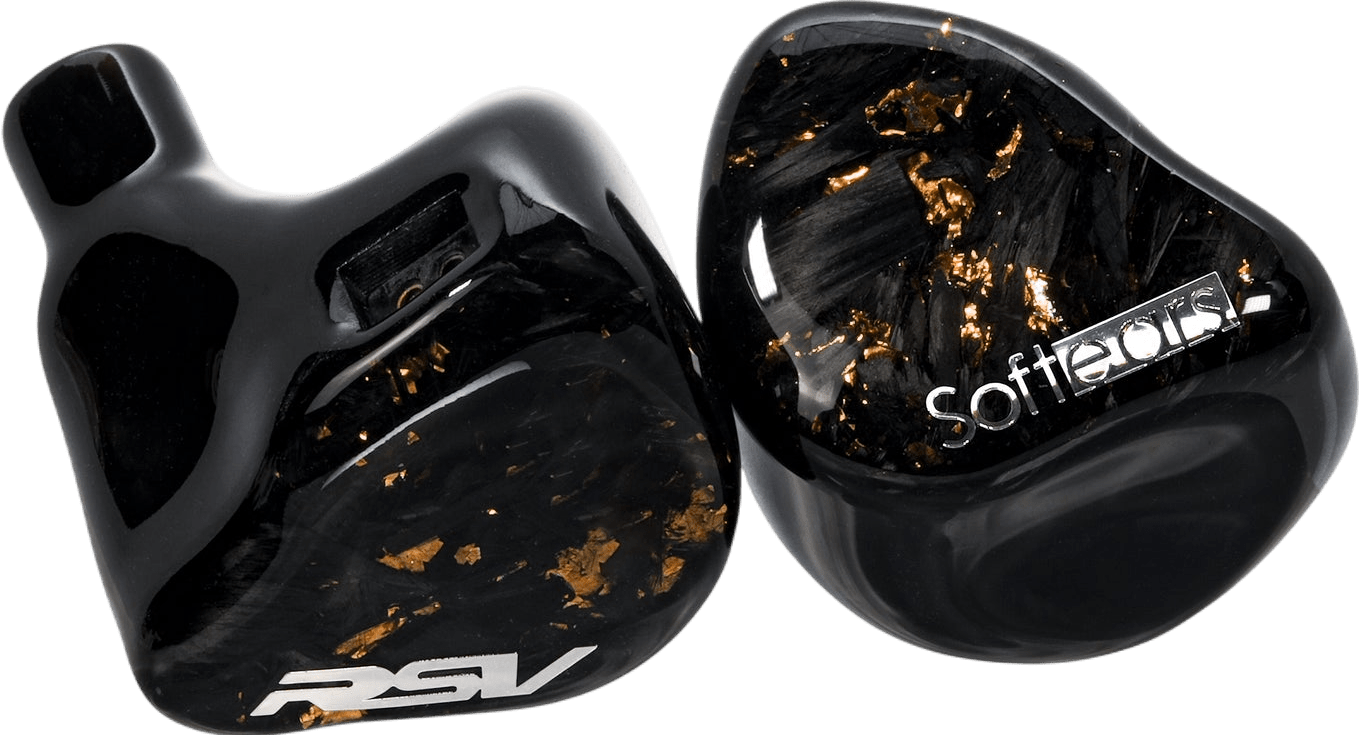
- Excellent fit and comfortable for many users, even for extended listening periods
- Very well-balanced and tuned sound signature, often described as a warm, mature, or safe Harman-ish tuning
- Smooth treble presentation, avoiding sibilance, sharpness, or fatigue, while still retaining detail
- Good bass performance for an all-balanced armature set, with nice punch and attack, though primarily focused on sub-bass
- Very good natural tonality and timbre, avoiding a metallic or unnatural sound often associated with balanced armatures
Product Considerations
- Soundstage and imaging could be better for the price, described as average and not particularly wide or holographic
- May lack a 'hook' or standout factor in its sound quality, some find it to be a more laid-back and less engaging sound
- The shells are quite big, which may be problematic for users with small ears
- The recessed 2-pin sockets could be designed better with a deeper fit
- May sound 'boring' at mid-to-low volumes, according to one reviewer
Comparisons (according to reviewers)
- Vs Moondrop S8: RSV offers a warmer and fuller sound with a more even midrange, while the S8 is leaner and more forward, with the S8 being more engaging overall
- Vs Dunu SA6: RSV has better bass quality, while the SA6 has a slightly more pronounced treble
Takeaway: The Soft Ears RSV is a comfortable and well-tuned IEM that delivers a balanced and enjoyable listening experience. It is particularly well-suited for those who appreciate a smooth, natural sound with excellent vocal reproduction.
Video review
Our take on the brand
Our Summary
Product Strengths
- Balanced to warm sound signature with ample bass that is present without overpowering the sound
- Sublime vocals, clear with even minor voice modulations distinctly audible
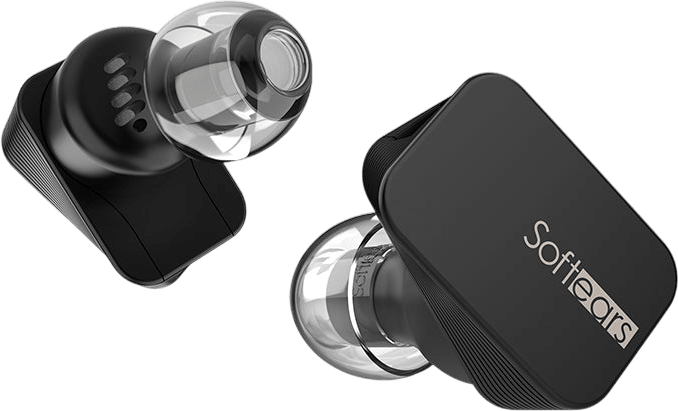
- Exceptional build quality with premium materials like aircraft aluminum alloy, resulting in a durable yet lightweight design
- Comfortable fit for long listening sessions due to narrow vertical placement in the ear
Product Considerations
- Treble is slightly rolled off, which can sacrifice some airiness and detail in the highs
- Below average passive isolation, not suitable for noisy environments
- Soundstage is average to narrow
Comparisons (according to reviewers)
- Vs Final A8000: The A8000 has a more natural tonality overall, more air, a wider soundstage, and better separation/layering, while Twilight has more bass with forward vocals and rolled off treble
- Vs 64 Audio Duo: Twilight offers warmth and engagement in its sound signature, especially noticeable in the midrange, while the Duo provides a sound that is rich in detail and expansive in soundstage
- Vs Meze Audio Advar: The Advar is better in critical listening and brass instruments, while the Twilight has better 3D imaging
Takeaway: The Softears Twilight is an excellent IEM that offers a very easy, likeable, and musical sound which can be enjoyed for hours. It offers a balanced to warm sound, sublime vocals, and comfortable fit, making it a solid choice for audiophiles looking for a single dynamic driver IEM.
Video review
Our take on the brand
.png)
Our Summary
Product Strengths
- Non-fatiguing sound signature allows for hours of listening
- Included cable is of high quality and provides versatility, allowing for the use of 4.4mm, 3.5mm, and 2.5mm terminations, depending on the source
- Vocals are a standout, offering a natural and engaging presentation
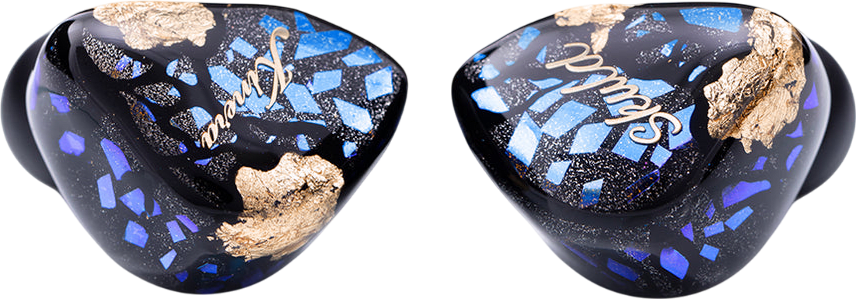
- Resin shell is both visually appealing and comfortable for long listening sessions
Product Considerations
- High price may feel steep considering the uneven frequency response and average technical abilities
- Treble is a bit dark and uneven, which can detract from overall clarity
- Bass is not particularly distinct, with a flatter sound signature
- Soundstage depth, imaging, and detail retrieval are only average, limiting its presentation
Comparisons (according to reviewers)
- Vs Kinera Imperial Nanna: The Skuld falls perfectly between more budget-friendly models and higher-end selection
Takeaway: The Kinera Imperial Skuld is easy to listen to and enjoy. It has good instrument separation and layering, so all elements can be clearly heard.
Video review
Our take on the brand




How to buy
Headphones
Search all hifi products
Explore our database of 10,000+ new and 25,000+ used hifi products.

.png)