

Welcome
Closed-back headphones offer increased isolation than open-back designs, but are much more difficult to tune well than open-backs. This does mean many of the closed-back designs available have some considerable flaws, but there are some true diamonds that can be found if you know where to look. Here's some of my favourites at all prices.


Products on this list




.svg)
What reviewers think
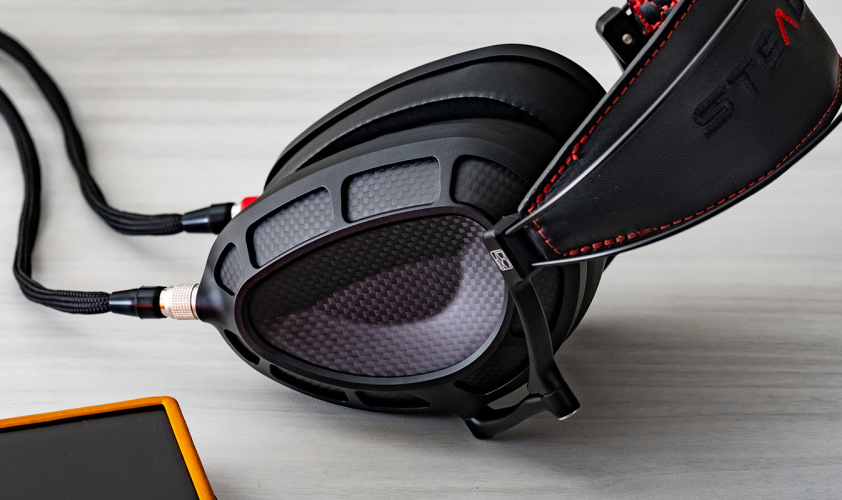
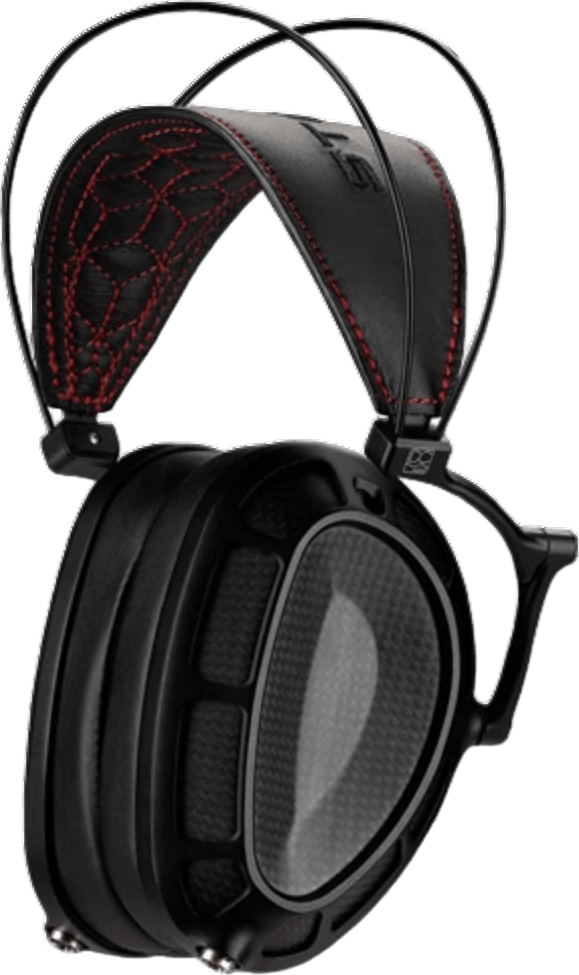
Product Strengths
- Offers a combination of dynamic driver, planar magnetic, and electrostatic qualities, providing impressive bass, speed, treble reach, and broad frequency resolution
- Exceptional clarity and resolution across the frequency spectrum
- Has a natural and immersive sound, very refined, with exceptional staging, positioning, layering, relative spacing, and image stability
- Very comfortable, lightweight (415g), and foldable for portability
- The Acoustic Metamaterial Tuning System (AMTS) delivers smooth, accurate, and detailed high frequencies, while minimizing unwanted distortions
Product Considerations
- Requires a good seal to be effective, and the seal can be easily broken by movement or glasses
- The Stealths require a bit of power to sound their best, marginal efficiency at 86-89dB
- Less sensitive than other headphones, requiring higher volume settings and more powerful amplification
- Revealing of poor recordings and distortion in the system
- Can lack slam or macro contrast
Comparisons (according to reviewers)
- The Stealth is more comfortable, better built, more isolating, has amazing quality control, and is more resolving and fun, while sounding more accurate due to the AMTS, compared to the Dan Clark Audio Ether 2
- The Stealth has better balance, with the Focal Stellia having too much bass, smoother treble, and better instrument separation, though the Stellia has better punchiness
- The Stealth is lighter, has better instrument separation, and better tuning without needing EQ, compared to the Audeze LCD-XC
- The Stealth gives a more tonal 'normal' presentation, wins for instrument separation, and has excellent design, compared to the ZMF Verite
Takeaway: The Dan Clark Audio Stealth headphones combine excellent sound quality with a comfortable, portable design, making them a good choice for audiophiles who want a high-end listening experience at home or on the go. It is a good all-arounder that does everything well with its design.
Video review
About the brand

What reviewers think
Product Strengths
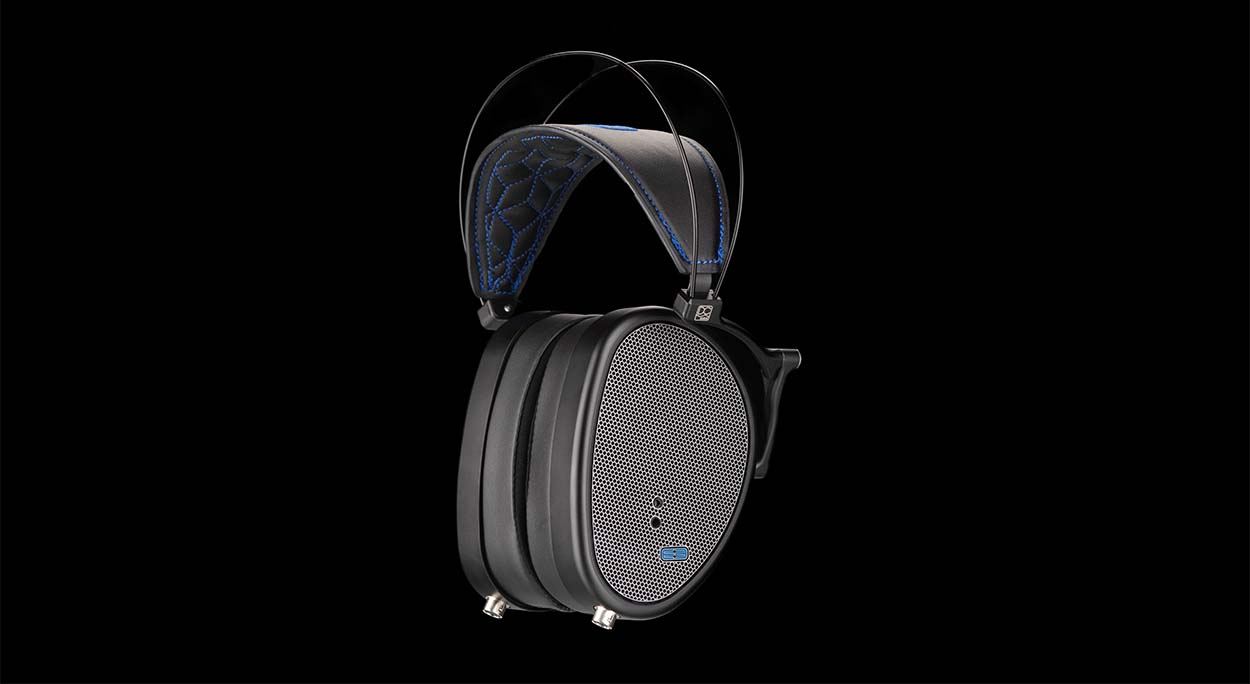
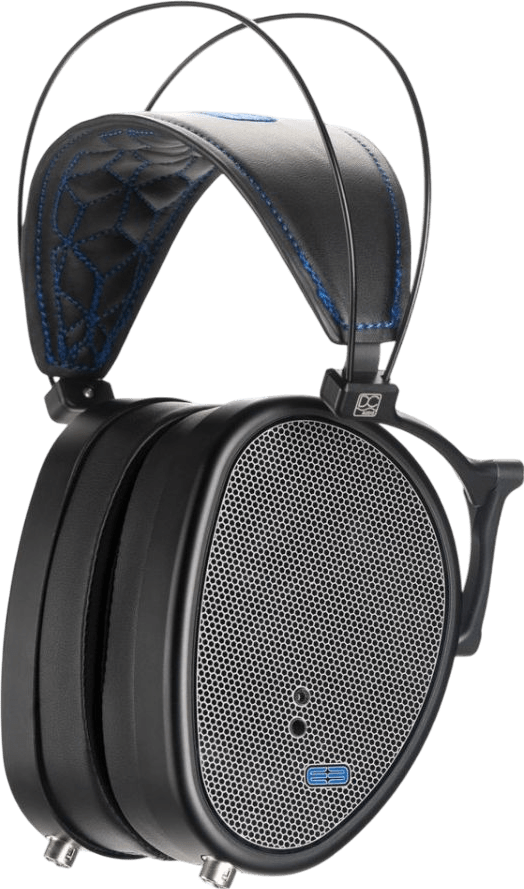
- Musical sound signature that is fun to listen to, making the experience pleasurable without covering up flaws in recordings
- Soundstage is expansive and three-dimensional, behaving more like an open-back than a closed-back headphone
- Excellent comfort with effective clamp pressure and gushy, cushy, supple pads allowing for all-day wearability
- Bass presence is excellent and extends nicely into the sub-bass with slam when needed
- New 5th generation driver delivers a smooth, rich, and detailed experience
- Proprietary connectors for the headphone cable mean that a separate cable may need to be purchased for use with other devices
Product Considerations
- Aesthetics may not appeal to everyone, particularly the honeycomb pattern and blue text on the earcups
- Significant amping is required to achieve its full potential, not ideal for portable use without a dedicated amplifier
- Treble is completely unveiled and may get splashy or fatiguing on the wrong set of ears, so auditioning is recommended
- Headphone pads are glued in and not easily replaceable
Comparisons (according to reviewers)
- Vs Dan Clark Audio Stealth—E3 sounds significantly better with better image separation and clarity
- Vs Dan Clark Audio Expanse—E3 offers better separation between sounds, micro-contrast, and detail, Expanse has more tactile bass
- Vs Dan Clark Audio ETHER C Flow—E3 is an upgrade with a mellower, sweeter midrange, and tighter bottom end
- Vs Meze Elite—E3 is as fast in detail retrieval
Takeaway: The Dan Clark Audio E3 is a well-rounded closed-back headphone that provides a fun and engaging listening experience with great comfort. It is a solid choice for those seeking a musical sound signature and excellent detail retrieval in a closed-back design.
Video review
About the brand

What reviewers think
Product Strengths
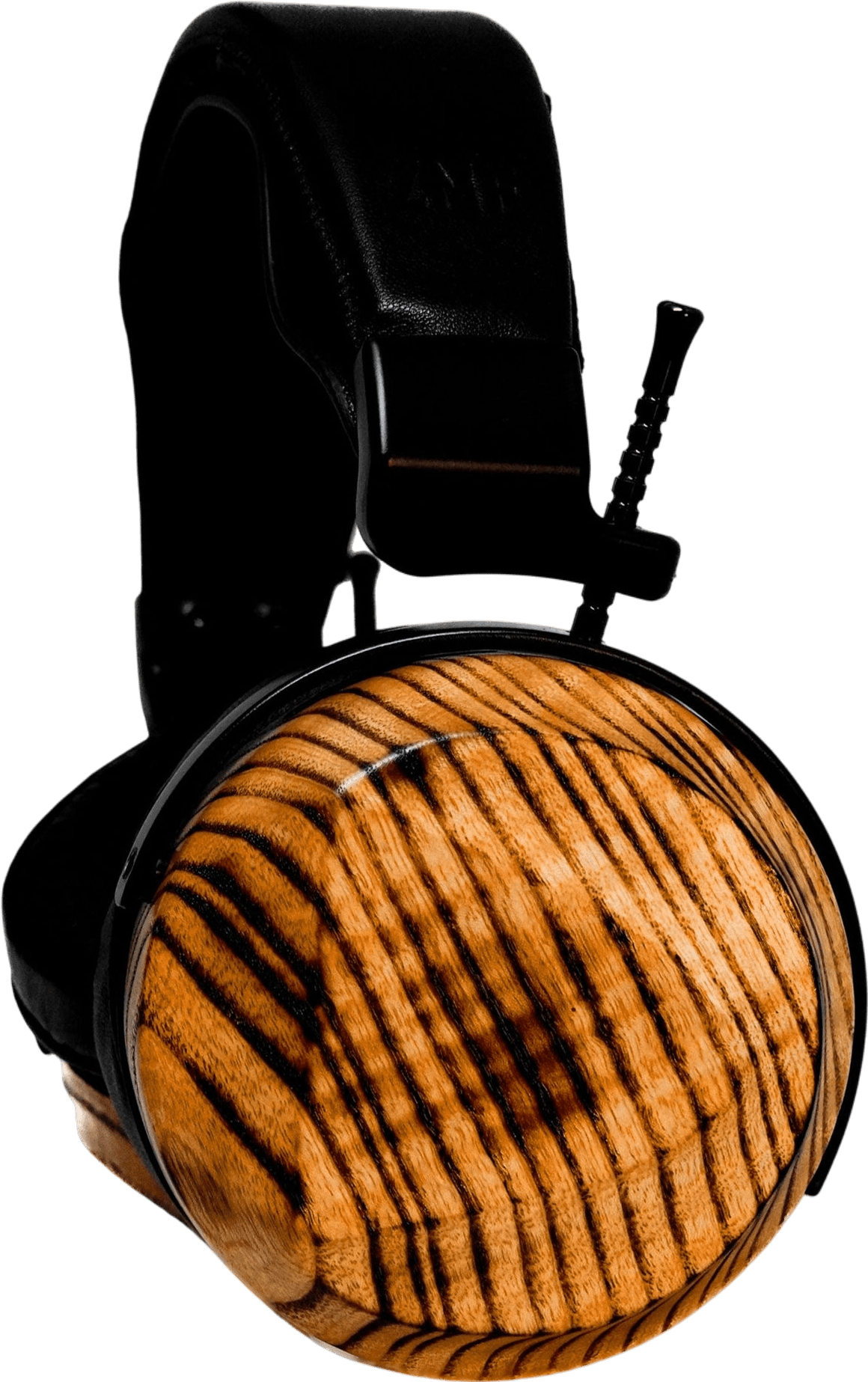
- Excellent build quality and visually stunning design with unique wood cups, making each unit unique
- Good bass response with well-balanced tonality, texture, definition, speed, and dynamics
- Treble presentation is excellent, smooth, bright, and airy without being overly forward or fatiguing
- The Caldera Closed uses Atrium Damping System (ADS) for a more natural sound decay
- Very resolving with class-leading dynamics
Product Considerations
- Mid-range tonality may be uneven and forward for some listeners, potentially causing fatigue or a 'hollow' timbre
- Soundstage is relatively narrow compared to some other closed-back headphones
- Can be moderately difficult to drive, not suitable for all portable amplifiers
- Weight might be an issue for some users, though well-distributed
- Requires high-quality audio tracks to sound its best
Comparisons (according to reviewers)
- Versus Caldera Open, the closed version has a superior treble presentation, the open is preferable in the mid-range
- Versus the Dan Clark Audio E3, the Caldera Closed is easier to drive and has better dynamics, the E3 has a wider soundstage and is more comfortable
- The Caldera Closed is more spacious sounding than the Atrium Closed
- The Caldera Closed is better than the Verite Closed for all-day listening
Takeaway: The ZMF Caldera Closed is a beautifully crafted, high-performance closed-back headphone with excellent bass and treble, making for a fun and engaging listening experience. The versatility to use it with most amps makes it a great choice.
Video review
About the brand
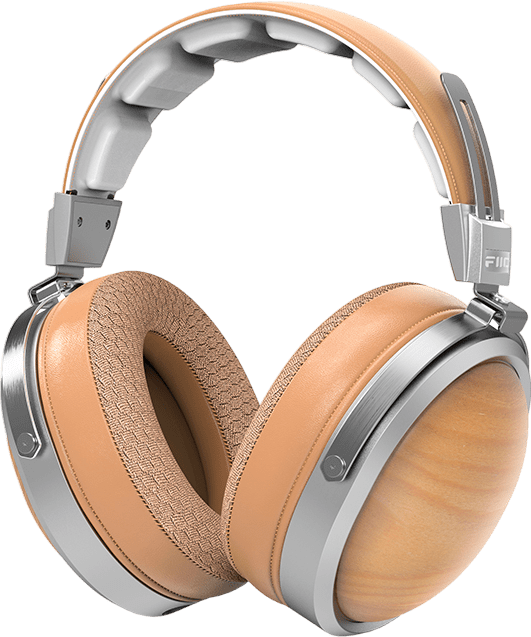

What reviewers think
Product Strengths
- Shockingly good for the money, a very well-tuned headphone for the price category
- Good bass response that is fun, with lots of thumpiness and impact in the lower sub-bass regions, while maintaining a clean mid-bass region
- Trouble response is fairly target-adherent with a chill character and not overly fatiguing
- Comes with a banger accessories package providing two cables, a carry case, more than a lot of companies are coming out with
- Delivers impressive sound quality across the board, backed by excellent build quality and a generous set of accessories
Product Considerations
- The actual earpad area for the ear is not super great, and it will be felt a little bit on the ear, might be more on-ear than fully over-ear if you have really large ears
- Sound staging is one area that could improve the most, because there is almost none, can sound almost claustrophobic, because everything is happening right here all the time
- Mid-range is not all that exciting to listen to, vocals can be shouty or honk-type sound to certain vocalists
- Build quality feels good for $150, but it would not pass the sniff test for $500, definitely feels like it's a budget device
Comparisons (according to reviewers)
- The AKG K361 has advantages over the FiiO FT1, like sound staging
- The FT1’s level of midrange fidelity is impressive, rivaling the best mid-fi headphones such as the Sennheiser HD6XX and the Sundara
- It outshines most closed-back classics, including the Sony MDR-7506, AKG K361, and beyerdynamic DT700 Pro X
- The smaller FiiO FT1 was enjoyed even more than the FiiO FT5, since it strikes the right balance between fun, warmth, and technicality, handling tough tracks with much more ease than anticipated
Takeaway: The FiiO FT1 is a surprisingly good closed-back headphone for the money and offers a well-tuned sound signature with good bass response. This headphone is priced at $150 and is surprisingly nice with some great terminations.
Video review
About the brand
.png)
What reviewers think
Product Strengths
- Excellent bass and treble response.
- Impressive dynamics and imaging.
- Has excellent treble extension.
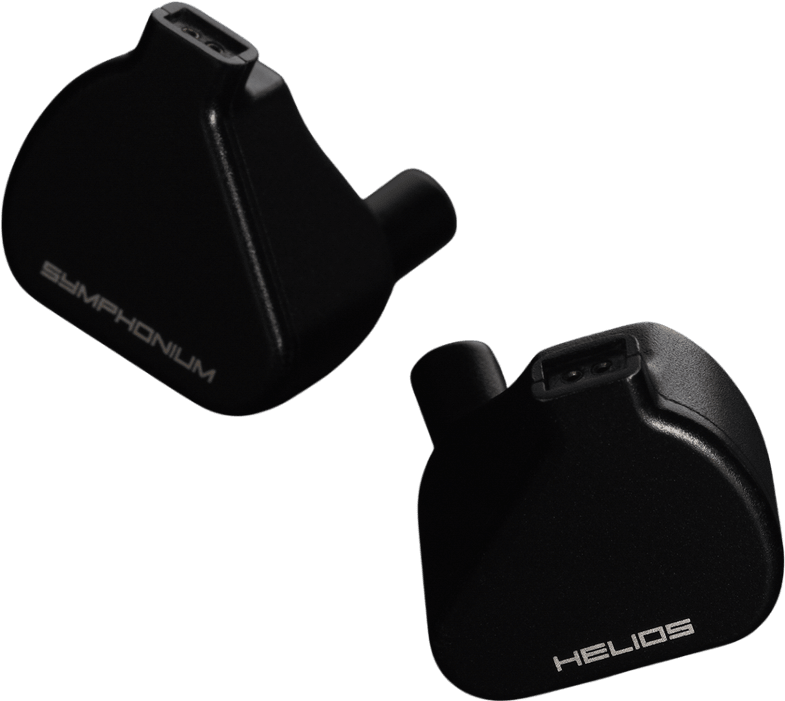
- The Helios delivers an immensely deep-reaching sub-bass, accompanied by exceptionally clean articulate treble, with no overdone mid-bass to muddy things up.
Product Considerations
- Large angular shell that may be hard to fit.
- Needs a reasonably powerful source, because many dongles will not be able to run these.
- Midrange is somewhat mixed and quite pushed back.
- Some found the stock cable annoying to deal with.
- There is a lack of mid-bass.
Comparisons (according to reviewers)
- Vs Campfire Audio Andromeda 2020: Helios has a leaner sound and demands attention, sporting aggressive dynamics, sharper resolution, and BA bass that actually slams.
- Vs Hidition Viento-B: One can consider the Helios a Viento-B on steroids with more bass, a more balanced midrange, and a more linear, extended treble response.
- Vs Moondrop S8: The Helios clearly pulls ahead in its impactful dynamics and standout BA bass.
- Vs Sony IER-M9: The Helios has far better dynamics and a smoother, more airy treble response.
- Vs Thieaudio Monarch: The Helios has more treble extension and presence in those final octaves, and for technical performance outdoes the Monarch all around, particularly in the staging and imaging presentation.
- Vs Unique Melody MEST/MK2: The Helios doesn't make compromises, as it sports comparable resolution to the OG MEST and outclasses both IEMs in the dynamics department, and the Helios' treble is a step ahead of the ESTs being used in the MEST IEMs.
Takeaway: The Symphonium Helios is worth consideration for those seeking high-quality sound with great bass and clear highs. It is designed to sound good with diverse musical genres, so listeners can enjoy what they are hearing.
Video review
About the brand