




Note that this is a discontinued product. You may want to visit the brand's page here to browse their newer products.
What reviewers think
Bloggers and YouTubers have tried this product—so we've summarized their strongest opinions below. Links to full reviews follow.
Product Strengths
- Extreme resolution that sounds far more musical than the oft over-polished results in other high-end converters
- First-class build quality with attention to vibration control
- Immense depth of image and presents music with all its charms in full effect
- A supremely open, vital, and revealing converter
- The D-580 only has RCA outputs
Product Considerations
- User needs to choose between four filter settings—upsampled fast or slow and non-upsampled fast or slow—to optimize sound
Takeaway: The Aavik D-580 is an impressive piece of kit with extreme resolution. It is great for people who want to enjoy music with a lot of detail.
All
Aavik D-580
reviews


Manufacturer details
- Digital Inputs: 2x BNC S/P-DIF (32-192 k-samples, 24 bit), 2x TOSLINK Optical (32-192 k-samples, 24 bit), 1x USB (32-192 k-samples, 24 bit, DSD 64 – DSD 128)
- Distortion: <0.005% THD at 1 kHz at 0dB
- Output Level: 4.5Vrms at 0dB
- Output Impedance: 100 ohms
- Power Consumption: <0.5W (Standby), <50W (Idle)
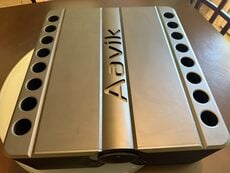
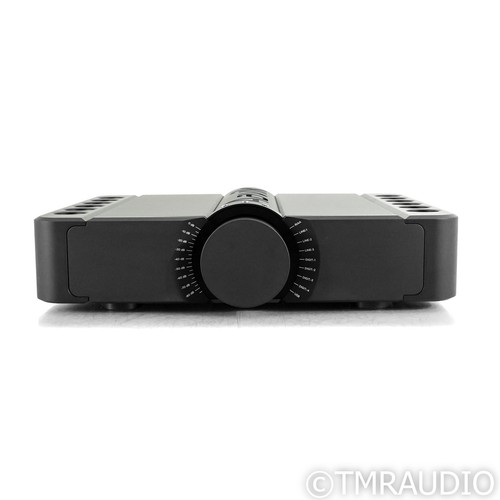
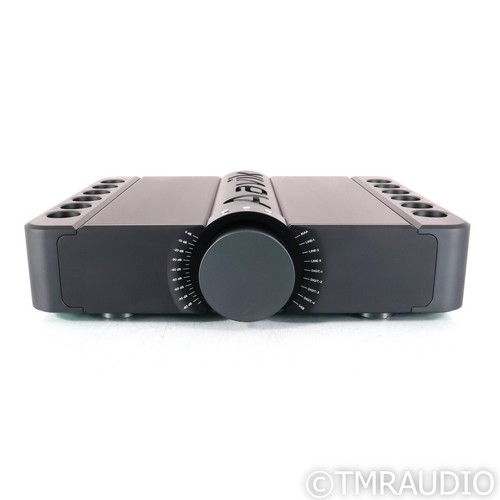
- Dimensions (LxWxH): 400 x 384 x 102 mm (15 3/4 x 15 1/8 x 4 1/64 inch)
- Weight: 7.3 kg (16 lbs)

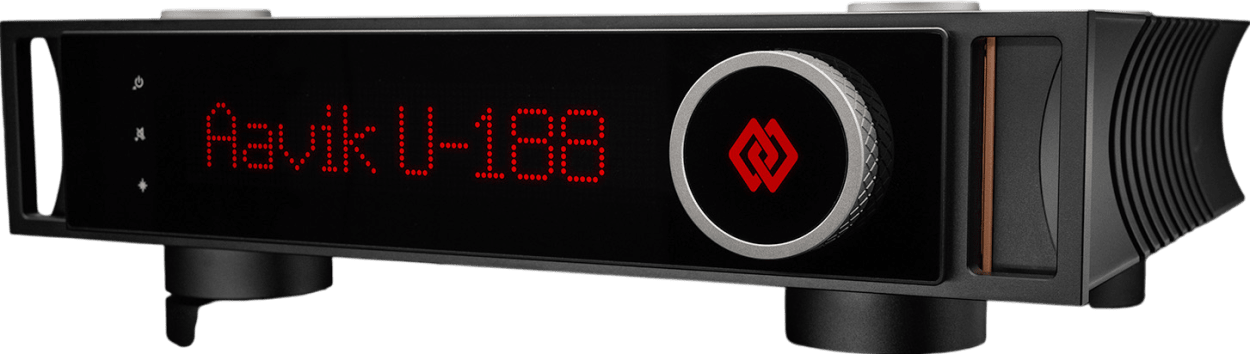
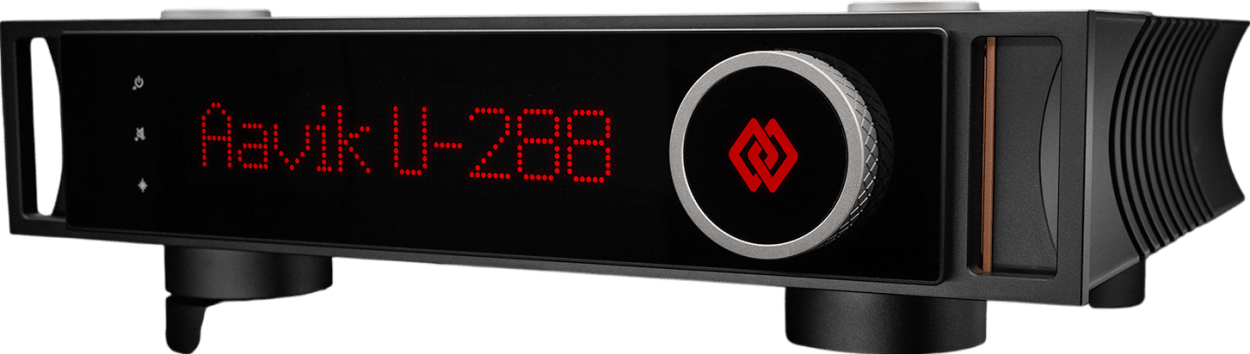
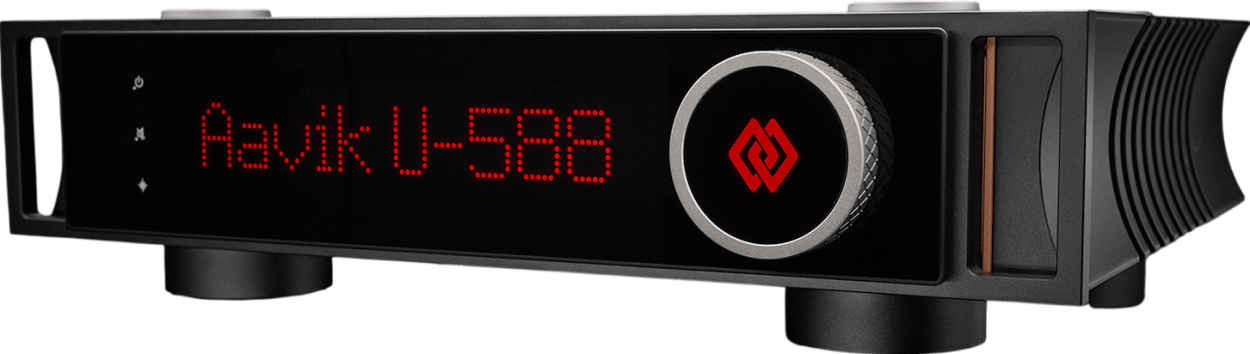
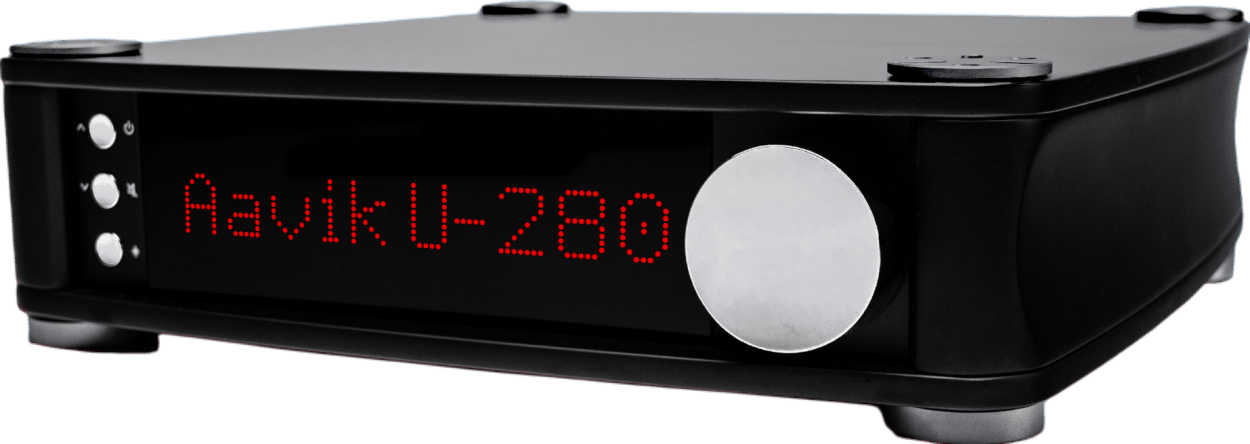
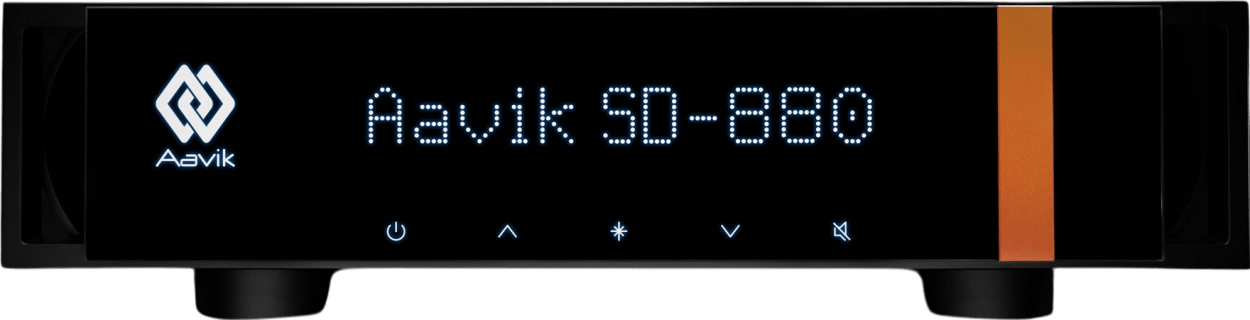
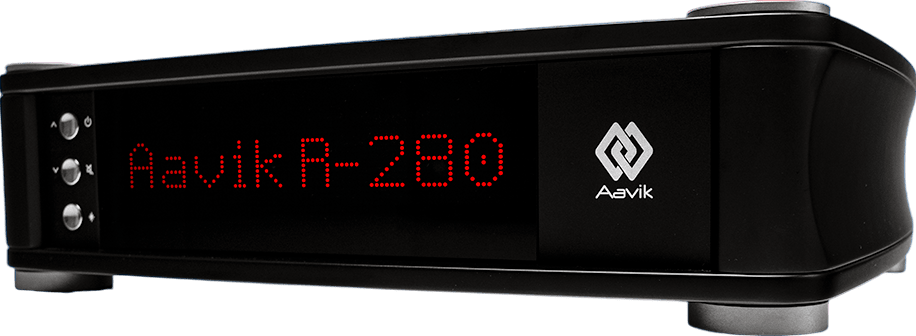
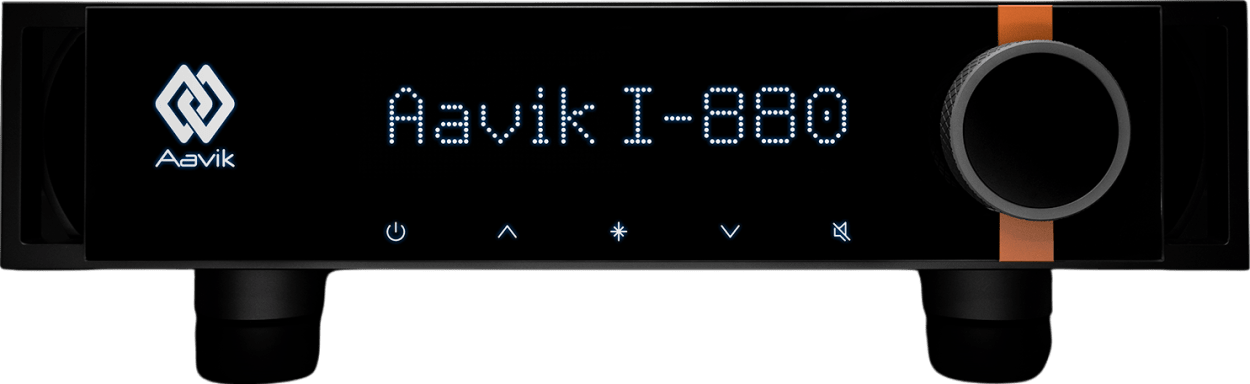
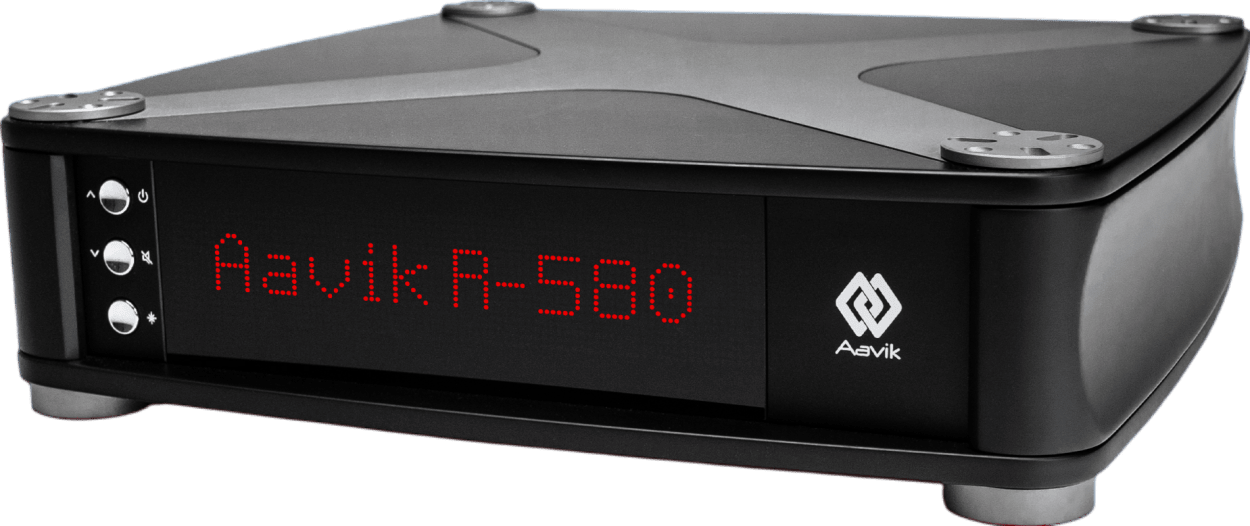
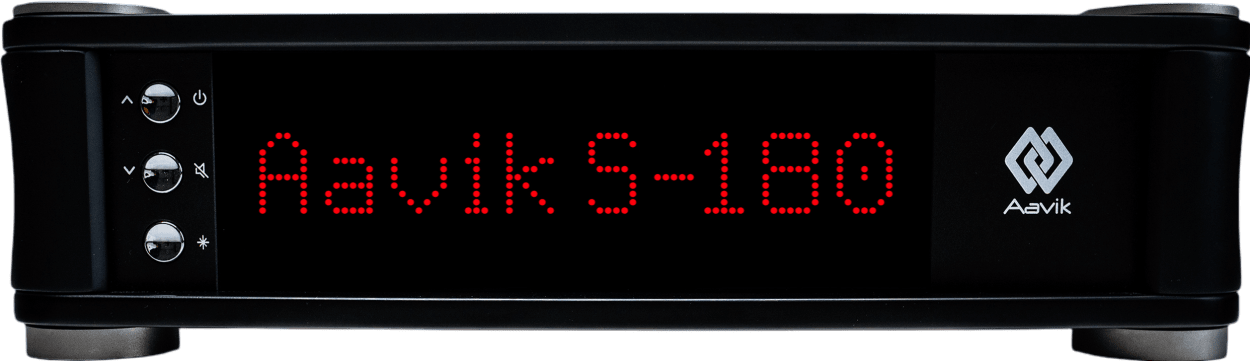
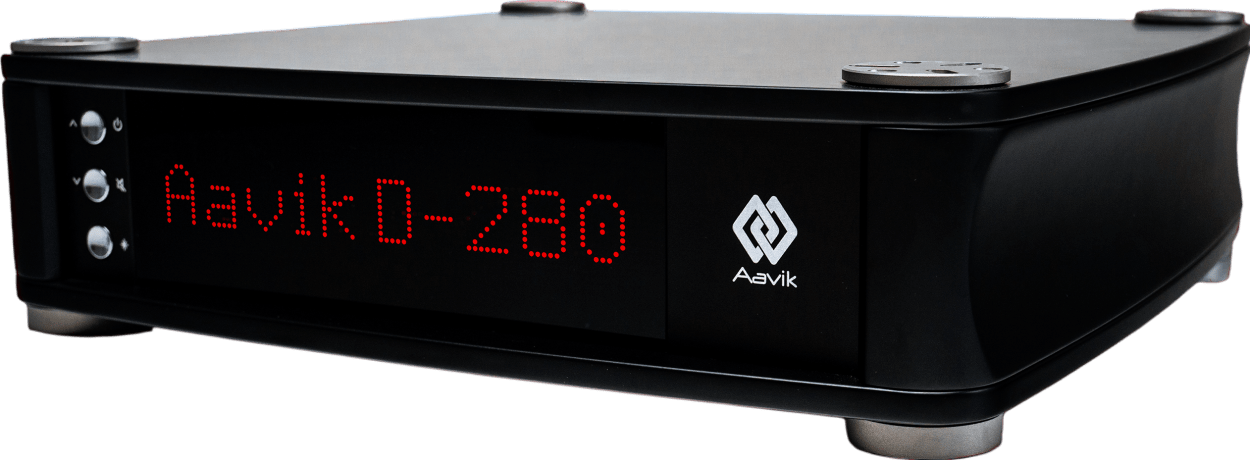
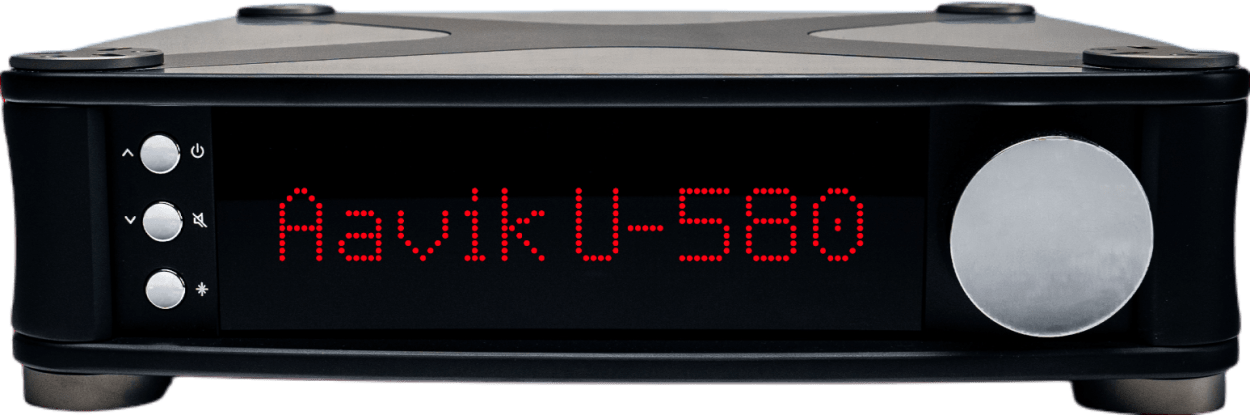
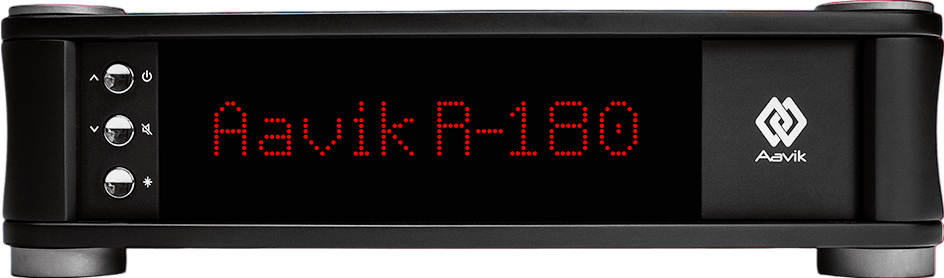
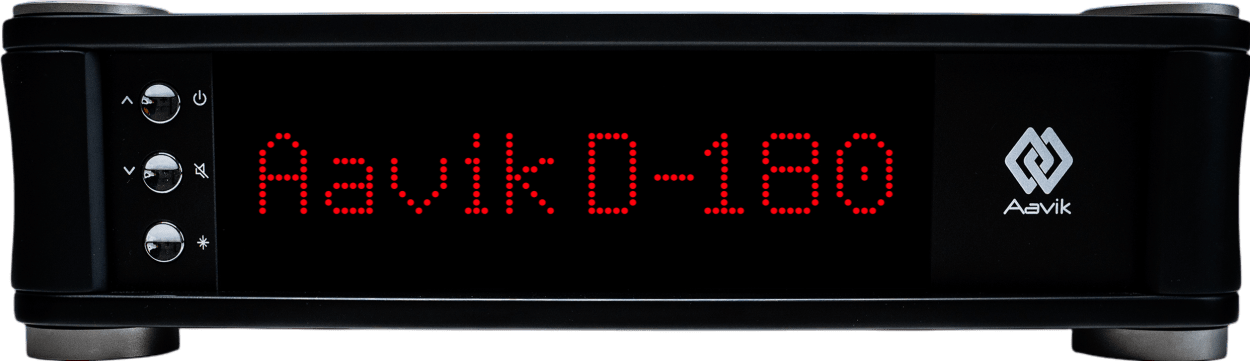
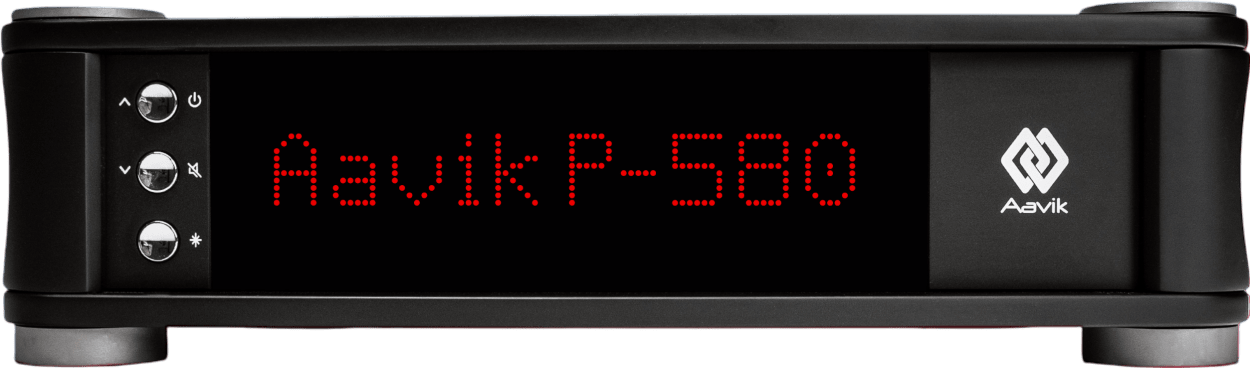
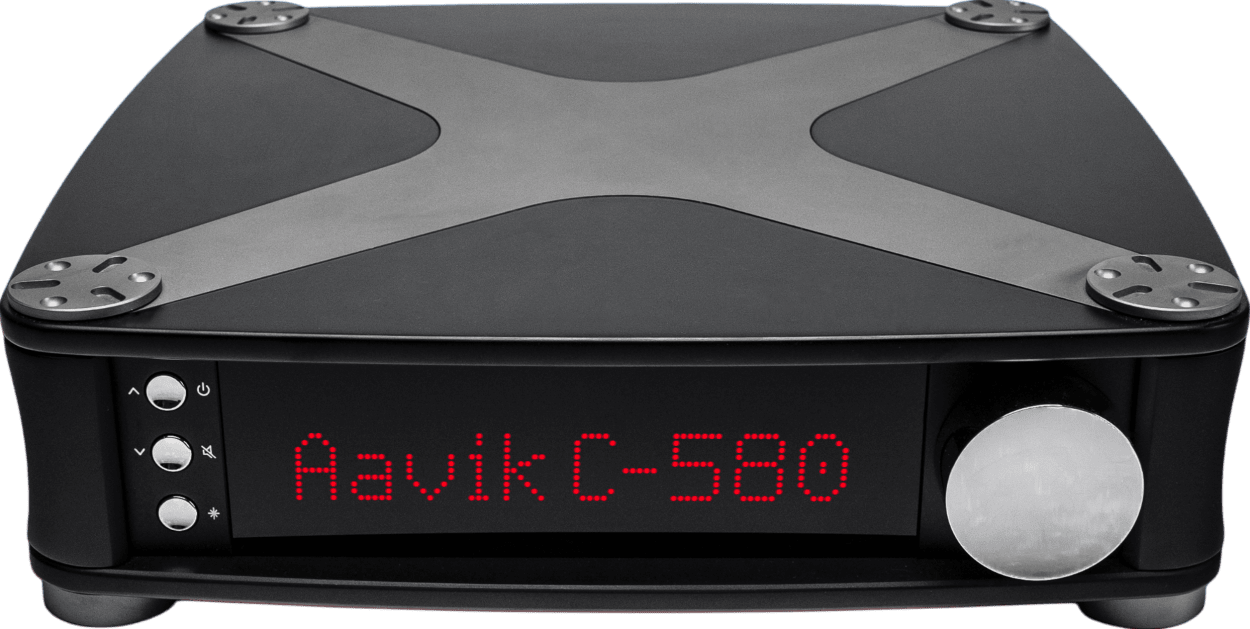
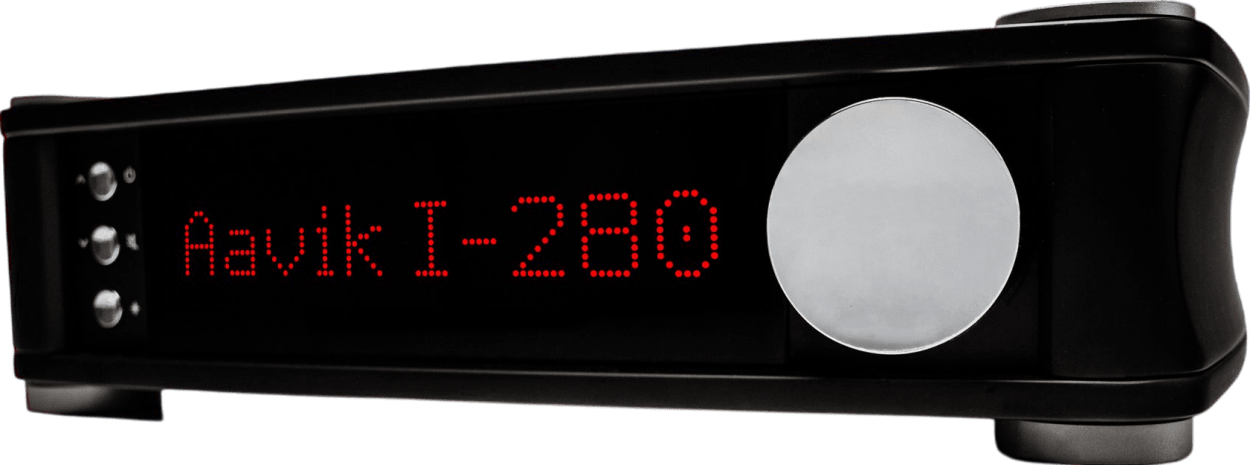
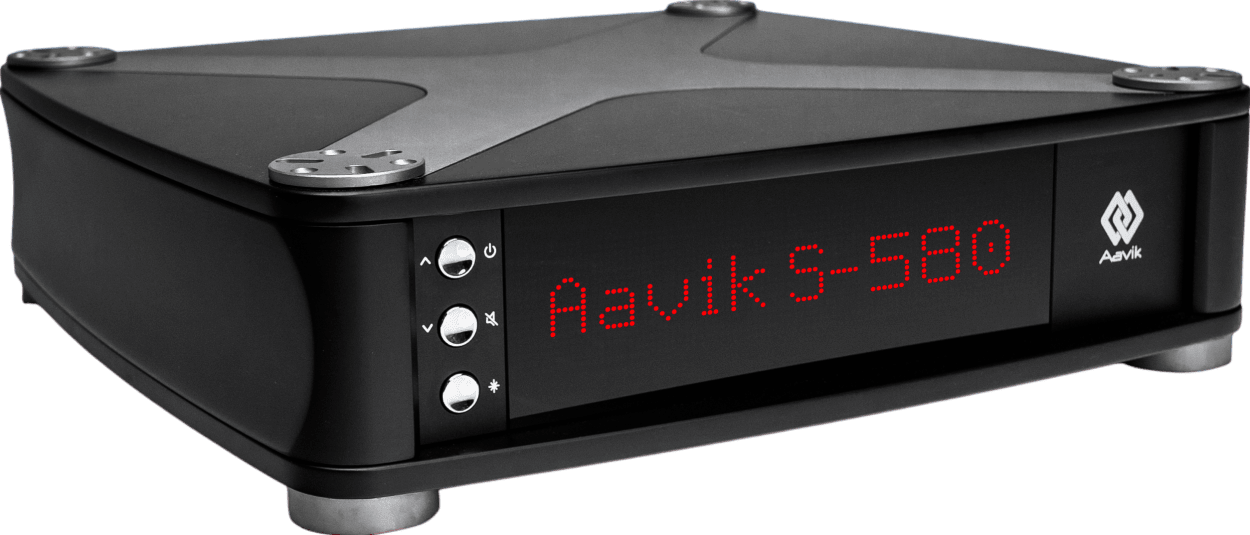

Brand highlights
Taking a step back to look at reviewers' thoughts of the brand's entire lineup—not just this product—what stands out most is the following:
- Aavik implements UMAC Class D amplifier technology that employs sine wave modulation instead of triangle modulation, reducing high-frequency noise and improving speaker control.
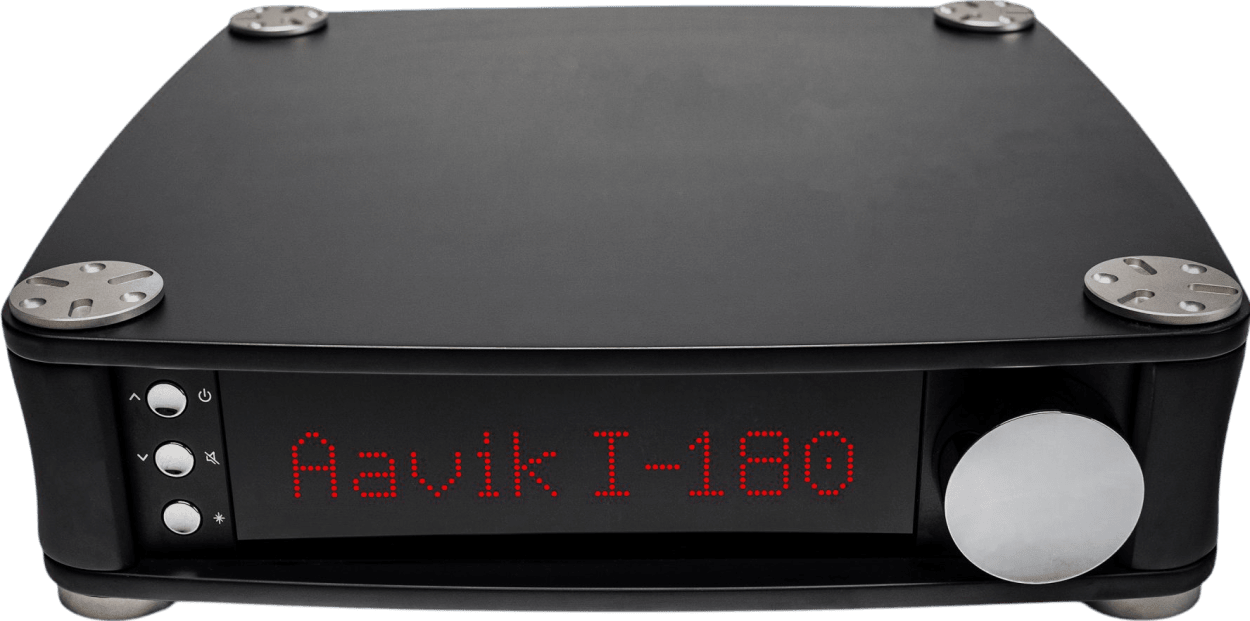
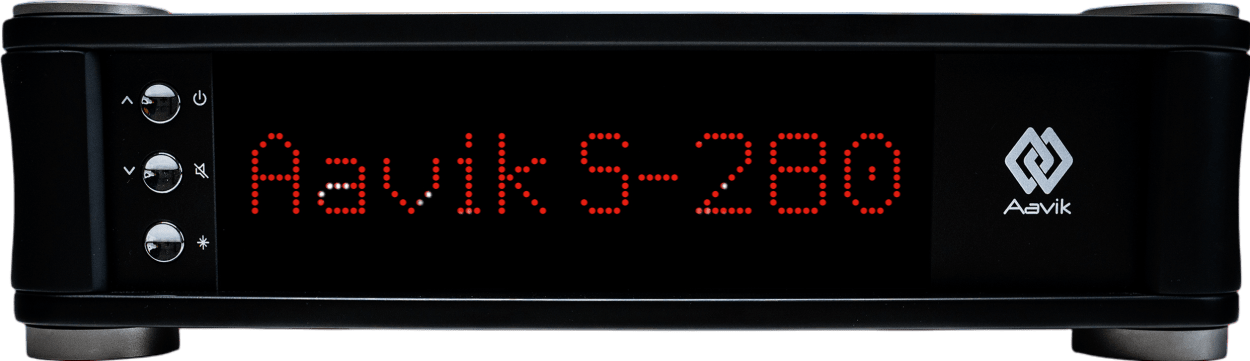
- The brand is known for its distinctive industrial design, utilizing composite materials for the chassis, eschewing traditional aluminum to minimize mechanical resonance.
- Aavik employs multiple noise reduction technologies, including Active Tesla Coils, Active Square Tesla Coils, Anti-Aerial Resonance Coils and Dither circuitry, to minimize unwanted noise and enhance musical authenticity.
- They create amplifiers with a strong emphasis on synergy with their sister brands' products, particularly Ansuz cables and resonance control devices, and Børresen loudspeakers.
Select products
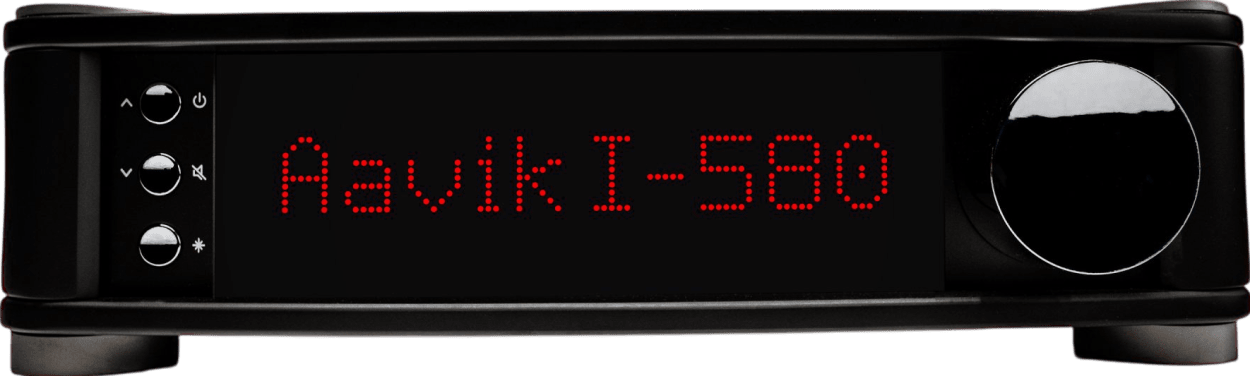
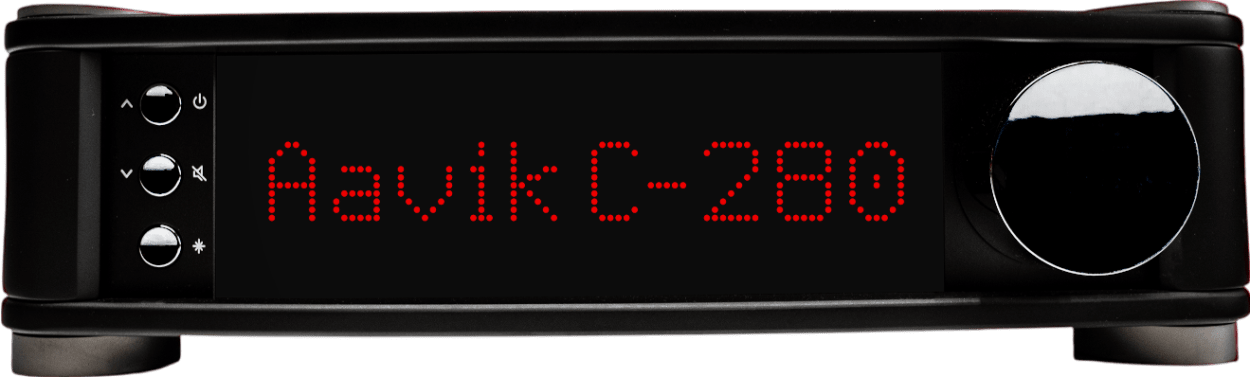
Aavik C-580:
- Positioning: A compact control amplifier offering refined signal management on a more accessible budget.
- Description: Features a straightforward implementation of active Tesla coil technology and basic dither circuitry, ensuring low noise and precise control suitable for modest listening environments. In comparison to the C-880, offers fewer advanced noise reduction features while still delivering solid performance for users with limited functionality needs.
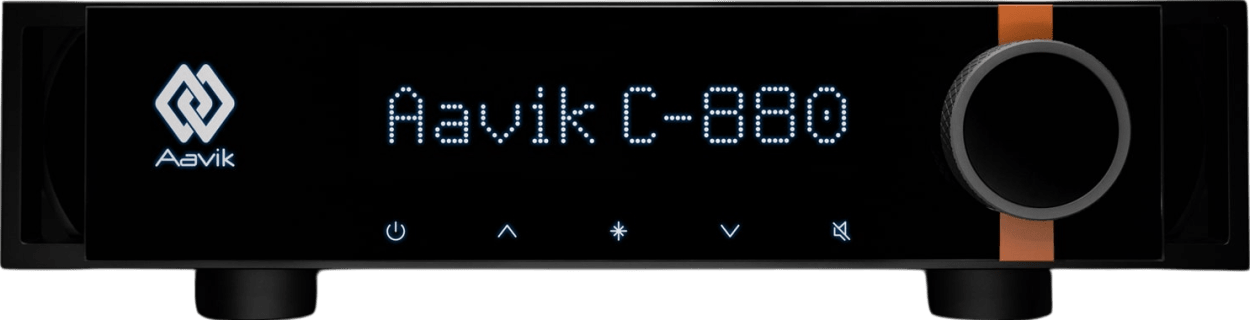
Aavik C-880:
- Positioning: A high-end control amplifier engineered for signal fidelity and advanced noise suppression.
- Description: Incorporates a significantly higher count of active Tesla coils and enhanced analog dither technology for further noise reduction and dynamic musical detail. Compared to the C-580, offers increased performance and control capabilities.
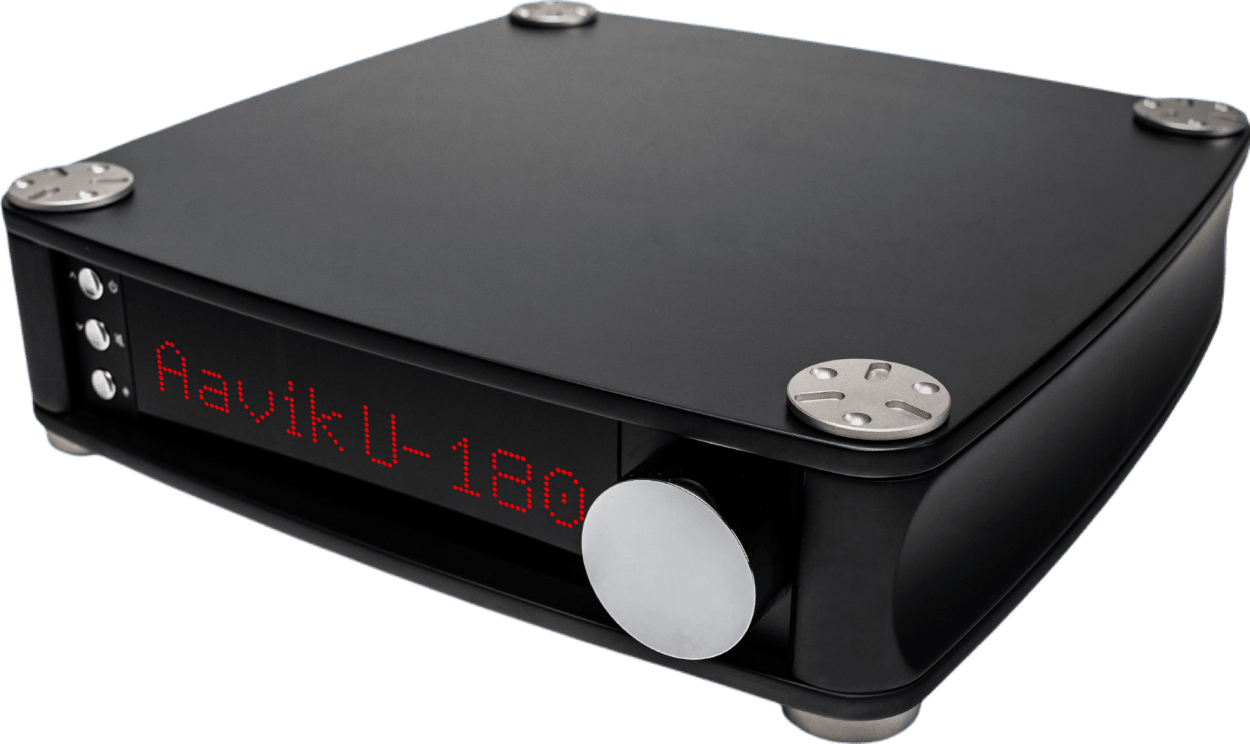
Aavik U-588:
- Positioning: A modern all-in-one unity amplifier that combines streaming, DAC, line stage, and power amplification in a single enclosure.
- Description: Uses the latest Pascal class D (UMAC) technology with lower output impedance and reduced noise, adding digital streaming and connectivity features for versatile use in compact setups. Compared to the traditional 880 series products, offers added functionality and ease of integration.
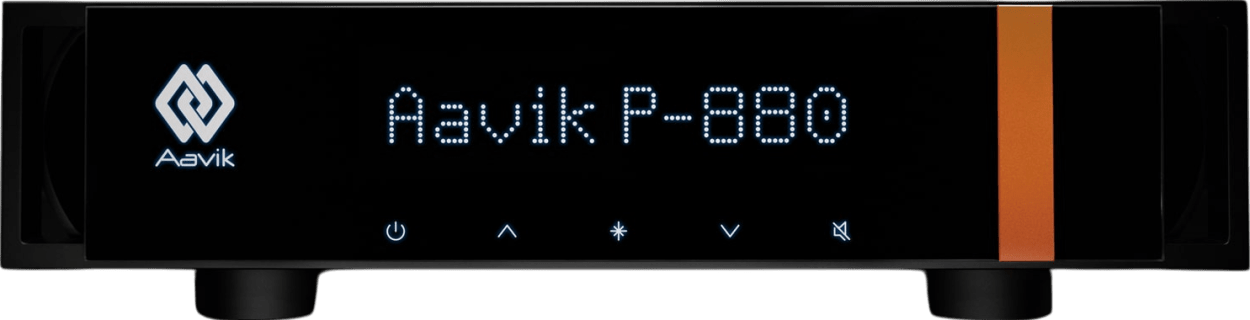
Aavik P-880:
- Positioning: A standalone power amplifier designed to deliver high current and efficient pure Class A performance.
- Description: Uses a resonant mode power supply and local capacitor banks to achieve lower noise and improved feeding of speakers, which suits environments requiring high peak power and dynamic control. In contrast to the integrated I-880, the P-880 splits the amplification process, offering greater flexibility in system configuration.
Aavik I-880:
- Positioning: The flagship integrated amplifier combining power, control, and cutting-edge noise reduction technologies in one unit.
- Description: Features an extensive suite of innovations including a switchless optical input board, active Tesla coil systems, and a solid copper enclosure that ensure exceptionally low noise and outstanding musical detail, ideal for high-end, room-filling setups. Compared to its segmented counterparts, it delivers the most comprehensive performance and functionality.

Our take on the brand
Look inside the brand
Our interview with the brand
What are two key technological innovations or strong opinions that differ you from other brands?
What's your approach to customer support?
What are your favorite tracks for showcasing the strength of your products?
What other products pair best with yours?

Used
Aavik








What if you spend more?



.svg)
Product Strengths
- Delivers outstanding clarity and detail throughout the music
- The Ring DAC tech, combined with other high-end components, produces musicality throughout the music
- Delivers expressive dynamics and taut, powerful bass
- Offers a wide soundstage and excellent sonic authority
- Superior presentation of texture, overtones, and bass
Product Considerations
- The streaming module does not impress as much as the DAC section
- Has a bewildering array of filters and sonic tuning options, which may be overwhelming for some users
- Lacks Bluetooth, Wi-Fi, and HDMI ports
- Does not have an integrated amplifier
Comparisons (according to reviewers)
- The Rossini Apex is better than the pre-Apex dCS Vivaldi
Takeaway:
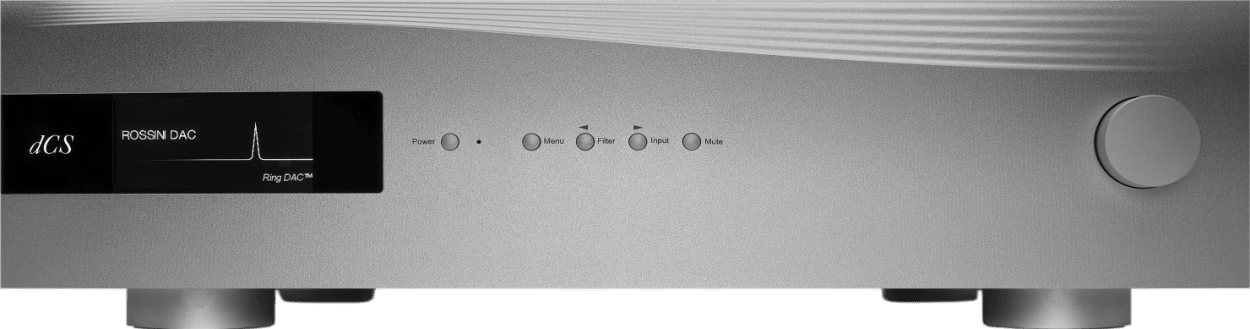
The dCS Rossini APEX DAC is an exceptional, high-end system for audiophiles seeking to experience the soul of a performance. It provides a transformative journey into the heart of music, which could make it worth buying.
Video review
Our take on the brand
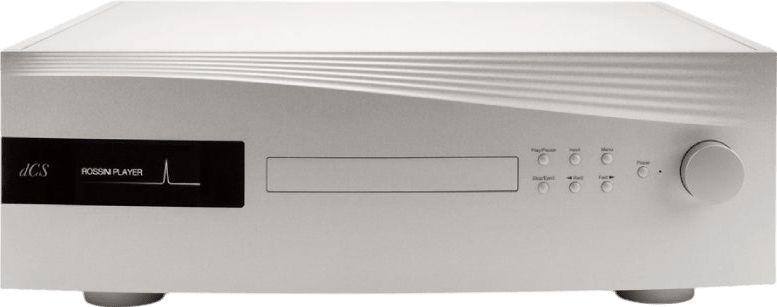
Powerful and graceful too, the Rossini renders music with the utmost precision and care, delivering a fluid and natural sound without the slightest hint of harshness or glare. From the softest strings to the sharpest brass, and the quietest intake of breath, it unearths each aspect of a recording to reveal a performance that feels layered, lifelike and whole.
Product Strengths
- Exhibits a design philosophy that marries functional elegance with robust construction
- Employs dCS proprietary Ring DAC technology for exceptional accuracy in digital-to-analog conversion
- Has impressive streaming capabilities, supporting services like TIDAL, Spotify, and Qobuz, and is compatible with Roon, Airplay, and UPnP streaming
- Produces a powerful, impressive, and taut sound with more low-frequency impact
- Demonstrates exceptional capability in reproducing both macro and micro dynamics
Product Considerations
- The dCS Rossini is optimized as a 'Network Player' and sounds best when used that way, not necessarily with other Aurender products
- The Mosaic app sometimes had limited information viewable on the track
- The volume buttons on the remote are clunky and insensitive
Comparisons (according to reviewers)
- Rossini has a wider and deeper soundstage than the Holo Audio May KTE DAC
- Rossini APEX Player produces a really powerful, impressive and taut sound, with more low-frequency impact than the Chord DAVE DAC and M-Scaler DAC combination
- The sound is quite a bit better using the Sonore SonicTransporter i5 than that coming via the Aurender N10 regardless of which digital output is used from the Aurender
Takeaway: The dCS Rossini is a well-engineered and handsome unit with vast digital format compatibility. It delivers unmatched transparency, expansive soundstage presentation, pristine midrange reproduction, and exquisite detail, so it is worth considering to fully unlock a music library.
Video review
Our take on the brand
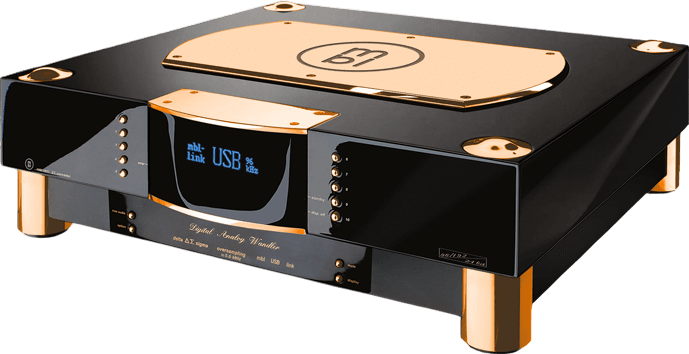

Product Strengths
- Accepts input signals up to 96 kilohertz via USB or SPDIF input
- Comes with a multi-page USB installation guide
- Includes a JRiver license and guide for installation on Apple, Mac-based OS X environment, Windows XP, or Windows 7
- Sound is comparable to a Wandoff turntable
Product Considerations
- The review mentions using the USB functionality in the DAC primarily, so performance with SPDIF is not a focus
Takeaway: The MBL 1611F digital audio converter offers high-resolution audio playback and comes with helpful software and guides. It delivers excellent sound quality, making it a great choice for audiophiles.
Video review
Our take on the brand
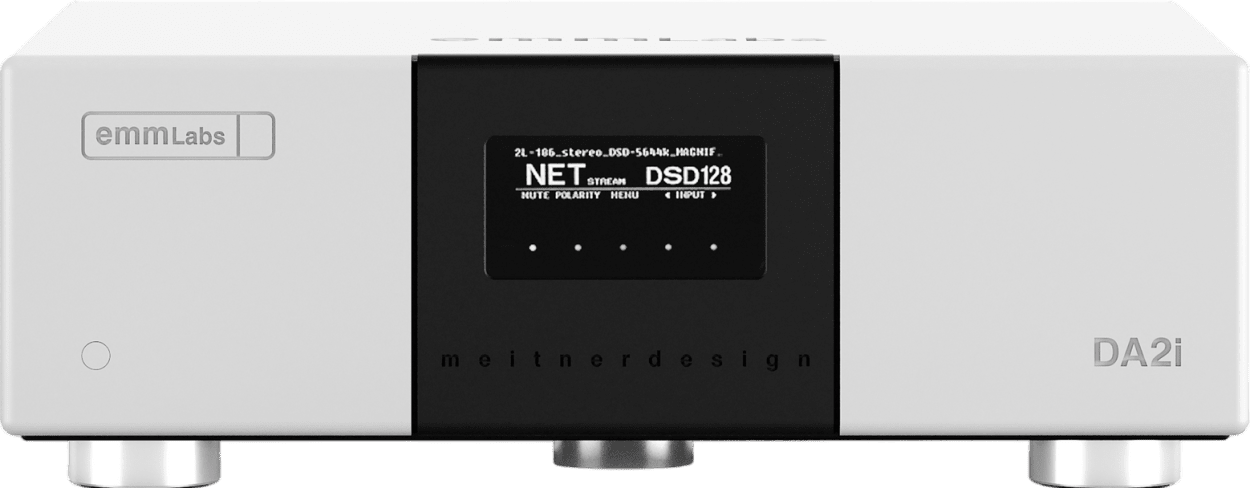

Product Strengths
- Represents a revolutionary change from previous versions, described as a 'homerun' improvement over the DA2 V2
- Newly engineered folded-cascode output stage, devoid of overall feedback, enhances bandwidth and delivers unparalleled stability
- Refined asynchronous clock minimizes jitter and maximizes stability
- Cutting-edge in-house switch-mode power supply (Meitner X-Power) with over 95% efficiency isolates power delivery between digital, analog, and streaming stages
- Updated custom FPGA boosts performance at higher sampling rates while preserving the proprietary Meitner Digital Audio Translation (MDAT2) scheme
- Supports Tidal Connect, Spotify Connect, Qobuz, Deezer, and vTuner Internet Radio, offering streaming up to 2x DSD, and DXD
Product Considerations
- The price is $35,000 USD
Comparisons (according to reviewers)
- Vs EMM Labs DA-2: The DA2i is a major upgrade from the original, with updates that improved resolution and bass
- Vs Linn Organik: The Linn Organik bettered the DA2 (predecessor to the DA2i) in some ways, but not enough to warrant selling the DA2
- Vs Wadax digital stack: The EMM Labs DA2 (predecessor to the DA2i) had been surpassed by the Wadax, particularly with respect to the resolution of low-level detail, dynamics, focus, soundstage—and noise floor
Takeaway: The EMM Labs DA2i D/A converter has significantly advanced the state of digital audio, particularly in extracting the best from Redbook sound. It offers major improvements with a redesigned architecture and enhanced features.
Video review
Our take on the brand
What competes at this price?
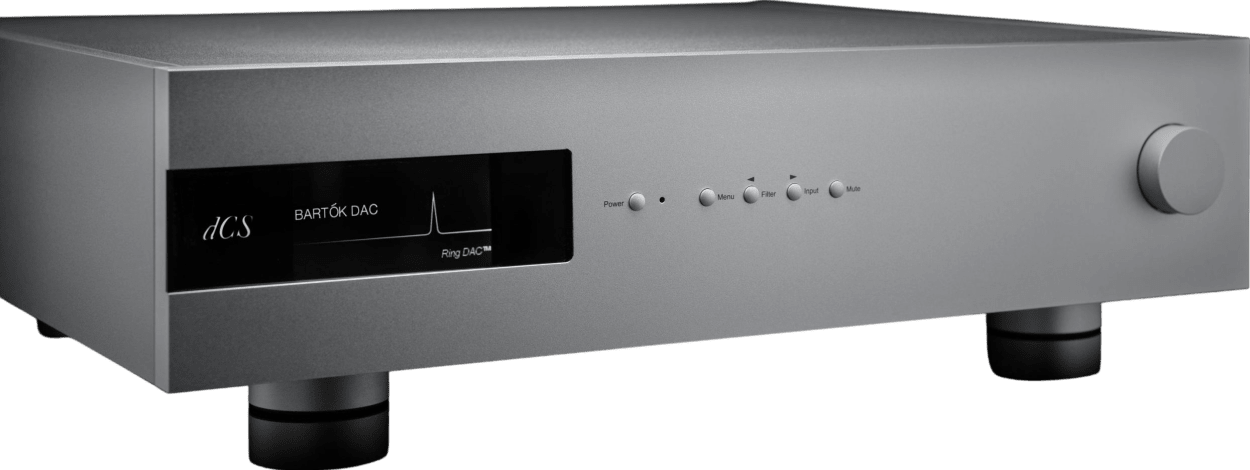
Our Summary
Product Strengths
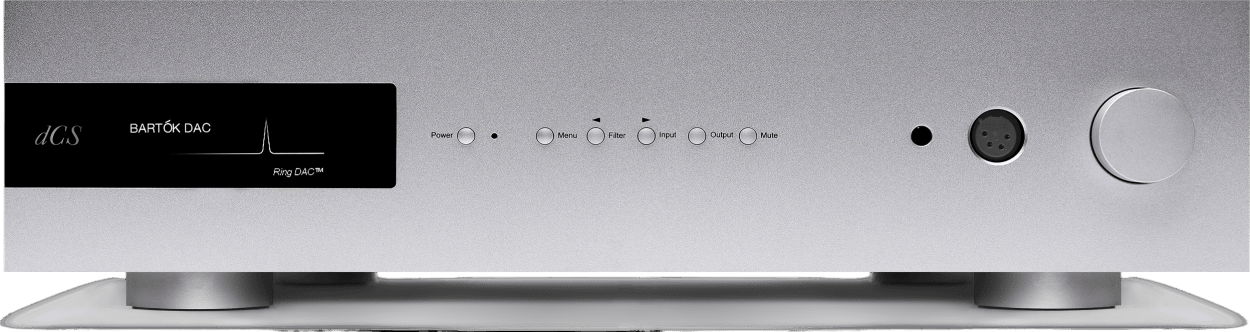
- dCS Bartók APEX offers more refined and coherent sound compared to previous versions
- The APEX Ring DAC reduces noise and increases linearity, resulting in greater dynamic range, detail, and vitality
- The dCS Mosaic app allows for comprehensive remote control, OTA updates, and efficient streaming options
- The headphone amplifier can drive a vast range of headphone models regardless of efficiency or impedance
- Implementation of the APEX Ring DAC delivers a more profound listening experience by reducing 3rd-order harmonic distortion
Product Considerations
- The dCS Bartók APEX is heavy and large
- The dCS Lina system performance could provide a dilemma for some potential buyers
- The headphone amp option is only available at point of purchase
Comparisons (according to reviewers)
- Vs original Bartók—the Bartók APEX upgrade sounds much more refined than previously
Takeaway: The Bartók APEX is a very high-quality music player that offers both simplicity and scalability, with the ability to be upgraded in the future. It is a worthwhile investment for an excellent sound experience.
Video review
Our take on the brand

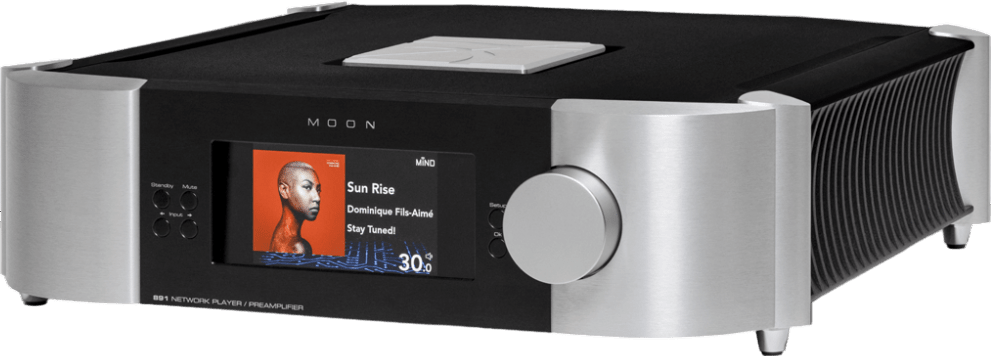

Our Summary
Product Strengths
- Combines multiple functions (network player, DAC, phono stage, and preamplifier) into one chassis, offering versatility and reducing component clutter
- High-quality build with meticulous attention to detail and excellent casework, promising durability
- Offers a transparent and detailed sound, with impressive control and a captivating presentation of music
- Features an intuitive user interface with a vibrant color display and a well-designed remote control (BRM-1)
- Incorporates technologies like the MOON Damping Base (MDB) and M-RAY2 volume control to minimize noise and distortion
Product Considerations
- The collapsible packaging is difficult to manage for one person
- Software may need updates to improve device connectivity
- The speaker cable terminals on the partnering 861 power amp can be tight with larger spades
- High price may be a barrier for some potential buyers
Comparisons (according to reviewers)
- The 891's DAC/preamp section surpasses the performance of the MOON 780D v2/850P combination
- The instrumental separation through the 891/861 amps was a noticeable step above that of the MOON 791/761
- The 891 was significantly quieter than the Reference 6SE
- Instruments and vocals exhibited more body and dimension than with the T+A MP 3100 HV
- The streamer built into the MOON 891 preamp sounds more neutral and more insightful than the MOON 680D
Takeaway: The MOON 891 is a versatile and well-built audio component that combines streaming, DAC, preamplification, and phono stage capabilities into a single unit. It offers a high-quality listening experience and a range of features that make it a great option for audiophiles looking to simplify their setup.
Video review
Our take on the brand
Our Summary
Product Strengths
- Detailed, clear, harmonically rich, and musically engaging, ticking all the audiophile boxes
- Retrieves more low-level data, texture, and atmospherics and is smoother, less grainy, and more powerful sounding—hence more transparent and emotionally engaging—than the pre-Apex version
- A solid, heavily engineered unit, built with aerospace-grade machined aluminum panels and acoustic damping
- Can operate as a complete network-connected digital player, streaming from a music store or online sources, via its galvanically isolated RJ45 Ethernet port
Product Considerations
- Considered second from the bottom of the line DAC and can be considered expensive
- Physical appearance looks the same as the 2.0 version, which also looks the same as the original Bartok
- The preamplifier section, with its attenuator, plays more distinctly, with clearer and more prominent highs
- The depth of the soundstage is not particularly exceptional compared to the Rossini series and, above all, with the Vivaldi; the tested player shows everything close, rather than plunging the instruments into the space far behind the speakers
Takeaway: The dCS Bartok Apex delivers a harmonically saturated sound with plenty of color information, including depth. This product could be worth buying if you are looking for a DAC.
Video review
Our take on the brand

Our Summary
Product Strengths
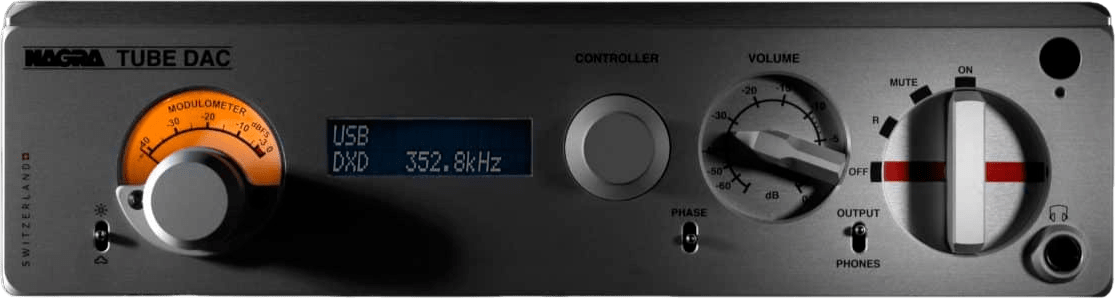
- Natural and warm sound with a big and smooth body to the music, almost like listening to vinyl but even better
- Delivers a life-size scale to the instruments and vocals, providing a very realistic and immersive experience
- Details presented are life-size and realistic with beautiful timbre, emerging from top to bottom of the range
- Creates intensely black backgrounds and has a natural musical way of delivering the music
- Makes even lower quality streaming sound beautiful, improving even bad recordings
Product Considerations
- The retail price is very high, making it primarily accessible to the upper 1% of consumers
- Not about 'bite', 'crispness', or 'impact' in the traditional digital audio sense, so those seeking those qualities may prefer other DACs
- The Tube DAC has a beautiful preamp section, but it doesn't provide additional analog inputs
- It's crucial to pair it with a high-quality streamer to unleash its full potential; using a lower-end streamer could bottleneck its performance
Comparisons (according to reviewers)
- Vs Holo Audio May KTE: The Nagra Tube DAC sounds even more natural and removes digital traces present in the May KTE
- Vs Chord DAVE: The Nagra Tube DAC is more ethereal and holistic, while the Chord Dave is more detailed up top and excitable
- Vs Weiss 501 MKII: The Weiss MKII is excellent—but doesn't quite reach the heights of the Nagra
- Vs Nagra Classic DAC: The Tube DAC's sound stage became almost holographic and the sound even smoother, richer, cleaner—and clearer
- Vs EverSolo A10: The EverSolo is great with the Nagra when used as a streamer, it brings a beefy yet clear and beautiful spatial sound, but loses out to some excitement and depth to the HiFi ROSE
- Vs WiiM Ultra: The DAC was being a little bit choked as all of the magic was not audible, as it was with the HiFi ROSE
Takeaway: The Nagra Tube DAC is considered by many to be one of the best DACs available, providing a beautiful, lifelike, and engaging listening experience that is a special end-game product. It connects the listener emotionally with every song, making music sound as good as it can.
Video review
Our take on the brand

Our Summary
Product Strengths
- Exceptional build quality, with elegant design and attention to detail
- Silent drive operation, with no audible noise emission
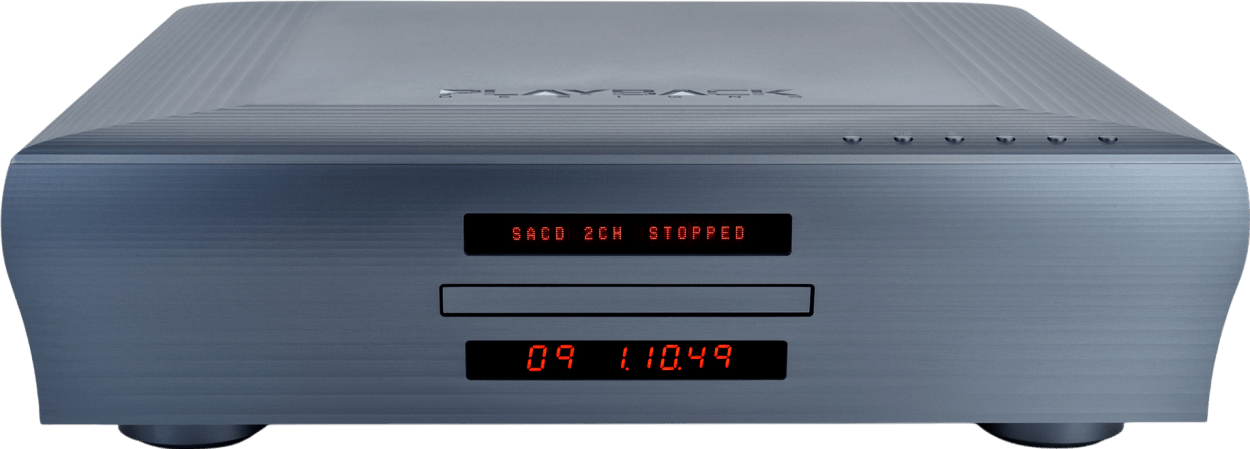
- Superior SACD/CD playback, considered the finest by one reviewer
- High-quality upsampling of CDs, resulting in improved detail, soundstaging, and imaging, and converts the CD's PCM feed to Double DSD, then further processing using a proprietary algorithm
- A digitally-driven, analog volume control is included, which is useful to adjust the volume
Product Considerations
- The Stream-X module has limitations with PCM 192 and DSD64 formats, which are lower than the DAC's capabilities, therefore requires a user to stream from a computer or another streamer to access these capabilities
Comparisons (according to reviewers)
- Versus Playback Designs MPS-5, the MPS-8 betters the MPS-5 significantly, for example by improving digital isolation through separated power supplies
Takeaway: The Dream/Playback Designs MPS-8 is a beautifully designed and meticulously crafted SACD/CD player and DAC that delivers exceptional sound quality, especially with physical media. It is a top-tier digital source for those seeking the best possible playback experience.
Video review
Our take on the brand
How to buy
DACs
Search all hifi products
Explore our database of 10,000+ new and 25,000+ used hifi products.