


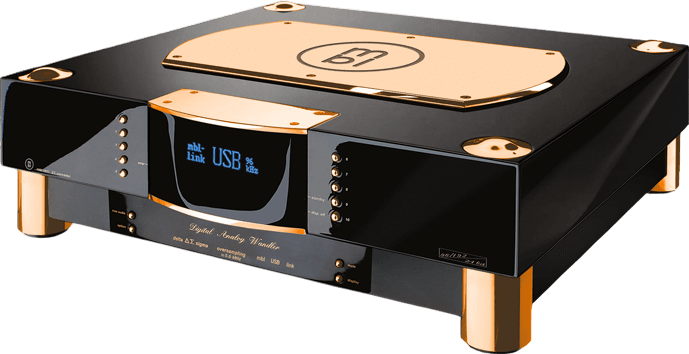


Note that this is a discontinued product. You may want to visit the brand's page here to browse their newer products.
What reviewers think
Bloggers and YouTubers have tried this product—so we've summarized their strongest opinions below. Links to full reviews follow.
Product Strengths
- Accepts input signals up to 96 kilohertz via USB or SPDIF input
- Comes with a multi-page USB installation guide
- Includes a JRiver license and guide for installation on Apple, Mac-based OS X environment, Windows XP, or Windows 7
- Sound is comparable to a Wandoff turntable
Product Considerations
- The review mentions using the USB functionality in the DAC primarily, so performance with SPDIF is not a focus
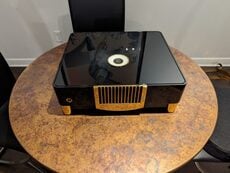
Takeaway: The MBL 1611F digital audio converter offers high-resolution audio playback and comes with helpful software and guides. It delivers excellent sound quality, making it a great choice for audiophiles.
All
1611 F
reviews


Manufacturer details
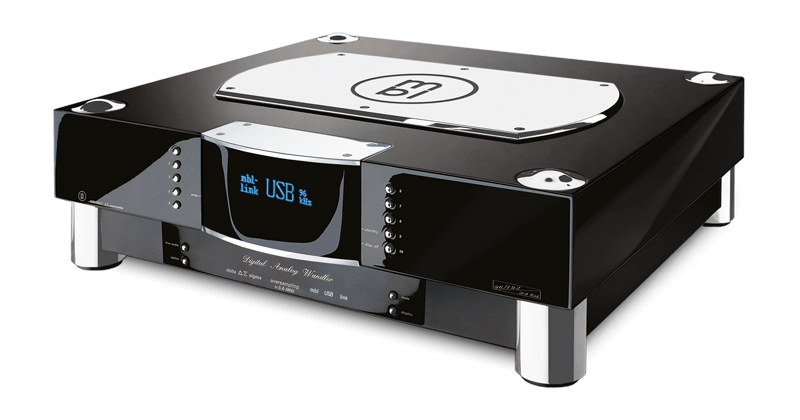
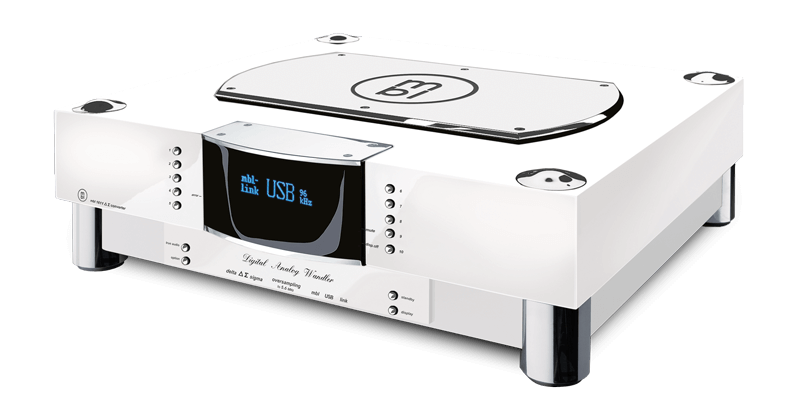
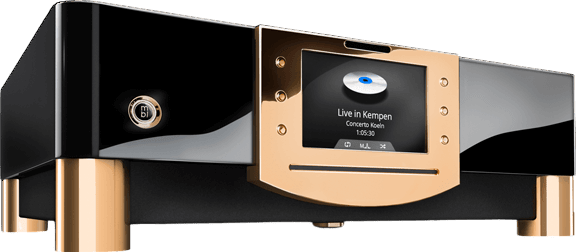
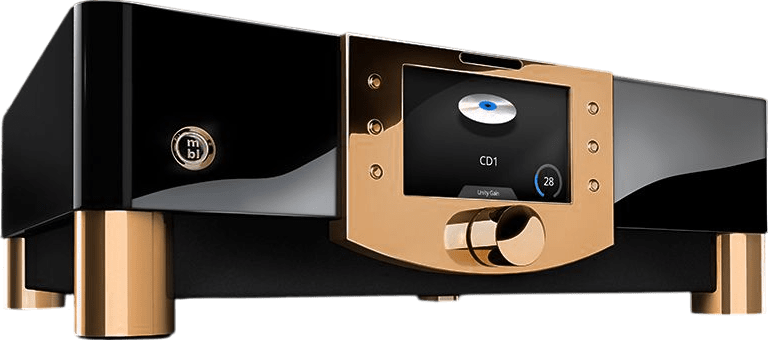
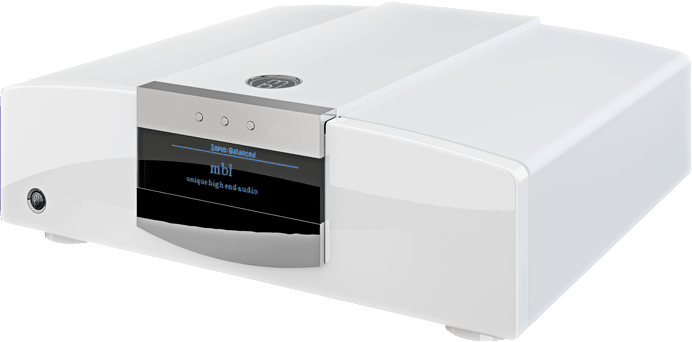
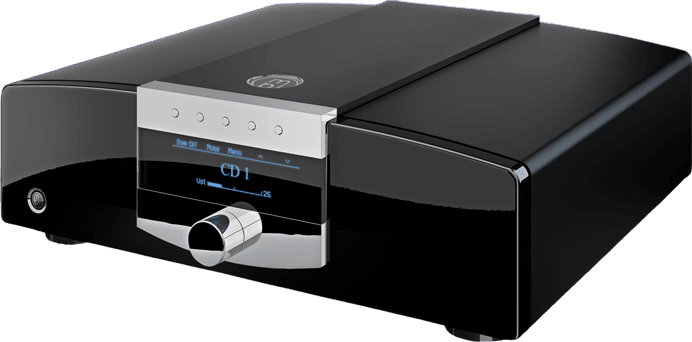
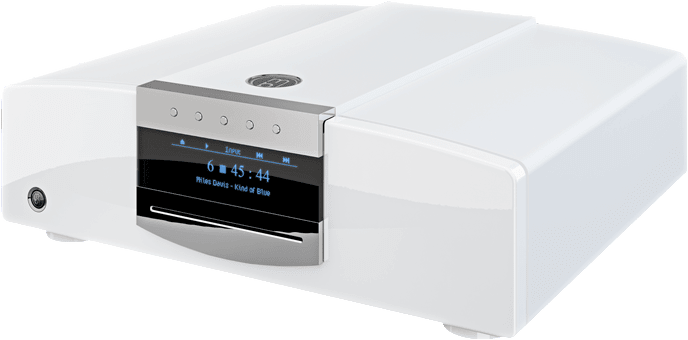
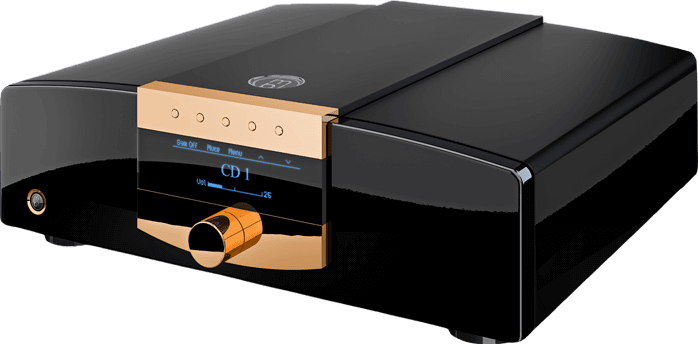
- D/A Converter Technology: Multi level Delta Sigma
- Sample Rates: 96, 48, 44.1, 32 kHz
- Resolution: 24 bit linear
- Signal-to-noise ratio: 117 dB
- Digital inputs: 1 x XLR (AES/EBU) + 1 x optional, 1 x RCA (S/P DIF) + 1 x optional, 1 x BNC (S/P DIF) optional, 1 x Glas ST optional, 1 x Toslink + 1 x optional, 1 x USB Link
- Digital outputs: 1 x RCA (S/P DIF)
- Analog outputs: 2 x RCA, 1 x XLR
- Weight: 23 kg (50.5 lbs)

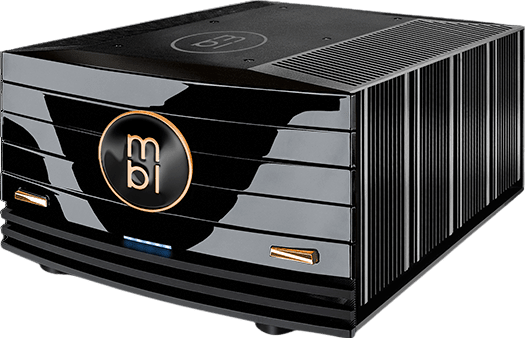
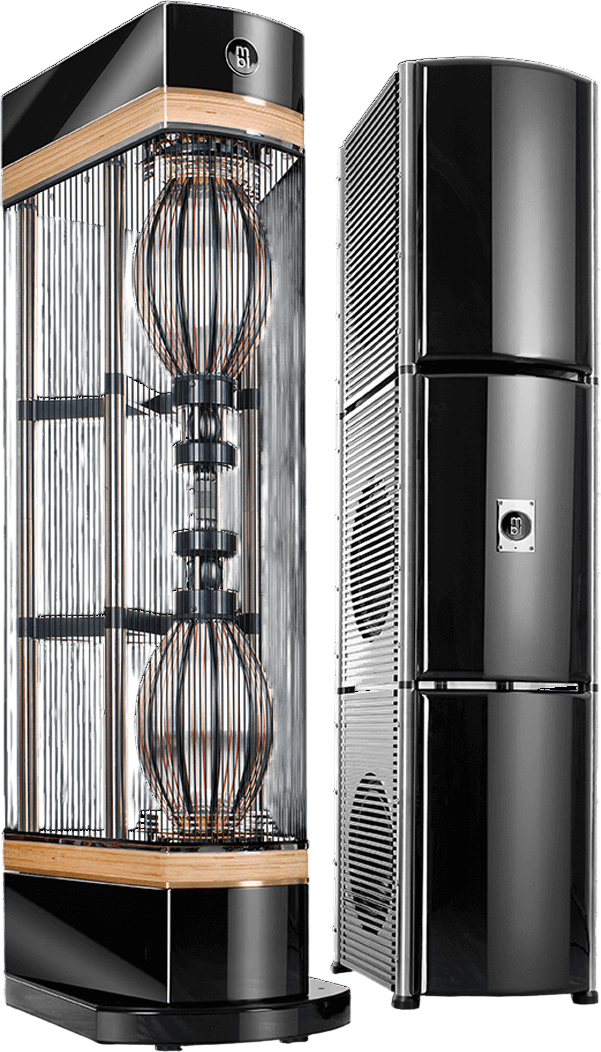

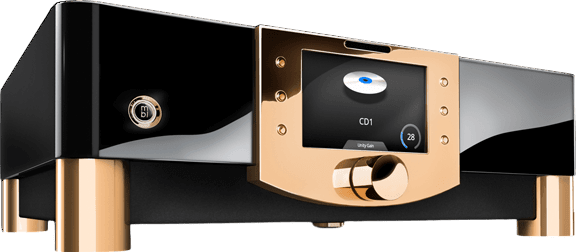




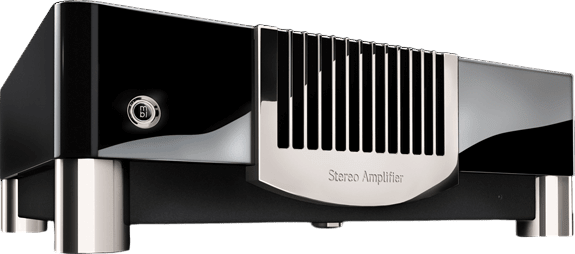

Brand highlights
Taking a step back to look at reviewers' thoughts of the brand's entire lineup—not just this product—what stands out most is the following:
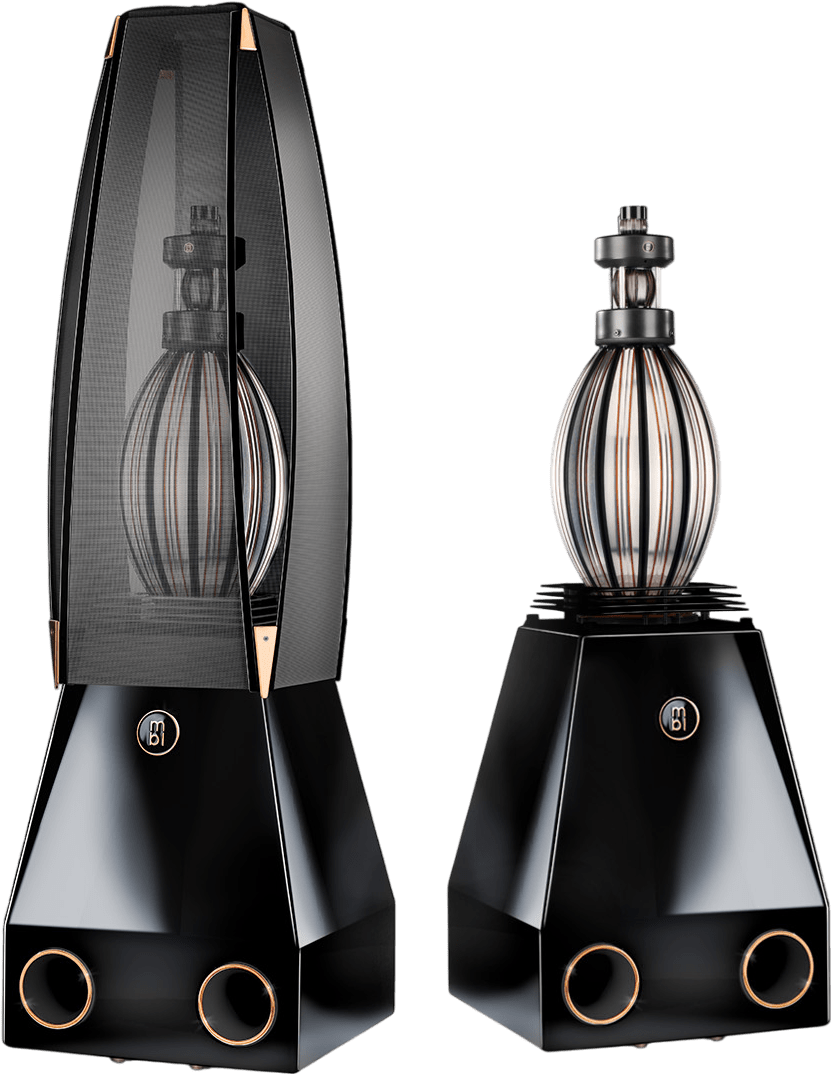
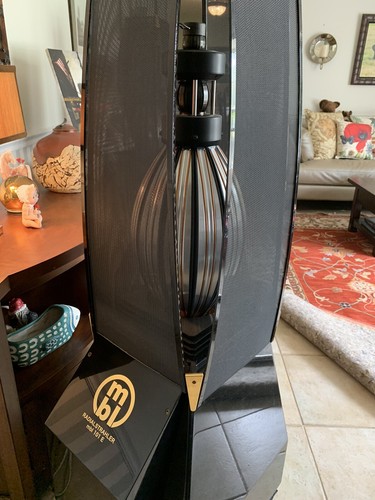
- The brand crafts Radialstrahler drivers with a unique bending mode design that radiates sound spherically, creating a distinct and immersive listening experience.
- MBL's products boast high-quality construction, with many components, including the drivers themselves, being manufactured in-house in Germany, for long-term reliability.
- MBL sources and amplifiers incorporate innovative analog and digital engineering, such as Linear Analog Switching Amplifier (LASA) technology and sophisticated jitter reduction techniques, to optimize performance across different amplifier classes and digital sources.
Select products
MBL 126
- Positioning: The entry-level model in the Radialstrahler lineup, designed for small to medium-sized rooms.
- Description: Offers a compact design with the same Radialstrahler technology found in the flagship models, providing a large soundstage in smaller spaces. Its pyramid-shaped bass cabinet and push-push woofer configuration deliver impressive bass for its size, making it ideal for those with limited space and budget. Compared to larger models like the 101 E MkII, it's more affordable and space-efficient, while still offering the signature MBL sound.
MBL 111 F
- Positioning: Positioned as a high-performance model in the Radialstrahler lineup, ideal for larger rooms.
- Description: Combines Radialstrahler technology with a robust bass reflex system, delivering a powerful and immersive sound experience. Its push-push woofer configuration ensures tight bass control. Compared to the 120, the 111 F offers greater bass depth and room-filling capabilities.
MBL 116 F
- Positioning: A premium model in the Radialstrahler series, designed for audiophiles seeking high-end performance.
- Description: Features a sophisticated 4-way design with Radialstrahler drivers, providing exceptional clarity and soundstage. Its push-push woofer arrangement minimizes cabinet vibrations, offering precise bass reproduction. Compared to the 111 F, the 116 F offers enhanced midrange and treble performance.
MBL 101 E MkII
- Positioning: A flagship model in the Radialstrahler lineup, known for its iconic design and performance.
- Description: Uses advanced Radialstrahler technology to deliver a 360-degree sound experience, with a powerful subwoofer for deep bass. Its design allows for seamless integration into large spaces, providing concert-level sound. Compared to the 116 F, the 101 E MkII offers superior bass extension and overall soundstage.
MBL 101 X-treme MkII
- Positioning: The ultimate flagship model, representing the pinnacle of MBL's loudspeaker technology.
- Description: Features a four-tower system with Radialstrahler drivers and massive subwoofers, delivering groundbreaking sound quality and presence. Its design is suited for the most discerning audiophiles with large spaces and no budget constraints. Compared to the 101 E MkII, the X-treme MkII offers even greater soundstage and bass capabilities.

Our take on the brand
Look inside the brand
Our interview with the brand
What are two key technological innovations or strong opinions that differ you from other brands?
What's your approach to customer support?
What are your favorite tracks for showcasing the strength of your products?
What other products pair best with yours?

Used
MBL









What if you spend more?



.svg)
Product Strengths
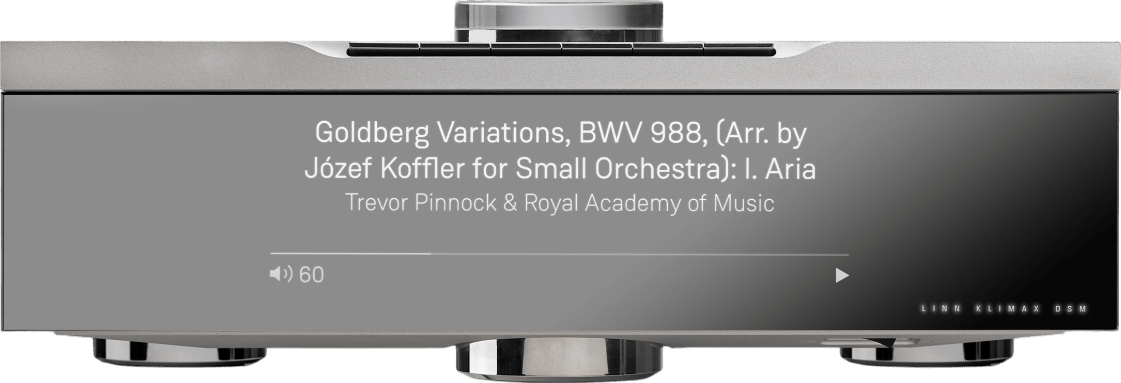
- Considered the best product Linn has ever made, in the same class as the best digital products available
- Features Linn's new 'Organik' DAC, which uses custom-designed algorithms and a discrete conversion stage for improved upsampling, precise volume control, and low distortion
- Stunning looking piece of equipment eliciting responses from casual observers such as "Ohhh it's beautiful" and "Geez that looks very fancy"
- Casework is machined from solid aluminum with precision-cut partitions to minimize unwanted electrical and mechanical interactions
- Offers comprehensive features including streaming services, compatibility with Airplay and Roon, and support for various audio formats
Product Considerations
- Analog input performance may lack the subtlety and expressiveness of the digital inputs
- Some reviewers remain skeptical of the efficacy of the Space Optimization software
- When using Space Optimization, the user's blind guess is whether the value is too high or too low
- The Linn app is found to be cumbersome to navigate
- Linn's history suggests an expensive upgrade could be in the works
Comparisons (according to reviewers)
- Compared to EMM Labs DV2, Klimax DSM creates the best impression of three-dimensional instruments and vocals, and it sounds even better than it had over EMM Labs' achingly good DV2
- Compared to Naim ND555/555 PS DR music streamer, Linn Klimax DSM is superior in bass grip, depth, or power
Takeaway: The Linn Klimax DSM is a top-tier streaming audio component with exceptional sound quality and a visually stunning design, representing the state of the art when it comes to streaming sound quality. It offers a directness and focus to the music, making it an inspiring choice for audiophiles.
Video review
Our take on the brand

Product Strengths
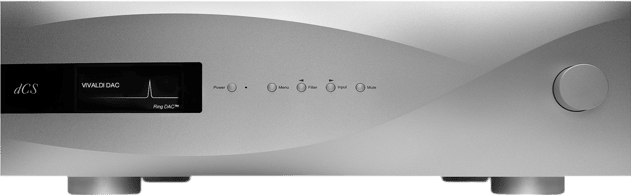
- Reproduces a sense of 'air' in recordings, accurately capturing ambient detail and instrument placement in the soundstage
- Significantly reduces distortion and improves linearity compared to its predecessor, resulting in enhanced dynamics, detail, and a more resolving sound
- Has excellent tonal purity, providing a beautiful and natural sound for both vocals and instruments
- Expands transparency by avoiding the artificial gloss and sheen, enabling the sonic power at its core
- Delivers authority, control, and the sheer drama and dynamics
Product Considerations
- Being a multi-box setup (DAC, Upsampler, Clock), requires careful setup and cable management
- While versatile with adjustable output voltage, optimal performance depends on proper gain and impedance matching with the preamplifier and amplifier
- The design, while impressive, is eleven years old
Comparisons (according to reviewers)
- Has a better ability to translate the still-fragmentary micro-universe of zeros and ones to the level of enhanced music listening than other DACs
- Compared to Ayon, Gryphon and Esoteric SACD players, dCS shows the signal smoothly, delivering a brighter, clearer sound
Takeaway: The dCS Vivaldi Apex DAC system brings music to life by uncovering more of the details within recordings. This system allows listeners to feel closer to their music, offering joy and an awakening of the senses.
Video review
Our take on the brand

Our summary
Product Strengths
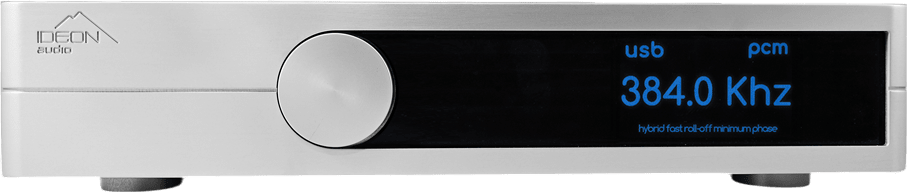
- The Ideon Absolute ε DAC received a very positive review and became Cost-No-Object DAC of the Year in 2021
- The Absolute Signature Time brought a further level of calmness to the event of playing music at home
- Dynamics, and especially bass reproduction, is greatly enhanced and is instantly noticeable with either of these devices installed in a system
- The Absolute Time devices help to develop more depth and width in the soundstage, add clarity, and emotion, especially to vocals
- The Absolute trio (DAC, Stream, Time) bring out the very best they can deliver, making it one of the best complete digital sources one can buy today
Product Considerations
- The price tag puts it in a category where diminishing returns and price-to-performance ratios are not primary concerns
- Textural information was noted as being a little smooth and a slight harshness was noted in the treble region
- The Absolute Time's S/PDIF reclocking has a sample rate ceiling of 192kHz, which could be a limitation if using an upsampling CD transport
- The Absolute Time Signature is better than two Standard Absolute Times, and one should always choose the Signature version over the Standard Time devices
- The need to buy USB cables to link to the product
Comparisons (according to reviewers)
- It annihilated the dCS Rossini Apex and Clock, even though it is less expensive
- The Ideon Absolute Epsilon DAC provided something along the lines of a twenty-five to thirty-five percent overall improvement over the benchmark-setting performance of the original Absolute Epsilon DAC
Takeaway: The Absolute can greatly improve the sound quality of a high-end system by enhancing timing accuracy and overall clarity, especially for those seeking the highest levels of performance. The resulting listening experience can make music sound effortless and natural.
Video review
Our take on the brand

Product Strengths
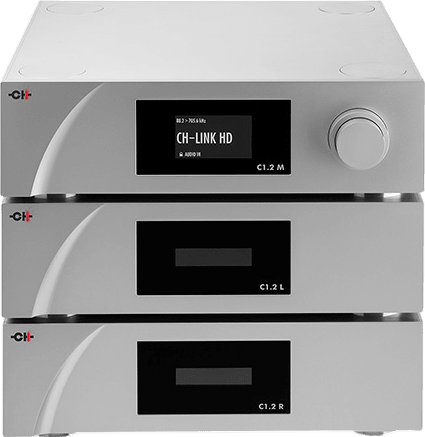
- Retains all the music's delicacy, refinement, and fluidity, being revealing without becoming clinical
- Offers a wide and deep soundstage, is timbrally spot-on and very natural, well-focused, richly textured, and well-endowed in terms of transient attack and dynamic impact
- Is significantly more revealing, without introducing any negative by-products, and is still the superbly musical and emotionally involving DAC that the C1 was, only better
- Capable of being more discerning of differences in sources and source material
Product Considerations
- Precise calibration is of paramount importance for any multi-bit DAC chip
- Files played directly from the Swiss device have a slightly contoured character
Comparisons (according to reviewers)
- The C1.2 is even more neutral and even more revealing than the C1, without sacrificing even the slightest hint of refinement, delicacy, fluidity, decay, or flow
- The original C1 DAC has always sounded fuller and more sonorous than other CH Precision products, for instance, the L1 preamp, with the C1.2 upgrade, the DAC has become more neutral and now sounds more in line with the L1
- The CH Precision device combines the opening of the sound with the lack of brightness better than the Ayon player
- The CH Precision delivers recordings in an uncommonly precise manner than the Weiss DA502 D/A converter
Takeaway: The C1.2 is a DAC that retains all of its virtues while becoming more neutral and revealing, and it is still superbly musical and emotionally involving. It is worth buying because of the overall enhancement in audio quality.
Video review
Our take on the brand
What competes at this price?
Our Summary
Product Strengths
- Delivers outstanding clarity and detail throughout the music
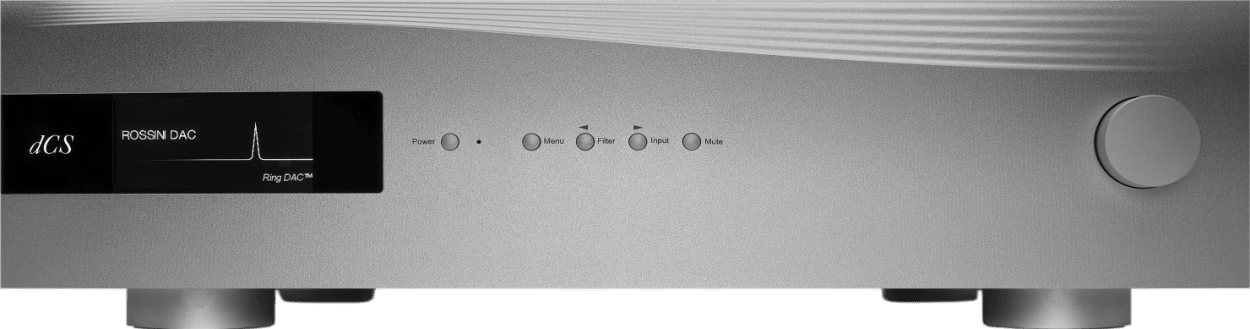
- The Ring DAC tech, combined with other high-end components, produces musicality throughout the music
- Delivers expressive dynamics and taut, powerful bass
- Offers a wide soundstage and excellent sonic authority
- Superior presentation of texture, overtones, and bass
Product Considerations
- The streaming module does not impress as much as the DAC section
- Has a bewildering array of filters and sonic tuning options, which may be overwhelming for some users
- Lacks Bluetooth, Wi-Fi, and HDMI ports
- Does not have an integrated amplifier
Comparisons (according to reviewers)
- The Rossini Apex is better than the pre-Apex dCS Vivaldi
Takeaway:
The dCS Rossini APEX DAC is an exceptional, high-end system for audiophiles seeking to experience the soul of a performance. It provides a transformative journey into the heart of music, which could make it worth buying.
Video review
Our take on the brand

Our Summary
Product Strengths
- Exhibits a design philosophy that marries functional elegance with robust construction
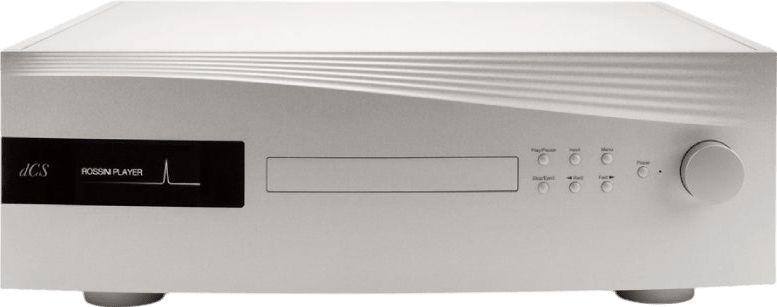
- Employs dCS proprietary Ring DAC technology for exceptional accuracy in digital-to-analog conversion
- Has impressive streaming capabilities, supporting services like TIDAL, Spotify, and Qobuz, and is compatible with Roon, Airplay, and UPnP streaming
- Produces a powerful, impressive, and taut sound with more low-frequency impact
- Demonstrates exceptional capability in reproducing both macro and micro dynamics
Product Considerations
- The dCS Rossini is optimized as a 'Network Player' and sounds best when used that way, not necessarily with other Aurender products
- The Mosaic app sometimes had limited information viewable on the track
- The volume buttons on the remote are clunky and insensitive
Comparisons (according to reviewers)
- Rossini has a wider and deeper soundstage than the Holo Audio May KTE DAC
- Rossini APEX Player produces a really powerful, impressive and taut sound, with more low-frequency impact than the Chord DAVE DAC and M-Scaler DAC combination
- The sound is quite a bit better using the Sonore SonicTransporter i5 than that coming via the Aurender N10 regardless of which digital output is used from the Aurender
Takeaway: The dCS Rossini is a well-engineered and handsome unit with vast digital format compatibility. It delivers unmatched transparency, expansive soundstage presentation, pristine midrange reproduction, and exquisite detail, so it is worth considering to fully unlock a music library.
Video review
Our take on the brand
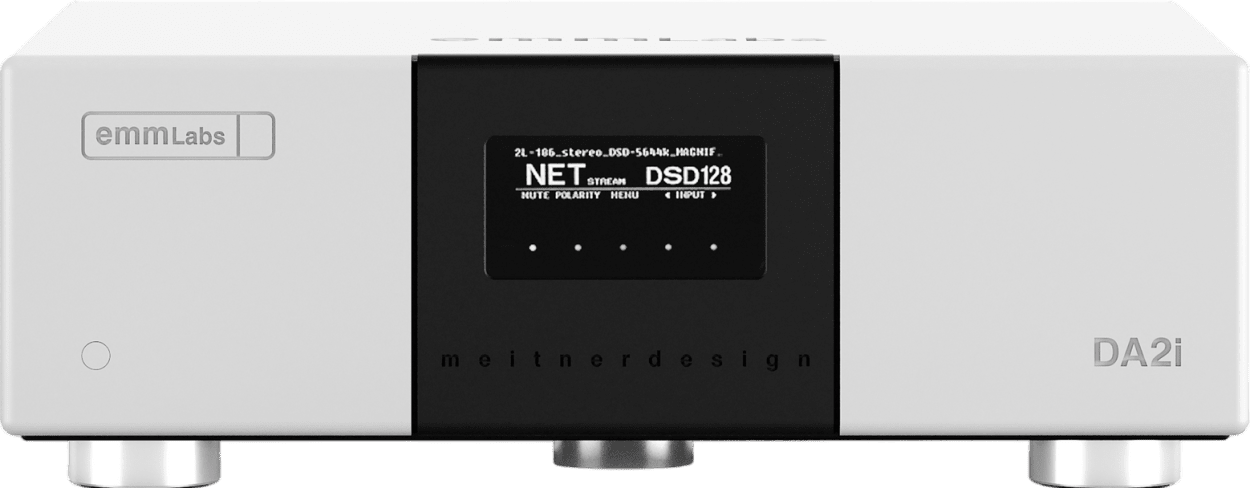

Our Summary
Product Strengths
- Represents a revolutionary change from previous versions, described as a 'homerun' improvement over the DA2 V2
- Newly engineered folded-cascode output stage, devoid of overall feedback, enhances bandwidth and delivers unparalleled stability
- Refined asynchronous clock minimizes jitter and maximizes stability
- Cutting-edge in-house switch-mode power supply (Meitner X-Power) with over 95% efficiency isolates power delivery between digital, analog, and streaming stages
- Updated custom FPGA boosts performance at higher sampling rates while preserving the proprietary Meitner Digital Audio Translation (MDAT2) scheme
- Supports Tidal Connect, Spotify Connect, Qobuz, Deezer, and vTuner Internet Radio, offering streaming up to 2x DSD, and DXD
Product Considerations
- The price is $35,000 USD
Comparisons (according to reviewers)
- Vs EMM Labs DA-2: The DA2i is a major upgrade from the original, with updates that improved resolution and bass
- Vs Linn Organik: The Linn Organik bettered the DA2 (predecessor to the DA2i) in some ways, but not enough to warrant selling the DA2
- Vs Wadax digital stack: The EMM Labs DA2 (predecessor to the DA2i) had been surpassed by the Wadax, particularly with respect to the resolution of low-level detail, dynamics, focus, soundstage—and noise floor
Takeaway: The EMM Labs DA2i D/A converter has significantly advanced the state of digital audio, particularly in extracting the best from Redbook sound. It offers major improvements with a redesigned architecture and enhanced features.
Video review
Our take on the brand
How to buy
DACs
Search all hifi products
Explore our database of 10,000+ new and 25,000+ used hifi products.