





Note that this is a discontinued product. You may want to visit the brand's page here to browse their newer products.
What reviewers think
Bloggers and YouTubers have tried this product—so we've summarized their strongest opinions below. Links to full reviews follow.
All
K15
reviews


Manufacturer details
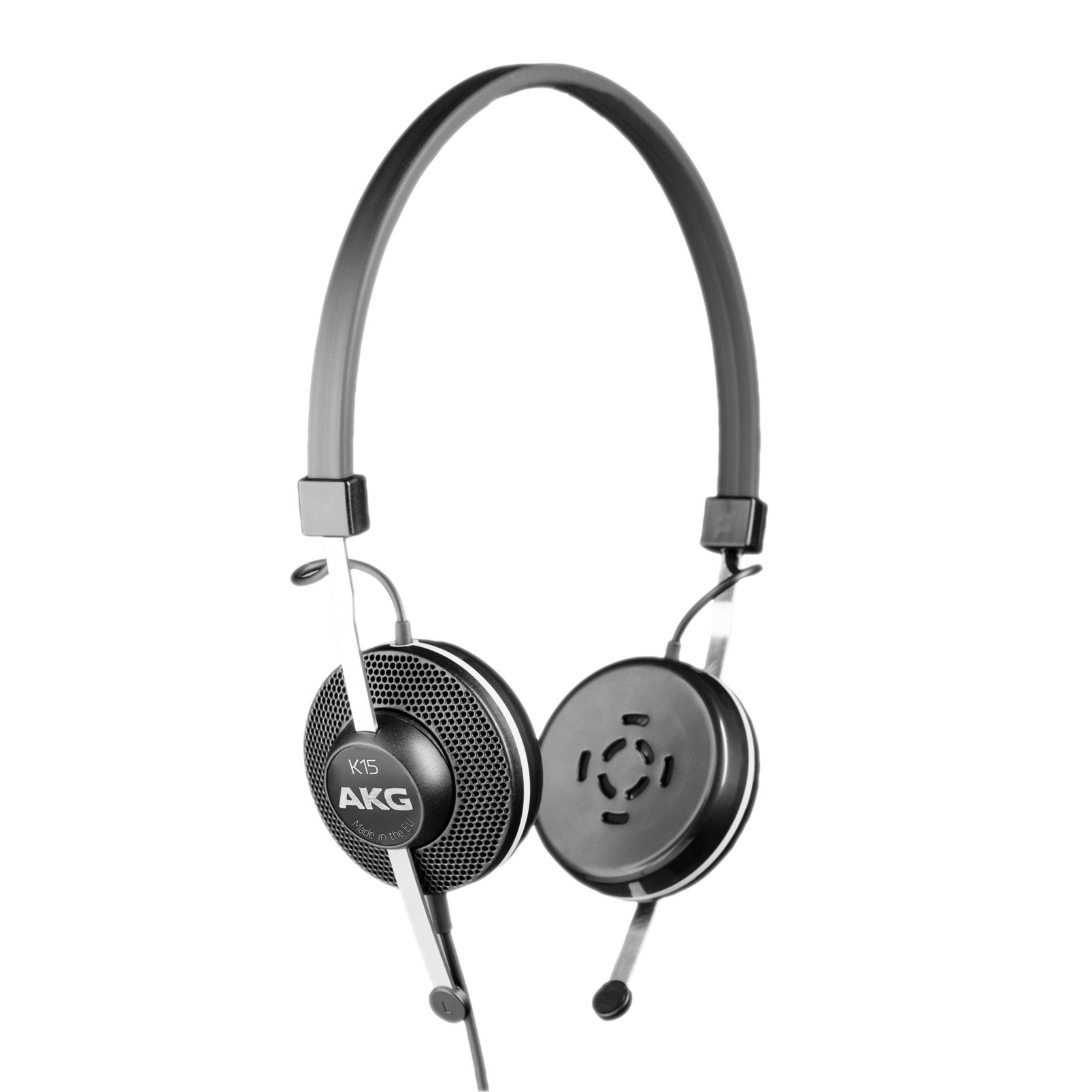
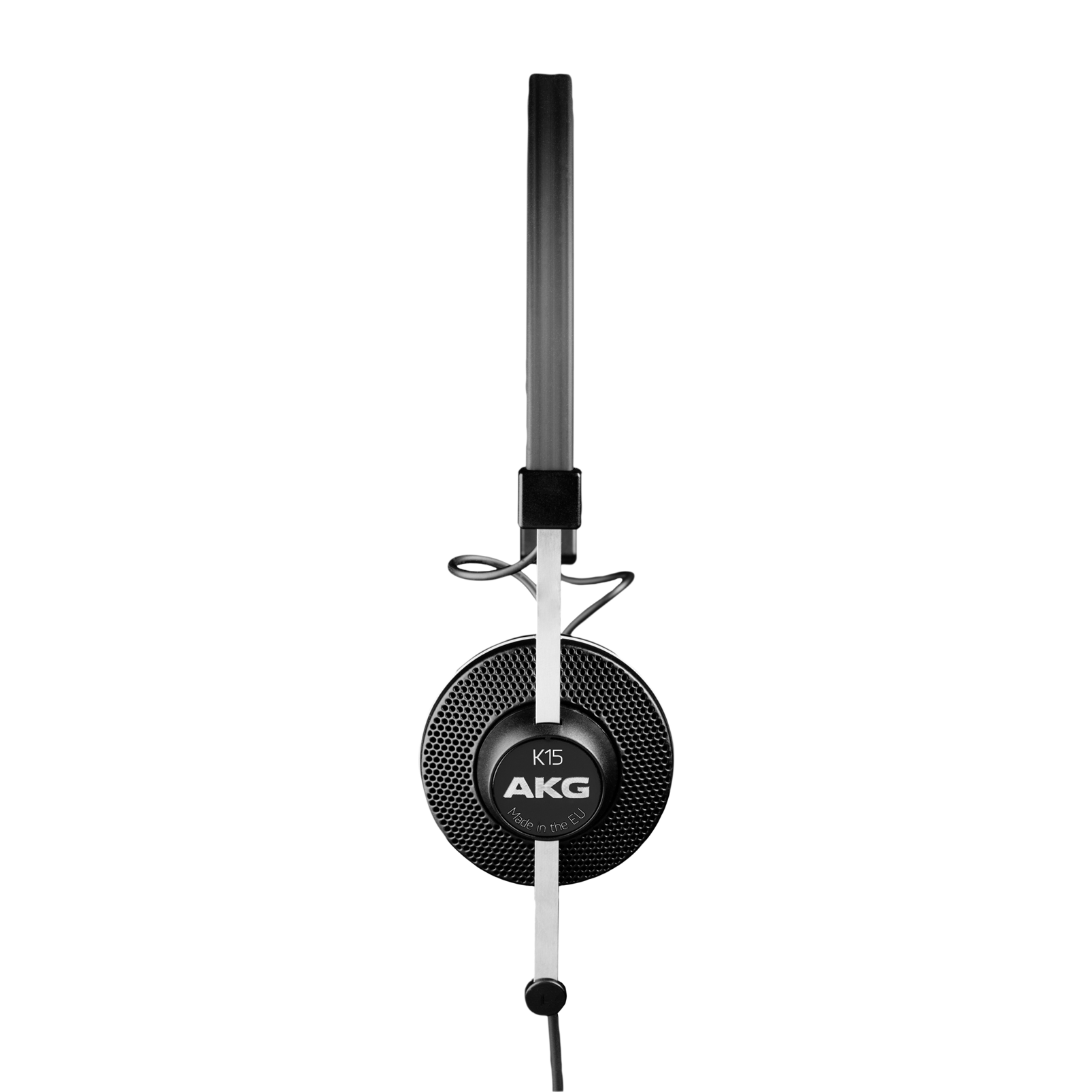
- Driver Size: 40 mm
- Frequency Response: 20 Hz – 20 kHz
- Sensitivity: 113 dB SPL/V @ 1 kHz
- Impedance: 32 Ω
- Cable Length: 1.5 m
- Connector Type: Stereo Jack (⅛″ / 3.5 mm), 3-Pin, Gold-Plated
- Weight: 98 g (3.5 oz)





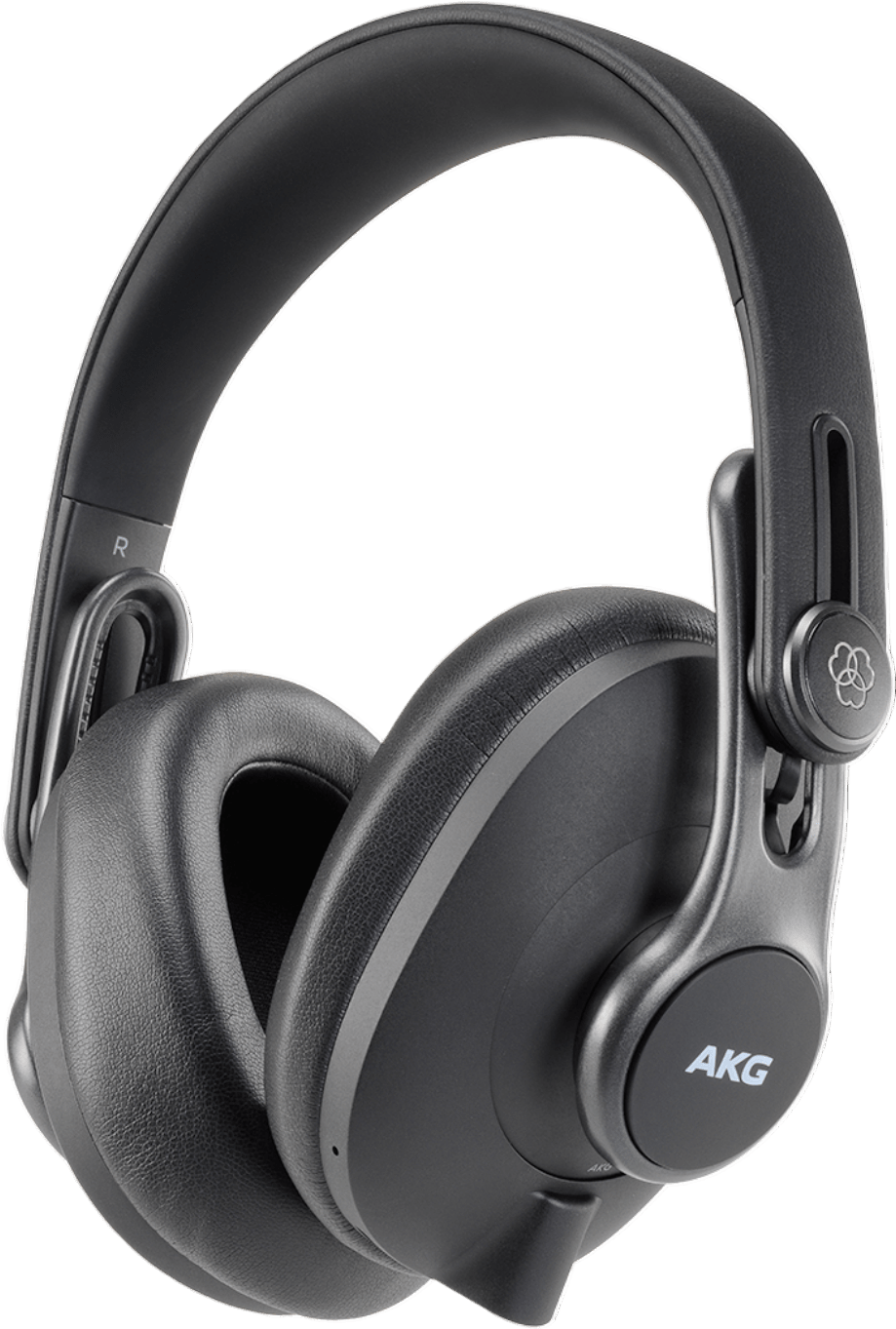
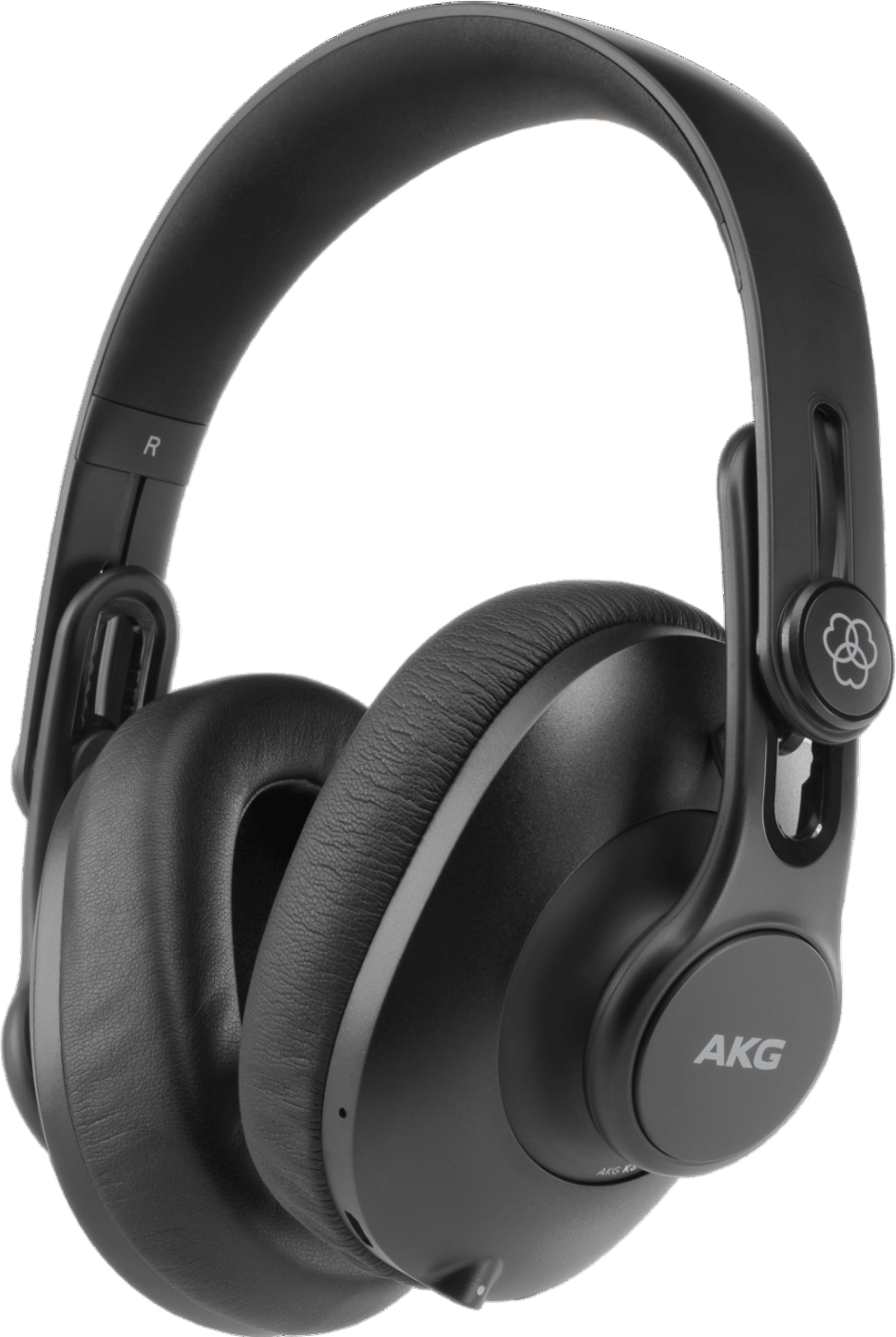

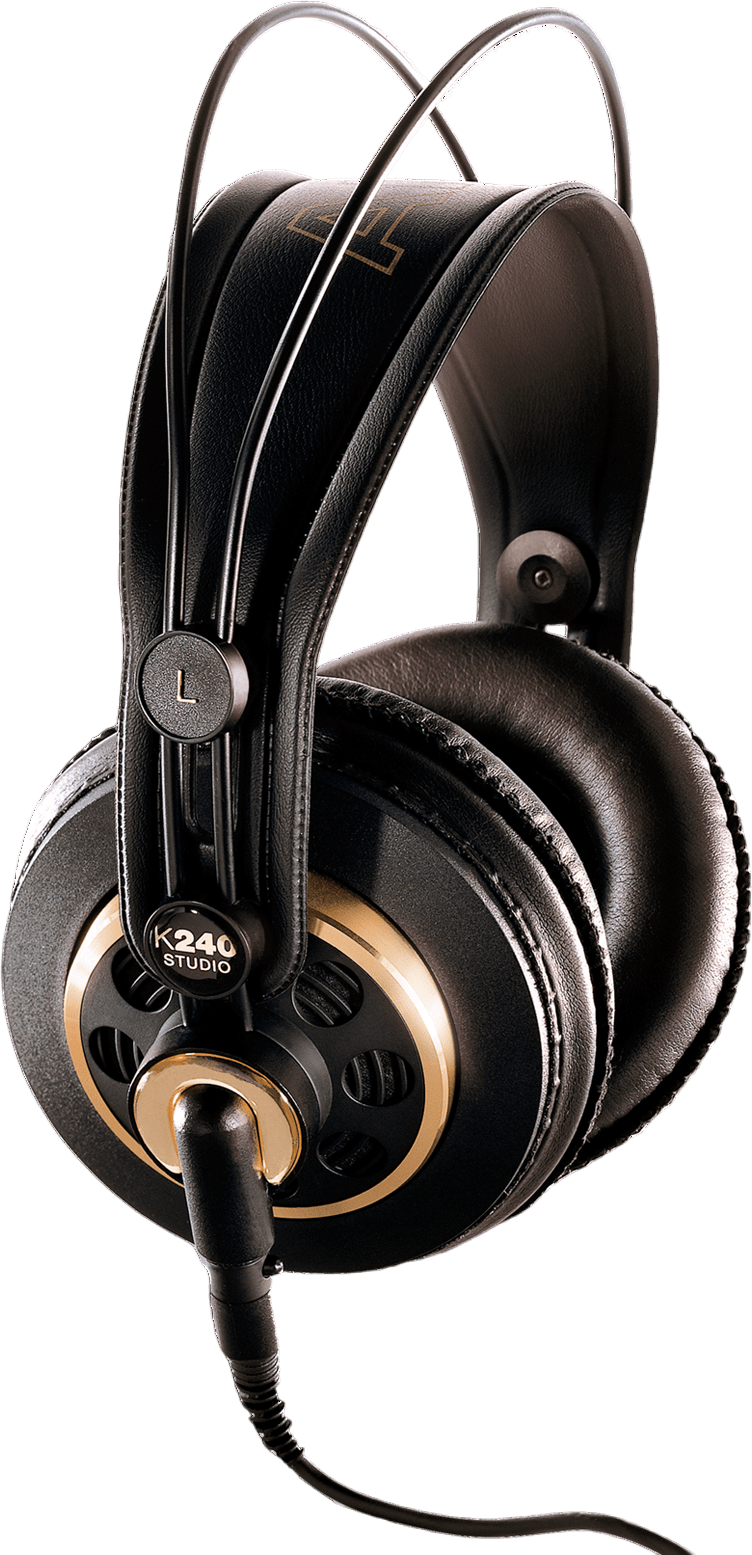
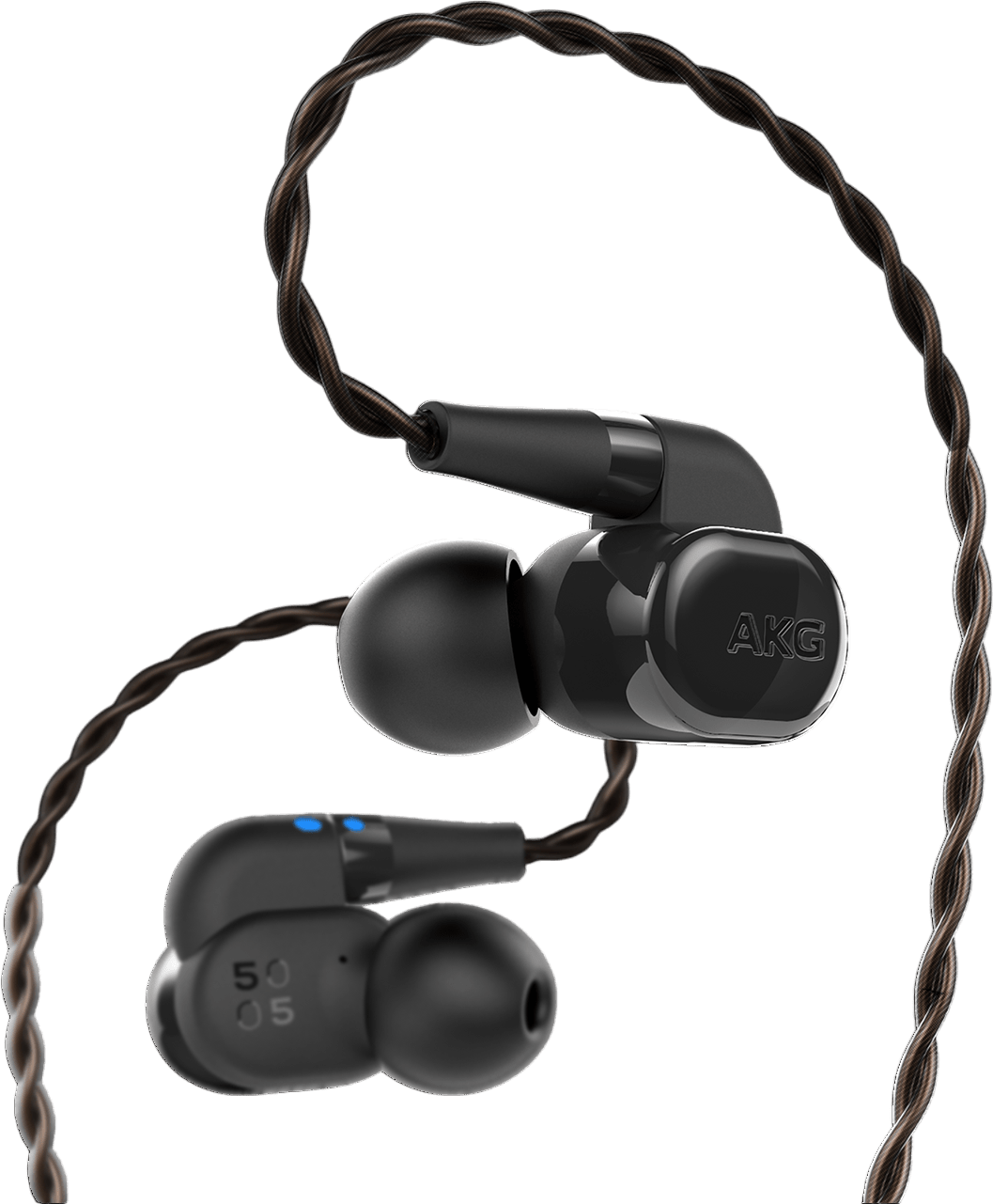










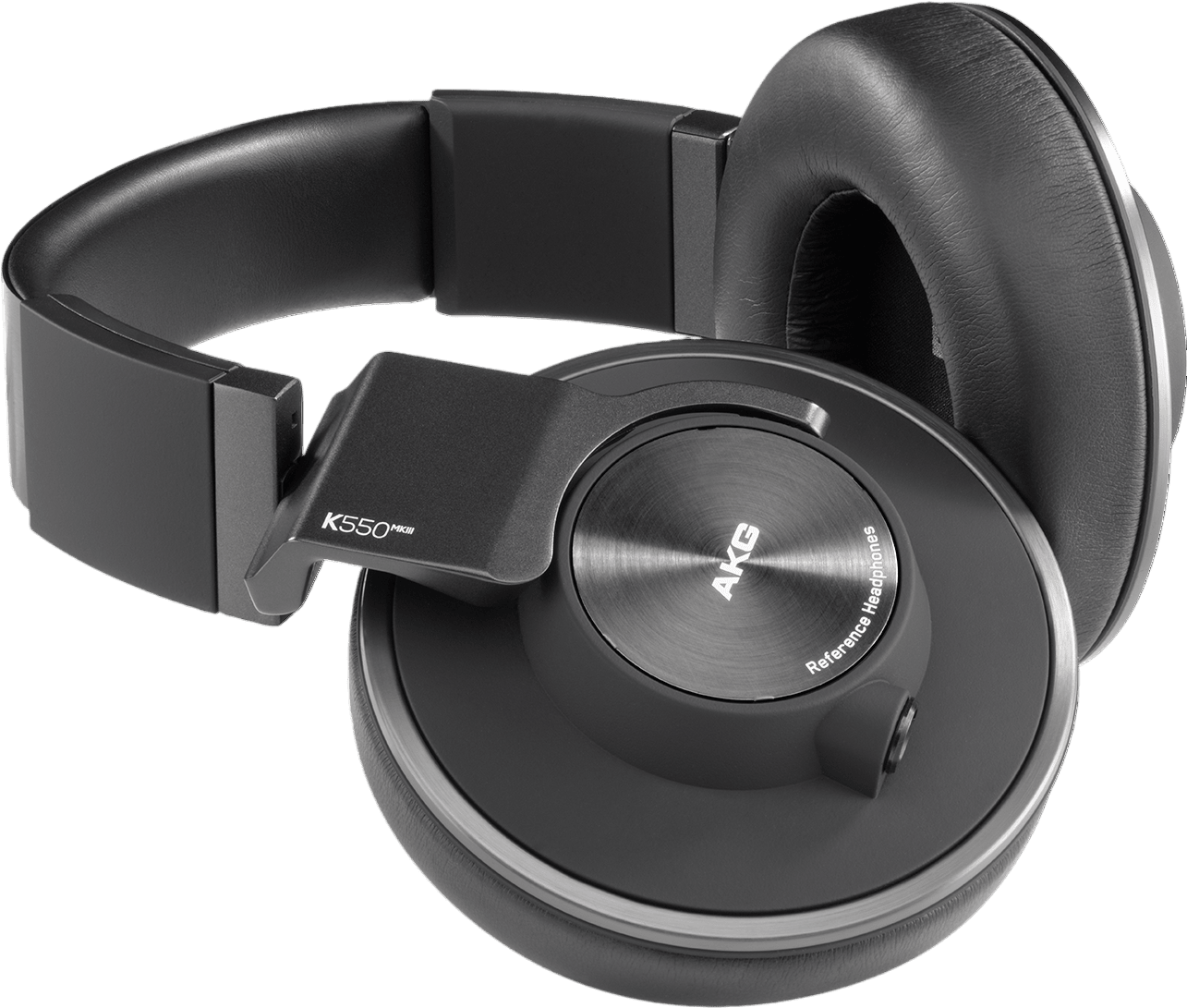
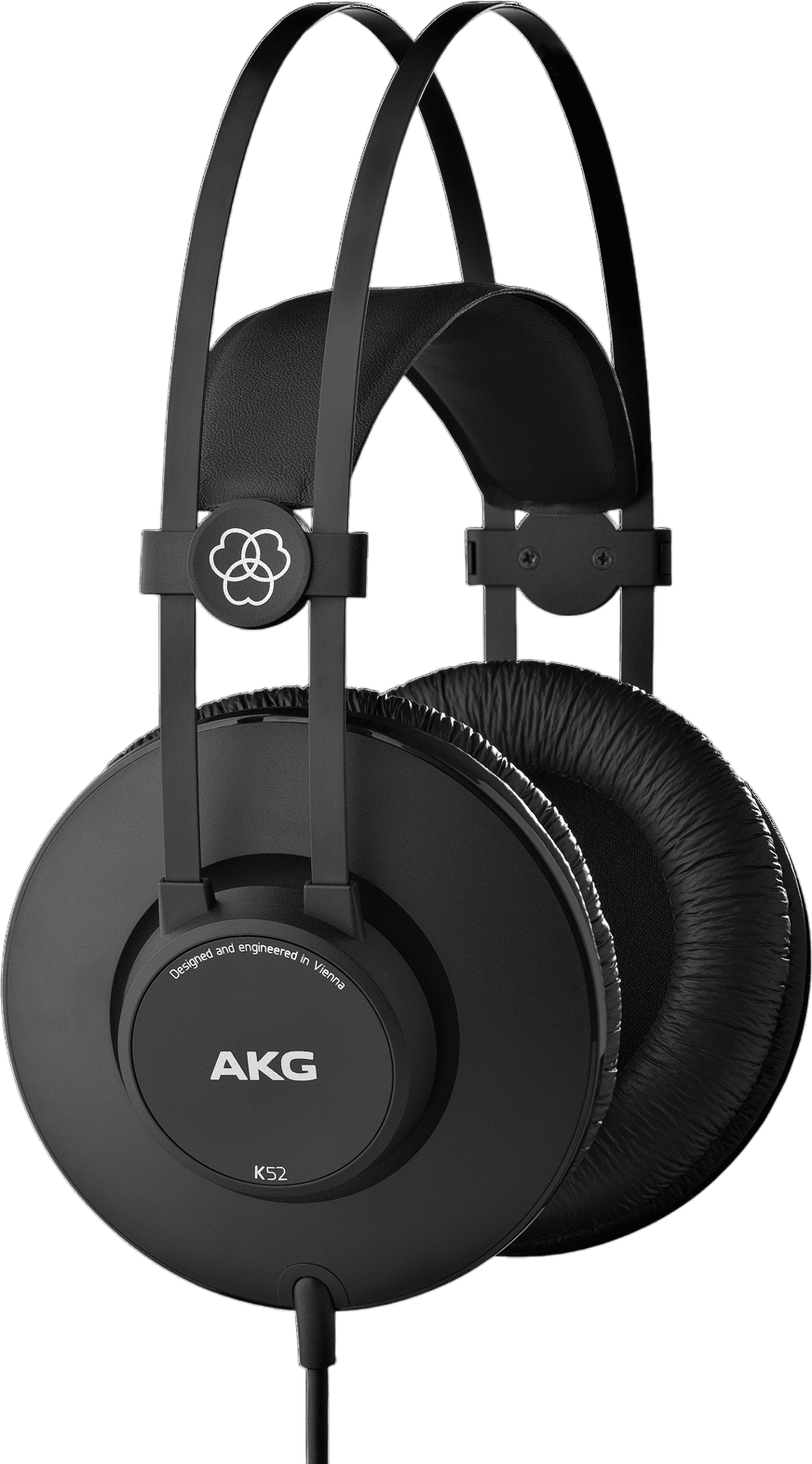
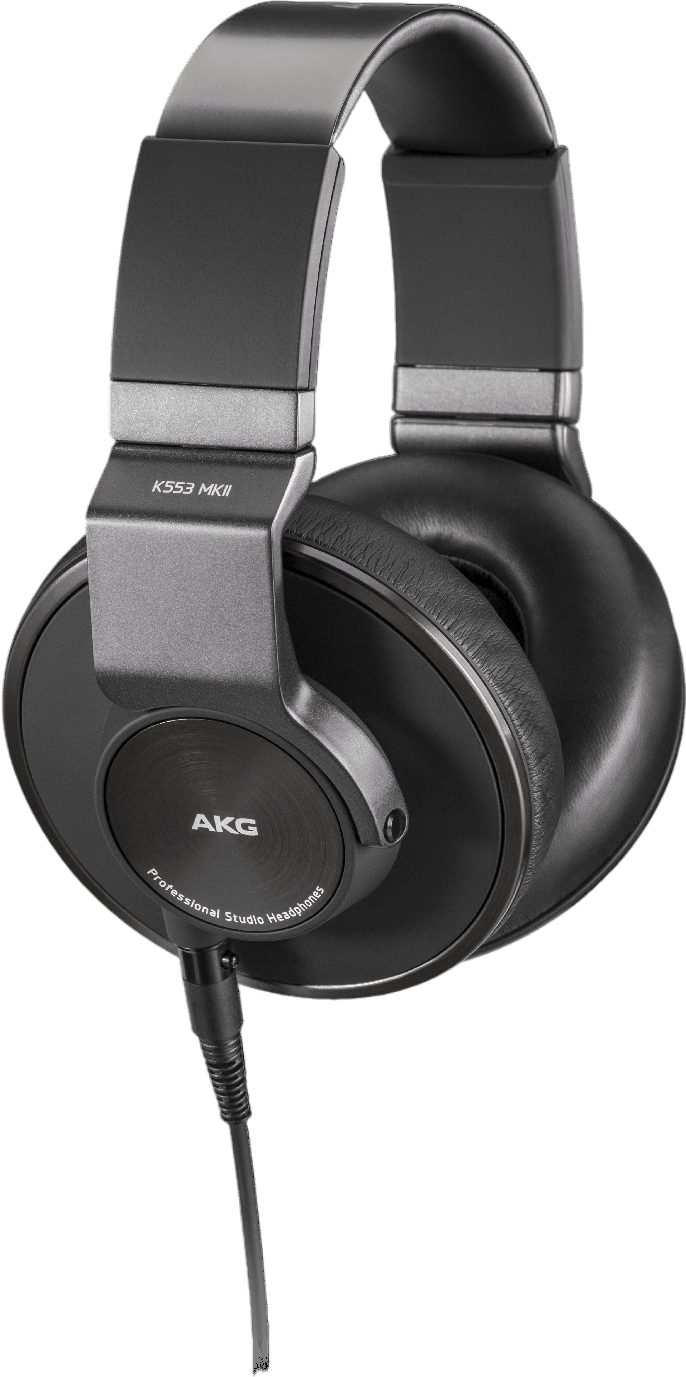


Brand highlights
Taking a step back to look at reviewers' thoughts of the brand's entire lineup—not just this product—what stands out most is the following:
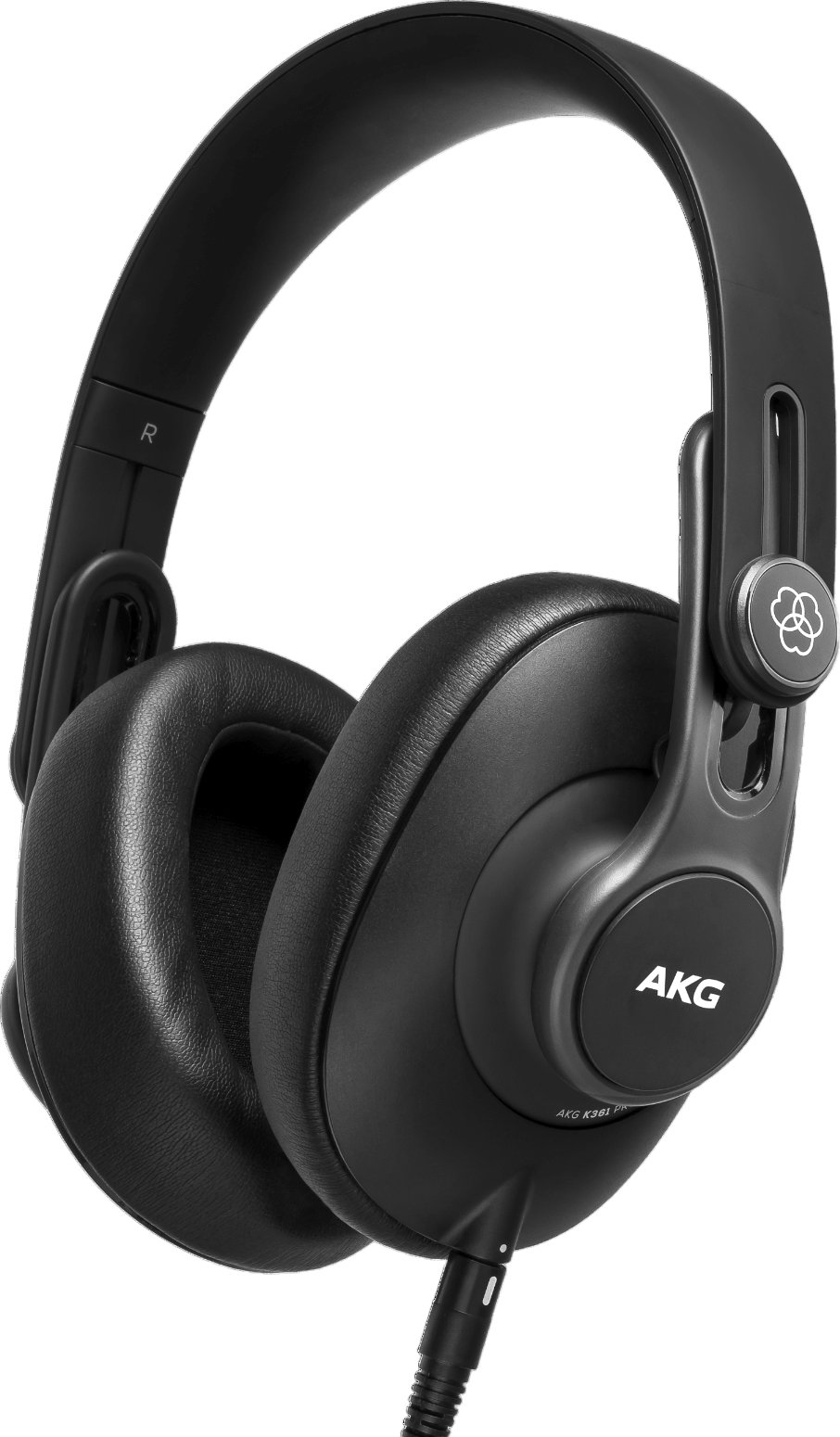
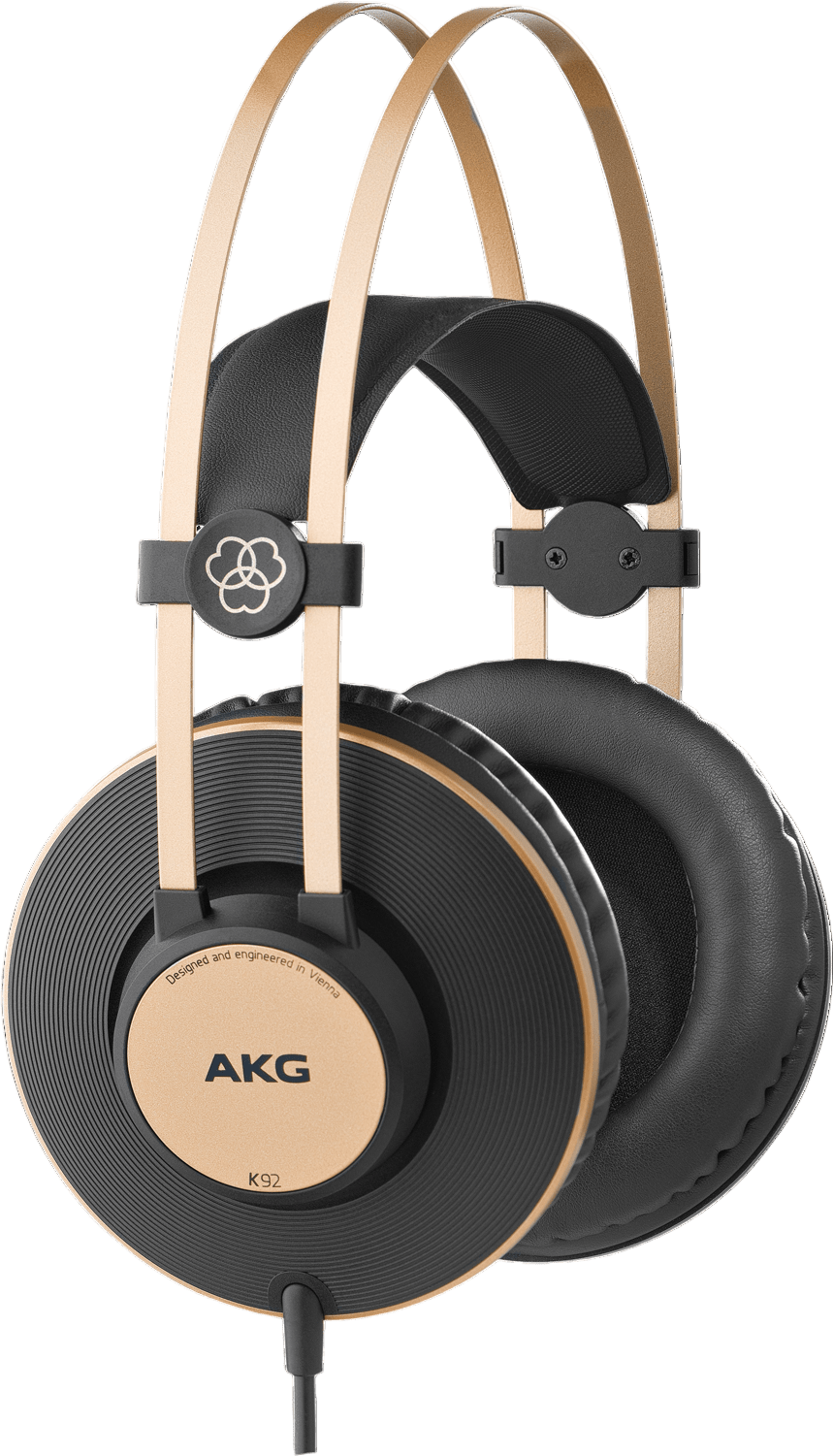
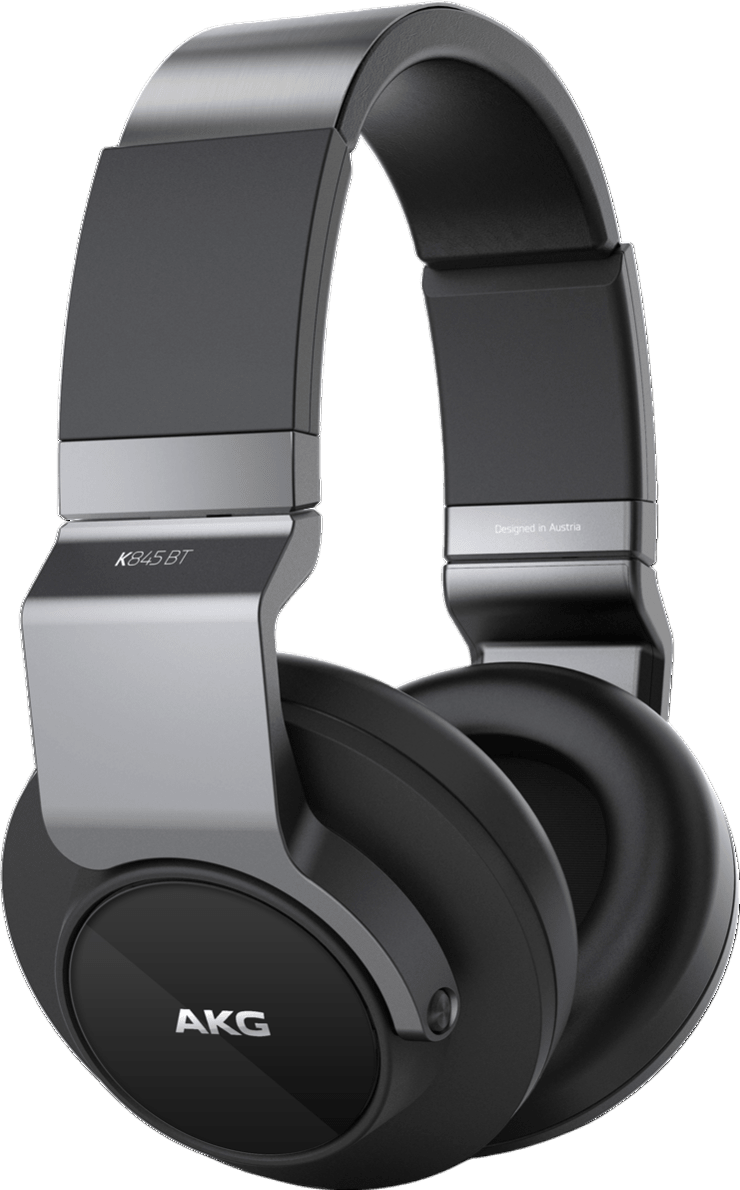
- AKG studio headphones are frequently recognized for their wide and immersive soundstage, creating a great sense of depth and accurate placement .
- The brand delivers a near-neutral sound profiles in its headphones, catering to the needs of audio professionals and critical listeners.
- They often utilize a distinctive "hammock-style" self-adjusting headband that equally distributes weight, enhancing comfort for extended listening sessions.
Select products
AKG N5 HYBRID
- Positioning: The entry-level true wireless earbuds designed for everyday portability and effective noise cancellation.
- Description: Features 10mm dynamic drivers with DLC-coated diaphragms, True Adaptive Noise Cancelling controlled by the AKG Headphones app, and immersive spatial audio that delivers clear call quality. Compared to higher-end models like the N9 Hybrid, these earbuds focus on affordability and ease of use while still offering Hi-Res sound for casual listening and light communication.
AKG K371-BT
- Positioning: The mid-range wireless headphone that combines Bluetooth and wired connectivity for studio-style performance on the go.
- Description: Offers a closed-back, foldable design with a built-in microphone and dual connectivity options that cater to both mobile and desktop use. Compared to the N5 Hybrid earbuds, they provide a traditional headphone form factor with enhanced durability and sound isolation, though they deliver fewer advanced audio features than the immersive N9 Hybrid.
AKG N9 HYBRID
- Positioning: The mid-tier over-ear headphone that integrates advanced noise cancelling and Hi-Res audio for extended listening.
- Description: With 40mm dynamic drivers using Liquid Crystal Polymer diaphragms and customizable True Adaptive Noise Cancelling, these headphones offer detailed spatial audio and superior call quality. In contrast to the more compact N5 Hybrid earbuds, the N9 Hybrid is suited for longer sessions in noisy environments while still being more portable than the high-end reference models.
AKG K872
- Positioning: The high-end reference closed-back headphone engineered for critical studio monitoring and mastering.
- Description: Uses 53mm transducers with a 1.5 Tesla magnet system and a two-layer voice coil within an optimized closed-back design to deliver authoritative low frequencies and accurate imaging. Compared to the N9 Hybrid, the K872 prioritizes maximum isolation and reference-grade fidelity for professional monitoring, while offering a robust, durable build for prolonged studio use.
AKG K812
- Positioning: The flagship open-back reference headphone crafted for detailed mixing and high-end audio production.
- Description: Features the largest 53mm transducer ever built by AKG, a powerful 1.5 Tesla magnet system, and an ultra-lightweight two-layer voice coil, delivering pure, natural sound with exceptional spatial imaging. In contrast to the closed-back K872, the K812's open design provides an expansive soundstage and enhanced comfort.


Our take on the brand
Look inside the brand
Our interview with the brand
What are two key technological innovations or strong opinions that differ you from other brands?
What's your approach to customer support?
What are your favorite tracks for showcasing the strength of your products?
What other products pair best with yours?

Used
AKG
What if you spend more?
.png)

.svg)
Product Strengths
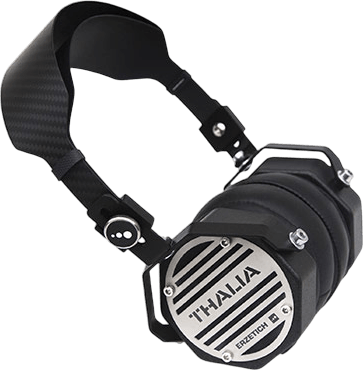
- Unique octagonal design made of quality materials, with a rugged, serviceable build quality featuring exposed nuts and bolts.
- Surprising amount of bass for an open-back, on-ear headphone, that is solid, tangible, present, well balanced and well tuned.
- The silver-plated OCC copper cable is lightweight, pliable, ergonomic and does not remain bent after staying still.
- Comfortable on-ear headphone, especially considering it's an on-ear design, with thick, soft pads and a comfortable headband.
- Easy to drive with portable devices like dongles or smartphones.
Product Considerations
- Being an on-ear design, the Thalia can become uncomfortable after extended listening sessions (45 minutes or longer) due to pressure on the ears.
- Not the most compact headphone, and does not fold up, limiting its portability somewhat.
- The open-back design results in sound leakage, making it less suitable for noisy environments or situations where discretion is required.
- The height adjustment mechanism, while providing fine control, is a bit fiddly and not easily adjustable on the fly.
- Its lower-midrange will be too full for some.
Comparisons (according to reviewers)
- The Thalia is far superior to the Koss Porta Pro and sets a new standard for portable on-ear headphones, but it is inspired by the Porta Pro.
- Compared to the Grado RS2x, the Thalia is more durable, comfortable, and more enjoyable overall, and is more bassy and thicker in the midrange.
- The Thalia has a faster pace and a better driver control, and offers a lot more in the top-octave than the Sennheiser Momentum 2/3.
Takeaway: The Thalia is a uniquely designed, portable on-ear headphone that delivers great sound and is built to last. It is a good option for those who want a distinctive headphone that is fun to listen to.
Video review
Our take on the brand


Our summary
Product Strengths
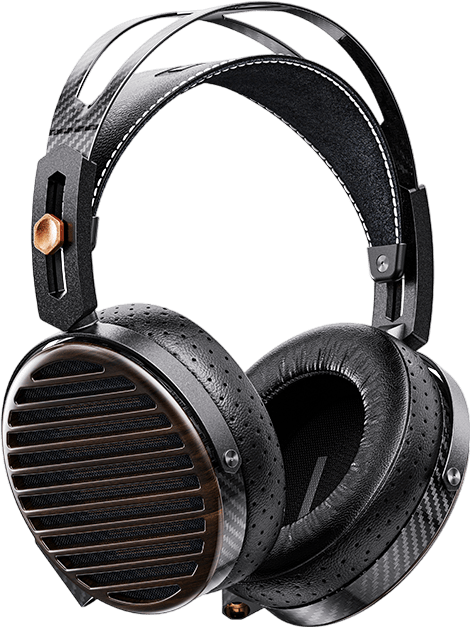
- Uses premium materials like carbon fiber, metal, sheep lambskin earpads, and zebra wood faceplates for a luxurious feel, with excellent build quality
- Has a mostly neutral sound signature, with lambskin pads bass response is very good with a tasteful emphasis placed on the sub-bass region, and a decent midrange
- Provides good detail retrieval, resolution, and transparency of sound, the drivers can show plenty of information and micro detail
- A pad swapping system allows changes to sound characteristics, with lambskin pads and breathable fabric pads included
- Comes with a quarter-inch adapter and a 4-pin XLR adapter for use with portable or desktop devices
Product Considerations
- The stock cable is 3 meters long, which is too long for desktop use
- Headband adjustment can be a little stiff to move
- With leather pads, the highs can get slightly sharp
- There is a slight sharpness in the upper treble that might pose a problem for some listeners, using fabric pads can mitigate this
- Weight distribution could be better, there's not enough padding on the headband, and the clamp force is low, this distributes all the weight across the top of the head, which can be bothersome after 40-50 minutes
Comparisons (according to reviewers)
- Vs HiFiMan Susvara: Has a similar driver structure
- Vs HiFiMan HE1000 Unveiled: Is close in terms of technical performance like resolution, transient response, soundstage, depth, and openness
- Vs HiFiMan Arya Stealth: Has a better build quality and bass response
Takeaway: The FiiO FT7 is a well-built, comfortable headphone that offers a neutral-leaning-warm sound that can be tailored with different earpads. The FT7 competes with other headphones that cost significantly more, making it a great pick at its price point.
Video review
Our take on the brand

Product Strengths
- Excellent stereo separation for mixing and monitoring
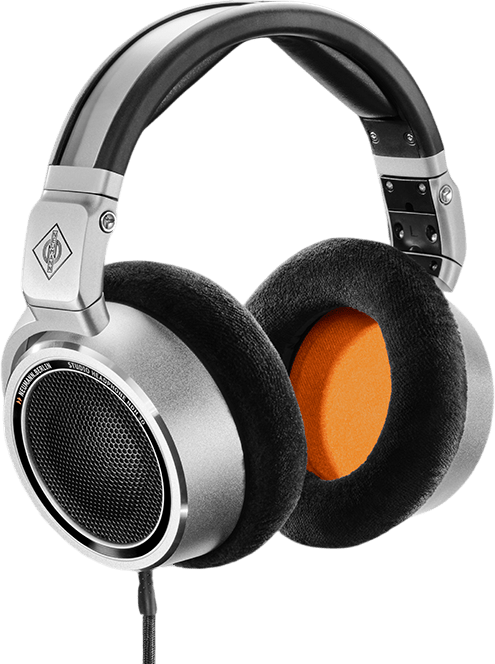
- Built with aluminum, it has a durable feel
- Designed for reference listening
- Clean, linear, and very detailed mids
Product Considerations
- Sound can be considered somewhat restrained, lacking upper midrange and low to HF 'hype'
- Cloth ear pads may not feel as soft or luxurious as velour pads on some other headphones
- Lacks impact and bite
- Headband padding is uncomfortable
- Single-entry cable is on the right side, which is an unusual placement
Comparisons (according to reviewers)
- Vs Sennheiser HD650: Differences come down to something similar to a full-range studio monitor versus a full-range hifi speaker of equal build quality and similar design, Sennheisers are geared more towards enjoying the brain-pleasing sounds of music, while you probably want to mix with the Neumanns
- Vs Sennheiser HD600/650: The HD600 and HD650 are more comfortable, with a better industrial design than the NDH-30
Takeaway: The Neumann NDH 30 is a tool that can be very helpful for mixing sessions, especially for identifying details in the mid-range of a mix. Its design and build quality also make it a lasting product.
Video review
Our take on the brand
.png)
Product Strengths
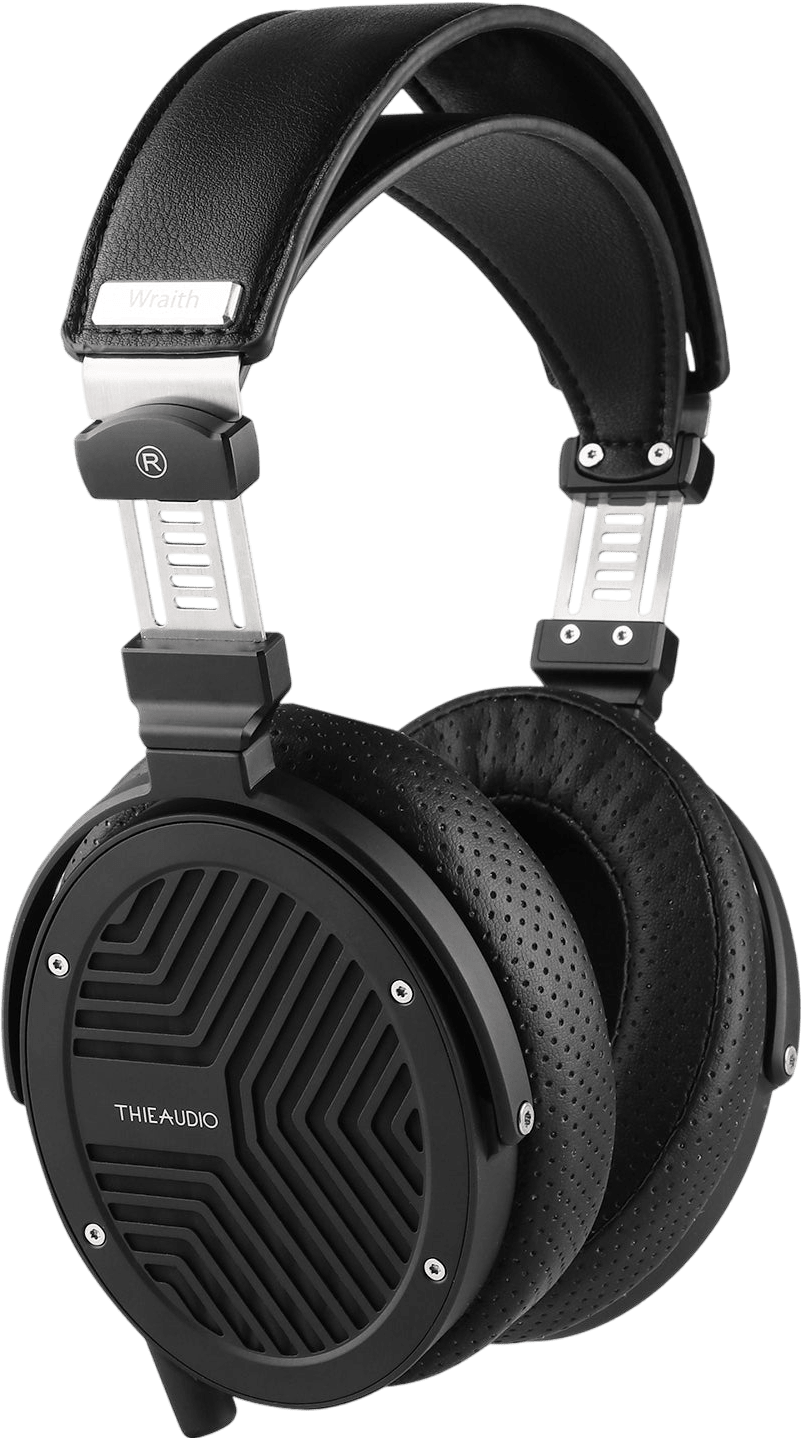
- The Wraith features an all-metal alloy body that feels sturdy and durable
- The earcups feature a rotating mechanism, making it convenient to rest the headphones around the neck
- The design is considered stylish, industrial, and unique
- The suspension headband design distributes weight evenly, making it comfortable to wear for long listening sessions
Product Considerations
- The Wraith's headband adjustment system is not very practical and requires a screwdriver to adjust
- Stock pads may not create the best seal, impacting sound isolation
- The soundstage is intimate, and the resolution is average
- The 2.5mm connectors on the earcups might limit replacement cable options
- Sub-bass can roll off with stock pads
Comparisons (according to reviewers)
- Vs HiFiMan Edition XS: The Edition XS has better resolution, clarity, and sub-bass response out of the box, but the Wraith has superior build quality, materials, robustness, and comfort
- Vs Sendy Audio Aiva: The Wraith and Aiva share a similar bass roll-off
- Vs Moondrop Venus: The Moondrop Venus costs slightly more and provides a wider soundstage and more refined sound
Takeaway: The ThieAudio Wraith has excellent build quality and a unique design, making them durable and comfortable for many users. The sound is warm and laid-back, making them suitable for casual listening.
Video review
Our take on the brand
What competes at this price?

Our Summary
Product Strengths
- The HD 560S delivers a flat sound profile that should suit most musical genres
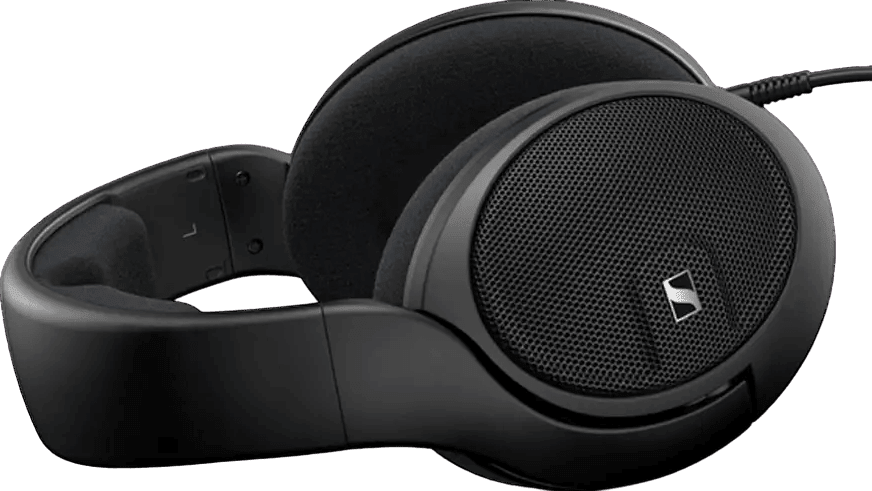
- Very comfortable, with a relatively lightweight design and plenty of plush padding
- Soundstage is exemplary
- Lightweight and provide a nimble feel
- Excels in delivering both vocals and instruments with a remarkable level of clarity and precision
Product Considerations
- Some users might find it a bit dull over time due to its conservative sound signature
- Can be a bit intense at times in the lower treble
- The plastic construction does not scream luxury
- Some loss of texture in the mid-bass, with bass notes of different instruments often sounding the same
Comparisons (according to reviewers)
- Vs AKG K702: 560S' sound is going to feel a bit closer, but it may not always be a good thing when trying to hear what is farther off in the distance, for gaming
- Vs Sennheiser HD58X: The 560S is cleaner and more accurate sounding than the HD58X
- Vs Sennheiser HD600: The 560S is more intimate and livelier sounding than the darker HD600
- Vs HIFIMAN Sundara: Compared to the more expensive Hifiman Sundara, the 560S sounds like it lacks detail across the frequency spectrum, except in the sub bass region where the Sundara does not seem to dig as deep
Takeaway: The Sennheiser HD560S is a comfortable headphone with a well-balanced sound, making it a solid choice for both gamers and music enthusiasts looking for neutrality and clarity. It is a versatile headphone for various genres and applications.
Video review
Our take on the brand



Our Summary
Product Strengths
- Excellent resolution and imaging capabilities
- Features a nanometer thickness diaphragm and Stealth Magnet design that improves transient response and lowers harmonic distortion
- Easy to drive, it is among the most efficient open-back planar magnetic headphones on the market right now
- Features a tight, textured, and clean bass response
- Good detail retrieval and vocal clarity
Product Considerations
- Treble might be too much for some listeners
- May not be the most lively in macro-dynamics
- Reviewers note a slightly dry timbre
- Lean, slightly cold mid-range
- The included 3-meter cable is not useful for desktop use
Comparisons (according to reviewers)
- Similar to the Meze 109, but a planar
- Sounded a little bit more hifi than the Austrian Audio Hi-X 65
- Has a more warm, natural feel than the original Ananda
- Easiest to drive when compared to the Edition XS
- Superior in technical performance when compared to the Hifiman Sundara
Takeaway: The Ananda Nano is a well-tuned headphone with superior resolution and marvelous timbre, particularly good for electronic music and those who care about vocal clarity. It's a planar alternative that’s incredibly fast and detailed, with excellent imaging and soundstage.
Video review
Our take on the brand

Our Summary
Product Strengths
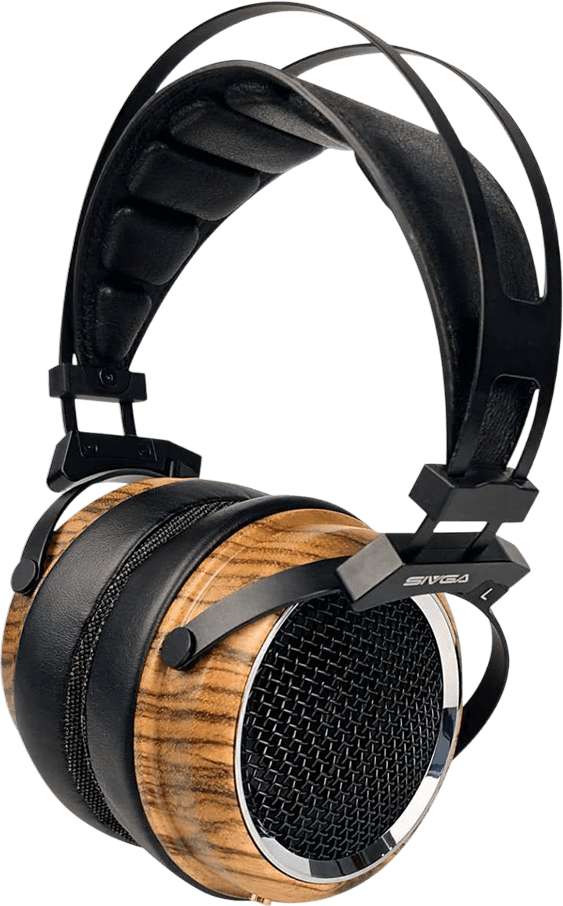
- Beautifully made with real wooden cups, nice metallic flourishes, and a nice adjustment system
- Very easy to drive from any device due to its 32 ohm impedance and 103 dB sensitivity
- The included hard case is of good quality and protective
- Comfortable to wear for extended sessions due to its light weight (296g) and well-designed headband
- Good soundstage width and overall space, with well-defined instrument separation
Product Considerations
- Some reviewers with larger ears may find the earcups to be too small, causing discomfort
- Lack of extra treble detail and energy means that some percussion misses its snap and shimmer
- The headband size is pretty small, so if your head is on the large side, it might not fit
- Stock earpads are too shallow for some users, causing their ears to touch the inside of the cups
- The midrange can sound stuffy and veiled, lacking clarity and detail compared to some competitors
Comparisons (according to reviewers)
- Vs Monolith M1060 V2: The Phoenix has better quality treble, but the M1060 has a better quantity of treble and a more neutral sound
- Vs Sennheiser HD560S: The HD560S is a reference headphone designed to be analytical and neutral, while the Phoenix is colored, engaging, rich, and warm
- Vs Sennheiser HD600: The Phoenix is warmer, has deeper sub-bass extension, and a wider soundstage, but the HD600 is more intimate, clear, and detailed in the mids and vocals
- Vs beyerdynamic DT880: The DT880 has a midbass bump and clearer mids, while the Phoenix has better treble extension
- Vs HarmonicDyne Zeus: The Zeus is a warmer set, but the Phoenix is better implemented
- Vs Austrian Audio Hi-X55: The Phoenix has a more environmental feel when it comes to its sub-bass response and a wider soundstage, but the Hi-X55 has a sweeter vocal presentation
Takeaway: The Phoenix offers a warm, rich, and punchy sound signature in a beautifully designed and comfortable package that is easy to drive. It could be a great option for those who enjoy a bass-emphasized sound and listen to genres where extra bass is beneficial.
Video review
Our take on the brand
Our Summary
Product Strengths
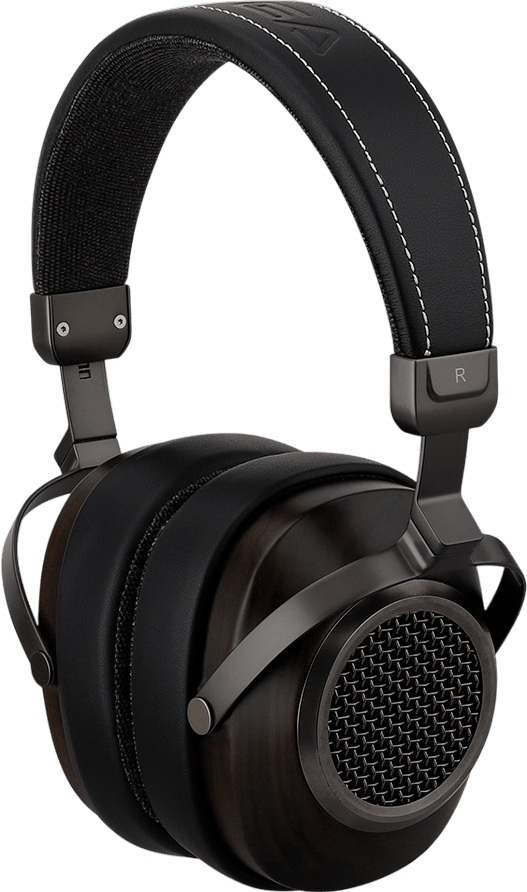
- The Anser is wonderfully comfortable.
- Exceptional build quality, with premium materials rarely seen at this price point.
- It delivers a sound that's well-balanced across all frequencies.
- The Anser is easy to drive from absolutely anything.
- It has a nice sense of weight and presence in its sound, particularly in vocals and solo instrumentals.
Product Considerations
- The soundstage is somewhat restricted in width.
- The midrange is not great.
- The stock cable is a little stiff.
- Treble enthusiasts may occasionally find the presentation less energetic.
Comparisons (according to reviewers)
- Vs Sennheiser HD 560s: The Anser is significantly more comfortable and feels better built than the HD 560s, but the HD 560s is a little brighter and sharper in the treble.
- Vs Drop and Sennheiser HD 6XX: The Anser would win for most people on build quality and possibly comfort too, and is going to win for bass because extends down deep, and it's solid and full.
- Vs Philips Fidelio X2HR: The X2HR has a wider, more open soundstage, and a little more nuance in the midrange.
- Vs Sivga Oriole: The Anser has slight advantages, such as soundstage, which is still limited but nevertheless better than the Oriole.
- Vs FiiO FT1 Pro: The Anser has a slightly warmer sound signature, with a more pronounced bass response.
Takeaway: The Sivga Anser offers great build quality and is very comfortable, making it a great choice for people who want a fun and engaging listening experience. This is a headphone that prioritizes musicality over technical prowess, offering an inviting sound.
Video review
Our take on the brand
Our Summary
Product Strengths
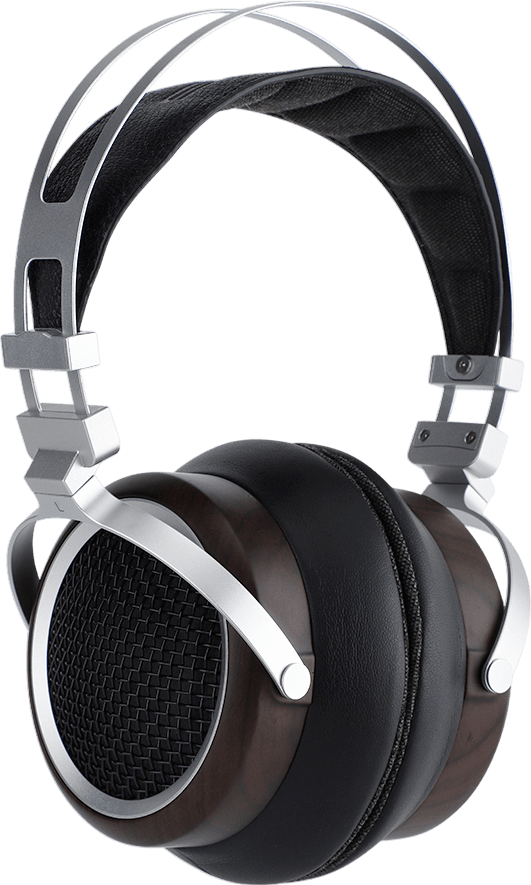
- Excellent build quality, using premium materials like metal headbands and yokes, wood cups, and soft leather or velvet for comfort
- Comfortable, with plush ear pads and a lightweight design, making it suitable for long listening sessions
- Easy to drive and scales well with better gear
- The sound signature has a good balance of detail, musicality, and accurate tonality, making it a versatile option
- Clarity and separation of instruments with a good soundstage and decent imaging
Product Considerations
- The included cable is of lesser quality compared to the build, noting its stiffness and memory effect
- The bass response may not satisfy bassheads as it rolls off slightly in the sub-bass region
- The treble and upper mids can be a bit forward or 'shouty', potentially causing listening fatigue for treble-sensitive individuals
- The symmetrical design can make it difficult to quickly discern the left and right sides
- The included case is not aesthetically pleasing to all reviewers
Comparisons (according to reviewers)
- Vs Sennheiser HD 600: The Luan has better bass and a larger soundstage, but the HD 600 is slightly better in tone and timbre
- Vs Sivga Robin: The Luan has a different sound and build quality than the Robin, which is more aggressive
- Vs beyerdynamic DT900 Pro X: The mids have better details on the DT900 Pro X
Takeaway: The Sivga Luan is a well-built and comfortable headphone with a balanced sound, making it a great choice for extended listening and versatile across different sources. It is a stylish, easy-to-drive headphone with enough punch and clarity to appeal to a wide range of listeners.
Video review
Our take on the brand




How to buy
Headphones
Search all hifi products
Explore our database of 10,000+ new and 25,000+ used hifi products.

.png)
.png)