




Note that this is a discontinued product. You may want to visit the brand's page here to browse their newer products.
What reviewers think
Bloggers and YouTubers have tried this product—so we've summarized their strongest opinions below. Links to full reviews follow.
Product Strengths
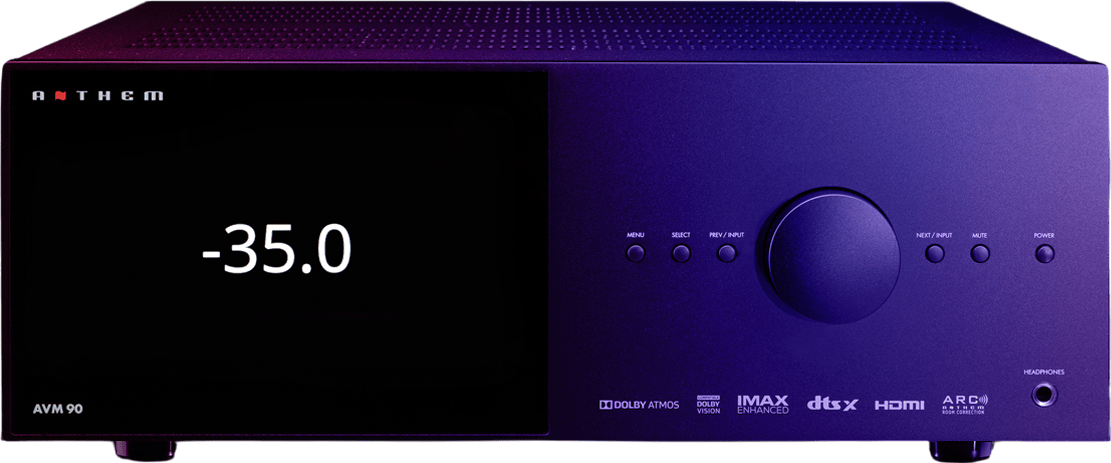
- Excellent audio quality, Anthem's best-sounding preamp processor to date, both subjectively and objectively.
- Upgraded, reference-grade audio circuitry, including dual flagship ESS ES9038Pro DACs, makes a measurable and audible difference.
- Four independently calibrated subwoofer outputs with automated phase adjustment provide optimal bass performance.
- Powerful, easy-to-use, and flexible Anthem Room Correction (ARC) Genesis offers great customization and correction.
- Streaming powerhouse with support for AirPlay 2, Chromecast, Spotify Connect, and Bluetooth.
Product Considerations
- Lacks Auro-3D or DTS:X Pro support, although Auro-3D content isn't widely available.
- Enabling HDMI CEC can lead to some quirks, requiring users to keep it off unless absolutely necessary.
- Inability to pass LFE to the mains with speakers capable of supporting it.
- Roon Ready certification is still pending and has been significantly delayed, which has drawn criticism.
- Being conservative with firmware updates is suggested due to occasional issues with beta releases.
Comparisons (according to reviewers)
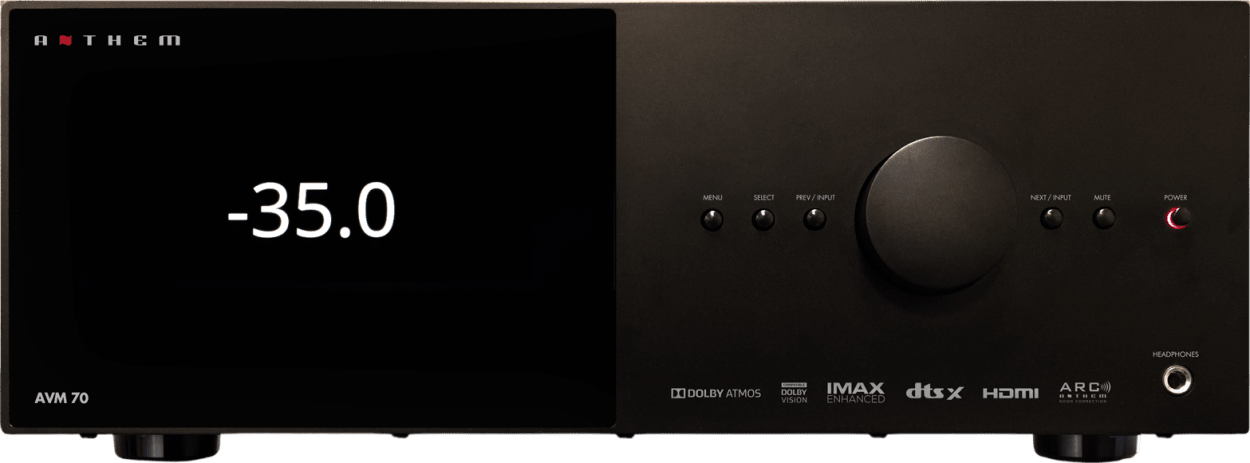
- Vs AVM-70: Tangible audio improvement with more audio value, clarity, detail, separation, and four independent sub outputs.
- Vs Marantz AV-10: The AVM-90 may have better sonic performance for music and movies due to its upgraded audio circuitry, but the AV-10 offers Auro-3D support.
- Vs Anthem AVM-60: Delivers an audible upgrade in imaging, soundstage, dynamics, transparency, and dimensionality, and demolishes the AVM-60's headphone performance.
- Vs Emotiva RM-C1L: The AVM-90 is clearly a top-tier performer for home theater and is equally as capable for music as well, with channel separation second to none, along with clarity.
- Vs Trinnov/Storm Audio: While excellent for its price, Trinnov/Storm offers more channels and features—but at a significantly higher cost.
Takeaway: The Anthem AVM-90 is a processor for audiophiles and home theater enthusiasts who want the best sound and a lot of control in their system. With features like ARC Genesis and streaming capabilities, it aims to make the listening experience the best it can be.
All
AVM90
reviews



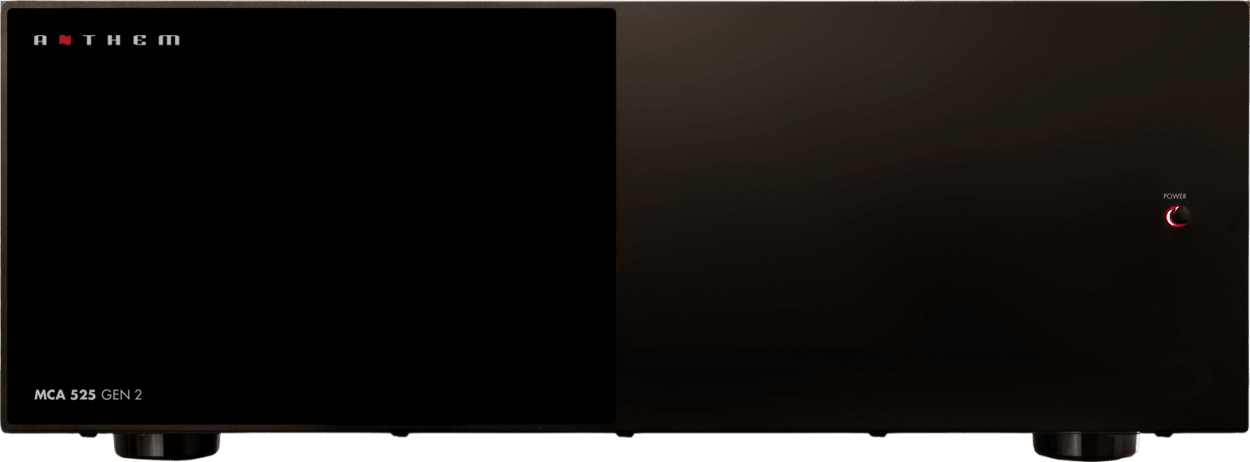
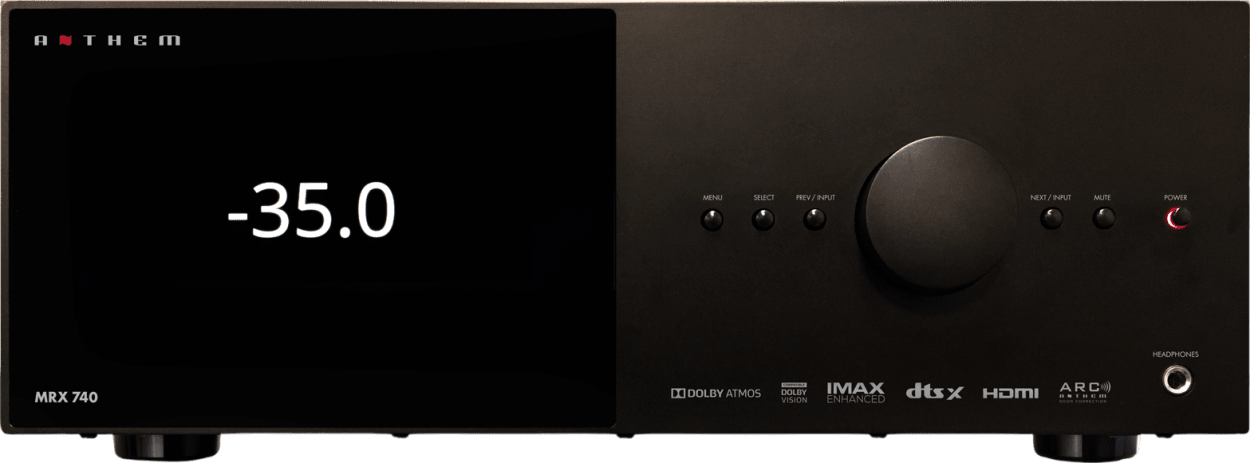
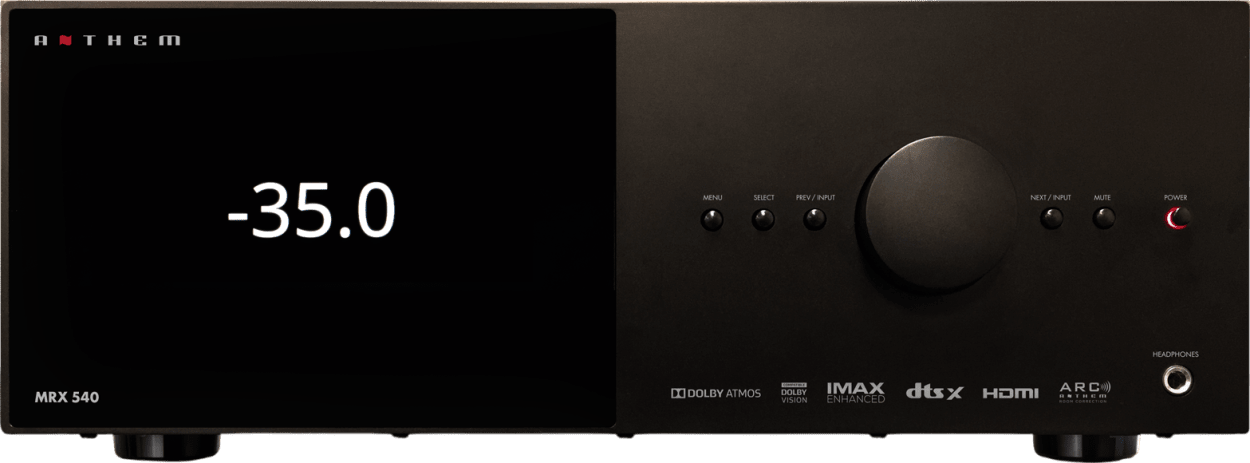
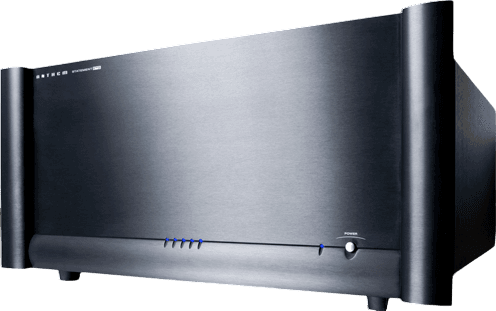

Brand highlights
Taking a step back to look at reviewers' thoughts of the brand's entire lineup—not just this product—what stands out most is the following:
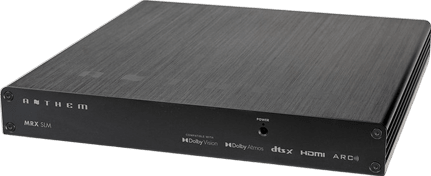
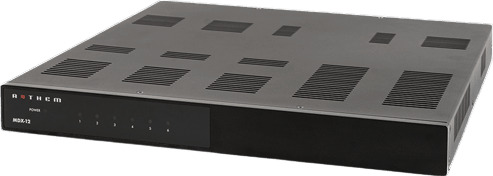
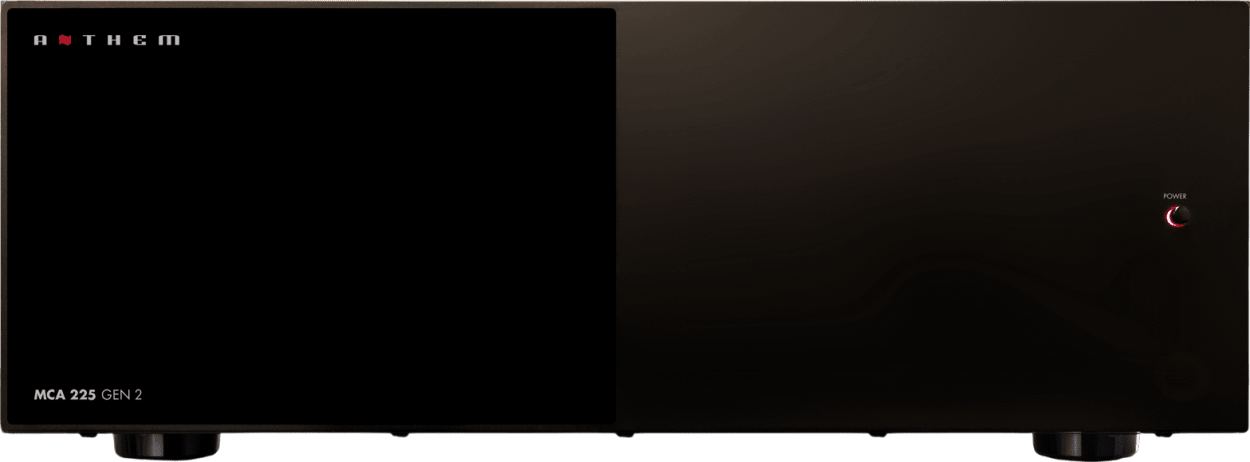
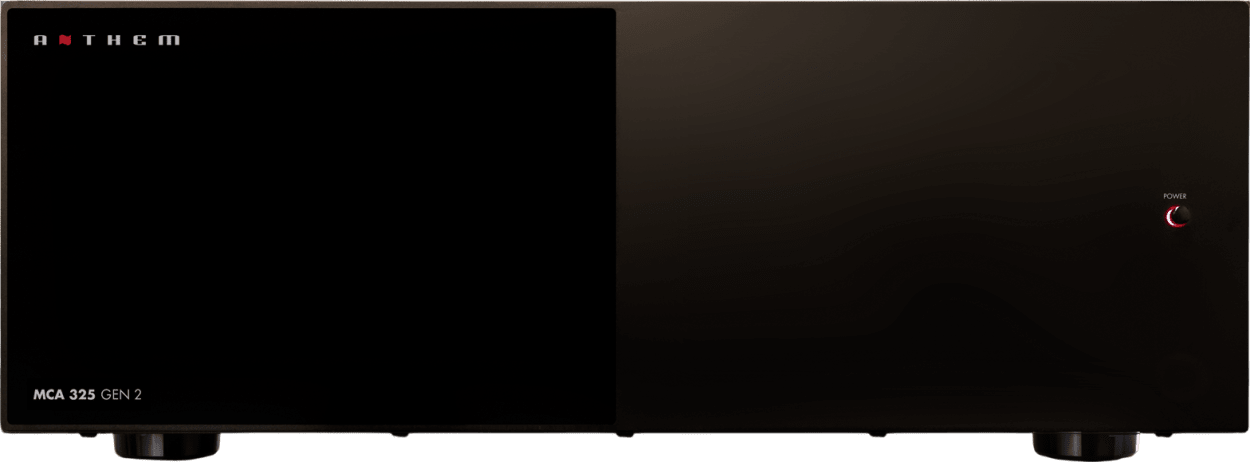
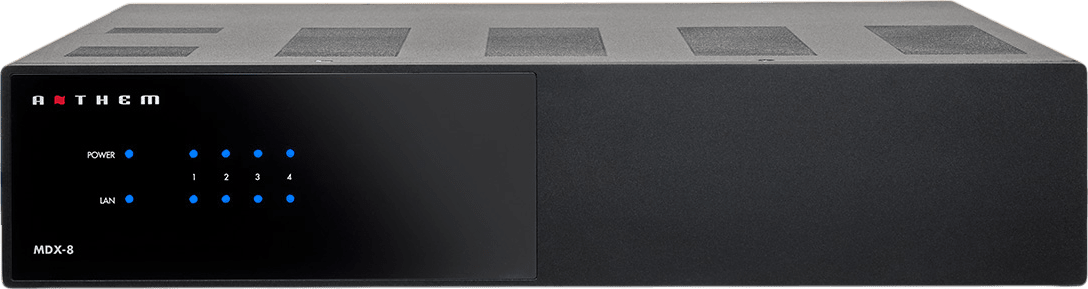
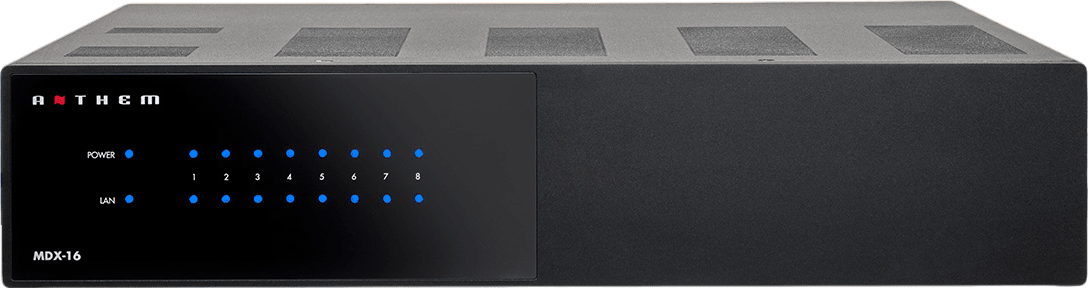
- Anthem differentiates itself by including fully powered, independent-zone subwoofer connections in their MDX series, allowing for improved bass response in each listening area.
- A key differentiator for Anthem is their proprietary ARC (Anthem Room Correction) Genesis technology, which is simple to use yet highly effective in optimizing sound for individual zones, and is included across product lines from multi-room amps to preamps.
Select products
MDX Series
- Positioning: The entry-level distribution solution, designed for multi-zone audio setups.
- Description: Offers a great balance of performance and affordability, featuring fully powered independent-zone amplification with subwoofer connections. Unlike the more advanced AVM Series, focuses on simplifying custom audio installations with ARC Genesis room correction for each zone, making it ideal for users with multiple rooms and a moderate budget.
MRX Series
- Positioning: Serves as Anthem's line of high-end multichannel A/V receivers.
- Description: Features robust multichannel capabilities and 8K support, making it a strong choice for home theater enthusiasts. Compared to the STR Series, which focuses on stereo performance, includes Anthem Room Correction and supports Dolby Atmos, DTS:X, and IMAX Enhanced.
STR Series
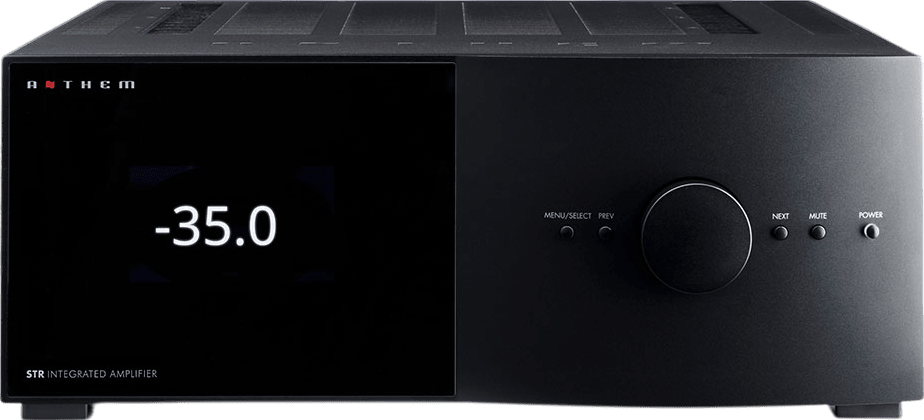
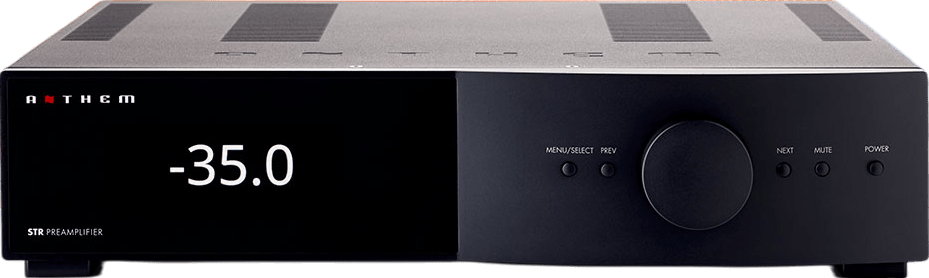
- Positioning: Anthem's premium stereo lineup, offering integrated amplifiers, preamplifiers, and power amplifiers.
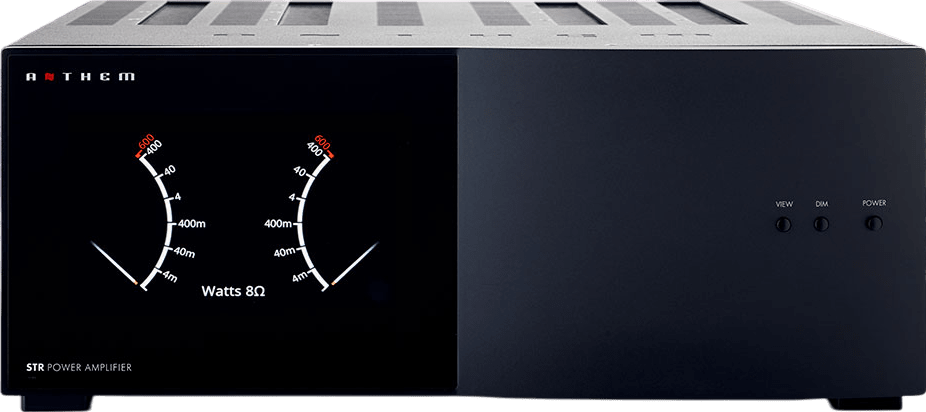
- Description: Stands out with its high power output and advanced DAC technology, providing exceptional stereo performance. Unlike the MRX Series, which is tailored for multichannel setups, focuses on delivering high-fidelity stereo sound with Anthem Room Correction.
AVM Series 8K
- Positioning: Anthem's flagship line of A/V processors, designed for the ultimate home theater experience.
- Description: Features cutting-edge processing capabilities and extensive connectivity options, including 8K HDMI support. It surpasses the MRX Series in terms of processing power and flexibility.

Our take on the brand
Look inside the brand
Our interview with the brand
What are two key technological innovations or strong opinions that differ you from other brands?
What's your approach to customer support?
What are your favorite tracks for showcasing the strength of your products?
What other products pair best with yours?

Used
Anthem








What if you spend more?



.svg)
Product Strengths
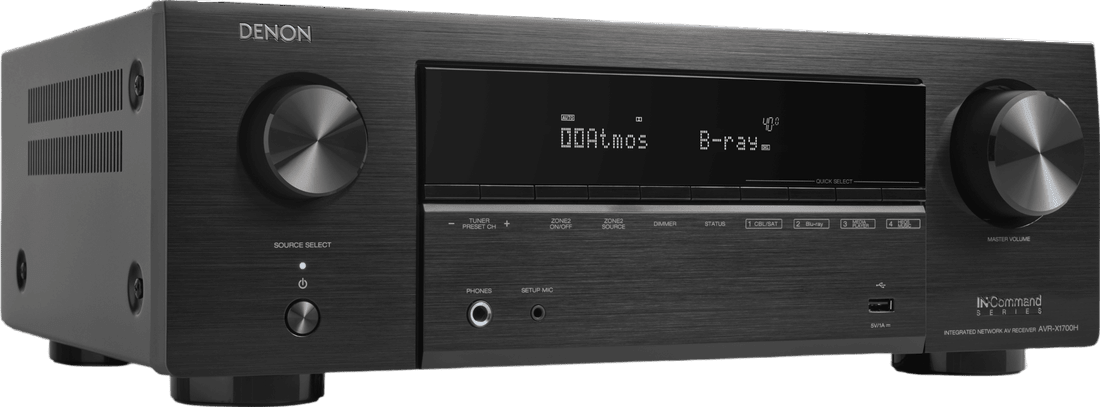
- Supports 8K at 60Hz and 4K at 120Hz, boosting gaming purposes via 3 HDMI ports at the back.
- Features 6 HDMI inputs and 1 HDMI output, capable of handling multiple devices.
- Offers wireless connectivity through Wi-Fi and Bluetooth.
- Delivers room-filling sound with 80 watts per channel.
- The AVR-X1700H and the more expensive model X2700H have the same chassis, which adds a plus for quality.
- Features 6 HDMI inputs and 1 HDMI output, capable of handling multiple devices.
- Offers wireless connectivity through Wi-Fi and Bluetooth
Product Considerations
- Front panel lacks HDMI input port and AUX port
- The back panel lacks a USB port for powering streaming dongles
- Only has one HDMI output
- Retro feeling of pixelated letters on the front digital display
- Limited support for surround sound formats compared to upscale versions
Comparisons (according to reviewers)
- Compared to the Marantz NR1510, the Denon AVR-X1700H has a 7.2 channel configuration while Marantz offers 5.2, and the Denon supports Zone 2 feature—which the Marantz does not.
- The level of detail, stability, and vibrato is comparable with the AVR-X2700H in music playback
Takeaway: The Denon AVR-X1700H is a solid choice to consider for the latest technology for gaming and home theaters, and supports multiple devices. It is easy to set up, and it has good sound that can fill a room without costing too much.
Video review
Our take on the brand
Our summary
Product Strengths
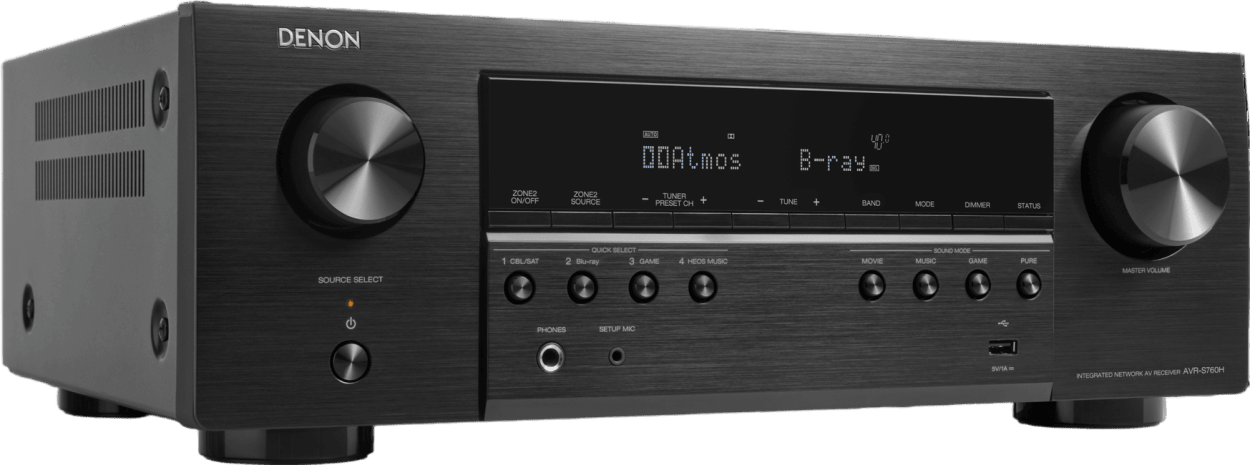
- Supports HDMI 2.1 for 4K 120Hz and 8K 60Hz pass-through, maximizing visual quality for gaming and video
- Offers immersive surround sound with Dolby Atmos and DTS:X support, enhancing the audio experience for movies and games
- Includes Audyssey MultEQ room correction for optimized sound based on room acoustics
- Provides a phono input for connecting a turntable, catering to vinyl enthusiasts
- Compatible with various voice control platforms like Amazon Alexa and Google Assistant, offering convenient control options
Product Considerations
- Power output (75W per channel) may not be sufficient for larger rooms or inefficient speakers, potentially leading to strain at high volumes
- Lacks pre-amp outputs, tape loop, or expansion beyond 5.1.2 channels, limiting future upgrade options
- The HEOS app has been reported as not being user friendly
- The setup screens have pixelated text and generic layout, which feels dated
Comparisons (according to reviewers)
- Vs Yamaha TSR 700: The AVR-S760H has working HDMI 2.1 support, while the TSR 700 has reportedly had problems with its HDMI 2.1 support
- Vs Denon AVR-S750H: The AVR-S760H is an upgraded version of the S750H with HDMI 2.1 support
- Vs Denon AVR-X1700H: The AVR-X1700H has a longer warranty (3 years vs—2 years), a more advanced version of Audyssey, and slightly more power (80WPC vs 75WPC)
- Vs Denon AVR-S770H: The AVR-S770H replaces the AVR-S760H with an improved GUI and removes the RCA analog composite video inputs/output
Takeaway: The Denon AVR-S760H is a great entry-level receiver that brings value and up-to-date features such as HDMI 2.1 to create an excellent home theater experience for movies, music, and especially gaming. This receiver is a solid choice for anyone looking to build a budget-friendly home theater system.
Video review
Our take on the brand
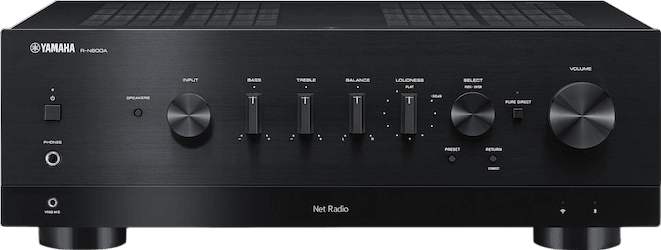

The Yamaha R-N800A impresses with its modern HiFi design and top-class music enjoyment. Thanks to the original YPAO™ technology, the receiver creates an ideal listening environment. From streaming services to high-resolution sound sources, you can immerse yourself in outstanding sound quality. Authentic HiFi quality with the latest ToP-ART structure (Total Purity Audio Reproduction Technology) and a low impedance concept ESS SABRE ES9080Q Ultra DAC for superior S/N performance YPAO™-RSC (Reflected Sound Control) and precision EQ for the ideal listening environment With MusicCast you can stream music from your favorite music services The powerful USB DAC function supports native playback at DSD 11.2 MHz and playback at 384 kHz Original speaker connectors cut from pure brass ensure a particularly stable connection Special phono inputs to enjoy your record collection Optical terminal for TV sound in HiFi quality
Our summary
Product Strengths
- Excellent tonal balance, dynamics, and imaging for its price, delivering sound quality that punches above its weight
- Features the YPAO hifi listening room correction system, allowing users to match speakers to their room with the included microphone
- Yamaha's MusicCast platform is well-incorporated, enabling streaming from popular services, and multi-room audio
- Connectivity to TVs relies on an optical connection
Product Considerations
- The phono input is functional but may not satisfy serious vinyl enthusiasts, who might benefit from a dedicated phono preamp or a higher-end Yamaha model
- Speaker terminals feel a bit cheap
Comparisons (according to reviewers)
- Vs Marantz 40n: The Yamaha R-N800A offers room correction for less than half the price of the Marantz 40n
- Vs PS Audio Stellar Strata: The Yamaha R-N800A performs closely to the Stellar Strata, which costs almost three times as much
- Vs Vincent Audio: The Vincent Audio amp is warmer and thicker, better for vinyl, while the R-N800A delivers a clinical and neutral presentation
- Vs Yamaha R-N602: The R-N800A has a revamped design and superior internal construction when compared to the R-N602
- Vs Yamaha R-N1000A: The R-N1000A has improved connectivity and gold-plated terminals compared to the R-N800A
- Vs Michi X3: The R-N800A cannot outperform the Michi X3 from a build and sound quality perspective—which is nearly four times the price
Takeaway: The Yamaha R-N800A is a well-rounded network receiver that offers a combination of performance, features, and value for the price. It is a great option for those seeking an integrated amplifier with network streaming, room correction, and other useful features.
Video review
Our take on the brand


Product Strengths
- Offers flexibility and connectivity with six HDMI inputs (three supporting 8K resolution), making it versatile for modern home entertainment setups
- Delivers a warm, smooth, and pleasant sound, suitable for extended listening sessions and various music genres
- Integrates features like HDMI and eARC, functioning similarly to an AVR, a rare find in integrated amps, enhancing connectivity
- Offers a fully discrete 75-watt amplifier (8 ohms) using Class A/B technology
- Feature-rich, including HEOS streaming, Bluetooth, AirPlay 2, phono input, USB, and digital inputs, enhancing usability
Product Considerations
- May lack separation, detail, and clarity, particularly in the mids and treble, which might not satisfy audiophiles seeking the utmost precision
- The soundstage may lack depth and separation
- The phono input's dynamic range might feel a bit restrained
- Cinephiles may find it falls short of dedicated AVRs in spatial sound effects and speech clarity due to the absence of a central speaker connection
- No auto setup or room EQ
Comparisons (according to reviewers)
- Stereo 70s offers more speaker options and flexibility than Klipsch/KEF Smart Speakers, due to its amplifier-receiver design
- The Stereo 70s offers better music listening quality than most soundbars, unless investing in high-end soundbars
- The 40N offers a more defined and better streamer with a sound that is far more refined in the top end than the Stereo 70, however, the Stereo 70s is considered a better value
- The Yamaha offers a little bit more power, and does a better job at controlling the bass
- The Cinema 70 is an AV receiver that leaves the door open for experimentation into the multi-channel realm, unlike the Stereo 70, but the Cinema 70 is less powerful than the Stereo 70
- The Denon is a cheaper alternative with similar streaming capabilities and inputs/outputs, but lacks cinematic properties
Takeaway: The Marantz Stereo 70s is a versatile receiver, offering a smooth sound, modern connectivity, and the ability to act as both a stereo amplifier and a home theater hub, making it great for those wanting audiophile and cinephile capabilities in one device. The wealth of features ensures it fits seamlessly into any setup, providing great value for the money.
Video review
Our take on the brand
What competes at this price?
Our Summary
Product Strengths
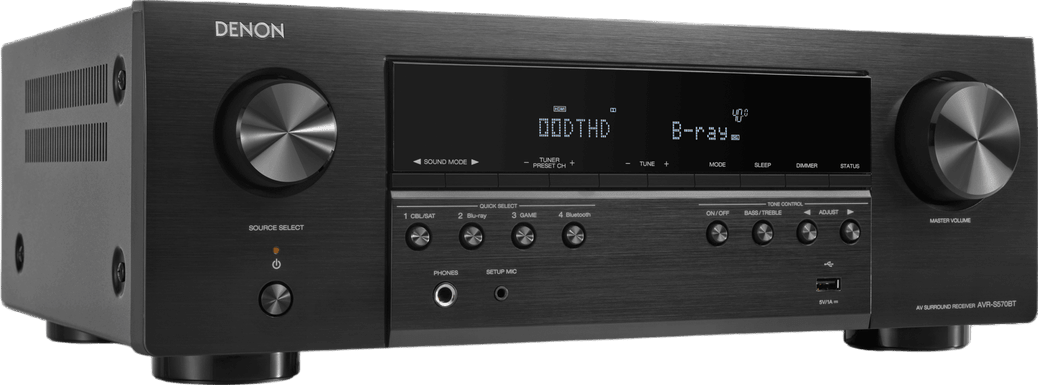
- Supports 8K/60Hz and 4K/120Hz video pass-through
- Shares a good THD percentage with more expensive models, ensuring clear, distortion-free sound
- Compact and lightweight design
- Good sound clarity even at high volume levels
- Delivers believably surrounding sound with quality and detail, suitable for movies and music
- Bluetooth capabilities are limited
Product Considerations
- Limited upgradeability, requiring both a new receiver and new speakers
- Does not support modern surround sound formats like Dolby Atmos or DTS:X
- Lacks Wi-Fi connectivity
- Lacks multi-zone support due to the absence of Zone-2 outputs
Takeaway: The Denon AVR-S570BT is a sturdy and reliable receiver for building a surround sound setup without a large investment. It delivers good sound quality and supports modern video technologies, making it a starting point for home theater enthusiasts.
Video review
Our take on the brand

How to buy
AV Receivers
Search all hifi products
Explore our database of 10,000+ new and 25,000+ used hifi products.



.png)