

.png)


Note that this is a discontinued product. You may want to visit the brand's page here to browse their newer products.
What reviewers think
Bloggers and YouTubers have tried this product—so we've summarized their strongest opinions below. Links to full reviews follow.
All
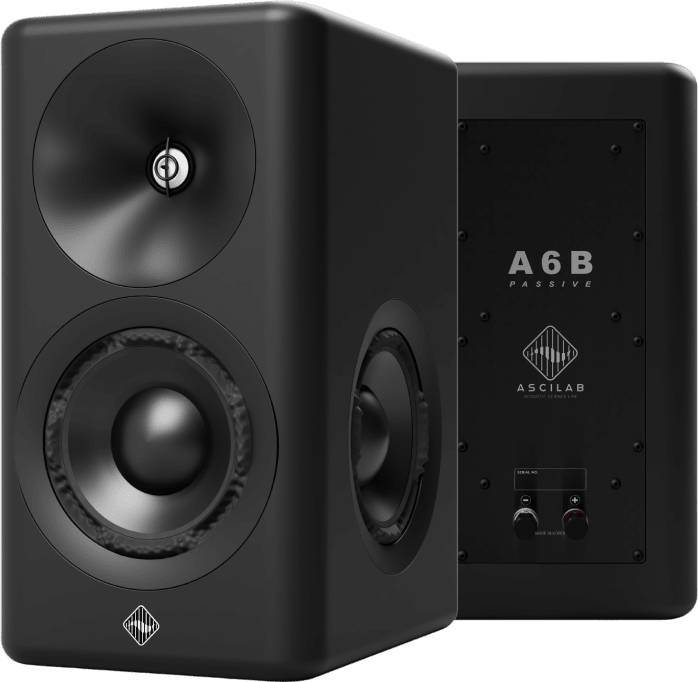
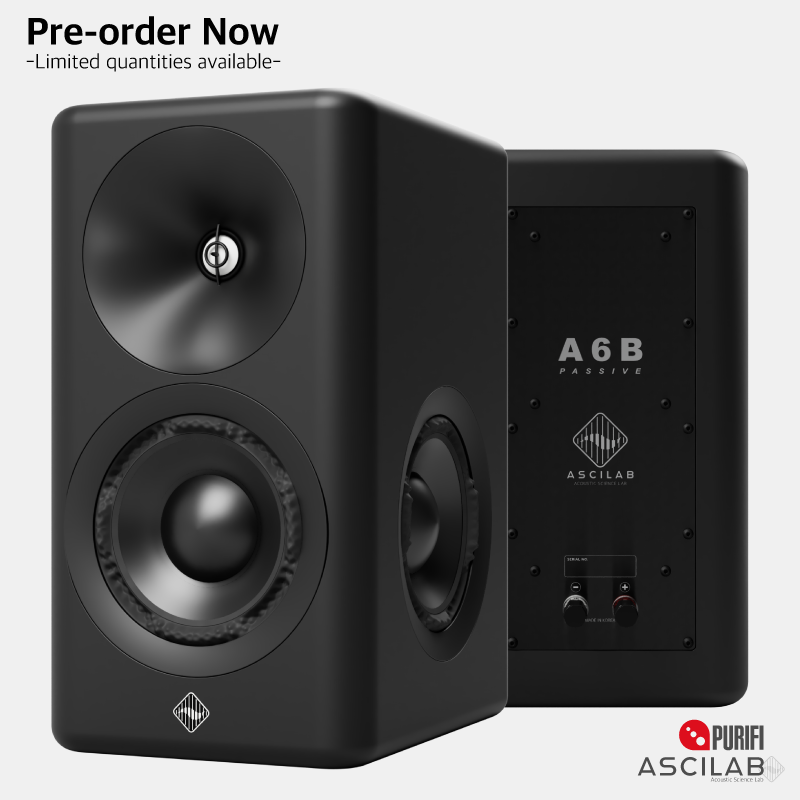
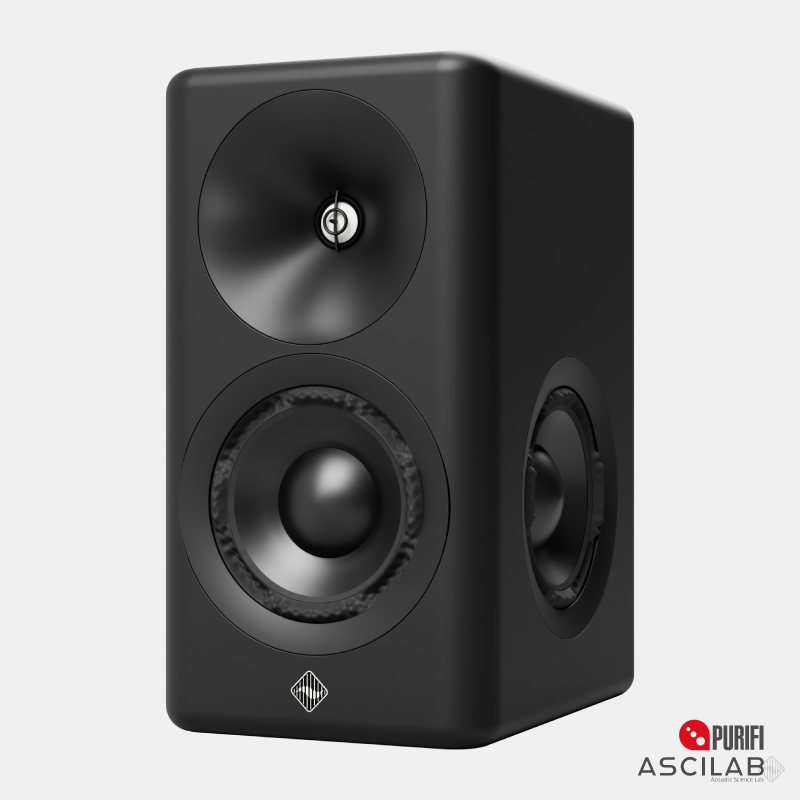
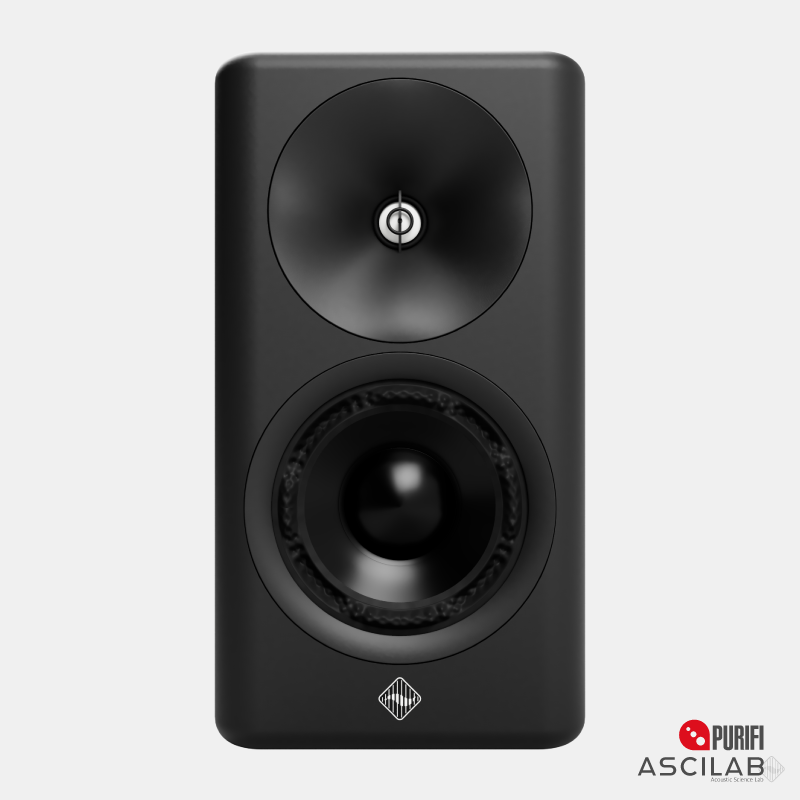
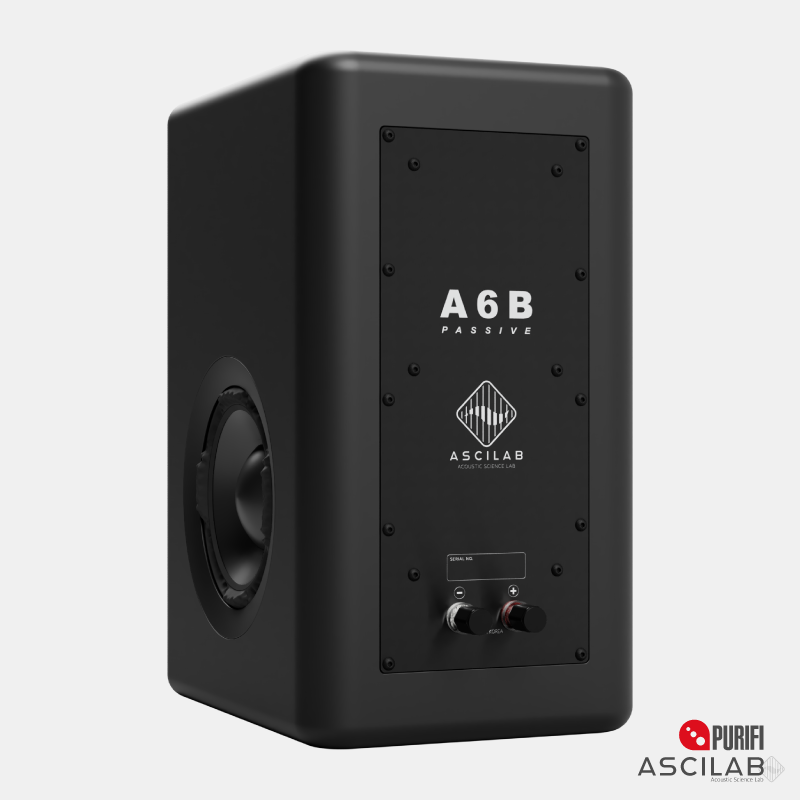
A6B
reviews

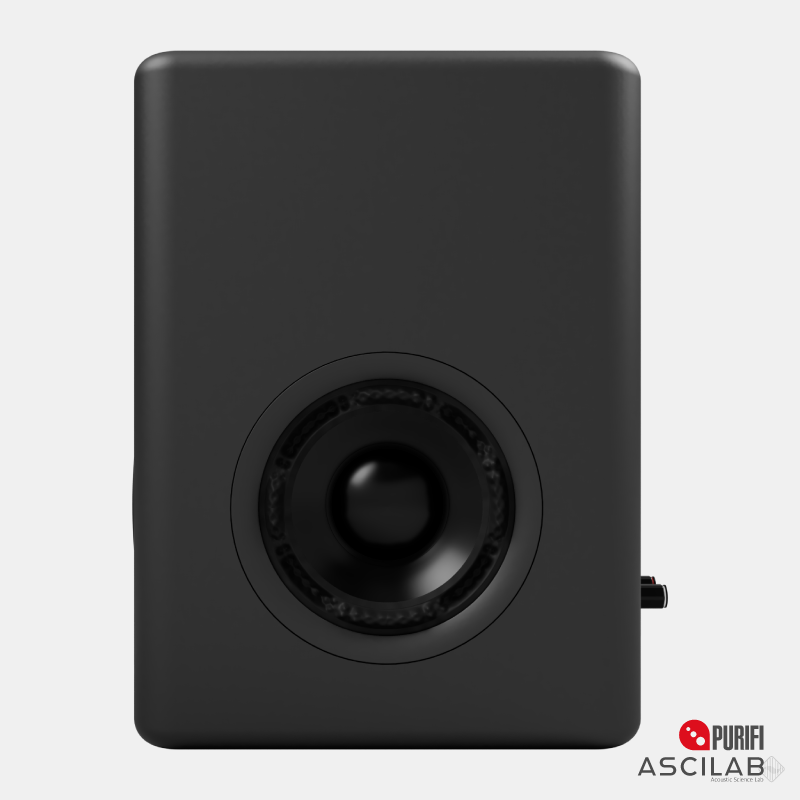

Manufacturer details
- Type: 2-Way Passive Bookshelf Speaker
- Tweeter: 1" Aluminum Ceramic Dome
- Woofer: 6" Aluminum Ceramic Cone with Cast Aluminum Chassis
- Enclosure: Passive Radiator
- Finish: Matte Paint (Gloss optional, up to 30-day process)
- Crossover Frequency: 1.1 kHz
- Sensitivity: 86 dB @ 2.83 V / 1 m
- Max SPL: 105 dB (full bandwidth IEC 60268)
- Frequency Response: –3 dB @ 45 Hz; –6 dB @ 38 Hz
- Impedance: 4 Ω nominal (minimum 2.5 Ω)
- Dimensions (WxHxD): 40 × 20.3 × 26.5 cm (15.7 × 8 × 10.4 in)
- Weight: 8.9 kg (19.6 lb) each

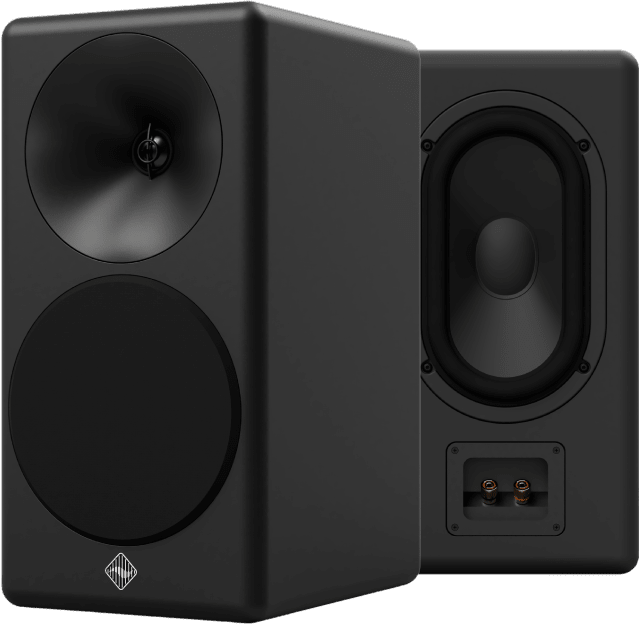


Brand highlights
Taking a step back to look at reviewers' thoughts of the brand's entire lineup—not just this product—what stands out most is the following:
Select products
C6B
- Positioning: Entry-level line, designed for affordability and compactness.
- Description: Offers clear audio performance with a ceramic/aluminum driver that provides balanced sound across a compact design. Compared to the F6B, which focuses on enhanced bass response, and the A6B with its Purifi driver, suits small rooms, tight budgets, and straightforward functionality.
F6B
- Positioning: Mid-range lineup that balances performance and design for home audio.
- Description: Features an SB fiber/paper woofer that brings dynamic bass response while maintaining overall sonic cohesion. In contrast to the budget-focused C6B and the high-end A6B with its technical precision, offers a versatile option for users seeking moderate price, richer low-end, and adaptable functionality.
A6B
- Positioning: High-end line aimed at the most demanding audio enthusiasts.
- Description: Features a Purifi driver that delivers exceptional clarity and detailed sound reproduction. Compared to the C6B's affordability and the F6B's balanced mid-range performance, designed for larger rooms and higher technical demands.


Our take on the brand
Look inside the brand
Our interview with the brand
What are two key technological innovations or strong opinions that differ you from other brands?
What's your approach to customer support?
What are your favorite tracks for showcasing the strength of your products?
What other products pair best with yours?

Used
AsciLab
What if you spend more?



.svg)
Product Strengths
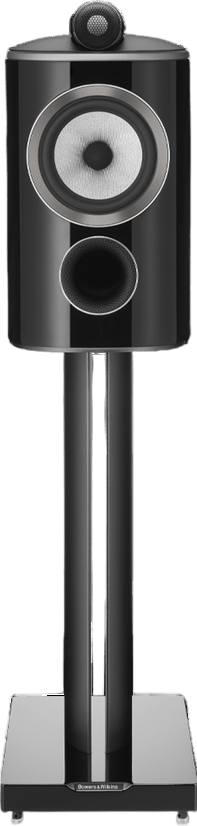
- Excellent build quality, featuring a blend of aluminum, leather, and wood veneer, or gloss paint.
- Detailed sound with excellent stereo imagery.
- Good detail and clarity.
- Wide and deep soundstage.
- Design features contribute to cabinet rigidity and reduced coloration.
Product Considerations
- May sound bright with the wrong amplifier or cables.
- May require a high-power solid-state amp.
- Needs quality amplification and may sound soft if underpowered.
- Requires stands, adding to the overall cost.
- Bass may not satisfy those seeking high-output bass without a subwoofer.
Takeaway: The 805 D4 is an excellent speaker that is beautifully built and delivers a detailed and engaging sound. It's a great option for those seeking a premium listening experience.
Video review
Our take on the brand
.png)
Delivers performance beyond what is typically associated with its price.
Our summary
Product Strengths
- Full-range sound, impressive bass response, and the ability to pressurize a room, often negating the need for a separate subwoofer
- Smooth, warm, and coherent midrange provides natural and engaging vocals and instruments for long listening sessions without fatigue
- Well-extended treble presents in a naturally smooth, enjoyable, and pleasing manner
- Excellent imaging and soundstage capabilities create a realistic and immersive listening experience
- Sound reproduction makes it a speaker that one can live with
- Connectivity options are available
Product Considerations
- Quality amplification with sufficient power and current is required to achieve optimal performance and control the woofer effectively
- The backplate for bass adjustment uses wood screws, making it easy to strip if not handled carefully
- Placement and setup, especially stand height and toe-in, are crucial for achieving the best high-frequency response, it can sound dull if not optimized
- May not be ideal for listeners who prefer a brighter, more forward sound signature or those who prioritize extreme loudness levels
- Grilles may cause micro-rattling at moderate to loud listening levels due to weaker magnets
Comparisons (according to reviewers)
- Vs Totem Acoustic Manny 2 Signature: The Studio 2 has a more forgiving presentation, denser midrange, and stronger bass
- Vs Klipsch Forte 3: The Studio 2 offers a more natural tone, especially in the midrange and upper bass, along with greater soundstage depth
- Vs Vienna Acoustics Mozart Symphony Editions: The Studio 2 beats them in bass and midrange
- Vs Harbeth (SHL5 and Compact 7 XTs): The Studio 2 cannot be matched by the Harbeth's articulate bass response
- Vs Celestion SL6-S: The Studio 2 has deeper roots in the trunk, and they got high branches and leaves, but they don't go all the way up to the highest branches and leaves at the tippy top
Takeaway:
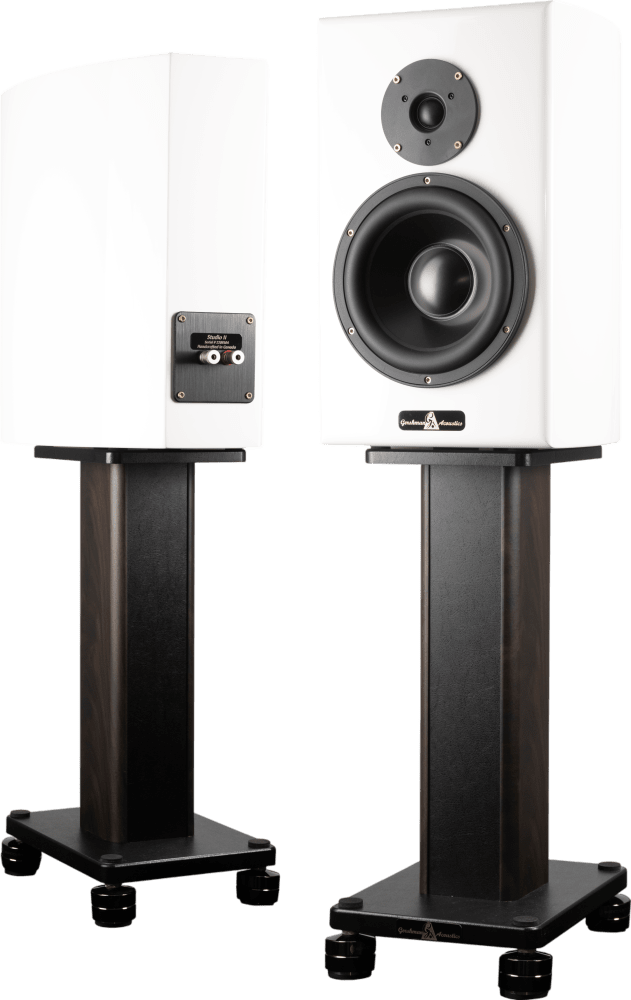
The Studio 2 is a well-built bookshelf speaker that delivers a smooth, full-range sound with surprising bass and clear imaging, making for an engaging listening experience. With the right setup and quality components, these speakers can provide years of musical enjoyment in a variety of room sizes.
Video review
Our take on the brand
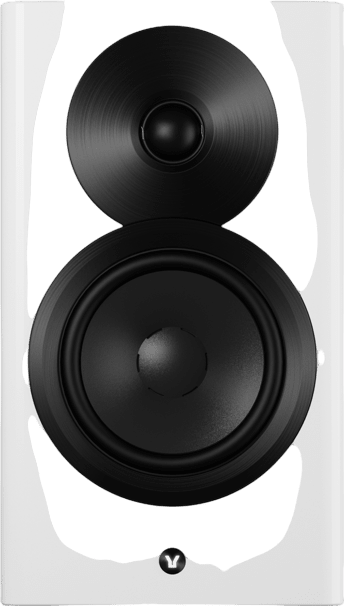

Our summary
Product Strengths
- Integrated technology allows direct high-resolution listening without extra devices
- The speaker uses the same Pascal Class D amplification and processing technology from Dynaudio's Pro line Core series
- Discrete amplification channel per driver: 110 watts for the tweeter and 280 watts for the woofer
- Dirac Live room correction is available, which can tune some of the annoying sounds of a garage, for example, using the soft dome tweeter
Product Considerations
- Running a digital coaxial cable from one speaker to the next results in the signal being sent at 24-96 kilohertz, which is a lower quality than what the master speaker receives (24-192)
- There is no HDMI arc or e-arc connection
- Drilling holes may be required to attach the speaker to stands
- Setting up the speaker with the app is not as quick or seamless as Bluesound
- A microphone is required to do Dirac room calibration
Comparisons (according to reviewers)
- Vs PSB Alpha IQs: Plays louder with a higher level of amplification
- Vs Dynaudio Core 7: The Core 7 has more power and a slightly better tweeter and woofer, but is not as aesthetically pleasing and needs a Bluesound Node
- Vs Dynaudio Evoke: It is similar to an Evoke speaker, but with a bigger woofer
Takeaway: The Focus recMsY5ljWopDD7UU is a sophisticated wireless speaker that pulls technology from Dynaudio's Pro line and features Dirac room calibration. It is ideal for someone looking for high-resolution listening without extra devices and who values sophisticated sound and aesthetics.
Video review
Our take on the brand
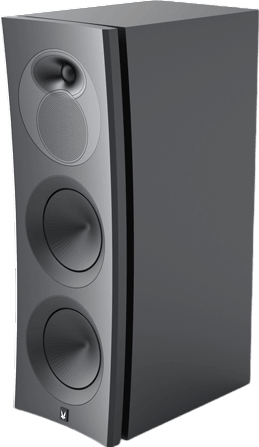

Generating a powerful sound in a (slightly) less imposing form factor than 1528 Towers, 1528 Monitors deliver a clarity and depth that outshines many floor-standing speakers. Feel every detail with stunning precision, deep bass, and a rich, immersive soundstage. Sleek, modern design and versatile settings ensure perfect sound tailored to your environment. Enjoy full-range sound without needing a subwoofer.
Our summary
Product Strengths
- Exceptionally well-built, described as monolithic and like concrete bricks
- The tweeter provides detailed highs, comparable to a good AMT tweeter, and performs effortlessly even at high volumes
- The midrange is special, with a carbon graphene construction for well-behaved out-of-band performance and high output
- The speaker's design allows for significant room gain, providing real bass extension below 20 Hz
- Immense potential, described to be a top shelf product
Product Considerations
- The image was a little high
- The speakers want power from a good amplifier to really open up
- The listener might not always be as emotionally convinced by the result as they perhaps should have been
- The speakers are large and may be obtrusive for most UK spaces
Comparisons (according to reviewers)
- vs Paradigm Founder 120Hs: Similar to the Paradigm Founder 120Hs, which have active jumpers
- vs RBH SVTRs: The reviewer loves the RBH SVTRs, and these new speakers are being tested to see if they can be a game changer in the industry
- vs Spendor Classic 3-1: Arendal 1528 is neutral from top to bottom, while Spendor is warm from top to bottom
- vs Cabasse Morano: Cabasse Morano has some coloration, but the Arendal 1528 is dead neutral
Takeaway:
The Arundel Sound 1528 recMsY5ljWopDD7UU speakers are incredibly well-built with high-quality components that deliver an excellent listening experience. They are capable of filling large rooms with detailed sound and powerful bass.
Video review
Our take on the brand
What competes at this price?




How to buy
Speakers
Search all hifi products
Explore our database of 10,000+ new and 25,000+ used hifi products.

.png)