

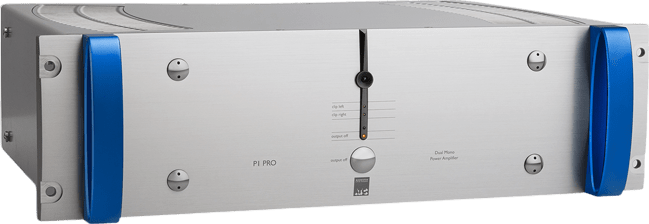


Note that this is a discontinued product. You may want to visit the brand's page here to browse their newer products.
What reviewers think
Bloggers and YouTubers have tried this product—so we've summarized their strongest opinions below. Links to full reviews follow.
Product Strengths
- Extremely high-performance power amplifier with bandwidth, detail, clarity, and imaging
- Plenty of control and weight in the bottom end, which provides a firm anchor with which to tether the soundstage in the room
- Stronger bass
- Delivers the core elements of the music in realistic and timely fashion
Product Considerations
- Conventional in terms of amplification and power-supply technology, so conventional also in terms of size and weight—big and heavy
- As refined as one would expect at the price; it's not unduly revealing, but neither does it veil details that are important when it comes to understanding how recordings have been put together
- The mid, for instance, is a little short on sparkle
- Lower-powered amplifiers can deliver more of the harmonics and tonal richness from a recording, but they don't usually back it up with the dynamics on offer here
Comparisons (according to reviewers)
- Vs Arcam's A38, the P1 produced a more fleshed out sound that is itself relatively relaxed, whereas the Arcam is a bit more frenetic
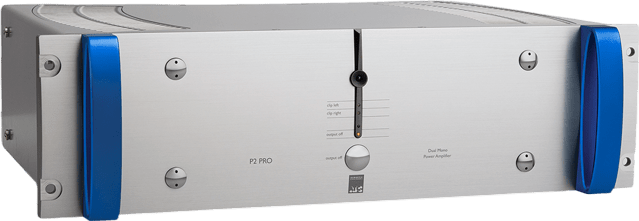
Takeaway: The P1 Pro power amplifier is a solid choice that delivers the core musical elements with realistic timing and stronger bass performance. If one wants an amplifier that delivers controlled power when needed and accurately conveys the energy of music, the P1 could be a good fit.
All
P1 Pro Power
reviews


Manufacturer details
- Output Power: 150W (8 Ω, 1kHz, continuous. avg., both channels driven)
- Input Sensitivity: 2V RMS (ref. 150W out)
- Input Impedance: 10kΩ/leg
- Frequency Response: <2Hz – >400kHz (-3dB)
- Signal to noise ratio: >115dB (IEC 'A')
- Crosstalk: >100dB (10Hz – 20kHz)
- THD: >0.002%/-95dB (8 Ω, 1kHz, -1dB below full Power)
- Damping Factor: >400 (8 Ω)
- Dimensions (HxWxD): 141.1×482.6×365.6mm (3U tall with feet removed)
- Weight: 20kg/44lbs






Brand highlights
Taking a step back to look at reviewers' thoughts of the brand's entire lineup—not just this product—what stands out most is the following:
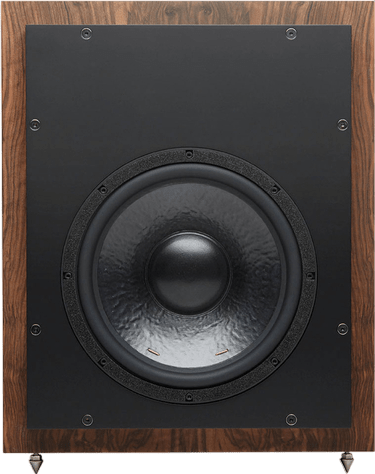
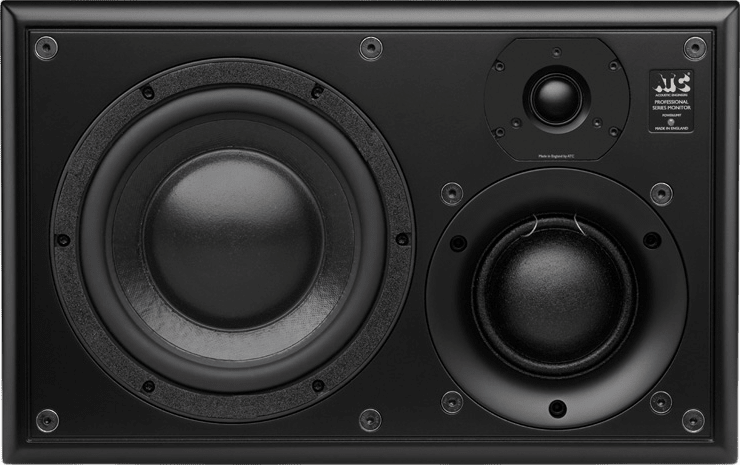
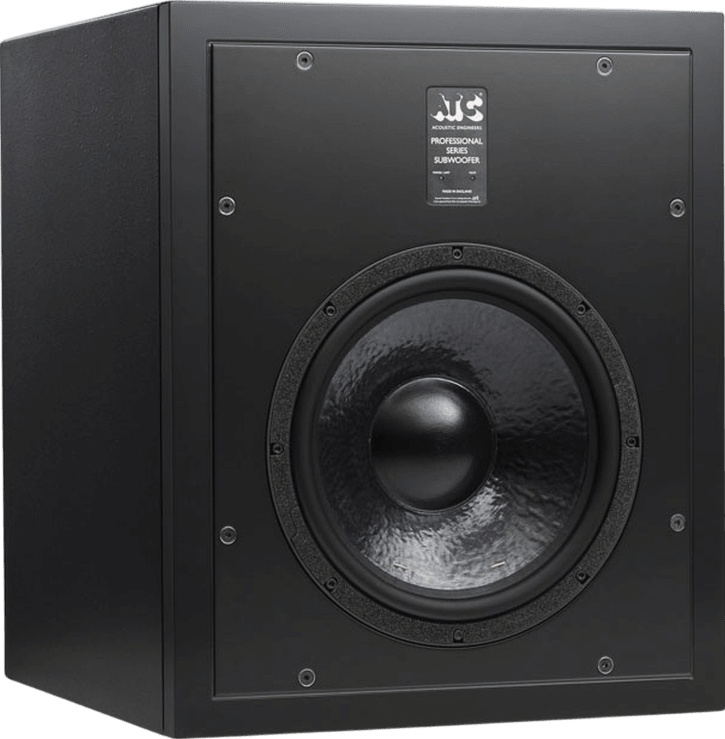
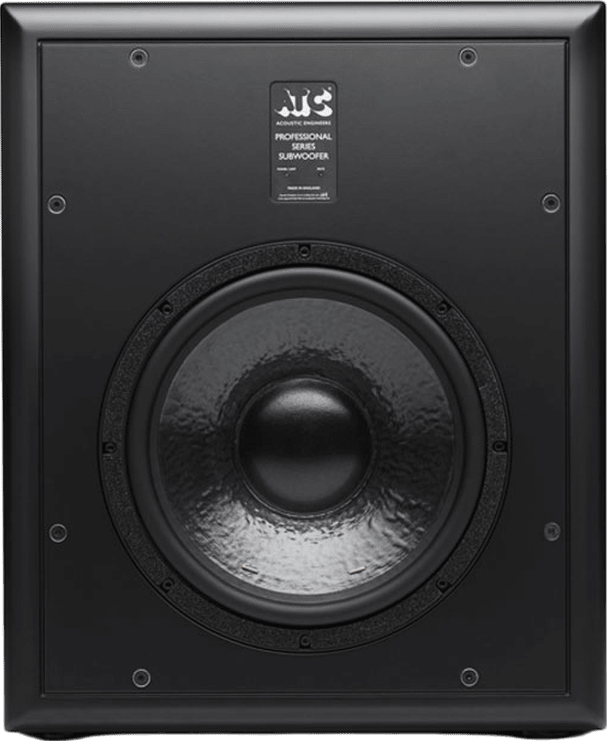
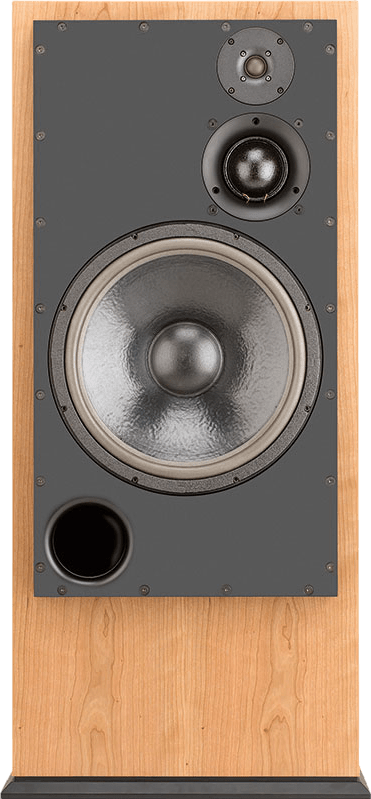
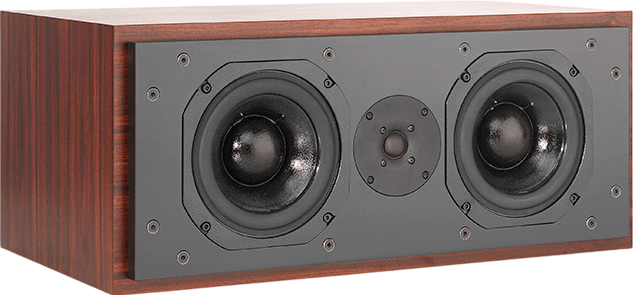
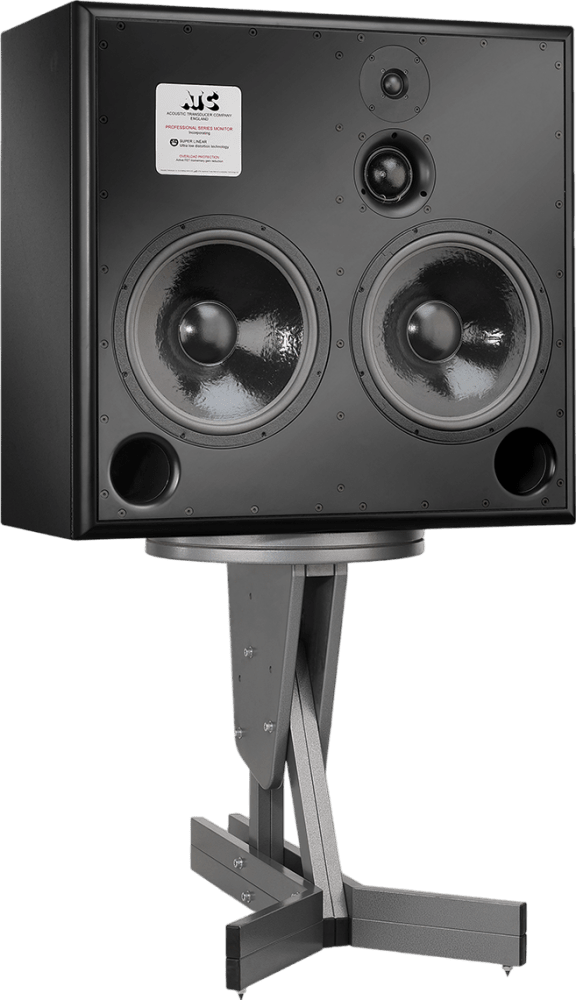
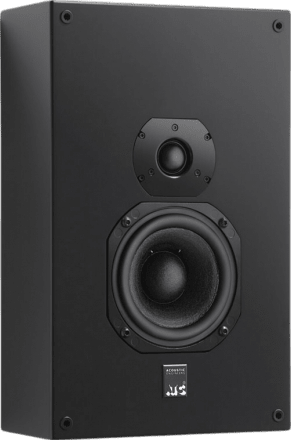
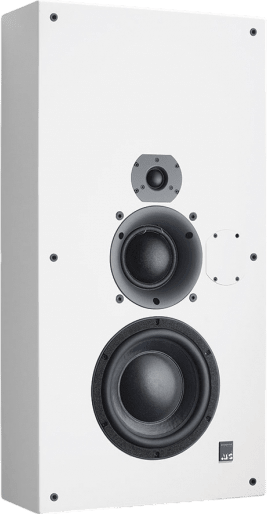
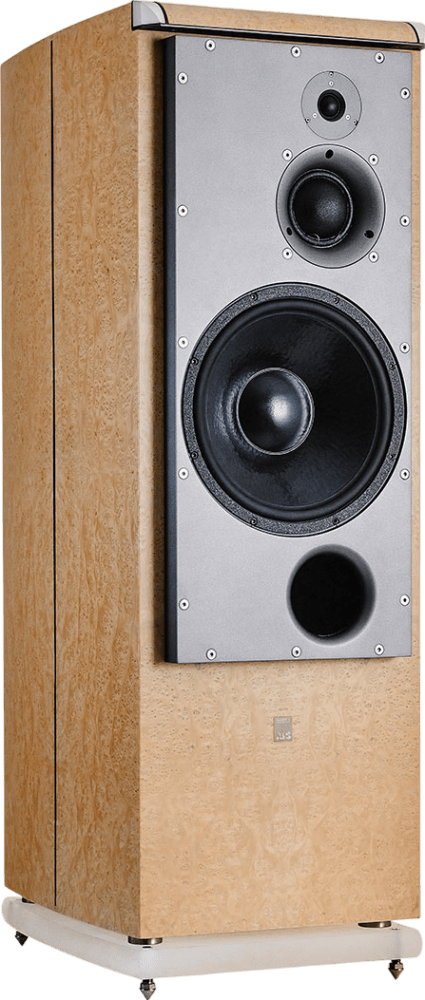
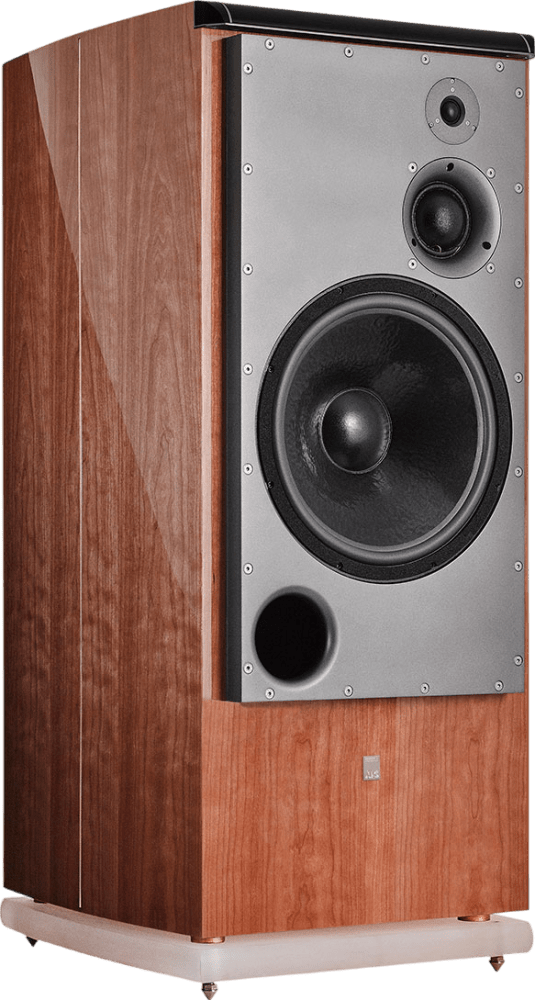
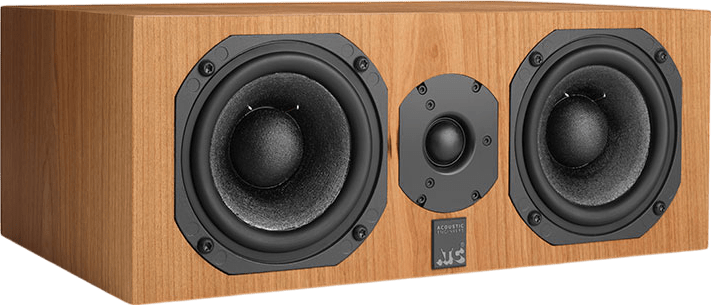
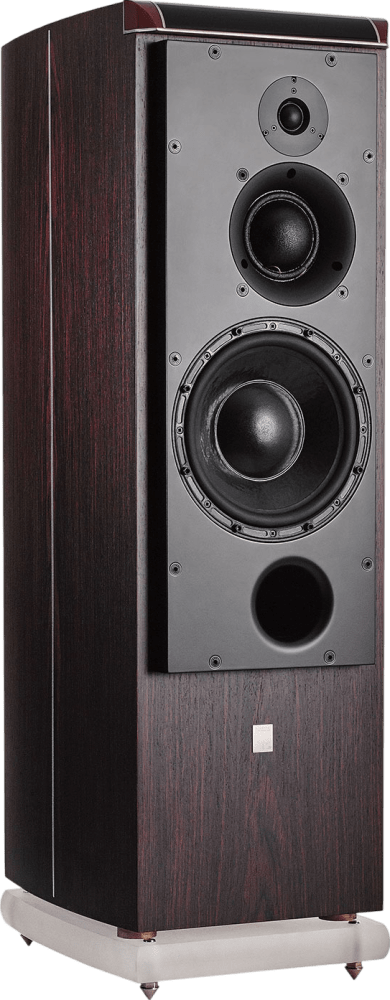
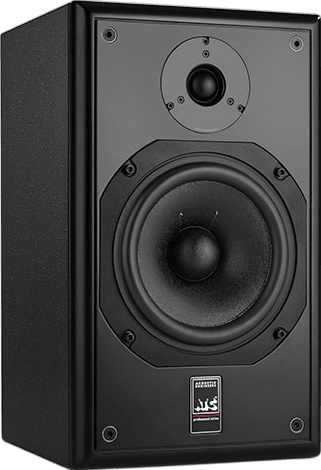
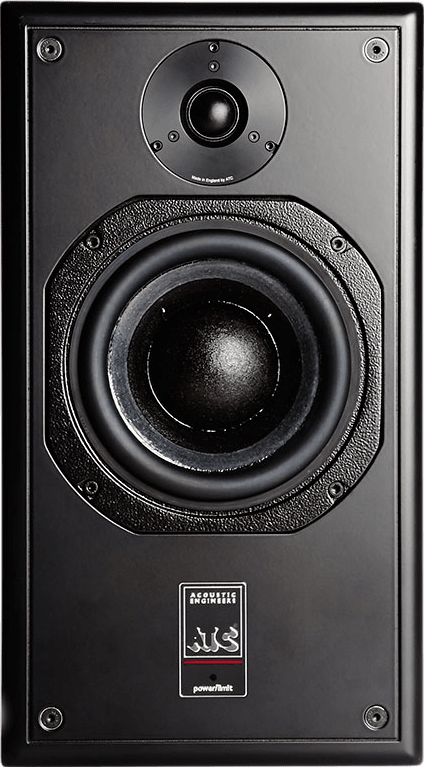
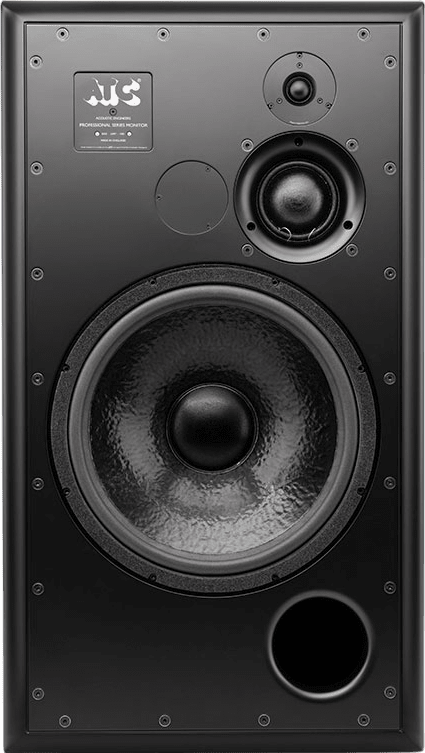
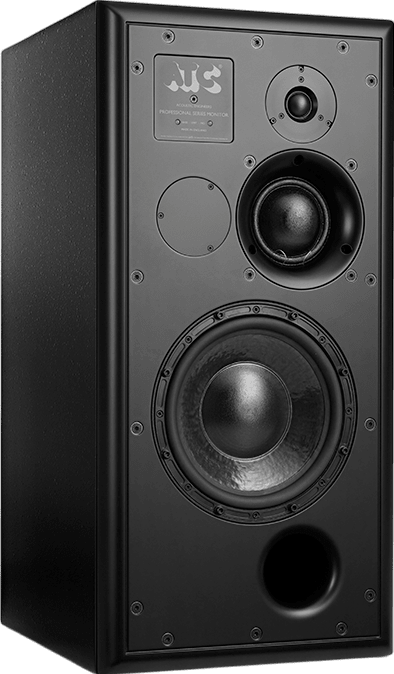
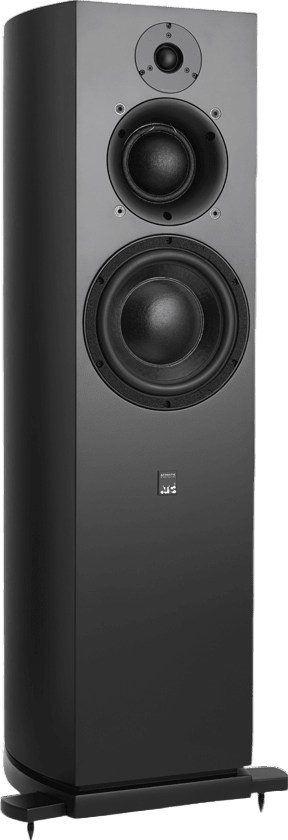
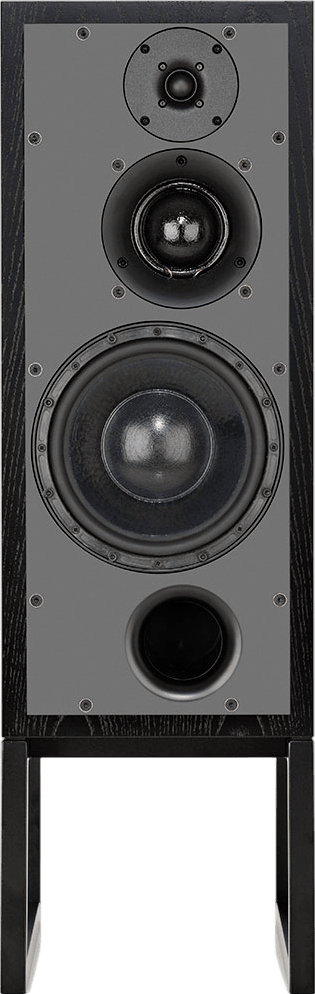
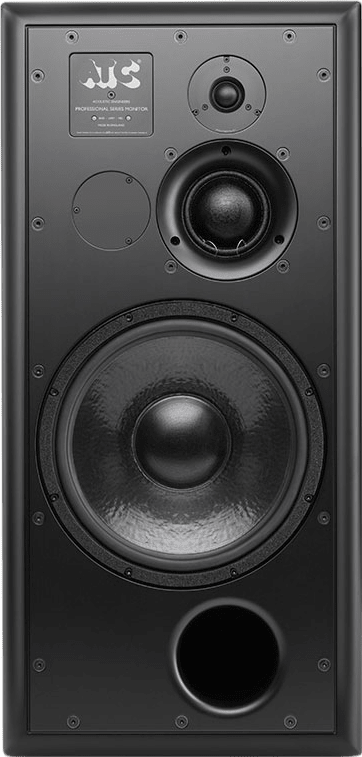
- ATC's commitment to in-house driver design and manufacturing allows for tight control over performance characteristics and seamless integration across their entire product line.
- They primarily use active designs with electronic crossovers and dedicated amplifiers for each driver, optimizing power delivery and minimizing distortion compared to passive crossovers.
- ATC speakers prioritize accuracy, neutrality, and wide dynamic range, resulting in a sound signature that may expose flaws in recordings or upstream components.
Select products
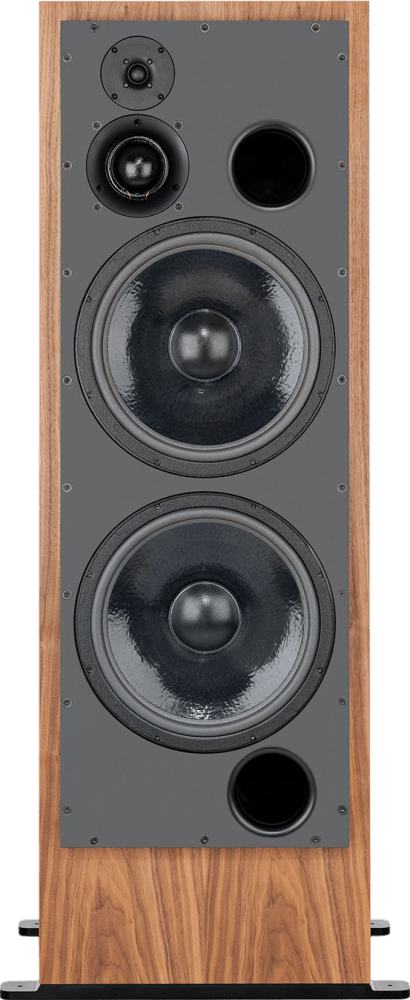
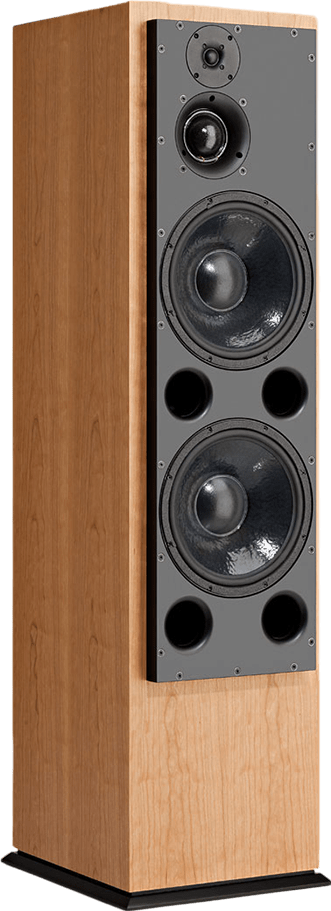
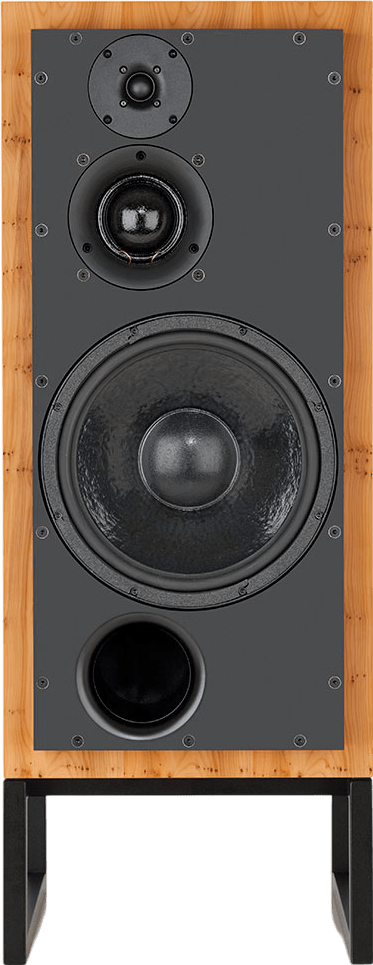
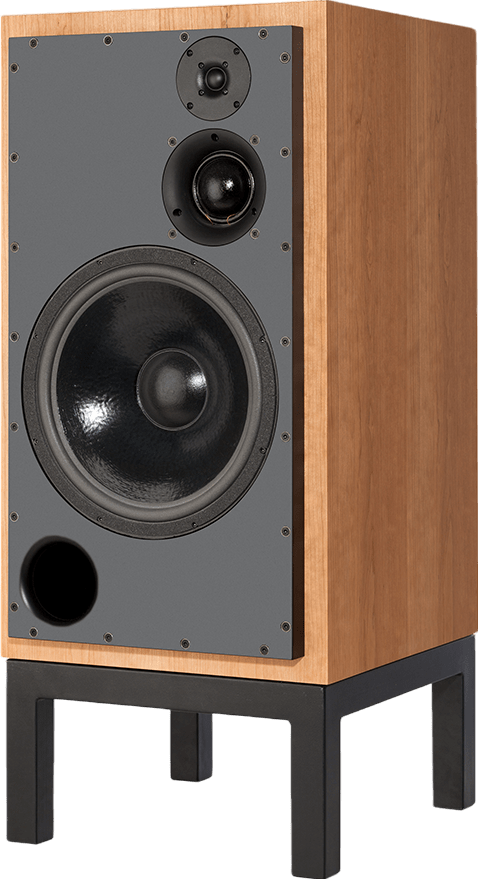
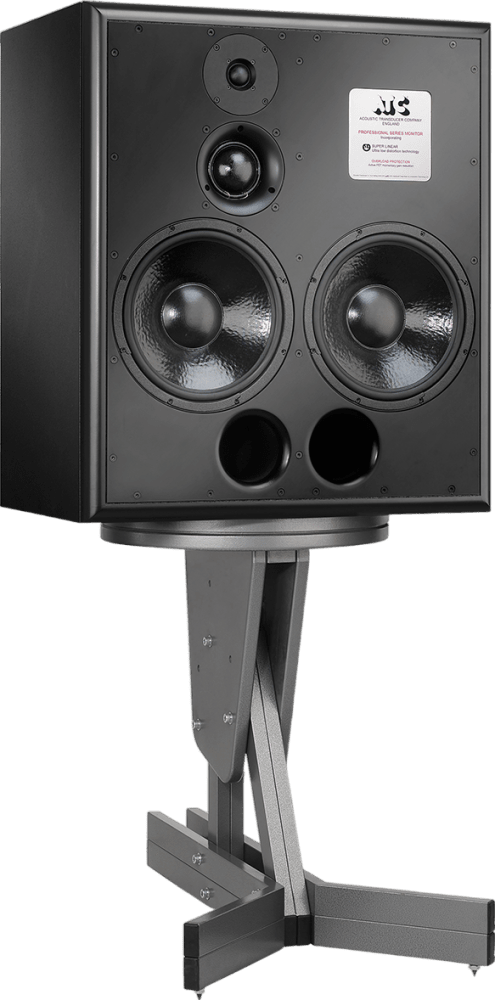
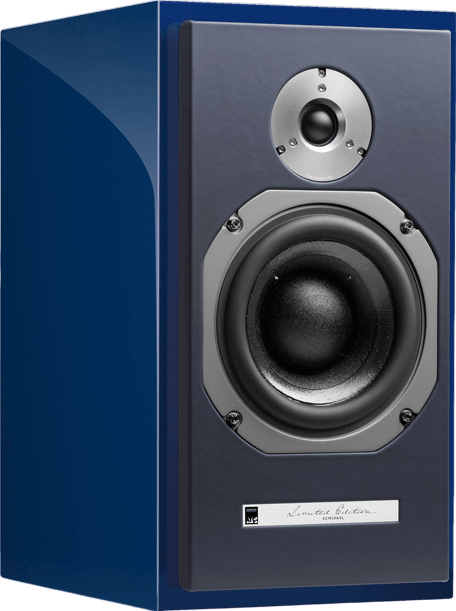
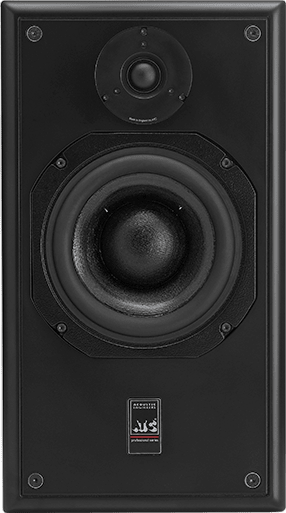
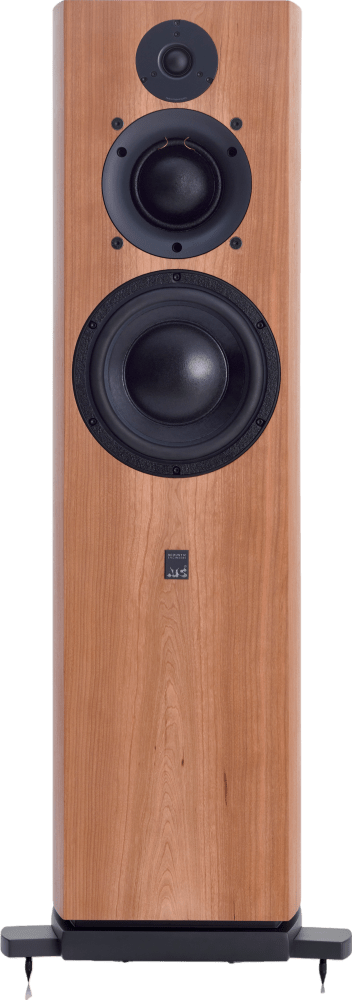
SCM7 MK3
- Positioning: The entry-level model in ATC's loudspeaker lineup.
- Description: Features a compact design and precise sound, with a 25mm soft dome tweeter and a 125mm mid-bass driver. Compared to the SCM19, it offers a smaller footprint, making it ideal for small rooms or desktop setups, but it lacks the larger bass driver and higher sensitivity found in the SCM19.
SCM19
- Positioning: A mid-range model in the Entry Series, offering a balance between performance and size.
- Description: Features an "SL" spec bass driver and 75mm integral soft dome, providing excellent phase coherence and bass response. It offers a more robust soundstage than the SCM7 MK3.
SCM19A
- Positioning: An active version of the SCM19, positioned as a higher-end option within the Entry Series.
- Description: Includes an on-board 182-watt Class A/B bi-amplifier, delivering enhanced sound clarity and power. It uses active crossover filters, unlike the passive SCM19, which requires external amplification.
SCM40A
- Positioning: The groundbreaking flagship model of the Entry Series, offering the most advanced features and performance.
- Description: Equipped with a tri-amplifier system and a 164mm bass driver, providing exceptional sound quality and dynamic range. It surpasses the SCM19A with its additional mid-range driver and higher power output.

Our take on the brand
Look inside the brand
Our interview with the brand
What are two key technological innovations or strong opinions that differ you from other brands?
What's your approach to customer support?
What are your favorite tracks for showcasing the strength of your products?
What other products pair best with yours?

Used
ATC







What if you spend more?



.svg)
Our summary
Product Strengths
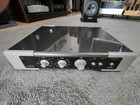
- Delivers a clean and detailed sound, allowing listeners to hear nuances in recordings
- Offers good instrument separation and imaging
- Has a low noise floor, creating a 'black background' and enhancing the listening experience
- Compact size for an A-B amplifier
- Does not have RCA inputs, requiring XLR or TRS balanced connections
Product Considerations
- May not have enough power for inefficient speakers or large rooms
- External power supply 'brick' is large
- No remote control
Comparisons (according to reviewers)
- The LA90 has a more neutral sound than Cambridge Audio AXA25, which is cleaner and more detailed
- The LA90 comes close to Benchmark AHB2's performance, but does not outperform it in bass impact and soundstage size, and the AHB2 also has more protection systems
- The LA90 offers more vocal clarity and fuller bottom end than Schiit Vidar, but the Vidar is more exciting on top
- Emotiva A1's have more power
Takeaway: The Topping LA-90 Discrete is a small amplifier that produces very clear sound with good detail, making it great for those who already have balanced audio equipment. It could be a nice upgrade for those seeking to hear all the subtleties in their music.
Video review
Our take on the brand
Product Strengths
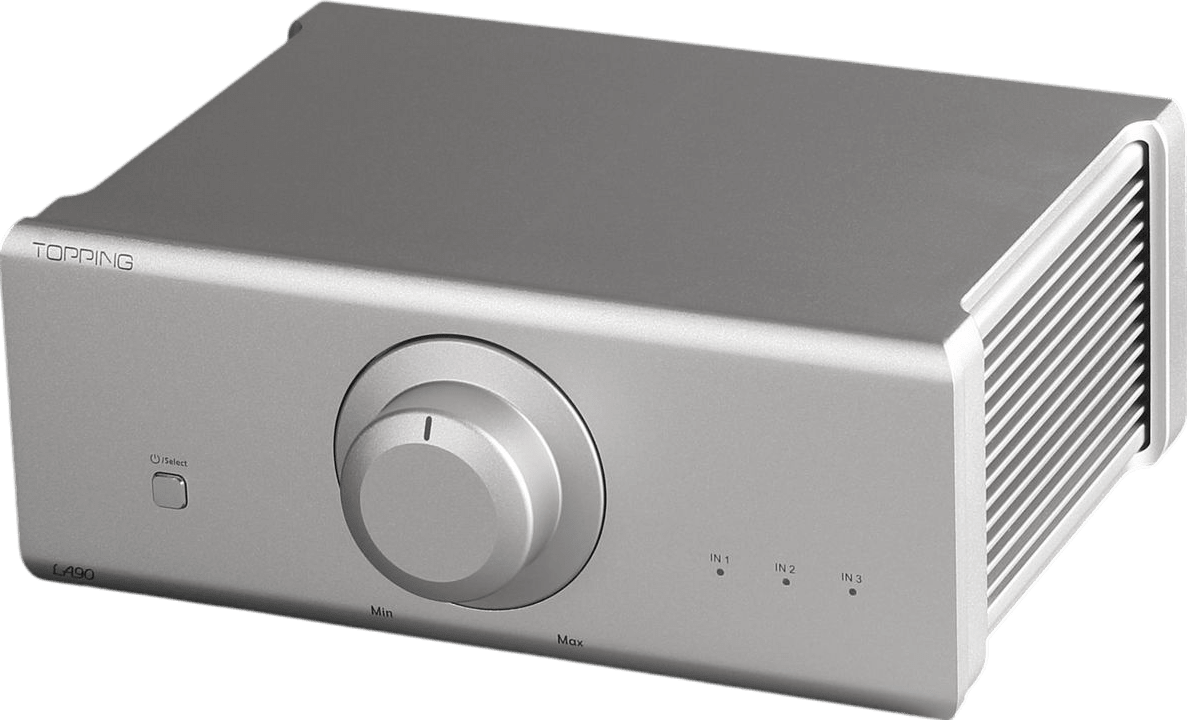
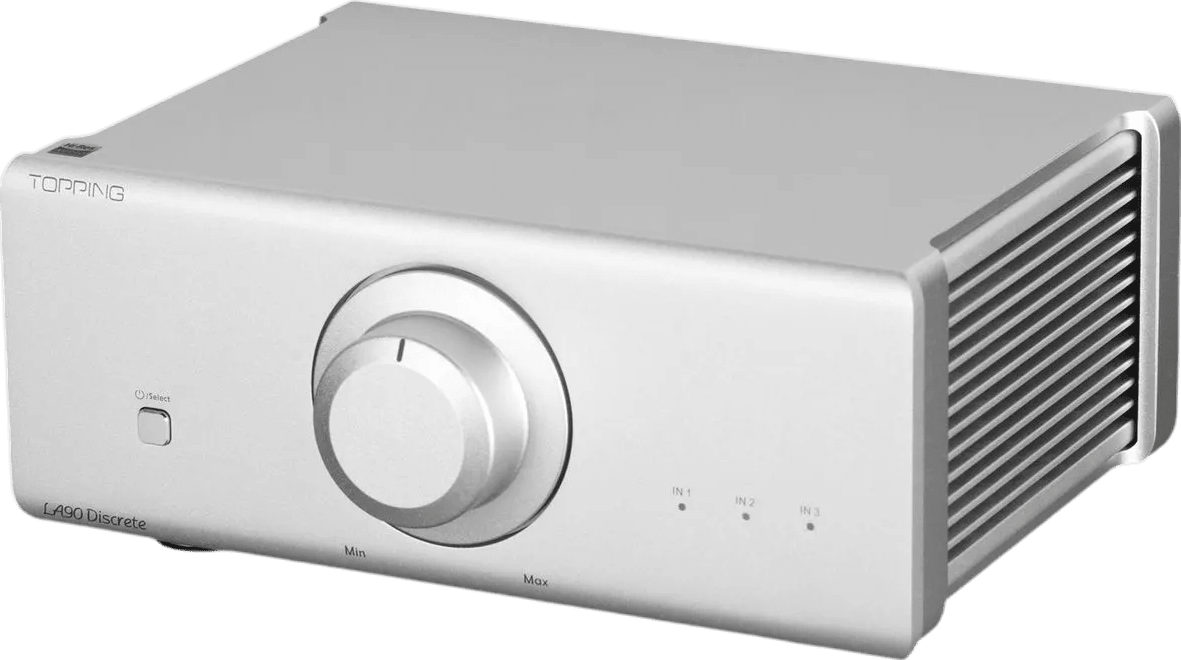
- Impressive specs and measurements showcase extremely low noise and distortion
- Clean and transparent sound aims for a neutral reproduction of music
- Compact size and sleek design make it suitable for small spaces
- CNC machined aluminum chassis allows for maximum thermal flow to keep the unit running cool
Product Considerations
- Included external power supply is large and heavy, which can be a challenge to hide
- Power output may be limiting, especially with demanding speakers and for high dynamic range tracks
- Bass performance, while tight and controlled, may lack sub-bass extension and impact for some listeners
- Lack of a remote control limits its convenience as an integrated amplifier
Comparisons (according to reviewers)
- The Discrete version matches the Topping LA90 IC based unit's exemplary performance, but betters it in power handling
- The Topping LA90 comes close to the Benchmark AHB2 in noise floor and detail retrieval, but the AHB2 has more power, impactful bass, and a bigger soundstage
Takeaway: The Topping LA90 is a compact and technically proficient amplifier that delivers a clean and transparent sound and with impressive specs. It is best suited for those with efficient speakers and a preference for accurate sound reproduction without coloration.
Video review
Our take on the brand

Our summary
Product Strengths
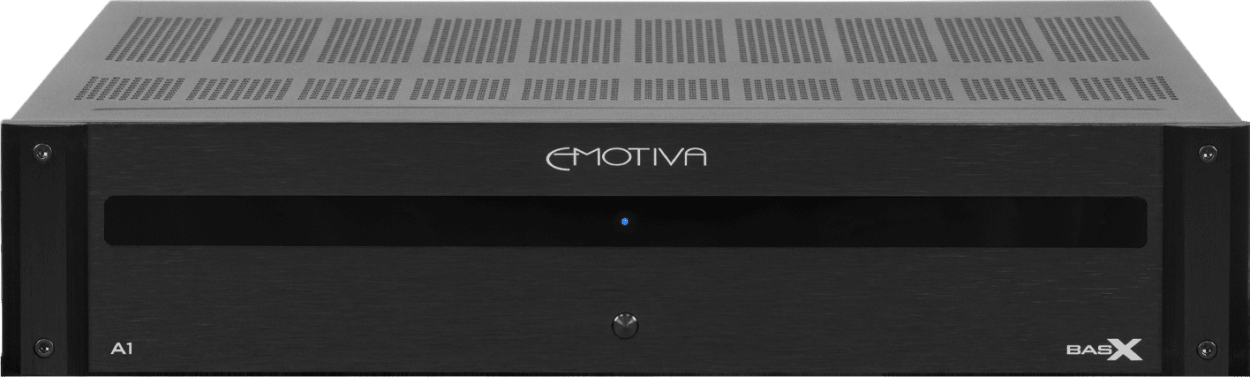
- Bass performance is taut, detailed, and well-dampened
- Delivers a neutral presentation overall
- Has a solid steel chassis and milled aluminum faceplate
- The A1 is able to drive low impedance speakers with power and grandeur
- Produces 200 watts into 8 ohms and 325-350 watts into 4 ohms
- Only has a single line-level RCA-style input
Product Considerations
- Audible tweeter hiss may be present at idle, especially with highly efficient speakers
- High frequencies are not as smooth at the edges, exhibiting just faint traces of grain when listening at above-average levels
Comparisons (according to reviewers)
- Vs Rotel 1592 MkII amp: A1 is notably quieter and more detailed
- Vs Crown XLS Drive Core 2 amps: A1 is equally neutral in tone, has a lower noise floor, and a more consumer-friendly design
- Vs Schiit Vidar: A1 has a larger soundstage
Takeaway: The BasX A1 monoblock amplifier delivers good power and a neutral sound signature. It is a great option for those looking to expand an existing AVR or build a cost-effective hi-fi system.
Video review
Our take on the brand


Introducing the Starkrimson Mono Premium audio power amplifier – where innovation meets audio excellence. Groundbreaking gallium nitride (GaN) technology has been seamlessly integrated into every aspect of this audio masterpiece. GaN’s efficiency and precision redefine expectations, delivering crystal-clear, distortion-free sound reproduction across the entire frequency spectrum. Crafted with meticulous attention to detail, this amplifier boasts a sleek and modern design that complements any audio setup. The Starkrimson Mono Premium is not just an amplifier; it’s a statement piece that enhances your listening space with both aesthetics and performance. The Starkrimson Mono Premium amplifier provides an immersive journey into the heart of your favorite music. Elevate your audio experience with the pinnacle of GaN technology – the Starkrimson Mono Premium.
Our summary
Product Strengths
- A very quiet background allows detailed music to emerge clearly
- Plenty of power (150W into 8 Ohms) exhibits good control, speed and dynamics
- GaN (Gallium Nitride) technology is used for efficient power throughput and performance, which shakes the bad reputation of Class D amps
- A neutral sound signature aims to reproduce the recording accurately
- Compact size allows for flexible placement and short speaker cables
- Balanced XLR cable connections are required, RCA connections need a separate adapter (sold by Orchard Audio)
Product Considerations
- Visually, the amps may not appeal to those seeking 'audiophile eye candy'
- A power cable is not included unless specified
- A power indicator light is absent
- In certain system pairings, the sound can be analytical or bright
Comparisons (according to reviewers)
- Starkrimson provides micron-precise separation, while the First Watt F5 thickens things up a touch
- Starkrimson offers more power and benefits from being a monoblock chassis, while the Gold Note IS-10 does not
- Starkrimson offers more power and better control over the bass, as well as speed, compared to the Nakamichi PA-5 Stasis
Takeaway: The Orchard Audio Starkrimson Mono Premium amps deliver power and performance in a small size, and are especially good for audiophiles that seek a neutral sound, lots of detail, and excellent value. These amps could be a great fit for anyone wanting a modern and efficient hifi experience.
Video review
Our take on the brand
What competes at this price?
.png)
Our Summary
Product Strengths
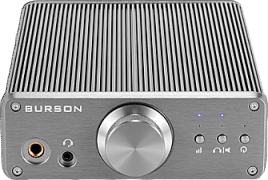
- Good sound quality, especially in the midrange, leads to vivid and well-formed vocals
- Versatile, it works well with both efficient headphones/IEMs and moderately powered speakers
- Compact design and good build quality, with the chassis acting as a heatsink
- Ability to roll op amps allows users to customize the sound signature
- Ample power for most headphones and nearfield speaker setups
- Only one RCA input, which may be limiting for some users
Product Considerations
- Speaker amplifier power (35-45W) might be insufficient for power-hungry speakers or larger rooms
- The base model op amps are sonically inferior to upgrade options
- Mild turn-off thump present
Comparisons (according to reviewers)
- The Funk has a narrower but deeper soundstage with better imaging and layering than the Arylic A08 Pro
- The Funk has superior imaging, but less potential power output depending on the Arylic's power supply than the Arylic A07/A08 Pro
- The Funk is preferred for desktop speaker setups with Vivid opamps when compared to Schiit Aegir
Takeaway: The Burson Funk is a solid choice for people wanting good sound from both their headphones and speakers in a single, convenient unit. The ability to change the sound by swapping op amps is a welcome feature for those who like to tinker and upgrade.
Video review
Our take on the brand


Our Summary
Product Strengths
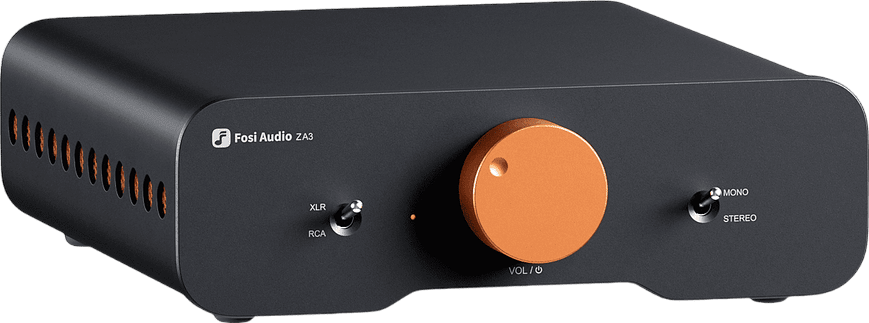
- Great value for the money and an attractive price point
- Balanced input and single-ended RCA input
- Op amps are swappable
- Compact form factor
- Versatile with stereo and mono mode
Product Considerations
- The volume control was found to be touchy by some reviewers
- The included power brick is quite large, almost as big as the unit itself
- The binding posts are small
- The RCA input sounds inferior to the XLR input
- The amplifier does not high pass the mains when a subwoofer is plugged in
Comparisons (according to reviewers)
- Vs Fosi Audio V3: ZA3 is considered a more mature version with stylistic elements and new features like balanced inputs and mono mode, with a naturalness in the tonal quality
- Vs SMSL AO200 MKII: AO200 MKII delivers better clarity, definition, and resolution of the sound
Takeaway: The ZA3 is a versatile and compact amplifier that offers great value, especially for those starting their audio journey. Its ability to be used in both stereo and mono configurations and the option to upgrade components make it a flexible choice for various setups.
Video review
Our take on the brand
Our Summary
Product Strengths
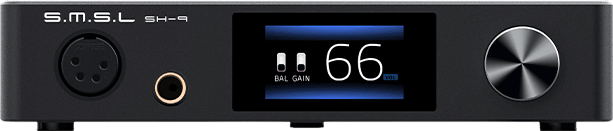
- Excellent build quality, featuring a CNC milled aluminum chassis and durable construction
- Achromatic Audio Amplifier (AAA) technology by THX, aiming for transparent sound reproduction without coloration
- Relay volume control provides precise channel matching
- Plenty of power to drive a wide range of headphones, from sensitive IEMs to demanding planars
- Balanced XLR inputs and outputs
Product Considerations
- No pre-amp output
- The notched volume control might not be to everyone's liking
- Gets quite warm during use, especially with the SU-9 DAC stacked on top
- Some reviewers noticed a clicking noise when adjusting the volume
- The three-feet design may not be as stable as a four-feet design
Comparisons (according to reviewers)
- Vs. SMSL SP200: Better unit at repelling noise, with a higher signal-to-noise ratio and lower total harmonic distortion—completely solved the SP200's issue with not having a pitch-black background
- Vs. Benchmark HPA4: Very close to the HPA4 in performance, with some minor differences observed only with high-end headphones
Takeaway: The SMSL SH-9 is a well-built and powerful headphone amplifier with a clean, transparent sound. It is a good choice for audiophiles looking for an accurate and detailed listening experience.
Video review
Our take on the brand


Our Summary
Product Strengths
- Budget-friendly headphone amplifier focused on quality
- Robust all-aluminum exterior, with rigid toggle switches, and smooth volume control, giving it the same fit and finish as SMSL's higher-end HO200
- Delivers a clean, neutral, and transparent sound, faithfully reproducing the source audio without adding coloration
- Extremely low noise floor
- Versatile due to its three gain levels (low, mid, high) and its ability to drive both sensitive IEMs and harder-to-drive headphones
Product Considerations
- Lacks balanced and unbalanced outputs for connecting to powered speakers, functioning solely as a headphone amplifier
- Does not have preamp capability
- Reviewers have noted average microdetails
- While the design looks smart and subdued, the tempered glass panel easily grabs fingerprints, requiring frequent cleaning
Comparisons (according to reviewers)
- Vs SMSL HO200: HO100 lacks RCA/XLR outputs and has lower wattage, but is more compact and is preferred if the extra power and outputs are not needed
- Vs FiiO K5 PRO: It has better driving power, a lower noise floor with IEMs, and lower distortion at maximum volume
- Vs JDS Labs Atom+: It has higher maximum power, handles maximum volume better with lower distortion, and offers better overall detail in the micro detail, and a more relaxing signature
Takeaway: The SMSL HO100 is a compact yet powerful headphone amplifier that delivers clean, neutral sound suitable for various headphones. It is well-built and offers excellent value for audiophiles seeking a high-quality listening experience.
Video review
Our take on the brand

Our Summary
Product Strengths
- Very clean, articulate, and detailed sound
- Plenty of power and headroom for difficult headphones
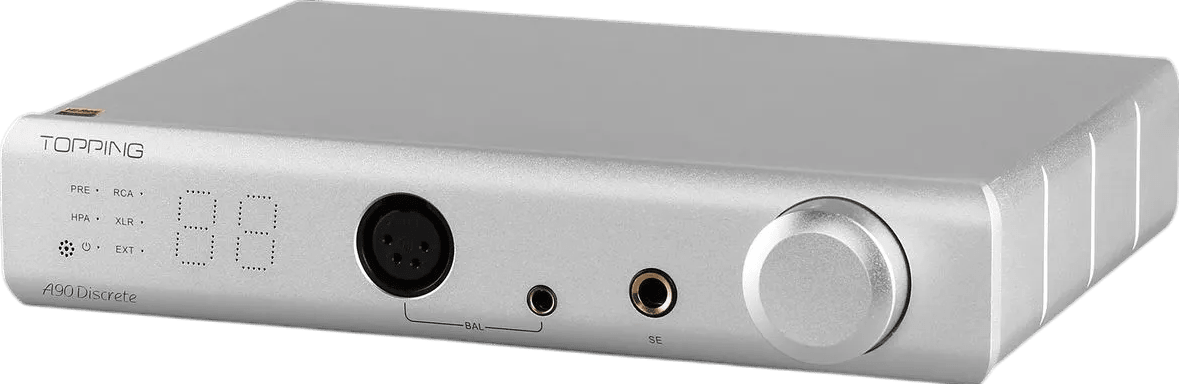
- Includes a remote control, a ground loop switch, and a mini-LED display
- Exceptional build quality
- Good bass and instrument separation
- Includes connectivity options
Product Considerations
- Can sound a bit too bright or lean, potentially sterile with already bright headphones
- Lacks the soundstage depth found in some other discrete designs
- Some reviewers experienced issues with the 6.35mm headphone jack turning off or popping when connecting/disconnecting
- When driving IEMs, enabling the Safe volume mode setting is needed
- Little to no resistance when turning its wheel
Comparisons (according to reviewers)
- The Singer SA-1 is more natural and lifelike for solo piano, while the A90D emphasizes clarity and detail
- The A90D has better bass and instrument separation than the Geshelli Labs balanced E2
- The A90D has more detail and clarity than the HIFIMAN EF-400, but the EF-400 is warmer
- The A90D may have more detail than the Audio-gd Master 9 and R8 combination, but the Audio-gd has a warmer, richer sound and more 3-dimensional soundstage
- It features improved power, dynamics, and a shift from ultra-linear to more fun, colorful, and natural sound than the Topping A90
Takeaway: The Topping A90D is a solid amplifier with clarity, detail, and power that can drive most headphones. It may be worth considering if a clean and articulate sound is desired, especially with warmer headphones, and a preamp with a remote is needed.
Video review
Our take on the brand
How to buy
Amplifiers
Search all hifi products
Explore our database of 10,000+ new and 25,000+ used hifi products.