

What's unique about the brand
Brand overview
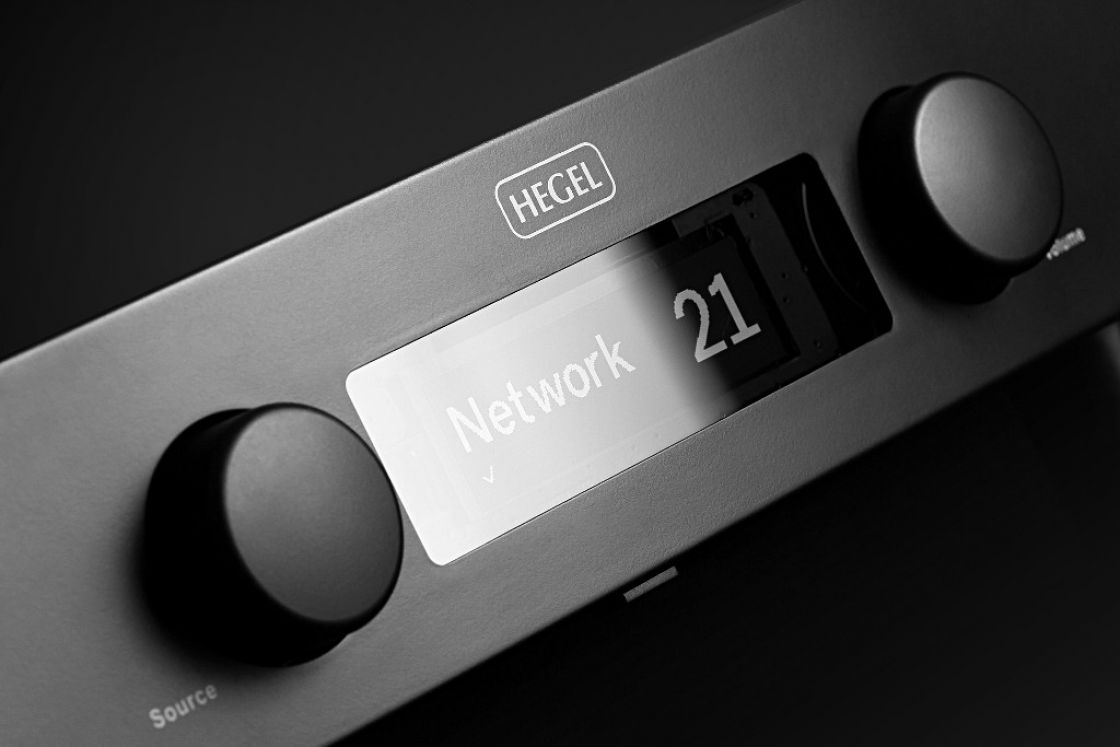
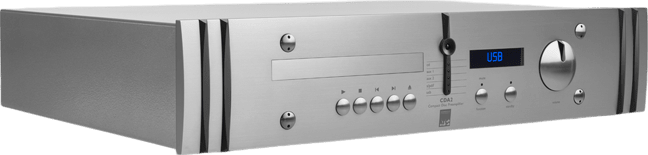
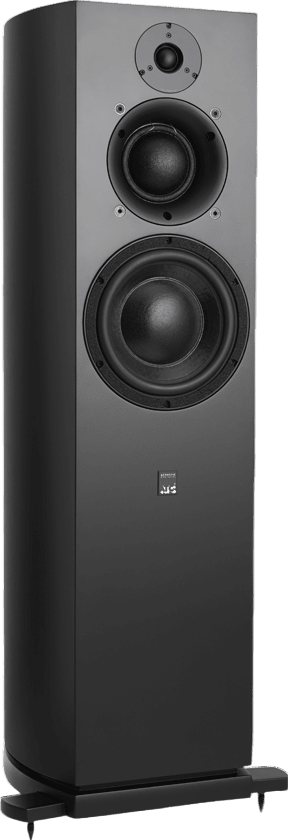
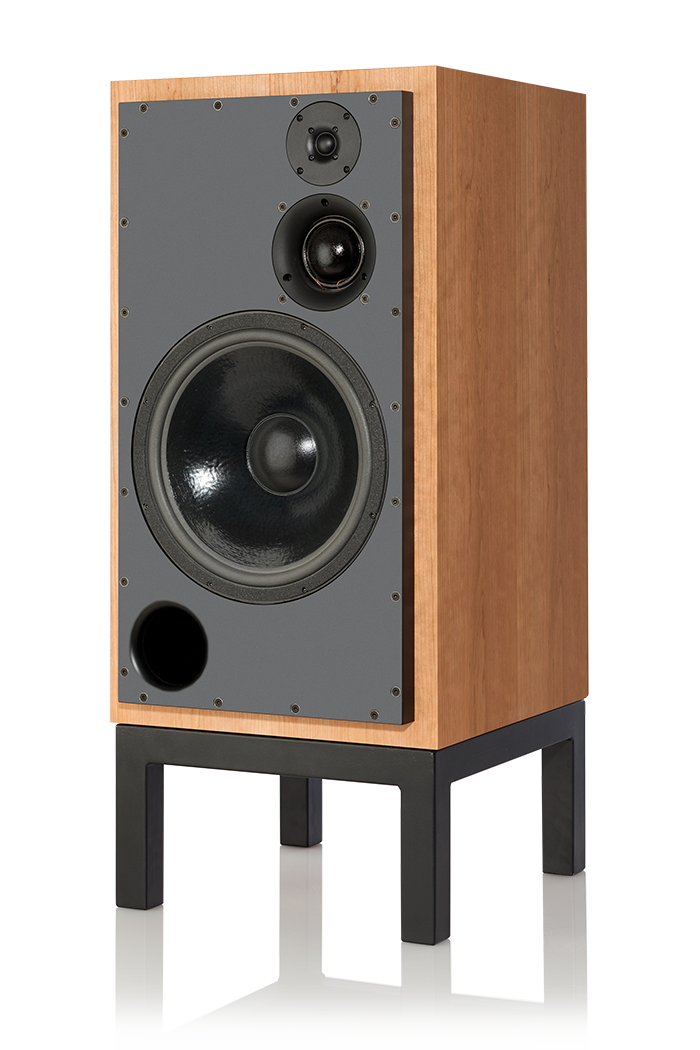
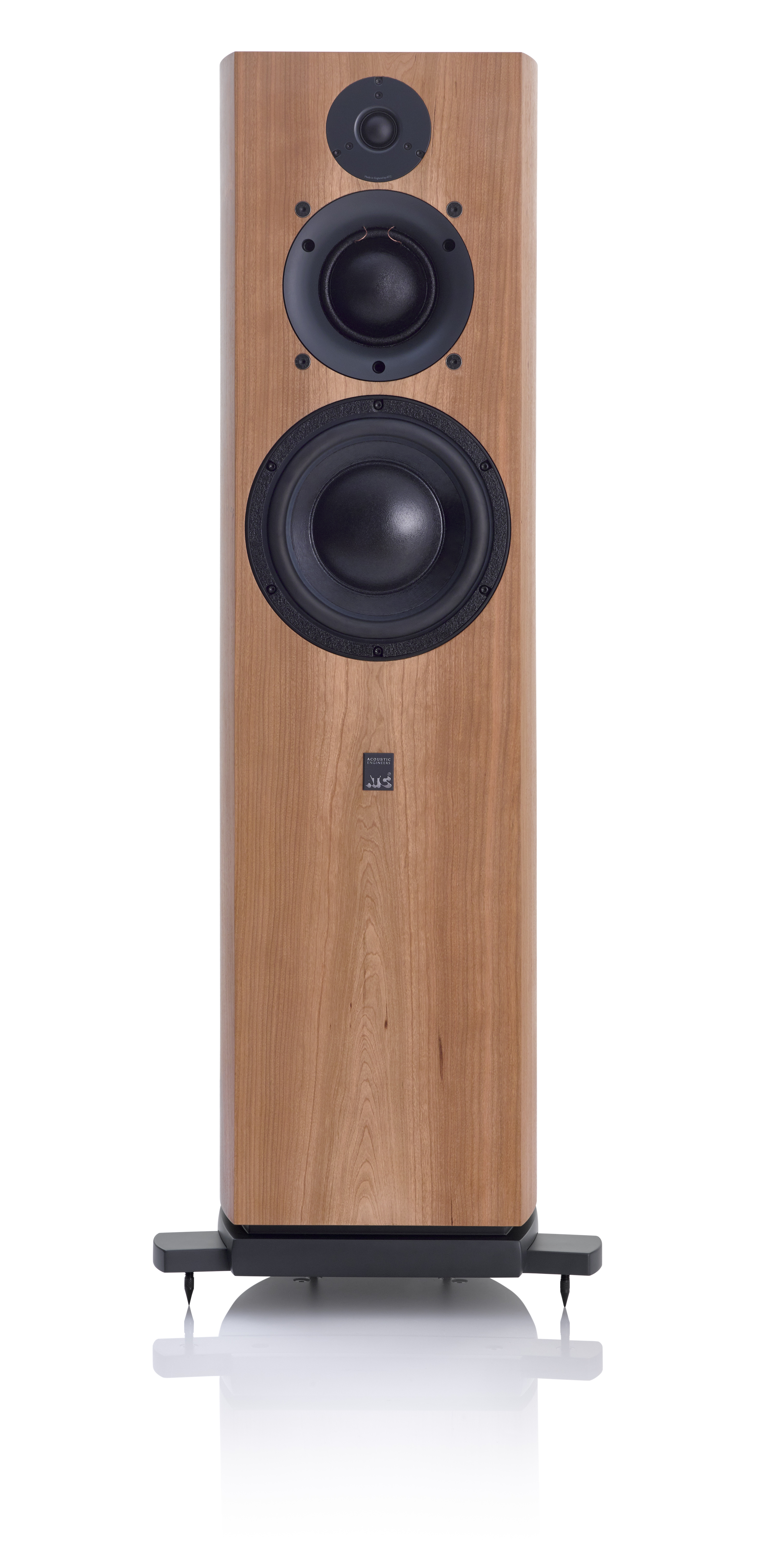
ATC names most of its speakers after the size of the cabinet in liters, so the SCM7 holds 7 liters and the SCM40 holds 40. Larry Cox of Positive Feedback, who has owned three passive ATCs, says the models share one family sound, so the choice comes down to budget and room size. The SCM11 is a good place to start, and What Hi-Fi? named it best standmounter in its class five years running. Dan Worth of HiFi Pig found the SCM19 easy to place close to the wall behind it, if it had room at the sides. They want power, and ATC asks for at least 75 watts for the SCM7 and SCM19, and A British Audiophile heard a 150-watt Hegel H160 drive the SCM7 fine where a smaller integrated sounded flat. The step up is ATC's active models, which build in one amplifier per driver. Jason Kennedy of Hi-Fi+ found they need a preamp with more drive than average. He swapped an ATC CA2 into his SCM100SE system and wrote, "Bam, that did it: the musicians were in the room."
Woodman was born in Australia and worked in the Special Projects division of Goodmans Loudspeakers before he started ATC to make drivers for PA systems. He told David Price of StereoNET that the UK had no professional drivers of its own then, only imports from Altec, JBL and Gauss. ATC's first design was a 12-inch bass driver, and its first substantial customer was Martin Audio in London, which built the systems for Supertramp. Woodman had the idea for the dome at university and made the first successful one in 1976, when papers of the day said a device driven at its edge couldn't work consistently. Studios came round when they switched to digital recording, starting with DJM Music in central London, where much of Elton John's work was recorded, and Pink Floyd, Sony and Telarc followed. The SCM50A began as a compact monitor that Danish Radio asked for in its broadcast trucks, and Woodman dated hifi's interest in ATC to the SCM50 of 1987. Guttenberg reports that Tom Petty bought SCM50s. ATC still designs and builds its own drivers in Stroud, in the Cotswolds.
Sources
Our interview with the brand
What are two key technological innovations or strong opinions that differ you from other brands?
What's your approach to customer support?
What are your favorite tracks for showcasing the strength of your products?
What other products pair best with yours?

Products overview
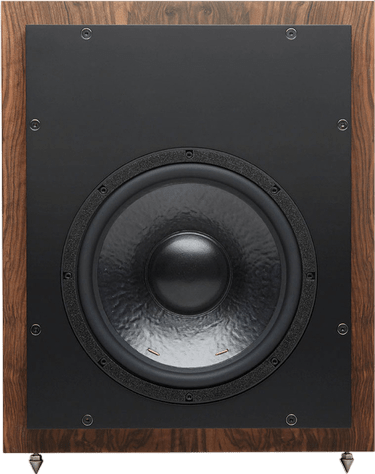
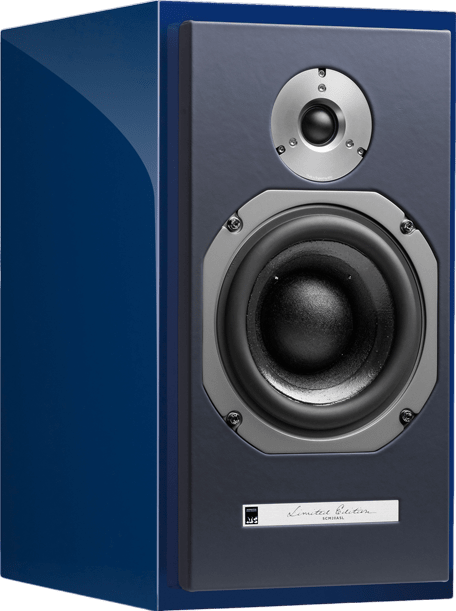
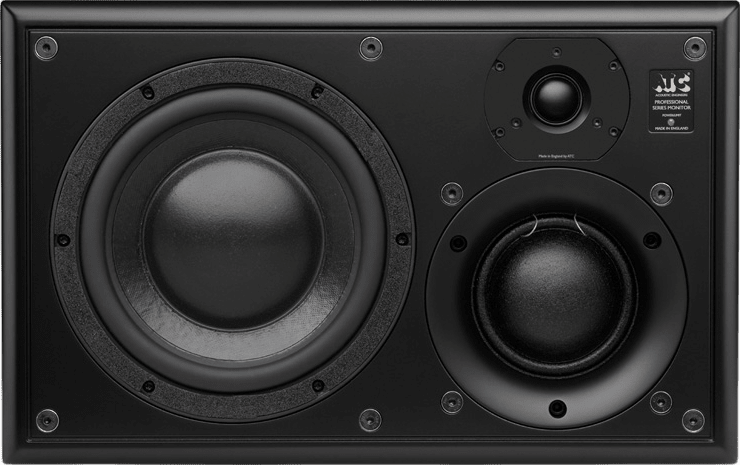
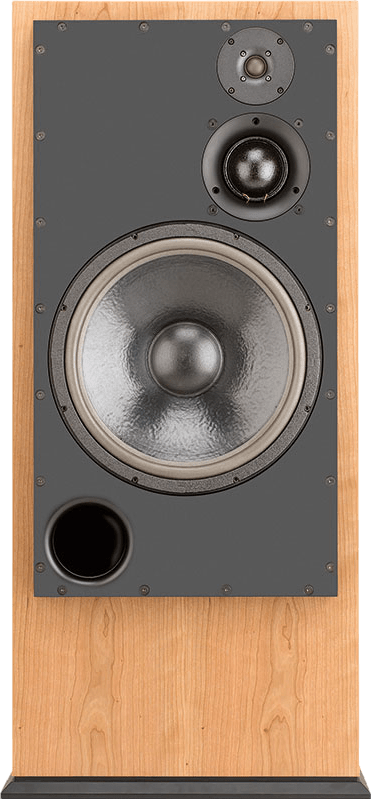
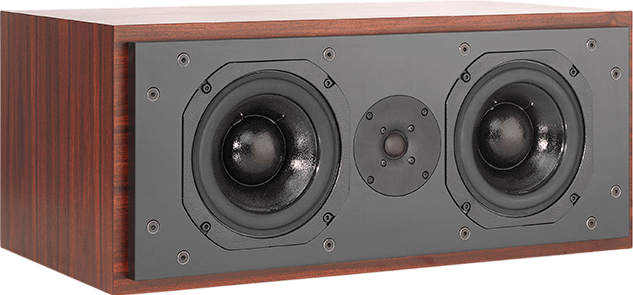
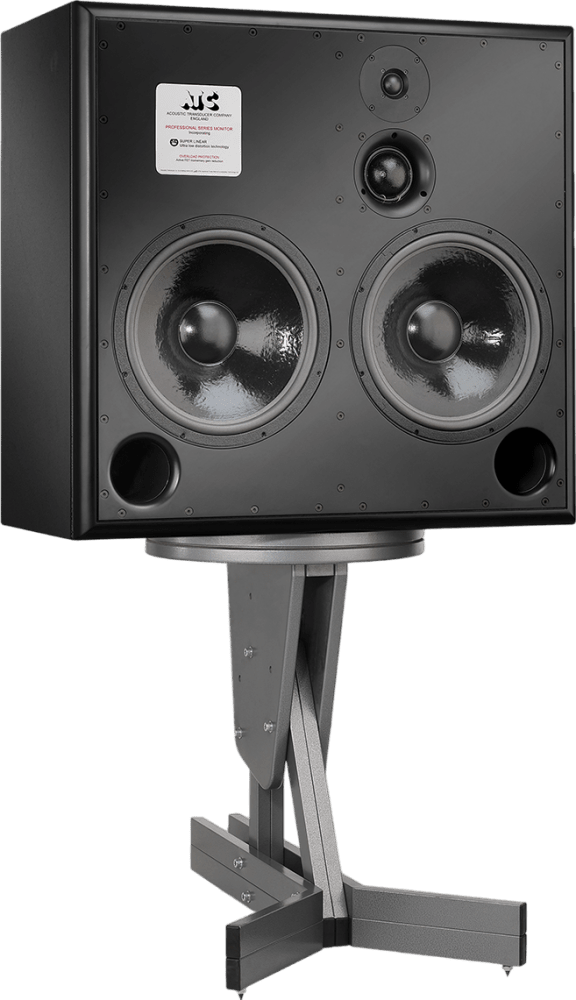
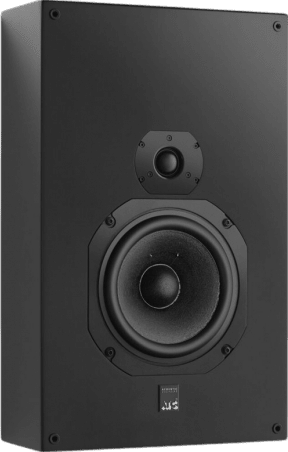
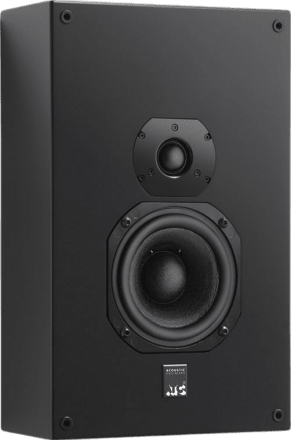
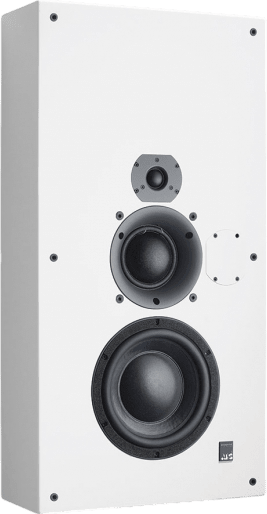
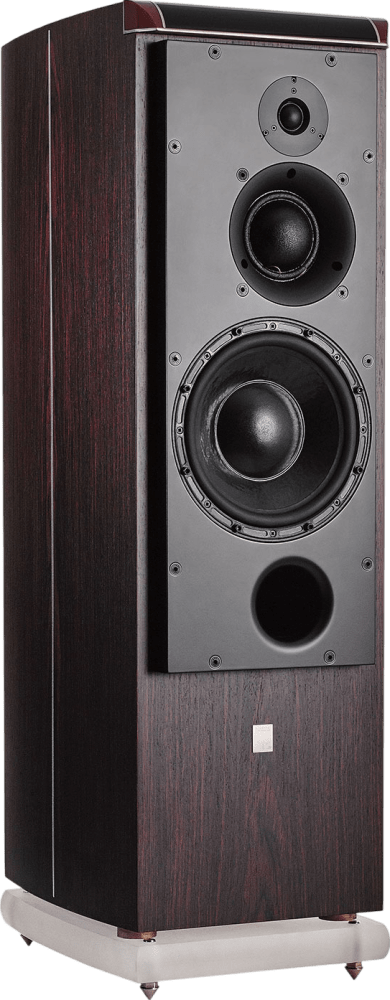
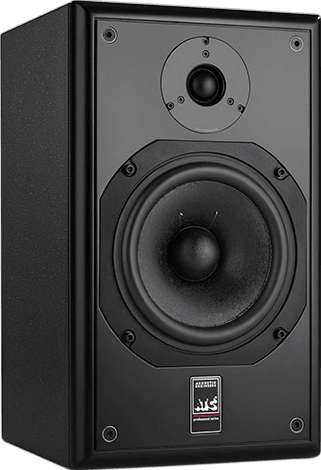
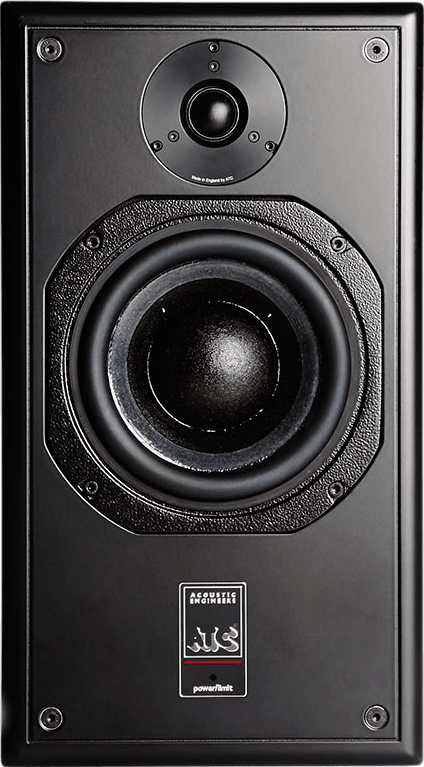
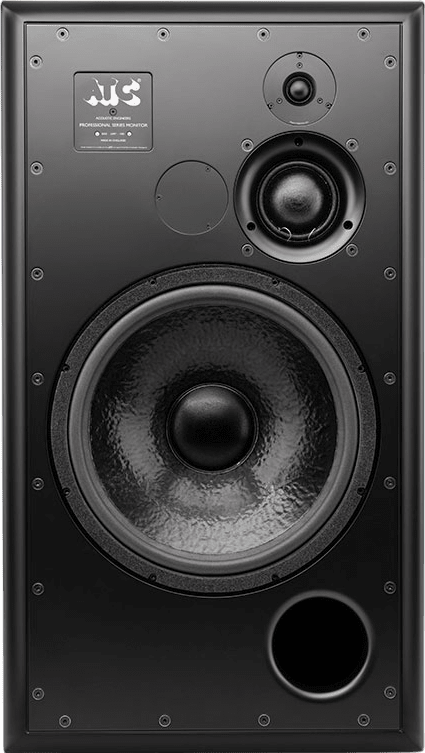
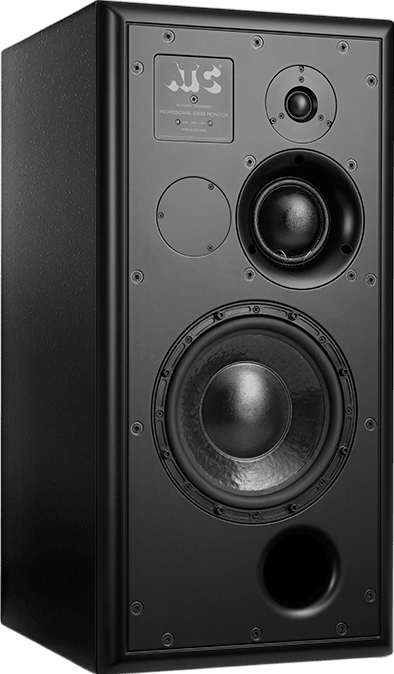
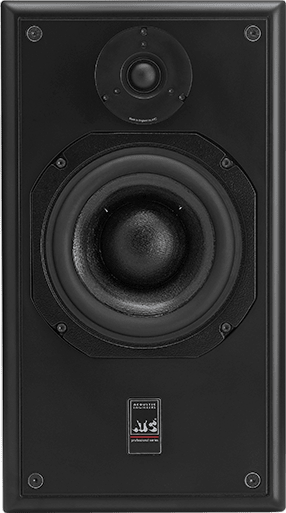
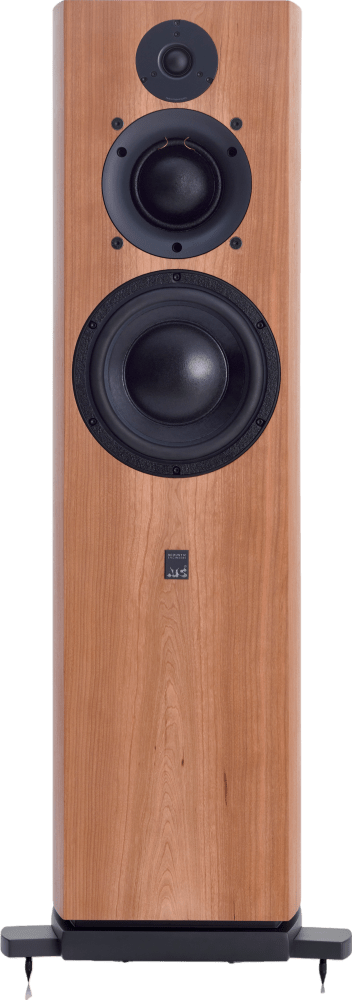
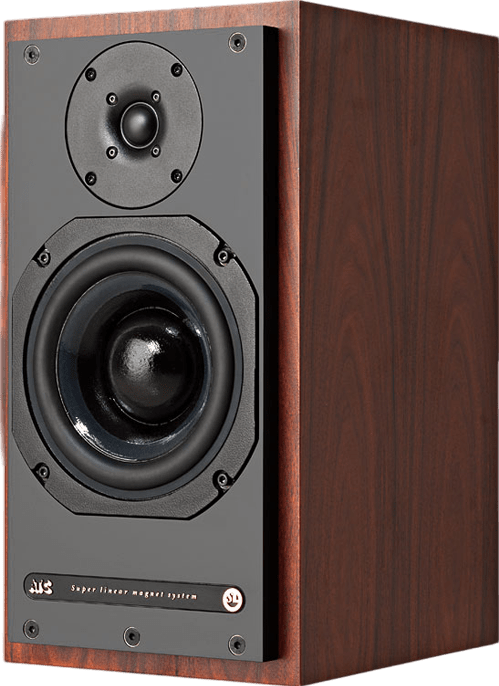
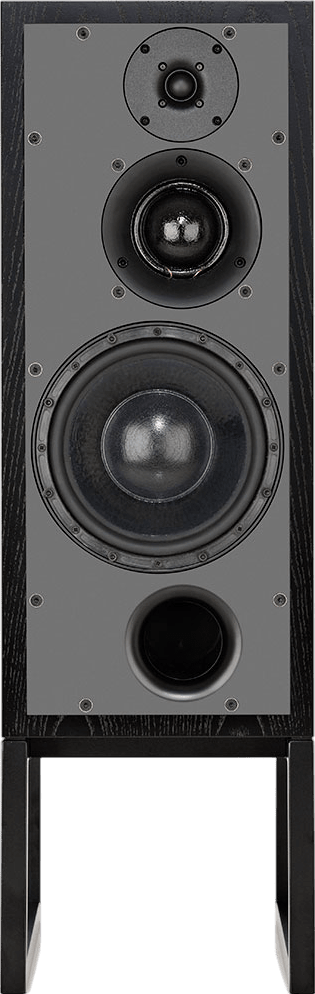
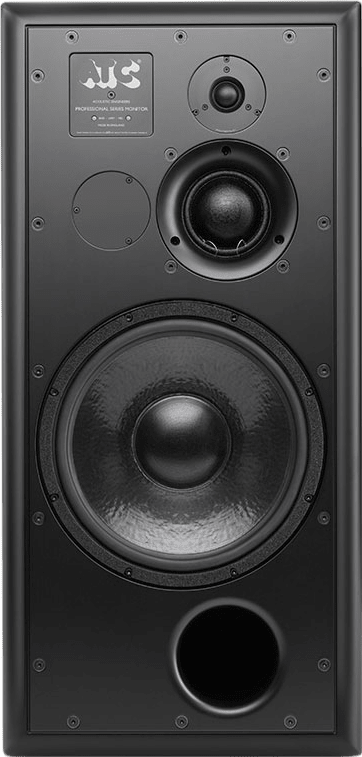
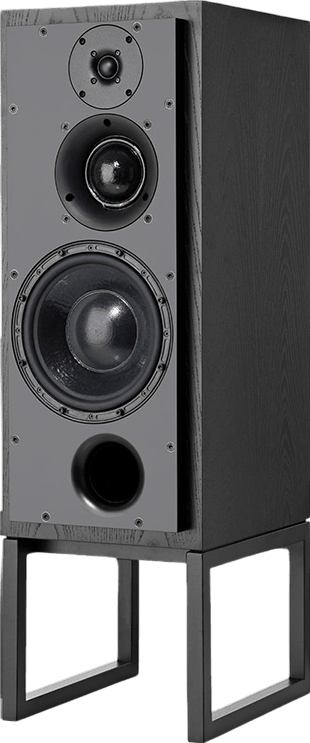
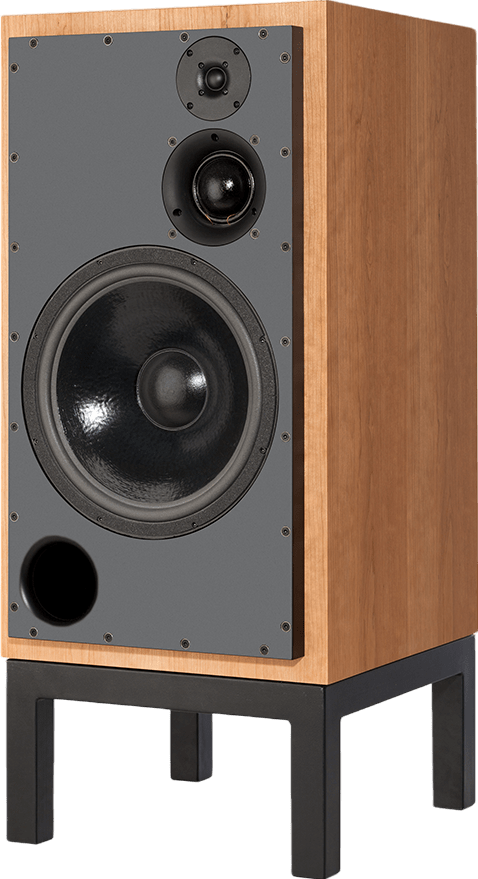
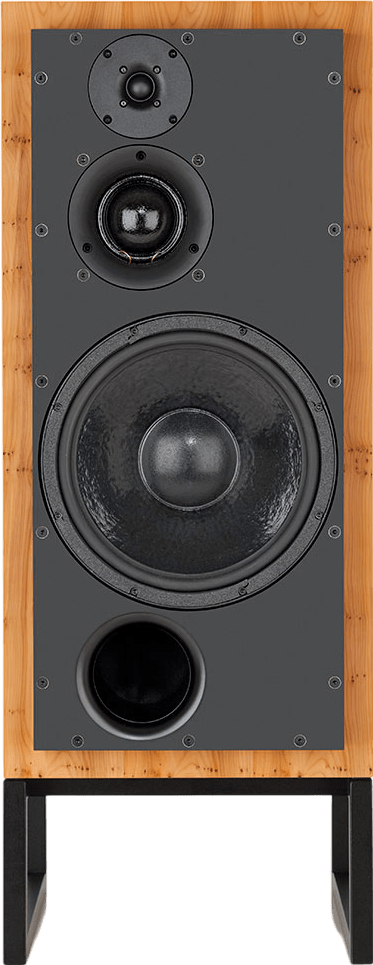
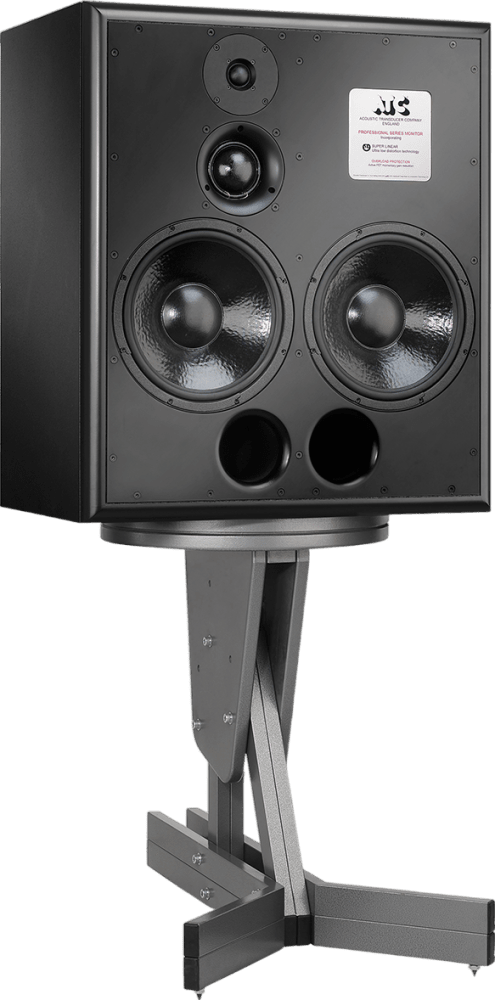
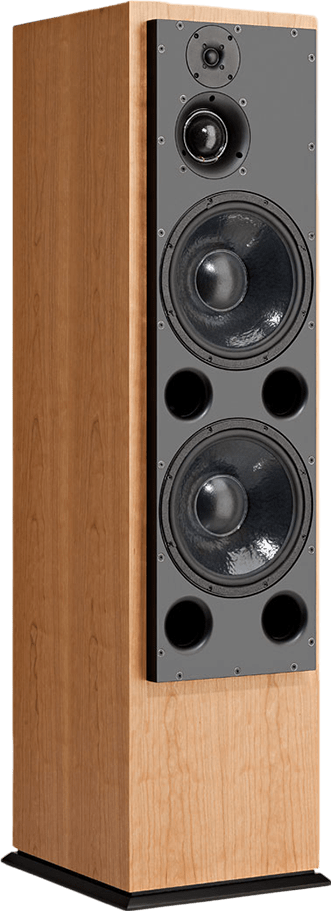
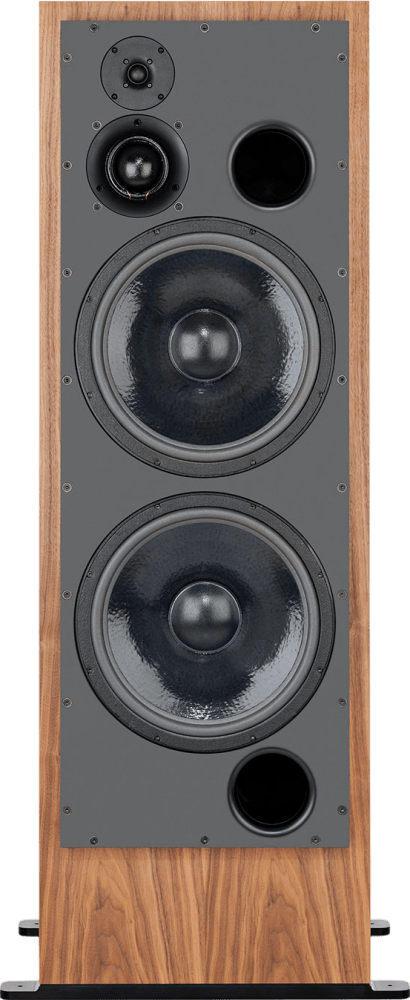
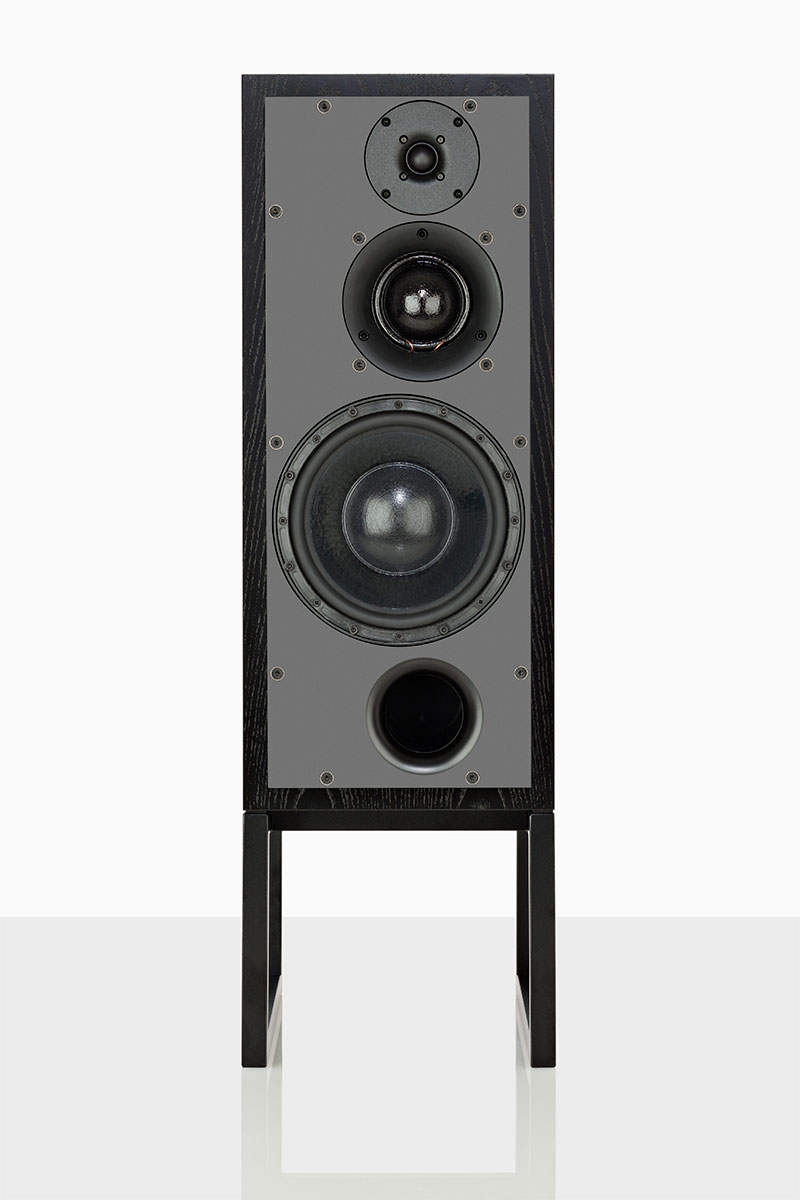
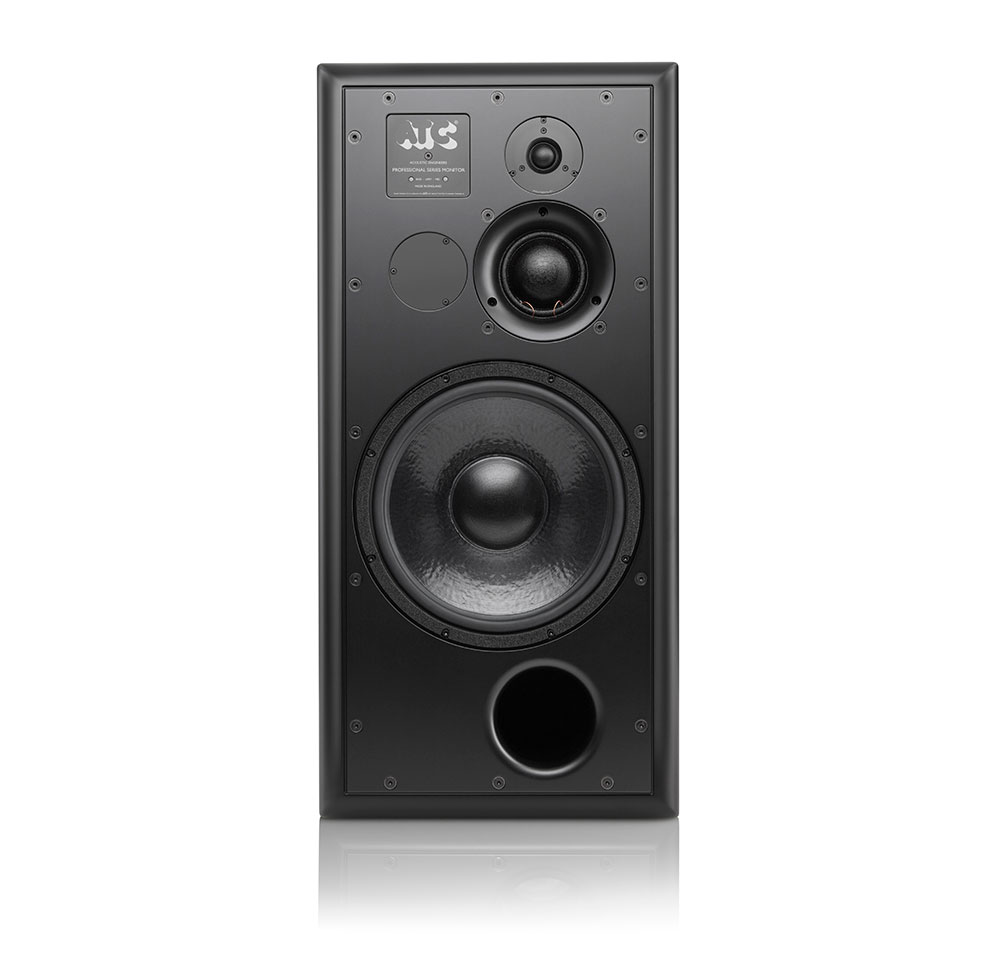
ATC builds its own drive units, so each speaker's drivers are matched to one another. The SCM12 Pro pairs a 6 inch bass driver with a 1 inch tweeter for a desk or small control room. The SCM40A adds a 75mm midrange, so the bass driver can focus on low notes and voices stay clear. The SCM300ASLT's twin 15 inch bass drivers reach 25Hz and fill a large room.
- Start here. The SCM7 suits a first buyer with a small room or desk, since its 125mm mid-bass driver fits compact spaces.
- Sweet spot. The SCM19A has a built-in 182 watt bi-amp, so you skip buying a separate power amplifier, and the models above mostly add drivers and power.
- All in. The SCM300ASLT is an extension of the SCM200ASLT, for a buyer chasing the deepest, loudest bass, since it plays to 121dB against 118dB for the SCM200ASLT.
Product list
















What reviewers are saying
We read all the reviews, and here's what stands out:
- ATC's commitment to in-house driver design and manufacturing allows for tight control over performance characteristics and seamless integration across their entire product line.
- They primarily use active designs with electronic crossovers and dedicated amplifiers for each driver, optimizing power delivery and minimizing distortion compared to passive crossovers.
- ATC speakers prioritize accuracy, neutrality, and wide dynamic range, resulting in a sound signature that may expose flaws in recordings or upstream components.
Quotes we liked:
- "Low-frequency musicality is stunning—a combination of pitch control and effortless slam that are hallmarks of ATC's active products. The SCM50's woofer has an enviable ability to resolve textures and timbral colors, capably rendering the skins of bass drums, or the flutter of tom-toms, or the dark voicing of orchestral bass viols as bows are dragged across their strings." (https://www.theabsolutesound.com/articles/atc-scm50-aslt-loudspeaker)
- "The SCM50 has an almost eerie immediacy that seems to glean the intent of the musician before his bow touches the string or a note escapes his lips. And piano reproduction is, in a word, breathtaking with an extended range of soundboard weight and resolution that reaches all the way back to the touch of the player's fingertips." (https://www.theabsolutesound.com/articles/atc-scm50-aslt-loudspeaker)
- "Its resolution is unstoppable, as if it is on a mission to exploit every single aspect of an amplifier's output. Tonally faithful to the source, the 19 is brimming with midrange power and a single-driver like coherence, challenging if not surpassing its compact predecessors." (https://www.theabsolutesound.com/articles/atc-scm19-loudspeaker-1)
- "Vocal reproduction—always a point of pride for this brand—has never before been as direct, live, and in-the-room as it is through the SCM19. As I cued up a cavalcade of singers—from the grit and gravel of Tom Waits to the cut-crystal clarity of soprano Anna Netrebko—my notepad silently fell to the floor, along with my jaw." (https://www.theabsolutesound.com/articles/atc-scm19-loudspeaker-1)
- "As you might imagine it's the bass that first grabs you with this system, but it doesn't do so in an overpowering or excessive way like a subwoofer turned up to 11. Instead you can hear all the timbres of bass instruments and all the nuances of the way they are played; it's almost the opposite of bass created by smaller speakers where definition is exchanged for thick, heavy, and unnatural lows." (https://hifiplus.com/articles/primare-pre60-atc-scm150-asl-system)
Used
ATC
Every month, we find the brand's used items for sale across the web and offline hifi stores. We have the largest database of used hifi products. Search it here.





Similar
Speakers
brands


Featured products





About the brand
Our interview with the brand
What are two key technological innovations or strong opinions that differ you from other brands?
What's your approach to customer support?
What are your favorite tracks for showcasing the strength of your products?
What other products pair best with yours?


Featured products


About the brand
Our interview with the brand
What are two key technological innovations or strong opinions that differ you from other brands?
What's your approach to customer support?
What are your favorite tracks for showcasing the strength of your products?
What other products pair best with yours?

Featured products






About the brand
Our interview with the brand
What are two key technological innovations or strong opinions that differ you from other brands?
What's your approach to customer support?
What are your favorite tracks for showcasing the strength of your products?
What other products pair best with yours?

Featured products


About the brand
Our interview with the brand
What are two key technological innovations or strong opinions that differ you from other brands?
Air Motion Transformers
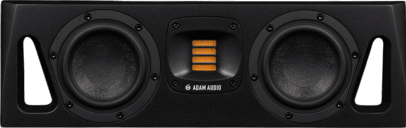
ADAM Audio has been refining Air Motion Transformer technology for more than 25 years, and we employ it in every tweeter we manufacture. This sustained focus has led to a series of innovations which trickle down to every series in our portfolio. We have an expert team in Berlin that hand-folds these tweeters, and they are subject to rigorous QA before they are fitted to the loudspeakers.
Industrial Design
ADAM Audio loudspeakers have a strong and unique design language that stems from Berlin and the design team here. Every choice centers around acoustic performance, but the beveled edges, bespoke waveguides, and rounded ports combine to form striking products. For decades, the loudspeakers have been the focal point of studios worldwide, and in recent years they have been catching eyes in home audio systems.
What's your approach to customer support?
Our Berlin-based customer support team handles hundreds of queries each month, ranging from pre-sales questions, troubleshooting and best practices, to repairs. They pride themselves on their response and success rate, and our customer feedback is overwhelmingly positive. ADAM Audio offers an industry-leading warranty of up to 5 years, and beyond that, our service team is always happy to repair products when possible. We have a wonderful dealer and distributor network who will always be happy to help if they can.
What are your favorite tracks for showcasing the strength of your products?
Max Cooper – Inanimate to Animate (highly recommended to listen in Dolby Atmos where possible!)
Gui Boratto – Mr. Decay (bass extension)
Pixies – Hey (dynamic range)
What other products pair best with yours?
The resolution and conversion offered by Focusrite interfaces is second to none!

Featured products


About the brand
Our interview with the brand
What are two key technological innovations or strong opinions that differ you from other brands?
What's your approach to customer support?
What are your favorite tracks for showcasing the strength of your products?
What other products pair best with yours?

Featured products

About the brand
Our interview with the brand
What are two key technological innovations or strong opinions that differ you from other brands?
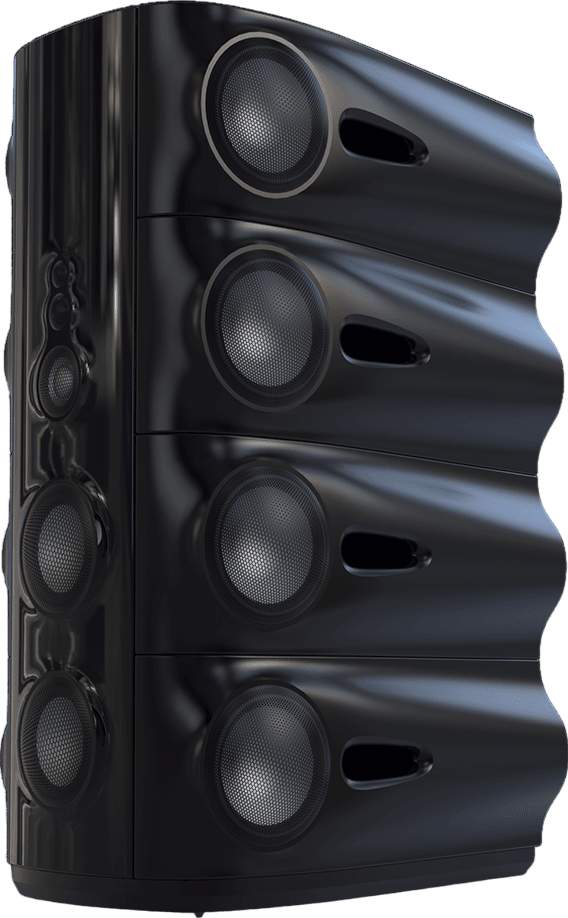
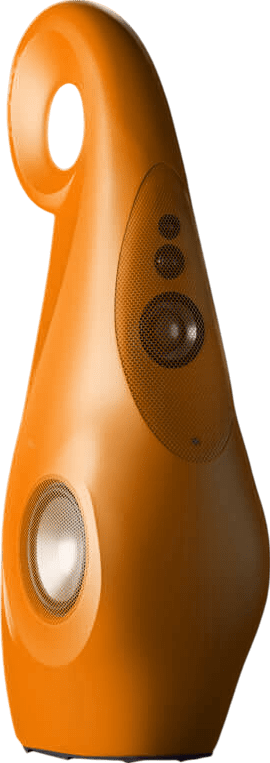
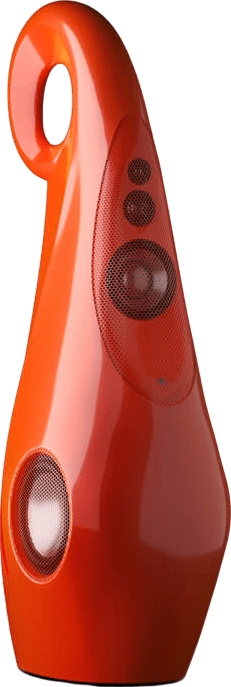
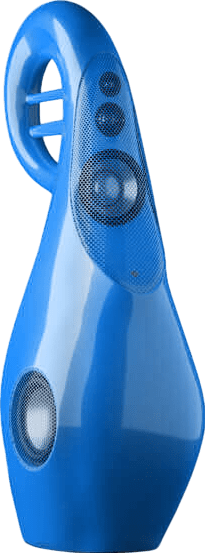
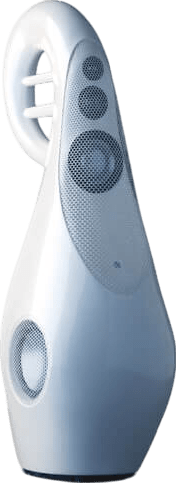
Unlike the vast majority of our competitors, who simply use others' active components, we have, from inception, March 2001, designed and manufactured our very own bespoke, proprietary drive units. The resultant filter networks are ridiculously simple. By controlling the whole process, we are able to derive the exact response from each in it's system. A little appreciated advange too, is we are able to provide spare parts for an extended period.
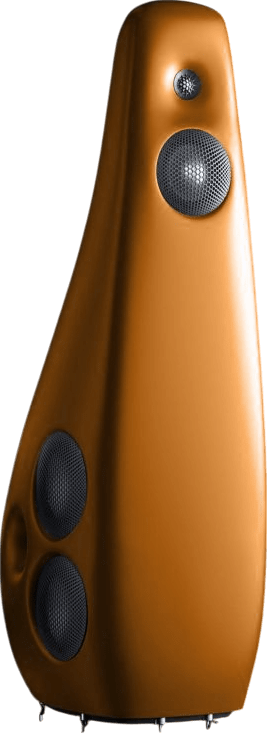
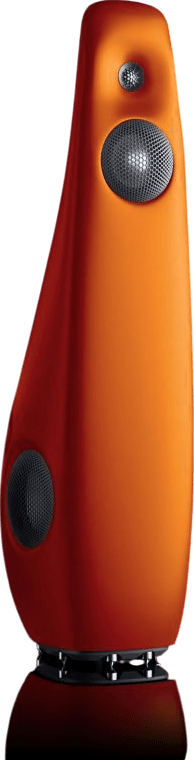
Any vibrating device will impart that vibration to the substrate to which it is fixed. At Vivid Audio at no time do we couple drive units to the cabinet directly, each is decoupled by a carefully selected soft, 30 shore silicone, memory free O ring. In the case of bass units, we go one step futher - in addition to the decoupling O ring, each driver is apposed by another identical bass unit in a reaction cancelling configuration. Expensive, resulting in an inert cabinet. Note the lack of visible fixing harware.
A perfect acoustic solution.
(No matter how heavy you make a loudspeaker cabinet, all one is doing is shifting the damped resonances in band. Place your ear against any loudspeaker to appreciate this. The worst case example is the ubiquitous eccentricly loaded sub woofer.)
We strive for as lower mass as possible in an extremely stiff configuration. The lower the mass, the lower the energy strorage. The same requirement as aircraft, race cars etc. There are many other unique technologies we employ, jointly presenting the cleanest window into the music. Our web page details these.
What's your approach to customer support?
What are your favorite tracks for showcasing the strength of your products?
What other products pair best with yours?
It would be foolhardy of me to send you a short list - by definition would exclude many excellent brands of which we have no knowledge. Suffice to say: Unusually, we expend an exorbitant effort in perfecting the loudspeaker / room interface, no sharp perturbations, corners, discontinuities, etc., and the loudspeaker / amplifier interface, ensuring at the minimum impedance, the current and voltage waveforms are close to being in phase - an ideal situation. Our loudspeakers present an easy load to the amplifier. Quality rather than quantity is emphasized.
Search hifi products
Explore our database of 10,000+ new and 25,000+ used hifi products.