SCM11
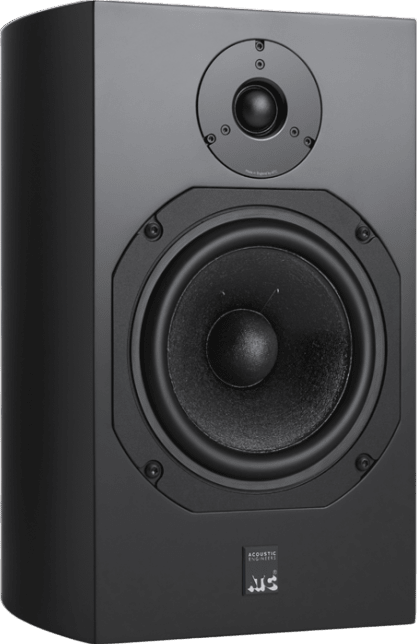
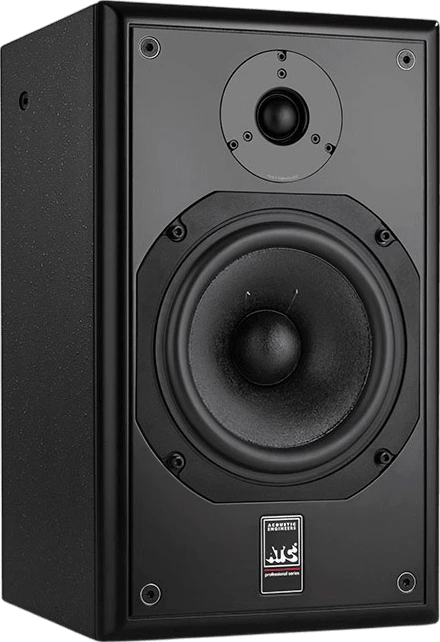
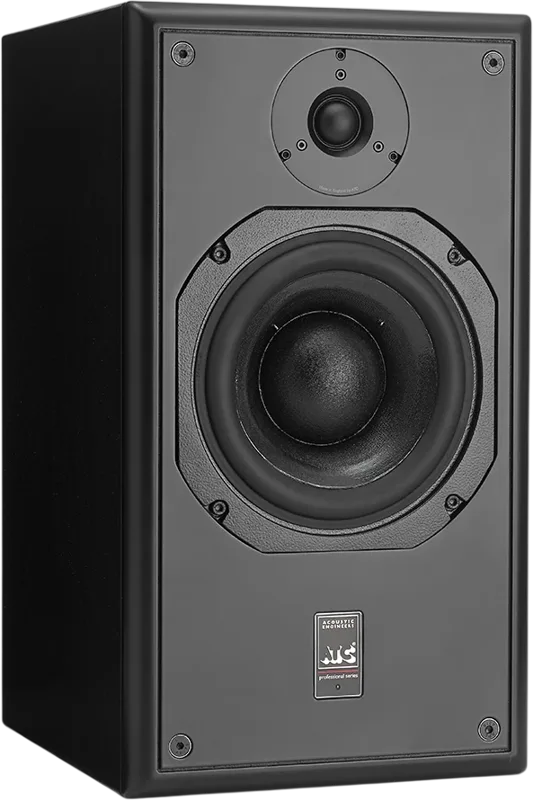
ATC's SCM11 is a bookshelf speaker with a 150mm bass driver and binding posts for bi-wiring or standard speaker cable. It is known for tight, quick bass, a natural, smooth midrange and an open, spacious sound with good imaging.
New here? ExtremeHiFi is a free hifi encyclopedia: reviews, prices and used listings. We don’t sell anything.
Summary
ATC's SCM11 is a bookshelf speaker with a 150mm bass driver and binding posts for bi-wiring or standard speaker cable. It is known for tight, quick bass, a natural, smooth midrange and an open, spacious sound with good imaging.
What reviewers love
The ATC SCM11 is a well-engineered speaker that is smooth, open, and crisp, which offers natural and uncolored sound. For audiophiles seeking a detailed and insightful listening experience, this speaker could be a worthwhile investment.
Product Strengths
- ATC manufactures their own drivers and crossovers, which are made in England
- Delivers a neutral presentation that is emotionally engaging and natural sounding
- Offers a quick transient response that snaps into action with a controlled edge
- Provides a detailed, insightful and transparent sound that is also musical
- Produces a smooth, tightly controlled, solid, and precise sound with very good stereo imagery and an impressive sense of spatial depth
Product Considerations
- The ATC SCM11 is a sealed box design that may not deliver generous quantities of bass, and may require a subwoofer for some listeners
- The speakers are not very sensitive at 85dB and require an amplifier with good power (at least 75W)
- There are limitations in ultimate loudness and may not be suitable for very large rooms or those who listen at very high volumes
Comparisons (according to reviewers)
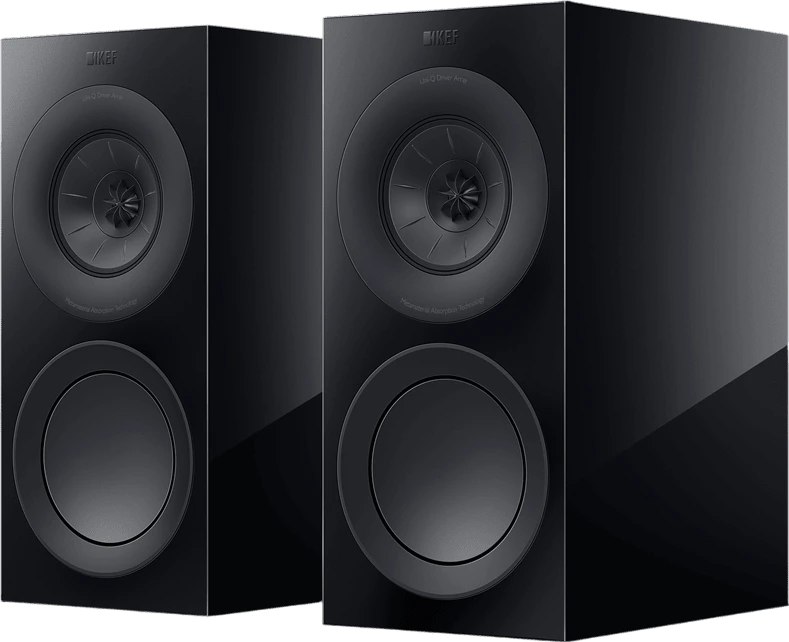
- Compared to the KEF LS50 META, the SCM11 sits in the middle performance wise; treble sits in the middle—lively, detailed, and insightful like KEF, but with a smoother character
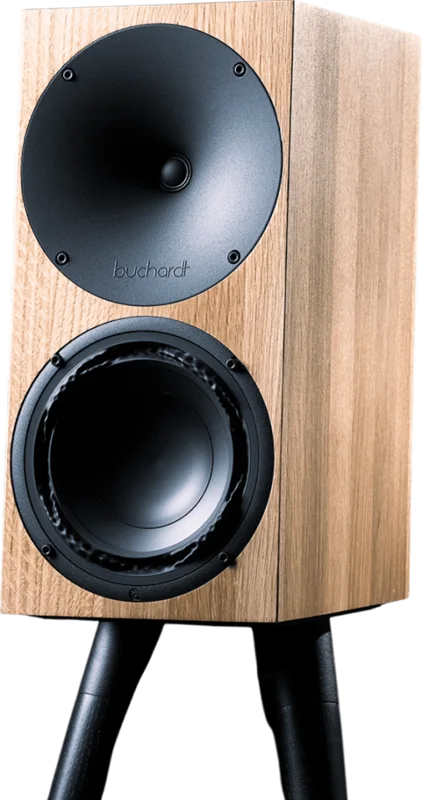
- Compared to the Buchardt S400 Mark II, the SCM11 is mostly neutral from top to bottom, whereas the Buchardt S400 Mark II is warm tonally from top to bottom
- Compared to the Dynaudio Evoque 20, the SCM11 is much more neutral overall—the Evoque 20 is very warm—with substantially more open mid-range and considerably more air, space and separation between all sounds
- Compared to the KEF R3 Meta, the KEF R3 Meta is ever so slightly on the warmer side of neutral in the mid-range
Takeaway: The ATC SCM11 is a well-engineered speaker that is smooth, open, and crisp, which offers natural and uncolored sound. For audiophiles seeking a detailed and insightful listening experience, this speaker could be a worthwhile investment.
Written reviews0
Awards0

Bookshelf, floorstanding, in-wall, and powered speakers, compared on the specs that matter in a real room: bass extension, sensitivity, and tweeter type.
Buying tips that apply to the SCM11
- Get placement right before anything else. Pulling speakers 2–3 feet (60–90 cm) from the wall behind them tames boomy bass; the listening seat should sit at the third point of an equilateral triangle, with toe-in adjusted to set the width of the image.
- Match speaker size to the room. Large towers in a small room often sound bloated, and nearfield listening at a desk favors small two-way designs.
- Each 3 dB of extra sensitivity halves the power needed for the same volume. For moderate listening levels, speakers rated 90 dB or more allow a smaller, cheaper amp.
- Treat the room before spending more on speakers. Bass traps in the corners and absorption at the first reflection points often do more than a step up in speakers.
- Used speakers lose value quickly, so two- or three-year-old models from established brands often sell well below their new price.
- Three-way designs free the midrange driver from bass duty, which can lower distortion in voices, though a well-designed two-way can image just as precisely.
- Tweeter dispersion matters more than its frequency response. Wide dispersion gives a bigger sweet spot but lights up more room reflections; controlled directivity suits lively rooms.
- Open-plan rooms lose bass. If the room opens onto other spaces, budget for a subwoofer instead of bigger main speakers.
- Audition with familiar music. Voicing varies a lot between brands, and a pair that excites on rock can grow tiring on strings.
- Many brands put their flagship tweeter into smaller models. A bookshelf speaker from a brand's top range often beats a cheaper tower in a small room.
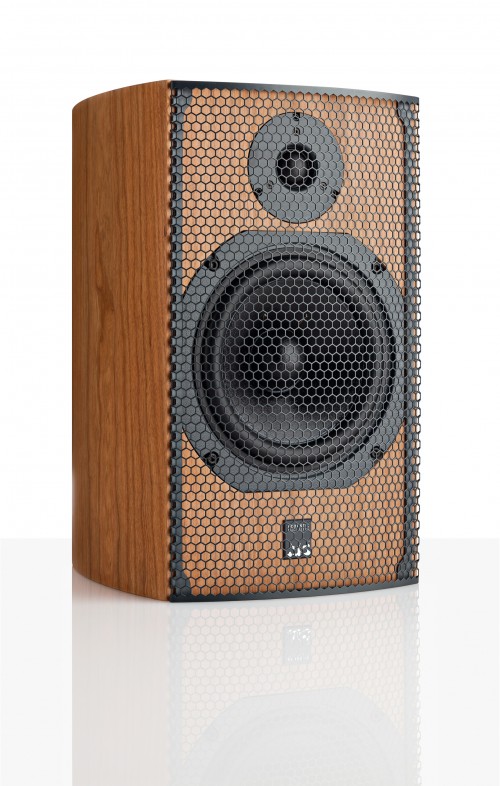
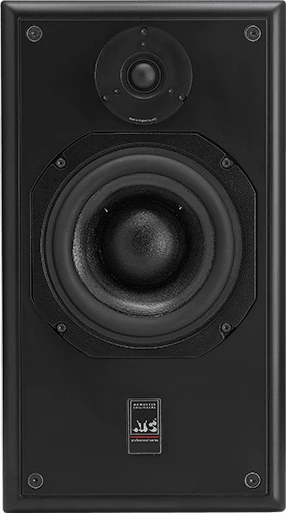
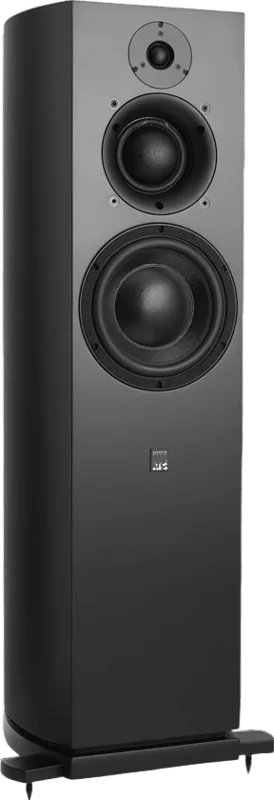
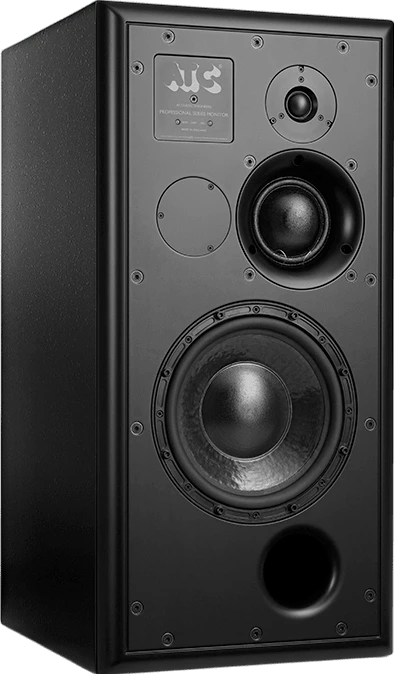
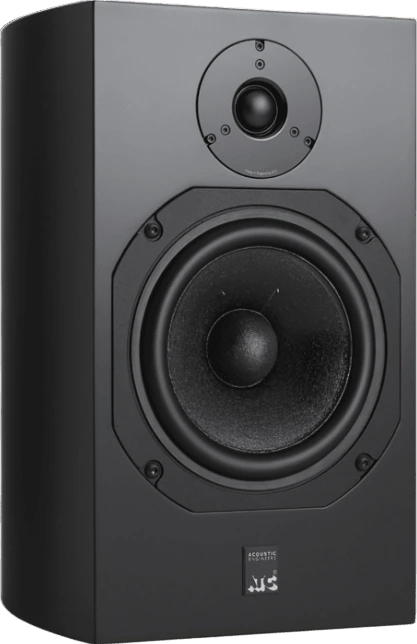
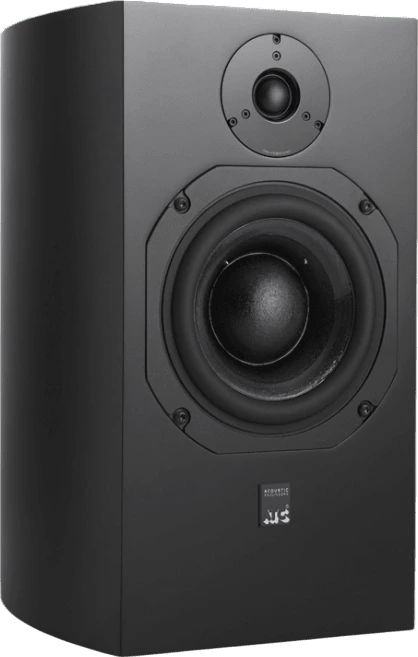
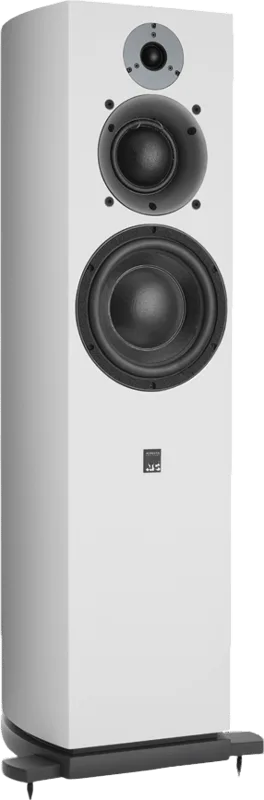
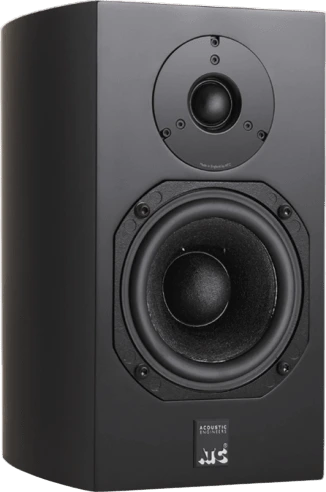
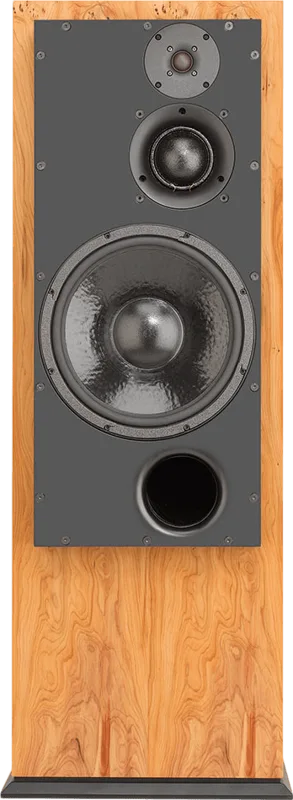
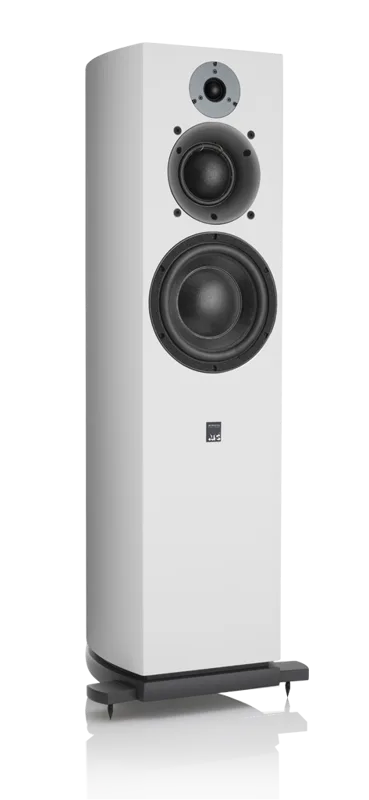
SCM11 photos
Features and specs
Specs
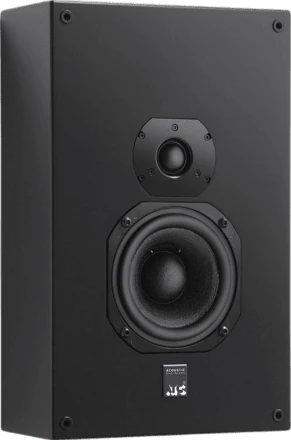
- Drivers: HF ATC 25mm Neodymium soft dome, Mid/LF ATC 150mm CLD
- Matched Response: ±0.5dB
- Frequency Response (-6dB): 56Hz-22kHz
- Dispersion: ±80° Coherent Horizontal, ±10° Coherent Vertical
- Sensitivity: 85dB @ 1W @ 1metre
- Max SPL: 108dB
- Recommended Power Amplifier: 75 to 300 Watts
- Nominal Impedance: 8 Ohm
- Crossover Frequency: 2.2kHz
- Connectors: Binding Posts/4mm Plugs, bi-wire
- Cabinet Dimensions (HxWxD): 381 x 232 x 236mm / 15.00 x 9.21 x 8.46″ (grill adds 28mm depth)
- Weight: 10.9kg
Manufacturer's description
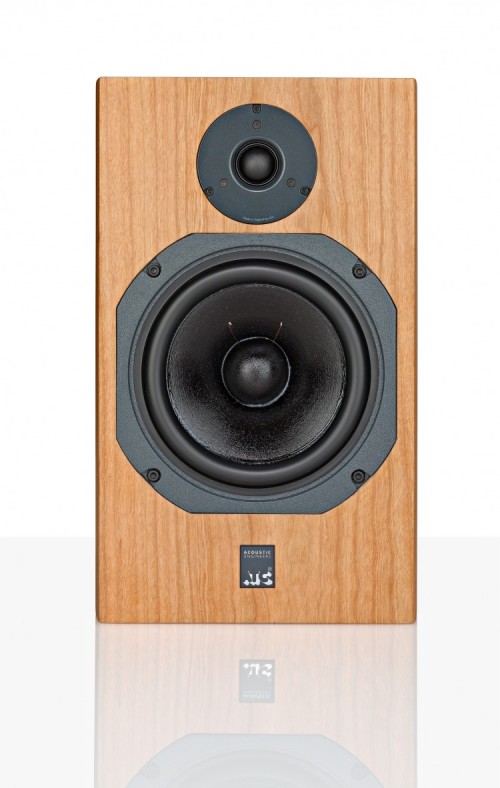
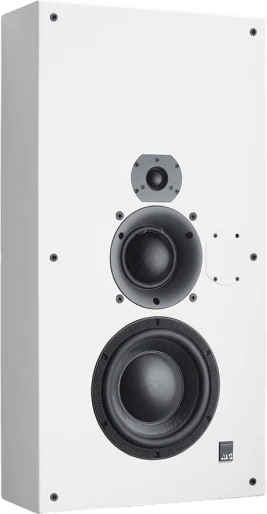
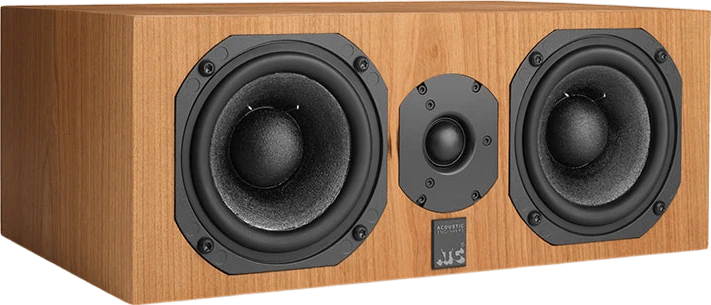
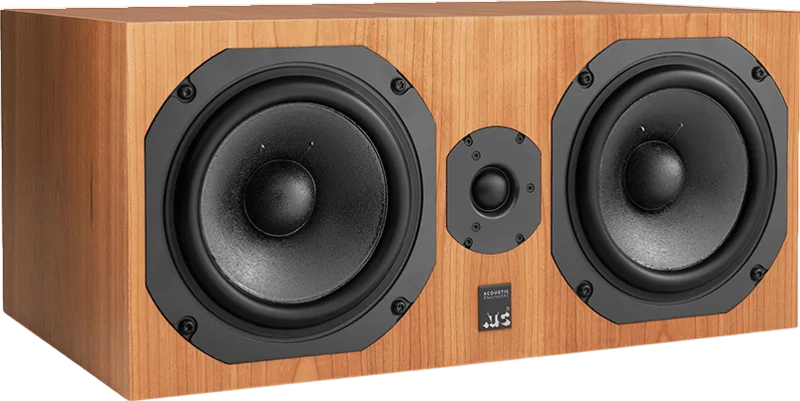
New ATC designed and built 25mm soft dome HF unit with precision alloy wave guide. Precision undercut bass pole. “CLD” driver technology with 45mm integral soft dome. In-house, hand-wound precision flat wire coil. Massive optimised motor assembly. Flat impedance curve allowing easy load for amplifiers. Veneered Finish Options – Cherry, Black Ash. Painted Finish Options – Satin Black, Satin White. 6 year warranty.
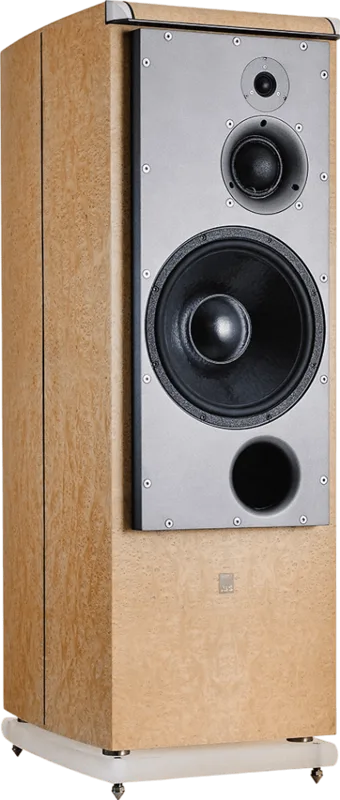
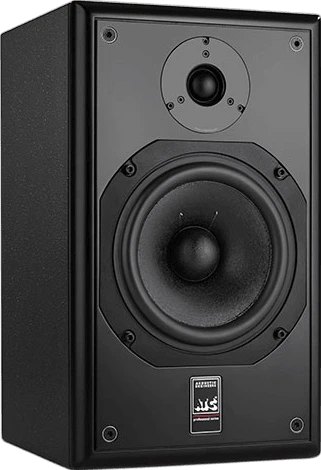
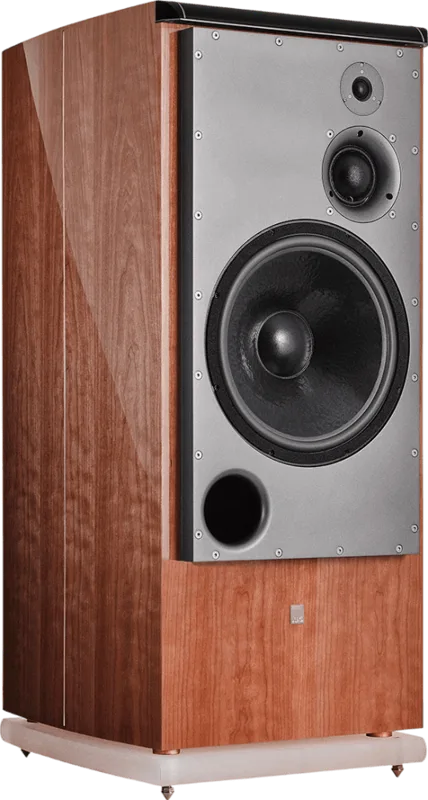
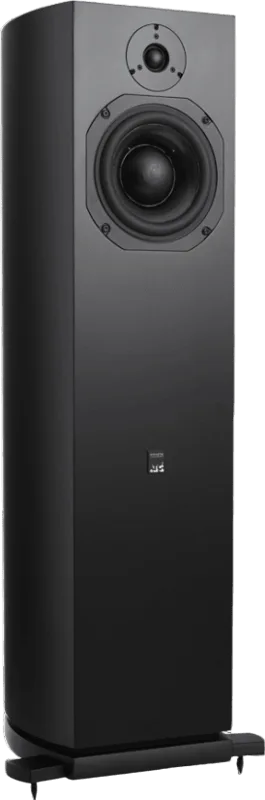
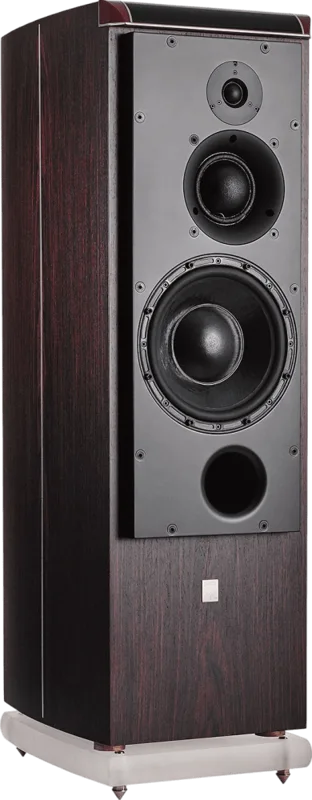
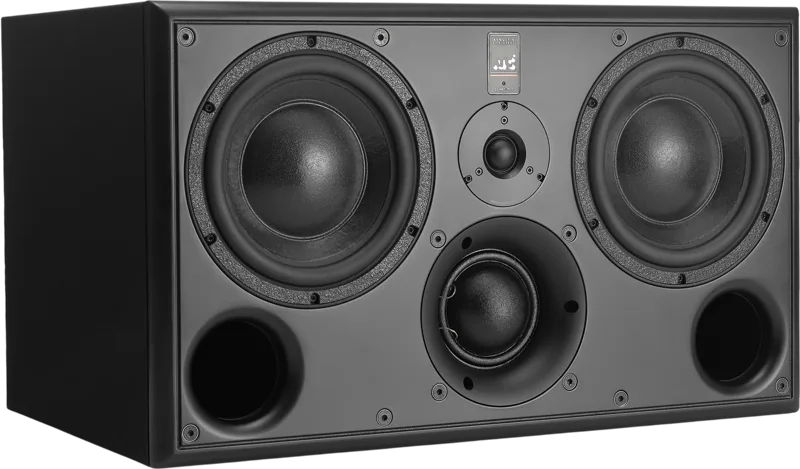
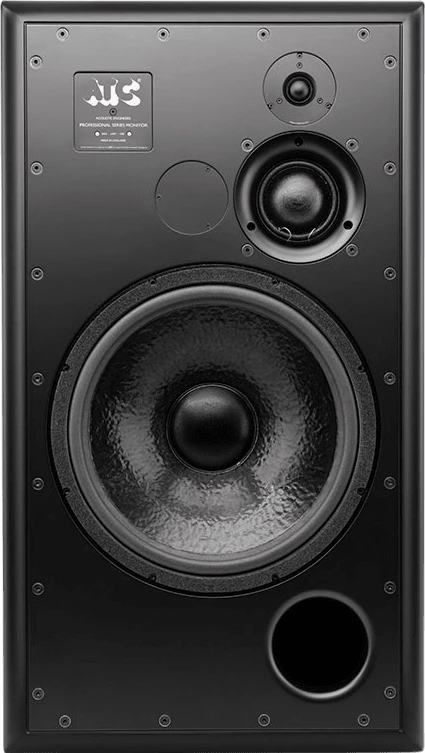
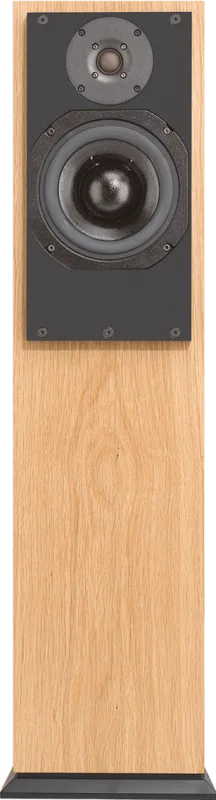
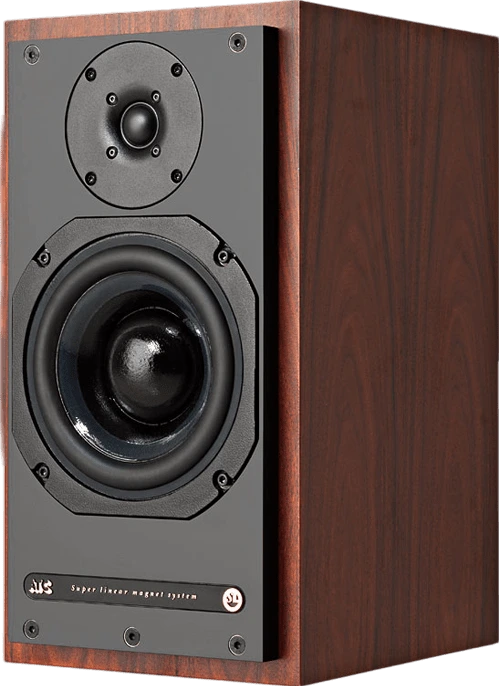

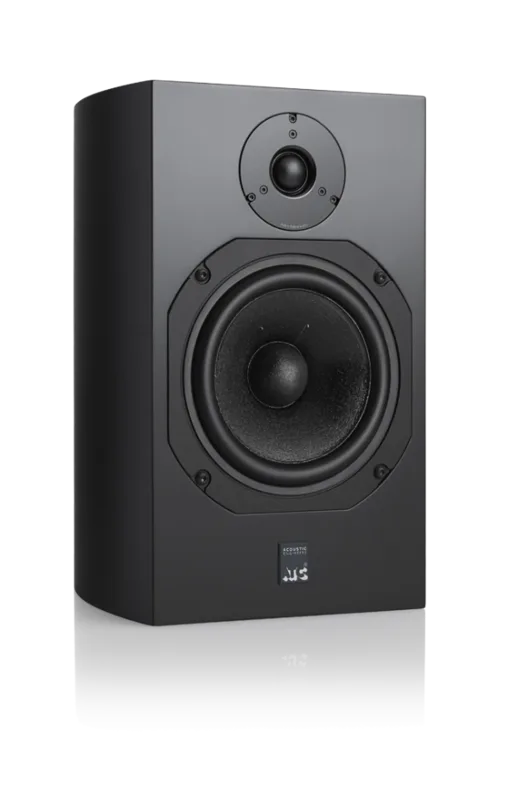
All used ATC
Where to buy the SCM1178 dealers
About ATC
ATC is a British loudspeaker maker, founded in 1974, that designs and builds its own drive units. Alongside hand-built hifi speakers it makes active studio monitors for recording, broadcast, film and post production. Many ATC designs are active, with an electronic crossover and a dedicated amplifier for each driver, and the company makes its own 75mm soft-dome midrange. Reviewers hear the sound as accurate and neutral. The compact SCM7 suits small rooms and desks, and the SCM19A is an active SCM19 with a 182-watt bi-amplifier built in.
Brand highlights
- ATC's commitment to in-house driver design and manufacturing allows for tight control over performance characteristics and seamless integration across their entire product line.
- They primarily use active designs with electronic crossovers and dedicated amplifiers for each driver, optimizing power delivery and minimizing distortion compared to passive crossovers.
- ATC speakers prioritize accuracy, neutrality, and wide dynamic range, resulting in a sound signature that may expose flaws in recordings or upstream components.