





Note that this is a discontinued product. You may want to visit the brand's page here to browse their newer products.
What reviewers think
Bloggers and YouTubers have tried this product—so we've summarized their strongest opinions below. Links to full reviews follow.
Product Strengths
- 'Sumptuous, detailed, and inviting' sound without losing sparkle, moving away from the stereotype of valves sounding 'warm over accuracy'
- Bass response is 'something very special, demanding attention and providing total fulfilment'
- Able to extract 'the most information from any digital sources by converting those tricky 0s and 1s to analogue replay in the best way possible'
- It provides all the detail expected, probably more than one is used to hearing, but doing so with such ease that it helps one relax into whatever is chosen to play
- Wide soundstage emphasizes vocals aided and abetted by amazing dynamics—it was engrossing
Product Considerations
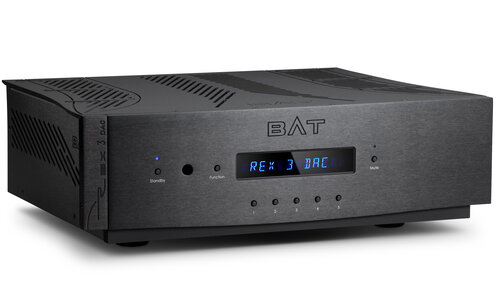
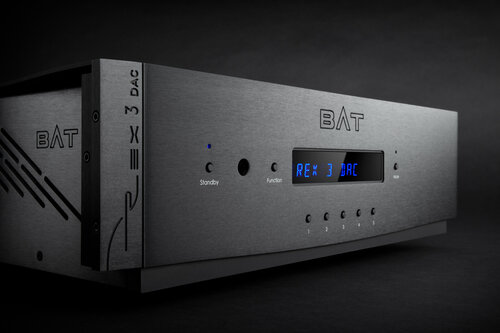
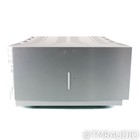
- It is a large and heavy device that needs lots of shelf space and runs hot
- Consumes 127W of energy in standby mode
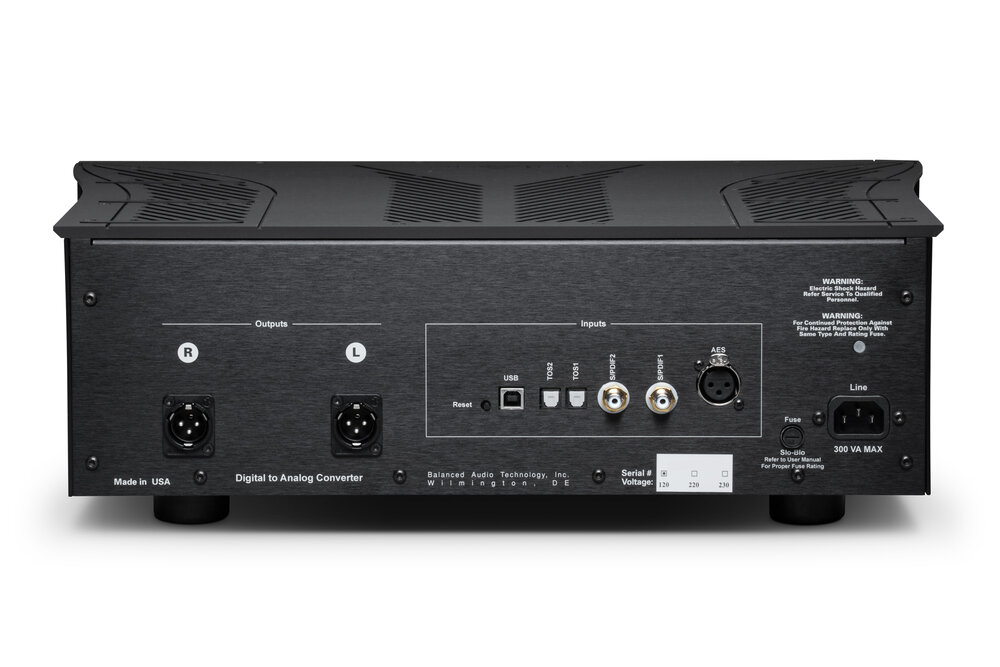
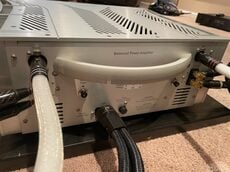
- The rear panel only has XLR balanced outputs, no RCAs
- While it works with Roon, it is not fully Roon certified
- The literature was vague on whether it uses an in-house designed DAC chip
Takeaway: The REX 3 DAC delivers exceptional detail and a relaxing listening experience, with an emphasis on powerful and detailed bass. This DAC is a great choice for audiophiles seeking top-tier performance and willing to invest in a high-end audio component.
All
REX 3 DAC
reviews


Manufacturer details
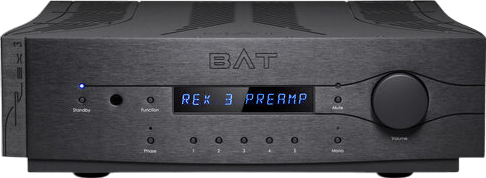
- Inputs: AES, 2 Coaxial, 2 Toslink, and USB
- Outputs: 2x XLR
- Resolution: 24-bit/384kHz PCM, 4x DSD (11.2896MHz)
- Global Feedback: None
- Output Impedance: 1K
- Power Consumption: 160VA
- Tube Complement: 6x 6C19
- Dimensions: 19" x 5.75" x 15.5"
- Weight: 32 lb





Brand highlights
Taking a step back to look at reviewers' thoughts of the brand's entire lineup—not just this product—what stands out most is the following:
- Balanced designs are central to their philosophy; the brand designs their preamplifiers, amplifiers, and DACs around balanced circuits to minimize noise and maximize signal integrity.
- They commonly employ Russian 6C33C-B tubes, which were originally designed for military applications in MIG fighter jets, in their amplifier designs. The brand is known for using them in unique ways to achieve a powerful and controlled sound.
- Employs a "fuseless" design in many of their products, utilizing electronic protection circuits instead of fuses to protect their components from damage.
- Has a tradition of hybrid amplifier designs, combining tube preamplifier sections with solid-state output stages, aiming to blend the warmth and musicality of tubes with the power and control of solid-state amplification.
Select products
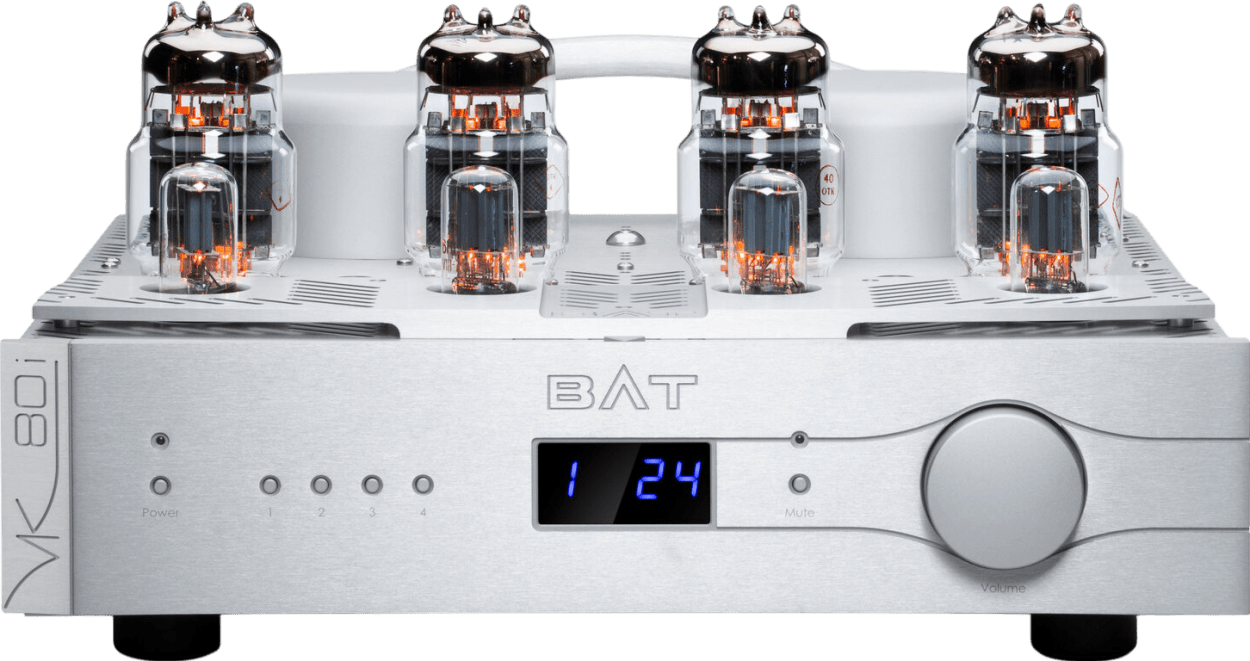
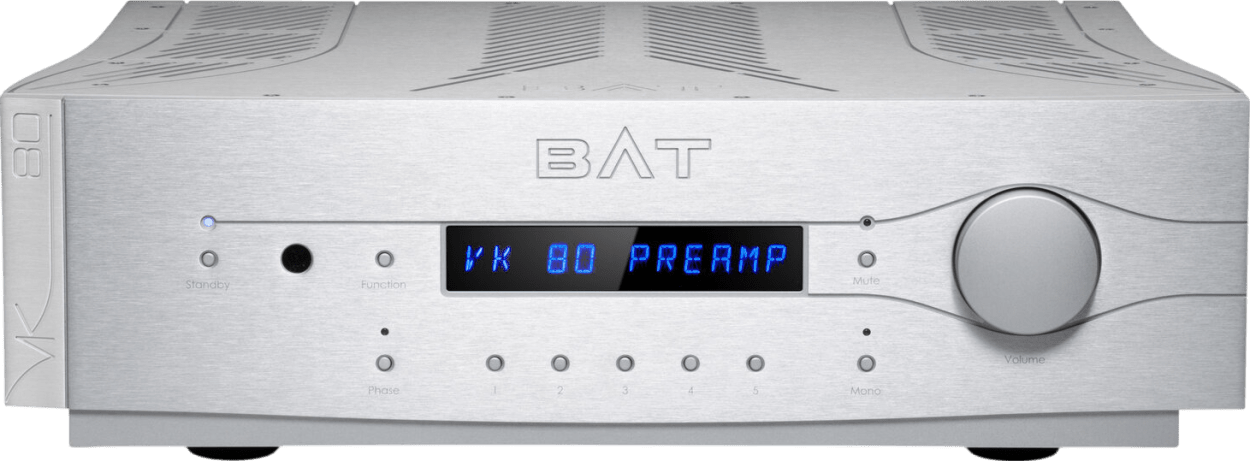
VK-80i Integrated Amplifier
- Positioning: A compact integrated tube amplifier offering modest power for those seeking authentic tube character.
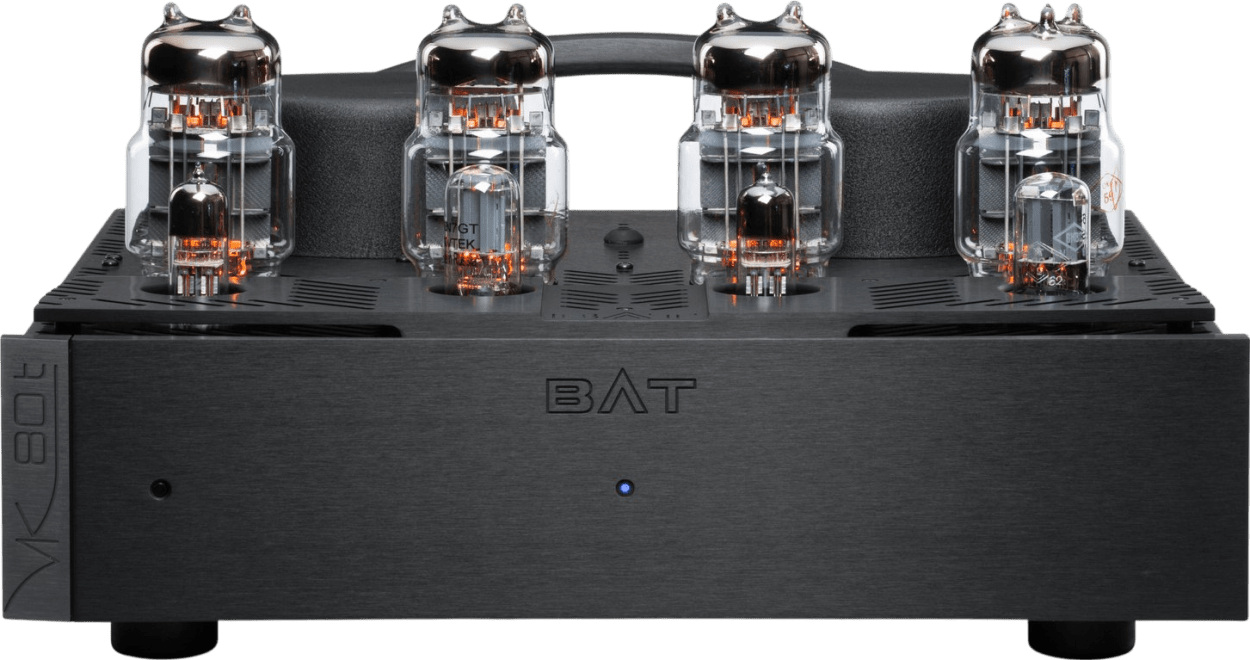
- Description: Features an intelligent auto-bias design with a fully balanced tube output that delivers natural tonal balance in a simple package. In comparison to the later VK-3500 model and the dedicated power amplifiers in the REX series, its lower wattage and streamlined functionality make it best suited for small rooms and tighter budgets without sacrificing tube warmth.
REX 3 Tube Amplifier
- Positioning: A tube power amplifier focused on delivering natural tube tonality with a distinctive all-triode design.
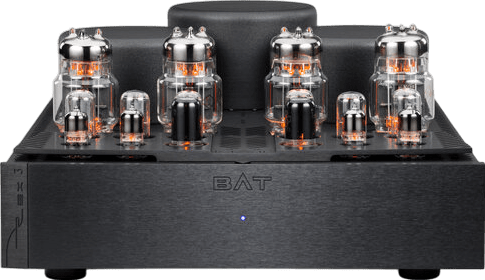
- Description: Uses auto-biasing and a fuse-less protection circuit to simplify operation while preserving the inherent musical texture of tube amplification. Compared to the solid-state REX 300 and the hybrid integrated VK-80i, its unique tube architecture caters to users prioritizing sonic intimacy and a classic tube sound.
REX 300 Power Amplifier
- Positioning: A mid-tier solid-state power amplifier built for clarity and robust current delivery using refined power supply technology.
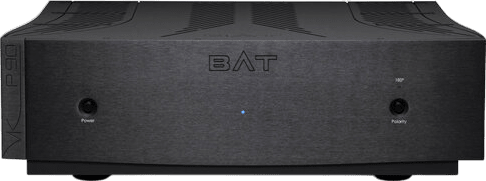
- Description: Incorporates a fourth-generation SuperPak Quattro capacitor bank and a simple two-stage gain design that ensure high transparency and dynamic control. When compared to the more specialized REX 3 tube amp and the flagship REX 500, it offers a balanced option for users needing strong performance.
VK-3500 Integrated Amplifier
- Positioning: A high-end integrated amplifier that merges a solid-state power section with a tube-based preamplifier for enhanced musicality.
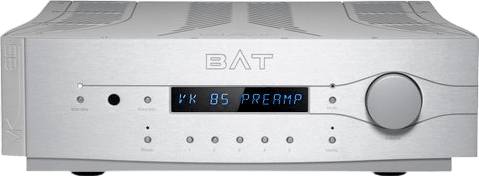
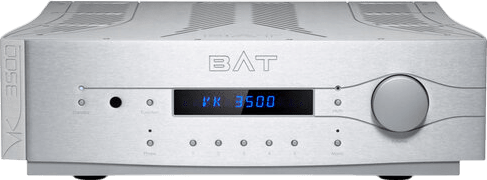
- Description: Features a SuperTube preamp paired with a symmetrical bipolar power design and built-in MM/MC phono support to provide versatile functionality and rich tonal detail. In contrast to the simpler VK-80i and the focused REX power amplifiers, its advanced circuitry and integrated design serve users requiring additional features, higher power output, and greater overall versatility.
REX 500 Power Amplifier
- Positioning: A flagship solid-state power amplifier engineered to deliver exceptional power, clarity, and performance through advanced design techniques.
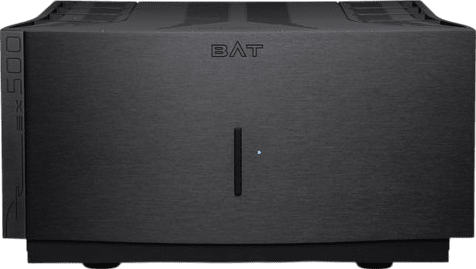
- Description: Employs a dual-mono architecture with a two-stage signal path and the largest SuperPak capacitor bank in BAT history for superior soundstaging and dynamic precision. Compared to the REX 300 and the REX 3, its robust output, intelligent upgrade path, and state-of-the-art engineering make it the ultimate choice for discerning users with larger spaces and a demand for uncompromising performance.

Our take on the brand
Look inside the brand
Our interview with the brand
What are two key technological innovations or strong opinions that differ you from other brands?
What's your approach to customer support?
What are your favorite tracks for showcasing the strength of your products?
What other products pair best with yours?

Used
Balanced Audio Technology










What if you spend more?



.svg)
Product Strengths
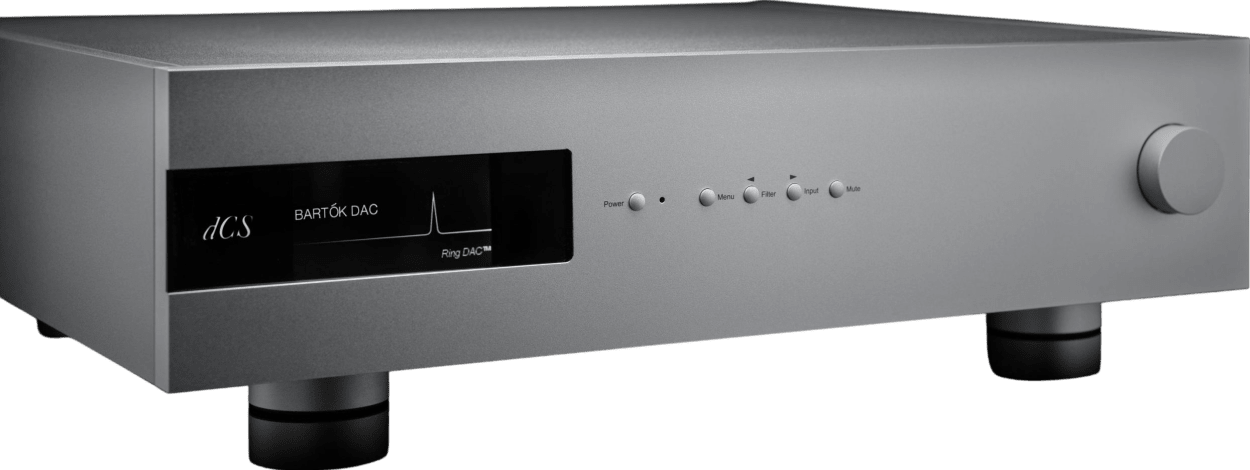
- dCS Bartók APEX offers more refined and coherent sound compared to previous versions
- The APEX Ring DAC reduces noise and increases linearity, resulting in greater dynamic range, detail, and vitality
- The dCS Mosaic app allows for comprehensive remote control, OTA updates, and efficient streaming options
- The headphone amplifier can drive a vast range of headphone models regardless of efficiency or impedance
- Implementation of the APEX Ring DAC delivers a more profound listening experience by reducing 3rd-order harmonic distortion
Product Considerations
- The dCS Bartók APEX is heavy and large
- The dCS Lina system performance could provide a dilemma for some potential buyers
- The headphone amp option is only available at point of purchase
Comparisons (according to reviewers)
- Vs original Bartók—the Bartók APEX upgrade sounds much more refined than previously
Takeaway: The Bartók APEX is a very high-quality music player that offers both simplicity and scalability, with the ability to be upgraded in the future. It is a worthwhile investment for an excellent sound experience.
Video review
Our take on the brand

Our summary
Product Strengths
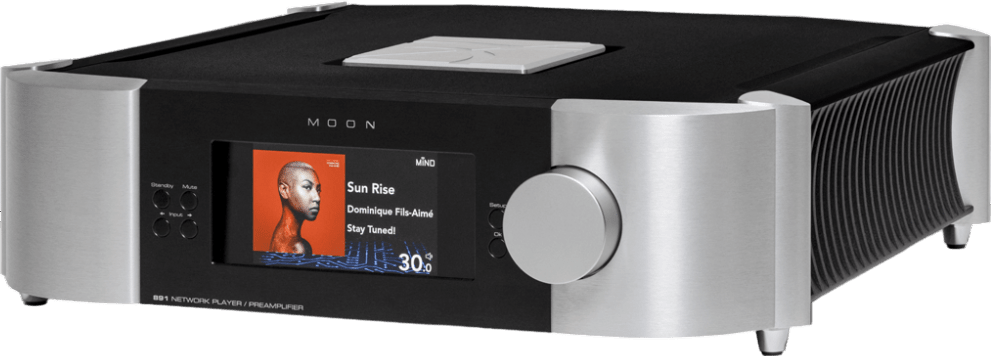
- Combines multiple functions (network player, DAC, phono stage, and preamplifier) into one chassis, offering versatility and reducing component clutter
- High-quality build with meticulous attention to detail and excellent casework, promising durability
- Offers a transparent and detailed sound, with impressive control and a captivating presentation of music
- Features an intuitive user interface with a vibrant color display and a well-designed remote control (BRM-1)
- Incorporates technologies like the MOON Damping Base (MDB) and M-RAY2 volume control to minimize noise and distortion
Product Considerations
- The collapsible packaging is difficult to manage for one person
- Software may need updates to improve device connectivity
- The speaker cable terminals on the partnering 861 power amp can be tight with larger spades
- High price may be a barrier for some potential buyers
Comparisons (according to reviewers)
- The 891's DAC/preamp section surpasses the performance of the MOON 780D v2/850P combination
- The instrumental separation through the 891/861 amps was a noticeable step above that of the MOON 791/761
- The 891 was significantly quieter than the Reference 6SE
- Instruments and vocals exhibited more body and dimension than with the T+A MP 3100 HV
- The streamer built into the MOON 891 preamp sounds more neutral and more insightful than the MOON 680D
Takeaway: The MOON 891 is a versatile and well-built audio component that combines streaming, DAC, preamplification, and phono stage capabilities into a single unit. It offers a high-quality listening experience and a range of features that make it a great option for audiophiles looking to simplify their setup.
Video review
Our take on the brand
Product Strengths
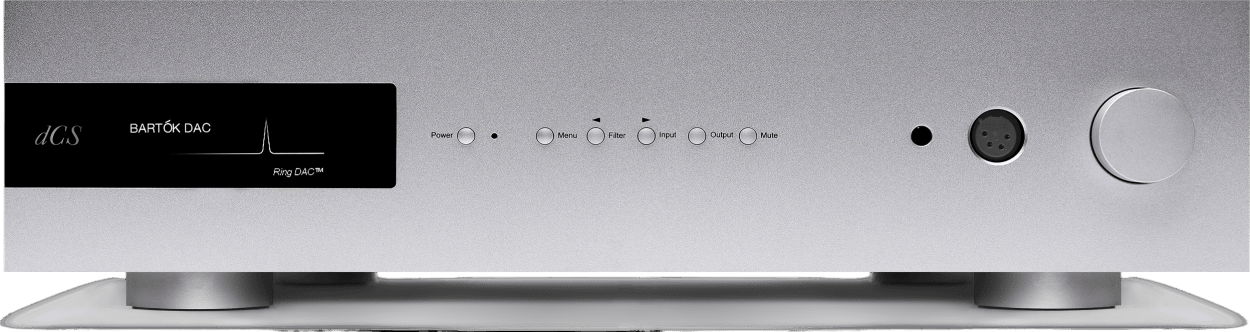
- Detailed, clear, harmonically rich, and musically engaging, ticking all the audiophile boxes
- Retrieves more low-level data, texture, and atmospherics and is smoother, less grainy, and more powerful sounding—hence more transparent and emotionally engaging—than the pre-Apex version
- A solid, heavily engineered unit, built with aerospace-grade machined aluminum panels and acoustic damping
- Can operate as a complete network-connected digital player, streaming from a music store or online sources, via its galvanically isolated RJ45 Ethernet port
Product Considerations
- Considered second from the bottom of the line DAC and can be considered expensive
- Physical appearance looks the same as the 2.0 version, which also looks the same as the original Bartok
- The preamplifier section, with its attenuator, plays more distinctly, with clearer and more prominent highs
- The depth of the soundstage is not particularly exceptional compared to the Rossini series and, above all, with the Vivaldi; the tested player shows everything close, rather than plunging the instruments into the space far behind the speakers
Takeaway: The dCS Bartok Apex delivers a harmonically saturated sound with plenty of color information, including depth. This product could be worth buying if you are looking for a DAC.
Video review
Our take on the brand

Product Strengths
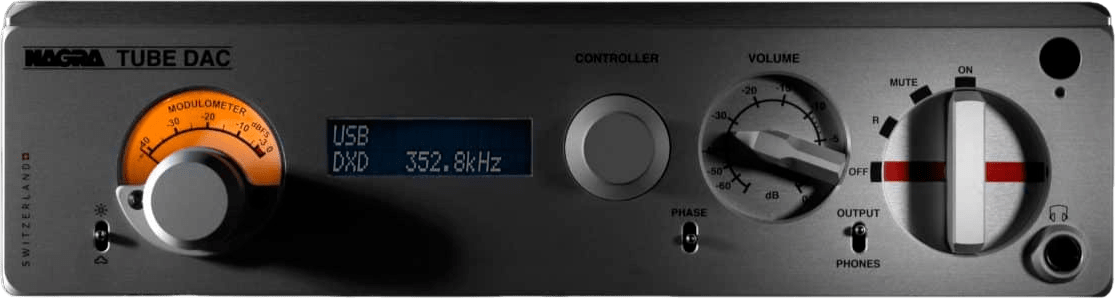
- Natural and warm sound with a big and smooth body to the music, almost like listening to vinyl but even better
- Delivers a life-size scale to the instruments and vocals, providing a very realistic and immersive experience
- Details presented are life-size and realistic with beautiful timbre, emerging from top to bottom of the range
- Creates intensely black backgrounds and has a natural musical way of delivering the music
- Makes even lower quality streaming sound beautiful, improving even bad recordings
Product Considerations
- The retail price is very high, making it primarily accessible to the upper 1% of consumers
- Not about 'bite', 'crispness', or 'impact' in the traditional digital audio sense, so those seeking those qualities may prefer other DACs
- The Tube DAC has a beautiful preamp section, but it doesn't provide additional analog inputs
- It's crucial to pair it with a high-quality streamer to unleash its full potential; using a lower-end streamer could bottleneck its performance
Comparisons (according to reviewers)
- Vs Holo Audio May KTE: The Nagra Tube DAC sounds even more natural and removes digital traces present in the May KTE
- Vs Chord DAVE: The Nagra Tube DAC is more ethereal and holistic, while the Chord Dave is more detailed up top and excitable
- Vs Weiss 501 MKII: The Weiss MKII is excellent—but doesn't quite reach the heights of the Nagra
- Vs Nagra Classic DAC: The Tube DAC's sound stage became almost holographic and the sound even smoother, richer, cleaner—and clearer
- Vs EverSolo A10: The EverSolo is great with the Nagra when used as a streamer, it brings a beefy yet clear and beautiful spatial sound, but loses out to some excitement and depth to the HiFi ROSE
- Vs WiiM Ultra: The DAC was being a little bit choked as all of the magic was not audible, as it was with the HiFi ROSE
Takeaway: The Nagra Tube DAC is considered by many to be one of the best DACs available, providing a beautiful, lifelike, and engaging listening experience that is a special end-game product. It connects the listener emotionally with every song, making music sound as good as it can.
Video review
Our take on the brand
What competes at this price?
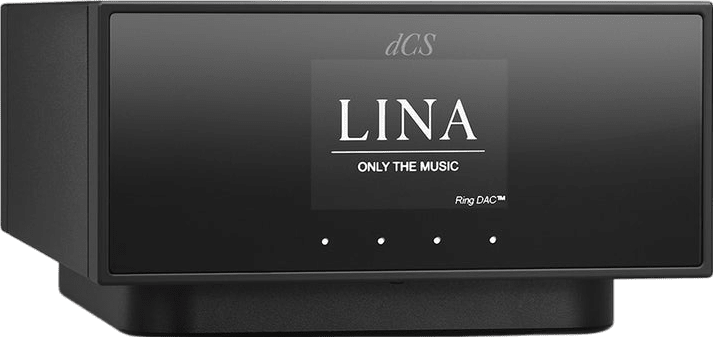
Compatible with all digital audio formats
Supports hi-res streaming from Roon, TIDAL, Qobuz, Spotify, Deezer, AirPlay & more
Features our renowned dCS Ring DAC TM and Digital Processing Platform
Our Summary
Product Strengths
- Startling clarity
- An extraordinarily clear view of the 'reality' of the recording
- Subtlety is exposed, which made listening a fuller, more complex experience
- Sound quality is unmatched in terms of technology, design, build and finish
- A very fluid, massive and somewhat dynamic soundstage
Product Considerations
- The dCS Mosaic app is starting to feel clunky
- Basic display
- Some holes when it comes to features
- Audiophile sound is mostly faint clouds hovering between boxes
- It is wished the streamer had Wi-Fi compatibility, but dCS sees this as compromising on sound quality
Comparisons (according to reviewers)
- Vs Denafrips Terminator Plus—it replaced the Denafrips Terminator Plus
- Vs Chord Dave DAC—the Chord Dave gets very close in sound to the Lina, but the Dave leans a bit leaner and sharper where the dCS Lina is fuller, thicker, smoother with more density
- Vs Weiss 501—the dCS is a smooth sounding DAC indeed, but it is not one of those that sound overly smooth, the Weiss 501 sounds closest to an in-studio experience, where we get the master tape kind of sound
- Vs HiFi ROSE 150b—the ROSE feels and looks to be built to a similar level (at least the outside), and is gorgeous as well, it's not nearly as refined or together in the DAC department when comparing it to upper echelon products
- Vs dCS Bartok Apex—compared to the Bartók Apex, the Lina's sound (without the Master Clock) had a slightly different textural quality, not coarser or finer grained but as though performers were viewed under a different quality of light, the Lina's light felt slightly more brilliant than remembered with the Apex and maybe 3o cooler
Takeaway: The Lina DAC is a small but very technologically advanced DAC and delivers music with a bonafide life-force behind it. This DAC brings a larger soundstage and bigger sound to the room and is well worth the cost if you have a system that can stand toe to toe with it.
Video review
Our take on the brand


Our Summary
Product Strengths
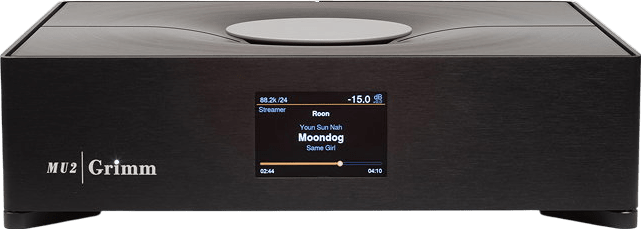
- The MU2 is an all-in-one device combining a Roon core/endpoint, DAC, preamplifier, and headphone amplifier
- Major DAC provides exceptional digital music reproduction, described as 'the best... by an obvious and distinct margin' and more 'lifelike'
- Offers a very quiet background and deep, wide, layered soundstage with stunning holographic reality
- The analog preamplifier section is high quality, described as Class A throughout, with ultra-low harmonic distortion
- Excels in revealing copious amounts of detail throughout the frequency range and making a deep emotional connection
Product Considerations
- Roon is required to operate the MU2 (although Grimm is reportedly working on another option)
- There is no wireless connectivity, requiring an Ethernet connection
- Some reviewers found the MU2 to be 'polite' or 'calm', which may not suit all preferences
- Parts are allegedly not worth the price
Comparisons (according to reviewers)
- vs AURALiC ARIES G1.1 + Totaldac d1-triunity/Mola Mola Tambaqui—MU2 provides more fully fleshed out sound
- vs Grimm MU1—the MU2's integral implementation and direct internal connection give it an advantage, sounding more expansive and expressive
- vs Aqua Formula xHD DAC—the MU2 is calmer and more composed, while the Aqua is upfront and explicit
Takeaway: The Grimm MU2 is a versatile, all-in-one music player that delivers exceptional sound quality for digital music, and it simplifies your system by combining a streamer, DAC, and preamp. It is designed to bring you closer to your music with its impressive detail and engaging sound.
Video review
Our take on the brand

Our Summary
Product Strengths
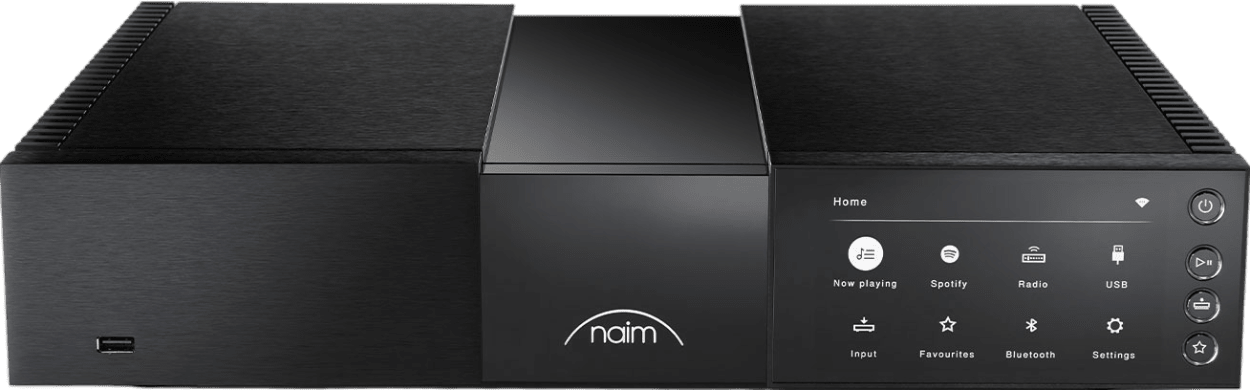
- Delivers an engaging and emotionally charged performance with rhythmic drive and articulate rendering of dynamic shifts
- Excellent build quality
- Streaming platform is stable and capable of dealing with all file types with ease
- Offers state-of-the-art sound quality with everything from online streaming services and Internet radio all the way through to hi-res music stored on your home network
- The output stage is Naim's preferred balanced impedance type, but they prefer the DIN route for normal cable lengths
Product Considerations
- No USB (Type B) input
- The manuals are a little scant on detail
- The signal level out of the balanced XLR sockets (2.1V) is the same as the single-ended connections, rather than double, as it usually is
- Some found the new white logo lighting (instead of the traditional green) to be a negative
- There is not enough space under the sharp cooling fins for fingers
Comparisons (according to reviewers)
- Vs NSC 222: The NSS 333 justifies its price premium with even better sound quality
- Vs Naim ND 555/555 PS DR: The Naim NSS 333 delivers a significant chunk of the ND555/555 PS DR's performance at a fraction of the price
- Vs Moon 681: The NSS 333 delivers admirable precision and stability in the way it places instruments and sounds, though the Moon 681 produces more in terms of soundstage width
- Vs Naim NDX: The NSS 333 offers significantly more air and space in the recording, a greater sense of detail, and a notably natural and unforced delivery
- Vs NDX2: The new player sounds better and closes the gap with the flagship ND555 player, at least when the high-end machine is used in its basic single power supply configuration
Takeaway: The Naim NSS 333 is a musically satisfying music streamer with excellent build quality and the ability to convey emotion. It combines detailed, richer sound with a slick and user-friendly experience.
Video review
Our take on the brand

Our Summary
Product Strengths
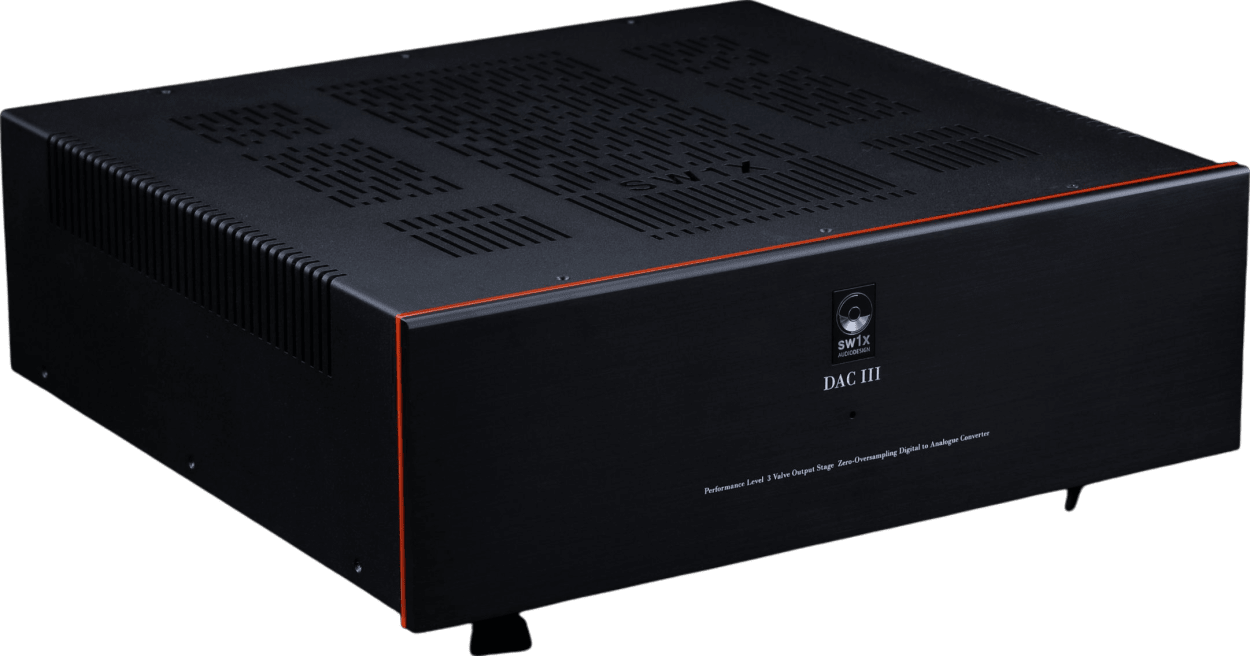
- Known for analog-like qualities in dealing with transcoding zeros and ones
- Conveys low-level musical complexity and subtle spatial nuances that other DACs have difficulty with
- Produces voices that expand in three dimensions with a refreshing sense of presence, reminiscent of vinyl reproduction
- Returns energy to the music, instead of taking it away
- Reproduces details and anchor points with refreshing vividness, presenting the actuality with the least fragmentation of the sound image
Product Considerations
- A single-ended into a balanced pre configuration caused occasional static, making image difficult to discern during those moments
- Clarity could be improved on very complex choirs and instruments, and more separation would also be beneficial
- The attack on drums is slightly slow—perhaps medium paced—compared to some DACs
Comparisons (according to reviewers)
- Compared to CH Precision C1.2 DAC, the DAC III is more emotionally involving, while the CH Precision sounds markedly cooler, flatter, and more emotionally restrained
- Compared to aqua acoustic quality Formula xHD, the Formula xHD retrieves detail, bass precision, articulation, and transparency better, while the DAC III is airier, more fluid, and more refined
- Compared to Holo Audio May, the attack on drums is slightly slow—perhaps medium paced—and behind the Holo Audio May as well
Takeaway: The SW1X Audio Design DAC III Balanced has a musicality that makes it worth considering. It expresses music in a way that is closer to analog, with a natural transparency and higher degree of contrast.
Video review
Our take on the brand

Our Summary
Product Strengths
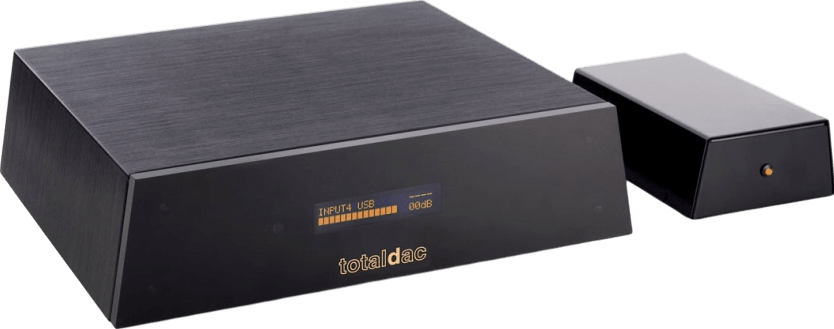
- Surprisingly technical, with resolution on par or better than anything else heard at its price point
- Conveys the time of music extremely well, notably with exceptional leading-edge portrayal and high resolution/micro dynamics
- Offers excellent timbre
- The internal streamer presented better clarity in the bass
Product Considerations
- With signals above PCM 24 bits and 192 kHz, the converter down-samples the signals
- DSD signal is converted internally to a PCM signal, since the R2R resistor ladder is a 24-bit circuit
- Treble compensation may be needed for optimal sound, or to lower excessive treble energy
Comparisons (according to reviewers)
- Versus Totaldac d1-tube DAC/Streamer, the d1-unity offers greater clarity, voice, and impact, providing a more fully resolved picture
- Versus Mola Mola Tambaqui DAC, the d1-unity offers more body, tone, and texture, whereas the Mola Mola emphasizes upper frequencies a bit more
- Matches the resolution and dynamic presentation of the Chord Dave
- The internal streamer is marginally better than the Sonore Optical Rendu
Takeaway: The d1-unity is a good option for those seeking an engaging and high-resolution digital source. It is especially suited for listeners who appreciate a physical and vibrant presentation of music.
Video review
Our take on the brand
How to buy
DACs
Search all hifi products
Explore our database of 10,000+ new and 25,000+ used hifi products.