





Note that this is a discontinued product. You may want to visit the brand's page here to browse their newer products.
What reviewers think
Bloggers and YouTubers have tried this product—so we've summarized their strongest opinions below. Links to full reviews follow.
Product Strengths
- Stunning design and premium build quality, using a mix of textures and materials for a tailored look
- Clear and intelligible dialogue, especially with a slight emphasis on the vocal range
- Easy to set up and use, with a straightforward app interface
- Powerful sound that can fill a small-to-medium-sized room, driven by a 400-watt amplifier
- Impressive Dolby Atmos performance, creating a taller, broader, and deeper soundstage, especially with Atmos content
- Only one HDMI input and no HDMI input passthrough
Product Considerations
- Lacks adjustability and customization options like individual channel level controls, EQ presets, or dialogue enhancements
- Bass performance lacks physicality and visceral impact compared to soundbars with separate subwoofers
- The soundbar requires a true Dolby Surround or Atmos signal for best results, stereo mixes can sound constrained
- Some reviewers noted occasional HDMI handshake issues when switching between Atmos and stereo content
Comparisons (according to reviewers)
- Vs Samsung Q950A—the Samsung is better overall, sounds good with almost any signal, and has more bass and features, but the Panorama 3 has better design and ease of use
- Vs Sonos Beam Gen 2—the Panorama 3 is more convincing and confident in larger spaces, but the Beam Gen 2 is expandable and more affordable
- Vs Bang & Olufsen Beosound Stage—the Beosound Stage does a better job with non-Atmos content and offers more flexibility and customization, but the Panorama 3 is equal to or slightly better spatially with Atmos content
- Vs Bose 900—the Bose 900 sounds great with non-Atmos content and is expandable, but the Panorama 3 does a better job spatially with Dolby Atmos movies as an all-in-one solution
Takeaway: The Panorama 3 is a stylish and simple to use soundbar that delivers a powerful and detailed audio experience. With its impressive Atmos performance, it's a good choice for those looking to upgrade their TV's sound without the complexities of a full home theater system.
All
Panorama 3
reviews


Manufacturer details
- Net weight: 6.5kg (14.3lb)
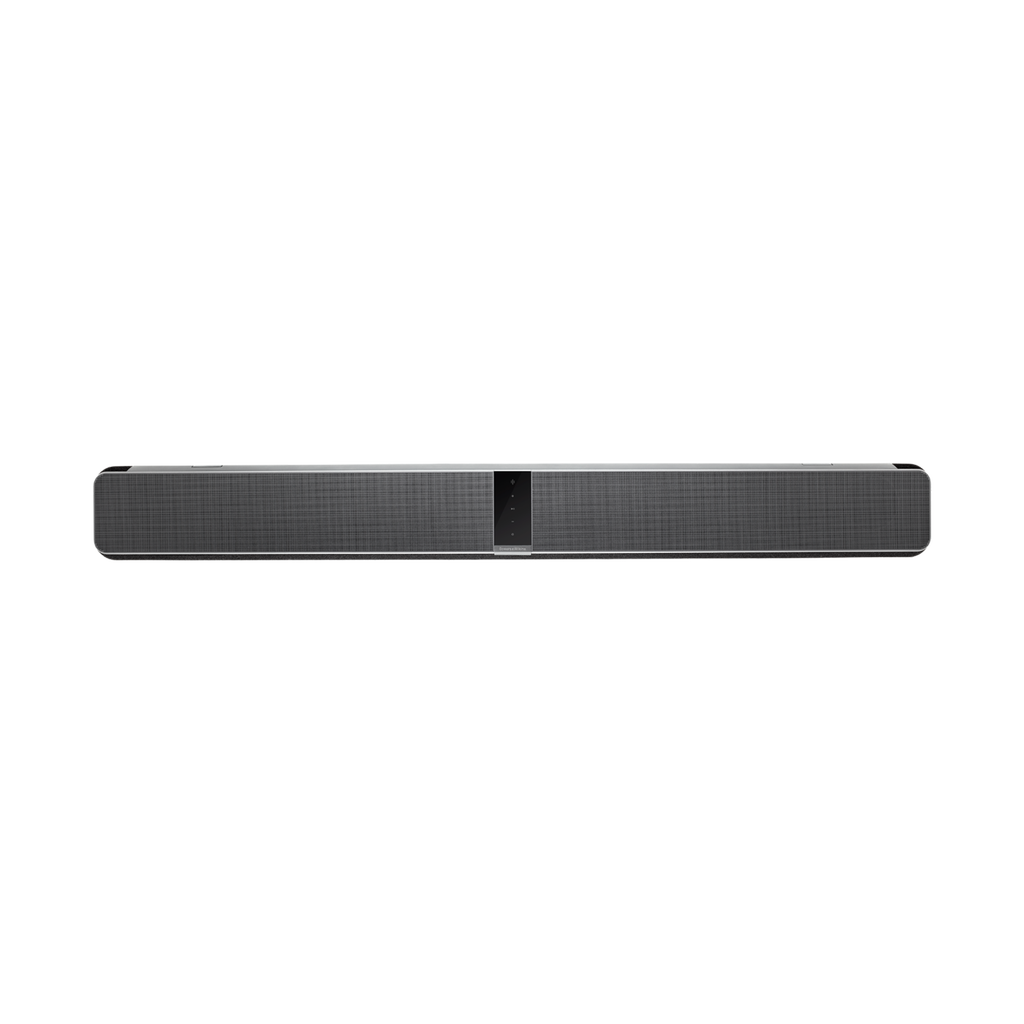
- Dimensions (HxWxD): 65mm x 1210mm x 140mm (2.5in x 46.6in x 5.5in)
- Drive units: 3 x 19mm (0.75in) Titanium dome tweeter, 6 x 50mm (2in) Woven glass fiber cone bass/midrange, 2 x 50mm (2in) Woven glass fiber cone atmosdrive unit, 2 x 100mm (4in) Low profile bass unit
- Frequency response: 43Hz-48kHz
- Input voltage: 100V - 240V, 50/60Hz
- Power consumption: Below 2W (Standby)
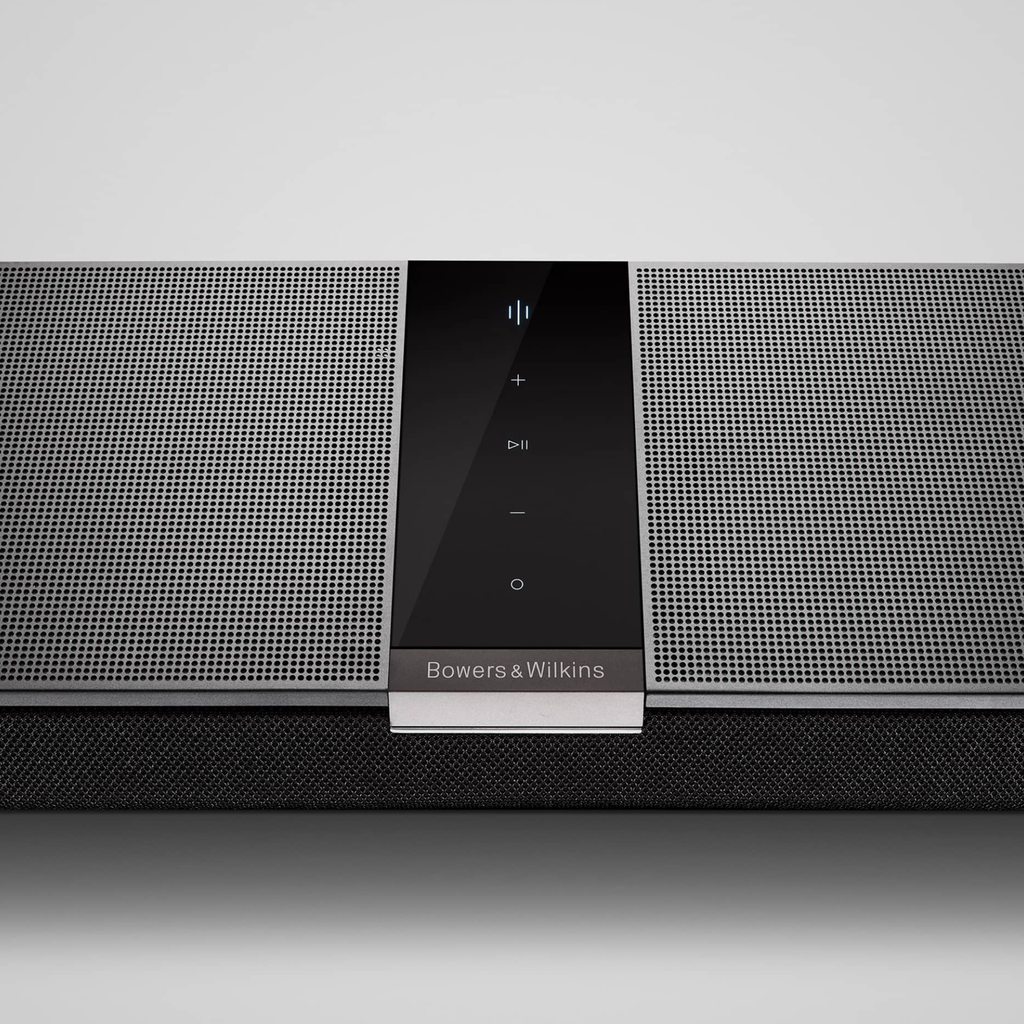
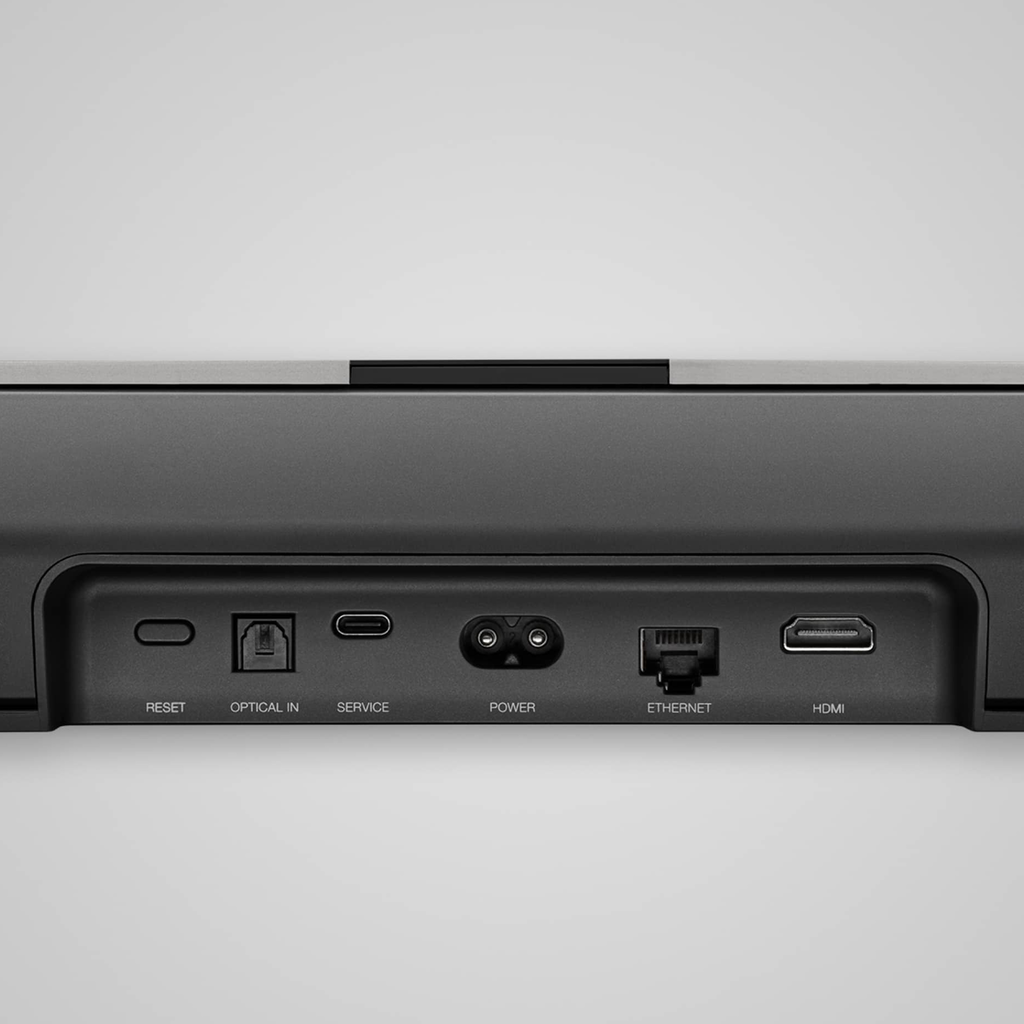
- Connections: 1 x HDMI eARC, 1 x Digital Audio In (Toslink), 1 x RJ45 Ethernet, 1 x USB-C (service connection only)
- Bluetooth: Bluetooth 5, class 2, AptX Adaptive, AAC, SBC






















Brand highlights
Taking a step back to look at reviewers' thoughts of the brand's entire lineup—not just this product—what stands out most is the following:
- They consistently produce clear and crisp sound, often exceeding expectations for soundbars, making them a reliable choice for audio fidelity.
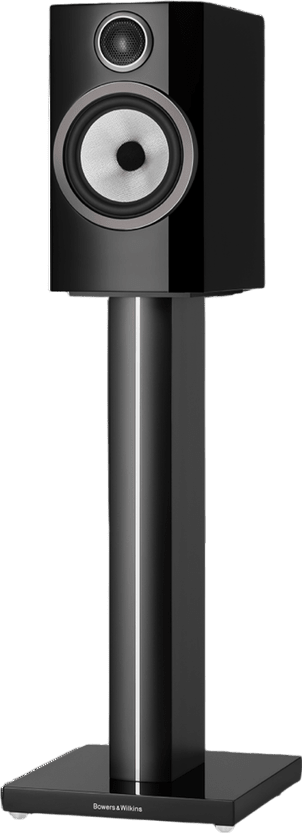
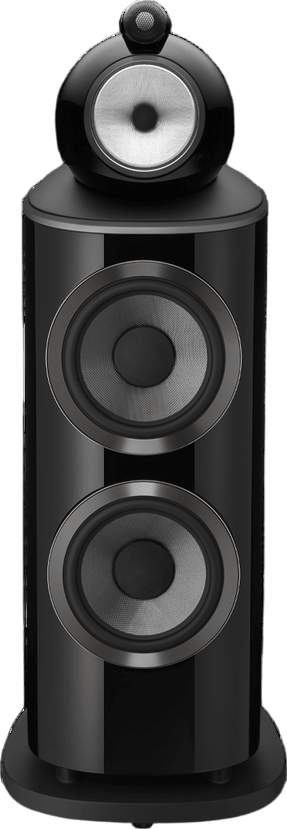
- Bowers & Wilkins products, particularly soundbars, are known for their elegant and minimalistic designs, often featuring high-quality materials like Nappa leather, aluminum, and unique mesh fabrics. This blend of aesthetics and functionality aims to seamlessly integrate into any room decor.
Select products


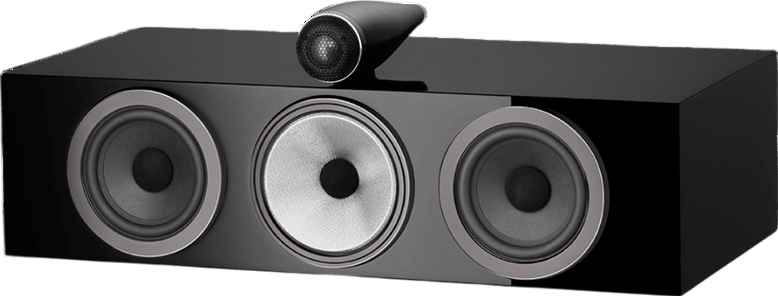
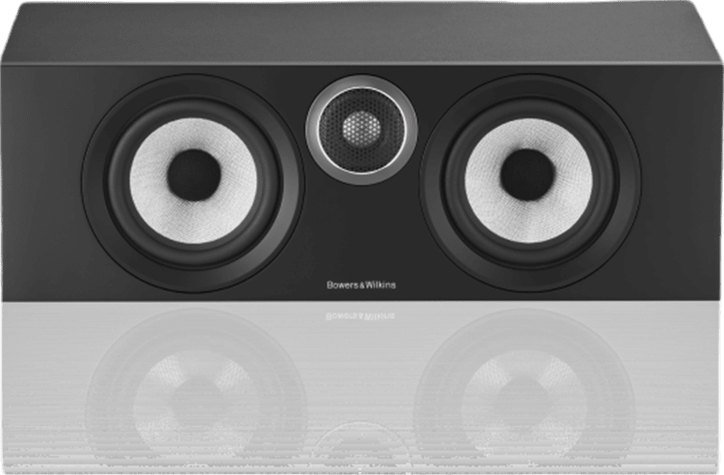
600 Series
- Positioning: The entry-level range in the Bowers & Wilkins lineup, designed to offer high-quality sound at an affordable price.
- Description: Praised for its affordability and the inclusion of the Titanium Dome tweeter, which provides clear and detailed high frequencies. Compared to the more expensive 700 Series, offers a more accessible entry point for those who want good sound quality without the premium price tag.
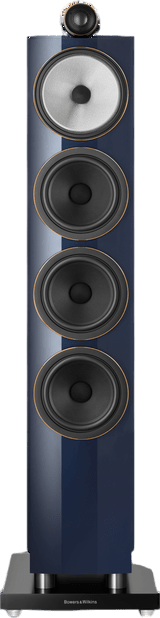
700 Series
- Positioning: Sits above the 600 Series, offering a step-up in performance and design, drawing on technologies from the flagship 800 Series.
- Description: Notable for its use of the Carbon Dome tweeter and Continuum cone. This series provides a more expansive soundstage than the 600 Series.
Signature Series
- Positioning: Represents a premium offering within the Bowers & Wilkins lineup, featuring enhanced versions of existing models with unique finishes and optimized components.
- Description: Distinguished by its luxurious design and tuning, offering superior sound clarity and detail. It builds on the 700 Series with further refinements and exclusive finishes.
Nautilus
- Positioning: The flagship model of Bowers & Wilkins, known for its iconic design and groundbreaking technology.
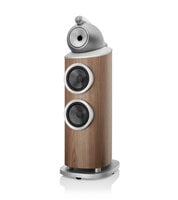
- Description: Celebrated for its unique spiral design and advanced acoustic technologies, such as the tapered damping tubes that minimize distortion. It stands apart from other models with its unparalleled sound quality and artistic design. This model is best suited for dedicated listening rooms where its full potential can be realized.

Our take on the brand
Look inside the brand
Our interview with the brand
What are two key technological innovations or strong opinions that differ you from other brands?
What's your approach to customer support?
What are your favorite tracks for showcasing the strength of your products?
What other products pair best with yours?

Used
Bowers & Wilkins












What if you spend more?




.svg)
Product Strengths
- Clear and detailed audio, enhancing dialogue clarity significantly over TV speakers
- Compact size and aesthetic design make it suitable for smaller TVs (around 40-50 inches) and rooms, with flexible placement options
- Integrates seamlessly into the Sonos ecosystem, offering user-friendly operation and a cohesive app for control and setup
- Versatile connectivity through Wi-Fi and Apple Airplay 2, enabling wireless music streaming and integration with other Sonos speakers
Product Considerations
- Limited bass performance, potentially requiring a separate subwoofer for a more immersive experience
- Only connects to TVs via an optical port, lacking HDMI ARC and the ability to support higher quality audio formats
- Absence of Bluetooth connectivity, limiting its versatility for direct connections with devices
- Soundstage is narrower compared to wider soundbars, which may not provide as immersive a listening experience, although it does output in stereo
- The use of an optical connection means users have to go through an additional setup process so that their TV's remote can adjust the volume on it
Comparisons (according to reviewers)
- Vs Sonos Beam Gen 2: Offers a more affordable entry point into the Sonos ecosystem, sacrificing some features of the Beam Gen 2—such as Dolby Atmos and HDMI connectivity
- Vs Roku Streambar Pro: Has similar audio performance but fewer connectivity options
Takeaway: The Sonos Ray is a compact and stylish soundbar that noticeably upgrades the sound quality of the TV, especially for dialogue. Its integration with the Sonos ecosystem makes it a great choice for those looking to expand their multi-room audio setup.
Video review
Our take on the brand
What competes at this price?


Our Summary
Product Strengths
- Impressively detailed, solid, and satisfying Dolby Atmos delivery
- Effectively combines spaciousness and clarity when playing non-Atmos soundtracks
- Sound is clear and crisp
- Has a rich, wide sound and handles Dolby Atmos content well
- The soundbar is more musical than most and is able to exhibit a lot of subtlety and has great dialogue reproduction
Product Considerations
- Music lacks drive and drama
- The soundbar is taller than average and may block part of the screen if placed on the same surface as a TV
- Initial setup can be difficult
- Lacks HDMI inputs, requiring the TV to be connected via optical cable
Comparisons (according to reviewers)
- Vs Sonos Arc: The Pulse Soundbar+ offers music tracks full of sound color splendor, but the Sonos Arc is punchier, better organized, and more engaging overall
- Vs Sonos Arc: Sonos has dedicated upward-firing speakers, while the Bluesound does not
- Vs Sonos: Bluesound has a richer soundstage than Sonos
Takeaway: The Bluesound Pulse Soundbar+ provides detailed and solid sound for both movies and music. It is a good choice for those who appreciate nuance and detail, with the added benefit of BluOS streaming and multiroom capabilities.
Video review
Our take on the brand

Our Summary
Product Strengths
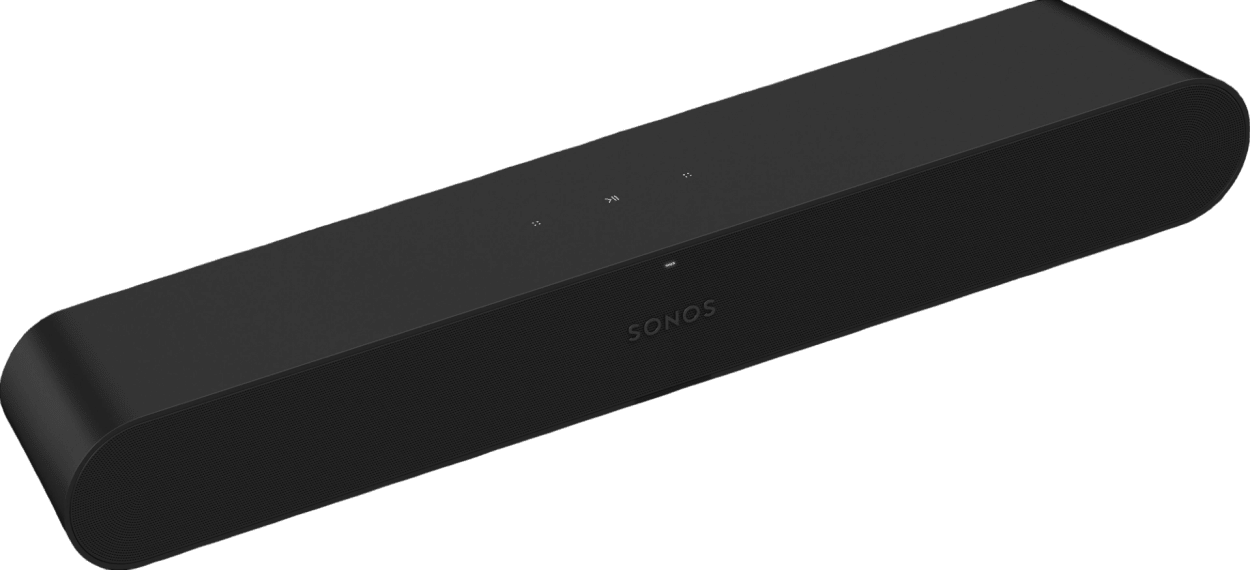
- Clear dialogue and good vocal clarity, making it a solid choice as an upgrade over TV speakers for vocal-centric content
- Compact size makes it ideal for smaller TVs (around 40-55 inches) and rooms
- Easy to set up and integrate into the Sonos ecosystem using the Sonos app
- Balanced, crisp sound that surpasses many budget soundbars and offers better sound than the majority of internal TV speakers
- Full Sonos wireless support with AirPlay 2 and Spotify Connect
Product Considerations
- Lacks low bass, which can make it disappointing for movies or music with a lot of bass, if listening to music with a higher value soundbar
- No HDMI connectivity, relying on optical input, which may cause control issues for some users
- No Dolby Atmos support
- Trueplay room correction is only available for iOS devices
- IR volume adjustments can be problematic
Comparisons (according to reviewers)
- The Beam Gen 2 is the 'utmost winner' with better sound, connectivity, fit, build, and aesthetic
- The Sonos Beam is better with a discrete center channel to improve dialogue reproduction
Takeaway: The Sonos Ray is a compact and capable soundbar that greatly improves the TV's sound, making it easier to hear dialogue and enjoy music. Its small size and easy setup make it a good fit for smaller spaces and those new to the Sonos ecosystem.
Video review
Our take on the brand


Our Summary
Product Strengths
- Impressive build quality and a beautiful gloss white finish is available in black
- HDMI ARC input allows for easy use with a TV, using the TV remote for volume control
- Versatile with streaming capabilities, line input, and subwoofer output
- Excellent clarity in the top end, dialogue intelligibility, and neutral midrange
- Can play extremely loud, exceeding comfortable listening levels
- Connectivity options include HDMI ARC, streaming, line input, and subwoofer output
Product Considerations
- Larger than other speakers in its class, specifically tall, so may not fit under a monitor
- Plastic remote is not backlit and basic
- Requires multiple wires—one for power and one to connect the two speakers
- Bass rolls off around 40-50Hz without a subwoofer
Comparisons (according to reviewers)
- Compared to passive speakers (Triangle Bro 3s + IOTAVX SA-3), the SVS Prime Wireless Pro has better treble separation and more impactful bass, while the Triangle has a warmer, richer midrange; the SVS Prime Wireless Pro also provides HDMI ARC
- Compared to Polk Reserve R100 + Arylic A50+, the Polk Reserve R100 is a warmer speaker overall, but the SVS Prime Wireless Pro has a more neutral and accurate sound, with superior bass output and power
- Compared to Cabasse's The Pearl Keshi, the SVS Prime Wireless Pro sounds better at less cost
- Compared to SoundArtist LS3/5A speakers, the SVS Prime Wireless Pro speakers are far more sonically balanced, with a little more bass plus better overall soundstaging and presentation
Takeaway: The SVS Prime Wireless Pro is a versatile, all-in-one speaker solution with great build quality, a neutral sound, and many useful features like HDMI ARC and streaming. It's a fantastic option for improving TV, movie, gaming, and music listening experiences in a single, convenient package.
Video review
Our take on the brand
How to buy
Soundbars
Search all hifi products
Explore our database of 10,000+ new and 25,000+ used hifi products.