




Note that this is a discontinued product. You may want to visit the brand's page here to browse their newer products.
What reviewers think
Bloggers and YouTubers have tried this product—so we've summarized their strongest opinions below. Links to full reviews follow.
Product Strengths
- Sound far bigger than they look, offering impressive scale and low-frequency extension
- Bass performance is properly big, fast, taut, and detailed
- A uniformity to their sound across the entire frequency range, drawing the listener into the music
- The dynamic range is remarkable, capturing everything from a whisper to a thunderclap with ease
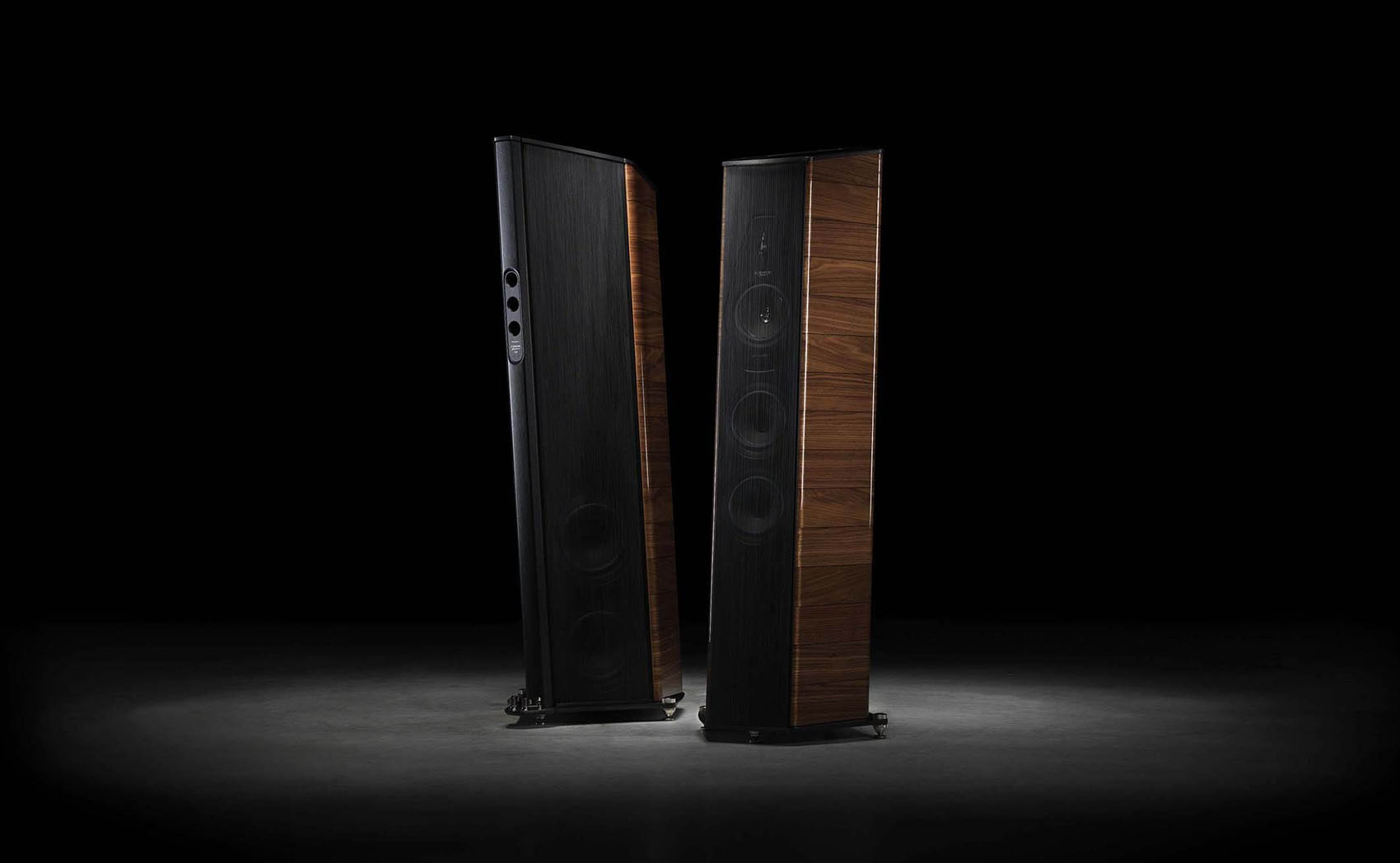
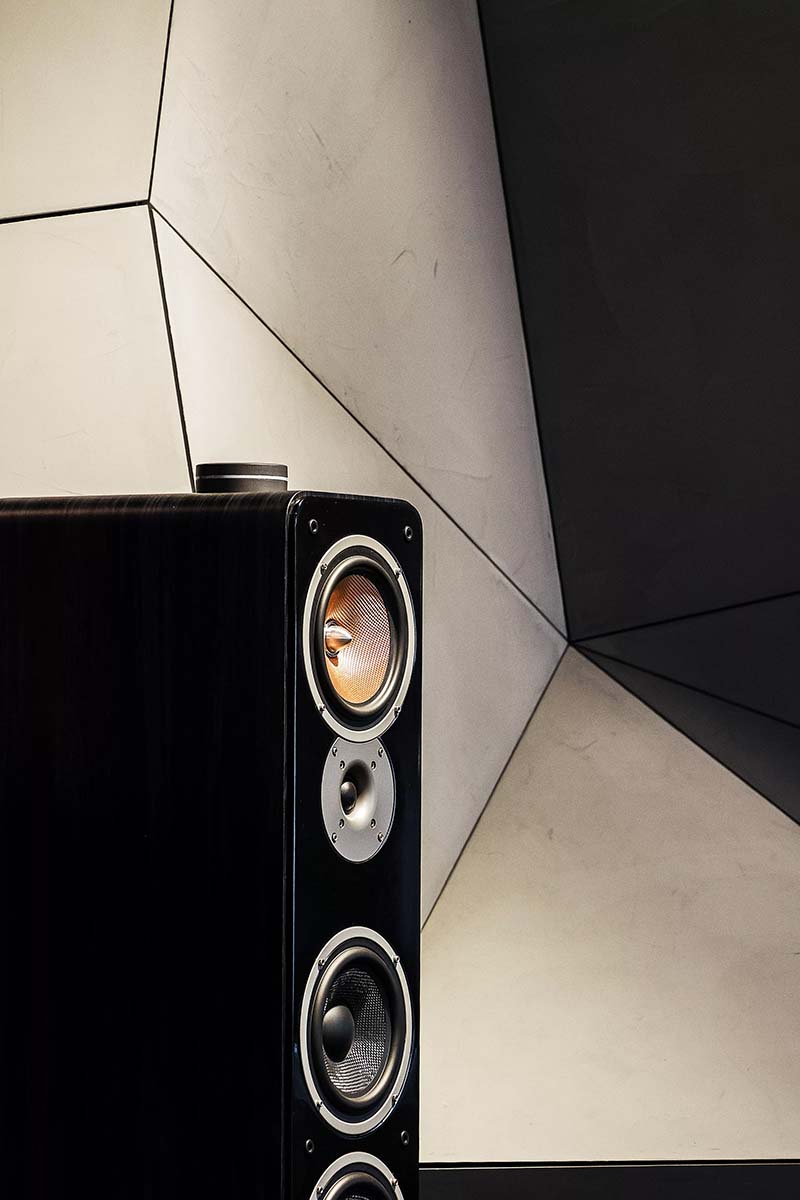
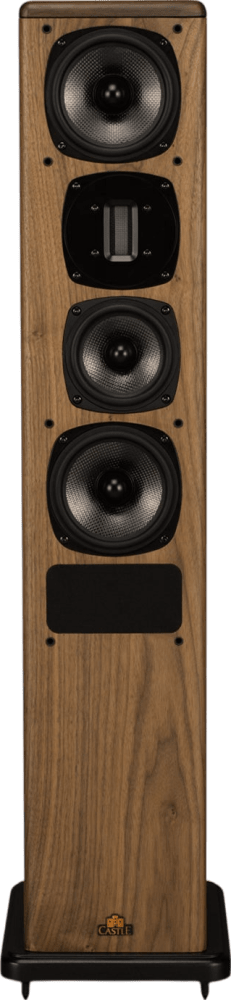
- The fit and finish is immaculate, and they are glorious pieces of furniture in their own right
Product Considerations
- The port works hard, so keep them well away from rear walls (minimum of two feet)
- The magnets holding the grilles are not strong enough, and the grilles slightly impinge on the imagery
- The grilles are best treated as dust protectors when not listening
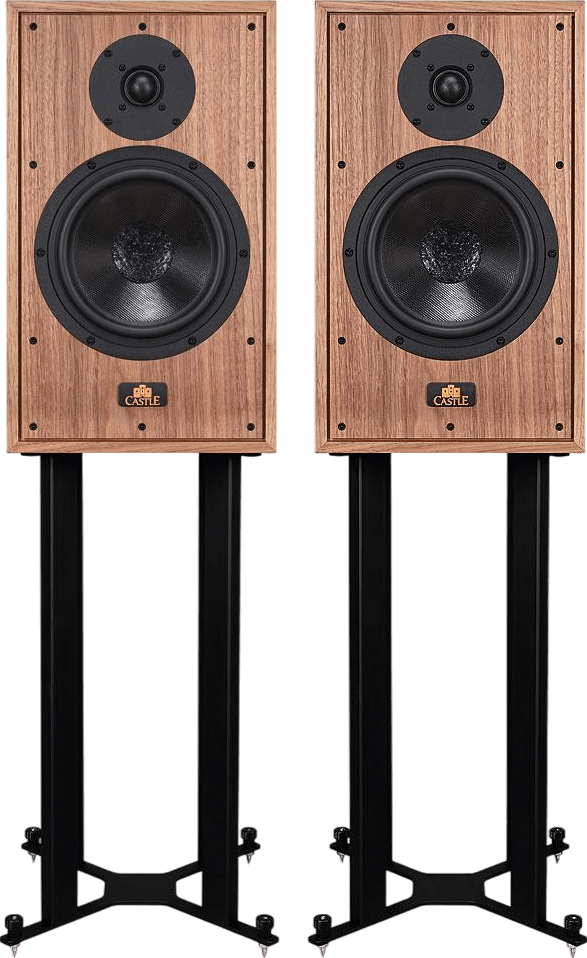
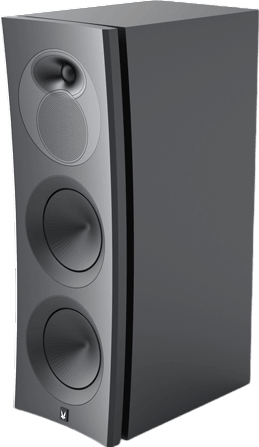
Takeaway: The Castle Windsor Duke speakers are beautifully made and provide an impeccable performance. They are worth considering if you want standmount speakers that sound like floorstanders.
All
Windsor Duke
reviews



Manufacturer details
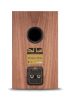
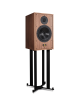
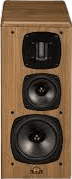
- General Description: 2-way Bookshelf Speaker
- Enclosure Type: Bass Reflex
- Bass Driver: 8"(200mm) Woven Polypropylene
- Treble Driver: 1.1" (28mm) Micro-Fibre Dome
- Sensitivity (2.83V@1m): 90dB
- Recommended Amplifier Power: 30-150W
- Peak SPL: 95dB
- Nominal Impedance: 8Ω
- Minimum Impedance: 4.2Ω
- Frequency Response (+/-3dB): 52Hz - 22kHz
- Bass Extension (-6dB): 39Hz
- Crossover Frequency: 2.1kHz
- Cabinet Volume: 26L
- Dimensions (HxWxD): 470 x 280 x (310+36) mm

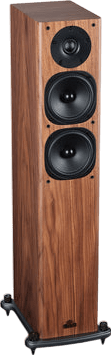
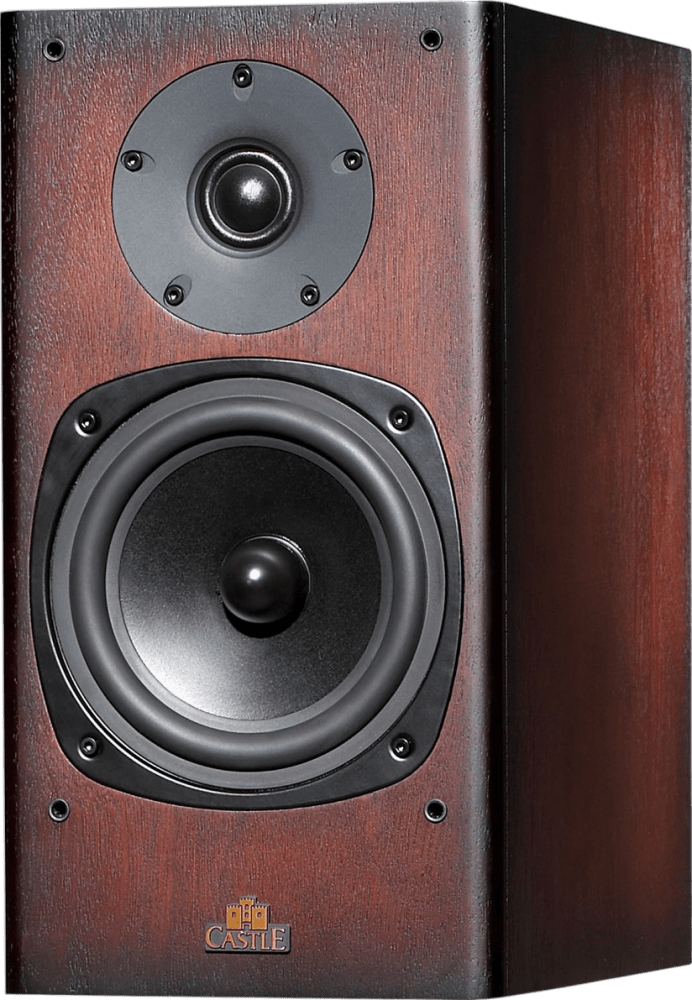
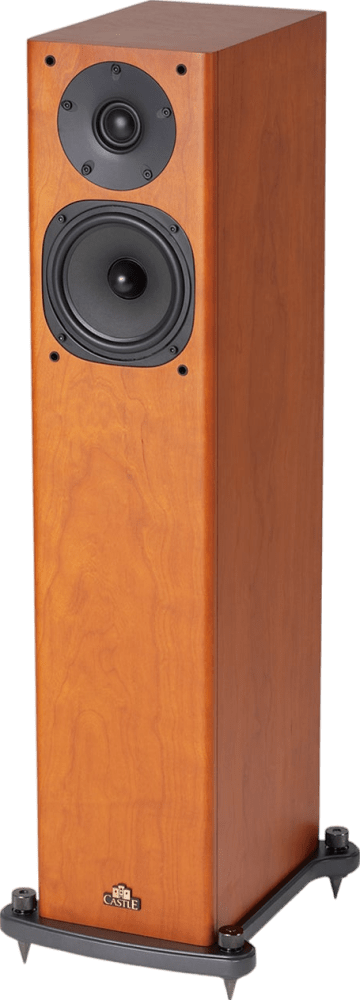



Brand highlights
Taking a step back to look at reviewers' thoughts of the brand's entire lineup—not just this product—what stands out most is the following:
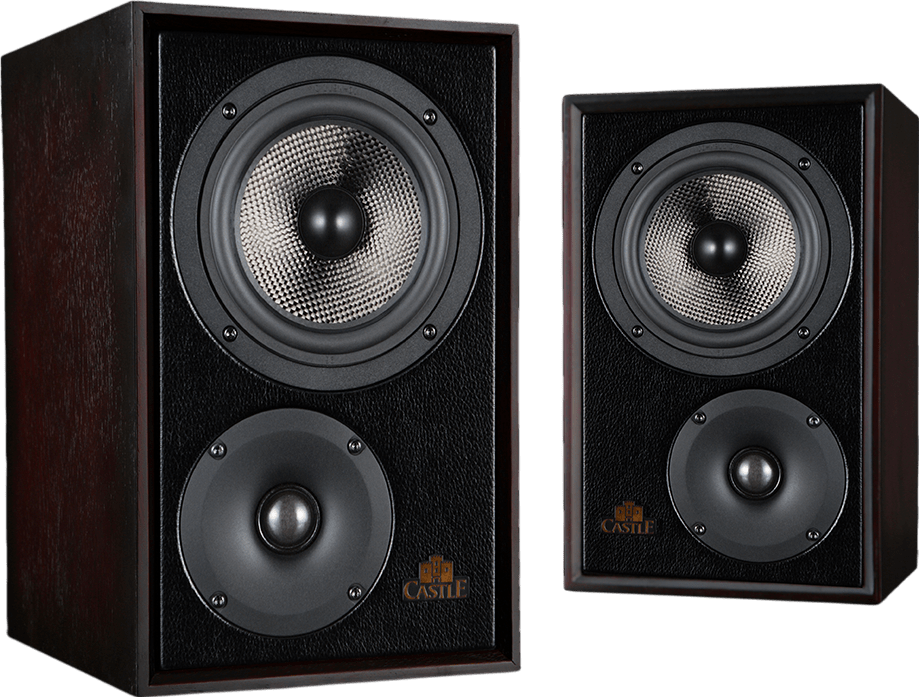
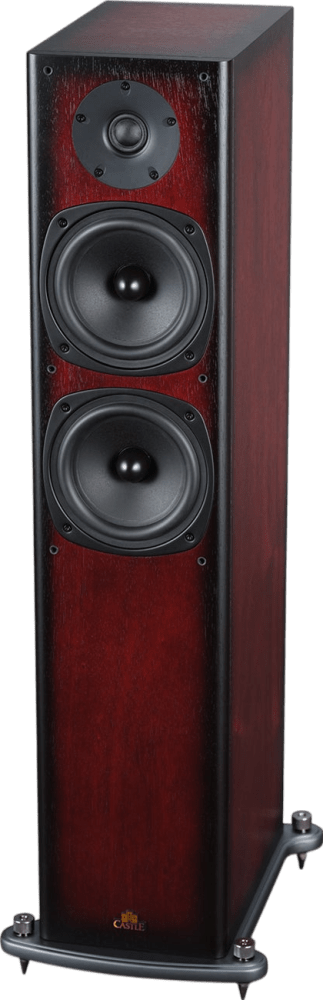
- Castle speakers prioritize hand-crafted cabinetry using real wood veneers, meticulously book-matched and finished, reflecting a commitment to furniture-grade aesthetics.
- The brand uses transmission line loading in their speaker designs, particularly in floor-standing models, to achieve deeper and more controlled bass response without relying on bass-reflex ports.
- Castle frequently employs ribbon tweeters in their higher-end models, valuing their ability to deliver detailed and extended high frequencies, enhancing the reproduction of instrumental textures.
- They often use woven cones (carbon fiber or polypropylene) in their drivers, aiming for a balance of stiffness, lightness, and controlled resonance to improve overall sound quality and accuracy.
Select products
Richmond IV
- Position: A compact, standmount speaker that offers a classic monitor approach.
- Description: Delivers a surprisingly wide and detailed sound from a miniature design, thanks to a larger drive unit and updated cabinet damping. Compared to floorstanding models like the Avon 5 and Knight series, it suits small rooms and tighter budgets while meeting basic functionality needs.
Avon 5
- Position: A floorstanding speaker with transmission line technology.
- Description: Uses twin drive transmission line technology to ensure smooth, full-spectrum performance in a refined cabinet with real wood veneers. Unlike the compact Richmond IV and the more traditional Knight speakers, it targets users with larger spaces who need advanced technology.
Knight 4
- Position: A floorstanding model that emphasizes natural tone and meticulous wood veneer craftsmanship.
- Description: Offers balanced, clear sound reinforced by its unique cabinet design and acoustic control. When compared to the Avon 5 and the more robust Knight 5, it provides an economy in design and build quality for buyers with focused sonic goals.
Knight 5
- Position: A robust floorstanding speaker in the Knight range with enhanced power handling.
- Description: Builds on traditional design with larger drivers and a higher recommended amplifier power for improved bass and dynamic range. Compared to the lighter Knight 4 and compact Richmond IV, it caters to users in larger settings.
Windsor Duke
- Position: A high-end bookshelf speaker distinguished by premium craftsmanship and advanced drive integration.
- Description: Features cast-alloy drive units with woven cone technology and hand-finished veneers to minimize distortion and deliver superior clarity in a compact format. In contrast to floorstanding options like the Avon 5 and Knight series, its exceptional construction and detail make it stand out in the lineup.

Our take on the brand
Look inside the brand
Our interview with the brand
What are two key technological innovations or strong opinions that differ you from other brands?
What's your approach to customer support?
What are your favorite tracks for showcasing the strength of your products?
What other products pair best with yours?

Used
Castle







What if you spend more?
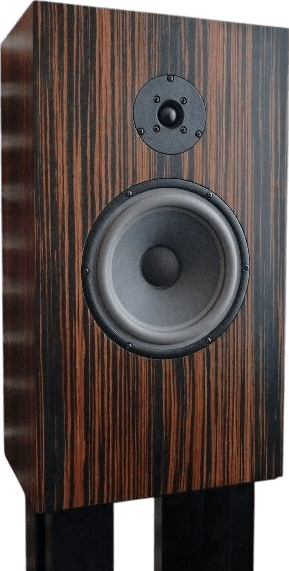


The design of the AN-J Loudspeaker, by contrast, follows an altogether different philosophy. It calls for a cabinet that complements the chosen drive units, rather than fighting against them. Instead of trying to kill the resonances, we tailor the cabinet to place them in frequency bands where they aid and enhance the operation of the drive units, culminating in a loudspeaker system that makes the most of the preceding amplifier’s output. The material choice for the cabinet is an area where a great deal of research and development has taken place. Over the years, we have tried many different materials and combinations, a time consuming endeavour culminating in the current design, which utilises the highest quality birch ply for the entire cabinet. Bracing and internal damping is kept to a minimum and strategically applied to help, not hinder the drivers.

.svg)
Our summary
Product Strengths
- Solid bass performance for a speaker of its size
- Able to do justice to any genre of music and at realistic volume levels
- Very easy to drive
- Offers a balanced presentation from top to bottom with seamlessness between the woofer and tweeter
- Started sounding like far more than a pair of 8″ two-way monitors when properly positioned along the side walls
Product Considerations
- Achieving the best imaging and deep bass may require experimenting with toe-in and distance from corners and the back wall
- Does not provide much forward/backward information, with the image typically stopping at the outer edge of the speakers
- The basic 'D' model comes only in black ash veneer, while higher-end models offer more choices
- Bass can be overblown if not adjusted properly in room placement
Comparisons (according to reviewers)
- The AN-E has more bass, is easier to drive, and has a bigger presentation
- Some may prefer the J because they find it a more taught presentation in the mid bass, as well as more "present" in the voice band
Takeaway:
The AN-J is a near full-range loudspeaker capable of articulation and organic flow, making music sound natural and engaging. If someone is looking for a communicative quality that remains consistent wherever they listen, then the AN-J could be a good fit.
Video review
Our take on the brand
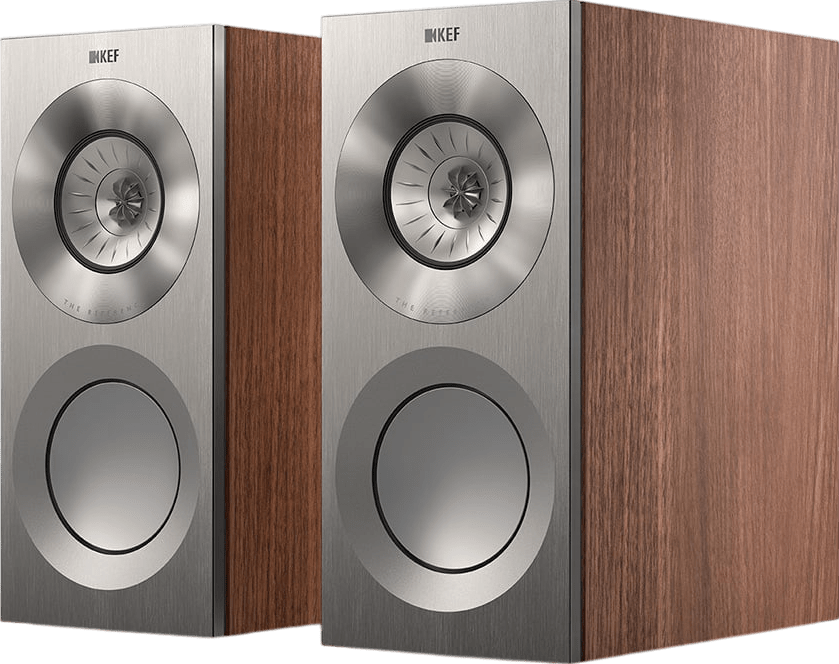

The one standmount model in the Reference series could be the only loudspeaker you ever need. A three-way model boasting KEF’s 12th generation Uni-Q® driver array with MAT™, Reference 1 Meta is capable of delivering expansive, high-performance sound that goes way beyond what its relatively compact size would suggest was possible.
Product Strengths
- Balanced, refined, and musical performance
- Fine stereo imaging and a wide—beautifully focused—soundstage
- Impressive bass power and authority for a standmount speaker
- Excellent build quality and finish
- Uni-Q driver produces a consistent dispersion pattern
Product Considerations
- Demands an amplifier with plenty of power due to its low sensitivity (85dB/W/m) and 4 Ohm impedance (minimum 3.2 Ohms)
- Dedicated stands are expensive (S-RF1)
Comparisons (according to reviewers)
- Vs Bowers & Wilkins 805 D4: Sounds larger-scale, more muscular, and punchy
Takeaway: The KEF Reference 1 Meta is a superb speaker combining excellent sound with clever engineering, well suited for audiophiles looking for a high-quality listening experience. It delivers an immersive and detailed soundstage.
Video review
Our take on the brand

Product Strengths
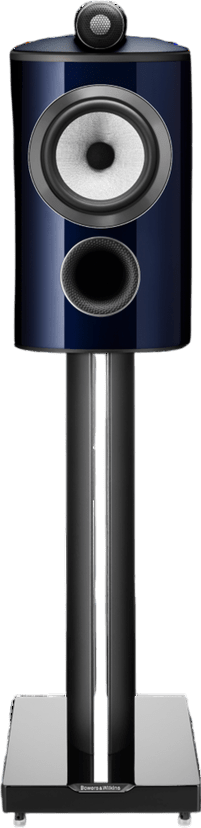
- Adept at handling complex compositions and uncovering the finest sonic detail without losing track of the musical picture as a whole
- Gets listeners closer than ever to the artist's intent
- Excellent sense of detail, of boundaries naturally drawn
- High-frequencies sound realistic and natural
Product Considerations
- Low frequencies were somewhat lightweight
- With such a tipped-up tweeter, the resulting sound could be too bright
- Due to a lack of boundary reinforcement, Bowers & Wilkins speakers with top-mounted tweeters always drop off below around 5kHz
Comparisons (according to reviewers)
- Versus Magico A1, Magico A1 aim for pure neutrality
- Versus Dynaudio Confidence 20, Dynaudio Confidence 20 is for listeners who just want to enjoy their music
Takeaway: The 805 D4 makes music sound very realistic and clear, almost as if you are there. It can make a small room feel big with its sound.
Video review
Our take on the brand

Our summary
Product Strengths
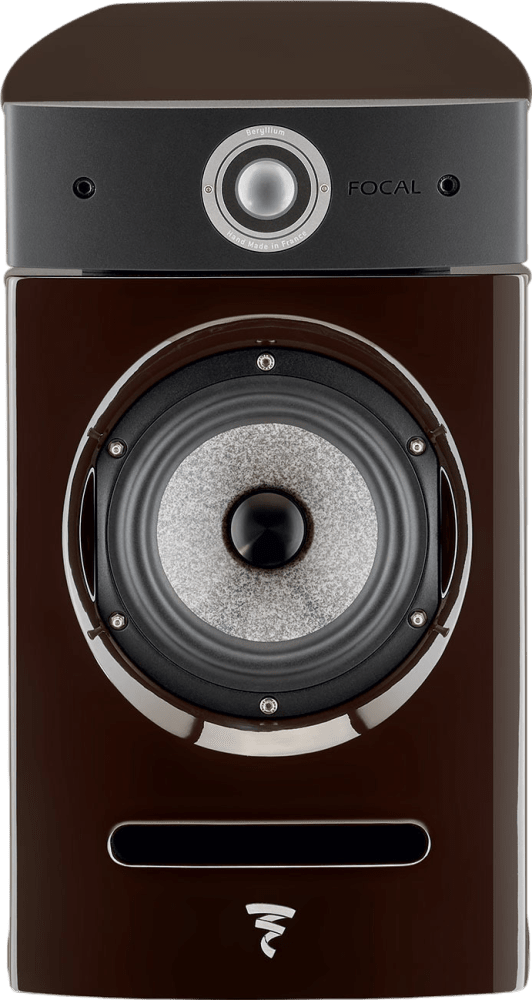
- Features a 1-inch pure beryllium inverted dome tweeter that rests inside its own chamber, which acts as a tuned resonator, and helps give the speaker its iconic profile
- The cabinet's shape helps to mechanically time-align the two drivers and optimize the phase between them
- Bass is firm, free of any distortion or boominess, and agile when driven correctly with a capable amplifier
- The speaker is neutral throughout the midrange, and clear, focused, and detailed
- Transparency to the music and resulting 3-dimensional soundstage that is boundary-defying in almost all directions, with dynamics close second only to the La Scala
Product Considerations
- For true full-range playback, a subwoofer is required
- The beryllium tweeter has the ability to showcase the flaws in poor recordings
- Sound improves the more upmarket the accompanying equipment is
- Amplification pairing is vital and can drastically change the sound
- Placement of these speakers in different spots in the room changed the sound drastically
Comparisons (according to reviewers)
- The Diablo's have more detail on tap but remain smooth and realistic, with the midrange being leaner but cleaner than the Fleetwood Deville SQ
- The Diablo will offer everything the Sonus Faber Sopra 1 does—and even more
Takeaway: The Focal Diablo Utopia Color Evo speakers are transparent and reveal details in music with incredible imaging, making for a fun listening experience. To hear all the nuances in music, these speakers could be a great choice.
Video review
Our take on the brand
What competes at this price?

Our Summary
Product Strengths
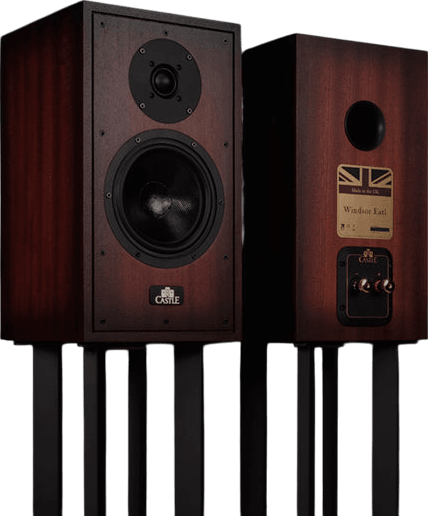
- Well-made with a beautiful, furniture-grade cabinet finish, using real wood veneers sourced from sustainable timbers
- Refined and smooth sound
- Uniform frequency response that is not particularly fussy about room position
- Easy to drive and place
- Great bass for a speaker of this size, and lacks boxy coloration
Product Considerations
- Mahogany finish may not appeal to everyone
- Placing the speakers too close to walls can make the bass sound thick
Comparisons (according to reviewers)
- Vs Epos ES14N: The Castle is more aesthetically elegant, but the Epos ES14N is a true all-rounder
- Vs Mission 770: The Mission is more lively than the Castle
- Vs Neat Elite Classics: The Castle has more polite bass than the Neat.
Takeaway: The Castle Windsor Earl speakers are a good choice for those wanting a speaker with a traditional style that provides a smooth, refined, and room-filling sound. They are built with care in the UK, and are good for listening to music.
Video review
Our take on the brand

Our Summary
Product Strengths
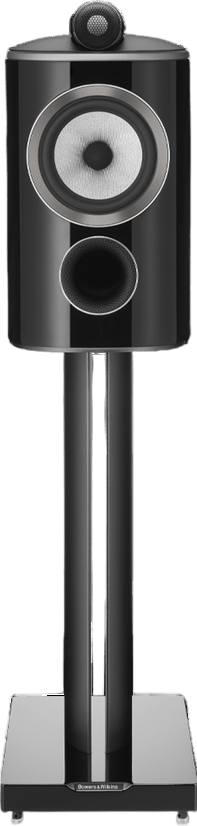
- Excellent build quality, featuring a blend of aluminum, leather, and wood veneer, or gloss paint.
- Detailed sound with excellent stereo imagery.
- Good detail and clarity.
- Wide and deep soundstage.
- Design features contribute to cabinet rigidity and reduced coloration.
Product Considerations
- May sound bright with the wrong amplifier or cables.
- May require a high-power solid-state amp.
- Needs quality amplification and may sound soft if underpowered.
- Requires stands, adding to the overall cost.
- Bass may not satisfy those seeking high-output bass without a subwoofer.
Takeaway: The 805 D4 is an excellent speaker that is beautifully built and delivers a detailed and engaging sound. It's a great option for those seeking a premium listening experience.
Video review
Our take on the brand

Our Summary
Product Strengths
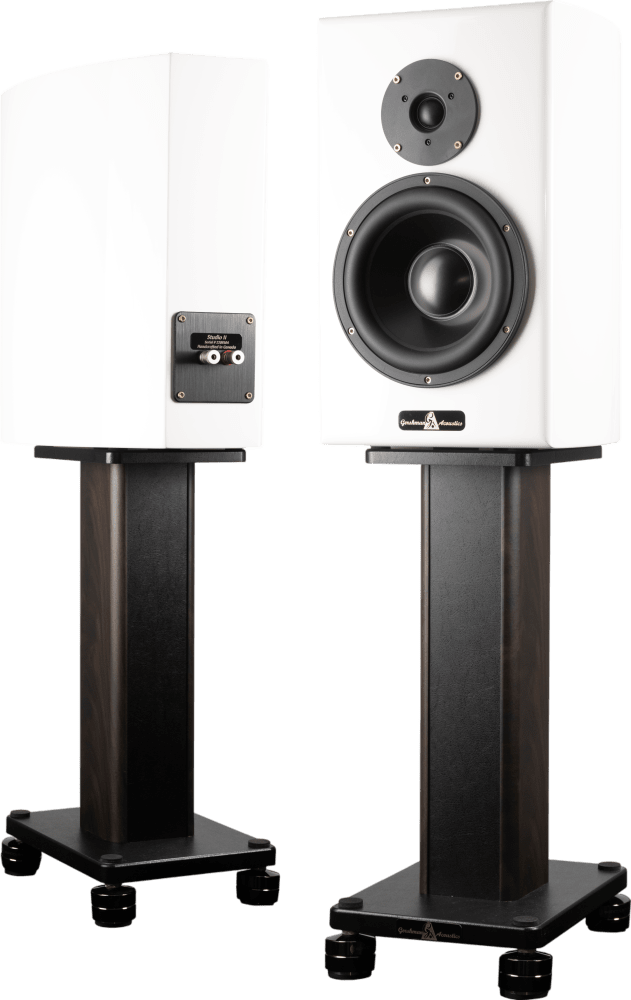
- Full-range sound, impressive bass response, and the ability to pressurize a room, often negating the need for a separate subwoofer
- Smooth, warm, and coherent midrange provides natural and engaging vocals and instruments for long listening sessions without fatigue
- Well-extended treble presents in a naturally smooth, enjoyable, and pleasing manner
- Excellent imaging and soundstage capabilities create a realistic and immersive listening experience
- Sound reproduction makes it a speaker that one can live with
- Connectivity options are available
Product Considerations
- Quality amplification with sufficient power and current is required to achieve optimal performance and control the woofer effectively
- The backplate for bass adjustment uses wood screws, making it easy to strip if not handled carefully
- Placement and setup, especially stand height and toe-in, are crucial for achieving the best high-frequency response, it can sound dull if not optimized
- May not be ideal for listeners who prefer a brighter, more forward sound signature or those who prioritize extreme loudness levels
- Grilles may cause micro-rattling at moderate to loud listening levels due to weaker magnets
Comparisons (according to reviewers)
- Vs Totem Acoustic Manny 2 Signature: The Studio 2 has a more forgiving presentation, denser midrange, and stronger bass
- Vs Klipsch Forte 3: The Studio 2 offers a more natural tone, especially in the midrange and upper bass, along with greater soundstage depth
- Vs Vienna Acoustics Mozart Symphony Editions: The Studio 2 beats them in bass and midrange
- Vs Harbeth (SHL5 and Compact 7 XTs): The Studio 2 cannot be matched by the Harbeth's articulate bass response
- Vs Celestion SL6-S: The Studio 2 has deeper roots in the trunk, and they got high branches and leaves, but they don't go all the way up to the highest branches and leaves at the tippy top
Takeaway:
The Studio 2 is a well-built bookshelf speaker that delivers a smooth, full-range sound with surprising bass and clear imaging, making for an engaging listening experience. With the right setup and quality components, these speakers can provide years of musical enjoyment in a variety of room sizes.
Video review
Our take on the brand

Our Summary
Product Strengths
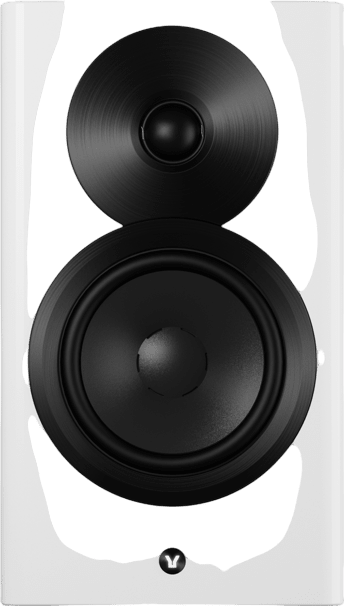
- Integrated technology allows direct high-resolution listening without extra devices
- The speaker uses the same Pascal Class D amplification and processing technology from Dynaudio's Pro line Core series
- Discrete amplification channel per driver: 110 watts for the tweeter and 280 watts for the woofer
- Dirac Live room correction is available, which can tune some of the annoying sounds of a garage, for example, using the soft dome tweeter
Product Considerations
- Running a digital coaxial cable from one speaker to the next results in the signal being sent at 24-96 kilohertz, which is a lower quality than what the master speaker receives (24-192)
- There is no HDMI arc or e-arc connection
- Drilling holes may be required to attach the speaker to stands
- Setting up the speaker with the app is not as quick or seamless as Bluesound
- A microphone is required to do Dirac room calibration
Comparisons (according to reviewers)
- Vs PSB Alpha IQs: Plays louder with a higher level of amplification
- Vs Dynaudio Core 7: The Core 7 has more power and a slightly better tweeter and woofer, but is not as aesthetically pleasing and needs a Bluesound Node
- Vs Dynaudio Evoke: It is similar to an Evoke speaker, but with a bigger woofer
Takeaway: The Focus recMsY5ljWopDD7UU is a sophisticated wireless speaker that pulls technology from Dynaudio's Pro line and features Dirac room calibration. It is ideal for someone looking for high-resolution listening without extra devices and who values sophisticated sound and aesthetics.
Video review
Our take on the brand

Our Summary
Product Strengths
- Exceptionally well-built, described as monolithic and like concrete bricks
- The tweeter provides detailed highs, comparable to a good AMT tweeter, and performs effortlessly even at high volumes
- The midrange is special, with a carbon graphene construction for well-behaved out-of-band performance and high output
- The speaker's design allows for significant room gain, providing real bass extension below 20 Hz
- Immense potential, described to be a top shelf product
Product Considerations
- The image was a little high
- The speakers want power from a good amplifier to really open up
- The listener might not always be as emotionally convinced by the result as they perhaps should have been
- The speakers are large and may be obtrusive for most UK spaces
Comparisons (according to reviewers)
- vs Paradigm Founder 120Hs: Similar to the Paradigm Founder 120Hs, which have active jumpers
- vs RBH SVTRs: The reviewer loves the RBH SVTRs, and these new speakers are being tested to see if they can be a game changer in the industry
- vs Spendor Classic 3-1: Arendal 1528 is neutral from top to bottom, while Spendor is warm from top to bottom
- vs Cabasse Morano: Cabasse Morano has some coloration, but the Arendal 1528 is dead neutral
Takeaway:
The Arundel Sound 1528 recMsY5ljWopDD7UU speakers are incredibly well-built with high-quality components that deliver an excellent listening experience. They are capable of filling large rooms with detailed sound and powerful bass.
Video review
Our take on the brand
How to buy
Speakers
Search all hifi products
Explore our database of 10,000+ new and 25,000+ used hifi products.