



Note that this is a discontinued product. You may want to visit the brand's page here to browse their newer products.
What reviewers think
Bloggers and YouTubers have tried this product—so we've summarized their strongest opinions below. Links to full reviews follow.
Product Strengths
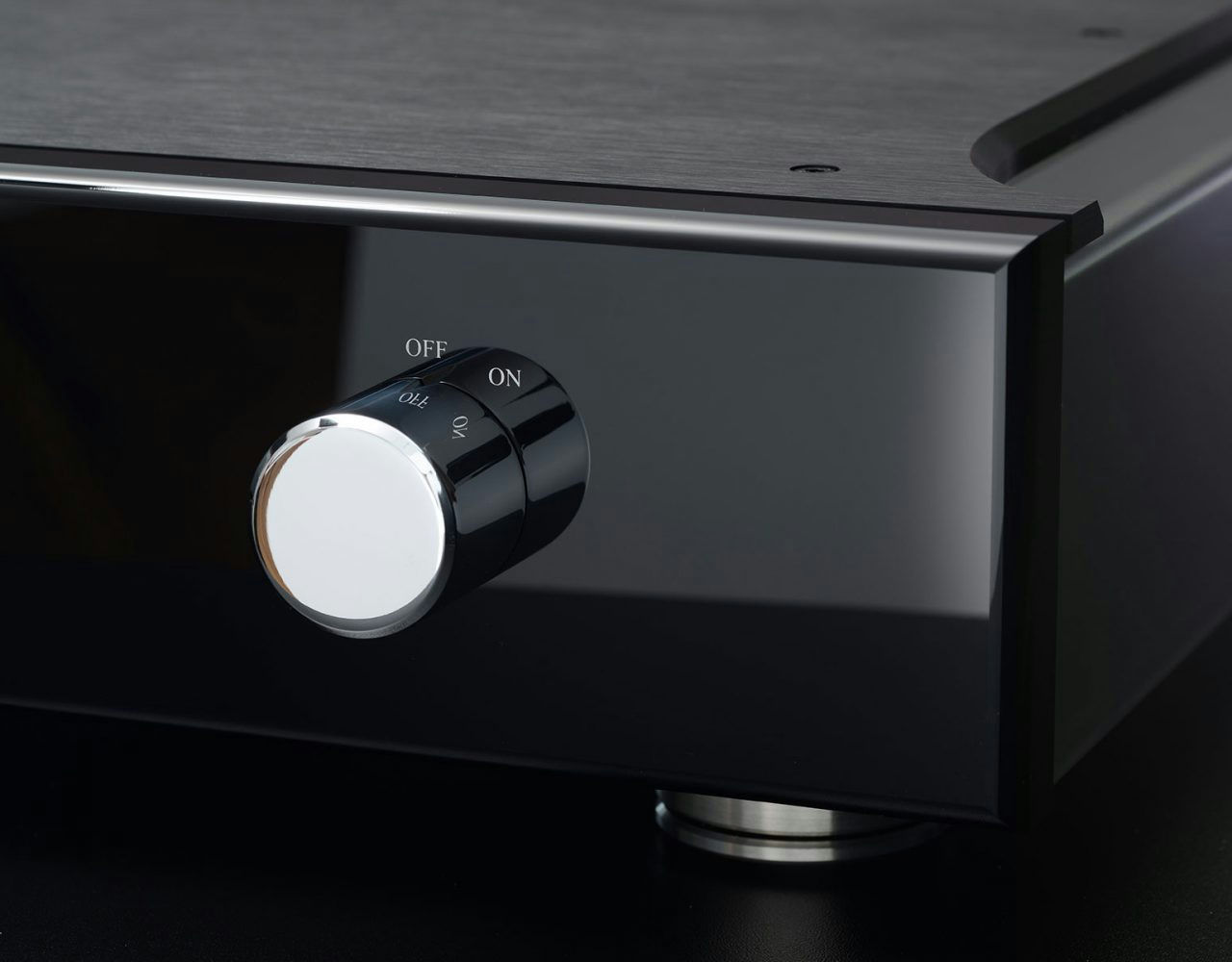
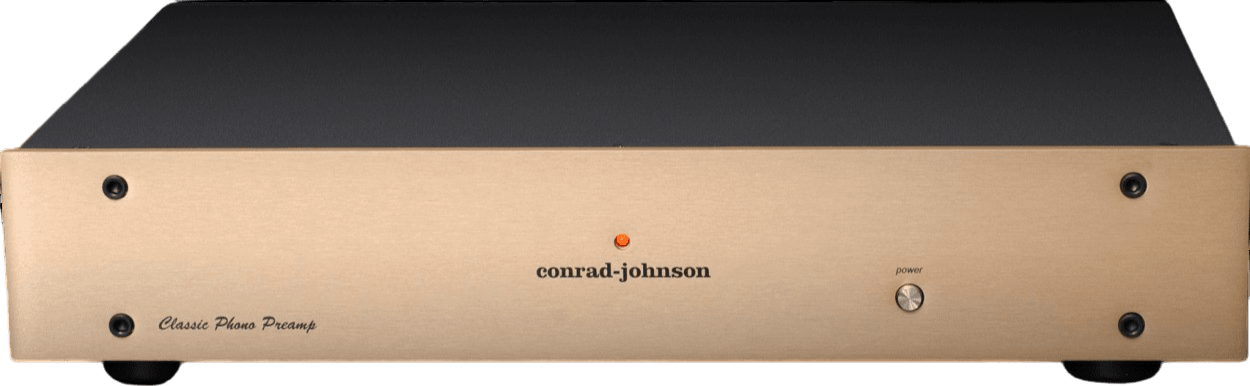
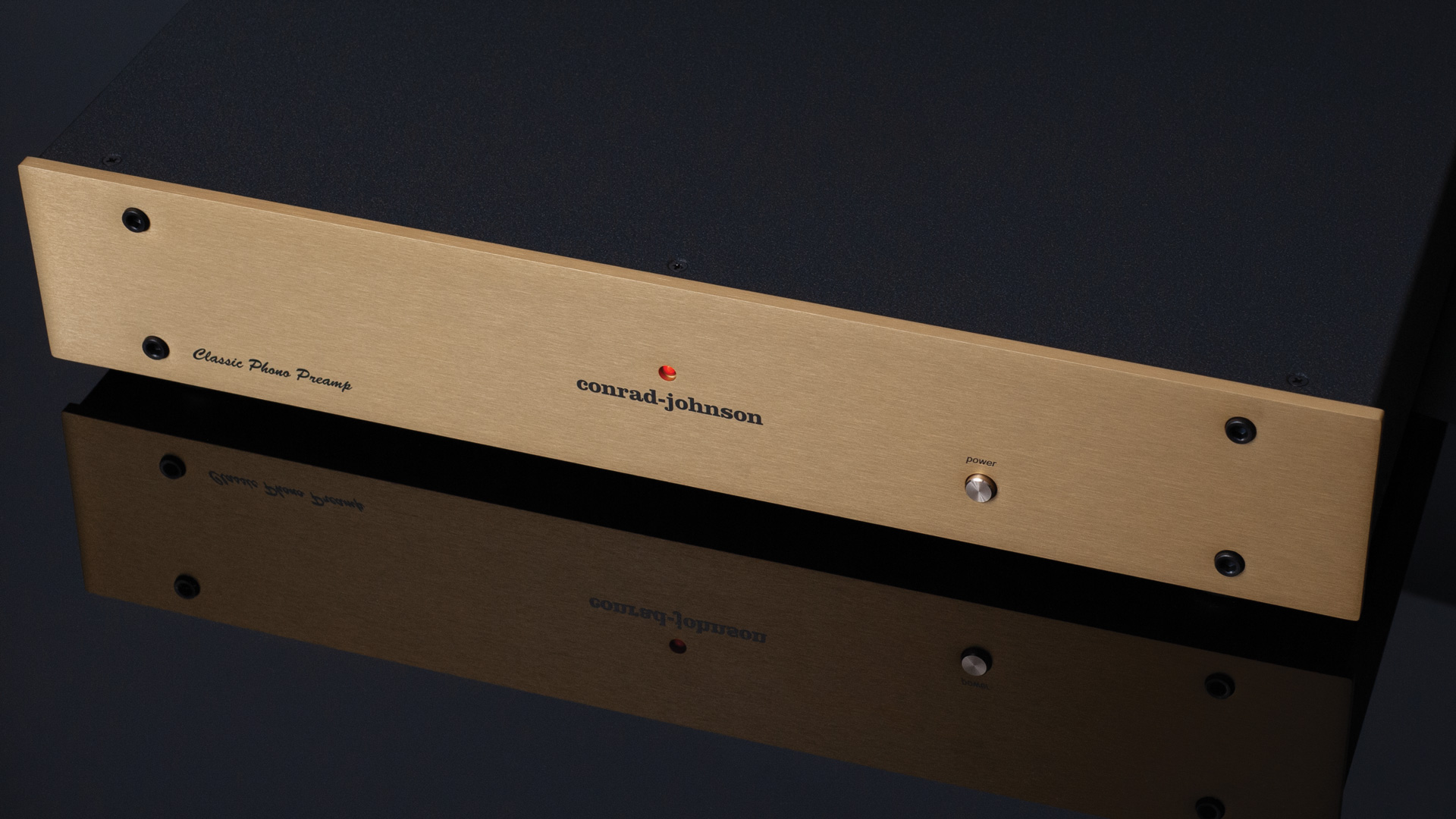
- Cut-above build quality with understated simplicity and elegant design, including a face and side panels that look milled out of solid aluminum
- It conveys realism and/or intent in the source material through just 2 speakers; dimension in terms of width, height, depth, and pinpoint placement do not have to be 'manufactured' after the fact
- It becomes a transparent conduit to the source and simply vanishes, which is exactly what a good line-stage is supposed to do
- It is unobtrusively natural, never seeming to throw detail at you, but presenting the textures of musical sounds in a very satisfying way
- It allows the music to come through in a truly beguiling way
Product Considerations
- It lacks a remote control and requires periodic valve replacement
- The optional phono stage delivers slightly less weight in the lower octaves than a stand alone unit
- No tape loop, no flashing lights
Comparisons (according to reviewers)
- Vs reference outboard phono preamp: the Classic phono stage resolves very well, delivers all of the texture and detail, if not ever so slightly more in the upper-middle frequencies, but delivers slightly less weight in the lower octaves
Takeaway: The conrad-johnson Classic is a well-executed line-stage with optional phono preamp that becomes a transparent conduit to the source, placing you in front of the stage, in the club or recording studio. It conveys what the brand is about and allows the music to come through in a truly beguiling way.
All
Classic
reviews


Manufacturer details
- Gain (High): 53dB
- Gain (Low): 40dB
- Overload High Gain: 10 mV
- Overload Low Gain: 50 mV
- Hum and Noise (High Gain): <750uv
- Hum and Noise (Low Gain): <500uv
- Phase: phase correct
- Output Impedance: below 750 ohms
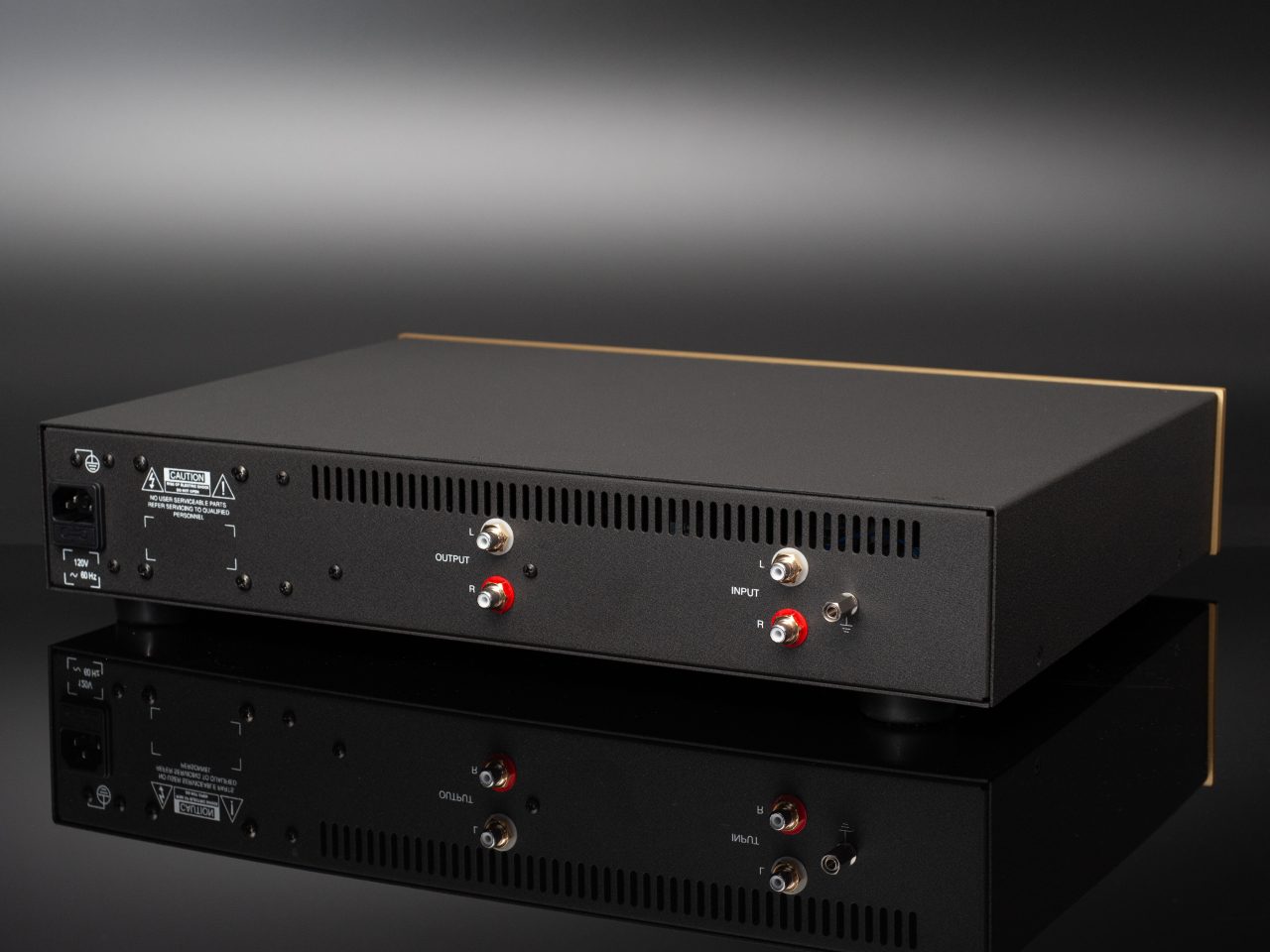
- Dimensions: 13.625″D x 19″W x 3.625″H
- Weight: 13 lb net






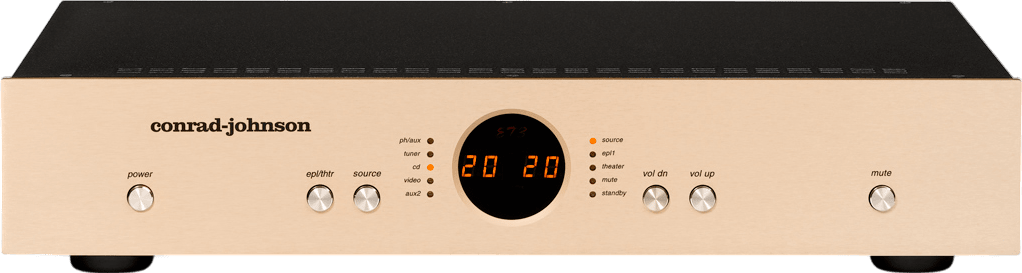

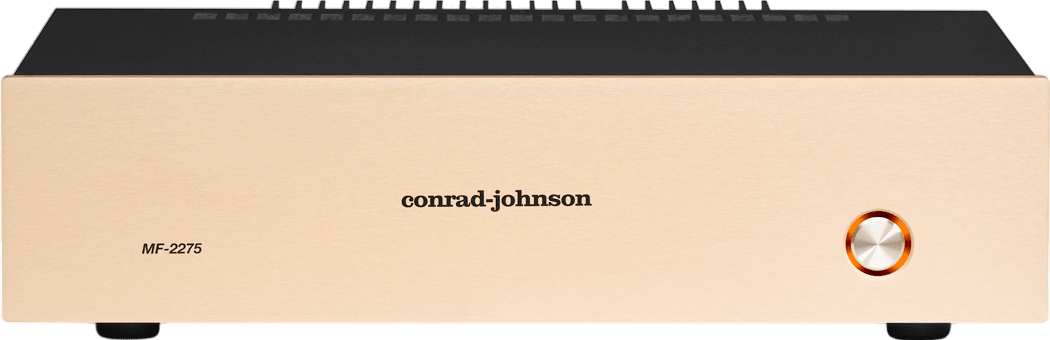
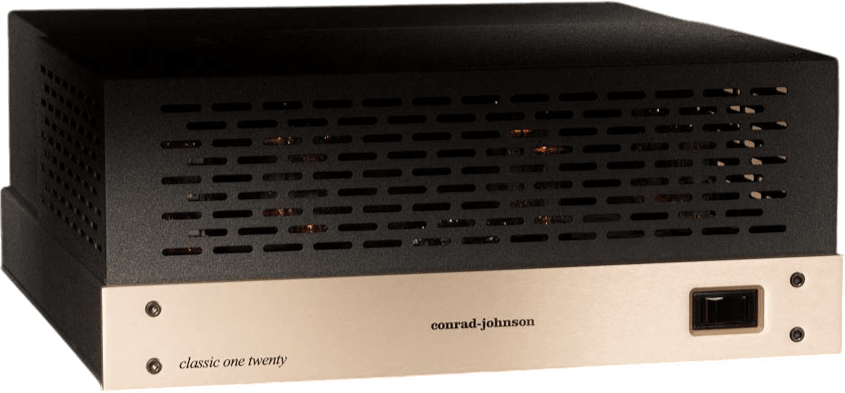

Brand highlights
Taking a step back to look at reviewers' thoughts of the brand's entire lineup—not just this product—what stands out most is the following:
- Conrad-Johnson consistently prioritizes musicality and a natural, engaging sound signature over clinical accuracy, aiming to draw listeners into the emotional core of the music.
- They use simple circuit designs with minimal feedback and carefully selected high-quality components, such as proprietary Teflon capacitors and Vishay resistors, to achieve exceptional sonic purity.
- Conrad-Johnson products are built to last, with a robust construction, readily available replacement tubes, and a reputation for long-term reliability, making them lasting investments.
- The brand caters to both high-power and high-grace preferences by offering both high-wattage push-pull designs and lower-wattage Class A triode amplifiers.
Select products
Conrad-Johnson Classic 62 and Classic 120
- Positioning: The entry-level high-fidelity tube amplifiers in the Conrad-Johnson lineup.
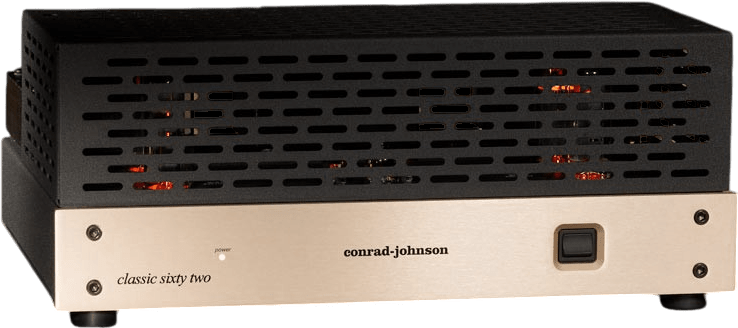
- Description: Offers a warm and engaging sound, featuring a simple circuit design with EL34 tubes that provide 60 watts per channel, making it ideal for small to medium-sized rooms. In comparison, the Classic 120 doubles the power output with additional tubes, offering 125 watts per channel, which is better suited for larger spaces or more demanding speakers. Both models include built-in bias indicators for tube adjustments, making them accessible for those new to tube amplifiers.
ART150 and ART300 Amplifiers
- Positioning: Limited edition amplifiers designed for audiophiles seeking high-end performance, celebrating Conrad-Johnson's 40th anniversary.
- Description: The ART150 uses KT150 tubes to deliver 150 watts per channel, suitable for those who desire a powerful yet refined sound. The ART300, as a mono-block amplifier, doubles the power output to 300 watts.
ART27A and ART108A Amplifiers
- Positioning: Reference-level amplifiers, crafted for the most discerning audiophiles with limited production numbers.
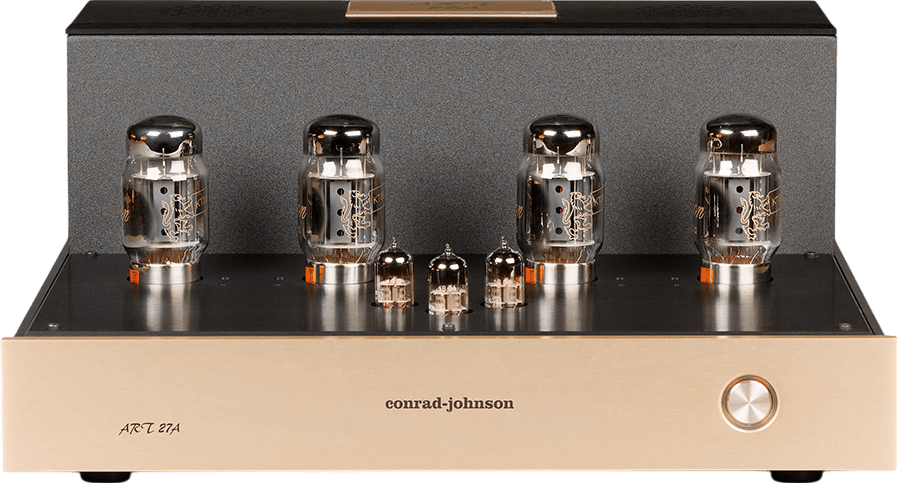
- Description: The ART27A uses KT88 tubes in a Class A triode configuration to produce 36 watts per channel, perfect for highly efficient speaker systems in intimate settings. The ART108A, with its 160 watts per channel output, is designed for larger rooms or less efficient speakers.

Our take on the brand
Look inside the brand
Our interview with the brand
What are two key technological innovations or strong opinions that differ you from other brands?
What's your approach to customer support?
What are your favorite tracks for showcasing the strength of your products?
What other products pair best with yours?

Used
conrad-johnson








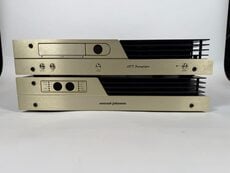


What if you spend more?




.svg)
Our summary
Product Strengths
- Lucid sense of natural clarity, perspective, and separation, offering an uncluttered quality to music
- Passes the signal without adding its own fingerprints, baggage, or shaving off its own musical tax and duty, due to a genuinely low noise floor
- Captures the diction, articulation, emphasis, and overtones of a singer, the character of their voice, and their individual identity with an almost spooky ability
- Makes it easy to identify individual instruments, appreciate arrangements, and the niceties of production because of its clarity, transparency, and precision
- Recreates a refined and suave performance, extracting details in a holistic manner
Product Considerations
- Does not deliver traditional tube sound, nor does it have warmth or romance
- Lacks physical presence and slam-dunk dynamics
- Inverts absolute polarity
- The unit isn't dead quiet, although any noise is perfectly normal for a tube amp
- Does not offer balanced connections
Comparisons (according to reviewers)
- Vs TEA1 Series 2 phonostage: TEA1 lacks some of the GAT's tonal purity and finesse
Takeaway: The Conrad-Johnson GAT Series 2 is a great preamp because it makes music sound very clear and natural. It lets one hear all the little things in the music and it's built to last.
Video review
Our take on the brand
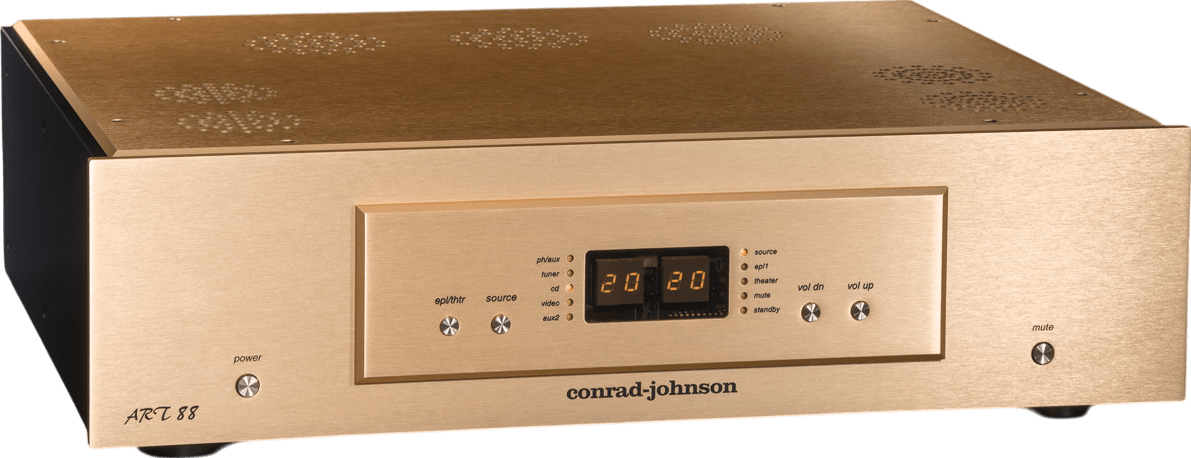
At the same time, it is notable for its convenience and ease of use. The unit features input selection and level adjustment by microprocessor-controlled relays, allowing level and balance to be adjusted in 100 steps of approximately .7 dB per step. All functions can be controlled by the hand-held wireless remote control. The ART88 Preamplifier will be available in a numbered, limited edition of 250 units which will be sold through select conrad-johnson dealers.
The ART88 is essentially a dual-monaural preamplifier, the two channels sharing only the power transformer and chassis. The circuitry is elegant in its simplicity. Each channel's audio circuit features two high-transconductance twin triode vacuum tubes. Gain is provided by a composite triode of paralleled sections of one NOS Philips PCC88. This amplifier stage is coupled to the preamplifier outputs through a high-current buffer stage consisting of paralleled sections of a second PCC88 twin-triode. This buffer stage provides a sufficiently low output impedance to make the ART88 compatible with a wide range of interconnect cables and amplifiers.
Each channel's audio circuit is powered by its own dedicated DC power supply featuring discrete voltage regulators that isolate the audio circuits from each other and from the AC power line. Infrasonic noise is minimized by operating the tube filaments (heaters) on a DC voltage supplied by another regulated power supply.
Considerable care and attention have been paid to the physical aspects of the design as well. Microprocessor controlled relays, used for selecting sources and level setting, are located right at the input connectors, keeping signal paths short to minimize crosstalk between channels and inputs. The level control section and the audio circuitry are each shock mounted on independent daughter circuit boards to isolate the audio circuits from mechanical vibrations from the level control relays as well as from external vibrations. The elegant casework is executed in heavy gauge aluminum to assist in minimizing microphonics.
Experience has taught us that the full potential of any circuit can only be realized by using the finest available parts. Each part for the ART88 has been selected on the basis of both sonic performance and durability. The audio circuit (including the level control) is executed entirely with precision metal foil resistors and proprietary CJD Teflon capacitors. Tubes have been carefully hand selected for minimum noise and microphonics. The DC regulated power supplies use the same quality resistors as the audio circuits. Capacitors for the power supplies are exclusively CJD polypropylene and Teflon – there are no electrolytic capacitors in the audio circuits or their related power supplies. All signal switching is done by special relays designed for signal applications. These relays are sealed and have gold plated silver contacts. Input and output connectors are machined from oxygen free copper, and are silver plated with a Rhodium flash. The ART88 is built without compromise to achieve a new standard in musical performance, and it is built to last.
Our summary
Product Strengths
- The ART88 preamplifier uses pure valve audio circuits, returning to the roots of conrad-johnson's design history
- Dual-mono design with perfect symmetry and precision in manufacturing, using high-quality components
- Radiates true elegance and finesse alongside the usual authority and purposefulness, a trademark of conrad-johnson products for almost 50 years
- The sound is very well-balanced, and has 'music' written into its DNA
- Combines leading-edge detail and precision with refinement and effortless charm
Product Considerations
- The PCC88 valve is inherently somewhat 'noisier' than a good ECC88 and slightly more sensitive to mechanical excitations
- With the PCC88s in place, the gain may be almost too much, and a safe-cracker's touch will be needed to set the right gain setting, especially at low levels
Comparisons (according to reviewers)
- Vs GAT Series 2—the ART88 dethroned the GAT Series 2
Takeaway: The ART88 is an excellent preamplifier that combines modern detail and precision with the charm and refinement of classic preamps. It delivers a realistic and restive musical experience, making it one of the best preamps ever.
Video review
Our take on the brand


Product Strengths
- Exceptional clarity, resolution, transparency, and natural sound, allowing the recording itself to provide resolution, depth, warmth, and dynamics
- High level of detail retrieval with excellent depth and layering of the soundstage
- Versatile, functioning as a top-class D/A converter, preamplifier, headphone amplifier, and streamer with Roon Ready and JPLAY certification
- Offers extensive digital signal processing (DSP) capabilities with algorithms used in professional audio products for mixing and mastering
- Impeccable build quality with a robust double chassis design featuring a stainless-steel frame and thick aluminum paneling
Product Considerations
- Lacks a conventional front-mounted headphone jack, requiring an adapter cable connected to the rear outputs for headphone use
- The many DSP features carry a learning curve and may not be straightforward for audiophiles without a recording studio background
- Some reviewers found the initial sonic presentation slightly aggressive or studio-like out of the box
- A larger display screen would be beneficial
- Some audiophiles seeking a particularly flavorful or additive listening experience might find it too neutral
Comparisons (according to reviewers)
- Weiss Helios excels in retrieval of detail, excellent bass management, and highly specific placement of images on the soundstage, while the Bricasti M21 Platinum Edition DAC had wider linear image presentation
- Helios offers an upgraded digital-to-analog stage and analog output section for enhanced clarity and involvement with the music, compared to the Weiss DAC502
- Helios is claimed to have many of the same qualities as the Berkeley Audio Design Alpha DAC Reference Series 3–great timbral awareness, high levels of clarity, excellent retrieval of detail, superb bass, and highly specific image placement
- Helios has superior detail retrieval and sense of depth, whereas the Weiss MEDUS Reference DAC is a bit more forgiving and a bit more generous in the bass
Takeaway: The Weiss Helios is a top-tier DAC that delivers exceptional sound quality with a high level of detail and clarity, while also offering a wide range of customizable features for both speaker and headphone setups. It is a great choice for audiophiles seeking a versatile and high-performing digital audio solution.
Video review
Our take on the brand

Product Strengths
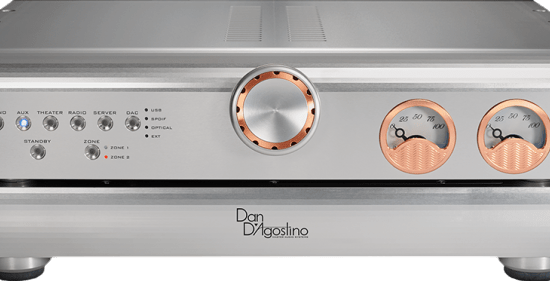
- The D'Agostino Progression Preamplifier delivers warmth like tubes without the headaches
- The Progression Preamplifier has a lower audible noise floor
- The Progression Stereo amplifier provides a sense of authority, dynamism, energy, and slam
- The Progression offers exceptional life, dynamic detail, and apparent power
- The Progression Stereo Amplifier runs surprisingly cool due to its innovative heatsink design
- The Progression Preamplifier has a limited number of inputs, especially single-ended, which may be problematic for larger systems
Product Considerations
- The Progression Preamplifier has a limited number of inputs, especially single-ended, which may be problematic for larger systems
- The Progression Preamplifier's DAC set-up instructions are basic and may require expert help
- The progression preamplifier has a slight bit more midrange liveliness and detail than usual, and just a touch of added energy in the upper midrange
Comparisons (according to reviewers)
- Vs Ayre Acoustics KX-R Twenty: The Ayre is a highly regarded solid-state preamplifier with a fully balanced, no feedback topology, but unlike the Progression, it does not have a DAC option
- Vs Mark Levinson N° 526: The Mark Levinson is also a fully balanced, solid-state preamplifier, but adds a phono stage in addition to the built-in DAC
- Vs Pass Labs XP-30 preamplifier: Like the Progression, it is a fully balanced, solid-state, multiple-chassis design, but it is scalable up to six channels
- Vs D'Agostino Momentum: The Progression Stereo delivers more power than its more upmarket Momentum Stereo counterpart
- Vs D'Agostino Momentum: The Progression looks like the more flexible option, rather than a 'discount design'
- Vs D'Agostino Momentum: The Progression is a more uncompromising design—balanced operation only, without a built-in optional DAC or Bluetooth operation for the remote
Takeaway: The Progression is a set of very well-engineered audio components offering great sound and power. They are a good option for people who appreciate high-quality audio.
Video review
Our take on the brand
What competes at this price?

Our Summary
Product Strengths
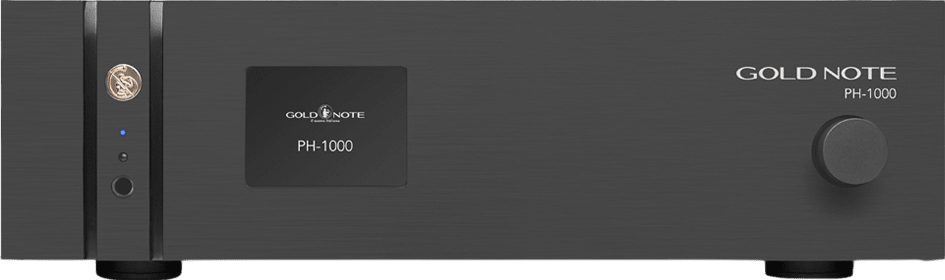
- Unparalleled cartridge matching capabilities with adjustable gain levels and load options
- Features a multitude of equalization options, including preset EQ options alongside the option to set up custom curves
- Exceptional build quality with a chassis precision-machined from solid aluminum, offering superior electromagnetic shielding and aesthetic elegance
- Intuitive operation is ensured by the clear display and the Single Knob Control (SKC) system, despite the unit's complexity
- Class A circuitry throughout delivers a warmth and naturalness that brings vinyl playback to life, while maintaining exceptional detail and clarity
Product Considerations
- Premium price point makes it a high-end investment
- Complex feature set may require a learning curve for full usage
- Large form factor requires adequate rack space
- The remote control has a mute function that requires two clicks to unmute, which can be slightly annoying
- The Owners' Manual could be improved and is not very informative
Comparisons (according to reviewers)
- Vs Gold Note PH-10: PH-1000 has more cartridge loading possibilities
- Vs Gold Note PSU-1250 & TUBE-1012: PH-1000 lacks a warm tube sound, but if you add the PSU-1250 & TUBE-1012, details are brought out with added sharpness and the music becomes more cohesive—reaching a new level of harmonic wholeness
Takeaway: The Gold Note PH-1000 is a sophisticated phono preamplifier with a wide range of features and exceptional sound quality, perfect for vinyl enthusiasts seeking to get the best out of their collections. Its flexibility and upgradeability make it a worthwhile investment for those serious about analog audio.
Video review
Our take on the brand


Our Summary
Product Strengths
- Separate chassis for the power supply and signal circuitry minimizes noise, improving low-level detail retrieval
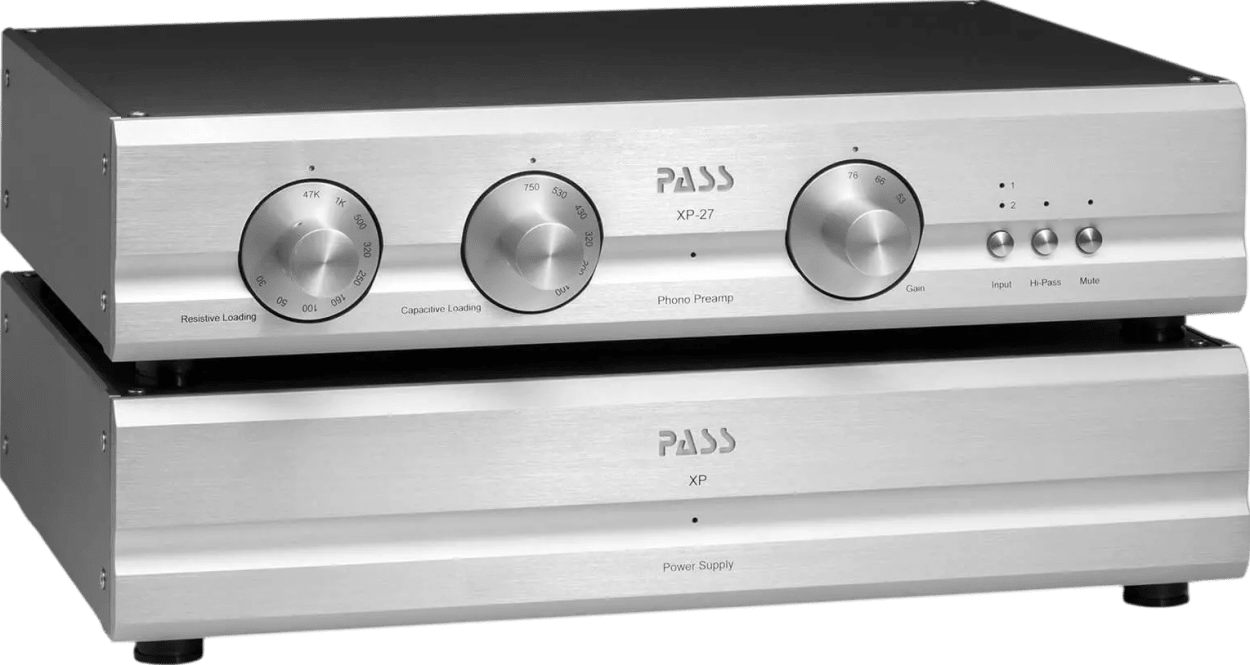
- Front panel controls for gain, resistive loading, and capacitive loading, provide flexibility for cartridge matching
- Two RCA inputs accommodate two turntables or tonearms, simplifying analog setups
- Superb detail, clarity, and a clean sound, leads to a musically involving experience
- A high-pass filter reduces low-frequency noise, helpful for systems with subwoofers
Product Considerations
- The two-chassis design may be problematic for audiophiles with limited space, as the power supply is ideally placed separate from the main unit
- No remote control is included, requiring manual adjustments at the unit itself
- Settings are not automatically remembered when switching between tonearm inputs, requiring manual readjustment
- Some reviewers would have liked to see larger LED indicators and labels for easier visibility
Comparisons (according to reviewers)
- The XP-27 offers a host of useful features and operates with a great deal of attention paid to lower distortion, even RIAA performance is accomplished at much lower distortion levels than previous versions in the same price class
- Vs Pass Labs XP-25, the XP-27 offers incremental improvements including lower noise and better bass performance due to dual transformers—vs single in the XP-25—lower noise resistors, upgraded rectifiers and improved power filtering and regulation
- Vs Pass Labs XP-17, the XP-27 offers superior dynamics, clarity, imaging and musicality
- Vs Pass Labs XP-22, the XP-27 is the star of the two-component show: XP-22-line preamplifier and XP-27 phono preamplifier
Takeaway: The Pass Labs XP-27 is a versatile and high-performing phono preamplifier that extracts remarkable detail and clarity from vinyl recordings. Its flexible loading options and dual inputs make it a great choice for vinyl enthusiasts seeking exceptional sound quality.
Video review
Our take on the brand

Our Summary
Product Strengths
- Delivers a natural, spacious, and clean sound
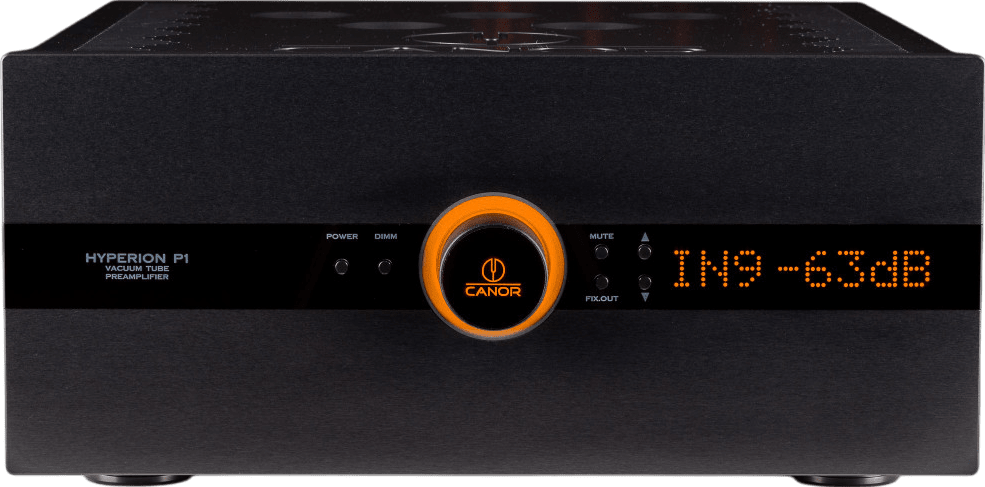
- Attenuator is located in a special aluminum box (10 mm thick walls) which provides perfect shielding and absorbs the vibrations
- Is a Class-A preamplifier and was designed to avoid ANY global feedback
- Analogue part is separated from the power part by a solid aluminium wall (10 mm thick) which contributes to the elimination of interference
Product Considerations
- The tubes require a lengthy break-in period of several hundred hours
- The system remote control could be bigger
Comparisons (according to reviewers)
- The Hyperion and Virtus combo's sovereignty brings the acoustic events to 'life' more convincingly
Takeaway: The Hyperion P1 is made to provide high signal quality sound. It has excellent workmanship to ensure amazing sound quality.
Video review
Our take on the brand
Our Summary
Product Strengths
- Tonally, the XP-32 is a more beautiful, engaging preamplifier with a beautiful class A sound that presents fatigue-free
- Exceptional build quality
- Supreme clarity of sound lends a feeling of speed, precision, and vivacity in music across various genres, from jazz to opera, symphonic to rock
- Brings forth a feeling of speed, precision, and vivacity in various genres of music, from jazz to opera, symphonic to rock
- The metaphor of the veil being lifted—or ripped away—is applicable here
Product Considerations
- Not the most neutral or transparent unit
- Needed a lot of volume for it to get a Griffin amplifier moving
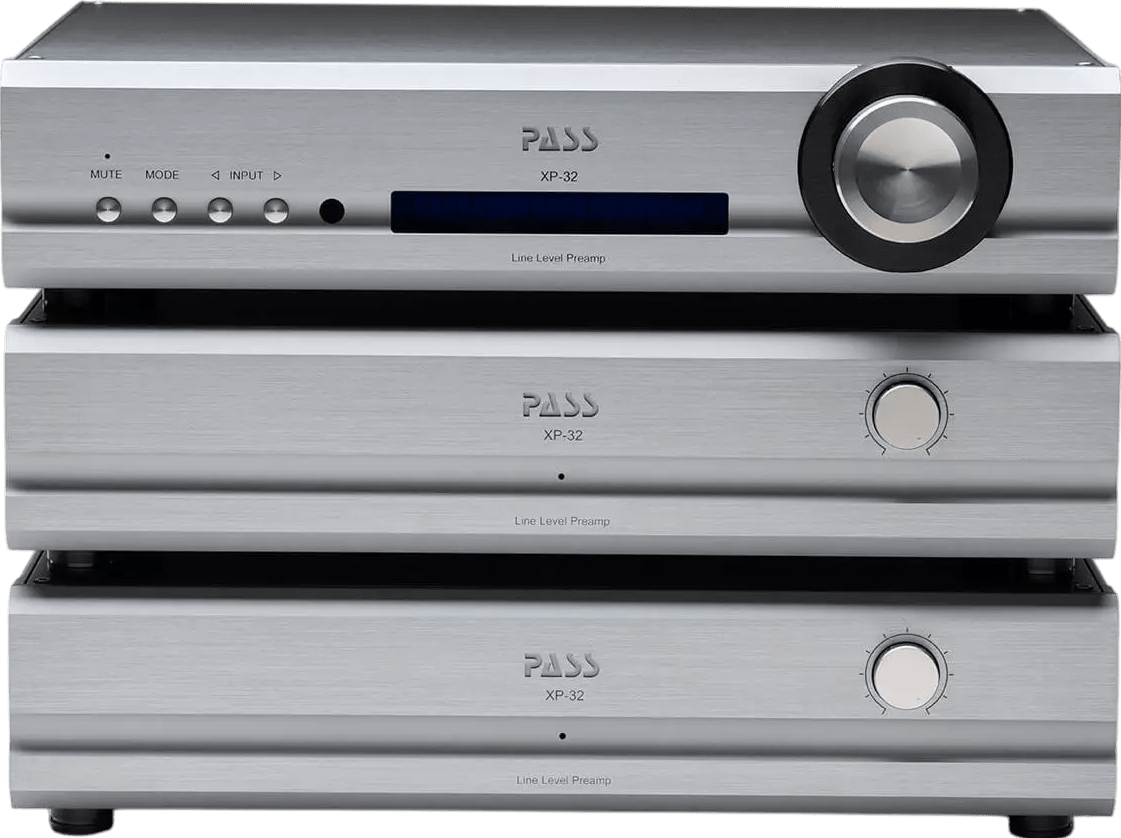
- Takes up a lot of space, especially if not stacked
- Missing was a touch of body to Netrebko's voice and a sense of air around it
Comparisons (according to reviewers)
- Compared to PASLabs XB30, the XP-32 is a better line stage
- Compared to the XS preamplifier, the XP-32 uses a single-stage volume control as used in the XS preamplifier and has more range, with 0.5dB steps; it is quieter and more accurate
- Compared to the XP-30, the XP-32's inputs are DC-coupled and a servo is used after trimming
- Compared to the XP-22, it was just slightly more explicit
Takeaway: The XP-32 is a well-built preamplifier that gives a clean and clear sound, bringing more excitement to music. If you want to hear everything in music, the XP-32 might be what you are looking for.
Video review
Our take on the brand
.png)
Our Summary
Product Strengths
- Transparent and neutral sound signature with a richness that gives music life and texture without coloration
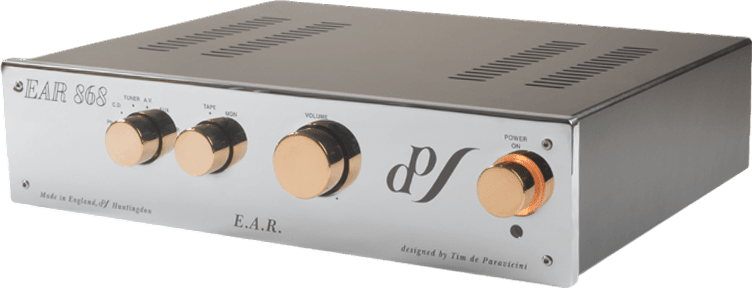
- Top-notch fit and finish with a thick chrome faceplate that exudes quality
- The tube phono stage sends the signal to a third stage of amplification and dedicated moving coil step-up transformers, which provides dead quiet amplification—plus serves as the resistive load seen by the cartridge
- Offers balanced and single-ended inputs and outputs
- The EAR 868 is a versatile preamplifier that can drive both tube and solid-state amplifiers without issue
Product Considerations
- The user manual is sparse and lacks information on setting up the phono stage, requiring either expertise or dealer assistance
- The manual recommends 60 seconds of warmup to reach operating temperature—it took 30-40 minutes to reach its fullness of sound and best resolution
- The 868 is not fully balanced, but a conventional unbalanced design in which input and output transformers interface with XLR cables to reject common-mode interference
Comparisons (according to reviewers)
- Compared to the Primare Pre30, the EAR 868 was noticeably more transparent
- Compared to the Herron VTPH-2 phono stage, the Mercury-plus-Herron's tone on mono pop recordings such as Nat King Cole's Unforgettable was more open—leaner, more contemporary-sounding—while the 868's sound was dense and eerily saturated on Cole's baritone
Takeaway: The EAR 868 is a well-regarded preamplifier known for its transparent, neutral sound, and high-quality build, making it a great addition to a high-end audio system. With its versatility and ability to enhance the musicality of various recordings, the EAR 868 is a valuable component for audiophiles.
Video review
Our take on the brand
How to buy
Preamplifiers
Search all hifi products
Explore our database of 10,000+ new and 25,000+ used hifi products.