



Note that this is a discontinued product. You may want to visit the brand's page here to browse their newer products.
What reviewers think
Bloggers and YouTubers have tried this product—so we've summarized their strongest opinions below. Links to full reviews follow.
Product Strengths
- Huge soundstages are presented, and the size of the performance space is easily perceived
- Midrange sound is beautiful, with voices sounding very human and rich in harmonics
- Offers a very transparent and organic ease to the music, each musical element is exceptionally well defined, even in a very crowded soundstage—which overlaps instruments and vocals
- Clarity throughout the midrange and lower treble is exemplary
- Was a musician's amplifier, acting as a neutral partner, highlighting musical lines with a clear view of the artist's expression
Product Considerations
- Bass power decreases as the frequency gets down into the lower bass
- There is a small amount of coarseness in the mid-upper treble even after 300 hours of break in
- Poor quality recordings are not transformed into gems
- Requires some extra setup because of the tubes and biasing
Comparisons (according to reviewers)
- Vs McIntosh MC75 monoblocks: Throughout the midrange and lower treble, where the music really lives, the Classic Sixty-Two SE was preferred for its purity, vividness and natural instrumental tone
- Vs Primare amp: The soundstage grew wider and taller, vocals moved back behind the plane of the speakers, and the bass was more rounded—lacking the Primare's snap and slam
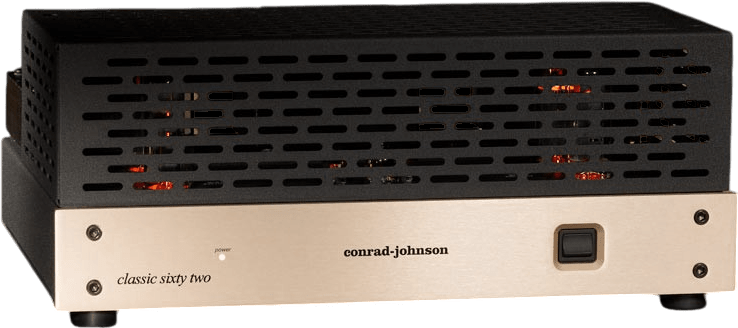
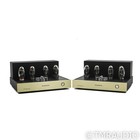
Takeaway: The Conrad-Johnson Classic Sixty-Two SE amplifier is a powerful and reliable amplifier that allows listeners to experience a real connection between them and the music. It has an insightful approach to reproducing music in a listening room.
All
Classic 62
reviews


Manufacturer details
- Power: 60 Watts per channel from 30 Hz to 15 KHz at no more than 1.5% THD, both channels driven into 4 Ohms
- Sensitivity: 0.6 V rms to rated power
- Frequency Response (at 10 Watts): 20 Hz to 20 kHz, +/- .3 dB
- Hum and Noise: 96 dB below rated power
- Phase: phase correct
- Input Impedance: 100 kOhms
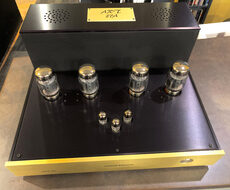
- Tube Complement: 3 x 6922, 4 x EL34
- Dimensions: 13.375D x 17.375W x 6.625H inches
- Weight: 44 lb. net








Brand highlights
Taking a step back to look at reviewers' thoughts of the brand's entire lineup—not just this product—what stands out most is the following:
- Conrad-Johnson consistently prioritizes musicality and a natural, engaging sound signature over clinical accuracy, aiming to draw listeners into the emotional core of the music.
- They use simple circuit designs with minimal feedback and carefully selected high-quality components, such as proprietary Teflon capacitors and Vishay resistors, to achieve exceptional sonic purity.
- Conrad-Johnson products are built to last, with a robust construction, readily available replacement tubes, and a reputation for long-term reliability, making them lasting investments.
- The brand caters to both high-power and high-grace preferences by offering both high-wattage push-pull designs and lower-wattage Class A triode amplifiers.
Select products
Conrad-Johnson Classic 62 and Classic 120
- Positioning: The entry-level high-fidelity tube amplifiers in the Conrad-Johnson lineup.
- Description: Offers a warm and engaging sound, featuring a simple circuit design with EL34 tubes that provide 60 watts per channel, making it ideal for small to medium-sized rooms. In comparison, the Classic 120 doubles the power output with additional tubes, offering 125 watts per channel, which is better suited for larger spaces or more demanding speakers. Both models include built-in bias indicators for tube adjustments, making them accessible for those new to tube amplifiers.
ART150 and ART300 Amplifiers
- Positioning: Limited edition amplifiers designed for audiophiles seeking high-end performance, celebrating Conrad-Johnson's 40th anniversary.
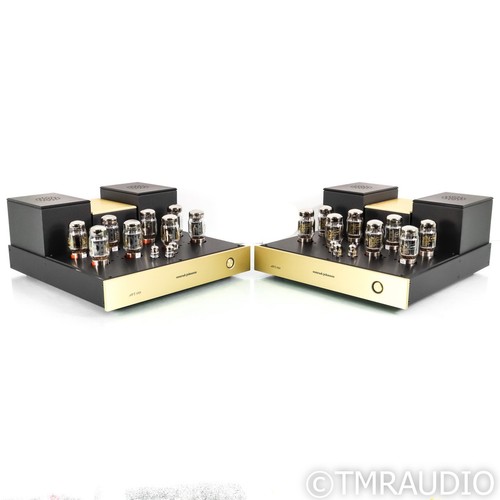
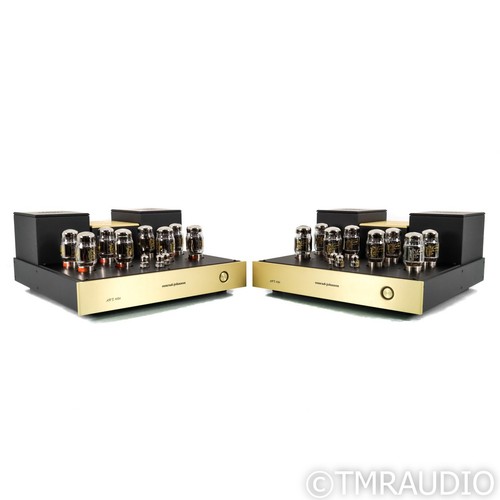
- Description: The ART150 uses KT150 tubes to deliver 150 watts per channel, suitable for those who desire a powerful yet refined sound. The ART300, as a mono-block amplifier, doubles the power output to 300 watts.
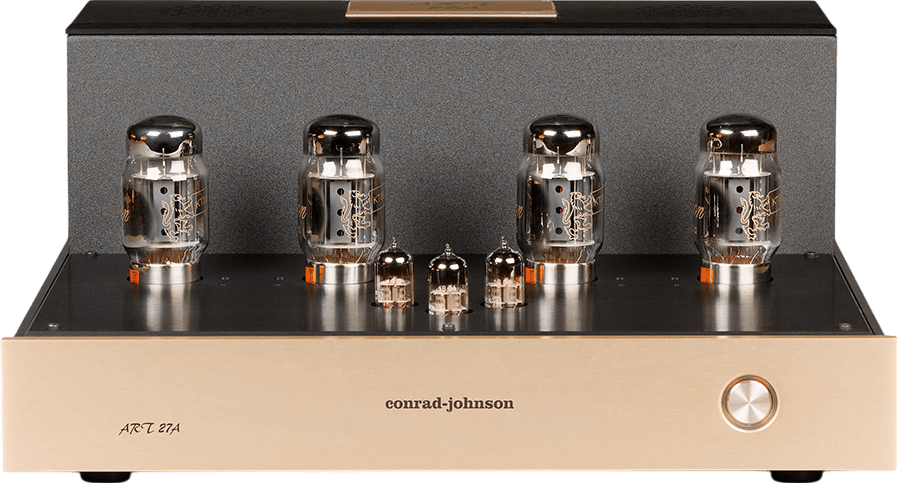
ART27A and ART108A Amplifiers
- Positioning: Reference-level amplifiers, crafted for the most discerning audiophiles with limited production numbers.
- Description: The ART27A uses KT88 tubes in a Class A triode configuration to produce 36 watts per channel, perfect for highly efficient speaker systems in intimate settings. The ART108A, with its 160 watts per channel output, is designed for larger rooms or less efficient speakers.

Our take on the brand
Look inside the brand
Our interview with the brand
What are two key technological innovations or strong opinions that differ you from other brands?
What's your approach to customer support?
What are your favorite tracks for showcasing the strength of your products?
What other products pair best with yours?

Used
conrad-johnson









What if you spend more?
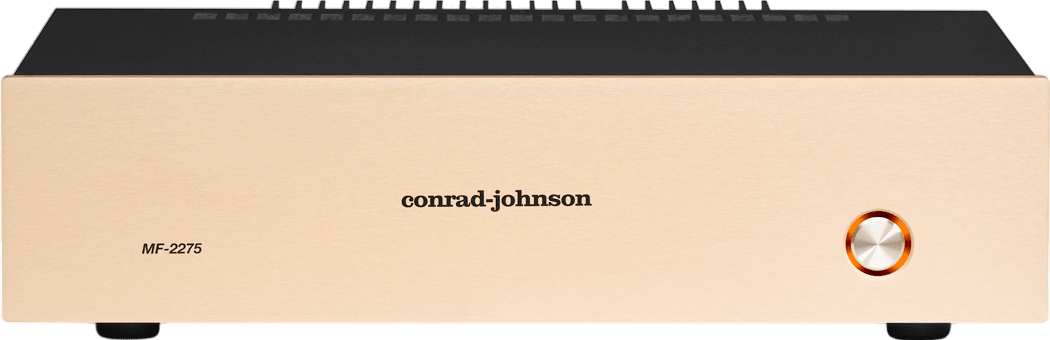


Our latest solid-state amplifiers, the MF2550 and MF2275, nicely embody this approach. Differing primarily in power output rating, these amplifiers share a common circuit design. High voltage FETS permit highly linear operation of the critical first voltage gain stage, while bi-polar transistors are used to configure an output stage with low output impedance to deliver maximum current to reactive speaker loads.

.svg)
Product Strengths
- Delivers a three-dimensional presentation with independent music from the speakers in all directions
- Offers a wide and deep soundstage with pinpoint imaging and excellent front-to-back layering
- Provides deep, rich, and robust bass
- Has a very dynamic and extended sound with a natural tonality
- Features substantial build quality
Product Considerations
- Requires a significant break-in period (around 300-500 hours) for the Teflon capacitors to fully condition, and for the sound to blossom
- Bass response may not be as tight and punchy compared to some other amplifiers
- May exhibit a slight rounding off of edge-of-the-envelope dynamics when pushed close to clipping
- Has just a touch less detail and realism
- Be sure that the power button is not pushed in before plugging in the power cord
Comparisons (according to reviewers)
- Compared to the Classé CA-2300, the MF2550 SE is significantly more transparent, agile, and musical—the CA-2300 was a bit sluggish by comparison
- Compared to the Sanders Magtech, the MF2550 SE provides more excitement and a better 'jump factor' and sounds less sterile than the Magtech
- Compared to the Simaudio Moon, the MF2550SE is not quite as neutral as the top-of-the-line Simaudio Moon
Takeaway: The MF2550 SE amplifier offers a detailed and dynamic listening experience with a wide soundstage, and is likely to pair well with many speakers. It's a mature-sounding amplifier that makes it hard to stop playing music through it.
Video review
Our take on the brand
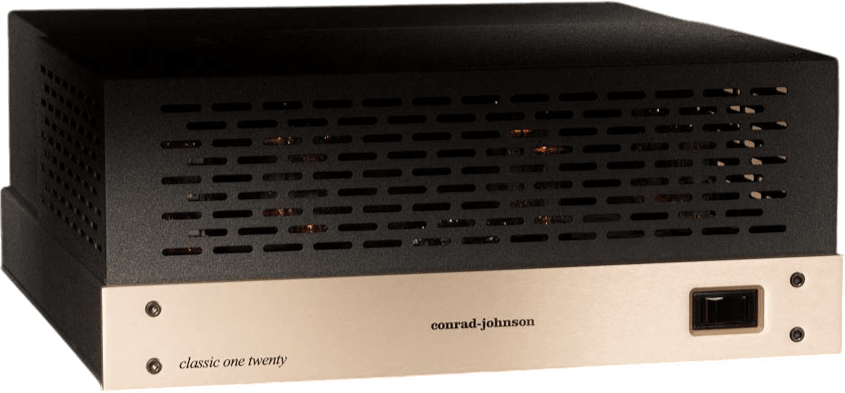
The circuit design for the Classic amplifiers is about as simple as possible, employing just seven vacuum tubes in the Classic Sixty-Two. Single-ended triode voltage gain and inverter stages are coupled to an output stage comprised of a single pair of ultra-linear operated EL34 tubes for each channel. The Classic One-Twenty adds a second pair of output tubes to each channel to achieve twice the output power. Simple but highly effective discrete voltage regulators supply rock-solid stable DC voltage to the critical voltage gain and inverter stages. And speaking of simple, maintenance of the Classic amplifiers could hardly be easier: the owner need only make a simple bias adjustment using the built in bias indicators when installing fresh output tubes.
Product Strengths
- Acoustically thick, interesting, and engaging experience across all frequencies
- Effortless power delivery
- Superbly engineered, yet simplistic network allowed for extensive voicing and trial and error with component selection
- Brings out the soul of any system and allows the system to get out of its own way and start sucking you into the experience
- Has a history of standing behind their products with a three-year warranty
Product Considerations
- The tube cage is so deep that most standard screwdrivers will not reach the screws holding it down to change out the tubes
- After extended listening sessions, a buzz came up in one of the channels sporadically
- Requires an extensive break-in period, hitting its stride around 250 to 300 hours
- The Classic 120SE is let down ever so slightly with the unsightly Allen bolts coming through the faceplate
- The black powder coated case and tube cage are not distracting, but do not add anything to the cosmetics of the package
Comparisons (according to reviewers)
- Vs Audio Research Ref 75SE: The Classic 120SE offers better transparency, texture, tonal differentiation, and musical insight, while the Audio Research scores in terms of scale and sheer weight, load tolerance, and its expansive stage
Takeaway: The Classic is a spectacular and emotionally engaging amplifier that brings out the best in any system. It was designed with hours of passion and vision, delivering an excellent listening experience.
Video review
Our take on the brand
Product Strengths
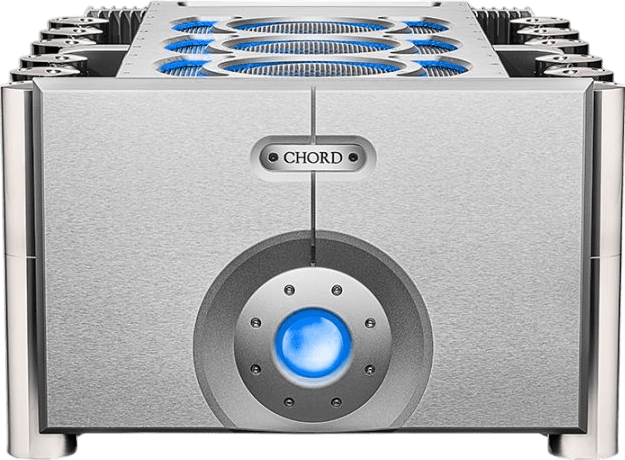
- Offers a remarkably smooth, unforced, and natural presentation with a touch of warmth
- Excels in detail retrieval and textured presentation of instruments and vocals, making the music feel alive
- Presents a wide and holographic soundstage, especially when paired with speakers that are already strong in this area
- Demonstrates agility, precision, and clarity, combined with a naturalness that eluded earlier generations of Chord amplifiers
- Scales dynamically and has the ability to punch hard when required
Product Considerations
- Has a minimalist design with just four line-level inputs, lacking features like phono stages, tone controls, headphone outputs, or DAC modules
- Some may find its sonic signature prioritizes articulation over qualities such as richness and authority, potentially sounding thin if partnered poorly
- Balance control has no center indent or marked position
- The polychromatic lighting may be an issue for the color-blind
- Remote operation can be affected by direct sunlight
Comparisons (according to reviewers)
- Vs Rega Elex-R Mk3, the Chord Ultima Integrated delivers undeniably elevated sound in all respects, with greater dimensionality and smoother vocals
- Vs Bryston 7B 3 monoblocks, the Chord Ultima Integrated offers a weightier and more thunderous delivery, especially in the midrange and vocals, with more inner warmth in tone
- Vs Benchmark AHB2, the Chord Ultima Integrated provides a more energetic and fun listening experience, with Thor-like bass impact and overall superior dynamics
- Vs Accuphase E-270, the Chord Ultima Integrated is warmer, rounder, more powerful, and refined, with a more fluid and emotionally engaging performance
Takeaway: The Chord Ultima Integrated is a unique and well-built amplifier that combines a visually pleasing design with a captivating sound, full of detail and dynamic precision. It brings music to life with an engaging and immersive experience, making it a worthy addition to any audiophile's setup.
Video review
Our take on the brand
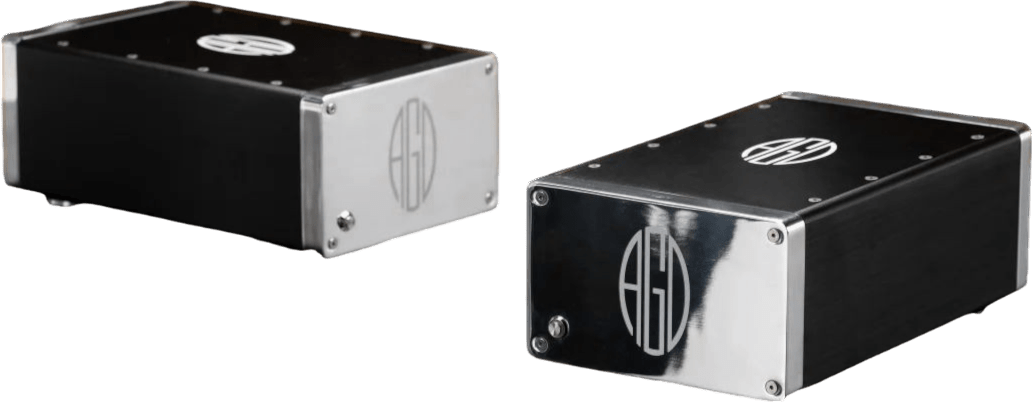

The AGD DUET Monoblock Amplifier, is the newest addition to our state of the art Hi-End Power Amplifiers family. The AGD DUET is our first compact Monoblock Amplifier utilizing 100% Gallium Nitride Power MOSFET design for both the output power stage and the power supply.
Our summary
Product Strengths
- Compact size, lightweight, and runs cool compared to traditional high-end amplifiers
- Exceptionally quiet operation, with reviewers noting a complete absence of hum or buzz
- Delivers a clean, crisp, and neutral sound signature without added coloration
- Upgradeable design, allowing users to update the amplifier with new GaN modules as technology evolves
- Produces a Single Ended Triode-like midrange and top end
Product Considerations
- The polished finish is a fingerprint magnet, requiring the use of gloves for handling
Comparisons (according to reviewers)
- Vs AGD Audion MKIII: The Duets offer a cleaner and more refined sound with improved bass and greater immediacy and snap compared to the Audion MKIII
- Vs Daniel Hertz Maria: The AGD Duets seem to have a little more inner resolution
- Vs Pass Labs X250.8: The AGD Duets performed to a higher level
- Vs Peachtree GaN 1/VTV GaN amps: AGD amps seem to be on another level in regards to design, and the sound is more refined and beautiful
- Vs Aavik U-150, Luxman 595, Yamaha A-S 3200, Axxess Forte 1, Line Magnetic 219ia: The AGD Duets performed to a higher level
Takeaway: The AGD Duet amplifiers offer a blend of cutting-edge technology, exceptional sound quality, and user-friendly design. They are a great option for those seeking a high-end audio experience in a compact and energy-efficient package.
Video review
Our take on the brand
What competes at this price?

Our Summary
Product Strengths
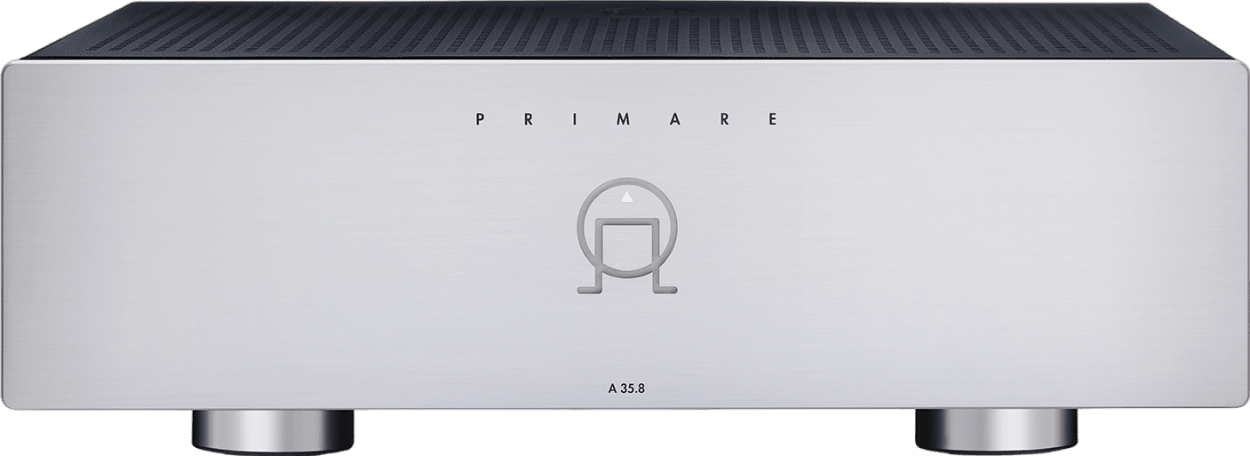
- The A35.8 provides eight channels of 'unimpeachable Class D power in a fairly compact and very flexible package'
- Flexible configuration options for power output to speakers are available, such as bi-amping and bridging
- Each stereo pair can be bridged separately to make four times 375 watts (8 Ohms) from the eight times 150 watts
- Fault-free sound quality
- High quality fit and finish
- The A35.8 offers flexible connectivity options
Product Considerations
- The 20-amp power inlet is the seldom-seen variety with three horizontal blades
- The speaker output posts are spaced too widely for dual-banana plugs
- Cabling can be tricky
- A high current power cord is needed
- Lower gain is present, though this doesn't necessarily need to be an issue
Comparisons (according to reviewers)
- Vs NAD M28, the A35.8 gets you one more channel and more versatility for a 10% price increase
- Vs Benchmark AHB2, the Benchmark presented a more neutral tonal balance and undistorted soundstage
- Vs NAD C 298 stereo amplifiers, the Primare seemed slightly more forward, often conveying an appealing liveliness
Takeaway: The A35.8 power amplifier is a flexible and versatile product worth considering for anyone seeking a high-quality multi-channel setup. Its ability to bridge channels offers many ways to configure your speaker system.
Video review
Our take on the brand

.png)
Our Summary
Product Strengths
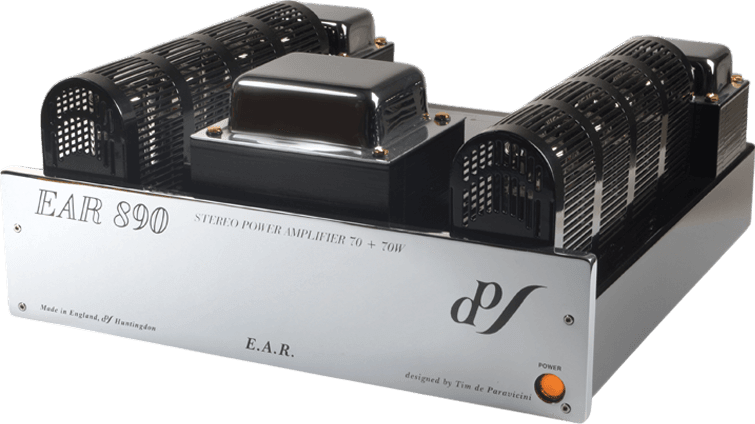
- The EAR 890 produces 70Wpc in stereo, and can be bridged to 140W in monoblock
- Neutral sound that gets out of the way and lets the user enjoy the music
- Complex and dense music textures are handled with ease, and dynamically demanding passages are sailed through
- Articulate midrange
- Detailed and realistic bass
Product Considerations
- Removing/installing tube cages is difficult and time-consuming
- The loudspeaker binding posts are positioned too close to the output transformers, making it hard to tighten them properly
- Some assembly work appeared amateurish, specifically the use of silicone in various locations, such as fastening chassis wires
- The amplifier can operate quite hot
- May not have as much bass impact compared to solid state amps
Comparisons (according to reviewers)
- The EAR 890 monoblocks achieve SET-like definition along with the authority and swagger necessary for most full-size speaker systems, when compared to Cary Audio 300B SET amps
- The EAR 890 is as textured as the top LAMM designs, but with noticeably better neutrality and more power
- The EAR 890 surpassed the deHavilland KE50As with a more articulate midrange, producing more color and separation in the microtones of instruments
Takeaway: The EAR 890 is easy to set up and sounds good with very little tweaking, making it easy to just sit back, relax, and enjoy the music. It's a good choice for people who want a tube amp that is both musical and powerful for their home listening experience.
Video review
Our take on the brand

Our Summary
Product Strengths
- Delivers amazing quality of sound and detail
- Bulletproof amplification
- Has a rhythmically soulful sound with a tremendously rich and natural midrange
- The A51's bass is well-defined, extremely textured, and robust
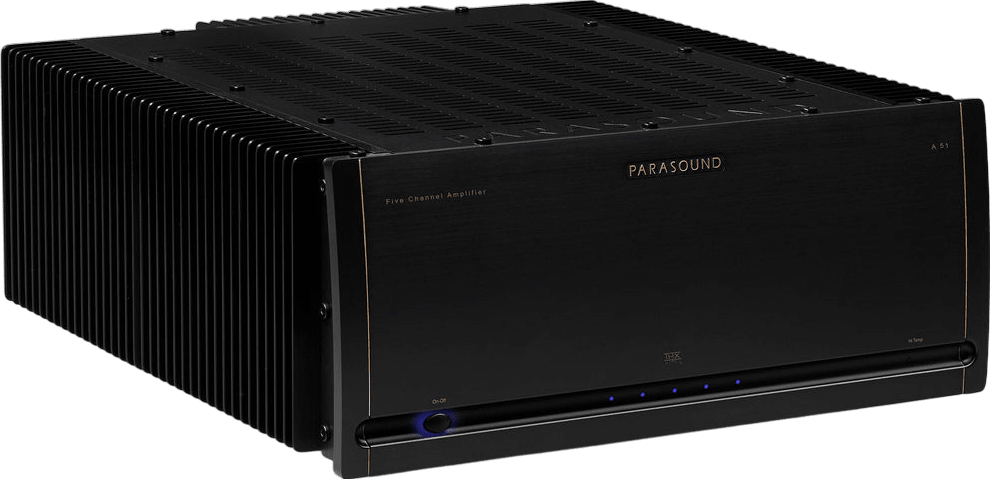
- With 250 watts on tap, the Parasound A51 will power virtually anything
Product Considerations
- Due to its class A/AB design, the A51 does get a bit warm and should be installed in a properly ventilated space and/or rack
- The A51 is large and heavy, and is best moved and/or positioned by two people
Comparisons (according to reviewers)
- Compared to Rotel, the Rotel makes the M&K Sound system slightly bright with a bit of sibilance, while the Parasound is more neutral
- Compared to Acurus A250, the Parasound had tighter bass, which is probably attributed to a better damping factor
Takeaway: The Parasound Halo A51 is a high-performance amplifier with great sound quality, detail, and build quality, making it an excellent choice for audiophiles and home theater enthusiasts. Its ability to deliver power and control to speakers makes it a valuable addition to any high-end audio system.
Video review
Our take on the brand
Our Summary
Product Strengths
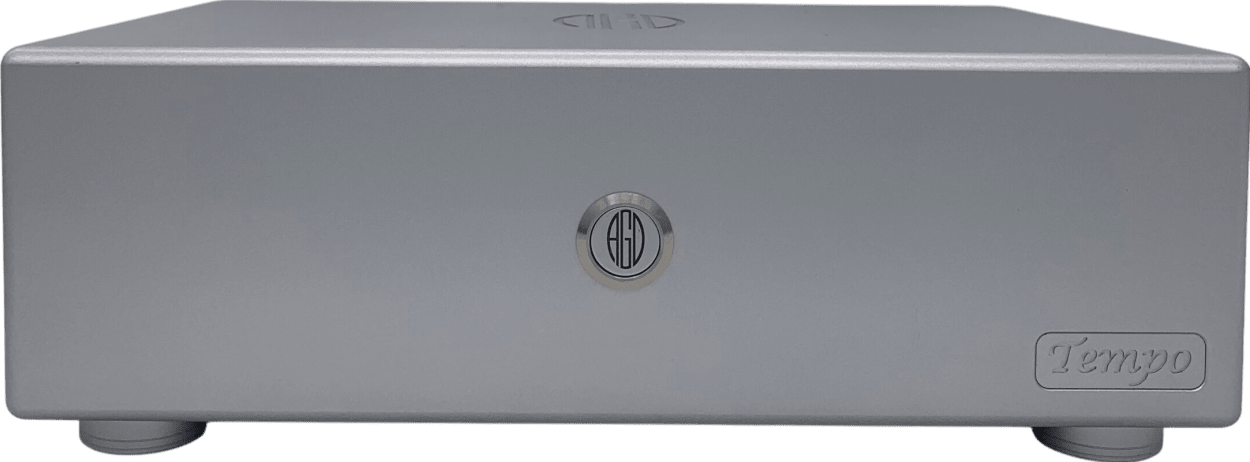
- GaN technology allows for efficient power usage, with 94% of energy being turned into sound
- Compact size challenges the notion that high-quality amps need to be large
- Design and packaging create pride of ownership
- It can be run in bridged mode to deliver 400 watts into one channel
- Stability and ability to handle complex impedance loads
Product Considerations
- The slight sonic signature may not be for everyone
- If truly outrageous amounts of power are needed to drive speakers, a second AGD Tempo amp might be needed to run in a bridged configuration
- High-frequency noise was discovered when XLR cables were not connected between them
- Power cords can make a large difference, the included power cord doesn't flatter the amp
- Some traditionalists may find it hard to accept that it's a Class-D amplifier
Comparisons (according to reviewers)
- Compared to Peachtree Audio GaN400, the AGD Tempo reports to have better overall specifications
- Compared to Parasound Halo A21+, the AGD Tempo is simply superior
- Compared to Bricasti M30 monoblock amplifiers, the level of which the most subtle detail exists approaches reference Bricasti M30 monoblock amplifiers
Takeaway: The AGD Productions Tempo is a cutting-edge amplifier that offers a new take on audiophile amplification and rivals more expensive amplifiers. It can drive speakers easily while being energy efficient.
Video review
Our take on the brand
Our Summary
Product Strengths
- Impressive parts quality uses FR408 circuit boards and an R-Core transformer to suppress power line noise
- The amplifier has a harmonic richness and bloom to the sound that's seductive
- Bass was tight, controlled, very extended with pitch definition and detailed
- The amplifier's ability to resolve low level spatial cues is amazing—sound stage layering, image specificity, size and shape are outstanding
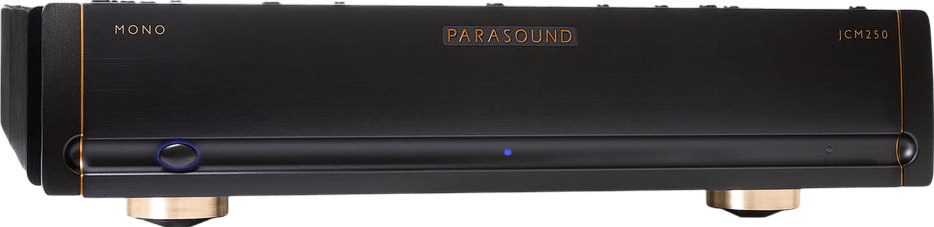
- Excellent build quality includes a heavy duty chassis and heat sinks
Product Considerations
- It is only available in black
Comparisons (according to reviewers)
- The JCM250s give a performance very similar to Cambridge Audio JC1 Plus
- The JCM250 is a bit warmer than the Cambridge Audio Edge M, and includes controls to set bias and gain
- With the JCM250 monoblocks having a separate power supply for each channel, it has lower noise compared to the Cambridge Audio JC5
Takeaway: The JCM250 is a high-quality amplifier that uses the best components. It offers great versatility, fitting well with any preamp and speakers.
Video review
Our take on the brand
How to buy
Amplifiers
Search all hifi products
Explore our database of 10,000+ new and 25,000+ used hifi products.