



Note that this is a discontinued product. You may want to visit the brand's page here to browse their newer products.
What reviewers think
Bloggers and YouTubers have tried this product—so we've summarized their strongest opinions below. Links to full reviews follow.
Product Strengths
- Exceptional build quality and premium design
- Detailed and clear sound signature
- Punchy and controlled bass response
- Good passive sound isolation
- Easy to drive
Product Considerations
- Intimate soundstage
- Can be heavy and have high clamping force
- Mids can be too forward
- Only a single, short cable included, and the cable itself is relatively stiff
- Frequency response inconsistencies exist, and bass response can vary with fit, seal, and headphone positioning
Comparisons (according to reviewers)
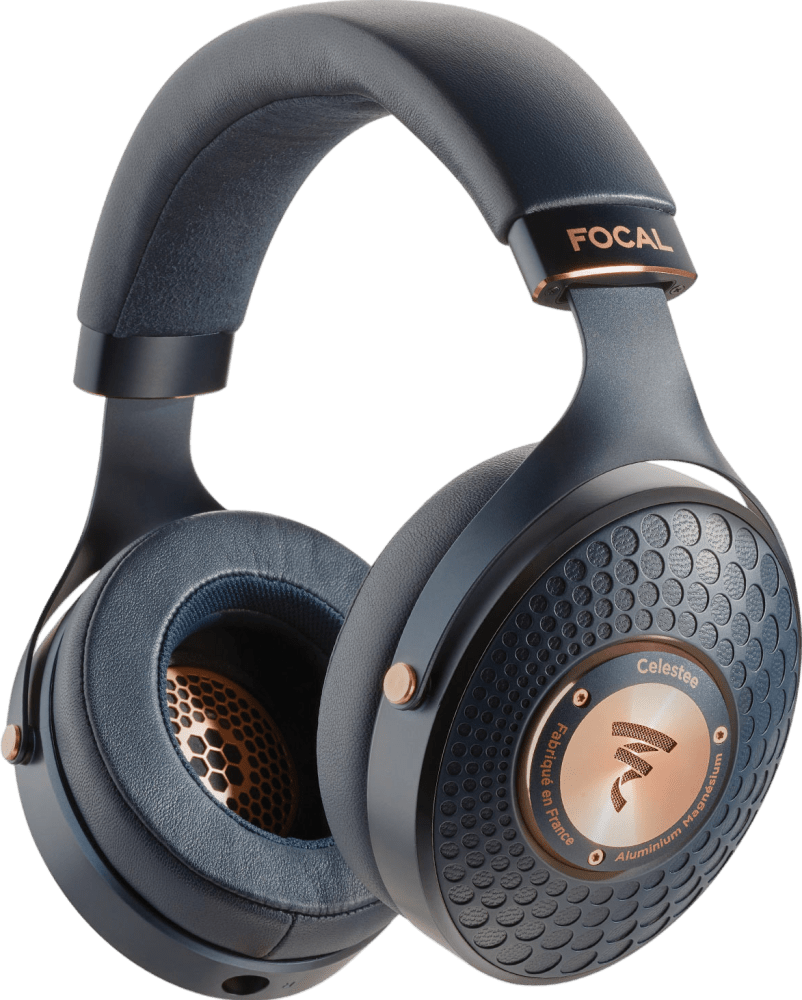
- The Celestee is considered a significant upgrade over the Focal Elegia, with a more balanced and refined frequency response
- The Celestee has a more forward and analytical presentation compared to the Focal Radiance, which is warmer and more laid back
- The Focal Stellia offers slightly better detail retrieval and a more spacious soundstage, but the Celestee may have a preferred tuning for some listeners
- The Celestee offers a more tasteful and restrained bass than the beyerdynamic DT 700 Pro X, with a less extreme dip in the lower mids
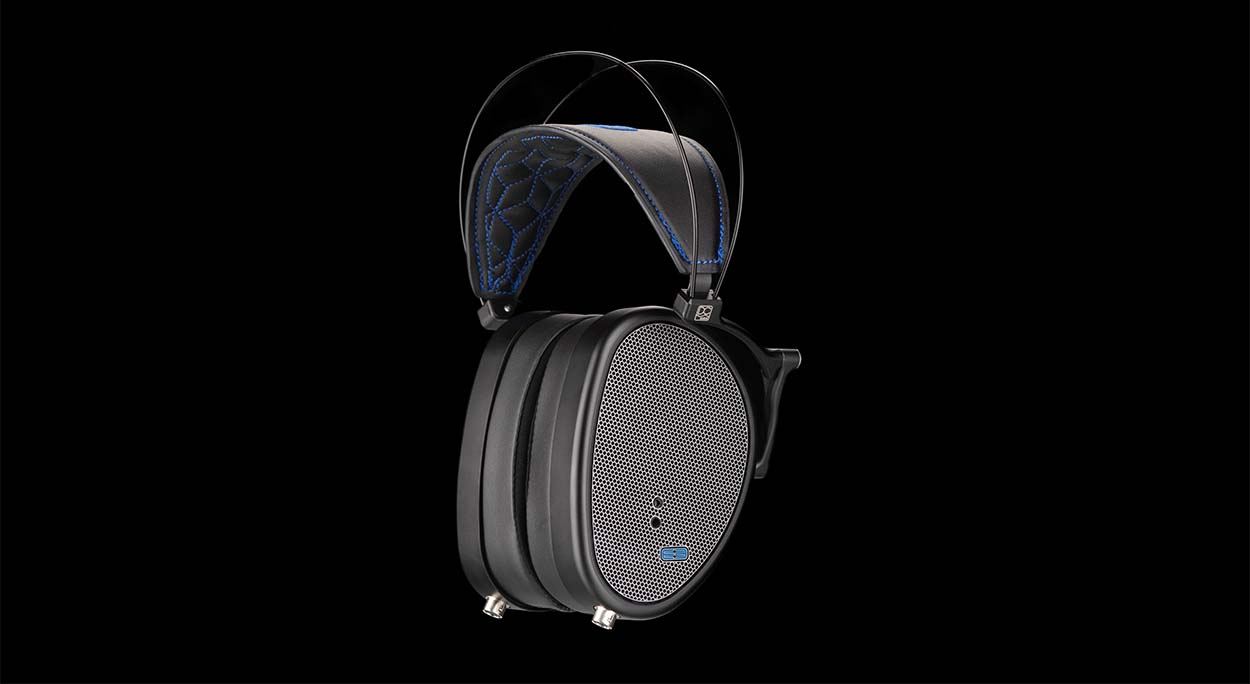
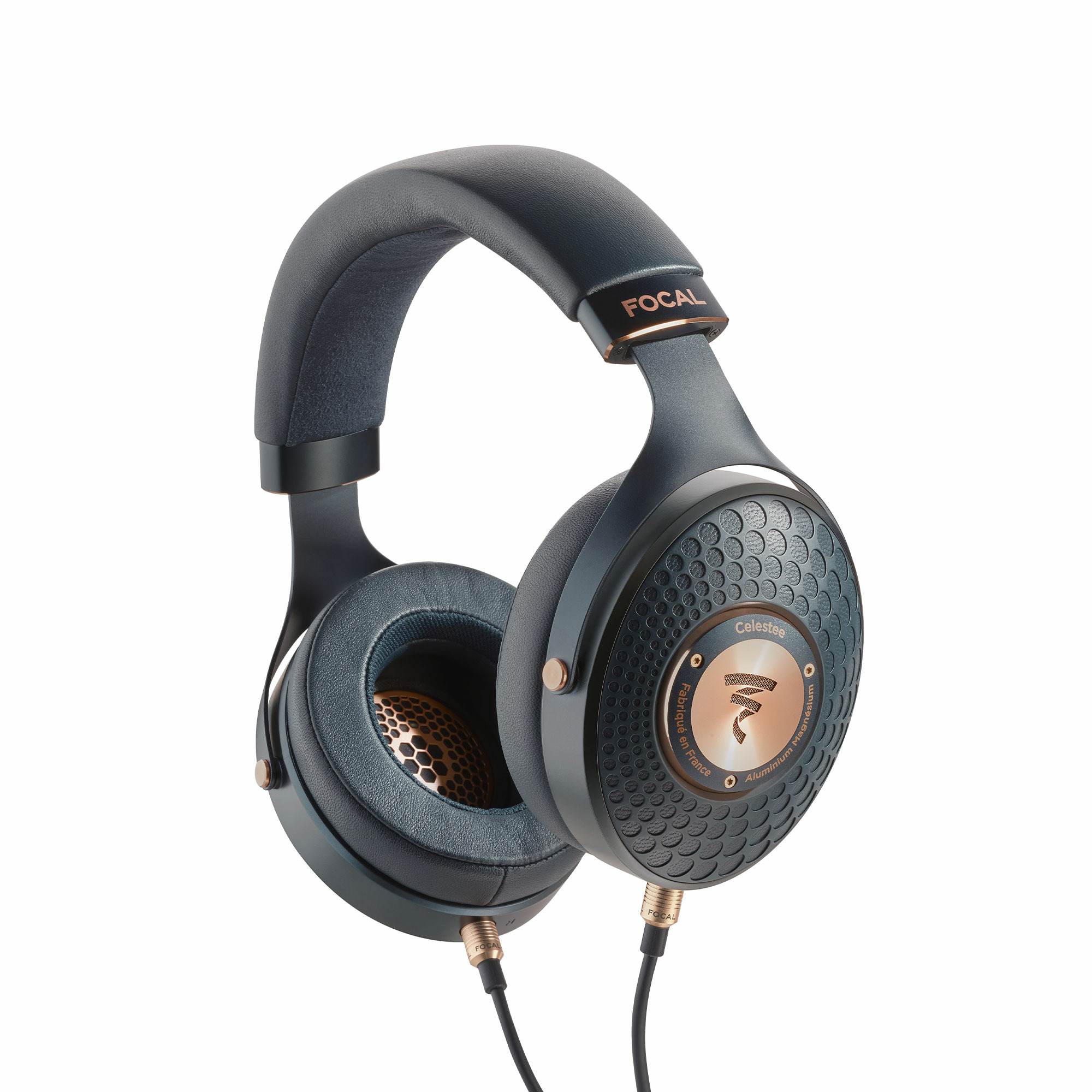
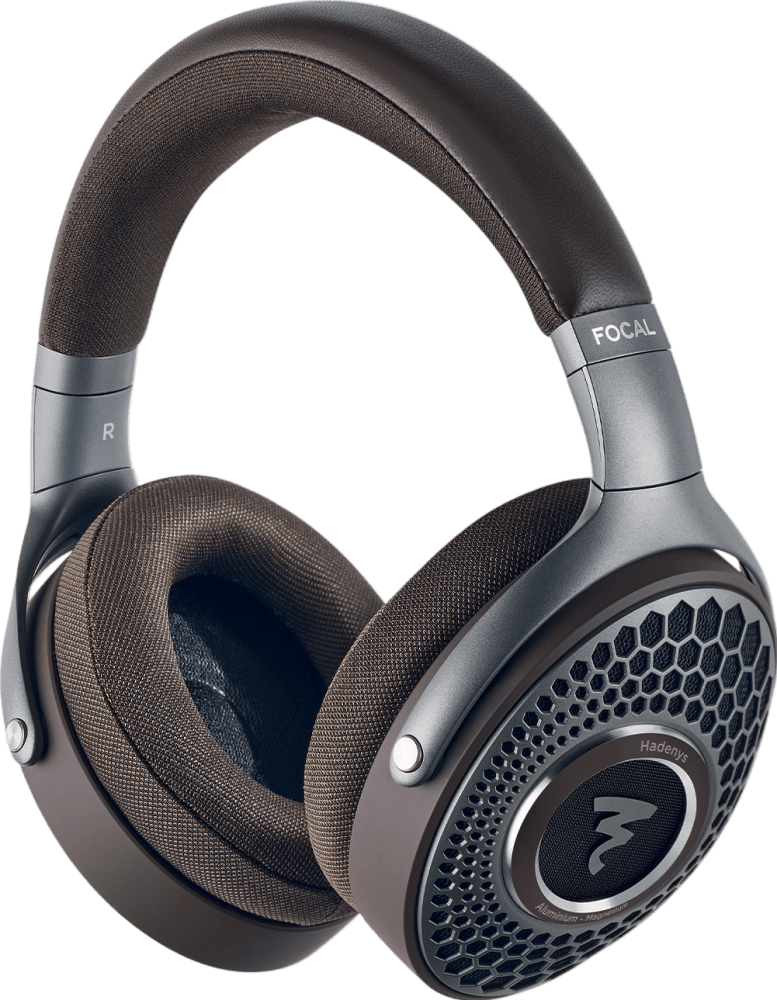
Takeaway: The Focal Celestee headphones offer detailed sound in a premium closed-back design. They are a solid choice for those seeking hifi headphones that are easy to use with different devices.
All
Celestee
reviews


Manufacturer details
- Product type: Closed-back headphones
- Loudspeakers: 15/8" (40mm) Aluminium/Magnesium 'M'-shaped dome
- Frequency response (+/- 3dB): 5 Hz – 23 kHz
- Harmonic distortion rate: 0.1 % @ 1 kHz / 100 dB SPL
- Impedance: 35 Ω
- Maximum SPL (peak@1m): 105 dB SPL
- Weight: 430 g / 0.95 lb
- Carrying case depth: 120 mm / 4.75 in
- Carrying case height: 250 mm / 9.87 in
- Carrying case width: 240 mm / 9.5 in




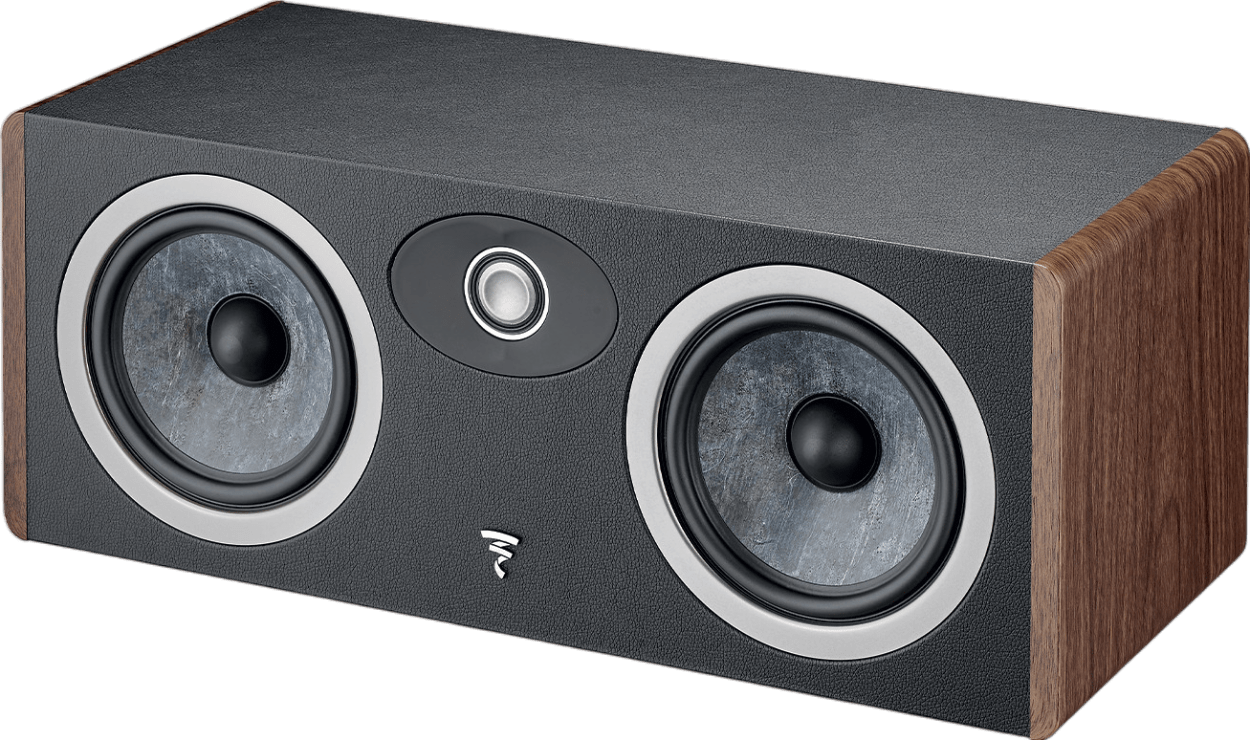
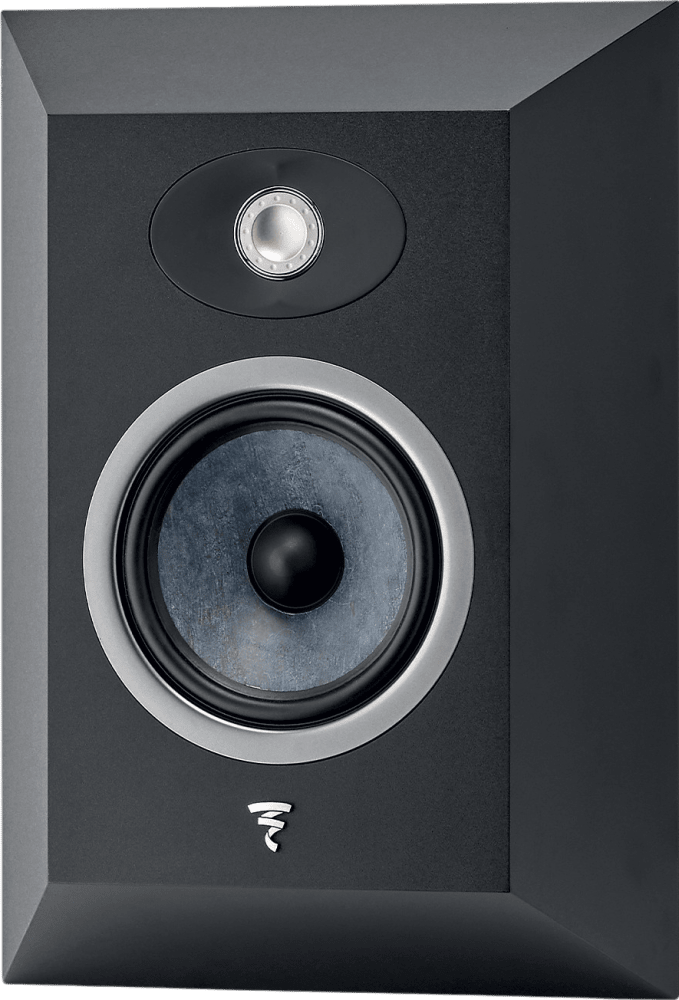
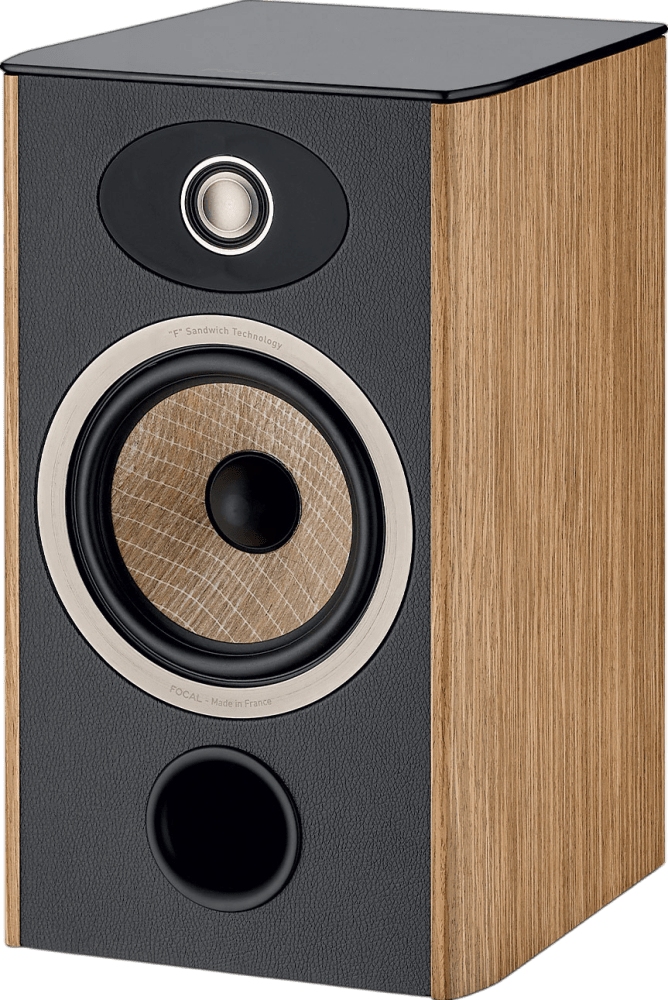
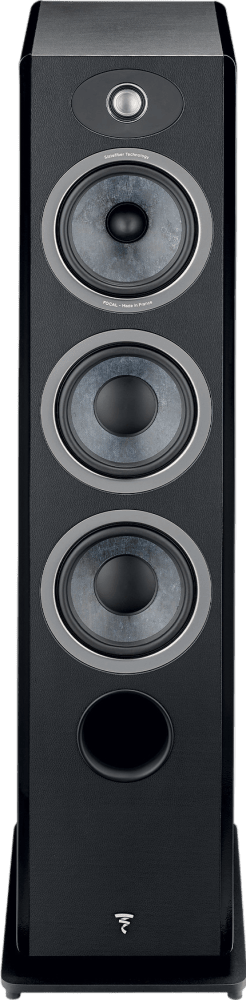

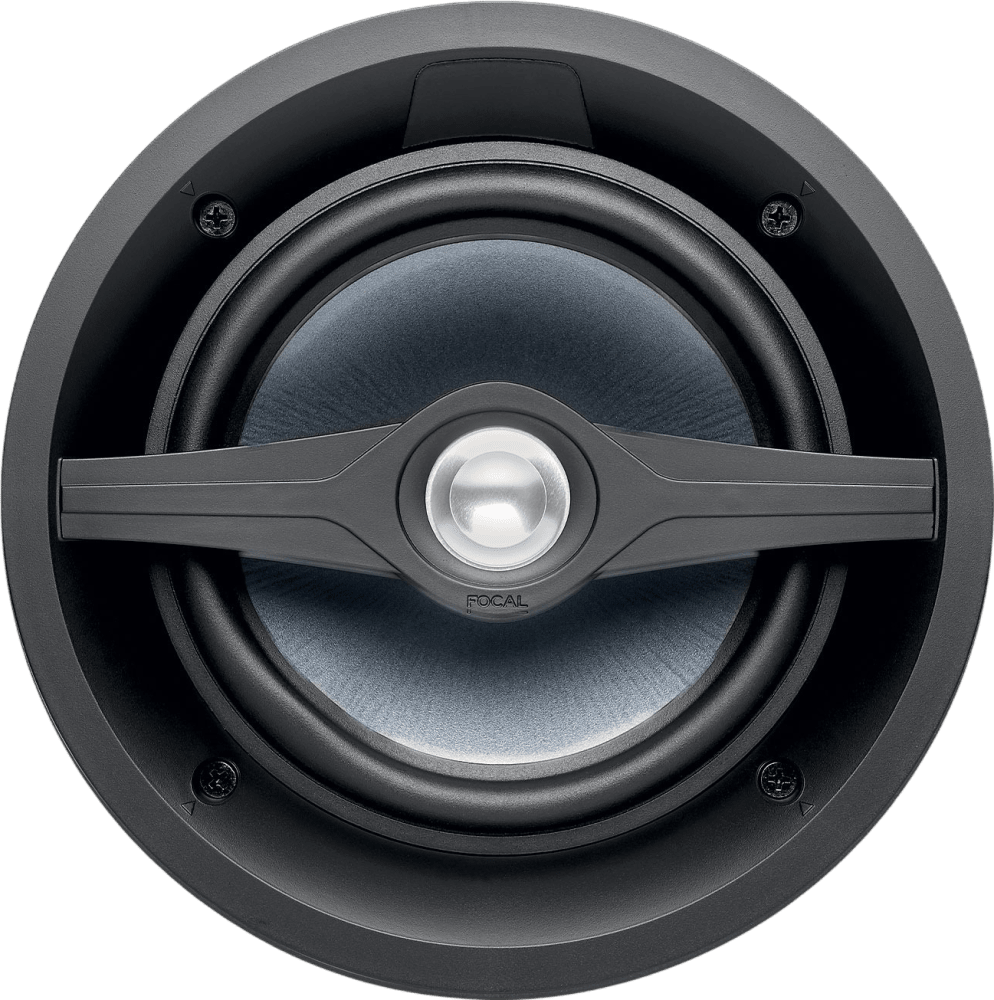
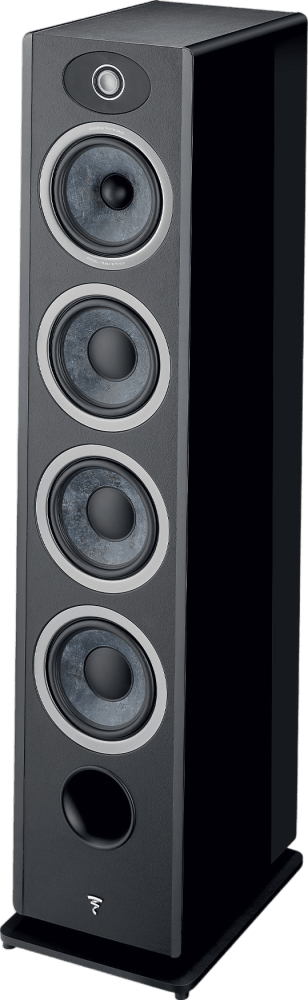
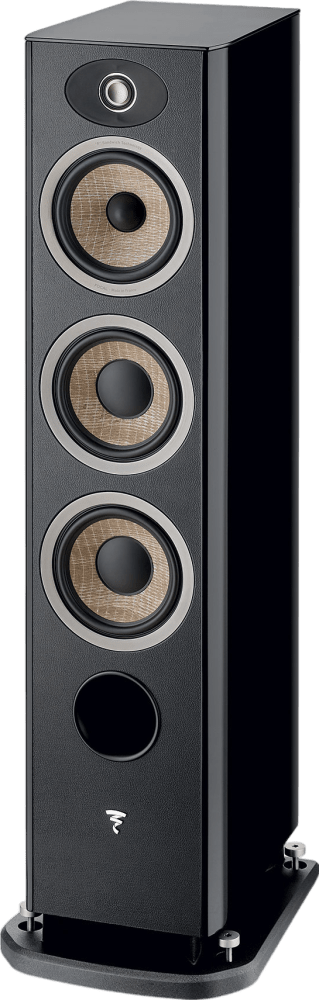
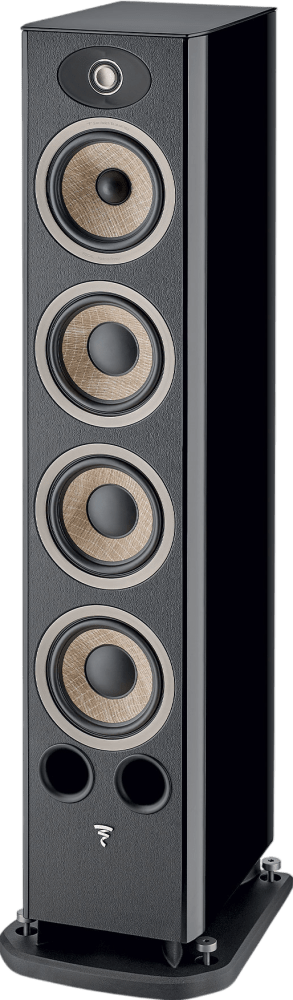
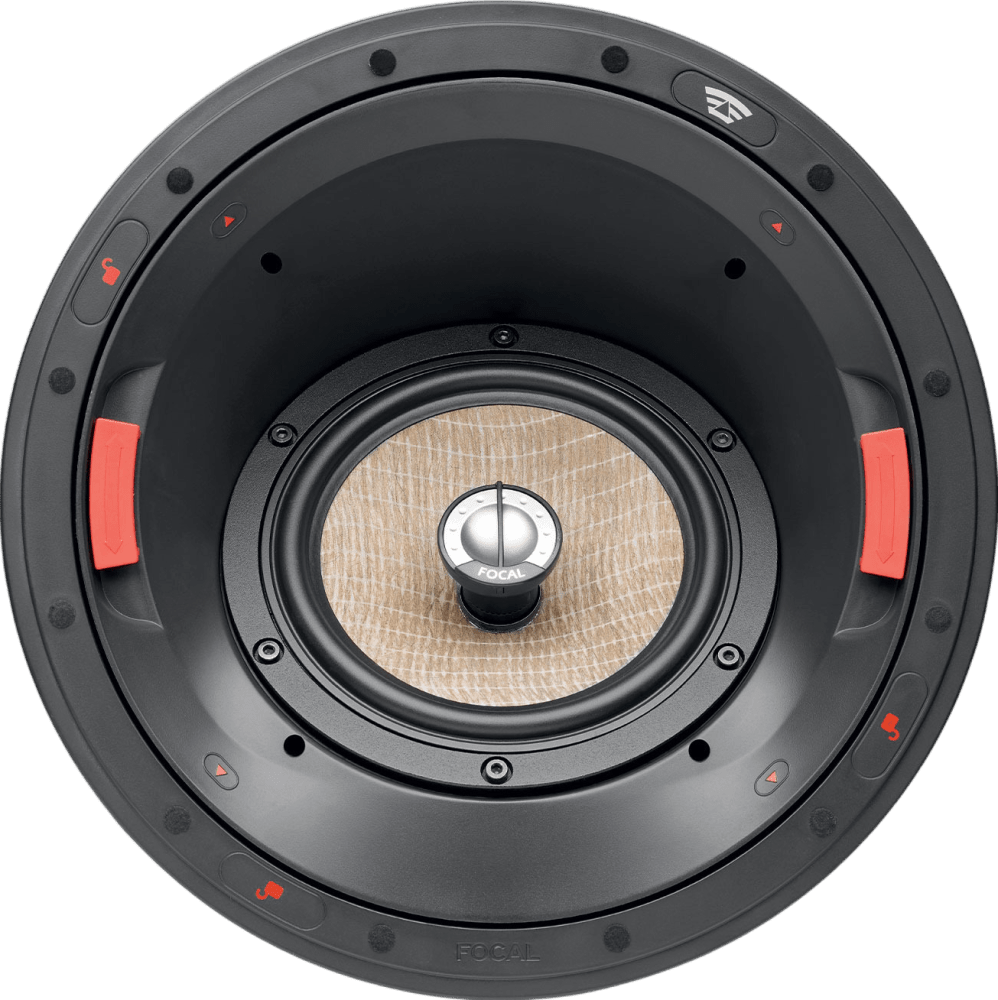

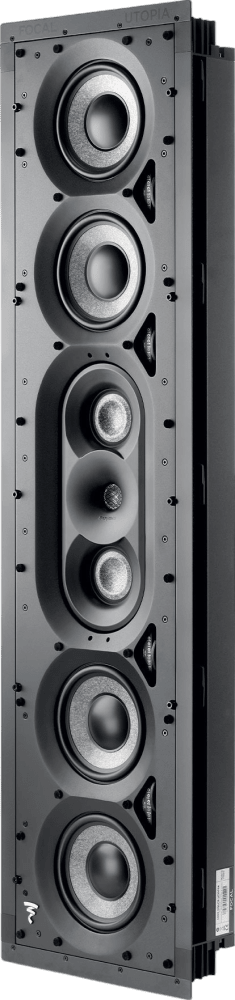
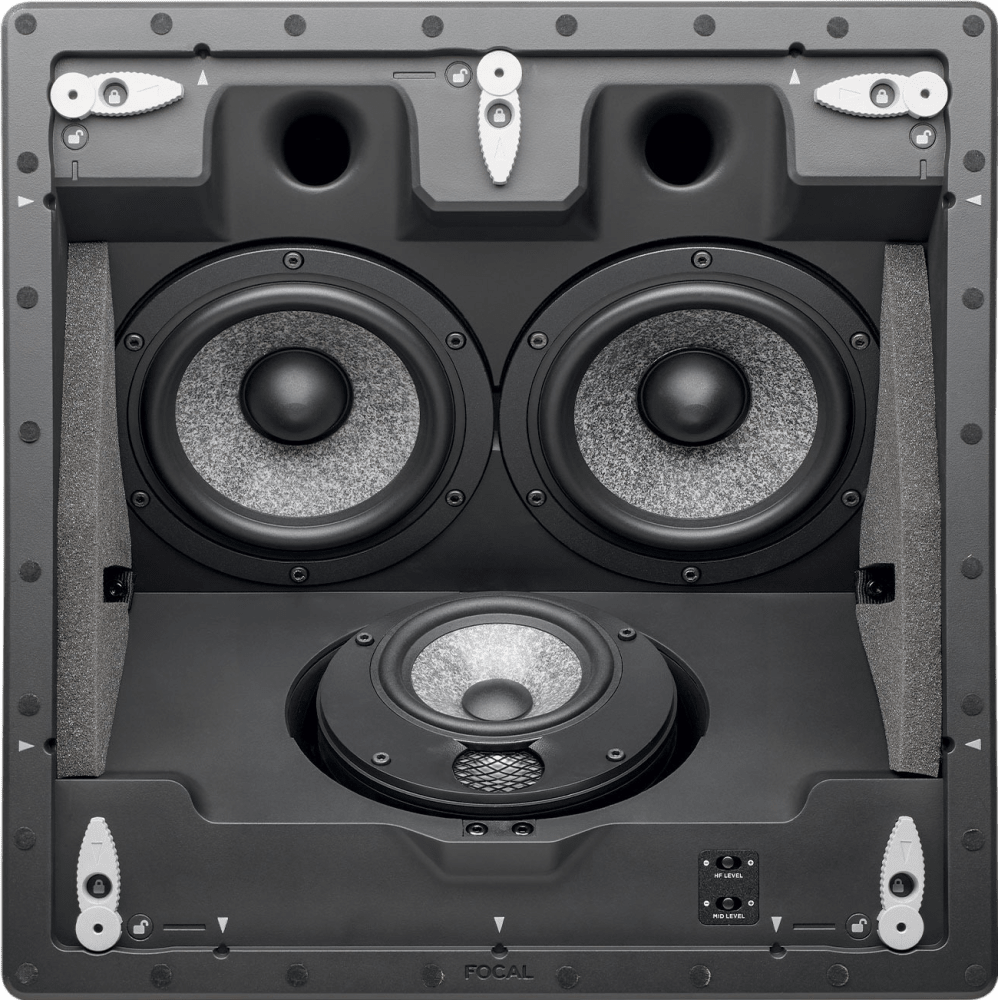
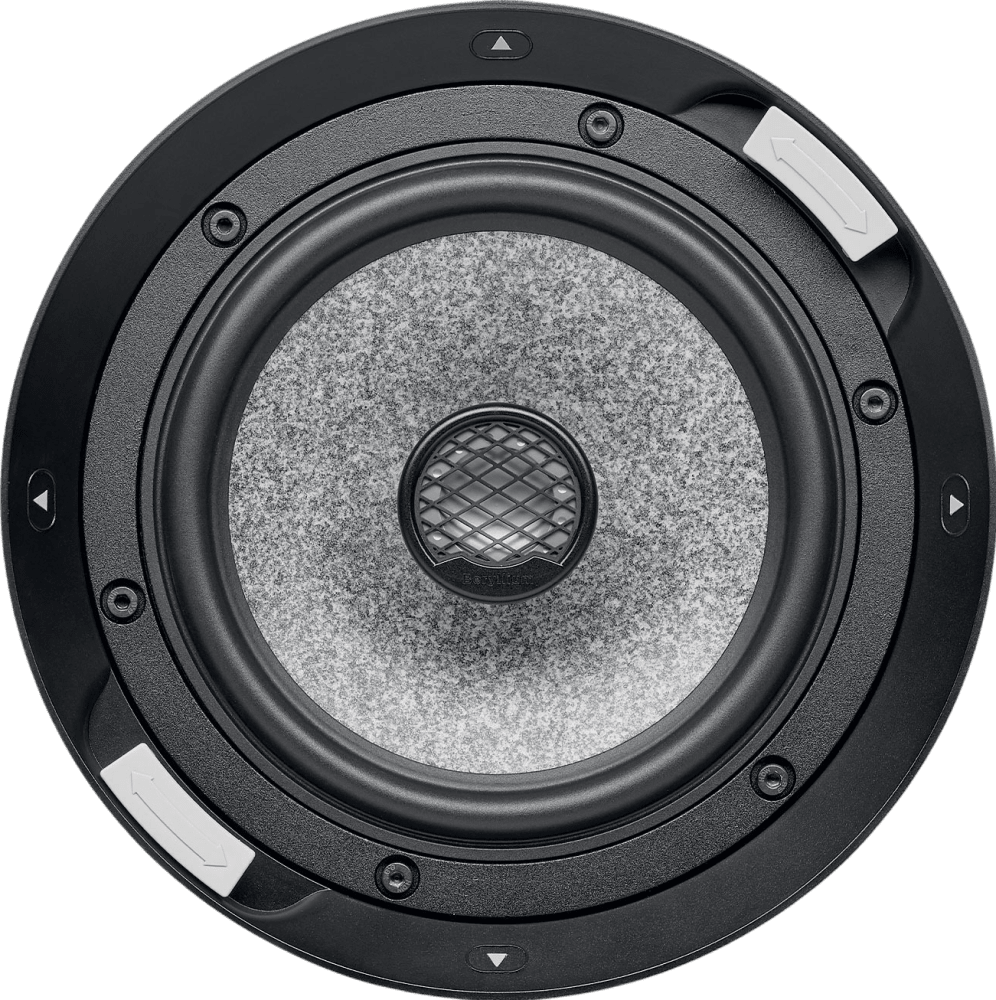


Brand highlights
Taking a step back to look at reviewers' thoughts of the brand's entire lineup—not just this product—what stands out most is the following:
- Focal monitors are noted for their "mid-forward" sound, guiding users toward balanced mixes, particularly in the midrange frequencies, which aids in crucial EQ and dynamics decisions.
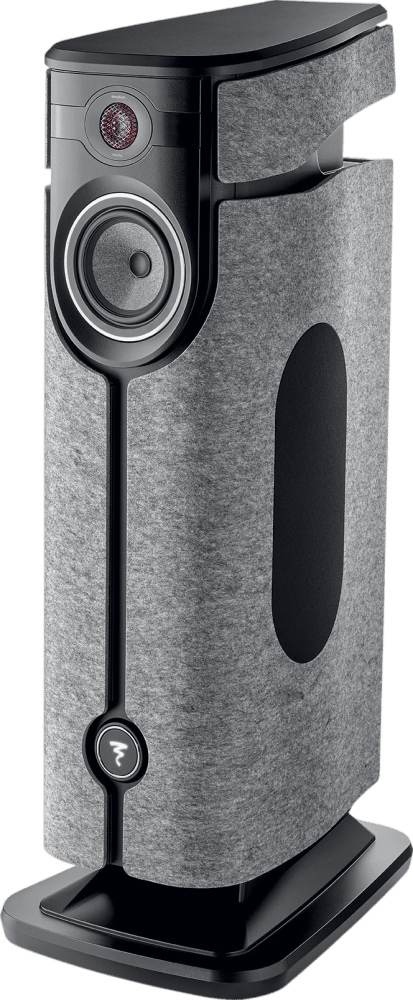
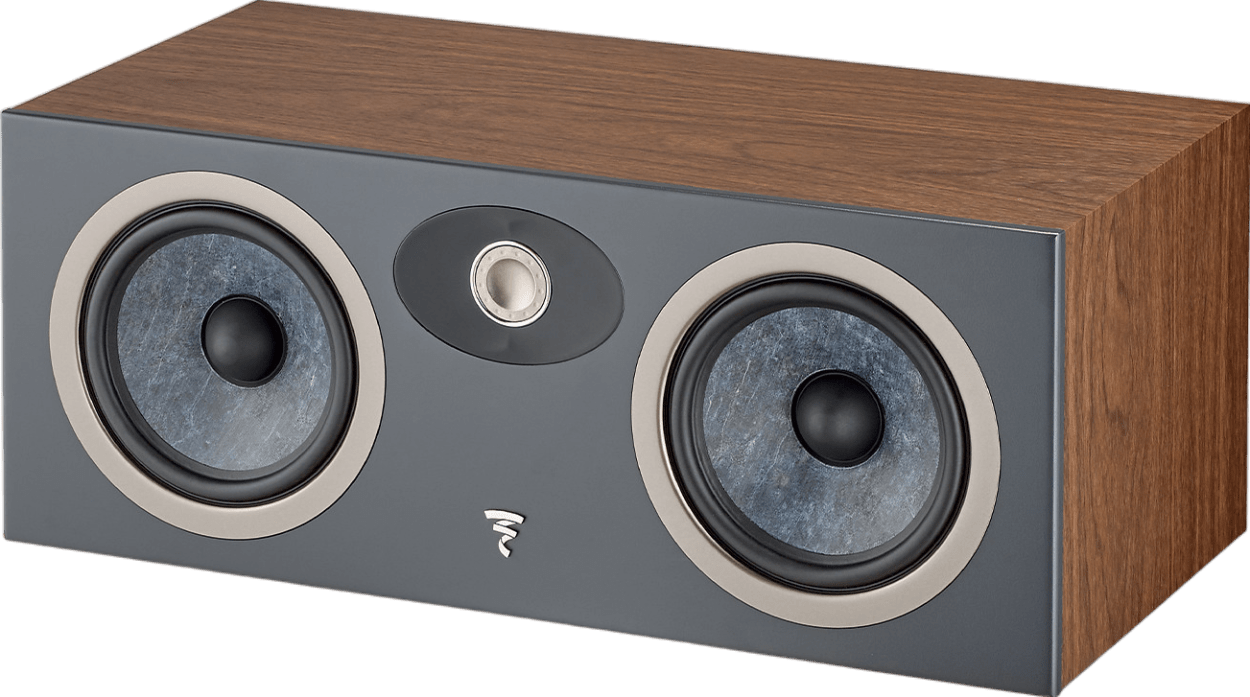
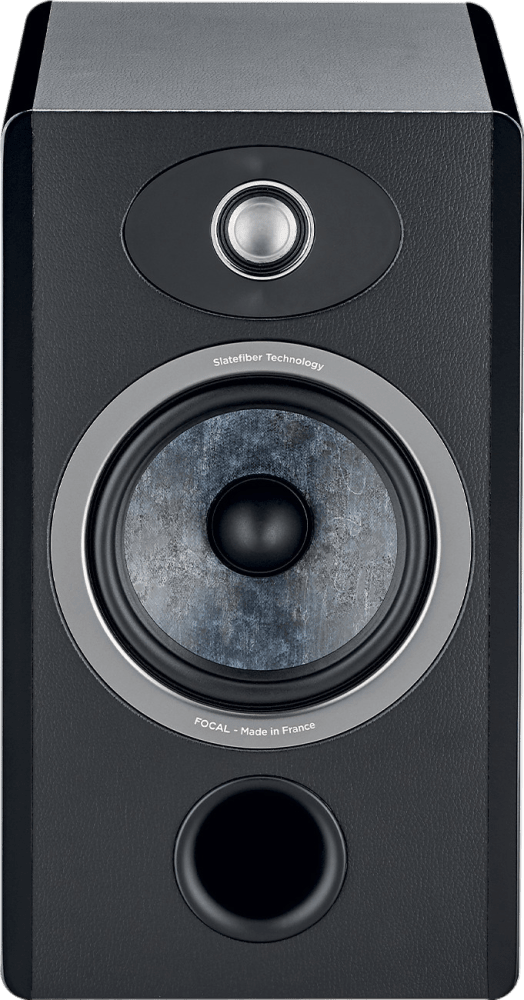
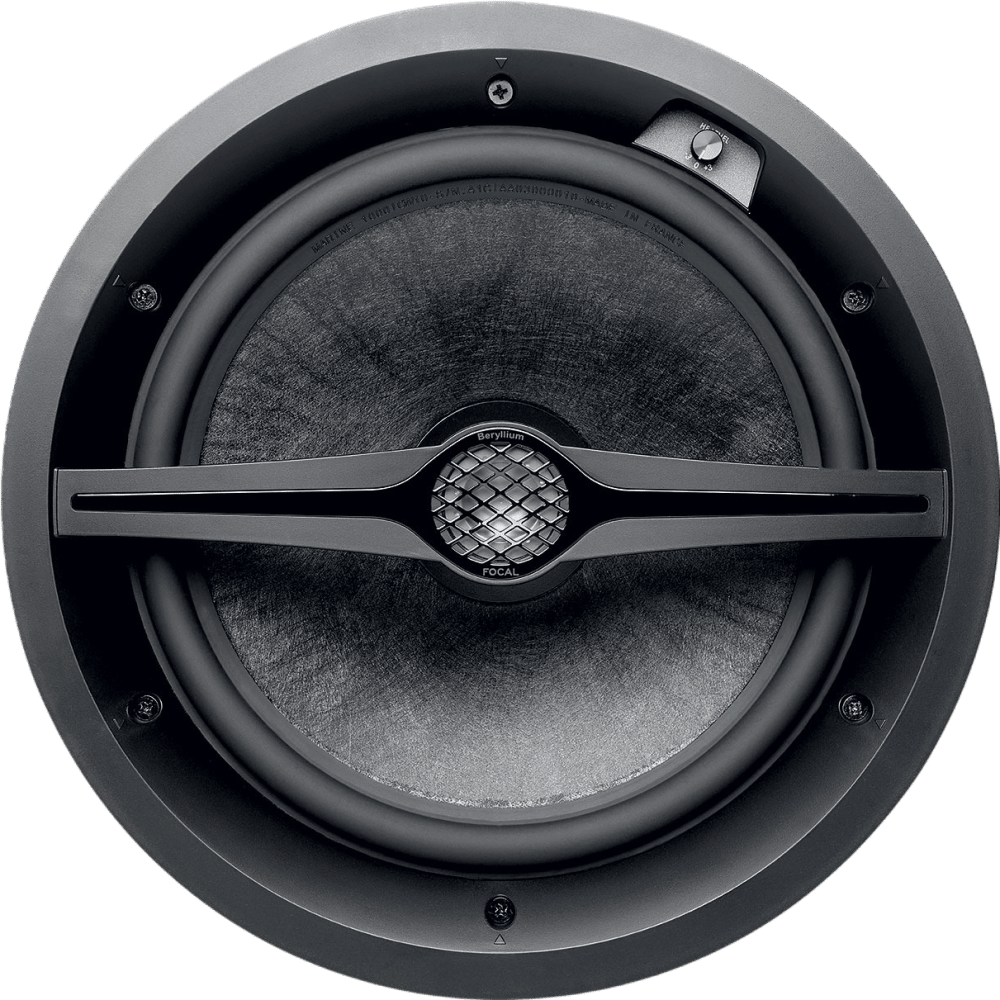
- They integrate an inverted dome tweeter crafted from Aluminum/Magnesium or Beryllium, optimizing high-frequency dispersion and minimizing distortion through back wave absorption.
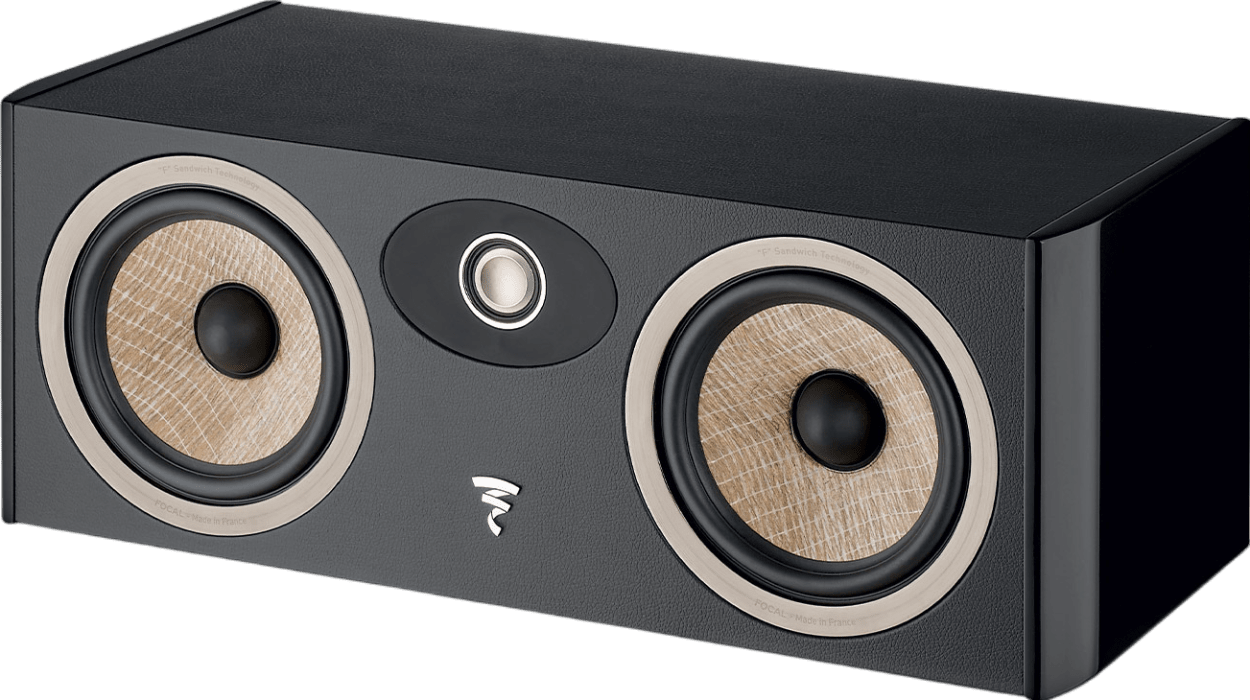
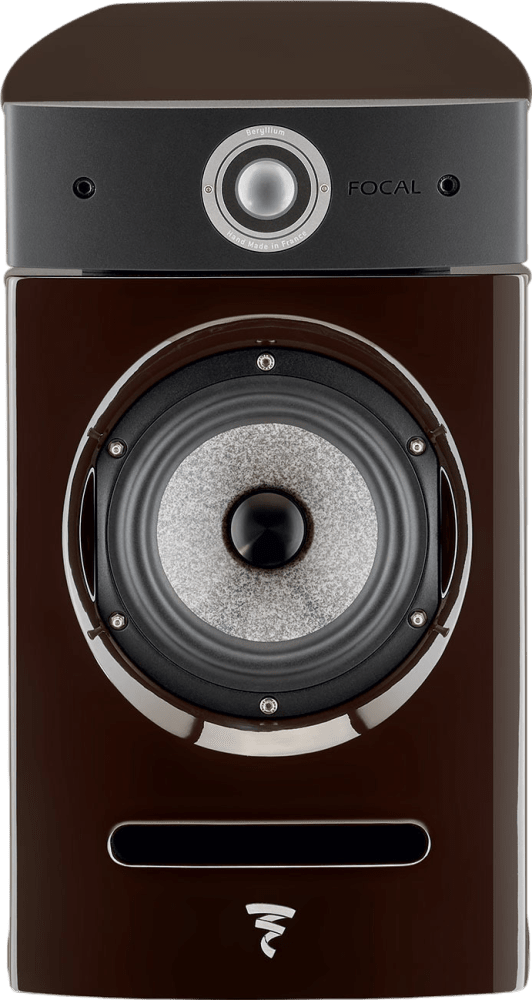
- Focal frequently employs flax or "W" composite sandwich cones in their mid-bass drivers, providing a lightweight yet rigid diaphragm construction that delivers exceptional definition and controlled bass.
Select products
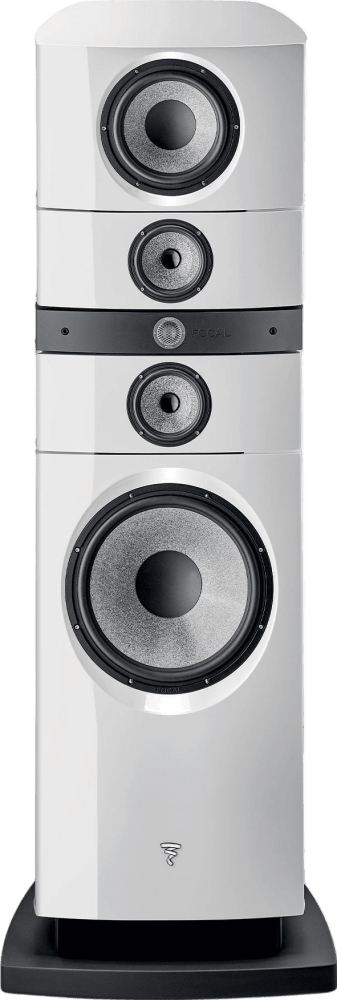
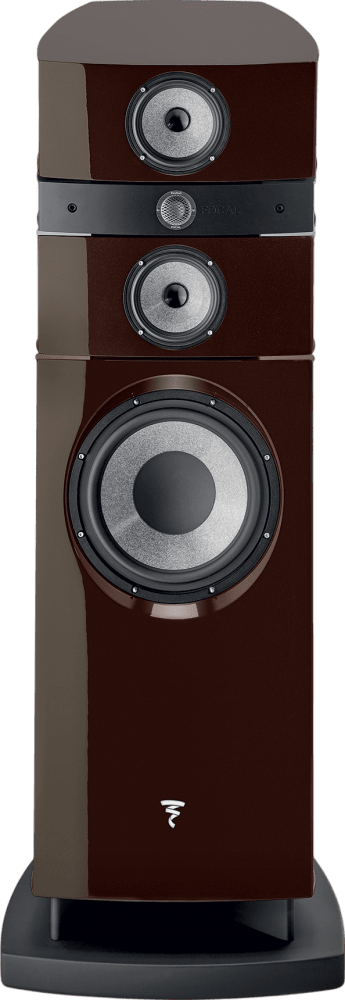
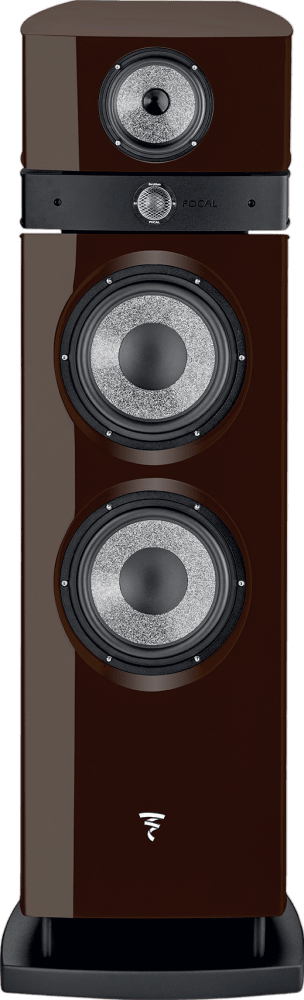
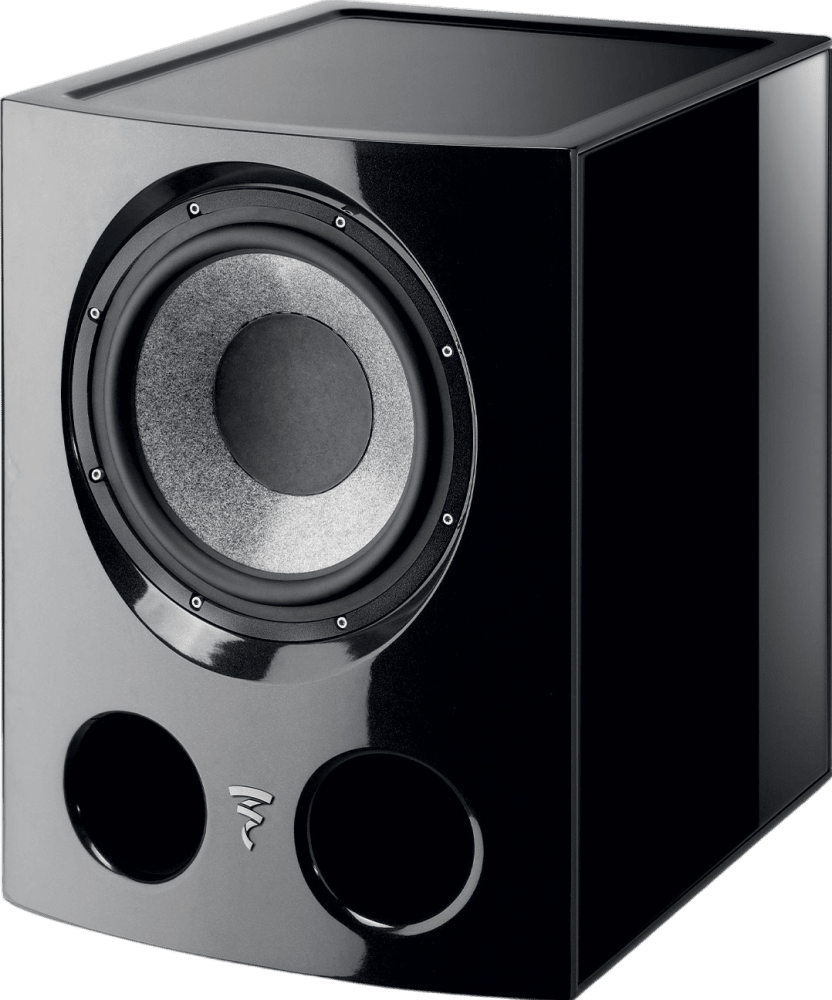

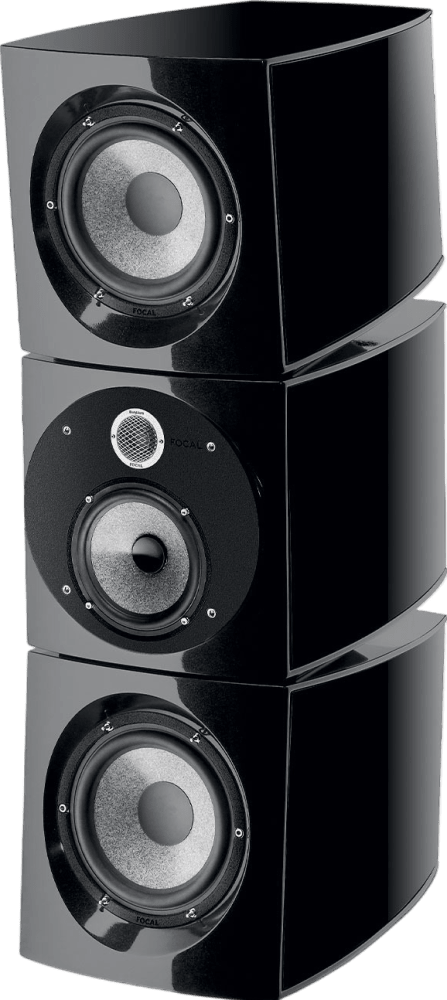
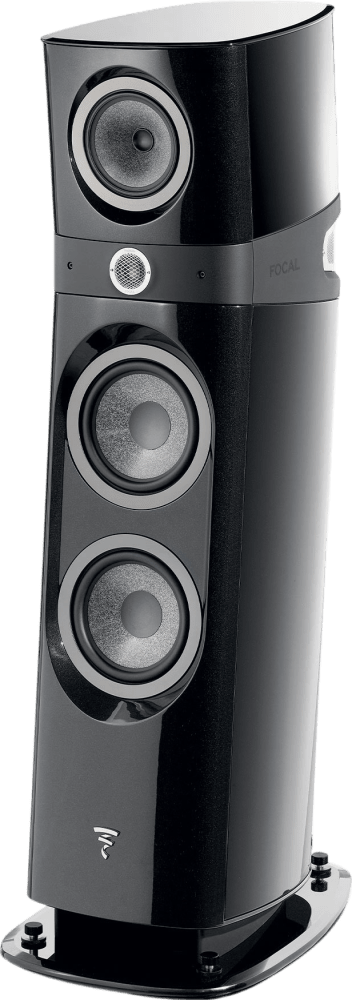
Theva
- Positioning: The entry-level series in Focal's high-fidelity lineup.
- Description: Features Focal's signature technologies like the TNF tweeter for clear treble. Compared to the Aria Evo X, offers a more budget-friendly option with simpler cabinet designs. While it lacks the advanced materials found in the Kanta series, still provides a solid performance for its price range, suitable for basic home audio setups.
Aria Evo X
- Positioning: Sits in the mid-range of Focal's lineup, offering a balance between performance and affordability.
- Description: Features flax cone technology, providing natural sound and excellent dynamics. More refined than Theva, offering better build quality and soundstage.
Kanta
- Positioning: A premium series, offering advanced technology and design.
- Description: Known for their innovative design and use of materials like the Flax sandwich cone and Beryllium tweeter, delivering precise and detailed sound. They offer a more sophisticated sound profile than Aria Evo X, with enhanced clarity and warmth.
Sopra
- Positioning: A high-end series, just below the flagship Utopia line, focusing on compactness and performance.
- Description: Excels in sound transparency and precision, featuring technologies like the Infinite Horn Loading system for improved treble. They offer a richer harmonic experience than Kanta.
Utopia III Evo
- Positioning: Focal's flagship series, representing the pinnacle of their speaker technology.
- Description: Renowned for their exceptional sound quality and luxurious design, incorporating technologies like the Beryllium tweeter and W composite sandwich cone. They surpass Sopra in every aspect, offering groundbreaking soundstage and detail, ideal for large dedicated listening rooms and those with no budget constraints.

Our take on the brand
Look inside the brand
Our interview with the brand
What are two key technological innovations or strong opinions that differ you from other brands?
What's your approach to customer support?
What are your favorite tracks for showcasing the strength of your products?
What other products pair best with yours?

Used
Focal










What if you spend more?



.svg)
Product Strengths
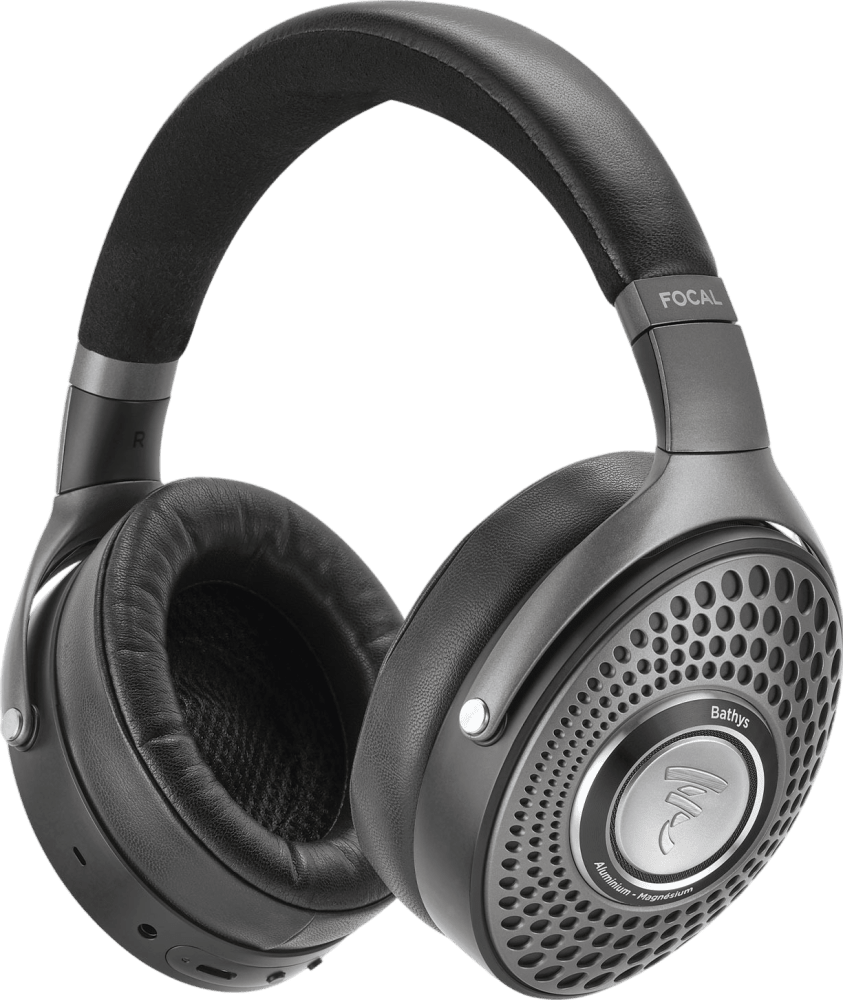
- Excellent sound quality delivers a rich, full, detailed, and clear experience, rivaling higher-end wired headphones
- Comfortable for long listening sessions due to soft earpads and good weight distribution
- High-quality build with premium materials like magnesium yokes, aluminum band, and leather padding
- Effective noise canceling is comparable to leading brands like Bose and Sony, and offers a transparency mode
- Versatile connectivity with Bluetooth (aptX Adaptive), USB-DAC mode (up to 24/192), and analog 3.5mm
Product Considerations
- Active noise canceling (ANC) isn't the absolute best on the market
- Stock cables are considered basic and somewhat short
- The app, while offering EQ and other adjustments, can be clunky and difficult to connect initially, and some users have reported firmware update issues
- The headphones always need battery power to function, even when using a wired connection
- Some reviewers found the bass a little too elevated in the lower mids
Comparisons (according to reviewers)
- The Bathys has a more natural fit, a better mic, more connectivity options, and a companion app that allows for better sound adjustments, while the AirPods Max excels in noise canceling
- The Bathys has more consistent audio delivery, a more robust EQ, and better overall noise isolation, while the Bowers & Wilkins Px8 is more comfortable and better built
- The Bathys has similar noise isolation performance and similar USB-C and analog capabilities, but the Sennheiser Momentum 4 Wireless has a more accurate treble response and better battery life
- The Bathys has better sound, is more comfortable, and is better built than the Sony WH-1000XM5, while the XM5 has better battery and better noise isolation
- The Focal Celestee is better built, more comfortable, and wired, while the Bathys has a USB-DAC mode for higher-quality audio and a companion app to adjust it
Takeaway: The Focal Bathys are a solid pick for wireless headphones that sound great and feel luxurious. Excellent sound quality with convenient features like active noise canceling make them perfect for enjoying music on the go.
Video review
Our take on the brand
Product Strengths
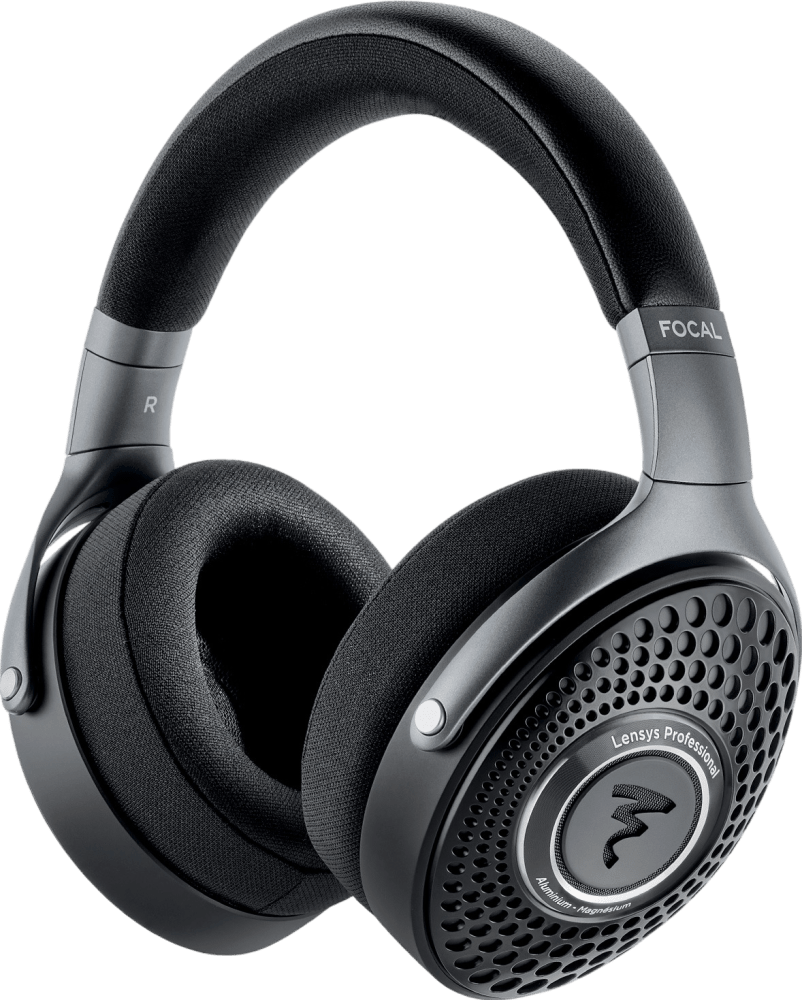
- Detailed, powerful, yet realistic sound suitable for audio engineering
- Clear, detailed sound with precise bass response from the 40mm 'M'-shaped Aluminium/Magnesium drivers
- Durable, high-quality construction and a lightweight design, with comfortable memory foam earpads and headband for extended use
- Closed-back design provides good isolation from external noise while minimizing leakage, making them versatile for tracking, mixing, and mastering
- Low impedance (26 ohms) makes them easy to drive with both studio gear and mobile devices
Product Considerations
- Some users may experience slight pressure or 'hotspots' on their ears during prolonged listening sessions due to the headband design
- Clamp-sensitive design can be affected by head size
- Slight increase in the 10-12 kHz range can cause vocals to be more sibilant
- The earpads and headband, while comfortable, may cause 'nasty hotspots' on the head, per reviewer
- Less bass compared to Azurys
Comparisons (according to reviewers)
- Vs Focal Azurys—Lensys has less bass, and is not as smooth sounding
Takeaway: The Focal Lensys Professional headphones provide accurate and detailed sound for studio work and music enjoyment. They are comfortable for long sessions and versatile enough to be used with various devices.
Video review
Our take on the brand


Premium DALI IO-8 wireless Hi-Fi headphones with custom DALI driver technology bring you genuine Hi-Fi performance, while advanced audiophile active noise cancellation technology lets you enjoy the same genuine sound, wherever your are.True Hi-Fi PerformanceDALI IO-8 headphones are designed and engineered using the same sound principles as our full-size loudspeakers – they're true Hi-Fi speakers for your head.Audiophile Active Noise CancellationSilence the outside world with unique active noise cancellation technology tuned carefully by DALI to strip away the distractions without impairing the sound.35-Hour Battery LifeEnjoy up to 35 hours of peerless noise-cancelling playback.Dual Sound ModesTailor the performance to your own style with 'Hi-Fi' and 'Bass' sound modes.
Product Strengths
- Positive, detailed, and convincing sound makes music enjoyable, rather than academic
- Exceptional build quality with premium materials, including brushed metal and tactile fabric, gives them an understatedly good look and feel
- Can function as hard-wired passive headphones without battery power, offering flexibility and continuous use
- Active noise cancellation (ANC) effectively reduces external noise without significantly impacting the sonic characteristics of the headphones
- Balanced frequency response with smooth transitions and ample detail throughout the range
Product Considerations
- The lack of a control app limits user customization options
- The use of real leather in the earpads may not appeal to vegan customers
- Active noise cancellation (ANC) is decent, but not class-leading compared to brands like Bose
- The midrange can be a bit too relaxed for some users
Comparisons (according to reviewers)
- Compared to Bowers & Wilkins PX8, the Dali IO-8 offers distinct sound
- Compared to Sennheiser Momentum 4, the Dali IO-8 is heavier
- Compared to Focal Bathys, the Dali IO-8 is lighter
Takeaway: The Dali IO-8 is a premium headphone that delivers high-quality sound with a focus on musicality and build quality. It's a great choice for listeners who value a balanced sound signature, comfortable design, and the flexibility of wired and wireless use.
Video review
Our take on the brand

Product Strengths
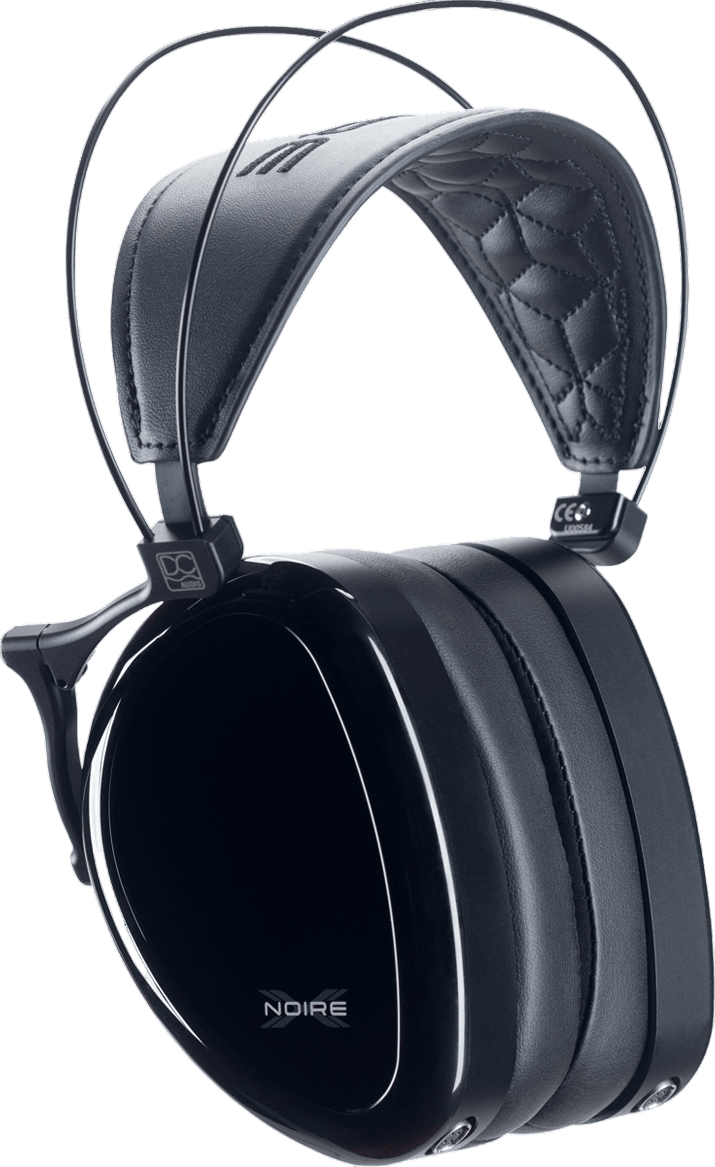
- Excellent, well-balanced tuning, especially for a closed-back headphone
- Good bass response, being tight, punchy, and hard-hitting with quality and fidelity, but not overly bassy
- Comfortable to wear, using the self-adjusting headband and comfortable pads from the E3 model
- Shares a lot of similarities with the E3, but at a lower price point
- Good soundstaging, with decent width and depth for a closed-back headphone
Product Considerations
- The Piano Gloss Black finish is prone to fingerprints, smudges, and scratches, making it difficult to keep clean
- Soundstage could be wider compared to some competitors
- Detail retrieval is good but not a standout feature and may not be at the level expected for the price, particularly when compared to higher-end headphones
- Highs can be a little spicy, and the treble can be a bit more exciting, but less refined than E3
- Pads are glued on, which may make pad replacement more difficult, while being an upside for better seal to the baffle
Comparisons (according to reviewers)
- Vs. Dan Clark Audio E3: Is 90% of the headphone that the E3 is at half the cost
- Vs. Sennheiser HD6XX: The low-end is miles better, mids are almost equally delicious, but the highs are where the HD6XX seems a tad cleaner
- Vs. ZMF Auteur Classic: The Dan Clark Audio Noire X is the more technical and more neutral ride
Takeaway: The Noire X is a comfortable, well-tuned, and versatile closed-back headphone that is a great choice for those wanting a smooth and enjoyable listening experience. It offers a lot of value and is a strong contender in its price range.
Video review
Our take on the brand
What competes at this price?


Our Summary
Product Strengths
- Shockingly good for the money, a very well-tuned headphone for the price category
- Good bass response that is fun, with lots of thumpiness and impact in the lower sub-bass regions, while maintaining a clean mid-bass region
- Trouble response is fairly target-adherent with a chill character and not overly fatiguing
- Comes with a banger accessories package providing two cables, a carry case, more than a lot of companies are coming out with
- Delivers impressive sound quality across the board, backed by excellent build quality and a generous set of accessories
Product Considerations
- The actual earpad area for the ear is not super great, and it will be felt a little bit on the ear, might be more on-ear than fully over-ear if you have really large ears
- Sound staging is one area that could improve the most, because there is almost none, can sound almost claustrophobic, because everything is happening right here all the time
- Mid-range is not all that exciting to listen to, vocals can be shouty or honk-type sound to certain vocalists
- Build quality feels good for $150, but it would not pass the sniff test for $500, definitely feels like it's a budget device
Comparisons (according to reviewers)
- The AKG K361 has advantages over the FiiO FT1, like sound staging
- The FT1’s level of midrange fidelity is impressive, rivaling the best mid-fi headphones such as the Sennheiser HD6XX and the Sundara
- It outshines most closed-back classics, including the Sony MDR-7506, AKG K361, and beyerdynamic DT700 Pro X
- The smaller FiiO FT1 was enjoyed even more than the FiiO FT5, since it strikes the right balance between fun, warmth, and technicality, handling tough tracks with much more ease than anticipated
Takeaway: The FiiO FT1 is a surprisingly good closed-back headphone for the money and offers a well-tuned sound signature with good bass response. This headphone is priced at $150 and is surprisingly nice with some great terminations.
Video review
Our take on the brand


Our Summary
Product Strengths
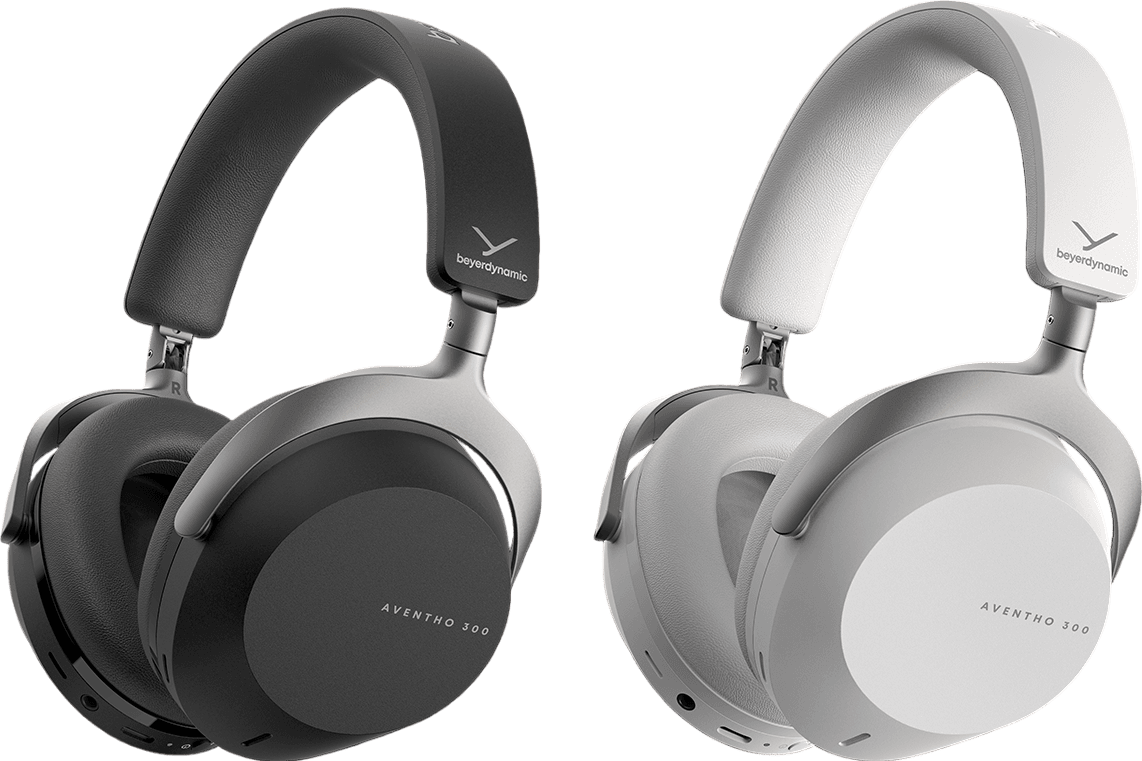
- Polished, almost studio-like audio quality with big bass
- Has multipoint connectivity and lossless codecs
- Very long battery life, up to 50 hours with ANC on
- Exciting listen along with on-the-go features
Product Considerations
- Ear pads are hard to remove
- Touchpad for controls is a bit finicky and has inconsistent sensitivity
- Clamping force is a bit strong, so stretching may be needed
- The high end is also a little hyped, adding to the clarity
- Although the bass bloats into the lower-mids, the rest of the midrange is nicely tuned
Comparisons (according to reviewers)
- Vs Bowers & Wilkins Px7 S2e: The Aventho 300 brings studio sensibilities to its soundstage, while the Px7 aims for accurate linearity
- Vs Beyerdynamic DT 700 Pro X and DT 900 Pro X headphones: Using the same drivers as the company's studio-oriented DT 700 Pro X and DT 900 Pro X, the sound quality will make one feel like they have taken a blanket off their music, especially when upgrading from a cheaper model
- Vs Sennheiser Momentum 4 Wireless: They are only beaten by the Sennheiser Momentum 4 and the Marshall Monitor III
Takeaway: The Beyerdynamic Aventho 300 sound polished and are meant for the studio, but they still have a large bass response. For those seeking something different without sacrificing quality, these headphones offer a compelling combination of sound quality and features.
Video review
Our take on the brand


Our Summary
Product Strengths
- Comfortable fit, especially for longer listening sessions.
- Visually appealing and unique design.
- Good accessory set for the price, including a useful carrying case.
- Fairly balanced and smooth sound signature, non-fatiguing to listen to.
- Good noise isolation
Product Considerations
- Mids can sound veiled or muddy, lacking clarity and detail.
- Bass impact can be soft and lacking definition, sometimes sounding "one-noted".
- Treble lacks airiness and sparkle, with limited extension.
- Technical performance is average compared to competitors in the same price range.
- Some reviewers note BA timbre, affecting the naturalness of instruments and vocals.
Comparisons (according to reviewers)
- The Moondrop Aria is considered more complete sounding and vivid.
- The SeeAudio Yume perfects the Thieaudio Legacy 2’s tuning with a cleaner midbass, more upper mids clarity, and a more realistic treble experience.
- The Thieaudio Legacy 3 outperforms the Legacy 2, doing everything better.
- The TRI Starsea has better soundstage, clarity, and microdetails
Takeaway: The Thieaudio Legacy 2 offers a smooth listening experience and a comfortable design at an affordable price. It could be a good choice for those who want something nice looking and easy to listen to, especially for acoustic music.
Video review
Our take on the brand

Our Summary
Product Strengths
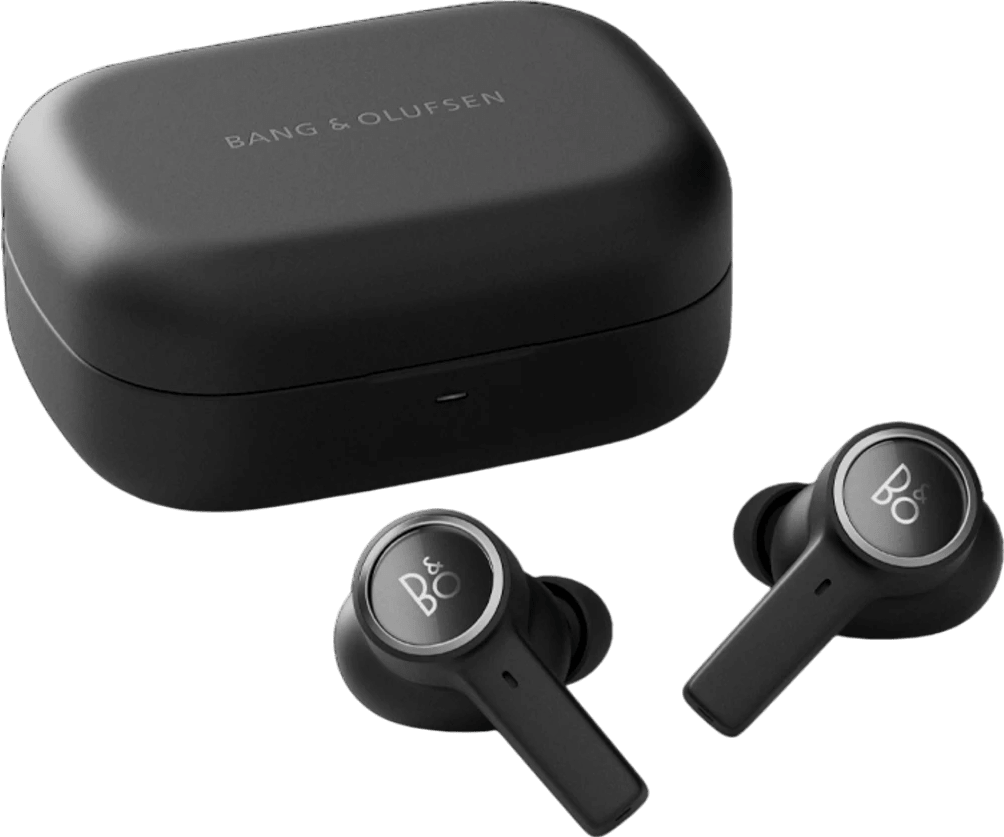
- Premium design and build quality, using materials like aluminum and glass for a luxurious feel
- Sound quality is generally praised as excellent, detailed, and balanced, especially after equalization
- Comfortable and secure fit, particularly for those with smaller ear canals
- App provides an intuitive EQ interface with customizable presets
Product Considerations
- Active noise cancellation (ANC), while solid, is not considered the best on the market compared to brands like Sony or Bose
- Some reviewers experienced connectivity issues, including problems with multipoint pairing and occasional signal dropouts
- Battery life is respectable but not outstanding, with some reviewers noting shorter-than-advertised playback times
- Responsiveness of the touch controls is sometimes too sensitive, leading to accidental pausing or track skipping
- Some users have found the default sound profile (Optimal) to be somewhat flat or boring, requiring EQ adjustments
Comparisons (according to reviewers)
- Compared to the Apple AirPods Pro, the EX has more clarity, better soundstage and separation, but tonal balance may be preferable on the Airpods Pro
- Compared to the Sennheiser Momentum True Wireless 3, the Beoplay EX offers a more balanced and detailed presentation with a more luxurious build
- Compared to the Devialet Gemini II, the Gemini II offers a more neutral sound signature with advanced ANC capabilities, but Beoplay EX offers a more balanced and detailed presentation with a more luxurious build
Takeaway: The Beoplay EX offers a luxurious experience with refined sound and a stylish design. It's a good choice for those who prioritize sound quality and aesthetics, and value a premium feel.
Video review
Our take on the brand

Our Summary
Product Strengths
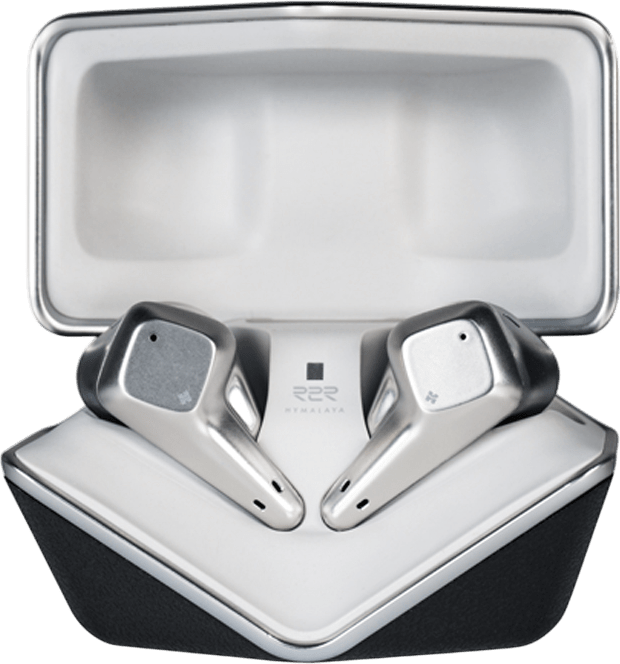
- Excellent sound quality, potentially challenging cabled IEMs, with a dynamic and holographic rendering and beautiful mids and airy treble.
- Effective ANC, making it suitable for reducing ambient noise, even in noisy environments, with up to 35dB of noise attenuation.
- Good build quality, with the IEMs made of lightweight metal and Kevlar, and a sturdy charging case.
- Good bass performance, with texture and extension, punchy, without overpowering, and a powerful but tight impact.
- Wide soundstage, creating a spacious and immersive listening experience.
Product Considerations
- Connectivity issues with LDAC, especially outdoors or in areas with interference, leading to intermittent signal drops.
- Transparency mode might generate turbulence in windy conditions due to microphone placement.
- Limited codecs available, with no aptX support.
- Physical size of the charging case is large and might not be pocket-friendly.
- Included eartips may not be suitable for all ear sizes, with a shorter nozzle affecting fit for some users.
Comparisons (according to reviewers)
- Vs Final ZE8000: Svanar Wireless offers a more W-shaped and punchy signature, greater upper mids gain, more precise imaging, and a vaster sound layering capability, while the ZE8000 sound more neutral to L shape, warmer, and have more sub bass boost and warmth.
- Vs Noble FoKus Mystique: Svanar Wireless has some emphasis in the bass, but not as much, has stronger overall imaging performance—providing a wider soundstage and the best balance between the separation and cohesion in the imaging.
- Vs HIFIMAN Svanar (wired): Svanar Wireless soundstage is taller and wider but not as deep, since clarity isn’t as sharp and clean, silence being more ”noisy”.
- Vs Sony WF-1000XM4: The Svanar Wireless presents a much more detailed, natural and sophisticated kind of sound, while Sony has bloated bass, that overwhelms everything else.
- Vs Apple AirPods Pro: The Svanar Wireless generally outperforms the AirPods Pro in sound quality.
Takeaway: The Svanar Wireless is a solid choice for TWS lovers, with a top-tier sound quality, effective ANC, and its convenience and comfort. It is innovative, less bass-heavy tuning, and overall a solid proposal.
Video review
Our take on the brand
How to buy
Headphones
Search all hifi products
Explore our database of 10,000+ new and 25,000+ used hifi products.