

.png)


Note that this is a discontinued product. You may want to visit the brand's page here to browse their newer products.
What reviewers think
Bloggers and YouTubers have tried this product—so we've summarized their strongest opinions below. Links to full reviews follow.
Product Strengths
- Comfortable fit, especially for longer listening sessions.
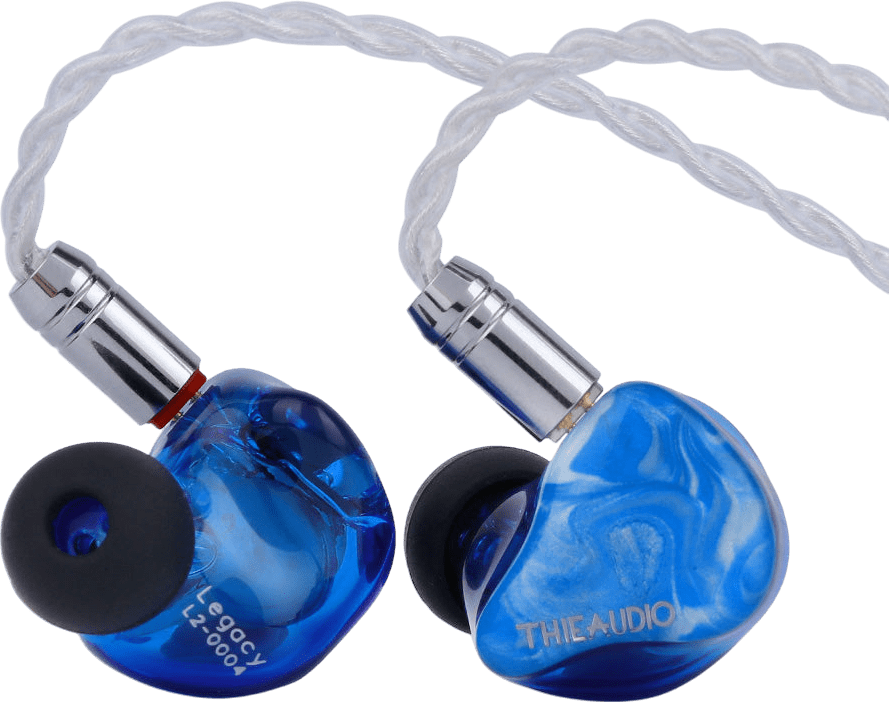
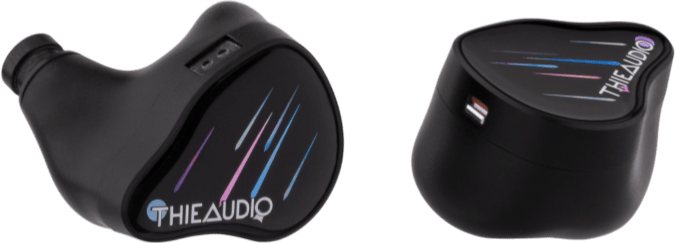
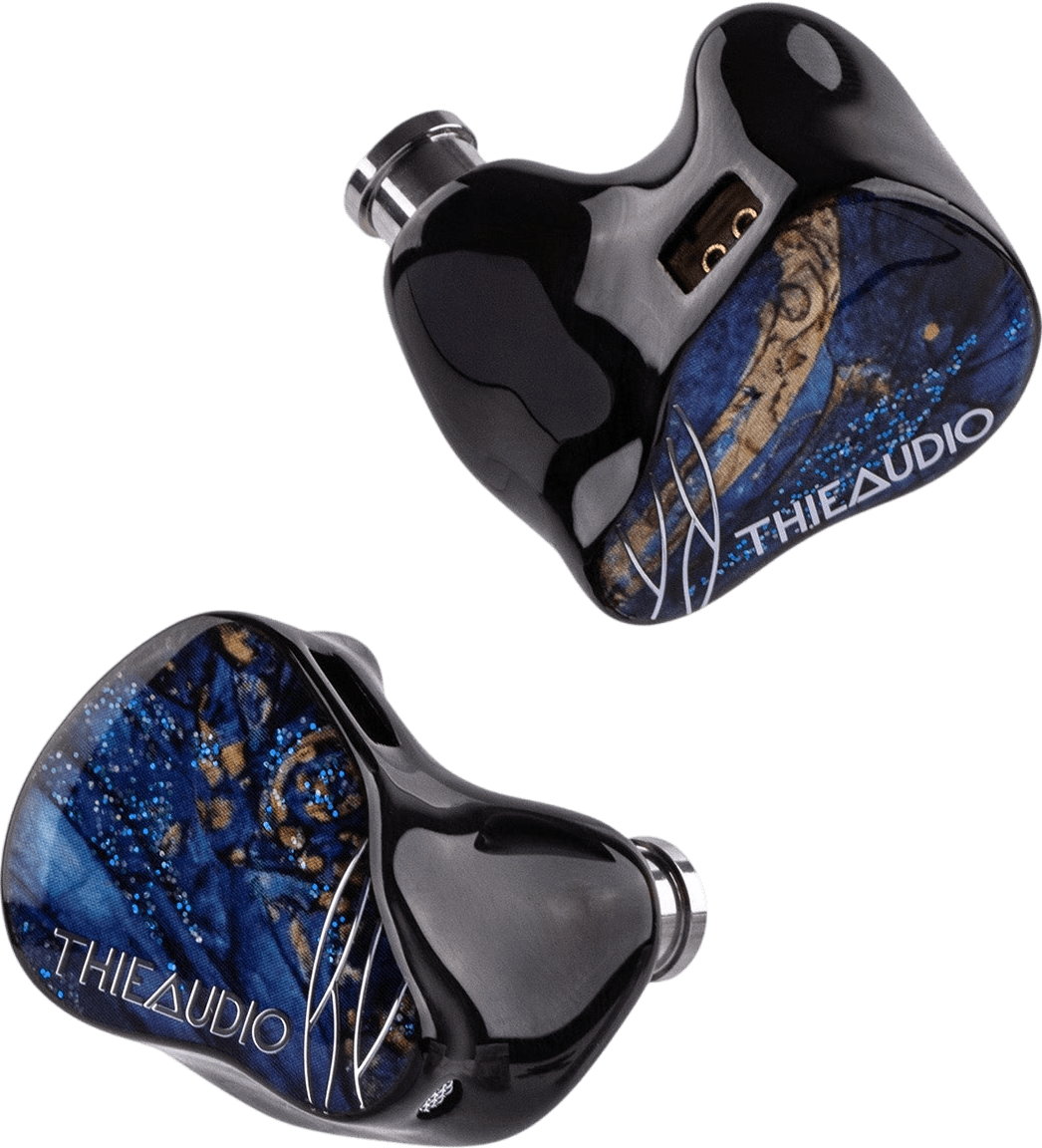
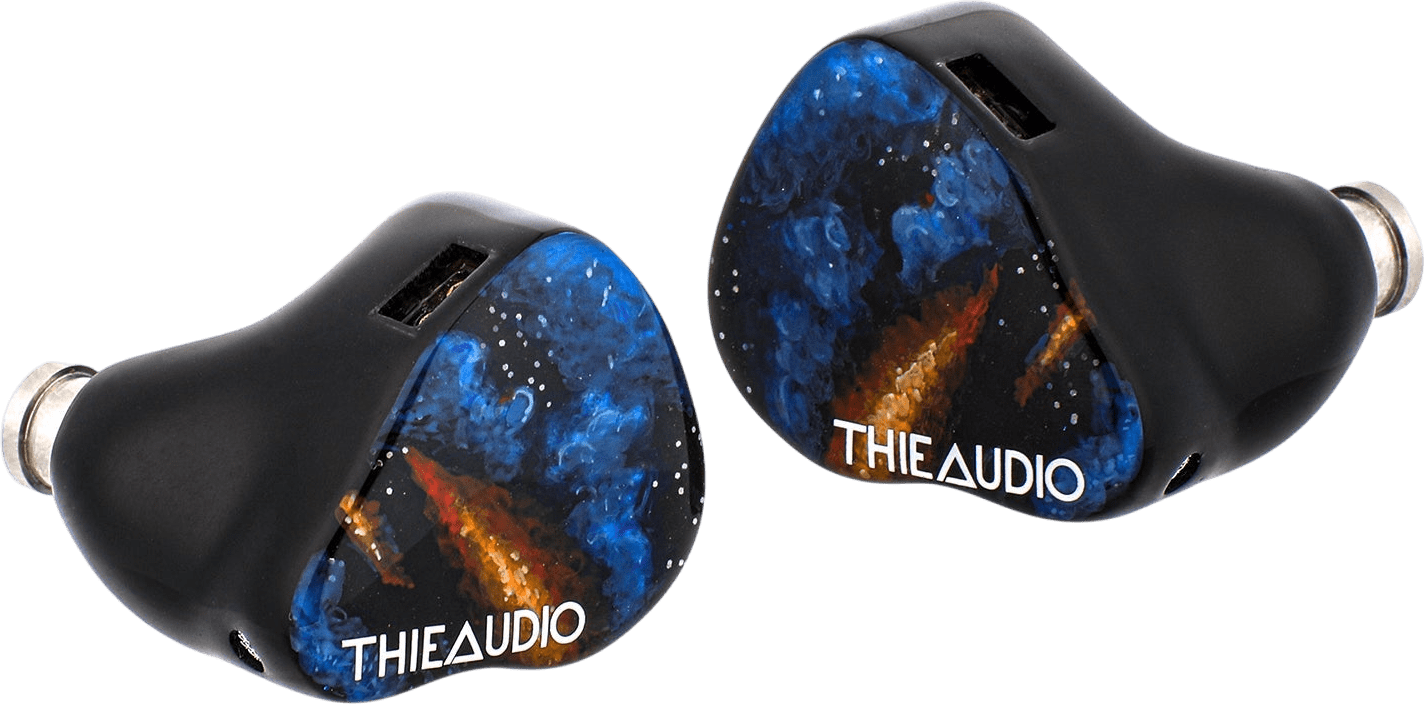
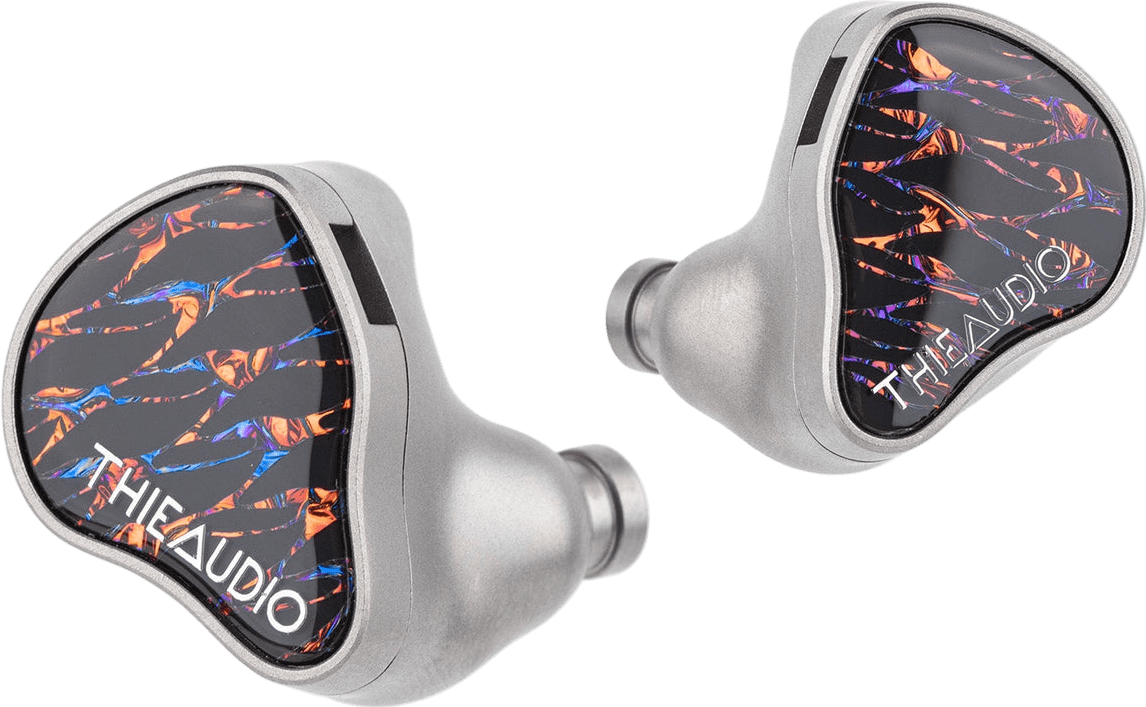
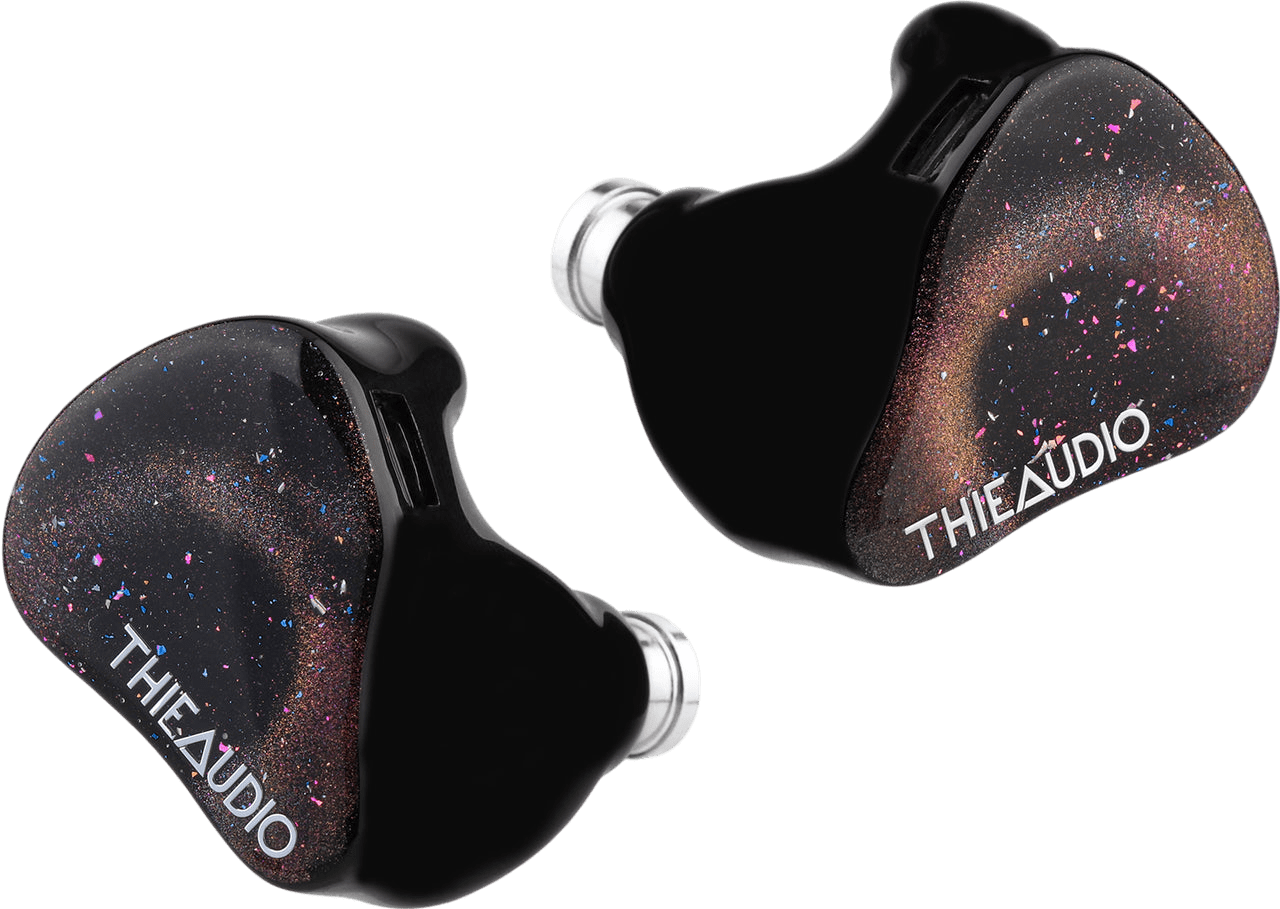
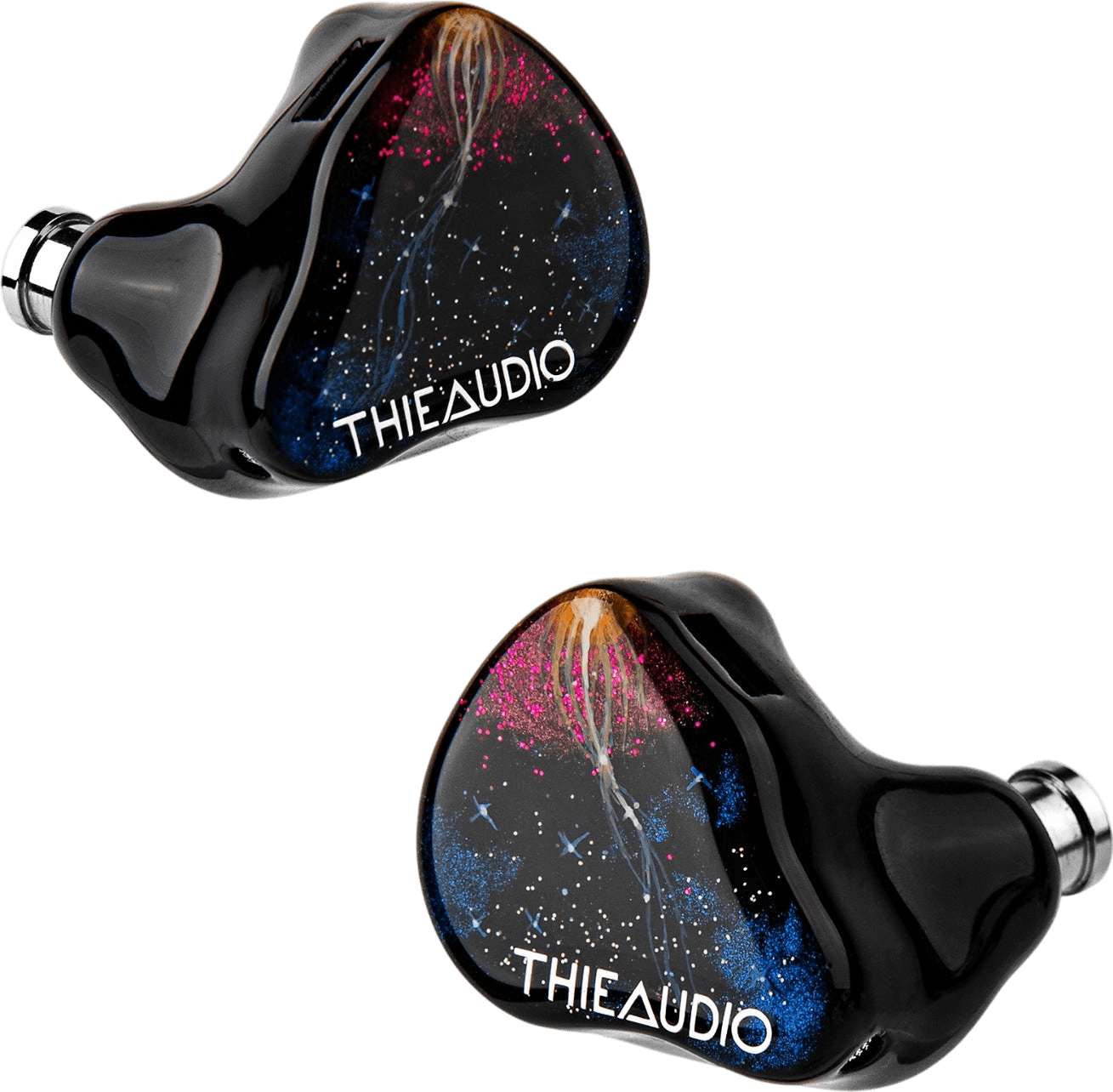
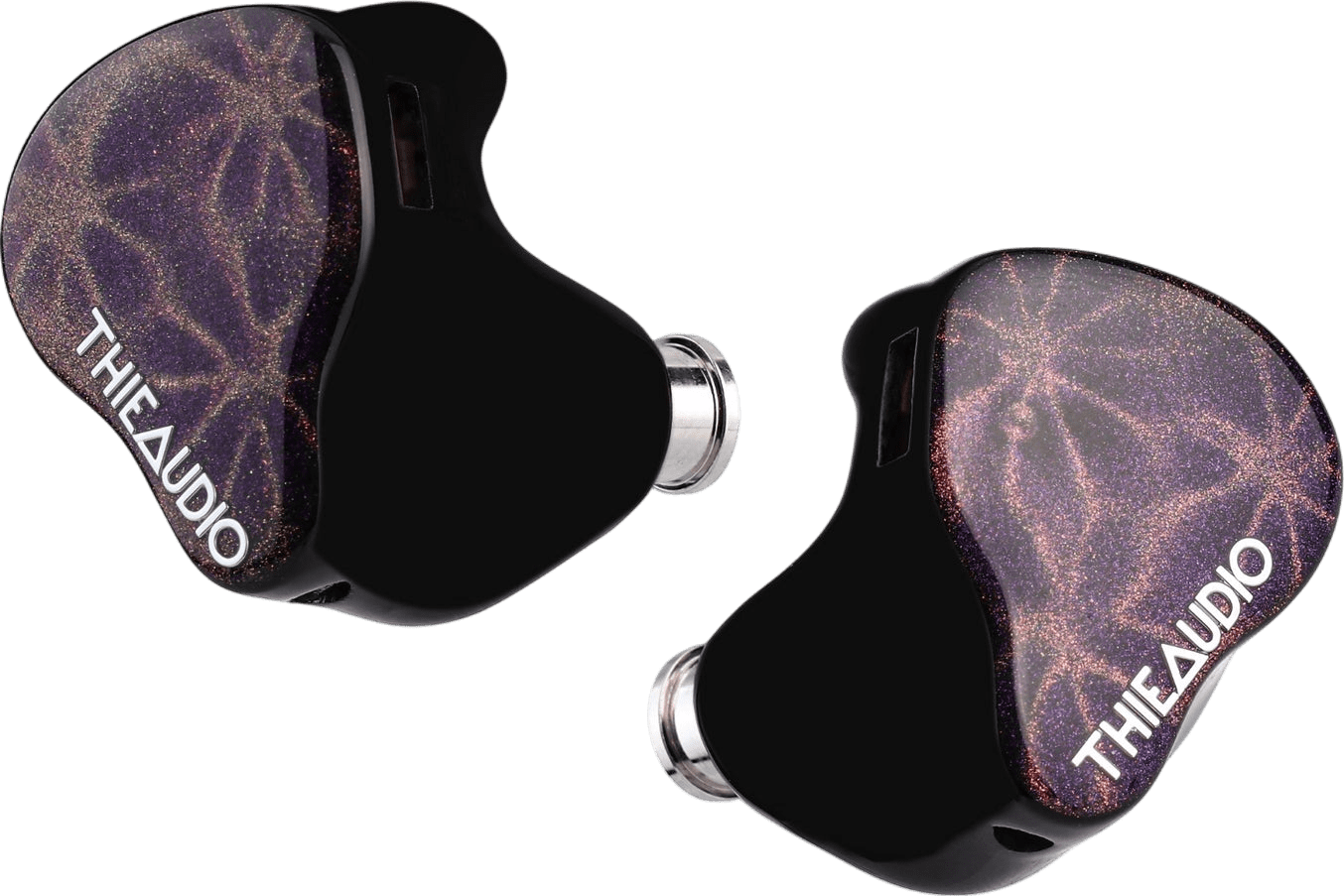
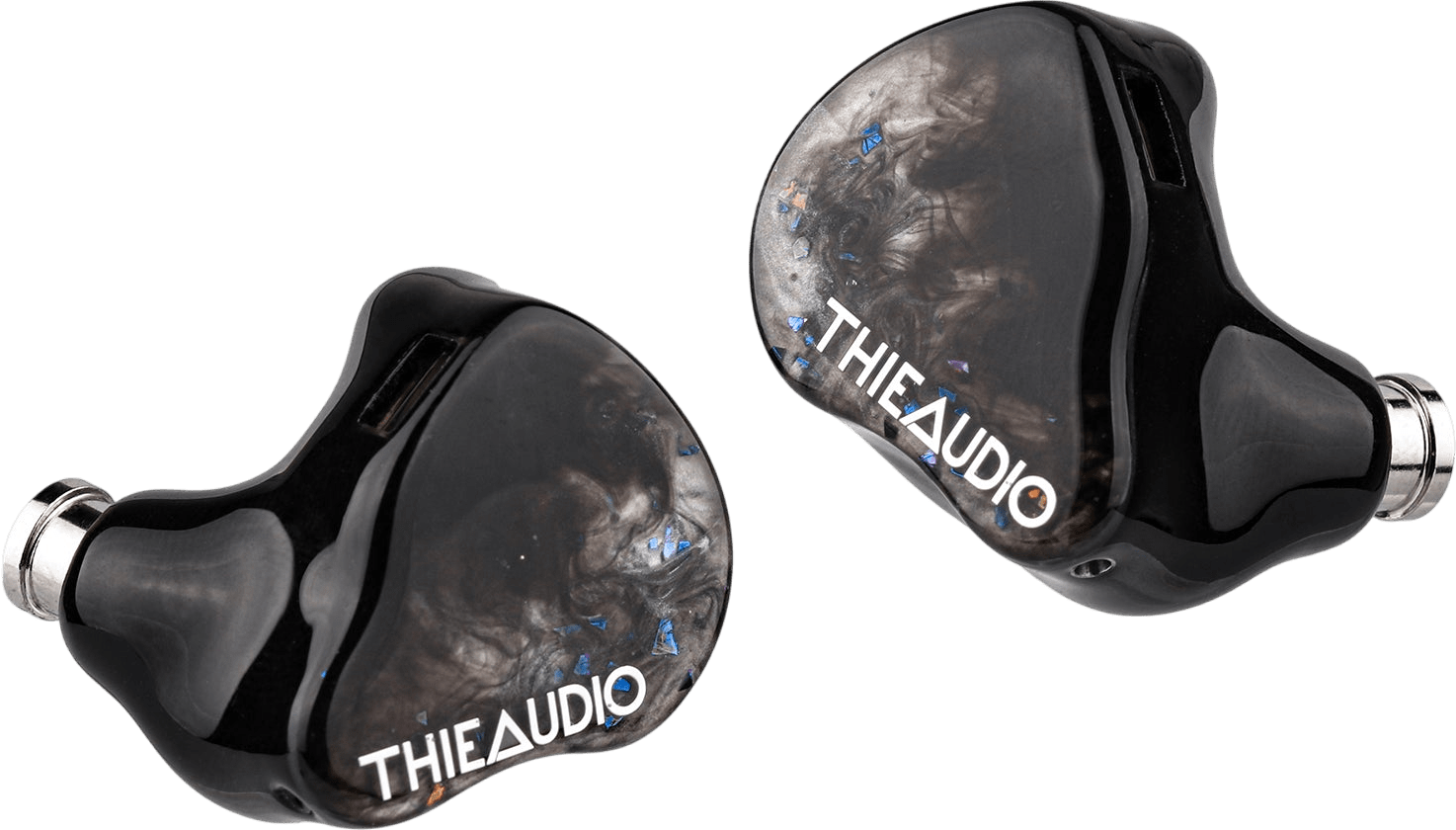
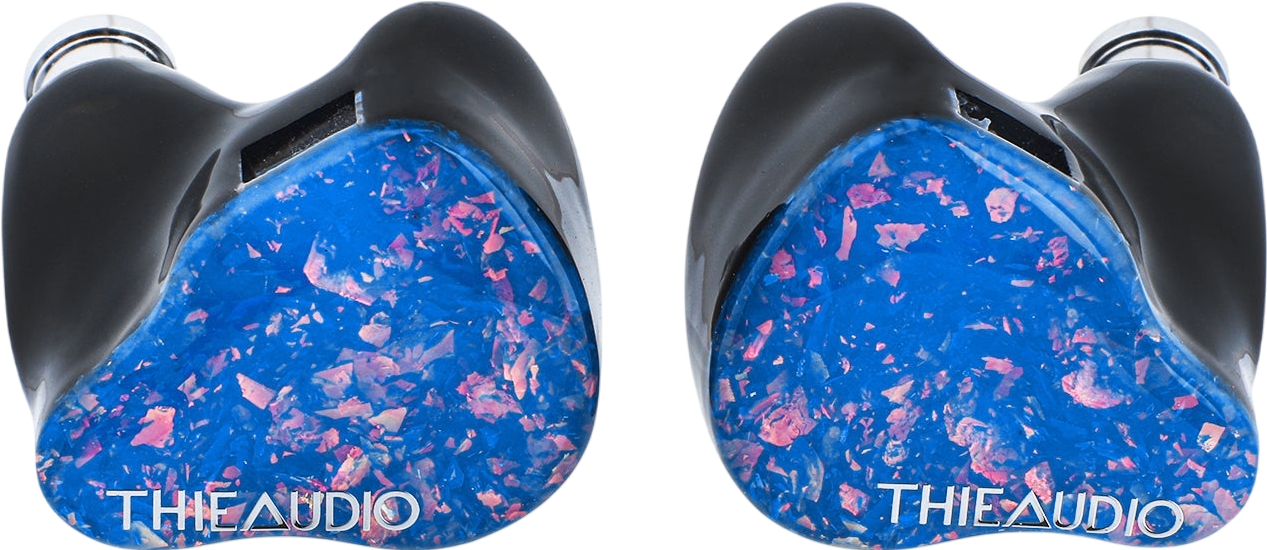
- Visually appealing and unique design.
- Good accessory set for the price, including a useful carrying case.
- Fairly balanced and smooth sound signature, non-fatiguing to listen to.
- Good noise isolation
Product Considerations
- Mids can sound veiled or muddy, lacking clarity and detail.
- Bass impact can be soft and lacking definition, sometimes sounding "one-noted".
- Treble lacks airiness and sparkle, with limited extension.
- Technical performance is average compared to competitors in the same price range.
- Some reviewers note BA timbre, affecting the naturalness of instruments and vocals.
Comparisons (according to reviewers)
- The Moondrop Aria is considered more complete sounding and vivid.
- The SeeAudio Yume perfects the Thieaudio Legacy 2’s tuning with a cleaner midbass, more upper mids clarity, and a more realistic treble experience.
- The Thieaudio Legacy 3 outperforms the Legacy 2, doing everything better.
- The TRI Starsea has better soundstage, clarity, and microdetails
Takeaway: The Thieaudio Legacy 2 offers a smooth listening experience and a comfortable design at an affordable price. It could be a good choice for those who want something nice looking and easy to listen to, especially for acoustic music.
All
Legacy 2
reviews


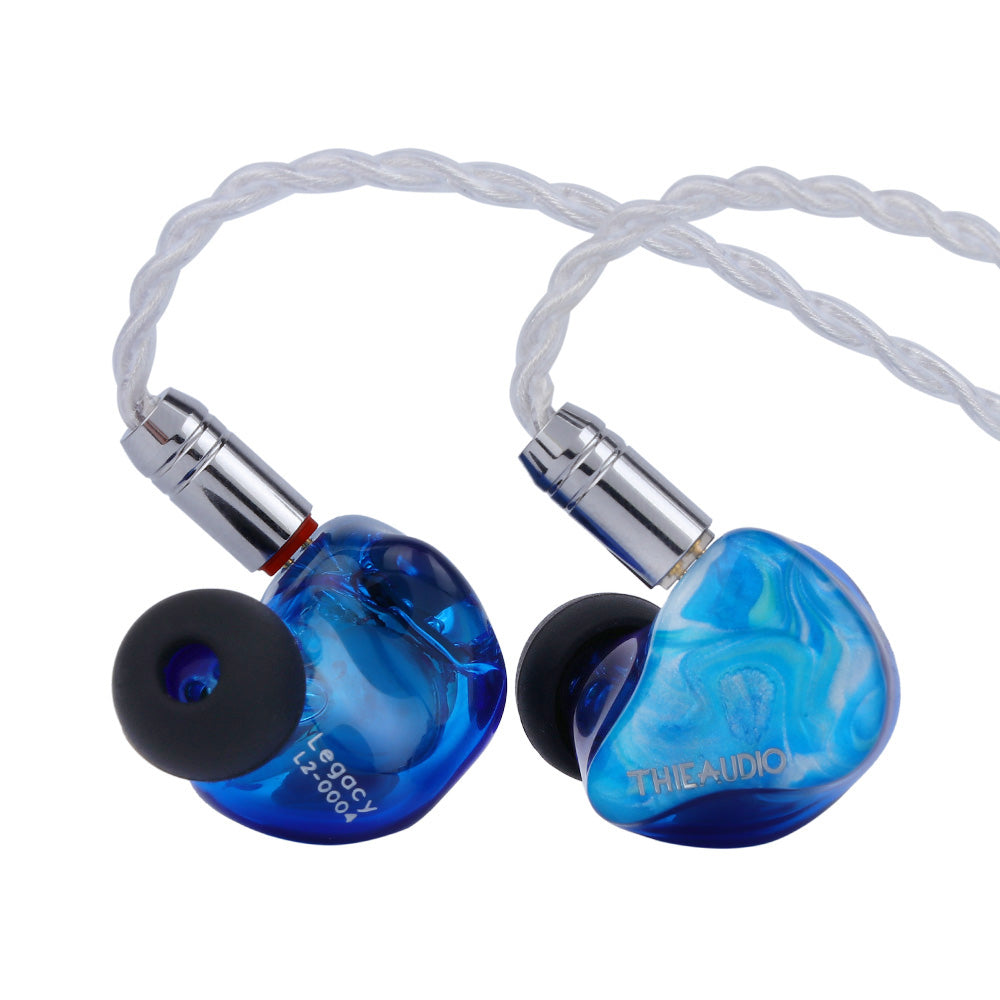
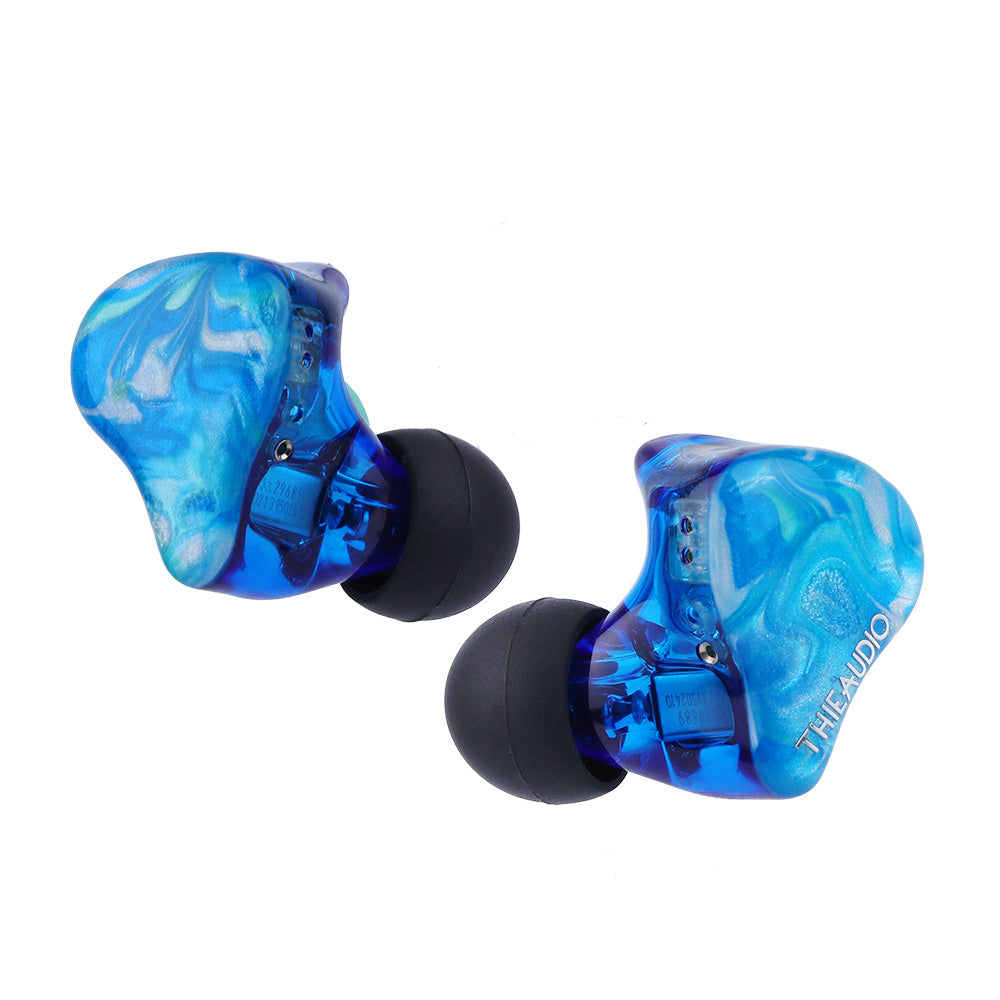
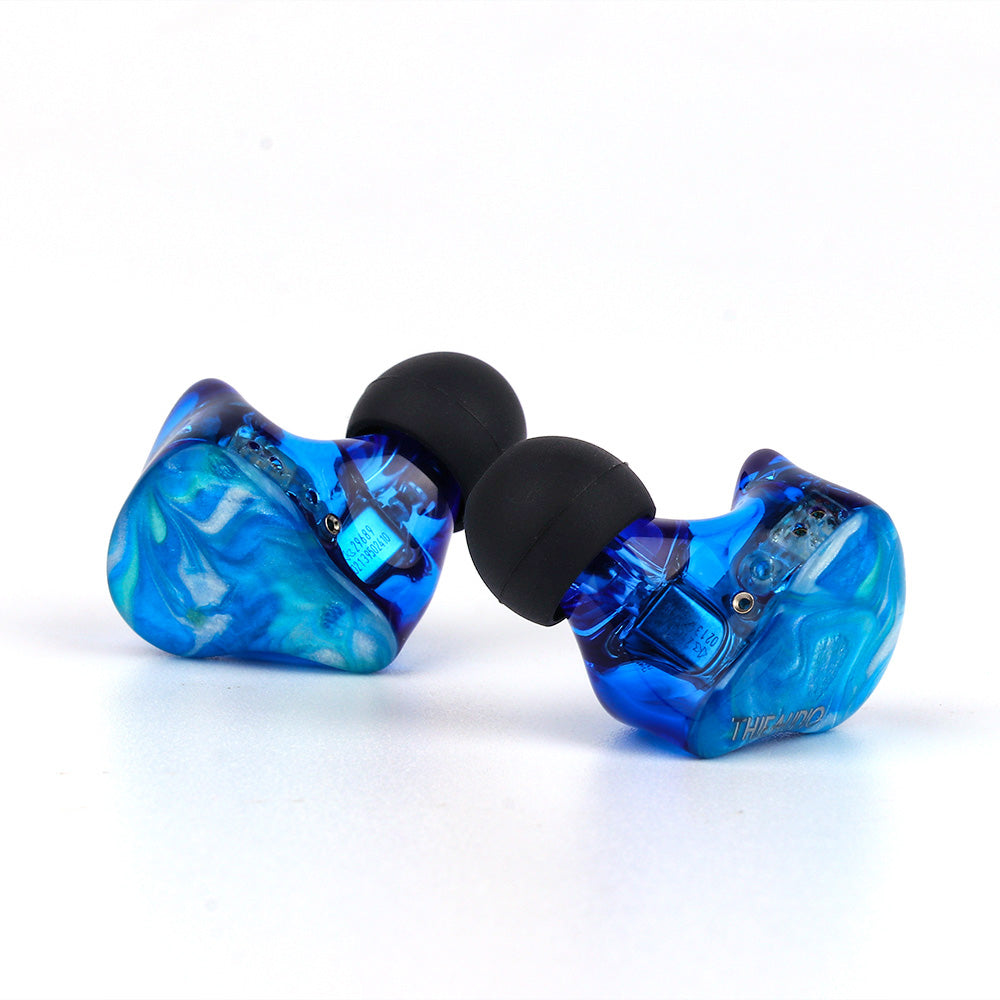
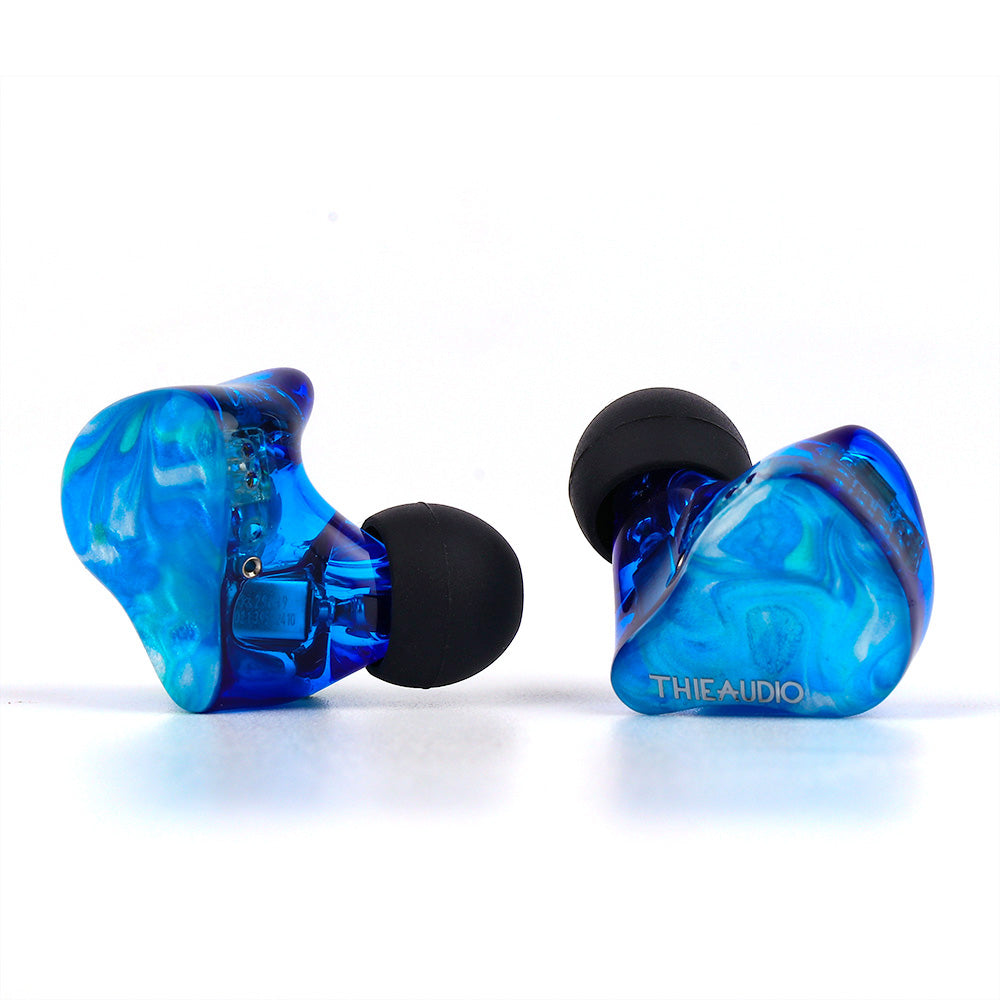
Manufacturer details
- Drivers: Knowles ED29689 + 10 mm Beryllium dynamic driver
- Impedance: 32 Ω
- Sensitivity: 108 dB
- Cable Specifications: 0.78 mm 2-pin
- Cable Plug Type: 3.5 mm
- Cable Length: 1.2 m


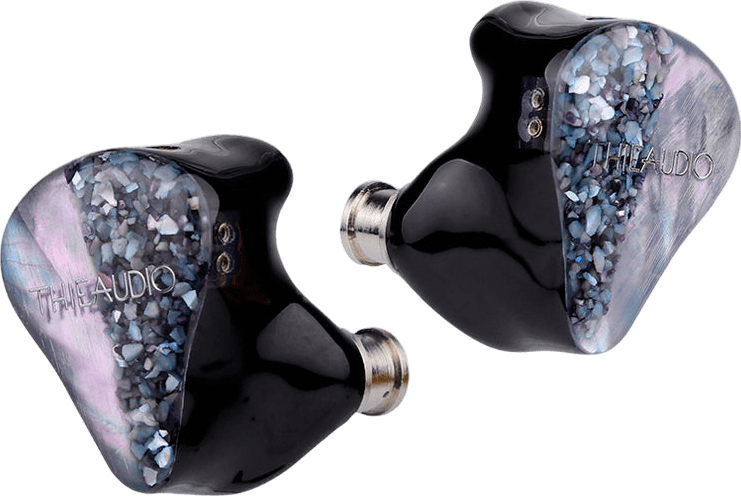
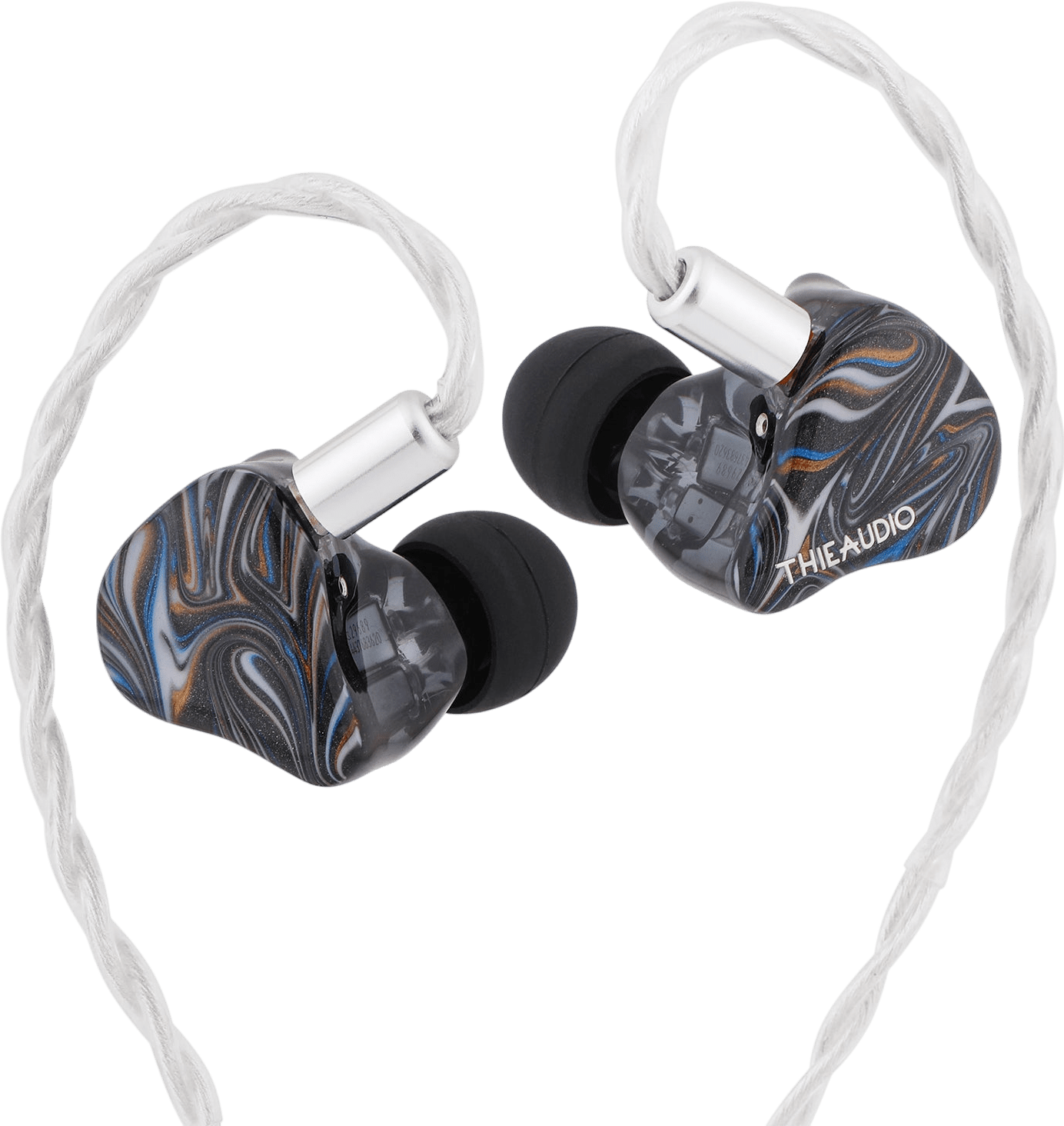

Brand highlights
Taking a step back to look at reviewers' thoughts of the brand's entire lineup—not just this product—what stands out most is the following:
- ThieAudio specializes in tribrid IEM designs, uniquely combining dynamic, balanced armature, and electrostatic drivers.
- They are known for meticulously tuning their IEMs, often aiming for a balance between analytical precision and a musical, engaging listening experience.
Select products
THEAUDIO Prestige LTD
- Positioning: A balanced in-ear monitor designed for entry-level users seeking clear performance at a moderate price.
- Description: Features a mix of dynamic, balanced armature, and electrostatic drivers that keep the sound natural and neutral while maintaining a straightforward design. Compared to the V16 Divinity and flagship models, its simpler driver setup makes it a good choice for smaller spaces, tighter budgets, and essential functionality without extra tuning complexity.
THEAUDIO V16 Divinity
- Positioning: A mid-tier option offering warmer tonal quality and a wider soundstage.
- Description: Built with advanced tuning that delivers a warmer tone and an expanded soundstage, making it stand out from the more neutral Prestige LTD.
THEAUDIO Valhalla
- Positioning: A high-end model positioned as a flagship option with detailed driver architecture and refined performance.
- Description: Combines a high driver count and modern design to offer detailed, nuanced sound performance that appeals to critical listeners. Compared to the Divinity and Prestige LTD, its enhanced driver array and broader tuning are suited for larger listening spaces.
THEAUDIO Oracle MKII
- Positioning: A premium upgrade in the lineup that refines the flagship experience with improved neutrality and brightness.
- Description: Adds refined driver alignment and tuning refinements that yield a more balanced and detailed sound profile, catering to users with high functional needs. When compared with the Valhalla and V16 Divinity, its sharper resolution and technical upgrades make it a strong contender for precise, high-fidelity performance in demanding use cases.
THEAUDIO Oracle
- Positioning: A top-tier product aimed at enthusiasts who demand the utmost in technical sophistication and sound quality.
- Description: Pushes advanced driver design and innovative technology to deliver exceptional dynamic range and clarity that stand apart from other models in the series. In contrast with the Oracle MKII and other offerings like the Valhalla, its cutting-edge features and superior performance are intended for users with the highest budgets and demanding complete functionality.

Our take on the brand
Look inside the brand
Our interview with the brand
What are two key technological innovations or strong opinions that differ you from other brands?
What's your approach to customer support?
What are your favorite tracks for showcasing the strength of your products?
What other products pair best with yours?








What if you spend more?

.png)

.svg)
Product Strengths
- Excellent fit and comfortable for many users, even for extended listening periods
- Very well-balanced and tuned sound signature, often described as a warm, mature, or safe Harman-ish tuning
- Smooth treble presentation, avoiding sibilance, sharpness, or fatigue, while still retaining detail
- Good bass performance for an all-balanced armature set, with nice punch and attack, though primarily focused on sub-bass
- Very good natural tonality and timbre, avoiding a metallic or unnatural sound often associated with balanced armatures
Product Considerations
- Soundstage and imaging could be better for the price, described as average and not particularly wide or holographic
- May lack a 'hook' or standout factor in its sound quality, some find it to be a more laid-back and less engaging sound
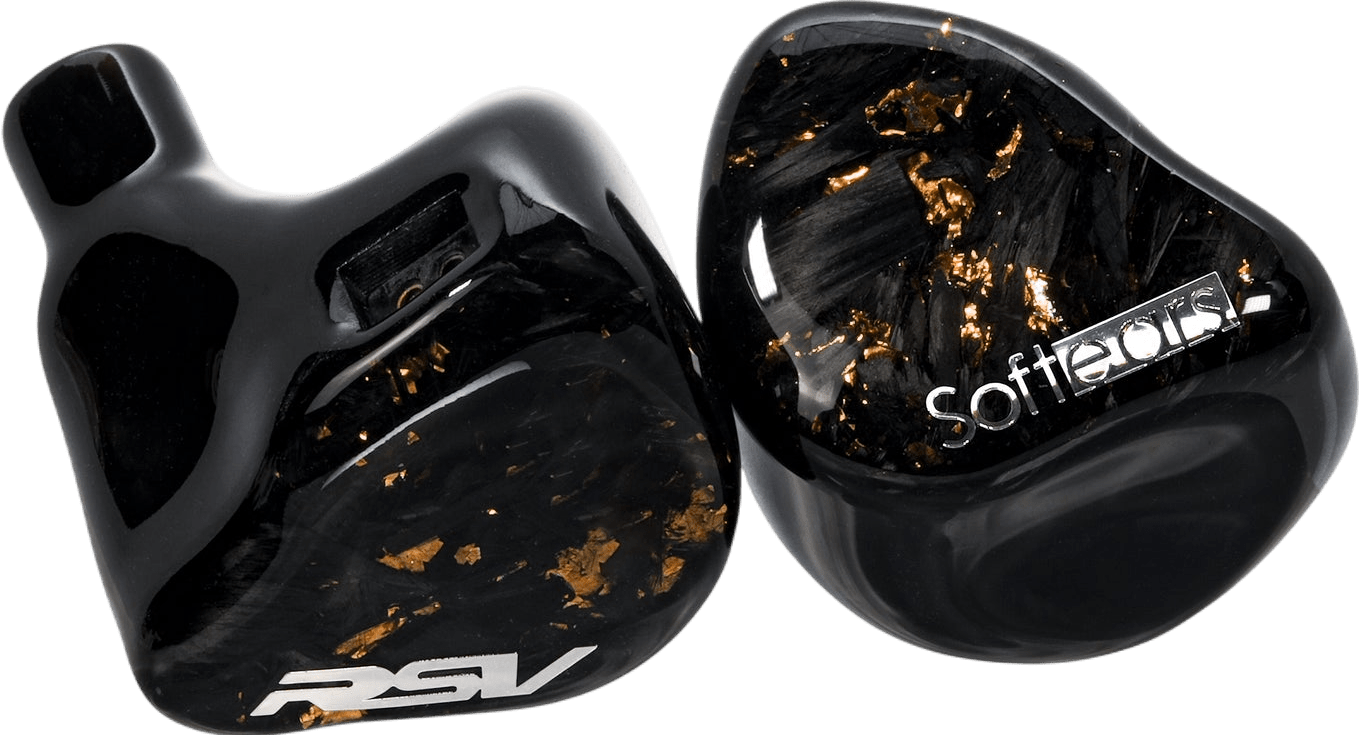
- The shells are quite big, which may be problematic for users with small ears
- The recessed 2-pin sockets could be designed better with a deeper fit
- May sound 'boring' at mid-to-low volumes, according to one reviewer
Comparisons (according to reviewers)
- Vs Moondrop S8: RSV offers a warmer and fuller sound with a more even midrange, while the S8 is leaner and more forward, with the S8 being more engaging overall
- Vs Dunu SA6: RSV has better bass quality, while the SA6 has a slightly more pronounced treble
Takeaway: The Soft Ears RSV is a comfortable and well-tuned IEM that delivers a balanced and enjoyable listening experience. It is particularly well-suited for those who appreciate a smooth, natural sound with excellent vocal reproduction.
Video review
Our take on the brand
Product Strengths
- Balanced to warm sound signature with ample bass that is present without overpowering the sound
- Sublime vocals, clear with even minor voice modulations distinctly audible
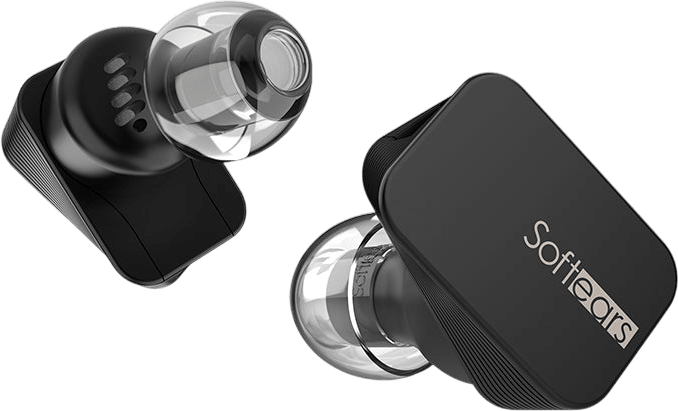
- Exceptional build quality with premium materials like aircraft aluminum alloy, resulting in a durable yet lightweight design
- Comfortable fit for long listening sessions due to narrow vertical placement in the ear
Product Considerations
- Treble is slightly rolled off, which can sacrifice some airiness and detail in the highs
- Below average passive isolation, not suitable for noisy environments
- Soundstage is average to narrow
Comparisons (according to reviewers)
- Vs Final A8000: The A8000 has a more natural tonality overall, more air, a wider soundstage, and better separation/layering, while Twilight has more bass with forward vocals and rolled off treble
- Vs 64 Audio Duo: Twilight offers warmth and engagement in its sound signature, especially noticeable in the midrange, while the Duo provides a sound that is rich in detail and expansive in soundstage
- Vs Meze Audio Advar: The Advar is better in critical listening and brass instruments, while the Twilight has better 3D imaging
Takeaway: The Softears Twilight is an excellent IEM that offers a very easy, likeable, and musical sound which can be enjoyed for hours. It offers a balanced to warm sound, sublime vocals, and comfortable fit, making it a solid choice for audiophiles looking for a single dynamic driver IEM.
Video review
Our take on the brand
.png)
Product Strengths
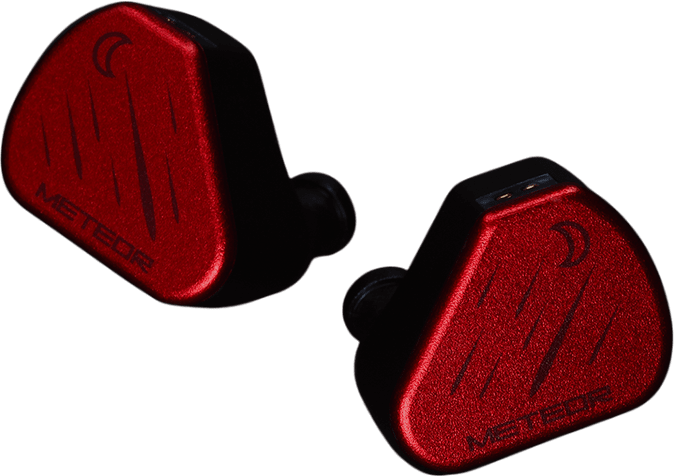
- Warm, bassy, and well-extended sound signature with a tasteful, but still aggressive, mid-bass rise
- Good treble extension that avoids sharpness and adds a nice sense of micro-contrast throughout
- Offers a 'cohesive' or 'coherent' sound presentation, creating an enveloping experience
- Significant improvement in size and fit compared to previous Symphonium IEMs like the Helios
Product Considerations
- Bass may be too prominent for those who prefer more tonal clarity and forward vocals
- Imaging is described as 'so-so' and not particularly strong in technical performance
- Some reviewers found the aesthetic or finish of the shell to be a bit 'rough around the edges'
- Security of fit can be so-so out of the box, potentially requiring aftermarket ear tips for a more secure fit
- Harder to drive than normal, requiring a decent source
Comparisons (according to reviewers)
- Vs. Dunu SA6: The Meteor has more bass impact and a warmer sound, while the SA6 has a cleaner midrange
- Vs. Letshuoer EJ07M: The EJ07M is more technical, with tighter bass, while the Meteor offers a unique 'cohesive' sound
- Vs. Thieaudio Oracle MKI: The Oracle MKI is more neutral
Takeaway: The Symphonium Meteor is a good IEM for those who enjoy a warm, bassy sound signature with excellent treble. Its improved fit and unique sound presentation make it stand out.
Video review
Our take on the brand
.png)
Product Strengths
- Non-fatiguing sound signature allows for hours of listening
- Included cable is of high quality and provides versatility, allowing for the use of 4.4mm, 3.5mm, and 2.5mm terminations, depending on the source
- Vocals are a standout, offering a natural and engaging presentation
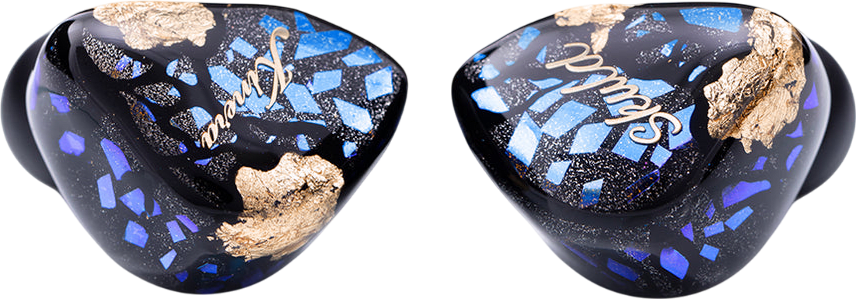
- Resin shell is both visually appealing and comfortable for long listening sessions
Product Considerations
- High price may feel steep considering the uneven frequency response and average technical abilities
- Treble is a bit dark and uneven, which can detract from overall clarity
- Bass is not particularly distinct, with a flatter sound signature
- Soundstage depth, imaging, and detail retrieval are only average, limiting its presentation
Comparisons (according to reviewers)
- Vs Kinera Imperial Nanna: The Skuld falls perfectly between more budget-friendly models and higher-end selection
Takeaway: The Kinera Imperial Skuld is easy to listen to and enjoy. It has good instrument separation and layering, so all elements can be clearly heard.
Video review
Our take on the brand
What competes at this price?

Our Summary
Product Strengths
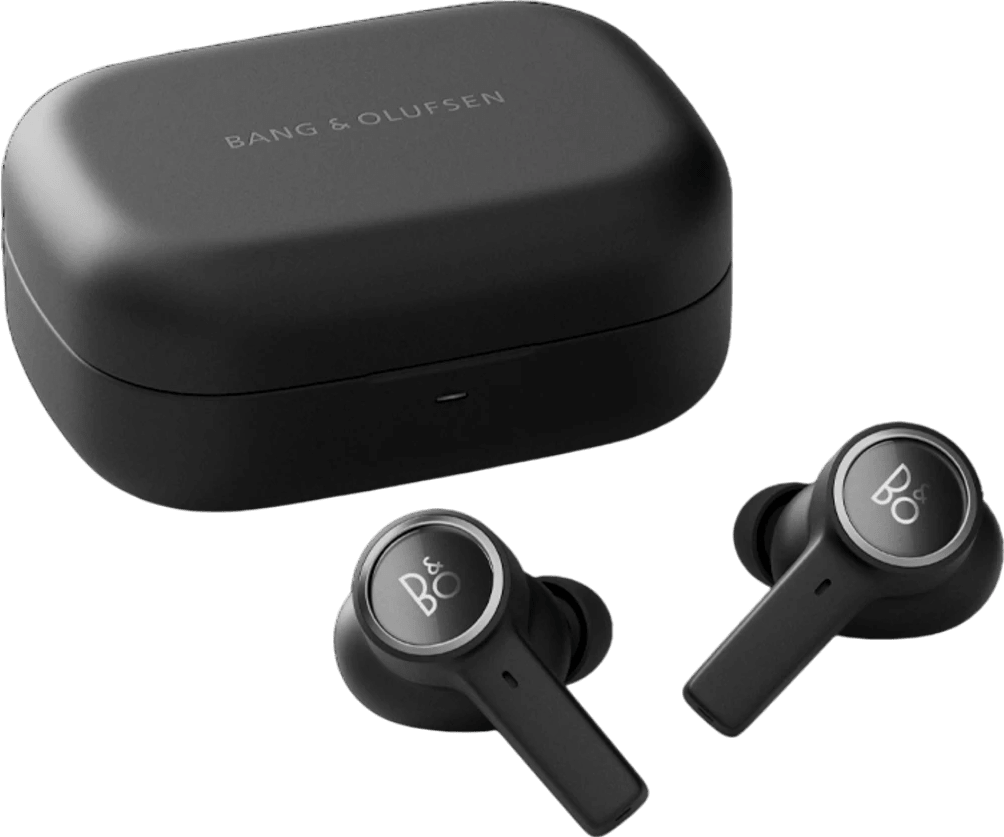
- Premium design and build quality, using materials like aluminum and glass for a luxurious feel
- Sound quality is generally praised as excellent, detailed, and balanced, especially after equalization
- Comfortable and secure fit, particularly for those with smaller ear canals
- App provides an intuitive EQ interface with customizable presets
Product Considerations
- Active noise cancellation (ANC), while solid, is not considered the best on the market compared to brands like Sony or Bose
- Some reviewers experienced connectivity issues, including problems with multipoint pairing and occasional signal dropouts
- Battery life is respectable but not outstanding, with some reviewers noting shorter-than-advertised playback times
- Responsiveness of the touch controls is sometimes too sensitive, leading to accidental pausing or track skipping
- Some users have found the default sound profile (Optimal) to be somewhat flat or boring, requiring EQ adjustments
Comparisons (according to reviewers)
- Compared to the Apple AirPods Pro, the EX has more clarity, better soundstage and separation, but tonal balance may be preferable on the Airpods Pro
- Compared to the Sennheiser Momentum True Wireless 3, the Beoplay EX offers a more balanced and detailed presentation with a more luxurious build
- Compared to the Devialet Gemini II, the Gemini II offers a more neutral sound signature with advanced ANC capabilities, but Beoplay EX offers a more balanced and detailed presentation with a more luxurious build
Takeaway: The Beoplay EX offers a luxurious experience with refined sound and a stylish design. It's a good choice for those who prioritize sound quality and aesthetics, and value a premium feel.
Video review
Our take on the brand


Our Summary
Product Strengths
- Excellent sound quality, potentially challenging cabled IEMs, with a dynamic and holographic rendering and beautiful mids and airy treble.
- Effective ANC, making it suitable for reducing ambient noise, even in noisy environments, with up to 35dB of noise attenuation.
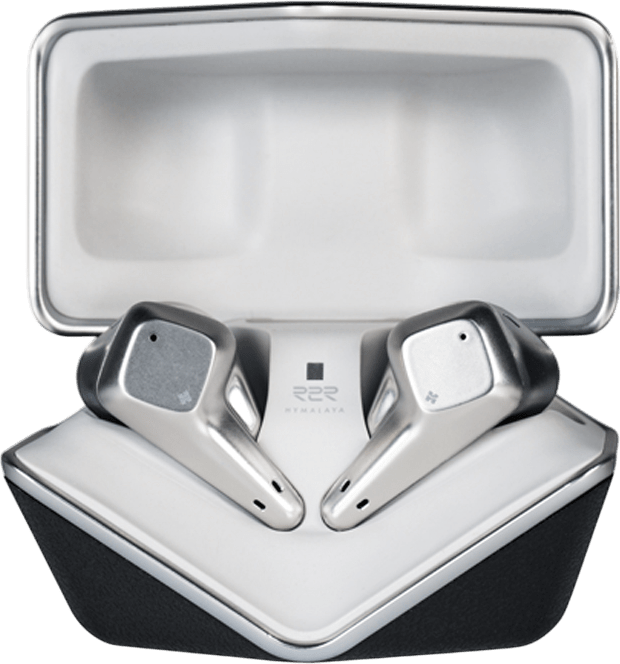
- Good build quality, with the IEMs made of lightweight metal and Kevlar, and a sturdy charging case.
- Good bass performance, with texture and extension, punchy, without overpowering, and a powerful but tight impact.
- Wide soundstage, creating a spacious and immersive listening experience.
Product Considerations
- Connectivity issues with LDAC, especially outdoors or in areas with interference, leading to intermittent signal drops.
- Transparency mode might generate turbulence in windy conditions due to microphone placement.
- Limited codecs available, with no aptX support.
- Physical size of the charging case is large and might not be pocket-friendly.
- Included eartips may not be suitable for all ear sizes, with a shorter nozzle affecting fit for some users.
Comparisons (according to reviewers)
- Vs Final ZE8000: Svanar Wireless offers a more W-shaped and punchy signature, greater upper mids gain, more precise imaging, and a vaster sound layering capability, while the ZE8000 sound more neutral to L shape, warmer, and have more sub bass boost and warmth.
- Vs Noble FoKus Mystique: Svanar Wireless has some emphasis in the bass, but not as much, has stronger overall imaging performance—providing a wider soundstage and the best balance between the separation and cohesion in the imaging.
- Vs HIFIMAN Svanar (wired): Svanar Wireless soundstage is taller and wider but not as deep, since clarity isn’t as sharp and clean, silence being more ”noisy”.
- Vs Sony WF-1000XM4: The Svanar Wireless presents a much more detailed, natural and sophisticated kind of sound, while Sony has bloated bass, that overwhelms everything else.
- Vs Apple AirPods Pro: The Svanar Wireless generally outperforms the AirPods Pro in sound quality.
Takeaway: The Svanar Wireless is a solid choice for TWS lovers, with a top-tier sound quality, effective ANC, and its convenience and comfort. It is innovative, less bass-heavy tuning, and overall a solid proposal.
Video review
Our take on the brand

Our Summary
Product Strengths
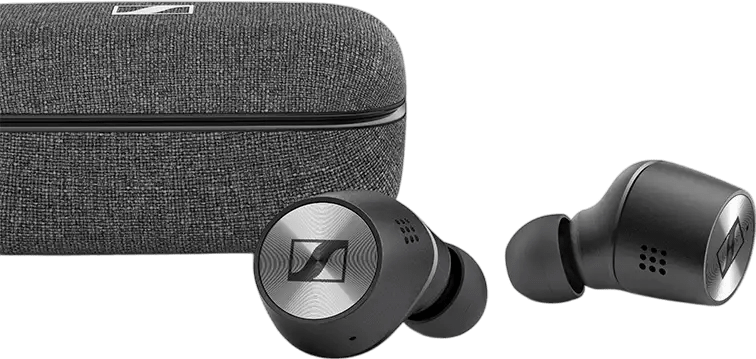
- Excellent sound quality with depth, great soundstage, and crisp, clean elements
- Active noise cancellation is a useful addition and blocks out rumbling and background chatter
- The earbuds themselves are smaller compared to the previous version
- Touch controls are responsive and easier to use than the old version, and customizable
Product Considerations
- Continuous battery life with ANC on is quite short at around 4 hours
- The case is not the smallest and can create a bulge in your pocket
- Microphone sounds muffled
- These do not support multi-connect, meaning that these cannot connect to a phone and a tablet simultaneously
Comparisons (according to reviewers)
- Momentum 2's do not support multi-connect like the Jabra Elite 75T
- AirPods Pro's transparent hearing quality is better than Momentum 2's
- Sony's noise-cancelling has an edge over the Momentum True Wireless 2
- Galaxy Buds Plus have great clarity, but the bass isn't as good as the Momentum 2's
- The Momentum 2's sound better than AirPods
- Momentum 2 is more comfortable and nicer to use, battery life is better, and noise-cancelling is included
Takeaway: The Momentum True Wireless 2 earbuds offer respectable noise cancelation, sound good, and are sweat-resistant. These could be worth buying if sound is the main priority.
Video review
Our take on the brand

.png)
Our Summary
Product Strengths
- Visceral and textured bass, especially given the implementation of the bone conduction driver
- Gorgeous, eye-catching design with hand-painted faceplates
- Balanced Armature helps create forward and engaging mid-range
Product Considerations
- The bone conduction driver can be overly sensitive, causing an annoying ringing resonance, especially triggered by male voices and certain sounds
- Can have an unnatural timbre in the mids, making some instruments sound artificial
- Some reviewers found the upper mids to be aggressive or shouty
- Rolled-off treble can result in a lack of airiness, sparkle, and detail
Comparisons (according to reviewers)
- Plutus Beast has an unnatural presentation, while the Moondrop May or Aria 2 are praised as having a much smoother, more natural-sounding mid-range
- Celest Phoenixcall and Plutus Beast have a tangible bond, and if the reviewer loved the first ones, they would like these too, stating both have a sound that is not suitable for critical listening, but for entertainment listening
- Plutus Beast is more energetic and V-shaped in balance with greater treble boost and focus, as well as similar roll off pass 10khz when compared to the BQEYZ Wind
Takeaway: The Celest Plutus Beast is a beautiful IEM with a different sound. It has fun bass and good mids, making it a very interesting item for its price point.
Video review
Our take on the brand

Our Summary
Product Strengths
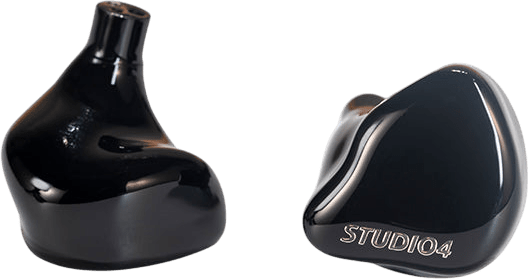
- Neutral tuning makes it suitable for studio monitoring, mixing, and mastering.
- Clean and transparent midrange with lively vocals, great for vocal lovers.
- Comfortable fit due to its small size, lightweight design, and semi-custom shape.
- Good sound isolation due to the unvented design.
Product Considerations:
- Bass is tight and fast, but may lack the power and warmth desired by bassheads.
- Only comes with a 3.5mm single-ended cable option.
- The unvented design may cause pressure buildup for some users.
- Build quality might seem minimalistic, not fancy for the price.
- The treble can be too safe, missing some of the mid-treble sparkle and edge.
Comparisons (according to reviewers)
- Studio 4 has better detail retrieval, resolution, tone, and timbre, plus a better overall presentation than the Kiwi Ears Orchestra Lite, though the Orchestra Lite has a wider soundstage.
- Studio 4 has better detail retrieval, resolution, tone, and timbre, plus a better overall presentation than the JQ 4U Pro, though the 4U Pro is warmer with a thicker bottom end.
- Studio 4 excels in having a wider stereo image, while the Dunu SA6 has a more warm neutral sound signature and better texture.
- Studio 4's mids are more forward than the Softears Volume, which makes vocals shine with a natural and accurate projection.
- The bass sounds better in Studio 4, the midrange is a bit more weighty, but the AFUL Performer 8 has extended and elevated treble, where Studio 4 is very controlled and subdued.
Takeaway: The Studio 4 is a comfortable IEM that's built for a neutral and natural sound, so it's a good choice for someone who wants something to monitor music or just listen neutrally. It's lightweight and easy to wear, so one can listen for a long time.
Video review
Our take on the brand
How to buy
Headphones
Search all hifi products
Explore our database of 10,000+ new and 25,000+ used hifi products.

.png)