




Note that this is a discontinued product. You may want to visit the brand's page here to browse their newer products.
What reviewers think
Bloggers and YouTubers have tried this product—so we've summarized their strongest opinions below. Links to full reviews follow.
All
T301c
reviews


Manufacturer details
- Design: Two and a half-way closed box
- Dimensions (H x W x D): 600 x 140 x 35 mm (23.6 x 5.5 x 1.4 in.)
- Weight: 1.5kg (3.3lbs)
- Drive Units: 2 x 115mm (4.5in.) dual layer MF, 25mm (1in.) aluminium HF
- Frequency Response: 80Hz - 30kHz
- Crossover Frequencies: 1.7kHz
- Amplifier Requirements: T10 - 150 W
- Sensitivity: 88dB (floor stand mount)
- Impedance: 8 Ohms
- Internal Volume: 1.4 Litres
- Maximum Output: 110dB (SPL)
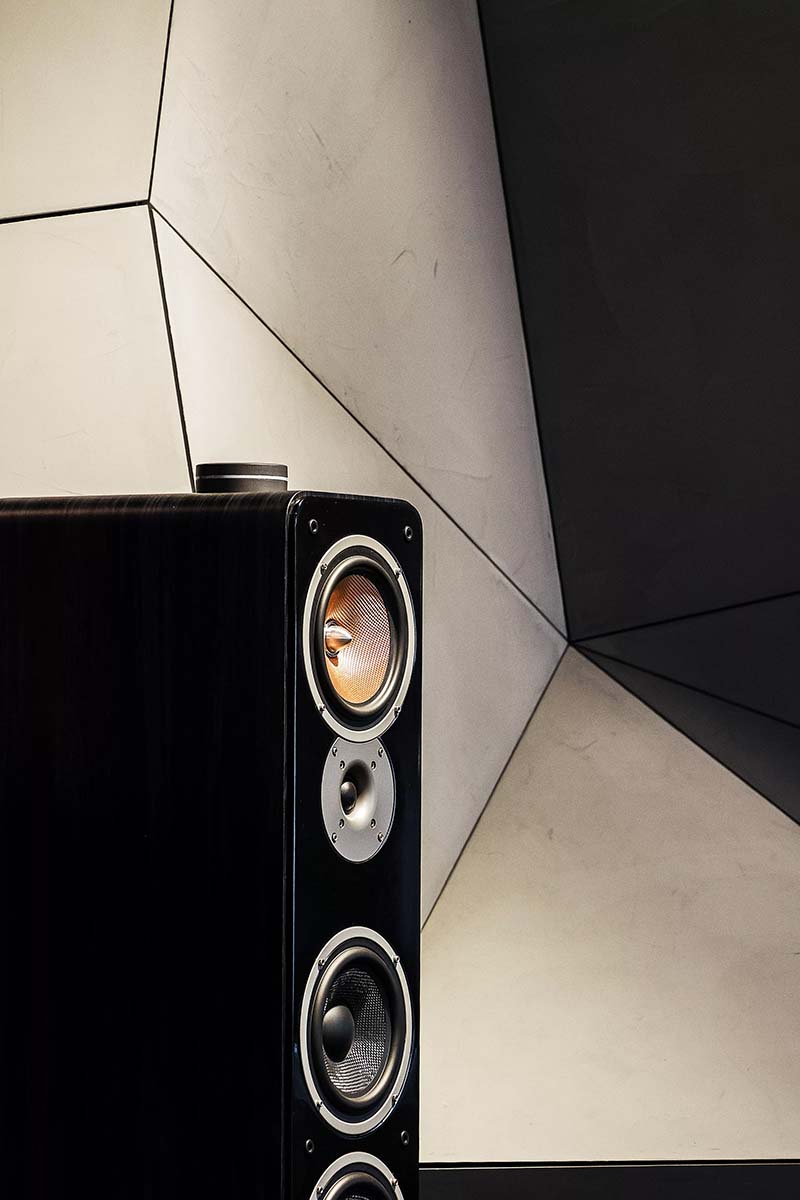
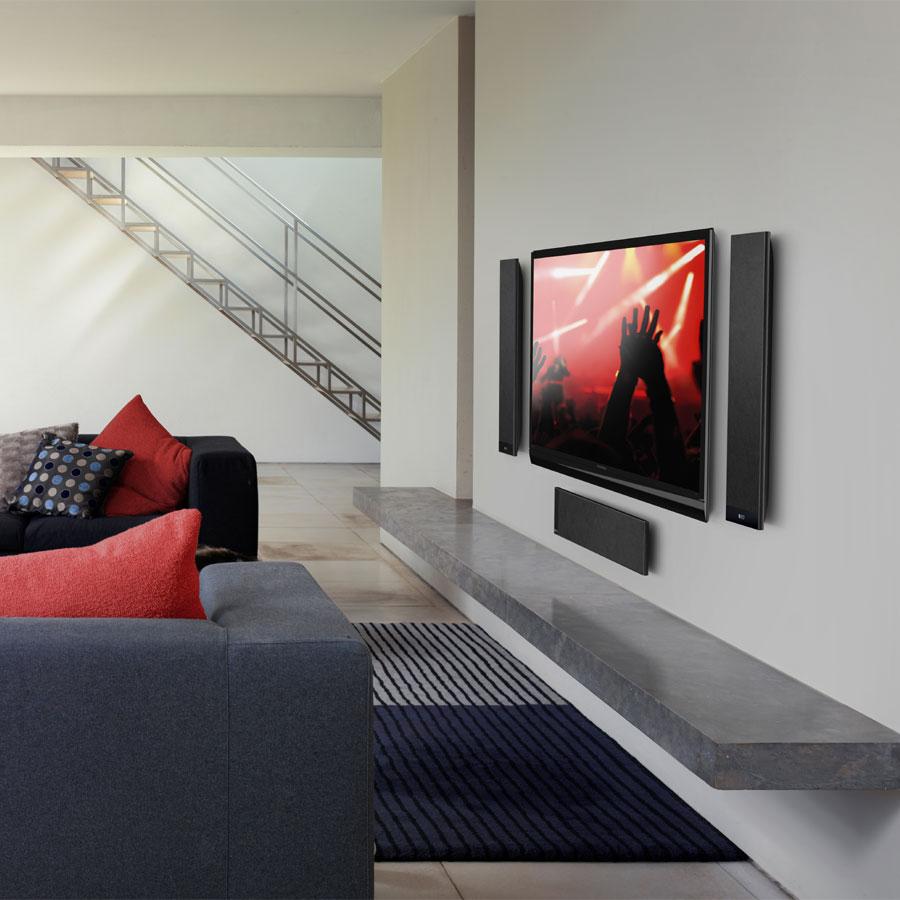
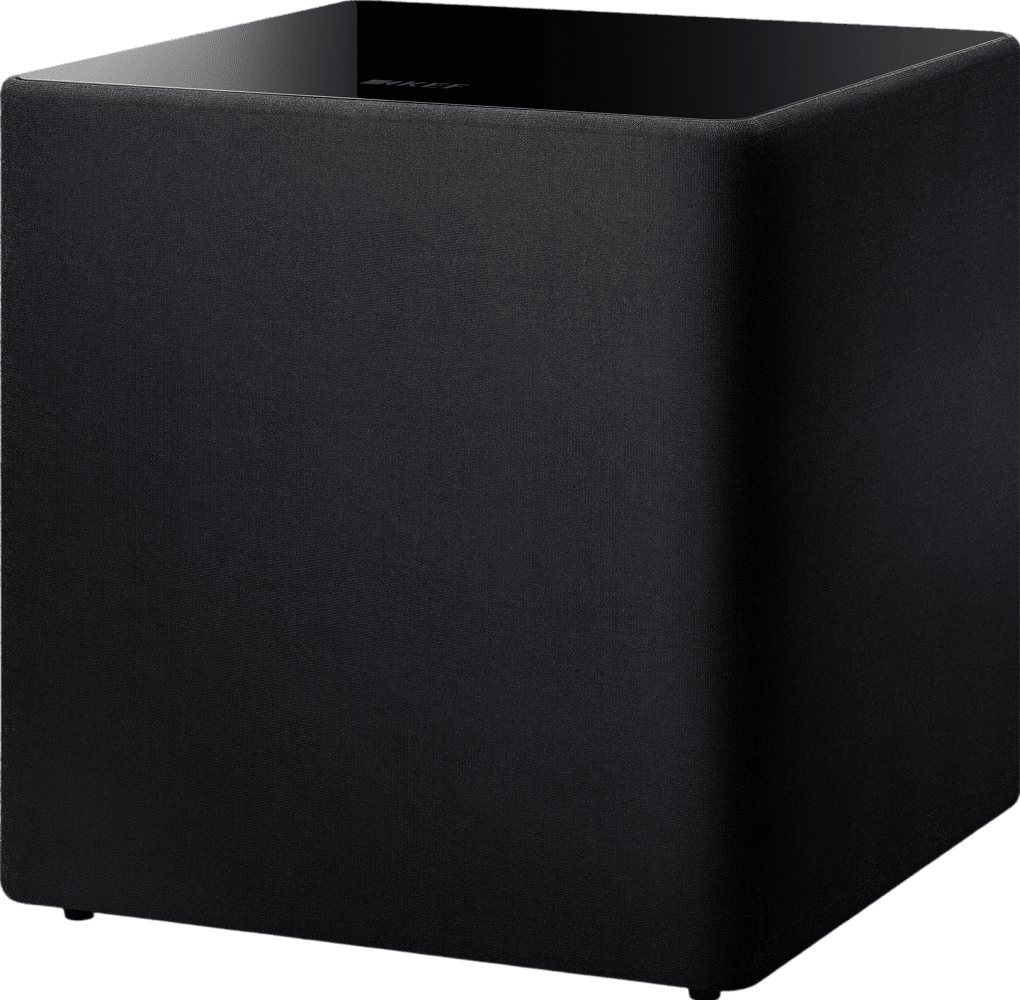
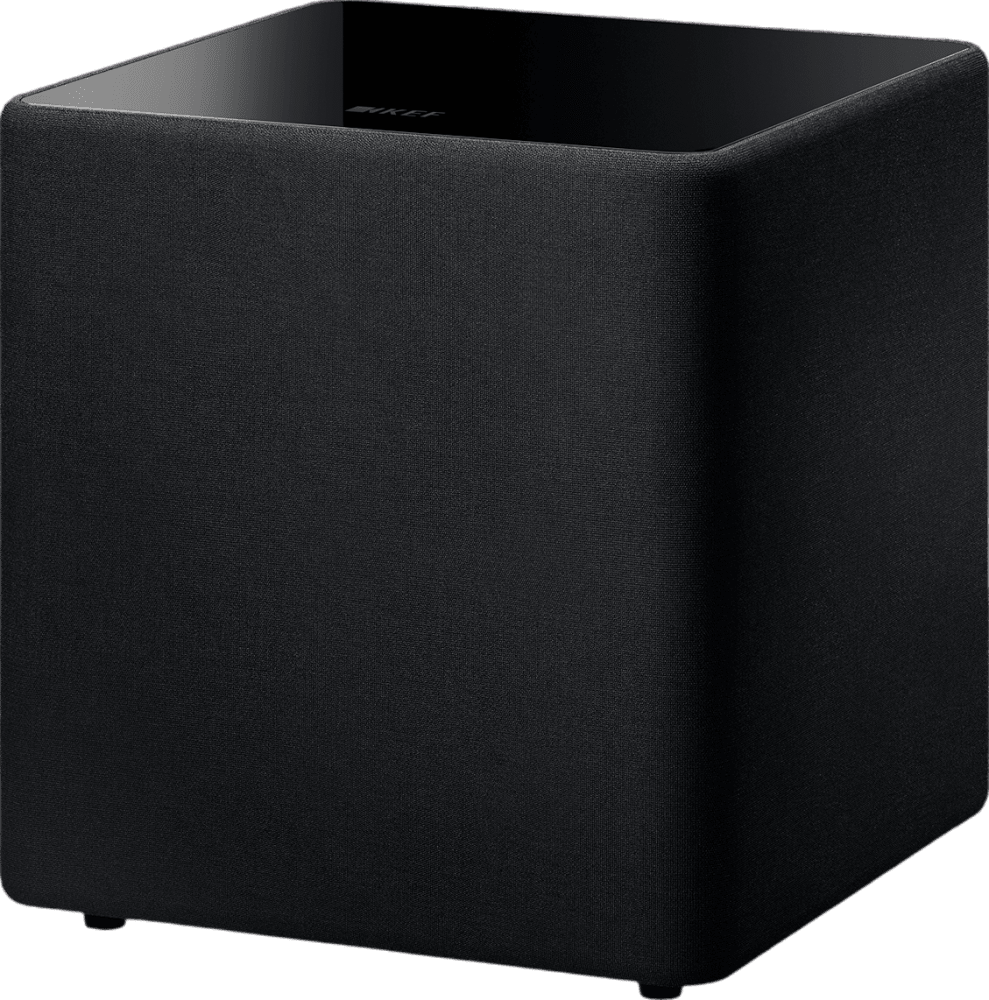
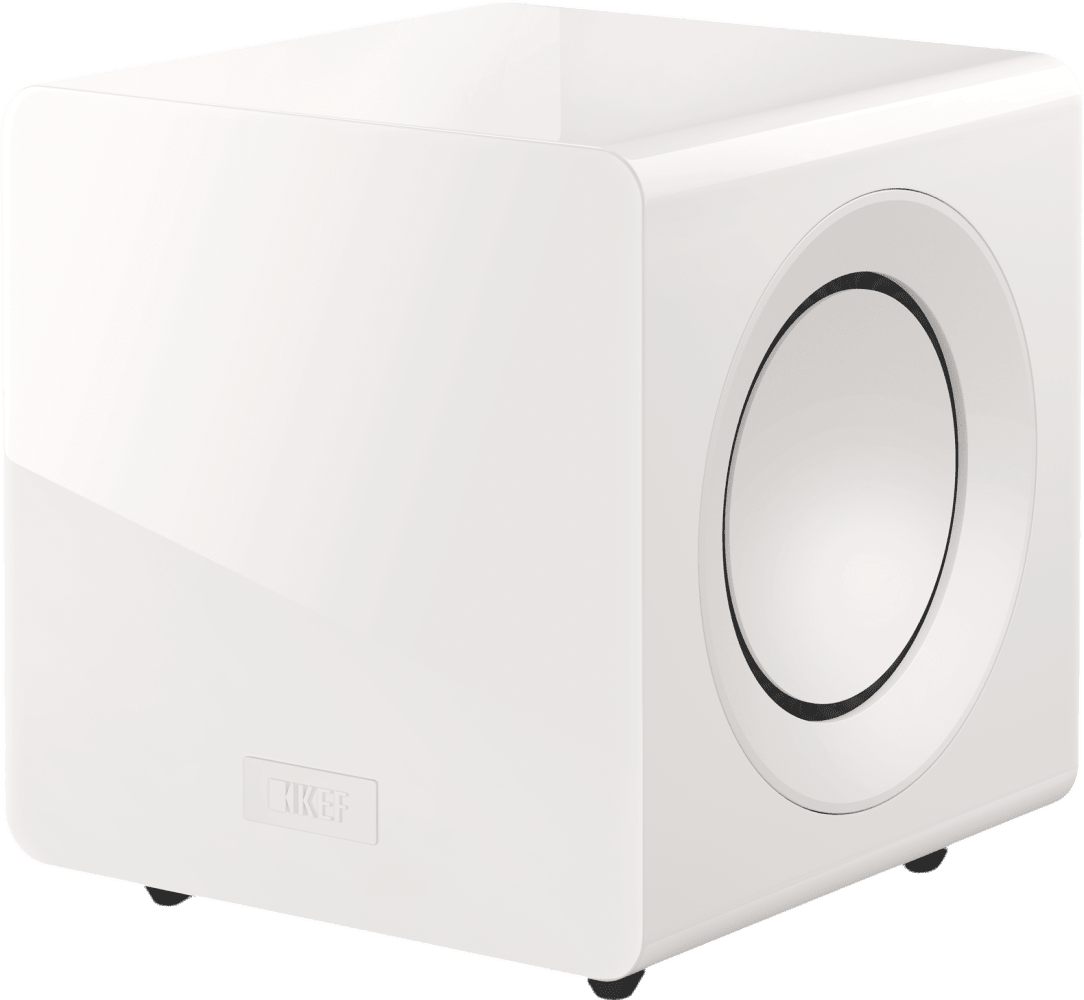
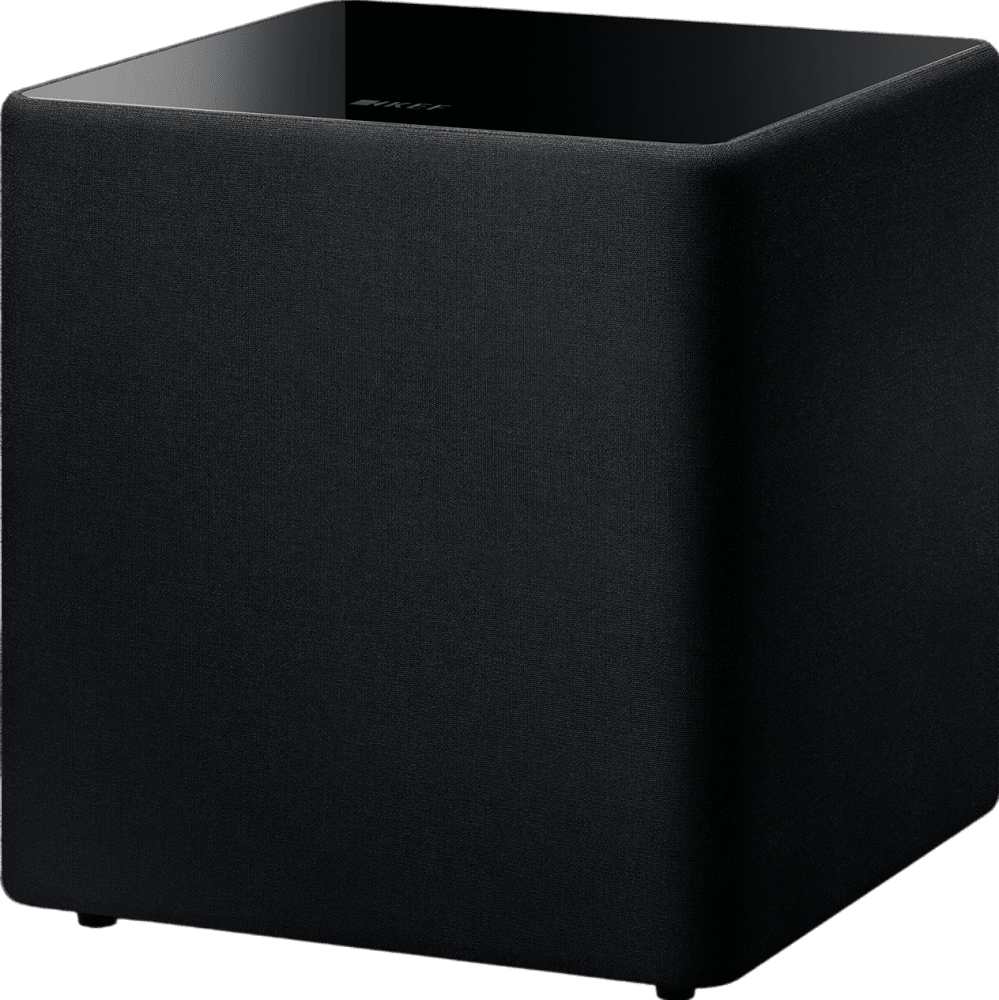
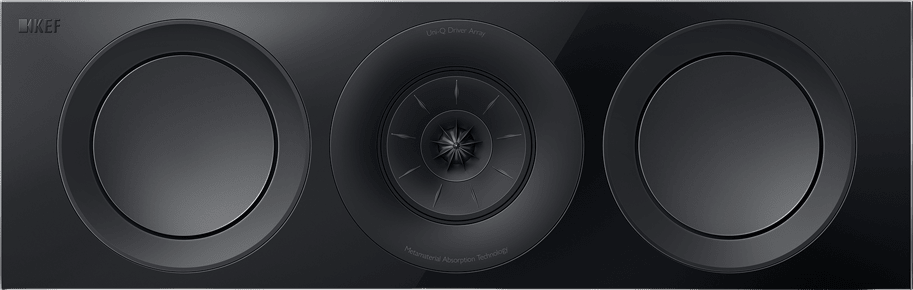
With a high performance 25mm (1in.) vented tweeter alongside two 115mm (4.5in.) ultra-low profile bass and midrange drivers the T301c works alongside the T301 to deliver full flavour cinema sound.










Brand highlights
Taking a step back to look at reviewers' thoughts of the brand's entire lineup—not just this product—what stands out most is the following:
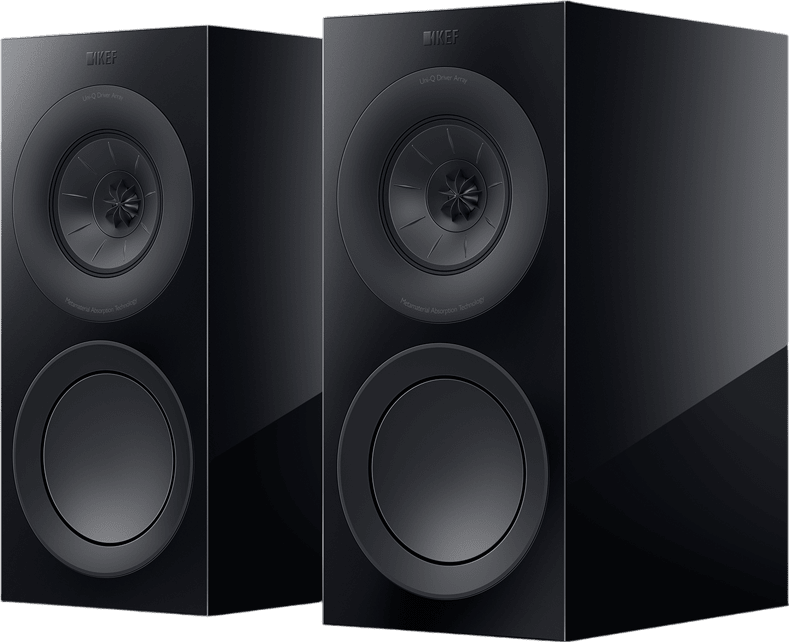
- KEF's designs prioritize a "Single Apparent Source" through coaxial driver technology, aiming for a coherent soundstage where frequencies appear to originate from a single point, enhancing realism and spatial accuracy.
- The brand incorporates "Metamaterial Absorption Technology (MAT)" into its drivers, utilizing a maze-like structure to absorb unwanted sound waves from the rear of the driver, resulting in cleaner and more defined output.
- They offer a wide range of streaming and connectivity options, with their powered loudspeakers responding to the proprietary KEF Connect app, which delivers multiple streaming services and facilitates setup and customization.
- KEF frequently collaborates with renowned industrial designers to create visually striking products that seamlessly blend into modern living spaces, balancing aesthetic appeal with acoustic performance.
Select products


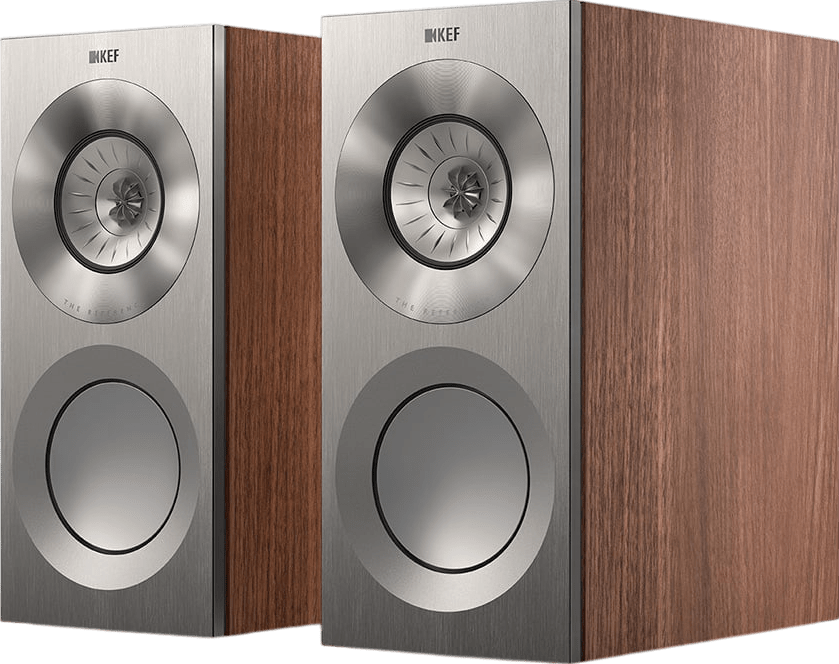
T Series
- Positioning: The ultra-slim speaker line, designed to complement modern flat-screen TVs with a minimal footprint.
- Description: While delivering a sleek aesthetic, the flat diaphragm driver maintains rigidity and minimizes resonance, providing clean and accurate sound. However, compared to other KEF lines like the Q or R Series, it may offer less depth in bass response due to its slim design.
Q Series
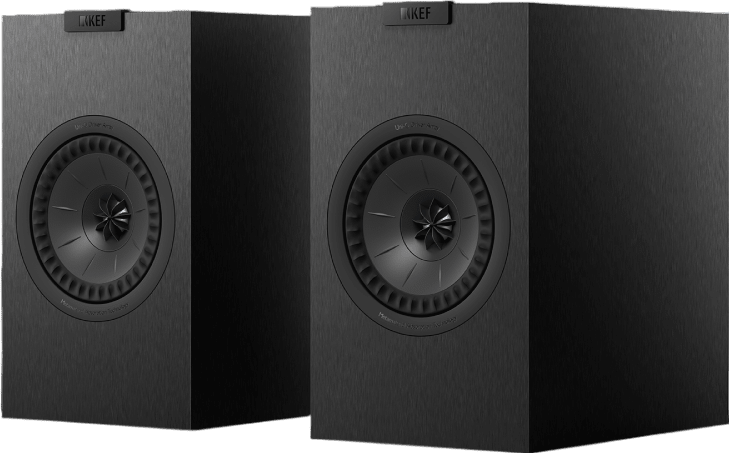
- Positioning: The entry-level range offers versatile speakers suitable for both stereo and home theater setups.
- Description: Features Metamaterial Absorption Technology (MAT) and the 12th generation Uni-Q driver array, delivering detailed and natural sound. While it provides excellent value, it lacks some of the advanced damping and driver technologies found in the higher-end R and Reference Series, which offer more refined sound reproduction.
R Series
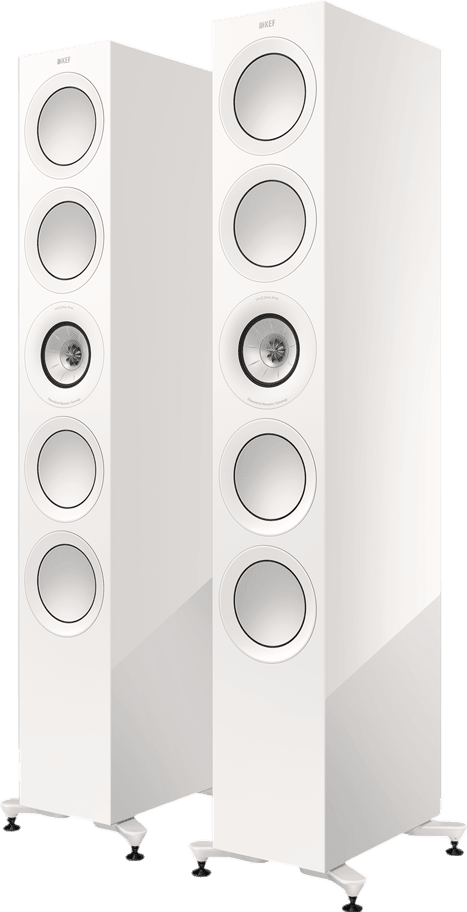
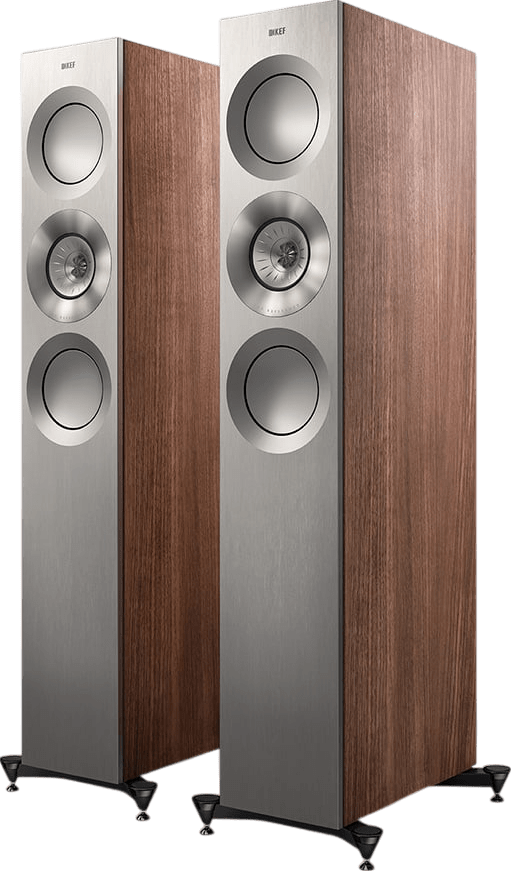
- Positioning: Bridges the gap between the entry-level Q Series and the high-end Reference Series, incorporating technologies from the latter to enhance performance.
- Description: Equipped with Metamaterial Absorption Technology (MAT) and the 12th generation Uni-Q driver array, delivers precise and immersive sound. Unlike the Q Series, it includes Shadow Flare technology to reduce cabinet diffraction, resulting in clearer high frequencies.
The Reference
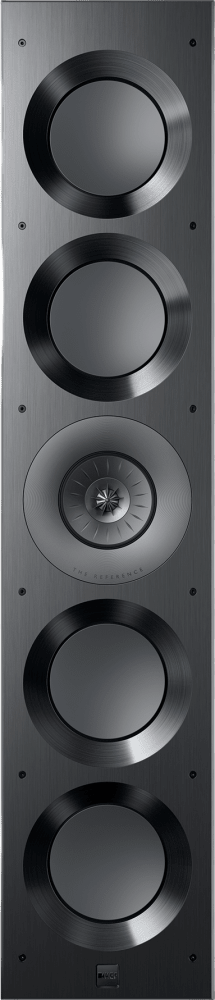
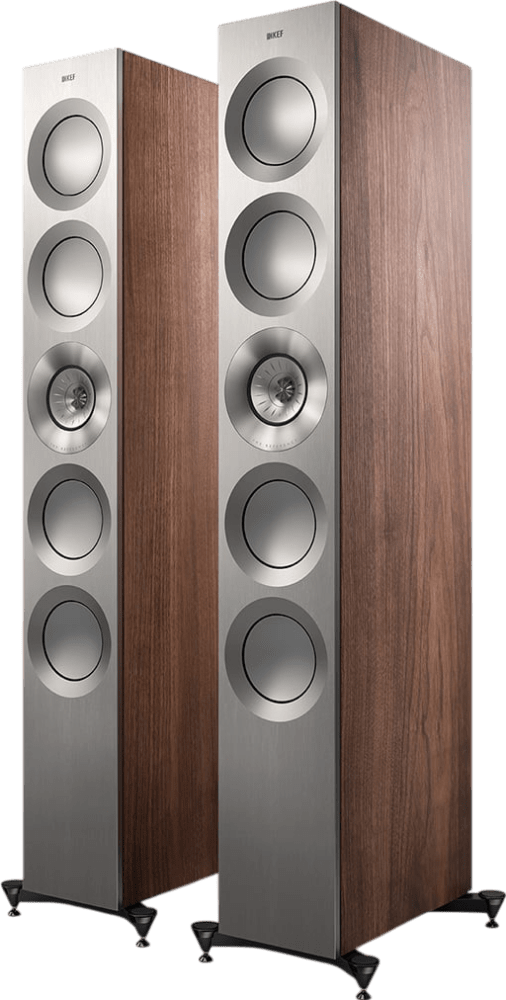
- Positioning: As KEF's high-end line, sets the benchmark for audiophile-grade sound reproduction.
- Description: Incorporating Metamaterial Absorption Technology (MAT) and a 12th generation Uni-Q driver array, offers exceptional clarity and detail. It also features advanced cabinet construction and flexible port technology for cleaner bass compared to the R Series. However, it doesn't achieve the Single Apparent Source configuration found in the Blade Series, which provides even more precise imaging.
Blade Series
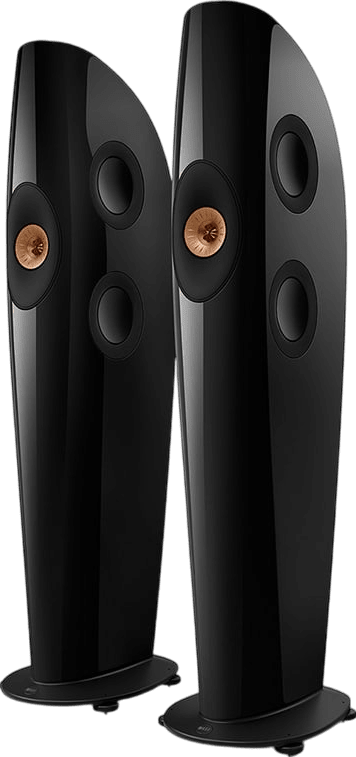
- Positioning: Represents KEF's innovative approach to speaker design, featuring the world's first Single Apparent Source loudspeakers.
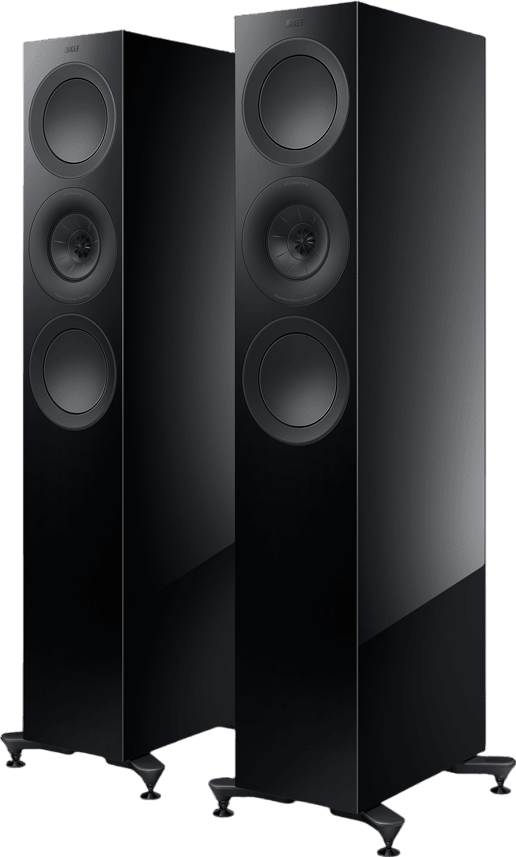
- Description: With Metamaterial Absorption Technology (MAT) and the 12th generation Uni-Q driver array, delivers coherent and precise sound. Its unique cabinet design minimizes resonances and diffraction, surpassing the traditional enclosures of The Reference Series.
MUON
- Positioning: Stands as KEF's flagship speaker, combining cutting-edge acoustic engineering with avant-garde industrial design.
- Description: Crafted from super-formed aluminum, the rigid structure minimizes vibrations, delivering ultra-wide bandwidth and immersive sound. While it shares the Uni-Q driver array with other KEF models, its exclusive design and limited production make it a collector's item.

Our take on the brand
Look inside the brand
Our interview with the brand
What are two key technological innovations or strong opinions that differ you from other brands?
What's your approach to customer support?
What are your favorite tracks for showcasing the strength of your products?
What other products pair best with yours?

Used
KEF










What if you spend more?



.svg)
Product Strengths
- More full-bodied sound than the Q650C, giving better sound stage and depth
- Voices handled a little bit better than the Q650C, sounding more natural, even with a brighter tweeter
- More dynamic and better in higher treble than the Q650C
- Dispersion is better than the Q650C despite having a smaller waveguide and mid driver
Product Considerations
- A 4 ohm speaker that could get warm for some AVRs, but should be fine unless blasting at very high DB
Comparisons (according to reviewers)
- The Q6 has better sound stage and depth than the Q650C, while the Q650C has some boominess
- The Q6 handles voices better and sounds more natural than the Q650C, while the Q650C's sibilance can be sharper
- The Q6 is more dynamic and handles higher treble better
Takeaway: The Q6 is a great center channel speaker if you want the absolute best sound. It offers a more dynamic, full-bodied sound and handles voices more naturally.
Video review
Our take on the brand

Product Strengths
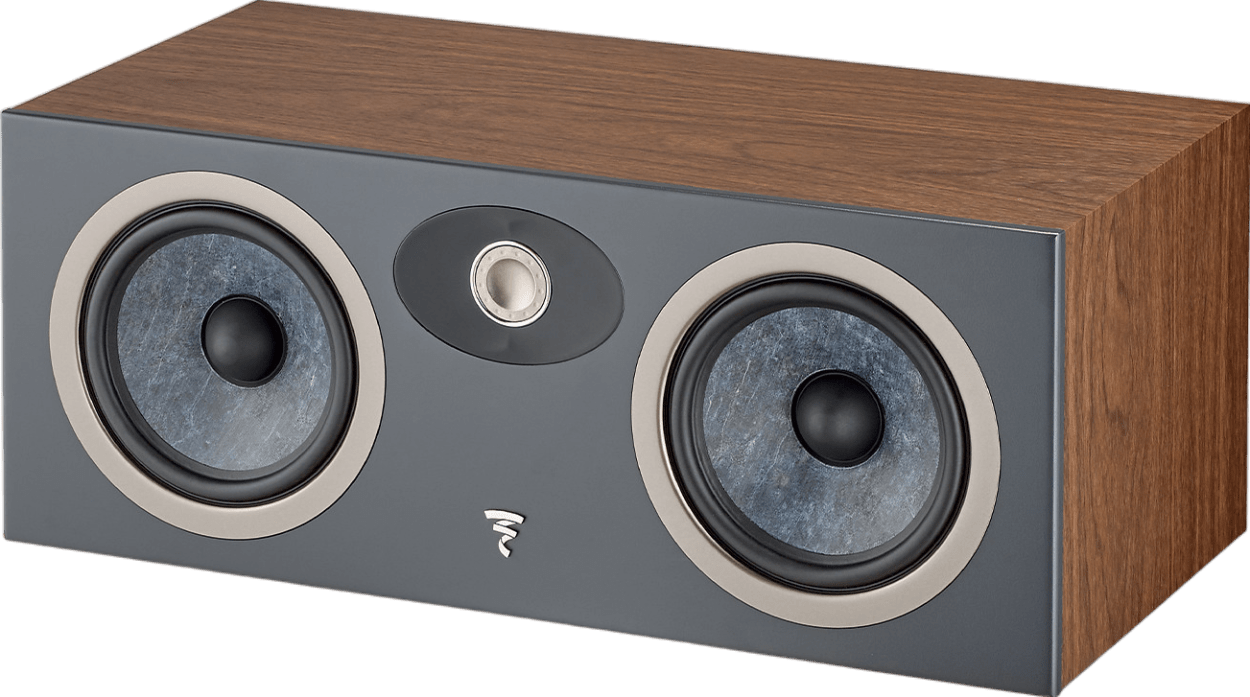
- Sweet and smooth sound profile
- Excellent detail for the price
- Great balance and fluidity across registers
- Impressive dynamics and a wide, dimensional stereo imaging, as it can deliver a stunning soundstage
- Overall balanced tonality
- The tweeter is made from quality materials with great care
- Elegant, minimalist design that seamlessly integrates into any audio setup, with a sleek aesthetic and multiple color options
Product Considerations
- Does not feel as substantial as some other speakers in their price class
- Laid-back sound occasionally obscures some definition
- Deep bass may require a subwoofer
- The tweeter is exposed and needs to be handled with care
- Some reviewers would prefer a solid painted color rather than an imitation wood vinyl veneer
Comparisons (according to reviewers)
- Offers a lot of what makes the Vestia No. 1 great while saving money, but the Vestia No. 1 has more sparkling detail and pristine treble extension
- More compact and easier to place, though the Bowers & Wilkins 606 S3 looks more premium
- The L100 presented a more precise center image for vocals and dialog, but the Theva's more laid-back sound profile made them a better listen in most cases
- Stepped in pretty seamlessly for KEF LSX 2.1, which includes SVS's 3000 Micro subwoofer, showing impressive sonic skills, though they don't offer the same thunderous bass
- The rear-ported design is a change from the previous entry-level line, Chora, where the port was front-mounted
Takeaway: The Focal Theva No.1 is a well-rounded bookshelf speaker that offers excellent audio performance and detail for its price, with a sleek design that fits into any space. It's a great option for those looking for a hifi experience.
Video review
Our take on the brand
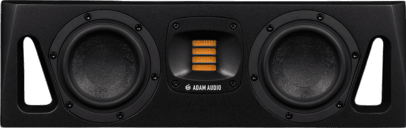

With a 19-inch width, the horizontally oriented A44H can sit on a standard rack shelf or be mounted above or below a display. The completely new design also enables the A44H to serve as a center speaker in immersive and 3D speaker configurations. Dual 4-inch long-throw woofers and the X-ART tweeter deliver a wide frequency range, while onboard DSP-based tuning capabilities enable you to tweak the sound easily.
Our summary
Product Strengths
- Compact, comfortable, and easy to place, with a lower profile.
- Delivers a powerful, dynamic, and precise sound that delivers an enjoyable experience.
- A rotatable tweeter allows for both horizontal and vertical placement, providing flexibility in different setups.
- On-board DSP-based room correction options, and integration with Sonarworks SoundID Reference for refined tuning.
- A wide sweet spot that is immersive and enjoyable to listen to.
Product Considerations
- The bass response may not be as present or suitable for music production with many sub-bass frequencies.
- The dial for input level adjustment is not stepped, which may make precise matching more difficult.
- Some reviewers suggest a sub may be needed depending on the material being worked with, to supplement the 4-inch woofers.
Comparisons (according to reviewers)
- Compared to the ADAM Audio A7X model, the A44H offers a similar response curve.
Takeaway: The A44H monitors offer a unique form factor, versatile placement options, and a detailed sound, making them a great option for smaller spaces or immersive setups. The built-in DSP and integration with Sonarworks provide extensive room correction and customization capabilities.
Video review
Our take on the brand
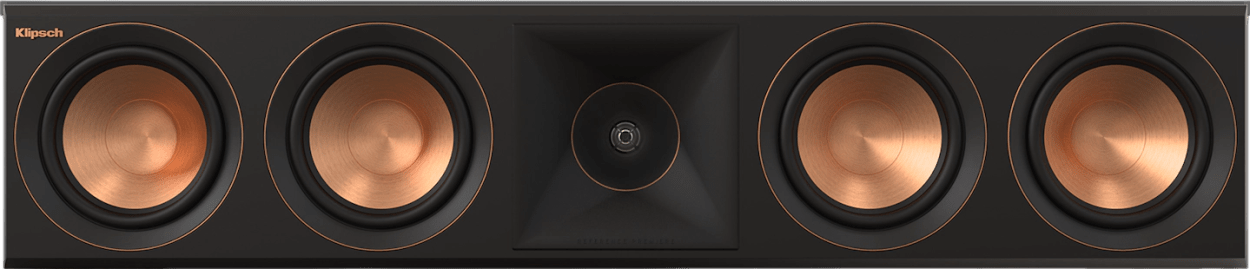

Product Strengths
- The RP-504C II is a solid center channel option, especially within a surround sound setup
- It is sonically better, more refined in the midrange and top end than previous generations, offering a balanced and open sound that can improve intelligibility
- The speaker provides good output levels with low distortion and compression, and is capable of handling power well
Product Considerations
- The RP-504C II has poor directivity in the horizontal region, which can lead to speech intelligibility issues for listeners sitting more than ±10° off-axis
- It has an elevated treble response, rising to about +3dB above average sensitivity levels above 2kHz, which may impact linearity
Comparisons (according to reviewers)
- Vs RP504C (Gen 1)—the Gen 2 has a different crossover point (650 and 1950 Hz vs 500 and 1500 Hz), refined mids and highs, and the Gen 1 has a gap that's more similar to the gap in the floor standings
- To Klipsch THX—RP-504C II sounds warmer and more natural
Takeaway: The Klipsch RP-504C II center channel speaker is a capable speaker that may increase the sonic intelligibility of a sound system. It could be a great choice for a home theater setup if clear dialogue and sound reproduction are priorities, and it has good output levels with low distortion and compression.
Video review
Our take on the brand
What competes at this price?
Our Summary
Product Strengths
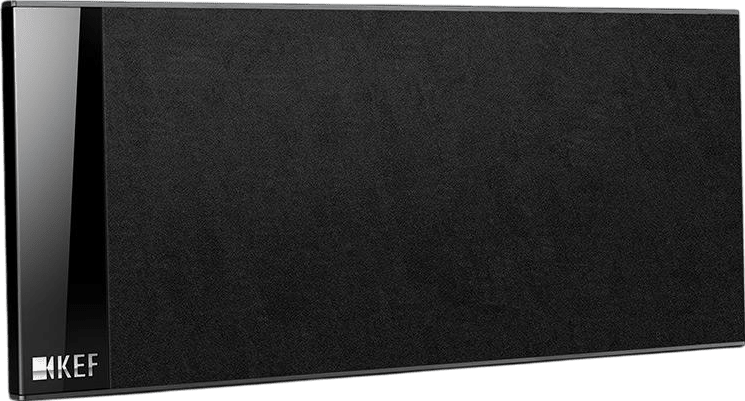
- Dialogue fed through the T101c centre channel sounds natural and full-bodied
Product Considerations
- There is a lack of substance unless a subwoofer is included
Takeaway: The T101c sounds natural and full-bodied, which is no mean feat for such a slim speaker. The KEF T105 will serve well as a stylish, discreet, and capable surround sound solution.
Video review
Our take on the brand


Our Summary
Product Strengths
- Good tonal balance and neutral sound, with small departures from full neutrality
- Wide soundstage and precise imaging
- Exceptional dynamic range for its size, packing a punch
- Stylish and tasteful design that complements interior decor
- Clear articulation and detailed account of vocals and instruments
Product Considerations
- Low-frequency extension isn't as deep as other similarly priced towers, bass extension is not terribly low for a floor-standing speaker of its pricing
- Best with a subwoofer for action films and those who want bass at and below 40Hz
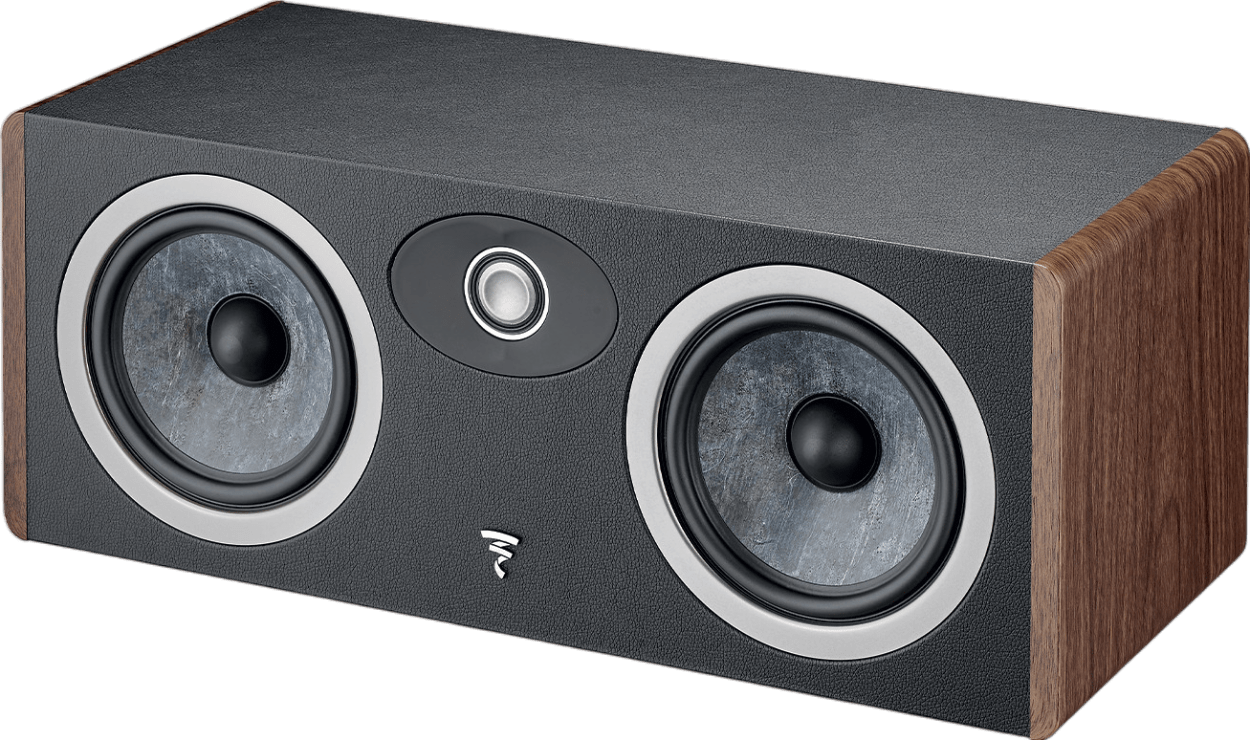
- The center speaker is less optimal for those situated off-center, with a noticeable dip in frequency response around 2kHz in some rooms
- The on-axis measurements show a slight dip from 5kHz up to 10kHz, which makes the speaker a bit soft on sibilants
- They do not give a lot of deep bass output
Comparisons (according to reviewers)
- Vs Bowers & Wilkins 705 S3s: Vestia N°3s have better bass extension
- Vs Philharmonic BMR Tower: BMR Tower digs deeper in bass, but is larger and less efficient
- Vs Arendal 1723 S Tower: 1723 S Tower has more low-frequency extension, but sacrifices some efficiency compared to the Vestia
- Vs KEF R5 Meta: Trade-offs exist in bass extension, size, and efficiency
- Vs Bowers & Wilkins 704 S3: Trade-offs exist in bass extension, size, and efficiency
- Vs Polk Legend L600: Trade-offs exist in bass extension, size, and efficiency
Takeaway: The Vestia No.3 offers excellent sound quality and stylish design, making it a good option for those who want clear sound and a pleasing aesthetic. Adding a subwoofer can enhance the bass for a fuller listening experience, especially for home theater use.
Video review
Our take on the brand
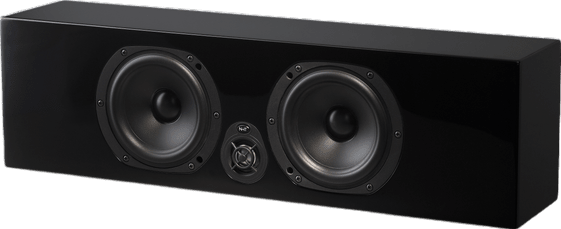

Our Summary
Product Strengths
- Compact, space-saving design with a modern look and good build quality and finish
- The MS Tower has a built-in height speaker for Dolby Atmos/DTS:X setups
- Well-balanced sonic performance for both music and home theater applications
- Excellently timbre-matched front mains and center package
- The speakers fill even relatively large rooms with sufficient sonic energy
Product Considerations
- The MS Tower in-room bass response only reached down to around 50 Hz, suggesting a subwoofer is necessary for full bass extension
- The MS Center might not portray depth as adeptly as more expensive center channels
- The MS Tower speakers might not possess the last word in transparency
Takeaway: The NHT MS speakers offer a compact design with good sound for both music and movies, especially for those wanting an easy Dolby Atmos setup. They provide good value and a balanced sonic experience without taking up too much space.
Video review
Our take on the brand
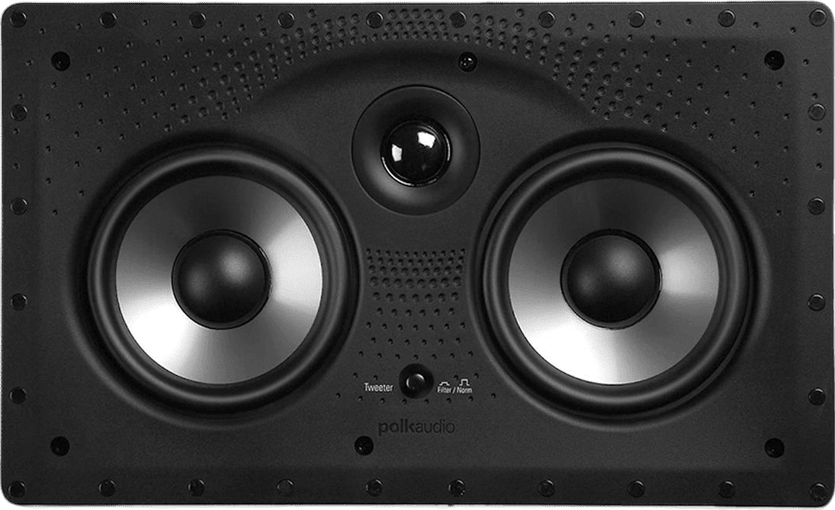

Our Summary
Product Strengths
- Designed to be minimally invasive and slip easily and undetected into any environment
- Polk has minimized the thickness, making it easy to install in most homes
- Build quality is good and the weight has been kept nice and low
- When set up correctly, it projects well and directly forward and has a slight lean to a warmer tone, but nonetheless has great clarity
Product Considerations
- Installing in-wall speakers is not easy, and professional installation is recommended
- Requires a separate amplifier and a way to connect sound to it
- Installation is not recommended if there is no space behind drywall or on solid surfaces like concrete or stone
- Polk's logo on the grill might be a minor aesthetic issue for some who want it to be inconspicuous
- Sound is not really relevant when evaluating the speaker on its own, as it's designed to be used as part of a full system
Takeaway: The Polk Audio 255c-RT is a great addition to a home theatre sound system, especially when paired with other speakers from the Polk Audio RT line. It has good build quality, and its unobtrusive design makes it a solid choice for creating a multi-directional audio experience for watching movies.
Video review
Our take on the brand
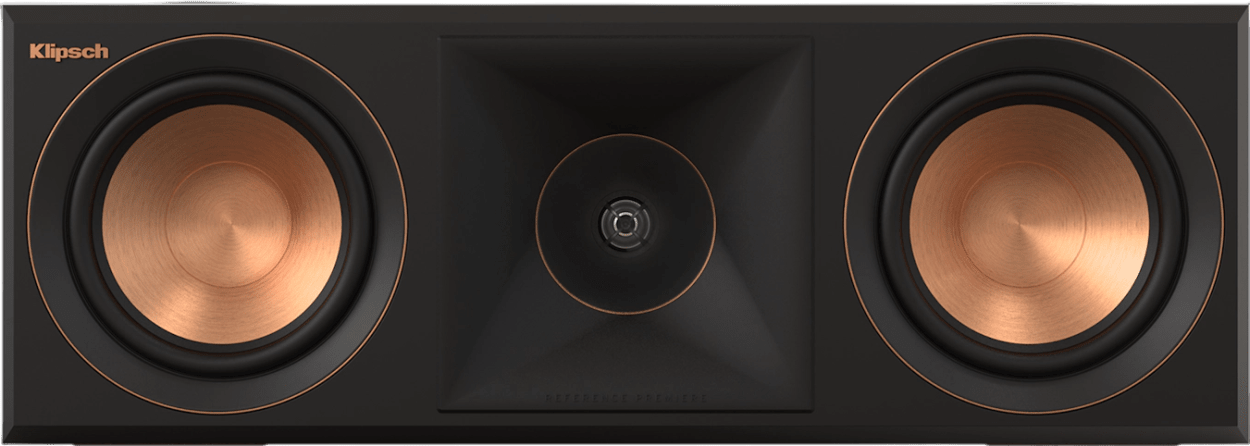

Our Summary
Product Strengths
- Quite good output levels with low distortion and compression
- Sensitivity measures at about 87dB @ 2.83v/1m, which is nice
Product Considerations
- Elevated treble response rising to about +3dB above the average sensitivity levels above 2kHz
- Linearity takes a hit, in part, to the above-mentioned HF boost
- Poor directivity in the horizontal region with a narrowing response through the midrange
- Viewers/listeners sitting to the side of the speaker more than about ±10° are going to suffer from some speech intelligibility issues
Takeaway: The RP-500C II offers good output levels with low distortion and compression, making it a solid choice for clear sound. Its nice sensitivity helps deliver quality audio for your home theater.
Video review
Our take on the brand
How to buy
Speakers
Search all hifi products
Explore our database of 10,000+ new and 25,000+ used hifi products.