



Note that this is a discontinued product. You may want to visit the brand's page here to browse their newer products.
What reviewers think
Bloggers and YouTubers have tried this product—so we've summarized their strongest opinions below. Links to full reviews follow.
Product Strengths
- Deep and well-controlled low end
- Excellent midrange timbre, body, and presence for hearing instrument and vocal quality
- Presents recordings in a natural, smooth, and tonally accurate manner
- Plenty of power at the ready, especially where big dynamic transitions and transients occur in the music
- Excellent built-in headphone amplifier
Product Considerations
- Upper frequencies are quite smooth, not stretching to ultra-detail levels, and some transients have a slightly rounded-off quality
- The phono stage doesn't quite match the performance of some separate phono stages in imaging and tonal coloring
- Some might find the appearance not as luxurious as the price might suggest
- The included remote control is a cheap plastic affair
Comparisons (according to reviewers)
- Vs Advance Paris A10 Classic, the M2Tech Classic is far more rewarding to listen to, despite being twice the price and with the bare minimum of features
- Vs Unison Research Unico SE, the Unico is boisterous, dynamic, and fun, while the Classic is more comfortable-sounding
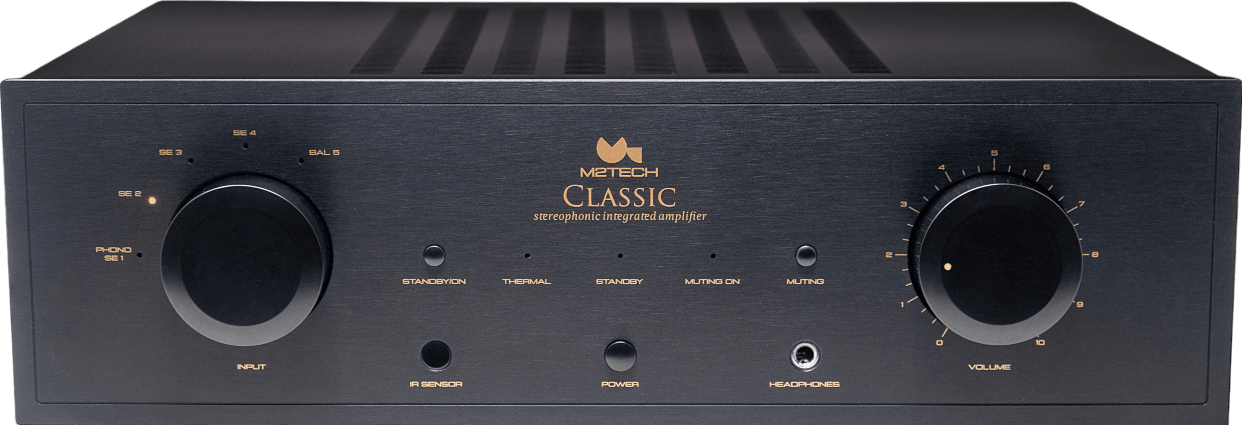
Takeaway: The M2Tech Classic is a great amp for audiophiles who want a natural and smooth sound. It has plenty of power and can make music sound very real.
All
Classic
reviews


Manufacturer details
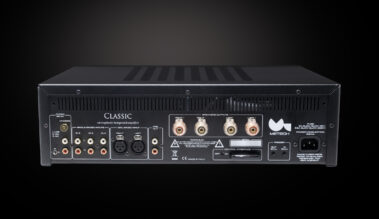
- Sensitivity: 230 mVrms (line inputs), 5 mVrms (MM phono input), 0.6 mVrms (MC phono input), 9-15V (trigger)
- Input impedance: 47 kOhm (single-ended), 20 kOhm (balanced)
- Signal-to-noise ratio: 105 dBA (60 Wrms output power on 8 Ohms, line), 85 dBA (MM phono), 75 dBA (MC phono)
- THD+N: 0.02% (1 kHz, 60 Wrms output power on 8 Ohms)
- Continuous output power: 60 Wrms per channel (8 Ohm), 100 Wrms per channel (4 Ohm)
- Dynamic output power: 155 Wrms per channel (8 Ohm), 240 Wrms per channel (4 Ohm)
- Dynamic headroom: 4.2dB (stereo, 8 Ohm and 4 Ohm)
- Power consumption: 225 VA, 0.1 VA (standby)
- Dimensions: 420x313x120mm (WxDxH)
- Weight: 15.0 kg net (18 kg gross)
In addition, it is equipped with a preamplified output to drive an active subwoofer, or for a more powerful power amplifier than the internal one, or even to associate a second amplifier to the internal amplifier to implement passive bi-amplification of the speakers. It is equipped with an infrared remote control and a WiFi interface through which it can be controlled from any smartphone thanks to the free app provided by M2Tech on the Apple Store and Google Play.
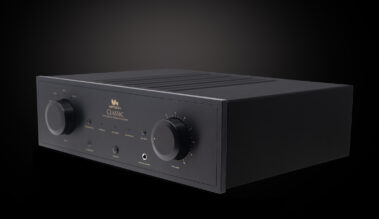
The Classic Integrated Amplifier is designed for music. Its power circuit is structured in such a way as to accommodate the dynamic behavior of the musical program, consisting of a succession of short impulsive peaks interspersed with longer interludes at a medium-low level. Think of drums or singing.
For this reason, compared to a continuous power output of 60Wrms per channel into 8 Ohm a...


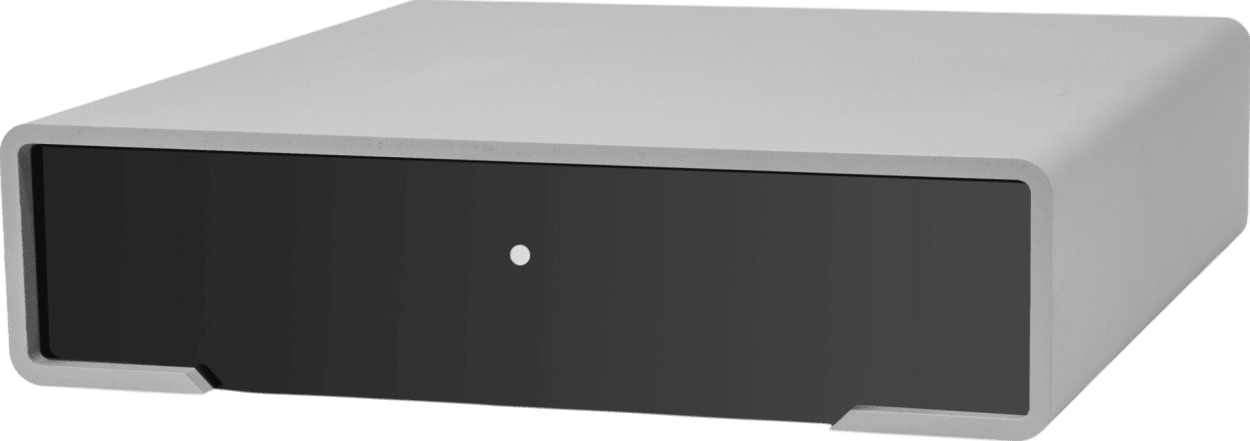

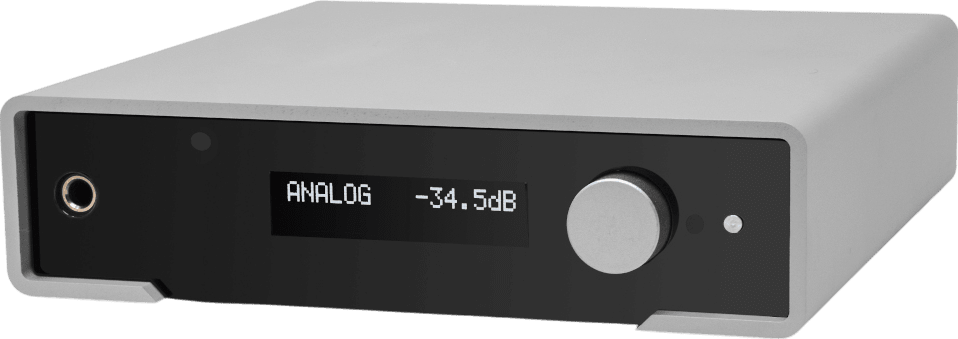
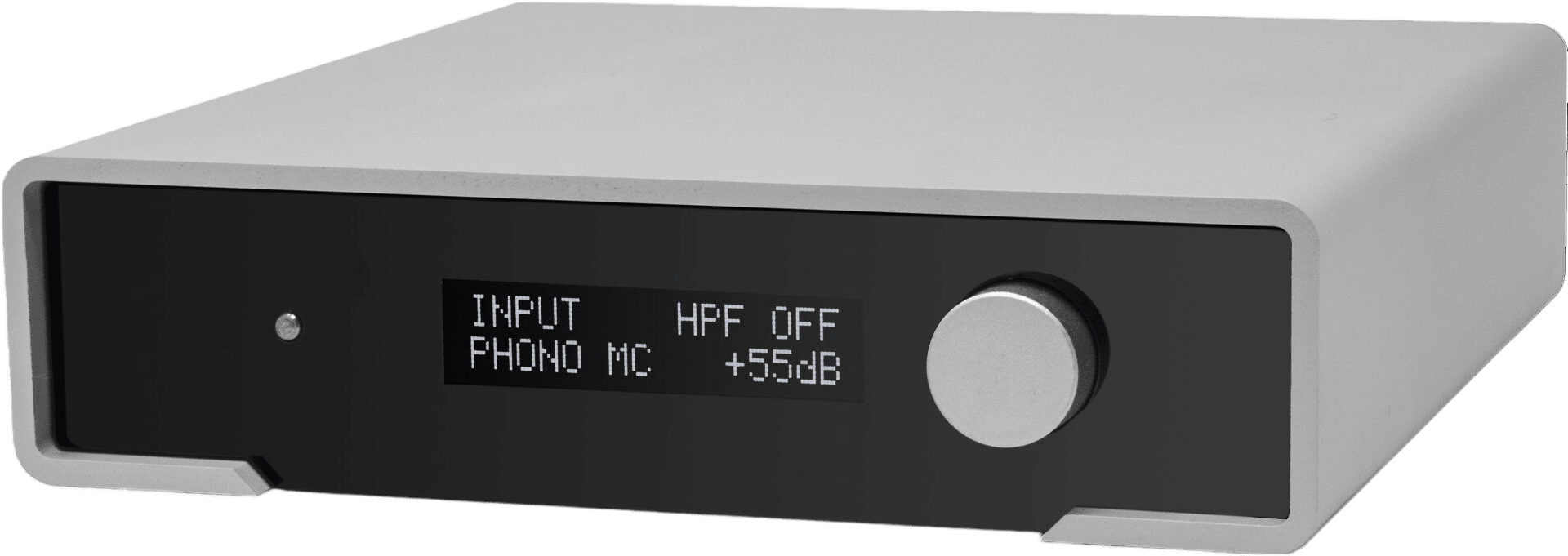

Brand highlights
Taking a step back to look at reviewers' thoughts of the brand's entire lineup—not just this product—what stands out most is the following:
- Manunta has a modular "Rockstars" product line that allows users to build a complete system by purchasing individual, matching components like DACs, headphone amps, and power amps.
- They offer advanced control and customization options, such as app-based control, variable output impedance for headphones, and tone controls, allowing users to tailor the sound to their specific preferences and equipment.
Select products
Classic DAC/Renderer
- Positioning: A digital/analog converter bridging digital sources with amplifiers.
- Description: Offers a galvanically isolated USB interface and high-quality discrete output stages that ensure a clean conversion of digital signals. Compared to units like the Young MkIV, its focus is solely on conversion, making it ideal for small rooms and budget-conscious setups that do not require integrated preamplification.
Young MkIV Rev.b
- Positioning: A versatile DAC and preamplifier suited for integrating both digital and analog sources into a Hi-Fi system.
- Description: Delivers robust balanced outputs with high voltage and multiple digital inputs while also featuring an integrated preamplification section for direct drive applications. Unlike the Classic DAC which only converts signals, it provides extra control functions at a moderate price.
Tosh Rev.b
- Positioning: A balanced line preamplifier designed to drive high-level sources with minimal noise.
- Description: Uses discrete balanced circuitry with top-grade resistor network attenuators and dual voltage outputs to ensure transparency and low noise performance. Compared to the Young MkIV which offers broader conversion features, the Tosh Rev.b is focused on high-level source handling.
Joplin MkIII
- Positioning: An ADC/phono unit delivering premium analog front-end conversion and digitization.
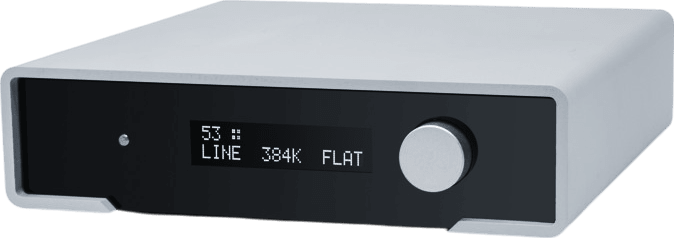
- Description: Provides adjustable gain and input impedance with high-resolution A/D conversion up to 384 kHz, enabling direct connection of turntables and other analog sources. In contrast to the more general-purpose DAC/preamp models, its specialized conversion and phono equalization curves cater to audiophiles who need both top-quality digitization and flexible phono interfacing.
Classic Integrated Amplifier
- Positioning: A high-power stereo integrated amplifier that combines preamplification with a robust amplification stage.
- Description: Engineered to deliver dynamic power and sonic performance using handcrafted through-hole components while remaining energy efficient and repairable. Compared to conversion-focused products and Rockstars series preamps, its integrated design is geared toward users who require a premium, full-function amplifier for larger spaces.

Our take on the brand
Look inside the brand
Our interview with the brand
What are two key technological innovations or strong opinions that differ you from other brands?
Most probably the unorthodox approach to design, even when using off-the-shelf components: we love to think out of the box and give a personal view of the used components in order to reach the best sound quality for the budget. This takes us to the second appeal point for our products, which are always regarded as "sounding better than competitors' products costing more than twice as much."
What's your approach to customer support?
For warranty claims, usually, customers are required to contact the dealer who sold them the product: he's in charge for handling the claim. Whenever the warranty has expired, then the customer may either contact the dealer or directly M2Tech/Manunta. This usually happens with second-hand products. We ask customer to ship the product to Italy, we inspect it and propose a budget for repair/replacement.
Quite often, we also propose the customer to trade the old product for a newer one, usually with some addition by the customer. This is very useful with older products which are no longer reliably supported by Windows and no longer supported by MacOS. The customer is invited to take back a more recent product.
We are quite proud to state that we always service an old product, back to the ones released in 2009, to the extent this is possible, with regards to spare parts availability.
What are your favorite tracks for showcasing the strength of your products?
Well, that's hard to tell, as we have a listening panel made up of people with different tastes and experience. Personally, I often use a track by Tiger Okoshi from his XRCD Two Sides To Every Story, track No. 5: “Yuki No Furu Machi O.”
Another track I like for its openness in the middle-high range and the nice soundstage is “There'll Be Some Changes Made” from Mark Knopfler and Chet Atkins’ Neck And Neck. But pay attention: I use the old Columbia CD, as all remasters I found on Qobuz and Tidal are dark and dull in comparison.
Finally, I'd mention another jazz track from a Red Records CD: The Next Step (Mantilla / Watson / Walrath / Mathews / Lundy / Lewis). It’s the first one on the CD: “Mantilla's Jam.” The entire CD is highly enjoyable, though. Then there are many more tracks, from CDs, LPs, and streaming.
What other products pair best with yours?

Used
Manunta
What if you spend more?

.png)
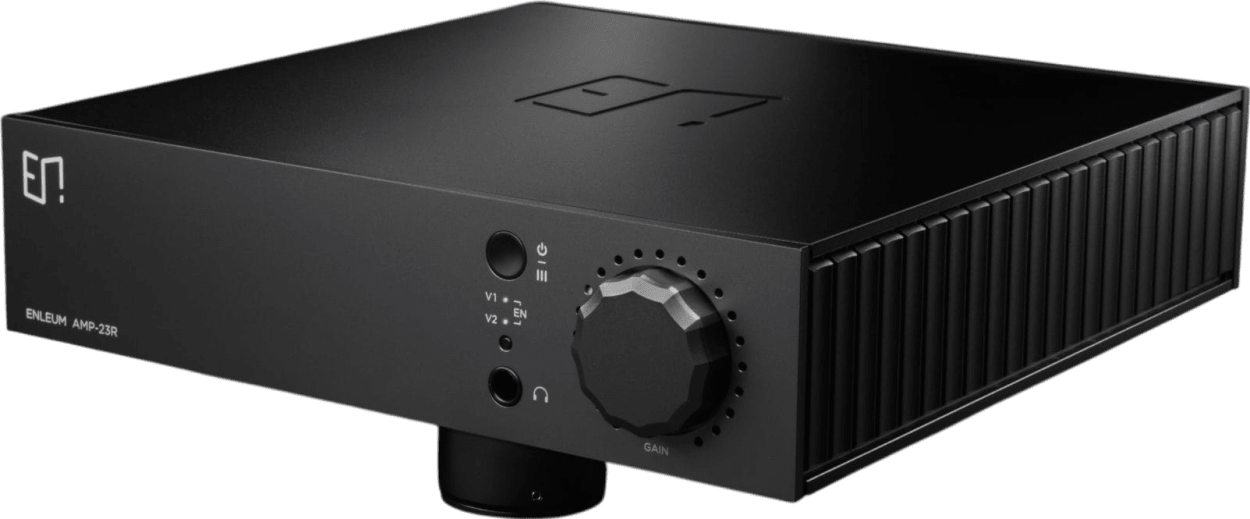
Enleum was launched as a new brand with the AMP-23R. While our legacy AMP-13R had already been praised all around the world for its performance and unique design, we pushed the boundaries to create the AMP-23R with a new circuit that truly enhances the existing performance. We have drastically improved the PCB circuit board design, chosen new internal components and upgraded our JET2 Bias design. And the reviews and awards are unanimous. The AMP-23R's physical size and footprint may be compact, but with the all new chassis and thermal heatsink design, we've launched a product that's fit for the next generation reference compact amplifier. The unique design is the DNA of our new Enleum Brand and was already awarded the Red Dot Award: Product Design 2021 and iF Design Gold Award 2022. The AMP-23R proudly showcases Enleum's expertise in technology and design.

.svg)
Our summary
Product Strengths
- Addictive sound signature, unlike any other amp, with otherworldly instrument and voice reproduction
- Delivers serious magic with Fleetwood Deville and Klipsch Heritage speakers, revealing obscure details and creating a massive soundstage
- Dynamics for days
- Combines the qualities of a nice SET amp without the downsides, like noise or tube replacement
- Exceptional build quality and design with high-quality parts
- Only has two RCA inputs, no XLR balanced connections
Product Considerations
- Heavy speaker cables can cause the amp to tilt
- The volume dial functions as a gain dial, which may be different than what some users are accustomed to
- May not be suitable for hard-to-drive speakers in the 85db range that dip into 2–4 ohms
Comparisons (according to reviewers)
- The AMP23R offers more texture, layering, mid-bass, and vocal presence than Nagra INT
- The AMP23R is more organic, ethereal, and dynamic than Kinki Studio EXM1
- It sounds better than the Vinnie Rossi L2iSE, so long as the speakers are easy to drive
- The Enleum has more delicacy and finesse than Pass Labs and Cary Audio
- The AMP23R stacks up with the finest gear such as ampsandsound Bryce monoblocks
- Pass Labs First Watt SIT-3 offers a bit more organic, warmer presentation
Takeaway: The Enleum AMP-23R is a small but mighty integrated amplifier with a unique and addictive sound signature, and it is built with high-quality components. It's a great choice for those with sensitive speakers looking for a reference-quality system in a compact package.
Video review
Our take on the brand

Product Strengths
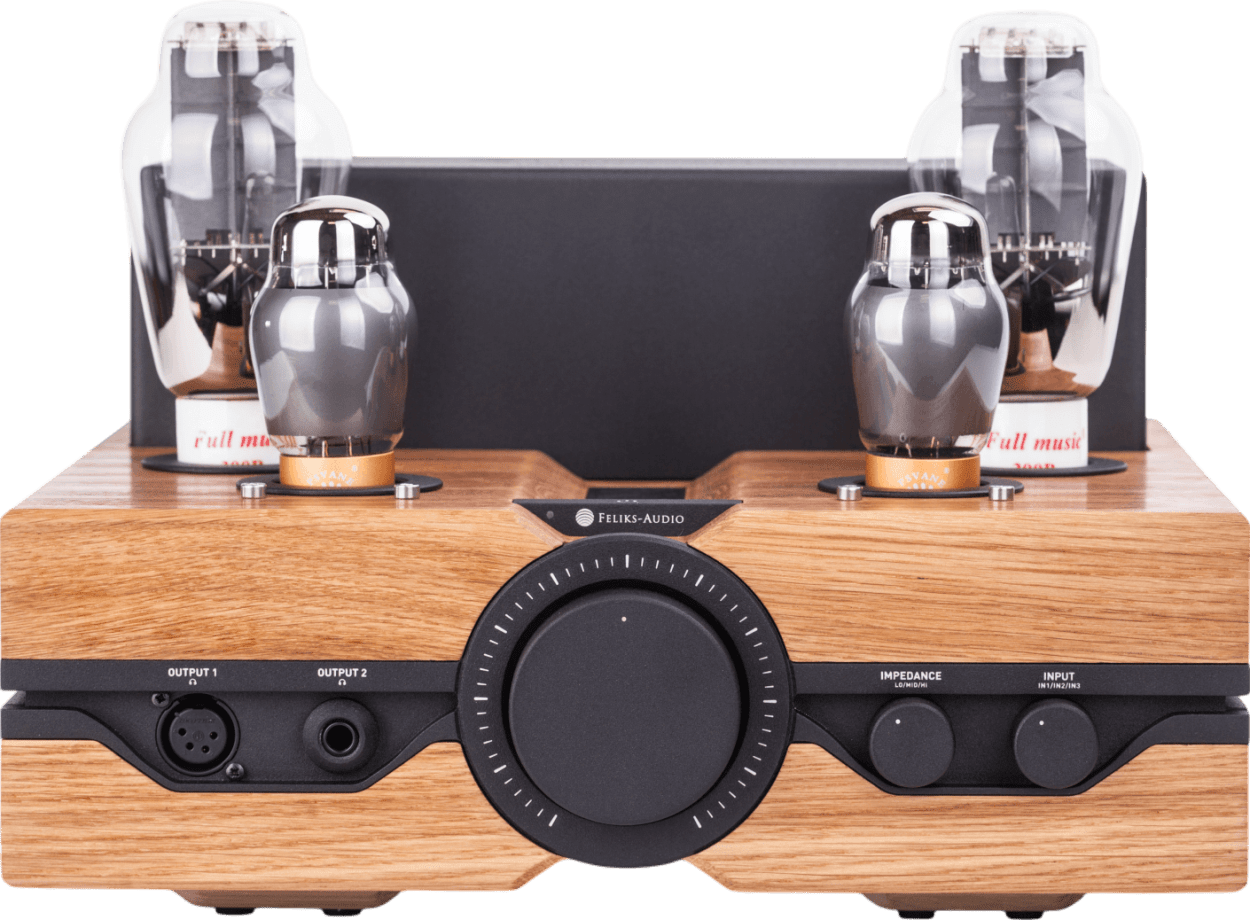
- Exceptional build quality with a blend of expertly crafted wood and metal, creating a visually striking and durable statement piece
- Dynamic, rich, and effortless sound with excellent detail, texture, and the right amount of tube magic
- Powerful output capable of driving demanding headphones while maintaining clarity and control
- Versatile performance with a variety of headphones (dynamic and planar) due to its output transformer design, often improving sound for warm or neutral headphones
- Value added by its ability to be used as a pre-amplifier in a stereo system
Product Considerations
- Large size and weight (around 15kg) require ample desk space and sturdy furniture
- Generates heat, which could be a concern in warmer environments without adequate ventilation
- Accidental switching of 'On/Off' is possible due to the touch-sensitive bar in the front not being intuitive, so use with care around pets
- Too powerful for some very sensitive IEMs, potentially resulting in overwhelming sound or audible hiss, though this is not the intended design for the amplifier
Comparisons (according to reviewers)
- Vs HIFIMAN Susvara, Envy empowers Susvara's natural presentation while giving it all the dynamics and slam needed
- Vs Cayin HA-300MkII, Envy exhibits more linear mid-to-high frequencies and offers a more transparent sound, while HA-300MkII has a warmer—more engaging midrange
- Vs AURIS Headonia 2A3, Envy performs at the same level, with technically incredibly strong aspects
- Vs Octave V 16, Envy completely demolishes the V 16 when it comes to energy, control, timbre, and resolution
- Vs Ferrum OOR, Envy is more powerful sounding, while also being more detailed with better tonality
Takeaway:
The Felix Audio Envy is a high-end headphone amplifier for audio enthusiasts who want the best quality sound to bring out the magic in their favorite headphones. Its stunning design and versatile performance make it a worthwhile addition to any serious audiophile setup.
Video review
Our take on the brand

Product Strengths
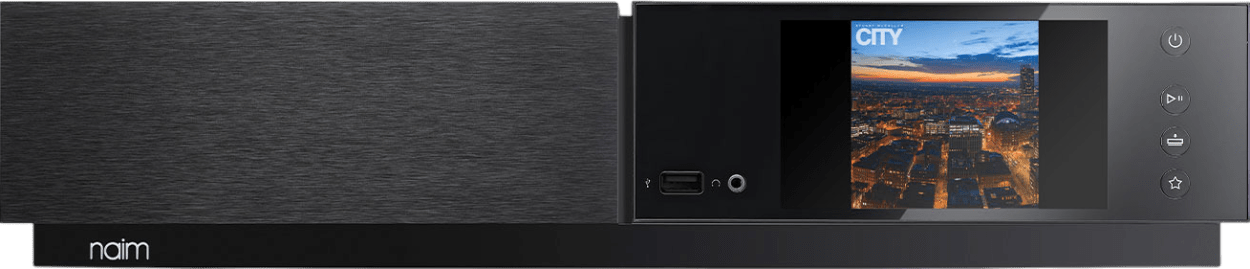
- Combines comprehensive functionality, connectivity and usability with good performance, and elegant design
- Exceptional sound quality is described as refined, muscular, detailed, confident, transparent, and natural
- Easy to use, has a great control app, a remote, and an intuitive interface that removes itself from the system
- Well-built with premium materials, including CNC-machined aluminum casework, finned heat sinks, and a hefty toroidal transformer
- Has a musicality that makes it hard to be objective about, the music flows as you listen and makes you want to repeat
Product Considerations
- Overheating may occur due to undersized heatsinks under demanding conditions
- Naim's speaker connectors may be unique, although banana plugs are an acceptable workaround
- Although a detail performer, it isn't the quietest digital source or imaging performer in the market
Comparisons (according to reviewers)
- Vs Uniti Star: The Nova has a more substantial amplifier section, with greater current delivery and stability into tricky loads
- Vs SuperUniti: The Nova offers a more dynamic, detailed, fluid, and natural sound–with a bigger soundstage
- Vs Chord Electronics CPM2800 MkII: The Nova is closer spiritually to separates like the Chord CPM2800 MkII than to other all-in-one systems
- Vs NAD M10: The Naim Unit Nova has full unwavering control of the entire frequency range, from the deepest chest-thumping bass to the most delicate highs
- Vs Naim Uniti Atom: The Nova has more power to get a good result in bigger rooms, whereas the Atom needs to be in a smaller room
Takeaway: The Naim Uniti Nova is a well-designed and easy-to-use all-in-one system that combines comprehensive functionality with very good sound quality. It's a good choice for those who want a convenient and high-performing audio solution without the complexity of separates.
Video review
Our take on the brand
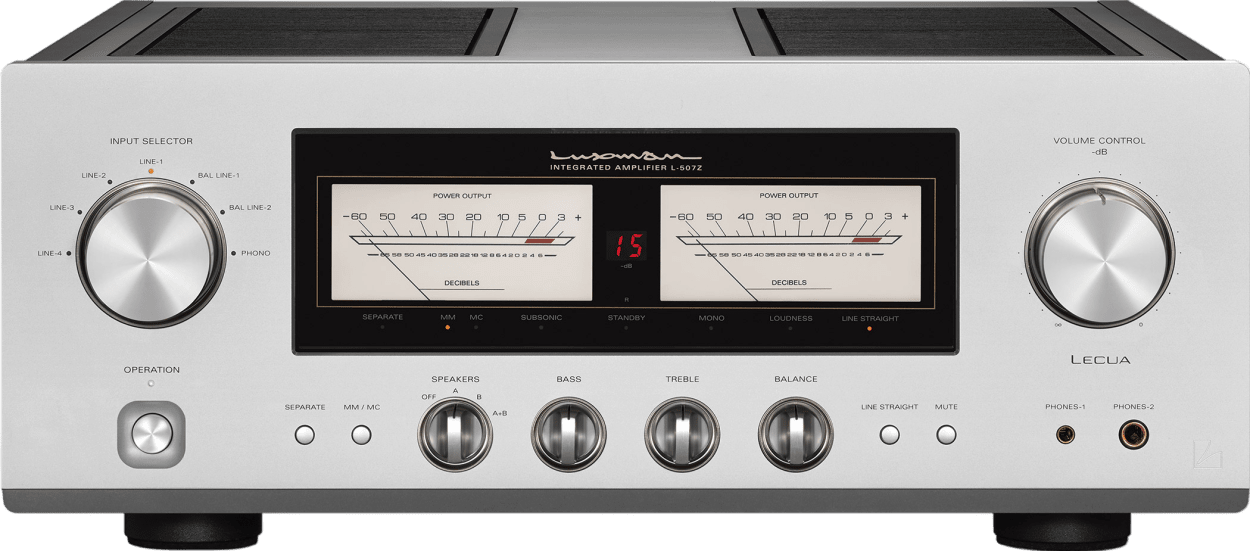

Luxman’s new generation Z series integrated amplifiers. The L-507Z is the debut model heralding our new generation of amplifier products. Featuring our newly developed LIFES amplification feedback engine, we look towards the future of Luxman. This amplifier has realized a dramatic development in musicality that goes far beyond its class. L-507Z combines advanced technology and sophisticated functionality. Our new, innovative Z series integrated amplifier generation begins with this superb model.
Product Strengths
- Delivers music with a very pure, low-grain tonality, not compromised by frequency response or dynamic trickery
- Beautifully crafted with a traditional, recognizable Luxman aesthetic and excellent build quality
- Has enough power to drive a wide range of speakers
- Possesses a good moving magnet (MM) and moving coil (MC) phono stage
- Features the new Luxman Integrated Feedback Engine System (LIFES) amplifier topology
Product Considerations
- The volume control can be finicky and hard to dial in
- Some reviewers wished it had separate phono inputs for MM and MC cartridges, instead of a selectable one
Comparisons (according to reviewers)
- Versus Hegel H590, the Hegel has more relaxed sound, while the Luxman has a more forward presentation, brilliance and sheen—the Hegel had better bass control
- The 507Z is a step up from the Luxman L-507UX2 with improved aesthetics, including a new LED display
- Versus the Luxman L-590II (Class A), the L-590II is slightly warmer, but less dynamic
- Some 509X owners preferred the Luxman L-507Z
Takeaway: The Luxman L-507Z is a beautiful and well-built amplifier that produces pure, high-quality sound. It has enough power for most speakers and offers versatile features like tone controls and a phono stage, making it a great choice for an all-in-one audio solution.
Video review
Our take on the brand
What competes at this price?

Our Summary
Product Strengths
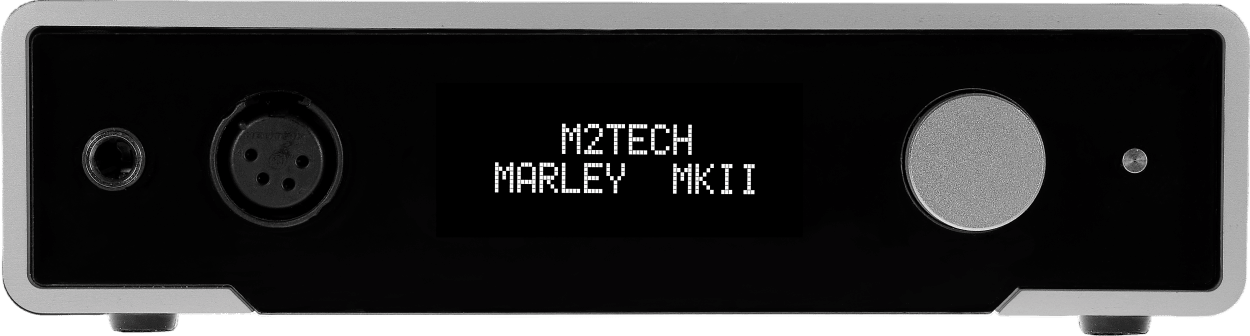
- Impressive specs and features, satisfying many headphone listening needs
- Employs a discrete design with FET input and balanced Class-A power amp circuit, which runs surprisingly cool
- Delivers impressive signal-to-noise ratios on both single-ended and balanced outputs (115dB and 118dB, respectively)
- Features adjustable headphone output impedance (Low-Z, 10 Ohm, and 47 Ohm) to fine-tune sound based on headphone and music genre
- Includes tone controls (+/-12dB adjustment of bass, mid, and treble) that can be bypassed for purists
Product Considerations
- The encoder dial is on the shallow side, which may present a challenge for people with larger fingers
- Does not have XLR preamp outputs, which could be a limitation for some users
- The crossfeed circuit is a simple on/off affair, offering no fine-tuning options
Comparisons (according to reviewers)
- Sounds very similar to Sparkos Labs Aries in tone, texture, timing, and imaging
Takeaway: The M2Tech Marley MkII is a versatile headphone amplifier with many features, and it provides a high level of performance. It allows the listener to adjust the sound to their preferences and to make the most of their headphones.
Video review
Our take on the brand


Our Summary
Product Strengths
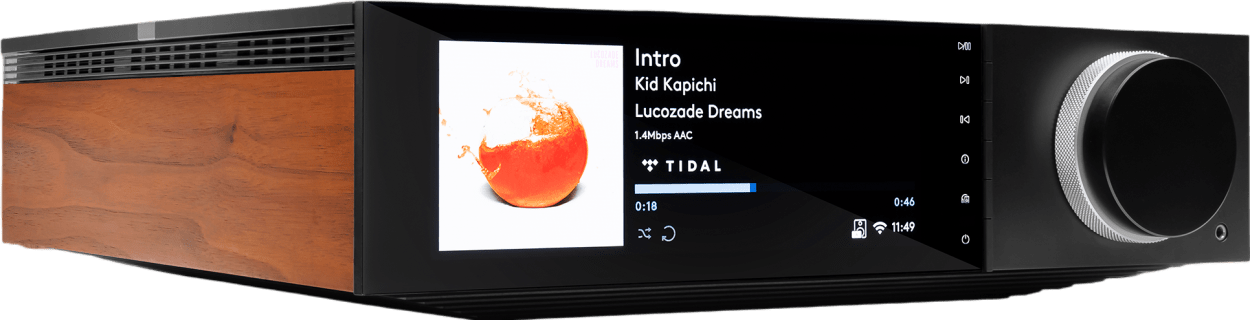
- Packs many features into a small frame, offering an 'all-in-one' solution by integrating streaming, DAC, preamp, and amplification
- The sound quality is clear, detailed, smooth, refined, articulate, and neutral, with good soundstage and imaging
- Offers a wide array of input options (analog and digital) and streaming service compatibility, making it versatile
- Its Class D amplification (Hypex NCore) is powerful (150Wpc) and efficient, running cool compared to traditional amps
- The industrial design and aesthetics are highlighted positively, with its sleek look, swappable side panels, and user-friendly interface, enhancing its lifestyle appeal
Product Considerations
- The headphone preamp may not satisfy serious headphone enthusiasts without a dedicated amp
- There is a noted lack of bass management
- The StreamMagic app lags behind the likes of Bluesound and Yamaha MusicCast in terms of its interface
- Some reviewers found a slight softening of the bottom end
- One review notes some power supply noise in bench tests, but at inaudible levels
Comparisons (according to reviewers)
- Offers wider soundstage, depth, and polish than the Naim Uniti Atom, but the Naim Uniti Atom has a greater sense of musicality and tighter rhythmic fabric
Takeaway: The Cambridge Audio Evo 150 is a versatile and attractive all-in-one system with excellent sound quality and a comprehensive feature set, making it a great choice for those seeking a simple yet high-performing audio solution. It provides a streamlined experience without sacrificing sound fidelity.
Video review
Our take on the brand

Our Summary
Product Strengths
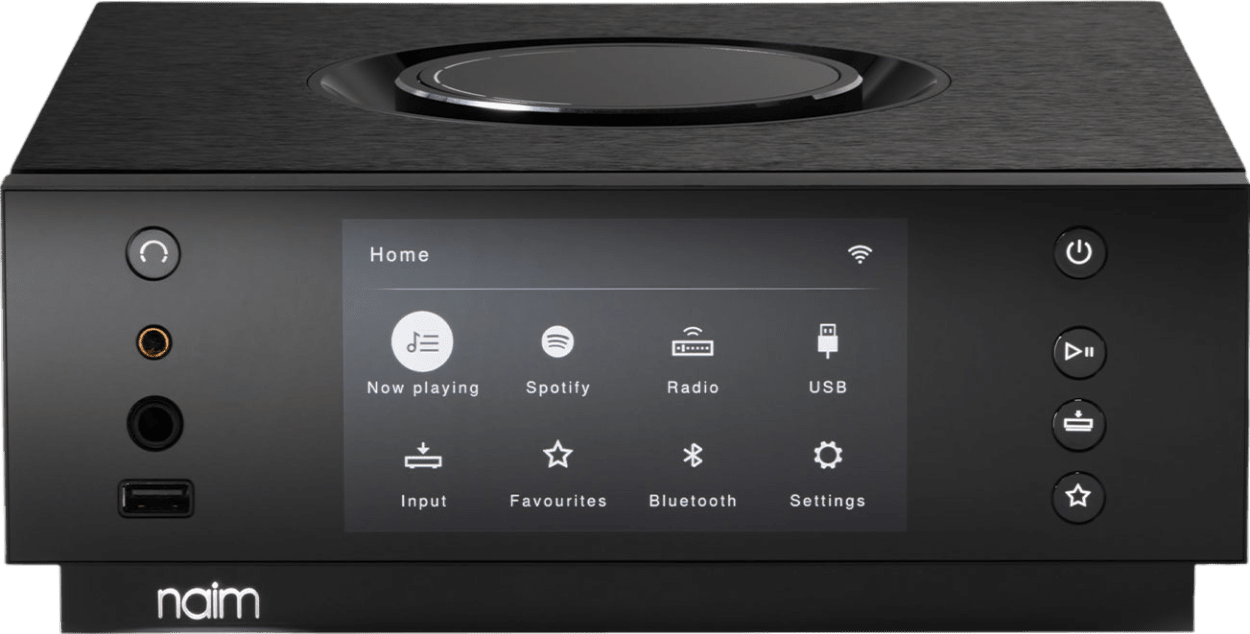
- Offers a comprehensive and flexible specification, functioning as a headphone amplifier and streaming preamp
- Produces superb sound quality, described as clear, pure, detailed, dynamic, and musical, without being overly analytical, regardless of genre or recording quality
- Features a well-made, elegant, and attractive design with a beautiful screen for album art and a satisfying volume control
- Supports a comprehensive range of streaming services and digital formats including AirPlay 2, Chromecast, Spotify Connect, Tidal Connect, Qobuz, Bluetooth, UPnP, and Internet Radio, and is Roon Ready
- Intuitive and stable app, especially for those who know what they want to listen to
Product Considerations
- The price is high relative to other headphone amplifiers/DACs on the market
- The front display is not a touchscreen
- Some might prefer a more analytical sound presentation
- The HDMI ARC connection is absent
- The Naim app lacks polish compared to dedicated music apps
Comparisons (according to reviewers)
- Vs Cambridge Audio Evo 150 and NAD M10—the Uniti Atom Headphone Edition is specifically focused on headphone use
- As a headphone amp, it is every bit as good as the Chord Hugo TT2
- Naim puts less of itself into the performance as opposed to McIntosh MHA200
Takeaway: The Uniti Atom Headphone Edition is a great self-contained system for headphone listening, with an easy-to-use interface and a beautiful design. It is a quality product that can be a centerpiece for your home audio.
Video review
Our take on the brand


Our Summary
Product Strengths
- Sonic clarity, detail resolution, and control
- Sturdy build and fine finish with solid casework and nicely damped
- Flexible product offering integrated, pre-amp, or pre-power combo options
- Balanced nature means that no particular genre of music is favored above any other
- Impressively equipped with a wide range of inputs including RCA, XLR, Coax, Optical, USB B, and Bluetooth 5.0 with aptX HD and LDAC
Product Considerations
- Dynamic contrasts could be stronger
- Rhythmic drive could be stronger
- Phono stage a little flat-footed
- The display graphics on the screen can be on the small side to read from across a room
- Treble could be more exciting and dynamic
Comparisons (according to reviewers)
- Vs Audiolab 6000A: Offers better instrumental separation, clarity of guitar strings, and a fuller bass response
- Vs Naim Nait XS3 or Rega Elicit Mk5: Delivers less entertainment and rhythmic drive
Takeaway: The Audiolab 9000A is a capable and flexible amplifier offering sonic clarity and a range of features to slot easily into most systems. It charms and delights, never forcing music onto your ears but always upgrading the sound for great speaker performance.
Video review
Our take on the brand

Our Summary
Product Strengths
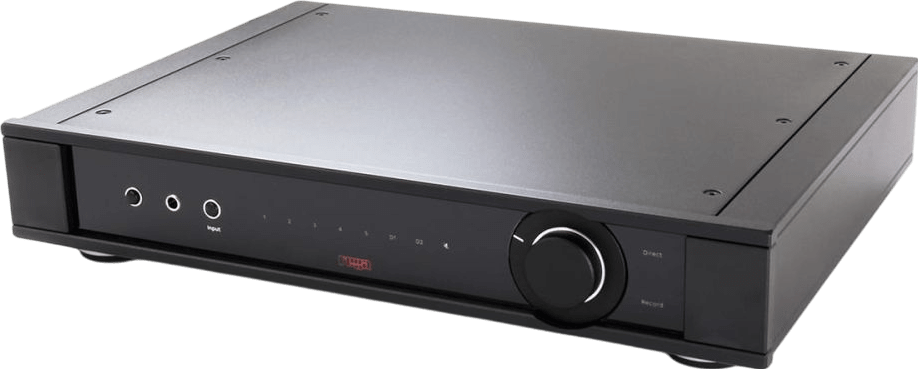
- Ground-breakingly different than its predecessor (Elicit-R) and the Elex R, integrating the Athos sound and signature
- Combines musicality with a real sense of propulsion
- Taut, punchy, clear sound with impressive clarity and detail
- Excellent built-in moving magnet phono stage, delivering enjoyable results across various music genres
- Internal DAC is of good quality, sitting comfortably beside the analogue line stages in quality, with lively and punchy character, strong detail levels, and dynamic contrasts
- Lacks USB input or Bluetooth connectivity
Product Considerations
- May run hotter than usual
- Can sound a little bright tonally, requiring careful speaker choice
- Volume control steps on the remote may be too large for precise adjustments
- Functional looking rather than stylish
Comparisons (according to reviewers)
- Vs. Roksan K2: The Elicit MK5 is a brawny amplifier with a full package for the audiophile journey
- Vs. Exposure 3510: The Elicit has a decent headphone option and the MM input, while the Exposure would suit if one already has a decent phono stage and a DAC in place
- Vs. Cambridge Audio Edge NQ / 2 x PA-10: While the Edge / PA-10 setup justifies its higher sticker, the Rega Elicit MK5 has a ballsier take on music
Takeaway: The Rega Elicit MK5 is a well-built amplifier that delivers a detailed, clear, and punchy sound, making music sound great and alive. With its integrated DAC and phono stage, it is ready to be the heart of any great listening setup.
Video review
Our take on the brand
Questions? Ask the brand's dealers.




How to buy
Amplifiers
Search all hifi products
Explore our database of 10,000+ new and 25,000+ used hifi products.