




Note that this is a discontinued product. You may want to visit the brand's page here to browse their newer products.
What reviewers think
Bloggers and YouTubers have tried this product—so we've summarized their strongest opinions below. Links to full reviews follow.
All
Larson
reviews

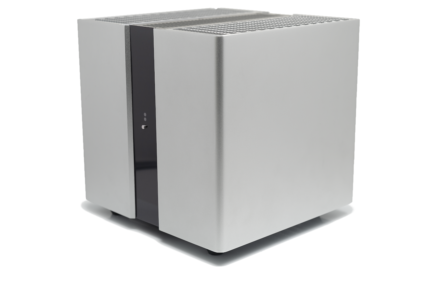
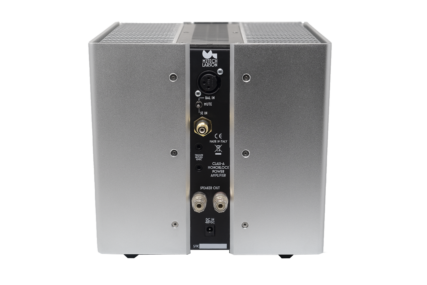
Manufacturer details
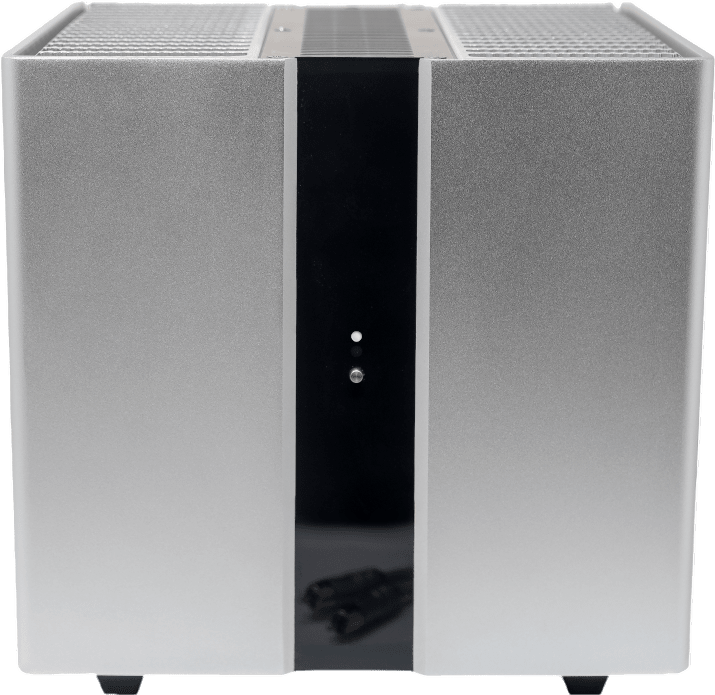
- THD+N: 0.1% (20 Wrms, 8 Ohm)
- Signal to Noise Ratio: 105 dBA (20 Wrms, 1kHz)
- Inputs: Single-ended (RCA), Balanced (XLR female), Trigger (input/pass-through, 2 x 3.5mm jack), Power (6 pin high current)
- Outputs: Binding posts (accept bare wire, bananas, spades, lugs)
- Dimensions: 220x210x220mm (LxDxH)
- Weight: 11.5 kg net (with accessories), 13 kg gross
- Output Power: 20 Wrms @ 8 Ohm, 40 Wrms @ 4 Ohm, 30 Wrms @ 2 Ohm
- Power Supply: 48 VDC
- Power Consumption: 185 VA
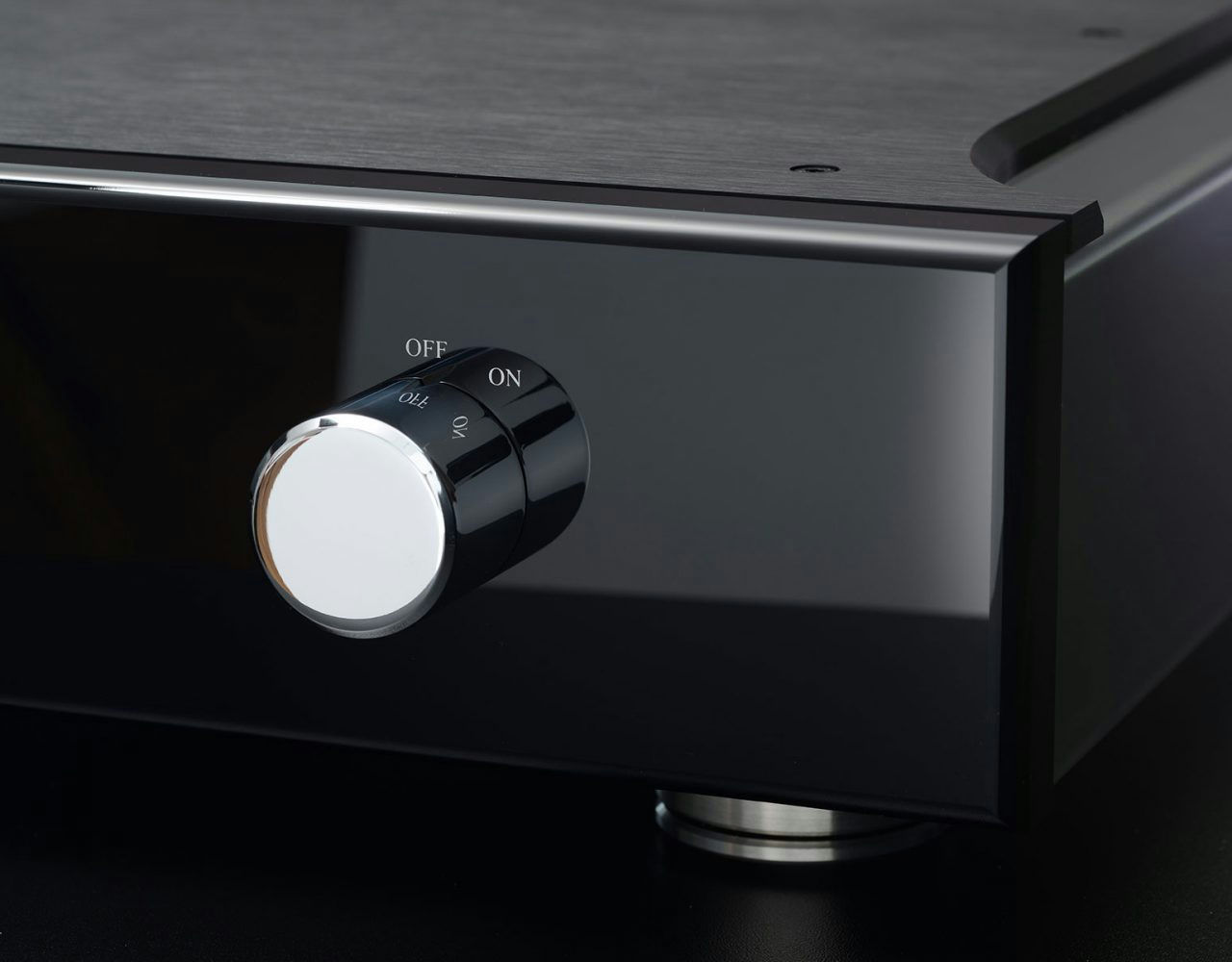
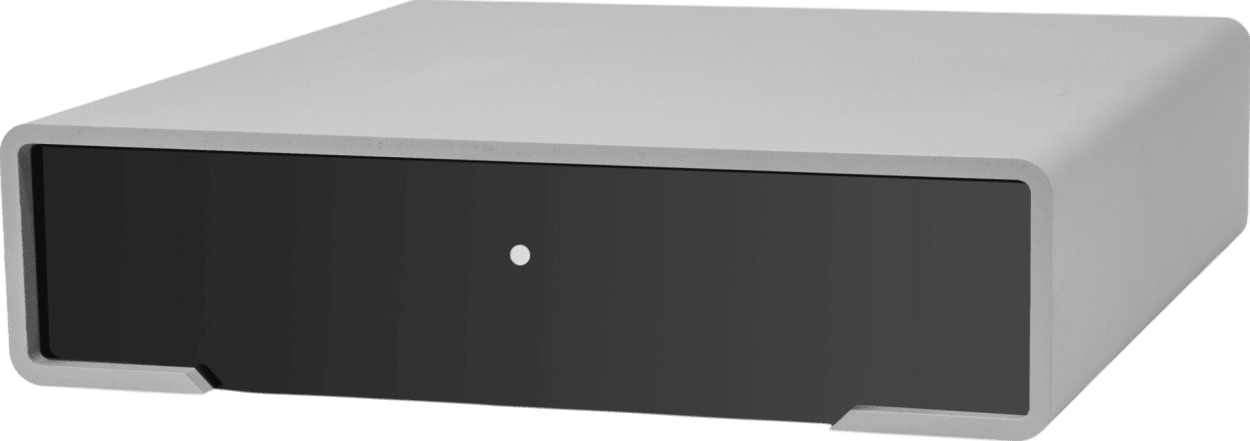
While most of the claimed "Class A" amplifiers on the market are actually highly biased Class AB designs, the Larson is a true Class A amplifier. In fact, its output transistors never turn off, whatever the output power or current.
Versatile and Easy to Use: The Larson boasts single-ended and balanced inputs, trigger input/pass-through, and versatile universal speaker binding posts that accept bare wire, bananas, spades, spades, and lugs. The sleek, compact design matches perfectly with all other Rockstars products.

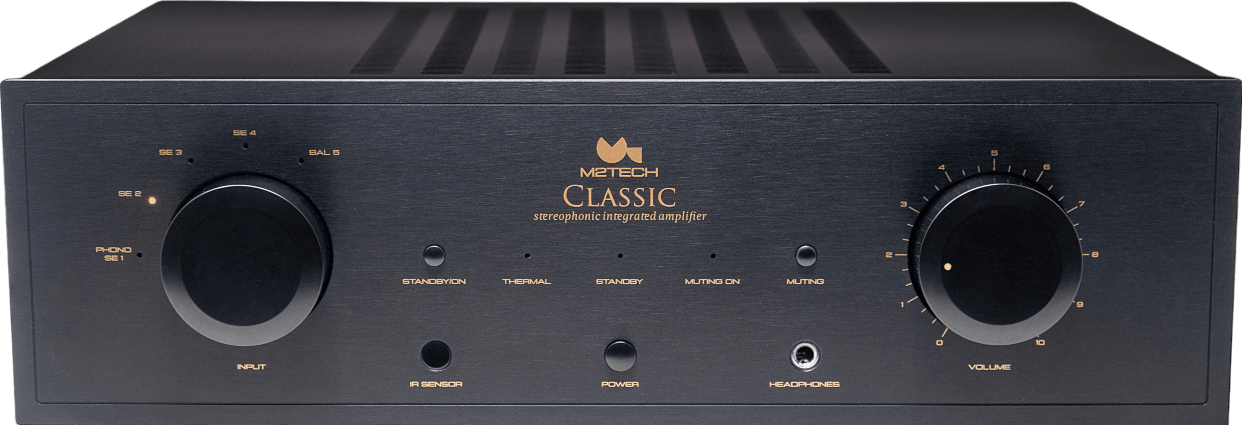

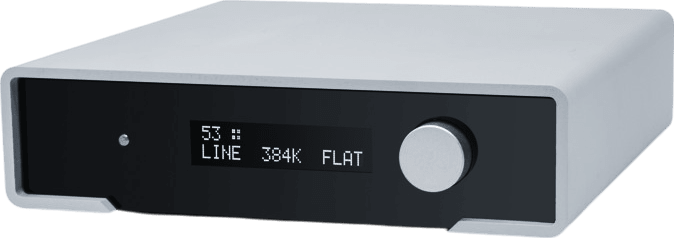
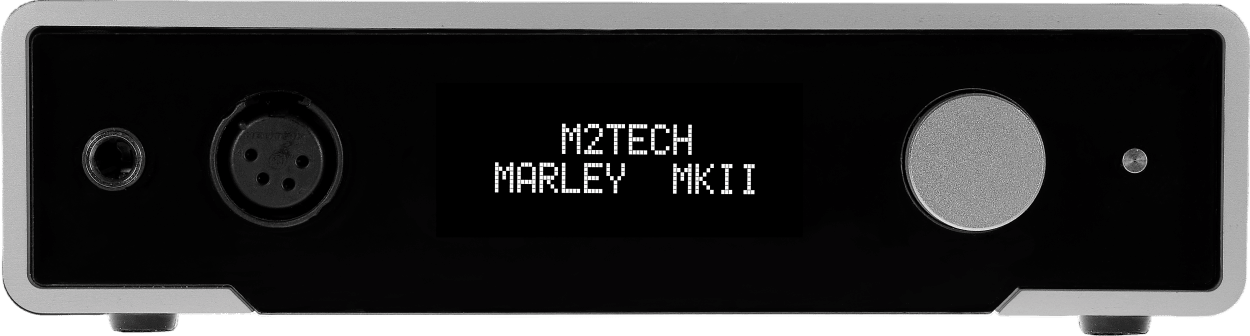

Brand highlights
Taking a step back to look at reviewers' thoughts of the brand's entire lineup—not just this product—what stands out most is the following:
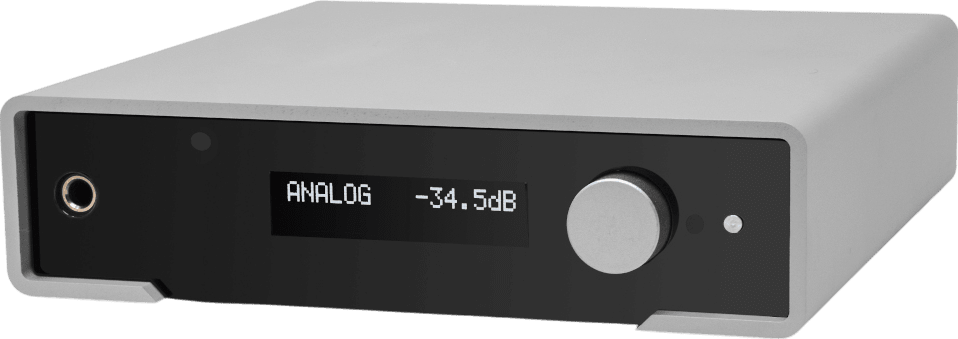
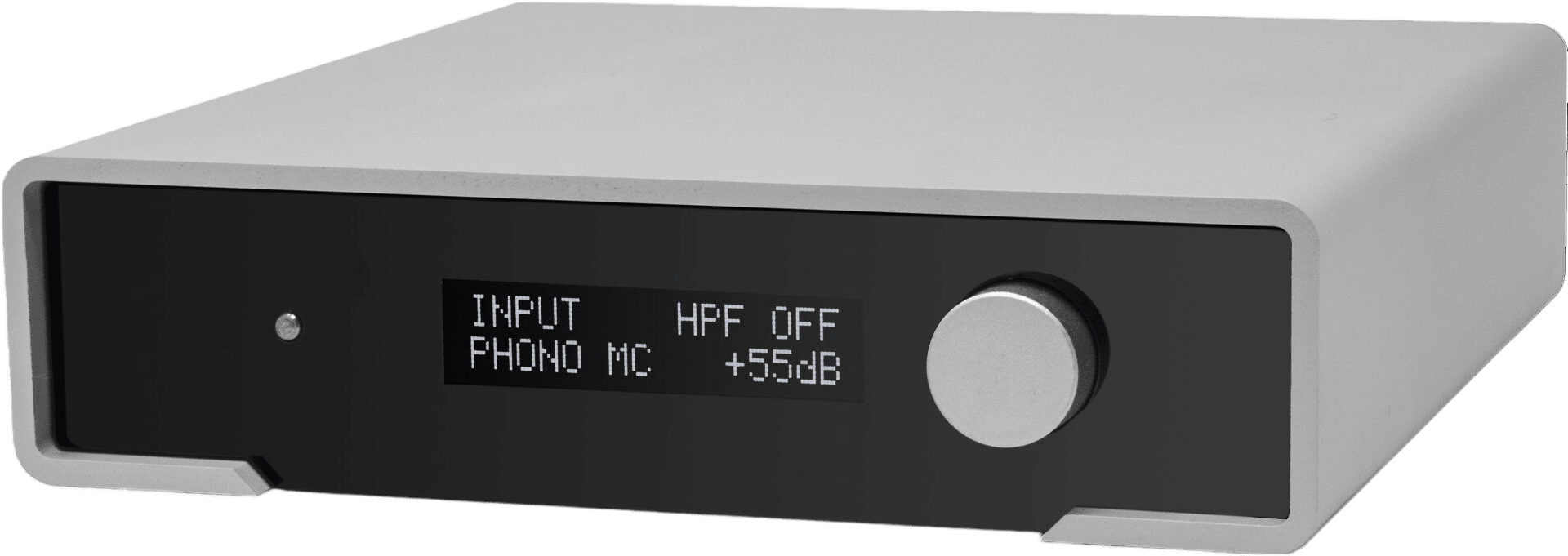
- Manunta has a modular "Rockstars" product line that allows users to build a complete system by purchasing individual, matching components like DACs, headphone amps, and power amps.
- They offer advanced control and customization options, such as app-based control, variable output impedance for headphones, and tone controls, allowing users to tailor the sound to their specific preferences and equipment.
Select products
Classic DAC/Renderer
- Positioning: A digital/analog converter bridging digital sources with amplifiers.
- Description: Offers a galvanically isolated USB interface and high-quality discrete output stages that ensure a clean conversion of digital signals. Compared to units like the Young MkIV, its focus is solely on conversion, making it ideal for small rooms and budget-conscious setups that do not require integrated preamplification.
Young MkIV Rev.b
- Positioning: A versatile DAC and preamplifier suited for integrating both digital and analog sources into a Hi-Fi system.
- Description: Delivers robust balanced outputs with high voltage and multiple digital inputs while also featuring an integrated preamplification section for direct drive applications. Unlike the Classic DAC which only converts signals, it provides extra control functions at a moderate price.
Tosh Rev.b
- Positioning: A balanced line preamplifier designed to drive high-level sources with minimal noise.
- Description: Uses discrete balanced circuitry with top-grade resistor network attenuators and dual voltage outputs to ensure transparency and low noise performance. Compared to the Young MkIV which offers broader conversion features, the Tosh Rev.b is focused on high-level source handling.
Joplin MkIII
- Positioning: An ADC/phono unit delivering premium analog front-end conversion and digitization.
- Description: Provides adjustable gain and input impedance with high-resolution A/D conversion up to 384 kHz, enabling direct connection of turntables and other analog sources. In contrast to the more general-purpose DAC/preamp models, its specialized conversion and phono equalization curves cater to audiophiles who need both top-quality digitization and flexible phono interfacing.
Classic Integrated Amplifier
- Positioning: A high-power stereo integrated amplifier that combines preamplification with a robust amplification stage.
- Description: Engineered to deliver dynamic power and sonic performance using handcrafted through-hole components while remaining energy efficient and repairable. Compared to conversion-focused products and Rockstars series preamps, its integrated design is geared toward users who require a premium, full-function amplifier for larger spaces.


Our take on the brand
Look inside the brand
Our interview with the brand
What are two key technological innovations or strong opinions that differ you from other brands?
Most probably the unorthodox approach to design, even when using off-the-shelf components: we love to think out of the box and give a personal view of the used components in order to reach the best sound quality for the budget. This takes us to the second appeal point for our products, which are always regarded as "sounding better than competitors' products costing more than twice as much."
What's your approach to customer support?
For warranty claims, usually, customers are required to contact the dealer who sold them the product: he's in charge for handling the claim. Whenever the warranty has expired, then the customer may either contact the dealer or directly M2Tech/Manunta. This usually happens with second-hand products. We ask customer to ship the product to Italy, we inspect it and propose a budget for repair/replacement.
Quite often, we also propose the customer to trade the old product for a newer one, usually with some addition by the customer. This is very useful with older products which are no longer reliably supported by Windows and no longer supported by MacOS. The customer is invited to take back a more recent product.
We are quite proud to state that we always service an old product, back to the ones released in 2009, to the extent this is possible, with regards to spare parts availability.
What are your favorite tracks for showcasing the strength of your products?
Well, that's hard to tell, as we have a listening panel made up of people with different tastes and experience. Personally, I often use a track by Tiger Okoshi from his XRCD Two Sides To Every Story, track No. 5: “Yuki No Furu Machi O.”
Another track I like for its openness in the middle-high range and the nice soundstage is “There'll Be Some Changes Made” from Mark Knopfler and Chet Atkins’ Neck And Neck. But pay attention: I use the old Columbia CD, as all remasters I found on Qobuz and Tidal are dark and dull in comparison.
Finally, I'd mention another jazz track from a Red Records CD: The Next Step (Mantilla / Watson / Walrath / Mathews / Lundy / Lewis). It’s the first one on the CD: “Mantilla's Jam.” The entire CD is highly enjoyable, though. Then there are many more tracks, from CDs, LPs, and streaming.
What other products pair best with yours?

Used
Manunta
What if you spend more?
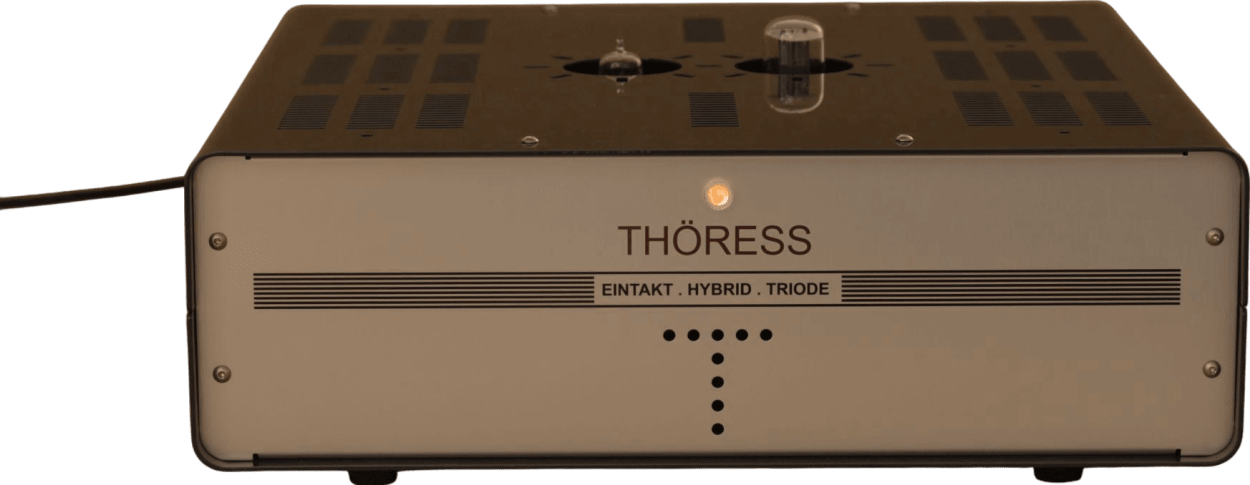


THÖRESS introduces the EHT Mono Amplifier... The most powerful amplifier model of our product line provides 30, 40 or 50 watts of output power into a 8, 6 or 4 ohm load respectively, combined with very low output resistance (high damping factor). Such providing excellent drive capability for loudspeakers with medium to low efficiency or critical impedance behavior. While offering an ultimate sonic presentation without involving exotic and costly power tubes. The amplifier is based on a unique minimalist single-ended zero-feedback hybrid circuit which we call EHT Topology. Basic analysis easily shows that the EHT topology represents the PUREST form of all possible single-ended triode power amplifier configurations.

.svg)
Our summary
Product Strengths
- The EHT combines tubes and transistors to mate the most desirable characteristics of both
- Amplifiers provide fullness and density, even at low listening volumes
- The EHT creates a natural sound with incredible saturation
- They are fully short-circuit proof at the outputs without any sound-degrading protection
- A switch-on delay is omitted because switching on/off develops no disturbing noise or dangerous signal in this circuit
Product Considerations
- Sound is focused on timbre rather than detail
- Their sound is soft rather than focused, rather warm than open, and rather close to us than presented in a perspective
- The devices are quite large, as they measure 434 x 184 x 434 mm (W x H x D) and weigh 14 kg each
Takeaway: The Thöress EHT monoblocks offer a holistic view of the musical material and its reinterpretation that can be very enjoyable for long listening sessions. They create events in their own acoustic environment, which is completely transferred to the listening room, creating a beautiful, organic, comprehensive, and internally properly arranged sound for those who value tonality above all else.
Video review
Our take on the brand
.png)
Product Strengths
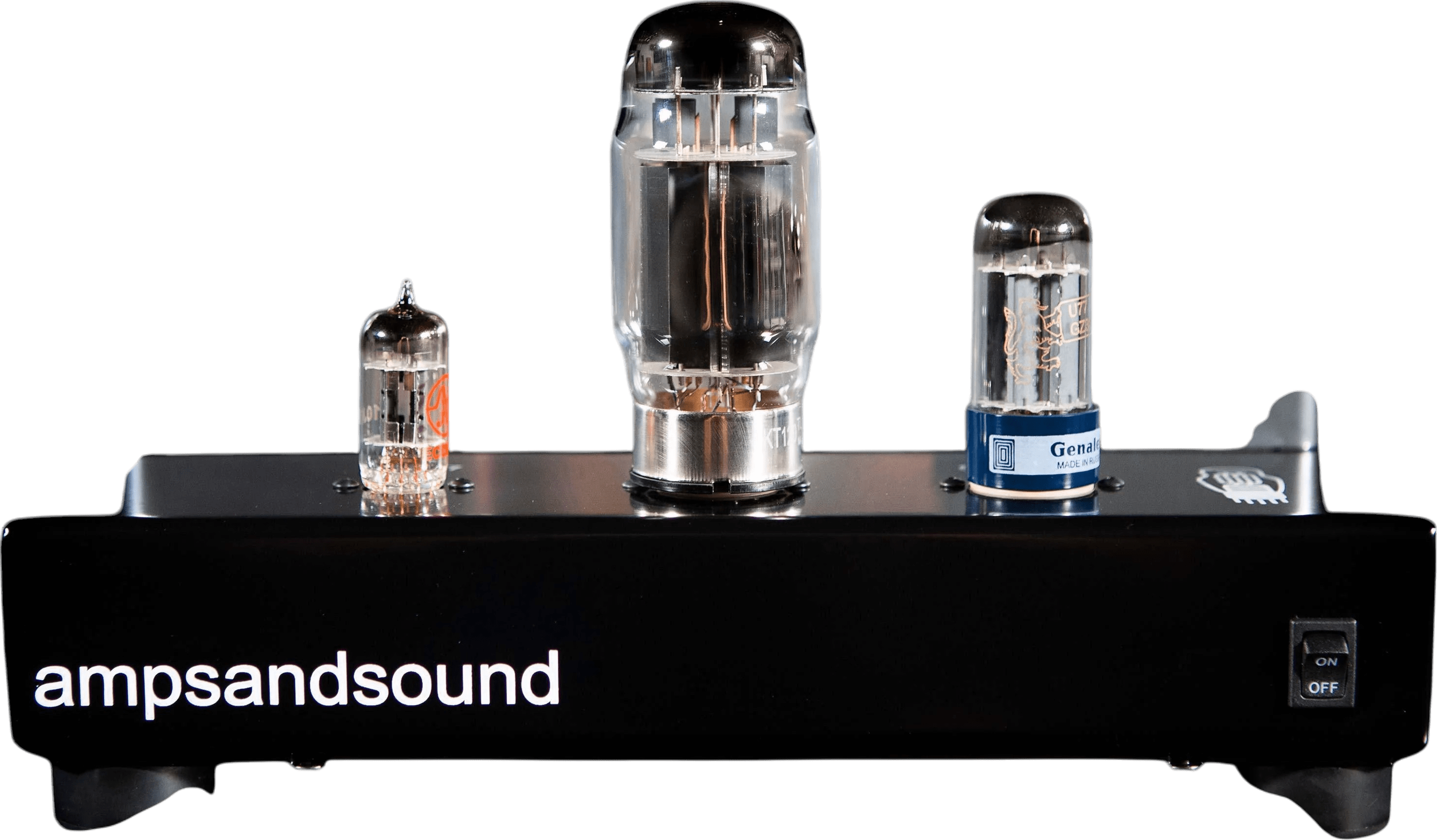
- Impressive bass response, dynamics, and power for a 12-Watt single-ended tube amplifier
- Dense, tactile, and sweet harmonic color with a clean and clear sound
- Robust build quality with point-to-point hand wiring and exceptional parts
- Easy biasing with a switch for KT88 to KT120/150 mode
- Proprietary transformers that contribute to a flatter response and deeper low bass
Product Considerations
- Careful speaker matching is required, ideally with speakers that have at least 94dB/W efficiency and a stable speaker load
- Must be turned off for at least 10 minutes, preferably 30, before turning it back on, or the rectifier tube could blow
- The correct tube type must be selected on the back of the amp, otherwise performance could be lackluster or tubes could be damaged
- The XLR input involves a slight reduction in detail due to using an input transformer to convert the incoming balanced signal to single-ended
Comparisons (according to reviewers)
- The Bryce eliminates the shortcomings of ampsandsound Nautilus when used as a speaker amplifier, adding dynamics, bass, and an extended top end
- The Bryce monoblocks are more romantic in execution, with single-ended construction—compared to the push-pull output of ampsandsound Zion
Takeaway: The Bryce Monos are high-quality amplifiers with a surprisingly powerful and detailed sound, providing an engaging listening experience. They are great for audiophiles looking for a tube amp that delivers both emotional connection and technical performance.
Video review
Our take on the brand
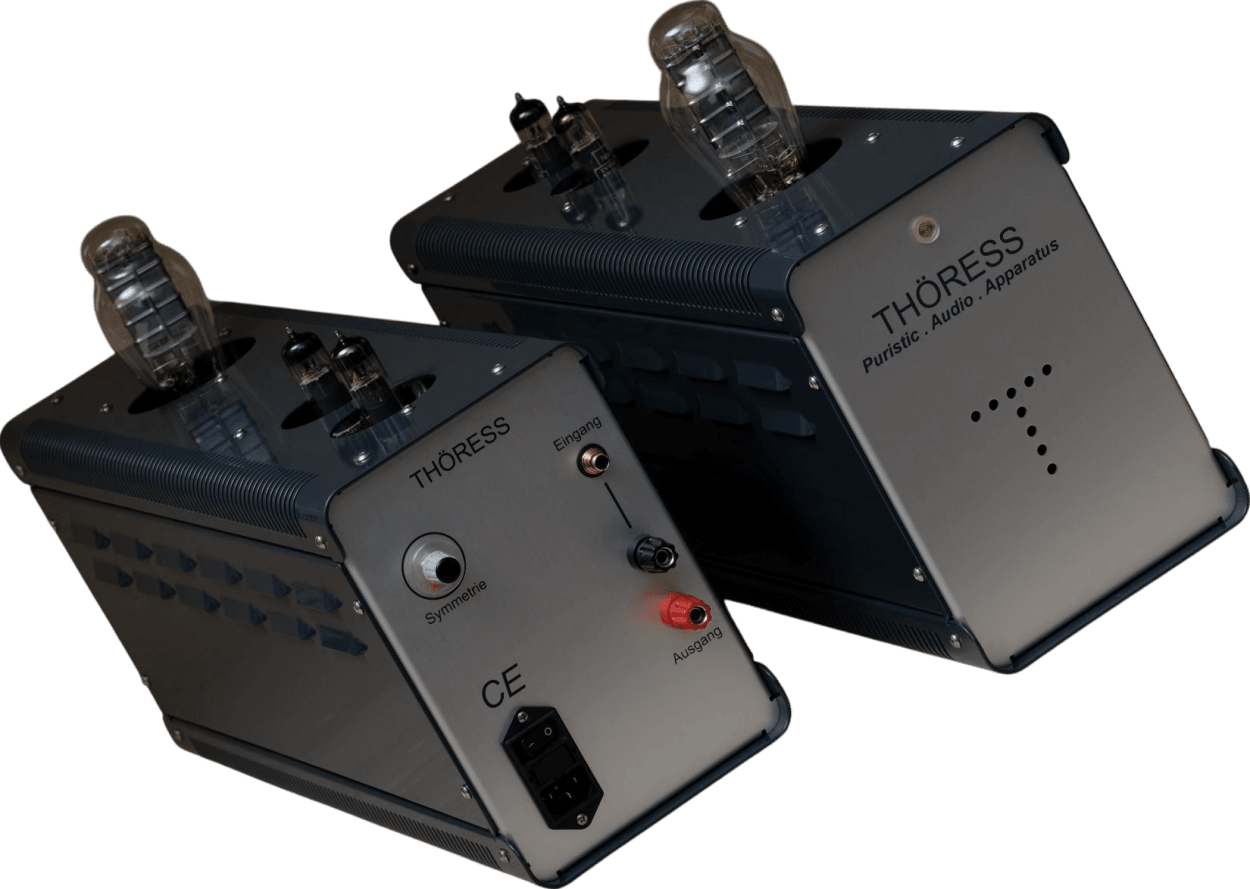
The SE300B Mono Amplifier is... an all-tube power amplifier employing the famous classic 300B filamentary triode in single-ended operation mode for an output of up to 10 watts into a 4, 8 or 16 ohm loudspeaker load. The 300B power tube is excited by an extraordinary single-stage driver employing two CV2382/EL822 power pentodes operated in triode mode with high idle current and works into a C-core output transformer built in-house to the highest possible standards so as to ensure ultimate performance. The amplifier is built with meticulous hand construction using our proven point-to-point wiring techniques whereas much care has been taken in arranging each aspect of the internal construction to ensure low noise performance, ease of service and the highest reliability for many years to come.
Our summary
Product Strengths
- Pure sound, free of coloration while retaining musical detail, allows a graceful and effortless listening experience
- Natural and tangible sound due to accurate reproduction of details, creates a believable presentation
- Solid and controlled bass performance, unusual for a 300B single-ended triode amplifier
- Excellent sense of touch and tactile sound, making instruments like plucked strings and bowed violins sound very convincing
- Wide and deep soundstage with good 'air', providing a transparent and 'hear-through' sound, especially with complex music
Product Considerations
- Careful matching with partnering equipment is required, especially speakers with high efficiency
- Relatively low overall gain requires a source with a high output voltage
- Output transformer links need to be correctly set for speaker impedance, requiring dealer assistance
- Some reviewers found the top end sounding a bit rolled off before use of appropriate high efficiency speakers and source gain settings
- Changing the EL803S driver valves requires carefully matched pairs supplied by Thöress
Comparisons (according to reviewers)
- Vs Shindo Haut-Brion/Corton-Charlemagne, Thöress has more treble extension and transparency, Shindo has better upper-bass/lower-midrange substance and body—and more drive
Takeaway: The Thöress SE-300B offers a supremely musical and detailed listening experience with a focus on accuracy and sonic purity. When paired with the right speakers, this amplifier could be an excellent choice to bring out the best in music.
Video review
Our take on the brand
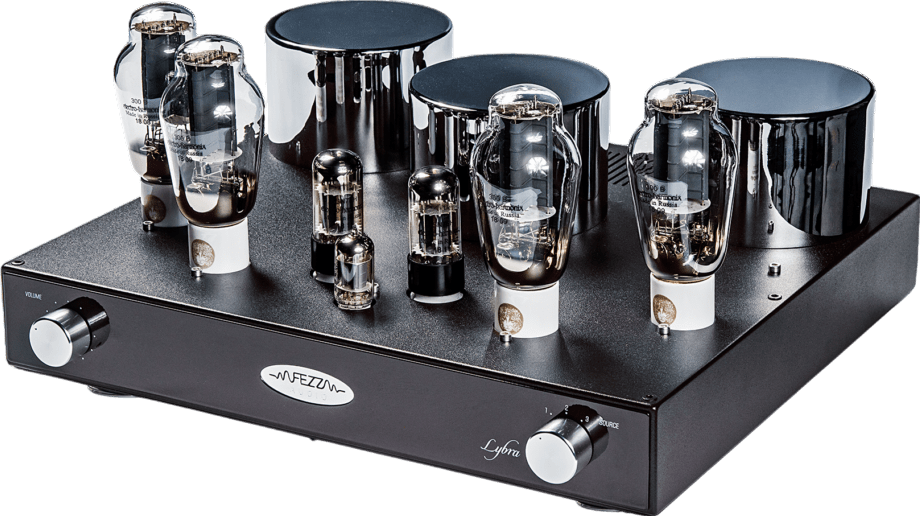

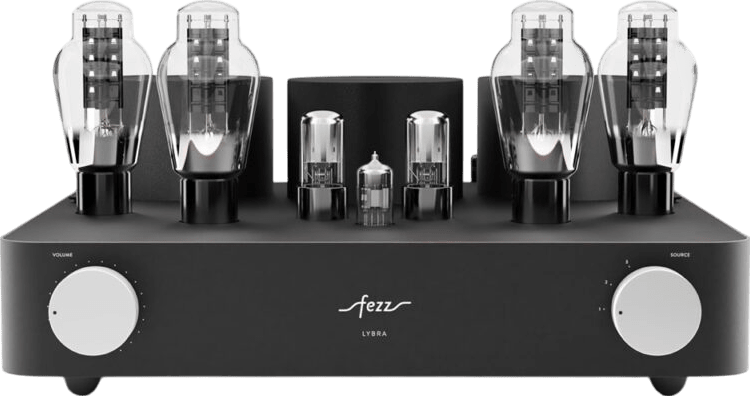
One of the finest parallel single ended 300B tube amplifier made by Fezz Audio. It provides openness and spatial sound. Powerful, sublime, very involving and uniqe to itself. Fezz Audio Lybra gives you the best sounding experience you can get from the 300B tubes.
Our summary
Product Strengths
- Delivers an incredibly rich, flavorful midrange and a sweet, relaxed treble
- Has a more sophisticated presentation than the utilitarian bent-metal chassis sported by most integrated tube amps on the market, and the smooth lines of the chassis help the amp stand out from the crowd
- Has a clever tube cage design with a clear Plexiglass front panel that delivers an unobstructed view of the tubes and is easy to install and remove
- Is seriously quiet, and there was effectively zero noise through any of the speakers
Product Considerations
- Can sound wildly different, depending on the impedance of the speakers
- The four slightly squishy feet underneath the amp may cause stains
- The power switch is on the rear of the chassis, which may be problematic if installing the amp in a cabinet with limited access
- Needs a good 20 minutes to warm up, and on initial startup, the amp sounded a bit thin, bright, and constipated, but after one album, it opened right up
- Limited power output (15Wpc) may not be sufficient for all speakers or listening preferences, especially when wanting to play music very loud
Takeaway: The Fezz Audio Lybra 300B is a well-designed tube amplifier that delivers a rich and flavorful sound. It can bring out the best in your speakers, offering clarity and great sound.
Video review
Our take on the brand
What competes at this price?
.png)
Our Summary
Product Strengths
- Addictive sound signature, unlike any other amp, with otherworldly instrument and voice reproduction
- Delivers serious magic with Fleetwood Deville and Klipsch Heritage speakers, revealing obscure details and creating a massive soundstage
- Dynamics for days
- Combines the qualities of a nice SET amp without the downsides, like noise or tube replacement
- Exceptional build quality and design with high-quality parts
- Only has two RCA inputs, no XLR balanced connections
Product Considerations
- Heavy speaker cables can cause the amp to tilt
- The volume dial functions as a gain dial, which may be different than what some users are accustomed to
- May not be suitable for hard-to-drive speakers in the 85db range that dip into 2–4 ohms
Comparisons (according to reviewers)
- The AMP23R offers more texture, layering, mid-bass, and vocal presence than Nagra INT
- The AMP23R is more organic, ethereal, and dynamic than Kinki Studio EXM1
- It sounds better than the Vinnie Rossi L2iSE, so long as the speakers are easy to drive
- The Enleum has more delicacy and finesse than Pass Labs and Cary Audio
- The AMP23R stacks up with the finest gear such as ampsandsound Bryce monoblocks
- Pass Labs First Watt SIT-3 offers a bit more organic, warmer presentation
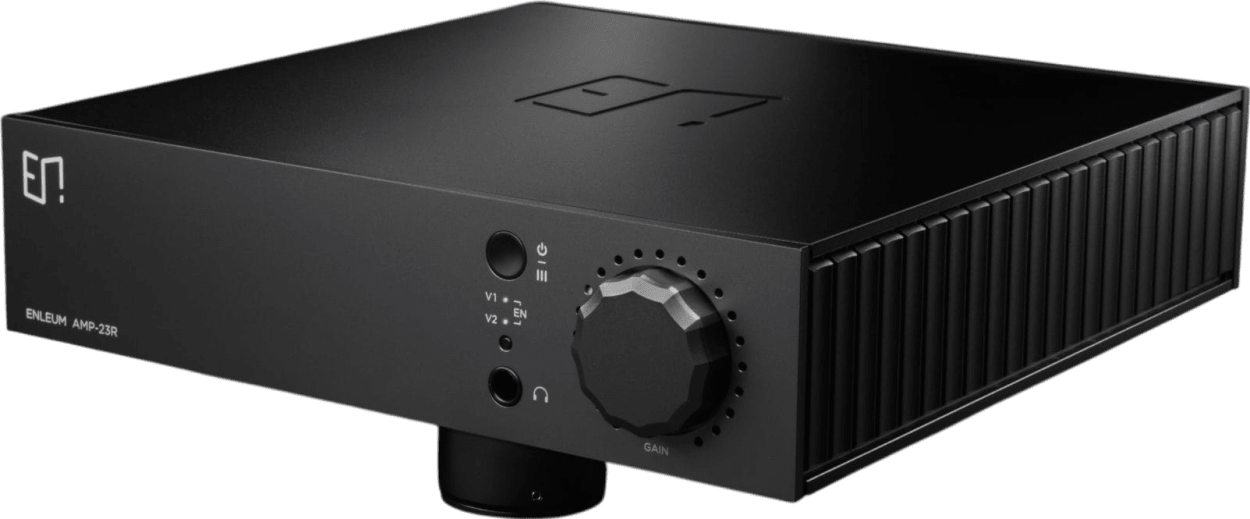
Takeaway: The Enleum AMP-23R is a small but mighty integrated amplifier with a unique and addictive sound signature, and it is built with high-quality components. It's a great choice for those with sensitive speakers looking for a reference-quality system in a compact package.
Video review
Our take on the brand


Our Summary
Product Strengths
- Classic single-ended triode amplifier that caresses vocals and conveys warmth in vocal recordings
- Delivers rock-solid image placement and transparency, particularly in the midband
- Acts like a higher-wattage amplifier than its 18W rating suggests
- Can drive speakers that aren't absurdly sensitive
Product Considerations
- Build quality is not as refined as the more expensive Japanese-made Audio Note products
- Bass can be waffly/uncontrolled
- Top-end frequency performance can vary
- May not impress those familiar with higher-end Audio Note amplifiers
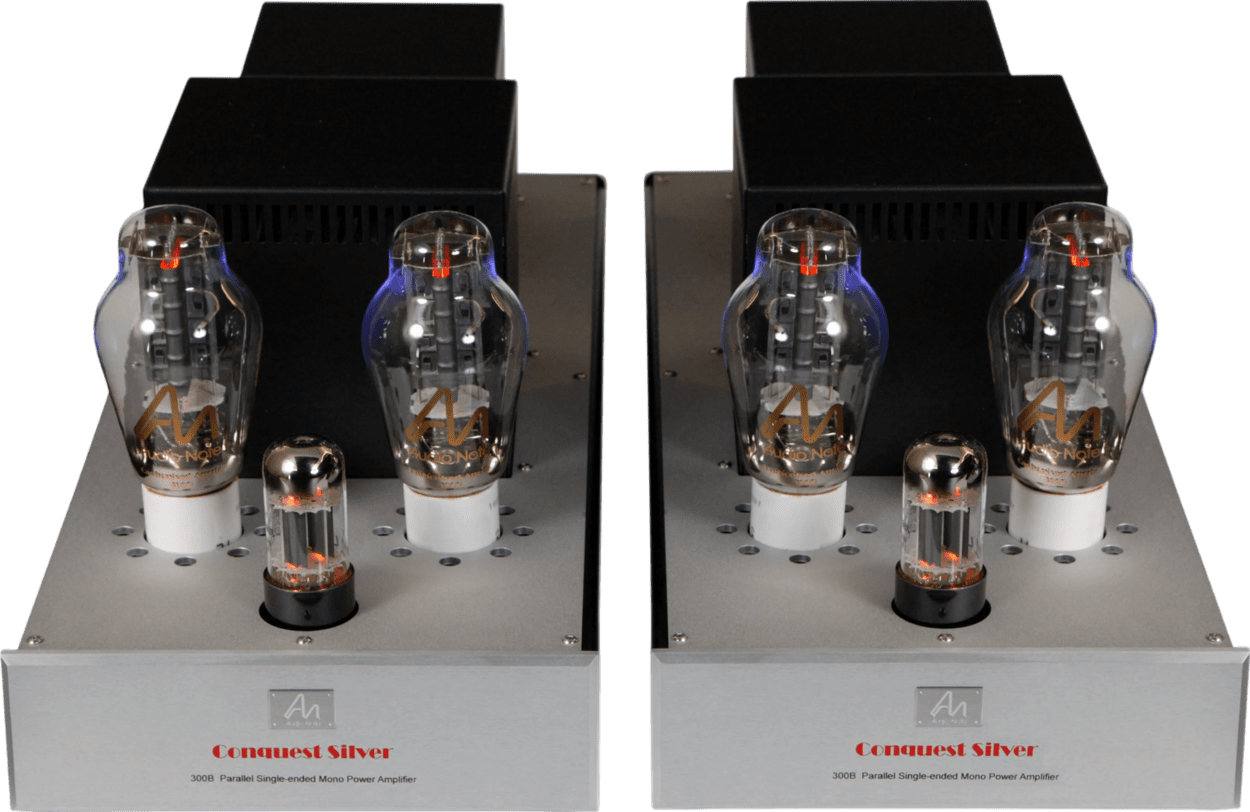
Takeaway: The Audio Note Conquest is a single-ended triode amplifier that can provide a lush, sweet midband and is more powerful than its specifications suggest. It offers single-ended triode performance at a more accessible price point.
Video review
Our take on the brand

Our Summary
Product Strengths
- Exceptional build and manufacturing quality
- Sounds a little bit tubey for a solid-state amplifier, providing a gloss/warmth to the music
- Has the classic Class A characteristic of high perceived detail resolution alongside a relaxed presentation
- Delivers leading edges without the hardness typical of Class AB amps, and delivers them at high speed
- Can be used as single channel monoblock with a second AI 1.20, doubling the specified output
Product Considerations
- Only accepts single-ended RCA phono connections (until used in monoblock mode)
- Runs hot due to Class A operation and requires ventilation
- Some may want XLR inputs or digital inputs, which the AI 1.20 lacks
- The included remote is described as lightweight
Comparisons (according to reviewers)
- Vs Chord Electronics Etude: The Etude has a noticeably lower noise floor, more substantial/impactful bass, and more resolution, but the AI 1.20 has a smoother—more musical flow
- Vs Gryphon Diablo 300: The Diablo 300 has more raw power and authority in bass delivery, but the AI 1.20 pairing has better bass quality (tautness, incisiveness, and control)
- Vs Nagra Classic integrated amplifier: For less money, the dual AI 1.20s offer a lot more amplifier
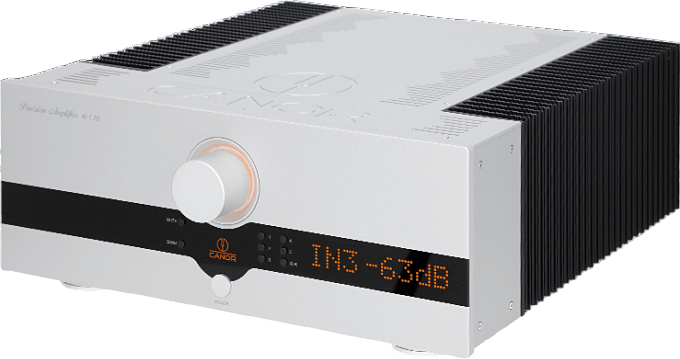
Takeaway: The Canor AI 1.20 is a well-built amplifier that offers a smooth, musical sound with high detail resolution. It is especially impressive when used as a monoblock pair, delivering serious performance for audiophiles.
Video review
Our take on the brand
.png)
Our Summary
Product Strengths
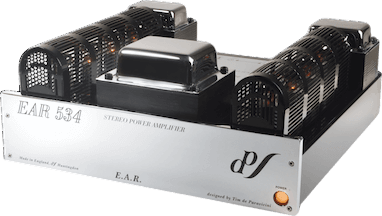
- More musically convincing, more detailed, more harmonious, more linear, and more transparent than any other similar EL34 design at any price.
- Piano music is most perfect and quick, with purity of tone and tambour with proper richness and speed.
- Silent with totally black backgrounds, micro and macro dynamics are unrestricted and natural.
- Reveals its glory quickly due to its transparency.
- Excellent fit and finish and it worked right out of the box.
Product Considerations
- Thick or lean sounding cables will make the 534 sound thick or lean, and it needs top-quality isolation and support.
- The reviewer recommends buying the 534 new as they haven't auditioned the original from the beginning of the century.
- The only major flaw is that it doesn't have 500 watts per channel, but a custom one can be ordered for a very high price.
Comparisons (according to reviewers)
- Vs E.A.R. 890: The 890 is more robust and powerful, but not more convincing if your speakers don't need the power.
- Vs Cary Audio Custom 300B: The 534 is vastly superior.
Takeaway: The E.A.R. 534 is a musically convincing and transparent amplifier that reveals nuances in music. It is easy to place, beautiful to look at, and can make vocals and piano sound exquisite.
Video review
Our take on the brand

Our Summary
Product Strengths
- Neutral and transparent sound, more so than the reference amplifier
- Bass performance is remarkably tight, articulate, solid, and weighty, without typical 'tube character'
- Very good rhythmic capabilities
- Maintains control even with inefficient or difficult speakers
- Threads a fine middle path between a typical transistor sound and a typical tube sound—with an unmistakable midrange charm
Product Considerations
- Some might find it 'not characterful enough' because it is superbly even-handed
- With some speakers, the balance can be a little too lean and overly controlled
- Its low power rating ultimately imposes a limit on how loud one can play, which may not suit everyone
Comparisons (according to reviewers)
- Vs Ayon Spirit III: The Lybra sounds almost as powerful and robust in the bass while being perhaps even tighter and articulate, and is more highly refined with subtler and airier treble
- Vs Trafomatic tube amps and MP's Jadis amplifiers: The Lybra offers something different, it's not as voluptuous, rich, and relaxed as the Trafomatic
Takeaway: The Fezz Lybra is a neutral and controlled amplifier that offers a balanced sound without sounding like a typical tube amp, providing articulate bass and a charming midrange. It could be worth buying if you like very good sound, especially if you have efficient speakers.
Video review
Our take on the brand
Questions? Ask the brand's dealers.




How to buy
Amplifiers
Search all hifi products
Explore our database of 10,000+ new and 25,000+ used hifi products.