



Note that this is a discontinued product. You may want to visit the brand's page here to browse their newer products.
What reviewers think
Bloggers and YouTubers have tried this product—so we've summarized their strongest opinions below. Links to full reviews follow.
Product Strengths
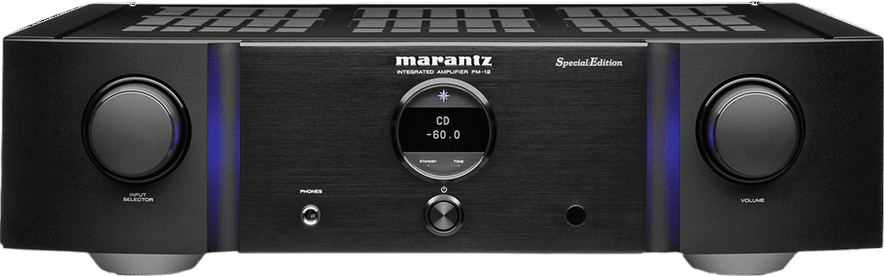
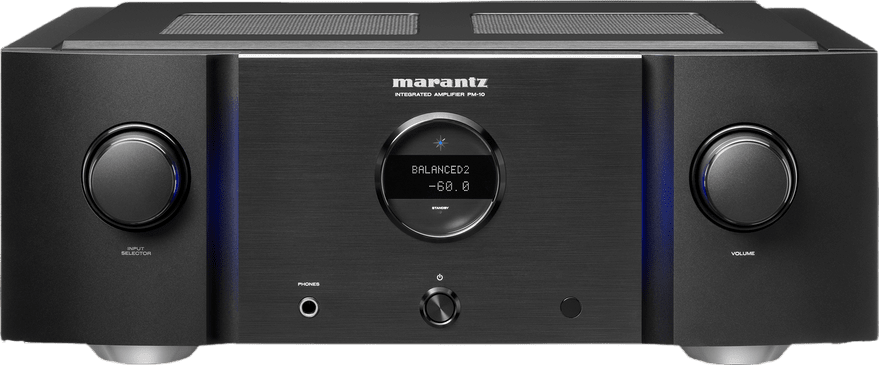
- Sleek and sophisticated design with a brushed aluminum front panel and iconic Marantz porthole display
- Clean, dynamic sound with incredible precision due to its symmetrical circuit layout and fully discrete current feedback design
- Meticulously engineered amplifier section with Hyper Dynamic Amplifier Modules (HDAMs) and a Toroidal transformer for clean and consistent power
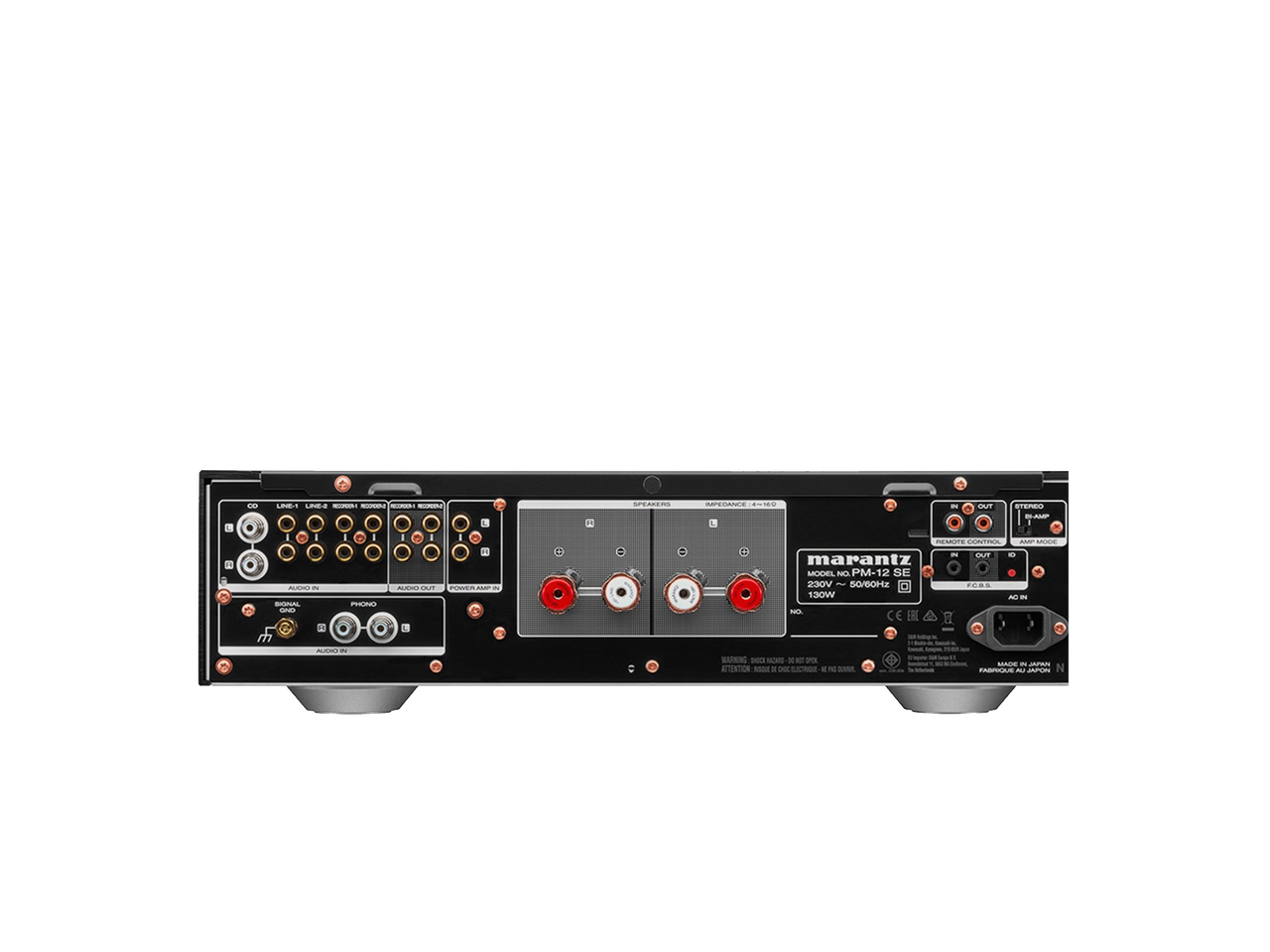
- Dedicated phono input with Marantz Musical Phono EQ for vinyl enthusiasts
- Multiple analog and digital inputs, including coaxial, optical, and USB-B for high-resolution audio playback
Comparisons (according to reviewers)
- The SA-12SE and PM-12SE are more affordable counterparts to the flagship SA-10 player and PM-10 amplifier
- Shares similarities with the KI Ruby series, both externally and internally, potentially using the same Class D power amp modules
Takeaway: The Marantz PM-12SE is a beautifully designed amplifier that delivers exceptional sound quality with a range of connectivity options. Its advanced technology and audiophile-grade features make it a great addition to any hifi audio setup.
All
PM-12SE
reviews


Manufacturer details
- Power Output (8 / 4 Ohm RMS): 100 W / 200 W
- Frequency response: 5 Hz-50kHz
- Total Harmonic Distortion: 0.005%
- Damping Factor: 500
- Input Sensitivity MM: 2.3 mV / 39 kohm
- Input Sensitivity MC: 250 mV / 100 ohm
- Signal to Noise Ratio MM/MC: 88 / 75 dB
- Input Sensitivity High level: 220 mV / 13 kohm
- Signal to Noise Ratio High level: 107 dB(2V input/Rated output)
- Power Consumption: 130W
- Standby Consumption: 0.2W
- Dimensions (W x D x H): 440 x 453 x 123 mm
- Weight: 15.3kg
- Carton Dimensions (W x D x H): 557 x 536 x 243 mm
- Carton Weight (inc. product): 18.4kg







Brand highlights
Taking a step back to look at reviewers' thoughts of the brand's entire lineup—not just this product—what stands out most is the following:
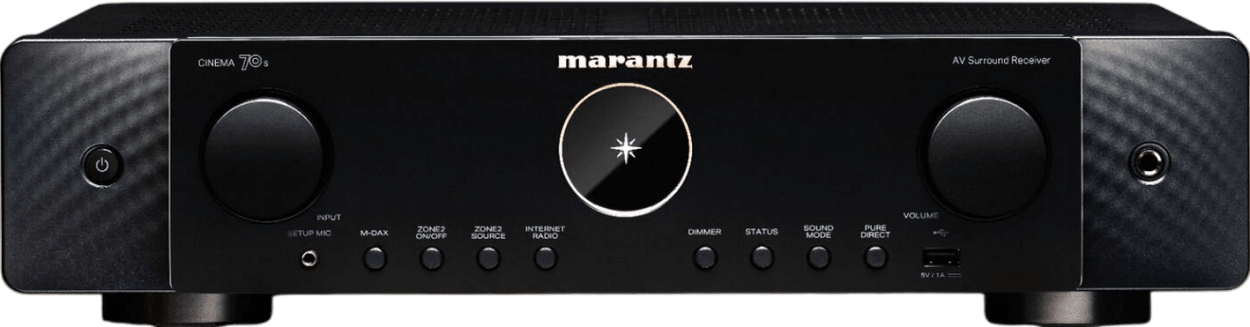
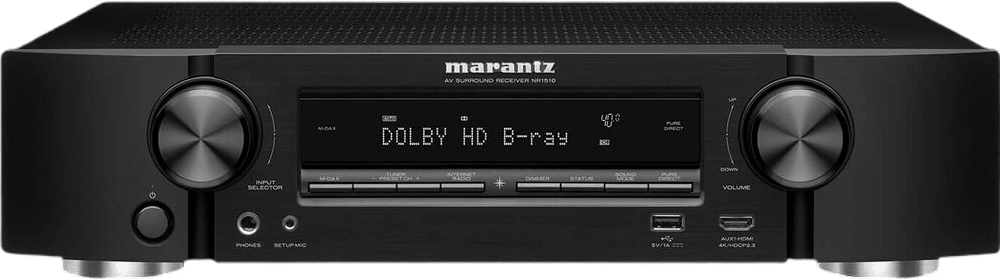
- Marantz distinguishes itself through its commitment to producing slim AV receiver designs that offer essential home theater functionalities at an affordable price, catering to budget-conscious consumers seeking practicality and minimalism.
- The brand stands out for its emphasis on expandability and upgradability, equipping their entry-level models with preamp outputs for all channels, allowing consumers to enhance their systems with external power amplifiers.
- Marantz products feature the HEOS streaming platform, allowing seamless integration into multi-room audio systems, while also supporting popular streaming platforms and wireless technologies.
Select products
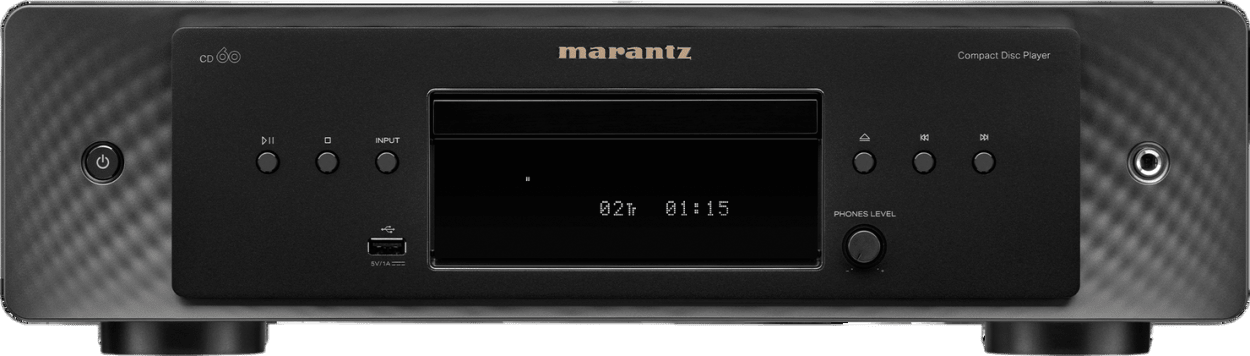
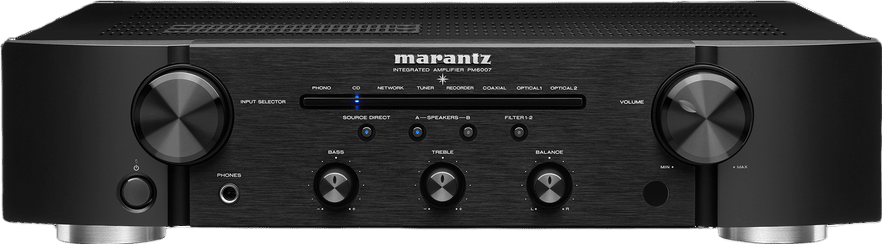
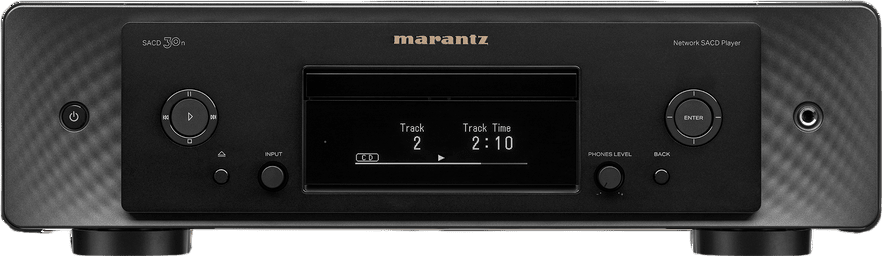
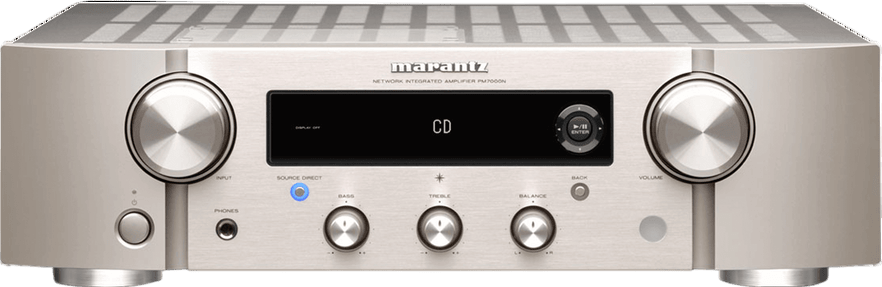
Marantz PM Model
- Positioning: The PM series is positioned as an entry-level to mid-range option in the Marantz lineup, offering integrated amplifiers with a focus on sound quality and versatility.
- Description: The PM7000N stands out with its all-in-one design, integrating a DAC, network streaming, and phono input, making it ideal for users seeking simplicity and high-quality sound in a compact form. Compared to higher-end models like the Model 30, the PM7000N offers a more budget-friendly option without sacrificing essential features.
Marantz Link Series
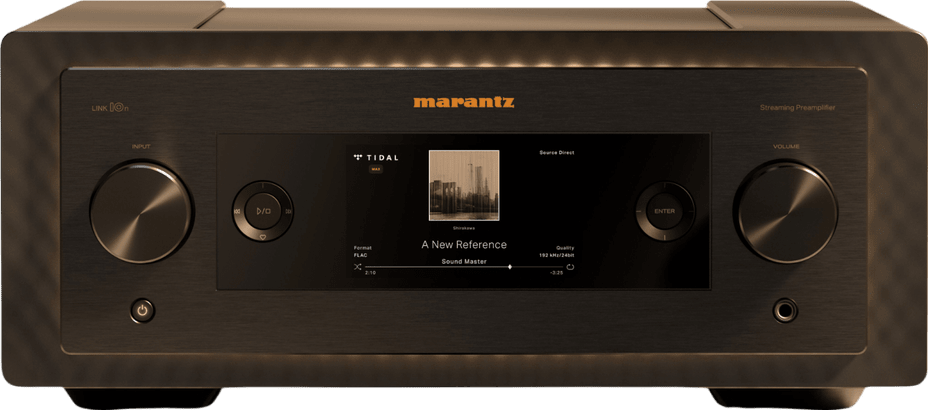
- Positioning: The Link series, particularly the Link 10n, is positioned as a high-end network audio player within Marantz's lineup, designed for audiophiles seeking top-tier digital streaming performance.
- Description: The Link 10n features Marantz's proprietary HDAM modules and a robust build. While it offers exceptional streaming quality compared to the PM series, its premium price point and advanced features cater to those with a higher budget and a focus on digital music sources.
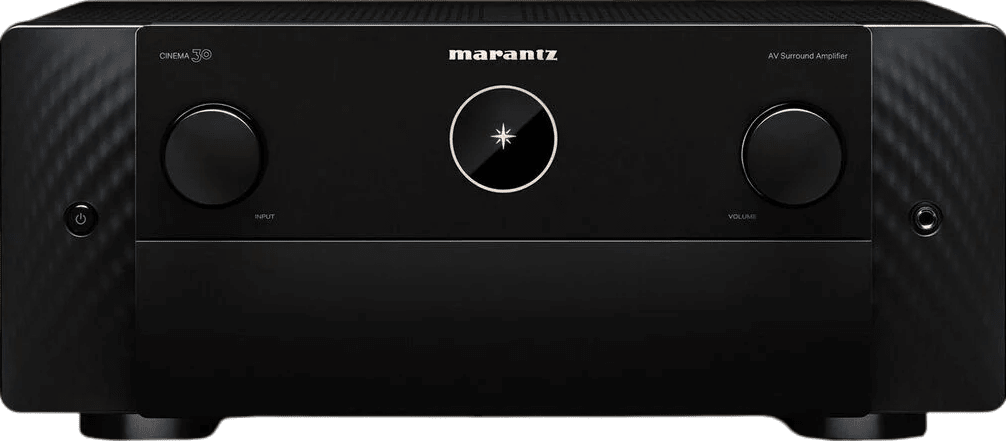
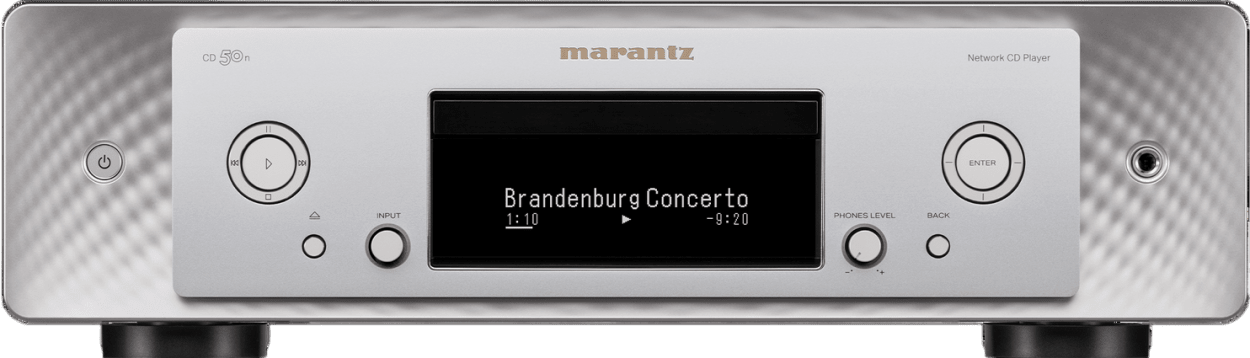
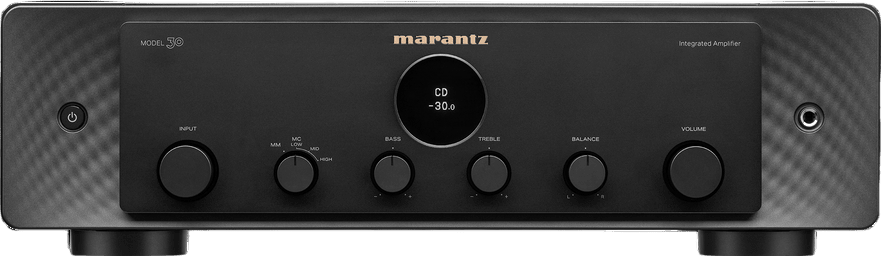
Marantz Model 10/30/40n/50
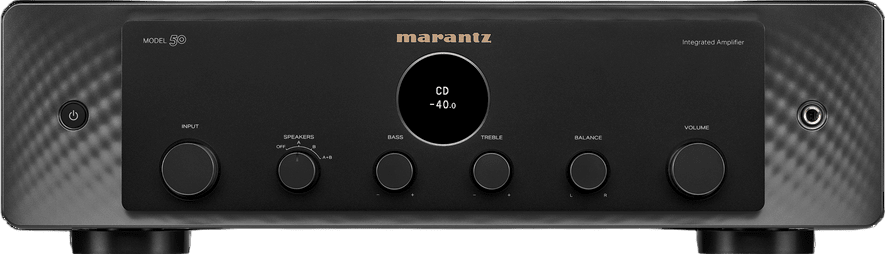
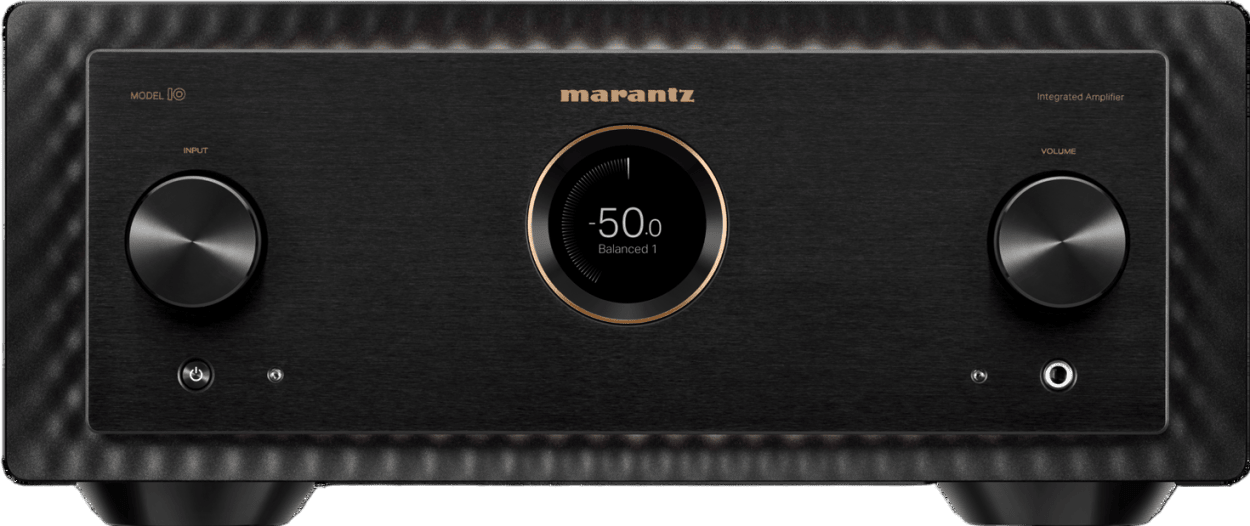
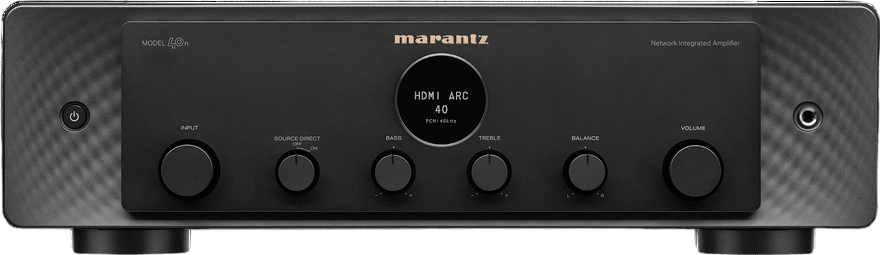
- Positioning: The Model 30 and 40n are part of Marantz's premium integrated amplifier series, offering advanced features and superior sound quality for discerning audiophiles.
- Description: The Model 40n is notable for its streaming capabilities and high-resolution audio support, making it a versatile choice for modern audio setups. Compared to the PM series, the Model 40n provides enhanced connectivity and sound refinement.
Marantz Model M4
- Positioning: The Model M4 is positioned as a high-performance multi-room streaming amplifier, designed for whole-home audio distribution.
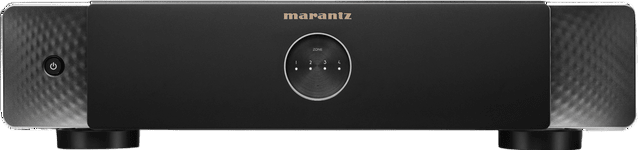
- Description: The Model M4 excels with its four-zone audio distribution and high power output. Unlike the PM and Link series, the M4 focuses on multi-room capabilities and system integration.

Our take on the brand
Look inside the brand
Our interview with the brand
What are two key technological innovations or strong opinions that differ you from other brands?
What's your approach to customer support?
What are your favorite tracks for showcasing the strength of your products?
What other products pair best with yours?

Used
Marantz
What if you spend more?




.svg)
Our summary
Product Strengths
- Compact size and sleek design, featuring a unique woven-mesh top panel
- Delivers a solid punch with a finely resolved soundstage
- Excellent graphical setup assistance is available via the HEOS app
- Capable of driving most speakers, offering an organic warmth that conveys a dreamy atmosphere
- A fully digital switching amplifier delivers 100W per channel at 8 ohms, making it suitable for a wide range of speakers
Product Considerations
- The HEOS app can be buggy at times, exhibiting limited functionality and curious quirks
- Sound adjustment via the HEOS app is basic, only offering treble and bass adjustments without a fully parametric equalizer
- No remote control is included, as it relies entirely on smartphone control via the HEOS app
- Lacks a phono stage, which may disappoint vinyl fans
- Touch-sensitive front-panel controls have loud sound effects that can only be turned on or off, not attenuated
Comparisons (according to reviewers)
- Compared to the Bluesound Powernode, the switch to BluOS gives more baked-in streaming-service support and less-glitchy performance, but no local phone-library support natively
- Compared to the WiiM Amp, the Marantz is more focused and sounds both wider and more organized, and it also has significantly more power, allowing it to drive demanding speakers effectively
- Compared to the Marantz Stereo 70s, the Stereo 70s offers more connectivity and functionality for the same price
- Compared to the Arcam Radia A25, the Marantz Model M1 proved to be somewhat more robust in the low frequencies
Takeaway: The Marantz Model M1 is a compact and stylish streaming amplifier that delivers a refined and warm sound. Its versatility and ease of use make it a good option for those already invested in the HEOS ecosystem or who primarily use AirPlay.
Video review
Our take on the brand

Product Strengths
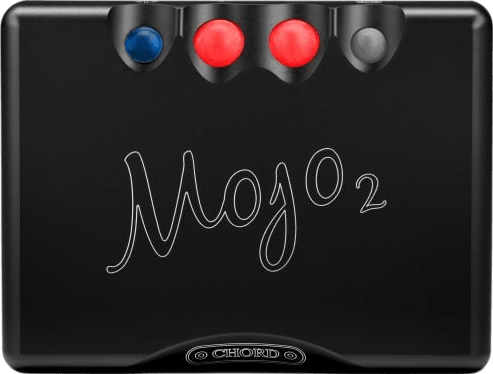
- Improved battery management offering faster charging rates and better efficiency than its predecessor
- Features a new USB-C data input for greater flexibility alongside other inputs
- Offers the world's first lossless DSP for tone adjustments without degrading sound quality, providing customization options
- Excellent resolution and dynamics with a large soundstage and extreme detail
Product Considerations
- The Mojo 2 can get warm when in a pocket for a period of time
- Complicated menu navigation with color-coded buttons that may require the manual
- Still uses Micro-USB for charging, which some find outdated
Takeaway: The Chord Mojo 2 is an exceptional DAC/headphone amplifier for those seeking high-resolution audio and customized sound in a portable format that is easy to move. Its sonic accuracy, detailed soundstage, and improved features provide a versatile and enjoyable listening experience, making it a worthwhile consideration for audio enthusiasts.
Video review
Our take on the brand

Product Strengths
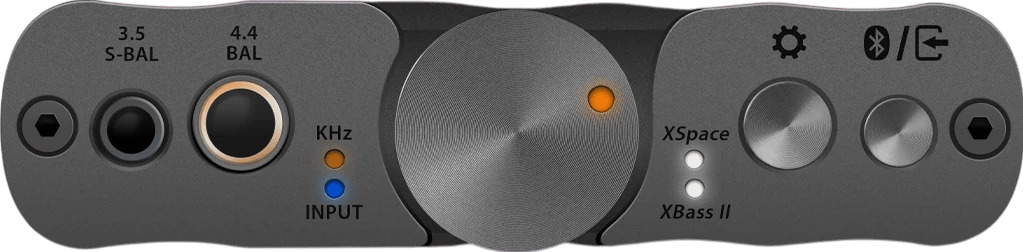
- Versatile connectivity with both wireless (Bluetooth 5.1 with various codecs) and wired options (USB, S/PDIF, analog inputs) makes it suitable for various setups—from desktop to portable usage
- Eloquent, informative, and entertaining sound quality, able to produce clear, non-artificial sound across different headphones
- Features such as XBass II and XSpace provide additional sound shaping options for the user to customize the sound to their liking
- The aluminum build provides a robust and premium feel, with a design that's described as sleek and comfortable to handle
Product Considerations
- The user interface is not very intuitive
- Decent headphones are needed to reveal its quality
- The OLED screen can be difficult to read
- Battery life is around six to eight hours
Comparisons (according to reviewers)
- Compared to the hip-dac2, the Gryphon offers better sound quality, more features, and flexibility
- Compared to the iFi GO bar, the Gryphon is bigger and has a built-in battery, and the GO bar is much smaller and draws power from the source device
- Compared to the iDSD Diablo, the Diablo has more power for very demanding headphones, Gryphon has more functions
- Compared to the Zen DAC, the xDSD Gryphon has a more sophisticated and detailed sound
Takeaway: The iFi xDSD Gryphon is a portable and versatile device delivering high-quality sound with extensive features that cater to audiophiles. Its ability to improve sound quality from various sources and its robust build make it a worthwhile investment for music lovers on the go.
Video review
Our take on the brand
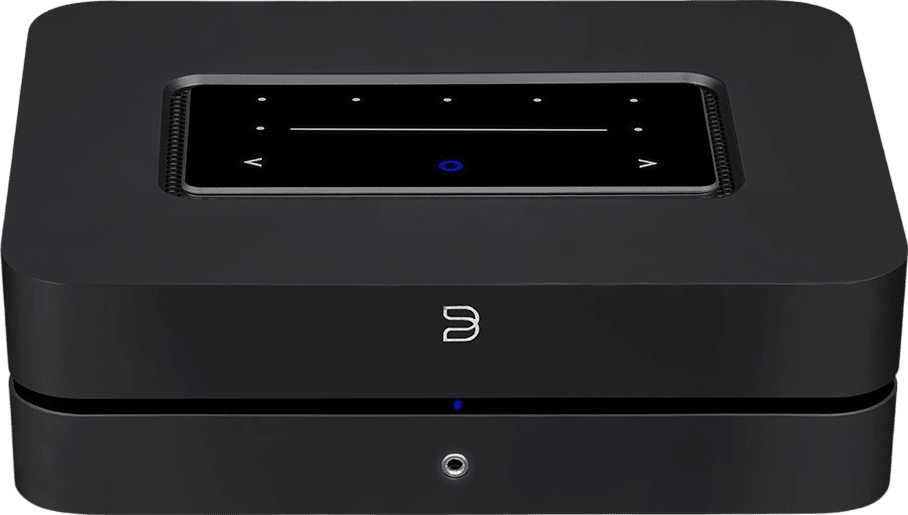

The Bluesound POWERNODE is the HiFi amp reinvented for the streaming age, combining audiophile-grade componentry and multi-room music capabilities to create an intuitive “just add speakers” hi-res sound system for modern music lovers. The compact minimalist exterior disguises 2 x 80 watts of award-winning HiFi amplification, a premium hi-res DAC design, and access to all the music ever recorded with a tap in our BluOS Controller app for smart devices and laptops.
Our summary
Product Strengths
- Punchy and musical performer
- BluOS is a treat to operate
- Convenient design as a source and amplifier in one, only needing speakers to complete the system
- Engagingly musical performer—dynamically fluid and punchy, with plenty of energy
- More neutral sounding now, making gains in clarity and insight across the frequency range
- Connectivity options are through 3.5mm headphone-type connectors, shared with mini-TosLink connections
Product Considerations
- Tough competition from other streaming amplifiers
- No way to send data out to an external DAC
- The Powernode was occasionally hard on transients and dynamic bursts
- There is no included remote
Comparisons (according to reviewers)
- The Marantz has a wider-scale, roomier soundstage and greater subtlety
Takeaway: The Bluesound Powernode is a superb streaming amplifier that is better than ever, offering excellent sonic talent and a well-rounded feature set. It provides a convenient and high-quality music experience for anyone looking to simplify their home audio setup.
Video review
Our take on the brand
What competes at this price?


Our Summary
Product Strengths
- Detailed and expansive presentation, offering a sonic upgrade to phones, especially when portability is a priority
- Versatile, with both wired and wireless connectivity options, including balanced and unbalanced headphone outputs
- Impressively small size and lightweight design, making it pocket-friendly and convenient for on-the-go use
- Sound quality is generally linear, with fast and accurate bass, flat and clean mids, and a detailed treble that is not harsh
- XBass and XSpace features offer customized listening experiences
- Build quality and aesthetics are generally well-received, with its design standing out from other devices
- ChronoDial volume knob is particularly praised for its tactile feel and functionality
Product Considerations
- Black rubberized plastic casing can feel a bit flimsy to some users
- Some reviewers noted hiss with sensitive IEMs, especially on the balanced output
- Battery life estimation can be unreliable
- No dedicated app for the device, limiting EQ and DSP options
- Lacks a clip, making it less convenient for truly portable use
Comparisons (according to reviewers)
- Compared to the Audiolab M-DAC Nano, the Go Blu offers a wider soundstage, better separation, and dynamic sensitivity, though the M-DAC Nano is fractionally punchier in the bass
- Compared to the AudioQuest DragonFly Cobalt, the Go Blu is a wireless proposition, unlike the DragonFly Cobalt, which is a USB plug-in DAC
- Compared to the FiiO Q3, the iFi GO blu highs are a bit too brilliant, but everything else sounded quite impressive
- Compared to the NuPrime Hi-mDAC, the iFi GO Blu mids sound a lot like it, even if voices are slightly less natural
- Compared to the Hidizs S9 Pro and Aune BU2, the GO Blu provides a relaxed sound and has better build and functionality compared to the Hidizs S9 Pro, but is better when using bluetooth compared to Aune BU2, however when competing on wired terms, the Aune is clearer
Takeaway: The iFi GO blu is a tiny but mighty device that delivers impressive sound and versatility—improving the wireless music experience. It is easy to use and has some cool features, making it a good pick for anyone looking for a portable upgrade for their headphones.
Video review
Our take on the brand

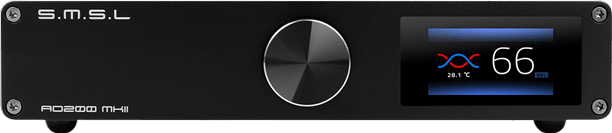

Our Summary
Product Strengths
- Delivers a neutral and transparent sound signature, providing an accurate representation of the source material
- Offers plenty of power for its size, capable of driving even demanding bookshelf speakers without losing composure
- Features built-in EQ presets and bass/treble tone controls for customizing the sound
- Built with high-quality materials, featuring an aluminum alloy chassis that is both durable and lightweight
- Has versatile connectivity options, including balanced XLR inputs, RCA inputs, USB input, and Bluetooth
Product Considerations
- Internal DAC and Bluetooth performance are underwhelming compared to the amplifier section
- The stock SBC Bluetooth codec limits wireless audio streaming quality
- EQ settings can be confusing and require some experimentation to dial in a balanced sound
- The volume knob might be slightly wobbly
- The power cord could be too short for some setups and might need to be replaced
Comparisons (according to reviewers)
- The MKII offers nearly double the power output and sounds more dynamic than the SMSL AO200 (original)
- Compared to the Yamaha A-670, the AO200 MKII offers more detail and soundstage, though the Yamaha is warmer and more forgiving
- The AO200 MKII has higher driving power, a more dynamic sound, and lower distortion than the Arylic A50+
- The AO200 MKII offers a more palpable and lifelike sound than the Topping PA5
- The AO200 MKII has better driving power at times, better EQ with no degradation, and is a better value than the Burson Funk
Takeaway: The SMSL AO200 MKII is a compact and powerful stereo amplifier with a neutral sound, making it a solid option for those who want clean sound, plenty of connectivity options, and customization features. It is a good value that can improve the sound of many speaker setups.
Video review
Our take on the brand
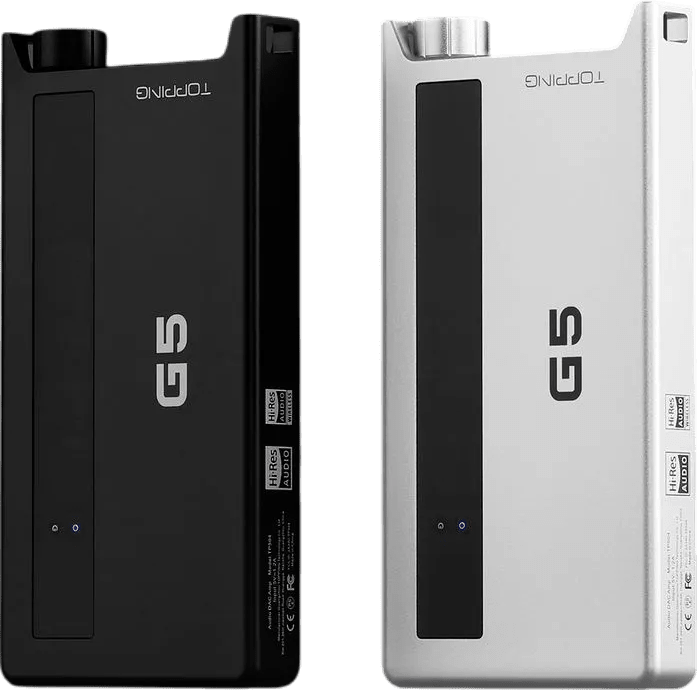

Our Summary
Product Strengths
- Phenomenal sound quality.
- Very usable and enjoyable interaction due to a physical volume knob.
- Plenty of power for almost everything and can drive just about anything.
- Versatile; it can be used as a desktop all-in-one, a Bluetooth portable DAC/amp, a portable amplifier, and even a DAC for speakers.
Product Considerations
- Susceptible to EMI noises, which can be a deal breaker; static noises, pops, and crackle sounds can occur when a phone is placed directly on top of it.
- Not a completely balanced architecture; the 3.5mm & 4.4mm headphone outputs sound the same.
- Charging port may not indicate charging on anything higher than an 18W charging block, and some chargers may not work.
Comparisons (according to reviewers)
- Vs FIIO BTR-7: Sounds more refined and has more detail and resolution.
- Vs SMSL C200: The C200 sounds significantly warmer with a fuller, juicier bass line and a little bit more airy, while the G5 is more focused on clean and clear edges, tidy, well-focused—and clean.
- Vs SMSL M500 MK2: The M500 MK2 sounds overall better with dynamics at the same level as the G5 and fuller, warmer tonality—and a bigger, more spacious soundstage.
- Vs Moondrop Moonriver 2: The treble is more refined, better details up top, and a sharp edge without being overboard like the Moonriver 2 can.
Takeaway: The G5 is a well-built and versatile portable DAC/amp with a neutral, clean, and dynamic sound. It is great for those looking for an all-in-one solution that can drive almost any headphone or IEM.
Video review
Our take on the brand
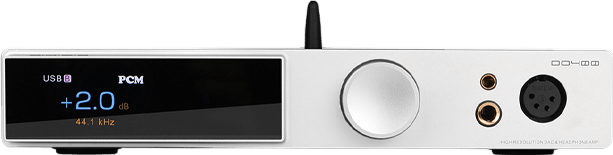
Our Summary
Product Strengths
- The DO400 is a versatile device, serving as a DAC, preamp, headphone amplifier, and Bluetooth receiver
- It offers a highly resolving and transparent sound, with a measured dynamic range of 133dB on its XLR output and 126dB on its headphone output
- It has very tight control over the drivers, sounds quite dynamic and clean, and delivers a punchy sound
- The DO400 features extensive I/O with HDMI, USB, XLR 4-Pins, and Pentaconn 4-Pins
Product Considerations
- It does not have analog inputs, which limits the sources one can pair it with
- The DO400's case cover is steel, and the rotary knob wobbles
- Some may find its sound signature a bit too linear for some genres
- The remote control is plastic-y
- The speedy nature of the ESC by Silicon might result in a less impressive initial kick in the eardrums via headphones, compared to the XLR and RCA outputs
Comparisons (according to reviewers)
- Compared to the Topping DX7 Pro Plus, the DO400 is more organic and dynamic sounding
- Compared to the Topping DX5, the DO400 offers noticeably better line output
- Compared to the Chord Mojo 2, the Chord Mojo 2 sounds better when used as a DAC, offering better detail retrieval and a richer tone timbre, but the DO400 has more power
- Compared to the SMSL SU-9, the DO400 sounds slightly brighter and less-smoothed over—there's an analytical quality to the treble end
Takeaway: The SMSL DO400 is a great-sounding all-in-one unit that offers a lot of features for the price. Its noiseless performance with IEMs and ability to drive most headphones make it a worthwhile purchase.
Video review
Our take on the brand
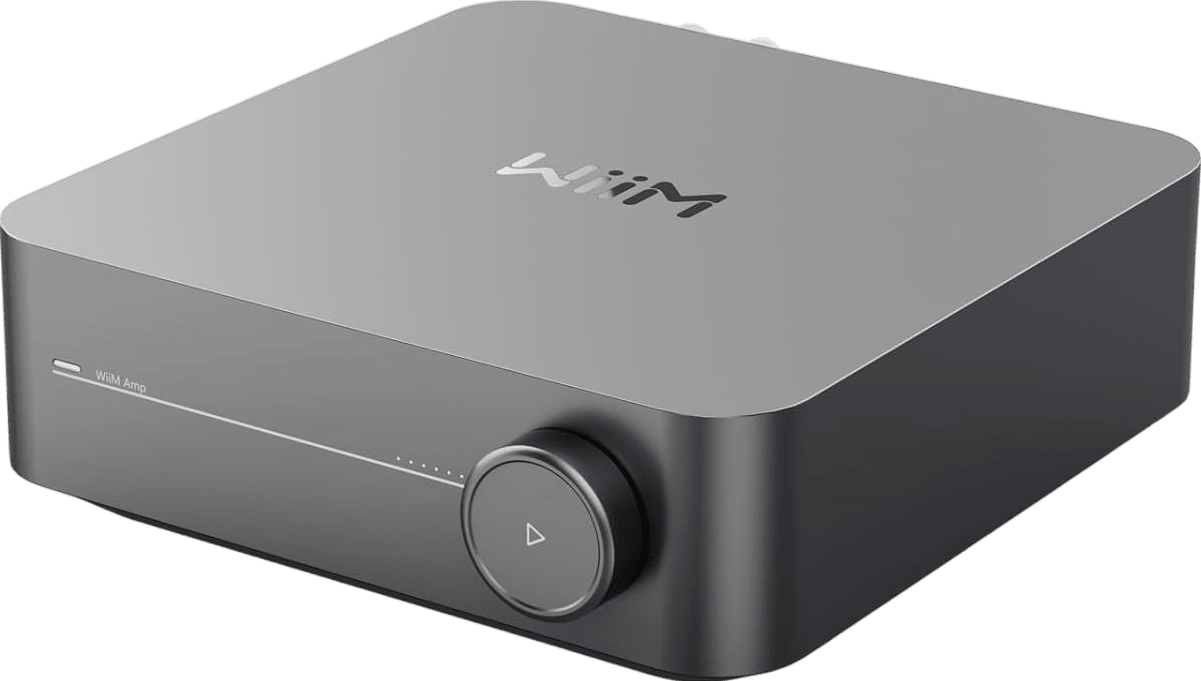

Our Summary
Product Strengths
- Features and performance at an affordable price
- Stylish, well-made design
- Native support for nearly all streaming services like Spotify and Tidal, both wired and wirelessly
- Simple setup via smartphone and the WiiM Home app
- Includes HDMI with ARC as well as CEC, and a dedicated subwoofer output with bass management
Product Considerations
- Bluetooth and AirPlay communication can be inconsistent, particularly for iPhone users
- At higher volumes, the amp can struggle with certain genres of music or recordings with greater dynamic range, resulting in audible distortion and clipping
- Sound can become more sterile and two-dimensional at higher volumes, glossing over nuance and fine detail
- May not be suitable for larger spaces or for those who prefer listening at higher volumes, especially with speakers that are hard to drive
- Some users might hear a faint whine from the chassis or speaker tweeters, as the amplifier is not completely silent
Comparisons (according to reviewers)
- Vs Arylic B50: The WiiM Amp has a more complete chassis design with an internal power supply, a slicker app, and better overall industrial design, even if they use similar chipsets
- Vs Bluesound PowerNode/Audiolab 6000A Play/7000A: The Bluesound and Audiolab products are better options for larger spaces or higher listening volumes
- Vs Denon AV receiver: The Denon AV receiver does not have the streaming comprehensiveness of the WiiM Amp
- Vs Sonos Amp: The Sonos Amp may sound better, but the WiiM Amp combined with a subwoofer can provide a more complete sound experience for less money
- Vs PS Audio Sprout 100: The WiiM Amp's amp and DAC sections are superior
Takeaway: The WiiM Amp is a versatile and affordable streaming amplifier packed with features, making it a great entry point into hifi or a convenient solution for smaller spaces. Its comprehensive streaming capabilities and user-friendly app provide a seamless listening experience.
Video review
Our take on the brand




How to buy
Amplifiers
Search all hifi products
Explore our database of 10,000+ new and 25,000+ used hifi products.