



Note that this is a discontinued product. You may want to visit the brand's page here to browse their newer products.
What reviewers think
Bloggers and YouTubers have tried this product—so we've summarized their strongest opinions below. Links to full reviews follow.
All
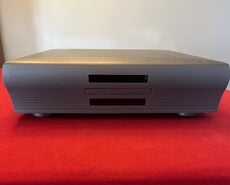
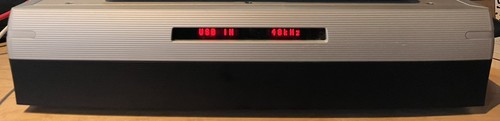
Dream Transport MPT-8
reviews


Manufacturer details
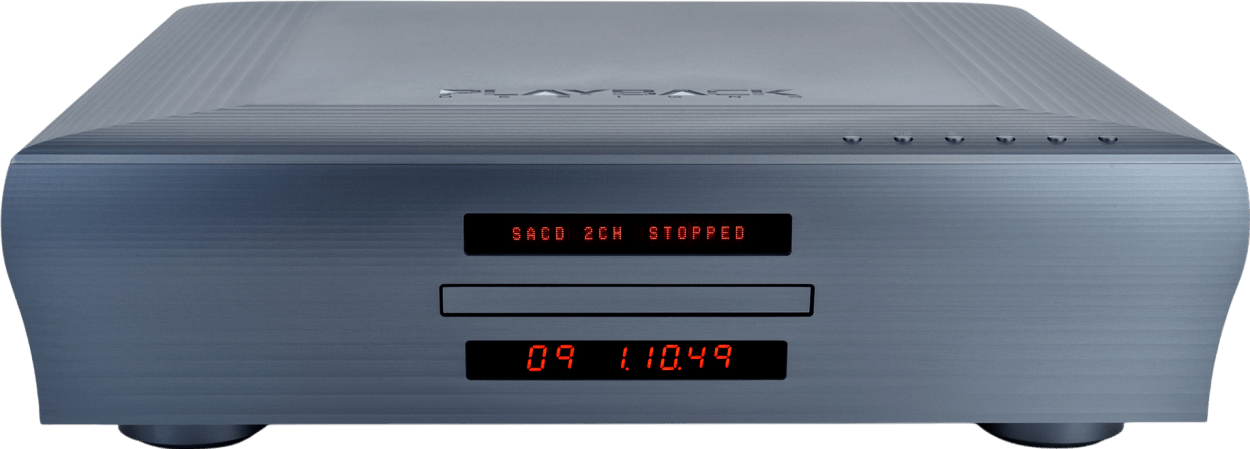
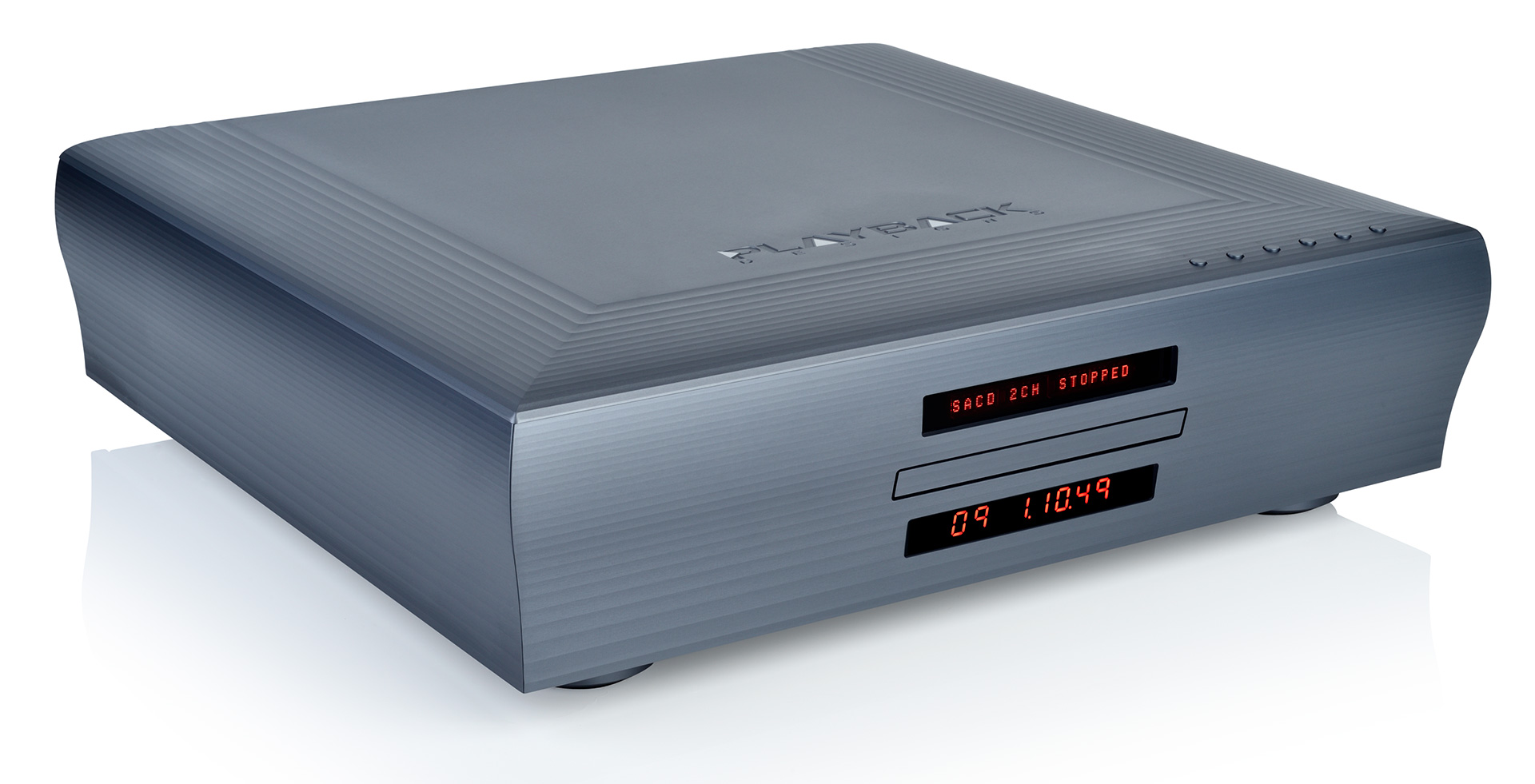
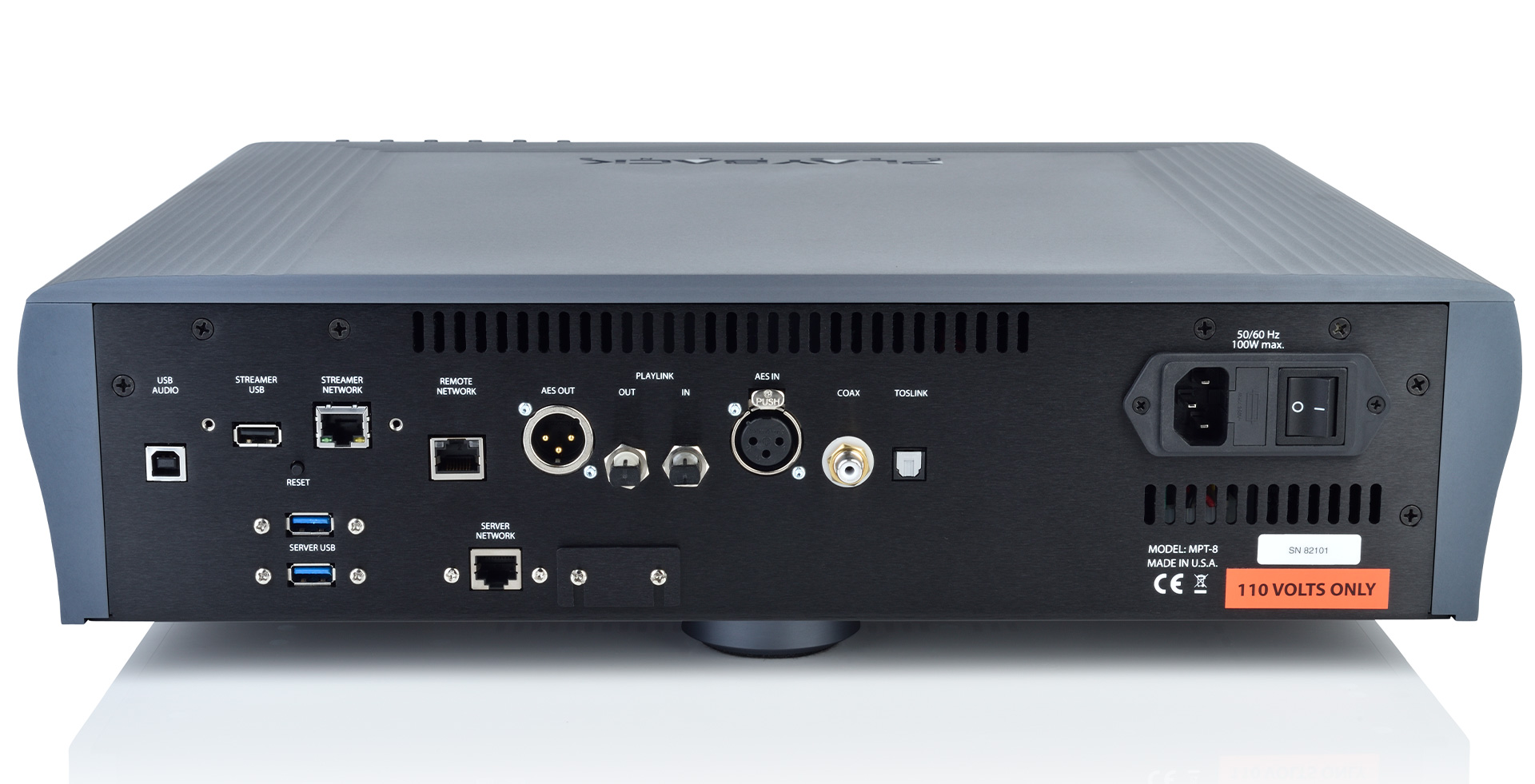
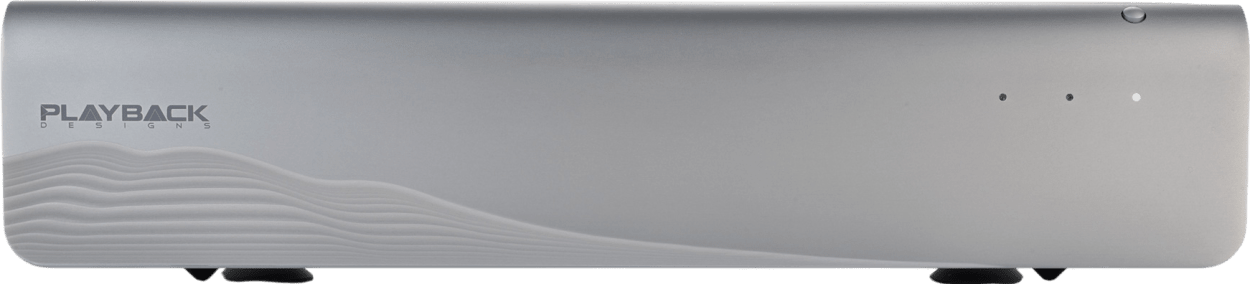
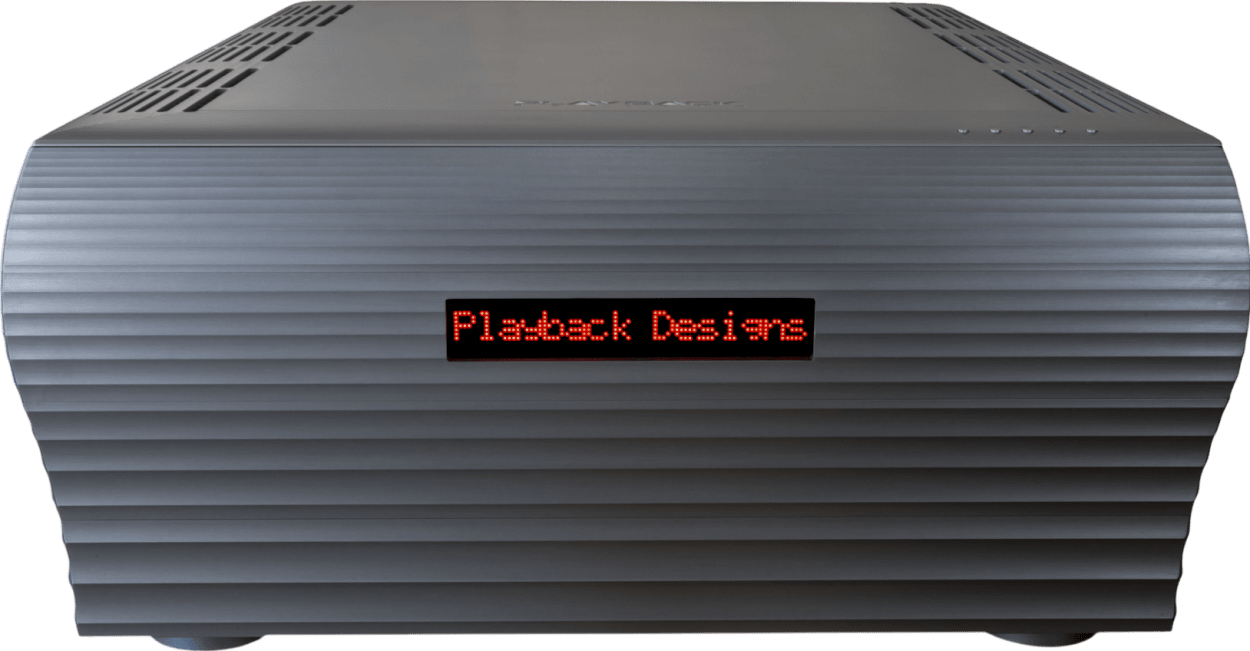
- Special designed high end SACD/CD transport
- PLink I/O compatible with all Playback Designs products
- AES output
- Optional built-in Stream-X2 Streamer




Brand highlights
Taking a step back to look at reviewers' thoughts of the brand's entire lineup—not just this product—what stands out most is the following:
- Playback Designs emphasizes a comprehensive digital source approach to digital audio, offering a range of components designed to work seamlessly together for optimal performance and interoperability.
- The company's products, particularly the Merlot DAC, leverage custom, state-of-the-art algorithms implemented via FPGA, allowing for continuous improvement through user-installable firmware updates rather than relying on off-the-shelf solutions.
- Playback Designs' founder Andreas Koch's extensive background in DSD development, including his involvement with the Sonoma workstation and SACD standardization, informs the design and capabilities of their products, particularly in DSD playback.
- They developed the PLink interface which is a proprietary high-quality optical link for transporting the digital signal between Playback Designs components while maintaining galvanic isolation.
Select products
MERLOT DAC
- Positioning: An entry-level digital converter and headphone amplifier aimed at accessible high-fidelity sound.
- Description: Offers support for up to 384kHz PCM and 11.2MHz DSD in a straightforward design ideal for small room setups and tighter budgets. Compared to the more complex Edelweiss and Dream series, it provides solid digital-to-analog conversion with versatile connectivity but without added preamp functionality.
MPD-6
- Positioning: A high-resolution digital-to-analog converter with integrated volume control in the Edelweiss series.
- Description: Features fully differential discrete DAC architecture with low jitter performance. Compared to the entry-level Merlot DAC, it offers refined analog stages and greater technical sophistication while still coming in below the more advanced Dream series products.
8-Series DAC
- Positioning: A focused digital-to-analog converter from the Dream series built for dedicated audiophiles.
- Description: Uses double differential discrete DAC technology with ultra high end analog stages and multiple regulated power supplies. In comparison with the DAC/Preamp, it emphasizes pure conversion without the added control features, positioning it as a streamlined solution within the Dream lineup.
8-Series DACAI
- Positioning: A versatile digital converter and preamplifier in the Dream series designed for expanded functionality.
- Description: Builds on the same double differential DAC approach by adding integrated analog volume control and multiple input options. When compared with the standalone DAC unit, it offers more comprehensive control while remaining less focused on raw power than the flagship amplifier.
8-Series Amplifier (SPA-8)
- Positioning: A flagship stereo power amplifier in the Dream series with dedicated processing for each channel.
- Description: Uses an ultra-low-noise differential linear-phase input along with advanced thermal TRAK technology and discrete Class-A stages to deliver robust, distortion-free power, making it ideal for large rooms and high-budget systems targeting expansive soundstages. Compared to the converter units, its design centers on high-current amplification and low distortion, offering superior performance for dynamic and demanding setups.

Our take on the brand
Look inside the brand
Our interview with the brand
What are two key technological innovations or strong opinions that differ you from other brands?
We do not use any standard DAC chip solution from the open market, but rather developed our own proprietary conversion algorithms and programmed them into general FPGA processors that are field upgradeable. In other words, every improvement or change in algorithms can be downloaded from our website and loaded into our products, all by the end user. More details are here.
For one of the most critical components in any DAC we, again, are not using any standard technology, but rather developed a very unique and proprietary algorithm that takes into account the very sensitive properties of our human hearing system and they way it perceives clock jitter. More details here.
When we were part of the DSD creation team at Sony we were tasked with a very challenging project: the definition of a high speed digital communication protocol that would support any PCM and DSD format (i.e. sample rate). This link should be able to transmit any audio data from any source to a DAC. The solution I came up with is based on a high speed fiber optic data link as it is used in super high speed data links where secure data recovery at the receiver is crucial. While the speed of transmitting audio data is well and way below the capability of such fiber optic links I still chose this physical link because of its superb data and clock integrity / stability. In addition the fiber optic media provides a galvanic separation between digital source and core DAC circuitry. This alone already results in an audible improvement. All our products support this link and we call it PLINK. We use it to connect external transports, servers or USB interfaces to our DACs.
What's your approach to customer support?
We see customer support as an opportunity to show to the customer who we are and how much we care. Usually, I answer all inquiries and customer support requests personally, within 24 hours and with as much technical info as possible. While some of our dealers possess good technical know-how and are able to interact with customers on that level directly, other distributors do not provide any technical support. Either way we encourage customers to contact us directly for any help.
I often get feedback from customers that this kind of direct and expert support ultimately convinced them to buy our products. So obviously the way we do it is not standard in our industry.
What are your favorite tracks for showcasing the strength of your products?
There are many excellent recordings that can demonstrate the behavior of our of DACs, but it is mostly a function of the listener's taste in music. For instance, people who do not like classical music do not hear its finesses when played on our equipment etc. For my own personal taste I often use any DSD re-mastered track of Pink Floyd or Roger Waters. This is also because most of these tracks were mastered using my designs and with that they show off specifically the "analog-like" behavior during transients of our DACs and the resulting 3-dimensionality of the sound stage.
What other products pair best with yours?
As a digital "pure-bread" listener I do not use analog sources myself and only our own electronic designs (including amplification) for playback paired with a variety of different loudspeakers from mid-size to professional near-field monitors. The latter are usually more revealing and neutral than most consumer or audiophile speakers, but are only suitable in small studio environments. Over the years I have been working closely with brands such as Hafler (professional speakers), Evolution Acoustics, Stenheim and many speaker manufacturers.

Used
Playback Designs








What if you spend more?



.svg)
Product Strengths
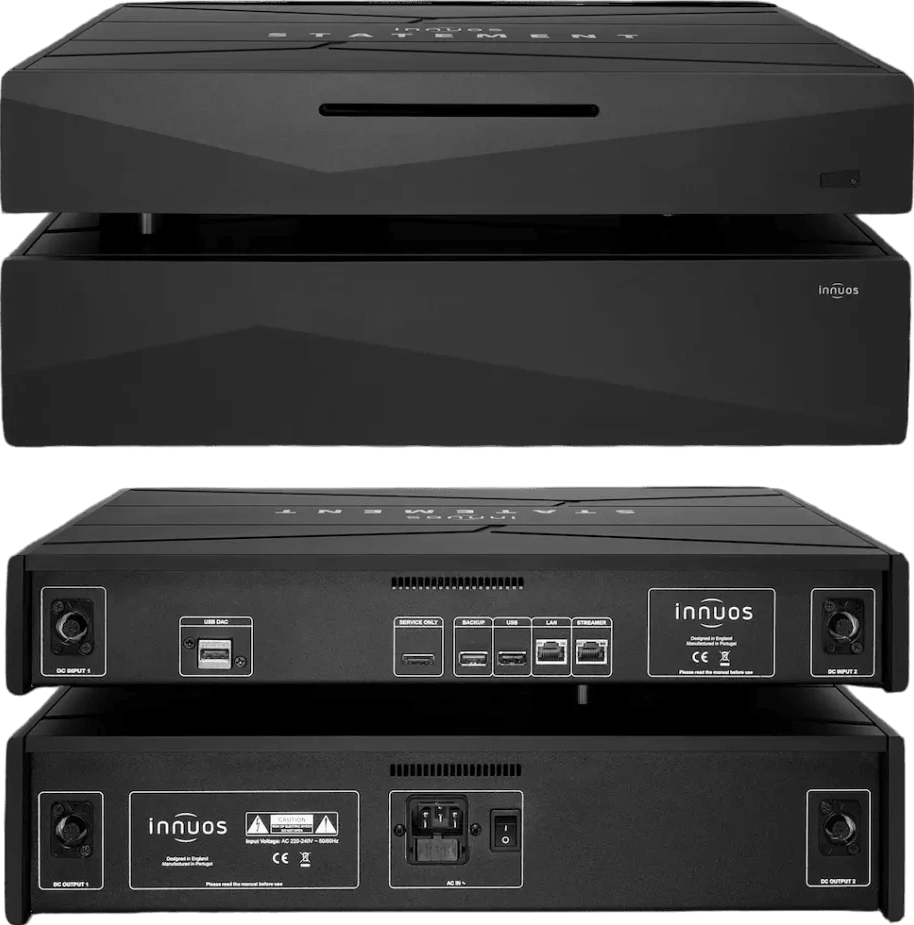
- Significant improvement over the standard Statement, with more dynamic range, quieter backgrounds, higher resolution, and more fine detail
- Enhanced bass performance, with more power, visceral impact, and improved control
- Larger spatial sizing and more vivid presentation of virtual sound sources
- Excellent musicality with a hash-free and low-noise sound
- The Innuos Sense app is stable, easy to navigate, and considered one of the best streamer software options available
- The Next-Gen only outputs via USB, not offering other digital outputs like SPDIF
Product Considerations
- A two-box system, which may require significant shelf space
- The upgrade to the Next-Gen version involves reworking both Statement enclosures and must be done by Innuos
- All changes from one model to another are internal, so diving inside their bonnets is mandatory to tell them apart
- The standard Statement is already excellent, so potential buyers need to evaluate if the upgrade to Next-Gen is worth it for them
Comparisons (according to reviewers)
- The Next-Gen provides greater dynamics, a more 3D-like presentation, and improved realism in voices and instruments, compared to the standard Innuos Statement
- It pushes aside the Melco N10 with a combination of rhythmic intensity and staging elegance
- It surpasses the Fidata HFAS1-S10U on agility, openness, expansiveness, propulsion—and doesn't sound mechanical because of that
- The Statement has better adaptive skills than the ZENith Mk3, allowing it to portray artists' intentions more accurately
Takeaway: The Innuos Statement Next-Gen takes an already outstanding music server to the next level with significant improvements in sound quality and detail. It offers an exceptional listening experience.
Video review
Our take on the brand

Our summary
Product Strengths
- Delivers music with a lack of digital artifacts, sounding closer to the original recording and venue than other digital sources
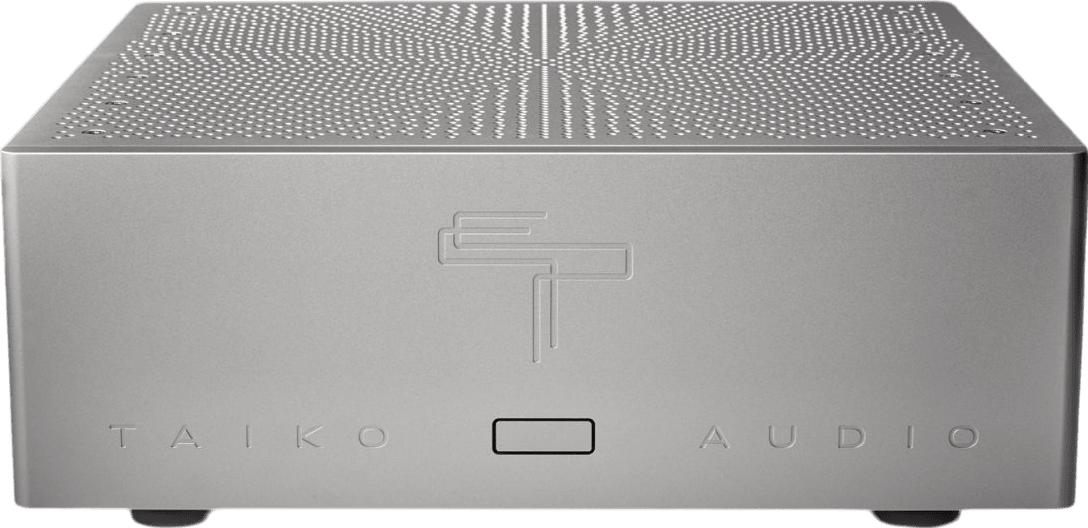
- Highly detailed construction with CNC machined chassis using a hybrid of copper, aluminum, and Panzerholz wood to mitigate RFI and vibration
- Dual Intel Xeon CPU design isolates Roon processes from audio processing tasks, improving performance
- Offers high-quality support, with Taiko providing remote assistance for setup and troubleshooting
- Optimizes both locally stored files and streamed music with equal performance
Product Considerations
- Custom USB board requires specific drivers to align with the DAC being used
- Native server software, TAS, offers better sound quality than Roon, but has a less user-friendly interface
- Windows servers might need constant support compared to LINUX servers
- High price point may be prohibitive for some buyers
- Massive size and weight (99 pounds) may pose logistical challenges
Comparisons (according to reviewers)
- Compared to Melco Zs or Innuos Statement, the Extreme represents a significant step up in performance
- Compared to Tidal Arkas, when playing files, the Taiko probably has the sonic edge, and ergonomically, is the more natural choice
Takeaway: The Taiko Audio SGM Extreme is a high-end music server that delivers exceptional sound quality and a more 'analog' listening experience. For those seeking the best sound from digital files and streaming services, this could be the right choice.
Video review
Our take on the brand
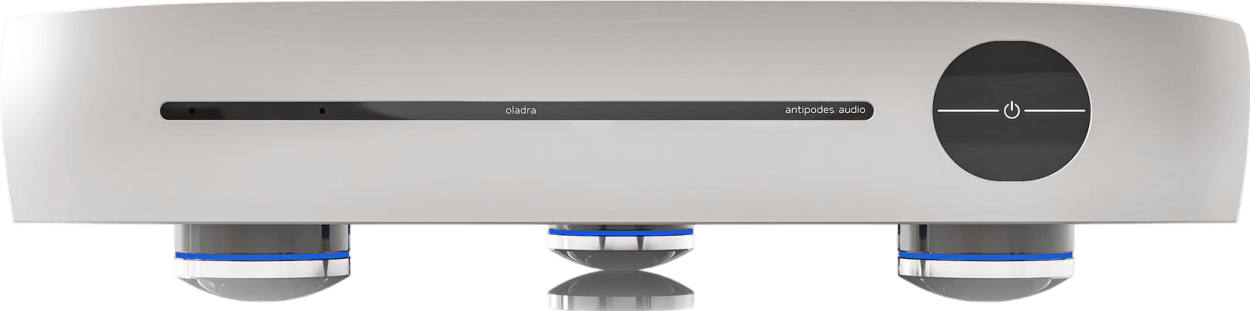

The Oladra is designed to be the world's best music server-streamer, in the way that music can move you. Precision-machined from a solid block of premium alloy, its physical beauty matches the beauty of its music.
Our summary
Product Strengths
- Deep tonal saturation, lushness, liquidity, and organic flow.
- More articulate, crisper, expressive, airier, and highly resolving than previous Antipodes models.
- Operates in an unforced manner that makes for immediate surrender on the listener's behalf.
- Incredibly refined and liquid, as well as lifelike in its expression and dynamics.
- Milled from a solid block of aluminum, with sleek and simple—yet subtly curved—lines
Product Considerations
- It is difficult for a reviewer to really tear into a music server the same way they would tear into a pair of speakers or a power amplifier
- Setting up the Antipodes Oladra music server isn't easy, and time will need to be spent getting used to it
- CD ripping is perhaps better described as painstaking rather than swift, the company opting for accuracy rather than speed
- Built like a very expensive amplifier
- Must be 'driven' via browser software running on a PC or, more ideally, a tablet
Comparisons (according to reviewers)
- Vs Antipodes K50, the Oladra offers a more exciting, incisive, and expressive rendition
- Vs Antipodes K50, the Oladra had more detail and more distinct detail due to the overall very quiet background
- Vs Pink Faun, Pink Faun is tighter, more precise and analytical, Antipodes more relaxed and organic
Takeaway: The Oladra offers exceptional sound quality, is a versatile music server, and will sound much better than just a laptop, creating a better music listening experience. The Oladra lets the music be its unadulterated self, is relaxed, and will never sound lean, gray, or analytical.
Video review
Our take on the brand

Our summary
Product Strengths
- The CPU core is optimized for audio signal processing and uses Roon (bridge) software for files management
- The device can decode virtually any type of signal, PCM up to 32 bits and 384 kHz, and DSD from 2.8 MHz (DSD64) to 22.4 MHz (DSD512), and supports all streaming services
- It uses a classic linear power supply with a custom-made, high-power toroidal transformer and many low ESR capacitors
- The CNC-milled chassis takes 15 hours to fabricate
Product Considerations
- The manual indicates that its operation is very simple, but only if everything works as it should, as the control program did not always 'see' the transport
- The transport itself did not always turn on and sometimes had to be turned on several times before it actually started
- The reviewer did not manage to 'force' it to play DSD512 files from a USB flash drive, and with DSD256 files being played the DAC's display showed 'PCM 384' format
- The Ideon often choked on WAV files
Comparisons (according to reviewers)
- The Ideon Audio system offered an equivalent sound when compared with CDs, Master CD-Rs and SACDs and their corresponding files
- Compared to the Ayon Audio player, the Ayon Audio player represents timbre, space, and the structure of recordings similarly to analog tape, while the Ideon Audio player is considered an equivalent to a top turntable
Takeaway: The Ideon Absolute Suite is one of the best-built audio sources, with a modular design and proprietary solutions. It draws you into its world through dense colors and saturation with information, and the amazing sound is worth experiencing
Video review
Our take on the brand
What competes at this price?

Our Summary
Product Strengths
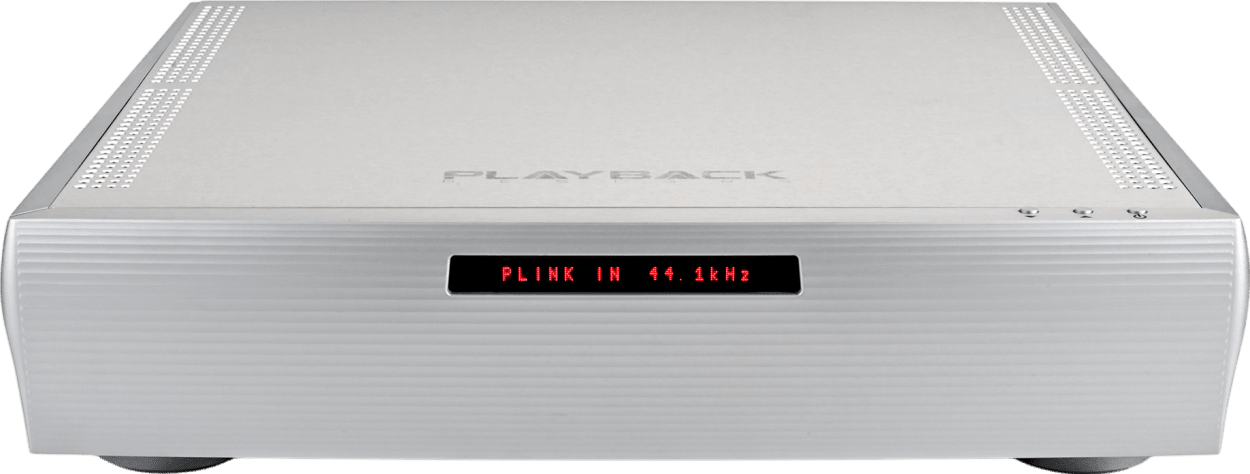
- Achieves ideal isolation for best performance using PLINK, PDFAS clocking technology, and separate chassis with high-quality linear power supply
- Offers superb sound quality whether streaming from UPnP or using local or streaming Roon RAAT sources
- Delivers a neutral, fast, lively, and expressive sound that is also finely nuanced, fluid, spacious, and gently svelte
- Has a direct, rhythmic, fast, pure, and impactful sound, combined with deep tonal saturation and an enveloping soundstage
- The MPS-X is designed to allow multiple clock signals for the streamer, network bridge, etc, but it then re-clocks all digital signals through the proprietary high-precision clock generator before sending the signal out to the DAC via its fiber optical interface (PLINK)
Product Considerations
- PLINK is not 100% compatible with Nagra Link, there is skipping/glitching on certain sample rates
- Aftermarket feet could alter pacing and drive, so it is best to start with the MPS-X's own feet
Comparisons (according to reviewers)
- Compared to Aqua LinQ, the MPS-X excels in being liquid, free-flowing, and spacious, particularly possessing more distinct layering in the depth plane, while the Aqua LinQ is more immediate and direct
Takeaway: The MPS-X offers excellent streaming audio performance with great sound quality and isolation, improving the sound of music servers and offering further potential within a Playback Designs system. It is an expertly crafted device that should make listening to music even more enjoyable.
Video review
Our take on the brand


Our Summary
Product Strengths
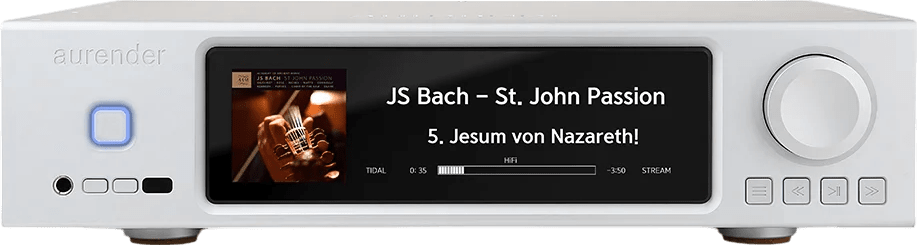
- The A20 is a full-fledged, high-performance server, streamer, preamplifier, DAC, and headphone amplifier
- Excellent DAC with a natural, detailed, clean, and neutral sound
- Impressive storage capabilities with slots for user-installable SSD or HDD drives and limitless storage options by integrating content from a NAS or external USB drive
- The Aurender Conductor App is highly user-friendly, with an intuitive interface and is easy to navigate
Product Considerations
- The A20 is not compatible with Roon
- The A20 does not have built-in CD ripping functionality
- The A20's sound signature might not immediately impress
- There is a learning curve for maximum functionality
Takeaway: The Aurender A20 is a great option for audiophiles seeking a digital hub that covers both headphone and loudspeaker listening and whose music collection is already digitized. It has excellent sound quality, hardware, software, and customer service.
Video review
Our take on the brand
Our Summary
Product Strengths
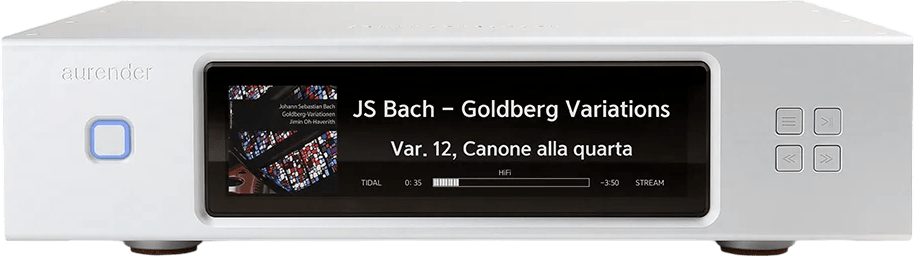
- Integrates the functions of a music server, a content streamer, and a LAN port, consolidating multiple devices into one for simpler setup
- Has two internal, hard-drive storage bays, which allow users to customize on-board music storage according to their needs (up to 16TB with SSDs)
- Employs an all-digital, phase-locked-loop subsystem (ADPLL) with an oven-controlled crystal oscillator (OCXO) to reduce jitter, improving the musical presentation
- Supports various digital file codecs, including native DSD512, handled by a dedicated Intel Quad-Core CPU
- Exceptional build quality, with a minimalistic, stylish design and a large, high-resolution (1920 x 480 pixels) AMOLED display for album art and information
- Outstanding customer service is available
Product Considerations
- Does not have a built-in DAC, requiring an external DAC for audio output
- Roon is not fully supported as a RAAT device, only as an Airplay device
- The Android version of the control app may not be as user-friendly as the iOS version
- HDDs/SSDs not included, so the cost of storage is not part of the overall price
- The Aurender N20 does not offer a hardware remote, which might be a problem for some users
Comparisons (according to reviewers)
- Vs Aurender A20: The N20 is a superior streamer for upscale rigs due to its dedicated functionality and higher parts quality, whereas the A20 is an excellent choice as a streamlined hifi
- Vs Aurender W20SE: The reviewer believes the sweet spot in the Aurender lineup is the N20 unless dual AES output is needed, in which case—the W20SE would be better
- Vs Small Green Computer CAPS 20.1: The Aurender N20 is a state-of-the-art server with great sound quality for plug and play, while CAPS 20.1 needs maintenance
- Vs Linn Klimax DSM/3: Unlike the Linn Klimax DSM/3, the N20 comes with two internal hard-drive storage bays
Takeaway: The Aurender N20 is a well-designed music server/streamer with high-quality sound that offers a streamlined user experience and integration of various digital audio functions. It is a solid choice for audiophiles seeking simplicity, stability, and excellent sound quality in a digital source component.
Video review
Our take on the brand

Our Summary
Product Strengths
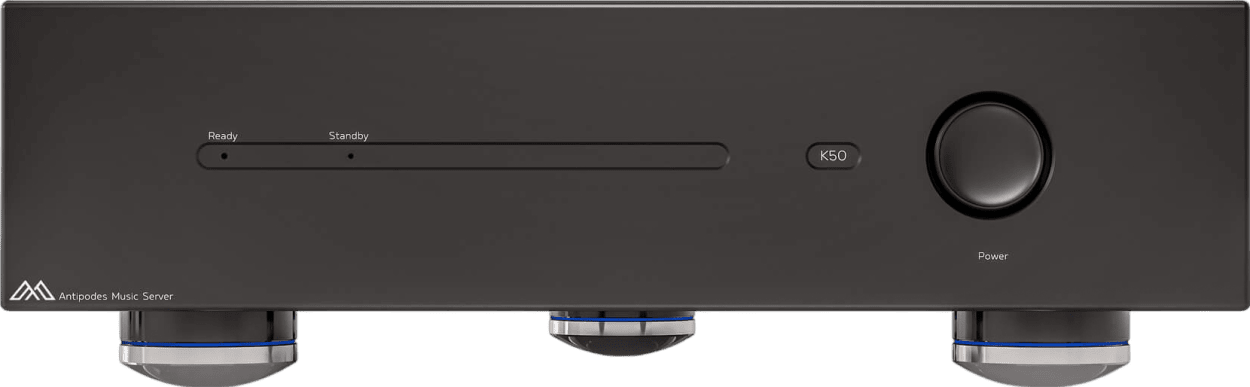
- Robust and solid build quality
- Excellent sound quality, reproducing music with high fidelity
- Gives music life, verve, vigor, and emotional involvement
- Antipodes optimizes the power supplies to increase speed and lower noise
- Offers a platform for the best available applications
Product Considerations
- The burn-in process can take a long time
- Worldwide chip shortages forced a few changes to the design, and the beta software would not be bug-free
- The USB output is considered the worst in terms of sound quality and receives the least amount of isolation and reclocking
- Removing Roon local option can be a problem for some users
Comparisons (according to reviewers)
- Vs. Aurender N20: The K50 replaced an Aurender N20
- Vs. Innuos Statement: The Innuos Statement has a warm and smooth signature
- Vs. HiFi ROSE RS150b: The K50 provides interconnectedness between sounds that the HiFi ROSE does not
- Vs. Antipodes K41 and K22: Combining an Antipodes K41 and K22 will make for a two-box K50 if one is so inclined
Takeaway: The Antipodes K50 is a well-built music server that brings soul back into a digital system. It creates a natural and inviting sound that can help you rediscover your favorite music.
Video review
Our take on the brand

Our Summary
Product Strengths
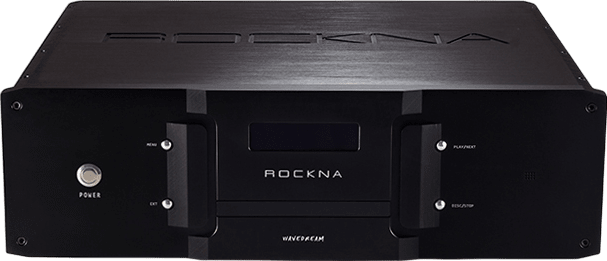
- High-quality build and stellar construction with meticulous attention to detail
- Acts as a music server, CD transport/ripper, and digital source/streamer, consolidating multiple components
- Exceptional performance as a digital source, with very low jitter
- Offers a large selection of features suitable for many use cases
- Can be used with external drives and has both USB and network connections
Product Considerations
- The unit is large and may not fit on a desk or in many racks
- The Roon core may not be as snappy as some dedicated PCs, though newer units have a faster CPU
- Ripping uses a separate computer disc transport and connect to one of the rear USB ports, not the NETs own transport mechanism
Comparisons (according to reviewers)
- Vs Singxer SU-6: The Wavedream NET has lower jitter, being the highest performing digital source tested
- Vs Wavedream DAC via USB: I2S output from the Wavedream NET to the Wavedream Signature DAC resulted in a slight increase in quality, particularly in precision of imaging
- Vs CAD CAT transport into the Wavedream DAC: The Wavedream NET produced amongst the most transparent sound
Takeaway: The Wavedream NET is a versatile and high-performing digital source that combines multiple functions into one well-built unit, capable of delivering exceptional sound quality and features, making it a great addition to a high-end audio setup. It offers a comprehensive solution for digital audio playback.
Video review
Our take on the brand
Questions? Ask the brand's dealers.
How to buy
Digital Sources
Search all hifi products
Explore our database of 10,000+ new and 25,000+ used hifi products.