

.png)
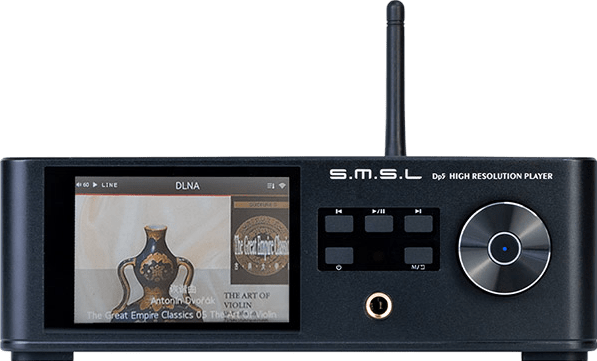


Note that this is a discontinued product. You may want to visit the brand's page here to browse their newer products.
What reviewers think
Bloggers and YouTubers have tried this product—so we've summarized their strongest opinions below. Links to full reviews follow.
Product Strengths
- Equipped with a desktop-grade ES9038Pro DAC chip
- Balanced sound with good high-frequency extension and sufficient low-frequency response, voices are quite natural, orchestras sound full yet detailed, and spatial information is excellent with a rather deep and wide stereo image and excellent focusing
- Can be used as a network player, DAC, or headphone amplifier, offering flexibility in different setups
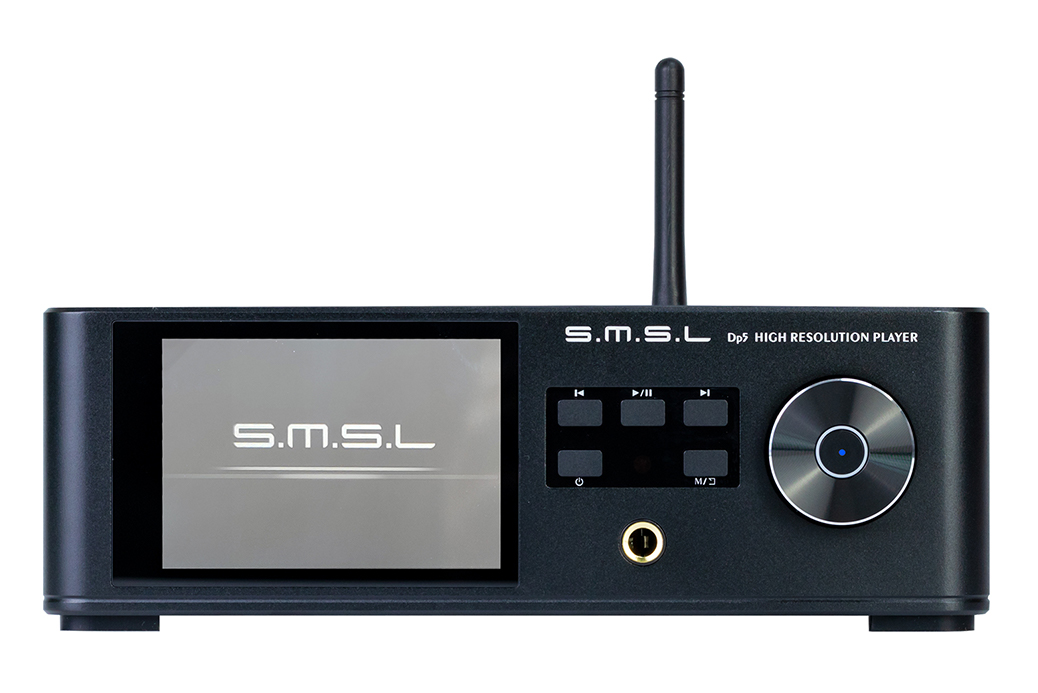
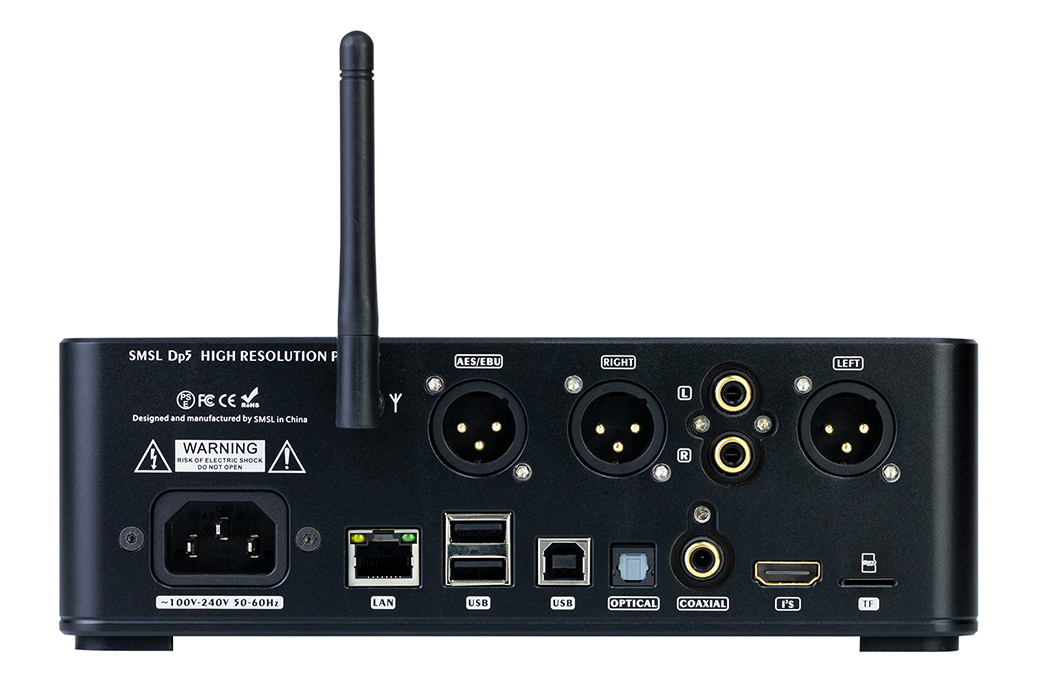
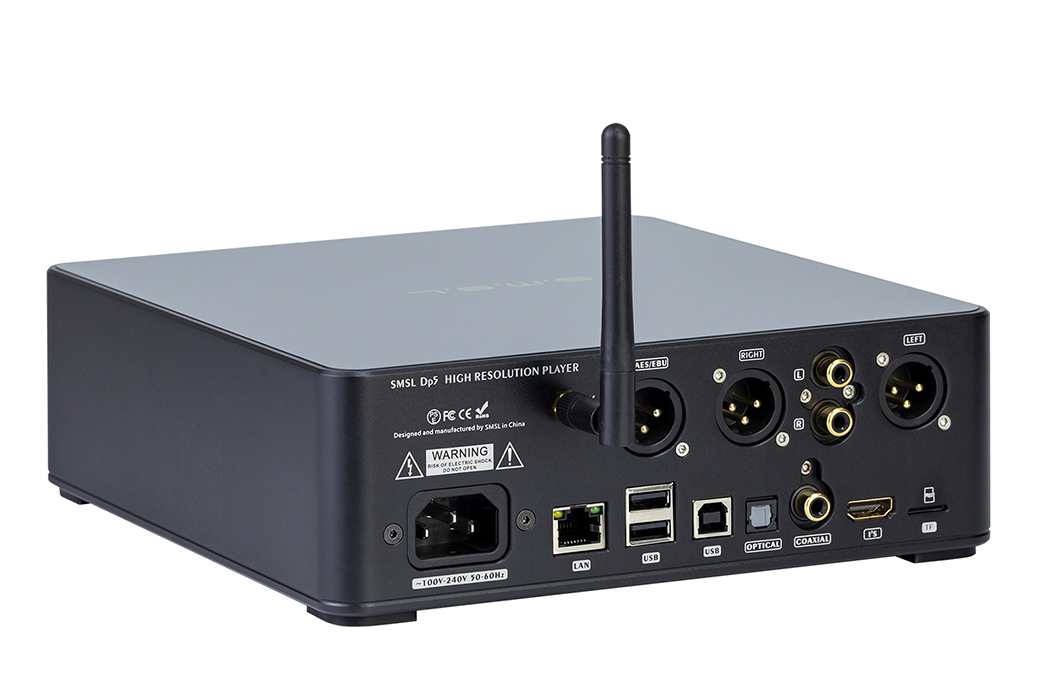
- Versatile connectivity with digital outputs (TOSlink, SPDIF, I²S, AES-EBU) and inputs (USB B), as well as analog outputs (RCA, XLR), microSD card slot, and network capabilities (Wifi, Ethernet)
Product Considerations
- Input options are limited as a DAC, restricted to USB B
- The display's dimming feature might be inconvenient, requiring a power cycle to revert to 'always on'
- Standard letters with special marks from some European languages are not reproduced, replaced with Chinese glyphs instead
- Streaming service integration is limited (no direct Spotify, Qobuz, Tidal), requiring workarounds via Airplay or Bluetooth
- Navigating playback modes like repeat/random can be cumbersome, requiring multiple menu layers via remote
Comparisons (according to reviewers)
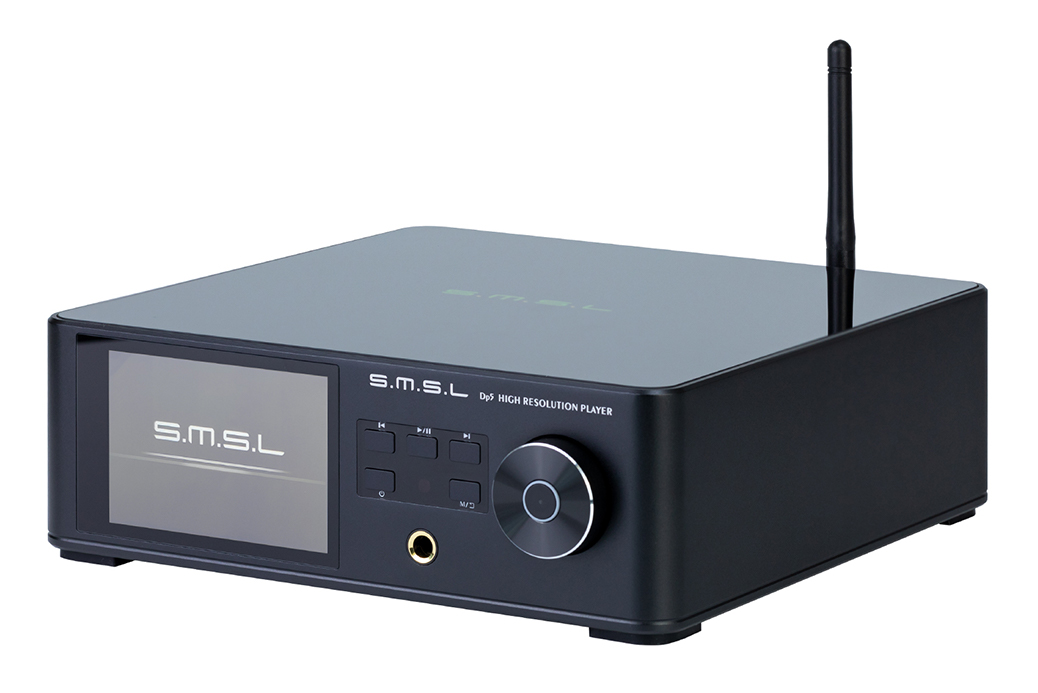
- Vs Soundaware D100Pro—the DP5 has a bigger display
Takeaway: The SMSL DP5 is a feature-rich device that combines network playback and DAC capabilities, delivering good sound quality and versatility for various audio setups. It is a well-built unit that offers upgrade options for those looking to improve their DAC in the future.
All
DP5
reviews


Manufacturer details









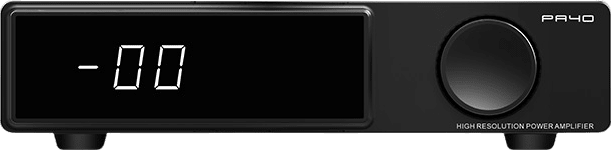
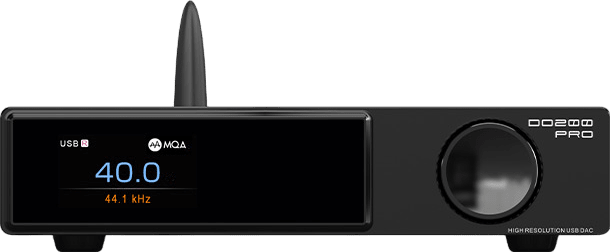

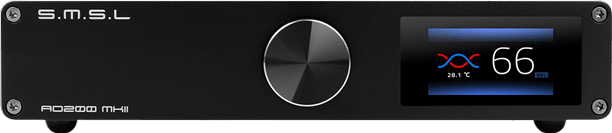
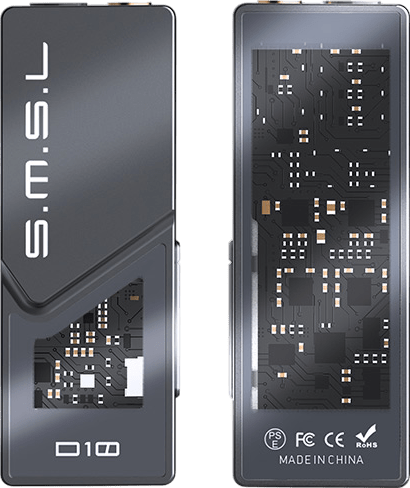

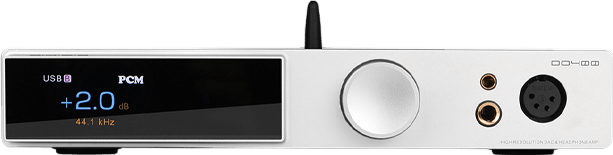
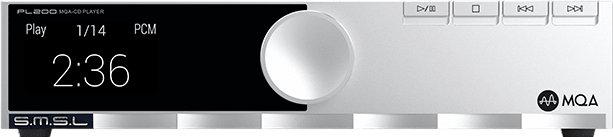
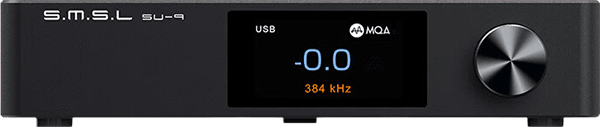




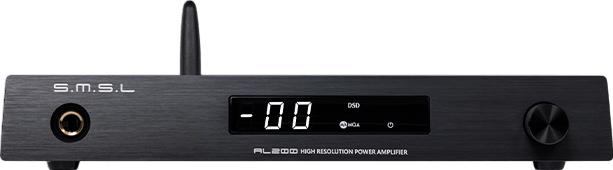
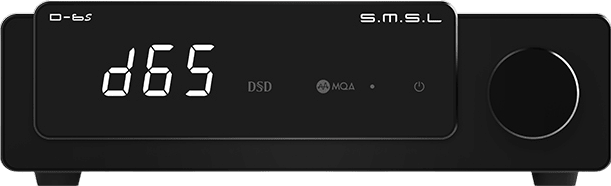
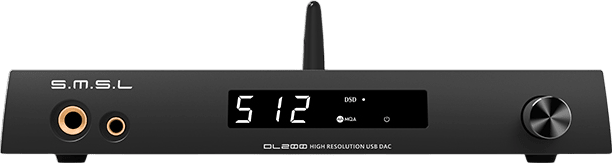
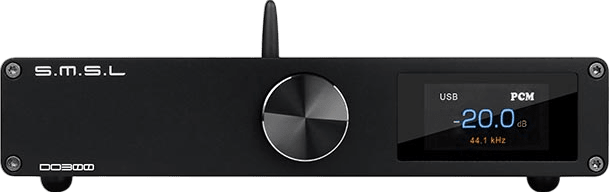

Brand highlights
Taking a step back to look at reviewers' thoughts of the brand's entire lineup—not just this product—what stands out most is the following:
- SMSL amplifiers, particularly the AO series, offer a versatile feature set, including USB DAC functionality, Bluetooth connectivity, and subwoofer outputs, making them suitable for diverse audio setups, often at an affordable price.
- They incorporate quality components, such as Infineon Class D amplifier chips, NJRC potentiometers, and TI op-amps, reflecting a deliberate choice to balance performance and cost.
- SMSL DACs often provide a neutral and transparent sound signature, aiming for accurate audio reproduction with excellent detail retrieval.
Select products



Our take on the brand
Look inside the brand
Our interview with the brand
What are two key technological innovations or strong opinions that differ you from other brands?
What's your approach to customer support?
What are your favorite tracks for showcasing the strength of your products?
What other products pair best with yours?

Used
SMSL















What if you spend more?




.svg)
Product Strengths
- Brings quality streaming to any existing system
- Provides a premium selection of digital outputs
- Has an MA Remote App experience for easy control and integration of streaming services and local storage
- Features a 3.46-inch touchscreen for easy operation and display of music metadata
- Delivers pristine and clean digital data for purists who want a high-end music streamer
Product Considerations
- It is a streamer only, without a DAC or amp, so it should not be confused for an all-in-one solution
- Has a basic on-screen menu system
- Lacks bells and whistles like Bluetooth connectivity; it is exclusively for digital output options
Comparisons (according to reviewers)
- Vs Bluesound Node: The Element S has a more extensive selection of digital outputs, but the Node has an internal DAC and analog outs
Takeaway: The Matrix Audio Element S is a great choice for audiophiles who want to add quality streaming to their existing audio system. It delivers clean data and integrates easily with streaming services and local storage.
Video review
Our take on the brand
.jpeg)
https://eversolo.com/Attached/image/20231101/20231101174507_28668.jpg
Our summary
Product Strengths
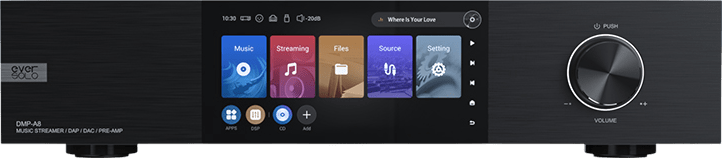
- Excellent build quality with a luxurious aluminum body and sleek design
- Serves as a high-quality preamp, streamer, and DAC all in one device
- The DAC utilizes flagship AKM chips with 'Velvet Sound' technology, providing a warmer, richer, and more natural sound compared to the DMP-A6
- User-friendly interface with a responsive touchscreen and a well-designed control app
- Versatile connectivity options, including multiple digital and analog inputs/outputs, and support for various streaming services
Product Considerations
- The preamp section's performance is not on par with the digital streaming and DAC sections
- DSP functions are limited up to 192k sampling rate
- Spotify Connect has a lag in song switching at times
- The HDMI output is dedicated to I2S output, omitting the multichannel output capability of the DMP-A6
- Playlists cannot span music libraries; it is not possible to mix music from an internal SSD with tracks from TIDAL
Comparisons (according to reviewers)
- Vs DMP-A6: The DMP-A8 has better resolution, refinement, separation, and bass, sounding more 'analogue', while the A6 sounds brighter, lighter, and drier
- Vs HiFi Rose RS250a: The DMP-A8 sounds better if richness, warmth, and a big soundstage are valued, while the RS250a is preferred if analytical detail and an open top end are most important
- Vs Lumin U2 Mini: As a streamer only, the A8 is about the same as a Lumin U2 Mini but not quite up to the level of a Lumin U2 or HiFi Rose RS130
- Vs Geshelli Labs J2S AK4499 DAC: The sound was noticeably improved
- Vs RME ADI2 Pro: The DMP-A8 was preferable, as it sounded less flat and more three-dimensional in comparison
Takeaway: The DMP-A8 is a well-built and versatile streaming DAC that offers a rich and natural sound, along with a user-friendly interface and plenty of features. It is a great choice for audiophiles looking for an all-in-one solution to elevate their music listening experience.
Video review
Our take on the brand
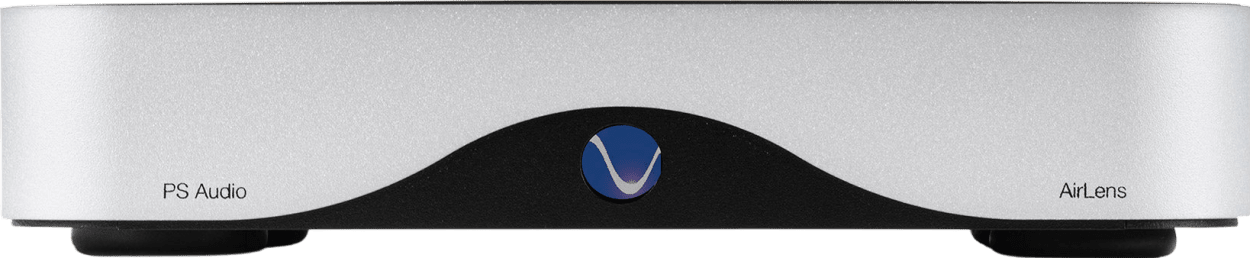

Streaming audio via Roon or other services like Qobuz, Tidal, and Spotify offers millions of titles at the touch of a finger. Unfortunately, connecting your sensitive DAC to the noise generated by computers, routers, NAS, local networks, and modems via either WiFi or Ethernet cable is not a great-sounding solution to bringing high-performance audio into your listening environment. The PS Audio AirLens™ completely eliminates the problems of noise, jitter, and EMI influences through complete galvanic isolation and perfect reclocking of the digital audio signal. You’ve not yet heard how great streaming can sound until you experience audio through the AirLens.
Our summary
Product Strengths
- Both an input stage and a galvanically isolated reclocking output stage ensures 100% isolation and noise-free delivery of perfect digital audio signals
- A DC-to-DC converter that is galvanically isolated allows the input and output stages to be completely isolated, allowing each to function as its entity electrically
- PS Audio uses its 'Digital Lens' technology to ensure the DAC gets the best audio data possible by storing data in a variable RAM buffer and sending it to the precision clocks within the AirLens
- The AirLens excels in performance with the I²s connection, delivering musical realism as well or better than any streamer under $5K
- The unit has a smaller frame component
- USB or Toslink inputs are absent
Product Considerations
- The PS Audio AirLens cannot stand toe-to-toe with the HiFi Rose RS-130 when it comes to design or features, as it is a basic box with no display screen
- There isn't a place to hook up a hard drive if one wants to stream stored music, since it is basically a streamer only
- The AirLens does not have a DAC
- It is not for the mainstream-streaming, non-audiophile consumer who uses Spotify and Apple Music, since it does not cater to features that audio enthusiasts will not use, such as AirPlay2, Bluetooth, or a proprietary music management application
Comparisons (according to reviewers)
- HiFi Rose RS-130: The Air Lens does the 3D imaging thing better than the HiFi Rose, however, the HiFi Rose has a more meaty—punchy—refined analog kind of sound overall
- EverSolo DMP-A6: The PS Audio Air Lens far excelled above the A6 when it comes to sound quality, as the A6 sounded a little more digital in the treble area with grain and noise
- WiiM Pro Plus: Going from the WiiM Pro Plus streamer into the Denafrips DAC to the Air Lens, there is an increase in bass and energy in the holographic sound stage
- HiFi Rose RS250A, NAD C 700, Naim ND5 XS 2: The HiFi Rose RS250A, the NAD C 700, or even the Naim ND5 XS 2 all have Bluetooth and a DAC in their system, the AirLens does not
Takeaway: The PS Audio AirLens is a music streamer designed to eliminate digital noise and hash and bring an experience unlike most streamers on the market. It's perfect for audiophiles who want a simple, high-quality streamer that delivers exceptional sound.
Video review
Our take on the brand


Product Strengths
- Refined digital sound that is transparent and resolves fine details, offering a clear and expansive sound image
- New processing system with resampling flexibility, allowing upscaling or downscaling between 44.1kHz and 384kHz/DSD256
- User-friendly Lumin app for iOS that supports playback from network attached storage, Tidal, Qobuz, and Internet Radio
- Versatile connectivity with a comprehensive array of digital outputs
Product Considerations
- Ethernet connection only, foregoing internal Wi-Fi conversion
- Sound quality is highly dependent on the quality and matching of the DAC used
- Transparency reveals the quality of upstream components
- Felt/cloth feet might cause the unit to slip more easily than its predecessor
- May reveal flaws in poorly made recordings due to its high resolution
Comparisons (according to reviewers)
- U2 Mini offers more resolution and air on the stage compared to the Lumin U1 Mini, represents a completely new generation of digital transports with obvious musicality
- Lumin U2 Mini had more resolution, a more clearly defined and expansive sound image, and a riper sound to each musical element, compared to Totaldac's internal streamer
- Competes closely in performance with the AURALiC Aries G2.1, especially concerning the amount of information and extension of the stage depth
Takeaway: The Lumin U2 Mini is a versatile streamer that delivers high-quality audio and is easy to integrate into existing audio systems. It offers great sound, a user-friendly app, and supports various streaming services, making it a worthy upgrade.
Video review
Our take on the brand
What competes at this price?
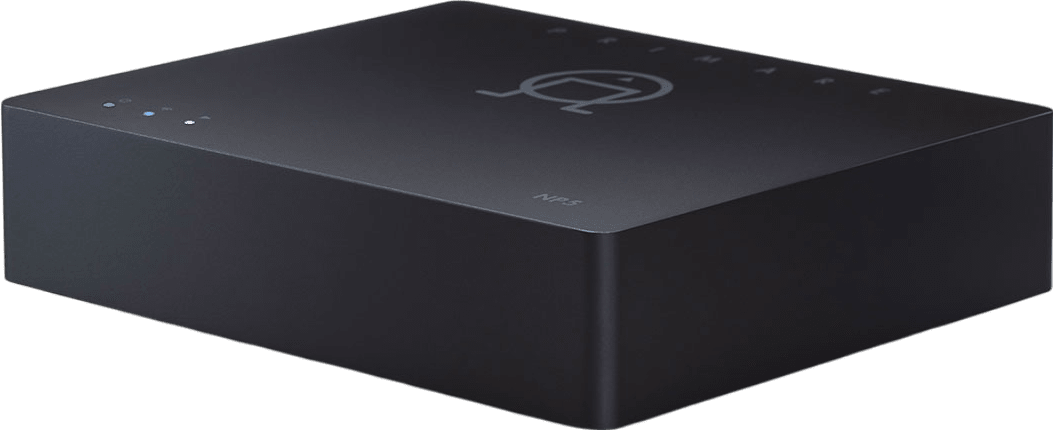

Our Summary
Product Strengths
- Open and transparent sound with precise placement and detail without being tiring
- Versatile streaming options through Chromecast, AirPlay 2, Spotify Connect, Tidal, Qobuz, DLNA/UPnP, and Roon Ready
- Good sound quality that enhances the listening experience compared to cheaper network players
- The Prisma platform receives long-term support with updates
- Compact size allows it to fit pretty much anywhere
Product Considerations
- Requires a separate DAC or an amplifier with a built-in DAC
- Basic control is limited to app use
- The included power supply is a cost-effective option that can be upgraded for improved performance
- Internet radio stream selection could be better
Comparisons (according to reviewers)
- Vs Cambridge Audio MX-N10—the NP5 has more mature, defined, transparent, and natural sounds, while the MX-N10 delivers more punch to the sound
- Vs Bluesound Node—the NP5 offers better levels of clarity, soundstage, and definition, but the Bluesound Node is more feature-rich
- Vs WiiM Pro—the NP5 has a bigger, more open, and more dynamic soundstage
- Vs Naim ND5XS—the NP5 is more detailed, tighter defined, and more precise in terms of placement in the stereo image
- Vs Argon Audio Solo—the NP5 has more resolution and separation, and it projects vocals and soundstage a little bit more viscerally
Takeaway: The NP5 Prisma MKII is a versatile streamer that offers great sound for the price. It is a good choice for anyone wanting to add streaming to their existing setup and is worthwhile if seeking an upgrade in sound quality from basic streamers.
Video review
Our take on the brand



Our Summary
Product Strengths
- High-quality build, feels substantial and well-made due to the aluminum casing and hefty weight
- Offers versatility by functioning as both a streamer and a DDC (digital-to-digital converter)
- Delivers very low jitter and noise
- Improves the sound quality, details, and soundstage compared to using a computer directly as a source
- Provides various connectivity options, including I2S, AES, SPDIF (BNC, Coax, Optical), and USB
Product Considerations
- Switching between DDC and streamer modes requires physically disconnecting the USB-B cable and power cycling the device, which is not ideal
- Initial setup and software flashing might be necessary for some users to ensure optimal performance
- Only connects via Ethernet, as it does not have Wi-Fi
- Some users have found that a power conditioner is necessary to get the best sound
Comparisons (according to reviewers)
- The Red provides a wider and deeper soundstage, as well as a lower noise floor, compared to the Raspberry Pi
- Favored for its performance as a DDC and streamer combo, as well as for build quality, the Red is better than the iFi Zen Stream and iFi Neo Stream, the latter of which is considered a good all-in-one solution with a built-in DAC
- Sounds night and day better, the Metrum Amber sounds more distant, fuzzy, and not as crisp
Takeaway: The Hello Audio Red is a versatile device that can function as a streamer and DDC. It offers a clean and detailed sound, making it a worthwhile addition to a high-quality audio setup.
Video review
Our take on the brand
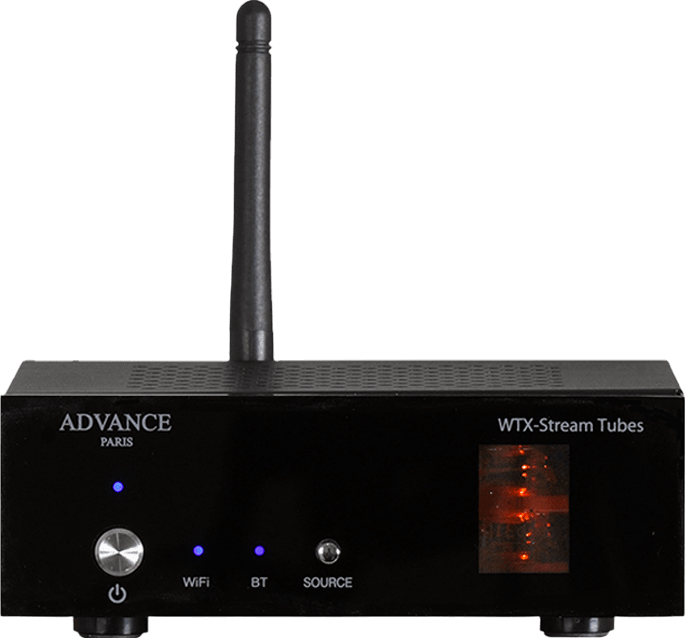

Our Summary
Product Strengths
- Unique tube-based output stage using 5703 subminiature tubes delivers analogue warmth
- Comprehensive streaming service support includes Spotify, Qobuz, Tidal, Deezer, Amazon Music, TuneIn, and vTuner radio services
- Robust multiroom capabilities allow streaming different audio sources to multiple rooms simultaneously
- The app is responsive, controls well, and connects directly with Spotify output
- Sound staging seems to open up a little more—expansive sound staging width, which is very common of tube stage preamps or amplifiers
- Bluetooth connectivity requires optional dongles
Product Considerations
- The app structure is the same for the WiiM streamer app, suggesting shared software programming
Comparisons (according to reviewers)
- Compared to the Topping DAC, the WTX-StreamTubes has a higher voltage output
Takeaway: The WTX-StreamTubes offers a unique way to experience digital music with the warmth of tubes and is easy to use with its responsive app and comprehensive streaming support. Its multiroom capabilities and tube sound make it a good option for those wanting to upgrade their streaming setup
Video review
Our take on the brand
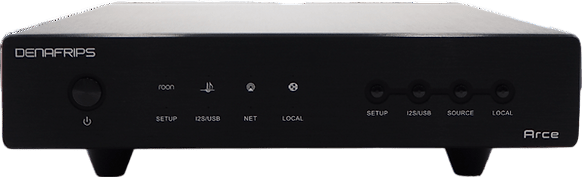

Our Summary
Product Strengths
- Designed with a focus on playback quality, using a custom computer platform instead of existing solutions
- Has a rich selection of digital outputs, including S/PDIF, AES/EBU, and I²S, and offers clock sync with Denafrips DACs
- Features a powerful quad-core ARM Cortex processor for fast music streaming
Product Considerations
- DLNA streaming is limited to a resolution of 16-bit/44kHz
- The interface and initial installation can be confusing without instructions
- Roon certification is ongoing and not yet completed
Comparisons (according to reviewers)
- Compared to the Eversolo A6 Master Edition, the Arce offers a more analog sound with richer bass, while the Eversolo is more punchy, dynamic, and in-your-face
- Arce seemed equally musical and detailed as the Metrum Ambre, with a high dose of transparency
- Compared to the Meitner MA3 DAC (internal streamer), Arce sounded similar, losing only a little transparency and space after extremely careful listening
- Arce is slightly faster, more open, more detailed, and has a nicer exterior design than the AlloUSBridge
Takeaway: The Arce streamer is an excellent choice if one wants great sound, a nice look, and useful features, especially if Roon is already being used and there is a good DAC with I²S or AES/EBU. It does a great job streaming music and lets one enjoy the sounds hidden in the digital files.
Video review
Our take on the brand
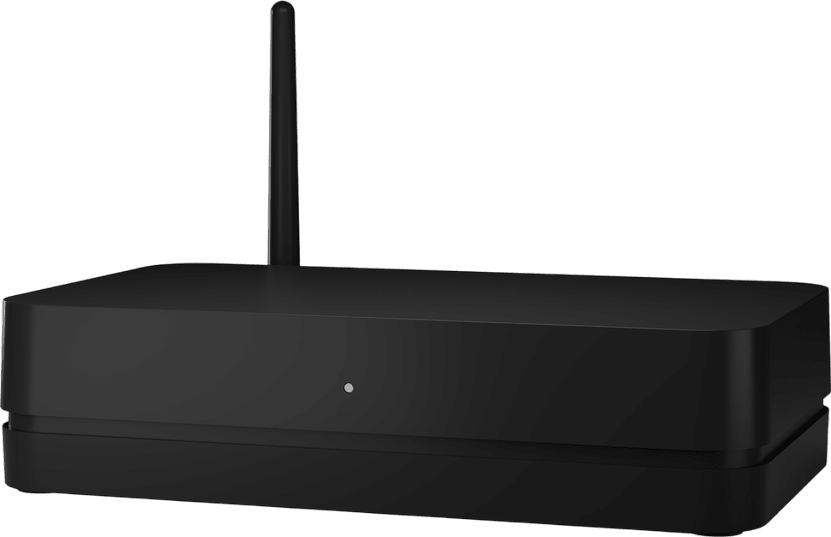

Our Summary
Product Strengths
- The Connect Plus hub supports various streaming standards, including AirPlay, Chromecast, Roon Ready, and Spotify Connect
- It sends music signals wirelessly to the speakers in uncompressed hi-res quality of 96 kHz and 24 bit resolution
- The Connect Plus hub can function as the central control for a multi-room system
- It can be controlled either by wireless remote control or via Piega's own app
- It offers a wide array of connectivity options, including HDMI (ARC), optical, coaxial, USB DAC, and analog RCA/3.5 mm minijack inputs
Product Considerations
- Although Connect Plus supports signals up to 24-bit/192 kHz, it only passes 96 kHz to the Piega Premium Wireless Gen2 speakers
- Android users will have to borrow an iPhone for room calibration
- Some settings on the back of the boxes and the Connect Plus are still required
- The circular volume control in the app now reacts a bit sluggishly
- The hub does not have a display
Takeaway: The Connect Plus is a versatile hub that can handle many streaming services and connections. It sends lossless, high-resolution audio to compatible speakers making it a great addition to a home entertainment system.
Video review
Our take on the brand
How to buy
Digital Sources
Search all hifi products
Explore our database of 10,000+ new and 25,000+ used hifi products.