

.png)



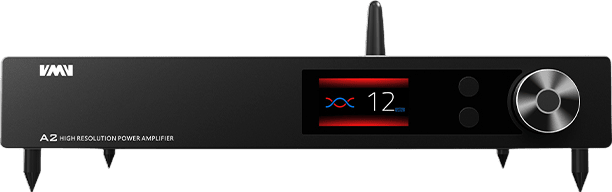
Note that this is a discontinued product. You may want to visit the brand's page here to browse their newer products.
What reviewers think
Bloggers and YouTubers have tried this product—so we've summarized their strongest opinions below. Links to full reviews follow.
Product Strengths
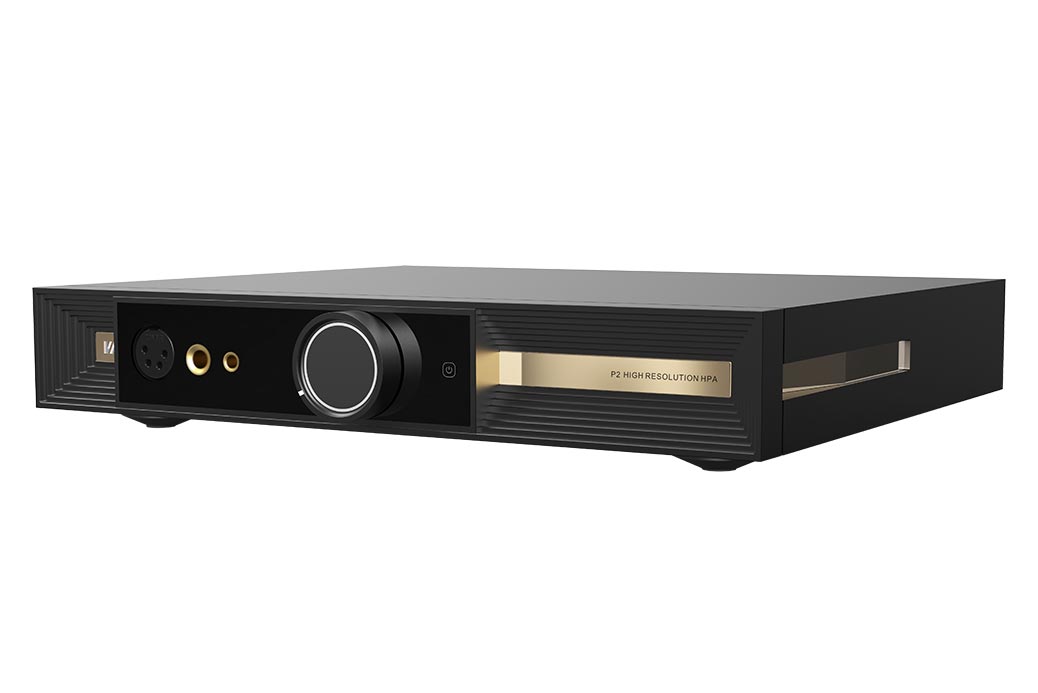
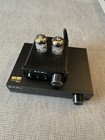
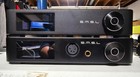
- Original and stylish design
- High power output, up to 12 watts
- Overload protection
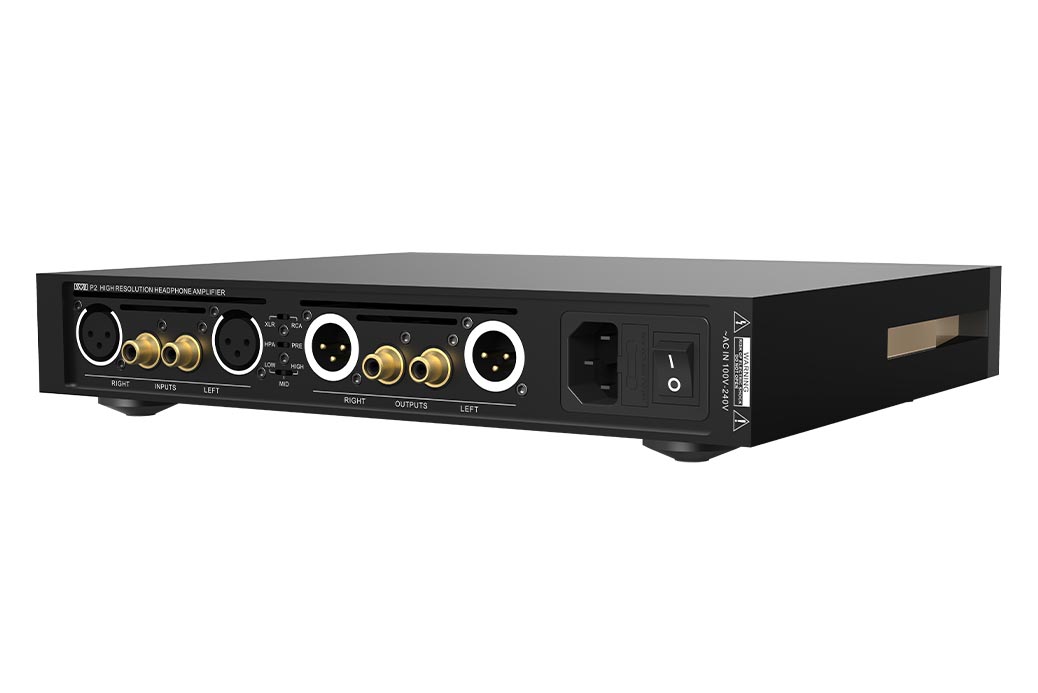
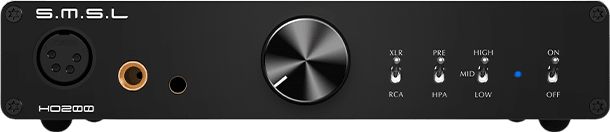
- The XLR, RCA input switch, the headphone amplifier or preamplifier switch, and the low, mid, and high gain switches are located on the back of the unit, potentially making them difficult to access
Product Considerations
- The unit uses 99 low-noise op-amps in parallel, which is considered excessive and potentially detrimental to sound quality
- The unit uses the cheapest balanced potentiometer
- The unit uses a couple of switching power supplies
- The total harmonic distortion is only at its super magical level with a very high wattage
Takeaway: The VMV amp has high power and overload protection that might work to drive headphones. It could be a great amp for someone willing to try it out.
All
VMV P2
reviews


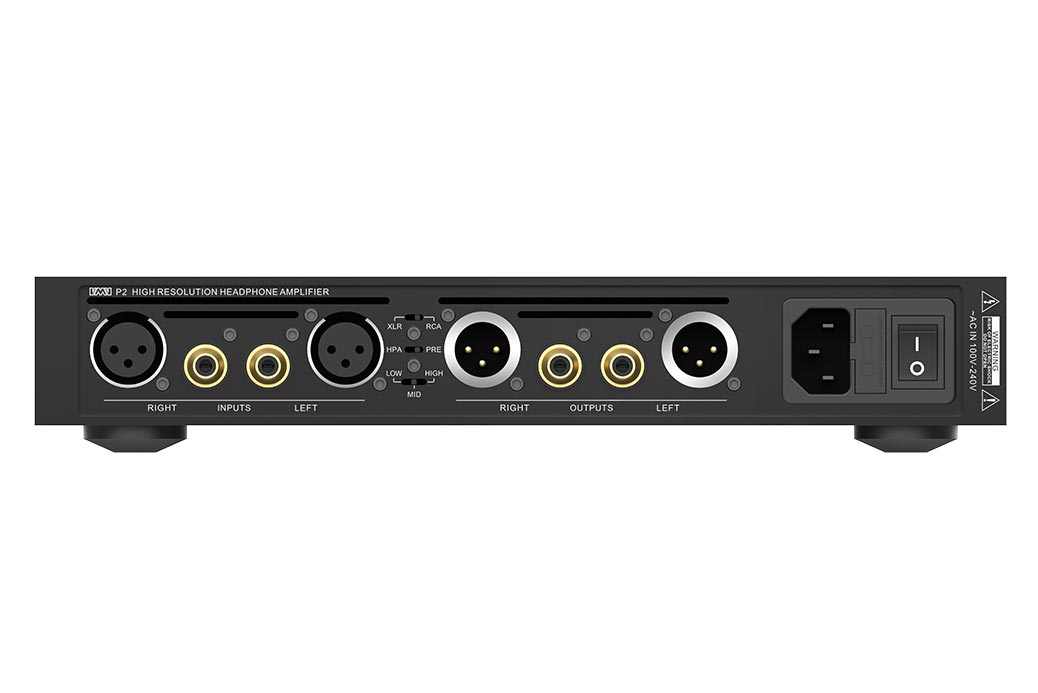
Manufacturer details
- Output Power (16Ω): 12W
- Output Power (32Ω): 6W
- THD: 0.00006%
- SNR: 133dB
- Frequency Response: 20Hz to 100KHz(-0.5dB)
- Number of Op-amps: 99
- Gain Control: 3 gears





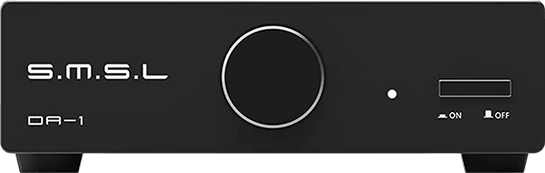
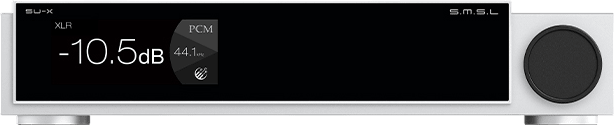
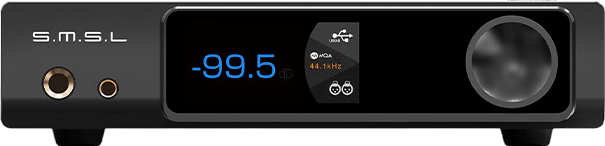

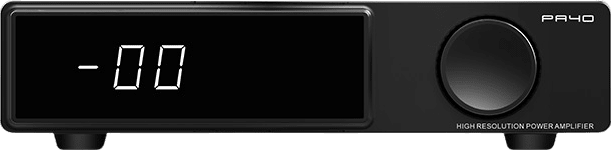
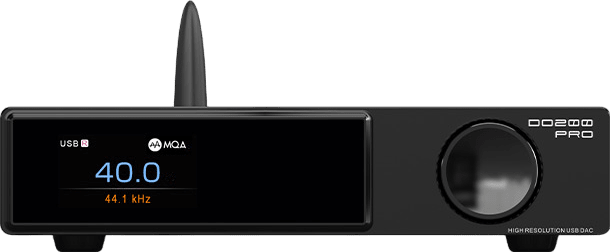
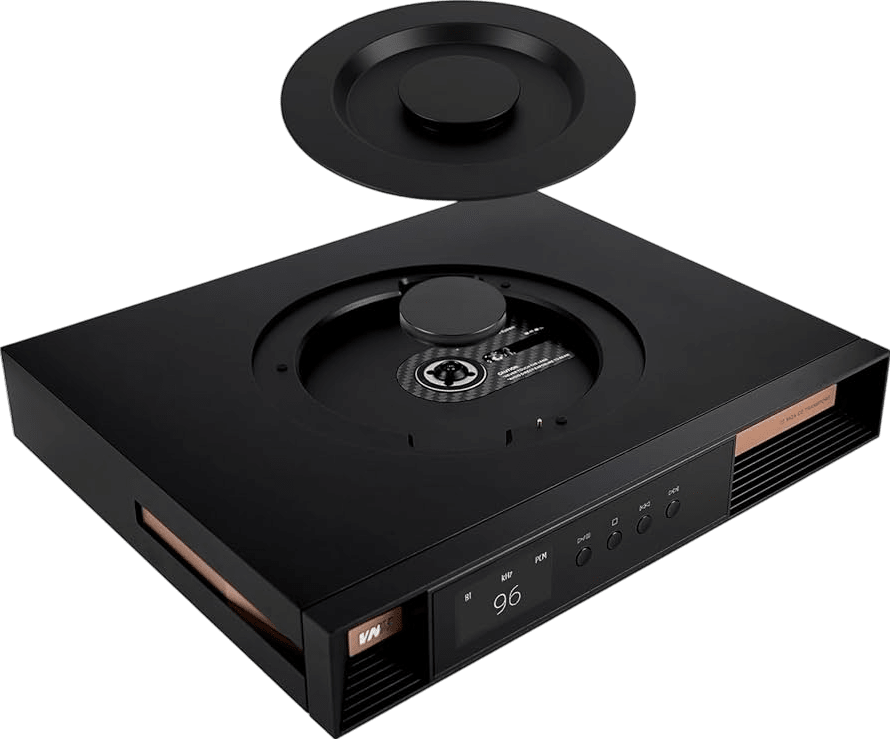
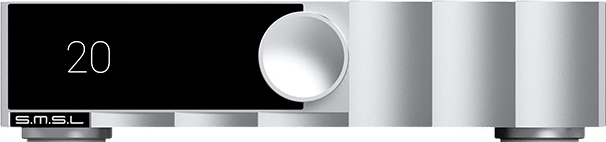
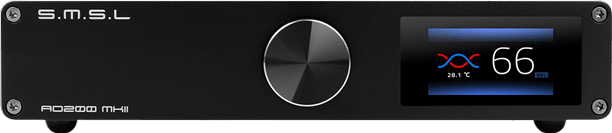
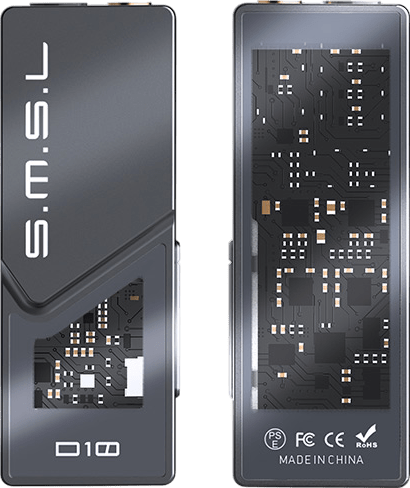

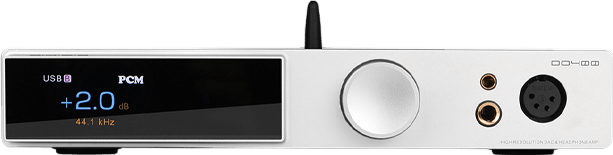
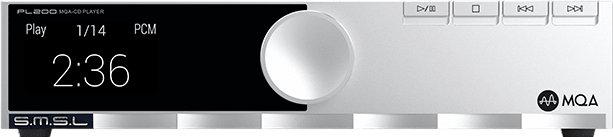
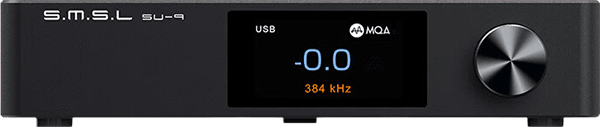
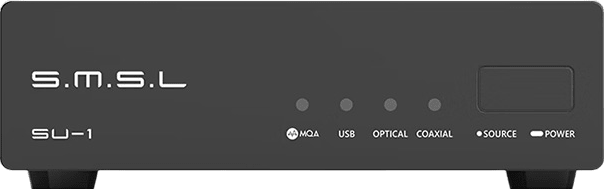



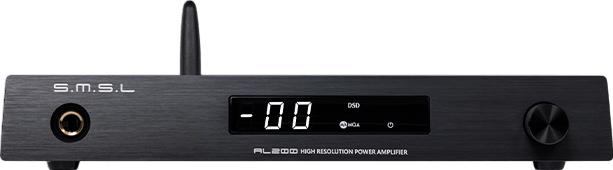
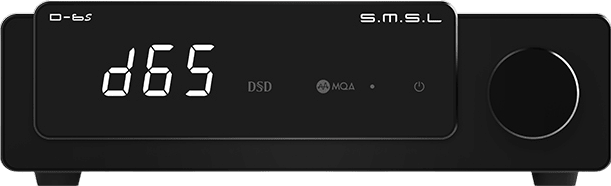
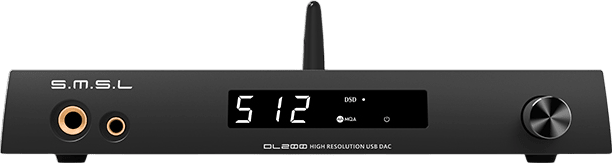
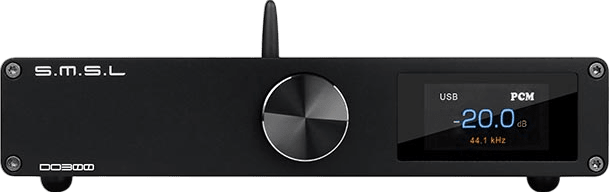

Brand highlights
Taking a step back to look at reviewers' thoughts of the brand's entire lineup—not just this product—what stands out most is the following:
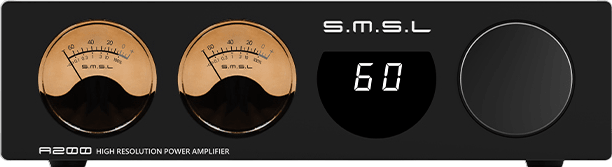
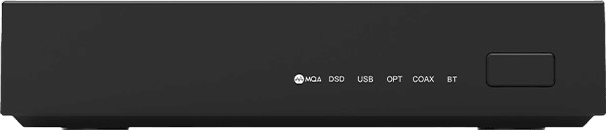
- SMSL amplifiers, particularly the AO series, offer a versatile feature set, including USB DAC functionality, Bluetooth connectivity, and subwoofer outputs, making them suitable for diverse audio setups, often at an affordable price.
- They incorporate quality components, such as Infineon Class D amplifier chips, NJRC potentiometers, and TI op-amps, reflecting a deliberate choice to balance performance and cost.
- SMSL DACs often provide a neutral and transparent sound signature, aiming for accurate audio reproduction with excellent detail retrieval.
Select products



Our take on the brand
Look inside the brand
Our interview with the brand
What are two key technological innovations or strong opinions that differ you from other brands?
What's your approach to customer support?
What are your favorite tracks for showcasing the strength of your products?
What other products pair best with yours?

Used
SMSL







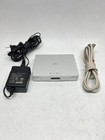
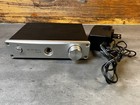
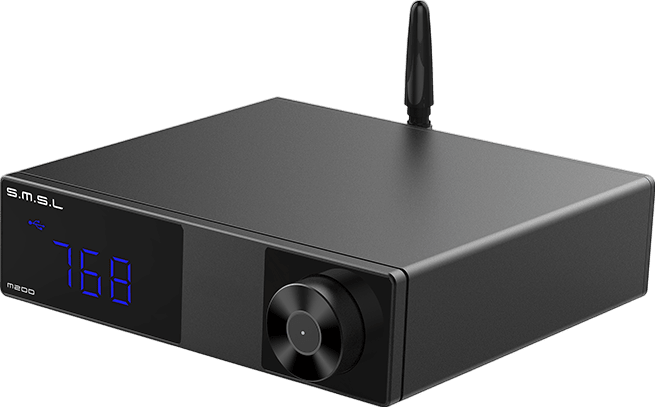
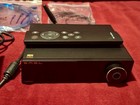
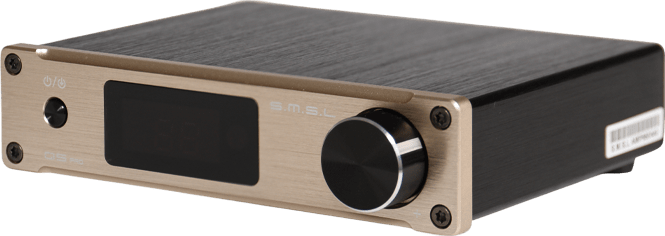
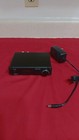

What if you spend more?


.jpeg)

.svg)
Product Strengths
- Very refined sound signature
- Outstanding output power
- Pleasingly smooth and refined tonal quality with a strong focus on spatial detail, all delivered within a very spacious presentation
- Presents wonderful PRaT (Pace, Rhythm and Timing), injecting loads of dynamics and rendering complex passages with ninja-like speed of attack
- Plenty of I/O options for both source and third-party power amplifiers
Product Considerations
- Non-linear volume curve for demanding headphones
- Beefy desktop amplifier requiring significant table or rack space
- Has only 0.1R O/P impedance on the headphone socket, while the line O/P impedance is still 100R
Takeaway: The Gustard H26 is a high-performing headphone amplifier and preamplifier that provides refined sound and plenty of power. It could be a great addition to a hifi system because reviewers are overwhelmed by the performance compared to the price.
Video review
Our take on the brand

Product Strengths
- Delivers a vividly detailed and balanced sound, handling complicated mixes with skill
- Able to extract a lot of information from digital audio files with apparent ease
- A volume lock prevents accidental volume adjustments when the device is in a pocket or bag
- Extensive specification including Bluetooth 5.4 with aptX Lossless compatibility and multiple inputs/outputs for versatile connectivity
Product Considerations
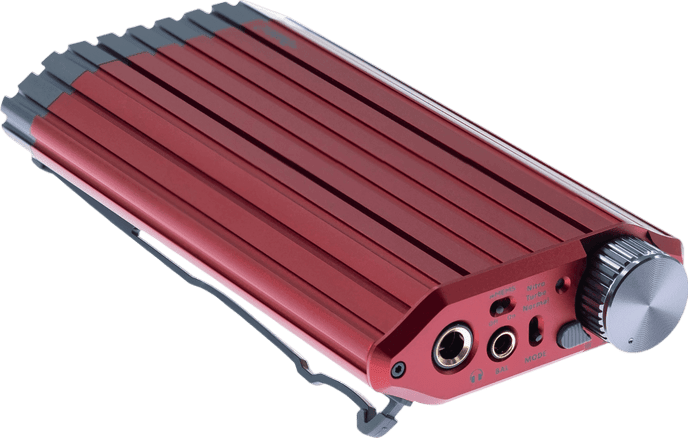
- Some reviewers feel the device is not very pocket-friendly due to its size and sharp edges, making it better suited as a transportable—rather than a truly portable—device
- The gain is set too high, making precise volume control difficult, especially with sensitive IEMs
- Using IEMatch adds output impedance, which can negatively affect the tonal balance and dynamics of some IEMs
- The length of the included USB-C cable is short, making it difficult to position the device on a desk
Comparisons (according to reviewers)
- Compared to the iDSD Diablo 1, the Diablo 2 offers slight sonic improvements and better build quality, but at a higher price
- Compared to the iDSD Signature, the iDSD Signature is considered by some to offer a better result for less money, with a more realistic instrument and vocal timbre, larger soundstage, and customizable features like crossfeed and bass boost
- Compared to the FiiO Q7, the iDSD Diablo 2 has a vivid sound, where the FiiO Q7 has a smooth and wide sound
Takeaway: The iDSD Diablo 2 is a powerful and versatile DAC/amp that enhances headphone listening with its detailed sound and extensive features. It is a good choice for users who want a high-quality audio experience on the go or at their desk.
Video review
Our take on the brand
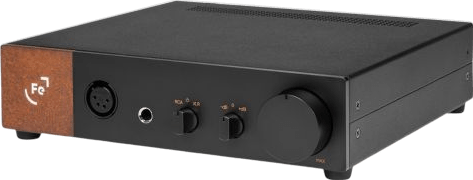
When our HYPSOS won an EISA award in 2021, we knew we were on the right track and went on to follow our dreams of delivering the best possible audio gear we could think of. When we learned OOR was chosen by the honorable EISA members as best Headphone Amplifier of 2022-2023, all our dreams came true. As did HYPSOS, OOR is a ground-up design without precedent, created from a profound exploration of analogue audio in its purest form. Understated looks married with sophisticated power delivery and amplifier technologies, delivering ultra-low distortion, huge dynamics and unrivaled detail. For those who want to go even further in unleashing unheard musicality, OOR is, of course, designed to pair perfectly with the HYPSOS Hybrid Power System.
Product Strengths
- Compact size compared to competitors, allowing for easy integration into desktop setups
- The OOR outputs 8 watts of power at 60 ohms and 1.6 watts at 300 ohms, making it one of the most powerful headphone amplifiers ever made
- Low gain setting is silent with sensitive IEMs
- Employs a fully discrete class AB amplifier; there are no op-amps used
Product Considerations
- Simultaneous use of the balanced and single-ended preamp outputs with the main headphone output is an inconvenience
- The unit gets quite warm after a few hours of use—recommending a well-ventilated area
- Powering on the unit requires going from balanced to single-ended
Comparisons (according to reviewers)
- Vs Benchmark HPA4, OOR felt considerably more alive, fleshed out, and natural sounding
- Vs Flux Volot, the reviewers felt that the OOR was more visceral sounding
- Compared to Fluxlab Acoustics, the OOR is a warmer and more soul-infusing amplifier and it never wants to be linear or flat
- Vs Flux Lab Acoustics Volod, it was easily bigger sounding, easily more impressive sounding, just more layered
Takeaway: The Ferrum OOR is a powerful amplifier in a small package, and it is built with great attention to detail. It has an engaging sound with a touch of warmth.
Video review
Our take on the brand
Product Strengths
- Wonderfully enjoyable and transparent sound, described as smooth, resolving, and engaging, enhancing music without coloration
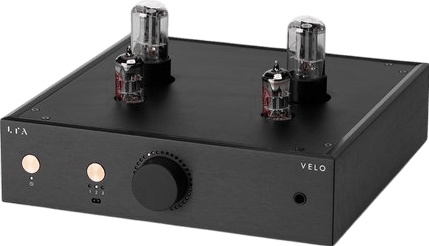
- Open design makes it easy to swap out the tubes
- It opens the soundstage in depth and width, increasing the ability to hear the placement of instruments, and micro details and spatial cues become more accessible
- Versatile, the Velo works well with different headphones (low/high impedance, dynamic/planar)
Product Considerations
- Not particularly powerful, the Velo might require more volume dial rotation compared to other amps to reach desired listening levels
- Bass might sound a little too rounded and lacking texture compared to some setups
- Lacks balanced XLR features
- The included switching power supply is not at the same performance level as the upgraded linear power supply
Comparisons (according to reviewers)
- Vs Linear Tube Audio MZ3: The MZ3 is more resolving and detailed, while the Velo is richer and smoother, the MZ3 is more technically engaging, but the Velo is more emotionally engaging
- Vs Burson Soloist 3X-GT: The Soloist 3X-GT has more power and greater resolution/clarity with a balanced cable, but the Velo is more intimate and relaxing
- Vs Oliver Sayes Type 26 DHT preamplifier: The Velo strikes a nice middle ground between the overly 'emotional' tube stage and the 'straight' sounding TVC mode
- Vs Eddie Current Zana Deux SE OTL: Unlike the Zana Deux, it doesn't go too far in warmth to the point of sounding mushy
Takeaway: The Velo is a versatile tube amplifier that provides a wonderful and enjoyable listening experience by being transparent and smooth. It's designed for music lovers who value emotional engagement with their music.
Video review
Our take on the brand
What competes at this price?

Our Summary
Product Strengths
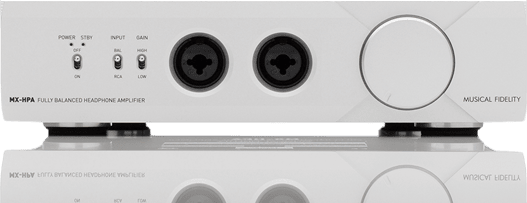
- Exceptional build quality with an elegant, minimalist aesthetic
- Fully balanced design
- Exceptional signal-to-noise ratio (>120dB 'A' weighted)
- Versatile because it automatically converts single-ended inputs to balanced signals
- Dual gain settings for versatility with virtually any headphone impedance
Product Considerations
- May be overkill for entry-level headphones
- The twin-XLR alternative is not the only means of balanced connection
Takeaway: The Musical Fidelity MX HPA is a remarkable piece of equipment that represents a significant achievement in balanced amplification design. It delivers a listening experience that is hard to surpass with technical excellence and practical versatility.
Video review
Our take on the brand


Our Summary
Product Strengths
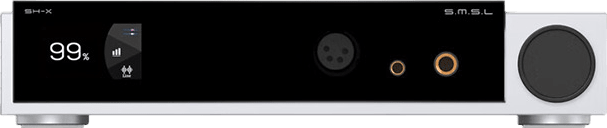
- Very sturdy and well-built headphone amplifier made out of aluminum
- Plenty of power and driving capabilities for both high impedance headphones and low impedance planars
- Tonality is well balanced with nothing emphasized or lacking across the frequency spectrum
- Sounds very natural and coherent, with no edgy or rough parts in its performance
- Offers good detail retrieval, separation, and layering of instruments and vocals
Product Considerations
- As a preamp, sound staging isn't particularly wide or deep compared to dedicated preamps
- The black volume knob is described as plasticky and some reviewers wish it was silver to match the chassis
- Lacks a 12V trigger, which would be a much-needed option
- Can run hot
- No auto-standby mode
Comparisons (according to reviewers)
- Vs Topping A90D: SH-X adds a slight hint of warmth in the bass section and is slightly more alive–engaging sounding, while A90D sounds more ruler flat
- Vs aune S17 Pro: SH-X can compete head to head with S17 Pro in 50mA mode, but S17 Pro edges it out in 100mA mode sounding tonally richer and fuller
Takeaway: The SMSL SH-X is a beautifully built and powerful headphone amplifier that offers a clean and transparent sound. It is a great choice for those wanting a high-performing amplifier with versatile connectivity options.
Video review
Our take on the brand

Our Summary
Product Strengths
- Delivers plenty of power for almost all headphones on the market
- Has a neutral sound signature with good detail retrieval throughout the frequency spectrum
- Balanced output provides greater clarity, instrument separation, and a wider soundstage
- Features a redesigned and modern-looking user interface with simple controls
- Offers clean sound, remote control, and precise volume control, suitable for a wide range of headphones from IEMs to difficult-to-drive models
Product Considerations
- Single-ended output sound is good, but the balanced output is noticeably better—meaning a balanced cable is recommended
- Compared to the Topping A70 Pro, it has less weight and grunt in the bassline
- The volume adjustment process can be a little choppy when using the soft volume control
- Does not have a DAC inside, it is just a headphone amplifier with analog inputs only
Comparisons (according to reviewers)
- Vs Topping A70 Pro: H400 has a quicker, more nimble bass, and a more lively and sparkly sound in the higher frequencies, while A70 Pro is bassier and slightly warmer
Takeaway: The SMSL H400 is a well-built, powerful headphone amplifier that provides great sound quality, especially when using balanced output. It is a great choice for anyone looking for a reliable amplifier with a clean interface and plenty of features.
Video review
Our take on the brand
Our Summary
Product Strengths
- Improved battery management offering faster charging rates and better efficiency than its predecessor
- Features a new USB-C data input for greater flexibility alongside other inputs
- Offers the world's first lossless DSP for tone adjustments without degrading sound quality, providing customization options
- Excellent resolution and dynamics with a large soundstage and extreme detail
Product Considerations
- The Mojo 2 can get warm when in a pocket for a period of time
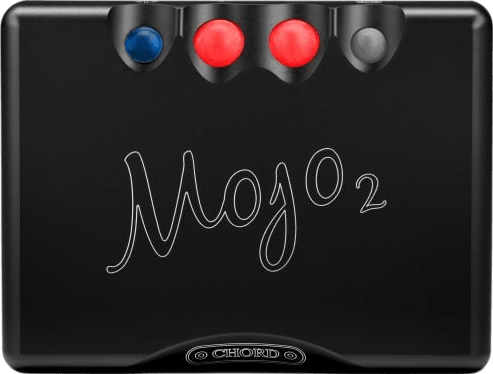
- Complicated menu navigation with color-coded buttons that may require the manual
- Still uses Micro-USB for charging, which some find outdated
Takeaway: The Chord Mojo 2 is an exceptional DAC/headphone amplifier for those seeking high-resolution audio and customized sound in a portable format that is easy to move. Its sonic accuracy, detailed soundstage, and improved features provide a versatile and enjoyable listening experience, making it a worthwhile consideration for audio enthusiasts.
Video review
Our take on the brand
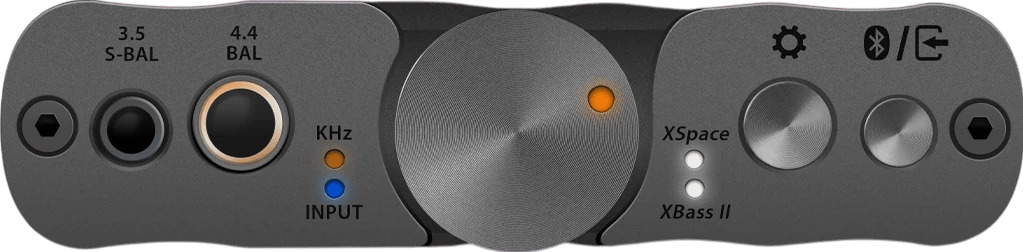

Our Summary
Product Strengths
- Versatile connectivity with both wireless (Bluetooth 5.1 with various codecs) and wired options (USB, S/PDIF, analog inputs) makes it suitable for various setups—from desktop to portable usage
- Eloquent, informative, and entertaining sound quality, able to produce clear, non-artificial sound across different headphones
- Features such as XBass II and XSpace provide additional sound shaping options for the user to customize the sound to their liking
- The aluminum build provides a robust and premium feel, with a design that's described as sleek and comfortable to handle
Product Considerations
- The user interface is not very intuitive
- Decent headphones are needed to reveal its quality
- The OLED screen can be difficult to read
- Battery life is around six to eight hours
Comparisons (according to reviewers)
- Compared to the hip-dac2, the Gryphon offers better sound quality, more features, and flexibility
- Compared to the iFi GO bar, the Gryphon is bigger and has a built-in battery, and the GO bar is much smaller and draws power from the source device
- Compared to the iDSD Diablo, the Diablo has more power for very demanding headphones, Gryphon has more functions
- Compared to the Zen DAC, the xDSD Gryphon has a more sophisticated and detailed sound
Takeaway: The iFi xDSD Gryphon is a portable and versatile device delivering high-quality sound with extensive features that cater to audiophiles. Its ability to improve sound quality from various sources and its robust build make it a worthwhile investment for music lovers on the go.
Video review
Our take on the brand
How to buy
Amplifiers
Search all hifi products
Explore our database of 10,000+ new and 25,000+ used hifi products.