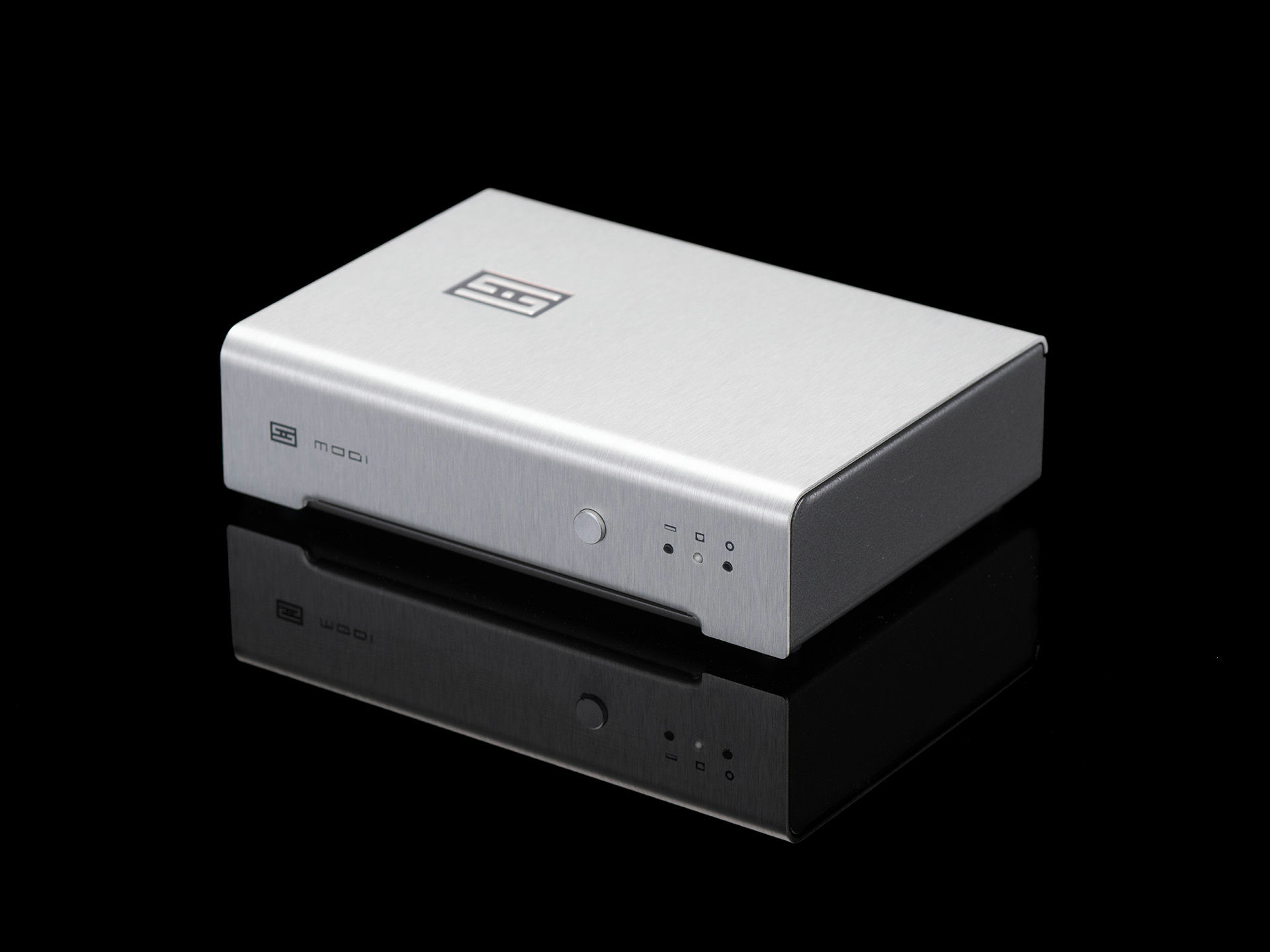


.jpeg)



Note that this is a discontinued product. You may want to visit the brand's page here to browse their newer products.
What reviewers think
Bloggers and YouTubers have tried this product—so we've summarized their strongest opinions below. Links to full reviews follow.
Product Strengths
- Very refined sound signature
- Outstanding output power
- Pleasingly smooth and refined tonal quality with a strong focus on spatial detail, all delivered within a very spacious presentation
- Presents wonderful PRaT (Pace, Rhythm and Timing), injecting loads of dynamics and rendering complex passages with ninja-like speed of attack
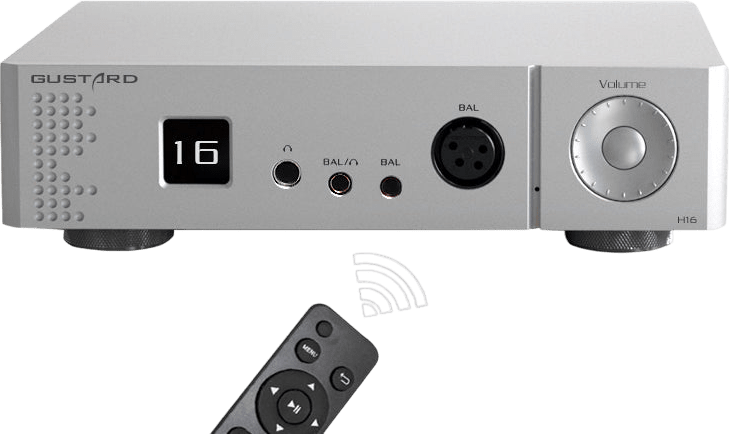
- Plenty of I/O options for both source and third-party power amplifiers
Product Considerations
- Non-linear volume curve for demanding headphones
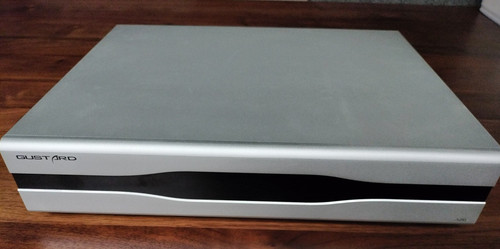
- Beefy desktop amplifier requiring significant table or rack space
- Has only 0.1R O/P impedance on the headphone socket, while the line O/P impedance is still 100R
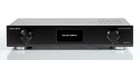
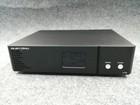
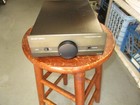
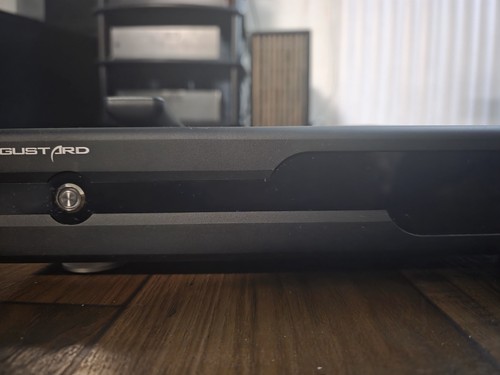
Takeaway: The Gustard H26 is a high-performing headphone amplifier and preamplifier that provides refined sound and plenty of power. It could be a great addition to a hifi system because reviewers are overwhelmed by the performance compared to the price.
All
H26
reviews



Manufacturer details
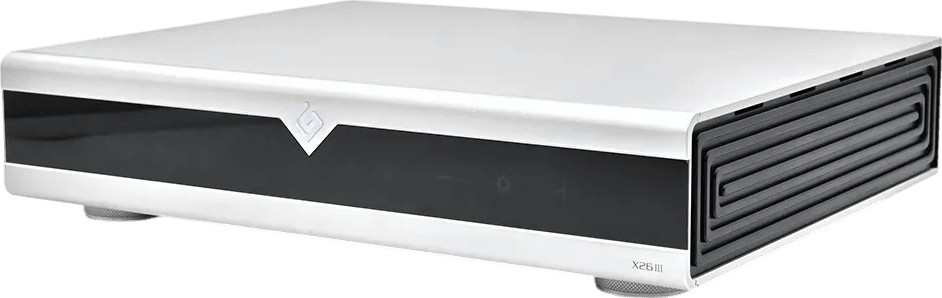
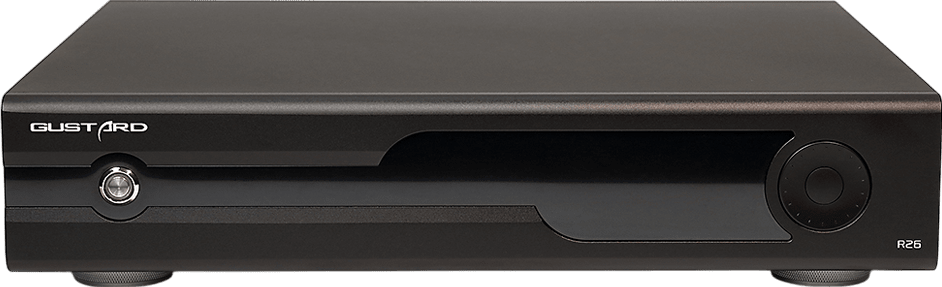
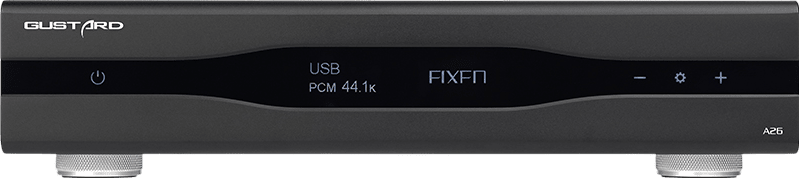
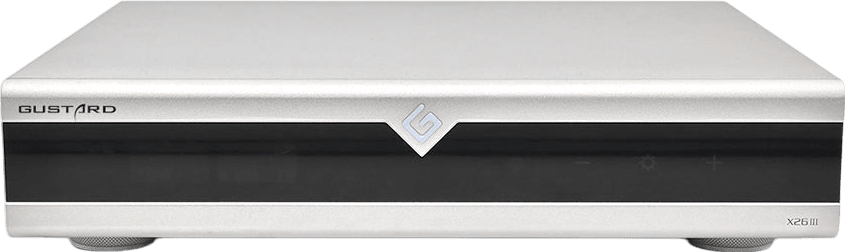
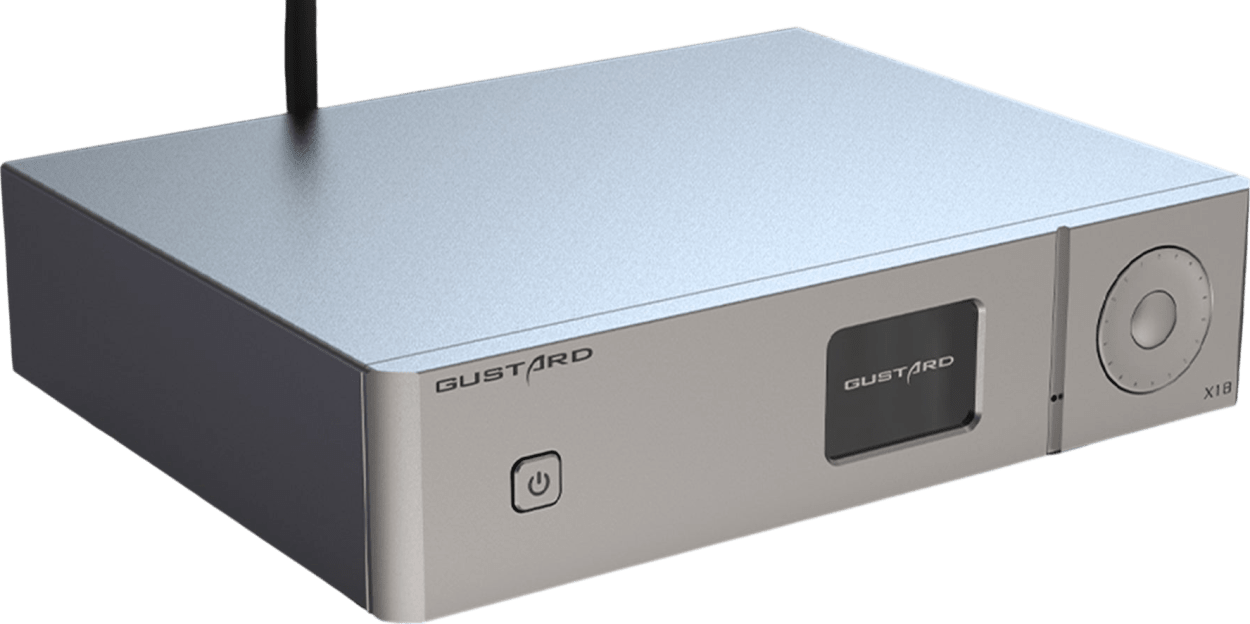
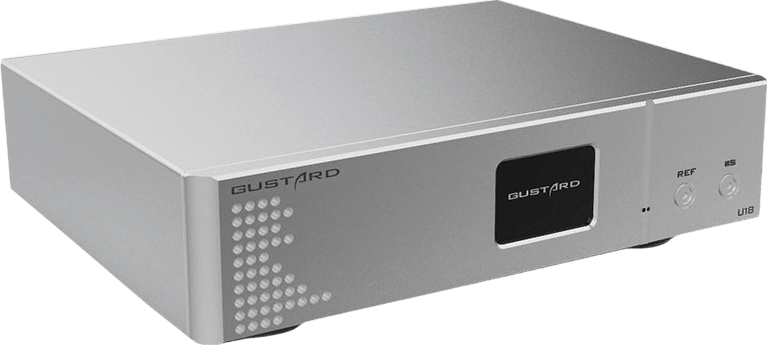
- Size: W330mmD260mmH65mm (protrusion not included)
- Package size: W420mmD360mmH175mm
- Weight: 7.0KG (with package)

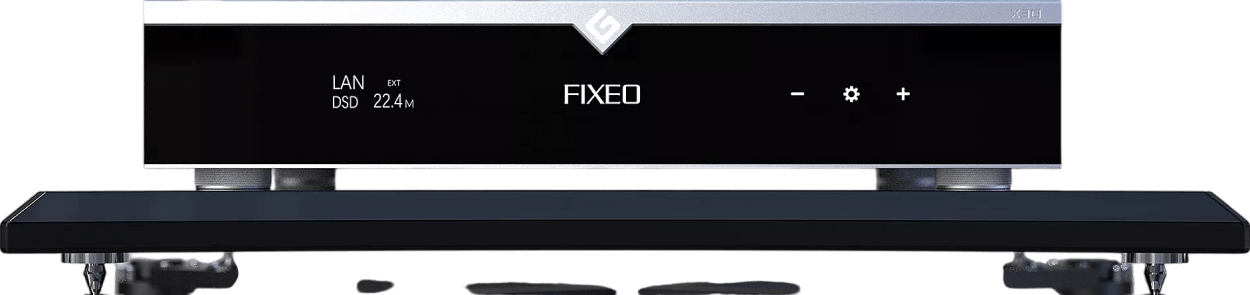

Brand highlights
Taking a step back to look at reviewers' thoughts of the brand's entire lineup—not just this product—what stands out most is the following:
- Gustard consistently utilizes high-quality components in its products, such as Accusilicon clocks, toroidal transformers, and discrete analog output stages.
- The brand's DACs often feature a comprehensive array of digital inputs, including I2S via HDMI and Ethernet ports for network streaming capabilities.
- Gustard emphasizes providing a refined and smooth audio presentation, prioritizing musicality and natural sound over solely focusing on measured results.
- They offer advanced internal clock management via custom-built synthesizers and precise femto-second clocks, reducing jitter for a cleaner audio signal.
Select products
DAC-X16
- Positioning: Entry-level line, designed for affordability and compactness.
- Description: Offers a balanced sound with full MQA capabilities and advanced Bluetooth codecs. Compared to the DAC A-18, it provides a more neutral sound, suitable for those who prioritize measurement-focused performance in small spaces or portable setups.
DAC A-18
- Positioning: Mid-range option, balancing performance and value.
- Description: Known for its detailed and transparent sound, with a robust build quality that enhances spatial imaging. It offers a more natural and dynamic sound compared to the DAC-X16.
DAC-A22
- Positioning: High-performance model, focusing on soundstage and depth.
- Description: Features dual AK4499 chips, providing a warm and engaging sound with impressive holographic imaging. It surpasses the DAC A-18 in tonal balance and offers a more immersive experience.
DAC-X26
- Positioning: Premium model, designed for high-end audio systems.
- Description: Celebrated for its class-A warmth and impactful bass, offering a refined and natural sound. It outperforms the DAC-A22 in terms of detail retrieval and transient response.
DAC-R26
- Positioning: Reference-grade model, emphasizing musicality and engagement.
- Description: Uses a discrete R-2R ladder design, delivering a highly musical and lifelike sound with exceptional soundstage depth. It offers a unique blend of technical excellence and emotional engagement, surpassing the DAC-X26 in naturalness.
DAC-X30
- Positioning: Flagship model, representing the pinnacle of Gustard's DAC technology.
- Description: Features a quad-mono design with four ES9039 PRO chips, providing exceptional resolution and dynamic range. It offers a more refined and expansive sound compared to the DAC-R26.

Our take on the brand
Look inside the brand
Our interview with the brand
What are two key technological innovations or strong opinions that differ you from other brands?
What's your approach to customer support?
What are your favorite tracks for showcasing the strength of your products?
What other products pair best with yours?

Used
Gustard







What if you spend more?



.svg)
Product Strengths
- A lovely, lush sounding performance that's hard to dislike and sounds smooth but far from lifeless, delivering high levels of detail in a cohesive and musical manner
- A sympathetic performer, it prefers to play to its inferior partnering equipment's strengths than overly expose their weaknesses, as many hifi audio examples tend to do
- It can cater for a wide range of headphones and connections and it is a benchmark product that's highly recommended
- Zero musical flaws to report and is nearly perfect in execution
- A stunning design to the eye and ear, it is overall a wonderful addition for the perfectionist who wants the very best performance at home or even in the studio
Product Considerations
- The volume control operation lacks linearity, making it hard to make subtle changes in level
- No input selector, so one should only connect one type at once
- On some samples, the volume control is loose and wiggles in its chassis housing
- The octal AC socket is a bit of an odd choice, considering most users might prefer IEC
- The depth, snap and weight of the low end was dynamic and exciting on some recordings and less than stellar on others
Comparisons (according to reviewers)
- Vs Musical Fidelity M1 HPA—the MHA200 has a lush warmness to the music that brings strings to life in a way that makes the M1 HPA sound somewhat sterile in comparison
- Vs EAR Yoshino HP-4 reference—the MHA200 was a touch brighter than the reference, though only slightly
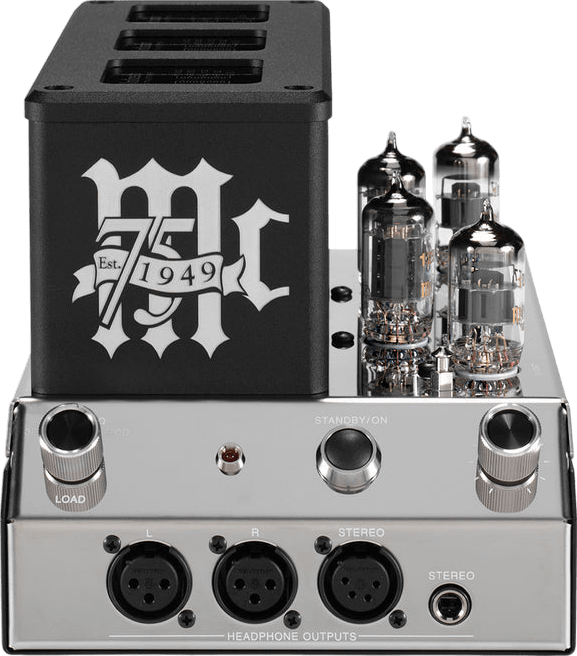
Takeaway: The MHA200 is an enjoyable product with a rich, balanced, and powerful sound, that's more forgiving than most rivals and can be enjoyed for years to come. This headphone amp is perfect for personal listening, design, and operation that will work its magic.
Video review
Our take on the brand
Product Strengths
- Delivers a lovely, lush-sounding performance that is hard to dislike, described as smooth but far from lifeless, delivering high levels of detail in a cohesive and musical manner
- Creates an astonishing space and three dimensionality to the sound, reminiscent of high-end systems
- Features a rich, balanced, and powerful sound that is more forgiving than most rivals
- Superbly made and engineered with solid casework
- Largely unphased by most headphones and can drive a wide range of headphones
Product Considerations
- Volume control operation lacks linearity, making subtle changes in level difficult
- Really needs a balanced source and headphones to deliver its best performance
- Has no input switching, so balanced XLR and single-ended RCA inputs cannot be used simultaneously
- Lacks a remote control for volume adjustment
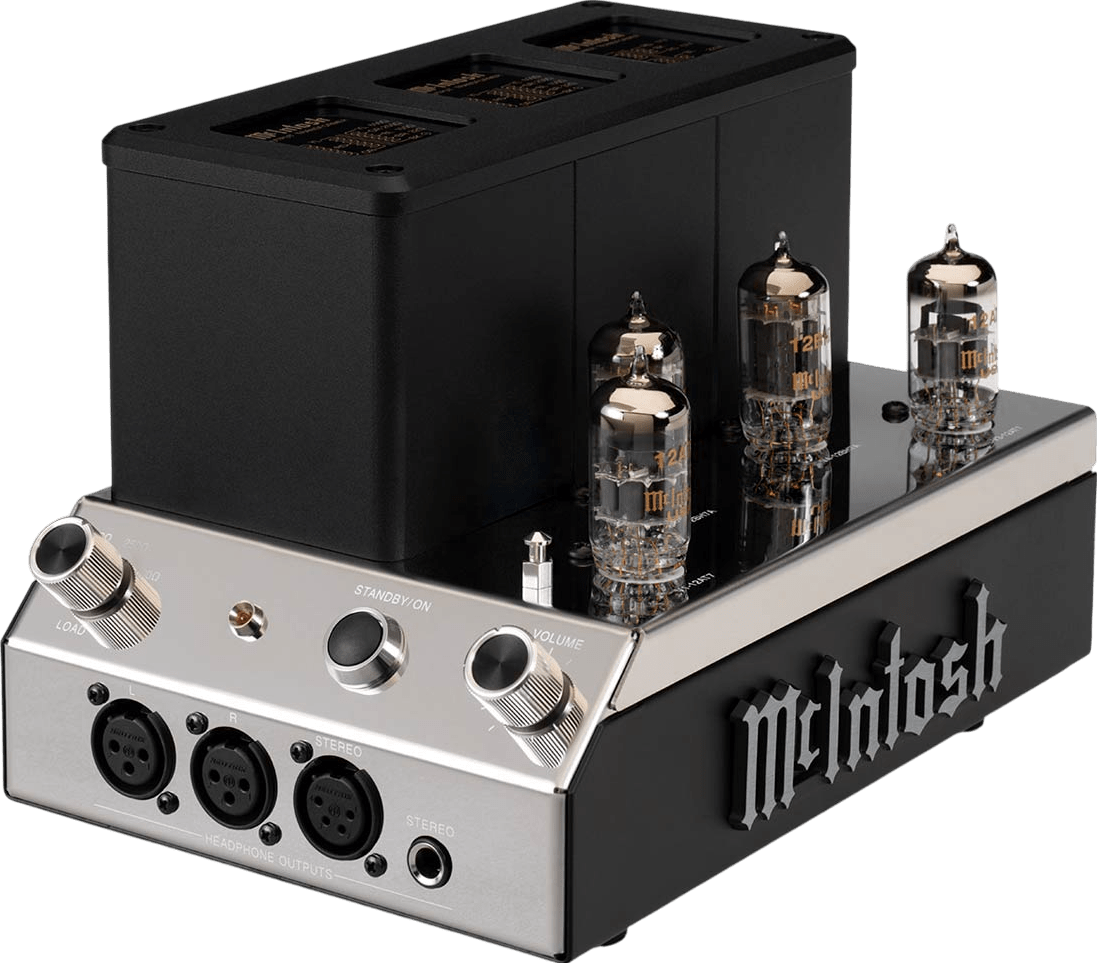
Takeaway: The MHA200 is a well-built headphone amplifier that delivers a refined and musical listening experience with a spacious soundstage. It is ideal for users who want a dedicated headphone amplifier and appreciate the rich sound of tubes.
Video review
Our take on the brand
.png)
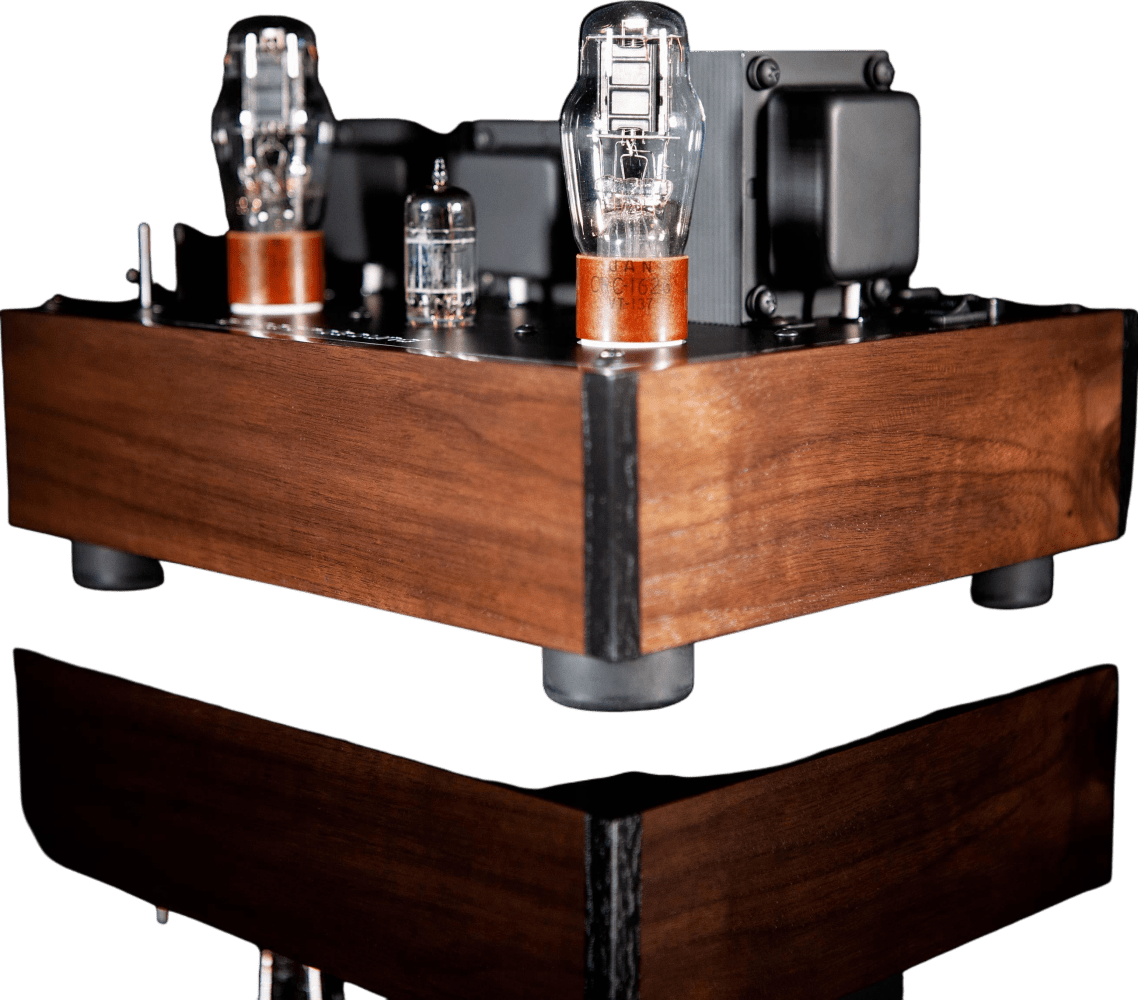
The outstanding performance of the Kenzie headphone amplifier is made possible with custom wound ultra-high quality output transformers providing amazing frequency extension. The Kenzie does not use a voltage network, and has more than enough power to drive even the most difficult headphones. We chose 32 ohms and 600-ohm output taps to allow use with the widest variety of headphones; everything from Grado Labs, HiFiMan, Audeze, MrSpeakers, Sennheiser, and Beyerdynamic.
The Kenzie showcases the transformers on the chassis to frame in the unique 1626 single-ended tubes. We have included an Alps volume pot to allow attenuation and simplify the signal path. The Kenzie is one of the sweetest-sounding headphone amplifiers on the market. The 1626 is commonly referred to as the "Poor Man's 300B"; offering a similar level of warmth, texture, and soundstage depth. The 1626 is a WWII-era tube that was used as a transmitter tube in radar installations. The design is shy on pure output, but offers layers of texture and drive, and is paired with a massive choke and robust output transformers for ultra-quiet operation. As with all of our products, parts selection was crucial during this build and each chosen not for price, but for best quality and synergy.
Generation 2 of the Kenzie OG The close of 2021 has brought out more than 18 months of a global pandemic. During these challenging times, we at ampsandsound strengthened our development efforts resulting in new generation of our classic amps. 2022 adds the ability to chose 8/100 or 32/300 for output impedances when ordering. Though octal input tubes provide a romantic character that had defined the ampsandsound house sound, reminiscent of 1950s HiFi, the downside to this approach is a reduced noise floor and dwindling NOS options. With ampsandound moving to a 9pin front end, performance has been increased, NOS tube rolling has become nearly limitless, and yet we were able to enhance the sweetness and tone we are known for. The 9pin front end allows vastly increased options for tone rolling to find your balance and preference. With our front end's new development, we have improved our amps further, including both subtle and significant changes alike. Notable takeaways include increased power output, reduced noise floor across all our amps, increased bandwidth.
Product Strengths
- Unique 'tube character' enhances the sound in a positive way
- Known for sweetness, euphony, and richness of tone
- Enhances microdynamics, drawing attention to finer nuances of volume
- Creates a more involved and textured soundstage
- Is a completely neutral headphone amplifier, as long as the output impedance synergy is observed
- Inputs and outputs are located on the back of the unit, which can be inconvenient
Product Considerations
- Not suitable for very inefficient planar headphones like the HE6 or Audeze LCD-4
- Not generally recommended for IEMs
- Can be susceptible to interference from Wi-Fi signals or other electronic components
- Depending on the headphone used, the environment, and the output being used, the unit may produce some noise floor
Takeaway: The Kenzie is a special tube amp that makes music sound sweet and detailed, improving the listening experience with many headphones, assuming the right setup is used. It's a good option for those who want to go beyond solid-state amps.
Video review
Our take on the brand

Product Strengths
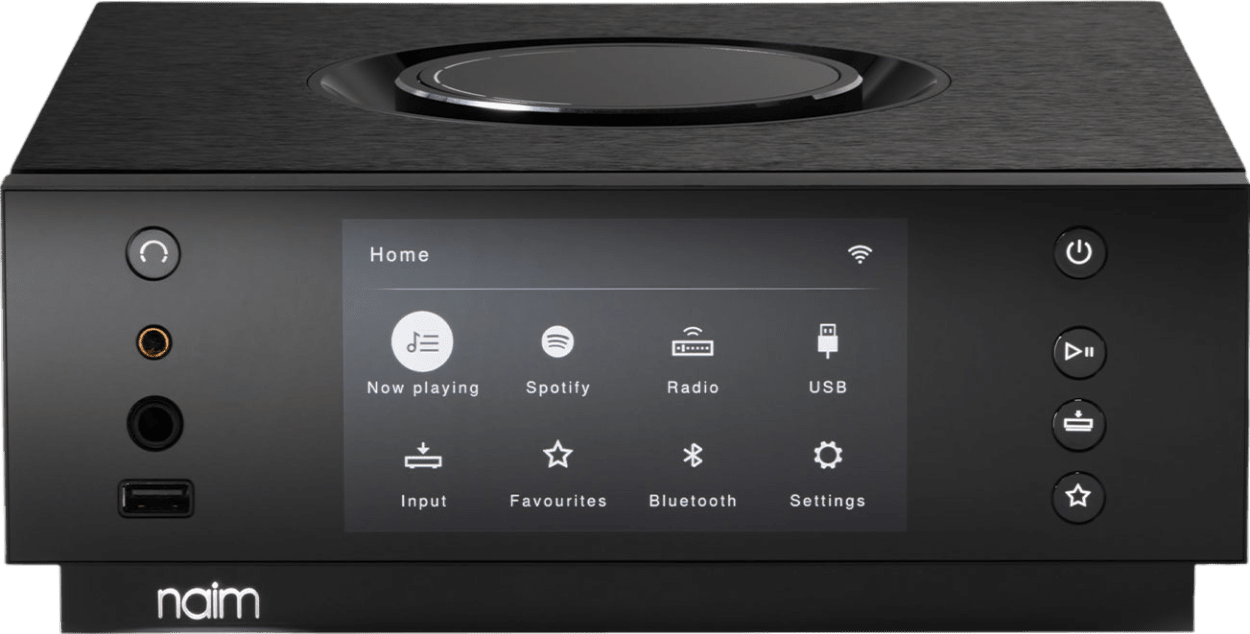
- Offers a comprehensive and flexible specification, functioning as a headphone amplifier and streaming preamp
- Produces superb sound quality, described as clear, pure, detailed, dynamic, and musical, without being overly analytical, regardless of genre or recording quality
- Features a well-made, elegant, and attractive design with a beautiful screen for album art and a satisfying volume control
- Supports a comprehensive range of streaming services and digital formats including AirPlay 2, Chromecast, Spotify Connect, Tidal Connect, Qobuz, Bluetooth, UPnP, and Internet Radio, and is Roon Ready
- Intuitive and stable app, especially for those who know what they want to listen to
Product Considerations
- The price is high relative to other headphone amplifiers/DACs on the market
- The front display is not a touchscreen
- Some might prefer a more analytical sound presentation
- The HDMI ARC connection is absent
- The Naim app lacks polish compared to dedicated music apps
Comparisons (according to reviewers)
- Vs Cambridge Audio Evo 150 and NAD M10—the Uniti Atom Headphone Edition is specifically focused on headphone use
- As a headphone amp, it is every bit as good as the Chord Hugo TT2
- Naim puts less of itself into the performance as opposed to McIntosh MHA200
Takeaway: The Uniti Atom Headphone Edition is a great self-contained system for headphone listening, with an easy-to-use interface and a beautiful design. It is a quality product that can be a centerpiece for your home audio.
Video review
Our take on the brand
What competes at this price?

Our Summary
Product Strengths
- Delivers a vividly detailed and balanced sound, handling complicated mixes with skill
- Able to extract a lot of information from digital audio files with apparent ease
- A volume lock prevents accidental volume adjustments when the device is in a pocket or bag
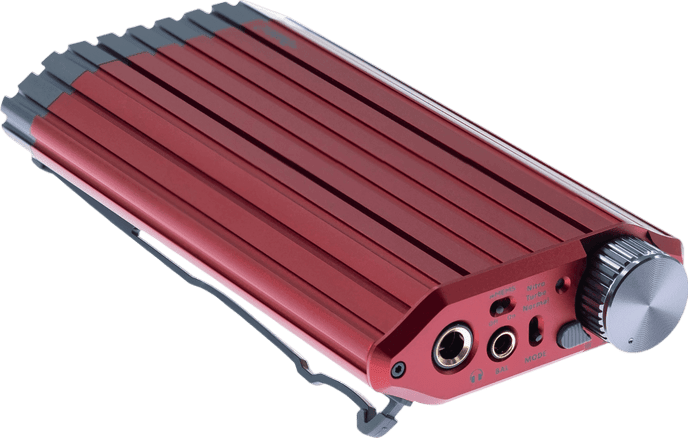
- Extensive specification including Bluetooth 5.4 with aptX Lossless compatibility and multiple inputs/outputs for versatile connectivity
Product Considerations
- Some reviewers feel the device is not very pocket-friendly due to its size and sharp edges, making it better suited as a transportable—rather than a truly portable—device
- The gain is set too high, making precise volume control difficult, especially with sensitive IEMs
- Using IEMatch adds output impedance, which can negatively affect the tonal balance and dynamics of some IEMs
- The length of the included USB-C cable is short, making it difficult to position the device on a desk
Comparisons (according to reviewers)
- Compared to the iDSD Diablo 1, the Diablo 2 offers slight sonic improvements and better build quality, but at a higher price
- Compared to the iDSD Signature, the iDSD Signature is considered by some to offer a better result for less money, with a more realistic instrument and vocal timbre, larger soundstage, and customizable features like crossfeed and bass boost
- Compared to the FiiO Q7, the iDSD Diablo 2 has a vivid sound, where the FiiO Q7 has a smooth and wide sound
Takeaway: The iDSD Diablo 2 is a powerful and versatile DAC/amp that enhances headphone listening with its detailed sound and extensive features. It is a good choice for users who want a high-quality audio experience on the go or at their desk.
Video review
Our take on the brand

Our Summary
Product Strengths
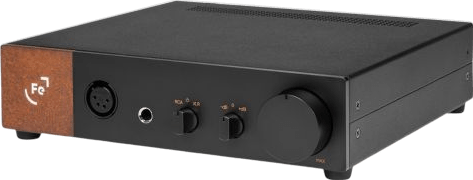
- Compact size compared to competitors, allowing for easy integration into desktop setups
- The OOR outputs 8 watts of power at 60 ohms and 1.6 watts at 300 ohms, making it one of the most powerful headphone amplifiers ever made
- Low gain setting is silent with sensitive IEMs
- Employs a fully discrete class AB amplifier; there are no op-amps used
Product Considerations
- Simultaneous use of the balanced and single-ended preamp outputs with the main headphone output is an inconvenience
- The unit gets quite warm after a few hours of use—recommending a well-ventilated area
- Powering on the unit requires going from balanced to single-ended
Comparisons (according to reviewers)
- Vs Benchmark HPA4, OOR felt considerably more alive, fleshed out, and natural sounding
- Vs Flux Volot, the reviewers felt that the OOR was more visceral sounding
- Compared to Fluxlab Acoustics, the OOR is a warmer and more soul-infusing amplifier and it never wants to be linear or flat
- Vs Flux Lab Acoustics Volod, it was easily bigger sounding, easily more impressive sounding, just more layered
Takeaway: The Ferrum OOR is a powerful amplifier in a small package, and it is built with great attention to detail. It has an engaging sound with a touch of warmth.
Video review
Our take on the brand
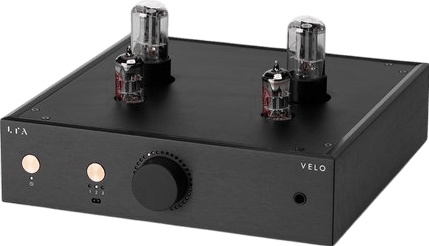

Our Summary
Product Strengths
- Wonderfully enjoyable and transparent sound, described as smooth, resolving, and engaging, enhancing music without coloration
- Open design makes it easy to swap out the tubes
- It opens the soundstage in depth and width, increasing the ability to hear the placement of instruments, and micro details and spatial cues become more accessible
- Versatile, the Velo works well with different headphones (low/high impedance, dynamic/planar)
Product Considerations
- Not particularly powerful, the Velo might require more volume dial rotation compared to other amps to reach desired listening levels
- Bass might sound a little too rounded and lacking texture compared to some setups
- Lacks balanced XLR features
- The included switching power supply is not at the same performance level as the upgraded linear power supply
Comparisons (according to reviewers)
- Vs Linear Tube Audio MZ3: The MZ3 is more resolving and detailed, while the Velo is richer and smoother, the MZ3 is more technically engaging, but the Velo is more emotionally engaging
- Vs Burson Soloist 3X-GT: The Soloist 3X-GT has more power and greater resolution/clarity with a balanced cable, but the Velo is more intimate and relaxing
- Vs Oliver Sayes Type 26 DHT preamplifier: The Velo strikes a nice middle ground between the overly 'emotional' tube stage and the 'straight' sounding TVC mode
- Vs Eddie Current Zana Deux SE OTL: Unlike the Zana Deux, it doesn't go too far in warmth to the point of sounding mushy
Takeaway: The Velo is a versatile tube amplifier that provides a wonderful and enjoyable listening experience by being transparent and smooth. It's designed for music lovers who value emotional engagement with their music.
Video review
Our take on the brand
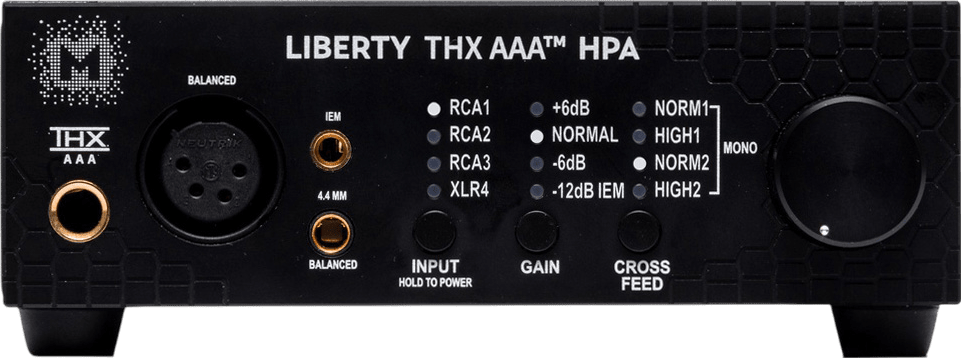
Our Summary
Product Strengths
- Compact form factor with a massive choice of connections and functions, including 4 headphone outputs: 4-pin XLR balanced, 4.4mm balanced jack, 6.35mm, and 3.5mm
- Very clean, neutral sound with a lot of dynamics, slam, and punch
- Plenty of power to drive any pair of headphones with ease
- Very detailed and resolving sound, exacting and precise about its reproduction, revealing of the DAC plugged into it
- Well-designed and built with durable feel
Product Considerations
- The input selector does not remember the previous setting
- Higher noise floor compared to competitors, making it less suitable for extremely sensitive headphones and most IEMs
- The pre-out and the headphone out work at the same time, so be careful
- The LED, even though it's only white, is not super bright, but its brightness cannot be changed
Comparisons (according to reviewers)
- Mytek Liberty THX is more exacting, detailed, resolving, and more neutral than HeadAmp GSX Mini, and the GSX Mini rounds things a little bit more and has a slightly bit more of warmth to things
- Mytek Liberty THX is better than the Topping A90, music is more alive and better articulated, more detailed, and the background is blacker
- With HE1000v2, Mytek Liberty THX is exceptionally clear and tight-sounding—imaging is probably the best it sounds
Takeaway: The Mytek Liberty THX AAA HPA is a powerful and compact headphone amplifier delivering very clean, neutral, and detailed sound suitable for a wide range of headphones. It could be a reference-grade, exacting amplifier.
Video review
Our take on the brand


The audio path is designed entirely in the analogue domain and through high-quality discrete components. All settings applied in real-time in the analog domain. Combining top-notch audio quality, versatile connectivity, and unique features, the HP-10 is an outstanding amplifier at an unbeatable price.
The HP-10 features a touchscreen display with an intuitive interface that allows for quick adjustments and a super easy user experience. Ideal for all high-end systems, the HP-10 offers incredible options such as 4 Crossfeed modes for a natural 3D soundstage, Harman curve equalisation, variable gain and damping factor, along with a 0/180° phase switch.
The unit is available in three different models – with the additional digital inputs such as the Bluetooth 5.1 HD aptX (HP-10 BT) and a premium DAC with USB-C input (HP-10 Deluxe) to become a fully standalone unit.
Our Summary
Product Strengths
- Designed for audiophiles who seek an exceptional listening experience
- Offers studio features, like Harman Curves to optimize the EQ and cross-feed settings to recreate a natural 3D soundstage
- The Gold Note HP-10 made Beyerdynamic DT1770 Pro MKII rise to the next level
Product Considerations
- The product is not for the faint of heart
Takeaway: If one takes listening through headphones seriously, the Gold Note HP-10 Deluxe could be worth buying. It will offer more detail, engagement and emotion—connecting one with the soul of music.
Video review
Our take on the brand
Questions? Ask the brand's dealers.
How to buy
Amplifiers
Search all hifi products
Explore our database of 10,000+ new and 25,000+ used hifi products.