



Note that this is a discontinued product. You may want to visit the brand's page here to browse their newer products.
What reviewers think
Bloggers and YouTubers have tried this product—so we've summarized their strongest opinions below. Links to full reviews follow.
Product Strengths
- Agile and responsive with a spacious, but focused, audio presentation
- Supports various streaming services like Spotify, Tidal, Qobuz, and Deezer, as well as AirPlay 2 and Bluetooth
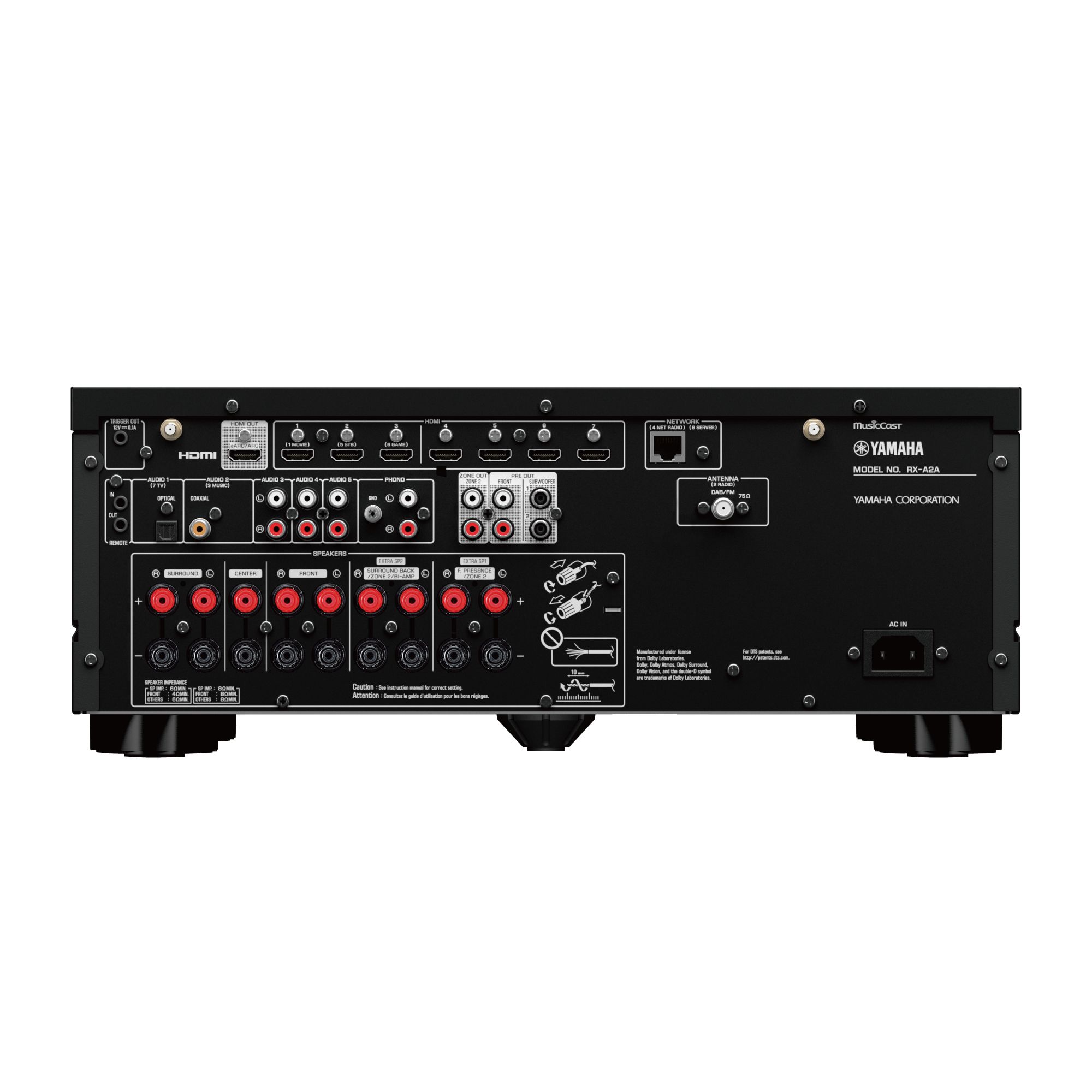
- Offers Intelligent Power Amp Assign, which allows powering speakers in another room even when using a full speaker system in the main room
- Good sound quality, delivering an immersive movie experience, especially with Dolby Atmos
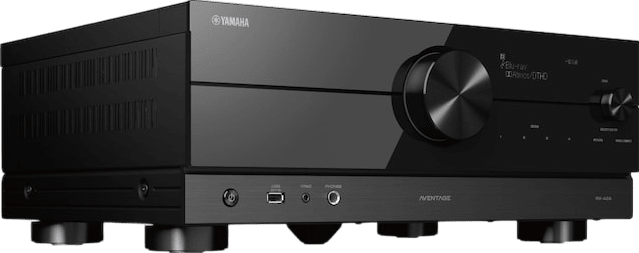
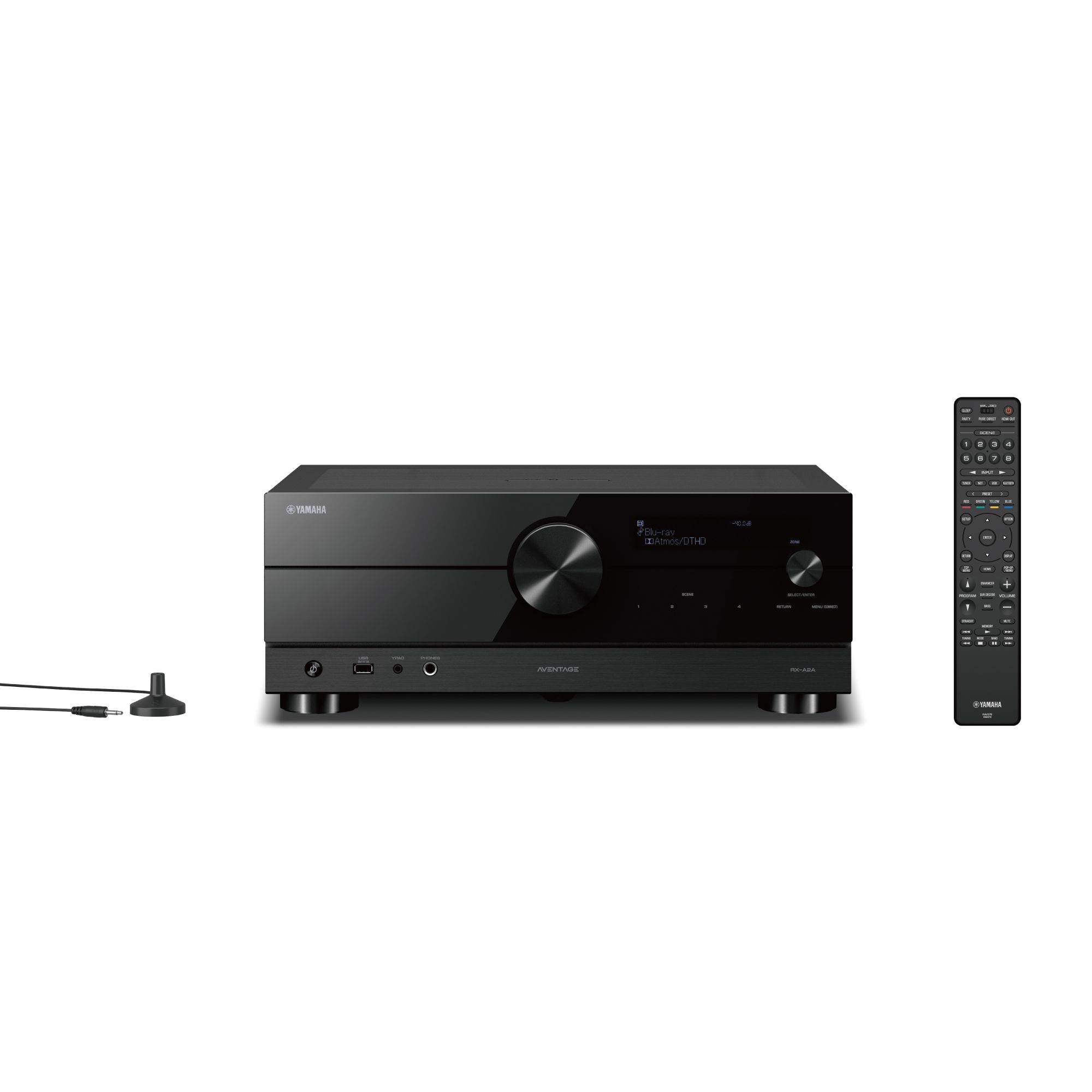
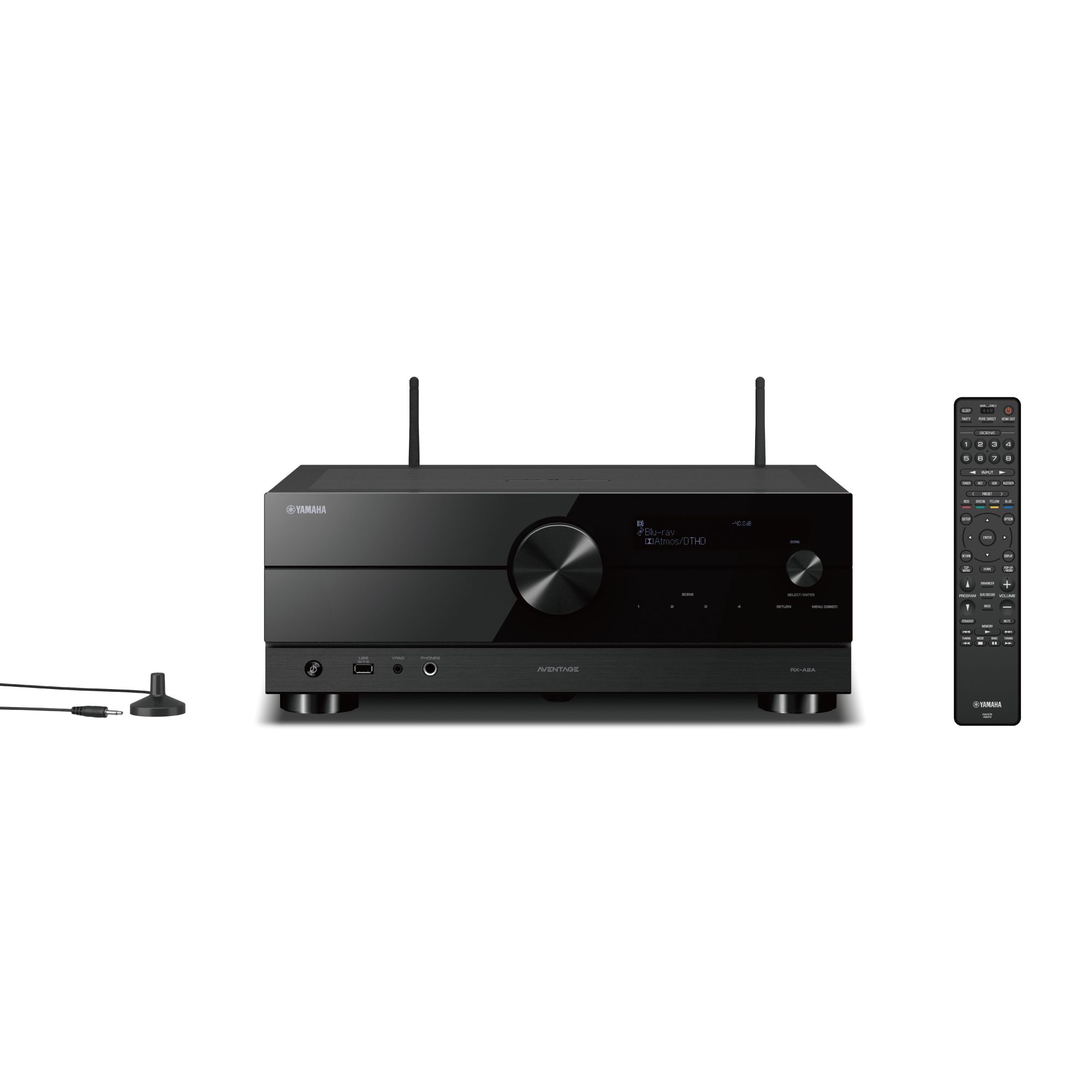
- Sleek design, with a large central volume control and a large text LCD display
Product Considerations
- Some HDMI 2.1 features require future firmware and/or hardware updates
- Low frequency information can sound a bit blunt during big crashes
- LCD screen is considered too small to be readable from a distance by some reviewers
- The auto-calibration may not be perfect, requiring manual setup for optimal sound in some cases
- Some reviewers noticed a slight brightness of high frequencies when listening to certain genres of music
Comparisons (according to reviewers)
- Vs Denon AVC-X3700H: Dialogue clarity is stronger, while the contrast isn't as marked, the Denon has more intimacy and greater tonal depth, though overall the track isn't as musically nimble
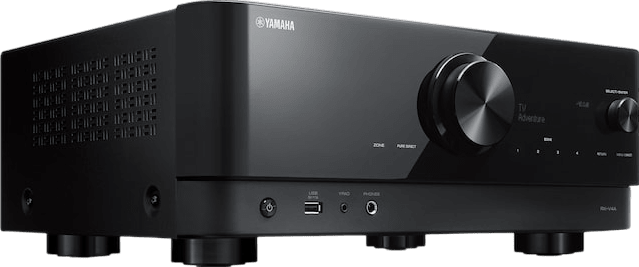
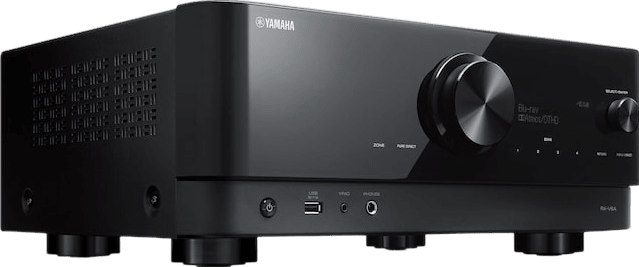
- Vs Yamaha RX-V6A: Some claim it is similar to the RX-V6A, but with a fancier design, remote, and minor software differences, for a higher price
- Vs Denon AVR-X2800H: Both units are very close, but Yamaha has an ace up their sleeve—Intelligent Power Amp Assign
Takeaway: The Yamaha RX-A2A is a receiver that provides exciting audio and supports modern streaming options, making it easy to enjoy music and movies. With some future updates, it will become even better for home entertainment.
All
RX-A2A
reviews


Manufacturer details





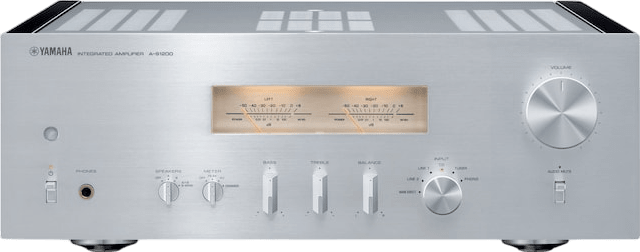


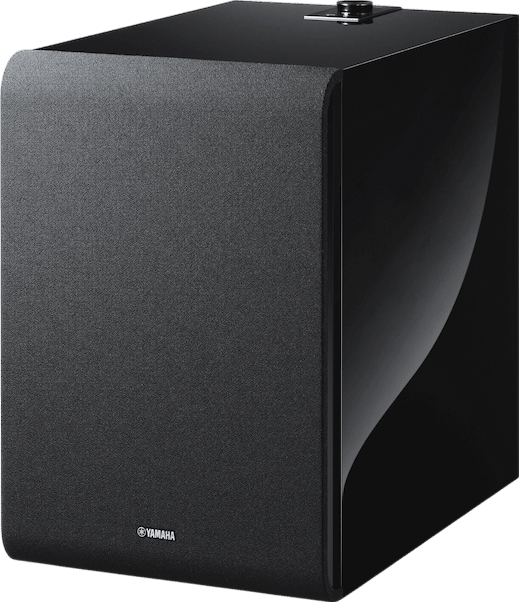


Brand highlights
Taking a step back to look at reviewers' thoughts of the brand's entire lineup—not just this product—what stands out most is the following:
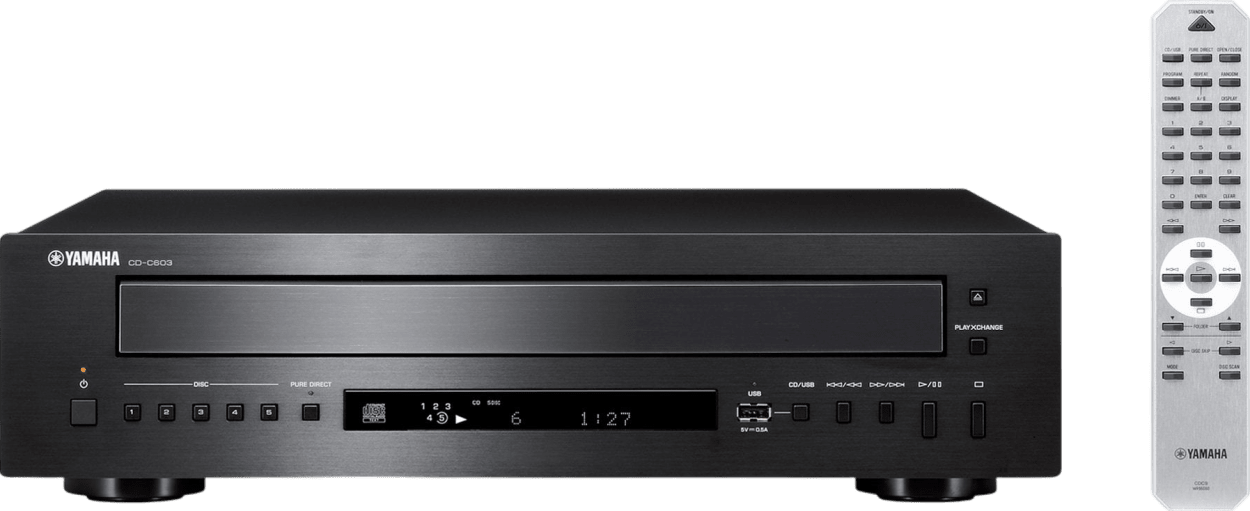
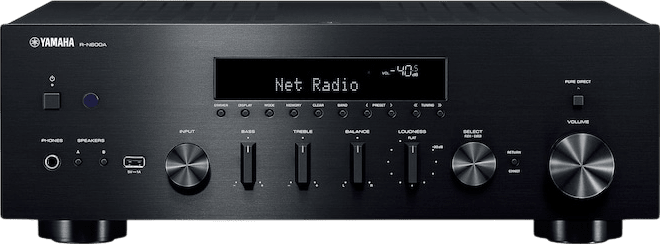
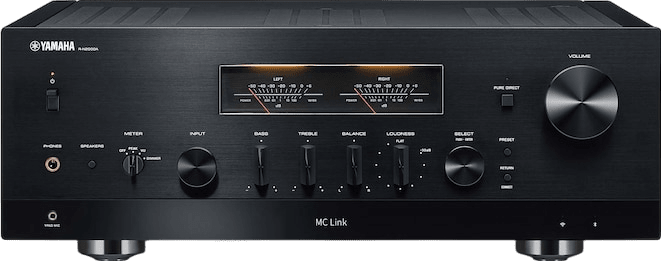
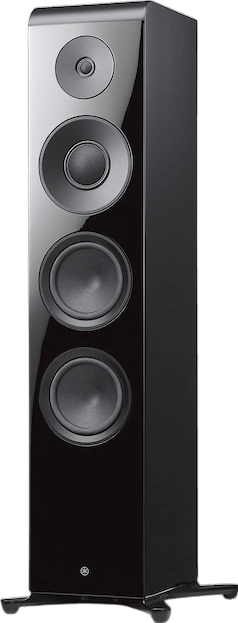
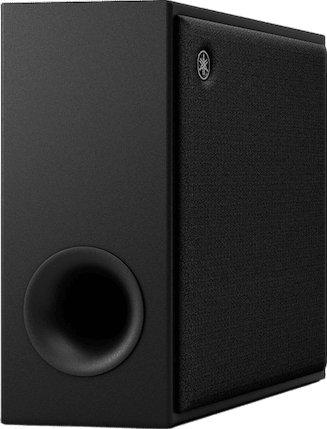
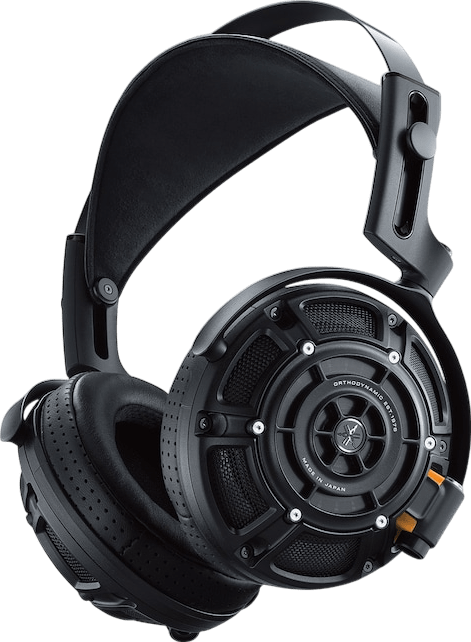
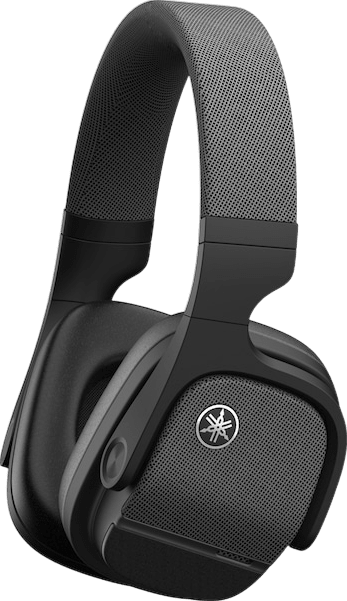
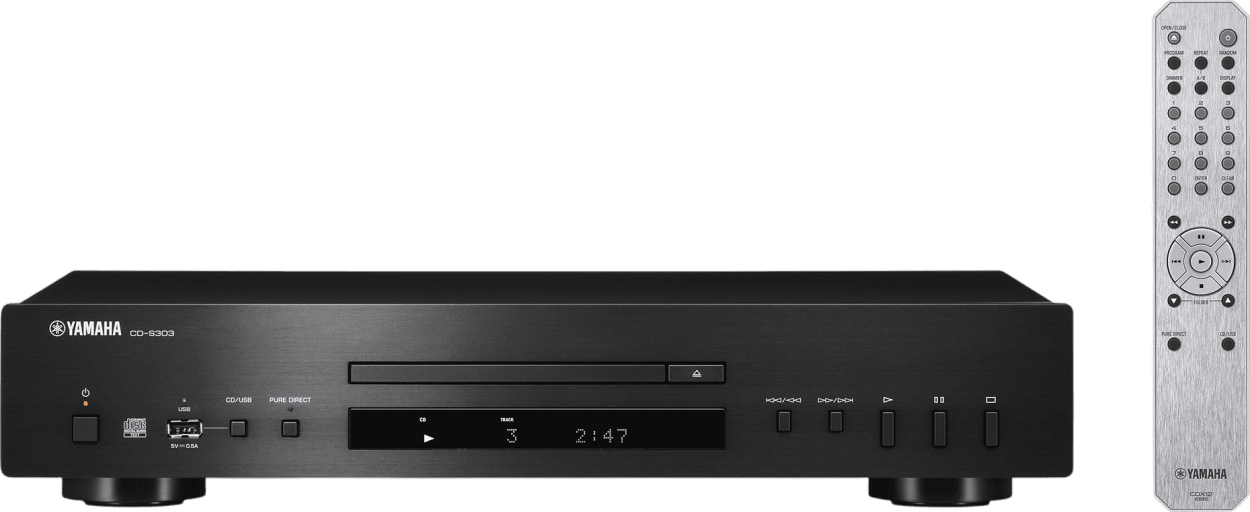
- Yamaha leverages its deep expertise in musical instrument manufacturing to design audio equipment aiming for "True Sound," faithfully reproducing the intended sound of instruments and vocals, making them sound realistic.
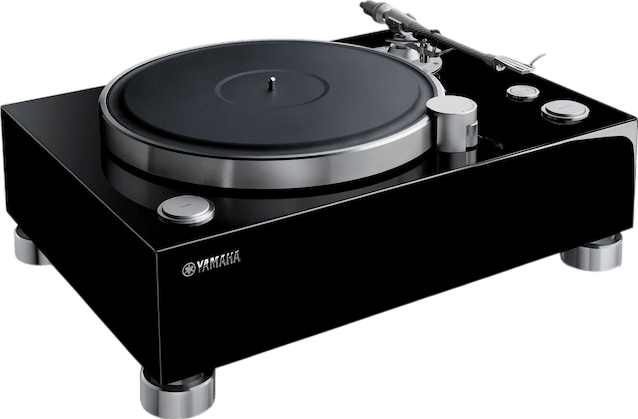
- Yamaha products, particularly amplifiers and receivers, often offer a wide range of connectivity options, including legacy inputs (like phono stages) alongside modern features, catering to both traditional and contemporary audio setups.
- Yamaha's MusicCast ecosystem integrates seamlessly with their audio products, providing multi-room audio capabilities and access to streaming services, allowing users to easily expand their audio setups wirelessly.
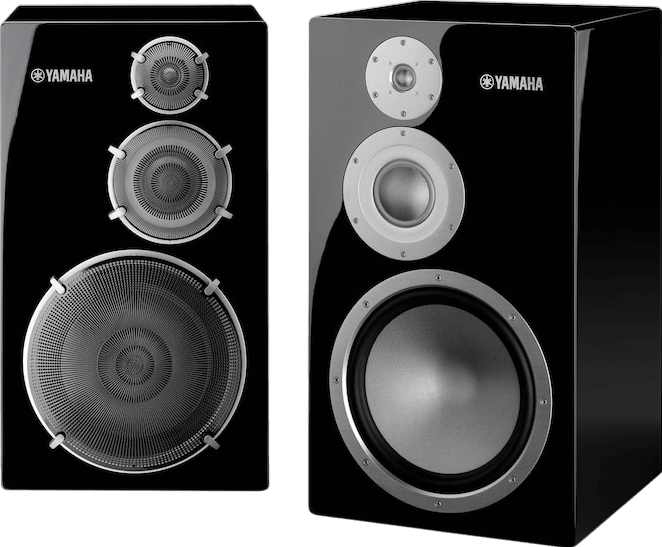
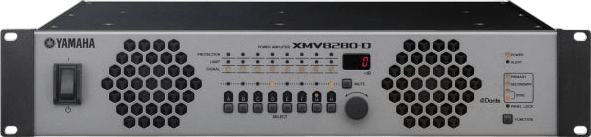
Select products


Our take on the brand
Look inside the brand
Our interview with the brand
What are two key technological innovations or strong opinions that differ you from other brands?
What's your approach to customer support?
What are your favorite tracks for showcasing the strength of your products?
What other products pair best with yours?

Used
Yamaha
What if you spend more?
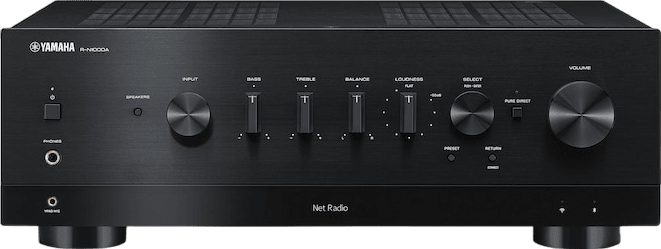


The Yamaha R-N1000A impresses with a unique sound experience for your music enjoyment. Authentic HiFi quality with compatibility for high-resolution music streaming and HDMI connection. The system impresses with effortless adjustment of the ideal room acoustics (YPAO™). Authentic HiFi quality with state-of-the-art mechanical top-ART structure and high-quality audio components ESS SABRE ES9080Q Ultra DAC for superior S/N performance YPAO™-RSC (Reflected Sound Control) and precision EQ for the ideal listening environment HDMI ARC connection for excellent TV sound With MusicCast you can stream music from your favorite music services The powerful USB DAC function supports native playback at DSD 11.2 MHz and playback at 384 kHz Original speaker connectors cut from pure brass ensure a particularly stable connection Special phono inputs to enjoy your record collection 2+3 Extended 5-year warranty via product registration

.svg)
Our summary
Product Strengths
- Solid sound quality for the price.
- Attractive retro look with modern design.
- Great facilities including MusicCast streaming and multiroom capabilities, as well as a handy and stable controller app.
- Plenty of power, with a robust internal output circuitry (100Wpc into 8 ohms), and a high-quality DAC (ESS SABRE ES9080Q) supporting high-resolution audio playback (DSD 11.2MHz, PCM 384kHz).
- Yamaha stands behind their gear, making it a worthwhile investment for music lovers.
- Wide range of connectivity options, including HDMI ARC, USB-B for computer connection, digital and analog inputs, and a phono stage, making it versatile for various sources.
Product Considerations
- YPAO room correction may sound synthetic and can do more harm than good, and bass management is tied to YPAO, creating an issue if you don't want room correction.
- Small display, making it less visible in larger rooms.
- Plasticky and basic remote control for the price point, and it lacks an info key.
- Lacks Chromecast support
- Not Roon Ready.
Comparisons (according to reviewers)
- Vs. R-N2000A: The R-N1000A does pretty much the same stuff, just without the VU meters, at less than half the price.
- Vs. NAD C 3050: NAD has a preferred BluOS multiroom, while Dirac Live is a step up from the basic version of YPAO.
- Vs. Marantz PM7000N: The R-N1000A is missing terrestrial radio reception, HDMI, and bass management.
- Vs. Emotiva BasX TA2: The Emotiva does not have an integrated streaming platform or room correction, and it lacks HDMI connectivity.
Takeaway: The R-N1000A is a versatile and powerful network receiver that combines vintage aesthetics with modern features. Its comprehensive connectivity and solid sound quality make it a great choice for upgrading a stereo system for both music and TV use.
Video review
Our take on the brand
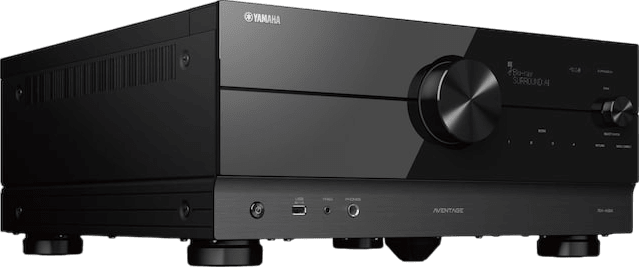
A8A – 11.2-channel AVENTAGE in ultimate quality, with SURROUND:AI™, HDMI™ 7 in/3 out, latest QCS407. Powerful 11.2-channel surround sound with Zone2/3/4 WiFi, Bluetooth®, AirPlay 2, Spotify Connect and MusicCast Multiroom Audio 3D Dolby Atmos® and DTS:X® with CINEMA DSP HD3 SURROUND:AI optimizes the surround effect automatically and in real time. HDMI™ 7 inputs/3 outputs, 8K/60 Hz, 4K/120 Hz Special gaming function (ALLM, VRR) Dual ESS SABRE ES9026PRO Ultra DAC for ultimate power conversion YPAO™-RSC with 3D, multi-point measurement and precision EQ Voice control with Alexa and Google Assistant. * Availability varies by region 2+3 Extended 5-year warranty via product registration
Our summary
Product Strengths
- Powerful and immersive surround sound with 11.2 channels and 150 watts per channel
- Supports advanced audio and video formats including Dolby Atmos, DTS-X, 4K at 120Hz, and 8K at 60Hz with HDR10+
- Features Yamaha's Surround AI technology, dual ESS Sabre ES9026 Pro Ultra DACs, and Cinema DSP HD3 technology for enhanced audio processing and quality
Product Considerations
- Some advertised features, such as 8K60 and 4K120, required a future firmware update at the time of some reviews
- Speaker connectors are cheaply made and fragile, and do not accept spade connectors
- There is no option to bi-wire main speakers when configured with 7.2.4, forcing a zone in the mix and losing an extra channel of amplification
Comparisons (according to reviewers)
- Vs Marantz SR7015: The RX-A8A has an easier to use menu system
- Vs Onkyo RZ50: The Onkyo extracted more low-end weight compared to the Yamaha RX-A8A
- Vs Denon X3700H: The Denon's Odyssey room correction was considered better by one reviewer
- Vs Yamaha V6A: The A8A is more refined sound-wise but both units have the same HDMI video limitations and menu quirks
- Vs Yamaha RX-A3080: RX-A8A has been rebuilt from the ground up after 3 years of research and development
- Vs Marantz Cinema 40: The RX-A8A delivers two more channels of amplification
Takeaway: The Yamaha RX-A8A is a robust and feature-rich receiver that delivers excellent audio and video performance for a truly immersive home theater experience. It is a top-tier choice for enthusiasts looking for powerful sound processing and support for the latest audio and video technologies.
Video review
Our take on the brand

A6A – 9.2ch AVENTAGE with SURROUND:AI™, HDMI™ 7 in/3 out, latest QCS407. Powerful 9.2-channel surround sound {with 11.2-channel processing, 2-channel XLR} with Zone2/3/4 WiFi, Bluetooth®, AirPlay 2, Spotify Connect and MusicCast Multiroom Audio AURO3D® Dolby Atmos® and DTS:X® with CINEMA DSP HD3 SURROUND:AI optimizes the surround effect automatically and in real time. HDMI™ 7 inputs/3 outputs, 8K/60 Hz, 4K/120 Hz Special gaming function (ALLM, VRR) ESS SABRE ES9026PRO Ultra DAC plus ES9007S DAC for high power conversion YPAO™-RSC with 3D, multi-point measurement and precision EQ Voice control with Alexa and Google Assistant. * Availability varies by region 2+3 Extended 5-year warranty via product registration
Our summary
Product Strengths
- Clean and crisp sound with dynamic performance
- Spacious presentation with more authority
- Extensive features and options to customize
Product Considerations
- HDMI 2.1 compatibility issues required firmware updates to unlock certain capabilities
- Center, Surround Left, and Surround Right channels produce higher distortion than other channels when the output level exceeds a certain level with HDMI input
- Yamaha has built in protection to limit power with multiple channels driven
- The online firmware update via the receiver's UI has never worked in one review
Comparisons (according to reviewers)
- Vs Denon AVC-X6700H: RX-A6A is quicker and more rhythmic, while the Denon is deeper and warmer
- Vs Marantz SR-8015: RX-A6A had a bit more output, but SR-8015 didn't limit power like the Yamaha did with 7CH driven
- Vs Yamaha RX-A3080: RX-A6A is an improved version
- Vs Yamaha RX-A8A: RX-A6A boasts a near-identical feature set to the flagship RX-A8A
Takeaway: The Yamaha RX-A6A has impressive output and clean sound, making it a good choice for those who want a versatile receiver. With its many options, users can tweak the sound to be just how they like it for an immersive experience.
Video review
Our take on the brand
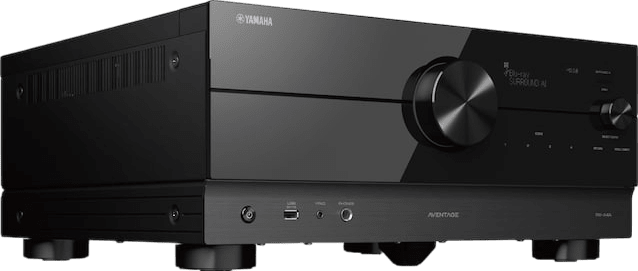
A4A – 7.2ch AVENTAGE with SURROUND:AI™, HDMI™ 7 in/3 out, latest QCS407. Powerful 7.2-channel surround sound with Zone2 WiFi, Bluetooth®, AirPlay 2, Spotify Connect and MusicCast Multiroom Audio SURROUND:AI optimizes the surround effect automatically and in real time. Dolby Atmos® and DTS:X® with CINEMA DSP HD3 YPAO™-RSC with multi-point measurement and precision EQ HDMI™ 7 inputs/3 outputs, 8K/60 Hz, 4K/120 Hz Special gaming function (ALLM, VRR) ESS SABRE ES9007S Premier Audio DAC for high power conversion Voice control with Alexa and Google Assistant. * Availability varies by region 2+3 Extended 5-year warranty via product registration
Our summary
Product Strengths
- Audio-focused build choices include Anti-Resonance Technology (ART) and a solid H-frame inside the chassis to dampen vibrations
- High-slew rate amplifier is capable of controlling a wide range of speakers
- Audiophile-grade DACs make it suitable for vinyl playback (with built-in phono stage), streaming, and movies
- Clear, detailed, and balanced sound
- AI function analyzes sound elements and creates optimal effects
Product Considerations
- Lacks some force compared to the Marantz SR7015
- Might be short of a few speaker outputs or HDMI inputs when placed against a rival
- Remote is overcomplicated
- Small screen
- Lack of front HDMI
Comparisons (according to reviewers)
- Versus the Denon AVRX3700, the RX-A4A might not have as many channels (9), but unless that many speakers are needed, it may not be necessary
- Stereo imaging is more accurate than Marantz and Denon
- RX-A4A lacks the same level of force as the Marantz SR7015
- RX-A4A bridges the gap between music and movies better than Hi-Fi manufacturer receivers like the Arcam AVR20
- Yamaha AVENTAGE RX-A4A provides a deeper and more colorful sound, delivering greater detail than the RX-A6A
Takeaway: The Yamaha RX-A4A is a versatile receiver that offers a balance between music and movie performance. Great build quality and sound make it a good centerpiece for an AV system.
Video review
Our take on the brand
What competes at this price?
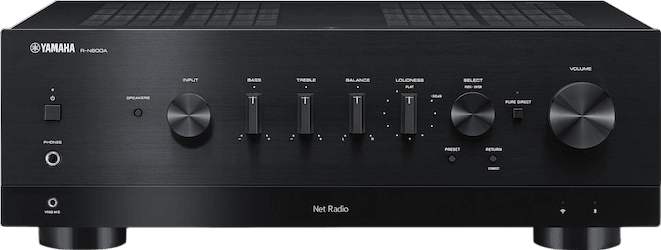
Our Summary
Product Strengths
- Excellent tonal balance, dynamics, and imaging for its price, delivering sound quality that punches above its weight
- Features the YPAO hifi listening room correction system, allowing users to match speakers to their room with the included microphone
- Yamaha's MusicCast platform is well-incorporated, enabling streaming from popular services, and multi-room audio
- Connectivity to TVs relies on an optical connection
Product Considerations
- The phono input is functional but may not satisfy serious vinyl enthusiasts, who might benefit from a dedicated phono preamp or a higher-end Yamaha model
- Speaker terminals feel a bit cheap
Comparisons (according to reviewers)
- Vs Marantz 40n: The Yamaha R-N800A offers room correction for less than half the price of the Marantz 40n
- Vs PS Audio Stellar Strata: The Yamaha R-N800A performs closely to the Stellar Strata, which costs almost three times as much
- Vs Vincent Audio: The Vincent Audio amp is warmer and thicker, better for vinyl, while the R-N800A delivers a clinical and neutral presentation
- Vs Yamaha R-N602: The R-N800A has a revamped design and superior internal construction when compared to the R-N602
- Vs Yamaha R-N1000A: The R-N1000A has improved connectivity and gold-plated terminals compared to the R-N800A
- Vs Michi X3: The R-N800A cannot outperform the Michi X3 from a build and sound quality perspective—which is nearly four times the price
Takeaway: The Yamaha R-N800A is a well-rounded network receiver that offers a combination of performance, features, and value for the price. It is a great option for those seeking an integrated amplifier with network streaming, room correction, and other useful features.
Video review
Our take on the brand

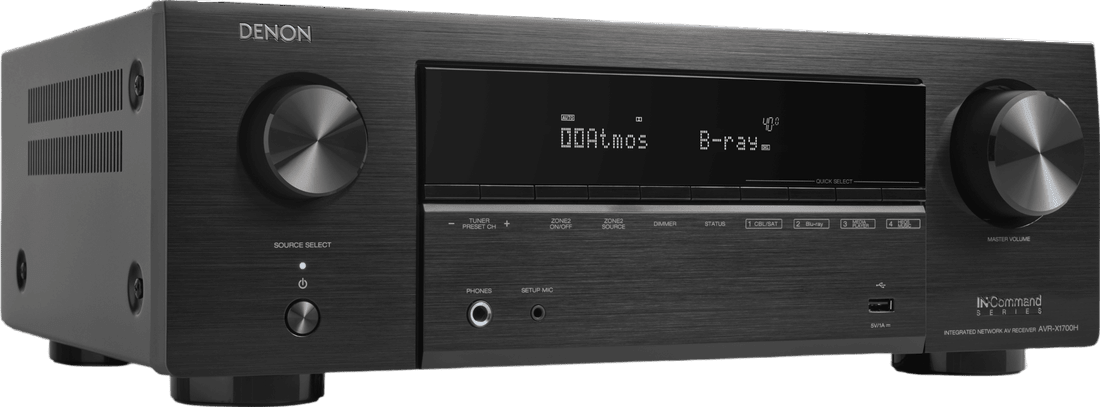

Our Summary
Product Strengths
- Supports 8K at 60Hz and 4K at 120Hz, boosting gaming purposes via 3 HDMI ports at the back.
- Features 6 HDMI inputs and 1 HDMI output, capable of handling multiple devices.
- Offers wireless connectivity through Wi-Fi and Bluetooth.
- Delivers room-filling sound with 80 watts per channel.
- The AVR-X1700H and the more expensive model X2700H have the same chassis, which adds a plus for quality.
- Features 6 HDMI inputs and 1 HDMI output, capable of handling multiple devices.
- Offers wireless connectivity through Wi-Fi and Bluetooth
Product Considerations
- Front panel lacks HDMI input port and AUX port
- The back panel lacks a USB port for powering streaming dongles
- Only has one HDMI output
- Retro feeling of pixelated letters on the front digital display
- Limited support for surround sound formats compared to upscale versions
Comparisons (according to reviewers)
- Compared to the Marantz NR1510, the Denon AVR-X1700H has a 7.2 channel configuration while Marantz offers 5.2, and the Denon supports Zone 2 feature—which the Marantz does not.
- The level of detail, stability, and vibrato is comparable with the AVR-X2700H in music playback
Takeaway: The Denon AVR-X1700H is a solid choice to consider for the latest technology for gaming and home theaters, and supports multiple devices. It is easy to set up, and it has good sound that can fill a room without costing too much.
Video review
Our take on the brand
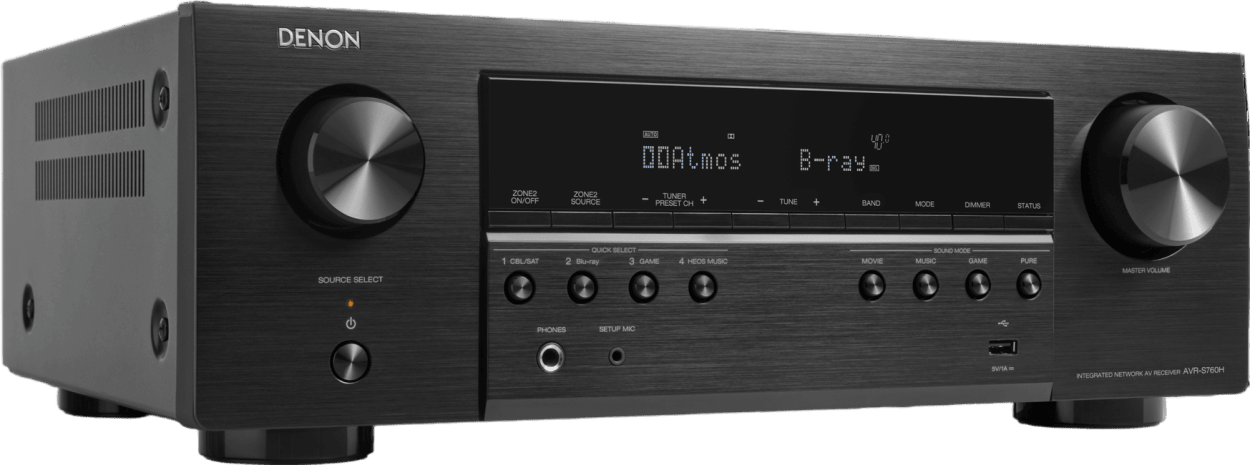
Our Summary
Product Strengths
- Supports HDMI 2.1 for 4K 120Hz and 8K 60Hz pass-through, maximizing visual quality for gaming and video
- Offers immersive surround sound with Dolby Atmos and DTS:X support, enhancing the audio experience for movies and games
- Includes Audyssey MultEQ room correction for optimized sound based on room acoustics
- Provides a phono input for connecting a turntable, catering to vinyl enthusiasts
- Compatible with various voice control platforms like Amazon Alexa and Google Assistant, offering convenient control options
Product Considerations
- Power output (75W per channel) may not be sufficient for larger rooms or inefficient speakers, potentially leading to strain at high volumes
- Lacks pre-amp outputs, tape loop, or expansion beyond 5.1.2 channels, limiting future upgrade options
- The HEOS app has been reported as not being user friendly
- The setup screens have pixelated text and generic layout, which feels dated
Comparisons (according to reviewers)
- Vs Yamaha TSR 700: The AVR-S760H has working HDMI 2.1 support, while the TSR 700 has reportedly had problems with its HDMI 2.1 support
- Vs Denon AVR-S750H: The AVR-S760H is an upgraded version of the S750H with HDMI 2.1 support
- Vs Denon AVR-X1700H: The AVR-X1700H has a longer warranty (3 years vs—2 years), a more advanced version of Audyssey, and slightly more power (80WPC vs 75WPC)
- Vs Denon AVR-S770H: The AVR-S770H replaces the AVR-S760H with an improved GUI and removes the RCA analog composite video inputs/output
Takeaway: The Denon AVR-S760H is a great entry-level receiver that brings value and up-to-date features such as HDMI 2.1 to create an excellent home theater experience for movies, music, and especially gaming. This receiver is a solid choice for anyone looking to build a budget-friendly home theater system.
Video review
Our take on the brand


Our Summary
Product Strengths
- Offers flexibility and connectivity with six HDMI inputs (three supporting 8K resolution), making it versatile for modern home entertainment setups
- Delivers a warm, smooth, and pleasant sound, suitable for extended listening sessions and various music genres
- Integrates features like HDMI and eARC, functioning similarly to an AVR, a rare find in integrated amps, enhancing connectivity
- Offers a fully discrete 75-watt amplifier (8 ohms) using Class A/B technology
- Feature-rich, including HEOS streaming, Bluetooth, AirPlay 2, phono input, USB, and digital inputs, enhancing usability
Product Considerations
- May lack separation, detail, and clarity, particularly in the mids and treble, which might not satisfy audiophiles seeking the utmost precision
- The soundstage may lack depth and separation
- The phono input's dynamic range might feel a bit restrained
- Cinephiles may find it falls short of dedicated AVRs in spatial sound effects and speech clarity due to the absence of a central speaker connection
- No auto setup or room EQ
Comparisons (according to reviewers)
- Stereo 70s offers more speaker options and flexibility than Klipsch/KEF Smart Speakers, due to its amplifier-receiver design
- The Stereo 70s offers better music listening quality than most soundbars, unless investing in high-end soundbars
- The 40N offers a more defined and better streamer with a sound that is far more refined in the top end than the Stereo 70, however, the Stereo 70s is considered a better value
- The Yamaha offers a little bit more power, and does a better job at controlling the bass
- The Cinema 70 is an AV receiver that leaves the door open for experimentation into the multi-channel realm, unlike the Stereo 70, but the Cinema 70 is less powerful than the Stereo 70
- The Denon is a cheaper alternative with similar streaming capabilities and inputs/outputs, but lacks cinematic properties
Takeaway: The Marantz Stereo 70s is a versatile receiver, offering a smooth sound, modern connectivity, and the ability to act as both a stereo amplifier and a home theater hub, making it great for those wanting audiophile and cinephile capabilities in one device. The wealth of features ensures it fits seamlessly into any setup, providing great value for the money.
Video review
Our take on the brand

Our Summary
Product Strengths
- Loaded with the latest tech for video, low-latency gaming, voice control, and music streaming
- Assignable speaker outputs allow selection of the best immersive speaker type for the room
- A larger power transformer, output transistors, and more heat sinks compared to a similar model result in more punch, even at lower volumes
- Offers six rear HDMI inputs, with three being 8K capable and eARC support
- Setup menu walks users through each step with visuals, making it easy to set up, and includes Audyssey room correction
- Six rear HDMI inputs, with three being 8K capable and eARC support
Product Considerations
- The initial setup can be challenging for those less tech-savvy, according to some reviewers
- The Wi-Fi setup process could be more intuitive
- May lack some warmth for music playback, which could be a compromise for die-hard music lovers
- The remote control can feel cluttered
Comparisons (according to reviewers)
- The S970H has more analog inputs (4 vs 2), a second TV monitor out, and a more robust amplifier section with 90 watts per channel compared to the Denon AVR-S770H's 75
- The Denon AVR-S970H has a wider range of connectivity options compared to the Yamaha RX-V6A
Takeaway: The Denon AVR-S970H is a solid choice for anyone wanting to enhance their home theater experience with rich, immersive sound and versatile connectivity. With its user-friendly setup and modern features, this receiver is a great option for both casual listeners and audio enthusiasts alike.
Video review
Our take on the brand




How to buy
AV Receivers
Search all hifi products
Explore our database of 10,000+ new and 25,000+ used hifi products.

.png)