

.png)



Note that this is a discontinued product. You may want to visit the brand's page here to browse their newer products.
What reviewers think
Bloggers and YouTubers have tried this product—so we've summarized their strongest opinions below. Links to full reviews follow.
Product Strengths
- Integrates a 384kHz/24-bit DAC, offering the functionality of the standalone BDA-3 model
- Features Bryston's networked streaming platform
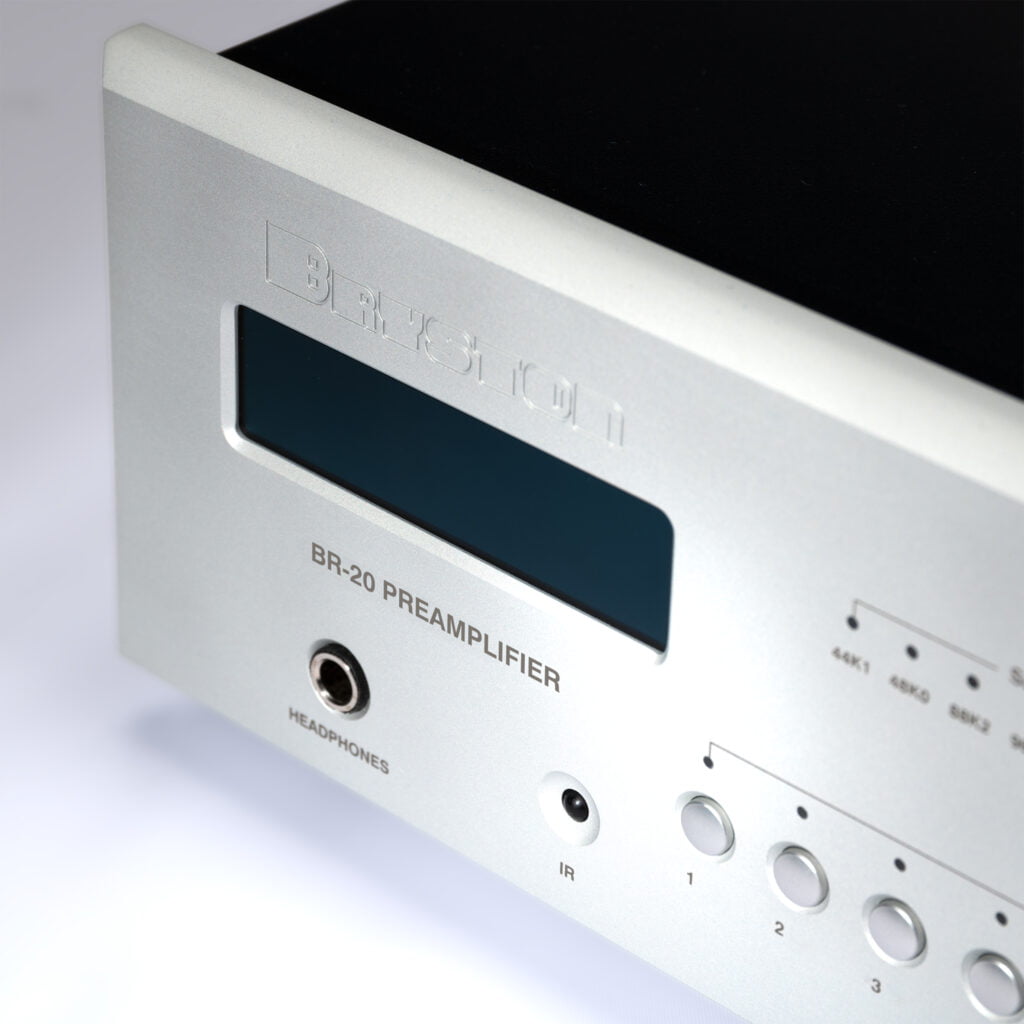
- Boasts a built-in 'Low Z' headphone amp with a front-mounted 6.35mm output
- Claims 'staggeringly low' distortion due to circuit refinements and a fully balanced signal path
- Delivers detailed and transparent sound with holographic imaging, breathing new life into familiar recordings
Product Considerations
- The web-accessed user-interface (Manic Moose) can be awkward
- Manic Moose's Qobuz client has limited functionality
- The BR-20 does not have built-in Wi-Fi
- Some configuration tasks can be frustrating due to a jumpy volume dial/button
Comparisons (according to reviewers)
- Vs Bryston BP-25 preamp: The BR-20 delivered more detail and better soundstaging, cutting straight to the heart of the musical performance
- Vs Bryston BDA-2 DAC: With the BR-20's internal DAC now handling D-to-A conversion, the performance improved several notches
- Vs exaSound e32 Mark II: The Bryston BR-20 was preferred, offering better microdynamics, spatial information, and a more agile sound
- Vs iFi Audio's micro iDSD BL DAC-headphone amp: The spatial presentation created by the BR-20's headphone output was larger and more transparent
Takeaway: The BR-20 combines preamplification, high-resolution DAC, and streaming into one device that brings clarity to recordings. This can be a versatile and high-performing centerpiece for a sound system.
All
BR-20
reviews


Manufacturer details
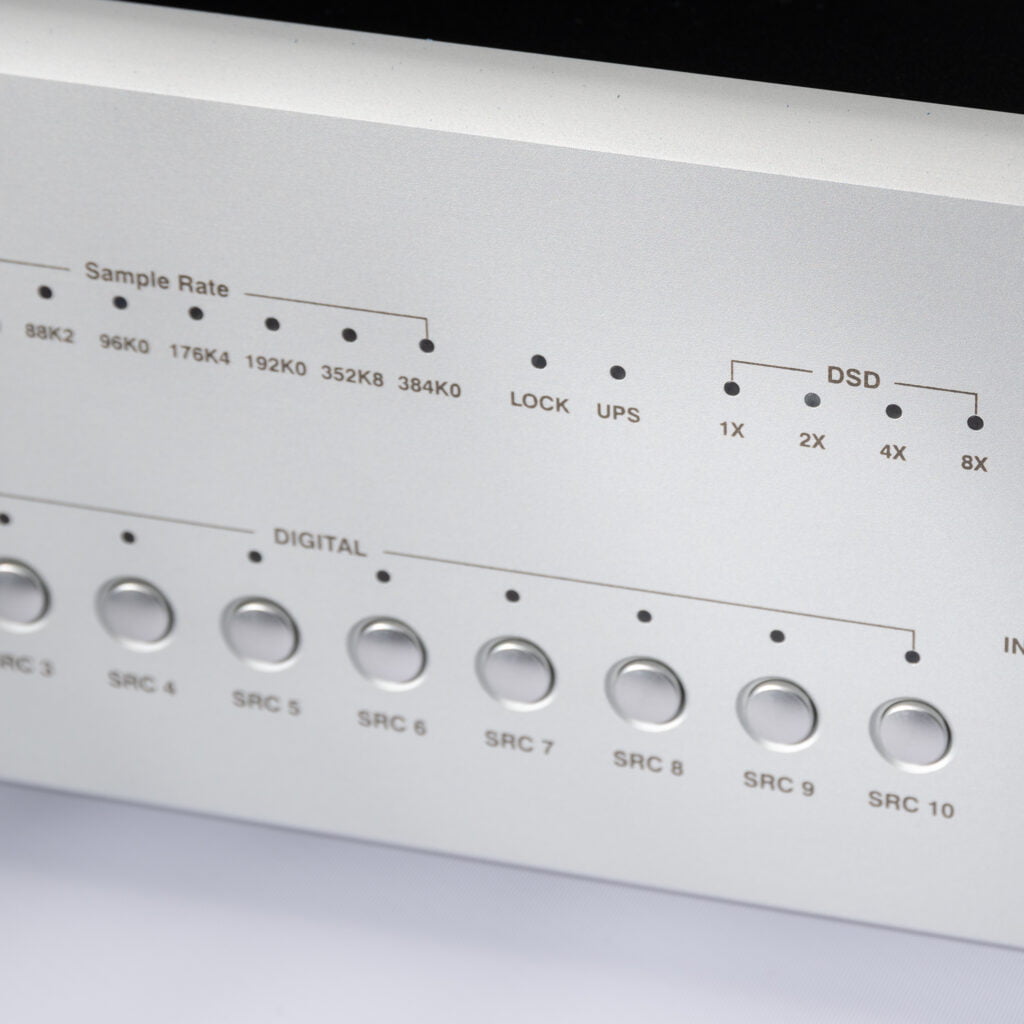
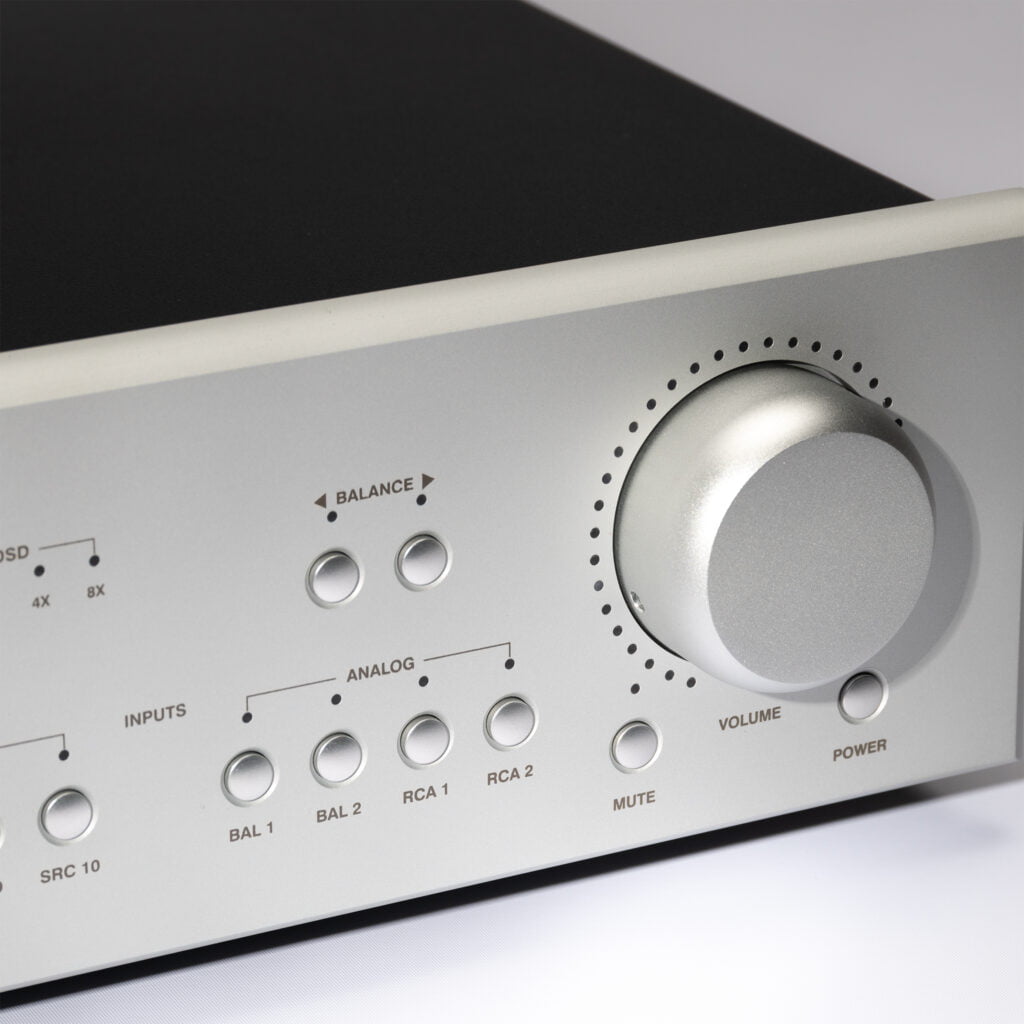
- Analog Inputs: 4 (2 RCA, 2 XLR)
- Digital Inputs: Up to 10 (with optional HDMI module)
- Digital Format Support: PCM 384k/32 bit and DSD 4X
- Total Harmonic Distortion: <0.0006%
- Balanced Outputs: 2
- Frequency Response: TBD



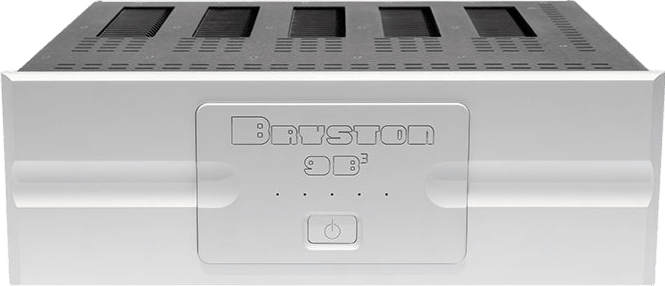
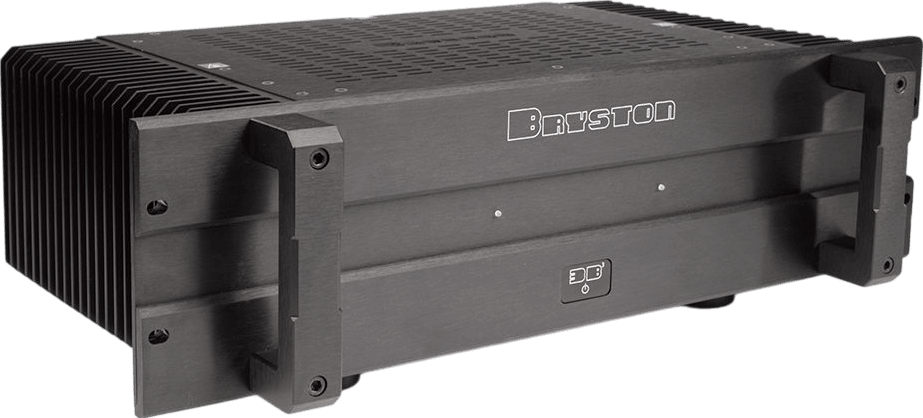
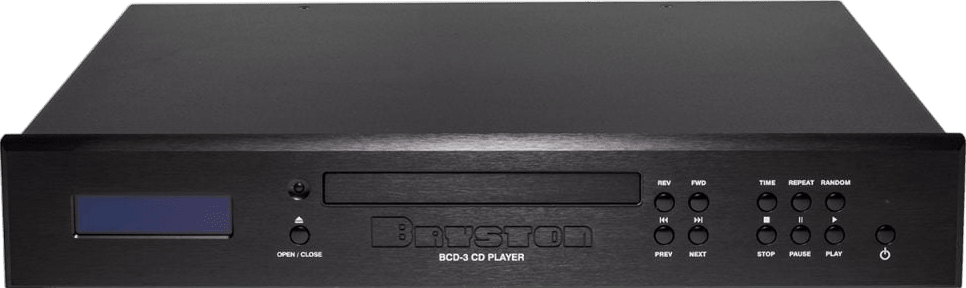
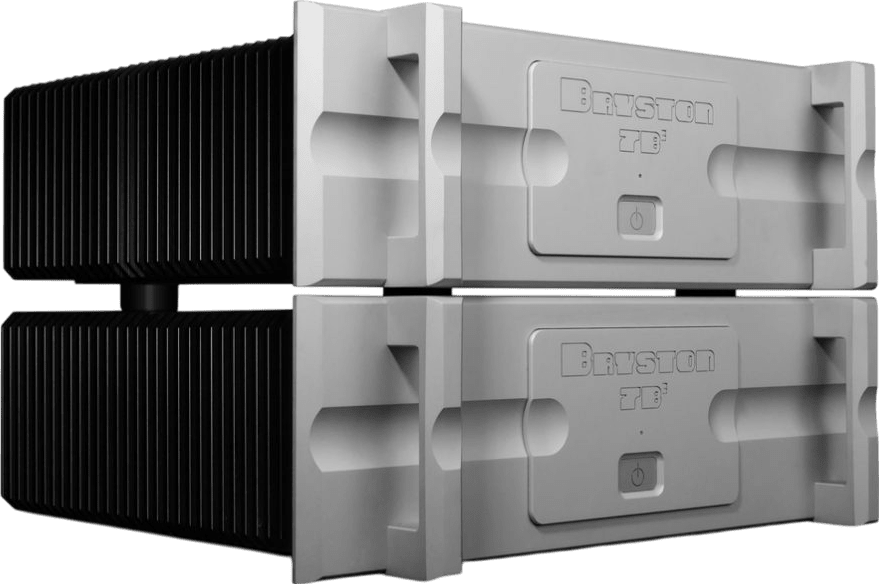





Brand highlights
Taking a step back to look at reviewers' thoughts of the brand's entire lineup—not just this product—what stands out most is the following:
- Bryston offers an exceptional 20-year warranty (5-year for digital) on their products, demonstrating confidence in their long-term reliability and durability - a significant differentiator in the high-end audio market.
- Bryston bridges the gap between pro audio and audiophile markets, with industrial-grade build quality and overload protection features stemming from their experience catering to professional recording studios and touring rigs.
- They prioritize quality parts, discrete Class A circuits, and minimize both internally generated and externally sourced noise (RFI, EMI), resulting in exceptionally quiet and transparent audio reproduction.
Select products

Our take on the brand
Look inside the brand
Our interview with the brand
What are two key technological innovations or strong opinions that differ you from other brands?
What's your approach to customer support?
What are your favorite tracks for showcasing the strength of your products?
What other products pair best with yours?

Used
Bryston







What if you spend more?



.svg)
Product Strengths
- Unparalleled cartridge matching capabilities with adjustable gain levels and load options
- Features a multitude of equalization options, including preset EQ options alongside the option to set up custom curves
- Exceptional build quality with a chassis precision-machined from solid aluminum, offering superior electromagnetic shielding and aesthetic elegance
- Intuitive operation is ensured by the clear display and the Single Knob Control (SKC) system, despite the unit's complexity
- Class A circuitry throughout delivers a warmth and naturalness that brings vinyl playback to life, while maintaining exceptional detail and clarity
Product Considerations
- Premium price point makes it a high-end investment
- Complex feature set may require a learning curve for full usage
- Large form factor requires adequate rack space
- The remote control has a mute function that requires two clicks to unmute, which can be slightly annoying
- The Owners' Manual could be improved and is not very informative
Comparisons (according to reviewers)
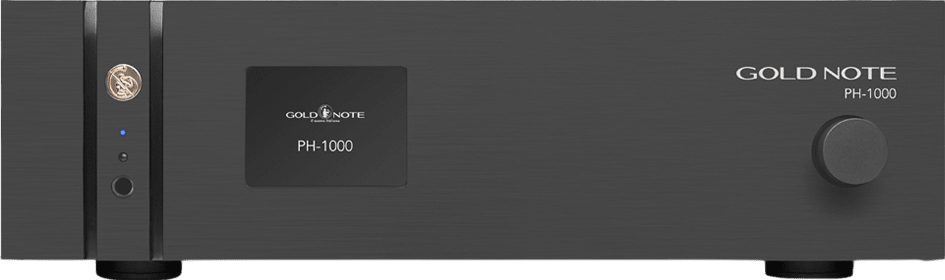
- Vs Gold Note PH-10: PH-1000 has more cartridge loading possibilities
- Vs Gold Note PSU-1250 & TUBE-1012: PH-1000 lacks a warm tube sound, but if you add the PSU-1250 & TUBE-1012, details are brought out with added sharpness and the music becomes more cohesive—reaching a new level of harmonic wholeness
Takeaway: The Gold Note PH-1000 is a sophisticated phono preamplifier with a wide range of features and exceptional sound quality, perfect for vinyl enthusiasts seeking to get the best out of their collections. Its flexibility and upgradeability make it a worthwhile investment for those serious about analog audio.
Video review
Our take on the brand

Product Strengths
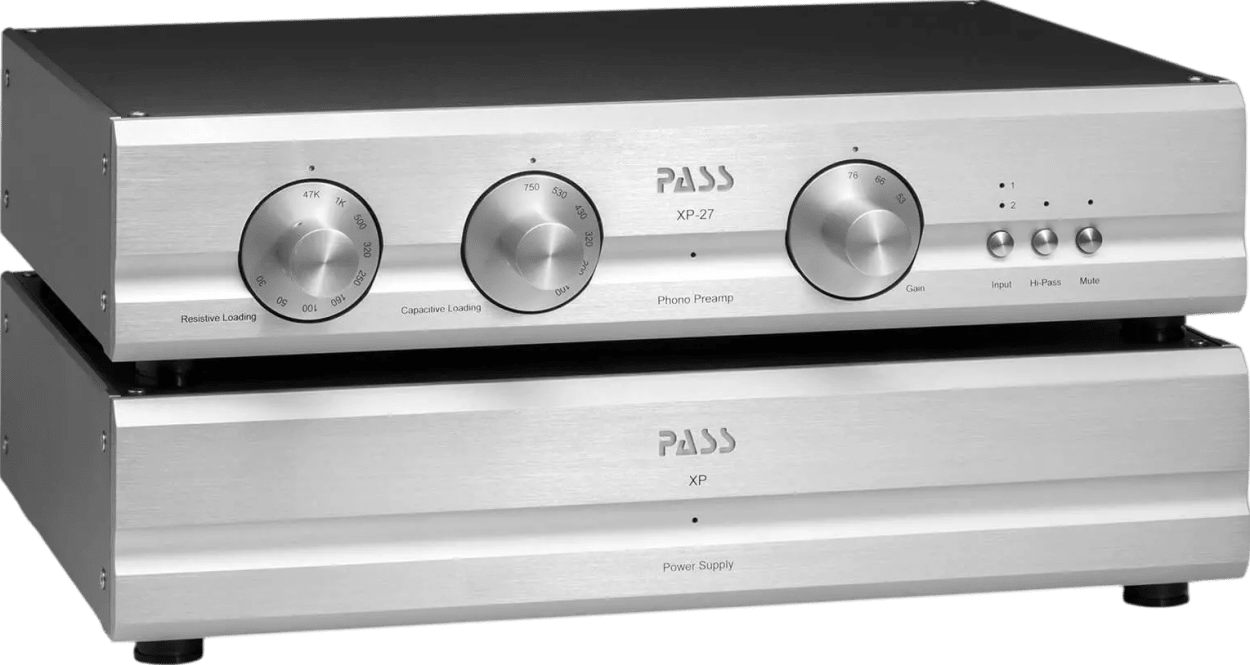
- Separate chassis for the power supply and signal circuitry minimizes noise, improving low-level detail retrieval
- Front panel controls for gain, resistive loading, and capacitive loading, provide flexibility for cartridge matching
- Two RCA inputs accommodate two turntables or tonearms, simplifying analog setups
- Superb detail, clarity, and a clean sound, leads to a musically involving experience
- A high-pass filter reduces low-frequency noise, helpful for systems with subwoofers
Product Considerations
- The two-chassis design may be problematic for audiophiles with limited space, as the power supply is ideally placed separate from the main unit
- No remote control is included, requiring manual adjustments at the unit itself
- Settings are not automatically remembered when switching between tonearm inputs, requiring manual readjustment
- Some reviewers would have liked to see larger LED indicators and labels for easier visibility
Comparisons (according to reviewers)
- The XP-27 offers a host of useful features and operates with a great deal of attention paid to lower distortion, even RIAA performance is accomplished at much lower distortion levels than previous versions in the same price class
- Vs Pass Labs XP-25, the XP-27 offers incremental improvements including lower noise and better bass performance due to dual transformers—vs single in the XP-25—lower noise resistors, upgraded rectifiers and improved power filtering and regulation
- Vs Pass Labs XP-17, the XP-27 offers superior dynamics, clarity, imaging and musicality
- Vs Pass Labs XP-22, the XP-27 is the star of the two-component show: XP-22-line preamplifier and XP-27 phono preamplifier
Takeaway: The Pass Labs XP-27 is a versatile and high-performing phono preamplifier that extracts remarkable detail and clarity from vinyl recordings. Its flexible loading options and dual inputs make it a great choice for vinyl enthusiasts seeking exceptional sound quality.
Video review
Our take on the brand

Our summary
Product Strengths
- Delivers a natural, spacious, and clean sound
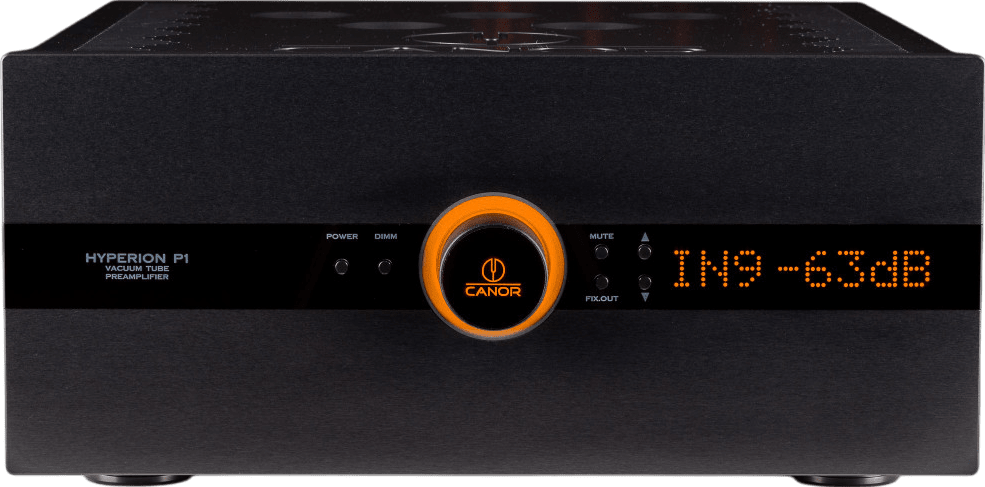
- Attenuator is located in a special aluminum box (10 mm thick walls) which provides perfect shielding and absorbs the vibrations
- Is a Class-A preamplifier and was designed to avoid ANY global feedback
- Analogue part is separated from the power part by a solid aluminium wall (10 mm thick) which contributes to the elimination of interference
Product Considerations
- The tubes require a lengthy break-in period of several hundred hours
- The system remote control could be bigger
Comparisons (according to reviewers)
- The Hyperion and Virtus combo's sovereignty brings the acoustic events to 'life' more convincingly
Takeaway: The Hyperion P1 is made to provide high signal quality sound. It has excellent workmanship to ensure amazing sound quality.
Video review
Our take on the brand
Our summary
Product Strengths
- Tonally, the XP-32 is a more beautiful, engaging preamplifier with a beautiful class A sound that presents fatigue-free
- Exceptional build quality
- Supreme clarity of sound lends a feeling of speed, precision, and vivacity in music across various genres, from jazz to opera, symphonic to rock
- Brings forth a feeling of speed, precision, and vivacity in various genres of music, from jazz to opera, symphonic to rock
- The metaphor of the veil being lifted—or ripped away—is applicable here
Product Considerations
- Not the most neutral or transparent unit
- Needed a lot of volume for it to get a Griffin amplifier moving
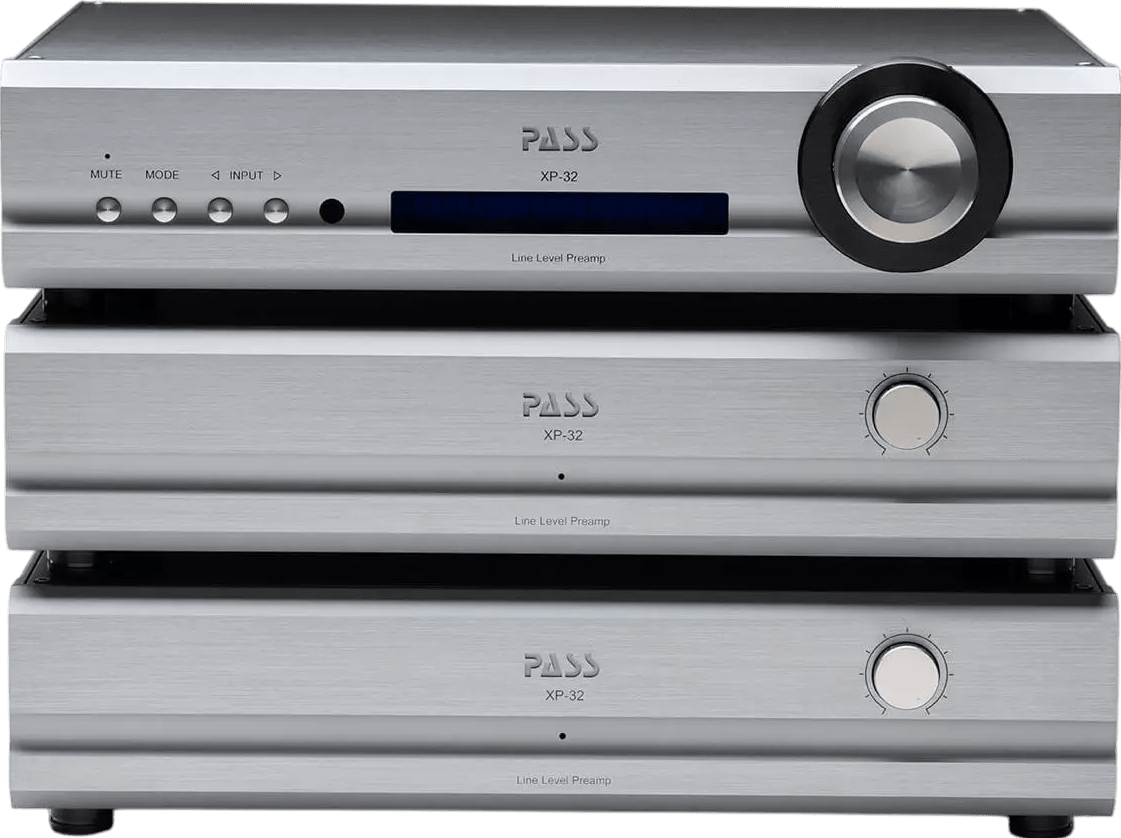
- Takes up a lot of space, especially if not stacked
- Missing was a touch of body to Netrebko's voice and a sense of air around it
Comparisons (according to reviewers)
- Compared to PASLabs XB30, the XP-32 is a better line stage
- Compared to the XS preamplifier, the XP-32 uses a single-stage volume control as used in the XS preamplifier and has more range, with 0.5dB steps; it is quieter and more accurate
- Compared to the XP-30, the XP-32's inputs are DC-coupled and a servo is used after trimming
- Compared to the XP-22, it was just slightly more explicit
Takeaway: The XP-32 is a well-built preamplifier that gives a clean and clear sound, bringing more excitement to music. If you want to hear everything in music, the XP-32 might be what you are looking for.
Video review
Our take on the brand
What competes at this price?

.png)
Our Summary
Product Strengths
- Significantly quieter than the BP-26, with an impressive 0.0006% distortion.
- Tonally purer, creamier, and more pristine than the BP-26, with better-defined and more focused musical notes.
- Wider, deeper, and taller soundstage, allowing for pinpoint accuracy in locating music instruments and voices.
- Features advanced linear attenuation control, providing finer loudness adjustment.
- Offers a built-in headphone amplifier that is top-notch, delivering excellent sound quality across all genres of music through headphones.
Product Considerations
- While having two sets of balanced outputs, only one is variable, which may limit flexibility for users with multiple powered subwoofers.
- The HEX code for BP-17 was used to program his Logitek Harmony One universal remote to control the BP-19.
Comparisons (according to reviewers)
- Compared to the Bryston BP-26, the BP-19 is tonally purer, creamier, and more pristine, nearly eliminating the faint grunge sometimes heard through the BP-26—painting a wider, deeper, and taller soundstage.
Takeaway: The BP-19 combines precision and accuracy with musicality, allowing listeners to appreciate both the performance and the recording techniques. With its low noise levels and improved soundstage, it offers a crystal-clear sonic window into the music.
Video review
Our take on the brand


Our Summary
Product Strengths
- Offers a wide range of features rarely seen in a component of this type, including a high-performance DAC, analog preamplifier, BluOS streaming, Dirac Live room correction, and a high-quality phono stage
- Includes Dirac Live Bass Control for up to four independent subwoofers, allowing for optimized bass performance and integration, and Dirac Live improves clarity and bass definition
- Uses ESS Sabre DAC chips, known for wide dynamic range and low noise/distortion
- Features a modular design that lets one expand its capabilities, helping to ensure product longevity and up-to-date functionality
- Offers versatile connectivity with a comprehensive array of inputs and outputs, including balanced XLR, AES/XLR, and HDMI eARC
Product Considerations
- BluOS is limited to a maximum resolution of 24-bit/192kHz
- Does not offer home-theater bypass, though it could be implemented in a future upgrade
- Dirac Live iPhone app not always successful at recognizing microphone
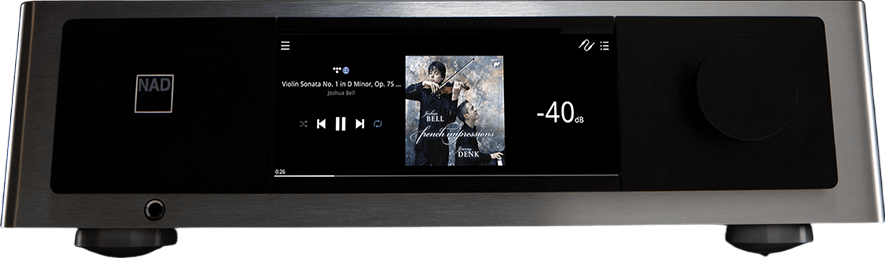
- Touchscreen does not behave in the same way as an EverSolo or a FiiO, because one cannot browse music libraries with it, it is really just for input and settings and just the kind of nitty-gritty of daily use, but not music playback
- Some found the styling a bit overdone, while others appreciated the display
Comparisons (according to reviewers)
- Is considered better overall than the Anthem STR due to a more sophisticated room correction system and a fully featured multiroom streaming platform with wireless capability
- Sounds more lit up top to bottom with greater avidity than PS Audio, and it better exposes surface textures, and layer separation is more easily seen
- The MC input quite clearly resolves more finer detail and it better inks tonal colors compared to the MC phono stage built into the Cambridge Audio Alva TT 2 turntable
Takeaway: The NAD M66 is a sophisticated and feature-rich streaming preamplifier, offering a versatile set of tools for audiophiles seeking precise sound reproduction and optimized bass performance. With its modular design and future-proofing capabilities, the M66 is a great choice for anyone building a high-end hifi system.
Video review
Our take on the brand

Our Summary
Product Strengths
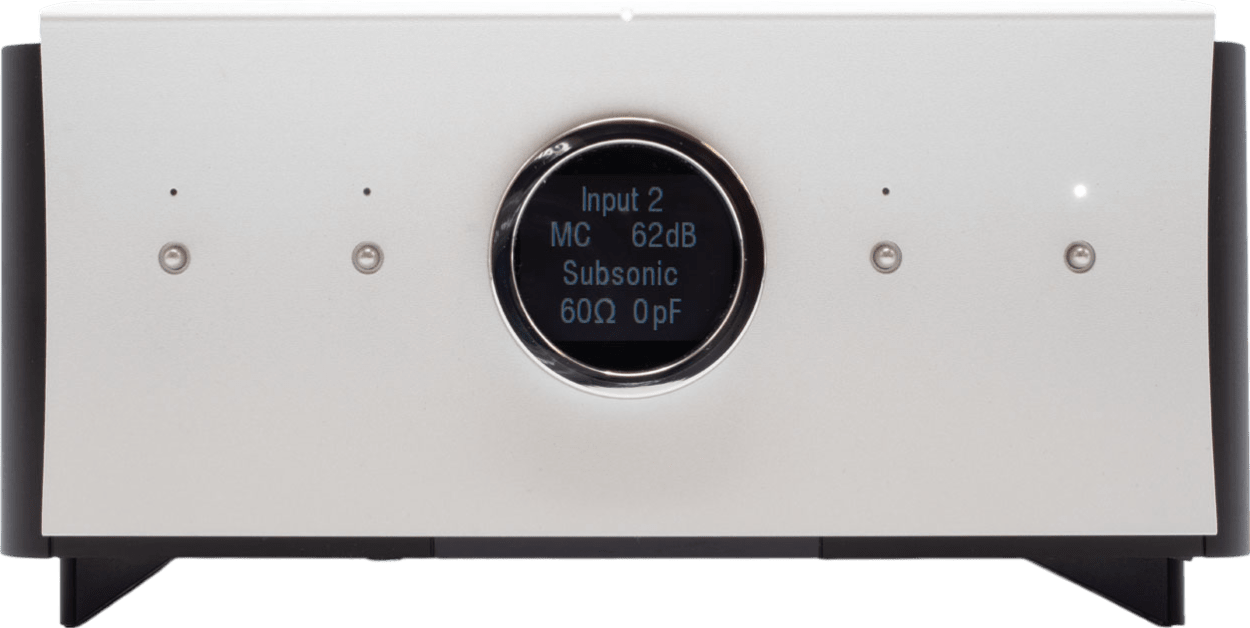
- Incredibly saturated sound packed with information, resulting in a deep and detailed presentation
- Separate gain paths for MM and MC cartridges, optimizing performance for each
- Extremely silent and powerful signal transmission capabilities
- Offers a wide range of settings to optimize performance for any cartridge, including extensive gain and loading options, and dozens of equalization curves
- Parameters can be adjusted on the fly using a custom Mola Mola app
- Design allows it to get out of the way of the music, allowing the music to swell and breathe majestically
Product Considerations
- The new review sample took some 300 hours to stabilize
- A slight faltering of absolute pitch definition and texture below about 40-45 Hz
- Some may find the sound too neutral and challenging—preferring a more lush sound
- With so many parameters to adjust, people may use the unit's abilities as a tone control and stray away from the intended EQ curve
- There are so many options, that it may be changed too far
Comparisons (according to reviewers)
- Versus GrandiNote Celio mk IV phono preamplifier, Lupe reminded the reviewer more of their Class A GrandiNote Celio mk IV phono preamplifier than the other of my references—ESE Lab Nibiru MC
- Versus ESE Lab Nibiru MC, each of those features could be pointed out as Lupe's advantages, although they were not as prominent as with Nibiru MC
Takeaway: The Mola Mola Lupe is a versatile and high-performing phono stage that delivers a sophisticated and musical sound. Its extensive features and convenient app control make it a great choice for vinyl enthusiasts who want to optimize their listening experience.
Video review
Our take on the brand

Our Summary
Product Strengths
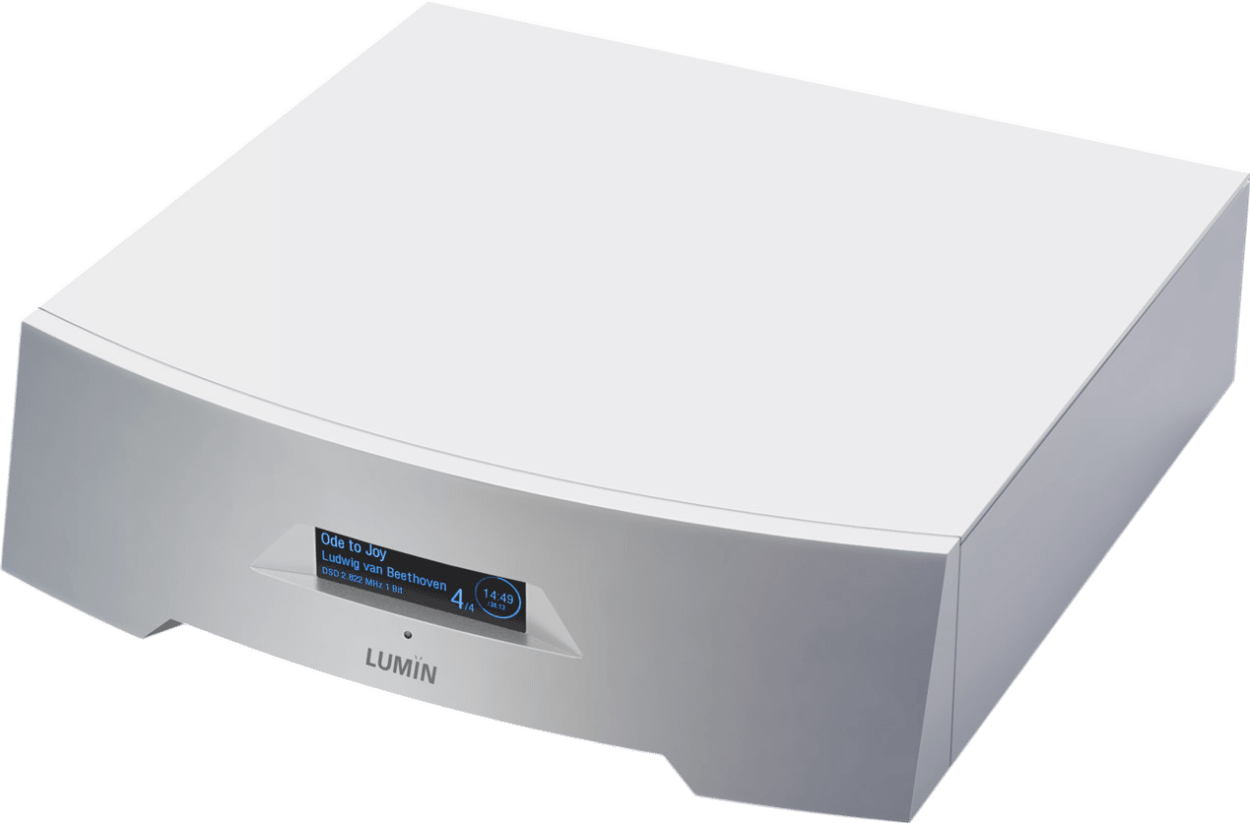
- Combines a network streamer, DAC, and preamplifier with digital and analog inputs, offering versatility
- Features Leedh Processing lossless volume control, which minimizes distortion and loss of resolution, maintaining sound quality even at high attenuation levels
- High-quality build with an aluminum chassis and a well-designed internal layout, including dual toroidal transformers and a Femto Clock System
- Has three HDMI inputs with 4k passthrough and ARC (Audio Return Channel), making it work as part of a multimedia system
Product Considerations
- Analog input signals are digitized because the P1's volume control operates in the digital domain
- The Lumin app is not as graphically compelling as Roon, nor is it as easy to navigate and manage a music library
- When the volume is set at '100' or the output level is set to 'fixed,' both Leedh and the conventional volume controls are bypassed
- It appears to have no discernible colorations of its own and delivers extremely high resolution, probably more than most systems will be able to realize
Comparisons (according to reviewers)
- Compared to the AURALiC Aries G1.1, the P1 delivers a considerably more realistic, musical, and engaging sound
- Compared to the Copland CSA 100 amplifier, the P1 is a more musical and competent sounding player with greater resolution, extension, dynamics, and ease
Takeaway: The Lumin P1 is a versatile network player, DAC, and preamplifier offering high-quality sound and a wide range of features. It delivers a powerful and immersive listening experience.
Video review
Our take on the brand

Our Summary
Product Strengths
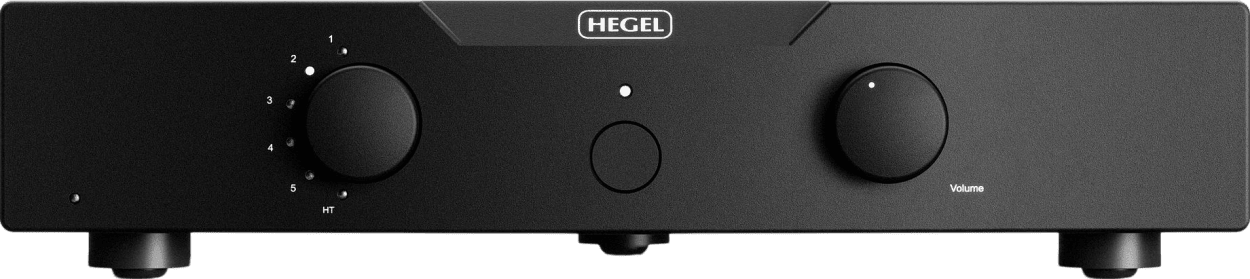
- Allows the music to play as intended, with transparency being a key attribute
- Offers excellent control, grip, and dynamic headroom
- Fully balanced design from input to output, maximizing performance with balanced sources
- Provides a very quiet background, improving separation and detail
- Very low noise floor, revealing a lot of detail without sounding analytical
Product Considerations
- The volume control lacks a digital readout
- Minimalist design with a basic remote that some may find lacking
- There are only two XLR inputs
- The simple lines may not appeal to those seeking a visually flashy product
Comparisons (according to reviewers)
- Compared to the Hegel H390, the P30A/H30A surpasses it, making the H390 sound inferior
- Compared to the Luxman M900U, the Hegel H30A exhibits greater soundstage depth
- Compared to the Constellation Revelation Series, the P30A/H30A revealed plenty of sonic information but didn't sound stilted or forced, though Constellation had "peer into the recording" transparency that the Hegel combo probably can't match
- Compared to older Hegel models, the newer models sound more extended and focused in the upper frequencies and are slightly warmer than neutral compared to the older versions' more apparent tilt toward warmth
Takeaway: The Hegel P30A is an excellent preamplifier that prioritizes transparency and control, letting the music shine through with exceptional detail and soundstage depth, and minimal coloration of its own. It ensures a clean, powerful, and natural presentation.
Video review
Our take on the brand
How to buy
Preamplifiers
Search all hifi products
Explore our database of 10,000+ new and 25,000+ used hifi products.