




Note that this is a discontinued product. You may want to visit the brand's page here to browse their newer products.
What reviewers think
Bloggers and YouTubers have tried this product—so we've summarized their strongest opinions below. Links to full reviews follow.
Product Strengths
- Lively and energetic sound with gratifying levels of detail, particularly in the midrange, that extracts a lot of detail
- Wide and deep stereo image
- Good bass extension, especially for its size
- Smooth and inviting sound
- A three-way speaker that can be easily EQ'd
Product Considerations
- Low-frequency information lacks substance and positivity, and it needs to be close to the wall to prop up the bass
- The sound could be called old-fashioned
- Coloration and hazing were noted in orchestral climaxes
- There's a gap between the bottom of the midrange and top of the low frequencies
- Better treble quality can be achieved by other speakers
Comparisons (according to reviewers)
- Compared to the Polk Reserve R100, it has slightly better refined treble quality with better separation and a fuller midrange
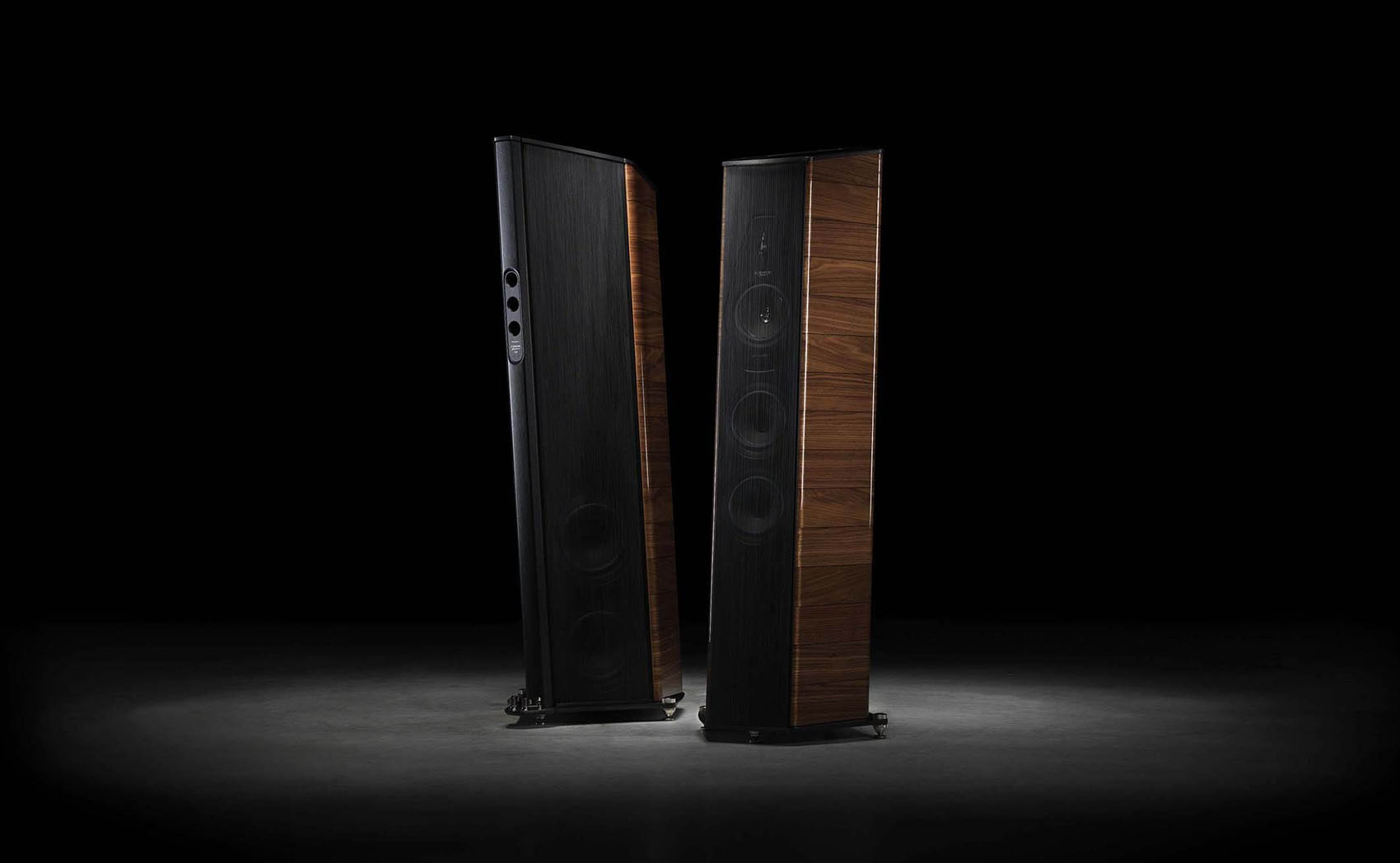
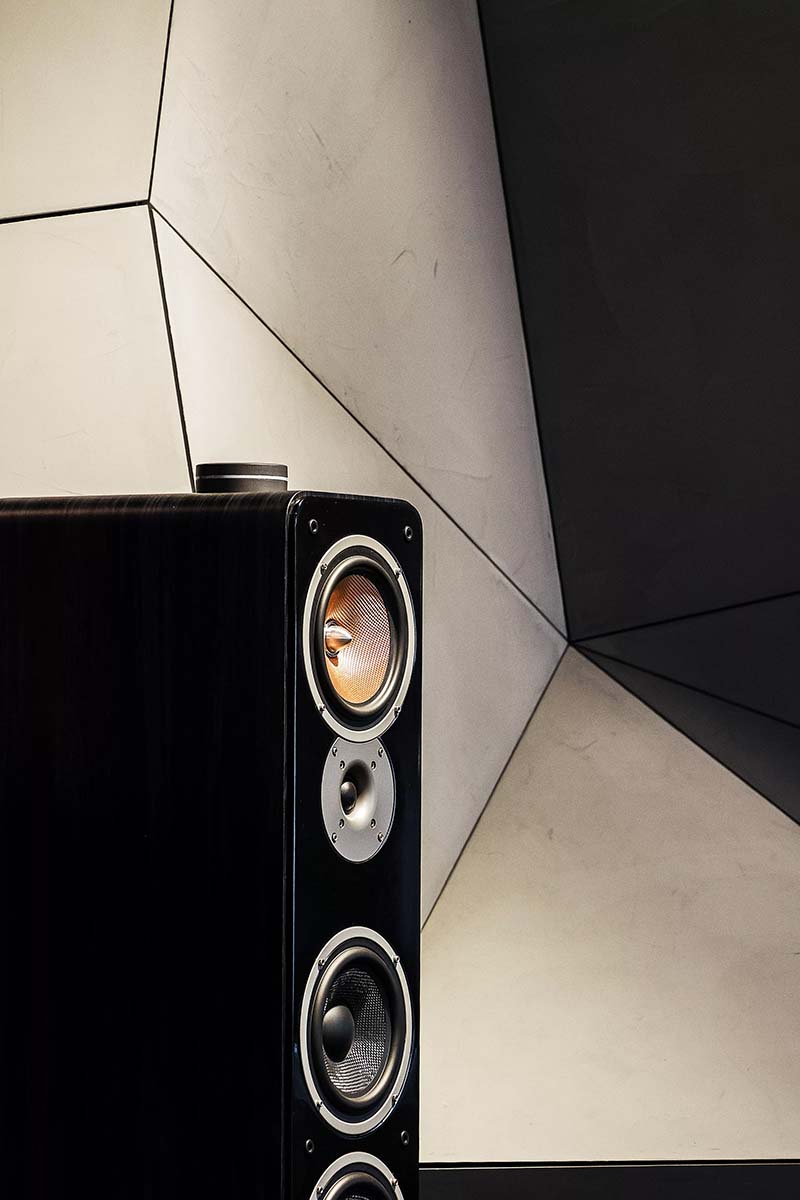
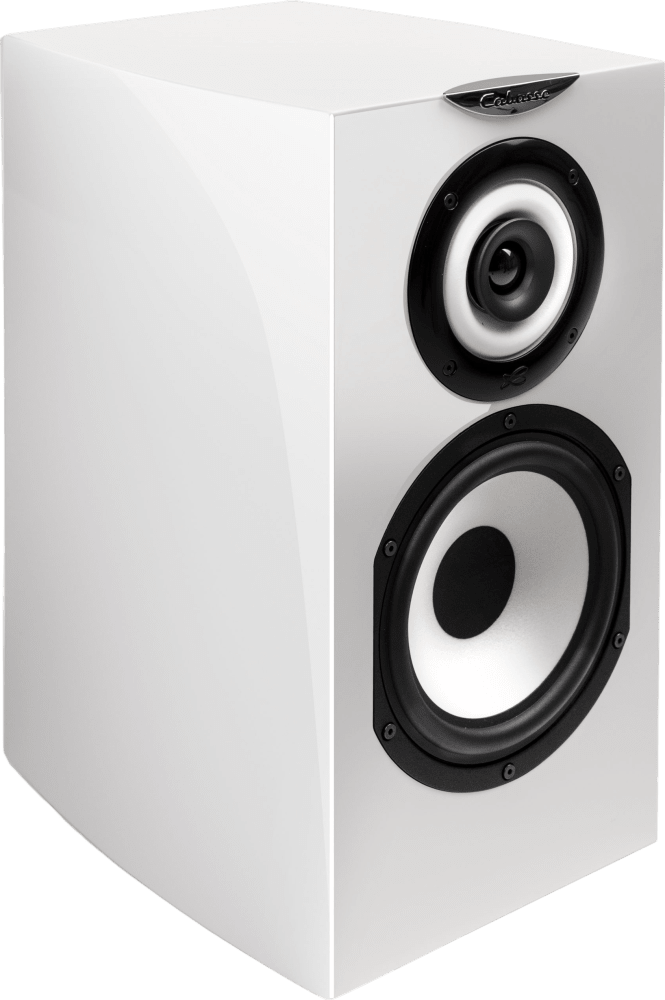
Takeaway: The Minorca MC40 is a lively speaker that is good for people who want a full-size speaker without spending too much. It has some quirks, but can be great for listening to music.
All
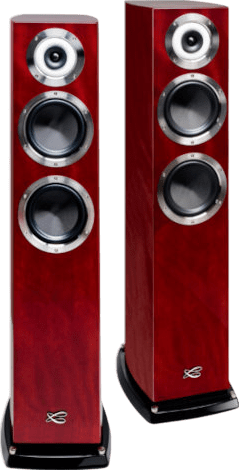
Minorca MC40
reviews


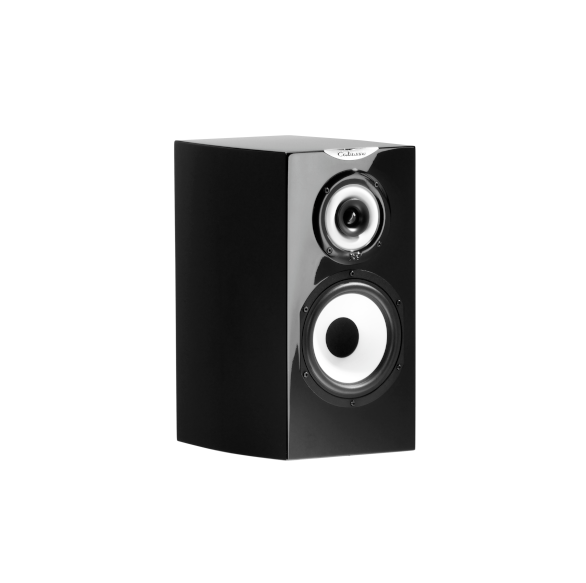
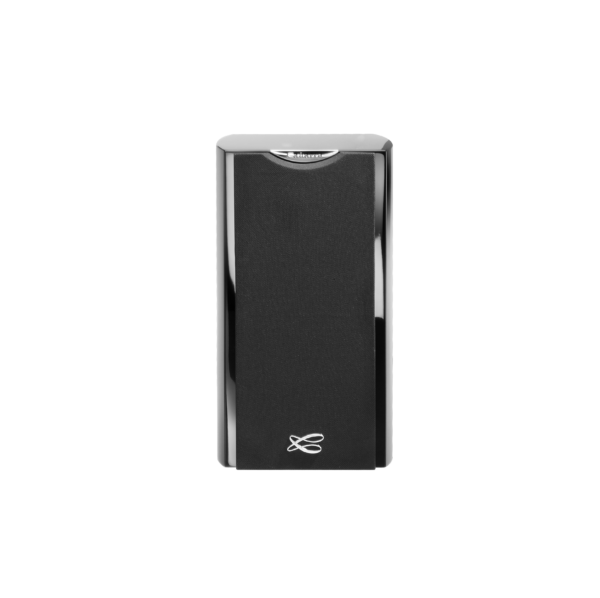
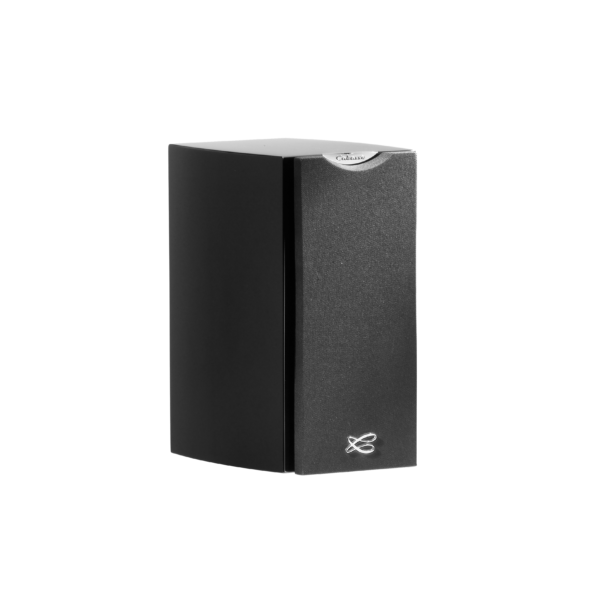
Manufacturer details
- Ways: 3
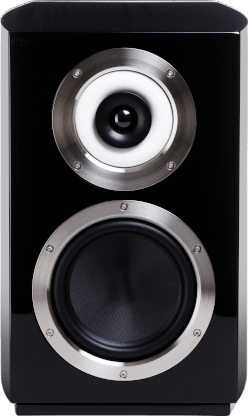
- Drivers: BC10 coaxial midrange-Tweeter 10 cm ring – 2.7cm (12cm/4" annulaire – dôme 2.7 cm/1"), Bass: 1 x 17cm/1" MD18LB1 Duocell
- Filter: 900 – 3 200 Hz
- Frequency response: 65 – 23 000 Hz
- Efficiency: 89 dB
- Nominal impedance: 8 ohms
- Minimal impedance: 3.3 ohms
- Power handling: 75 W
- Peak power: 550 W
- Dimensions: 40 x 23 x 28 cm (15.7" x 9" x 11")
- Weight: 8.5 kg (18 lbs)


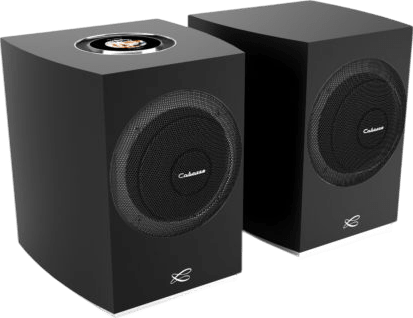








Brand highlights
Taking a step back to look at reviewers' thoughts of the brand's entire lineup—not just this product—what stands out most is the following:
- Coaxial driver design is a core element, used even in their more affordable models, enhancing spatial coherence and minimizing diffraction, a design choice they heavily promote for its acoustic benefits.
- Cabasse often incorporates DSP technology for room correction (ARCS) and sound signature adjustments (DEAP), enabling their speakers to adapt to different listening environments.
- While known for hifi audio, they also offer integrated streaming options, exemplified by their StreamControl app, compatible with various music services and DLNA playback.
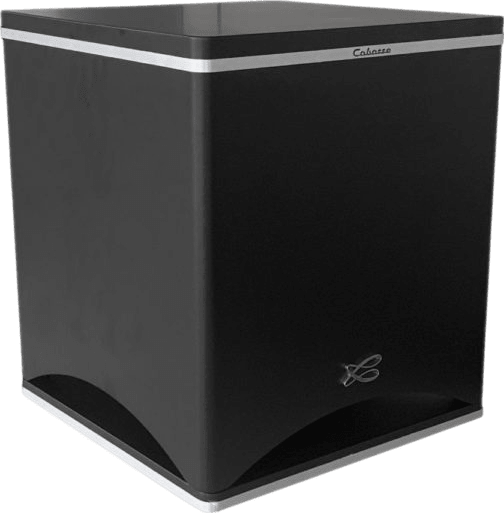
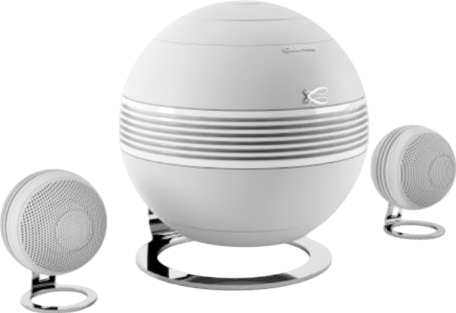
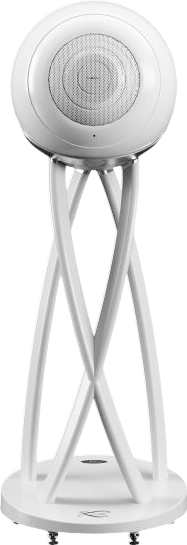
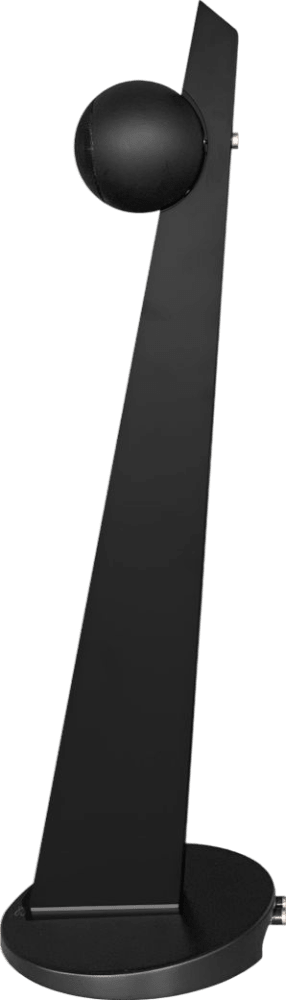
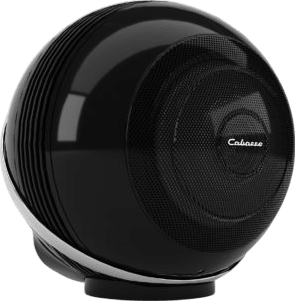
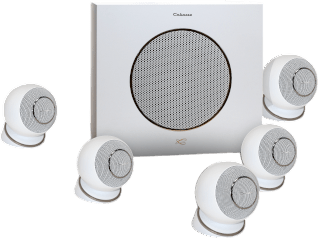
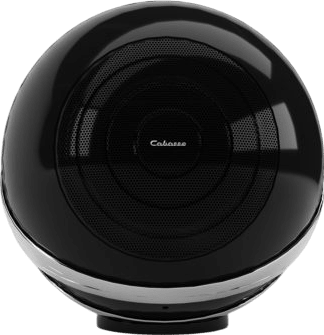
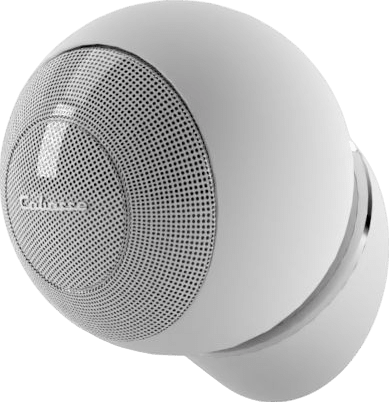
- Their signature design is spherical enclosures, minimizing cabinet-induced diffraction and enabling wide sound dispersion, and they are found throughout their product lines, from the entry level to reference models.
Select products
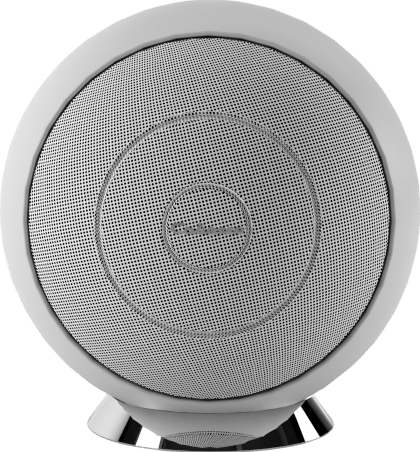
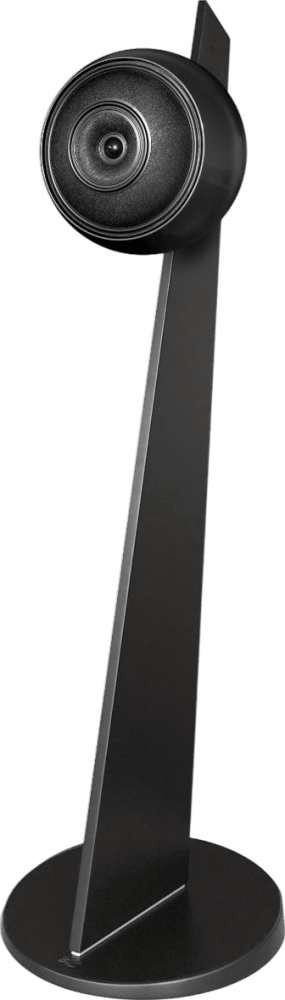
Jersey MC170
- Positioning: The entry-level floorstanding speaker in the Cabasse lineup.
- Description: Offers a rich and dynamic sound with its coaxial midrange-tweeter, providing a wide and stable soundstage. Compared to the Java MC40, it is more affordable and suitable for those seeking a balanced sound in medium-sized rooms.
Java MC40
- Positioning: A mid-range floorstanding speaker offering high-fidelity sound at a competitive price.
- Description: Stands out with its SCS technology and BC10 coaxial unit, delivering precise and realistic sound. It provides a more immersive experience than the Jersey MC170.
Bora
- Positioning: A high-performance bookshelf speaker designed for audiophiles seeking compact yet powerful sound.
- Description: Features a BC13 coaxial midrange-tweeter and a 21 cm Duocell woofer, offering analytical precision and dynamic capability. It surpasses the Antigua MC170 in sound depth.
Murano Alto
- Positioning: A high-end floorstanding speaker, representing the pinnacle of Cabasse's lineup.
- Description: Excels with its 3-way triaxial TC23 and BC13 drivers, delivering exceptional soundstage and tonal balance.

Our take on the brand
Look inside the brand
Our interview with the brand
What are two key technological innovations or strong opinions that differ you from other brands?
I think there are four pillars, but they’re all intertwined. The first is the 75 years of acoustics and R&D. We were one of the first companies to create the coaxial driver itself. Today, a lot of companies use coaxial or geo concentric designs, but we were one of the first in 1958 to develop it. You’ll find this in 90% of our lineup. The second is the connectivity aspect. More than 10 years ago, we were acquired by a company whose specialty was connectivity (UPNP, DLNA, and other connectivity protocols). The CEO saw Cabasse as an amazing brand, and he recognized that the audio market was shifting; similar to how Sonos pioneered multi-room wireless audio in the mid-market in the early 2000s. The same shift started happening in the high-end hi-fi industry, but very few companies had the expertise. So he purchased Cabasse, and now we have acoustics, coaxial driver design, high-excursion woofer technology, and robust connectivity; plus DSP and active filtering. These are things we’ve been doing for a while. And I’d also say the design makes us stand out.
What's your approach to customer support?
Now that we’re basically our own distributor in the U.S., we work directly with dealers. We offer warranties on drivers; ranging from 3 to 5 years, or lifetime depending on the product. We just launched a new product in Munich, and it comes with a lifetime driver warranty. If a customer buys a product and a driver fails, the dealer comes to us and says, “Hey, can you help my client?” Then we either get in touch with the customer directly, if the dealer agrees, or the dealer takes care of it. Not every dealer has the ability to repair, especially since many of our products are heavily electronics-based. In some cases, we’ll just replace the entire unit. We also have a policy where, within a certain period, if the electronics fail, we’ll replace the unit for free. Generally, it’s 3 to 5 years for drivers, and 2 years for electronics.
What are your favorite tracks for showcasing the strength of your products?
We actually have a playlist on Qobuz with all of our demo tracks. Off the top of my head, for precision and showcasing microdetails, I really like the track called “Soft Landing” by Hadouk Trio. It’s a very clean and amazingly recorded track. I also like “Magnetic Lies” by Malia to show the low end and precision. and fact that our woofer technology provides a lot of dispersion without distortion. The coil never leaves the magnetic field, so you get a lot of excursion. Plus, our DSP helps a lot. We want people to experience that at a given price and speaker size; they have a lot to play with.
What other products pair best with yours?

Used
Cabasse









What if you spend more?
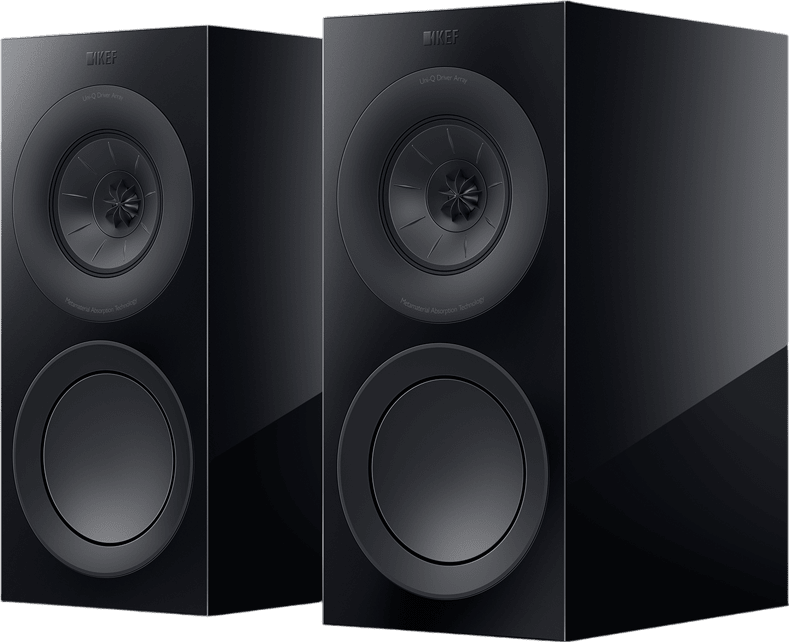


R3 Meta redefines bookshelf speaker’s performance. Sharing the same drivers as the range-topping R11 Meta, the R3 Meta is a true three-way design. It has a 12th generation Uni-Q® driver array with MAT™ and a powerful 6.5” hybrid aluminium bass driver that pushes performance to new extremes.

.svg)
Product Strengths
- Remarkably precise, unusually musical, and vivid sound, creating an open, inviting sound and bringing superb clarity and resolution to music
- Wide, airy, and holographic soundstage with excellent directivity, spreading reflections evenly for a consistent sound experience even when not in the 'sweet spot'
- Innovative Meta Material Absorption Technology (MAT) absorbs 99% of unwanted sound coming from the rear of the tweeter, leading to improved clarity, precision, and detail in the high frequencies—and better overall composure when the mix gets complicated
- A dedicated woofer handles the bass, allowing the coaxial system to focus on the important midrange without interference, which results in improved bass performance and power handling
- Neutrality and balanced frequency response, combined with excellent linearity, makes it very suitable for equalization, allowing users to adjust the sound to their preferences
Product Considerations
- The bass, while tight and tuneful, might not provide the 'gut punch' or chest-thumping experience some listeners prefer, and a subwoofer is recommended for those seeking more pronounced low-end dynamics
- The treble response, while detailed and airy, may sound a bit bright when the speaker is aimed directly at the listener (on-axis), and a slight toe-out (5-10 degrees) is recommended to relax the high frequencies
- Some reviewers note that they may sound a little flat or leaner at very low listening volumes, excelling more when given some 'juice' and volume
- The piano black finish, while beautiful, is prone to fingerprints and requires care to maintain its appearance
Comparisons (according to reviewers)
- Vs. LS50 Meta: Considered a better, more complete speaker with a more balanced presentation from top to bottom—and a more fleshed-out sound
- Vs. Bowers & Wilkins 705 S3: Puts the treble on a much tighter leash, while the 705 S3 can come on as just too much in that lower treble region
- Vs. Buchardt S400 Mark II: Is leaner, airier, and more spatial, while the Buchardt is warmer, thicker, and has more bass punch
- Vs. Revel M106: The Revel M106's directivity is nowhere near as good as the Kef R3 meta
Takeaway: The KEF R3 Meta is a well-rounded and high-performing loudspeaker, offering a detailed and balanced sound signature with excellent imaging capabilities. It is a great choice for those seeking a neutral and engaging listening experience.
Video review
Our take on the brand

Our summary
Product Strengths
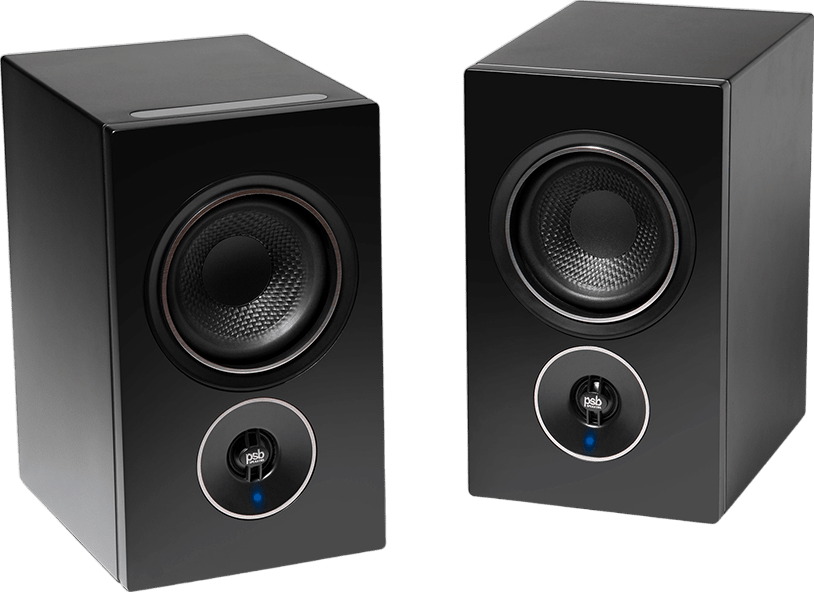
- Highly accurate sound with surprising dynamic and bass abilities
- Intuitive BluOS app provides access to many streaming services, multi-room control, and customisation options
- Wide range of connectivity options including HDMI eARC, phono inputs, USB, Wi-Fi, and aptX HD Bluetooth
Product Considerations
- BluOS app required for setup and primary use, no dedicated remote control is provided
- BluOS app can be quirky, and there are potential setup difficulties and HDMI connectivity issues
- Lacks room EQ features for near-wall or desktop placement, and doesn't have enough output for larger rooms without a subwoofer
Comparisons (according to reviewers)
- Vs SVS Prime Wireless Pro, the Alpha iQ provides a deeper soundstage and more filled-in sound
- Vs Q Acoustics's Q Active 200, the Alpha iQ delivers greater sense of scale
- Vs Bowers & Wilkins Panorama 3, the Alpha iQ provides more transparent sound and better dynamic range
- Vs ELAC Debut ConneX, the Alpha iQ offers wider-ranging connectivity and a dedicated control app
- Vs KEF LSX II, the Alpha iQ has a feature-rich app and multi-room audio skills
- Vs Alpha AM3, the Alpha iQ is physically larger, with more rated power and wireless connection between speakers
Takeaway: The PSB Alpha iQ is a compact, all-in-one streaming speaker system with excellent sound quality and versatility, making it a great addition to smaller spaces. Its multiple connectivity options and simple setup allow one to easily enjoy music from various sources.
Video review
Our take on the brand
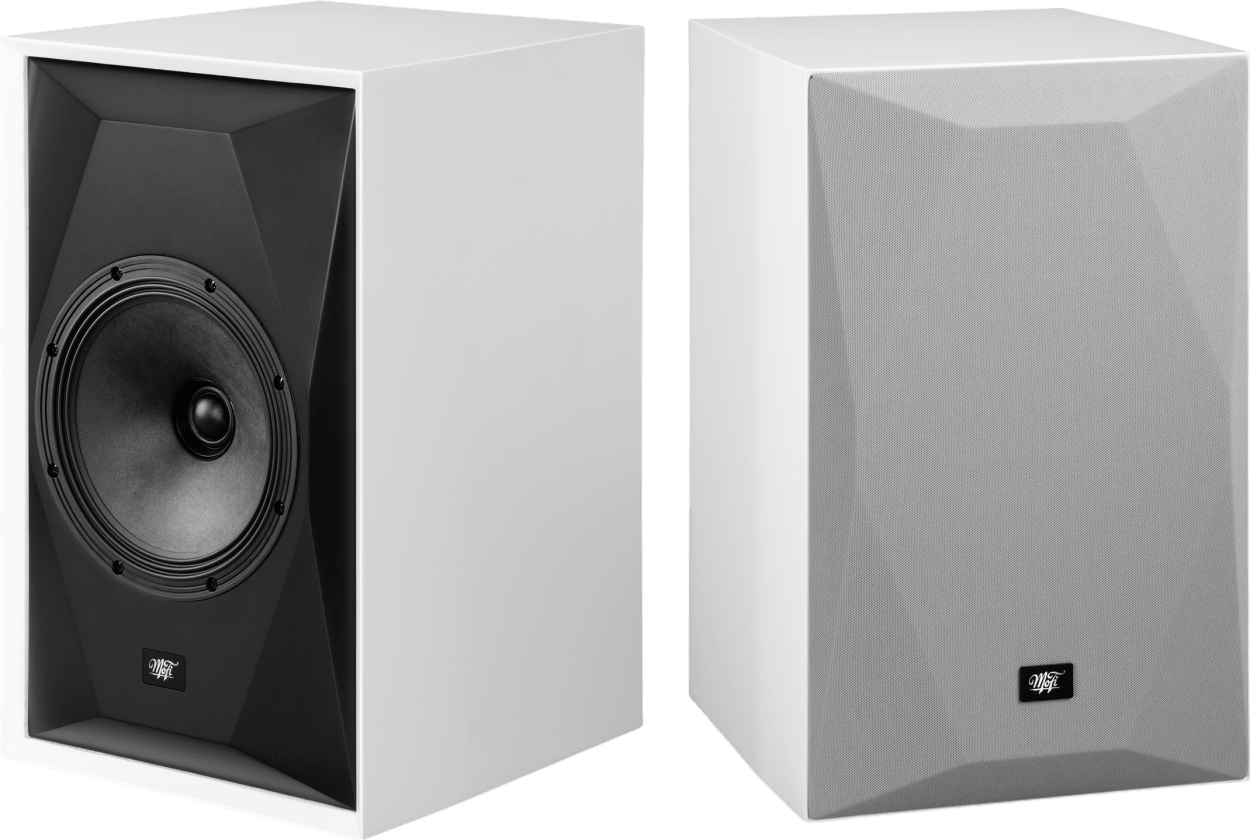

Our summary
Product Strengths
- Precise and stable stereo imaging
- Good detail retrieval
- Neutral tonal balance
- Versatile directivity
Product Considerations
- Bass extension requires a subwoofer for full-range playback, especially below the mid-40Hz range
- Potential for brightness, especially when toed-in directly towards the listening position
- Requires careful setup and experimentation with placement to optimize sound, especially in relation to the rear wall and toe-in
Comparisons (according to reviewers)
- The SourcePoint 8 is more neutral, with a less elevated top end, while the SourcePoint 10 is brighter
Takeaway: The SourcePoint 8 is a well-engineered speaker that stands out for its clear imaging and ability to convey musical detail across different genres. It offers a balanced and neutral sound that makes it an engaging listening experience.
Video review
Our take on the brand
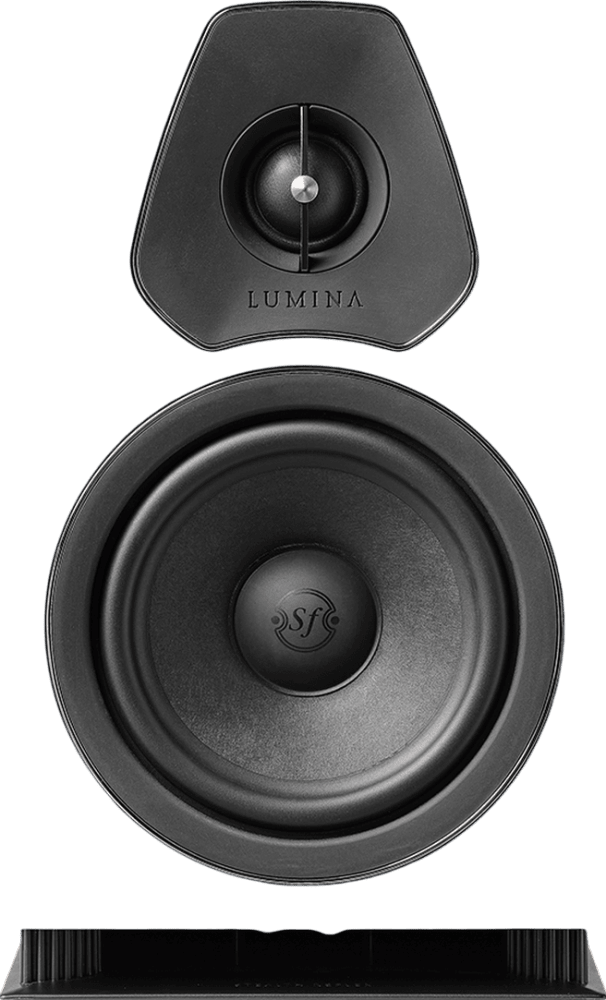

Room-filling sound in a compact form.The Lumina II enriches the range of two-way speakers in the Lumina family, offering a perfect solution for smaller rooms with uncompromising Natural Sound.LARGE VOLUME IN A COMPACT DESIGNThe larger of the two bookshelf speakers in the collection, the Lumina II has a larger volume and 150mm mid-woofer.PERFECT VERSATILITYLumina II maintains a compact and versatile design perfect for placement within a bookcase or shelving unit. It can also be positioned as rear channels in a home theater system.SIGNATURE SONUS FABER MATERIALSLumina II incorporates multilayer wood on the front baffle and wood veneer, available in multiple finishes. The sides and top of the speaker cabinet are hand-covered in our iconic black leather.SIMPLICITY AND STYLELumina takes note of Sonus faber’s iconic natural materials.
Our summary
Product Strengths
- Extremely good build quality, feeling solid and carefully assembled
- Delivers well-defined, three-dimensional imaging and a snappy sense of timing
- Combines exceptional midrange coherency
- Known for a natural, open, and detailed sound
- A beautifully three-dimensional speaker with very little perception of cabinet coloration or even cabinet presence
Product Considerations
- Inherent bass response drops away slowly
- Some recordings may sound a little sharp in the treble, but this is not the fault of the speakers
- Some limits to detail retrieval
- On the brighter side
Comparisons (according to reviewers)
- Vs Lumina I: The Lumina II has meaningful extension below 50Hz, creating a believable weight and scale to the performance
- Vs KEF LS50 Meta: The Sonus faber is easier to drive, more forgiving of less pristine recordings, and has an emotional quality that the LS50 Meta lacks
Takeaway: The Lumina II is a speaker that delivers many of the qualities that make Sonus faber loudspeakers stand out, offering an inviting and spirited sound that is also beautiful to look at. It represents an affordable way to experience Sonus faber's Italian-made craftsmanship and sonic signature.
Video review
Our take on the brand
What competes at this price?

Our Summary
Product Strengths
- Excellent focus and separation, with the speakers 'disappearing' to create a natural soundstage
- Impressive low-end performance, adding authority to the music
- Cohesive driver integration, with no perceivable handover between the AMT tweeter, midrange dome, and woofer
- Remarkable neutrality in the midrange, with a detailed yet smooth treble—avoiding harshness even at higher volumes
- Clear and detailed sound reproduction, extracting nuances and levels of information outstanding for its price
Product Considerations
- Vertical off-axis performance of the AMT tweeter is not good, so correct speaker height and toe-in are important
- Soundstage is not super wide, with the presentation mostly between the speakers
- Some reviewers found the aesthetics or proportions to be awkward or not to suit all tastes
- Bass may be a bit polite for some listeners wanting subwoofer-type rumble
- The midrange can be fatiguing if the listener's ear is at the midrange driver level
Takeaway: The Evo4.2 is a well-rounded speaker that delivers excellent sound quality with impressive imaging, detail, and tonal balance. It is capable of providing an audiophile experience at an affordable price.
Video review
Our take on the brand

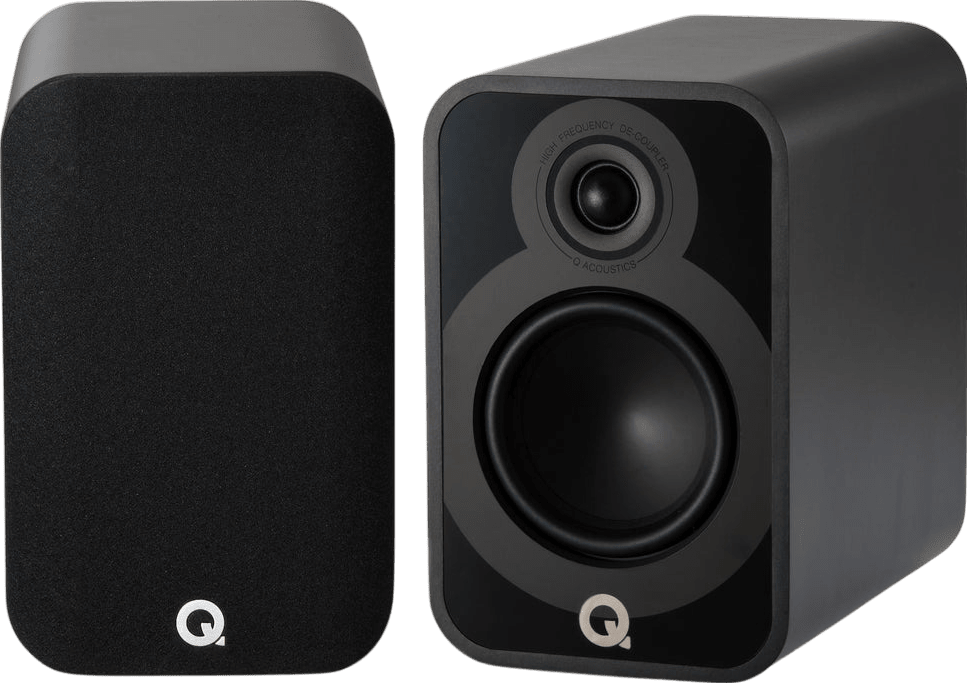

Our Summary
Product Strengths
- Attractive design with rounded cabinet edges and multiple finish options (Satin Black, Satin White, Santos Rosewood, Holme Oak)
- Good midrange reproduction—clean and uncolored—especially for the price
- Clear and detailed sound with good separation of instruments
- Taut and agile bass performance
- Internal bracing (P2P) stiffens the cabinet, reducing vibrations and improving stereo image
- Connectivity options such as binding posts
Product Considerations
- Can tend towards brightness, potentially causing fatigue during longer listening sessions—especially with the wrong equipment pairing
- Cabinet size is relatively large for a bookshelf speaker
- Bass response is somewhat subdued
- Some reviewers noted imaging issues, with vocals lacking a firm presence in the center
- Grilles muddle the sound
Takeaway: The Q Acoustics 5020 is a great-looking speaker that offers a rich and musical sound, making it a very entertaining listen for the price. With its ability to reveal details from recordings, it's a wise choice for those looking for a well-built and sonically pleasing speaker.
Video review
Our take on the brand
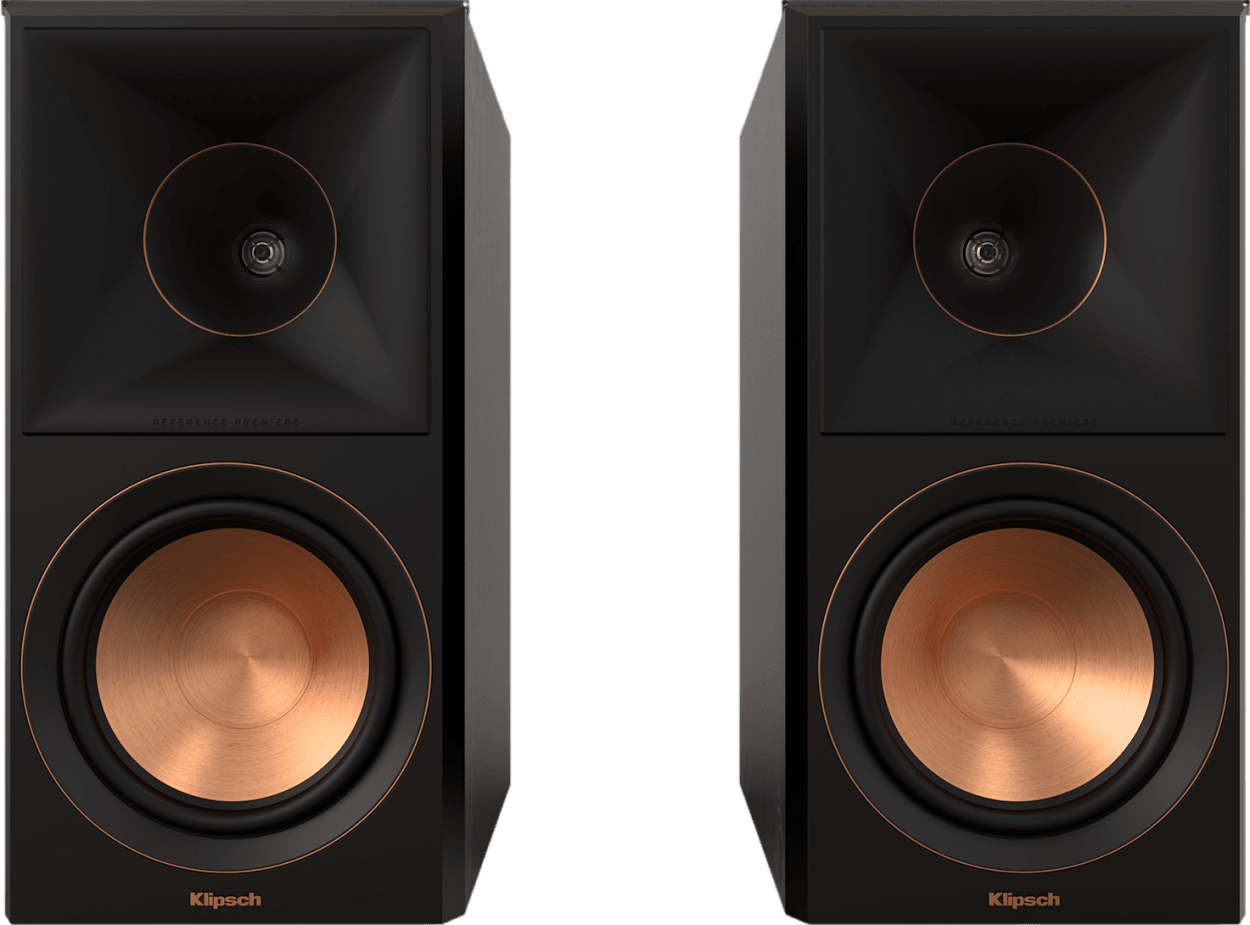

Our Summary
Product Strengths
- Larger horn tweeter and a new Cerametallic woofer, compared to its predecessor
- Upgraded binding posts and crossover plate elevate to Reference Premiere status
- Larger diameter voice coils and aluminum shorting rings on the woofers give the speaker better linearity throughout the bass, decrease distortion while upping power handling resulting in improved speed and accuracy
- Better detail retrieval, more articulate bass, and vastly improved soundstage width and imaging, compared to the RP-600M
- The binding posts are the same that are found on costlier Heritage speakers
Product Considerations
- Finish options did not receive an upgrade over the outgoing model, leaving customers with the same ebony or walnut wraps
- The tweeter may be too bright for some listeners who are sensitive to a more aggressive top end
- Rated sensitivity is 94.5dB, which is a decrease compared to the original's reported sensitivity of 96
- Needs a bit of space behind them and to the sides, or at least positioning on open shelves, if the powerful output from that port isn't to muddy the sound
Comparisons (according to reviewers)
- Compared to the older RP-600M, the new sounds far more linear
- The new is very easy to listen to for long periods of time, and while it still has a presence, a speed and transparency to the artist or instrument—at least with respect to the midrange—it is not as forward sounding as past designs
- The new proved to be surprisingly flat, but best of all, not the least bit fatiguing
- There was very little difference in tone with respect to the mids between the new and a costlier Revel bookshelf
- These two are actually pretty neck and neck
- As for the Wharfedale Evo 4.1, the Evo is better constructed, not to mention nicer looking
Takeaway: The RP-600M II is a refined speaker with better components, improved sound, and better bass response and imaging. It's a speaker that would be great for someone who likes to listen to a variety of music genres and wants a good-sounding speaker that can last a long time.
Video review
Our take on the brand
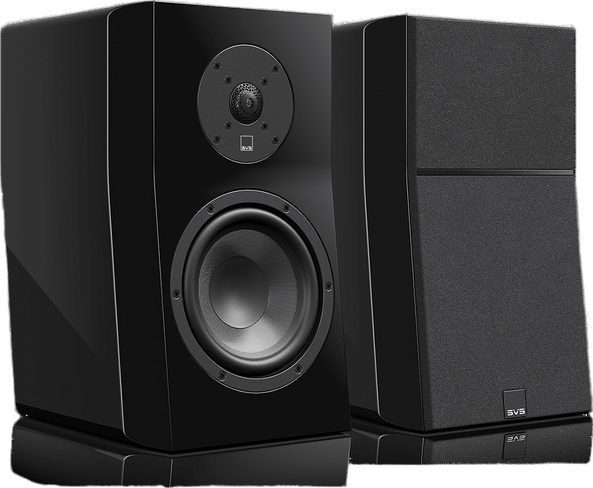

Our Summary
Product Strengths
- Incredible power handling capabilities, performing as well as speakers in the $2,000–$3,000 range
- Sound quality is comparable to stand-mount speakers in the $1,500–$2,000 range
- Build quality is phenomenal for its price point, with real wood veneer options available
- Produces a dense and deep soundstage, especially for a two-way design
- Neutral and clean sound with nice extension in the upper mid-range to high-frequency extension, avoiding a 'hot' sound
Product Considerations
- Stereo imaging is decent, but not as precise as some listeners may prefer
- The mid-range can be a weak point due to some potential resonance in the upper frequencies of the woofer's range
- The speakers are not the easiest to drive and pairing with neutral, slightly warmer amps is recommended
- The treble response is slightly forward with some extra sparkle which may not be ideal for those sensitive to higher frequencies
- While the bass is good, listeners of bass-heavy music may want to add a subwoofer
Comparisons (according to reviewers)
- Vs. SVS Nano: The Ultra Evolution has a more open and expansive midrange and more linear bass, while the Nano has punchier—slightly boosted—bass
- Vs. Heco Salon Revolution 3: The Ultra Evolution is a good replacement since the Heco is discontinued, the Ultra Evolution favors neutrality, while the Heco has a warmer midrange, but the treble is very similar on both
- Vs. KEF R3 Meta: The SVS Ultra Evolution disappears better, but the R3 Meta sounds more neutral
- Vs. Dali Opticon II Mark IIs: Dali is warmer and more nuanced in the midrange but the Ultra Evolution is a little more exciting in its presentation
Takeaway: The SVS Ultra Evolution Bookshelf speakers provide exceptional performance for the price and create an immersive listening experience. They are well-built, attractive, and offer a balanced sound that makes them a strong contender in their price range.
Video review
Our take on the brand
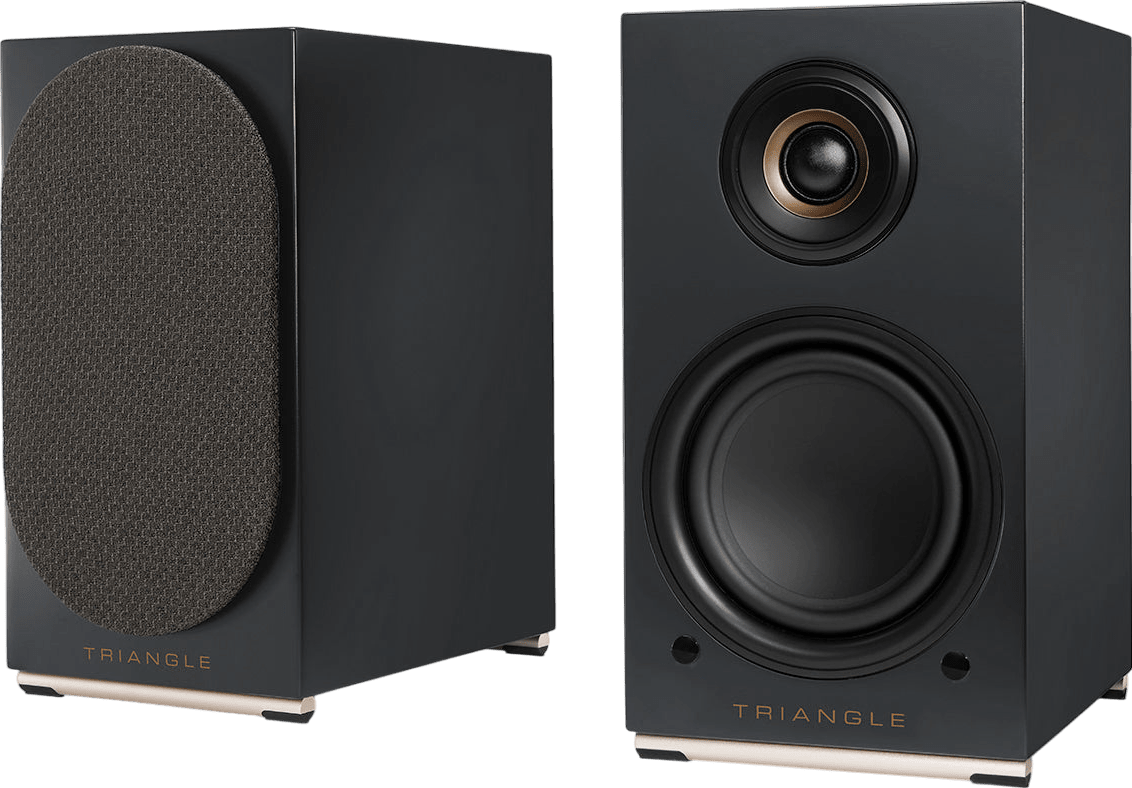

Our Summary
Product Strengths
- Wide range of connectivity options including Bluetooth 5.0 aptX, Wi-Fi, RCA/Phono input, optical input, and USB input.
- Enthusiastic and capable sound quality suitable for various music genres, with a mature sense of composure.
- Elegant and refined design with unique arrow-extended feet and premium grill, available in multiple color finishes.
- The included Triangle AIO app is well-designed, bug-free, and provides easy streaming from providers like Spotify, Qobuz, Tidal, and Deezer, as well as basic EQ adjustments.
- Includes a built-in moving magnet phono stage for playing records directly.
Product Considerations
- The quality of the built-in phono stage isn't the best compared to streaming or other inputs
- The remote control is plastic and doesn't feel as premium as the speaker itself
- The included speaker cable is basic
- WiFi connectivity can have a delay when turning the speaker off and back on
- The bright LED indicating the source can be distracting for some users, though it can be dimmed or turned off
Comparisons (according to reviewers)
- Compared to the KEF LSX II, the AIO Twin is at half the price
- Triangle is more balanced, neutral, and composed than the Argon Audio Forte A5 MK2, while the Argon Audio Forte A5 MK2 is more V-shaped
Takeaway: The AIO is a versatile and good-sounding all-in-one speaker system that combines modern features with a stylish design, making it a great choice for those who want simplicity and convenience. The speaker's ability to handle various input sources, from streaming to vinyl playback, ensures that users can enjoy all of their music with ease.
Video review
Our take on the brand
How to buy
Speakers
Search all hifi products
Explore our database of 10,000+ new and 25,000+ used hifi products.