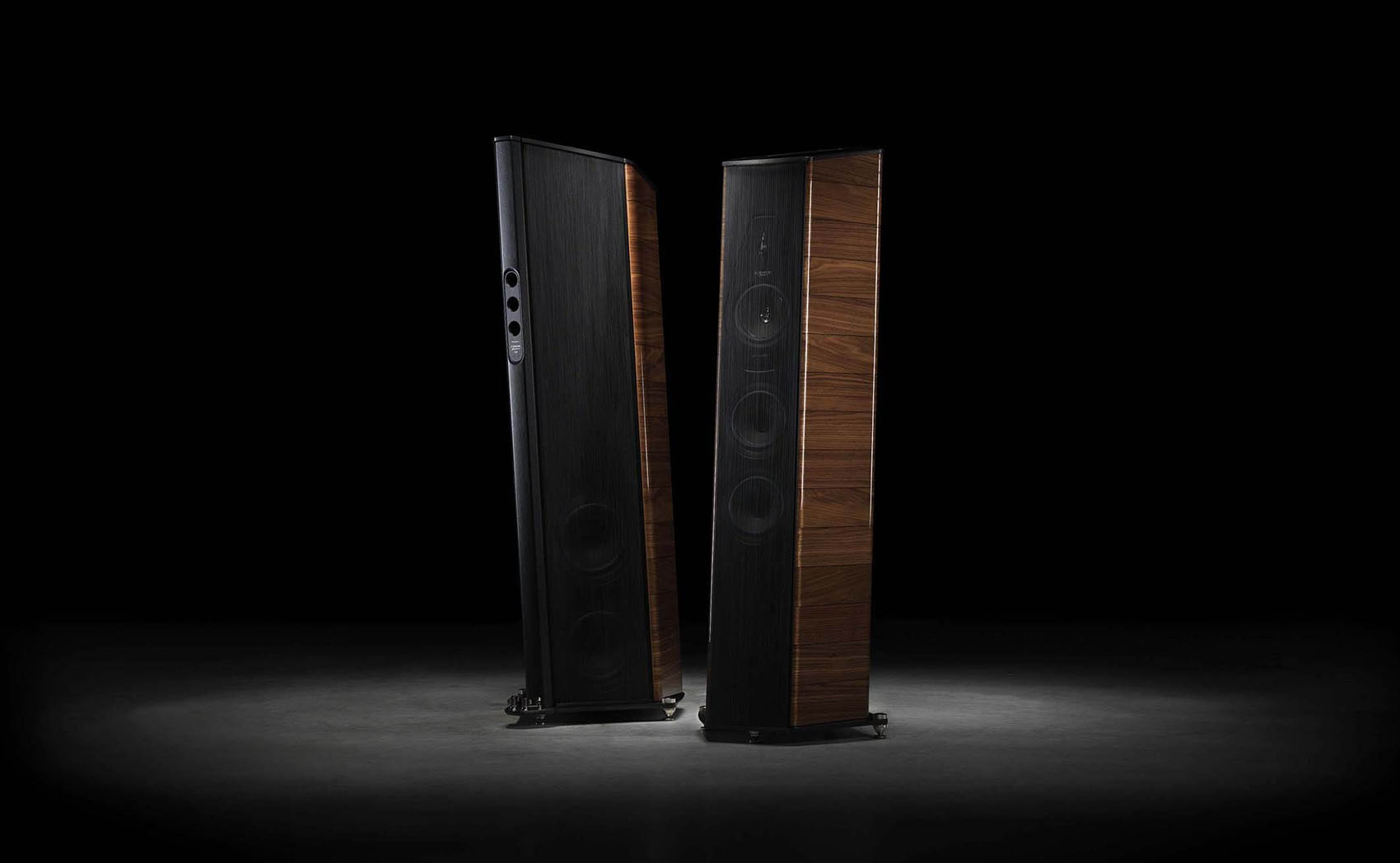





Note that this is a discontinued product. You may want to visit the brand's page here to browse their newer products.
What reviewers think
Bloggers and YouTubers have tried this product—so we've summarized their strongest opinions below. Links to full reviews follow.
Product Strengths
- Powerful and deep bass response for its size
- Clear and natural sound reproduction, with vocals being particularly noteworthy
- An 'all-in-two' system, the RIALTO includes a streamer, DAC, pre-amp, and amp, making it easy to set up and use, especially with the Cabasse StreamCONTROL app
- Effective room correction helps to optimize the sound for the listening environment
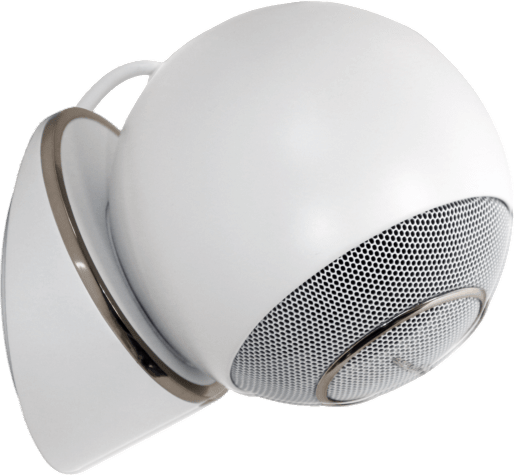
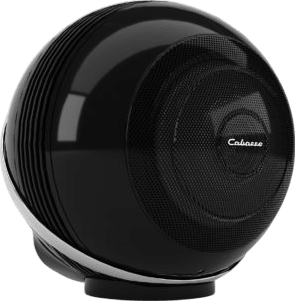
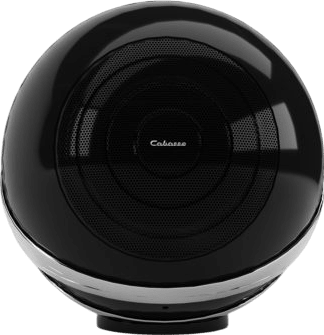
- Elegant design and build quality
Product Considerations
- The lack of seamless gapless playback between digital tracks requires a workaround or use of an analog source
- The RIALTO has a laid-back treble response, which may not appeal to listeners who prefer a brighter sound
- Potential for technical hiccups exists, because of the amount of technology packed into the RIALTO
- Many features are controlled with the mobile app
Comparisons (according to reviewers)
- The RIALTO provides a more balanced—and much more natural—listening experience than the Devialet Phantom II 98 dB Stereo
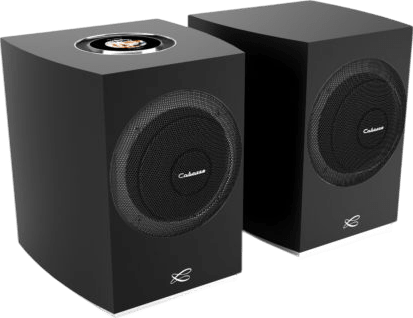
Takeaway: The Cabasse RIALTO is a compact and elegant audio system that offers powerful sound and a range of integrated features, making it a great choice for music lovers who want an easy-to-use and high-performing system. The sound quality and room correction allow it to adapt well to different listening spaces, offering an immersive experience.
All
Rialto
reviews


Manufacturer details
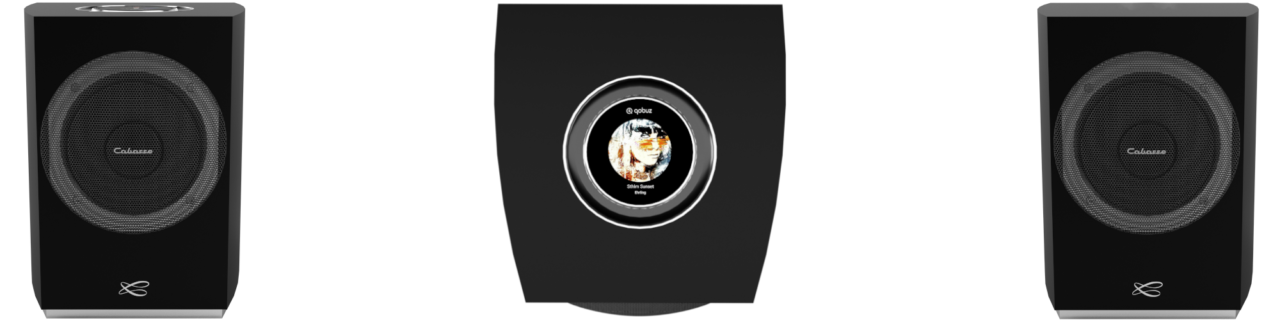
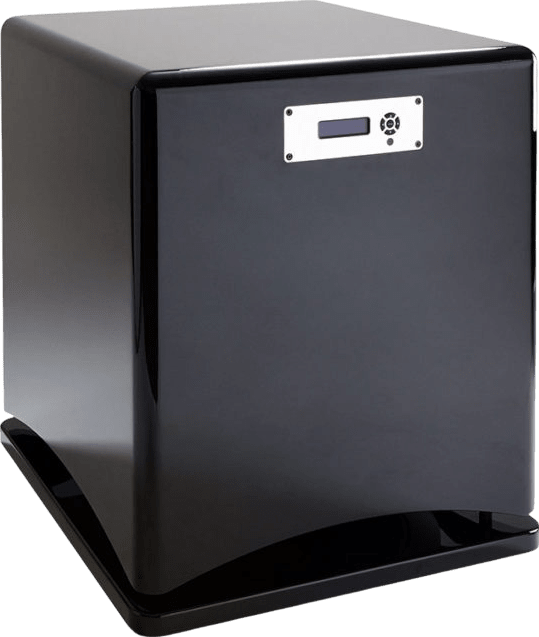
- Frequency range: 30 - 27,000 Hz
- Drivers: 13 cm BCI coaxial midrange x 2, 17 cm HELD woofer x 2
- Amplification per speaker: Treble: 300W RMS/600W peak, Midrange: 300W RMS/600W peak, Bass: 450W RMS/900W peak
- Max volume: 121 dB peak stereo
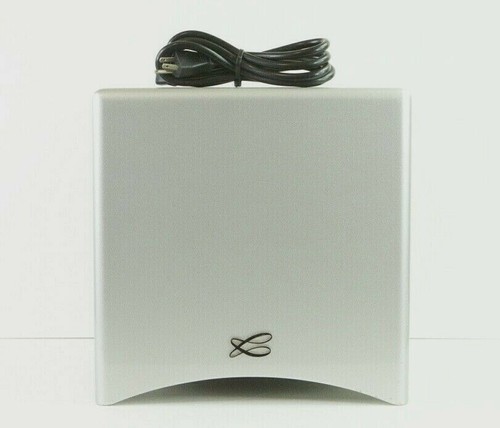
- Dimensions: 10.2 x 7.9 x 9.4 Inch
- Weight: 42.99 Lbs
- Connectivity: Ethernet, Wi-Fi, Bluetooth, Optical SPDIF, Analog RCA, USB, TV jack
- DAC: 768 kHz / 32 bits










Brand highlights
Taking a step back to look at reviewers' thoughts of the brand's entire lineup—not just this product—what stands out most is the following:
- Coaxial driver design is a core element, used even in their more affordable models, enhancing spatial coherence and minimizing diffraction, a design choice they heavily promote for its acoustic benefits.
- Cabasse often incorporates DSP technology for room correction (ARCS) and sound signature adjustments (DEAP), enabling their speakers to adapt to different listening environments.
- While known for hifi audio, they also offer integrated streaming options, exemplified by their StreamControl app, compatible with various music services and DLNA playback.
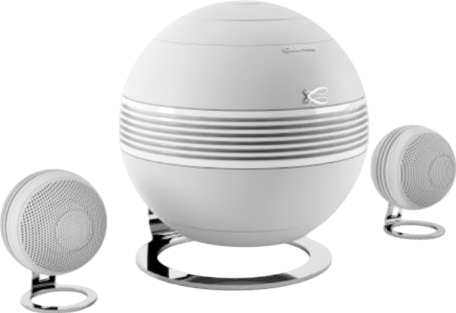
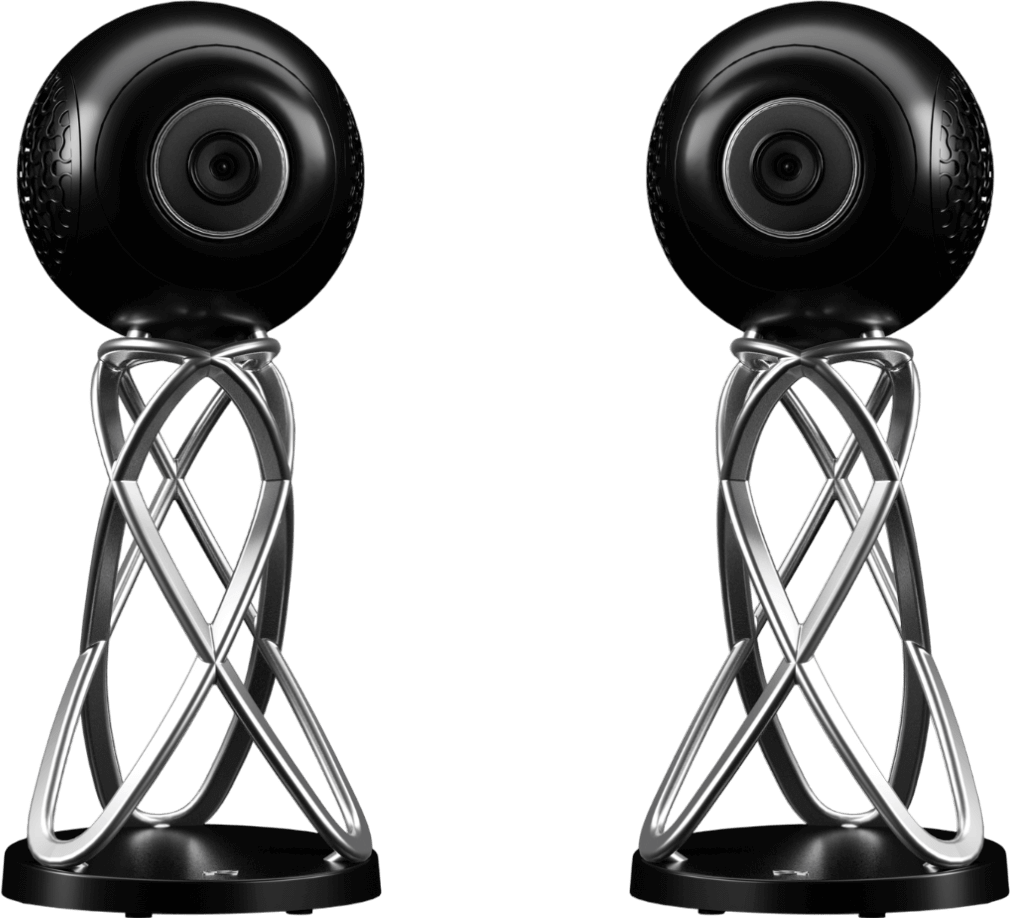
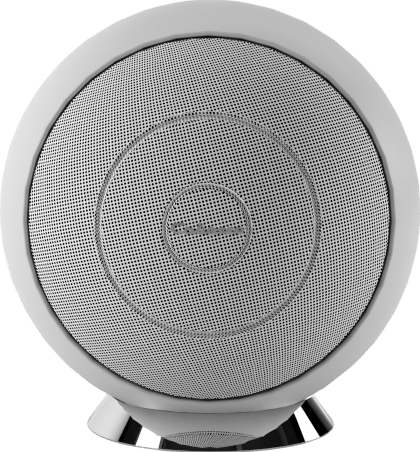
- Their signature design is spherical enclosures, minimizing cabinet-induced diffraction and enabling wide sound dispersion, and they are found throughout their product lines, from the entry level to reference models.
Select products
Jersey MC170
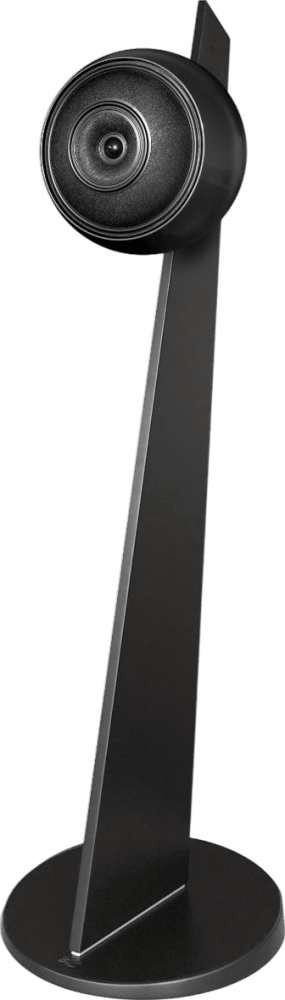
- Positioning: The entry-level floorstanding speaker in the Cabasse lineup.
- Description: Offers a rich and dynamic sound with its coaxial midrange-tweeter, providing a wide and stable soundstage. Compared to the Java MC40, it is more affordable and suitable for those seeking a balanced sound in medium-sized rooms.
Java MC40
- Positioning: A mid-range floorstanding speaker offering high-fidelity sound at a competitive price.
- Description: Stands out with its SCS technology and BC10 coaxial unit, delivering precise and realistic sound. It provides a more immersive experience than the Jersey MC170.
Bora
- Positioning: A high-performance bookshelf speaker designed for audiophiles seeking compact yet powerful sound.
- Description: Features a BC13 coaxial midrange-tweeter and a 21 cm Duocell woofer, offering analytical precision and dynamic capability. It surpasses the Antigua MC170 in sound depth.
Murano Alto
- Positioning: A high-end floorstanding speaker, representing the pinnacle of Cabasse's lineup.
- Description: Excels with its 3-way triaxial TC23 and BC13 drivers, delivering exceptional soundstage and tonal balance.

Our take on the brand
Look inside the brand
Our interview with the brand
What are two key technological innovations or strong opinions that differ you from other brands?
I think there are four pillars, but they’re all intertwined. The first is the 75 years of acoustics and R&D. We were one of the first companies to create the coaxial driver itself. Today, a lot of companies use coaxial or geo concentric designs, but we were one of the first in 1958 to develop it. You’ll find this in 90% of our lineup. The second is the connectivity aspect. More than 10 years ago, we were acquired by a company whose specialty was connectivity (UPNP, DLNA, and other connectivity protocols). The CEO saw Cabasse as an amazing brand, and he recognized that the audio market was shifting; similar to how Sonos pioneered multi-room wireless audio in the mid-market in the early 2000s. The same shift started happening in the high-end hi-fi industry, but very few companies had the expertise. So he purchased Cabasse, and now we have acoustics, coaxial driver design, high-excursion woofer technology, and robust connectivity; plus DSP and active filtering. These are things we’ve been doing for a while. And I’d also say the design makes us stand out.
What's your approach to customer support?
Now that we’re basically our own distributor in the U.S., we work directly with dealers. We offer warranties on drivers; ranging from 3 to 5 years, or lifetime depending on the product. We just launched a new product in Munich, and it comes with a lifetime driver warranty. If a customer buys a product and a driver fails, the dealer comes to us and says, “Hey, can you help my client?” Then we either get in touch with the customer directly, if the dealer agrees, or the dealer takes care of it. Not every dealer has the ability to repair, especially since many of our products are heavily electronics-based. In some cases, we’ll just replace the entire unit. We also have a policy where, within a certain period, if the electronics fail, we’ll replace the unit for free. Generally, it’s 3 to 5 years for drivers, and 2 years for electronics.
What are your favorite tracks for showcasing the strength of your products?
We actually have a playlist on Qobuz with all of our demo tracks. Off the top of my head, for precision and showcasing microdetails, I really like the track called “Soft Landing” by Hadouk Trio. It’s a very clean and amazingly recorded track. I also like “Magnetic Lies” by Malia to show the low end and precision. and fact that our woofer technology provides a lot of dispersion without distortion. The coil never leaves the magnetic field, so you get a lot of excursion. Plus, our DSP helps a lot. We want people to experience that at a given price and speaker size; they have a lot to play with.
What other products pair best with yours?

Used
Cabasse









What if you spend more?



.svg)
Our summary
Product Strengths
- Integrated technology allows direct high-resolution listening without extra devices
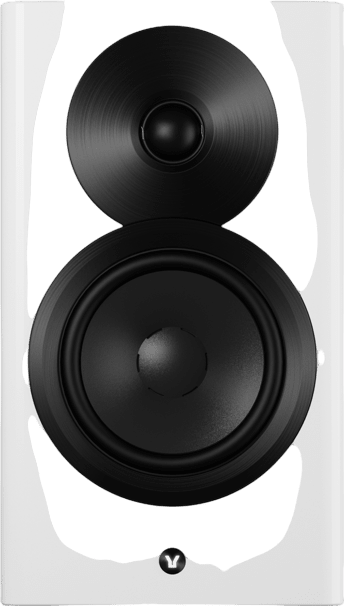
- The speaker uses the same Pascal Class D amplification and processing technology from Dynaudio's Pro line Core series
- Discrete amplification channel per driver: 110 watts for the tweeter and 280 watts for the woofer
- Dirac Live room correction is available, which can tune some of the annoying sounds of a garage, for example, using the soft dome tweeter
Product Considerations
- Running a digital coaxial cable from one speaker to the next results in the signal being sent at 24-96 kilohertz, which is a lower quality than what the master speaker receives (24-192)
- There is no HDMI arc or e-arc connection
- Drilling holes may be required to attach the speaker to stands
- Setting up the speaker with the app is not as quick or seamless as Bluesound
- A microphone is required to do Dirac room calibration
Comparisons (according to reviewers)
- Vs PSB Alpha IQs: Plays louder with a higher level of amplification
- Vs Dynaudio Core 7: The Core 7 has more power and a slightly better tweeter and woofer, but is not as aesthetically pleasing and needs a Bluesound Node
- Vs Dynaudio Evoke: It is similar to an Evoke speaker, but with a bigger woofer
Takeaway: The Focus recMsY5ljWopDD7UU is a sophisticated wireless speaker that pulls technology from Dynaudio's Pro line and features Dirac room calibration. It is ideal for someone looking for high-resolution listening without extra devices and who values sophisticated sound and aesthetics.
Video review
Our take on the brand
What competes at this price?

Our Summary
Product Strengths
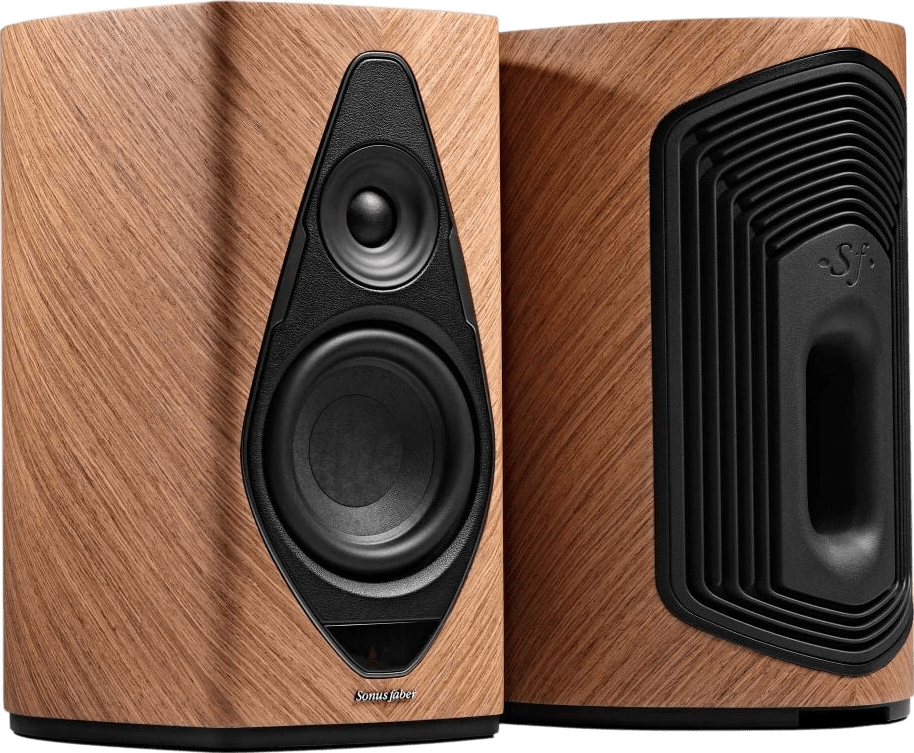
- Gorgeous sound is clear, smooth, detailed, and dynamic
- Elegant design is dashingly elegant, minimalist aesthetic, and painstakingly crafted for equal parts style and substance
- Impressive bass extension and output, described as deep and firm, surprising for their size
- Clear midrange makes voices sound purposeful, characterful, and entirely present
- Versatile connectivity with streaming and input options, including Chromecast, AirPlay 2, phono pre-amp, and HDMI ARC/eARC
Product Considerations
- Some reviewers experienced streaming and HDMI ARC reliability issues
- Input and control layout can be inconvenient and awkward
- Prototype unit had operational bugs
- No bass level adjustment is available, though it could be added in mobile app
Comparisons (according to reviewers)
- Vs KEF LS50 Wireless II—the KEF LS50 Wireless II is a similarly high-end option
- Vs PSB Alpha iQ—the PSB Alpha iQ is a more compact wireless speaker package than the Sonus Faber and is comparatively lighter on bass
Takeaway: The Sonus Faber Duetto speakers are well-suited for those seeking amazing sound and a beautiful design in one package. These speakers are easy to connect and use, and fill the room with rich, detailed audio.
Video review
Our take on the brand


Our Summary
Product Strengths
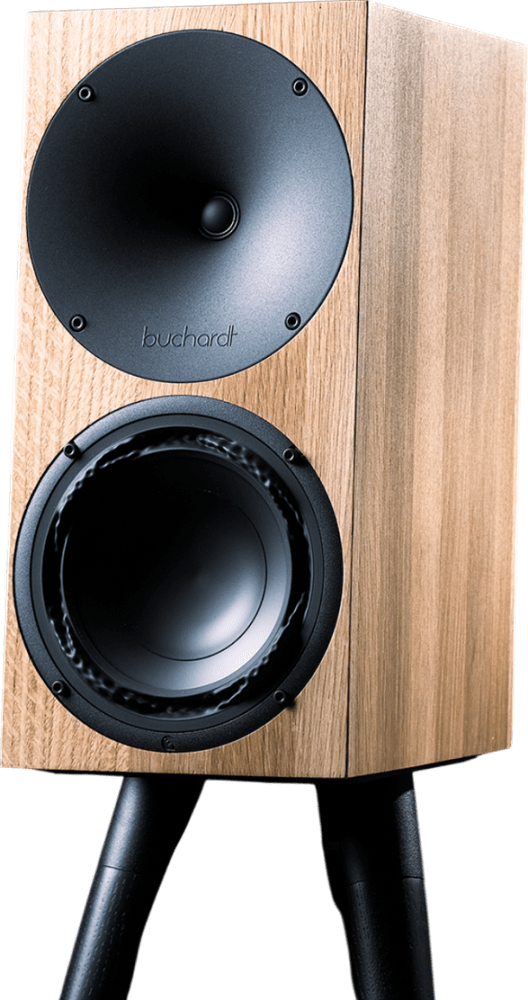
- Exceptional bass performance for its compact size, with bass that is fast, clear, and tight
- Multiple 'Master Tunings' offer customizable sound profiles, adapting to different room acoustics and user preferences
- A high-quality Purifi woofer and SB Acoustics tweeter contribute to clarity, detail, and low distortion
- A solid wood cabinet made in Denmark provides a luxurious look and feel
Product Considerations
- Bass output may diminish or be limited at high volumes to protect the drivers from damage
- A separate purchase of the Platin Stereo Hub may be required for full wireless functionality and room correction
- The 'Made in China' label applies to the electronics inside the cabinet
- While the A10 offers impressive bass, some may still prefer to add a subwoofer for a true full-range experience
Comparisons (according to reviewers)
- Vs Buchardt S400 Mark II, the A10 is more transparent with greater inner detail, clarity, and top-end extension—and deeper, tighter bass—while the S400 Mark II is more relaxed and forgiving with harsh recordings
- Vs Buchardt A500, the A10 has comparable performance, with possibly a crisper sound in some instances
Takeaway: The Buchardt Anniversary 10 is a compact yet powerful speaker that offers a customizable listening experience. Its impressive bass and versatile tuning options make it a great choice for those seeking a high-quality audio solution in a small to medium-sized room.
Video review
Our take on the brand

Our Summary
Product Strengths
- Excellent wireless stability, pairing easily and remaining connected even with other wireless activity
- Big, confident, and enjoyable sound, with surprising bass extension for its size
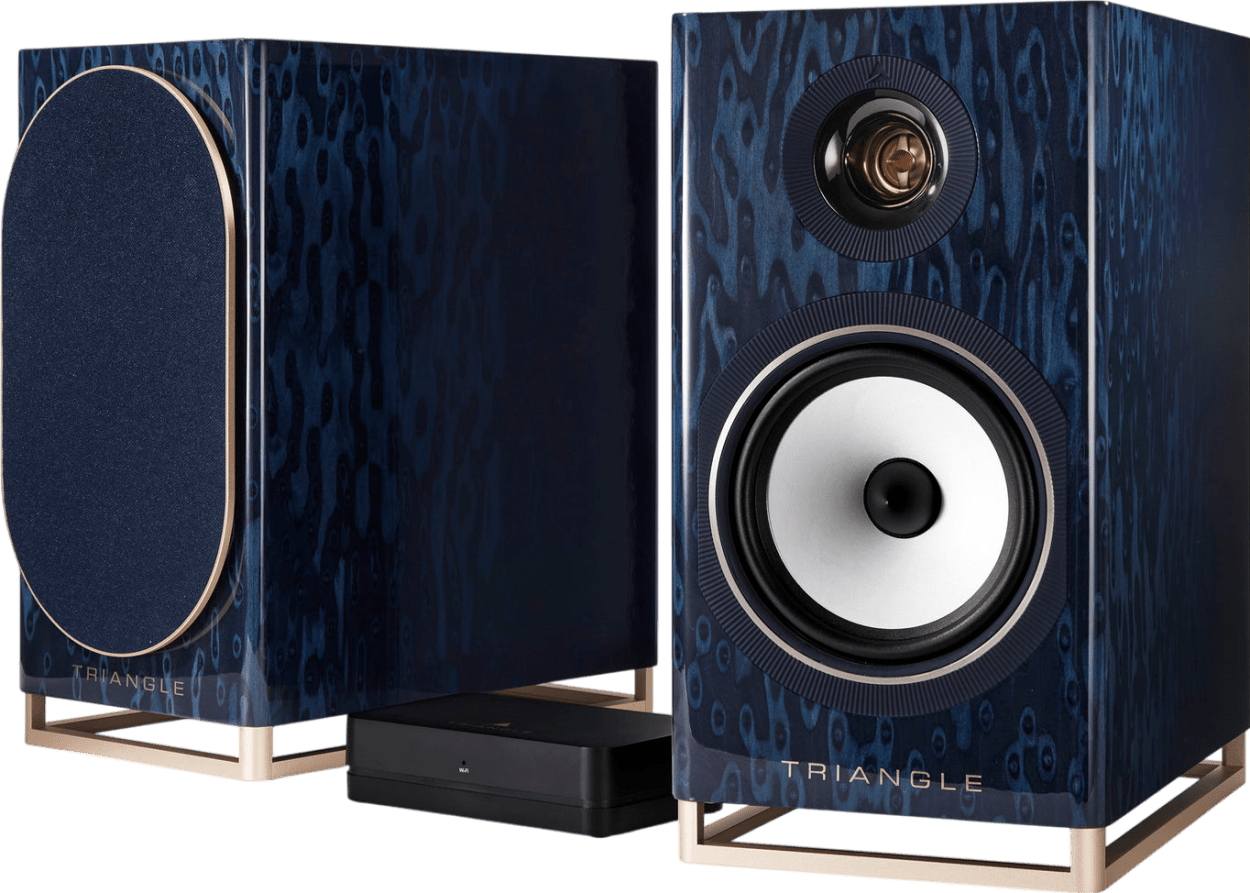
- Aesthetically pleasing design, with unique and attractive finish options
- Versatile connectivity options through its media hub, including multiple digital and analog inputs, plus Bluetooth, AirPlay, and Chromecast
Product Considerations
- The absence of a dedicated streaming app may require reliance on third-party apps or external streamers
- The system could benefit from a slightly more refined sonic presentation, needing a touch more sweetness and natural warmth
- There can be some audible amplifier noise at idle/start-up, depending on proximity
- The base of the speakers can be quite large, potentially requiring dedicated stands for proper placement
- No wired subwoofer output
Comparisons (according to reviewers)
- Compared to KEF LS50 Wireless II, the Capella will appeal to those who would rather have a more classic, wood-cabineted speaker on show than the ultra-modern aesthetic of the Brit boxes
- Compared to Triangle Borea BR03 BT, the Triangle Capella active speaker system is much more ambitious, with more advanced drivers and superior fit and finish
- Compared to Buchardt A10, the Triangle Capella and Buchardt A10 are more similar than different, but still pretty different, as they use the same concept
Takeaway: The Triangle Capella is a convenient and stylish all-in-one system that delivers a big and enjoyable sound. It's a great choice for those seeking hifi audio without the complexities of traditional separates.
Video review
Our take on the brand

Our Summary
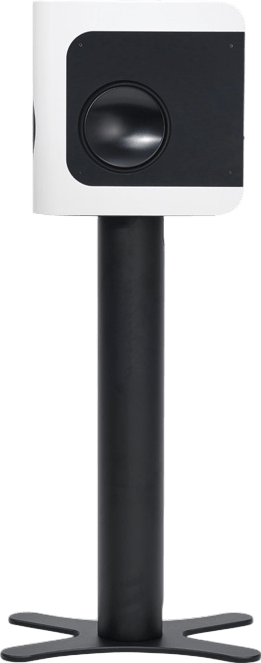
Product Strengths
- High-quality audio and intuitive smart functionality
- Can be used in various setups—as a single speaker, stereo pair, multi-speaker surround system (including Dolby Atmos), or multiroom system
- Cardioid speaker design provides more precise bass and limits acoustic room interaction
- 'Audiophile-grade' sound due to Active Wave Focusing, ensures perfect time alignment over the entire frequency spectrum
- Versatile connectivity with Wi-Fi, Bluetooth, XLR, TRS, AES/EBU, Dante, and KiiLink/KiiCONTROL
Product Considerations
- Some consumer streaming features may not be fully implemented initially due to licensing demands
- Needs space on either side to allow the side-mounted bass driver room to 'breathe'
Comparisons (according to reviewers)
- The SEVEN is smaller and better suited to compact studio spaces, compared to the Kii THREE
- The SEVEN has less low-frequency reproduction, but not by much when used normally, compared to the Kii THREE
- The SEVEN is designed as a standalone smart speaker system, while combining the THREE and SEVEN requires workarounds
Takeaway: The Kii SEVEN is a smart speaker that delivers exceptional sound in a compact size. For an all-in-one system that sounds great and sidesteps cable clutter, this could be a great option.
Video review
Our take on the brand

Our Summary
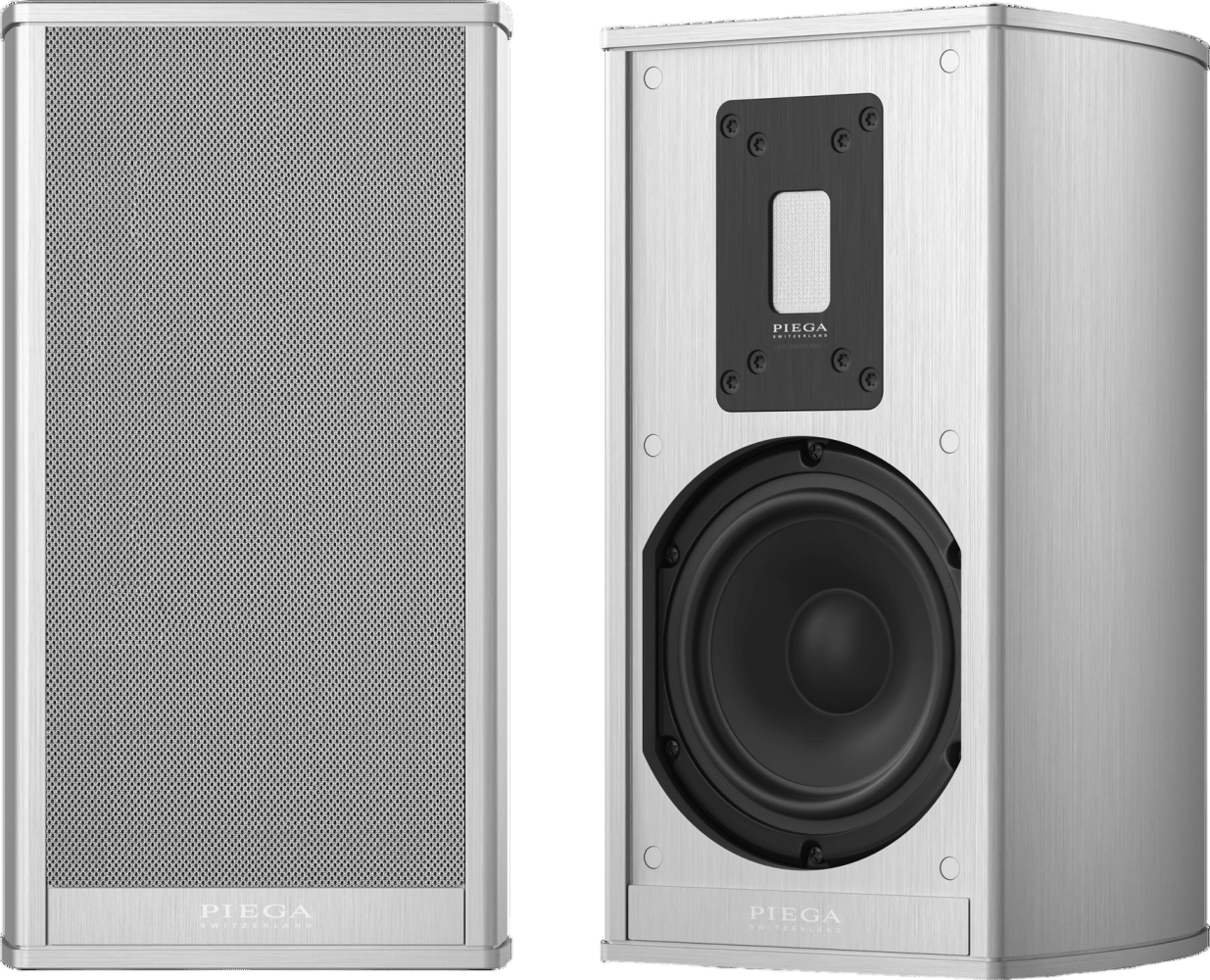
Product Strengths
- Very detailed and fine sound image
- Balanced and dynamic sound with dry bass that allows for flexible placement
- Excellent overall sound quality, with an open and very attractive sonic output
- Many connectivity options via the Connect Plus hub, including streaming standards, Bluetooth, HDMI, and digital/analog hifi interfaces
Product Considerations
- Fine-tuning of the Piega Control App showed some room for improvement
- Image appears large, but two-dimensional
- The Piega's own Connect DAC is not the best, because it can be pushed too far and it complains in a slightly edgy way at high volumes
- Low volume performance was fair, but nothing to write home about
Comparisons (according to reviewers)
- Vs KEF LS 50 Wireless II: KEF LS 50 Wireless II offers more natural imaging and more substantial low bass, while the Piega played much more detailed and lively and fits acoustically better in the corner or shelf
- Vs Mission LX Connect: The Mission LX Connect is similar in concept with a multifunctional transmitter, but it cannot keep up with the Piega in terms of streaming features or sound
Takeaway: The Piega Premium Wireless 301 Gen2 offers a detailed sound and many ways to connect to favorite music sources. It is a good choice for someone looking for a compact, good-sounding, and versatile wireless speaker system.
Video review
Our take on the brand
How to buy
Speakers
Search all hifi products
Explore our database of 10,000+ new and 25,000+ used hifi products.