


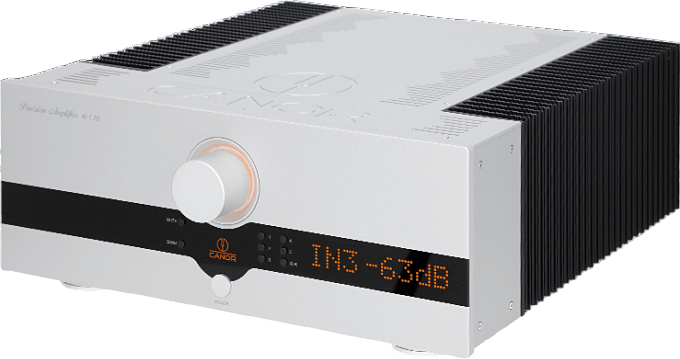


Note that this is a discontinued product. You may want to visit the brand's page here to browse their newer products.
What reviewers think
Bloggers and YouTubers have tried this product—so we've summarized their strongest opinions below. Links to full reviews follow.
Product Strengths
- Exceptional build and manufacturing quality
- Sounds a little bit tubey for a solid-state amplifier, providing a gloss/warmth to the music
- Has the classic Class A characteristic of high perceived detail resolution alongside a relaxed presentation
- Delivers leading edges without the hardness typical of Class AB amps, and delivers them at high speed
- Can be used as single channel monoblock with a second AI 1.20, doubling the specified output
Product Considerations
- Only accepts single-ended RCA phono connections (until used in monoblock mode)
- Runs hot due to Class A operation and requires ventilation
- Some may want XLR inputs or digital inputs, which the AI 1.20 lacks
- The included remote is described as lightweight
Comparisons (according to reviewers)
- Vs Chord Electronics Etude: The Etude has a noticeably lower noise floor, more substantial/impactful bass, and more resolution, but the AI 1.20 has a smoother—more musical flow
- Vs Gryphon Diablo 300: The Diablo 300 has more raw power and authority in bass delivery, but the AI 1.20 pairing has better bass quality (tautness, incisiveness, and control)
- Vs Nagra Classic integrated amplifier: For less money, the dual AI 1.20s offer a lot more amplifier
Takeaway: The Canor AI 1.20 is a well-built amplifier that offers a smooth, musical sound with high detail resolution. It is especially impressive when used as a monoblock pair, delivering serious performance for audiophiles.
All
Canor AI 1.20
reviews


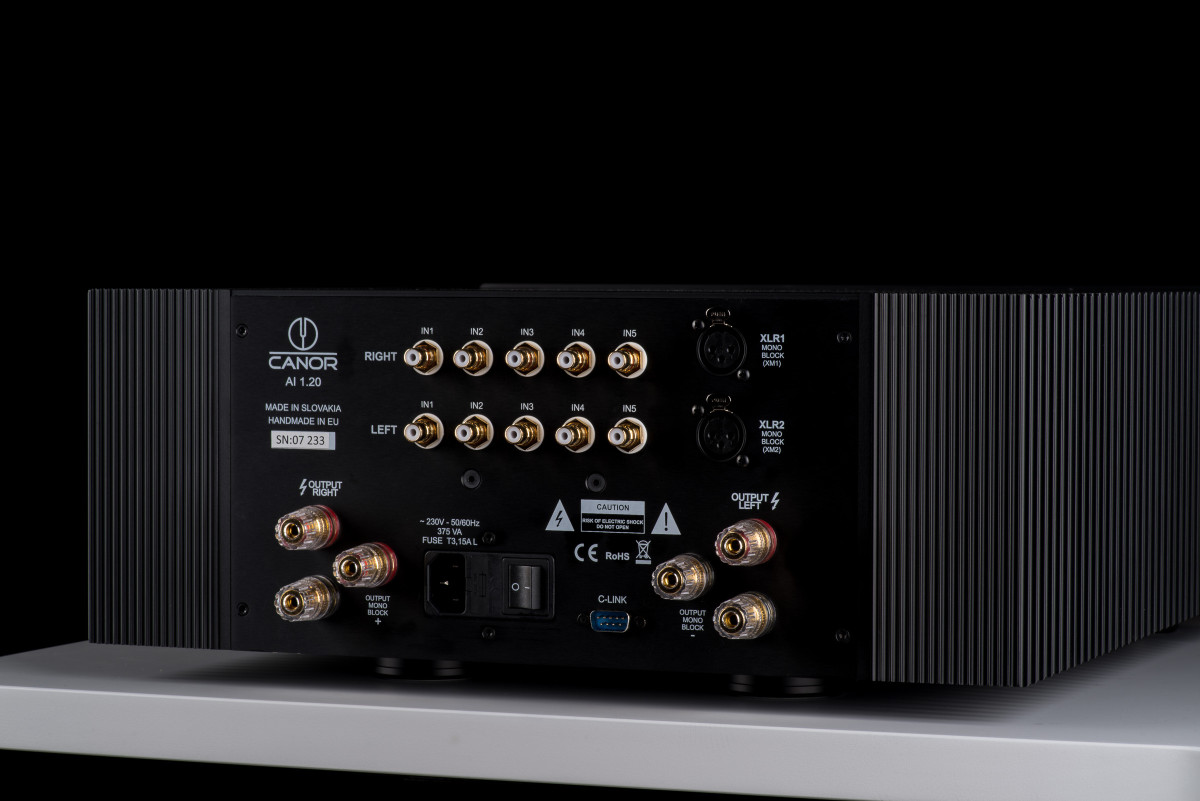
Manufacturer details
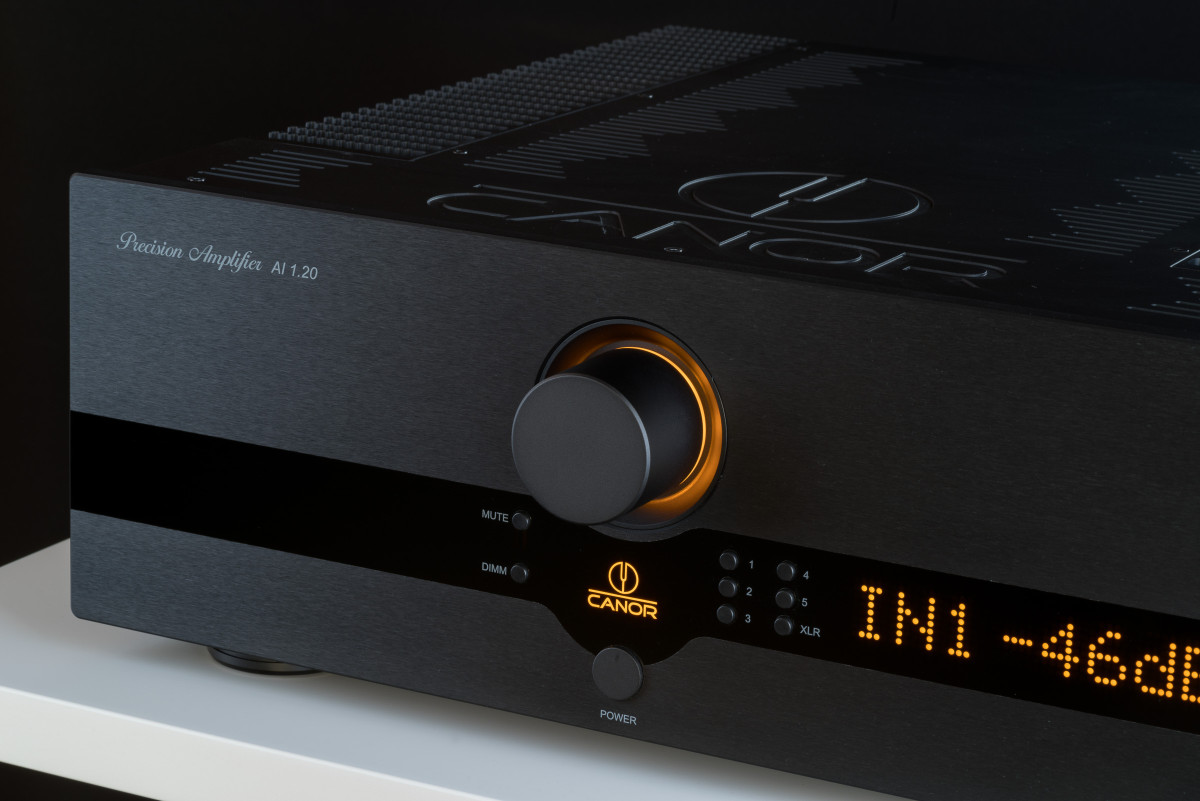
- Stereo output power: 2 x 50 W / 4 Ω, 2 x 30 W / 8 Ω
- Monoblock output power: 1 x 130 W / 4 Ω, 1 x 100 W / 8 Ω
- Gain: 30 dB
- Frequency range: 20 – 25 000 Hz -0,5 dB / 5 W
- Input impedance: 30 kΩ
- Inputs: 5 x RCA, 2 x XLR
- Total Harmonic Distortion: <0,0009% / 1 kHz, 5 W
- Signal-to-noise ratio: > 90 dB
- Signal-to-noise ratio monoblock: > 100 dB
- Filtration capacity: 132 000uF (per channel)
- Damping factor at 4 Ω load: 250
- Damping factor at 8 Ω load: 500
- Power: 230 V / 50 Hz / 375 VA
- Dimensions (w x h x d): 435 x 170 x 485 mm
- Weight: 28 kg





Brand highlights
Taking a step back to look at reviewers' thoughts of the brand's entire lineup—not just this product—what stands out most is the following:
- Canor prioritizes in-house manufacturing of key components, including circuit boards using their proprietary CMT milling technology, and output transformers, allowing for greater control over quality and performance.
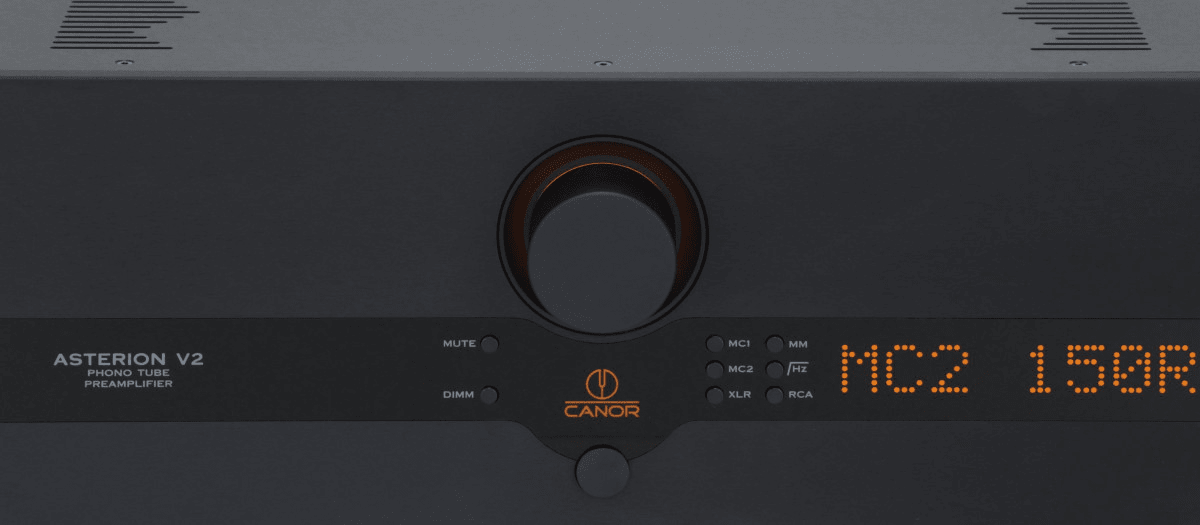
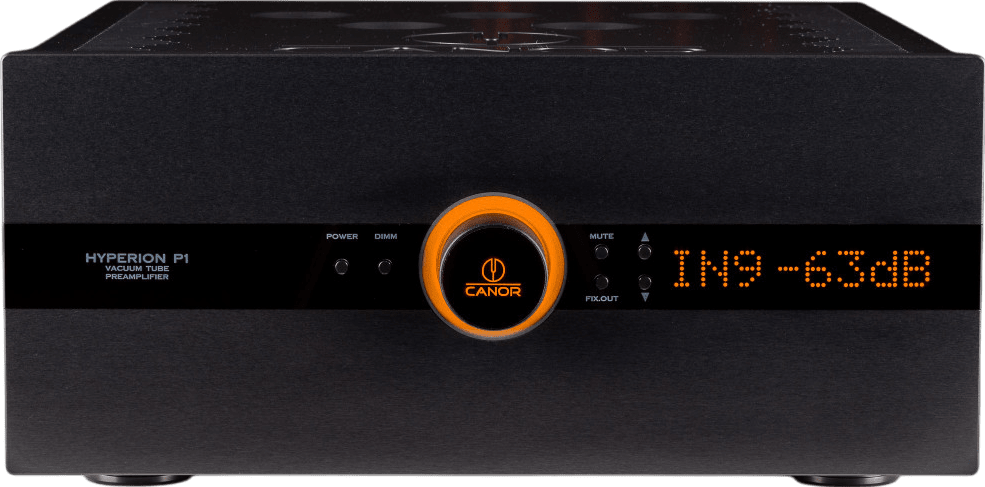
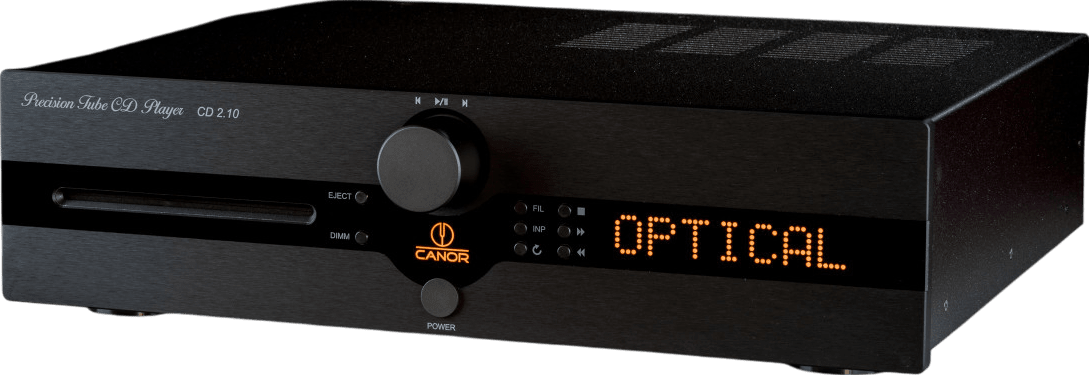
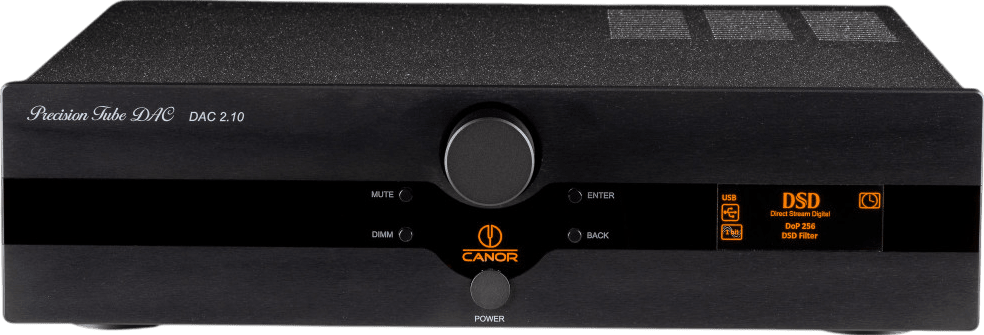
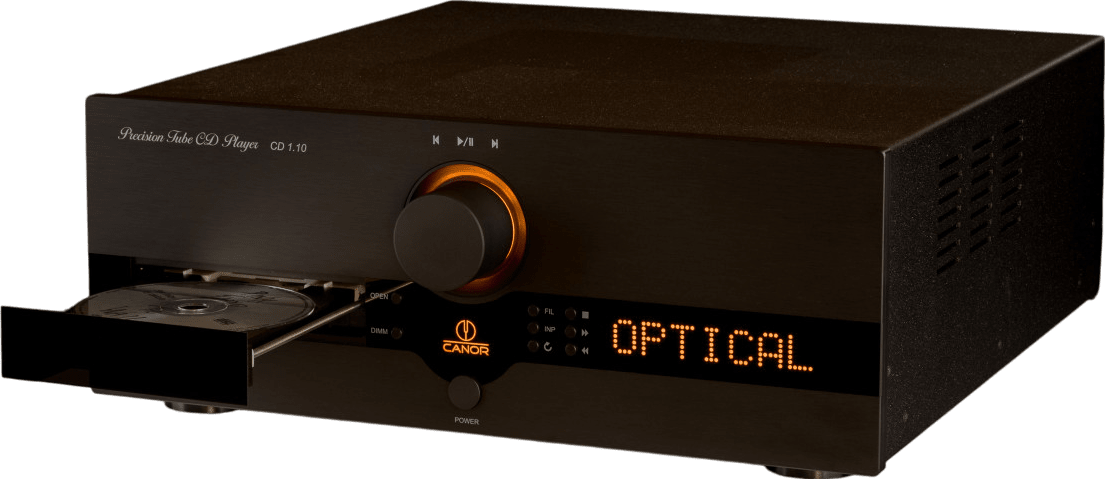
- The brand offers a unique design aesthetic blending modern elements with retro-inspired touches like orange dot-matrix displays, contributing to a distinct and recognizable product identity.
- Canor emphasizes the meticulous selection and testing of vacuum tubes, with matched pairs and carefully chosen brands, aiming for long-life and stable operation in their tube-based designs.
- The units often incorporate tubes in the output stage of their digital components, aiming to add analog warmth to digital playback.
Select products
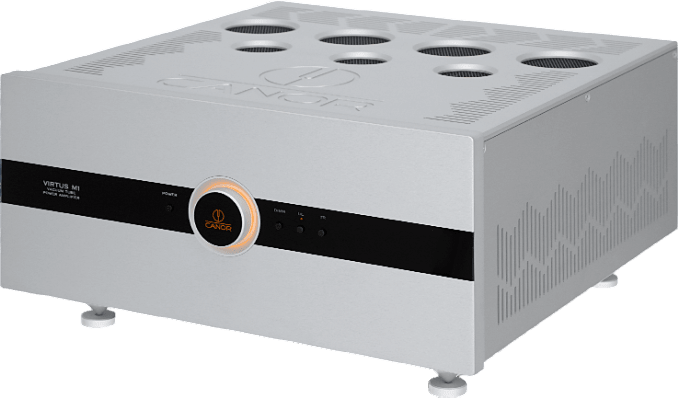
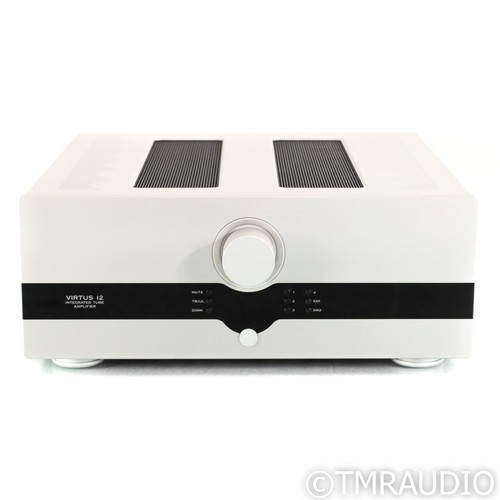
Virtus M1:
- Positioning: A reference vacuum tube power amplifier operating in pure class-A.
- Description: Features instant feedback switching and high-quality components like silver-coated oxygen-free copper for low distortion. Compared to the integrated amplifiers (AI 2.10, AI 1.20, and Virtus I2) that offer more connectivity options and the high-powered Virtus S1S that provides extreme output for bigger rooms, this unit is best for setups that favor a classic tube sound in a dedicated, moderate-budget environment.
AI 2.10:
- Positioning: An integrated hybrid amplifier from the performance line that combines a tube preamplifier with a class-D power stage.
- Description: Offers efficient power delivery through a filtered, tuned linear power supply along with a relay-controlled tube preamp for low noise performance. Compared to the premium solid-state design of AI 1.20 and the all-tube configuration of Virtus I2, it suits users needing versatility and modern functionality without a high premium price.
AI 1.20:
- Positioning: A premium integrated solid-state amplifier operating in pure class-A with advanced filtering and monoblock capability.
- Description: Uses exceptionally high filtering capacitance and a dual-block relay attenuator to achieve stable, interference-free performance. Compared with the hybrid approach of AI 2.10 and the tube-centric qualities of Virtus I2, it is aimed at buyers who demand refined build quality and stable, high-fidelity sound in controlled setups.
Virtus I2:
- Positioning: A premium integrated tube amplifier that delivers pure class-A operation with flexible mode switching.
- Description: Features auto-bias operation, instant switching between triode and ultra-linear modes, and advanced PCB milling (CMT) to minimize dielectric losses. Compared to the AI series—which target either performance or premium solid-state sound—and the more conventional tube design of Virtus M1, it caters to audiophiles seeking classic tube warmth, detailed sonic refinement, and the flexibility needed for varied listening environments.
Virtus S1S:
- Positioning: A high-end solid-state dual-mono power amplifier primarily operating in class AB with a few watts starting in pure class-A.
- Description: Features innovative heat dissipation using copper plates, error correction circuits, and ultra-low distortion to deliver robust, clear power with exceptional channel separation. Compared with the tube-based Virtus M1 and the integrated amplifiers (AI 2.10, AI 1.20, and Virtus I2), it is designed for large-room applications demanding maximum output and top-tier engineering.

Our take on the brand
Look inside the brand
Our interview with the brand
What are two key technological innovations or strong opinions that differ you from other brands?
We consider ourselves specialists in tube technology. This year marks our 30th anniversary at Canor. Over the past three decades, we have amassed a wealth of experience in tubes and the design of tube-based audio products.
In addition to our core offerings, we design and manufacture audio products for other brands as an Original Design Manufacturer (ODM). We also designed the tube testers, which are essential for precise measuring and testing of tubes. These testers allow us to carefully select and match tubes for our products. Additionally, each tube that passed the measuring and testing process was assigned a unique number. This allows us to track the tubes used in our amplifier and provide the exact replacement for the customer when needed.
Furthermore, we have developed tube “burning” (or ageing) stands that are used to age the tubes we source from producers. This process ensures that the tubes' parameters stabilise before we proceed with precise measuring, testing, and pairing.
As a second technological innovation we are proud of is so-called CMT technology which we used in our tube-based products. This technology allows us to approach the dielectric loss factor (loss tangent) of printed circuit boards to the air loss factor. With this technology, we have achieved such excellent parameters as can be achieved with "wire connections" only by using very expensive and high-quality wires with Teflon insulation. However, our new technology has the advantage of repeatability in production with a 100% identical geometric arrangement (which is not possible with "wire-to-wire" connections). In addition, the advantage over "wire to wire" is that the connections are several times shorter than it is possible to achieve with a "wire to wire" connection.
What's your approach to customer support?
We appreciate every customer of Canor, whether they purchased an old amplifier 25 years ago or the latest model. Our strong relationships with partners, distributors, and dealers ensure that customers can reach out to them with any post-sale inquiries.
In addition, we are here to assist customers directly from all over the world. Anyone can contact us with questions about Canor products or any technical issues. We can provide remote support or collaborate with local service centres by offering technical advice or schematics needed to fix any problems that may arise.
We understand that deciding to buy a new audio product is a significant process. We are also available to assist potential customers by answering any questions they may have, including helping them match our products with other audio devices or loudspeakers.
What are your favorite tracks for showcasing the strength of your products?
That's a tough question, but if we must choose just three tracks, I would mention the following:
- Dominique Fils-Aimé – Rise
- Paul Cauthen - Cocaine Country Dancing
- Two Feet - Had Some Drinks
- And bonus: Rage Against The Machine - Fistful Of Steel
What other products pair best with yours?
We really like Fink Team loudspeakers (Borg, Kim) and Epos speakers. When it comes to more commercial (or well-known) brands, Focal is the one we enjoy playing with as well. Our amplifiers are designed to be compatible with most loudspeakers, and we believe our customers have had very good experiences with other brands.









What if you spend more?

.png)
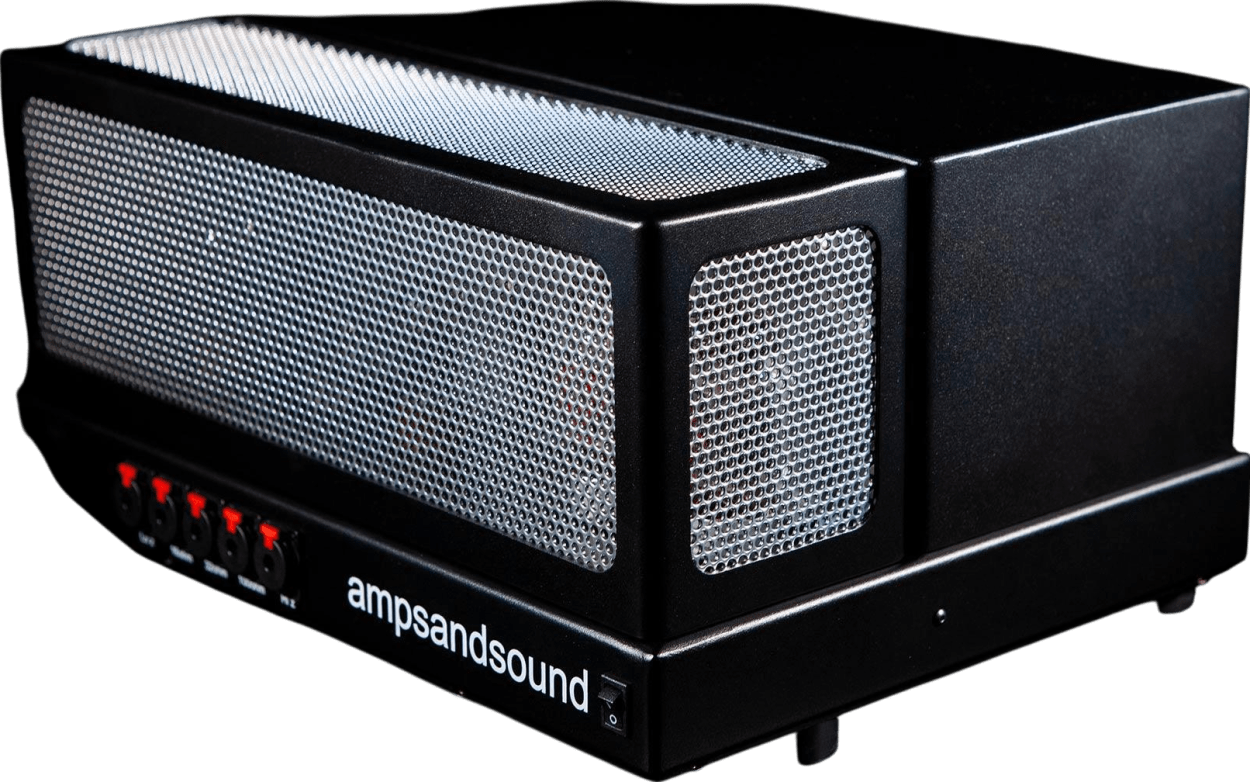
With the inclusion the new tube cage, the transformer cover was raised 2" to allow the cage to fully protect any KT-120/KT-150 tube. The resulting metal work and power supply changes have yielded our quietest Nautilus yet. Many still love the sleek lower profile look of the Classic Nautilus and as such we allow you to order your Nautiluswith the original metal work style or the Rev 2. The Classic Nautilus will additionally save you $1000 on the purchase.
The Story of the Nautilus is born of the same process that brought the Zions. We set out to build my private amps apart from ampsandsound. These were to be mine without branding and never to leave for demos. All too often, my own listening space was sacrificed for the need for demo stock. I chose the HK Cit II as my inspiration point. From that seed came my own Cit II Monos build on turrets just like the best amps of the golden age.
The Nautilus brings the dual-mono layout onto a single chassis. We started with our most versatile circuit, the Mogwai, and went about creating two separate amps that share a single chassis. 2 Power Transformers, Separate Power Supplies, Chokes, and input transformers. The amps are built with separate turret boards, with the shared component being the input tube, volume control, and outputs.
The Nautilus is a classic and decidedly prosaic design, as it employs turrets and point-to-point wiring & there is no silicone, ICs, or regulators. We consider this a standard-bearer of purest audio with an American sensibility. The Nautilus is built in a way few modern amplifiers are. This is not due to intrinsic inferiority, but rather it is impossible to rush and is incredibly expensive to produce.
The Nautilus has been described as a tube integrated amp for personal audio users. We mean by this, the Nautilus allows for five separate impedances to be selected for system matching and has a pair of 8ohm 5 way binding posts. The speaker vs. headphone output is selected with a small toggle switch on the back of the amp.

.svg)
Product Strengths
- Five individualized outputs with different impedances
- Custom wound ultra-high quality output transformers provide excellent frequency extension and a flat response
- Engaging audio components offer superior sound quality using proven theories, solid engineering, and quality manufacturing, all taking place in the USA
- Brings out the very best qualities in all of the headphones tested, providing the best presentation ever heard from the Aeolus
- Build quality is a step-up from other amplifiers
Product Considerations
- The most expensive quarter inch plugs you can get, have locks on them, which can be annoying
- Unplug headphones before switching to speaker outputs
- Weighs around 68 pounds and around 93 pounds shipped in its large pelican style case—it is heavy
- Can clip when used with speakers if pushed too hard
Comparisons (according to reviewers)
- Nautilus sounds better than the ZMF Pendant Headphone Tube Amplifier and the Mogwai OG Tube Amplifier in every regard
- Nautilus is even more comprehensive and expressive through the powerful, well-controlled, tonal density that is detailed and rich in nuance—it has more extension and top-notch resolution
Takeaway: The Nautilus seems to be a versatile amplifier that brings out the best in headphones and speakers. It's built with quality parts and offers a lush and detailed sound experience for audiophiles who want to enjoy music to the fullest.
Video review
Our take on the brand
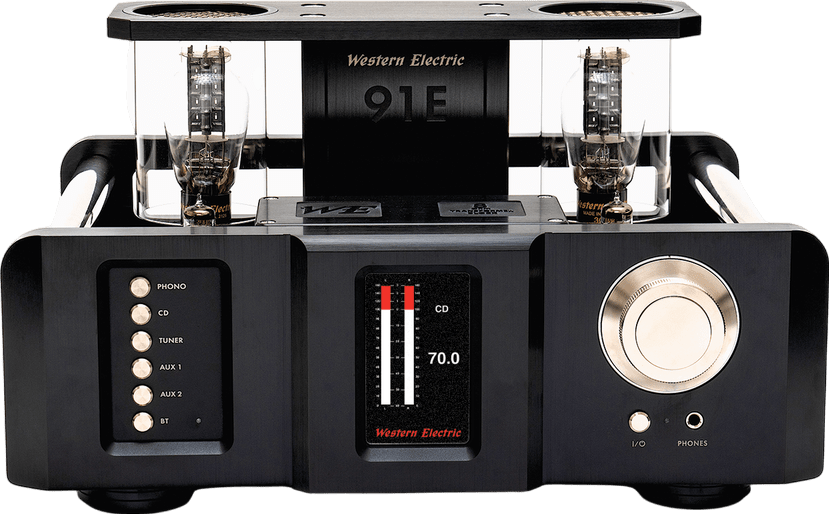

Double the Performance Trouble-free, noise-free, and double the power of traditional 300B amps. Made possible by patented circuit design. A New Classic We’re proud to continue a legacy of quality, American manufacturing with innovative new features. Ships with Tubes The 91E ships with new production 300Bs, the most popular electron tubes in the world. Made in the USA.
Product Strengths
- New patented design SCS (source current steering) allows the amplifier to have a fabulous bottom end without affecting the glorious midrange
- Proprietary noise reduction system eliminates noise that can be inherent in a single-ended design
- Circuit protects the 300Bs and keeps them in their safe operating range, so there is no chance of damaging the tube or having a shortened life
- More power from this amp than a traditional 300B, it's the difference in presentation
- It has Bluetooth, phono stage (moving coil and moving magnet), and wireless remote control
Product Considerations
- Instructions could be a little clearer about installing the 300Bs
- More warm-up is needed for each listening session than originally allowed
- The 91E was designed for operation with Western Electric manufactured 300B electron tubes
- The brands and specifications of the capacitors, resistors, transformers, internal wires, RCA jacks, switches, and binding posts are not disclosed
Comparisons (according to reviewers)
- Vs WE 91A: 91E retains what's best about the early WE 91A—its delicacy, bloom, openness, and tonal magic—and adds modern improvements
Takeaway: The Western Electric 91E is a uniquely designed amplifier providing great sound with modern features like Bluetooth and remote control, pushing what a 300B tube amplifier can achieve. It's a great option for audiophiles wanting to step up from other tube amplifier sounds.
Video review
Our take on the brand
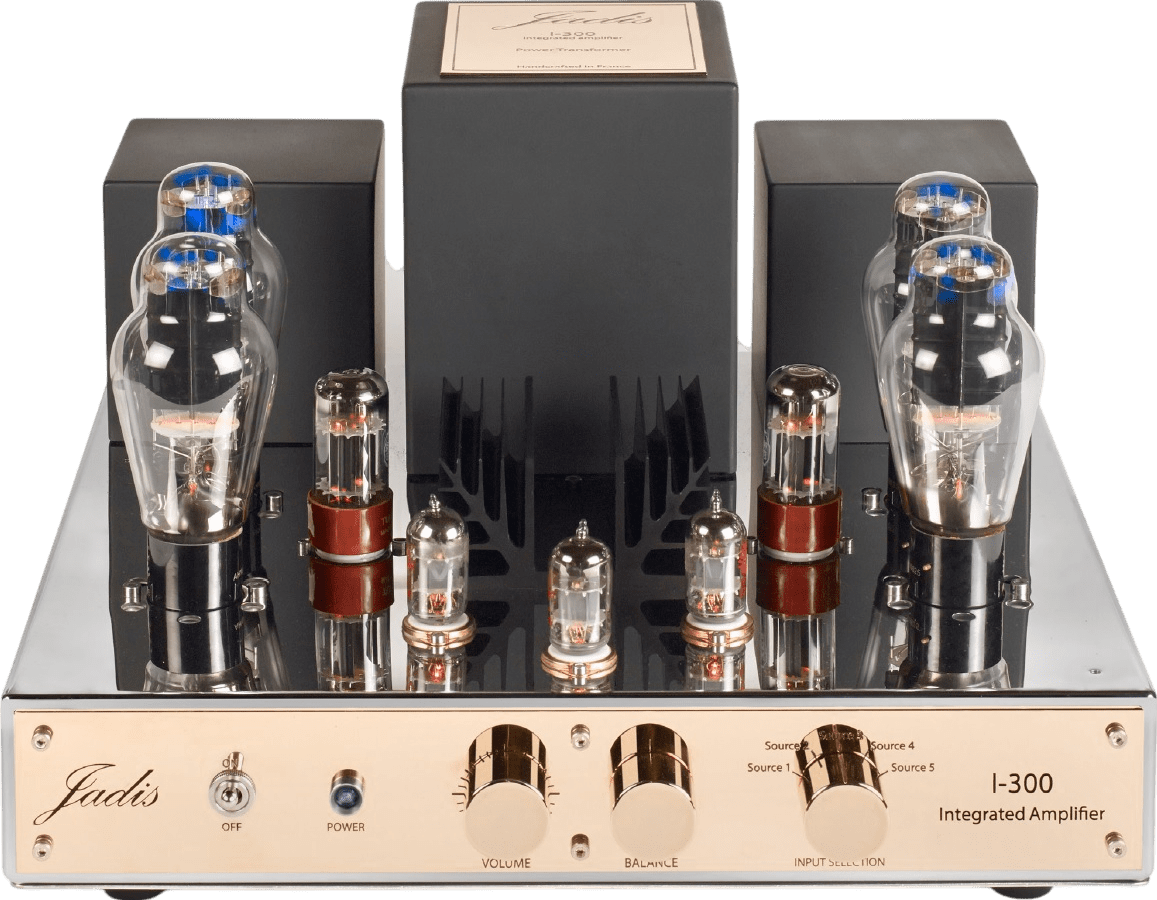

In the world of audiophiles, there is purist group militating for simplicity in tube amplification systems focusing on the use of the tube designed in the early days of tube technology: the directly heated triodes of which the most famous is the 300B. I300 is built around a simple 300B push-pull without feedback which offers unequalled musiciality of this tube.
After the preamplification using an ECC82, the signal feeds a phase inverter (called Schmitt) followed by 6SN7 triodes sufficient to drive the 300B.
The power supply is another strong point. In addition to the fact that each stage has its own power supply, particular care has been taken with the 300Bs themselves.
As direct heated triodes, the heater is the cathode. This requires a very "clean" power supply with no less than seven separate power circuits.
As for all our devices, transformers are designed and manufactured in our workshop. The one dedicated to the power supply, uses a magnetic circuit EI M6X of a design which gives a very stable operation, without noise and with a reduced overheating.
The output ones use a double CV38 magnetic circuit built according to our standards. The I300 is the only integrated with such an output transformer.
A design mode that allows the device to appear much more powerful than its 10W may suggest!
As far as design is concerned, the I300 remains faithful to our range and has a compact design. The 2mm thick 304L chassis easily supports the weight of the other elements. For a better comfort of use it is equipped with a remote control.
Listening to the I300, it's all about accuracy, subtlety and musicality of the 300B which magnify your tracks. No doubt it will delight demanding audiophiles triode lover!
Product Strengths
- Wonderful mid-band presentation that comes from the 300B tubes
- Bass is extended and controlled
- Provides detail and insight into recordings without being piercing
- Soundstaging is wide, deep, and natural sounding
- Every stage in the amplifier has its own power supply, and particular care has been taken with the 300Bs themselves
Product Considerations
- The included remote is functional, but not in keeping with the quality of the amplifier itself
- It is very heavy, weighing 40kg
- The high polished chrome and gold accents may divide opinion
- Those looking for an amplifier that is absolutely neutral in its presentation may want to listen to something else
Comparisons (according to reviewers)
- Vs Merrill Thor amps, the Jadis I300, to the reviewer's ears, is a far superior amp for listening and putting a big grin on your face
Takeaway: The Jadis i300 is built superbly and delivers a balanced sound with detail and emotional connection, making it a joy to listen to. It is a refined performer across the audio spectrum and with all kinds of music.
Video review
Our take on the brand
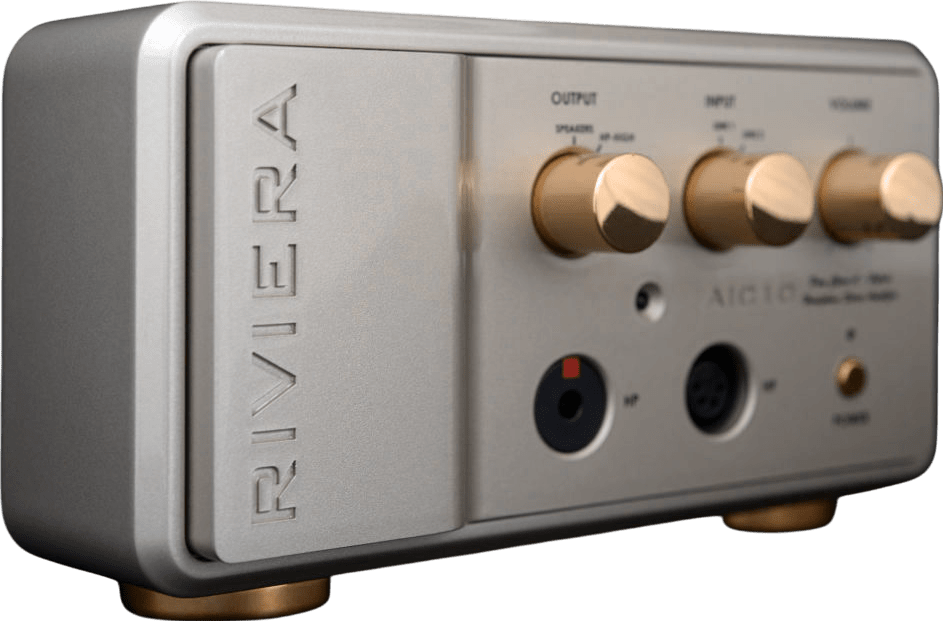

Product Strengths
- Restores faith in humanity during an age dominated by digital devices
- Outstanding product crafted with high-quality metalwork, including a thick engraved panel, heat sinks that match the rounded edges, and internal components that are hand-soldered onto double-sided, 2 mm thick circuit boards
- Hybrid amplifier using a dual triode in the preamp stage and Mosfets in the output stage, offering the possibility to customize the sound by experimenting with different valves
- Offers unparalleled control over bass and extension, the mids are incredibly authentic, while the highs are enchanting in their golden glow, also boasts impressive attack, dynamics, and rhythm, along with remarkable speed
- Exceptional analogue amplifier primarily designed for high-quality sound through headphones—that also excels as a speaker stereo amplifier
Product Considerations
- Expensive
- Speaker declared power output is just 10W/8 ohms, which is enough to power a pair of medium-sensitivity speakers (88dB) in a small room if you don't push it too hard
Comparisons (according to reviewers)
- Vs Pass Labs XA30.8: Low bass was a bit bloomier, and that its virtual needle on the elasticity-to-damping metre sat slightly deeper in the elasticity zone
Takeaway: The Riviera Labs AIC-10 BAL is a high-quality, all-analog hybrid amplifier that works great with headphones and speakers and is designed for a very pleasurable listening experience, built with human hearing in mind. This is the right choice if one wants the best sound possible.
Video review
Our take on the brand
What competes at this price?
.png)
Our Summary
Product Strengths
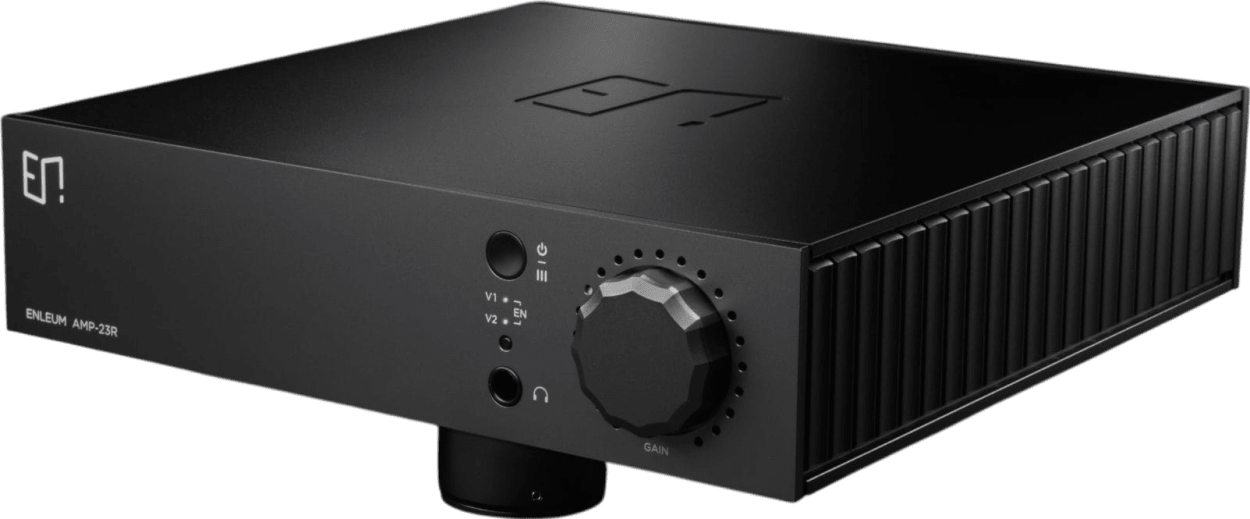
- Addictive sound signature, unlike any other amp, with otherworldly instrument and voice reproduction
- Delivers serious magic with Fleetwood Deville and Klipsch Heritage speakers, revealing obscure details and creating a massive soundstage
- Dynamics for days
- Combines the qualities of a nice SET amp without the downsides, like noise or tube replacement
- Exceptional build quality and design with high-quality parts
- Only has two RCA inputs, no XLR balanced connections
Product Considerations
- Heavy speaker cables can cause the amp to tilt
- The volume dial functions as a gain dial, which may be different than what some users are accustomed to
- May not be suitable for hard-to-drive speakers in the 85db range that dip into 2–4 ohms
Comparisons (according to reviewers)
- The AMP23R offers more texture, layering, mid-bass, and vocal presence than Nagra INT
- The AMP23R is more organic, ethereal, and dynamic than Kinki Studio EXM1
- It sounds better than the Vinnie Rossi L2iSE, so long as the speakers are easy to drive
- The Enleum has more delicacy and finesse than Pass Labs and Cary Audio
- The AMP23R stacks up with the finest gear such as ampsandsound Bryce monoblocks
- Pass Labs First Watt SIT-3 offers a bit more organic, warmer presentation
Takeaway: The Enleum AMP-23R is a small but mighty integrated amplifier with a unique and addictive sound signature, and it is built with high-quality components. It's a great choice for those with sensitive speakers looking for a reference-quality system in a compact package.
Video review
Our take on the brand



Our Summary
Product Strengths
- Impressive build quality, with robust and chunky chassis, thick top plate and high-quality connectors
- Both Ultralinear and Triode modes are offered, providing flexibility in sound and power output—40W and 20W respectively
- It can be used in a monoblock configuration without needing an additional preamplifier
- Phenomenal sound quality, with excellent bass handling, fantastic midrange, and fast, detailed yet silky smooth treble
- Transparency allows users to hear differences when making system changes
Product Considerations
- The remote control's material might feel a little sticky
- It lacks a home theater bypass analog input
- The AI 1.10 requires at least 20 cm of space at the top and back for proper ventilation
- All tubes undergo a critical selection process to ensure long-life and stable operation, so when they need replacing, customers may need to contact Canor directly to maintain optimal sound
Comparisons (according to reviewers)
- The Canor sounded better than the Dynaco ST-70, but it was clear that it was struggling at the frequency extremes
- The AI 1.10 sounds even more tubey and bold by all means—in Triode Class-A mode—at the expense of the extra illumination and even more ambient retrieval at mid & higher freq. spectrum
- The Canor sounded just a bit smoother and slightly more open and transparent in higher extremes than the Jadis Orchestra Reference
Takeaway: The Canor AI 1.10 is a versatile tube amplifier with impressive sound and build quality. With features like auto-bias and switchable modes, it could be a great choice for audiophiles seeking a flexible and enjoyable listening experience.
Video review
Our take on the brand
Our Summary
Product Strengths
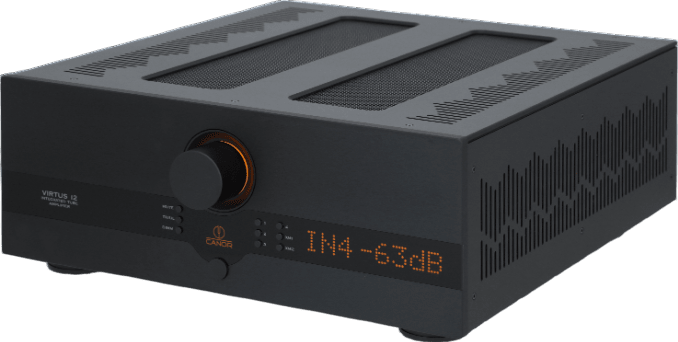
- Excellent build quality with imposing casework and high-quality finish
- Offers flexibility with switchable ultralinear and triode modes for different sound characteristics
- Features auto-bias with cathode feedback for safe and easy tube operation
- Precise gain control with a relay volume control and individual blocks for each channel, attenuating the signal in steps of one decibel
- Transparent yet warm organic sound profile suitable for various music genres
Product Considerations
- Generates significant heat during operation, requiring ample space for air circulation
- High power consumption of 150 watts in idle
- Switching between triode and UL modes can only be done on the amplifier itself, not via the remote
Comparisons (according to reviewers)
- The Virtus I2 is a step up from the Canor AI 1.10
- The Virtus I2 is more affordable than the Canor Virtus M1
Takeaway: The Canor Virtus I2 is a well-engineered tube amplifier with a focus on in-house manufacturing, offering a transparent and engaging sound. Its flexibility and ease of use make it a worthwhile consideration for audiophiles seeking a high-quality tube listening experience.
Video review
Our take on the brand
.png)
Our Summary
Product Strengths
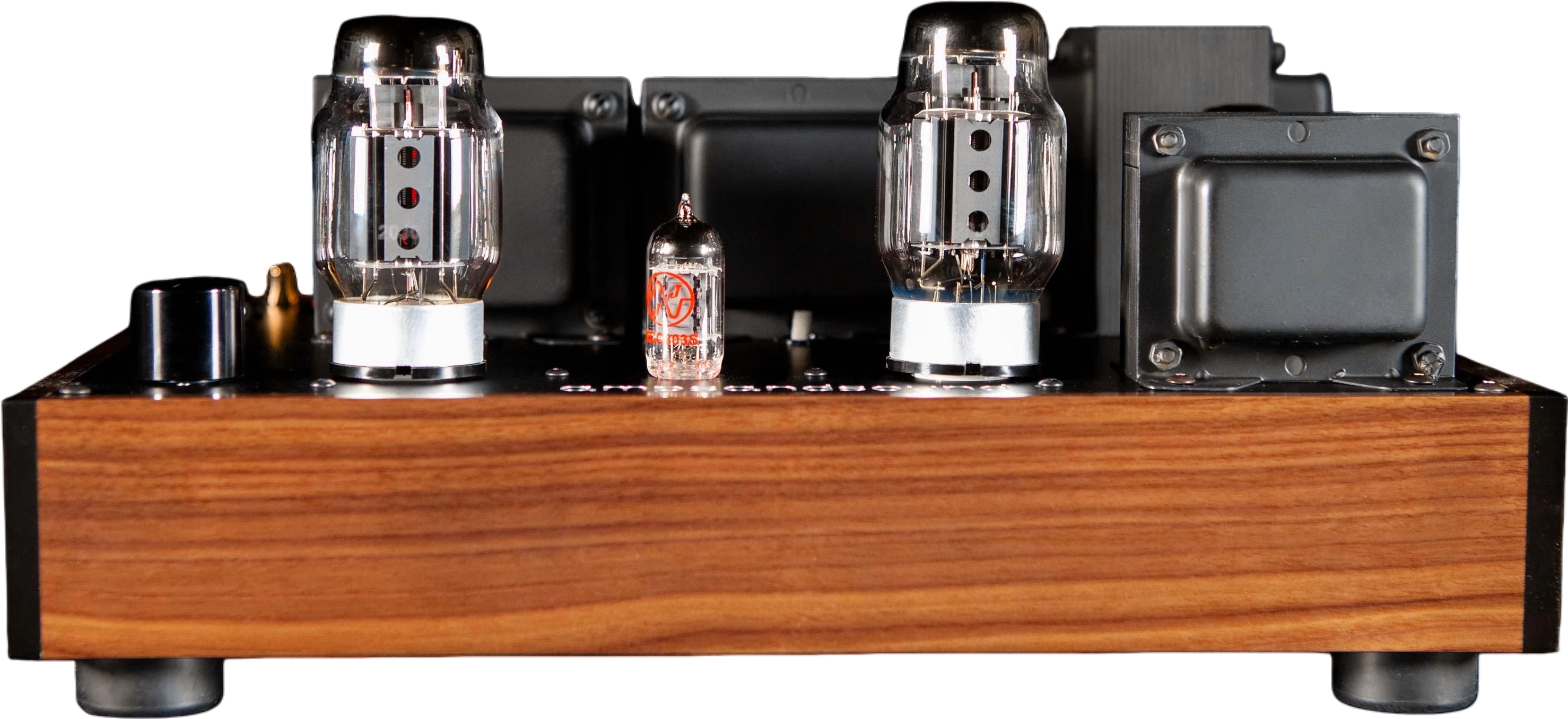
- Very powerful amp with crazy headroom, capable of driving most headphones, including those that need a lot of power, and can grow with you as different headphones
- Delivers clarity, separation, detail, and impact, making every pair of headphones sound better
- Multiple impedance outputs allow dialing in the best sound for a given pair of headphones
- Super black background—very low noise floor
- A ton of different tubes can be rolled, including EL34s, KT66s, KT67s, KT88s, 6550s, and KT90s, making it very versatile and allowing customization of the sound to exact taste
Product Considerations
- Only one input via a pair of RCA connectors
- Requires a pre-amplifier or DAC with volume control if obtained without the volume pot
- May lack convenience features because of ampsandsound's minimalist philosophy
- Can be very heavy
Comparisons (according to reviewers)
- Vs Linear Tube Audio's Z10e: Z10e seemed more focused and brightly lit through the midrange
Takeaway: The Bigger Ben is a hugely versatile and powerful amplifier that could be an end-game amp, especially if you want to experiment with tube rolling. Its sound is detailed, clear, and engaging, making it a great choice for anyone who loves listening to music.
Video review
Our take on the brand
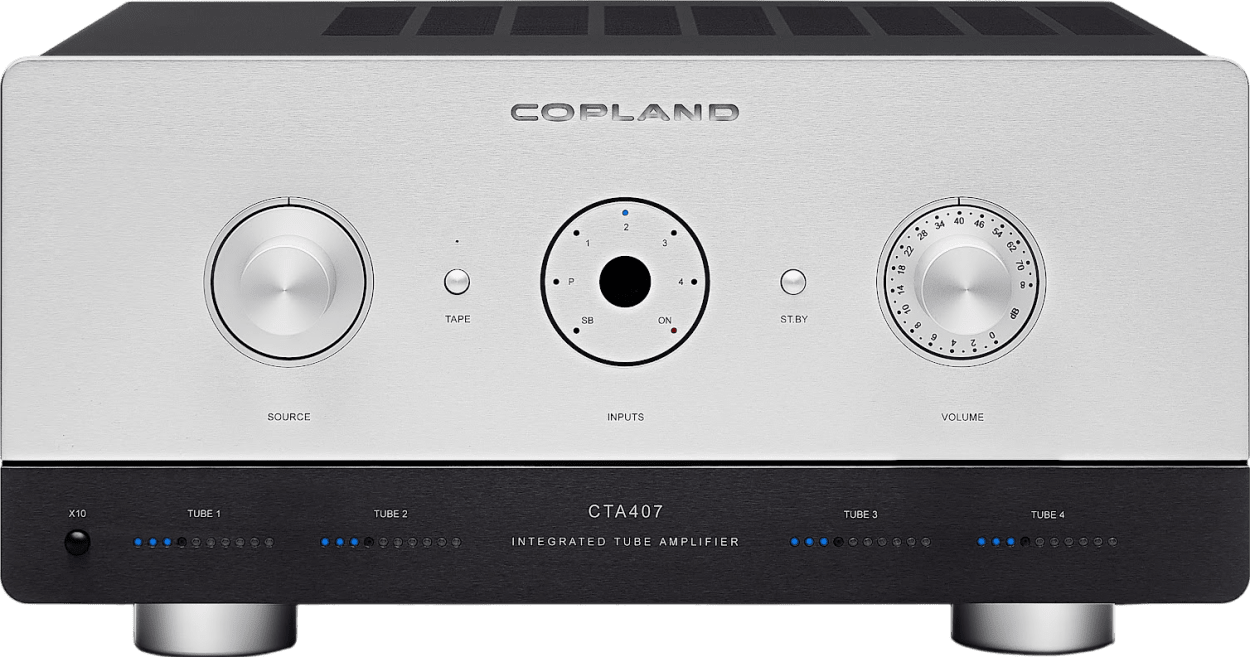

Our Summary
Product Strengths
- The CTA407 balances accuracy and musicality, creating an amplifier that is greater than the sum of its parts.
- Utterly silent at idle, with neither noise from the amp itself nor through the speakers.
- It delivers the recording with surprising punch and attack within its power output limits.
- The amplifier is well-built, with every control feeling precise in use, exuding functionality.
- It offers a balanced, expressive, and composed performance.
Product Considerations
- The CTA407 is a big amplifier and requires plenty of room in any system.
- The buttons on the remote are prone to sticking.
- It has no headphone output.
- The moving magnet phono stage might not suit all users, as many prefer MM/MC onboard phono sections or separate phono stages.
Comparisons (according to reviewers)
- Vs Copland CTA405: The CTA407 traces back to the CTA405, specifically the CTA405 and not the CTA405a.
- Vs Copland CTA408: The CTA407 replaces both the 405a and the CTA408.
- Vs Yamaha A-S3200: The Copland amplifier doesn't have quite the same control over bass frequencies when playing loudly.
- Vs Audio Research I/50: The Copland amp seems more dynamic and plays with more authority in the bass range.
- Vs Rotel Michi X5: The Copland amplifier doesn't have the same endless power.
Takeaway: The Copland CTA407 delivers a sophisticated and controlled sound, with a rich and nuanced tonal character. It is a well-engineered tube amplifier that offers a balance of power and refinement for an engaging listening experience.
Video review
Our take on the brand
How to buy
Amplifiers
Search all hifi products
Explore our database of 10,000+ new and 25,000+ used hifi products.