




Note that this is a discontinued product. You may want to visit the brand's page here to browse their newer products.
What reviewers think
Bloggers and YouTubers have tried this product—so we've summarized their strongest opinions below. Links to full reviews follow.
Product Strengths
- Very satisfying low end with great bass that joins the rest of the frequency range
- Nice image portrayal, almost the kind of imaging one gets from a small, stand-mounted 2-way—pinpoint and expansive
- The overall tonality of the Credo EV Reference One seemed voiced for a combination of neutrality with a slight nod to listenability and fun
- Gives a ton of musical information
- Easy-to-drive nature and scalability in revealing upstream color
Product Considerations
- Initially, things were a bit brighter than preferred
- It was found to be a little more in the mind-activating camp than the reference Qln Prestige Fives, which always seem to have a lot of heart
Comparisons (according to reviewers)
- Vs Qln Prestige Fives: The EV Reference One was more like a new pair of dress shoes that look snazzy but need some time to break in and feel comfortable, while the Qln Prestige Fives are the sonic equivalent of a comfy, well-worn, blue jean jacket
- Vs ATC monitors: Perhaps not quite as smooth in the upper midrange as an ATC, but flat enough to be truthful and still fun enough to be engaging
Takeaway: The Credo EV Reference One speakers offer a confident and precise sound, especially for genres like rock, EDM, jazz, and pop. It is satisfying at low and moderate levels and when accompanied by good clean power, it rocks as hard as the best of 'em.
All
EV Reference One
reviews


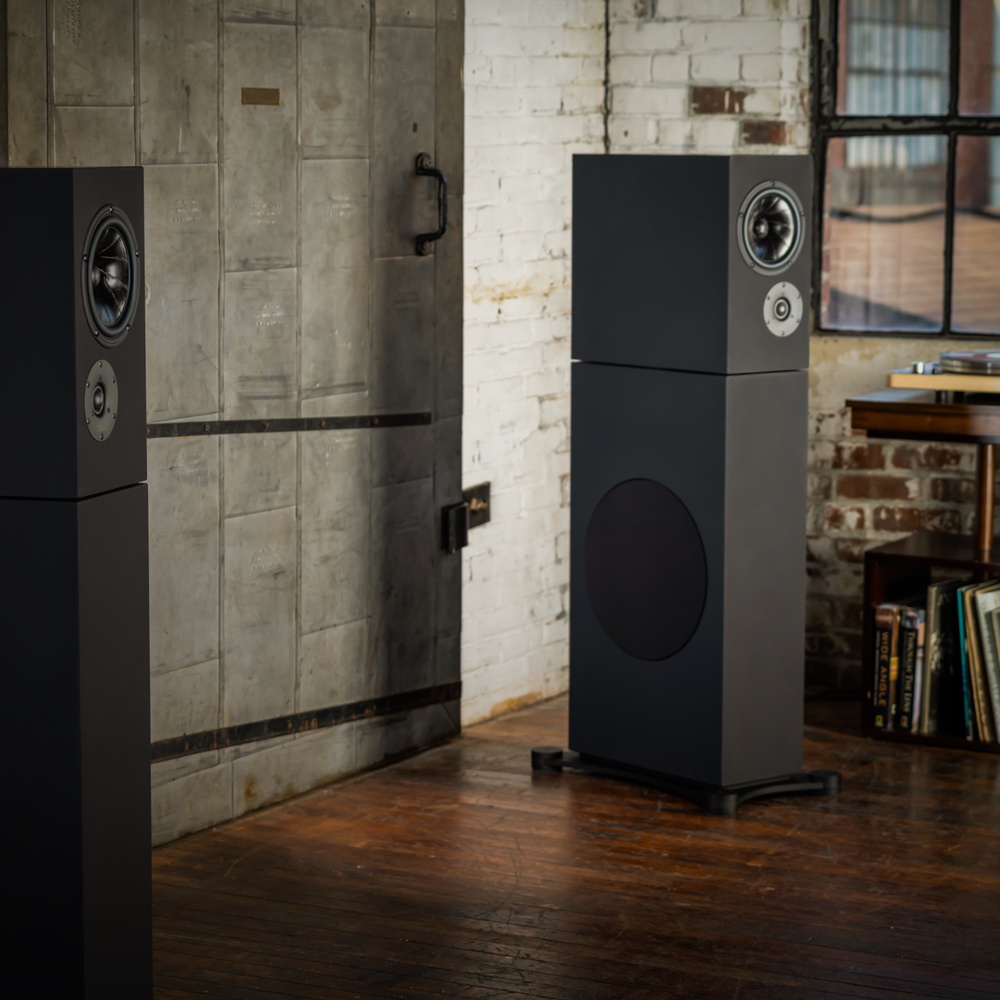


Manufacturer details
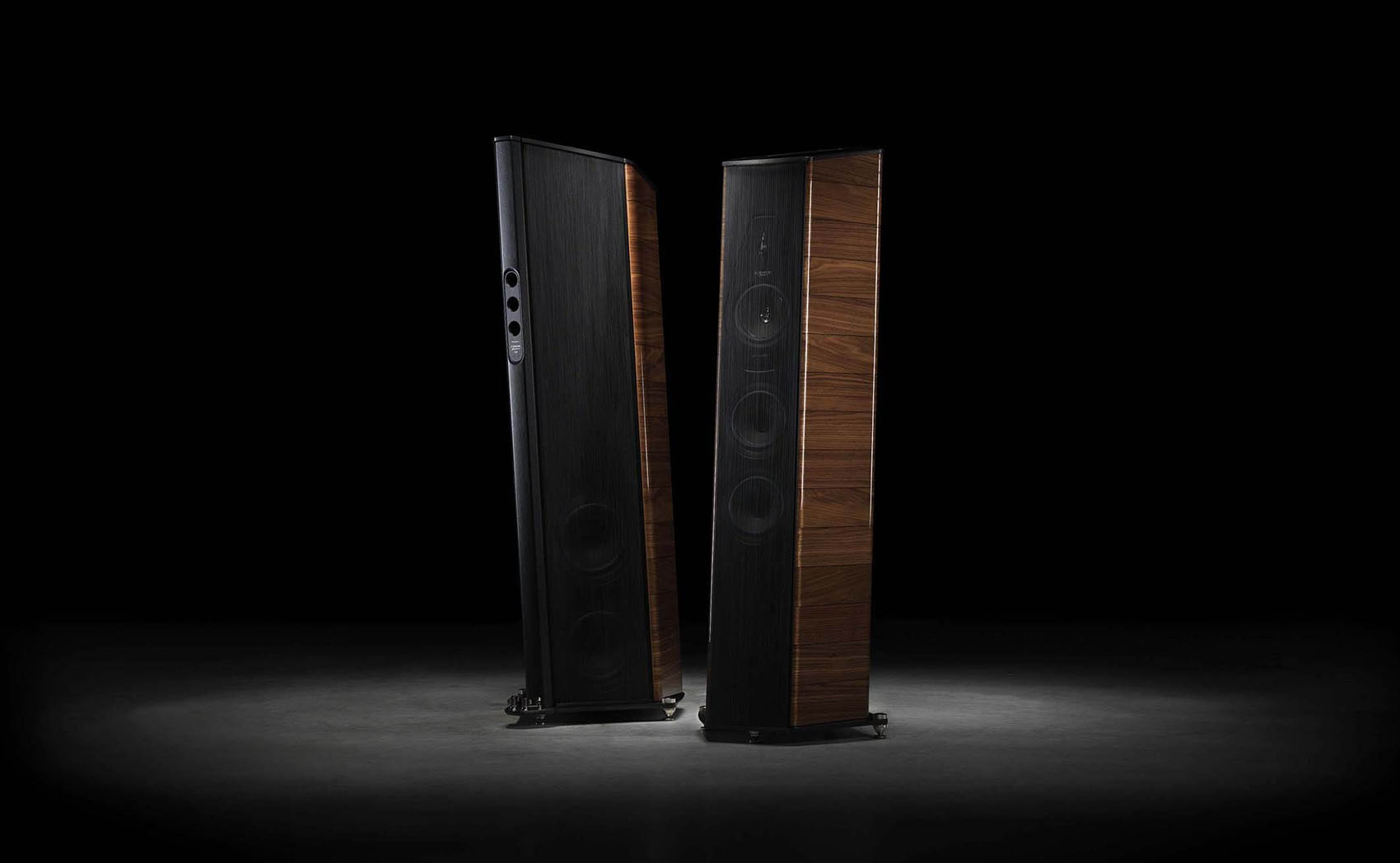
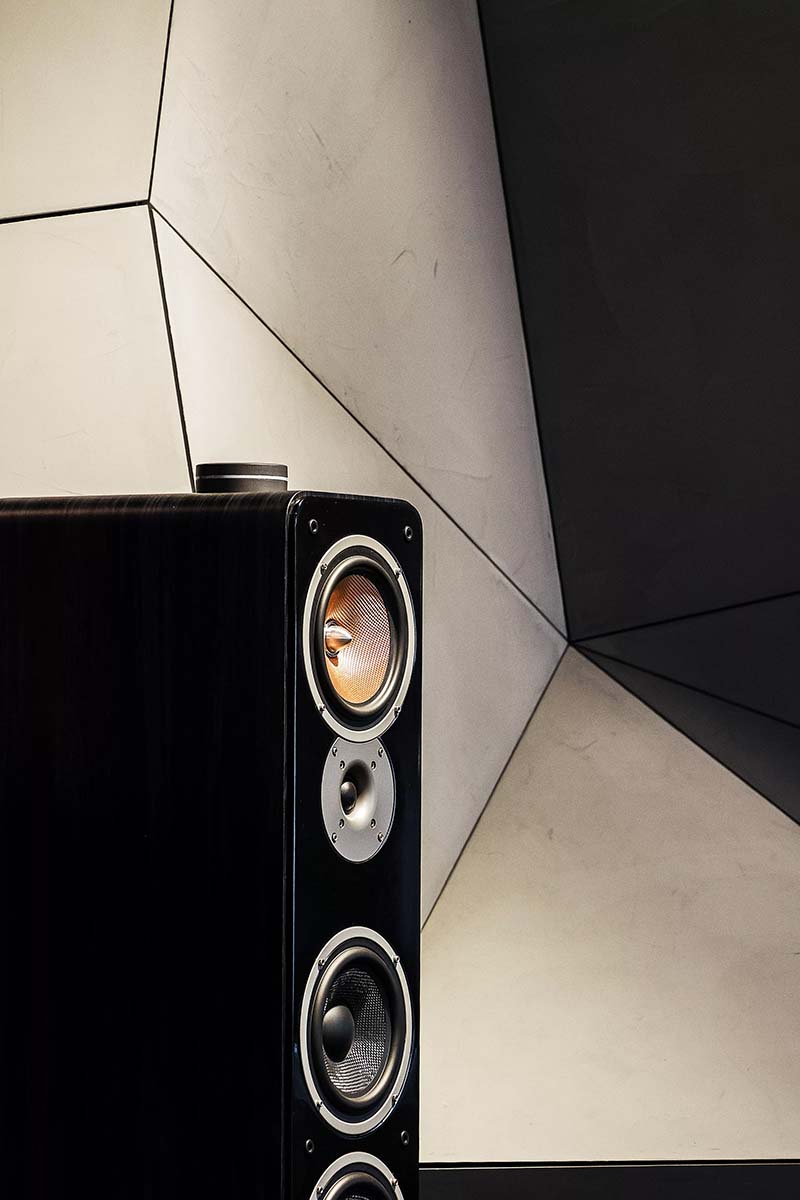
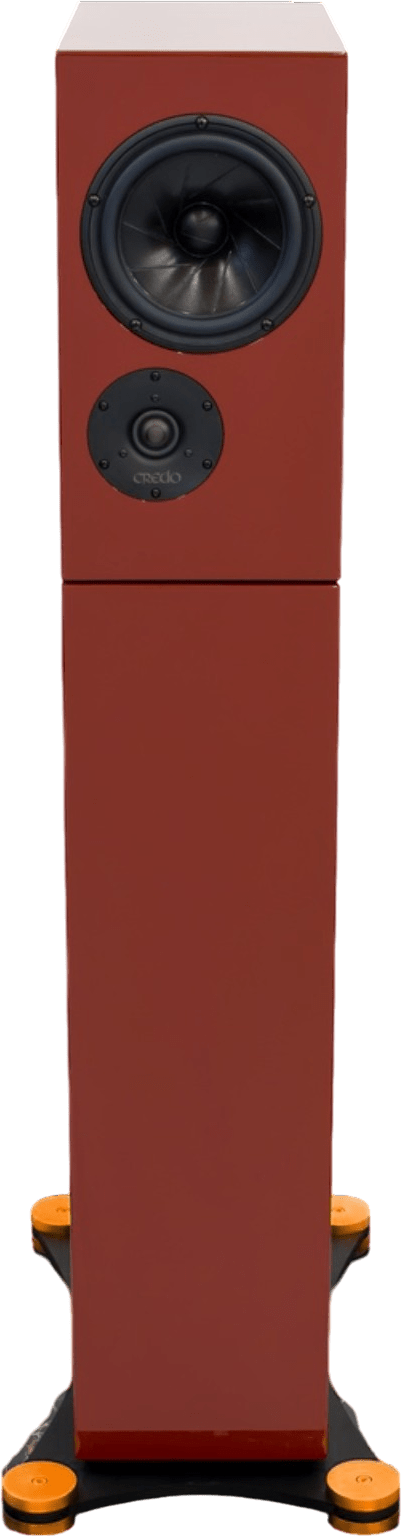
- Three-way floor standing loudspeaker
- Top cabinet: closed design, mid woofer & tweeter separated
- Sub cabinet: closed design
- Tweeter: 1 x 1" Coated textile, neodymium magnet, symmetrical drive motor
- Midwoofer: 1 x 6.5" Sliced paper cone (coated), large ferrite magnet, symmetrical drive motor
- Subwoofer: 1 x 12" Alu cone, double ferrite magnet
- Frequency response: 40 Hz – 20 kHz, +/- 1.5dB
- Bass roll-off: 30 Hz @ -3dB / 25 Hz -6dB / 20 Hz -10dB
- Sensitivity: 87.6 dB @ 2.83V @ 1kHz @ 1m
- Linear impedance: nominal 6 ohms, minimal 4.8 ohms at 5 – 20 kHz, max 9.8 ohms @ 1.2 kHz
- Recommended amplifier power (3m listening distance): 80 – 200 W RMS
- Weight: 55 kg
- Size(HxDxW): 126 cm x 45 cm x 22 cm



Brand highlights
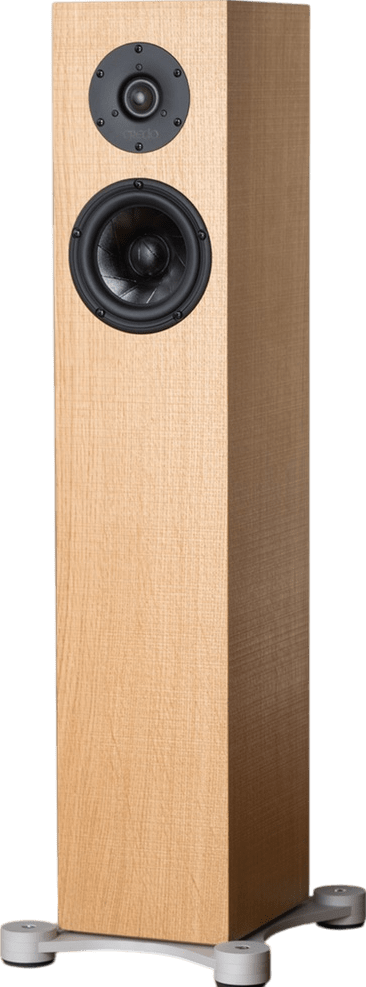
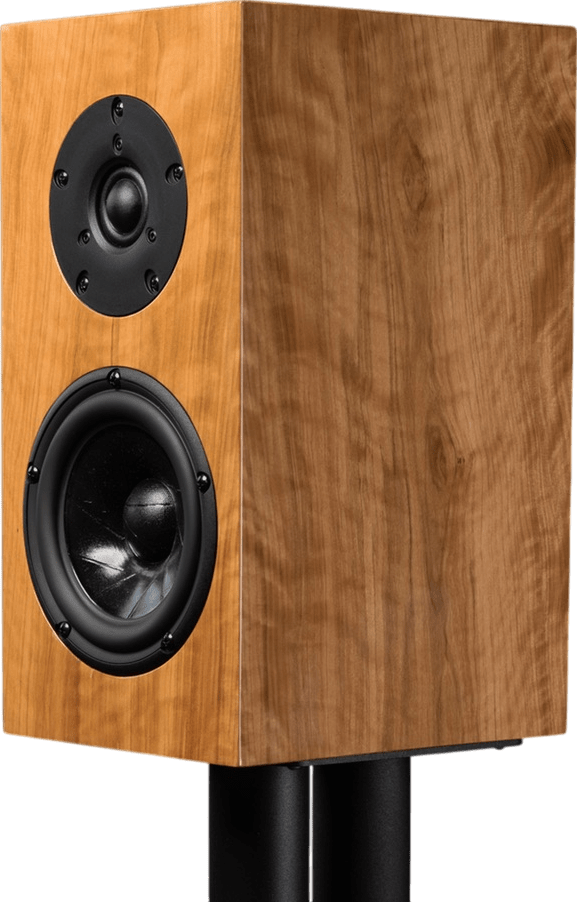
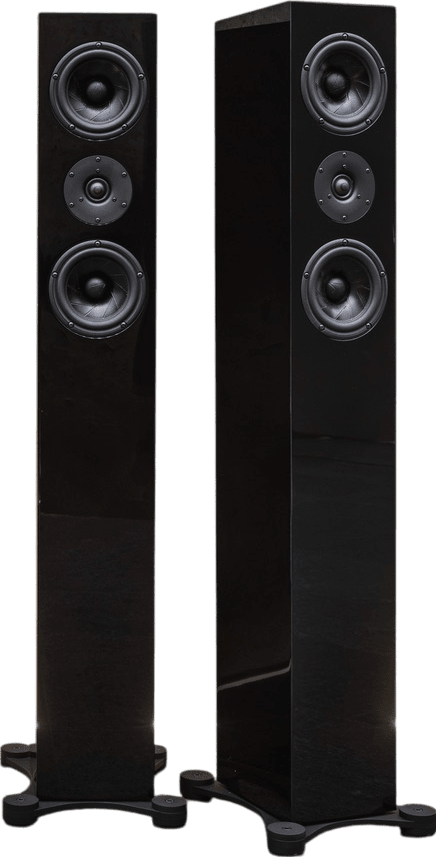
Taking a step back to look at reviewers' thoughts of the brand's entire lineup—not just this product—what stands out most is the following:
Select products
EV-350
- Positioning: The entry-level model, designed for affordability and compactness.
- Description: Delivers a straightforward analog design with a focus on low noise and clear signal transmission, making it suitable for smaller rooms and simpler audio setups. Compared to more advanced models, it offers fewer connectivity options and less processing power while maintaining reliable performance.
EV-900
- Positioning: Mid-tier model, offering a balance between performance and cost.
- Description: Introduces improved thermal stability and enhanced dynamic circuitry that boost clarity and detail compared to the entry-level unit. When set against the EV-350 and higher-end models, it provides more control and versatility.
EV-1202
- Positioning: Upper mid-range product aimed at enthusiasts seeking greater control and richer sound.
- Description: Incorporates a double-balanced circuit design that improves signal purity and tonal accuracy, delivering a more detailed soundstage than the EV-350 and EV-900. In contrast to lower-tier products, it offers additional configuration options while still being less feature-packed compared to the premium Reference One.
EV Reference One
- Positioning: High-end development designed for audiophiles requiring advanced sound processing.
- Description: Features refined circuit engineering that enhances analog warmth and precision, setting it apart from the EV-350, EV-900, and EV-1202 with a focus on superior build quality. Compared to other models, it provides enhanced connectivity and broader functionality for more critical listening environments.
Cinema LTM
- Positioning: Flagship line created specifically for high-end home cinema integration.
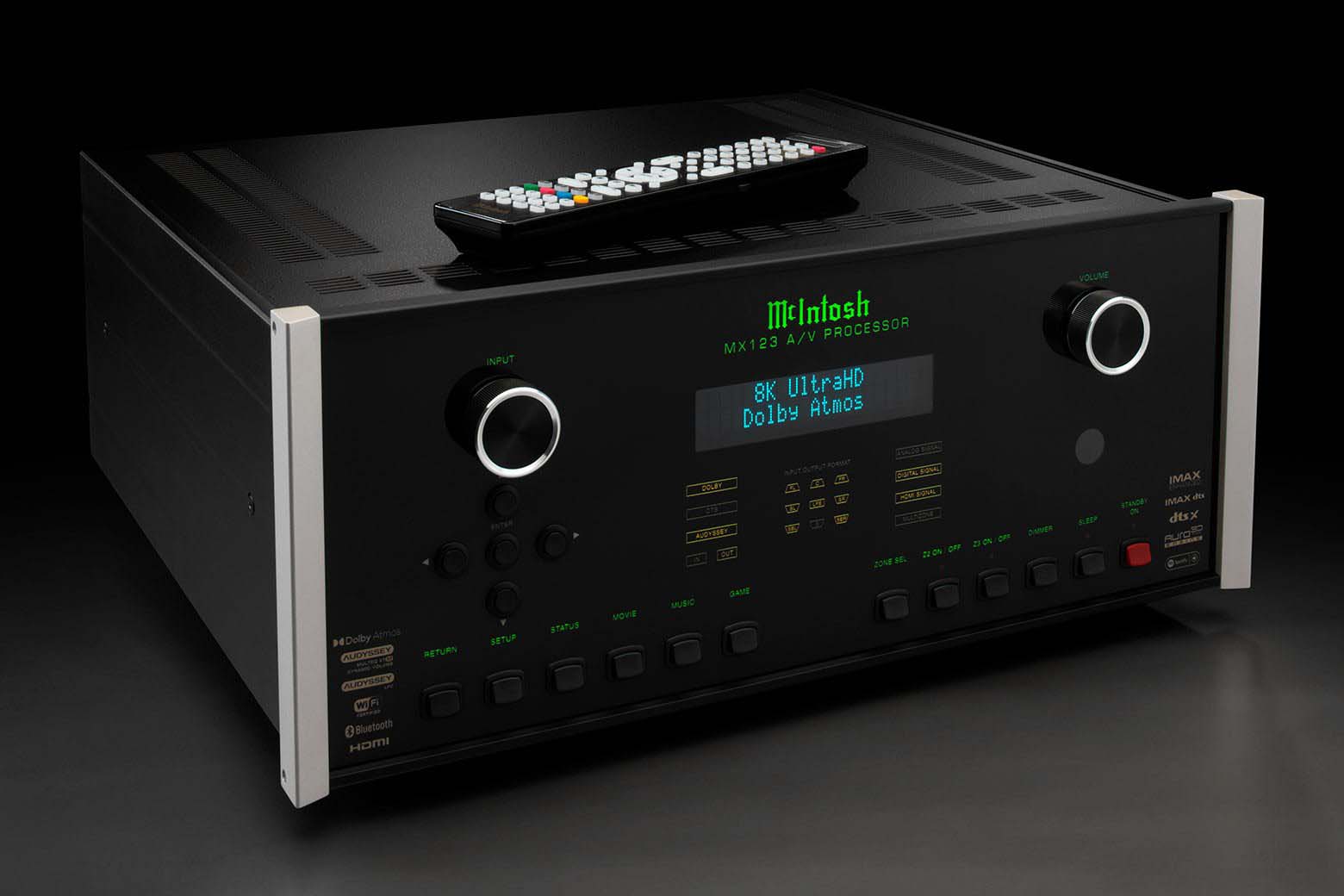
- Description: Offers groundbreaking engineering tailored for multi-channel environments with support for advanced connectivity options, including 8K HDMI, which distinguishes it from the strictly audio-focused units. Relative to the EV series, it combines high build quality with comprehensive signal processing features to suit extensive home theater setups.

Our take on the brand
Look inside the brand
Our interview with the brand
What are two key technological innovations or strong opinions that differ you from other brands?
What's your approach to customer support?
What are your favorite tracks for showcasing the strength of your products?
What other products pair best with yours?

Used
Credo











What if you spend more?



.svg)
Our summary
Product Strengths
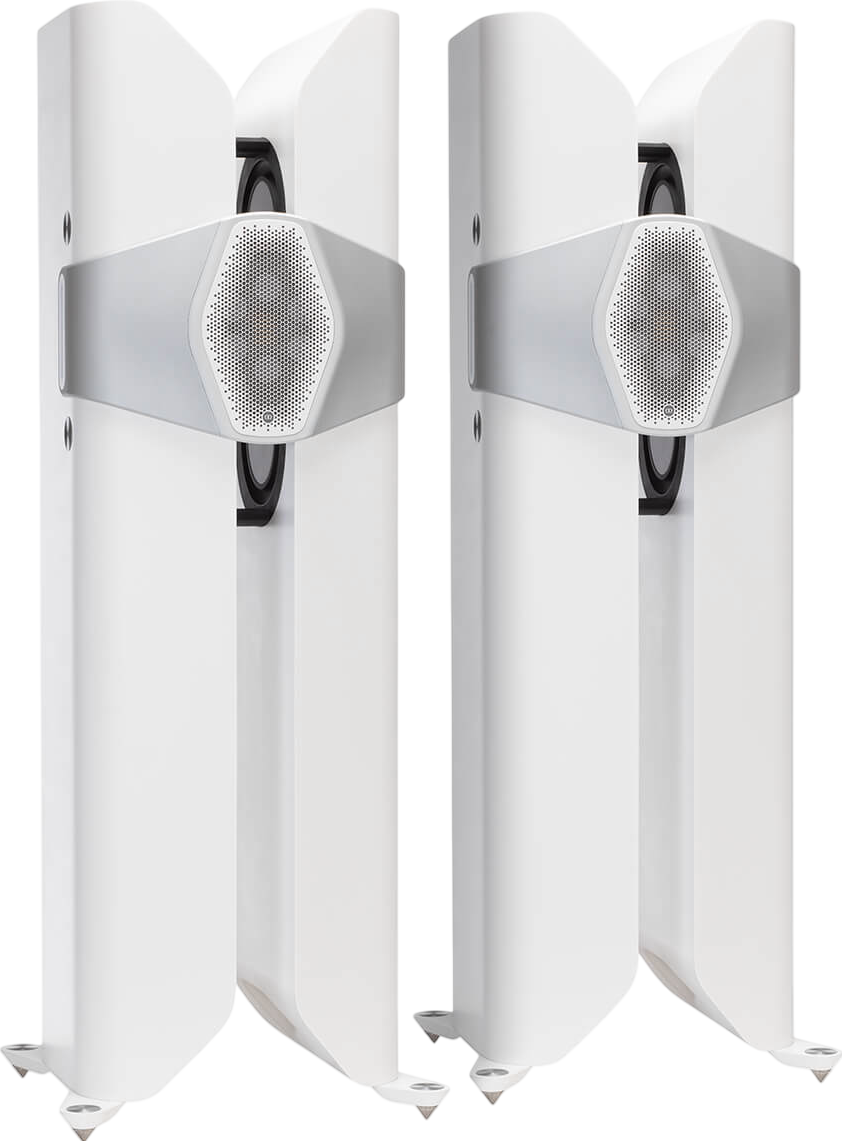
- Unique design where form follows function, resulting in a contemporary and sleek aesthetic
- Incredibly tight, impactful, articulate, and controlled bass response with impressive dynamic power and clarity
- Seamless integration of midrange and tweeter via the M-Array, creating a virtual point source for maximum imaging and soundstage
- Exceptional clarity, transparency, and detail retrieval across the entire frequency spectrum
- Soundstage is incredibly wide, deep, accurate, and immersive with instruments placed precisely in a three-dimensional field
Product Considerations
- Significant power from amplifiers is required to perform optimally, with recommendations ranging from 200 to 1600 watts RMS
- The Hyphn is a large and heavy speaker, needing a decent-sized room and strong flooring
- Sensitivity is rated at 86 dB, which is considered low and necessitates high-power amplification
Comparisons (according to reviewers)
- Vs Sonus Faber: Hyphn has a far more forward-sounding presentation compared to the more relaxed and recessed soundstage of Sonus Faber
- Vs JBL Everest DD67000: Hyphn's bass is not as 'huge' as some monster high-end speakers like JBL's Everest, but it is tighter and more tuneful
Takeaway: Monitor Audio's Hyphn is a state-of-the-art loudspeaker with a unique design, delivering exceptional clarity, deep bass, and a wide soundstage. If unrestrained performance and a forward-looking aesthetic are desired, the Hyphn is worth considering for an immersive listening experience.
Video review
Our take on the brand

Product Strengths
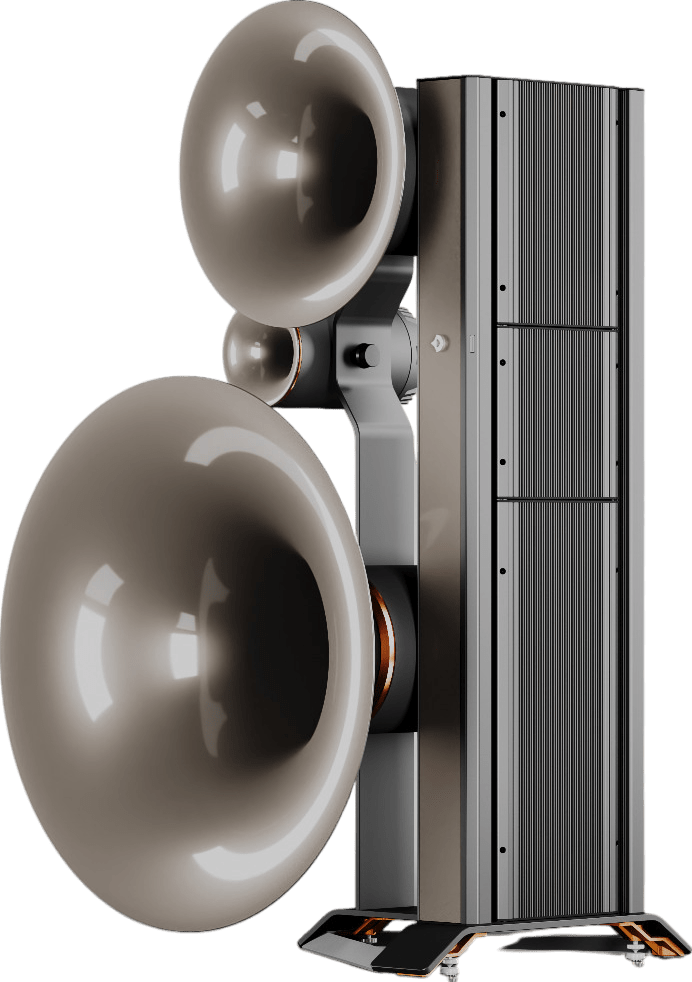
- Impressive midbass solidity
- Remarkable fidelity at lower volumes due to the alacrity of its drivers
- Comprehensive and dynamic sound signature with plenty of detail and clarity
- The newly developed tweeter allows for faster response and a frequency range that easily extends to 28,000Hz
- Features a modular design, offering flexibility with passive, iTron active, and all-in-one wireless streaming versions
Product Considerations
- Integrating the Spacehorn subwoofers requires careful alignment
- High-quality source components are needed to match its performance level
- Some reviewers found that the iTron amplification did not produce the requisite bloom and musicality for classical and jazz music
Takeaway: The Avantgarde Trio G3 speaker is a top-tier audio system known for its exceptional sound reproduction and flexibility with different configurations. If you appreciate high-quality audio performance and aesthetics and want a sound system that sounds exciting and sophisticated, it is an excellent option.
Video review
Our take on the brand

Product Strengths
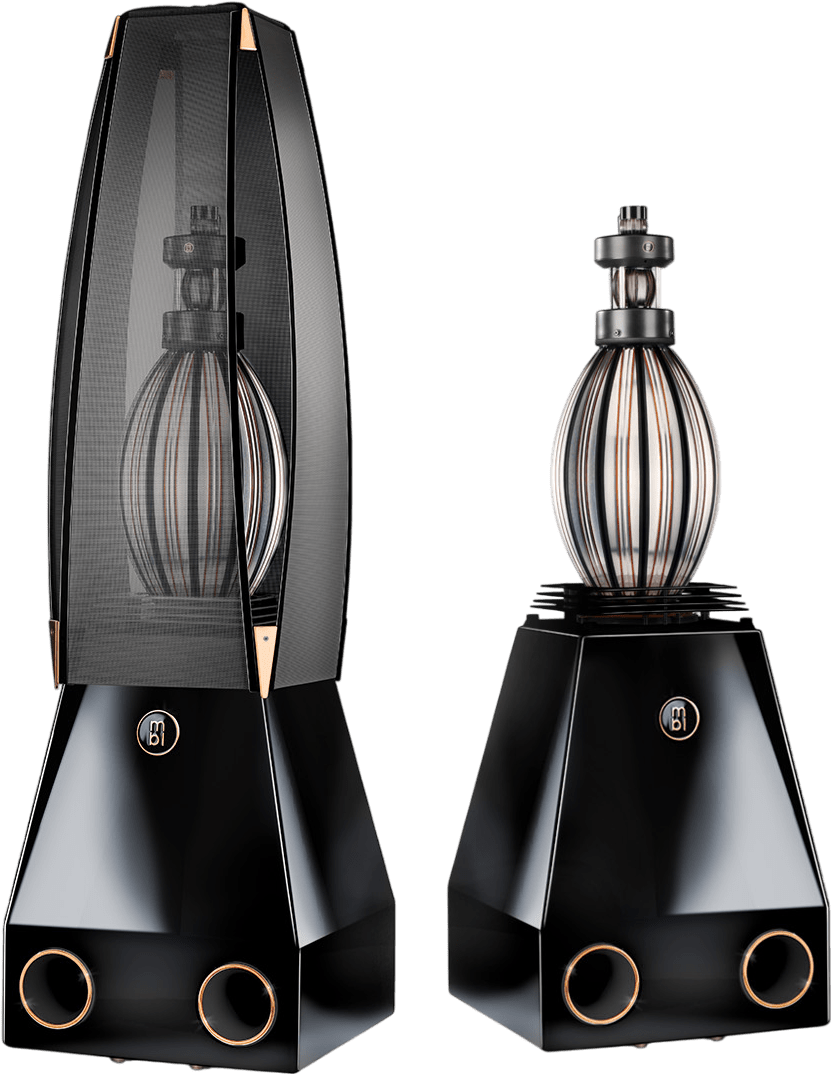
- An all-encompassing sound keeps listeners rooted to their seats
- A unique 360° sound wave design creates a natural balance of direct and reflected sounds
- A truly huge, yet meticulously crafted, soundscape is created
- Not physically evident in the aural landscape, offering a sound that seems to have no origin
- Integration of the woofer's and melon's outputs was far smoother than previous models
Product Considerations
- High-powered amplifiers capable of delivering ample amounts of current are required due to its insensitivity (around 80dB)
- Placement can be tricky, needing more space away from room boundaries than some rooms can provide
- The biggest problem has always been the audible lack of seamless integration between the bass box and the stack of omnis atop it
- A 'chesty, compressed, almost grainy midbass coloration' can be exhibited if placement and other factors are not optimized
Takeaway: The MBL Radialstrahler 101 E MkII loudspeaker offers a distinctive and immersive listening experience thanks to its unique omnidirectional design. It can fill the room with a natural and balanced sound, creating a captivating musical soundscape for the listener.
Video review
Our take on the brand
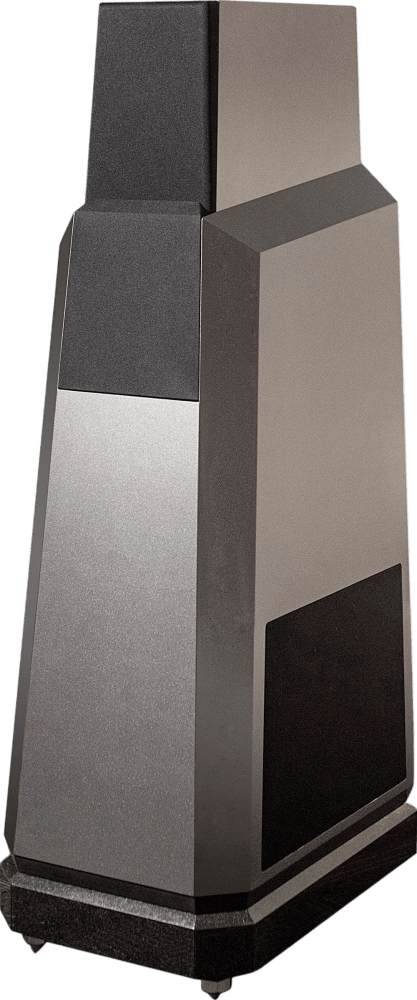

IT'S ALL IN THE TIMING. The Model Seven XTRM continues a tradition of pushing time-and-phase correct audio reproduction to the ultimate extreme. With new pistonic side-firing drivers matched to the patented mid-range and tweeter, the XTRM brings further clarity and harmonic accuracy in a way that surprised the designers and the expert listening board. Give yourself a treat and take a listen soon. Full XTRM updates are available to the original owner within the USA, and the cost is $30,051 to $45,633, depending on the vintage of your Model Seven.
Our summary
Product Strengths
- Upgradable from older Model 7 versions, representing long-term value for owners
- Features a 'CounterForce Bass' system with opposing woofers to minimize cabinet movement and improve clarity
- Offers extensive bass adjustments for room integration, including 11 trim pots for precise frequency adjustments
- Time-and-phase coherent design ensures that all drivers move in unison
- Provides a relaxed ease and warmth that fosters musical engagement
Product Considerations
- Sensitivity is relatively low at 85dB, requiring a powerful amplifier to achieve its full potential
- Requires careful rake angle adjustment for optimal performance
- Bi-wire capable, the mandatory HP-7 filter costs extra
Comparisons (according to reviewers)
- Vs KEF KC-62 subwoofer: Both use counter-opposing force woofers to stop cabinet movement
Takeaway: The Model Seven XTRM is a technologically innovative speaker designed for music lovers. It offers powerful bass, harmonic beauty, and exceptional tonal realism, making it a worthwhile investment for those seeking a high-fidelity audio experience.
Video review
Our take on the brand
What competes at this price?

Our Summary
Product Strengths
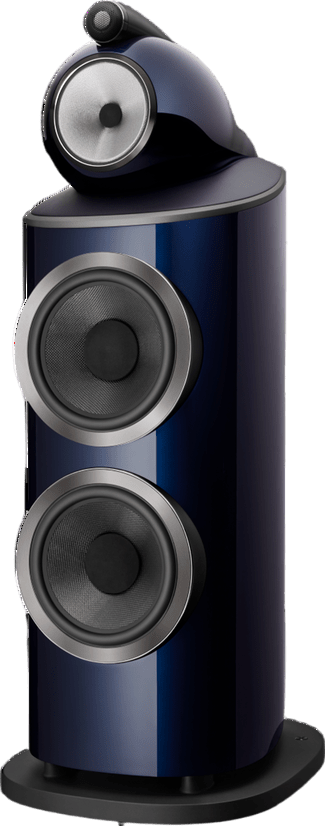
- Each detail of the Signature has been carefully crafted and sees numerous updates over the standard 801, including crossover upgrades and a modified cabinet with a refined downward firing port
- The bass presentation on the 801 Signature was better across the board, it was tighter, a little more pronounced and forward, and definitely more defined
- Bass goes beyond just hitting the low notes, the woofers showcase some of the clearest, most audible detail and texture
- Vocalists and actors have better inflection, greater scale, and detail playing at low volumes
- When properly set up, the Signature is one of the most holographic windows to music experienced
- Speakers need power, the Arcam was impressive and even got the 801s to play loud, but the Macintosh MC312 made the Signature sound flow-like water
Product Considerations
- The Signature's impedance fluctuates wildly, ranging from a nominal 8 ohms and dipping lower than 3, so you need an amplifier that does more than just work
- Placement matters: if placed too close to the wall, the bass response became too pronounced and even boomy at times
- The Signature can come off as bright, and in extreme cases, it might be fatiguing to some
- Poor recordings won't get a free pass, there's bound to be a track or two that's going to leave your playlist rotation
Comparisons (according to reviewers)
- Compared to the Klipsch La Scala, both speakers excel at the recreation of space in true-to-life dynamics
- Compared to the Wharfedale Elysian 4, the Elysian doesn't play as deep, is richer in the mid-range, and nowhere near as extended up top, so it's not the Signature's equal
- Compared to the Wilson Audio Want Puppy, the two speakers are similar in size, driver complement, build and finish quality, price, and target market
- Compared to the SVS Titan, the Titans sound two-dimensional and fat, compared to the Signature's far more realistic and natural-sounding bass
- Compared to the KEF R11 Meta, the Signature's beefy presence makes for a far grander statement
Takeaway: The 801 Signature is a speaker that elevates the listening experience to another level because it is designed with incredible attention to detail. It will be an emotional and immersive experience to own these speakers.
Video review
Our take on the brand

Our Summary
Product Strengths
- Powerful and deep bass with fast transient attack and rich tonal shades
- Sweeter-sounding tweeter that integrates more fluidly with the midrange without sacrificing detail
- Balanced and coherent presentation across the frequency range
- Sounds are reproduced with clarity, detail, and dynamic contrasts
- Impressive soundstage imaging with accurately-sized images, providing a wide, tall, and deep soundstage
Product Considerations
- High-quality amplification with plenty of power is required, designed for use with amplifiers of up to 1000W
- Due to its size and the power it requires, it needs to be placed in a large room
- The weight of over 100 kg per speaker can make placement difficult—requiring assistance for lifting and maneuvering, especially on non-smooth surfaces
- The grilles can be a tricky fit
Comparisons (according to reviewers)
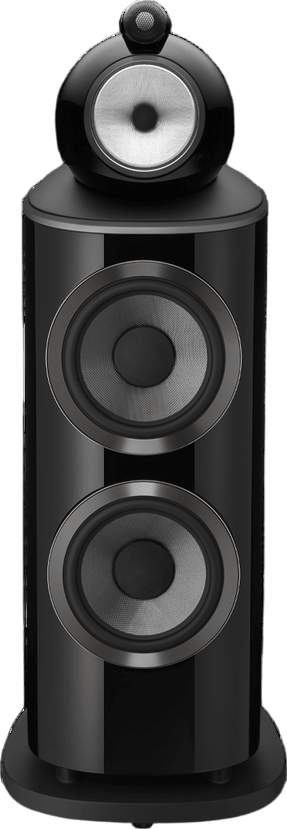
- Vs 800 D3: Faster and tighter bass register with a sweeter-sounding tweeter and improved decoupling
- Vs 802 D4: More bass, the 802 D4 had better blend
Takeaway:
The 801 D4 is a high-performance speaker known for its powerful and nuanced sound, exceptional imaging, and refined design, and it is capable of delivering a captivating listening experience. It is worth the investment for audiophiles who want detail and high-quality sound.
Video review
Our take on the brand

Our Summary
Product Strengths
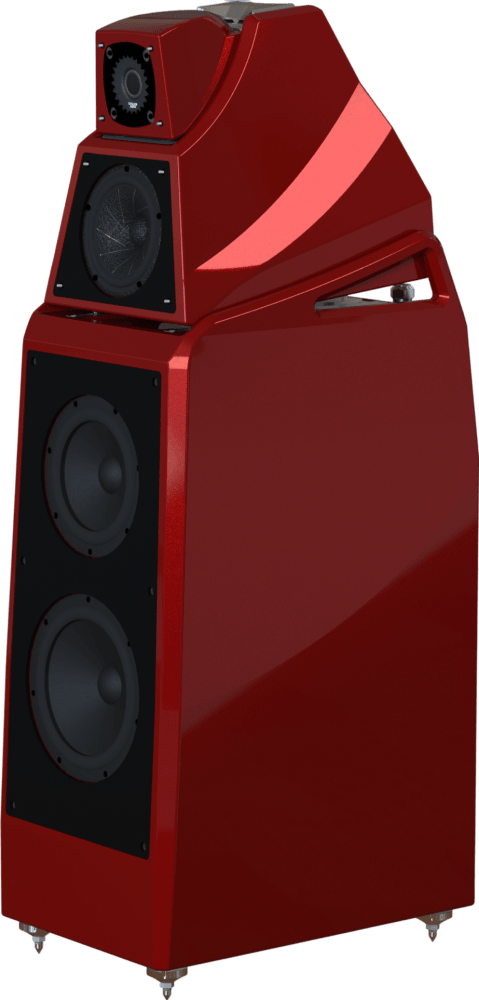
- Alexia V brings many of the qualities of the Chronosonic XVX to a smaller and more affordable loudspeaker
- Spectacular bass performance delivers powerful weight and muscularity without sounding thick or overblown
- Midrange shares harmonic beauty and warmth with the XVX, offering smoothness and ease
- The Alexia V presents real life to the listener in a way that previous versions cannot match
- Every detail of the design and build exudes the highest level of quality and craftsmanship
Product Considerations
- Premium-priced, putting it out of reach for many music lovers
- Alexia V sounds a bit more forward, incisive, and "extraverted" compared to the XVX
Comparisons (according to reviewers)
- Alexia V shares many sonic characteristics with the Chronosonic XVX, but sounds a bit more forward, incisive, and 'extraverted', the XVX is more subtle, refined, darker in tonal balance, and 'bigger' sounding
- Alexia V is unequivocally superior to the Series 2 in every way
Takeaway: The Alexia V brings many of the best qualities from Wilson Audio's top-of-the-line speakers into a more manageable size and price point. The sound is both powerful and refined, making listening to music an engaging experience.
Video review
Our take on the brand
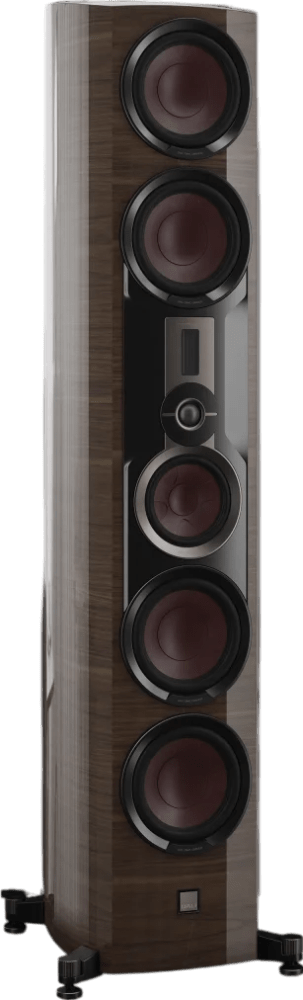

Our Summary
Product Strengths
- Exceptional transparency and is capable of reproducing quiet details with precision
- Accessible and easy sound that draws the listener in
- The EVO-K Hybrid Tweeter is superb, providing silky highs beyond belief, regardless of volume
- Massive, subtly rounded, full-bodied bass which is remarkably deep, and delivers incredibly clear and defined punch
Product Considerations
- A large speaker that will dominate a room, requiring a large listening space to truly sing
- Bass can be somewhat elevated, depending on the room size
- Not exactly modest in its choice of amplifier
Takeaway: The Epikore 11 is a high-end speaker that combines power and refinement to deliver a transparent, detailed and engaging listening experience. It is also well-built with premium materials and is beautifully styled.
Video review
Our take on the brand
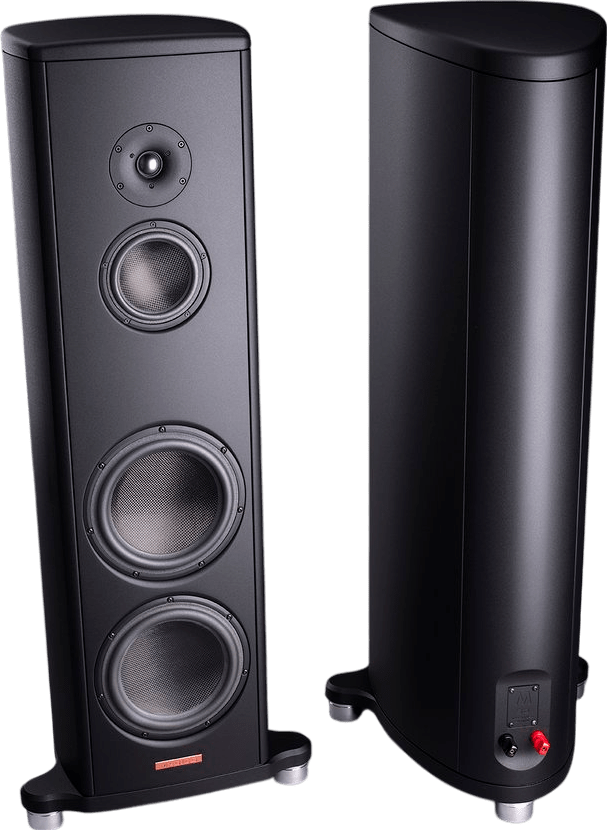

Our Summary
Product Strengths
- Beautifully finished cabinet constructed from heavy metal, using four extruded aluminum panels
- Delivers a presentation that's vivid, refined, and compelling
- Low distortion and an absence of cabinet resonance allows the listener to hear deeper into the music
- Images like a point source, but has three-way midrange clarity and gut-punching bass
- Extremely transparent and uncolored, making it very responsive to changes in upstream components
Product Considerations
- May require careful system matching to avoid revealing flaws in the upstream components due to its high resolution
- Bass response below 30Hz may not be particularly satisfying
- Some reviewers noted that the grilles are sonically intrusive
- Heavyweight hifi typically requires assistance in its unboxing and installation, given the weight and the sheer size of the wooden packing crate in which it's delivered
Comparisons (according to reviewers)
- Compared to the Magico S3 MKII—the new S3 has been completely revised and re-engineered, using techniques and technologies developed for the M9 flagship, with a 30% quieter enclosure
Takeaway:
The Magico S3 delivers a pure and detailed sound, making music feel vibrant and dynamic, without adding its own color. If you want to really hear what your music and audio equipment can do, the S3 is a great pick.
Video review
Our take on the brand
Questions? Ask the brand's dealers.
How to buy
Speakers
Search all hifi products
Explore our database of 10,000+ new and 25,000+ used hifi products.