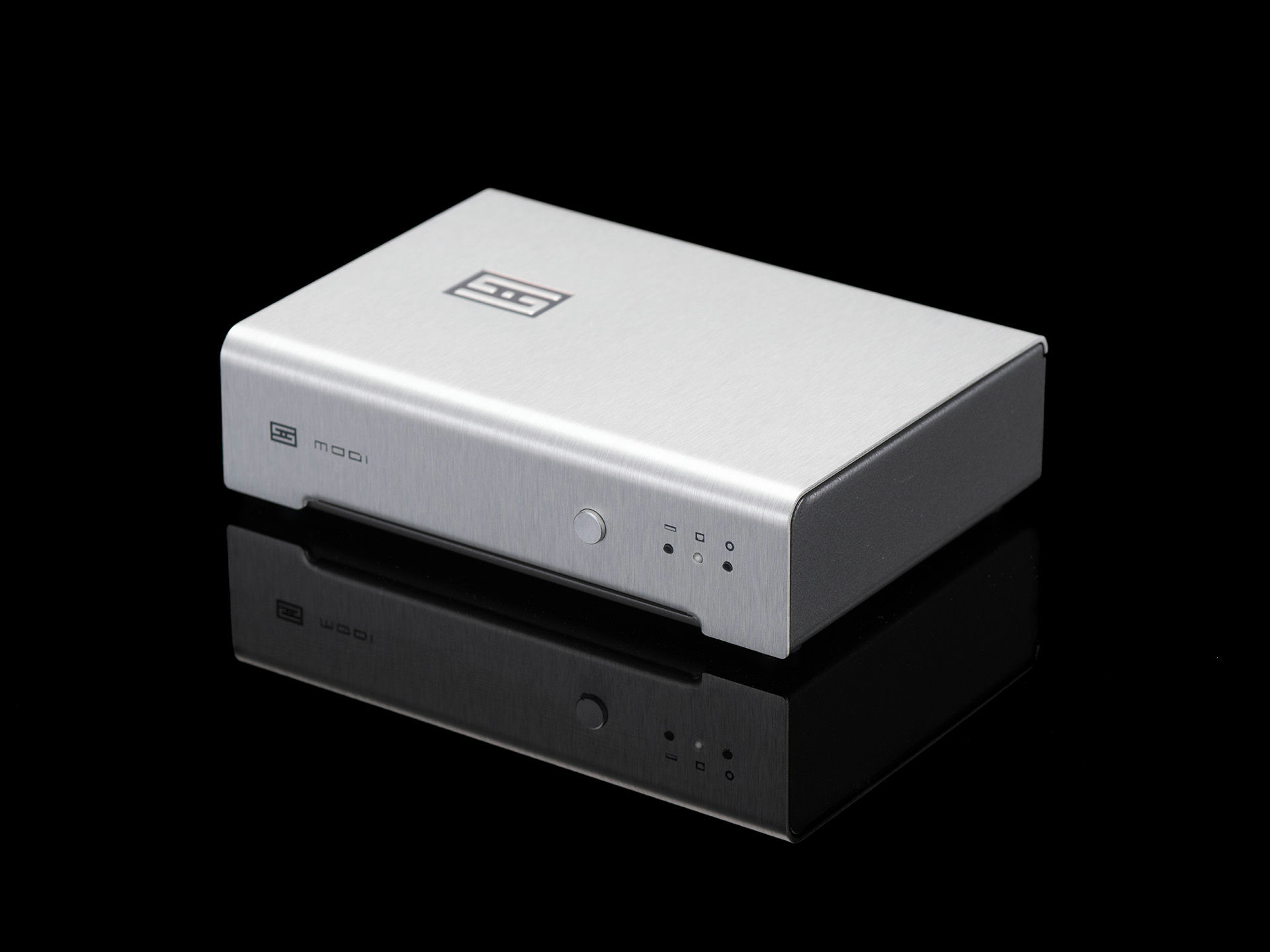





Note that this is a discontinued product. You may want to visit the brand's page here to browse their newer products.
What reviewers think
Bloggers and YouTubers have tried this product—so we've summarized their strongest opinions below. Links to full reviews follow.
All
Hades 12th
reviews

.png)
.png)
_JPG.jpeg)
Manufacturer details

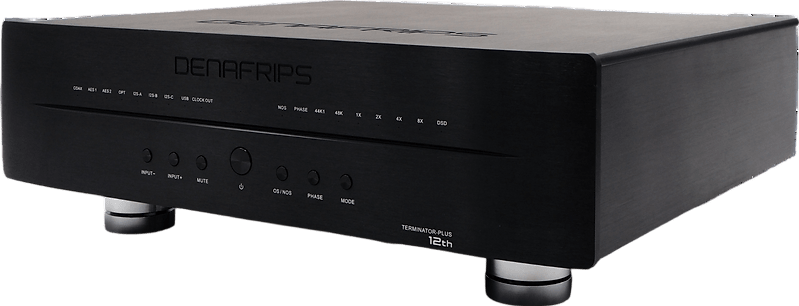

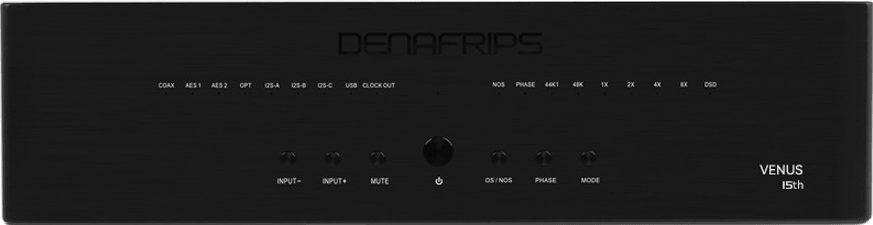

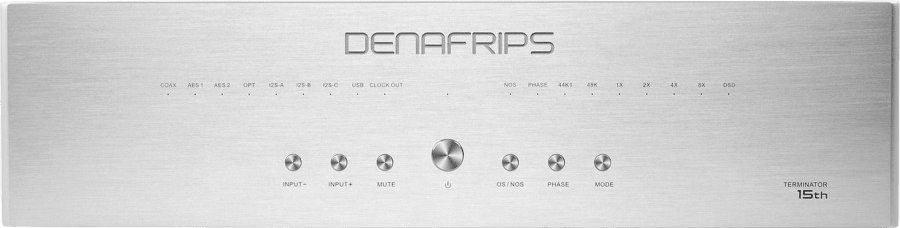
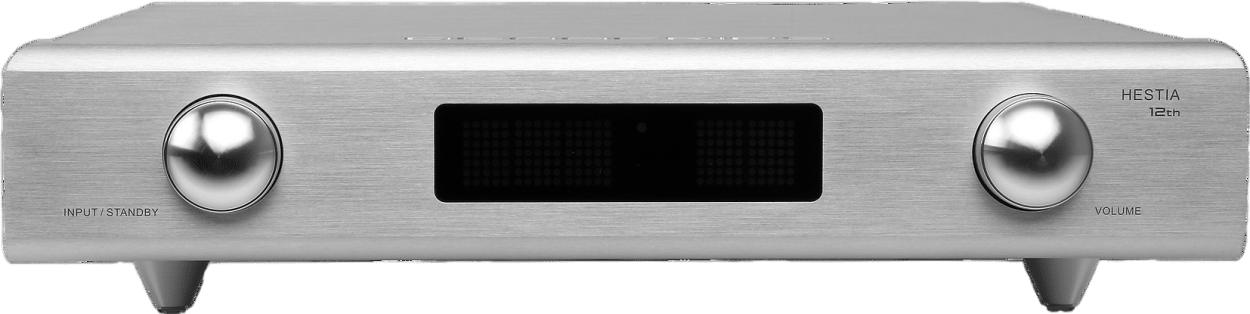


Brand highlights
Taking a step back to look at reviewers' thoughts of the brand's entire lineup—not just this product—what stands out most is the following:
Select products
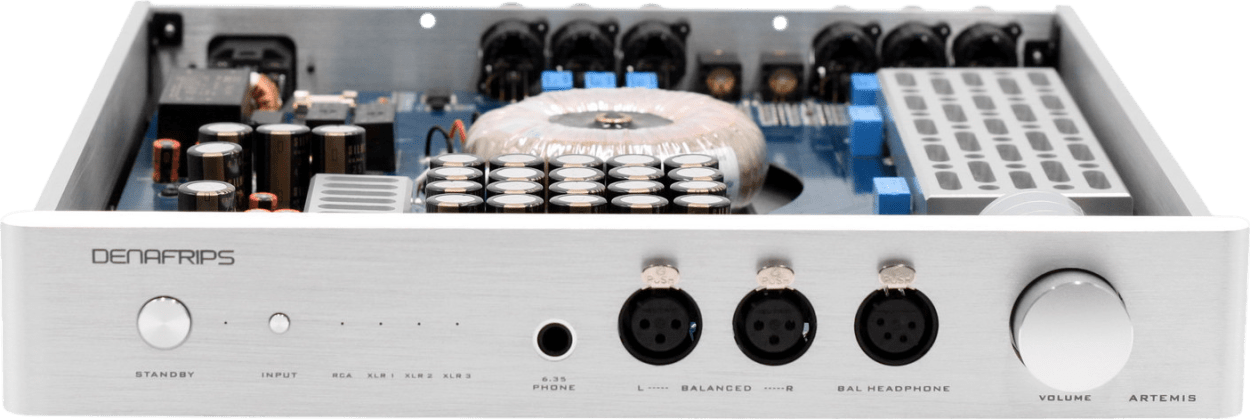
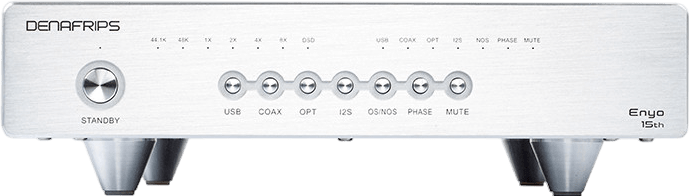
Enyo
- Positioning: The entry-level R-2R DAC in the Denafrips lineup.
- Description: Offers a high-quality, expressive sound with its true balance R-2R DAC design, making it ideal for small rooms or budget-conscious audiophiles.
Ares 15th
- Positioning: A step above the Enyo, providing a mid-range option in the Denafrips lineup.
- Description: Features a low-phase-noise oscillator for exceptional signal stability. Compared to the Enyo, it offers improved build quality and connectivity options, but lacks the advanced power isolation found in the Pontus.
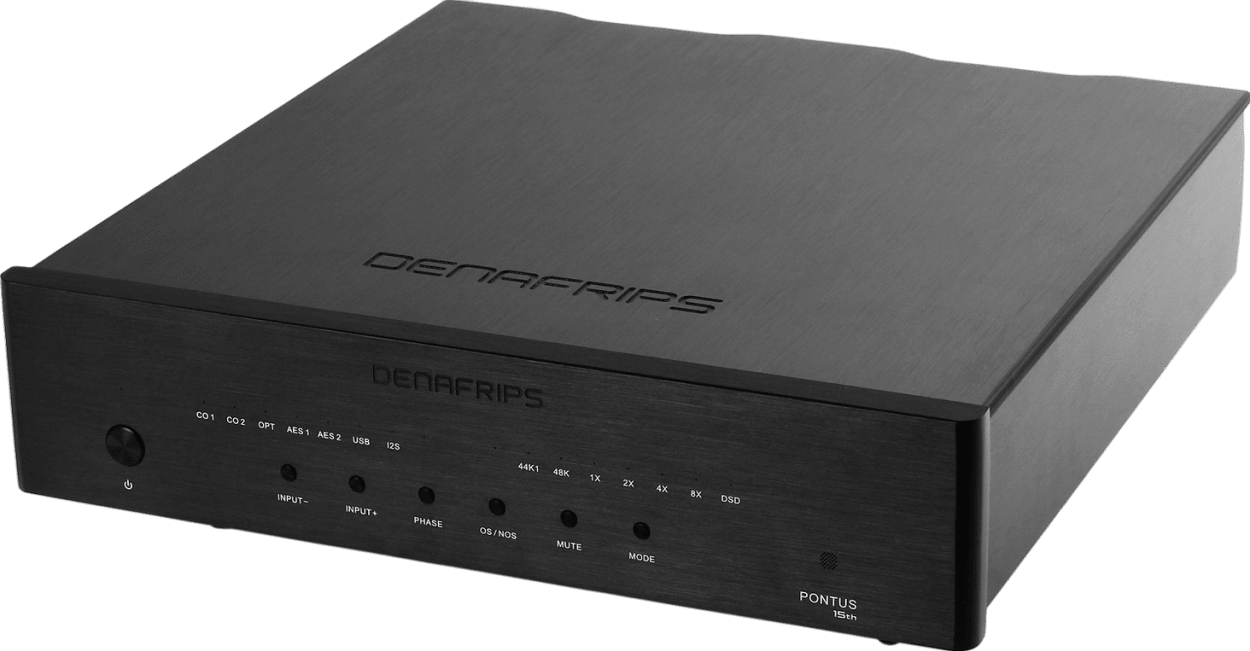
Pontus
- Positioning: A mid-tier DAC, offering a balance between performance and price.
- Description: Excels with its balanced R-2R ladder network and advanced jitter suppression. It surpasses the Ares with its box-in-box power design, but doesn't reach the flagship-level technology of the Venus or Terminator models.
Venus
- Positioning: A high-end DAC, just below the flagship models.
- Description: Features a new-generation circuit architecture and OCXO FIFO buffering, providing deep and accurate sound reproduction. It offers superior performance over the Pontus with its enhanced power supply and clock system, but is outclassed by the Terminator series.
Terminator
- Positioning: A flagship model, representing the pinnacle of Denafrips' DAC offerings.
- Description: Features dual OCXO clocks and adaptive FIFO buffer, providing exceptional accuracy and synchronization. It offers more advanced features than the Venus but slightly less than the Terminator Plus.


Our take on the brand
Look inside the brand
Our interview with the brand
What are two key technological innovations or strong opinions that differ you from other brands?
Our DACs feature a true balanced R-2R ladder network array design, with each channel equipped with an independent high-speed CPLD. Multiple sets of precision R-2R resistor networks decode digital signals, ensuring exceptionally low distortion and noise. Additionally, our FIFO buffer and reclocking technology delivers outstanding jitter suppression, significantly reducing reliance on the source device’s clock quality and further enhancing overall sound performance.
What's your approach to customer support?
As both our official channels and distributor network sell directly to end users, we encourage customers to first contact the dealer or seller from whom they purchased the product should any issues arise. This ensures the quickest frontline support. Of course, our official customer service team is also readily available via email and official platforms, typically responding within 24-48 hours. We strive to provide lifetime after-sales support wherever possible, even beyond the warranty period.
What are your favorite tracks for showcasing the strength of your products?
Our acoustic engineers typically evaluate the sonic performance of our products using a wide range of string music, vocal recordings, and orchestral pieces. Commonly selected test tracks include:
- Vivaldi – The Four Seasons
- Céline Dion – I’m Alive
- Eagles – Hotel California
These tracks allow us to comprehensively assess dynamic range, vocal clarity, soundstage, and resolution.
What other products pair best with yours?
Our product line covers everything from digital sources to speakers and cables. In our internal evaluations, we exclusively use products from our own line. However, based on extensive customer feedback, our products have been shown to pair extremely well with a wide range of other brands available in the market.

Used
Denafrips







What if you spend more?


Impressively Revealing
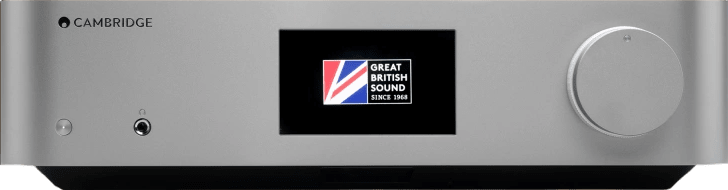
With a revolutionary preamp circuit-board that reduces interference and an incredibly clean signal path, Edge NQ plays your favourite music with astonishing depth. Stream, plug-in and play to enjoy every note in perfect clarity.
Edge NQ Preamplifier With Network Player and Edge W
All the Sources
Edge NQ lets you enjoy music from any source. As well as digital coaxial, HDMI, USB and S/PDIF connections, there's also Chromecast built-in, Spotify Connect, TIDAL, Qobuz, AirPlay, Bluetooth aptX HD, Internet Radio and UPnP Playback. Roon Ready certification enhances your browsing experience. Wherever songs are played from, Edge NQ stays true to the character of every instrument and uncovers a musicality you've never heard before.
Edge NQ Preamplifier with Network Player and Edge W
Astonishing Digital Detail
With a wealth of connections including digital coaxial, ARC (Audio Return Channel), USB and S/PDIF, our engineers have ensured that all of your digital content can be enjoyed, at up to 24-bit/384kHz and DSD 256. Edge NQ offers an incredibly revealing sound that has detailed tone, rhythmic drive and taut bass.
EDGE
Sonic Balance
Edge NQ was designed with a unique PCB. Our engineers replaced conventional capacitors with a DC coupled topology and also added a solid state volume control. The end result is a clean signal path that's perfectly balanced at any volume.
EDGE
Award-Winning Streaming Software
Edge NQ boasts the very latest version of our award-winning streaming module. Designed in-house, right here in the UK, it features a new, faster chipset and support for both 24bit/192kHz and DSD128 files. The addition of Spotify Connect, TIDAL, Qobuz, AirPlay, Bluetooth aptX HD and Internet radio means you can enjoy your music whatever the source. Roon Ready certification enhances your browsing experience.
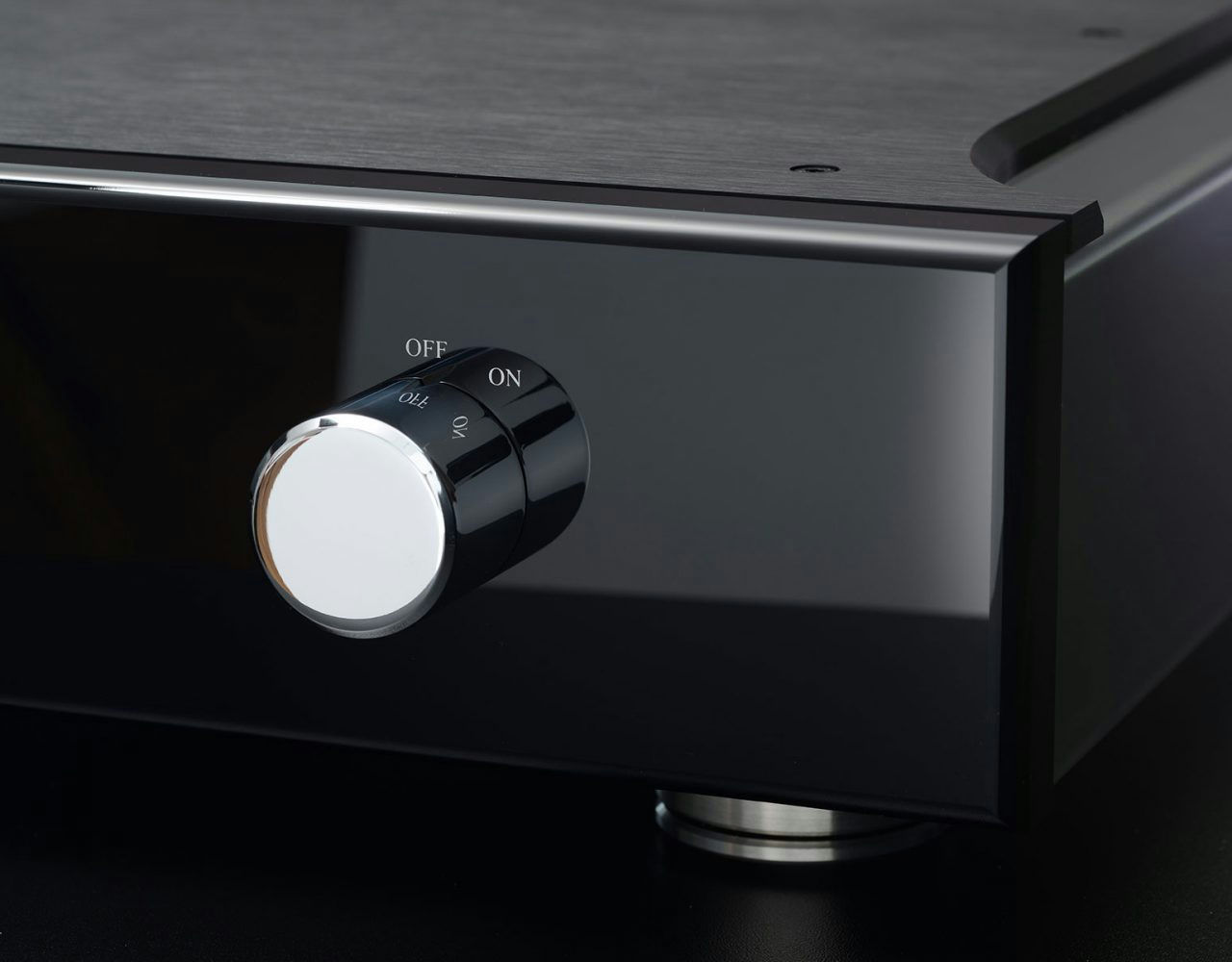
Edge NQ Preamplifier and Network Player close-up of volume dial
Chromecast Built‑in
Thanks to Chromecast Built-in hundreds of music services, including Sirius XM & Soundcloud, can be enjoyed on the Edge NQ. Just tap the cast button in your favourite app to stream music from your smartphone, tablet or laptop in stunning high definition sound, up to 24bit/96kHz.
Edge NQ Preamplifier and Network Player close-up
Fixed Line-out Mode
If you wish to connect the Edge NQ to an integrated amplifier rather than a power amplifier, the streaming functionality can be used independently of the preamplifier. The preamplifier can be disabled via the dedicated Edge app for iOS and Android.
Edge NQ Preamplifier with Network Player and Edge W
Perfect Partners
Edge systems are designed to work in perfect synchronisation. Match the Edge NQ with our highest performing power amplifier, Edge W, to create a hi-fi system with a sound, and a look, unlike anything else.

.svg)
Product Strengths
- Exemplary build quality, with a visually pleasing design
- The StreamMagic app is well-made and capable, offering a good user experience
- Delivers music in an extremely lifelike manner, limited more by the source than its own limitations
- Offers a strong musical sense of rhythm across all inputs, contributing to a well-rounded performance
- Presents a clear, bold, and spacious presentation
Product Considerations
- The volume dial may be slightly loose
- Lacks a phono analog input
- The acceptance angle of the remote sensor is limited
- The USB has trouble with large music collections
- The high frequencies can be bright with the system
Comparisons (according to reviewers)
- Vs Musical Fidelity M8Xi: The M8Xi has more power output and exhibits more control over loudspeakers, but lacks the built-in streaming of the Edge NQ
- Vs Naim electronics: The Edge system is neutral, and not as warm as the Naim electronics
- Vs Gold Note DS-10: Provides a bigger soundstage and more detail
- Vs PS Audio DSD Jr: The Cambridge Audio Edge NQ and the PS Audio DSD Jr are sonically comparable, but the NQ delivers more precise lateral focus
Takeaway: The Cambridge Audio Edge NQ is a versatile, well-designed preamplifier and network streamer that delivers high-quality sound. It provides an enjoyable listening experience, making it a great choice for those seeking both performance and elegant aesthetics.
Video review
Our take on the brand

Our summary
Product Strengths
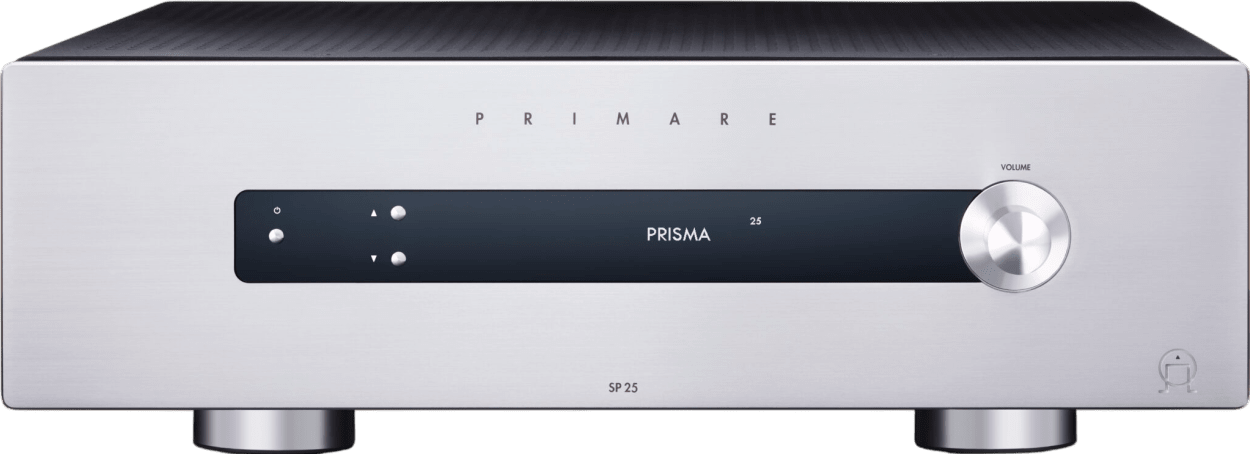
- The SP25 Prisma includes 4K dynamic HDR switching and eARC
- Eleven channels of processing and preamplification
- Dual eight channel DAC chips allow for unique digital to analogue conversion, allocating four channels of conversion when delivering signal to the pair of front left and right analogue outputs
- Versatile, with single ended analog inputs, USB, coaxial and optical digital inputs, and HDMI inputs
- Prisma streamer, wired and wireless
Product Considerations
- Good surround sound gets expensive fast
- Operation and setup can be complex
Comparisons (according to reviewers)
- The SP25 Prisma lacks the power amplifiers of the SPA25 Prisma, making it only an AV processor or preamplifier
Takeaway: The SP25 Prisma is designed for cinephiles and audiophiles. It provides the best home cinema experience with carefully considered features and functionality.
Video review
Our take on the brand

Our summary
Product Strengths
- Highly detailed, clear, and clean sound with musicality, but without sterility
- The KTE version includes a beautiful aluminum remote
- Truth, neutrality, and accuracy, making it fun to listen to music
- Enhanced spatial presentation, adding force and rhythmic nuance
- First class build quality
- It does not have a built-in DAC or phono preamp
Product Considerations
- The buttons on the remote are a bit loose
- It is not possible to directly select inputs, it is necessary to click through
Comparisons (according to reviewers)
- Compared to ModWright LS-99, the Serene KTE is more accurate and neutral, while the ModWright LS-99 is juicier
- Compared to Linear Tube Audio MicroZOTL, the Linear Tube Audio MicroZOTL added more midrange warmth and flavor
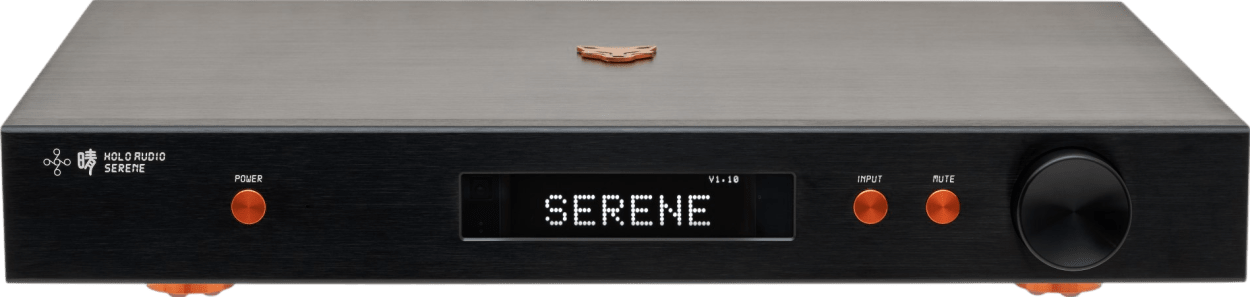
Takeaway: The Serene is a preamplifier that offers a clean and neutral sound, and it is excellent for those who want to hear the sound of other components without coloration. It is built with high-quality components.
Video review
Our take on the brand

Product Strengths
- Fully balanced design provides less noise and coloration to the sound.
- Supports both moving magnet (MM) and moving coil (MC) phono cartridges with a high-performance phono stage.
- Passive ladder volume control with precision resistors provides superior channel separation, low distortion, and high signal integrity.
- Superior noise performance and extended bandwidth, with a very low THD+N and wide frequency response.
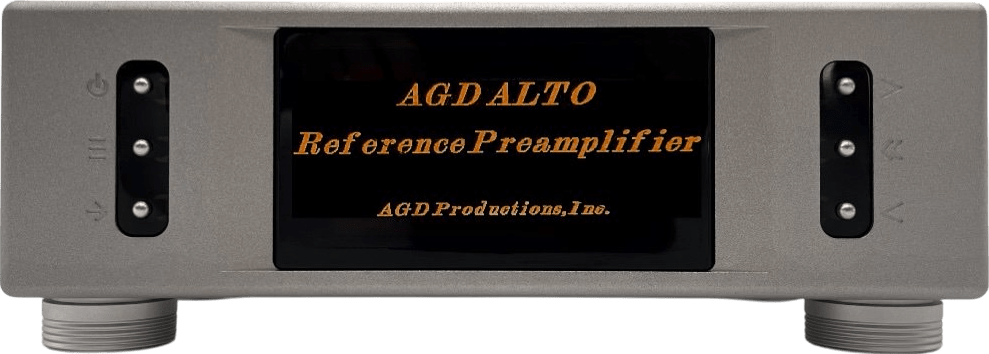
- Large, high-resolution display is visible from a distance
Product Considerations
- Limited features for its price, lacking an internal DAC, room correction, or bass management.
- Small, non-standard form factor might not match other hifi equipment aesthetically.
- Limited to one balanced input and one balanced output.
- Reviewers noted a chintzy plastic remote that needs to be synced.
- Sensitive to cable changes and may exhibit high-frequency noise if XLR cables are not connected
Comparisons (according to reviewers)
- The Alto was equal in sonic performance to the Amped America AAP-1, but the AAP-1 has dead-neutral tonality.
- There is not a lot missing between the Alto and the Bricasti Design M20 preamplifier in terms of sound, but at a little more than double the price, the Bricasti Design M20 had better dynamics and ultra-fine resolution.
- Both the Alto and the Pass Labs XP-12 stereo preamp are very high-end stereo preamps that do just that—do what they say on the box.
- Trilogy's set emerged rounder, bloomier, more massive, and atmospheric against the quick snappy team AGD that prioritized dynamics, outlines, clarity, and had its spatial projections sensibly more oxygenated.
- The Alto is like the Anthem without the DAC and streamer.
Takeaway: The Alto preamplifier is well-engineered to provide clean, high-quality sound, and it's a good choice for audiophiles who prioritize core preamp functions. It offers great performance for vinyl and digital sources when additional features aren't needed.
Video review
Our take on the brand
What competes at this price?

Our Summary
Product Strengths
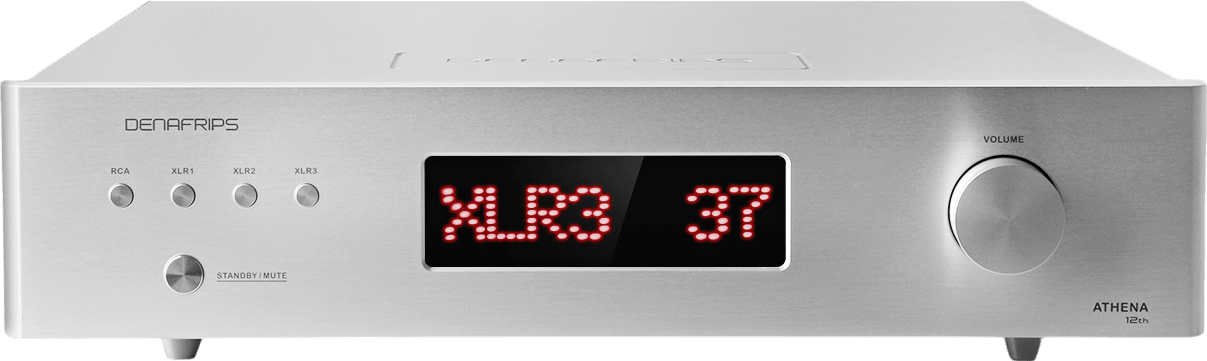
- The Denafrips Athena preamp has a very small impact on the overall tonal balance, remaining true to the source and getting out of the way of the signal
- Athena builds the musical picture from the midrange out with wonderfully dense organic colors that provide depth and dimension
- The Athena's overall build quality, both internally and externally, belies its price point
- The Athena rewarded the reviewer with a listening experience that allowed them to forget the system and enjoy the music and the artist
- Athena has no 'electronic' signature, meaning the user does not detect or sense electronics in the signal path
Product Considerations
- The Athena introduces an ever-so-slight softening of the leading edge
- A zero-gain preamp like the Athena requires careful consideration of system gain to achieve desired volume levels
- The remote control has extra buttons for other Denafrips products which may be unnecessary
- There could be some potential interaction between the SE and Balanced outputs if used simultaneously, although it is expected to be less than with a capacitor output coupled tube preamp
Comparisons (according to reviewers)
- Compared to Pass Labs SIT-3 amplifier, the Athena reminds the reviewer of the PASS Labs SIT 3 amplifier, as the Athena also builds the music from the midrange and the user can listen to it endlessly without listener fatigue
Takeaway: The Athena preamp offers natural sound quality and high build quality for its price. It allows listeners to enjoy the music without drawing attention to the system, creating a comfortable and inviting listening experience.
Video review
Our take on the brand


Our Summary
Product Strengths
- Ultra-low noise with remarkably quiet backgrounds and effortless transparency
- Delivers Al Harewood's delicate brush work with an outstanding balance of brush "edge" and "swish"
- Clear and distinct sound, with a soundstage that is tall, wide, and deep
- Natural and matter-of-fact nature, one that doesn't feel processed or constrained in any particular way
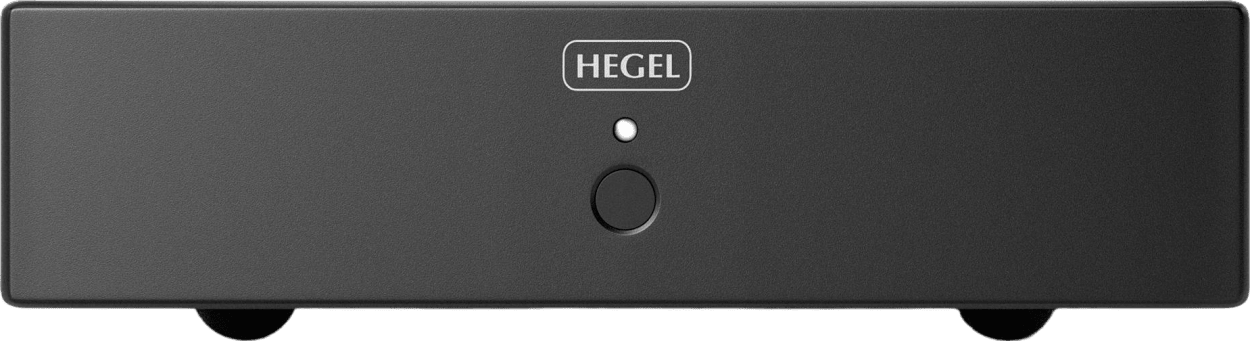
- The V10 is a highly musical phonostage that resolves fine details, honors tonal colors, and allows the dynamic life in music to breathe at levels that belie the unit's modest price
Product Considerations
- Adjustments to capacitance, gain, and impedance are accomplished by means of a bank of DIP switches on the rear panel, which can be a bit confusing
- The instruction manual states it's possible to set impedance "freely between 50 and 550 ohms" and add 6 addition dB of gain, but to do so contact your Hegel dealer for more information
- Not as versatile as the PS Audio Stellar
- The V10 does not try to mask physical imperfections on the record
Comparisons (according to reviewers)
- Vs Simaudio MOON by Simaudio 610LP—the Hegel V10 performs so well in comparison to the much more expensive 610LP as to be encouraging
- Vs Aurorasound VIDA Prima—the Hegel V10 seemed to pull out more detail than the VIDA Prima
- Vs Aqvox Phono 2 Ci—V10 allows one to easily explore the musicians' context and intent better
- Vs Rega Aria 3—the V10 betters it by quite a way, showing how the Hegel has a more incisive and detailed nature
Takeaway: The Hegel V10 is a great sounding, well-made phono stage that produces the 3D, of both the music and the space behind it, while honoring the purity and simplicity of the recording. It has connectivity and configurability as well.
Video review
Our take on the brand
Our Summary
Product Strengths
- Comprehensive spec sheet
- Versatile phono stage with balanced outputs offers greater levels of gain
- Depth, detail, and an analogue character
- Flexible and capable
- Extracts the very best from any cartridge
- The casework feels solid and beautifully finished
Product Considerations
- Adjusting capacitance and loading via hidden dip switches under two small covers for left and right channels is a little trickier than the previous model's dial adjusters
- DIP switches are fiddly to use
- Busiest and brightest recordings can appear just a little sanitised
Comparisons (according to reviewers)
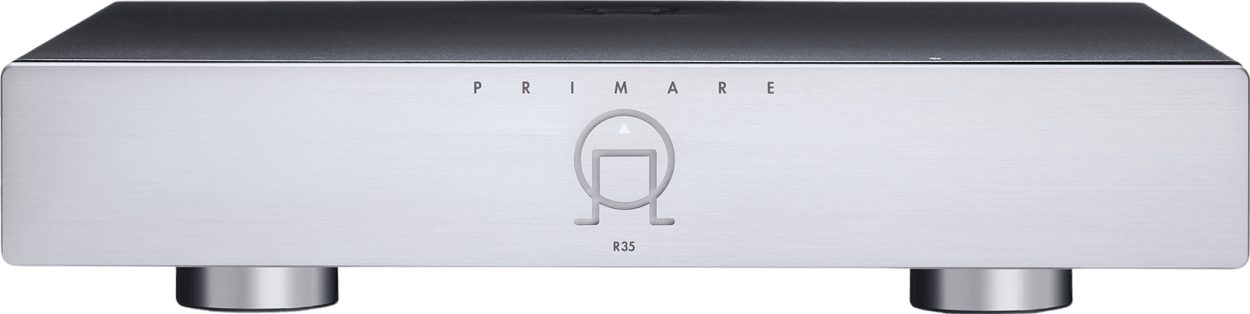
- The R35 offers a thorough update of its feature set, making it—on paper at least—one of the most versatile phono stages on the market today
- The R35 ups the ante by some margin, despite looking deceptively identical to the retired R32 front on
- Compared to the Hegel V10, the R35 is more playful dynamically with fatter bass, there is more depth in the soundscape, and a slightly larger range of timbres
Takeaway: The R35 is a versatile phono stage that can extract the best from any cartridge and has a comprehensive spec sheet. It offers depth, detail, and an analogue character that underlines vinyl's enduring appeal.
Video review
Our take on the brand

Our Summary
Product Strengths
- Crisp, clean, and spacious tone, which is fun to listen to, tonally neutral, and detailed
- Good and solid build quality
Product Considerations
- Substandard interface, with tiny buttons and labels, can be difficult to use
- In single-ended mode, the sound presentation can have slightly edgy mids
- Smaller interface font than the M6 makes the values slightly harder to read
- Size and weight might require sturdy shelf support
Comparisons (according to reviewers)
- M6x has an appreciable reduction in its noise floor and improved dynamic range compared to M6 Vinyl
- M6x has a slightly well-lit upper midband and a drier and leaner bass compared to ModWright PH 9.0 tube phono stage
- M6x Vinyl is a clear step up, having a crisp, clean, and spacious tone compared to Rega Aria Mk3
Takeaway: The M6x is a versatile phono stage that offers balanced connections, multiple inputs and solid build quality. It is sonically neutral and lets records speak for themselves.
Video review
Our take on the brand
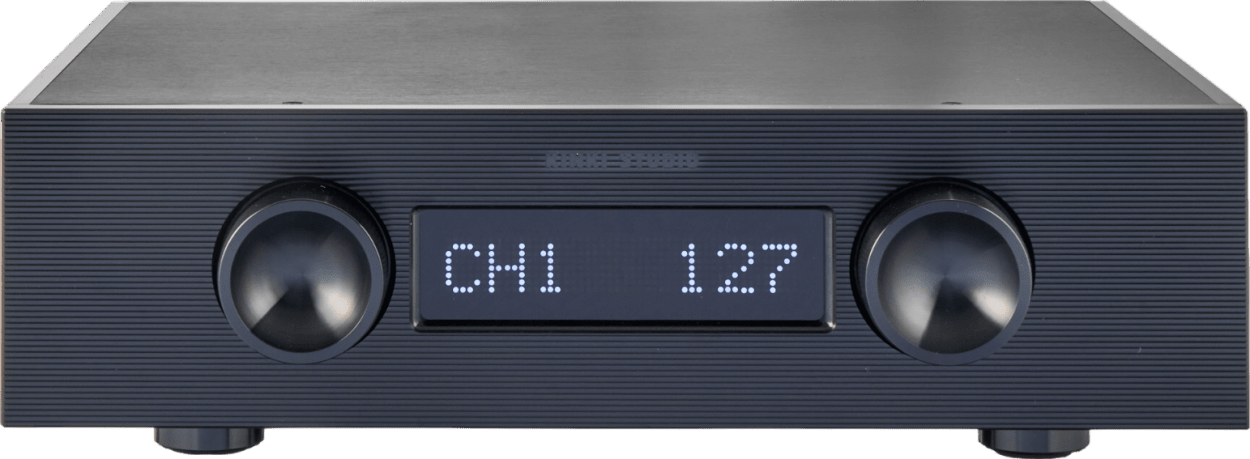

Our Summary
Product Strengths
- Offers a 'truthful' signal transmission with attributes of speed, low noise, vanishing grain, and purity—delivering a solid sonic performance
- Excellent build quality, with robust aluminum chassis and quality parts
- The knobs offer a silky-smooth feel, and the remote is well-designed and easy to use
- Offers a detailed sound
Product Considerations
- The XLR inputs and outputs are more for interface convenience, as the internal circuitry is single-ended
- Some reviewers note a lack of density in the lower midrange compared to other preamps
- The EX-P7 can sound too analytical if paired with already analytical components
- May not match high-end SET amplifiers in accurately conveying timbre and texture of vocals
Comparisons (according to reviewers)
- Vs Denafrips Athena preamp, the EX-P7 is faster, more linear and agile, but lacks some density in the lower midrange
- Vs Kinki Studio EX-M1 Integrated Amplifier, the EX-P7 (paired with EX-B7 monoblocks) sounds beefier, more extended in the bass, and rounder, while the EX-M1 is leaner and feistier
- Vs Audia Flight FLS1 preamplifier, EX-B7 monoblocks combined with the FLS1 gained resolution, clarity and transparency
Takeaway: The Kinki Studio EX-P7 preamp is well-built and offers a technically correct sound, making it a great option for those seeking a detailed and revealing listening experience when paired with the right components. It is designed with quality components, inside and out, and the overall product exudes quality.
Video review
Our take on the brand
How to buy
Preamplifiers
Search all hifi products
Explore our database of 10,000+ new and 25,000+ used hifi products.