



Note that this is a discontinued product. You may want to visit the brand's page here to browse their newer products.
What reviewers think
Bloggers and YouTubers have tried this product—so we've summarized their strongest opinions below. Links to full reviews follow.
Product Strengths
- Highlight is the boosted, forward, impactful, thick, rumbly and textured bass, due to the well-implemented bone conduction driver, which adds a tactile sensation and sub-woofer like quality
- Unique and visually appealing design with hand-painted brass faceplates crafted by jewelers
- Upper mids and treble are well-executed, detailed, and airy, providing a good balance to the bass, as the electret driver contributes to top-end details
- Overall sound is fun and engaging, particularly for genres like EDM, hip-hop, rap, rock, and pop
- Wide soundstage works well with well-mastered or live tracks
Product Considerations
- Mids can be the weakest point, potentially sounding recessed and pushed back in the mix, particularly for some instruments and female vocals, because the V-shaped tuning can cause certain instruments to sound thin
- Weight and size of the shells, due to the brass faceplates, may be uncomfortable for those with smaller ears
- Potential congestion issues, as one reviewer wished it 'had a little bit more room to breathe'
- Bone conduction effectiveness varies by individual
Comparisons (according to reviewers)
- In terms of the aggressive BCD implementation, the closest is the Empire Ears ZE51B
- Compared to the Jomo Audio Nautilus, the Legion has better bass and better mids
- Compared to the Nightjar Acoustics Singularity, the Flip Ears Legion is more engaging and has a good amount of quality and quantity of sub bass, mid bass, and mids
Takeaway: The Flip Ears Legion is a well-tuned IEM that provides an engaging listening experience thanks to its enhanced bass, making it great for bass-heavy music genres. It could be a perfect endgame for those who love fun, contrasty, V-shaped sound signatures.
All
Legion
reviews


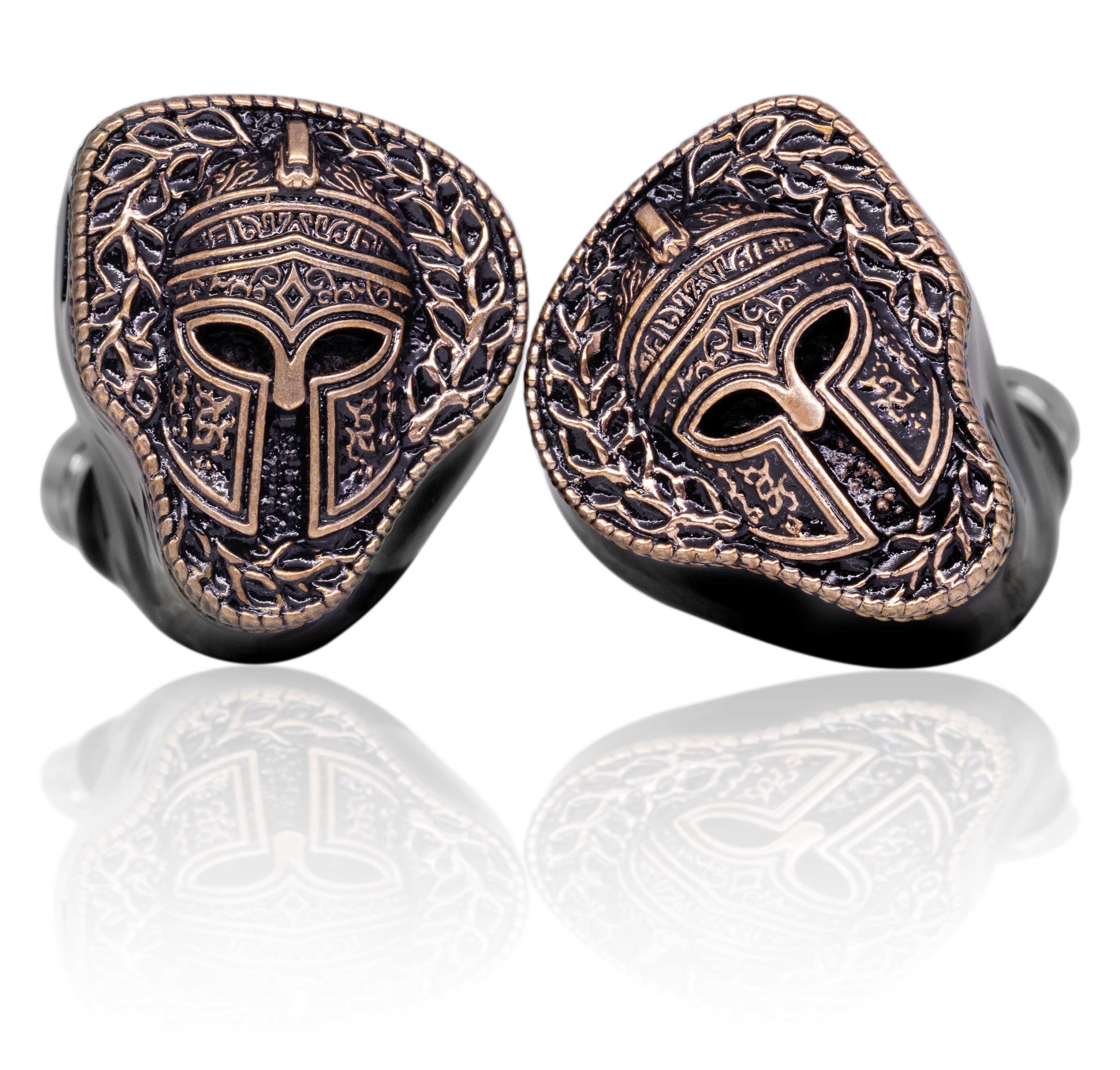
Manufacturer details
- Driver Configuration: Tribrid (Dynamic Driver + EarQuake Bone Conductor + SPARK Electret Tweeter)
- Sensitivity: 114dB @1mW
- Impedance: 5.3 ohms
- Frequency Response: 5hz-40khz
- Number of Drivers: 3




Brand highlights
Taking a step back to look at reviewers' thoughts of the brand's entire lineup—not just this product—what stands out most is the following:
- FlipEars emphasizes providing "insight into music that only a musician can offer," tailoring their IEMs for both professional musicians and audiophiles.
- A signature feature across several models is the inclusion of dip switches on the IEM shells, allowing users to adjust the sound signature for different listening preferences.
Select products
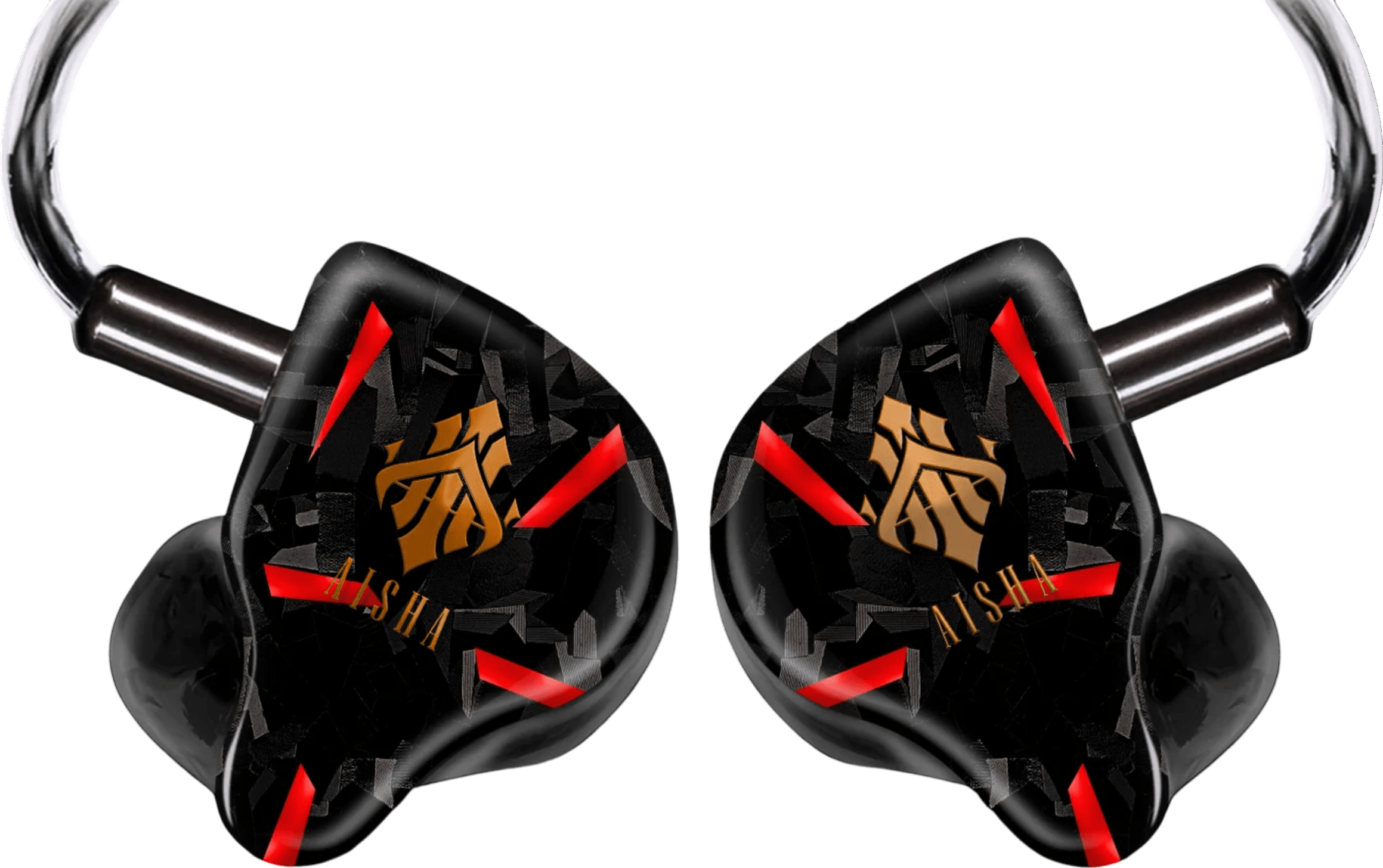
Aegis
- Positioning: Entry-level model offering balanced sound with essential features.
- Description: Uses a proprietary hybrid driver setup combined with EarQuake bone conduction for clear bass and midrange that suits everyday listening. Compared to models like Legion and Aurora XXIV, keeps the design simple and affordable while still providing coherent sound for daily use.
Legion
- Positioning: Mid-range model in the Arsenal Collection aimed at users desiring enhanced audio dynamics.
- Description: Features a three-driver system with a dynamic driver, EarQuake bone conductor, and SPARK electret tweeter that work together for a broader, natural soundstage. When compared to the basic Aegis, it adds more depth and spatial cues.
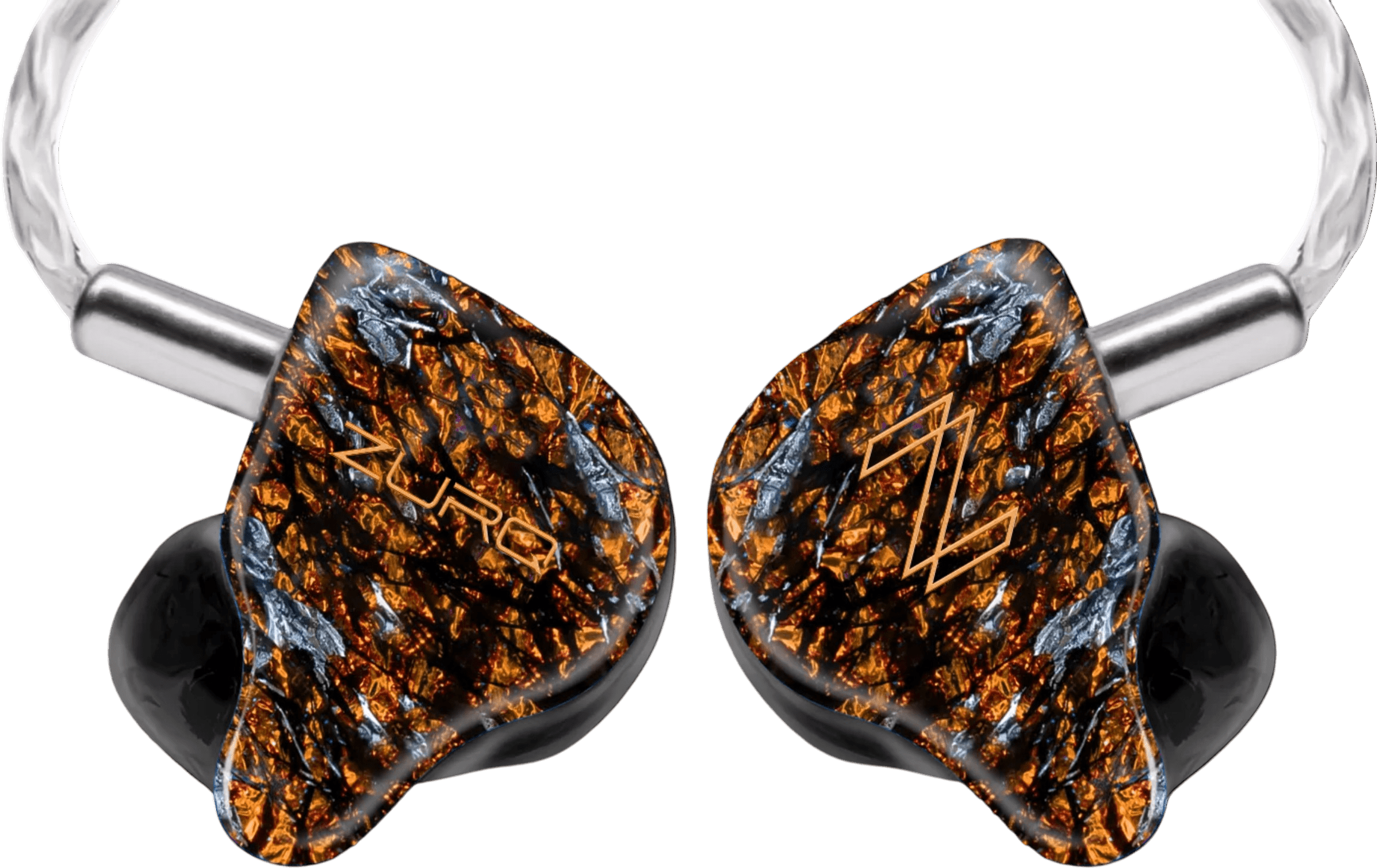
Zurq XXIV
- Positioning: Upper mid-range model focused on delivering energetic and detailed sound.
- Description: Uses a reimagined 5-way crossover configuration that combines electrostatic, balanced armature, and dynamic drivers to offer precise highs and deep, controlled bass. In contrast to the Aegis and Legion, it provides a more expansive soundstage and refined detail.
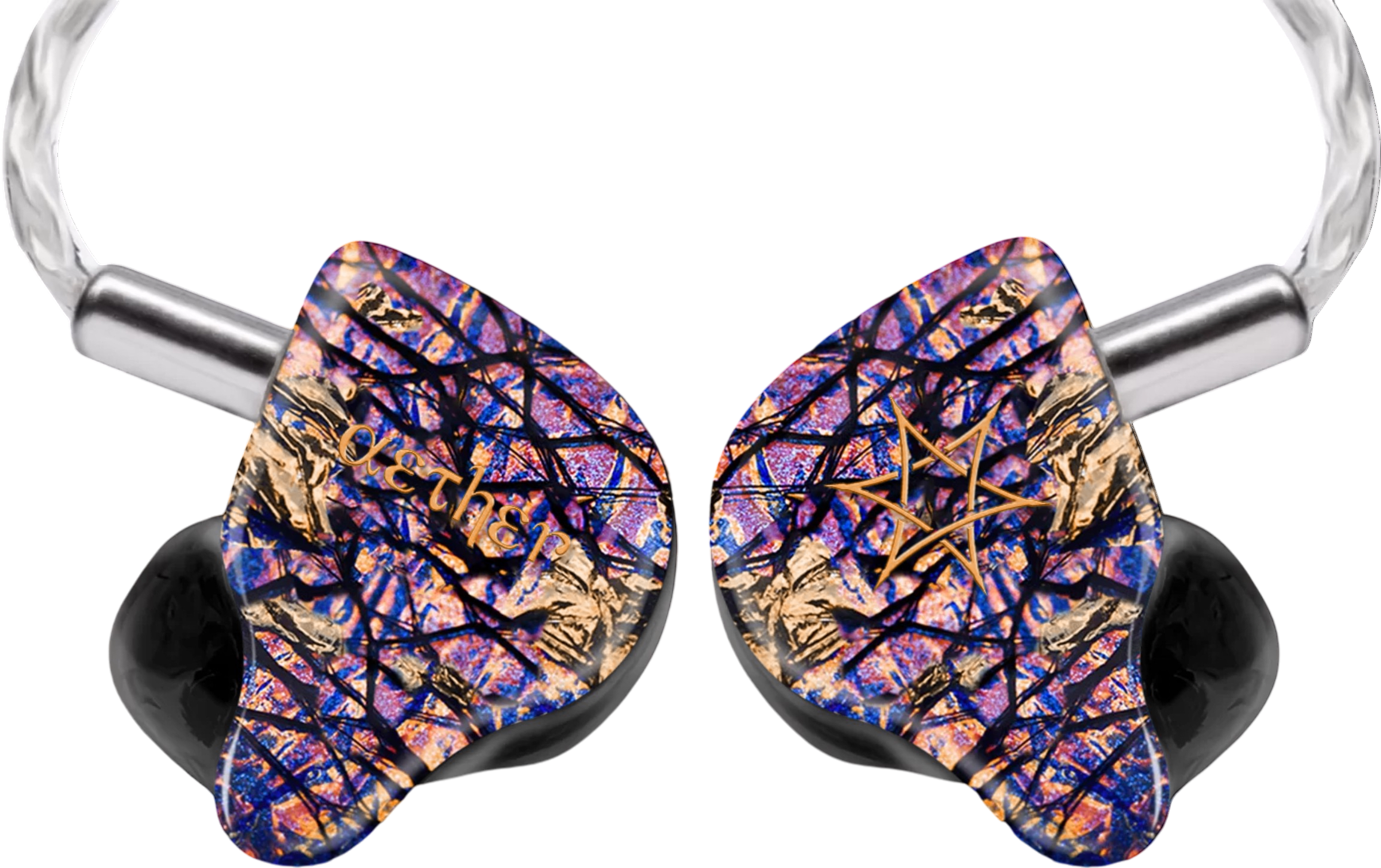
Aurora XXIV
- Positioning: Flagship model known for its advanced design and immersive audio presentation.
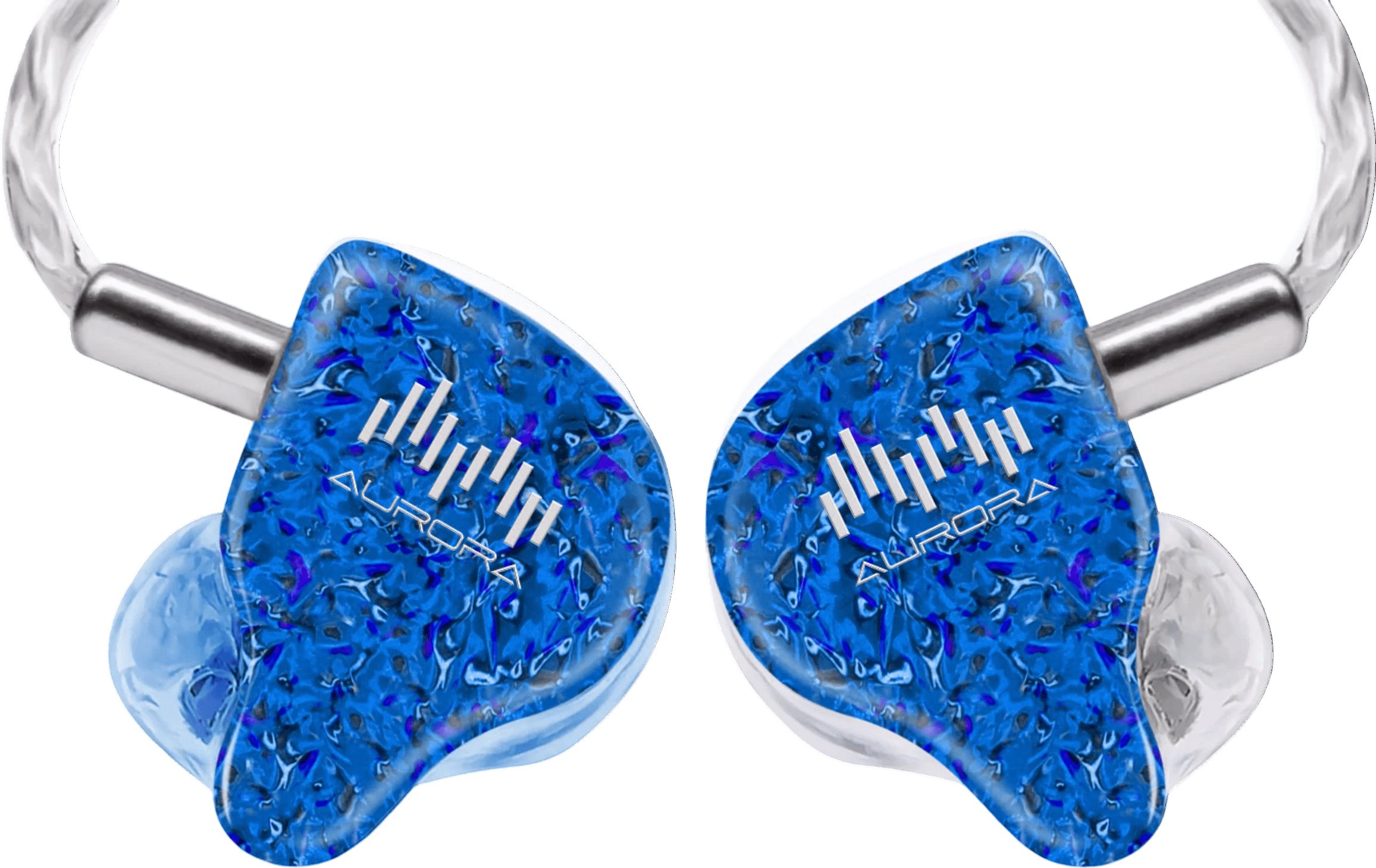
- Description: Offers a 10-tribrid speaker configuration with twin dynamic SoniXwoofers that create deep bass extension and crisp highs without fatigue. Compared to the Zurq XXIV, its elaborate build delivers a uniquely wide and detailed soundstage.
Artha Argentum
- Positioning: Premium high-end model that combines high-resolution sound with luxurious styling.
- Description: Features a versatile switching system that allows users to select between clear vocals, boosted bass, or extended highs, showing a unique approach to tailoring sound output. Relative to models like Aegis and Legion, its advanced build quality and customizable tuning set it apart.

Our take on the brand
Look inside the brand
Our interview with the brand
What are two key technological innovations or strong opinions that differ you from other brands?
What's your approach to customer support?
What are your favorite tracks for showcasing the strength of your products?
What other products pair best with yours?

Used
Flipears
What if you spend more?


.png)

.svg)
Product Strengths
- Very mature and engaging sound
- Meaningful dip switch tuning effects adjust the sound profile
- The packaging includes an innovative video display
Product Considerations
- The large nozzle may be problematic for people with smaller ear canals
- Some air and height may be lacking on some of the switch configurations
Comparisons (according to reviewers)
- Compared to the 64 Audio Trio, the Artha has a very refined mid-range and treble, making it an overall more complete package
Takeaway: The FlipEars Artha is a high-end IEM with good sound and innovative features, like the dip switch tuning and video unboxing experience. It could be a great choice for people who want a versatile and engaging listening experience.
Video review
Our take on the brand
Our summary
Video review
Our take on the brand
Our summary
Video review
Our take on the brand
Our summary
Video review
Our take on the brand
What competes at this price?

Our Summary
Product Strengths
- Offers excellent midrange resolution, highlighting subtle details in instruments
- Features a safe yet exciting U-shaped tuning suitable for all genres
- Presents a dynamic and exciting sound signature, clear vocal performances, and a resolving staging performance
- The included cable is of high quality and features interchangeable plugs
- Has great audio reproduction accuracy and consistent audio delivery
Product Considerations
- The upper treble may be a little exaggerated for some listeners
- The shell is larger than average for a universal IEM, which may cause fit issues for some
- Stock ear tips are just okay
- Bass resolution could be better
- Does not have an integrated microphone, so a standalone mic is needed to take calls
Comparisons (according to reviewers)
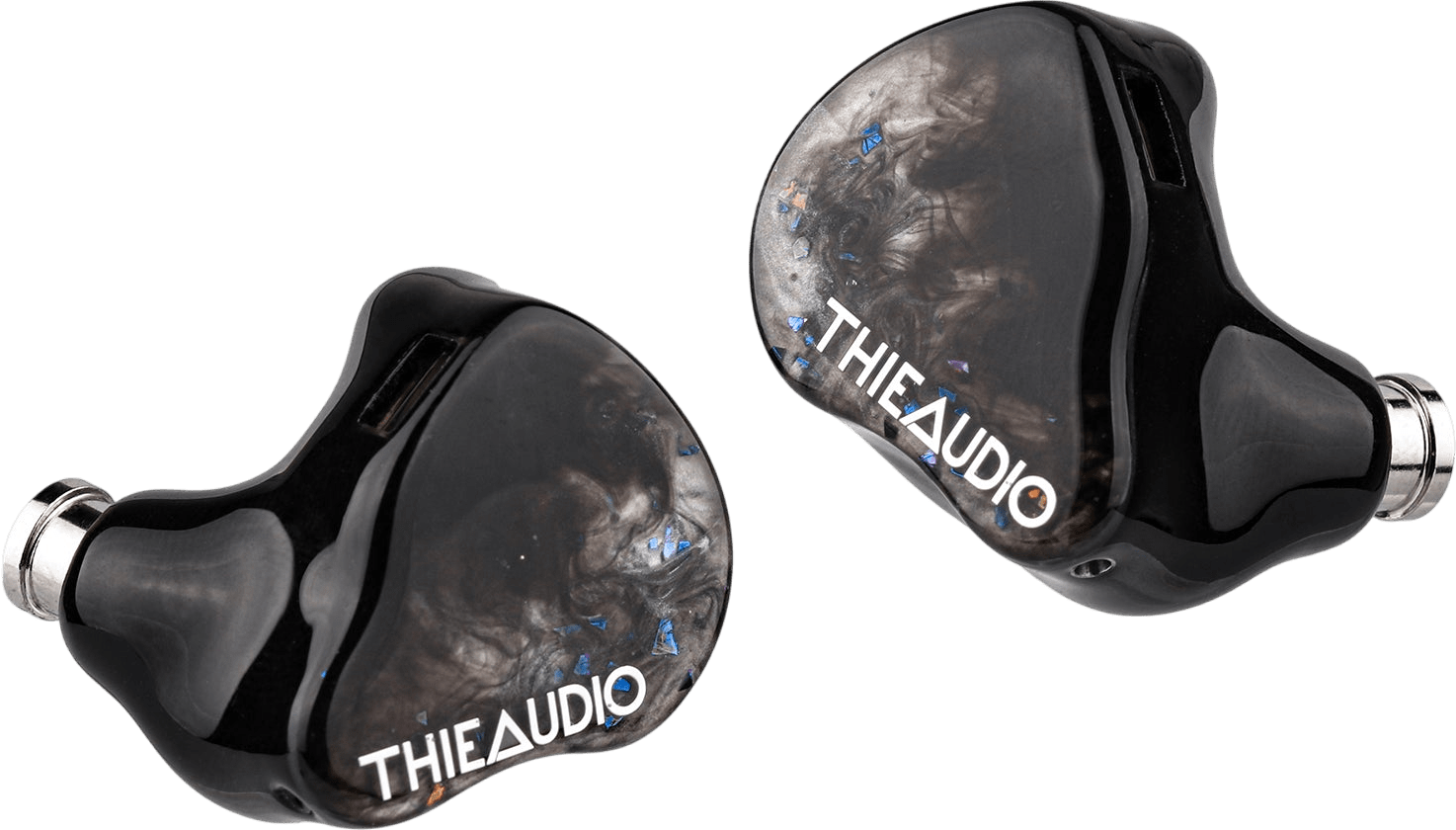
- Vs. Monarch MKII: The MKIII has increased richness in its midrange and an upper treble exaggeration, offering a slightly U-shaped signature compared to the MkII's balanced profile
- Vs. Symphonium Helios: MkIII's midbass body contrasts Helios' dipped lower mids, MkIII has better overall resolution, but a more exaggerated treble
- Vs. 64 Audio U4s: The MkIII is better tuned compared to the U4s, with the U4s having a thicker midrange and weightier timbre
- Vs. MOONDROP x Crinacle DUSK: The THIEAUDIO have a more detailed treble range
- Vs. MOONDROP Blessing 3: The THIEAUDIO have a more elevated bass range
- Vs. TRUTHEAR x Crinacle ZERO: RED: The THIEAUDIO do a better job blocking out external noise and leak less audio
Takeaway: The Monarch MKIII is a well-tuned IEM that is great for all kinds of music and has excellent technical performance. If one is looking for a high-end IEM with a versatile sound, this could be a great choice.
Video review
Our take on the brand



Our Summary
Product Strengths
- Agreeable, natural sonic signature
- Sounds very good, feels tough, and comes with most of the accessories needed
- Precision-milled housings follow the company’s IE 900, IE 200, and IE 300 models, shape wise, and therefore comfort wise
- A well-engineered product that sounds excellent
- Measured performance closely aligns with a headphone preference curve, so it sounds excellent
Product Considerations
- Basic silicone eartips that don’t fit everyone
- The MMCX connector is an atypical version that will not work with most other cables
- The texture of the AMLOY-ZR01 finish is not everyone's favorite to wear
- Treble is a bit subdued with cymbals resolving reasonably well, but way behind the IE 900
- Stock tips that come with Sennheiser's earphones are poorly designed; the silicone lacks rigidity to the point of which it more often than not collapses against the ear when one inserts the IEMs, thus making a proper seal very difficult to achieve
Comparisons (according to reviewers)
- Vs IE 900: The easier-to-drive IE 900 have a tighter, less thumpy low end and a leaner midrange, which results in better separation between the two, and also in better midrange resolution and clarity
- Vs IE 900: The IE 900 also have a much superior (perceived) treble extension and resolution, and a much wider soundstage
- Vs Final E5000: The final E5000 offer fuller voices, more bass, but less treble than the IE 600, and a narrower stage
- Vs Meze ADVAR: The ADVAR's sound is taller than the IE 600, the latter has more width, and imaging is tight and well-produced in both IEMs, with the IE 600 edging out the ADVAR by the slightest of margins
Takeaway: The IE 600 is a great set of earphones that will appeal to listeners owing to their punchy tonality and is pretty much unparalleled in their class. With the IE 600, listeners get undistorted audio and great isolation, and durable materials that will always sound good.
Video review
Our take on the brand

.png)
Our Summary
Product Strengths
- Very comfortable, suitable for long listening sessions and wearing in bed, due to its small size, lightweight design, and ergonomic shape
- Delivers a neutral and natural sound presentation, making it appropriate for stage and studio monitoring
- Excellent sound isolation, effectively blocking out external noise
- Good detail retrieval and resolution, presenting information accurately
Product Considerations
- May sound a bit boring or dull if one is looking for a more dynamic and engaging sound with more bass and treble emphasis
- The plastic build quality may not feel as premium as some other IEMs
- Requires a bit more power to drive it to sound best
Comparisons (according to reviewers)
- Mach 60 has a more neutral presentation, while ADV M512D is more elevated in the mids and treble and has more bass impact
- Mach 60 is more neutral and natural, while Unique Melody MEST delivers excellent detail and resolution
Takeaway: The Westone Mach 60 is a comfortable and well-built in-ear monitor that delivers a neutral and natural sound, great for musicians and audiophiles looking for an accurate representation of their music. It is a great tool as a stage monitor and comfortable for long listening sessions.
Video review
Our take on the brand

Our Summary
Product Strengths
- Convincingly balanced sound performance with a slight bass emphasis
- A wide and deep soundstage
- High-quality build, using a titanium housing, making it feel robust
- Good clarity and sparkle in the highs, with a natural and airy treble that feels relaxed
- Comes with a decorative, braided balanced cable made of silver wire, with interchangeable ends
Product Considerations
- A larger earbud which may affect the fit for some users
- A slight emphasis in the bass area and a sober sound, which may be a matter of taste
- Semi-open design is less isolating
- High frequencies might be too elevated for some
Comparisons (according to reviewers)
- Vs FiiO FH5s: Better bass texture, transparency, resolution, and treble definition, and sounds more cohesive and balanced
- Vs FiiO FH7: Better design, a better carrying case, more accessories, better build quality, better refinement, more resolution, transparency, treble definition, dynamism, and a wider and deeper soundstage
- Vs Kinera Norn: Better mid-range definition, tonality, and transparency, the Norn has a more V-shaped sound signature with splashy and aggressive treble
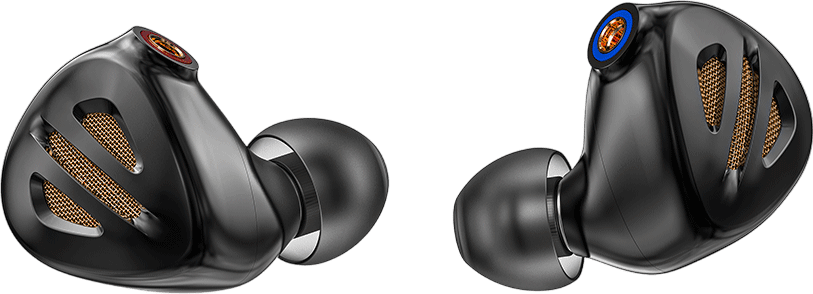
Takeaway: The FiiO FH9 is a well-crafted IEM with a balanced sound signature and customizable options, making it enjoyable for a wide range of listeners. It has excellent detail retrieval and a wide soundstage that immerses the listener in the music.
Video review
Our take on the brand

.png)
Our Summary
Product Strengths
- Smooth, natural, and easy to listen to sound signature that is not fatiguing
- Impressive and beautiful design, with unique 3D faceplate and premium feel
- Good build quality and comfortable ergonomic fit for most ears
- High-quality modular cable with interchangeable plugs (3.5mm, 2.5mm, 4.4mm)
- Full-bodied vocals and a versatile sound that works well with various genres
Product Considerations
- Can be considered large and thick, protruding from the ears
- Bass can lack definition, separation, and impact for some listeners
- Stock cable may not unleash the full potential of the IEMs, and an upgraded cable is recommended by some reviewers
- Midrange separation could be better for some users
Comparisons (according to reviewers)
- Vs. the FiiO FH7: The URD is less aggressive, more charming, and has a wider soundstage, the FH7 has faster, more controlled bass but can be fatiguing
- Vs. the DITA Audio Twins Fealty: The URD prioritizes weight, soft tonal balance, and timbre density, the Fealty emphasizes amplified resolution and detailed texture
Takeaway: The Kinera URD is a beautiful and comfortable IEM that offers a smooth and natural sound, making it a great choice for long listening sessions across many music genres. It stands out with its design, accessories, and non-fatiguing sound.
Video review
Our take on the brand
How to buy
Headphones
Search all hifi products
Explore our database of 10,000+ new and 25,000+ used hifi products.