

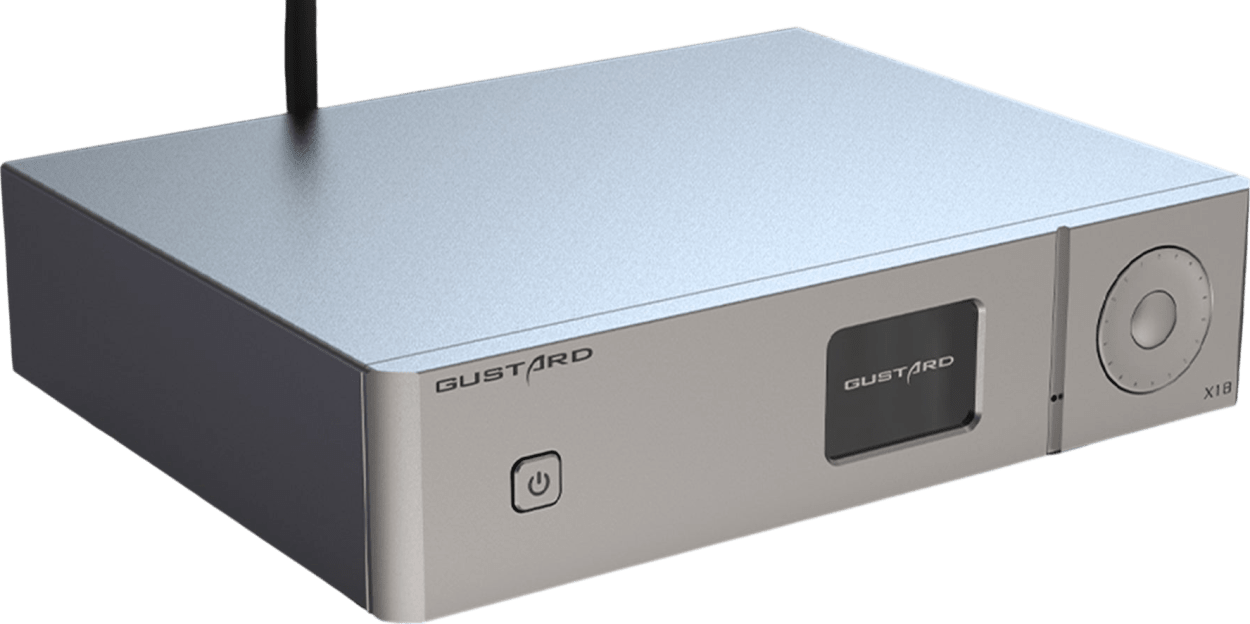


Note that this is a discontinued product. You may want to visit the brand's page here to browse their newer products.
What reviewers think
Bloggers and YouTubers have tried this product—so we've summarized their strongest opinions below. Links to full reviews follow.
Product Strengths
- High-level sound performance, especially compared to competitors in the same price range
- Transparent, precise, and accurate sound
- Surpasses its rivals for detailed sound, cleanliness, and transparency
- Crystal clear and crisp voices with sonic purity
- Wide variety of digital inputs and analog outputs
Product Considerations
- Some reviewers wished for a nicer English website, as the current one looks like a mess
- Some unwanted ringing in the treble
Comparisons (according to reviewers)
- The X18 sounds closer to the X26 PRO than to the X16
- The X18 feels like a poor man's X26 Pro, coming close to it
Takeaway: The X18 is spectacular and highly recommended for those who want an authentic soundstage. The technology and continuous improvement deliver better performances.
All
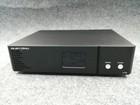
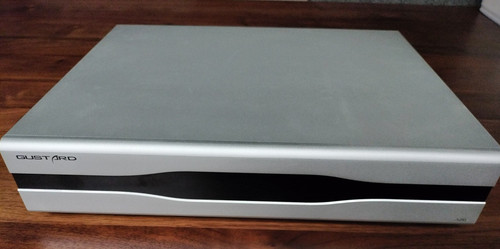
DAC-X18
reviews



Manufacturer details
- Chip: ESS9038PRO
- Bluetooth: 5.0 with APTX HD and LDAC (up to 24Bit/96KHz)
- Op-amp: OPA1612
- Oscillators: Two AS318-B Hi-End audio oscillators


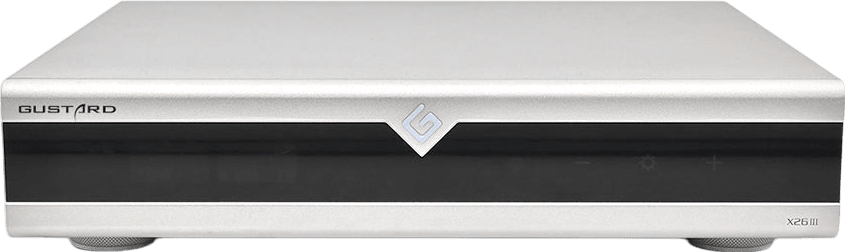
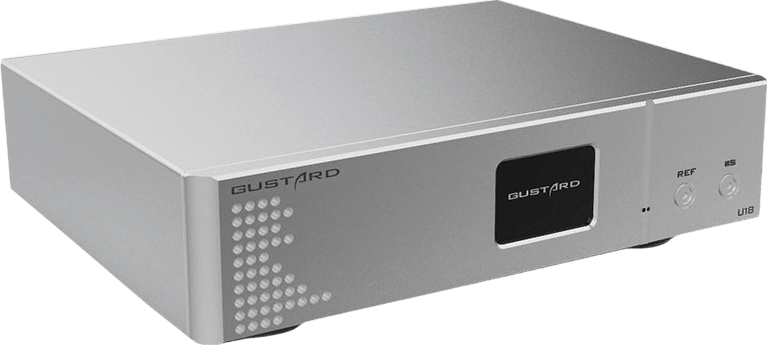
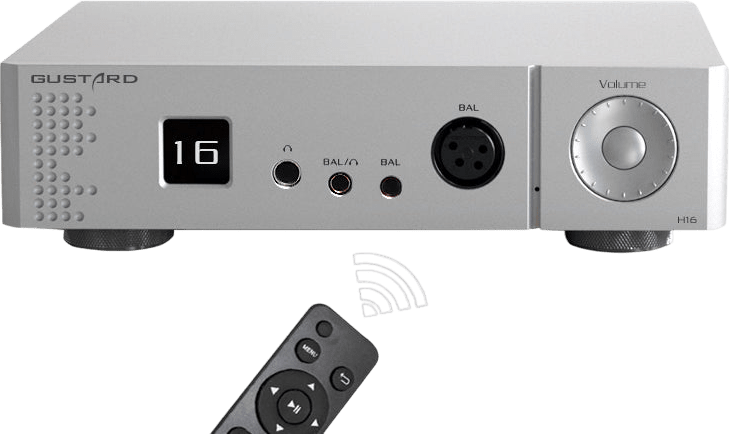

Brand highlights
Taking a step back to look at reviewers' thoughts of the brand's entire lineup—not just this product—what stands out most is the following:
- Gustard consistently utilizes high-quality components in its products, such as Accusilicon clocks, toroidal transformers, and discrete analog output stages.
- The brand's DACs often feature a comprehensive array of digital inputs, including I2S via HDMI and Ethernet ports for network streaming capabilities.
- Gustard emphasizes providing a refined and smooth audio presentation, prioritizing musicality and natural sound over solely focusing on measured results.
- They offer advanced internal clock management via custom-built synthesizers and precise femto-second clocks, reducing jitter for a cleaner audio signal.
Select products
DAC-X16
- Positioning: Entry-level line, designed for affordability and compactness.
- Description: Offers a balanced sound with full MQA capabilities and advanced Bluetooth codecs. Compared to the DAC A-18, it provides a more neutral sound, suitable for those who prioritize measurement-focused performance in small spaces or portable setups.
DAC A-18
- Positioning: Mid-range option, balancing performance and value.
- Description: Known for its detailed and transparent sound, with a robust build quality that enhances spatial imaging. It offers a more natural and dynamic sound compared to the DAC-X16.
DAC-A22
- Positioning: High-performance model, focusing on soundstage and depth.
- Description: Features dual AK4499 chips, providing a warm and engaging sound with impressive holographic imaging. It surpasses the DAC A-18 in tonal balance and offers a more immersive experience.
DAC-X26
- Positioning: Premium model, designed for high-end audio systems.
- Description: Celebrated for its class-A warmth and impactful bass, offering a refined and natural sound. It outperforms the DAC-A22 in terms of detail retrieval and transient response.
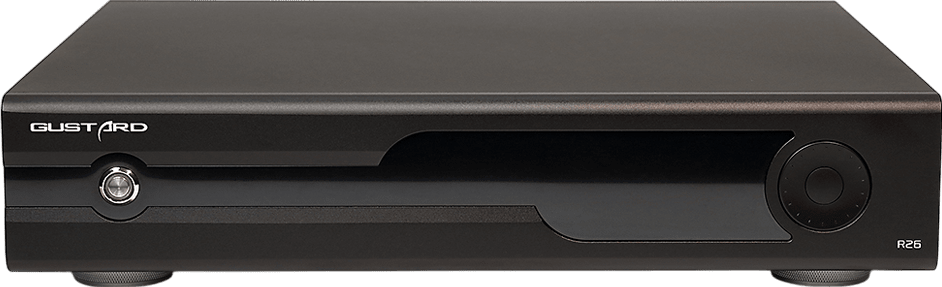
DAC-R26
- Positioning: Reference-grade model, emphasizing musicality and engagement.
- Description: Uses a discrete R-2R ladder design, delivering a highly musical and lifelike sound with exceptional soundstage depth. It offers a unique blend of technical excellence and emotional engagement, surpassing the DAC-X26 in naturalness.
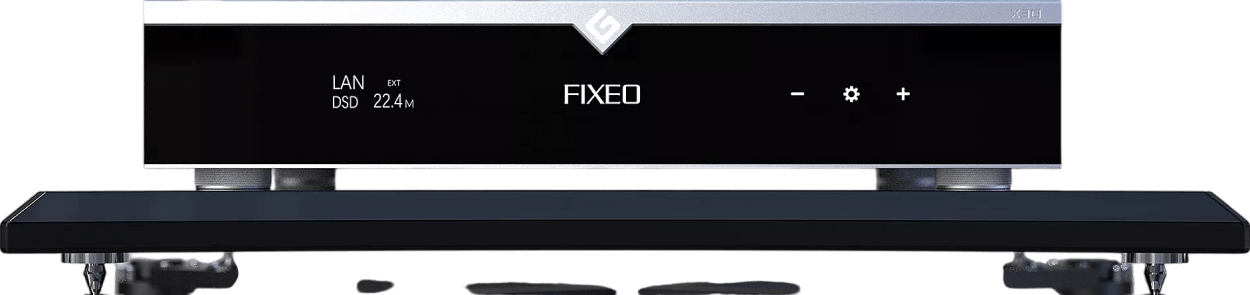
DAC-X30
- Positioning: Flagship model, representing the pinnacle of Gustard's DAC technology.
- Description: Features a quad-mono design with four ES9039 PRO chips, providing exceptional resolution and dynamic range. It offers a more refined and expansive sound compared to the DAC-R26.

Our take on the brand
Look inside the brand
Our interview with the brand
What are two key technological innovations or strong opinions that differ you from other brands?
What's your approach to customer support?
What are your favorite tracks for showcasing the strength of your products?
What other products pair best with yours?

Used
Gustard








What if you spend more?

.jpeg)

.svg)
Product Strengths
- Natural and organic timbre with rich and vibrant overtones, offering a remarkable sense of realism
- Stands out as a highly musical DAC within its category, while maintaining an impressively competitive level of technical performance
- Exceptional build quality, made of thick aluminum, ensuring durability and a sleek appearance
- Almost inaudible noise floor, remaining dead silent and free from any hint of distortion
- Wide range of digital inputs, and an integrated streamer, offering versatility and convenience
Product Considerations
- The LCD screen can be difficult to read from a distance greater than 20-30 cm
- The embedded streamer can experience occasional interruptions and buffering issues when streaming high-resolution files
- Some reviewers experienced small hiccups when skipping songs using the internal streamer
Comparisons (according to reviewers)
- Vs Chord Qutest: Has a bigger soundstage, equally sweet highs, much fuller tone timbre and a more muscly bassline—sounding more lifelike
- Vs Ladder Schumann: Gustard R26 hits with more clarity and speed, with a darker background, and an even deeper soundstage
Takeaway: The Gustard DAC-R26 is a musical and technically impressive DAC with excellent build quality and versatile features, including a streamer, making it a great choice for a top-notch audio experience. The natural sound and engaging performance create a lasting impression.
Video review
Our take on the brand
Our summary
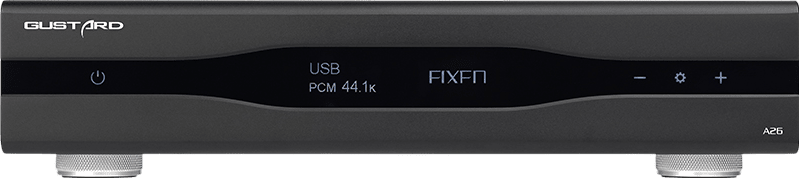
Product Strengths
- The same amount of care was taken inside the unit as with the R26, meaning two separate transformers for digital and analog sections
- A built-in audio streamer allows connection directly to a home network for streaming music from various devices
- The A26 has a very technical sound, but manages to be both technical and organic/natural sounding
- Sounds faster, resolving those quick transients better
- A wide variety of digital inputs are offered
Product Considerations
- The touch-sensitive buttons may not be desirable, but are acceptable because it's a DAC
- The remote control feels plasticky
- Not as legendary-sounding as R26 with acoustic and live music, sounding closer and altering the preconception of an unlimited sound
Comparisons (according to reviewers)
- Compared to the SMSL SU-10, the A26 is a dead neutral sounding DAC, while the SU-10 sounded more closed in and not as quick or precise
- Compared to the R26, the R26 has more low end boldness and body to the tone, but also sounds a little closed off in the highs and darker
- Compared to the Chord Dave, the A26 is a notch below in terms of performance, especially via its Ethernet port
- Compared to the Topping D90SE, SMSL VNV-D2, SMSL SU-10, and EverSolo DAC-Z8, the A26 is simply wider, taller, and deeper sounding
Takeaway: The A26 is a well-built DAC with a built-in streamer that sounds both technical and natural, offering a wide soundstage. For a detailed and precise listening experience, the A26 is a great choice.
Video review
Our take on the brand
Product Strengths
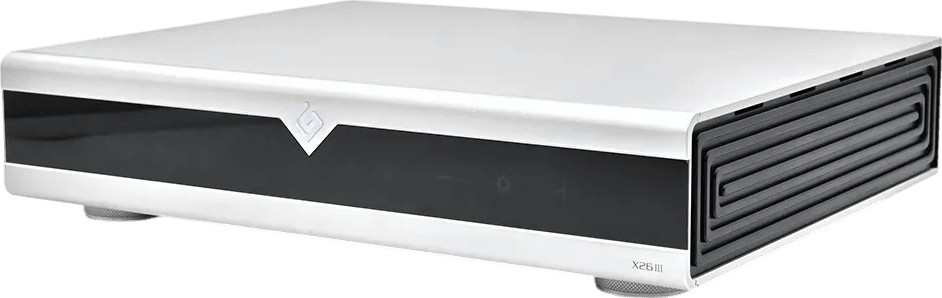
- Very nice in depth and width of the soundscape, with very nice and precise stereo image
- Has a neutral tone, with nice and rich tonality and slight warmness in overall frequency range
- An outstanding sounding DAC, it has little to no compromises
- Truly highly revealing, every single detail pops out, transients are so quick, precise, and crisp
Product Considerations
- Remote control is a cheap-feeling piece of light plastic
- The preamp is not as good as dedicated preamp performance
- Not a warm sounding DAC
- Lacks line amplifier circuit, so a dedicated preamp would do wonders in a system
Comparisons (according to reviewers)
- Compared to the Holo Audio Cyan 2, the Gustard is technically more impressive in dynamics, even matching this R2R soundstage and slightly exceeding it, sounding a bit wider and bigger, and tones feel a touch more energetic, believable, and physical in the room with greater dynamics and slam
- Compared to the Live Harmony DAC, the Gustard is more focused and doing more focused, quicker, sharper transients, while the Live Harmony does create a bit bigger sound stage and wider area, and tones and vocals appear slightly bigger themselves
Takeaway: The X26III is a DAC with great sound quality and a neutral tone that sounds very musical, and it includes a lot of useful features. If one wants a great all-around DAC with excellent sound that will pair with a lot of setups, this could be a great buy.
Video review
Our take on the brand

Product Strengths
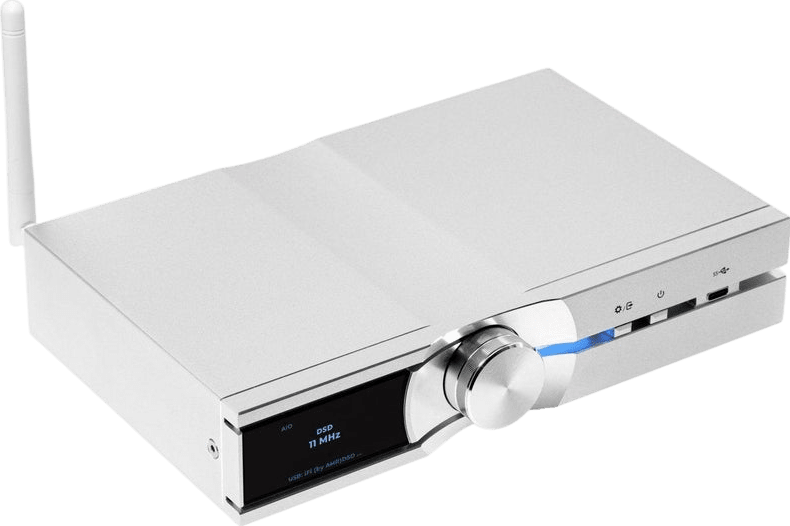
- Fantastic sound quality and usability for the price
- Easy to set up and use
- Includes the OptiBox, which improves sound quality via optical Ethernet connection
- Streams hi-res files and DSD without converting to PCM first
- Has a custom DAC that sounds phenomenal
Product Considerations
- There can be occasional lag when switching songs
- No hardware remote is supplied
- The screen is on the smaller side and may be difficult to see at a distance
- The NEO Stream is not an all-in-one media hub, as it doesn't have any other inputs aside from network and USB storage, and it doesn't work as a DAC for other sources
- No Bluetooth capability
Comparisons (according to reviewers)
- Compared to the Bluesound Node, the iFi NEO Stream has a larger, more organic sound and a wider soundstage
- Compared to the Cambridge Audio CXN V2, the Cambridge has S/PDIF inputs (coaxial and optical) like the NEO, but includes a Type-B USB input for its DAC, and also has balanced XLR stereo outputs, but lacks the iFi's more advanced networking connectivity
Takeaway: The iFi NEO Stream is an impressive streaming DAC. It offers great sound quality, multiple features and makes enjoying high-quality streamed audio easy.
Video review
Our take on the brand
What competes at this price?
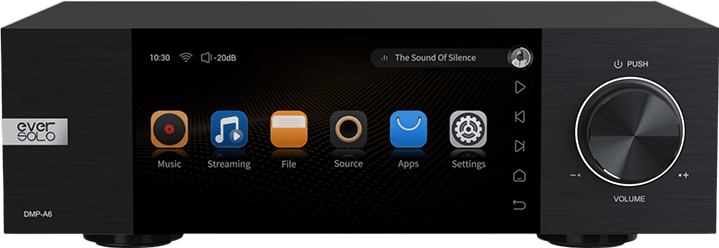

Our Summary
Product Strengths
- Excellent and responsive touchscreen display, and user-friendly interface that is intuitive and easy to navigate
- Versatile as an all-in-one device, functioning as a streamer, DAC, pre-amp, and media storage server with a competitive price point
- High build quality, featuring a solid aluminum alloy chassis
- Supports a wide variety of streaming services, including Tidal, Qobuz, Spotify, Amazon Music, Apple Music, and more
- Rock solid as a streamer, especially when going into a separate DAC
Product Considerations
- Customer support from Eversolo may be limited, with some reviewers noting slow or nonexistent responses to inquiries
- Internal DAC, while good, is not on par with higher-end—more expensive DACs
- Lack of a traditional I/R remote could be a drawback for some users
- Some unusual control procedures are noted, such as the inability to power on the unit from the mobile app
Comparisons (according to reviewers)
- The DMP-A6 sounds just as good as the Lumin U2 Mini as a streamer
- The A6 beats the Bluesound Node when used only as a streamer
- The A6 has similar features, a similar control/display, and a similar size and shape
- The Lumin U2 has more "shine", dynamics, solidity and is a touch more refined than the A6
- The Eversolo is favored over the iFi Neo Stream, especially as a streaming DAC
- Eversolo proves it can play with Cambridge Audio CXN (V2) in many ways
Takeaway: The Eversolo DMP-A6 is a versatile and user-friendly streamer that delivers great value, and it provides a great streaming experience with its screen. It is a great entry point into high-resolution digital audio and can serve as the center of a modern hifi system.
Video review
Our take on the brand


Our Summary
Product Strengths
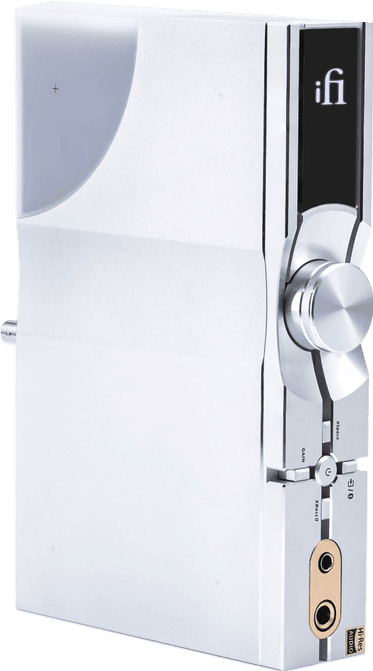
- The NEO iDSD 2 functions as a versatile all-in-one (AIO) solution, working as a DAC, headphone amplifier, and preamplifier
- It has a significantly more powerful amplifier section than its predecessor, making it better at driving a wider range of headphones
- Includes sound-shaping features such as XBass and XSpace, plus selectable digital filters, allowing users to customize the sound
- Comprehensive connectivity options include USB, S/PDIF (coaxial/optical), Bluetooth 5.4 with aptX Lossless, and both balanced XLR and single-ended RCA outputs
Product Considerations
- The amplifier section may not be powerful enough to drive some very power-hungry headphones to their full potential
- The Nexis app only works with a 2.4ghz WiFi signal
- There is a slight click or noise when switching inputs as a pre-amp
- Some reviewers would have preferred the inclusion of the iPower X power adapter instead of the iPower V2, considering the unit's price
- The variable volume output may not save the last used settings
Takeaway: The iFi Audio NEO iDSD 2 combines a high-quality DAC with a significantly improved headphone amplifier, making it a good all-in-one solution for desktop audio. With its wide range of features, solid build quality, and pleasing sound, the NEO iDSD 2 is a worthwhile upgrade.
Video review
Our take on the brand
Our Summary
Product Strengths
- Excellent sonic performance, characterized by neutrality, transparency, and detail retrieval
- The MA Remote app is intuitive and feature-rich, offering access to various streaming services and settings
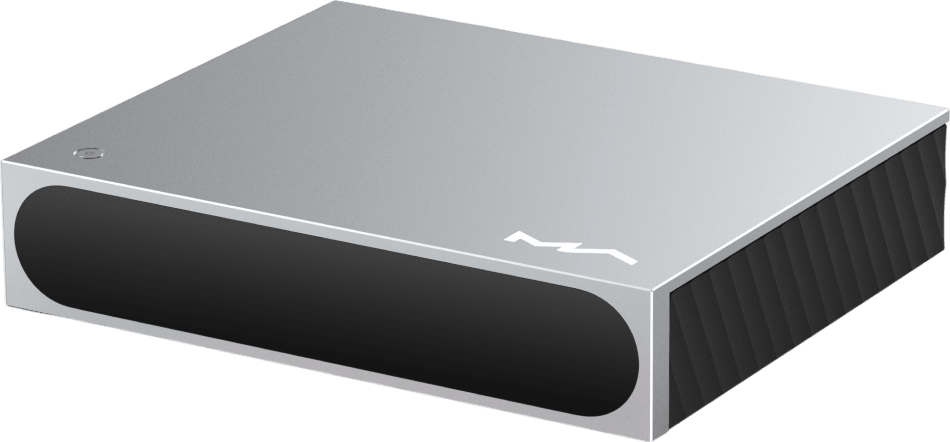
- Solid build quality with an aluminum chassis, though the sides are plastic, and a bright, clear LCD screen
- Versatile connectivity with a wide array of inputs, including USB-C for external storage, HDMI ARC, optical, coaxial, and analog RCA inputs
Product Considerations
- Lacks wireless connectivity—no Wi-Fi or Bluetooth
- Does not come with a physical remote, the RM5 is sold separately
- Some users have experienced issues with navigating large local music libraries
- Some reviews mention the touch screen controls being a bit fiddly
- No digital output to support an external DAC
Comparisons (according to reviewers)
- Vs Bluesound Node (2021): Mini-i 4 has better detail retrieval and is cleaner sounding
- Vs EverSolo DMP-A6: DMP-A6 sounds more natural with bolder bass and better soundstaging, while Mini-i 4 sounds tonally and spatially flatter
- Vs Matrix Audio Mini-i 3 Pro: Mini-i 4 has a wider range of source repositories and USB storage reader
Takeaway: The Matrix Audio Mini-i 4 is a great sounding device for anyone wanting a DAC and streamer that can do it all. With its comprehensive set of features and focus on audio quality, enjoying music becomes easy.
Video review
Our take on the brand
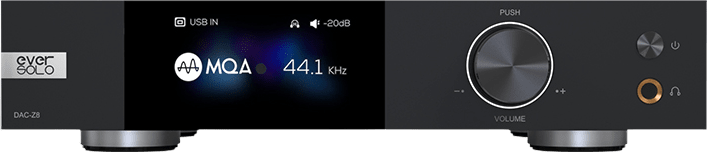
Our Summary
Product Strengths
- Exceptional build quality, with a premium feel thanks to the aluminum chassis and attention to detail
- Clean, crisp, and clear sound, with a neutral presentation that resolves detail well
- Well-implemented headphone amplifier that can drive a wide range of headphones, and the headphone level reverts to the last used
- Bright and crisp LCD screen with VU meters adding to its visual appeal
- Versatile connectivity with USB-B, USB-C, optical, coaxial, and Bluetooth inputs, as well as balanced XLR and RCA outputs
Product Considerations
- Lacks HDMI ARC input, which would be useful for hybrid setups
- Some reviewers find the treble a little aggressive and fatiguing with certain recordings or speakers
- No Wi-Fi or Ethernet connectivity, meaning a computer or other network streaming device is needed
- No dedicated subwoofer output
- Not a tone control, those looking for a colored or editorialized sound should look elsewhere
Comparisons (according to reviewers)
- The Z8 has a more nuanced presentation and better separation than the Cambridge Audio DACMagic 200M
- The Z8 is smoother with a darker background on the headphone output, but the SMSL M500 MKII is warmer and fuller sounding on the line outputs
- The Z8 has a cleaner sound, darker background, and deeper soundstage on the line-outs than the Topping DX5, but the DX5 has more powerful headphone amplification
- Java Hi-Fi gives a slightly cleaner presentation with more authority in the bass than the Z8
Takeaway: The Eversolo DAC-Z8 is a well-built and versatile DAC that delivers a clean and detailed sound. It is a great option for users looking for a high-quality DAC with a range of features, including a headphone amplifier and preamp capabilities.
Video review
Our take on the brand
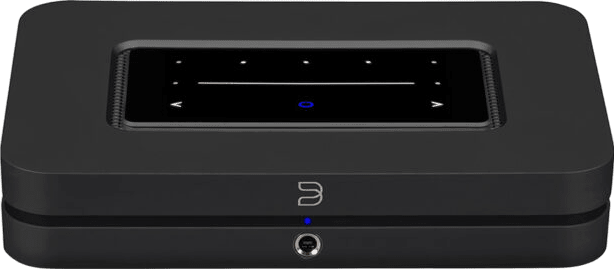

Our Summary
Product Strengths
- Easy streaming setup
- BluOS streaming platform is stable, responsive, and organized, which allows one to access local and networked libraries
- The internal DAC allows one to run the NODE directly into a preamp, integrated amplifier, or pair of powered/active loudspeakers as a source
- Has digital and analog outputs, a USB, Optical, and COAX out, as well as a SUBWOOFER OUT
Product Considerations
- BluOS control app isn't as user-friendly as some competitors, taking time to master
- There's no supplied remote
- Tone controls remain oddly limited in variable range
- Some reviewers recommend connecting via ethernet cable for a stable connection
- The BlueOS apps have issues, and the player intermittently will not be detected in iphone, ipad and windows desktop app
Comparisons (according to reviewers)
- The Cambridge Audio MXN10 offers superior dynamic transparency and rhythmic insight, but the Bluesound Node is still an appealing affordable box
Takeaway: The Node is a great way to add streaming to an existing system and delivers high-quality audio with versatile connectivity. It offers a comprehensive set of features to turn an audio system into a modern music-streaming system.
Video review
Our take on the brand
Questions? Ask the brand's dealers.
How to buy
DACs
Search all hifi products
Explore our database of 10,000+ new and 25,000+ used hifi products.