



Note that this is a discontinued product. You may want to visit the brand's page here to browse their newer products.
What reviewers think
Bloggers and YouTubers have tried this product—so we've summarized their strongest opinions below. Links to full reviews follow.
Product Strengths
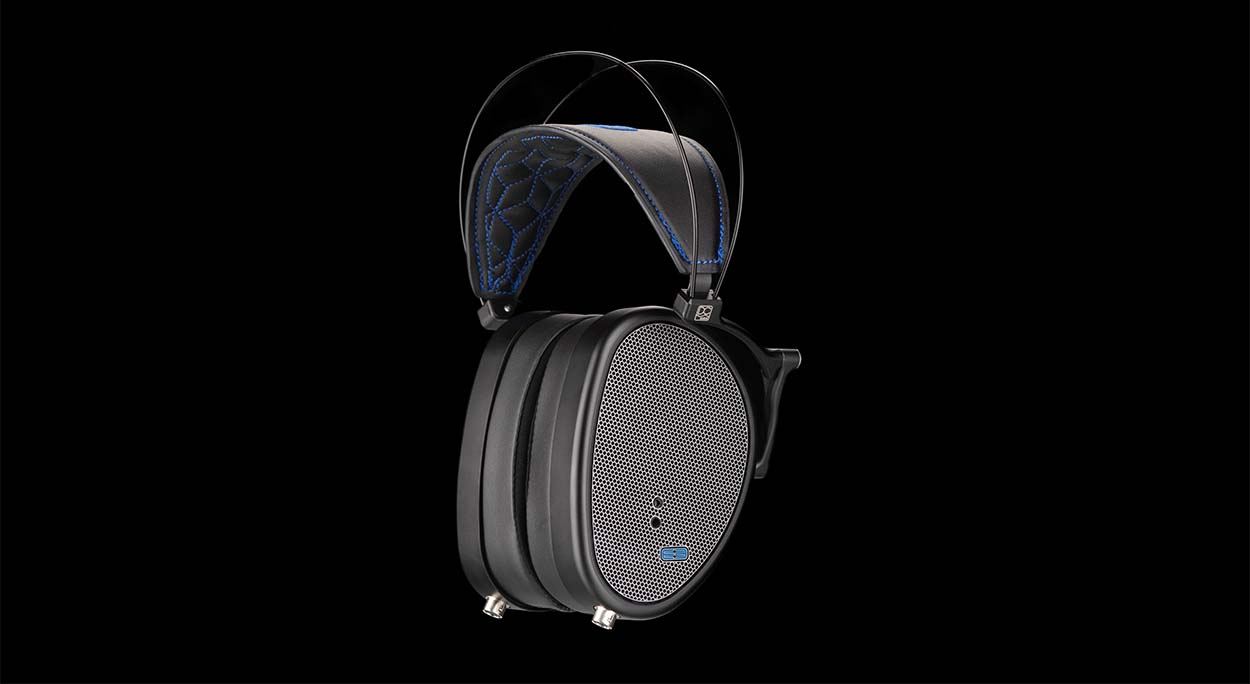
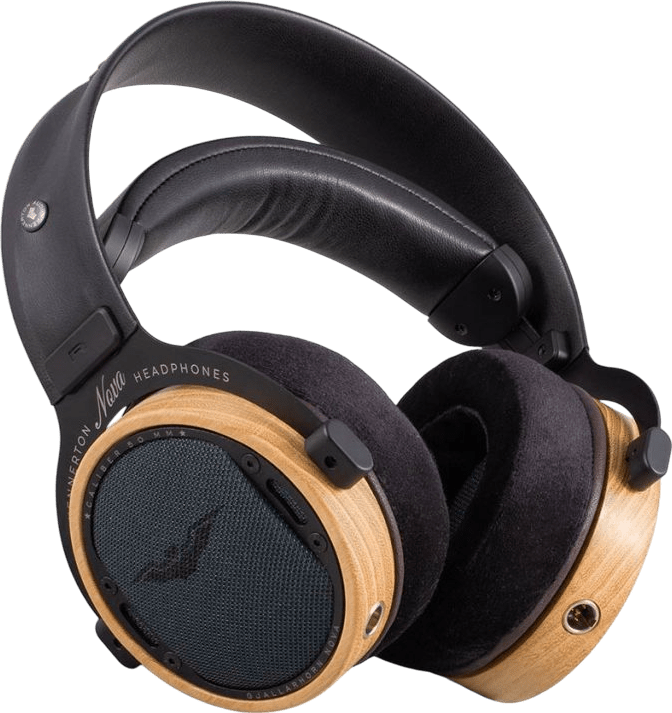
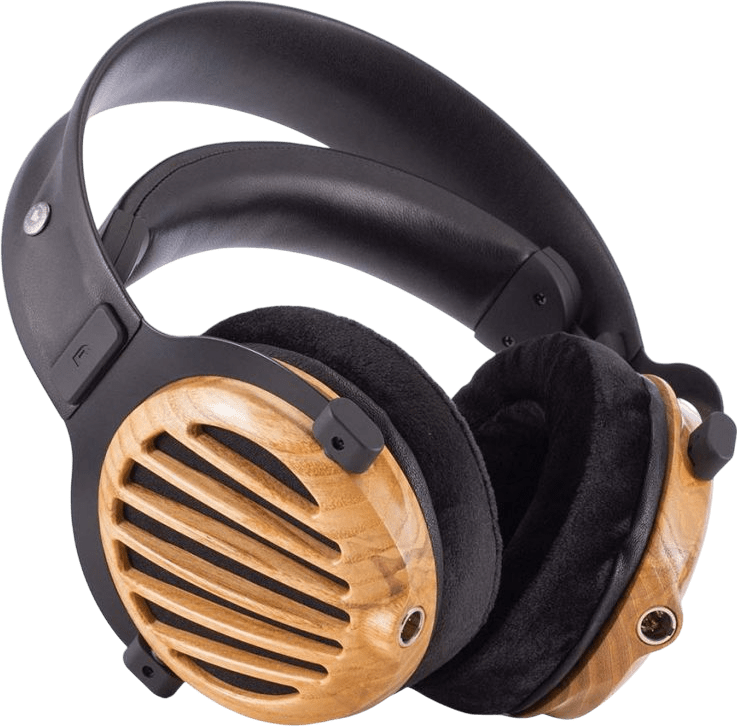
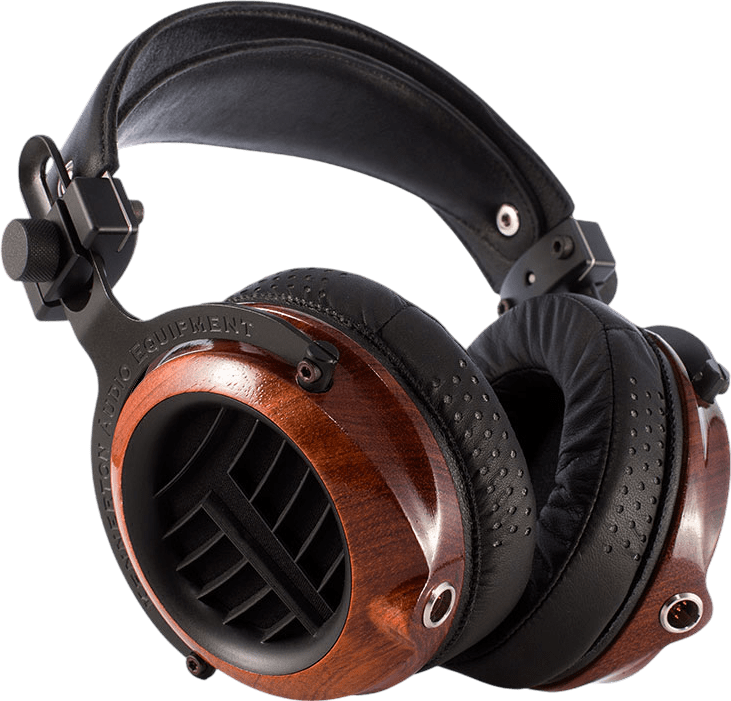
- Unique horn-loaded design differentiates it from other closed-back headphones and helps to improve soundstage and depth.
- Comfortable for long listening sessions due to its lightweight design, and well-padded headband and earpads.
- Easy to drive with high sensitivity, making it suitable for use with smartphones and portable digital audio players.
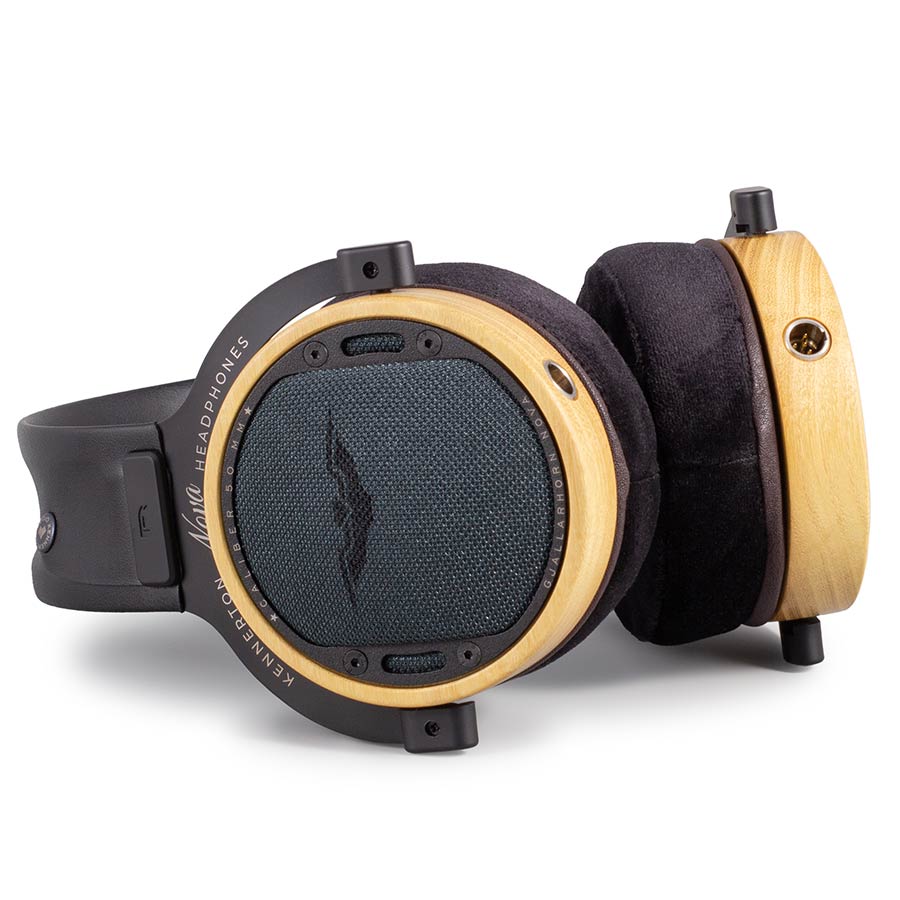
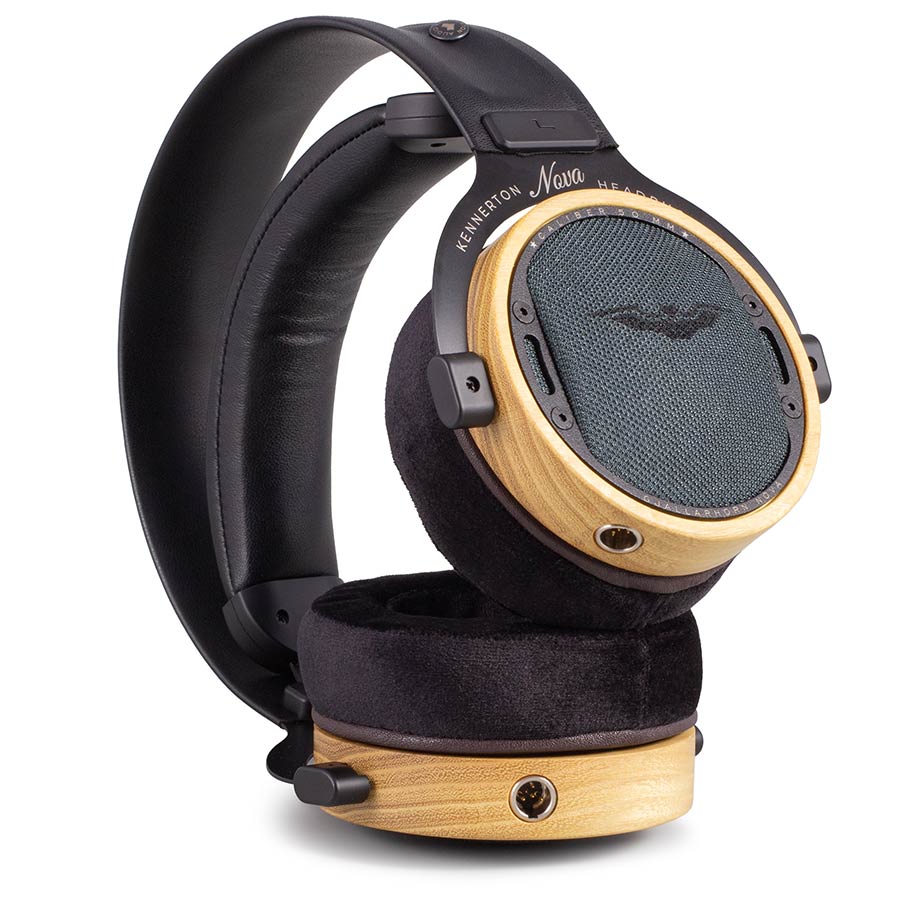
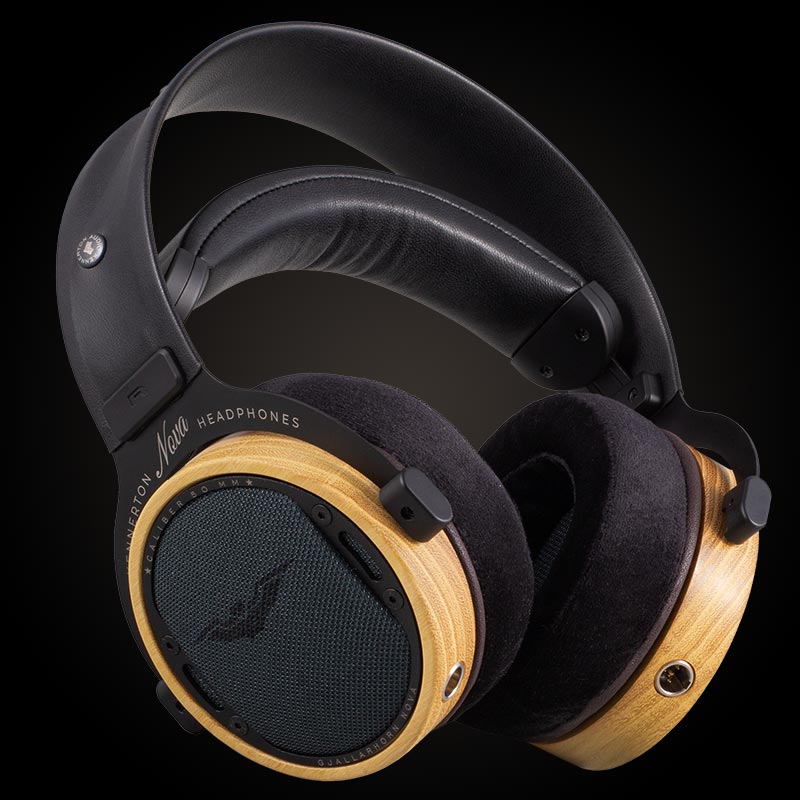
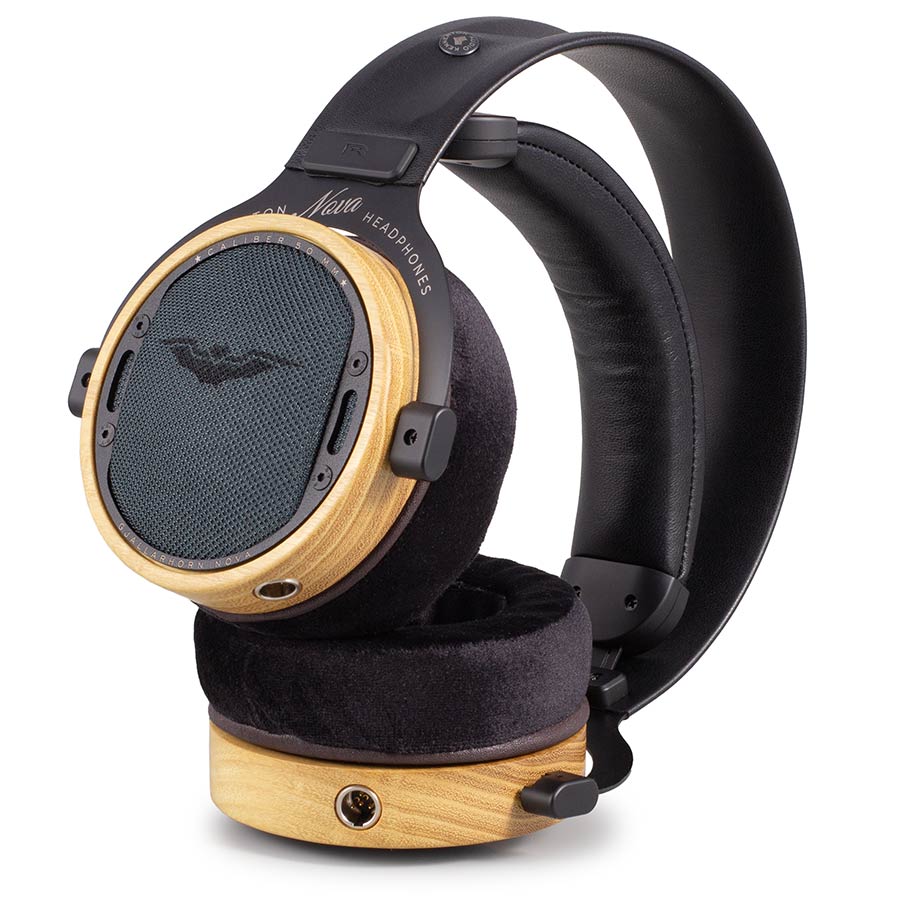
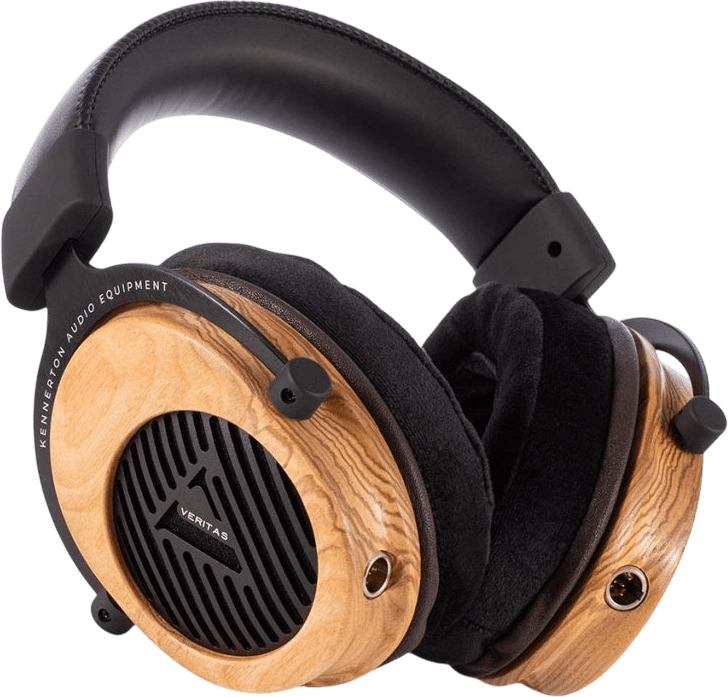
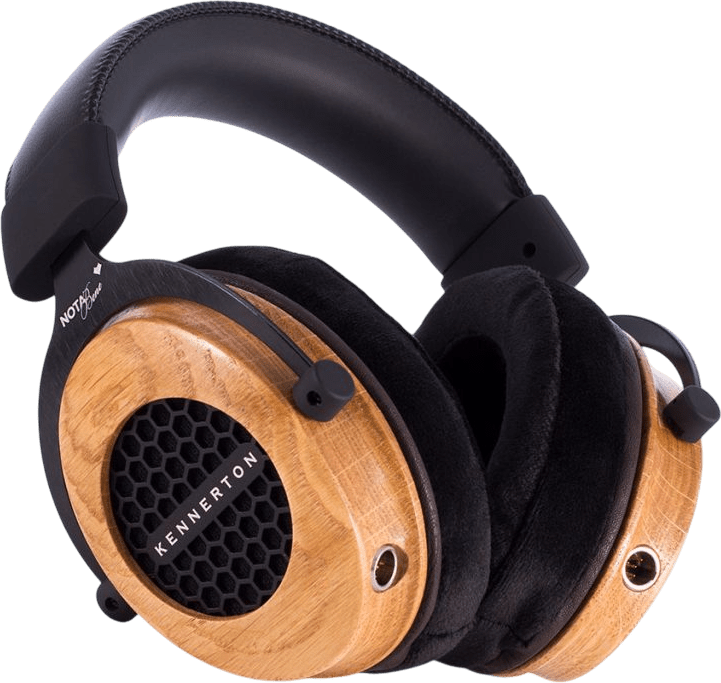
- High build quality with premium materials, like solid wood cups and a metal frame.
- Bass performance is considered close to perfect by one reviewer, with textured, layered, speedy, and punchy bass.
Product Considerations
- Like other closed-back headphones, note decay isn't as smooth as open-back designs, with sounds abruptly stopping.
- The slam and impact are slightly diminished compared to the Kennerton Magni, because of the longer distance the sound waves have to travel.
- Treble response may be slightly rolled off, which some may find makes it less bright.
Comparisons (according to reviewers)
- Vs. Kennerton Magni: Has a wider and deeper soundstage.
- Vs. Sennheiser HD820: Is more linear and has better treble response.
- Vs. HIFIMAN Arya and Sennheiser HD6XX: Sounds wider and deeper.
Takeaway: The Kennerton Gjallarhorn GH50 Nova is a unique closed-back headphone that delivers a wide soundstage and comfortable listening experience. Its easy driveability and quality construction make it a great choice for enjoying music on the go or at home.
All
Gjallarhorn GH50 Nova
reviews


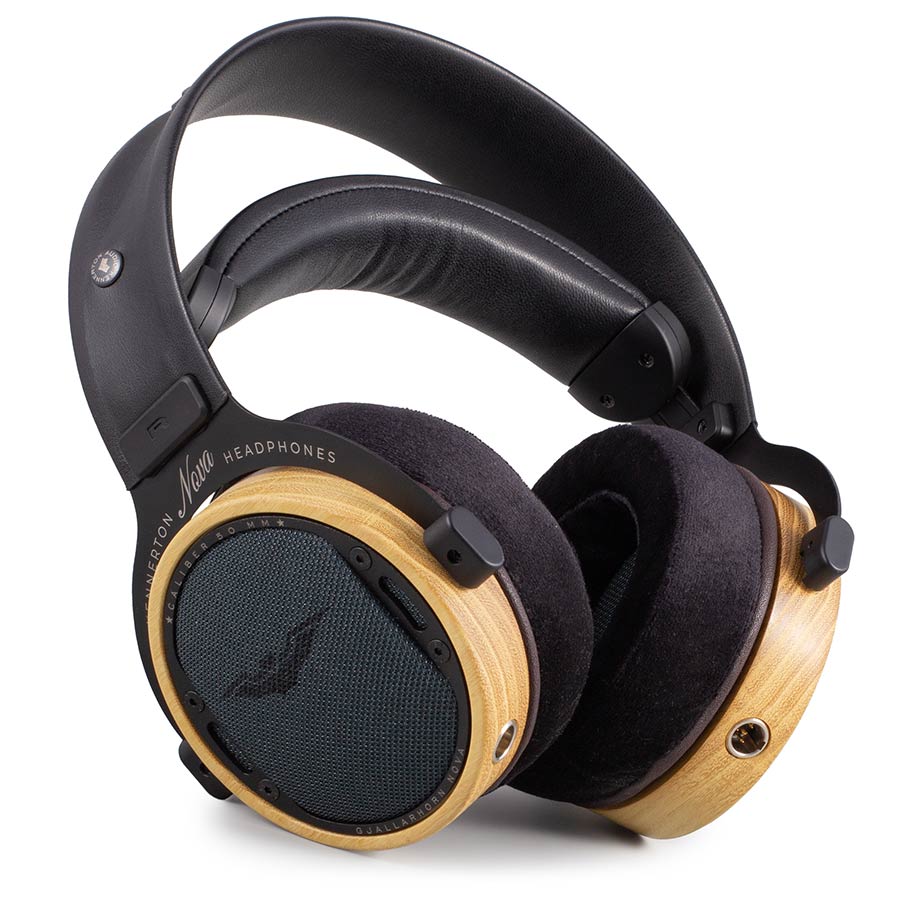
Manufacturer details
- Type: Semi-open, horn type
- Driver Type: Dynamic
- Membrane Material: Mylar-graphene composite
- Membrane Diameter: 50 mm
- Sensitivity: 116 dB / 1V
- Impedance: 32 Ohm ± 5%
- Cable Connection: Dual-sided
- Connectors: 2 x miniXLR — 6.3 mm jack
- Weight (without cable): 440g




Brand highlights
Taking a step back to look at reviewers' thoughts of the brand's entire lineup—not just this product—what stands out most is the following:
- The brand employs planar magnetic drivers in many of their headphones, often custom-designed, with a strong emphasis on minimizing internal resonances and maximizing diaphragm control, resulting in detailed and accurate sound reproduction.
- Kennerton focuses on comfort and ergonomics, with features such as self-adjusting headbands and plush earpads designed for long listening sessions.
Select products
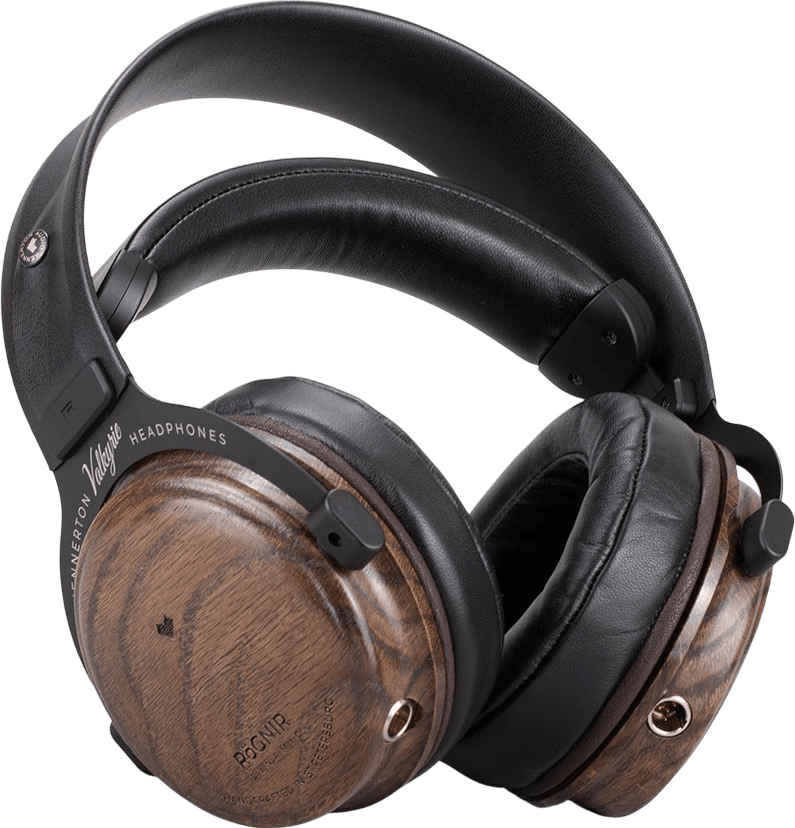
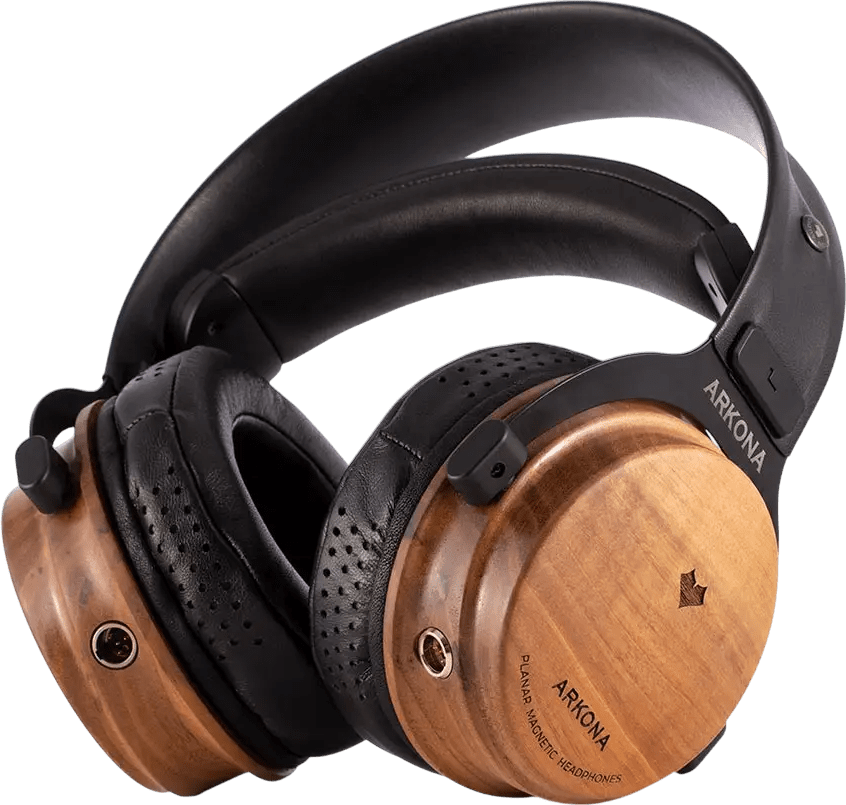
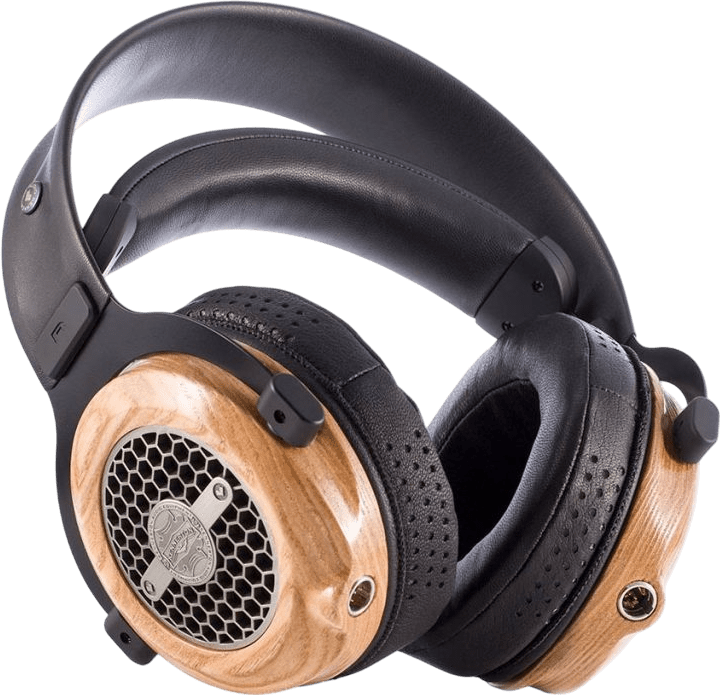
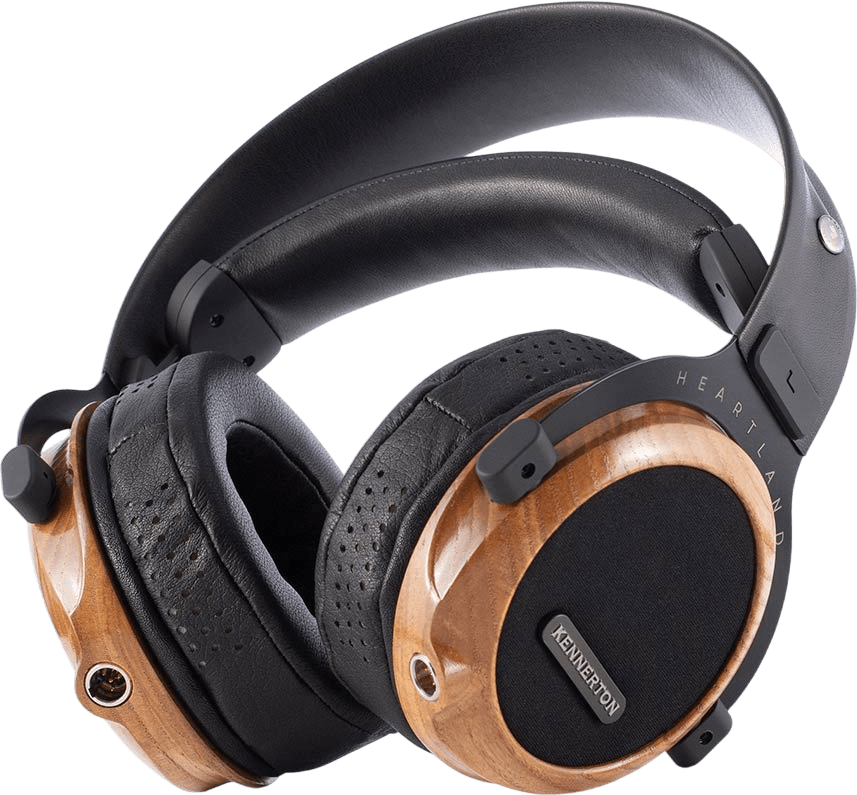
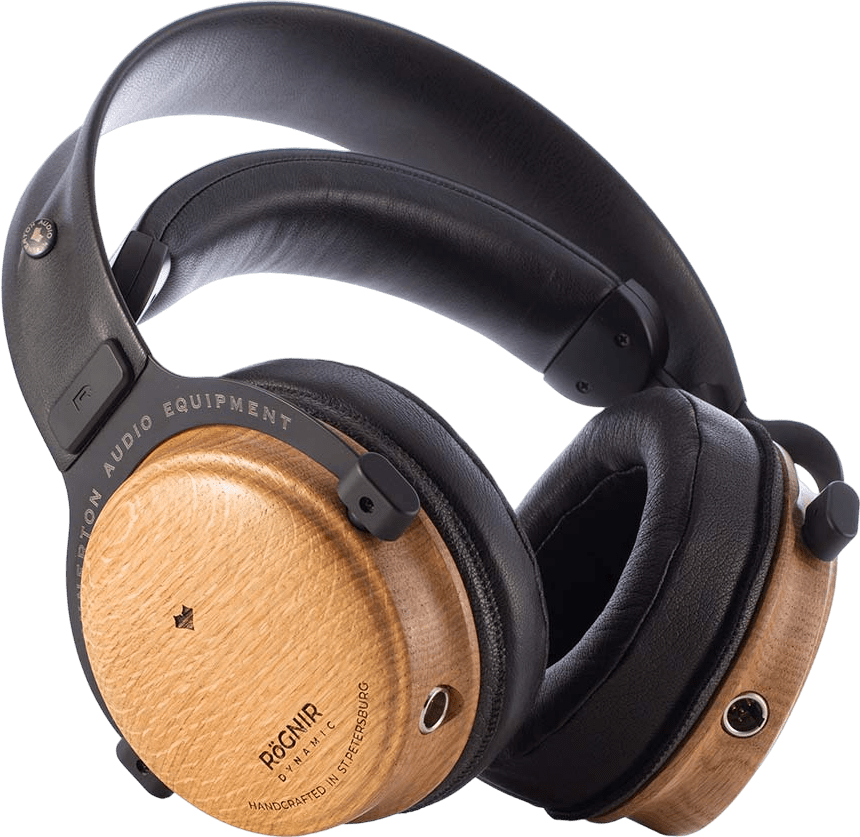
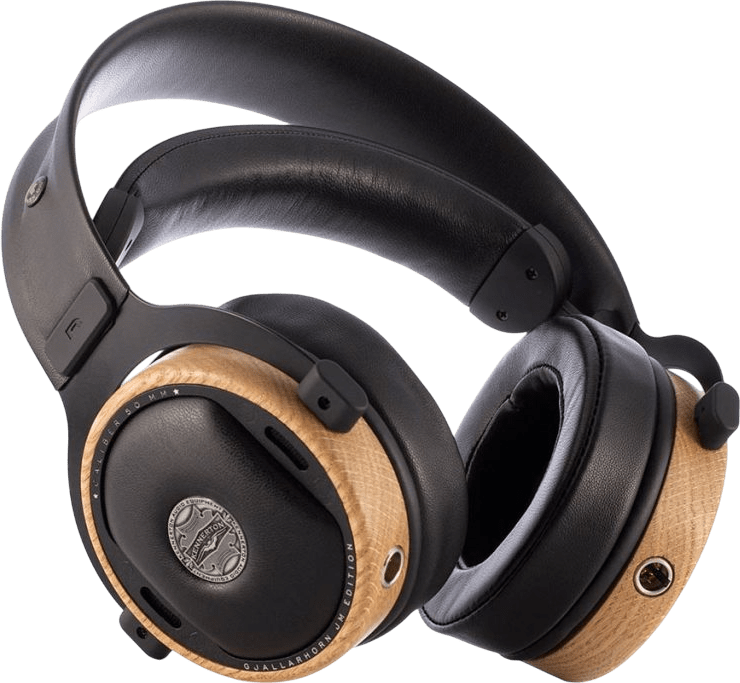
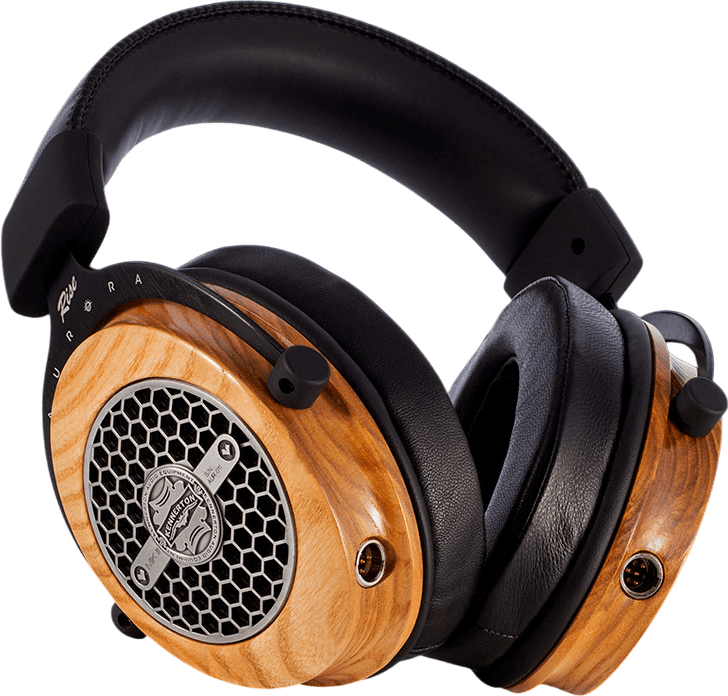
Gjallarhorn GH-40 Con Brio
- Positioning: The entry-level dynamic headphone aimed at users seeking compact design and ease of use in small spaces.
- Description: Offers a robust dynamic driver design with a well-tuned acoustic chamber that provides clear sound for everyday listening. Compared to the other models in the lineup, its simpler engineering and lower price make it attractive for users with modest budgets and basic functionality needs.
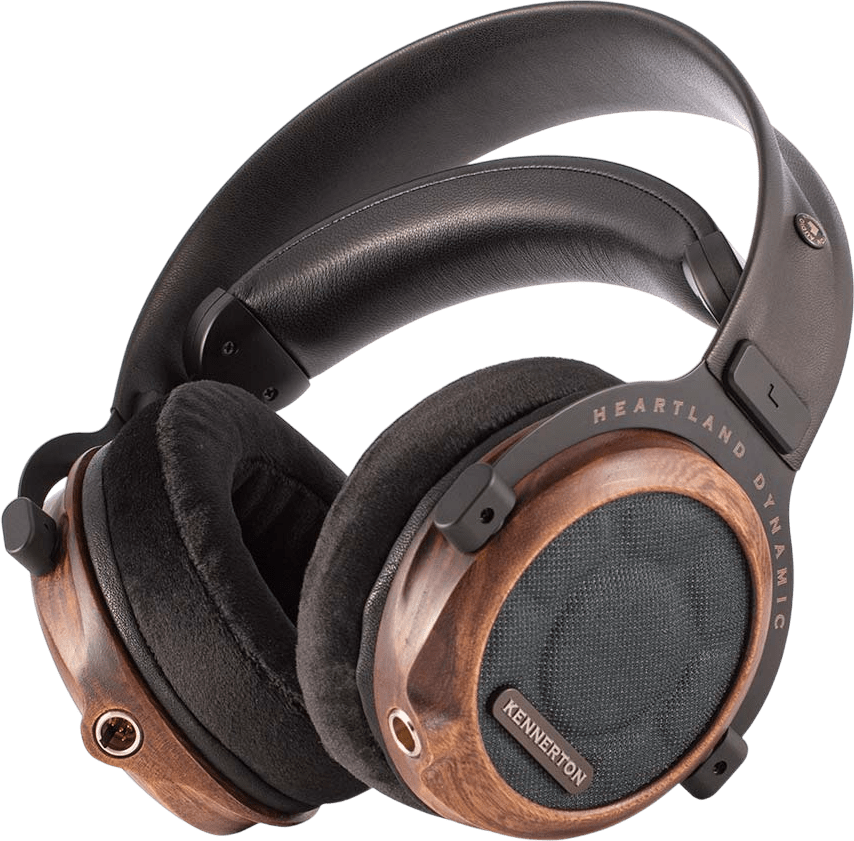
Heartland Dynamic
- Positioning: A dynamic headphone variant designed for users who need versatility and portability without sacrificing sound quality.
- Description: Features an updated dynamic diaphragm that improves clarity and driver response, providing a balanced sound signature that stands apart from planar offerings. When compared with the Gjallarhorn model, it offers enhanced mid-range performance and better portability.
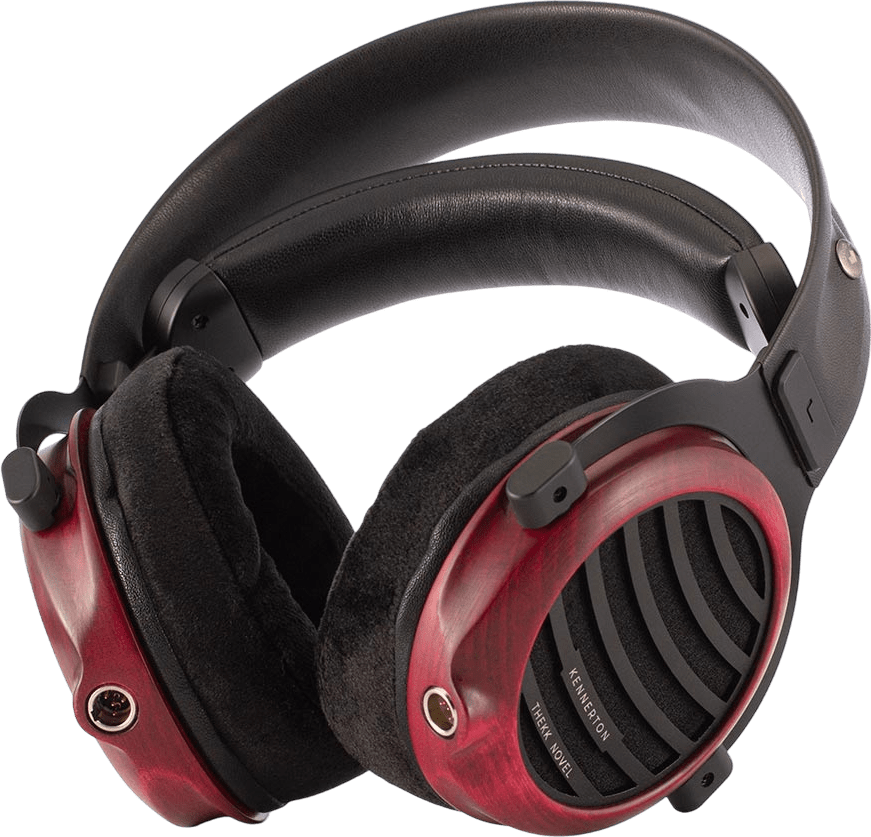
Thekk Novel
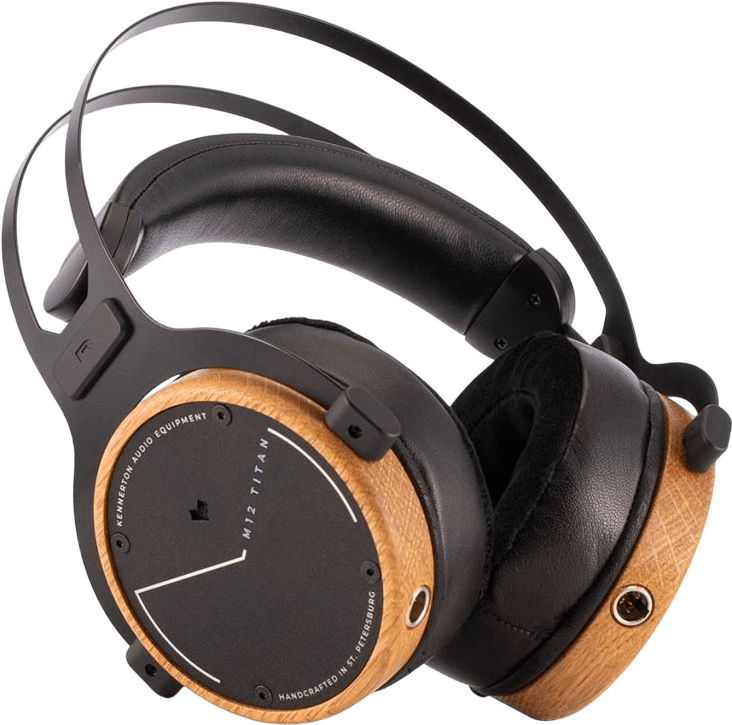
- Positioning: An entry-level planar magnetic headphone aimed at delivering refined sound quality at an accessible price.
- Description: Uses a unique planar magnetic driver to impart precise detail and an even soundstage, setting it apart from the dynamic models in the range.
Heartland (Planar Magnetic)
- Positioning: A mid-tier planar magnetic headphone built to offer a refined listening experience with improved linearity and soundstage clarity.
- Description: Incorporates planar magnetic technology to deliver a clean, wide sound field that distinguishes it from the dynamic counterparts. In comparison with Thekk Novel and Vinneta, it strikes a balanced compromise between technical innovation and cost.
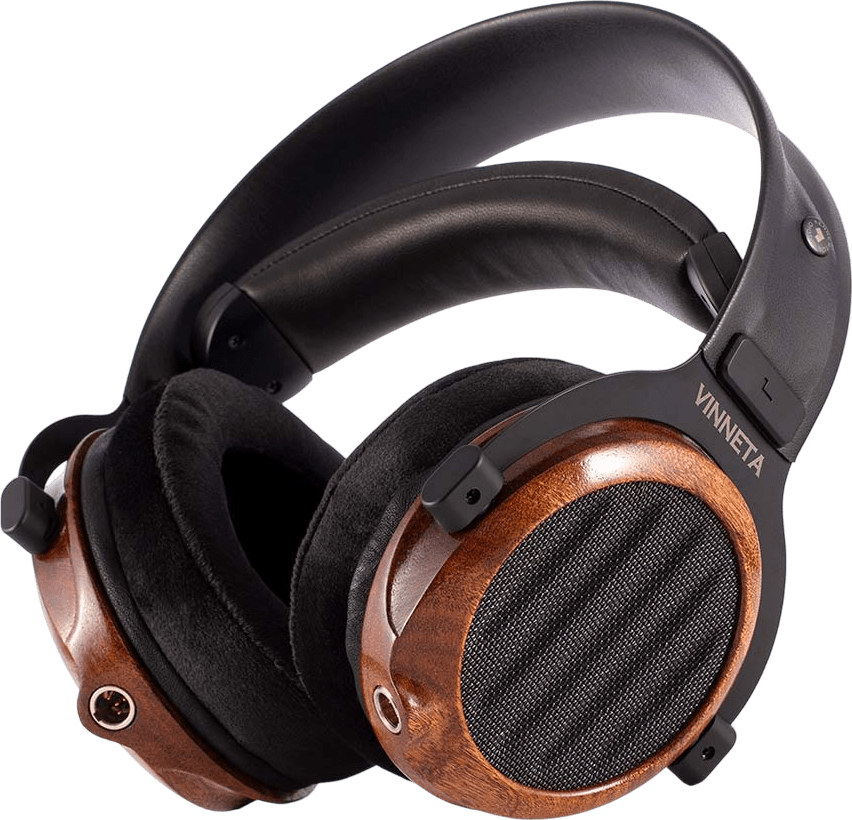
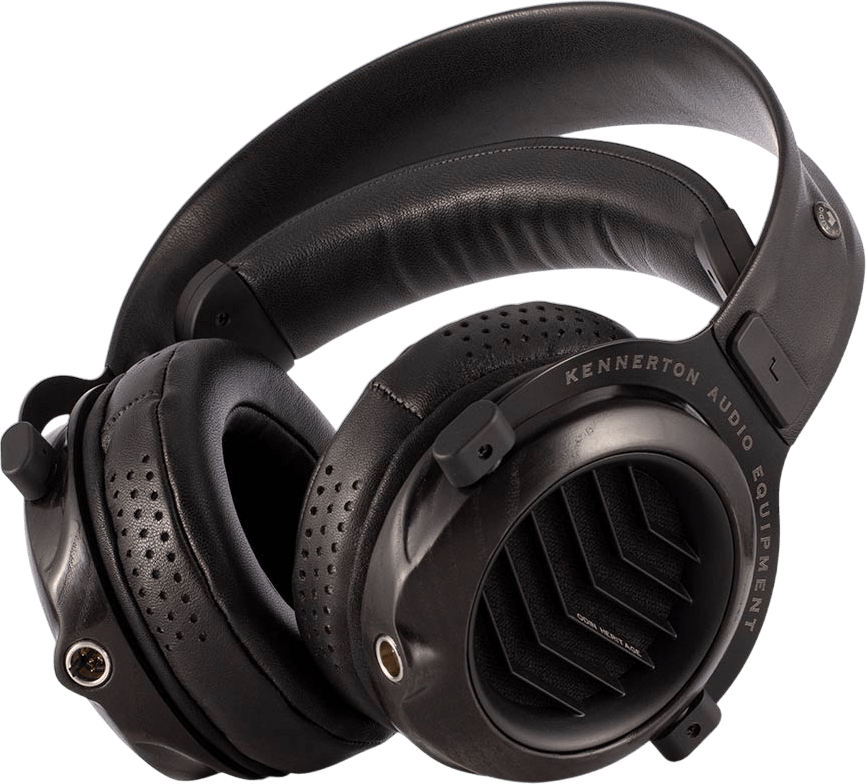
Vinneta
- Positioning: A high-end planar magnetic headphone designed for the most demanding audiophiles who expect top-tier performance.
- Description: Integrates planar magnetic innovations that deliver an expansive soundstage and meticulous imaging, marking it as the flagship in the lineup. When set against the other models, its superior build quality and refined performance demonstrate the highest technical sophistication.

Our take on the brand
Look inside the brand
Our interview with the brand
What are two key technological innovations or strong opinions that differ you from other brands?
What's your approach to customer support?
What are your favorite tracks for showcasing the strength of your products?
What other products pair best with yours?

Used
Kennerton
What if you spend more?

.png)

.svg)
Product Strengths
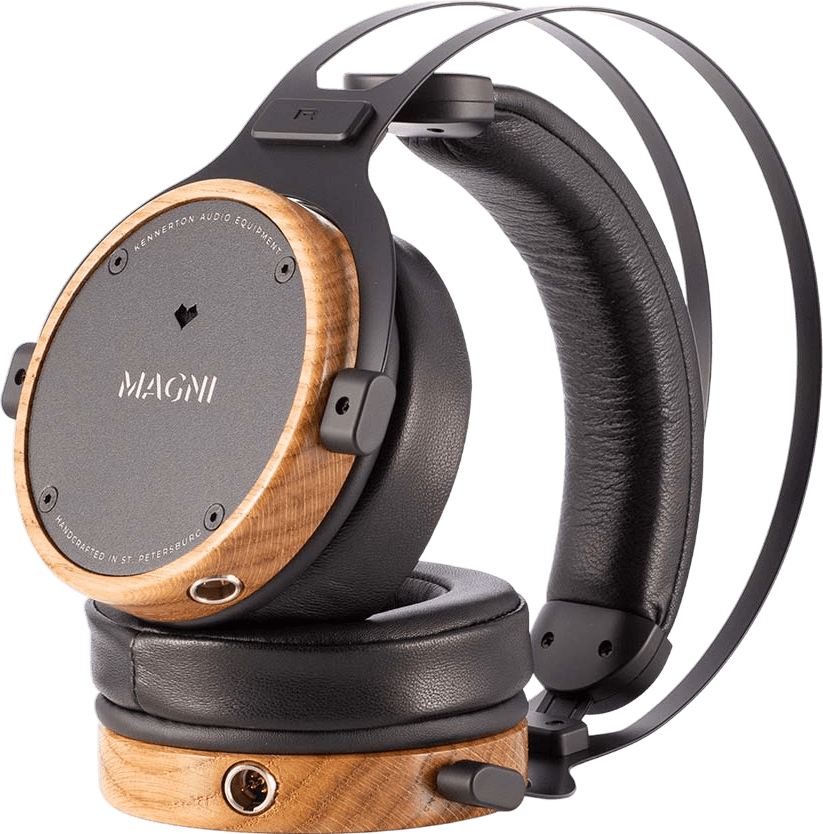
- Good build quality and finish, with attention to detail and craftsmanship.
- Natural, organic, and well-balanced sound, with good detail.
- Spacious soundstage for a closed-back headphone.
- Very easy to drive and efficient, suitable for portable sources.
- Very good mid-range, with up-front vocals.
Product Considerations
- Treble can be a bit recessed or rolled-off.
- Burn-in time may be required before the sound settles.
- Can be critical of poor recording quality.
Comparisons (according to reviewers)
- Tone balance is as good as HiFiMan Aria, but more dynamic and better with female vocals.
- Wider soundstage than Focal Celesti.
- Audeze LCD2 is darker.
- More high mid than beyerdynamic DT1770 Pro.
Takeaway: The Magni headphones are well-built and comfortable, offering a natural and enjoyable sound, with a surprising soundstage for closed-back headphones. It is a great choice for someone who wants a well-rounded headphone without needing a powerful amplifier.
Video review
Our take on the brand
Product Strengths
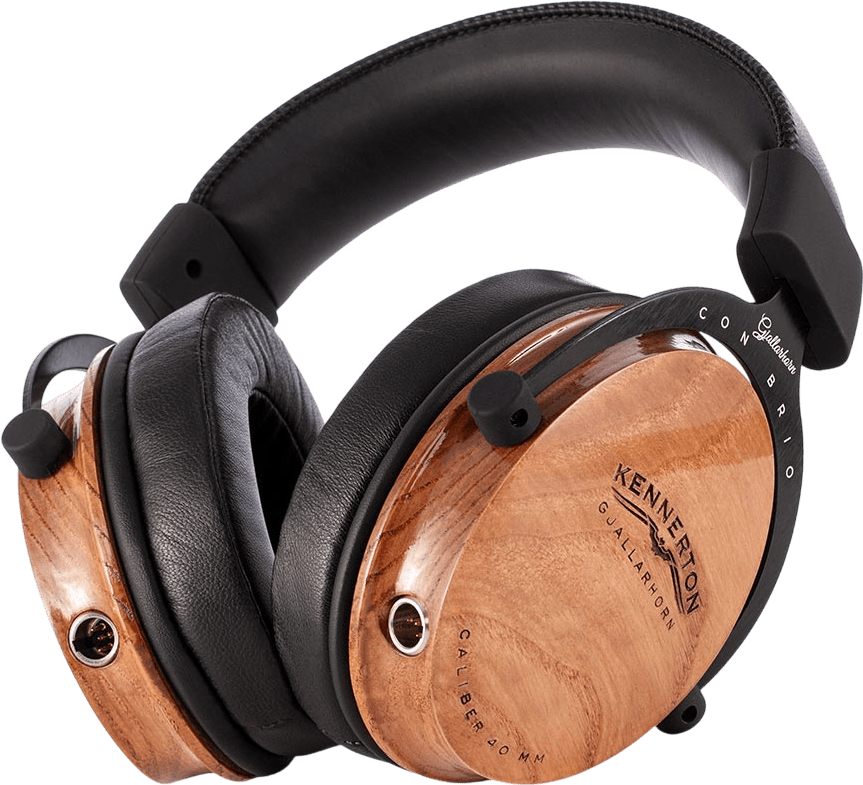
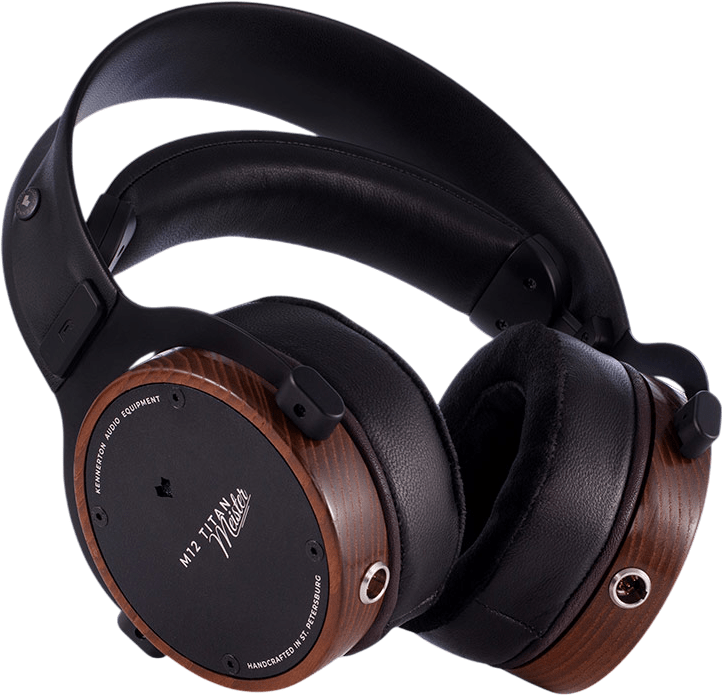
- Great width and natural spatial positioning for a closed-back headphone
- Mids have good warmth that brings a soothing texture to instruments, with vocals given roomy space in the midrange to properly showcase detail
- Treble is resolving and smooth, finding a middle ground between brightness and balance, with crisp details in the upper highs
- Fantastic wooden headphone build
- Fairly decent as a traveling headphone
Product Considerations
- Bass has a pretty surface-level appearance
- Isolation is not the best
- With the included cable, it's not terminated in a mobile-friendly way
- Comfort and build are fine, but nothing particularly special
- Soundstage is not super wide
Comparisons (according to reviewers)
- Vs Kennerton Gjallarhorn GH50: The GH50 had one of the best soundstages on a closed-back headphone, while the GH40 is still great, the GH50 is more impressive in this range overall
- Vs ZMF Oturs: The Oturs outperform the GH40 significantly
- Vs AURALiC: The GH40 has similar difficulty with isolating external sounds, the AURALiC has better bass extension and presence
Takeaway: The Gjallarhorn GH 40 is a beautiful wooden headphone that offers a unique sound experience with a wide soundstage and warm timbre. It could be a worthy contender for those wanting a closed-back headphone that brings something different.
Video review
Our take on the brand
Video review
Our take on the brand

.png)
Our summary
Product Strengths
- Excellent wireless sound quality with clarity, detail, and balanced, refined sound.
- Good technical performance, particularly soundstage width.
- Multiple hifi audio codecs are supported, including LDAC, aptX HD, and aptX Lossless.
- The Edifier ConneX app provides a customizable EQ.
- Long battery life is quoted at 80 hours.
Product Considerations
- Active noise cancellation is lacking.
- Some reviewers find the fit awkward, with inadequate clamping force.
- Treble can sound a little metallic or plasticky.
- The use of animal hide might deter some buyers.
- The volume on wireless mode isn't always loud enough.
Comparisons (according to reviewers)
- Compared to the Sony WH-1000XM5 and Sennheiser Momentum 4, the Spirit S5 offers a more audiophile-like presentation with better soundstage and clarity.
- The Spirit S5 destroys the Sony WH-1000XM5 and the Sennheiser Momentum 4s in terms of sound quality.
- The S5 sounds better than the Stax Spirit S3, with improvements across the board and new features.
Takeaway: The Stax Spirit S5 is a great-sounding wireless headphone that is comfortable and offers modern convenience. It is an excellent choice for anyone wanting to enjoy music with detail and clarity.
Video review
Our take on the brand
What competes at this price?

Our Summary
Video review
Our take on the brand


Our Summary
Product Strengths
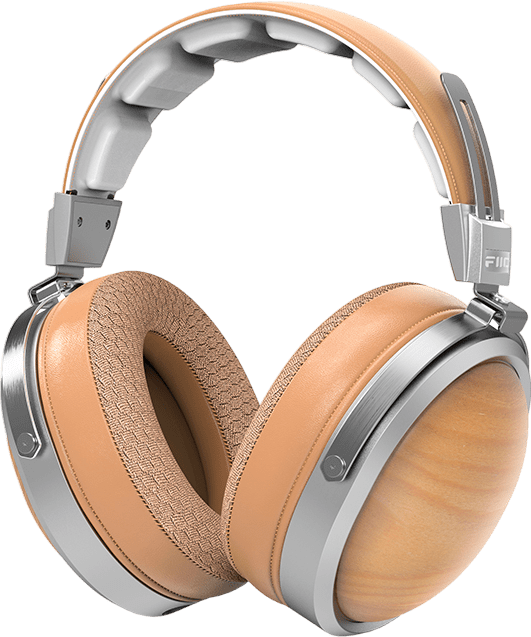
- Shockingly good for the money, a very well-tuned headphone for the price category
- Good bass response that is fun, with lots of thumpiness and impact in the lower sub-bass regions, while maintaining a clean mid-bass region
- Trouble response is fairly target-adherent with a chill character and not overly fatiguing
- Comes with a banger accessories package providing two cables, a carry case, more than a lot of companies are coming out with
- Delivers impressive sound quality across the board, backed by excellent build quality and a generous set of accessories
Product Considerations
- The actual earpad area for the ear is not super great, and it will be felt a little bit on the ear, might be more on-ear than fully over-ear if you have really large ears
- Sound staging is one area that could improve the most, because there is almost none, can sound almost claustrophobic, because everything is happening right here all the time
- Mid-range is not all that exciting to listen to, vocals can be shouty or honk-type sound to certain vocalists
- Build quality feels good for $150, but it would not pass the sniff test for $500, definitely feels like it's a budget device
Comparisons (according to reviewers)
- The AKG K361 has advantages over the FiiO FT1, like sound staging
- The FT1’s level of midrange fidelity is impressive, rivaling the best mid-fi headphones such as the Sennheiser HD6XX and the Sundara
- It outshines most closed-back classics, including the Sony MDR-7506, AKG K361, and beyerdynamic DT700 Pro X
- The smaller FiiO FT1 was enjoyed even more than the FiiO FT5, since it strikes the right balance between fun, warmth, and technicality, handling tough tracks with much more ease than anticipated
Takeaway: The FiiO FT1 is a surprisingly good closed-back headphone for the money and offers a well-tuned sound signature with good bass response. This headphone is priced at $150 and is surprisingly nice with some great terminations.
Video review
Our take on the brand

Our Summary
Product Strengths
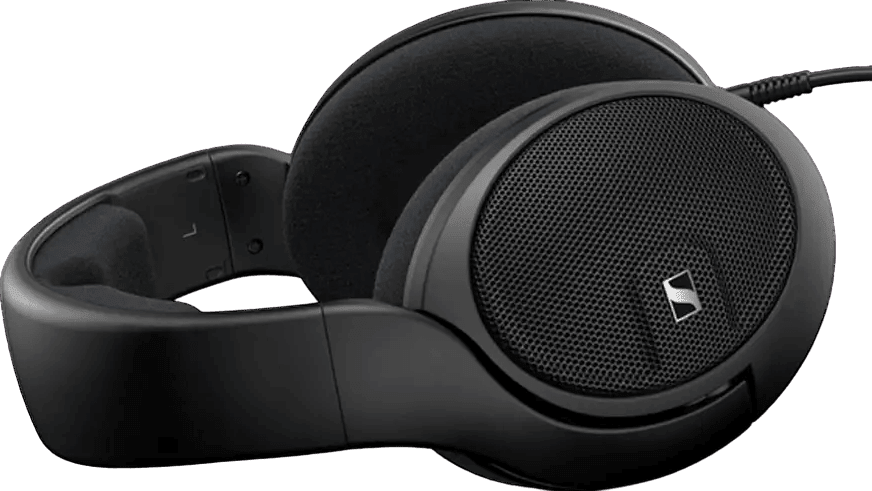
- The HD 560S delivers a flat sound profile that should suit most musical genres
- Very comfortable, with a relatively lightweight design and plenty of plush padding
- Soundstage is exemplary
- Lightweight and provide a nimble feel
- Excels in delivering both vocals and instruments with a remarkable level of clarity and precision
Product Considerations
- Some users might find it a bit dull over time due to its conservative sound signature
- Can be a bit intense at times in the lower treble
- The plastic construction does not scream luxury
- Some loss of texture in the mid-bass, with bass notes of different instruments often sounding the same
Comparisons (according to reviewers)
- Vs AKG K702: 560S' sound is going to feel a bit closer, but it may not always be a good thing when trying to hear what is farther off in the distance, for gaming
- Vs Sennheiser HD58X: The 560S is cleaner and more accurate sounding than the HD58X
- Vs Sennheiser HD600: The 560S is more intimate and livelier sounding than the darker HD600
- Vs HIFIMAN Sundara: Compared to the more expensive Hifiman Sundara, the 560S sounds like it lacks detail across the frequency spectrum, except in the sub bass region where the Sundara does not seem to dig as deep
Takeaway: The Sennheiser HD560S is a comfortable headphone with a well-balanced sound, making it a solid choice for both gamers and music enthusiasts looking for neutrality and clarity. It is a versatile headphone for various genres and applications.
Video review
Our take on the brand

Our Summary
Product Strengths
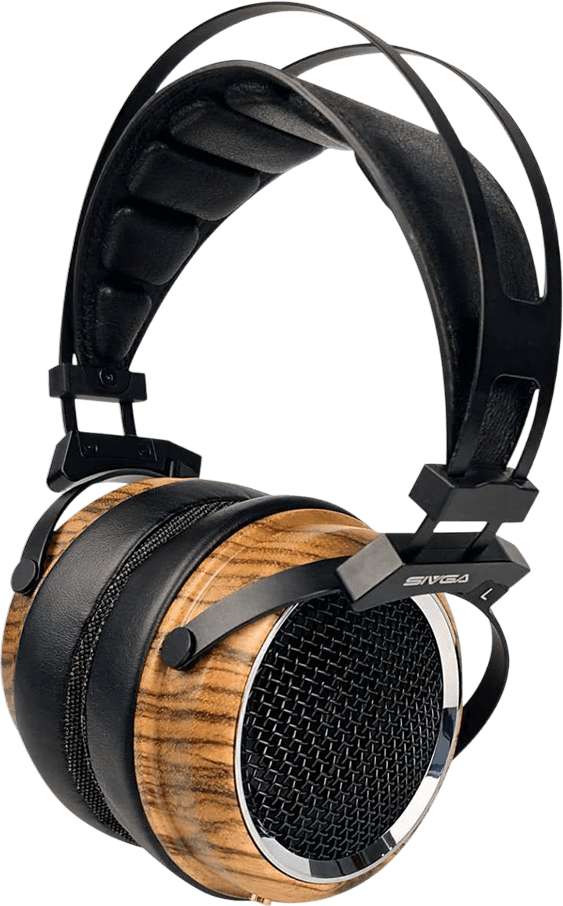
- Beautifully made with real wooden cups, nice metallic flourishes, and a nice adjustment system
- Very easy to drive from any device due to its 32 ohm impedance and 103 dB sensitivity
- The included hard case is of good quality and protective
- Comfortable to wear for extended sessions due to its light weight (296g) and well-designed headband
- Good soundstage width and overall space, with well-defined instrument separation
Product Considerations
- Some reviewers with larger ears may find the earcups to be too small, causing discomfort
- Lack of extra treble detail and energy means that some percussion misses its snap and shimmer
- The headband size is pretty small, so if your head is on the large side, it might not fit
- Stock earpads are too shallow for some users, causing their ears to touch the inside of the cups
- The midrange can sound stuffy and veiled, lacking clarity and detail compared to some competitors
Comparisons (according to reviewers)
- Vs Monolith M1060 V2: The Phoenix has better quality treble, but the M1060 has a better quantity of treble and a more neutral sound
- Vs Sennheiser HD560S: The HD560S is a reference headphone designed to be analytical and neutral, while the Phoenix is colored, engaging, rich, and warm
- Vs Sennheiser HD600: The Phoenix is warmer, has deeper sub-bass extension, and a wider soundstage, but the HD600 is more intimate, clear, and detailed in the mids and vocals
- Vs beyerdynamic DT880: The DT880 has a midbass bump and clearer mids, while the Phoenix has better treble extension
- Vs HarmonicDyne Zeus: The Zeus is a warmer set, but the Phoenix is better implemented
- Vs Austrian Audio Hi-X55: The Phoenix has a more environmental feel when it comes to its sub-bass response and a wider soundstage, but the Hi-X55 has a sweeter vocal presentation
Takeaway: The Phoenix offers a warm, rich, and punchy sound signature in a beautifully designed and comfortable package that is easy to drive. It could be a great option for those who enjoy a bass-emphasized sound and listen to genres where extra bass is beneficial.
Video review
Our take on the brand
Our Summary
Product Strengths
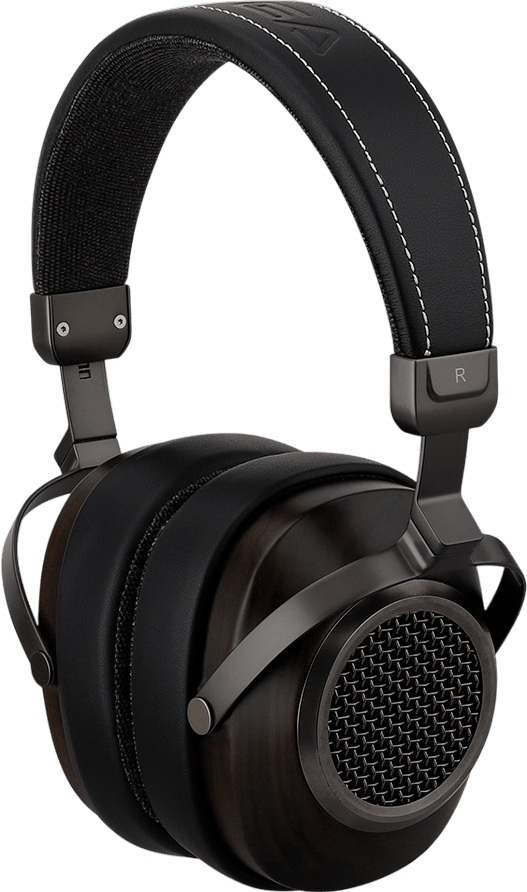
- The Anser is wonderfully comfortable.
- Exceptional build quality, with premium materials rarely seen at this price point.
- It delivers a sound that's well-balanced across all frequencies.
- The Anser is easy to drive from absolutely anything.
- It has a nice sense of weight and presence in its sound, particularly in vocals and solo instrumentals.
Product Considerations
- The soundstage is somewhat restricted in width.
- The midrange is not great.
- The stock cable is a little stiff.
- Treble enthusiasts may occasionally find the presentation less energetic.
Comparisons (according to reviewers)
- Vs Sennheiser HD 560s: The Anser is significantly more comfortable and feels better built than the HD 560s, but the HD 560s is a little brighter and sharper in the treble.
- Vs Drop and Sennheiser HD 6XX: The Anser would win for most people on build quality and possibly comfort too, and is going to win for bass because extends down deep, and it's solid and full.
- Vs Philips Fidelio X2HR: The X2HR has a wider, more open soundstage, and a little more nuance in the midrange.
- Vs Sivga Oriole: The Anser has slight advantages, such as soundstage, which is still limited but nevertheless better than the Oriole.
- Vs FiiO FT1 Pro: The Anser has a slightly warmer sound signature, with a more pronounced bass response.
Takeaway: The Sivga Anser offers great build quality and is very comfortable, making it a great choice for people who want a fun and engaging listening experience. This is a headphone that prioritizes musicality over technical prowess, offering an inviting sound.
Video review
Our take on the brand




How to buy
Headphones
Search all hifi products
Explore our database of 10,000+ new and 25,000+ used hifi products.