




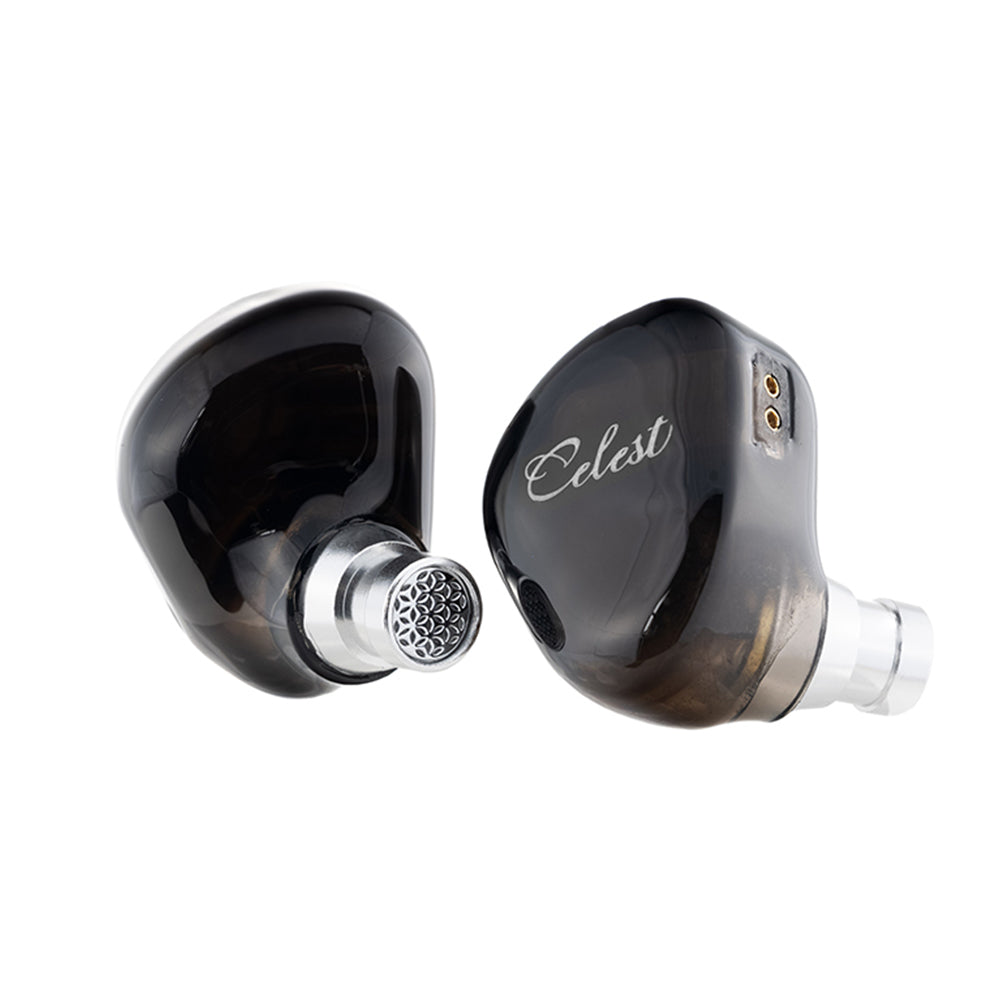
Note that this is a discontinued product. You may want to visit the brand's page here to browse their newer products.
What reviewers think
Bloggers and YouTubers have tried this product—so we've summarized their strongest opinions below. Links to full reviews follow.
Product Strengths
- Very affordable price point, making it an accessible entry into the IEM world
- Comfortable and lightweight design, especially suitable for those with smaller ears
- Decent cable quality for the price, better than expected by some reviewers
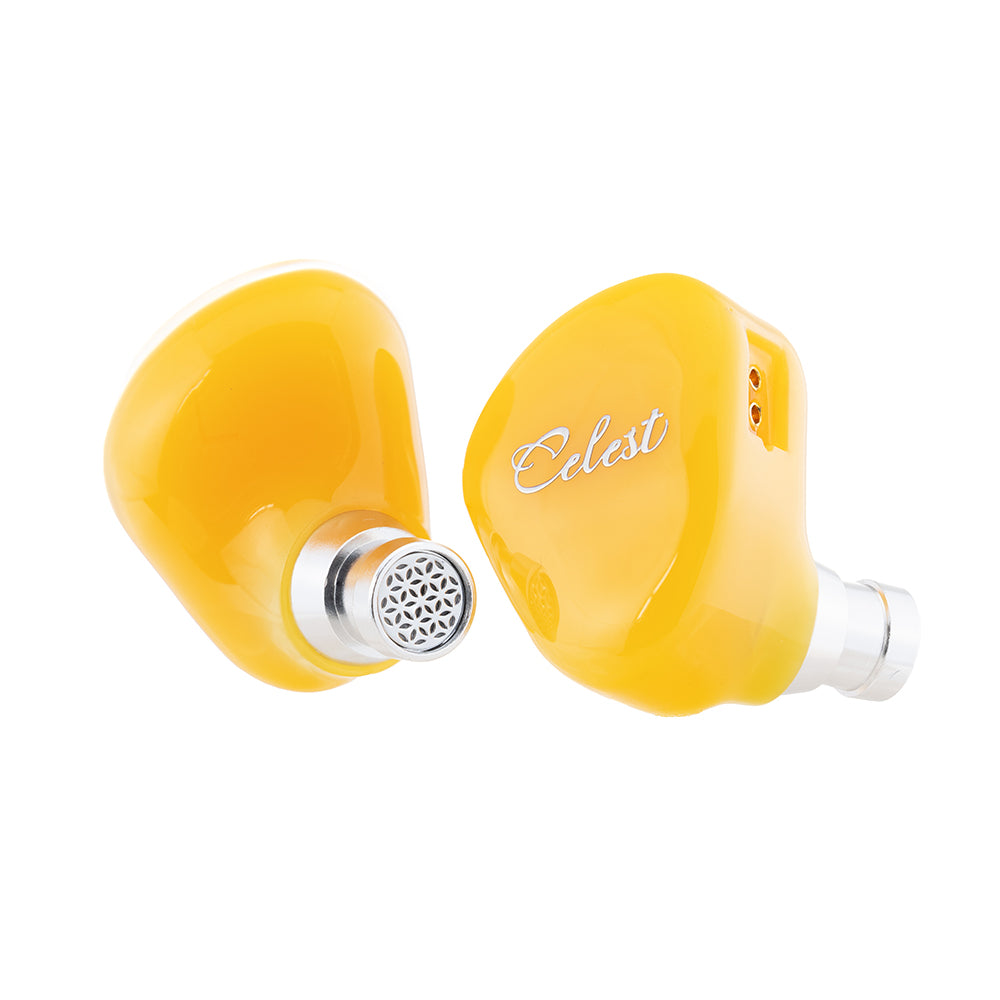
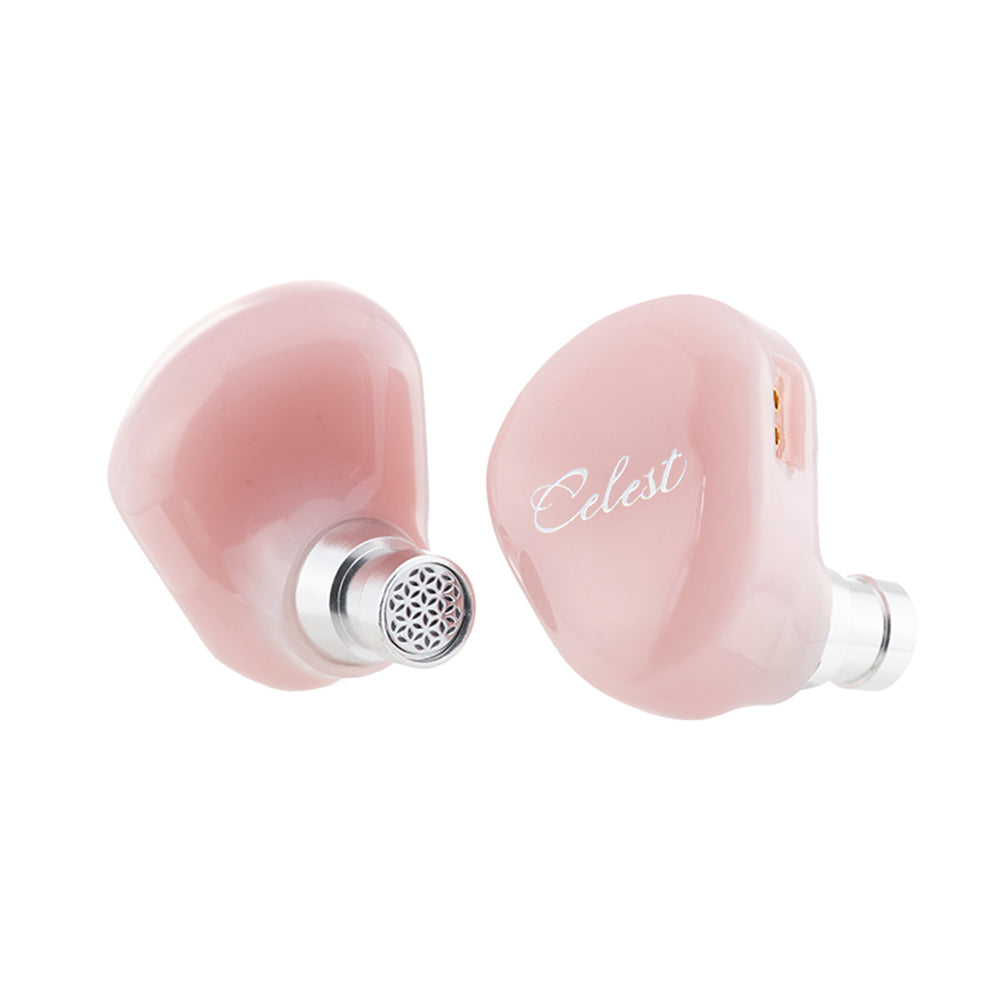
- Offers a range of bright colors for visual appeal
- Easy to drive, not requiring a dongle for most devices
Product Considerations
- Bass quality is not the best, lacking texture and impact, and may sound 'boomy'
- Midrange can be veiled and colored, affecting vocal and instrument clarity
- Quality control issues reported, with one reviewer receiving a faulty unit
- Technical performance (detail recovery, soundstage) is average or below average compared to other IEMs in the same price range
- Some reviewers recommend burning them in (playing audio through them for a long period) to make them sound better
Comparisons (according to reviewers)
- The QKZ is considered better overall in sound quality (tighter bass, clearer mids) but has larger, heavier shells
- The ND Venus is considered the better value with tighter bass, clearer mids, and a lower price
Takeaway: The Celest Rue is a very cheap option if someone wants to try IEMs, especially if they need a small and comfortable fit. It gives warm sound that some people might like.
All
Celest Rue
reviews


Manufacturer details
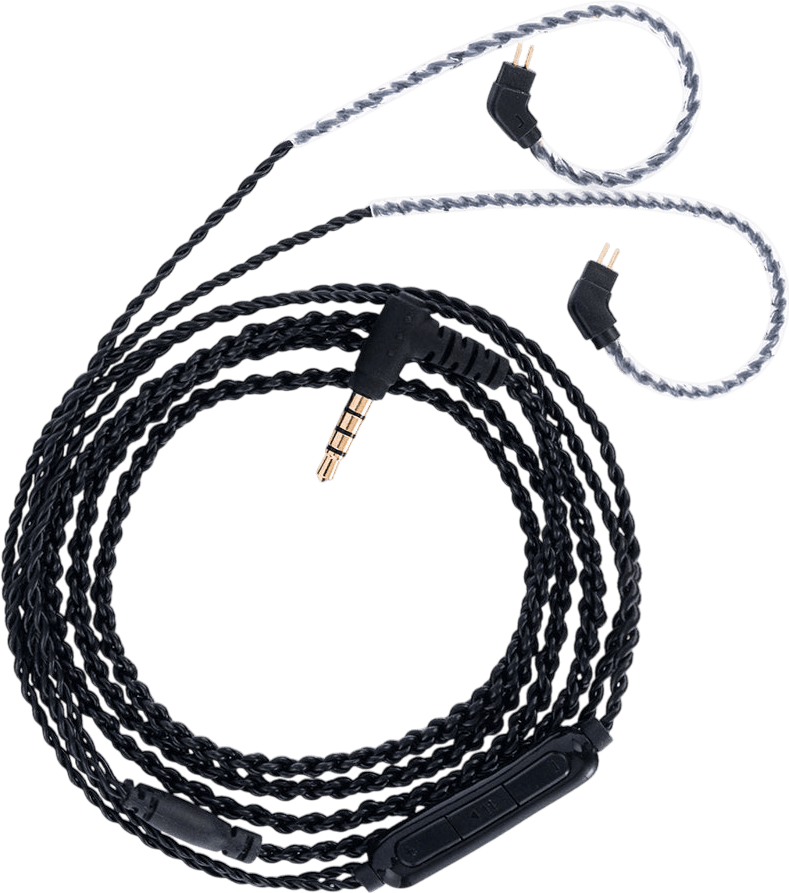
- Driver: 6mm Micro Dynamic Driver
- Driver Material: Composite Titanium Diaphragm






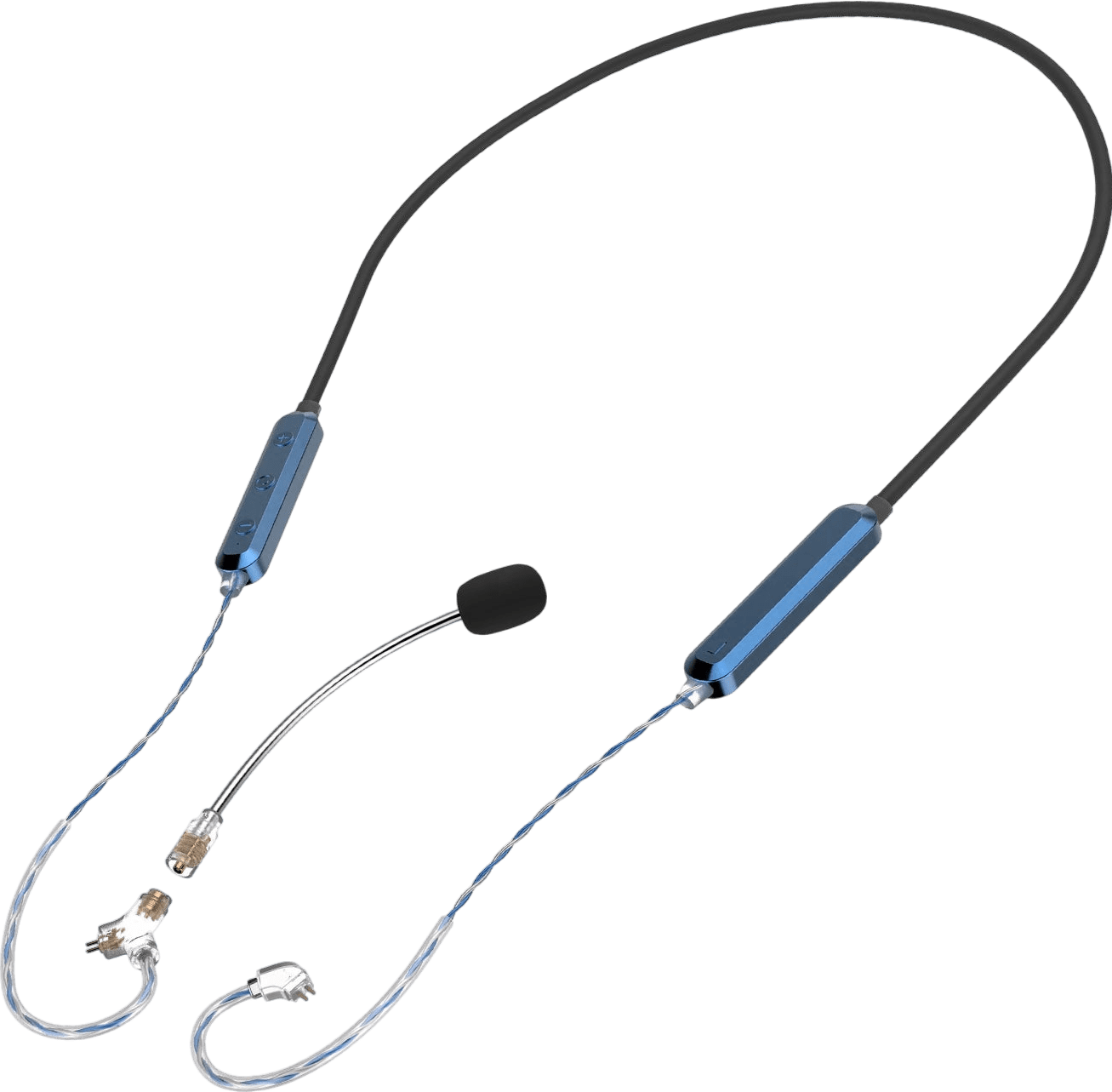

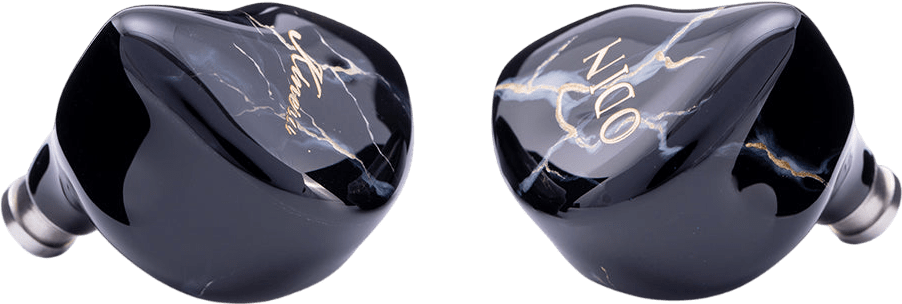
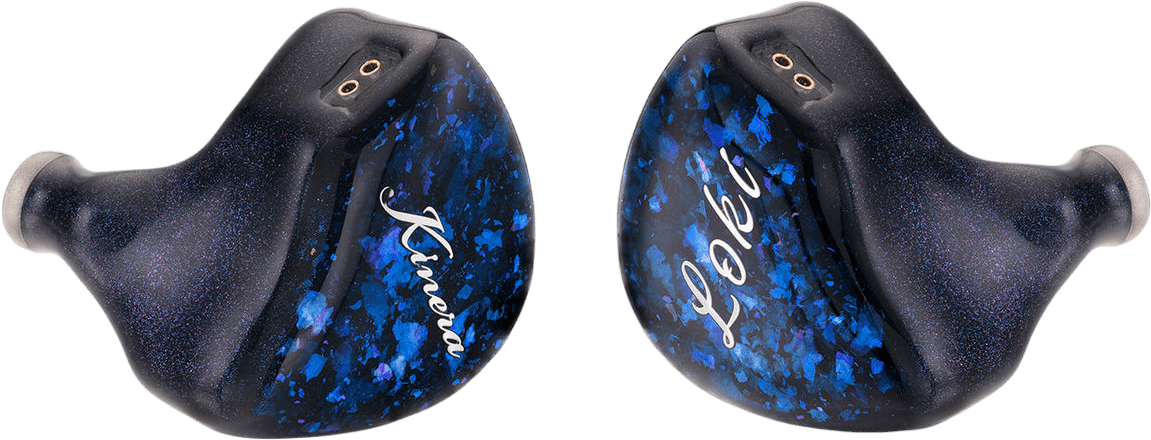



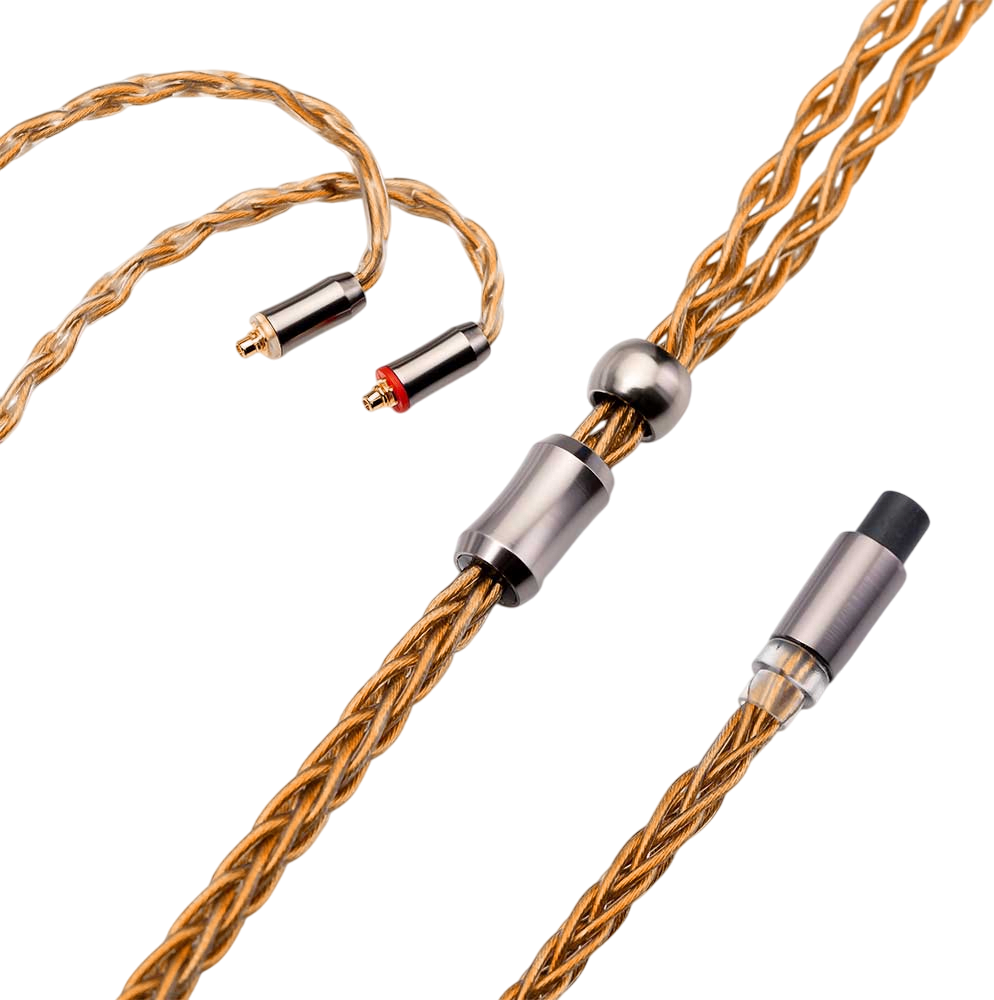


Brand highlights
Taking a step back to look at reviewers' thoughts of the brand's entire lineup—not just this product—what stands out most is the following:
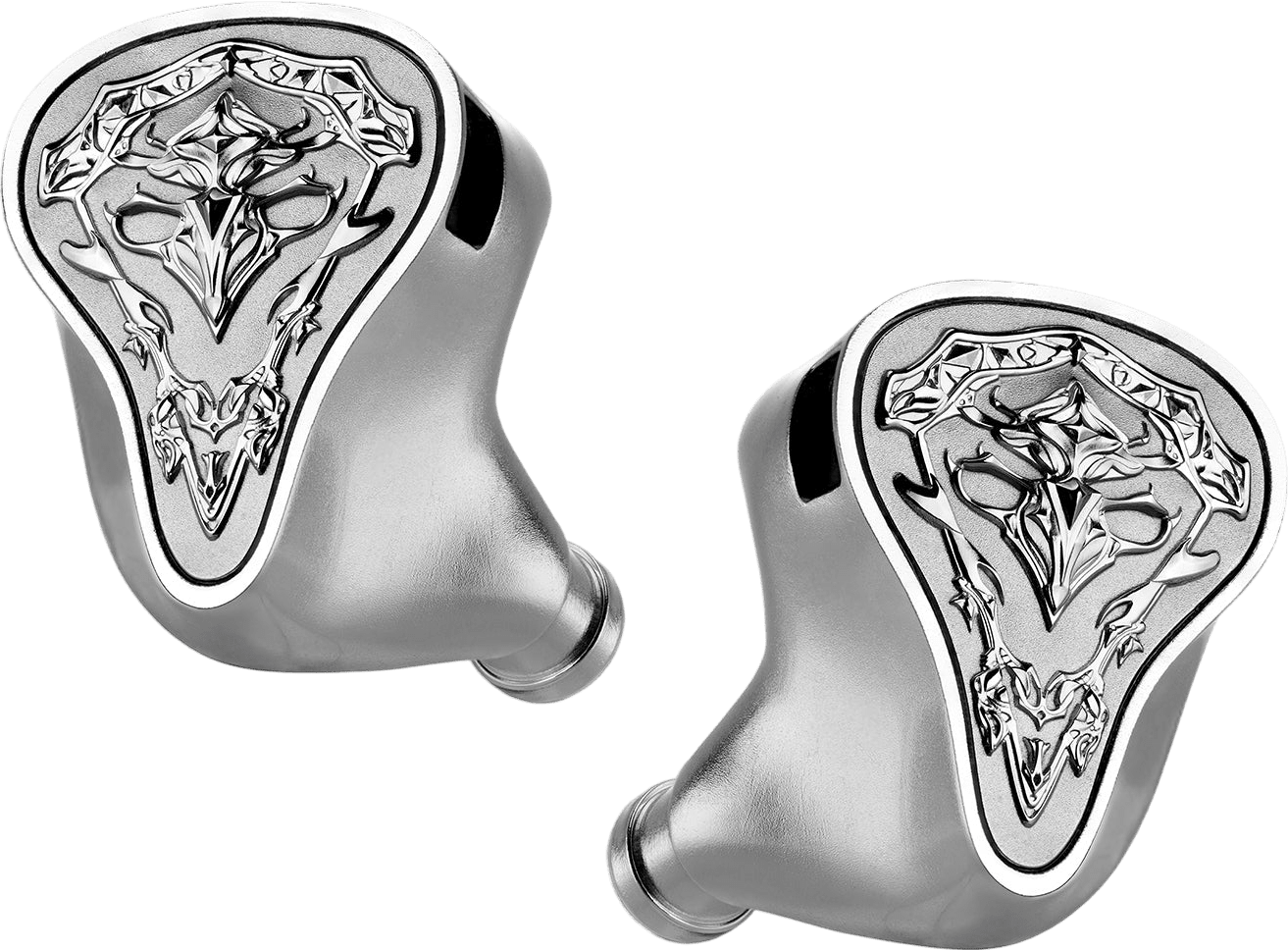
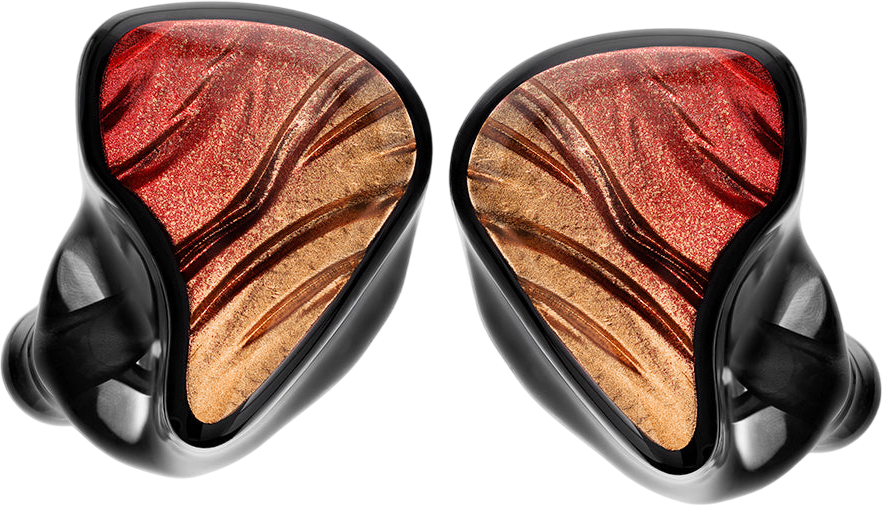
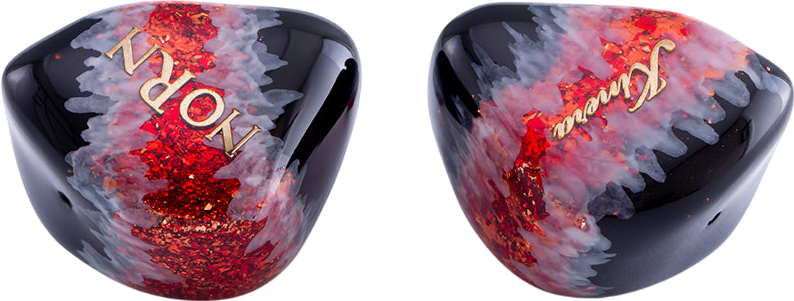
- Kinera's IEMs have uniquely artistic, hand-painted designs, making each pair a visually distinctive piece.
- They use a variety of driver technologies (DD, BA, EST, and even bone conduction) often combined in complex hybrid configurations, striving for a specific sonic goal which varies across product lines.
Select products
QoA Aviation 3 Knowles
- Position: An entry-level hybrid driver in-ear monitor designed for affordable high fidelity.
- Description: Features a combination of Knowles balanced armature and dynamic drivers with a meticulously designed cable. Compared to the rest of the lineup, it offers decent performance at a lower price point, ideal for buyers with tight budgets and basic functionality needs.
Kinera Imperial Skuld-5BA
- Position: A mid-range professional-grade in-ear monitor focused on precision and detail.
- Description: Uses a mix of customized BA units and Knowles drivers with a hand-painted design, ensuring a smooth flat frequency response ideal for critical listening in controlled environments. In comparison to entry-level options, it delivers superior technical refinement with enhanced build quality and deeper soundstage.
Kinera Imperial Baldr 2.0
- Position: A high-end, hybrid-driven in-ear monitor aimed at enthusiasts demanding flagship-level rigour.
- Description: Integrates multiple driver types—electrostatic, balanced armature, and a dynamic unit—with custom-tuned performance and detachable cables, providing powerful bass, detailed midrange, and open treble. Relative to the lower-priced models, it offers a richer, more nuanced sound signature along with advanced functions.
Kinera Imperial Loki 6
- Position: A premium, flagship in-ear monitor with an intricate multi-driver configuration for ultimate performance.
- Description: Combines Knowles, Sonion, dynamic, and composite drivers to create a balanced and expansive soundstage with precise frequency division, making it ideal for studio monitoring and demanding listening experiences in varied environments. Against other products in the lineup, it commands a higher price with its innovative driver mix and superior build quality.
Kinera Celest Wyvern Qing
- Position: A distinct upper-tier in-ear monitor blending Celest design heritage with innovative acoustic tuning.
- Description: Incorporates advanced acoustic engineering and premium materials to deliver a refined, immersive audio performance suitable for critical monitoring in larger, acoustically challenging spaces. When contrasted with Kinera's imperial series, it emphasizes aesthetic elegance and unique tuning characteristics.

Our take on the brand
Look inside the brand
Our interview with the brand
What are two key technological innovations or strong opinions that differ you from other brands?
What's your approach to customer support?
What are your favorite tracks for showcasing the strength of your products?
What other products pair best with yours?

Used
Kinera
What if you spend more?


.png)

.svg)
Our summary
Product Strengths
- Smooth, natural, and easy to listen to sound signature that is not fatiguing
- Impressive and beautiful design, with unique 3D faceplate and premium feel
- Good build quality and comfortable ergonomic fit for most ears
- High-quality modular cable with interchangeable plugs (3.5mm, 2.5mm, 4.4mm)
- Full-bodied vocals and a versatile sound that works well with various genres
Product Considerations
- Can be considered large and thick, protruding from the ears
- Bass can lack definition, separation, and impact for some listeners
- Stock cable may not unleash the full potential of the IEMs, and an upgraded cable is recommended by some reviewers
- Midrange separation could be better for some users
Comparisons (according to reviewers)
- Vs. the FiiO FH7: The URD is less aggressive, more charming, and has a wider soundstage, the FH7 has faster, more controlled bass but can be fatiguing
- Vs. the DITA Audio Twins Fealty: The URD prioritizes weight, soft tonal balance, and timbre density, the Fealty emphasizes amplified resolution and detailed texture
Takeaway: The Kinera URD is a beautiful and comfortable IEM that offers a smooth and natural sound, making it a great choice for long listening sessions across many music genres. It stands out with its design, accessories, and non-fatiguing sound.
Video review
Our take on the brand
Product Strengths
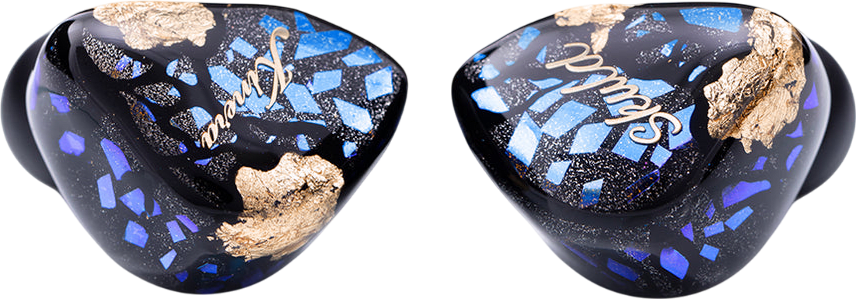
- Non-fatiguing sound signature allows for hours of listening
- Included cable is of high quality and provides versatility, allowing for the use of 4.4mm, 3.5mm, and 2.5mm terminations, depending on the source
- Vocals are a standout, offering a natural and engaging presentation
- Resin shell is both visually appealing and comfortable for long listening sessions
Product Considerations
- High price may feel steep considering the uneven frequency response and average technical abilities
- Treble is a bit dark and uneven, which can detract from overall clarity
- Bass is not particularly distinct, with a flatter sound signature
- Soundstage depth, imaging, and detail retrieval are only average, limiting its presentation
Comparisons (according to reviewers)
- Vs Kinera Imperial Nanna: The Skuld falls perfectly between more budget-friendly models and higher-end selection
Takeaway: The Kinera Imperial Skuld is easy to listen to and enjoy. It has good instrument separation and layering, so all elements can be clearly heard.
Video review
Our take on the brand

.png)
Our summary
Product Strengths
- Offers excellent midrange resolution, highlighting subtle details in instruments
- Features a safe yet exciting U-shaped tuning suitable for all genres
- Presents a dynamic and exciting sound signature, clear vocal performances, and a resolving staging performance
- The included cable is of high quality and features interchangeable plugs
- Has great audio reproduction accuracy and consistent audio delivery
Product Considerations
- The upper treble may be a little exaggerated for some listeners
- The shell is larger than average for a universal IEM, which may cause fit issues for some
- Stock ear tips are just okay
- Bass resolution could be better
- Does not have an integrated microphone, so a standalone mic is needed to take calls
Comparisons (according to reviewers)
- Vs. Monarch MKII: The MKIII has increased richness in its midrange and an upper treble exaggeration, offering a slightly U-shaped signature compared to the MkII's balanced profile
- Vs. Symphonium Helios: MkIII's midbass body contrasts Helios' dipped lower mids, MkIII has better overall resolution, but a more exaggerated treble
- Vs. 64 Audio U4s: The MkIII is better tuned compared to the U4s, with the U4s having a thicker midrange and weightier timbre
- Vs. MOONDROP x Crinacle DUSK: The THIEAUDIO have a more detailed treble range
- Vs. MOONDROP Blessing 3: The THIEAUDIO have a more elevated bass range
- Vs. TRUTHEAR x Crinacle ZERO: RED: The THIEAUDIO do a better job blocking out external noise and leak less audio
Takeaway: The Monarch MKIII is a well-tuned IEM that is great for all kinds of music and has excellent technical performance. If one is looking for a high-end IEM with a versatile sound, this could be a great choice.
Video review
Our take on the brand


Product Strengths
- Agreeable, natural sonic signature
- Sounds very good, feels tough, and comes with most of the accessories needed
- Precision-milled housings follow the company’s IE 900, IE 200, and IE 300 models, shape wise, and therefore comfort wise
- A well-engineered product that sounds excellent
- Measured performance closely aligns with a headphone preference curve, so it sounds excellent
Product Considerations
- Basic silicone eartips that don’t fit everyone
- The MMCX connector is an atypical version that will not work with most other cables
- The texture of the AMLOY-ZR01 finish is not everyone's favorite to wear
- Treble is a bit subdued with cymbals resolving reasonably well, but way behind the IE 900
- Stock tips that come with Sennheiser's earphones are poorly designed; the silicone lacks rigidity to the point of which it more often than not collapses against the ear when one inserts the IEMs, thus making a proper seal very difficult to achieve
Comparisons (according to reviewers)
- Vs IE 900: The easier-to-drive IE 900 have a tighter, less thumpy low end and a leaner midrange, which results in better separation between the two, and also in better midrange resolution and clarity
- Vs IE 900: The IE 900 also have a much superior (perceived) treble extension and resolution, and a much wider soundstage
- Vs Final E5000: The final E5000 offer fuller voices, more bass, but less treble than the IE 600, and a narrower stage
- Vs Meze ADVAR: The ADVAR's sound is taller than the IE 600, the latter has more width, and imaging is tight and well-produced in both IEMs, with the IE 600 edging out the ADVAR by the slightest of margins
Takeaway: The IE 600 is a great set of earphones that will appeal to listeners owing to their punchy tonality and is pretty much unparalleled in their class. With the IE 600, listeners get undistorted audio and great isolation, and durable materials that will always sound good.
Video review
Our take on the brand
What competes at this price?
.png)
Our Summary
Product Strengths
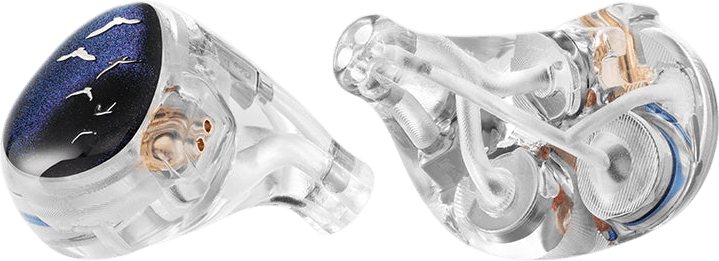
- Stunning and unique design, often described as gorgeous and beautiful
- Good build quality for the price, with reviewers noting that it feels well-built and not cheap
- Clear and detailed highs, offering a lively and engaging listening experience
- Punchy bass, providing a fun and vibrant sound without being excessive
- Good imaging capabilities, allowing for precise placement of instruments
Product Considerations
- V-shaped sound signature may not be suitable for all listeners and is genre-picky
- The upper mids and treble can be intense and potentially shouty for sensitive listeners, as well as being source-picky
- Mids may sound slightly recessed and thin, impacting the naturalness of some instruments
- Soundstage is average in dimensions, not exceptionally wide
- Nozzle could be a little chunky for some
Comparisons (according to reviewers)
- Compared to the Tri-i3 Pro, the Tri-i3 Pro has more sub-bass and better-controlled bass
- Compared to the Tri-Meteor, the Tri-Meteor has better quality bass, better mids, and is more pleasurable in the treble
- Compared to the 7Hz Legato, the Legato leans heavily towards bass, sacrificing some detail present in the Celest Phoenixcall
- Compared to the Moondrop Starfield, the Moondrop Starfield focuses predominantly on the midrange, lacking the bass rumble and energy found in the Celest Phoenixcall
- Compared to the Letshuoer S12 Pro, the S12 Pro shines in the midrange and treble but falls short in bass rumble
- Compared to the Penon Fan2, the Penon Fan2 is warmer and more neutral, smoother and more cohesive in balance, as well as more mid centric and natural in timbre
Takeaway: The Celest Phoenixcall IEM is a visually stunning and well-built product that delivers a fun and engaging sound with punchy bass and clear highs. If one appreciates a V-shaped sound signature and unique aesthetics, this IEM could be a great option.
Video review
Our take on the brand


Our Summary
Product Strengths
- Visceral and textured bass, especially given the implementation of the bone conduction driver
- Gorgeous, eye-catching design with hand-painted faceplates
- Balanced Armature helps create forward and engaging mid-range
Product Considerations
- The bone conduction driver can be overly sensitive, causing an annoying ringing resonance, especially triggered by male voices and certain sounds
- Can have an unnatural timbre in the mids, making some instruments sound artificial
- Some reviewers found the upper mids to be aggressive or shouty
- Rolled-off treble can result in a lack of airiness, sparkle, and detail
Comparisons (according to reviewers)
- Plutus Beast has an unnatural presentation, while the Moondrop May or Aria 2 are praised as having a much smoother, more natural-sounding mid-range
- Celest Phoenixcall and Plutus Beast have a tangible bond, and if the reviewer loved the first ones, they would like these too, stating both have a sound that is not suitable for critical listening, but for entertainment listening
- Plutus Beast is more energetic and V-shaped in balance with greater treble boost and focus, as well as similar roll off pass 10khz when compared to the BQEYZ Wind
Takeaway: The Celest Plutus Beast is a beautiful IEM with a different sound. It has fun bass and good mids, making it a very interesting item for its price point.
Video review
Our take on the brand

Our Summary
Product Strengths
- Very nice design and beautiful aesthetics, among the best looking IEMs in its price range
- Comfortable with a good fit, ergonomic design, and lightweight build
- For the price, build quality is nice (all-resin) and durable, not feeling cheap
- Nicely balanced and dynamic presentation
- Good imaging capabilities
Product Considerations
- The included cable isn't the prettiest, and some may want to swap it
- Stock eartips may not be the best pairing and might not seal well for all users
- Notes in the upper mids can carry an edginess
- Bass may be too heavy for some
Comparisons (according to reviewers)
- Vs Celest Wyvern Abyss: the Qing is closer to neutral, the Abyss is warmer, and the Qing has more forward vocals
- Vs Celest Wyvern Abyss: the Qing has better imaging, and the Abyss has richer note weight and is smoother
Takeaway: The Celest Wyvern Qing are beautiful IEMs that offer a balanced and fun listening experience at an affordable price. With comfort and solid build quality, these IEMs are a great option for everyday use.
Video review
Our take on the brand

Our Summary
Product Strengths
- Beautiful designs and top-notch presentations, from the box to the IEMs and cable
- Generous selection of tips and accessories, including Final Type E tips and modular cable with 3.5 single-ended and 4.4 balanced terminations
- Shells are smaller, and comfortable to wear
Product Considerations
- Lacking in treble energy in general, which impacts treble detail
- Technical ability is about average
- Sound performance in relation to the price makes it challenging to give it a clean thumbs up
Comparisons (according to reviewers)
- The Simgot EA1000 has better impact and good speed compared to Freya’s rather thick and slow bass
- The Oriveti OD200 bass has more authority and speed
- The Penon Dome is warmer, lusher, smoother, more balanced and clean sounding, as well as just slightly bassier
- The Hidizs MS5 is more technical, as well as more bassy, and its tonality is more vivid, bright and W shape
Takeaway: The Freya 2.0 has engaging attributes that draw the listener in, and is a very well-tuned V-shaped IEM that has good enough detail retrieval and a natural sounding mid-range. The product comes with everything a user might need.
Video review
Our take on the brand
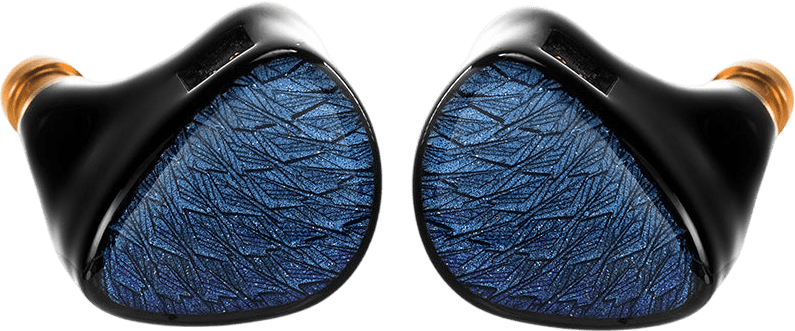
Our Summary
Product Strengths
- Good build quality, especially considering the budget price (around $30), with attractive faceplates and a comfortable, pseudo-custom shell design.
- Clear and articulate microphone quality, especially in the Pro version with the boom mic, comparable to less expensive gaming headsets.
- Pleasing and easygoing sound signature, based on the Harman 2019 target, making it suitable for long listening sessions.
- Clear, forward vocals are good for both music and gaming/streaming.
- Good imaging for the price, which is important for gaming to clearly pinpoint sounds like footsteps.
Product Considerations
- The upper mids can be a bit forward or shouty, which might be fatiguing for some listeners.
- Proper fit and seal with eartips are crucial, especially when using the boom mic, as the added weight can cause fit issues.
- The bass is present but not overpowering, and may not satisfy bass-heads.
- Treble extension is only average, lacking a great deal of air in the highs.
- Some may find the vocals slightly nasally.
Comparisons (according to reviewers)
- Vs. Kiwi Ears Cadenza: The Cadenza has more bass and a warmer, darker tonality, but less precise imaging than the Wyvern Pro.
- Vs. Simgot EW200: The EW200 has more sub-bass extension and airier treble, but the Wyvern Pro has denser treble notes and more assertive positional cues.
- Vs. 7Hz Zero: Bass presentation is very similar to the Zero, but the Zero has more forward mids that aren't as vocal forward and can be borderline shouty.
- Vs. Moondrop LAN: The LAN has a very similar overall bass profile, but it does have a more present mid-range like the Zero and a more detailed, controlled treble presentation that just has more energy and more sparkle to it.
Takeaway: The Kinera Celest Wyvern Pro is a well-built, comfortable IEM that's great for gaming and general use because of its built-in boom mic. With its balanced sound profile and clear vocals, it is a good choice for anyone looking for a budget-friendly set of IEMs.
Video review
Our take on the brand
Questions? Ask the brand's dealers.




How to buy
Headphones
Search all hifi products
Explore our database of 10,000+ new and 25,000+ used hifi products.

.png)
.png)