


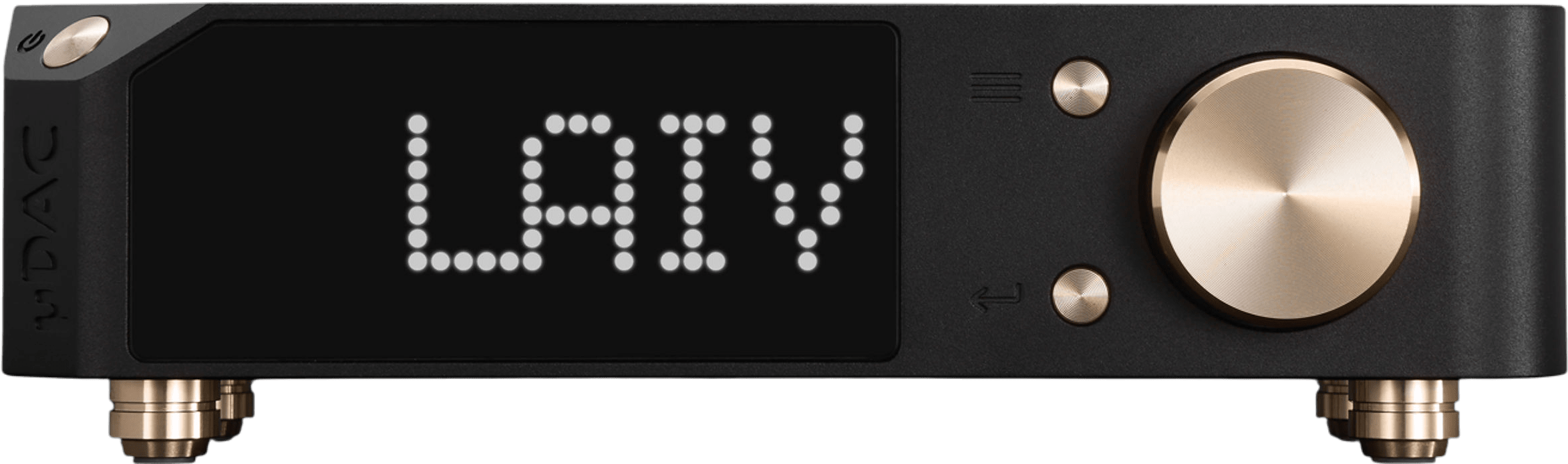


Note that this is a discontinued product. You may want to visit the brand's page here to browse their newer products.
What reviewers think
Bloggers and YouTubers have tried this product—so we've summarized their strongest opinions below. Links to full reviews follow.
Product Strengths
- Offers similar outstanding sound quality to the more expensive Laiv Harmony DAC, but at a more affordable price
- Uses the same R2R ladder modules and FPGA digital processing as the larger Harmony DAC
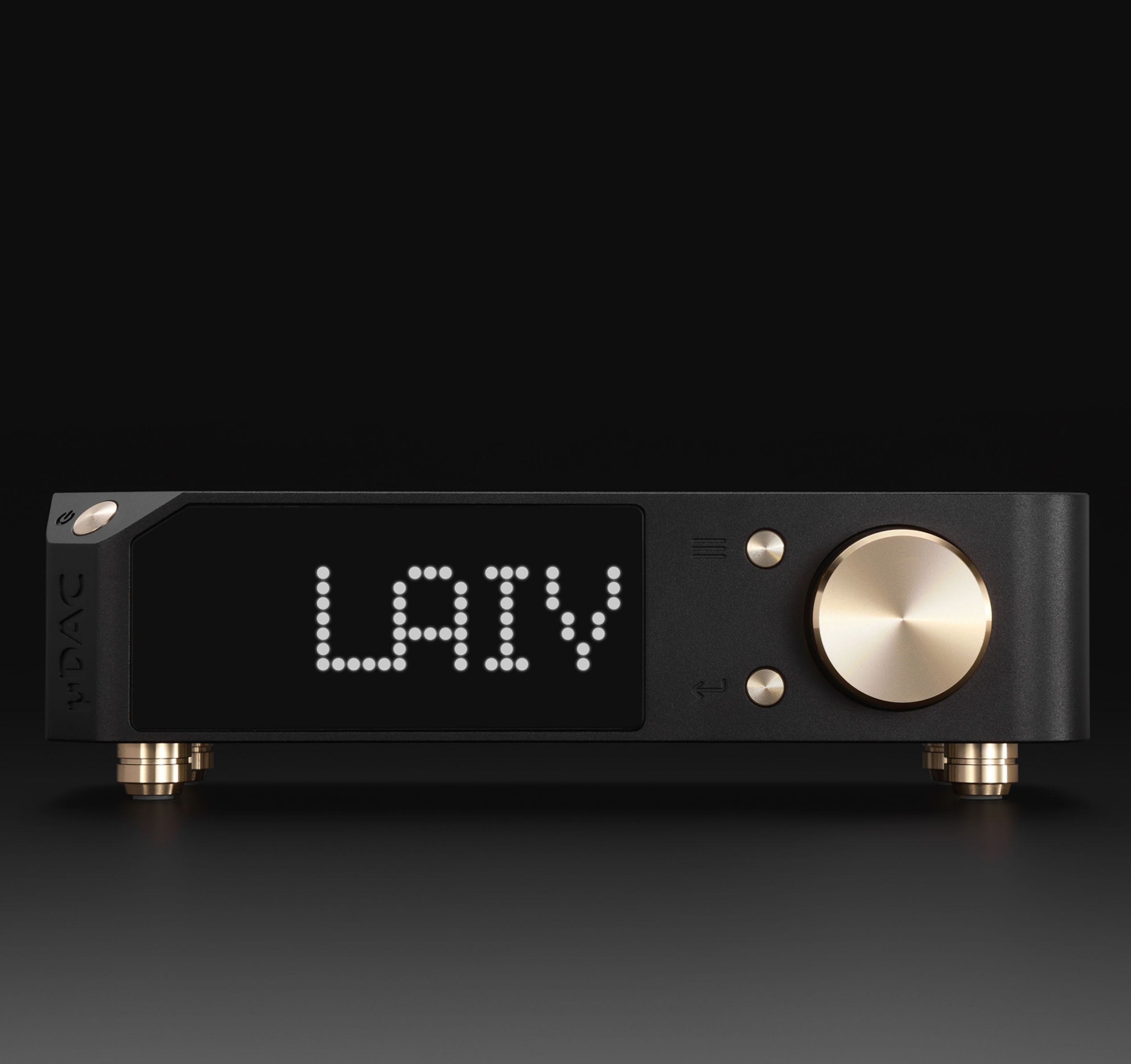
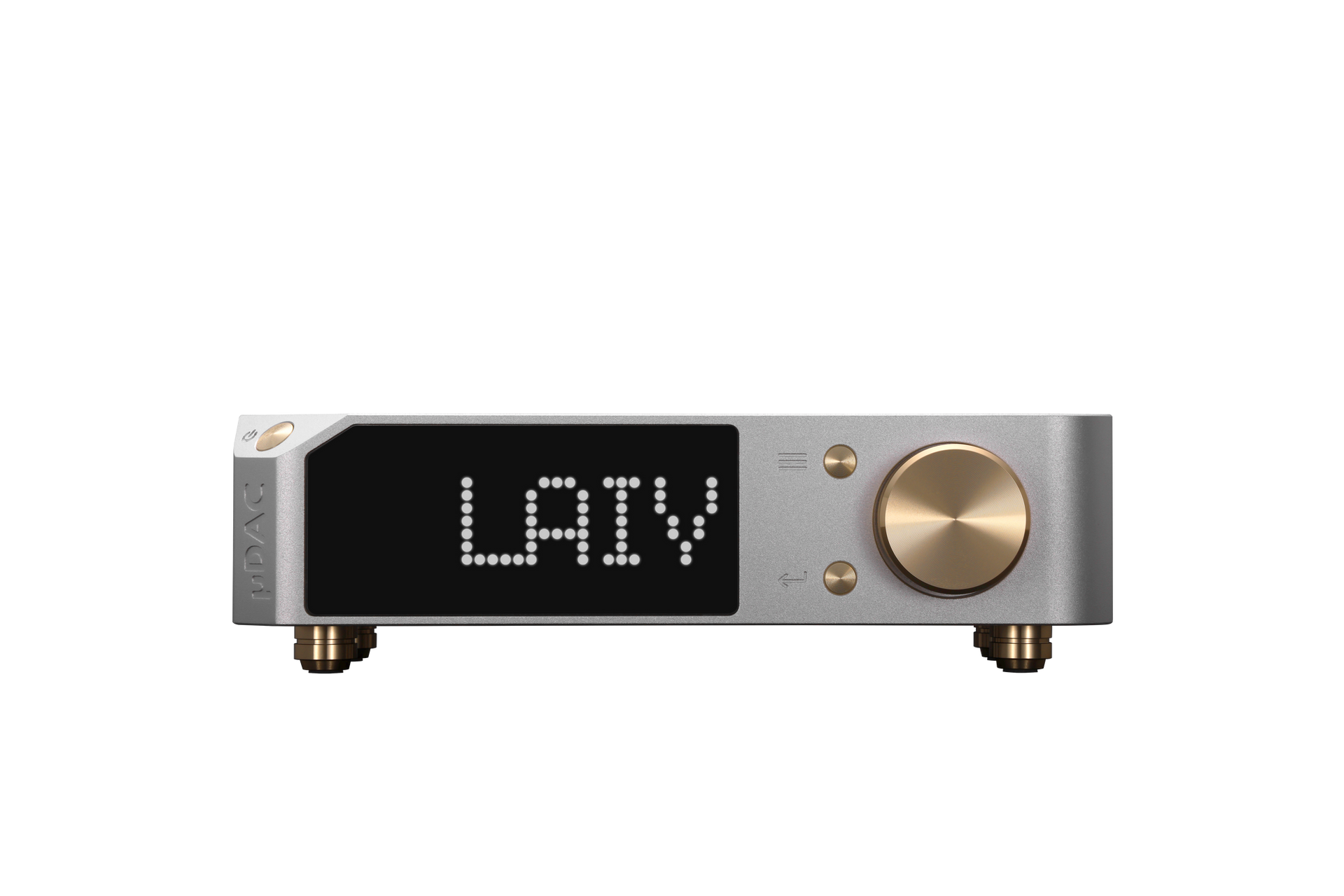
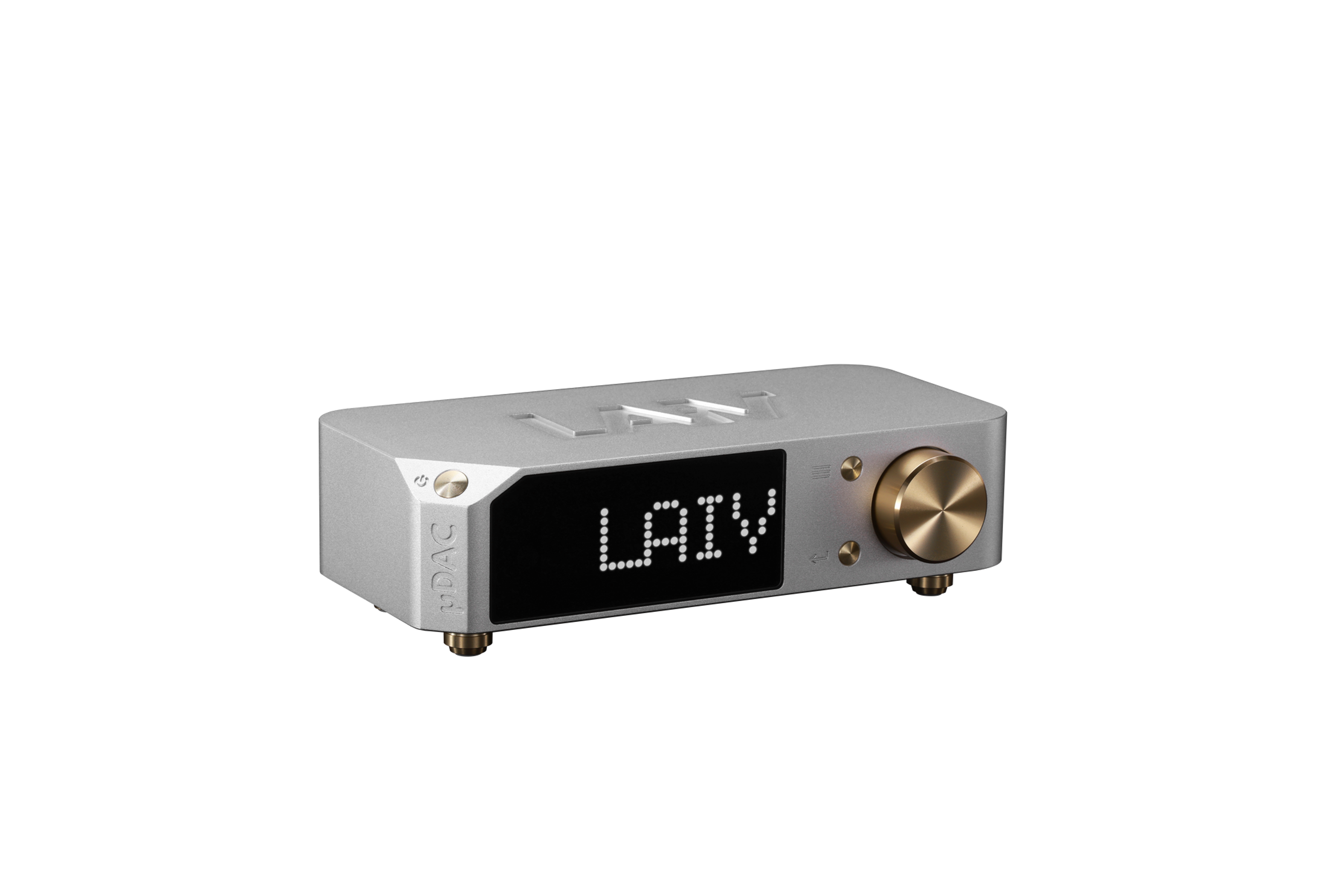
- Exceptional build quality with a solid aluminum chassis that looks sleek and feels premium
- Provides NOS (non-oversampling) and OS (oversampling) modes for sound customization
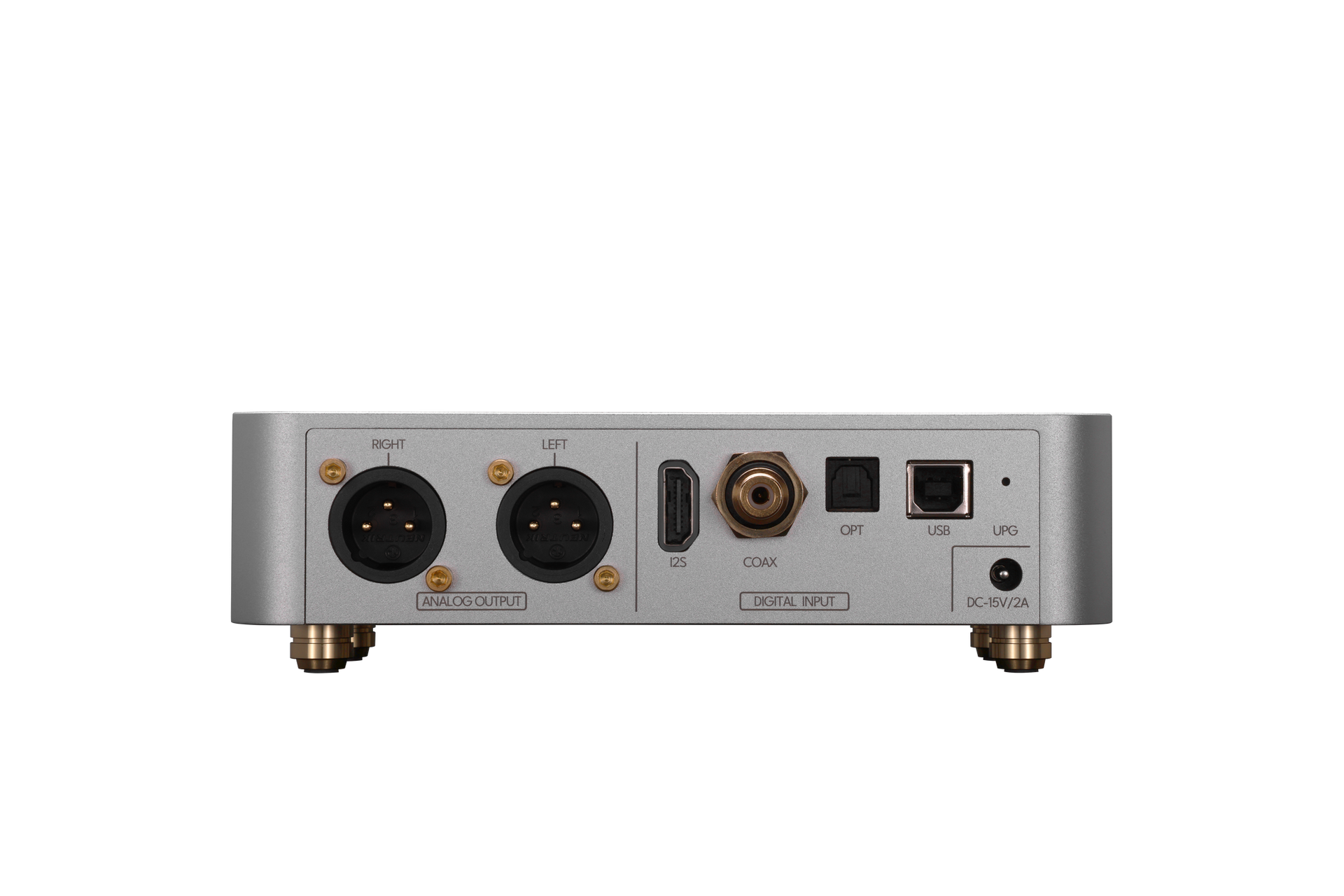
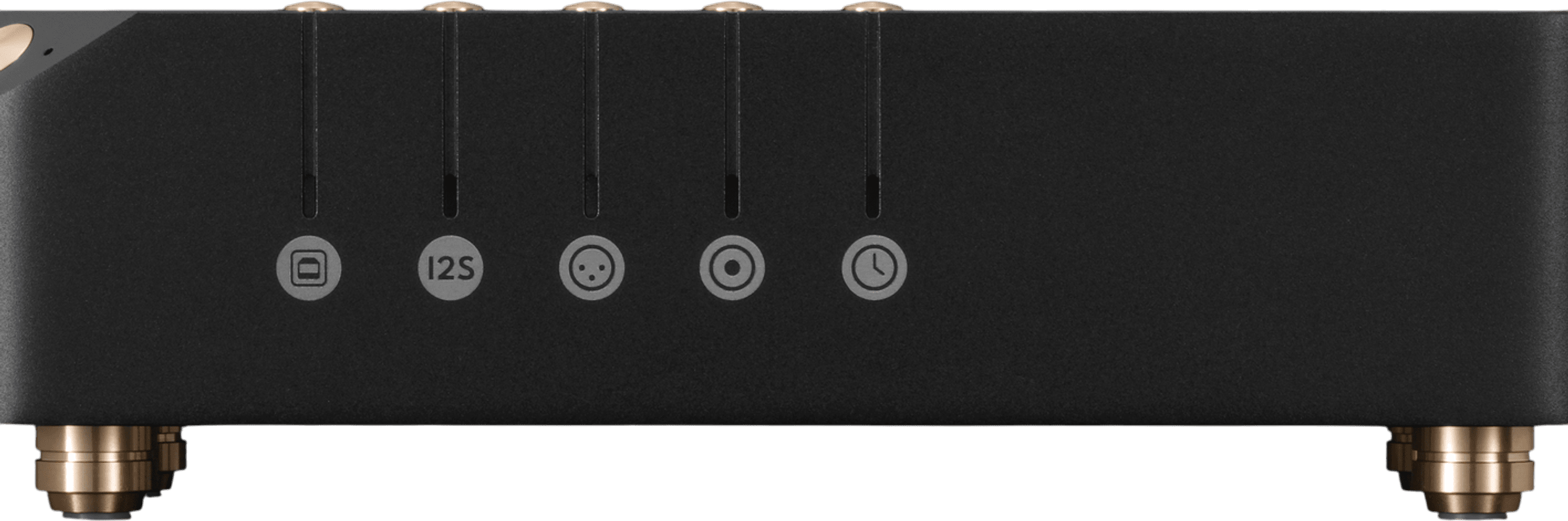
- Features four digital inputs (I2S, Coax, Toslink, and USB), and balanced XLR outputs
Product Considerations
- Has no RCA outputs, requiring balanced inputs on the amplifier or preamplifier
- Uses an external power supply (wall wart), instead of a built-in one
- Does not have a preamp mode
- Uses a USB type B connection, instead of a USB type C
- There is no remote control included, sold separately
Comparisons (according to reviewers)
- Versus the Topping Centaurus R2R DAC, the Harmony µDAC offers a better sounding one in all aspects
- Versus the Denafrips Ares II, the Harmony µDAC is preferred for its superior resolution, greater differentiation between tones and textures, and overall more dynamic sound
- Versus the Topping D90 Discrete, both are fantastic DACs with different flavors, the D90 has a cleaner presentation, and the Harmony is more realistic
- Versus the Gustard R26, the Micro DAC is unleashing higher resolution and more in-ear tone detailing, and just richer mid-range baseline also has more texture
- Versus the Laiv Harmony DAC, the Micro DAC gives a huge chunk of that performance for barely a little above one third of the price of the Big Brother
Takeaway: The Harmony µDAC delivers exceptional sound and build quality at a reasonable price. This DAC is worth checking out for those who want the high-end R2R sound without spending a lot.
All
Harmony µDAC
reviews


-.jpeg)

Manufacturer details
- R-2R Ladder Network: Balanced discrete with 0.05% tolerance resistors
- Output Stage: Discrete Class A buffer
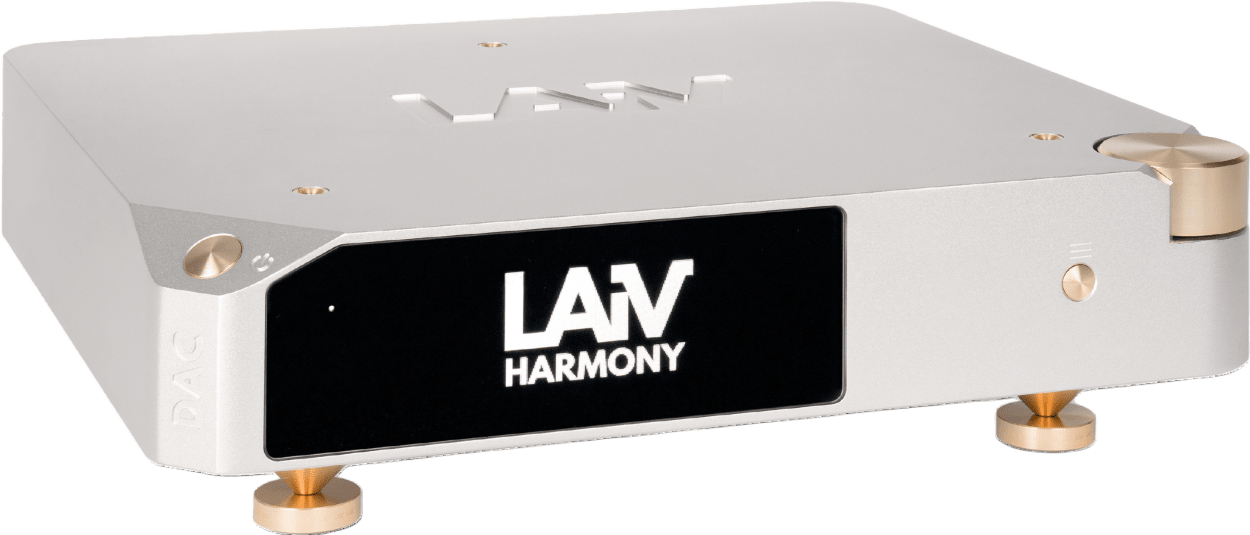
- Display: Dot-matrix
- Clock: Ultra-low phase noise femto oscillator (Accusilicon AS318)
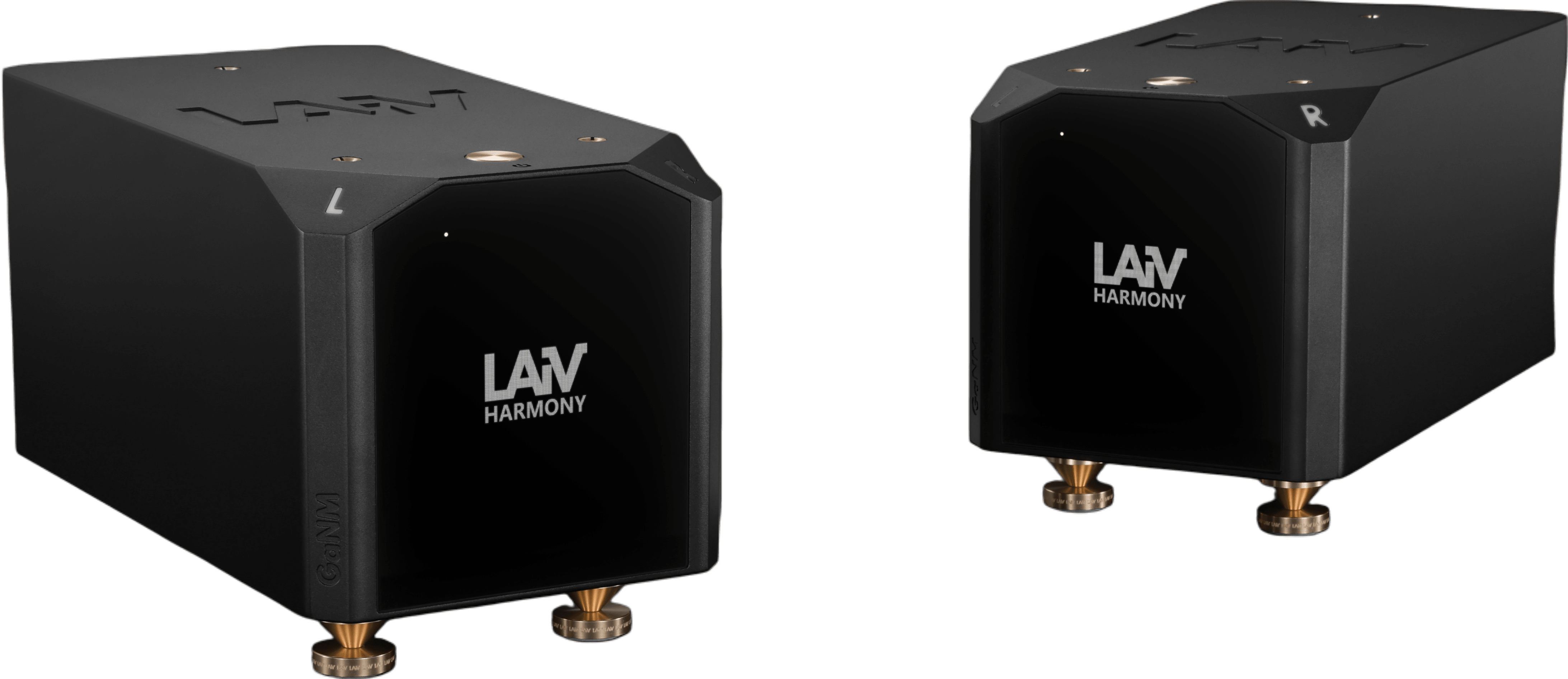
- Construction: Unibody CNC aerospace-grade aluminum



Brand highlights
Taking a step back to look at reviewers' thoughts of the brand's entire lineup—not just this product—what stands out most is the following:
- They prioritize delivering high-end sound and aesthetics at a relatively accessible price point, challenging the notion that exceptional audio performance requires exorbitant spending.
- Their modular design allows for easy repairs and potential future upgrades, moving away from the traditional complexity of hifi audio components.
- The Harmony DAC is designed to integrate seamlessly within a complete ecosystem, with plans for complementary products like a preamplifier, monoblock amplifiers, and a network streamer, all sharing a similar design language.
Select products
Harmony µDDC
- Positioning: A compact digital-to-digital converter for precise audio signal management.
- Description: Excels with its ultra-low phase noise femto clock, ensuring exceptional timing accuracy and audio clarity, making it perfect for desktop setups where space is limited. Unlike the Harmony DAC, which converts digital signals to analog, the µDDC focuses on refining digital signals, offering features like FIFO buffering and galvanically isolated I²S outputs for users who prioritize pristine digital audio signal integrity.
Harmony DAC
- Positioning: A high-end digital-to-analog converter for audiophiles.
- Description: Features balanced discrete R-2R architecture, delivering rich and natural sound reproduction, ideal for users seeking high-fidelity audio in larger setups. Compared to the Harmony µDDC, which is more compact and digital-focused, the DAC offers a modular design for future upgrades.
Harmony LEXT
- Positioning: An expansion module designed for enhancing connectivity.
- Description: Allows users to expand their audio setup with additional inputs, such as phono or balanced XLR, making it ideal for those who want to integrate more sources into their system. Unlike the Harmony DAC, which focuses on digital-to-analog conversion, the LEXT provides flexibility in connectivity, catering to users who need to connect various audio devices without compromising sound quality.
Harmony HP2A
- Positioning: A premium headphone amplifier and preamplifier.
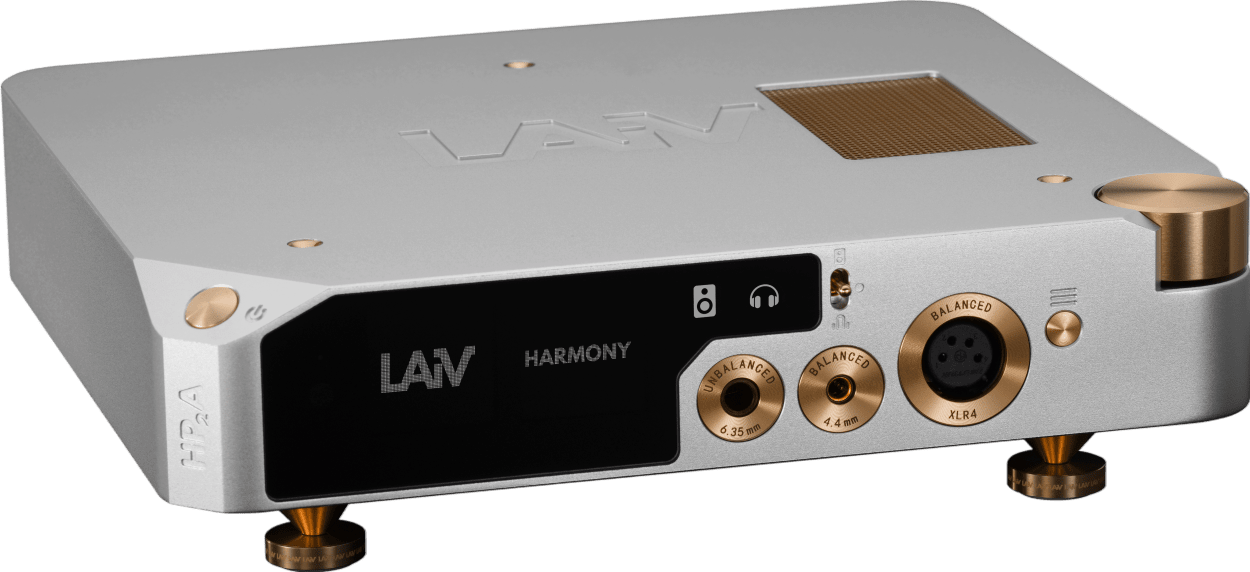
- Description: Features a true balanced Class A preamplifier and high-power headphone amplifier, providing excellent signal integrity and audio clarity, perfect for audiophiles with high-impedance headphones.

Our take on the brand
Look inside the brand
Our interview with the brand
What are two key technological innovations or strong opinions that differ you from other brands?
What's your approach to customer support?
What are your favorite tracks for showcasing the strength of your products?
What other products pair best with yours?

Used
Laiv
What if you spend more?


.svg)
Product Strengths
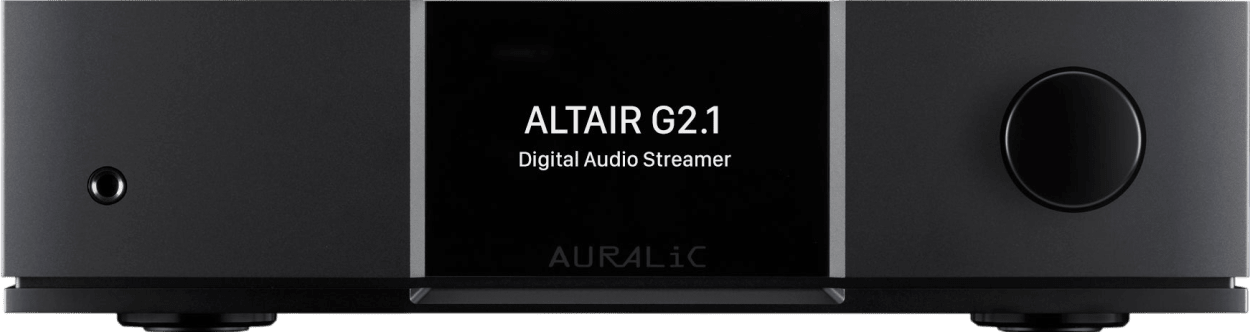
- Solid digital sound, good authority, solid bass, and a weighty sound with good scale
- Excellent clarity, very good timing, and a very good soundstage
- Outstanding build quality—solidly made and near indestructible
- Versatile unit that can become the hub of the digital audio world
- Clean and effortless digital processing
- Connectivity options
Product Considerations
- The Lightning DS app is only available for iOS
- The 4-inch non-touch screen is adequate, but not exceptional
- When written instructions feature on the screen, the words can be small and difficult to see
- The alphabetical order of the albums is not followed when used with an external hard drive
- Some reviewers felt a need for a high-end turntable setup, as the analog input feeds directly to the analog output stage—bypassing the digital stage altogether
Comparisons (according to reviewers)
- Vs NAD M10 V2: The Altair offers a step up in sound quality
- Vs AURALiC Aries G1: The Altair G2.1 chassis is a significant upgrade with an internal copper sub-chassis, tuned feet, and a solid steel base
Takeaway: The AURALiC Altair G2.1 is a versatile and well-built streaming DAC preamplifier that offers a clean and detailed sound. Comprehensive features and excellent sound quality make it a great choice for audiophiles looking for an all-in-one solution.
Video review
Our take on the brand
.jpeg)
Product Strengths
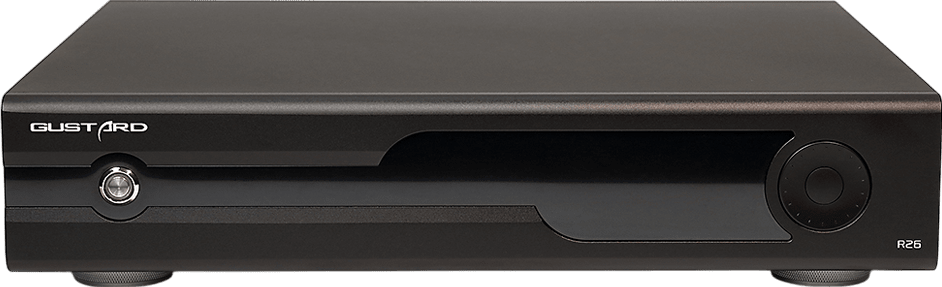
- Natural and organic timbre with rich and vibrant overtones, offering a remarkable sense of realism
- Stands out as a highly musical DAC within its category, while maintaining an impressively competitive level of technical performance
- Exceptional build quality, made of thick aluminum, ensuring durability and a sleek appearance
- Almost inaudible noise floor, remaining dead silent and free from any hint of distortion
- Wide range of digital inputs, and an integrated streamer, offering versatility and convenience
Product Considerations
- The LCD screen can be difficult to read from a distance greater than 20-30 cm
- The embedded streamer can experience occasional interruptions and buffering issues when streaming high-resolution files
- Some reviewers experienced small hiccups when skipping songs using the internal streamer
Comparisons (according to reviewers)
- Vs Chord Qutest: Has a bigger soundstage, equally sweet highs, much fuller tone timbre and a more muscly bassline—sounding more lifelike
- Vs Ladder Schumann: Gustard R26 hits with more clarity and speed, with a darker background, and an even deeper soundstage
Takeaway: The Gustard DAC-R26 is a musical and technically impressive DAC with excellent build quality and versatile features, including a streamer, making it a great choice for a top-notch audio experience. The natural sound and engaging performance create a lasting impression.
Video review
Our take on the brand

Product Strengths
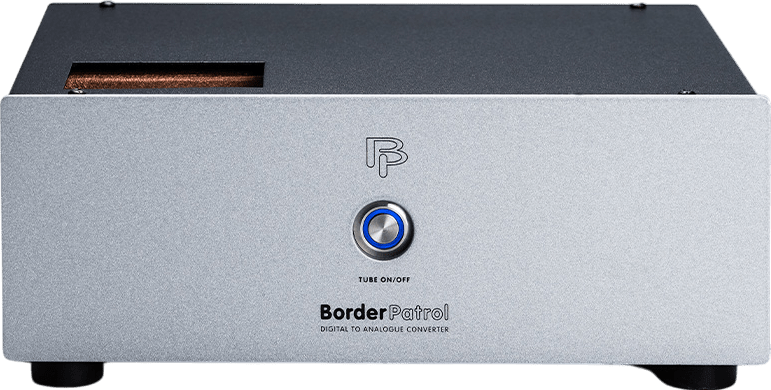
- The Border Patrol SE-i DAC brings the music naturally, organically, with great coherence and resolution
- It excels in the midrange
- The soundstage is quite large and can be vast, synergy providing
- There is a natural musicality and an organic quality to the music
- This DAC will give the music lover some of the finest reproduction qualities that may be experienced in a digital-to-analog converter
Product Considerations
- It will not play the various high-resolution formats or DSD or DXD or anything above 24/96kHz
- It only converts PCM (pulse code modulation) digital at sampling frequencies of 44.1K, 48K, 88.2K, and 96K
- If one is looking for extreme sonic range, it's best to move on from here
- Synergy with equipment is important to get the best sound
Comparisons (according to reviewers)
- Vs Audio Note CD3.1x/2: The Border Patrol may be a touch more accurate in its midrange response than Audio Note, but this was also highly dependent on the program sources employed
- Vs Prism Sound Callia: The Border Patrol equals the Callia in every way, but its presentation gives out a touch more softness with a little more naturalness in its fundamental tonality and harmonic presentation
- Vs Wyred 4 Sound's 10th Anniversary DAC: The main differences alongside the Border Patrol would be a touch more upper-frequency lift in comparison, whereas the Border Patrol still exudes a more romantic—slightly smoother—sound presentation
Takeaway: The Border Patrol SE-i DAC is great at making music sound natural and draws the listener into the music. It could be perfect for those who enjoy a natural sound and do not need to play super high-resolution files.
Video review
Our take on the brand


Our summary
Product Strengths
- Drop-dead gorgeous design aesthetic
- Music comes alive, offering a real taste of what reference-quality digital audio can sound like
- Reproduces layers of detail and offers a warm tonal balance, low noise floor, and superb top-to-bottom coherency
- Soundstage is recreated with excellent depth and width, and the imaging is spot on, with musicians and instruments locked firmly in place
- Connected to the Unison Research Triode 25 Integrated Amplifier and Linear Tube Audio MZ3, it was one of the best sounding DAC/amplifier combinations heard in many years, undeniably captivating
Product Considerations
- The display seems half-baked with non-functional bands restricting the functional real estate
- The remote makes a rattling noise, which some may find disconcerting initially, but is by design
- Outputs are extremely hot
- May be overhyped, the sound quality not quite matching up to the hype, or more importantly, matching up to the price tag
Comparisons (according to reviewers)
- Vs SMSL VMV-D1SE: The Spring 3 has better refinement and more of that airy quality on top
- Vs Denafrips Pontus 2: The Spring 3 was a little cleaner in the mid-range, with better bass definition and control, but the Denafrips had a warmer—more full-bodied—presentation and deeper soundstage
Takeaway: The Spring 3 KTE is a beautiful DAC that can bring listeners closer to their music. It may be worth buying to experience high-quality digital audio.
Video review
Our take on the brand
What competes at this price?
Questions? Ask the brand's dealers.




How to buy
DACs
Search all hifi products
Explore our database of 10,000+ new and 25,000+ used hifi products.