




Note that this is a discontinued product. You may want to visit the brand's page here to browse their newer products.
What reviewers think
Bloggers and YouTubers have tried this product—so we've summarized their strongest opinions below. Links to full reviews follow.
Product Strengths
- Improved power transformers and components
- Wider soundstage than the compared amplifier
- Sugden has been in the same building since 1967, and they will always repair all of their equipment, even the early models
- Has a tape output, which is a fixed volume output ideal for connecting to a headphone amplifier
Product Considerations
- Noisy, with noticeable hiss and hum when the volume is turned up, although this isn't audible during music playback at normal listening levels
Comparisons (according to reviewers)
- Wider soundstage
- Smoother
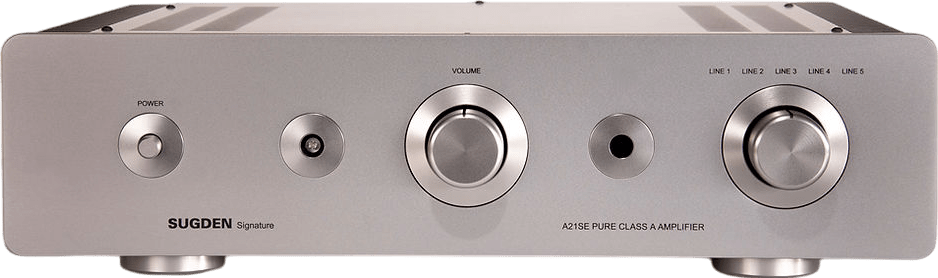
Takeaway: The Sugden A21 SE Signature has a wider soundstage—which makes the music listening experience better—and because of its quality and historical significance, it is a product that can be trusted
All
A21SE Preamplifier
reviews


Manufacturer details
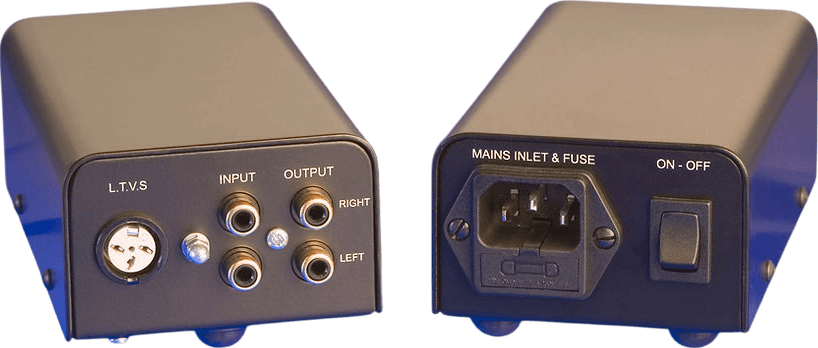
- Input Sensitivity MM: 3.0mV
- Input Sensitivity MC: 0.15mV
- Output: 350mV
- Frequency Response: +/-1.5db 20Hz-20kHz
- Signal to Noise: >64dB
- Gross Weight (packed): 2kgs
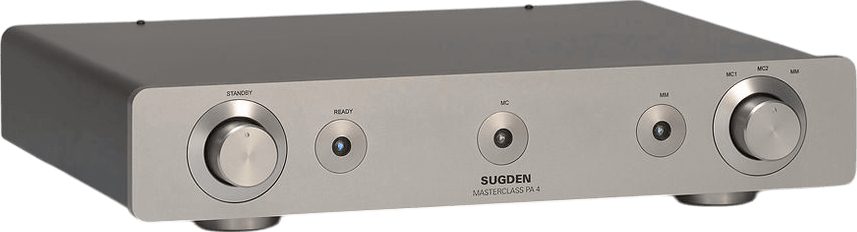
- Dimensions Phono amplifier: 60 x 140 x 77mm (hwd)
- Dimensions Power Supply: 50 x 140 x 77mm (hwd)





Brand highlights
Taking a step back to look at reviewers' thoughts of the brand's entire lineup—not just this product—what stands out most is the following:
- Sugden Audio amplifiers are meticulously handcrafted in England, with a strong emphasis on in-house design and production, ensuring a high level of quality control.
- The brand embraces Class A amplification. They offer a warmer, more organic sound than many modern amplifiers, with a presentation that prioritizes musicality and emotional connection over sheer power or technical specifications, making them ideal for long listening sessions.
- Sugden amplifiers often deliver a wealth of subtle details and micro-dynamics, contributing to a highly engaging and musical experience that allows listeners to fully appreciate the texture and timbre of instruments and voices.
Select products
A21 Integrated Line Amplifier
- Positioning: The entry-level high-end amplifier in Sugden's lineup.
- Description: Uses pure class A design, offering a large soundstage and depth. Its single-ended voltage rail circuit provides impressive dynamics and bass, distinguishing it from more complex models like the ANV-50, which features advanced output stages. Makes a great choice for those seeking simplicity and affordability without compromising on sound quality, especially if they do not require the higher power output or additional features of more expensive models.
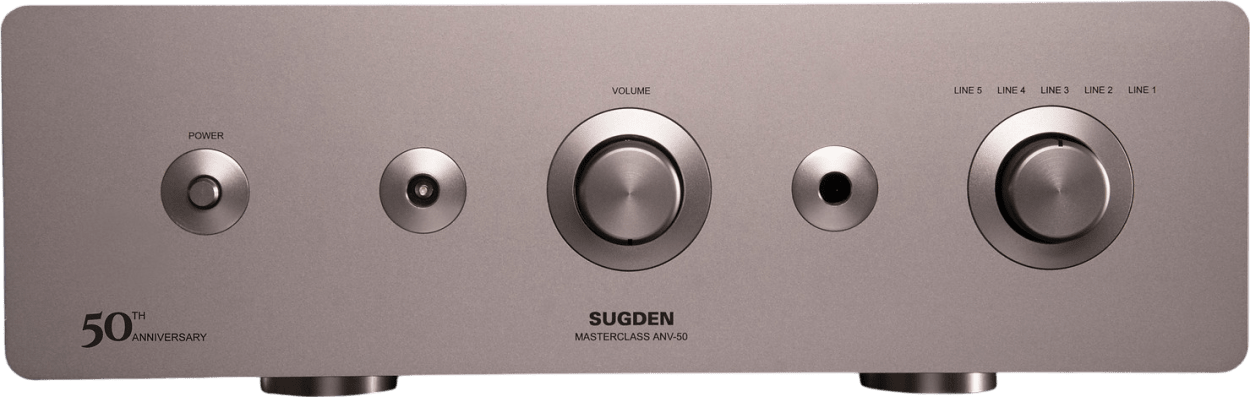
ANV-50 Integrated Amplifier
- Positioning: A mid-range model in Sugden's Masterclass series, celebrating the brand's fiftieth anniversary.
- Description: Features a two-stage amplification system, combining a pure Class A amplifier with an advanced output stage for enhanced load stability. More powerful than the A21, offering 50 Watts into 8 Ohms, making it suitable for larger rooms and a wider range of loudspeakers. Its power supply and error correction circuits provide superior sound quality and reliability.
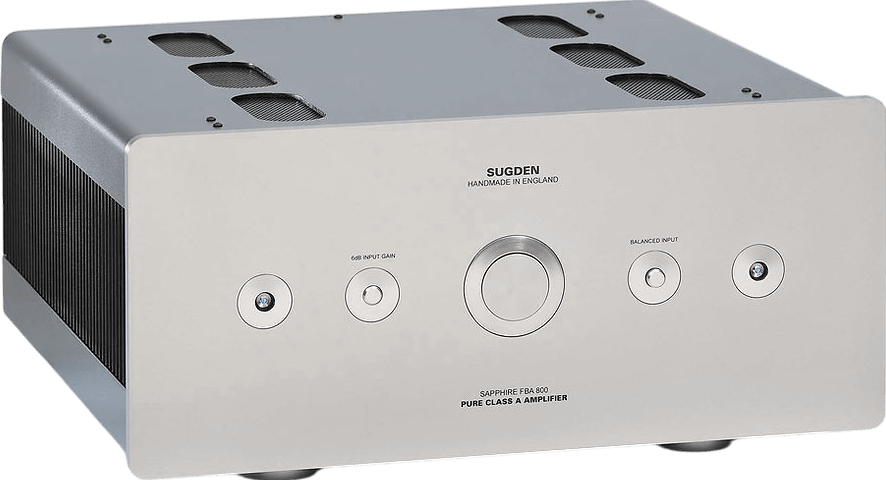
FBA-800 Class A Stereo Power Amplifier
- Positioning: A high-end power amplifier in Sugden's lineup, part of the Sapphire series.
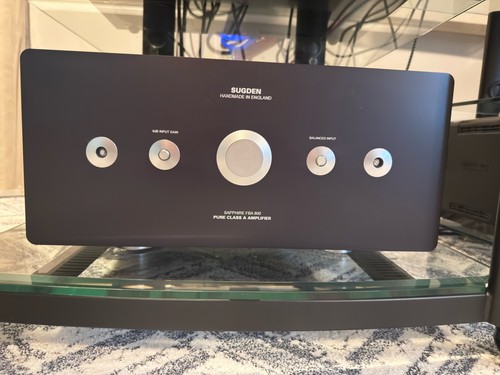
- Description: Features a floating bridge design, which combines four amplifiers for a low noise floor and better power output. This model offers a full balanced mode from input to output, providing superior sound quality and load tolerance compared to the ANV-50 and A21.

Our take on the brand
Look inside the brand
Our interview with the brand
What are two key technological innovations or strong opinions that differ you from other brands?
What's your approach to customer support?
What are your favorite tracks for showcasing the strength of your products?
What other products pair best with yours?

Used
Sugden







What if you spend more?



.svg)
Our summary
Product Strengths
- Ultra-low noise with remarkably quiet backgrounds and effortless transparency
- Delivers Al Harewood's delicate brush work with an outstanding balance of brush "edge" and "swish"
- Clear and distinct sound, with a soundstage that is tall, wide, and deep
- Natural and matter-of-fact nature, one that doesn't feel processed or constrained in any particular way
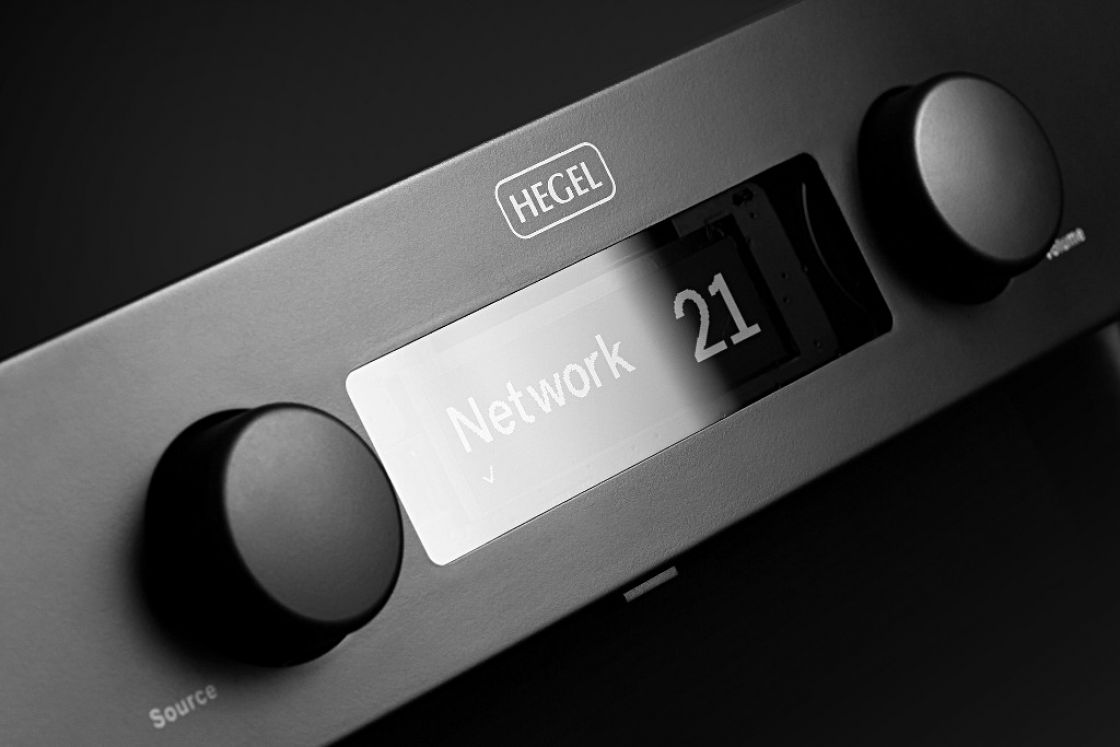
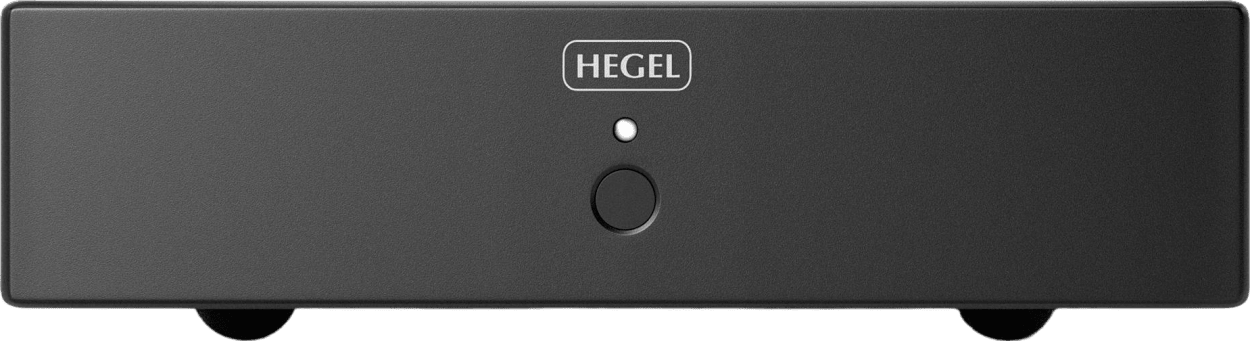
- The V10 is a highly musical phonostage that resolves fine details, honors tonal colors, and allows the dynamic life in music to breathe at levels that belie the unit's modest price
Product Considerations
- Adjustments to capacitance, gain, and impedance are accomplished by means of a bank of DIP switches on the rear panel, which can be a bit confusing
- The instruction manual states it's possible to set impedance "freely between 50 and 550 ohms" and add 6 addition dB of gain, but to do so contact your Hegel dealer for more information
- Not as versatile as the PS Audio Stellar
- The V10 does not try to mask physical imperfections on the record
Comparisons (according to reviewers)
- Vs Simaudio MOON by Simaudio 610LP—the Hegel V10 performs so well in comparison to the much more expensive 610LP as to be encouraging
- Vs Aurorasound VIDA Prima—the Hegel V10 seemed to pull out more detail than the VIDA Prima
- Vs Aqvox Phono 2 Ci—V10 allows one to easily explore the musicians' context and intent better
- Vs Rega Aria 3—the V10 betters it by quite a way, showing how the Hegel has a more incisive and detailed nature
Takeaway: The Hegel V10 is a great sounding, well-made phono stage that produces the 3D, of both the music and the space behind it, while honoring the purity and simplicity of the recording. It has connectivity and configurability as well.
Video review
Our take on the brand
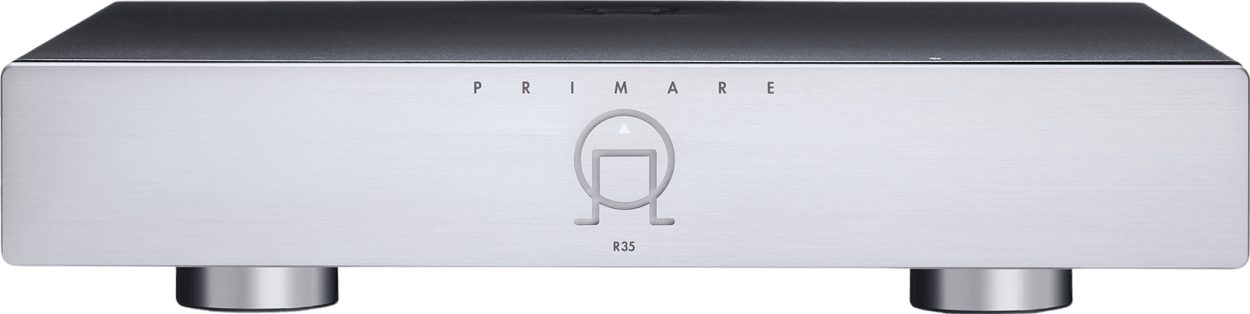

Product Strengths
- Comprehensive spec sheet
- Versatile phono stage with balanced outputs offers greater levels of gain
- Depth, detail, and an analogue character
- Flexible and capable
- Extracts the very best from any cartridge
- The casework feels solid and beautifully finished
Product Considerations
- Adjusting capacitance and loading via hidden dip switches under two small covers for left and right channels is a little trickier than the previous model's dial adjusters
- DIP switches are fiddly to use
- Busiest and brightest recordings can appear just a little sanitised
Comparisons (according to reviewers)
- The R35 offers a thorough update of its feature set, making it—on paper at least—one of the most versatile phono stages on the market today
- The R35 ups the ante by some margin, despite looking deceptively identical to the retired R32 front on
- Compared to the Hegel V10, the R35 is more playful dynamically with fatter bass, there is more depth in the soundscape, and a slightly larger range of timbres
Takeaway: The R35 is a versatile phono stage that can extract the best from any cartridge and has a comprehensive spec sheet. It offers depth, detail, and an analogue character that underlines vinyl's enduring appeal.
Video review
Our take on the brand
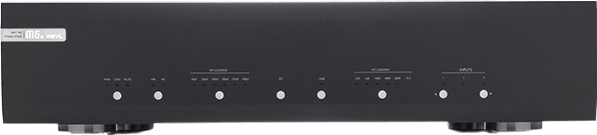

Product Strengths
- Crisp, clean, and spacious tone, which is fun to listen to, tonally neutral, and detailed
- Good and solid build quality
Product Considerations
- Substandard interface, with tiny buttons and labels, can be difficult to use
- In single-ended mode, the sound presentation can have slightly edgy mids
- Smaller interface font than the M6 makes the values slightly harder to read
- Size and weight might require sturdy shelf support
Comparisons (according to reviewers)
- M6x has an appreciable reduction in its noise floor and improved dynamic range compared to M6 Vinyl
- M6x has a slightly well-lit upper midband and a drier and leaner bass compared to ModWright PH 9.0 tube phono stage
- M6x Vinyl is a clear step up, having a crisp, clean, and spacious tone compared to Rega Aria Mk3
Takeaway: The M6x is a versatile phono stage that offers balanced connections, multiple inputs and solid build quality. It is sonically neutral and lets records speak for themselves.
Video review
Our take on the brand
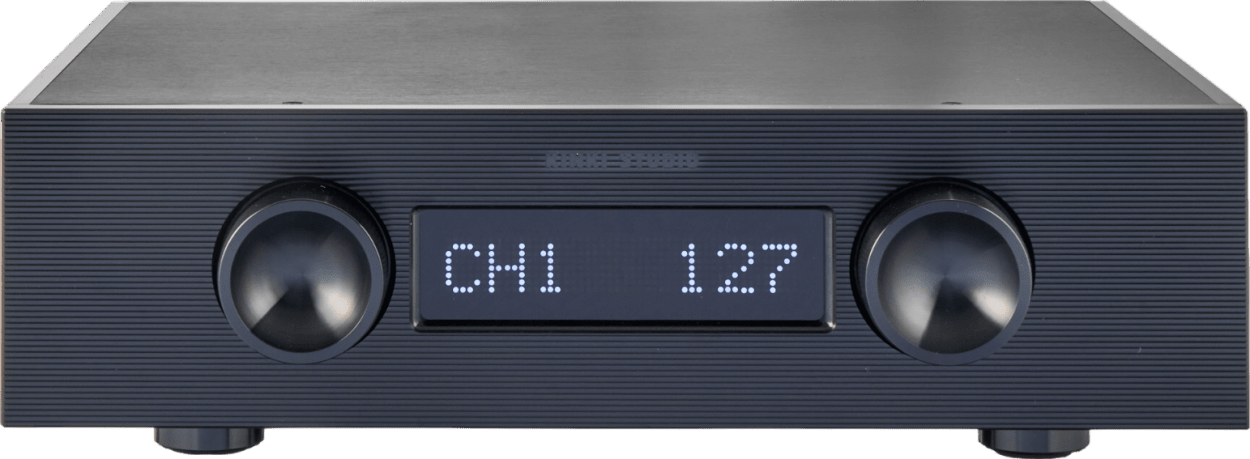

Product Strengths
- Offers a 'truthful' signal transmission with attributes of speed, low noise, vanishing grain, and purity—delivering a solid sonic performance
- Excellent build quality, with robust aluminum chassis and quality parts
- The knobs offer a silky-smooth feel, and the remote is well-designed and easy to use
- Offers a detailed sound
Product Considerations
- The XLR inputs and outputs are more for interface convenience, as the internal circuitry is single-ended
- Some reviewers note a lack of density in the lower midrange compared to other preamps
- The EX-P7 can sound too analytical if paired with already analytical components
- May not match high-end SET amplifiers in accurately conveying timbre and texture of vocals
Comparisons (according to reviewers)
- Vs Denafrips Athena preamp, the EX-P7 is faster, more linear and agile, but lacks some density in the lower midrange
- Vs Kinki Studio EX-M1 Integrated Amplifier, the EX-P7 (paired with EX-B7 monoblocks) sounds beefier, more extended in the bass, and rounder, while the EX-M1 is leaner and feistier
- Vs Audia Flight FLS1 preamplifier, EX-B7 monoblocks combined with the FLS1 gained resolution, clarity and transparency
Takeaway: The Kinki Studio EX-P7 preamp is well-built and offers a technically correct sound, making it a great option for those seeking a detailed and revealing listening experience when paired with the right components. It is designed with quality components, inside and out, and the overall product exudes quality.
Video review
Our take on the brand
What competes at this price?
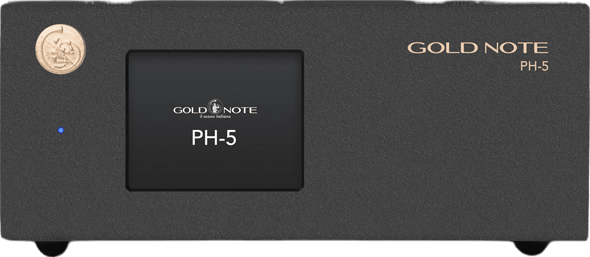

Our Summary
Product Strengths
- Offers a versatile range of adjustments, including nine input impedance choices and four gain options, to match various cartridges
- Offers three different equalization curves (RIAA, Decca London, and American Columbia), unusual for phono stages in its price range
- Produces a clean, smooth, lucid, and well-balanced sound that is uncolored and neutral, allowing for greater transparency and speed
- Musical, smooth, coherent and dynamic, with a very good pace, rhythm, and timing
- Touchscreen interface is easy and intuitive to use
Product Considerations
- Moving magnet capacitance is set at 220pF and is not adjustable
- Some reviewers express concern about potential RF interference from the digital display affecting the analog circuitry, particularly with sensitive MC cartridges
- Instrumental images may be smaller than with other phono stages
- May sound a little weightless compared to significantly more expensive phono preamps
- Reviewers note the forthcoming PSU-5 power supply
Comparisons (according to reviewers)
- Compared to a similarly priced phono stage, the Gold Note PH-5 provided greater insights into how Miles Davis played each note, and was more full-bodied and dynamic
- The Pathos In the Groove was more spacious and shapely sounding but lacked the PH-5's sense of control and smoothness
- Compared to the Gold Note PH-10, there's a remarkably similar sound, with a tad more weight to recordings played through the more expensive PH-10
- The PH-5 sounds closer to the GrandiNote Celio MK IV—a bit richer, smoother, and more saturated—whereas the ESE Lab Nibiru is more about speed, precision, and transparency
Takeaway: The Gold Note PH-5 is a versatile phono stage that sounds musical and natural. It provides many options to adjust the sound, and it is an affordable way to get great performance from vinyl records.
Video review
Our take on the brand

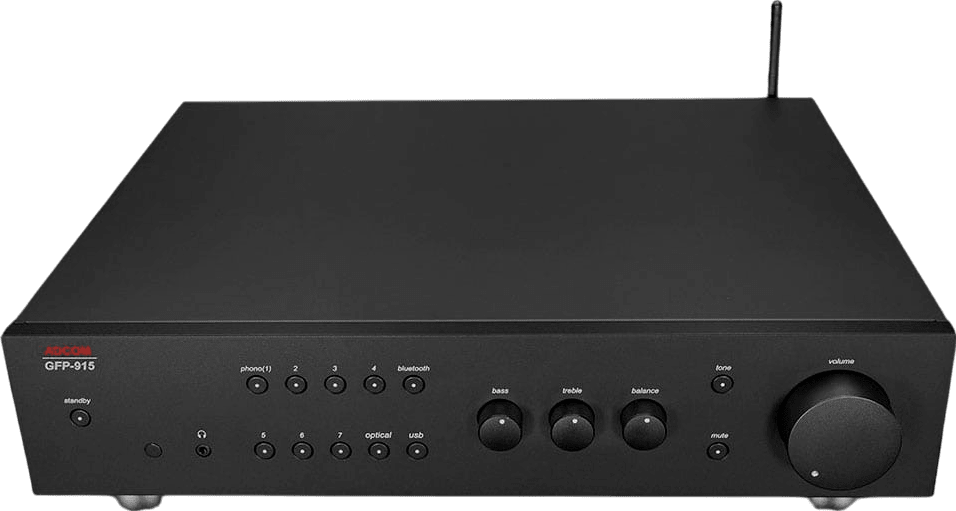

Our Summary
Product Strengths
- Straightforward, high-quality preamp that does everything asked of it, very well
- Includes tone control knobs for bass and treble to personalize the listening experience
- Allows turntable users to switch between moving magnet (MM) and moving coil (MC) modes
- Features seven source audio inputs, a front-panel 3.5mm headphone jack, Bluetooth 5.1, optical and USB inputs, as well as a phono stage for turntables
Product Considerations
- Bluetooth 5.1 connectivity, while present, is not super high resolution compared with Wi-Fi and may not appeal to those seeking a more robust streaming experience
- Has no balanced inputs
Comparisons (according to reviewers)
- Against Rotel's RC-1572 MKII, the Adcom GFP-915 wins in many audiophile categories, such as a lower reported total harmonic distortion and noise floor
- The Schiit Freya S stereo preamp at $599 is another solid, no-frills audiophile option that can compare to the Adcom GFP-915
- The NAD C 3050 integrated amp's HDMI switching, internal DAC, Bluetooth 5.4 and phono stage might sway one to spend a few hundred more dollars than the Adcom
Takeaway: The Adcom GFP-915 is a traditional stereo preamp that delivers quality performance and offers a range of useful features for audiophiles. It is a worthwhile option for those seeking a simple and effective way to manage audio sources and volume control.
Video review
Our take on the brand
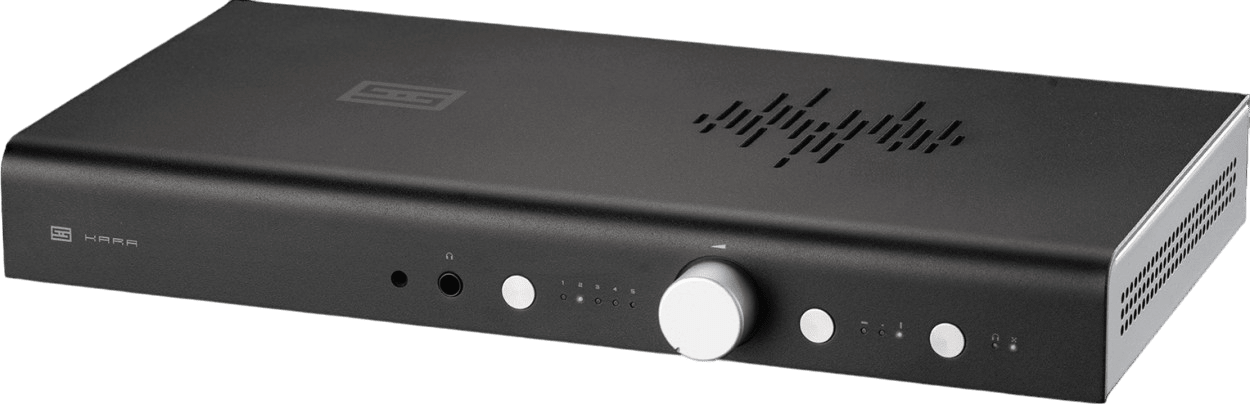

Our Summary
Product Strengths
- Features a fully discreet headphone amplifier built-in that sounds good
- Offers flexibility with passive, low gain, and high gain settings, not commonly found at its price point
- Build quality feels good, with a nice textured black finish
- Features a precise 128-step attenuator for accurate left-right balance, unusual for a $699 preamplifier
- Features a metal remote with volume, mute, and input selection
Product Considerations
- One reviewer experienced the Kara going into protection mode and muting the sound when adjusting the volume quickly—requiring a power cycle to resolve
- One reviewer said they prefer the RCA input and output sound
- XLR inputs for stereo mode are not available
Comparisons (according to reviewers)
- Vs Schiit Freya S: It replaces the Freya S and has significant upgrades, including a headphone jack and a more powerful power transformer
- Vs Pass Labs HPA1: The Pass Labs is a better-sounding pre-amplifier and headphone amplifier overall, but is significantly more expensive
Takeaway: The Kara preamplifier offers great flexibility with gain options and a good-sounding headphone amplifier. It's a well-built component that could be a good addition to an audio setup, especially if clarity is valued.
Video review
Our take on the brand
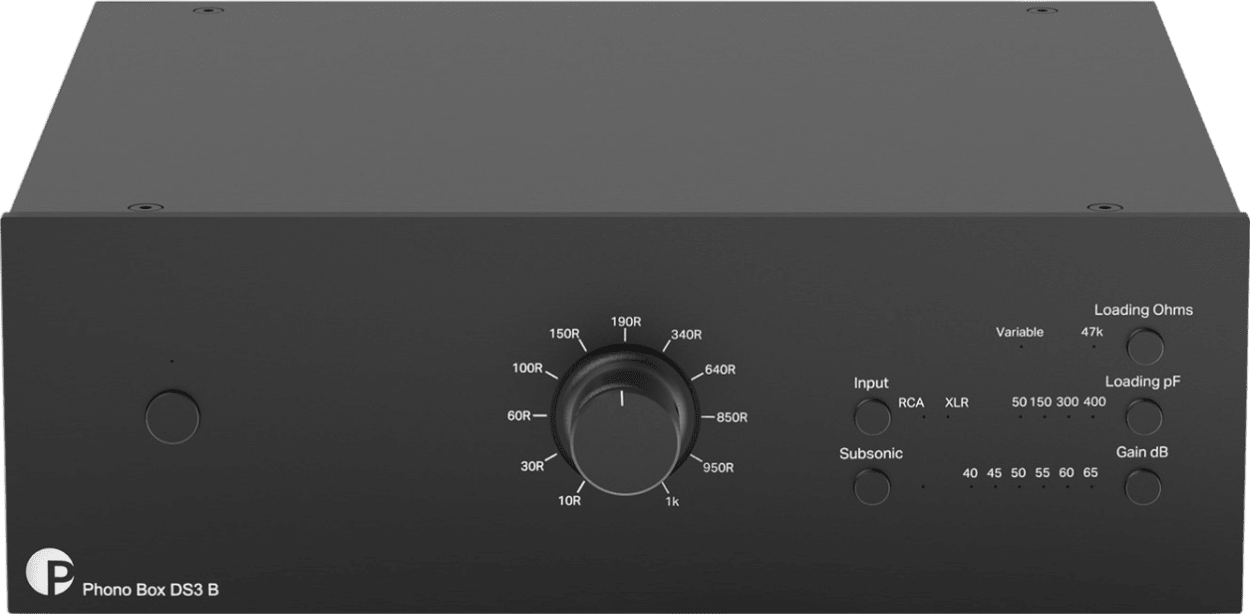

Our Summary
Product Strengths
- Balanced connections improve sound, though stellar audio is available via RCA inputs
- Tighter and continuous control over load impedance via a potentiometer control
- Discrete circuit design offers a more neutral sound than integrated circuits
- Two turntables can be connected at once, one with XLRs and one with RCAs
- Expanded soundstage and individual instrument placement both horizontally and vertically
Product Considerations
- Turntable with XLR outputs needed to experience its best features
- More expensive if balanced connection features are not being used
- Tube box will push coloration into the mix, so tubes need careful system matching
- Balanced outputs and moving coil cartridge are needed to reveal the sort of detail that vinyl aficionados champion
Comparisons (according to reviewers)
- Vs NAD Phono Preamp PP-1: Allows for markedly more detail and separation between instruments
- Vs Phono Box S3 B: Integrates all the technology from the SB3 and adds in a few extra features, as well as a potentiometer
- Vs Projects Tubebox DS3: The sound is far more clear, and the weighted treble and upper spectrum sound more pronounced
Takeaway: The Pro-Ject Phono Box DS3 B unlocks the potential of a turntable, enhancing the listening experience with more dynamics, details, and soundstage. It's a versatile phono preamp with remarkably neutral and detailed sound.
Video review
Our take on the brand
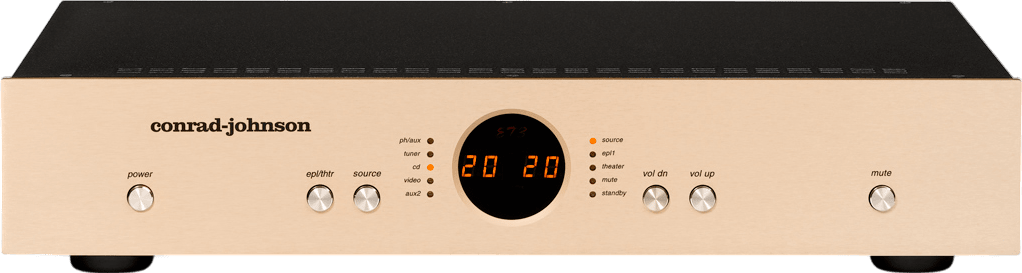

Our Summary
Product Strengths
- Offers much of what conrad-johnson learned with the GAT preamplifier, providing high performance at a lower budget
- The ET3SE's phonostage is essentially the TEA-2SE, offering great phono performance
- Strikes a perfect balance with a hybrid design, being extremely quiet and providing healthy tonal contrast, yet powerful and controlled
- Makes music collection come alive, especially after an hour or two to fully warm up
- Offers great sound, top build quality, and immense flexibility
Product Considerations
- The SE model with Teflon capacitors takes around 500 hours to sound its best
- Has only a single-ended design, complete with RCA jacks for inputs and outputs
- Only has one pair of main outputs, a second pair would be nice for those who use a powered subwoofer
- Remote is a stripped-down plastic model compared to billet aluminum remotes of higher-end conrad-johnson preamplifiers
- The non-SE versions have a somewhat warmer tonal balance with less extension at the frequency extremes
Comparisons (according to reviewers)
- The ET3SE offers about a quart and a half of the GAT's sound for less than a quarter of the price
- Given that the TEA2SE outboard phonostage is $4,000, the ET3SE's level of phono performance is amazing
Takeaway: The ET3SE is a great choice if you want high-end sound at a more affordable price. It is built well, sounds fantastic, and gives you a lot of flexibility for enjoying your favorite music.
Video review
Our take on the brand
How to buy
Preamplifiers
Search all hifi products
Explore our database of 10,000+ new and 25,000+ used hifi products.

.png)