





Note that this is a discontinued product. You may want to visit the brand's page here to browse their newer products.
What reviewers think
Bloggers and YouTubers have tried this product—so we've summarized their strongest opinions below. Links to full reviews follow.
Product Strengths
- Bass has more visceral impact than any other speaker reviewed
- Outstanding neutrality and clarity throughout the midrange and highs
- Soundstages are free from the speaker positions, making the speakers 'disappear'
- Remarkable consistency and uniformity whether listening on or off axis
- Can play whisper-quiet and extremely loud equally well
- Binding posts are inconveniently tucked way underneath the speaker
- Fragile domes are on the tweeter and midrange drivers
Product Considerations
- Appearance is polarizing
Comparisons (according to reviewers)
- Versus KEF Blade Two, the Giya G2 can hammer home bass with similar control, but may not reach as low in frequency
- Versus Magico A1, the Giya G2 vanishes more entirely from the soundfield
- Versus Revel Ultima Salon2, the Giya G2 surpassed the Revel in clarity and transparency, as well as bass extension and impact
Takeaway: The Vivid Audio Giya G2 and G2 Series 2 are high-performing speakers that deliver exceptional sound quality across a wide range of music and volume levels. They are innovative in their design and capable of producing realistic and immersive sound.
All
Giya G2
reviews


Manufacturer details
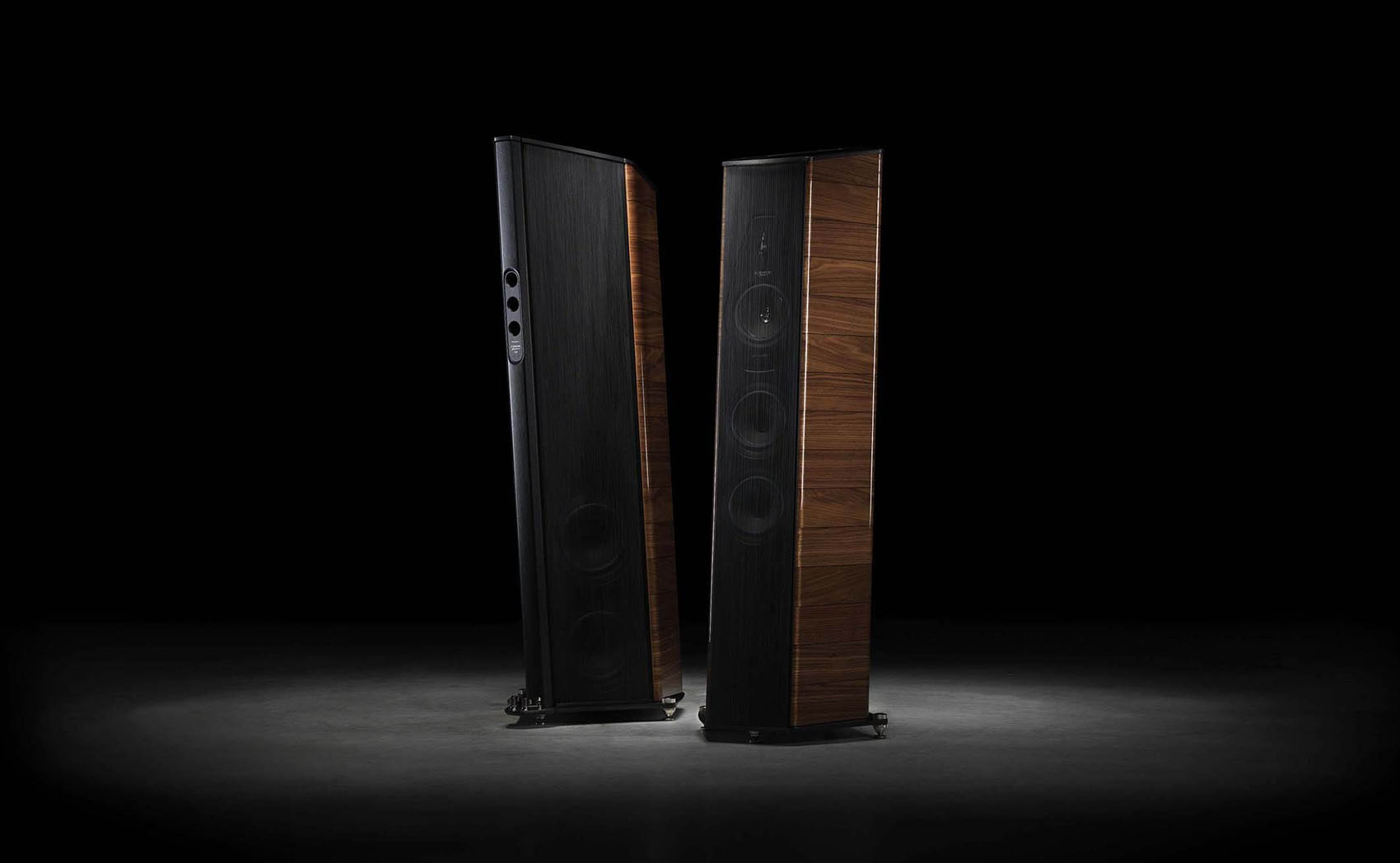
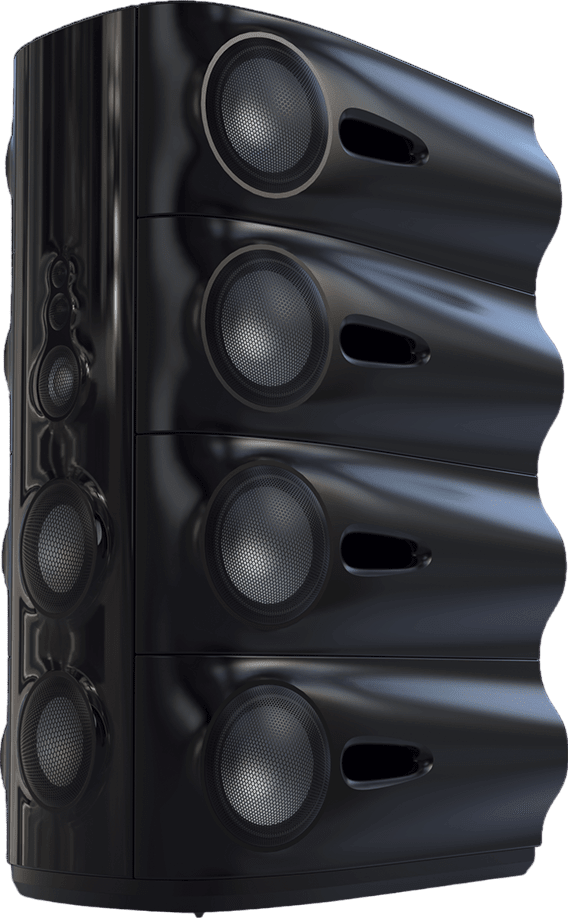
- Configuration: 4-way 5 driver system
- Cabinet material: Glass reinforced balsa cored sandwich composite, carbon fibre base
- Cabinet colour: Piano Black, Lexus Pearl White, Oyster Matte
- Drive units HF: D26 – 26 mm metal dome unit with Tapered Tube loading
- Drive units Mid: D50 – 50 mm metal dome unit with Tapered Tube loading
- Drive units Lower-mid: C125s, 125 mm alloy cone unit with Tapered Tube loading
- Drive units Bass: C175 – 2 x 175 mm metal coned unit with short-coil long-gap motor design
- Bass loading: Exponentially Tapered Tube enhanced bass reflex
- Sensitivity: 89 dB @ 2.83 VRMS at 1m on axis
- Nominal impedance: 6 nominal, 4 minimum, low reactance
- Frequency range: -6 dB points: 29 – 36,000 Hz
- Frequency response: 33 – 33,000 Hz +/- 2 dB on reference
- Harmonic distortion: < 0.5% over frequency range
- Cross over frequencies: 220 – 880 – 3,500 Hz
- Power handling: 800 watts rms
- Dimensions: 1,383mm (H) x 360mm (W) x 638mm (D)
- Net weight: 48 kg







Brand highlights
Taking a step back to look at reviewers' thoughts of the brand's entire lineup—not just this product—what stands out most is the following:
- Vivid employs a tapered tube loading technology, extending from the rear of each driver, to absorb backwave energy and minimize cabinet resonances, promoting clearer and more detailed sound reproduction.
- Reaction-canceling driver arrangements are a hallmark, strategically implemented to reduce cabinet vibration and improve bass clarity, enhancing overall sonic purity.
Select products
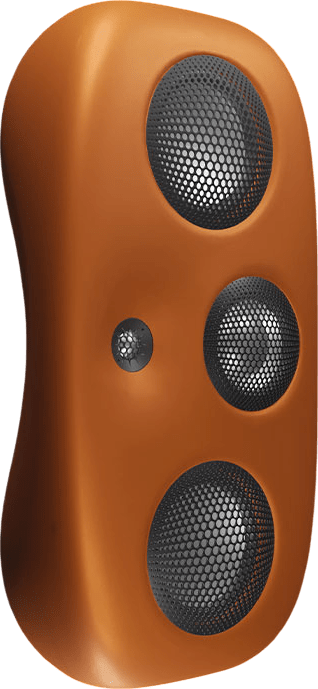
Oval
- Positioning: The entry-level option in Vivid Audio's lineup, offering their high-end technology at a more accessible price point.
- Description: Features a unique curved design, which reduces internal resonances and enhances sound clarity. Unlike the more advanced Giya series, uses fewer drivers, making it ideal for smaller rooms and those with a limited budget who still want high-quality sound.
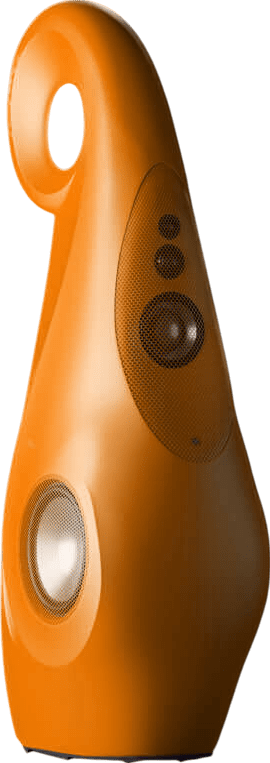
Kaya
- Positioning: A mid-range option, designed to provide a balance between performance and aesthetic appeal.
- Description: Features a compact design and directional sound, making them suitable for home theaters and smaller spaces. They incorporate some of the advanced technologies from the Giya series but in a more compact form.
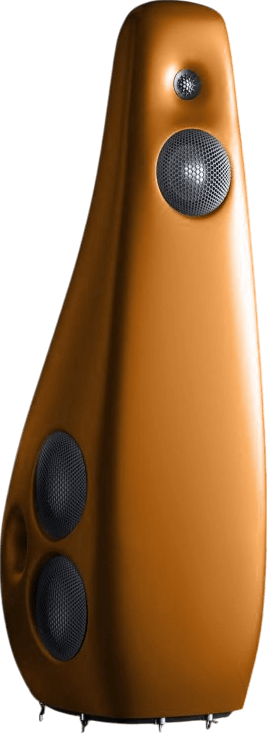
Giya
- Positioning: Vivid Audio's high-end offering, known for its distinctive design and superior acoustic performance.
- Description: Features a radical design and advanced acoustic engineering, providing an immersive listening experience. They include more drivers and advanced materials compared to the Kaya series.
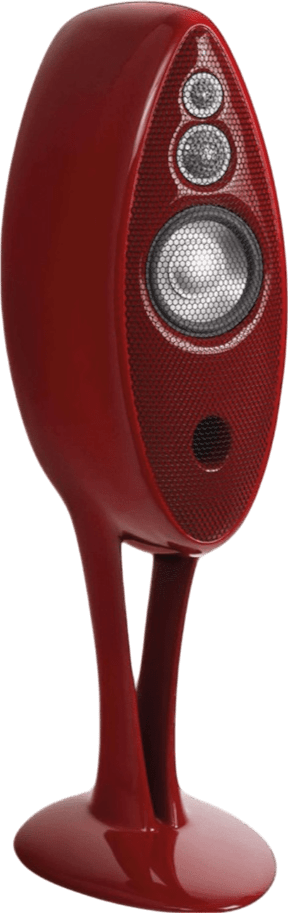
Moya
- Positioning: The ultimate expression of Vivid Audio's engineering capabilities, offering the most advanced features and performance.
- Description: Designed to deliver exceptional power and precision, with a focus on low-frequency performance. They surpass the Giya series in terms of driver count and efficiency.

Our take on the brand
Look inside the brand
Our interview with the brand
What are two key technological innovations or strong opinions that differ you from other brands?
Unlike the vast majority of our competitors, who simply use others' active components, we have, from inception, March 2001, designed and manufactured our very own bespoke, proprietary drive units. The resultant filter networks are ridiculously simple. By controlling the whole process, we are able to derive the exact response from each in it's system. A little appreciated advange too, is we are able to provide spare parts for an extended period.
Any vibrating device will impart that vibration to the substrate to which it is fixed. At Vivid Audio at no time do we couple drive units to the cabinet directly, each is decoupled by a carefully selected soft, 30 shore silicone, memory free O ring. In the case of bass units, we go one step futher - in addition to the decoupling O ring, each driver is apposed by another identical bass unit in a reaction cancelling configuration. Expensive, resulting in an inert cabinet. Note the lack of visible fixing harware.
A perfect acoustic solution.
(No matter how heavy you make a loudspeaker cabinet, all one is doing is shifting the damped resonances in band. Place your ear against any loudspeaker to appreciate this. The worst case example is the ubiquitous eccentricly loaded sub woofer.)
We strive for as lower mass as possible in an extremely stiff configuration. The lower the mass, the lower the energy strorage. The same requirement as aircraft, race cars etc. There are many other unique technologies we employ, jointly presenting the cleanest window into the music. Our web page details these.
What's your approach to customer support?
What are your favorite tracks for showcasing the strength of your products?
What other products pair best with yours?
It would be foolhardy of me to send you a short list - by definition would exclude many excellent brands of which we have no knowledge. Suffice to say: Unusually, we expend an exorbitant effort in perfecting the loudspeaker / room interface, no sharp perturbations, corners, discontinuities, etc., and the loudspeaker / amplifier interface, ensuring at the minimum impedance, the current and voltage waveforms are close to being in phase - an ideal situation. Our loudspeakers present an easy load to the amplifier. Quality rather than quantity is emphasized.

Used
Vivid







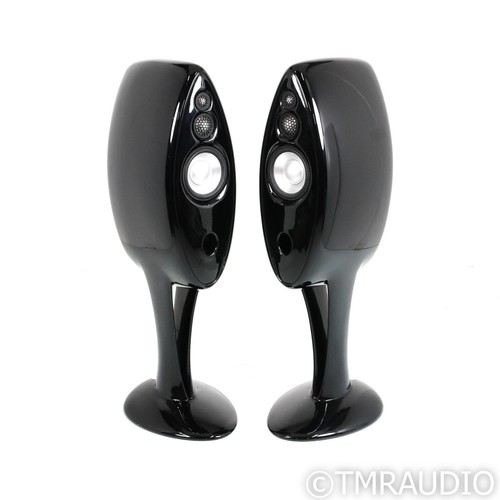
What if you spend more?



.svg)
Product Strengths
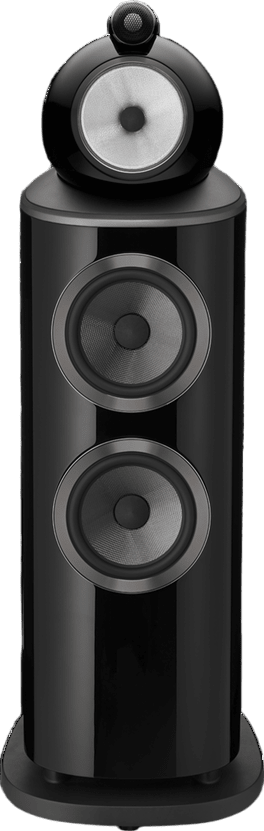
- Exceptional build quality with meticulous sanding, polishing, and assembly
- High level of detail reproduction with a clean and uncolored treble, thanks to the diamond tweeter
- Stable and efficient design with a wide frequency range and high sensitivity
- Iconic design with a teardrop-shaped cabinet to minimize diffraction and internal Matrix skeleton to reduce resonances
- Delivers music with extremely low distortion, allowing complex passages to breathe freely
Product Considerations
- Wheels underneath may mark parquet floors
- May lack some punch and dynamics in the mid-bass for some listeners
- Setup can benefit from careful physical adjustments for optimal performance
- Grills may be compelling as toys for young children
Comparisons (according to reviewers)
- The 802 D4 is more musically compelling than the 802 D3
- The 802 D4 delivers more accuracy, especially in the mids and highs, than the 800 D2/D3
- The 802 D4 has an advantage in airiness, transparency and resolution, though the KEF Blade Two Meta has more brutal dynamics
- The 802 D4 has less exaggerated sibilance, though the Focal Sopra No3 is more powerful in the midrange
Takeaway: The 802 D4 is an ultra high-end speaker that combines advanced technology and top-shelf materials, delivering exceptional detail and a clean soundstage for an immersive listening experience. It is a speaker that may fill the soul with music.
Video review
Our take on the brand

Product Strengths
- Excellent clarity, detail resolution, and agility in sound reproduction
- Impressive bass definition and punch, delivering huge amounts of bass effortlessly
- Combines muscularity, insight, scale, and attack for an engaging listening experience
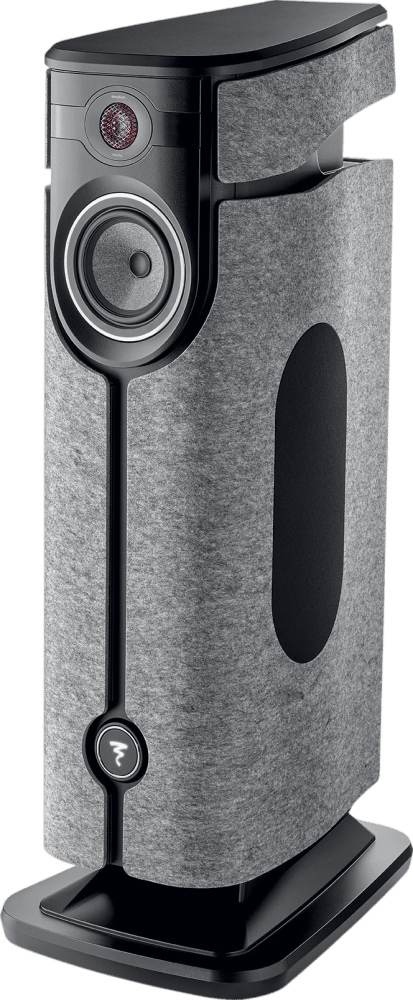
- Design is unique and striking, with impeccable build quality and a flawless finish
- Offers extensive specification and numerous control options, all implemented expertly
Product Considerations
- Sonic presentation might be a little too 'safe' or 'civilizing', potentially losing some of the vibrant energy in music
- Lacks some features compared to competitors regarding connectivity and adjustability
- Requires a large listening space to avoid overpowering the room
- The provided remote casing feels cheap and insubstantial compared to the overall package
- Room correction (ADAPT) is not as automated or precise as some other systems and the application may crash
Comparisons (according to reviewers)
- Vs KEF LS60 Wireless: KEF LS60 offers more flexibility, including a subwoofer output, but at higher volumes, Focal Diva is the clear winner
- Vs Bang & Olufsen Beolab 90: Beolab 90 is in a league of its own and provides a more complete audio experience
- Vs Scala Utopia Evo: Diva Utopia is cheaper in the long run, as the Scala Utopia Evo needs additional components, such as Naim Classic components
- Vs Diablo Utopia Color Evos: The Color Evos may represent the ultimate Focal experience
Takeaway: The Diva Utopia is an all-in-one speaker with impressive sound that expertly combines performance and design. It offers a unique blend of luxury and high-end audio quality that can be enjoyed by anyone looking for a simplified audiophile experience.
Video review
Our take on the brand
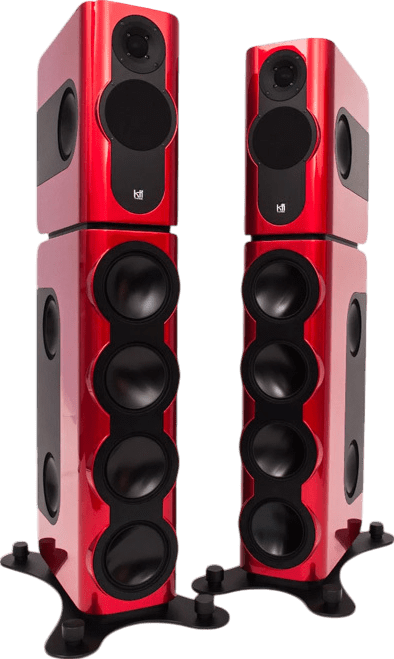

Elegant and powerful, our BXT turns any pair of Kii THREE into unrivaled floor-standing speakers.
Our summary
Product Strengths
- When combined with the BXT module, the system delivers tight, dynamic, and nuanced bass reproduction
- The addition of the BXT allows the system to reveal subtle details in the lower frequencies that are typically missed
- The BXT system offers a balanced sound, with the midrange frequencies benefiting from the addition of the BXT module
- Are relieved of some bass duties, letting them focus more on the mids
- The combination with the BXT module creates a cardioid dispersion pattern, reducing reflections from side and rear walls—minimizing the influence of room acoustics
- Ease of use is another strength of the concept
Product Considerations
- Some perceive it as sounding 'too digital' or 'too analytical' on its own, lacking the warmth of other speakers, but the BXT module helps to address this
- The display on the Kii Control is considered small, making it difficult to read in poor lighting conditions
Comparisons (according to reviewers)
- Versus ATC speakers, ATC speakers have a warmer, more colorful sound
Takeaway: The system, especially when paired with the BXT module, delivers exceptional sound quality with deep, controlled bass and reduced room interaction. For those wanting a system with great clarity and power, this could be a good pick.
Video review
Our take on the brand

Product Strengths
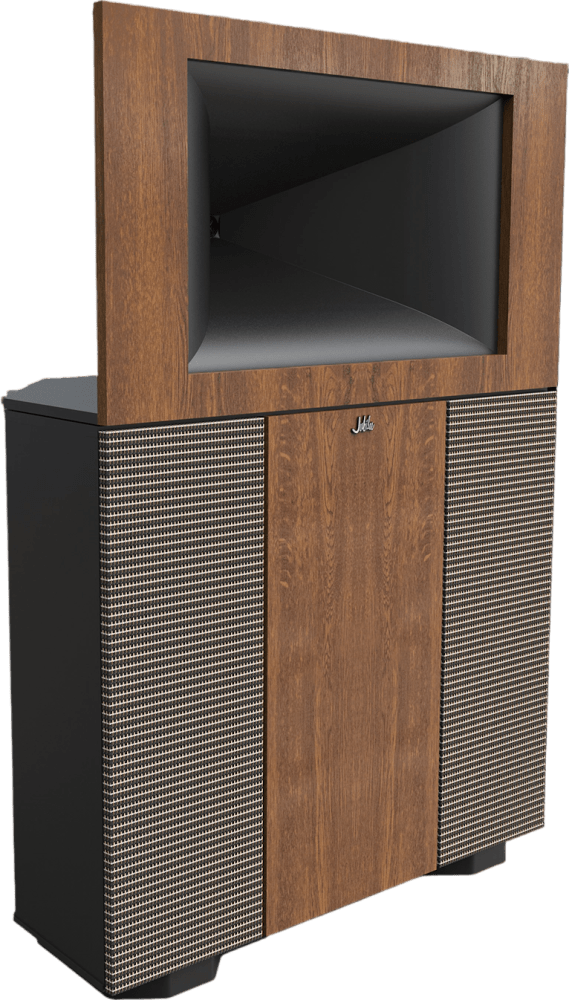
- Extraordinary bass response that goes down to 18 hertz
- They play quietly very well, maintaining detail and presence even at low volumes
- The sound is dynamic and powerful, with an effortless quality
- They don't sound like horns
- Wide soundstage, and imaging is precise and focused
Product Considerations
- At $36,000 a pair, the Jubilee speakers represent a significant financial investment
- The DSP has the potential for problems
- A larger room where the speakers can be placed further apart and further away would improve the sound further
- The speaker is large, which may pose aesthetic or practical challenges for some rooms
Comparisons (according to reviewers)
- The Jubilee is considered a step up from the Klipschorn
- The Jubilee is a whole different thing than the Klipsch Cornwall
- Jubilee tends to have better bottom end and better top end than the Klipschorn
Takeaway: The Klipsch Jubilee is a unique speaker that sounds great and can fill a large room with ease. It offers a powerful and dynamic listening experience that is different from other speakers.
Video review
Our take on the brand
What competes at this price?
Our Summary
Product Strengths
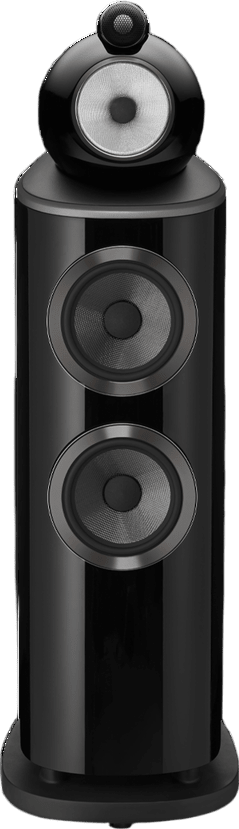
- Most affordable way into the true 800 series form factor, with the solid aluminum turbine head and the fully curved matrix-braced cabinet
- Features a one-inch diamond dome tweeter, which is a standout strength
- Midrange and vocal region from the Bowers favor a leaner, more technically accurate sound, going for outright clarity, and vocals sound particularly clear and clean
- Bases have casters integrated or built into them, making them easy speakers to move around for optimal positioning, and integrated spikes can then be used to securely position them
- Show-stoppingly gorgeous and sound simply fantastic
Product Considerations
- A much fussier speaker in every regard and require more thought and work to get the sound balance right
- Possible to come across maybe a little bit too lively in the treble
- Amplifier power, quality, and capability is hugely influential—hugely important for these speakers
- Due to their revealing nature, they don't play particularly well with poorer recordings such as metal and older rock
- Tweeter can get fairly harsh when the volume is turned to the extreme, pushing 90+ db for louder music
Comparisons (according to reviewers)
- Bowers & Wilkins are a much fussier speaker in every regard than the Mission 770
- Paradigm Persona 5H is a little more "liquid" sounding
- Wilson Audio SabrinaX's finish is superior to that of the Bowers & Wilkins, dynamic, easy to drive, with a very familiar and very resolute sound
- Bowers & Wilkins 803 D4s are refined like an Aston Martin, and Tekton Ulfberhts are more like a Corvette C8
- Bowers & Wilkins 805D4 lacks the midrange prowess that the 803 has, and will most definitely need a subwoofer for even mild extension into bass
Takeaway: The 803 D4 speakers offer a fantastic listening experience with clear vocals and a grand soundstage, making music more engaging. They are an investment that can potentially improve over a long period of time through system upgrades and continued optimization.
Video review
Our take on the brand


Our Summary
Product Strengths
- Delivers a large, detailed—and scalable—sound that doesn't lose quality at different volumes
- Excels in creating a wide and deep soundstage, enhancing the listening experience with a sense of expansiveness
- Is emotionally engaging, creating a connection between the listener and the music
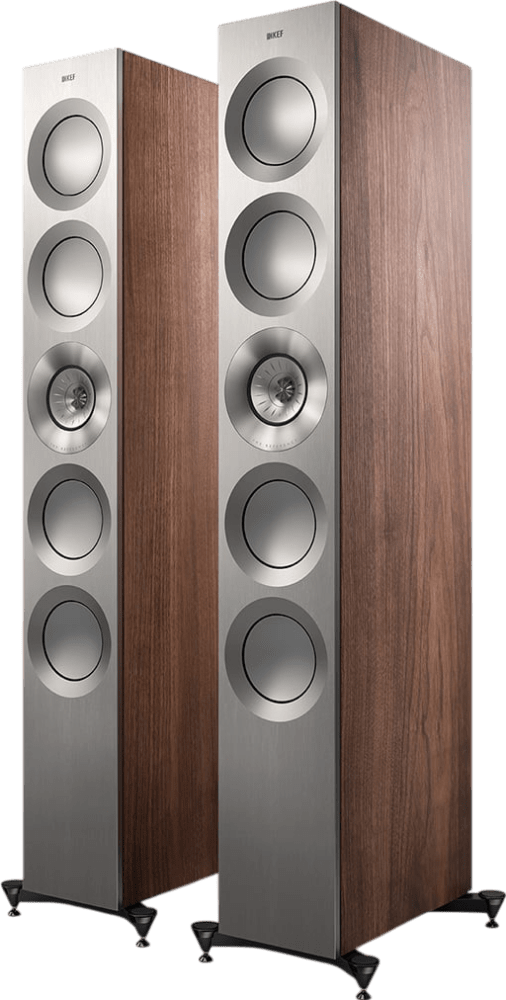
- The Uni-Q driver with Metamaterial Absorption Technology (MAT) significantly improves sound quality by absorbing unwanted frequencies, resulting in clearer and more accurate high-frequency reproduction
- Offers customisation for bass tuning with different port options to suit various room acoustics
Product Considerations
- Is a large and heavy speaker, requiring a substantial space and stable flooring
- Represents a significant investment
- While generally easy to drive, benefits from high-quality amplification to reveal its full potential
Comparisons (according to reviewers)
- Vs Audiovector R6 Arreté: R6 Arreté sounds extremely weightless and transparent, but doesn't have the same depth of bass as the Reference 5 Meta
- Vs Sonus Faber Serafino Tradition: The Serafino deliver the music nicely wrapped in a warm envelope that's very addictive, while the Reference 5 Meta focuses on detail and transparency
Takeaway:
The KEF Reference 5 Meta is a high-end loudspeaker that provides a detailed, emotionally engaging—and expansive—sound experience. With its advanced technology and customizable features, it is a great option for those looking to invest in a top-tier audio system.
Video review
Our take on the brand

Our Summary
Product Strengths
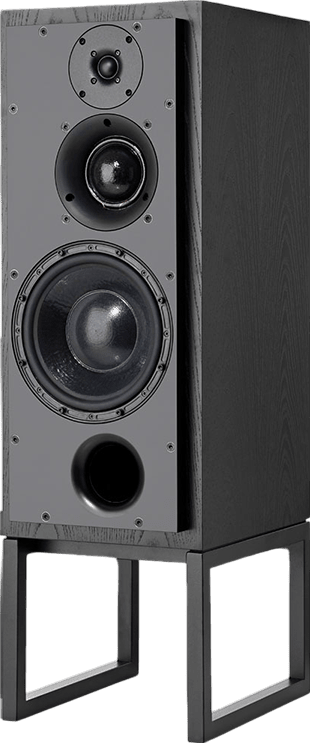
- ATC designs and builds every drive unit in-house, including voice coils, crossovers, and active amplification, allowing for complete control over every loudspeaker design decision
- In the active version, a more clearly defined soundstage has clearer, more well-defined individual elements, where everything pops out more from the background
- The active version has more energy, drive, and a more vivid overall presentation, resulting in a more tactile, energetic, and higher resolution sound
- The SCM50's woofer has an enviable ability to resolve textures and timbral colors, capably rendering the skins of bass drums, the flutter of tom-toms, or the dark voicing of orchestral bass viols as bows are dragged across their strings
- The SCM50 has an almost eerie immediacy that seems to glean the intent of the musician before their bow touches the string or a note escapes their lips, making piano reproduction breathtaking
- Connectivity is limited to a single XLR input, which may require adapters for single-ended sources
Product Considerations
- The active version is heavier than the passive version
- The owner must manually turn each speaker on and off, as there is no trigger or auto startup circuit
- The active version may pose challenges for owners of subwoofers needing high-level wiring connections, although workarounds exist
- Careful attention must be paid to positioning a pair of SCM50s, as the full-bandwidth—ported design means that placing them too close to a boundary wall will result in bass bloom
Comparisons (according to reviewers)
- SCM50 wins hands down over PureAudioProject Duet 15s for resolution, clarity, and dynamic shading
- The active version excels over the passive in solidity of soundstage, neutrality, and ultimate detail retrieval
Takeaway: The ATC SCM50 offers exceptional sound quality, whether in its active or passive configuration, thanks to ATC's engineering and in-house design. The ATC SCM50 is a choice that will bring musical joy for years to come.
Video review
Our take on the brand
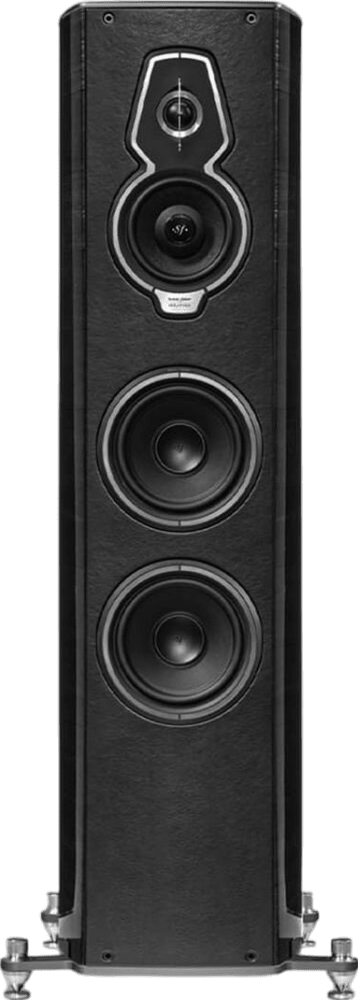

Our Summary
Product Strengths
- Stunning and unique aesthetics with a high-quality finish, including nine layers of natural wood and lacquer
- Very impressive audiophile soundstage that is layered with depth, allowing the listener to look 'through' the speakers
- Balanced sound with a sweetness to the treble and clear, focused vocals, regardless of the music content or volume
- Tight and controlled bass delivery that's detailed, articulate, and has a bouncy character—suitable for various room sizes
- Easy to drive with high sensitivity and works well with a range of amplifiers, even those significantly less expensive than the speakers themselves
Product Considerations
- Some audiophiles might find the overall dynamic liveliness a little too polite
- The bass, while satisfying, might be considered modest and not provide huge amounts of bass for bass enthusiasts
Comparisons (according to reviewers)
- Serafino has a warmer sound than the Bowers & Wilkins 803 D4
- Serafino is smoother and more relaxed in the higher frequencies than the Gryphon EOS 2
Takeaway: The Serafino speakers offer a unique blend of beautiful design and balanced sound, making them great for enjoying music for extended periods. Their elegant appearance and easy-to-listen-to nature make them worth considering for an all-around listening experience.
Video review
Our take on the brand
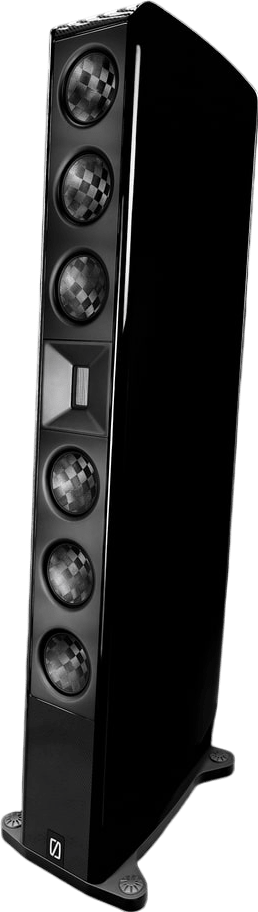

Our Summary
Product Strengths
- Dramatic, futuristic appearance with science-fiction-solidified, large wedges of carbon fiber that look like they are approaching warp speed while standing still
- Tight and quick bass due to the four smaller drivers working in concert
- Silky yet extended treble
- Image in the room was delightful in its solidity, with vivid imaging, giving equal weight to lateral staging and depth delineation
- Very good value for money when compared to their competitors
Product Considerations
- Finishes of the cabinets are limited to two colors (black and white)
- A run-in period is needed to get rid of the slight brittleness in the drivers when box-fresh
- A big loudspeaker, so ensure adequate space for them to breathe
- Backloading of bass may cause some positioning problems in some rooms
- One reviewer noted a fairly wide trough, centered at roughly 200Hz, that maxed out at nearly 10dB, so music that relies on this power region may not sound as good
Comparisons (according to reviewers)
- Vs Audiovector R6 Arrete´: The reviewer preferred the isobaric bass of the R6s, though the price difference certainly does make one sit up and take notice, and in every other way—in the reviewer's opinion—the Børresen X6s outperform the Audiovectors, though it's a fairly close run race
- Vs Børresen X3: The X6 offer a bigger 'feel' and digs a bit deeper in the bottom end than the X3
- Vs Bowers & Wilkins 801 D4 Signature: Crossover between the midranges and the tweeter rivaled the clarity of the Bowers & Wilkins 801 D4 Signature
Takeaway: The Børresen X6 speakers offer excellent value for the money and create a sense of scale uncommon in speakers at this price. With adequate space and solid amplification, these speakers offer a very attractive proposition.
Video review
Our take on the brand
How to buy
Speakers
Search all hifi products
Explore our database of 10,000+ new and 25,000+ used hifi products.