



Note that this is a discontinued product. You may want to visit the brand's page here to browse their newer products.
What reviewers think
Bloggers and YouTubers have tried this product—so we've summarized their strongest opinions below. Links to full reviews follow.
Product Strengths
- The Border Patrol SE-i DAC brings the music naturally, organically, with great coherence and resolution
- It excels in the midrange
- The soundstage is quite large and can be vast, synergy providing
- There is a natural musicality and an organic quality to the music
- This DAC will give the music lover some of the finest reproduction qualities that may be experienced in a digital-to-analog converter
Product Considerations
- It will not play the various high-resolution formats or DSD or DXD or anything above 24/96kHz
- It only converts PCM (pulse code modulation) digital at sampling frequencies of 44.1K, 48K, 88.2K, and 96K
- If one is looking for extreme sonic range, it's best to move on from here
- Synergy with equipment is important to get the best sound
Comparisons (according to reviewers)
- Vs Audio Note CD3.1x/2: The Border Patrol may be a touch more accurate in its midrange response than Audio Note, but this was also highly dependent on the program sources employed
- Vs Prism Sound Callia: The Border Patrol equals the Callia in every way, but its presentation gives out a touch more softness with a little more naturalness in its fundamental tonality and harmonic presentation
- Vs Wyred 4 Sound's 10th Anniversary DAC: The main differences alongside the Border Patrol would be a touch more upper-frequency lift in comparison, whereas the Border Patrol still exudes a more romantic—slightly smoother—sound presentation
Takeaway: The Border Patrol SE-i DAC is great at making music sound natural and draws the listener into the music. It could be perfect for those who enjoy a natural sound and do not need to play super high-resolution files.
All
DAC Se-i USB
reviews


Manufacturer details
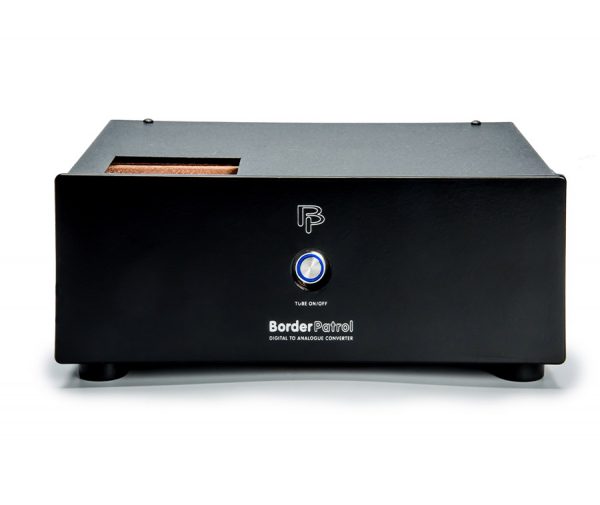
- Dimensions (WxDxH): 9 x 7 x 3in (226 x 173 x 78mm)
- Shipping Weight: 8lb (4kg)
- Sample Rate Support: Up to 24/96kHz via USB or SPDIF
- DAC Chip: Phillips TDA1543 R2R
- Power Supply: Tube/solid-state hybrid choke input filter with EZ80 tube rectifier



Brand highlights
Taking a step back to look at reviewers' thoughts of the brand's entire lineup—not just this product—what stands out most is the following:
- Border Patrol amplifiers utilize tube rectification and choke input filtering in their power supplies, a design choice they consider critical to their sound and not commonly found in other amplifiers.
- Border Patrol's DACs use vintage R2R DAC chips like the Philips TDA1543, intentionally avoiding oversampling, upsampling, and digital filtering to achieve a more natural sound.
- Border Patrol products emphasize their hybrid tube/solid-state design to blend strengths of both technologies.
Select products
BorderPatrol DAC SE
- Positioning: A mid-range digital-to-analog converter designed for natural sound reproduction.
- Description: Features a copper chassis and a unique combination of solid-state and tube rectification. Uses a discontinued converter chip, which contributes to its distinctive sound signature. This makes it ideal for users seeking a natural and less digital sound.
BorderPatrol S20EXD Amplifier
- Positioning: A high-end parallel single-ended amplifier known for its power and control.
- Description: Uses interstage transformers, which provide significant technical and sonic benefits over capacitor coupling. It offers superior power, control, and dynamics compared to other amplifiers in the lineup. Its dual mono design and external power supplies enhance its performance.
BorderPatrol P20 EXD EXS Amplifier
- Positioning: A flagship push-pull amplifier offering exceptional musical authority and dynamic response.
- Description: Features dual-mono external power supplies and oversized transformers, providing strong voltage regulation and noise rejection. It delivers a solid and planted musical presence, outperforming other models in the lineup in terms of dynamic integrity and speaker control.

Our take on the brand
Look inside the brand
Our interview with the brand
What are two key technological innovations or strong opinions that differ you from other brands?
Not sure about technological innovations, as my products unashamedly use old-school tech (valves and R-2R DAC chips), but strong opinions would be:
- I prefer electronics that have minimal signal processing, i.e., DACs without oversampling and digital reconstruction filters, and amplifiers that do not use negative feedback.
- I believe that power supply quality is very, very important and can often define the product’s sound.
What's your approach to customer support?
Direct contact with me. Fast reply, advice on how to get the best from my products or solve technical issues. Quick turnaround with updates on progress of any repair or service issues. I have been in the audio industry for over 35 years as a dealer, manufacturer, designer, service engineer, and just about everything else. Clients get the benefit of that experience when they buy from me.
What are your favorite tracks for showcasing the strength of your products?
This one is hard, as it changes a lot and I listen to lots of different things:
- Wagon Wheels – Sonny Rollins, Way Out West
- Five Feet Tall – Lady Blackbird, Black Acid Soul
- Symphonic Dances – Rachmaninov, Eiji Oue, Minnesota Orchestra
What other products pair best with yours?
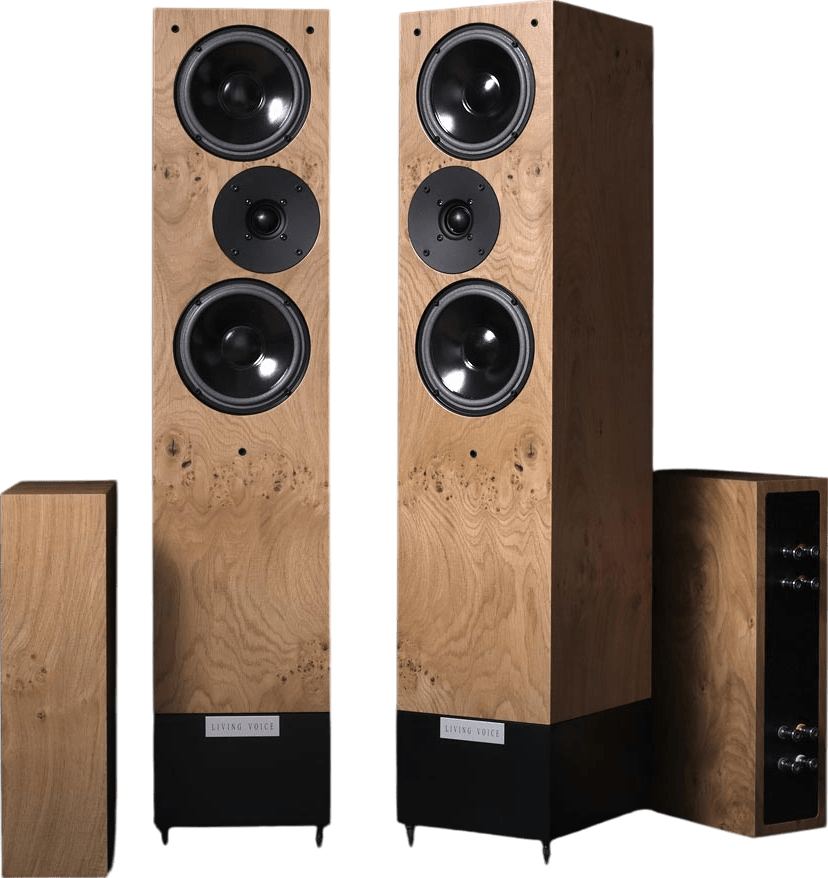
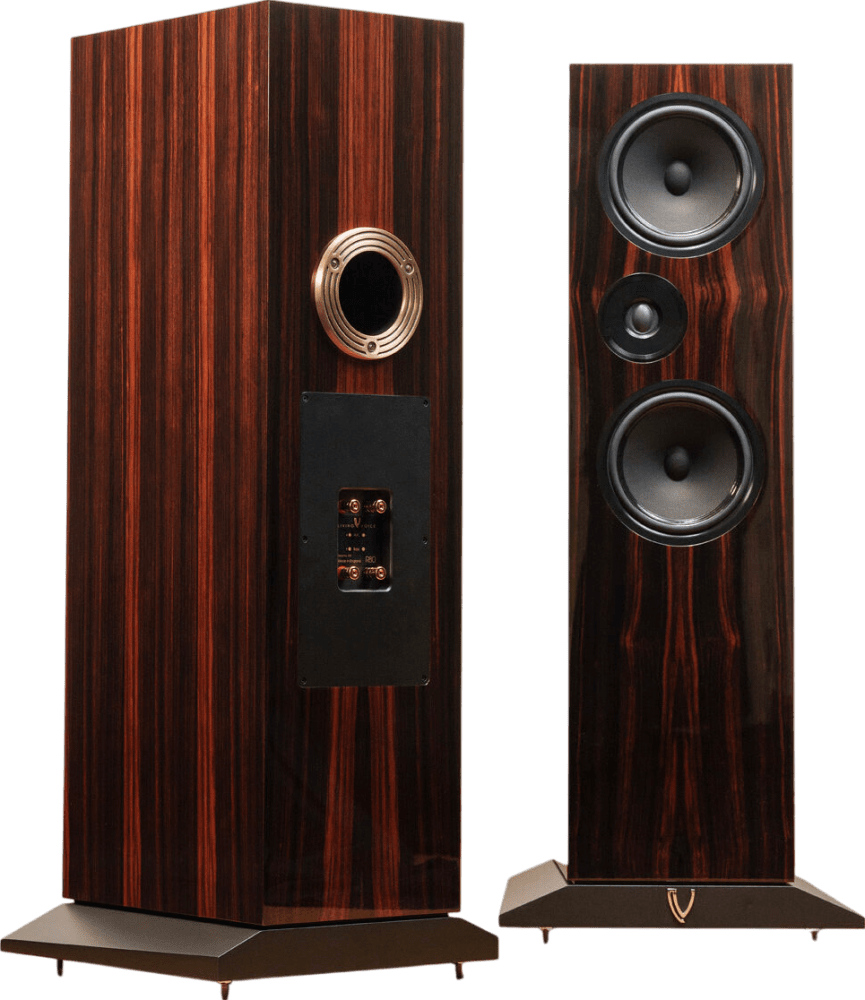
Living Voice Loudspeakers

Used
Border Patrol











What if you spend more?



.svg)
Our summary
Product Strengths
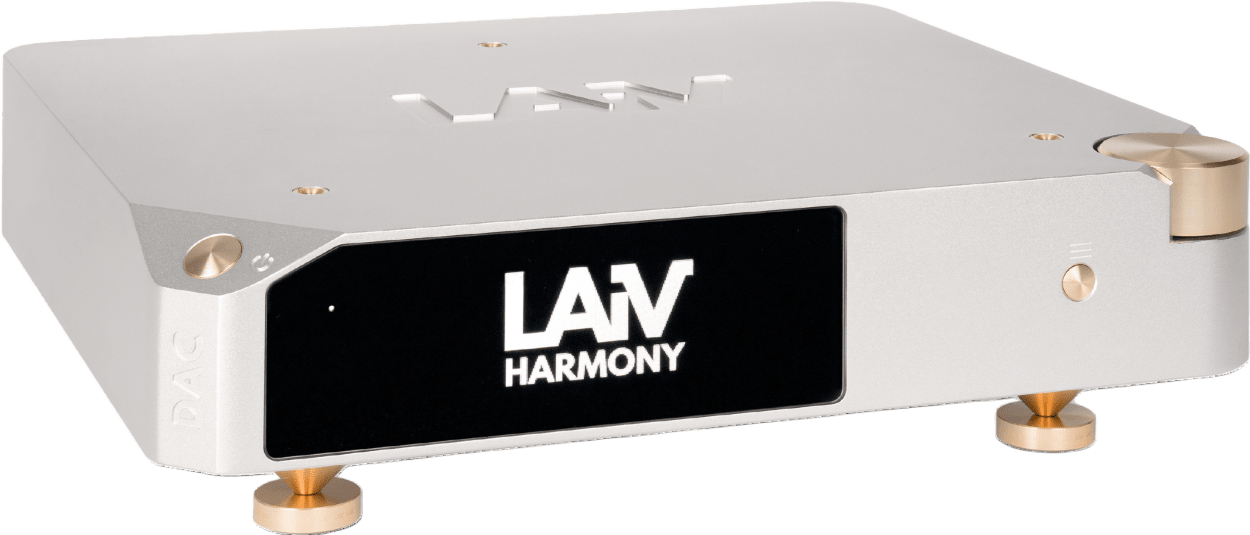
- Exemplary build quality, with a chassis milled from a single block of aluminum and high-quality components.
- Delivers a large soundstage with very good imaging and detail.
- Produces a harmonically rich presentation that R2R enthusiasts seek.
- The unboxing experience is premium, with a metal certificate of authenticity and a remote control made from solid metal.
Product Considerations
- The high output impedance (1200 ohms on XLR) might cause issues when pairing with amplifiers that have unusually low input impedance.
- Optical and coaxial inputs might not deliver the same performance as USB and I2S inputs.
- It is DAC-only unit, so it does not have preamp functionality or volume control.
- Spiked feet could scratch surfaces.
Comparisons (according to reviewers)
- Vs Denafrips Ares II: The Harmony DAC has more instrument separation and a little bit more detail through USB or I2S.
- Vs Gustard R26: The Harmony DAC is fuller in the bass and lower mid-range with a warmer presentation and wider soundstage through USB or I2S.
- Vs Denafrips Venus II: The Venus sounds bigger with more tangibility to where performers reside and more space between them.
- Vs Denafrips Pontus II: The Harmony DAC shares similarities but is slightly more resolving and realistic.
- Vs SMSL Raw Pro: The Harmony DAC is more enjoyable to listen to overall, although the Raw Pro is more detailed.
- Vs HIFIMAN EF400 and EF500: The Harmony DAC is an upgrade in detail retrieval, staging, and treble quality.
Takeaway: The Harmony DAC stands out with its build, engaging sound, and focus on providing a high-quality digital-to-analog conversion. Its ability to create a large soundstage and deliver rich detail makes it a solid option for audiophiles looking for an immersive listening experience.
Video review
Our take on the brand

Our summary
Product Strengths
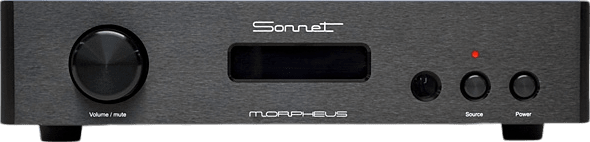
- Musical and natural sound, avoiding harshness or fatigue
- High linearity and a realistic 24-bit dynamic range
- Bit-perfect volume control by varying reference voltage directly from the DAC chips
- Roon Ready, easy to set up and use
Product Considerations
- Does not support DSD playback
- The I2S input uses an RJ45 connector, not the more common HDMI, limiting cable compatibility
- Some reviewers would like a sample rate/bit depth display on the front panel
- Direct-to-amp usage might not sound as good as using a separate preamplifier, depending on the system
Comparisons (according to reviewers)
- Morpheus offers performance equal to Metrum Acoustics Adagio/Pavane without the heavy casing
- Morpheus is better than Metrum Acoustics Onyx or Jade, with more options, expansions, and better build
- Morpheus offers greater apparent resolution and a broader dynamic range than Totaldac d1-tube DAC/Streamer
- Morpheus is better than Denafrips Pontus with soundstage, timbre, tones, and attack, and no listening fatigue on the Sonnet
- Hermes and I2S was simply much better in every way than Primare Prisma NP5 Network Player, where music sounded paler, softer, and less exciting
Takeaway: The Morpheus DAC is a great option for audiophiles seeking accurate, natural, and musically pleasing sound. Sonnet designs deliver high quality sound and could convert even the most stubborn digital skeptics.
Video review
Our take on the brand

Product Strengths
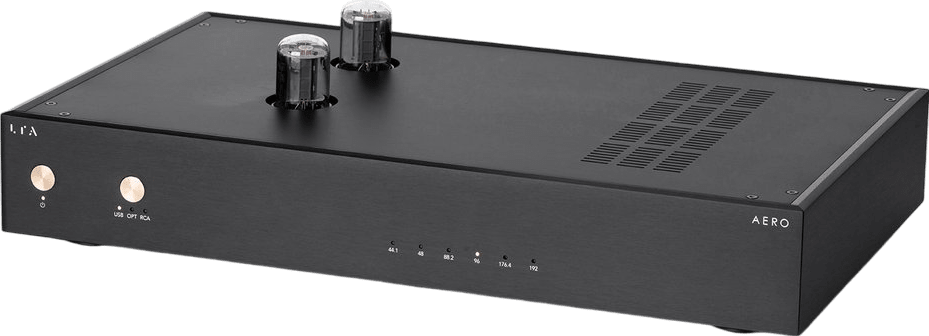
- Natural and engaging sound, praised for its 'non-digital digital sound' and ability to connect the listener to the music's emotive power
- Richness and fullness to the sound, achieving a balance between not being overly warm or rich nor clinical or sterile, offering a natural tonality
- Wide and deep soundstage with precise instrument placement, creating spatial dimensions comparable to higher-priced DACs
- Dynamically lively and snappy, handling complex musical passages without sounding overwhelmed
- High-quality internal parts, robust build quality, and elegant appearance
Product Considerations
- Lacks some of the detail retrieval and resolution compared to other DACs, meaning it may not deliver the same level of micro-textures
- PCM only up to 192k sampling rate, so there is no DSD support
- Some reviewers wished for I squared S and also AESEBU, the XLR input
Comparisons (according to reviewers)
- Vs Mola Mola Tembaki, the Tembaki gave more high-frequency air, clarity and better portrayed the acoustics of the recording venue, but the Aero sounded more humid, with more weight and richness
- Vs Border Patrol DAC, the Aero is more transparent and pure
- Vs Laiv Harmony DAC, the Aero slots in between with a more pleasing and engaging balance between color and resolution
Takeaway: The Linear Tube Audio Aero DAC offers a natural, engaging, and enjoyable listening experience with great soundstage. It brings musical enjoyment for those who prioritize tonality and timbrel accuracy.
Video review
Our take on the brand
What competes at this price?

Our Summary
Product Strengths
- Natural, sweet, open and organic sound, not typically associated with digital audio
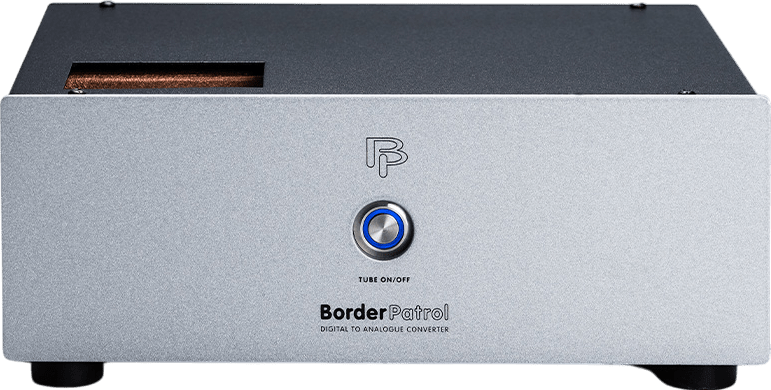
- Employs an R2R DAC chip (Phillips TDA1543) with no over-sampling or digital filtering
- Features a hybrid tube/solid-state choke input filter power supply, with a tube rectifier
- Compact and well-built with a copper chassis
- Excels in midrange reproduction
Product Considerations
- Does not support DSD, or PCM files at resolutions higher than 24/96
- May require powerful tube amplification to perform optimally
- Its sonic character leans towards warmth and softness, which might not suit all preferences
Comparisons (according to reviewers)
- Vs 47 Labs Midnight Blue CD player, the BorderPatrol DAC has deeper and tighter bass and is more refined in the midrange and top-end with better scale and dynamics
- Vs Aesthetix Romulus DAC and CD Transport (as transport), the BorderPatrol DAC's top-end and midrange opened up and were more transparent
- Vs Electrocompaniet USB DAC, the BorderPatrol DAC is better
- Vs California Audio Labs Icon Mk II coupled with the Audio Note DAC 1, the BorderPatrol brought the reviewer back to the sound of the CAL/Audio Note combo
Takeaway: The BorderPatrol DAC SE-i is a unique DAC that prioritizes a natural and musical sound, foregoing support for the latest high-resolution formats in favor of a purist design. If musicality and an engaging listening experience are valued, this DAC is worth considering.
Video review
Our take on the brand


Our Summary
Product Strengths
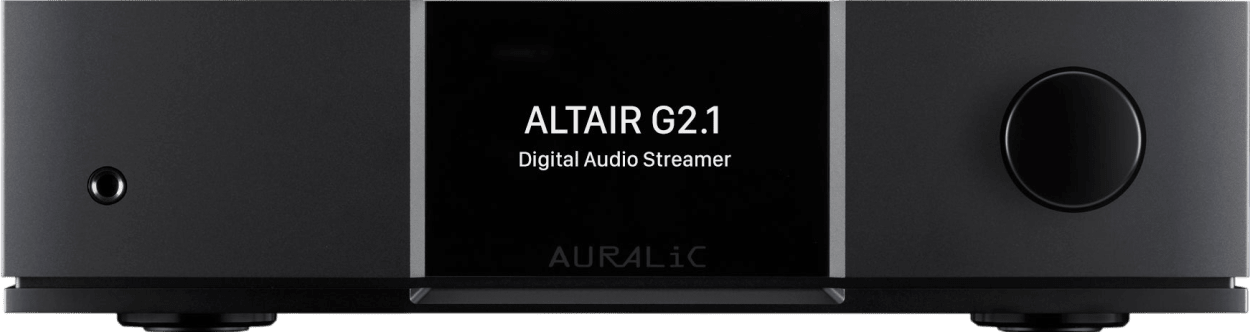
- Solid digital sound, good authority, solid bass, and a weighty sound with good scale
- Excellent clarity, very good timing, and a very good soundstage
- Outstanding build quality—solidly made and near indestructible
- Versatile unit that can become the hub of the digital audio world
- Clean and effortless digital processing
- Connectivity options
Product Considerations
- The Lightning DS app is only available for iOS
- The 4-inch non-touch screen is adequate, but not exceptional
- When written instructions feature on the screen, the words can be small and difficult to see
- The alphabetical order of the albums is not followed when used with an external hard drive
- Some reviewers felt a need for a high-end turntable setup, as the analog input feeds directly to the analog output stage—bypassing the digital stage altogether
Comparisons (according to reviewers)
- Vs NAD M10 V2: The Altair offers a step up in sound quality
- Vs AURALiC Aries G1: The Altair G2.1 chassis is a significant upgrade with an internal copper sub-chassis, tuned feet, and a solid steel base
Takeaway: The AURALiC Altair G2.1 is a versatile and well-built streaming DAC preamplifier that offers a clean and detailed sound. Comprehensive features and excellent sound quality make it a great choice for audiophiles looking for an all-in-one solution.
Video review
Our take on the brand

Our Summary
Product Strengths
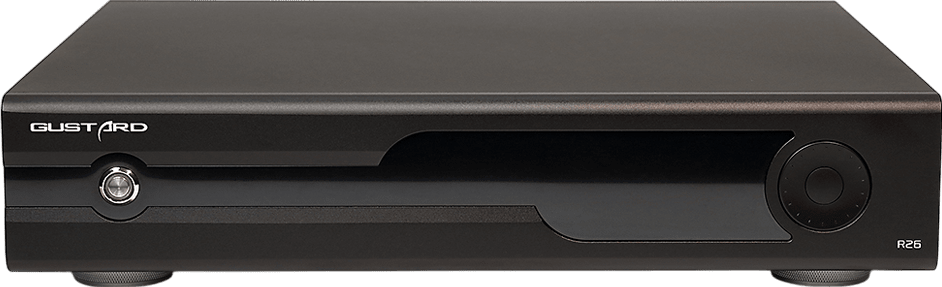
- Natural and organic timbre with rich and vibrant overtones, offering a remarkable sense of realism
- Stands out as a highly musical DAC within its category, while maintaining an impressively competitive level of technical performance
- Exceptional build quality, made of thick aluminum, ensuring durability and a sleek appearance
- Almost inaudible noise floor, remaining dead silent and free from any hint of distortion
- Wide range of digital inputs, and an integrated streamer, offering versatility and convenience
Product Considerations
- The LCD screen can be difficult to read from a distance greater than 20-30 cm
- The embedded streamer can experience occasional interruptions and buffering issues when streaming high-resolution files
- Some reviewers experienced small hiccups when skipping songs using the internal streamer
Comparisons (according to reviewers)
- Vs Chord Qutest: Has a bigger soundstage, equally sweet highs, much fuller tone timbre and a more muscly bassline—sounding more lifelike
- Vs Ladder Schumann: Gustard R26 hits with more clarity and speed, with a darker background, and an even deeper soundstage
Takeaway: The Gustard DAC-R26 is a musical and technically impressive DAC with excellent build quality and versatile features, including a streamer, making it a great choice for a top-notch audio experience. The natural sound and engaging performance create a lasting impression.
Video review
Our take on the brand


Our Summary
Product Strengths
- Drop-dead gorgeous design aesthetic
- Music comes alive, offering a real taste of what reference-quality digital audio can sound like
- Reproduces layers of detail and offers a warm tonal balance, low noise floor, and superb top-to-bottom coherency
- Soundstage is recreated with excellent depth and width, and the imaging is spot on, with musicians and instruments locked firmly in place
- Connected to the Unison Research Triode 25 Integrated Amplifier and Linear Tube Audio MZ3, it was one of the best sounding DAC/amplifier combinations heard in many years, undeniably captivating
Product Considerations
- The display seems half-baked with non-functional bands restricting the functional real estate
- The remote makes a rattling noise, which some may find disconcerting initially, but is by design
- Outputs are extremely hot
- May be overhyped, the sound quality not quite matching up to the hype, or more importantly, matching up to the price tag
Comparisons (according to reviewers)
- Vs SMSL VMV-D1SE: The Spring 3 has better refinement and more of that airy quality on top
- Vs Denafrips Pontus 2: The Spring 3 was a little cleaner in the mid-range, with better bass definition and control, but the Denafrips had a warmer—more full-bodied—presentation and deeper soundstage
Takeaway: The Spring 3 KTE is a beautiful DAC that can bring listeners closer to their music. It may be worth buying to experience high-quality digital audio.
Video review
Our take on the brand

Our Summary
Product Strengths
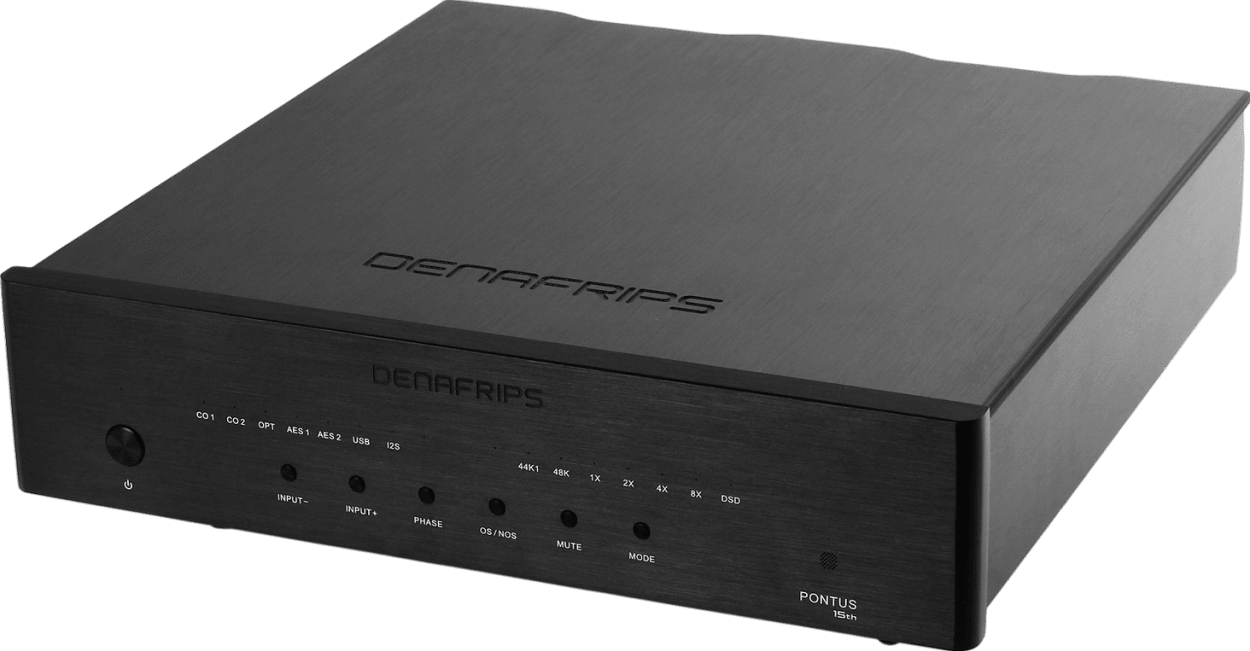
- Flawless build quality and built like a tank with an all-metal body and tactile buttons
- Delivers a linear presentation and keeps the soul of the music intact, sounds inviting, smooth, and transparent
- Provides an open, deep, and wide soundstage
- Excels in micro detail and nuanced sound and airiness with excellent clear vocals
- Is an upgrade from the original Pontus and provides better layering
- Offers great connectivity with all the digital inputs needed, including I2S
Product Considerations
- Denafrips makes incremental changes, which can be annoying if a newer version is released soon after purchase
- Does not include a remote, and one must be purchased separately
- May be a little bright for a lean or bright sound system, it is best in a neutral to warm system
- There is no middleman/distributor anymore, which may mean loss of personal touch from customer to the company—especially with warranty issues
Takeaway: The Pontus 15th Anniversary Edition is a well-built DAC that delivers a refined and detailed sound with a wide soundstage, making it a great choice if you have a warm or neutral system that needs some sparkle. It has excellent connectivity options.
Video review
Our take on the brand
How to buy
DACs
Search all hifi products
Explore our database of 10,000+ new and 25,000+ used hifi products.