





Note that this is a discontinued product. You may want to visit the brand's page here to browse their newer products.
What reviewers think
Bloggers and YouTubers have tried this product—so we've summarized their strongest opinions below. Links to full reviews follow.
All
1234A
reviews

Manufacturer details
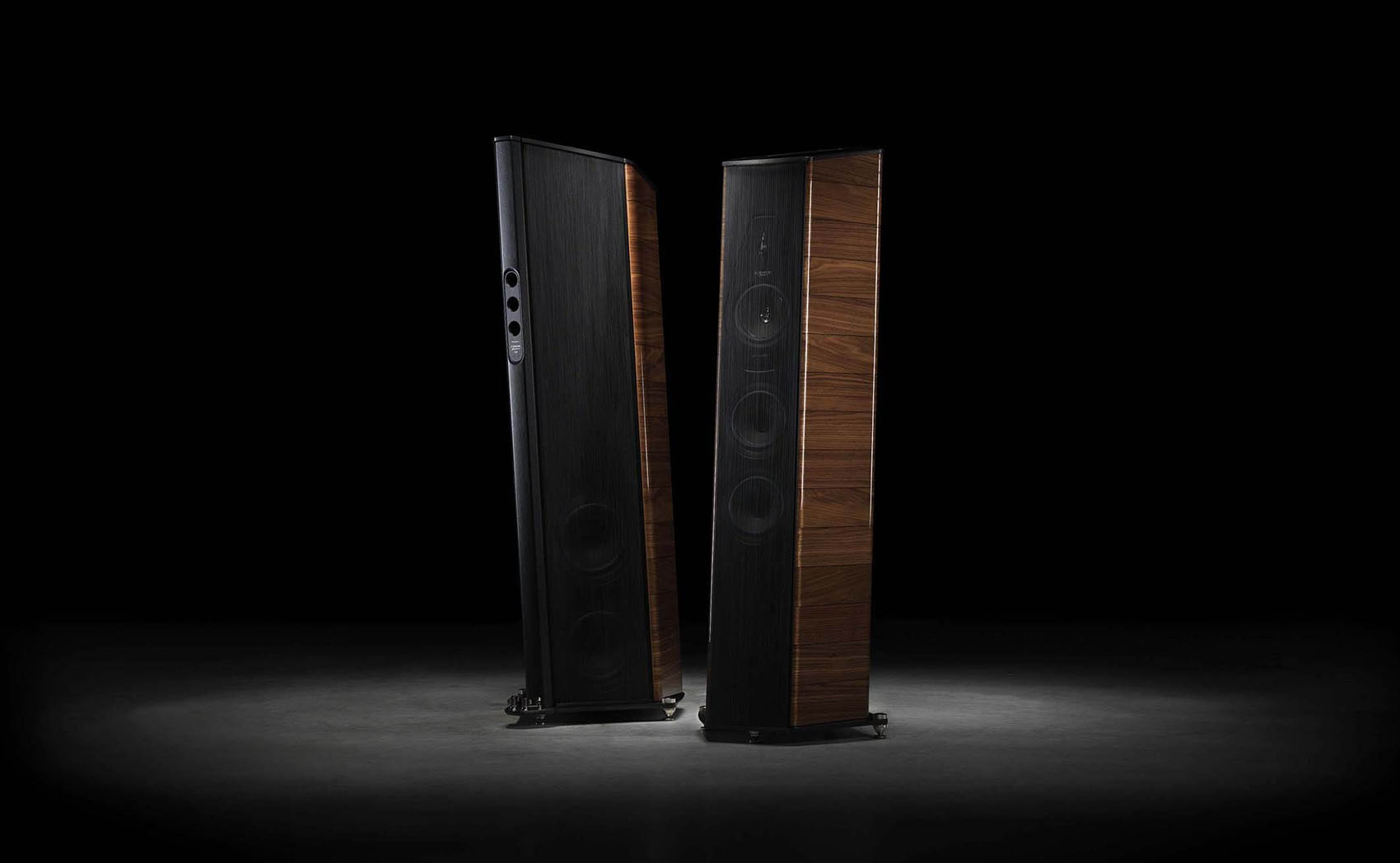
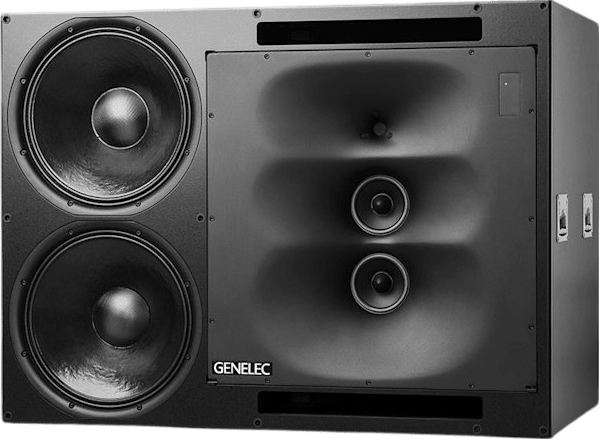
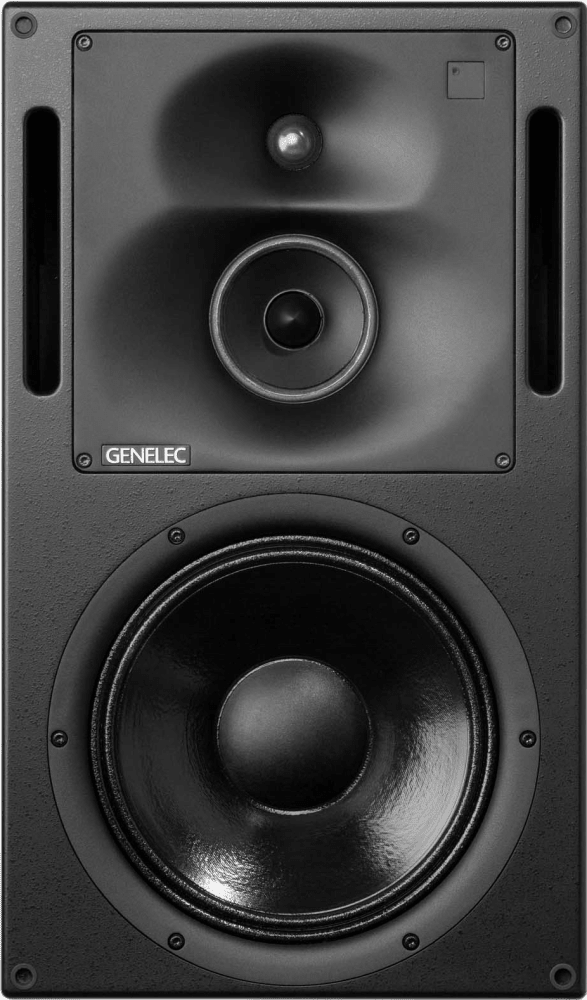
- SPL: 125 dB
- Amplifier Power: 2 X 750 W Bass (Class D) + 400 W Midrange (Class D) + 250 W Treble (Class D)
- Frequency Response: 29 Hz - 21 kHz (-6 dB)
- Accuracy of Frequency Response: ± 2 dB (34 Hz - 20 kHz)
- Driver Dimensions: 2 x ⌀ 305 mm Bass + ⌀ 125 mm Midrange + ⌀ 25 mm Treble
- Dimensions: H 700 x W 890 x D 383 mm
- Weight: 73 kg (160.9 lb)
- Connections: 1 x XLR Analog Input, 1 x XLR AES/EBU Input, 1 x XLR AES/EBU Output, 2 x RJ45 Control















Brand highlights
Taking a step back to look at reviewers' thoughts of the brand's entire lineup—not just this product—what stands out most is the following:
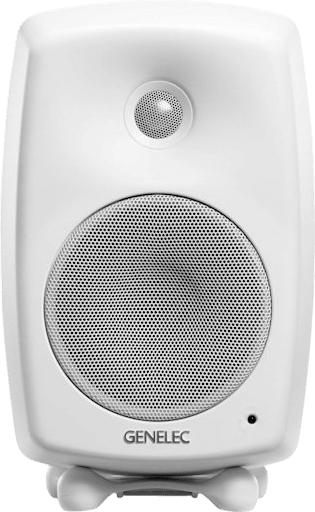
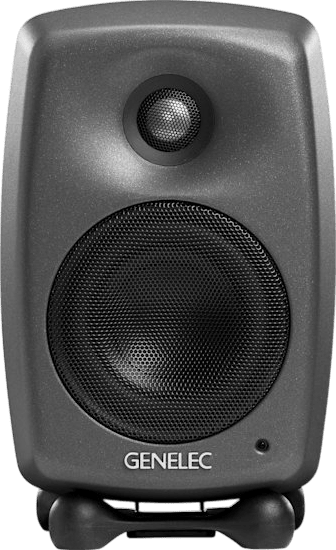
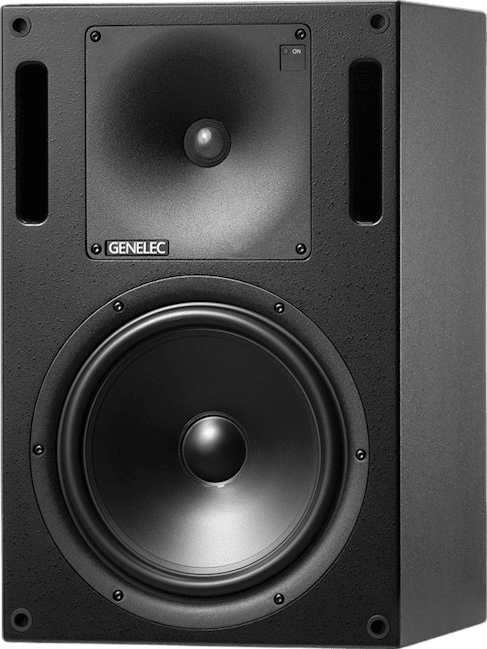
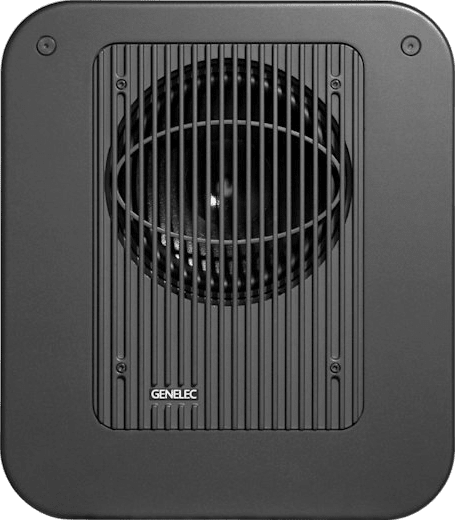
- Genelec stands out for its cast-aluminum enclosures with rounded edges and integrated Directivity Control Waveguide, which embody a distinctive approach to design, aesthetics, and controlled dispersion.
- The brand's SAM (Smart Active Monitoring) system, coupled with GLM software, enables automated calibration for level, timing, and equalization of room-response anomalies, optimizing performance in diverse acoustic environments.
- Genelec offers a point-source design across "The Ones" series, where the tweeter is mounted in the center of the woofer, creating a single full-range device regardless of listening distance and expanding the listening sweet spot.
- The company is known for their comprehensive, multi-faceted approach to the design of each speaker, carefully considering everything from enclosure materials to the integration of amplifiers and DSP.
Select products


Genelec 8361A Stereo Pair
- Positioning: Positioned as a high-end studio monitor within "The Ones" series, offering advanced audio precision for professional environments.
- Description: Features Minimum Diffraction Coaxial (MDC) driver technology, ensuring a smooth frequency response and outstanding sound imaging. Compared to other models like the 8351B, offers a wider frequency range and higher sound pressure level, making it ideal for larger studio spaces where detailed sound reproduction is critical. Its Smart Active Monitoring (SAM) system allows for automatic calibration to the room, providing flexibility and precision in various acoustic environments.
Genelec 8351B W371A Stereo System
- Positioning: Combined with the W371A woofer system, represents a sophisticated stereo setup designed for full-range audio performance, suitable for both professional studios and high-end home listening.
- Description: Known for its compact size yet powerful performance, using Acoustically Concealed Woofers (ACW) technology to deliver controlled low-frequency directivity. When paired with the W371A, it extends the system's low-frequency response, outperforming standalone monitors like the 8361A in terms of bass depth and room adaptability.
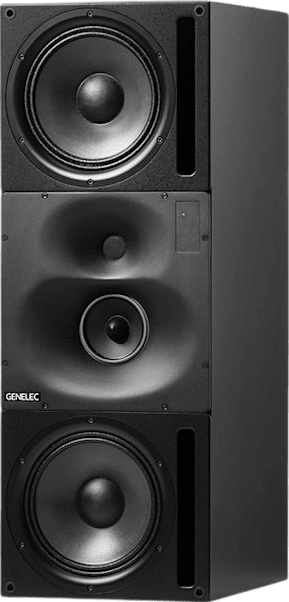
Genelec 1236A Stereo Pair
- Positioning: Genelec's flagship main monitor, designed for large-scale professional studios requiring the highest level of audio fidelity and power.
- Description: Stands out with its massive sound pressure level and extended low-frequency response, thanks to its large enclosure and advanced Directivity Control Waveguide (DCW) technology. Unlike the 8361A and 8351B, built for expansive spaces where maximum output and precision are paramount, making it the go-to choice for top-tier recording studios. Its Smart Active Monitoring capabilities ensure it adapts seamlessly to any room, providing unmatched consistency and accuracy in sound reproduction.


Our take on the brand
Look inside the brand
Our interview with the brand
What are two key technological innovations or strong opinions that differ you from other brands?
What's your approach to customer support?
What are your favorite tracks for showcasing the strength of your products?
What other products pair best with yours?

Used
Genelec









What if you spend more?
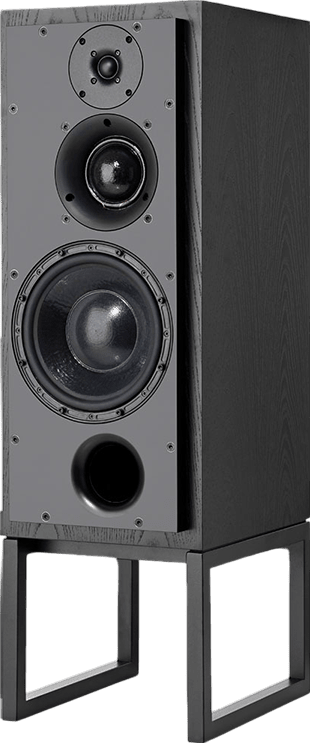


The SCM50 ASL (active) and SCM50 SL (passive) are designed to perform at their best in the recording studio or at home with the finest quality hi-fi equipment. The monitors' ability to reproduce music and speech with phenomenal accuracy, transparency and dynamics lies mainly in the SM75-150S soft dome midrange driver. However, recent modifications that include the new ATC SH25-76S tweeter and enhanced port profile have brought about further improvements to all performance parameters.
Each drive unit in the active model has its own dedicated and individually matched MOS-FET amplifier, while the 234mm/9″ bass driver incorporates ATC's unique Super Linear Magnet technology. Our active crossover network consists of a wide band-width, electronically balanced input stage with high common mode rejection and very low distortion. Like the HF, mid and bass drivers, all electronics are designed and manufactured in-house to create a no-compromise active system.
In passive form, the SCM50 SL provides broad and symmetrical dispersion, excellent amplitude and phase characteristics throughout the frequency range. Speakers are supplied with stands and fabric wrapped grills.
Available Finishes
Standard Veneers – Cherry, Walnut, Oak & Black Ash.
Standard Paints – Satin Black, Satin White
Premium Veneers (up-charge applies) – Rosewood, European Crown Cut Walnut, Pippy Oak, Burr Magnolia, Burr Poplar.
High Gloss (up-charge applies) – Clear High Glossed Veneer, Piano Black, Piano White

.svg)
Our summary
Product Strengths
- ATC designs and builds every drive unit in-house, including voice coils, crossovers, and active amplification, allowing for complete control over every loudspeaker design decision
- In the active version, a more clearly defined soundstage has clearer, more well-defined individual elements, where everything pops out more from the background
- The active version has more energy, drive, and a more vivid overall presentation, resulting in a more tactile, energetic, and higher resolution sound
- The SCM50's woofer has an enviable ability to resolve textures and timbral colors, capably rendering the skins of bass drums, the flutter of tom-toms, or the dark voicing of orchestral bass viols as bows are dragged across their strings
- The SCM50 has an almost eerie immediacy that seems to glean the intent of the musician before their bow touches the string or a note escapes their lips, making piano reproduction breathtaking
- Connectivity is limited to a single XLR input, which may require adapters for single-ended sources
Product Considerations
- The active version is heavier than the passive version
- The owner must manually turn each speaker on and off, as there is no trigger or auto startup circuit
- The active version may pose challenges for owners of subwoofers needing high-level wiring connections, although workarounds exist
- Careful attention must be paid to positioning a pair of SCM50s, as the full-bandwidth—ported design means that placing them too close to a boundary wall will result in bass bloom
Comparisons (according to reviewers)
- SCM50 wins hands down over PureAudioProject Duet 15s for resolution, clarity, and dynamic shading
- The active version excels over the passive in solidity of soundstage, neutrality, and ultimate detail retrieval
Takeaway: The ATC SCM50 offers exceptional sound quality, whether in its active or passive configuration, thanks to ATC's engineering and in-house design. The ATC SCM50 is a choice that will bring musical joy for years to come.
Video review
Our take on the brand
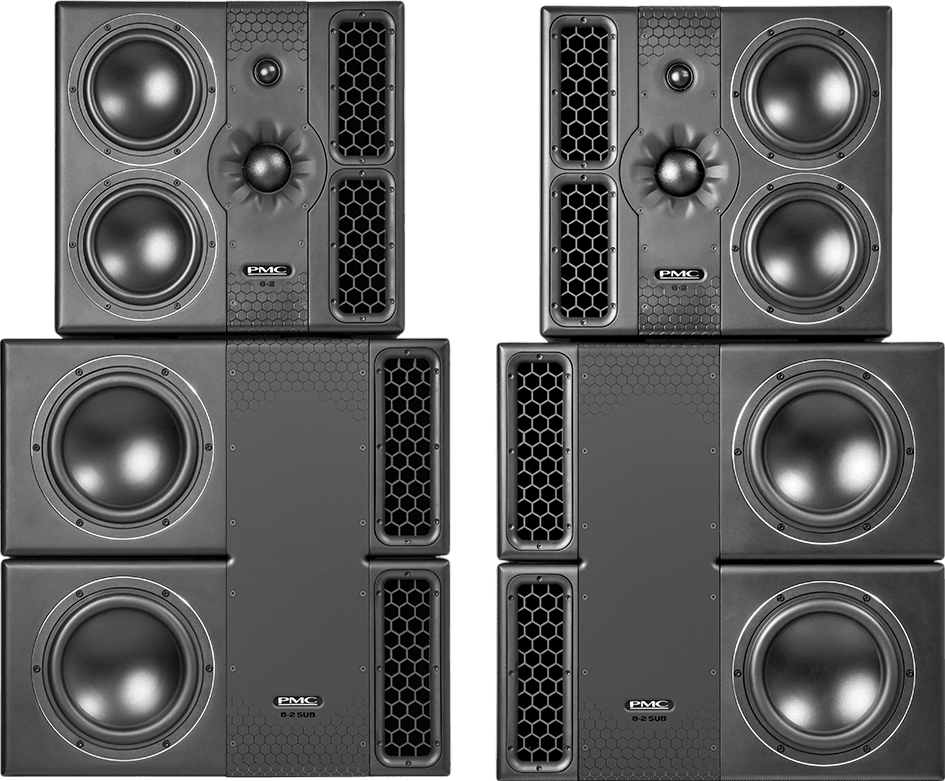

This system combines the PMC6-2's unrivalled clarity and resolution with an active sub to form a perfectly integrated full-range monitoring system that is ideal for all high-end music production. In the case of the PMC6-2, configuring it as an XBD system reinforces the bass output of the main speaker's LF drivers, greatly increasing headroom and extending the bass down to 25Hz, creating a system with a sense of effortless capability.
Configuring the PMC6-2 XBD system is simple; connect the input directly to the PMC6-2, and add an AES3 digital cable to carry the main monitor's 'through' output down to the PMC8-2 SUB. The two cabinets can be connected either to a LAN or directly to each other via their network ports. When you select the dedicated 'XBD' mode the DSP seamlessly combines both units into a single, larger-scale monitor.
Further detailed configuration can be carried out from the rear-panel controls or using the intuitive SoundAlign™ browser-based software via the LAN connection, where both speakers appear as a single PMC6-2 XBD unit when linked. "3-way active, twin cabinet, mid-field reference monitor with ATL™ bass loading Frequency response: 25Hz - 25kHz (- 3dB @1m full space, on-axis) State-of-the-art Class-D amplifiers: HF 400W, MF 400W, LF 2x 400W, SUB(XBD) 2 x 400W Analogue / AES3 digital input (16/24-bit, 18 -192kHz sample rate) Digital 'through' output (AES3 24-bit 96kHz) SoundAlign™ network control interface for single or group EQ & settings Sophisticated DSP crossover, driver protection, EQ, and delay/polarity options Optional dedicated 19" floor stands"""
Product Strengths
- Extremely clear monitors, better for mixing and mastering than any other monitor besides other PMCs
- Sounds like mains, with a really big sound footprint, unusual for near-field or mid-field monitors
- Allows the user to make incredibly detailed, accurate decisions and be extremely happy with the results
- Inspiring and musical sound, which empowers the user as an engineer and producer
- The Sound Align software and graphic EQ works really well after a firmware update
Product Considerations
- Benefits significantly from AES input, analog input may require a very accurate converter to achieve similar quality
- Requires a very long break-in period
- Firmware updates may be needed to ensure optimal performance of Sound Align
- The Prism Lyra may not work well for AES monitoring
Takeaway: The PMC6-2 monitors are great for an engineer who wants to make detailed and accurate mix decisions, and they sound amazing. If you have AES, these could be the right monitors for your studio.
Video review
Our take on the brand
What competes at this price?
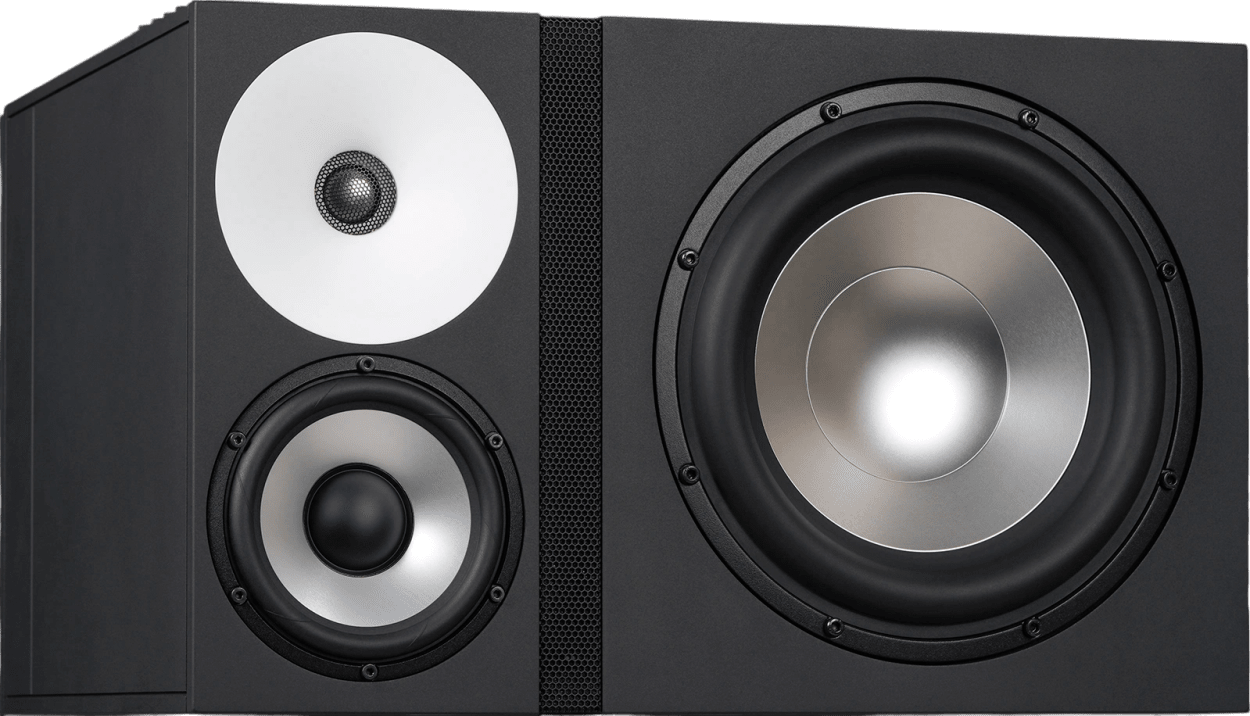

Our Summary
Product Strengths
- Wide soundstage with evident front-to-back depth
- Clear and detailed midrange response with good separation of instruments such as guitars and pianos
- Balanced low-end response allowing for clearer definitions in bass notes
- Precise time alignment contributes to accuracy, focus, and a uniform dispersion pattern
- Detailed and airy top-end combined with a reach-out-and-touch-it three-dimensional width and imaging in the midrange
Product Considerations
- Not an inexpensive monitor
- At 41kg, it is also very heavy
- At the large end of the nearfield monitoring spectrum—it's a midfield, really
- Lacks DSP (Digital Signal Processing) found in many modern monitors, relying on traditional electro-acoustic design
Comparisons (according to reviewers)
- Vs ATC SCM25A: Maintains a more balanced low-end response, while ATC SCM25A exhibited a slight bump in the lower mids
Takeaway: The Amphion One25A is an accurate and revealing mix tool with a perfect tonal balance, making it a good investment for professional use. Its low-end provides an utterly secure foundation for everything above, and it retains its dimension and punch at normal, moderate listening levels.
Video review
Our take on the brand

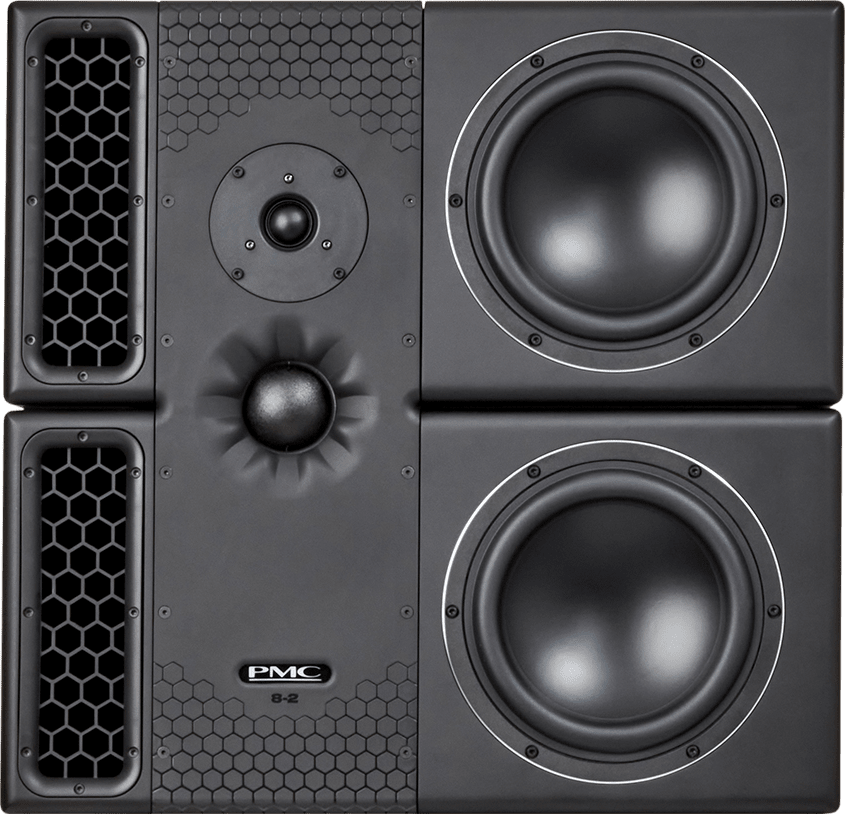
Our Summary
Product Strengths
- Unparalleled clarity, definition, and utmost accuracy
- Excellent bass extension and clarity, as well as proper tonal balance at every volume
- Super wide dispersion, and thus a bigger sweet spot
Product Considerations
- It would be overkill in smaller rooms
- A pair is a significant investment, so it makes sense that it's geared toward large, professional recording environments
- They weigh nearly 100 pounds apiece
Takeaway: The PMC 8-2 is a wise investment for professional studios that delivers detailed and accurate monitoring, so it could very well be the only monitor needed It uses proprietary technology to deliver its signature sound
Video review
Our take on the brand
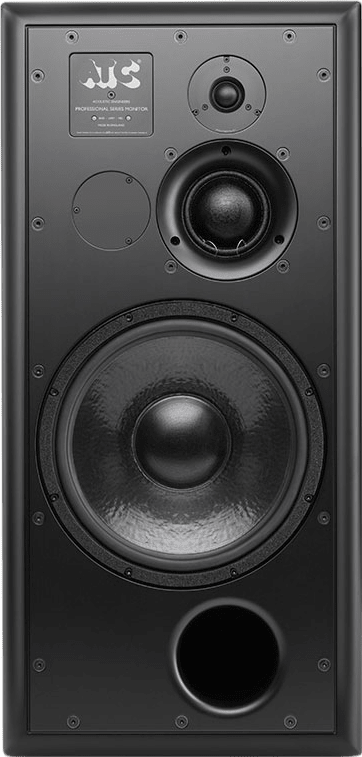

Our Summary
Product Strengths
- Outstanding resolution and big dynamic range
- Phenomenal build quality and a gorgeous veneer finish, looking like fine furniture
- The active design connects the listener to the music in a deeper, more immediate way, revealing transients and drawing the listener into the music
- The mid-range driver is a unique piece of engineering with a large motor system and short coil long gap topology, leading to better linearity and reduced third harmonic distortion and improved clarity
- ATC has complete control over the speaker's production and design, from voice coil winding to cabinet manufacturing, which allows for consistency across the product range
Product Considerations
- Some people may not want to give up their amplifiers or cabling for active speakers, preferring to mix and match components
Comparisons (according to reviewers)
- The goal with the SCM100ASL is not to do anything different than the SCM-50, focusing on being faithful to the original recording, with the 100 offering more extended low-frequency response and bigger scale reproduction
Takeaway: The SCM100ASL is a high-performance loudspeaker that delivers clear and dynamic sound, making music sound clear as day. With exceptional build quality and attention to detail, it is designed to fill the room with sound.
Video review
Our take on the brand
How to buy
Speakers
Search all hifi products
Explore our database of 10,000+ new and 25,000+ used hifi products.