




Note that this is a discontinued product. You may want to visit the brand's page here to browse their newer products.
What reviewers think
Bloggers and YouTubers have tried this product—so we've summarized their strongest opinions below. Links to full reviews follow.
Product Strengths
- Incredibly clean and transparent sound with ultra-low distortion and exceptional dynamic range
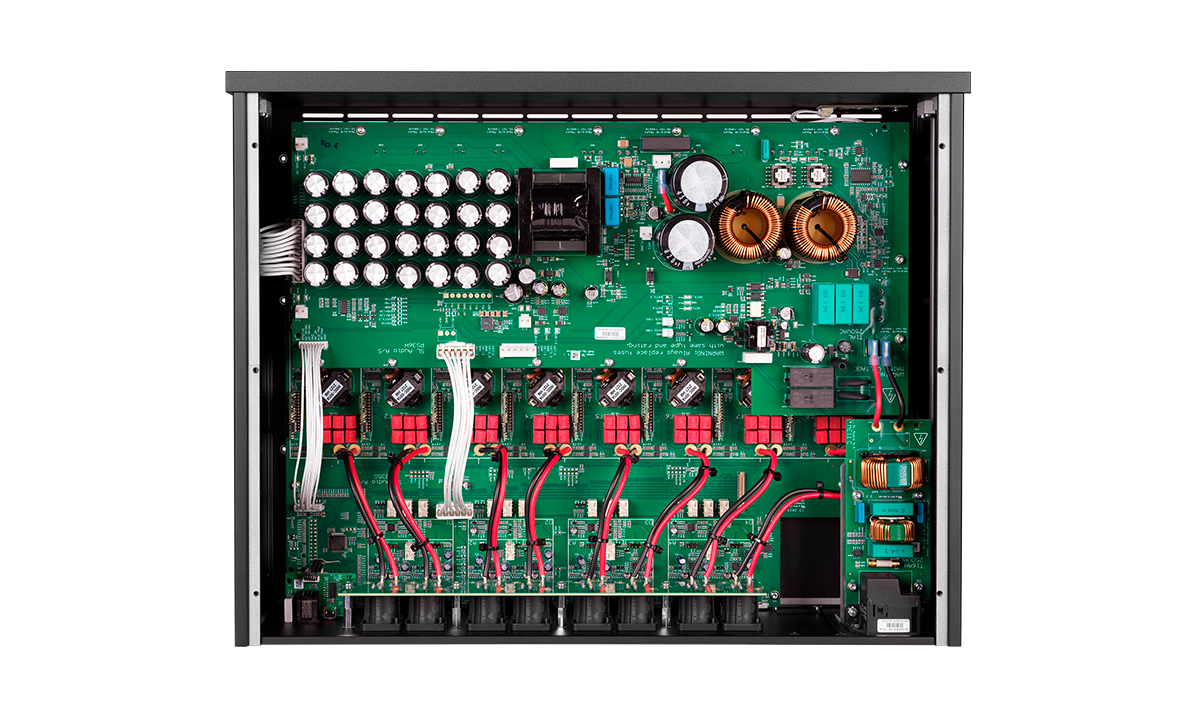
- Features a powerful and efficient PowerPerfect power supply, optimized for performance and reduced noise
- Offers flexible configuration with bridgeable channels to increase power output for demanding speakers
- Runs relatively cool due to the efficiency of the Purifi Eigentakt Class D amplifier modules
- Provides a neutral sonic character, allowing the speakers' sound to shine through without coloration
- Only accepts balanced XLR inputs, which may be limiting for some users
- Speakon speaker connectors may require adapters for those using banana plugs or stripped wire
Product Considerations
- Relatively expensive, especially when considering needing multiple units for a full home cinema setup
- The input gain adjustment lacks granular control, with the sensitivity setting applying to all inputs at once
- Limited flexibility with stereo/three-channel options, with users having to wait longer for these varieties
Comparisons (according to reviewers)
- Vs Parasound HCA-1205A—the MXA-8400 offered greater precision and accuracy, with the Parasound sounding bolder
- Vs Anthem M1 monoblocks—the MXA-8400 had cleaner midrange and upper frequencies, resulting in improved image sharpness and soundstage depth
- Vs NAD Masters M23—the MXA-8400 had a touch more weight in the bass and more sparkle in the highs
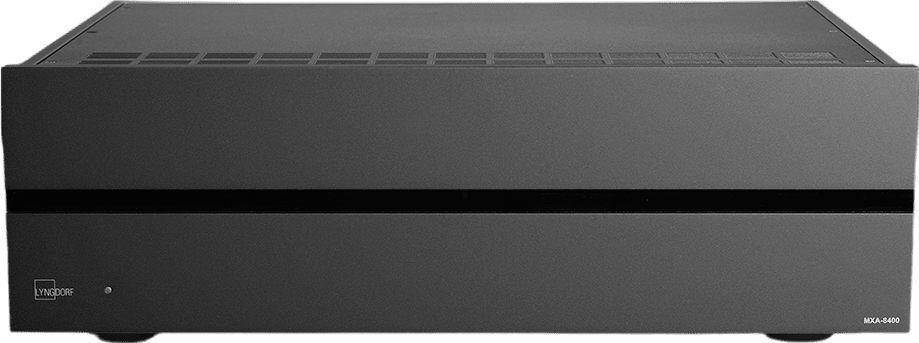
Takeaway: The MXA-8400 is a powerful and versatile amplifier that delivers exceptionally clean and dynamic sound for both home cinema and hifi setups. Its advanced technology and flexible configuration options make it a good choice for those seeking a high-performance audio experience.
All
MXA-8400
reviews


Manufacturer details
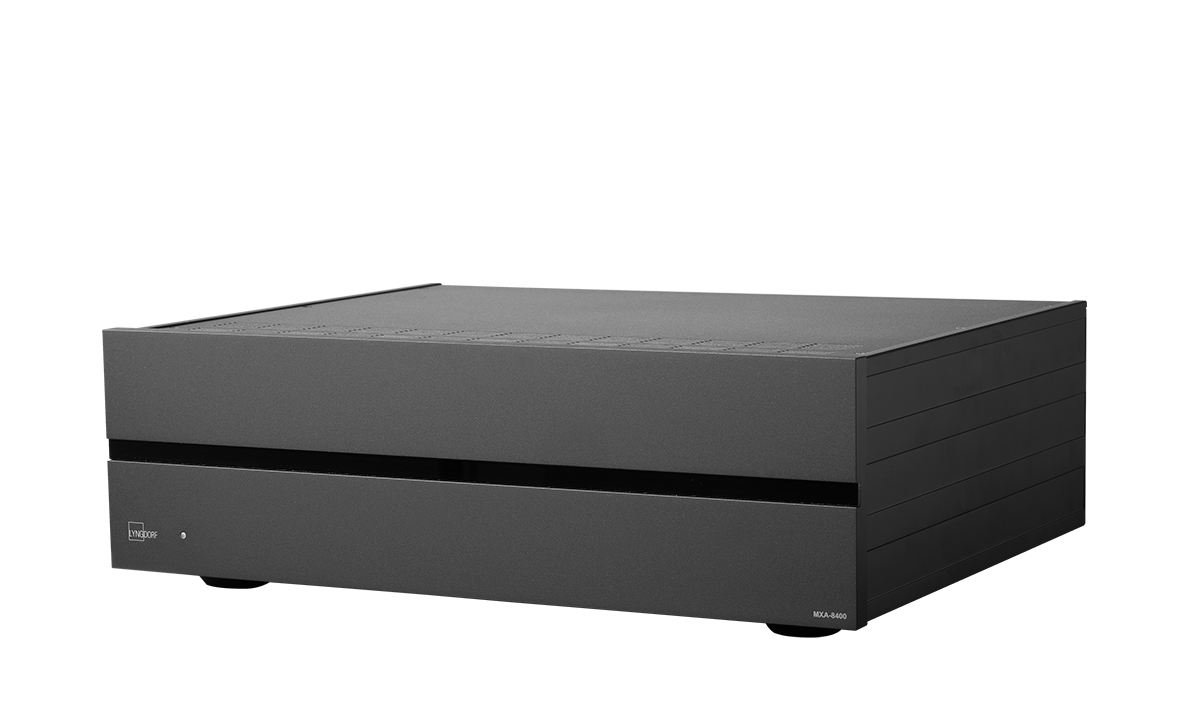
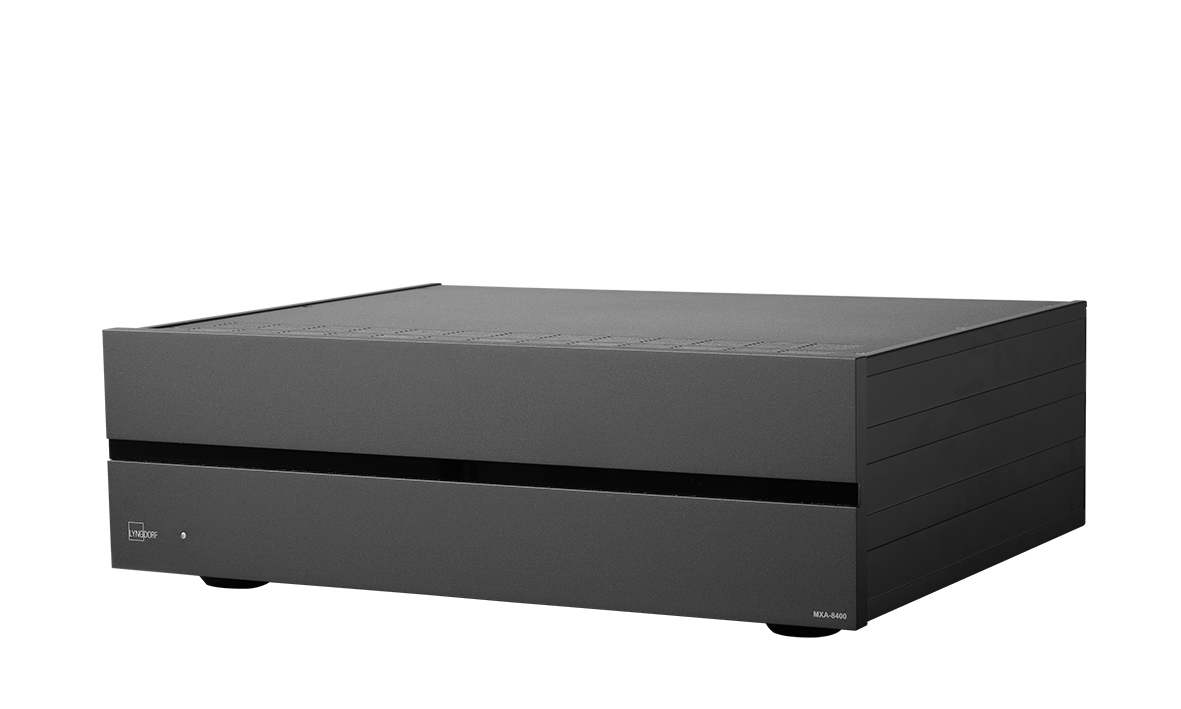
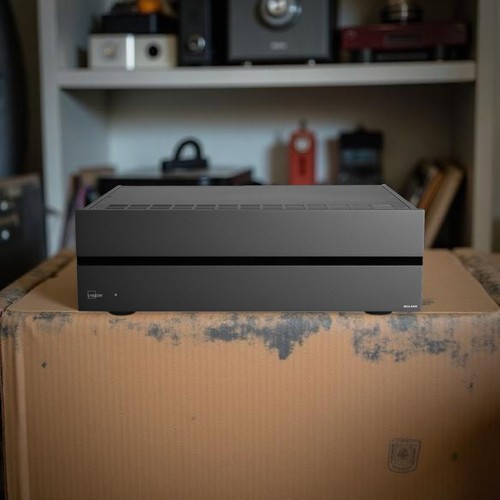
- Description: 8-channel power amplifier
- Power rating: 8 x 400 W @4Ω (2-CHANNEL mode), 8 x 200 W @8Ω (2-CHANNEL mode), 4 x 800 W @8Ω (BRIDGE mode)
- Power rating at rated THD: 8 x 340 W @4Ω (2-CHANNEL mode), 8 x 200 W @8Ω (2-CHANNEL mode)
- Idle power consumption: 29 W
- Standby power consumption: <0.5W
- Time to standby mode: 15 minutes
- Frequency response: ±0.1dB (ref. 20Hz-20kHz)
- THD: 0.001% @200 W, 8Ω / 340 W, 4Ω, 20Hz-20kHz
- Max output current per channel: 25A
- Max output voltage per channel: 58V peak (2-CHANNEL mode), 116V peak (BRIDGE mode)
- Gain: HIGH Sensitivity mode: 26.1 dB (2-CHANNEL mode), 31.7 dB (BRIDGE mode), LOW Sensitivity mode: 16.6 dB (2-CHANNEL mode) 22.2 dB (BRIDGE mode)
- Signal/noise ratio: 128dB (A-weighted ref. rated power, LOW Sensitivity mode)
- Damping factor: >1200 (8 Ω, 20Hz-1kHz)
- Input sensitivity: HIGH Sensitivity mode: 2V, LOW Sensitivity mode: 6V
- Input impedance: 10 kΩ
- Audio inputs: 8 x XLR analog inputs
- Audio outputs: 8 x Neutrik speakON
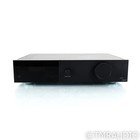
- Dimensions (W x H x D): 45 x 14.5 x 34.9 cm / 17.7 x 5.7 x 13.7 inches
- Weight: 10.3 kg / 22 lb
- Finish: Matte black
- Item no: 900010406


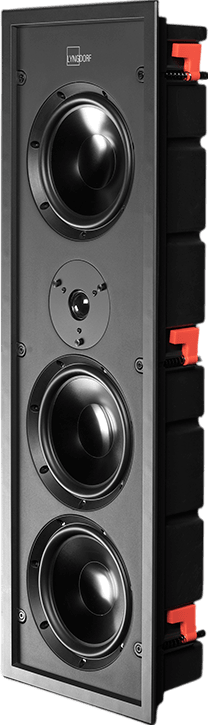

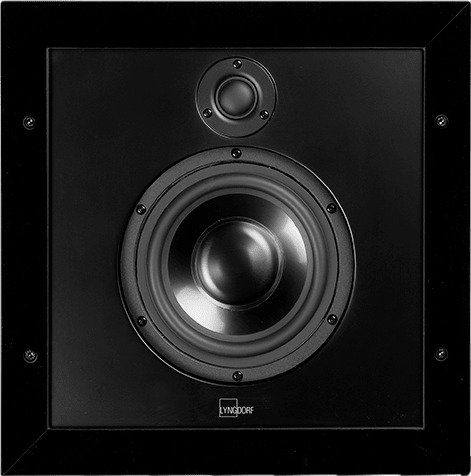
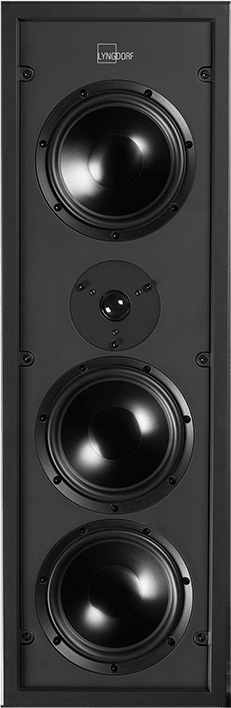







Brand highlights
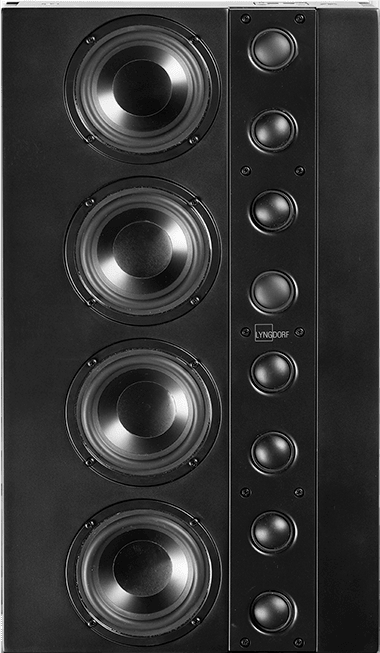
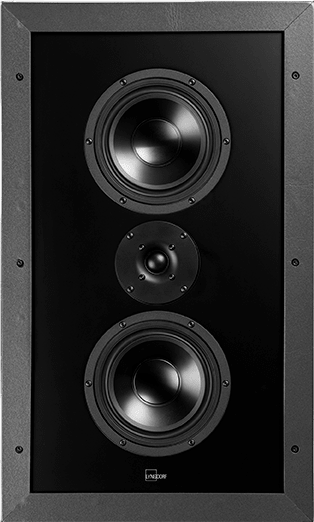
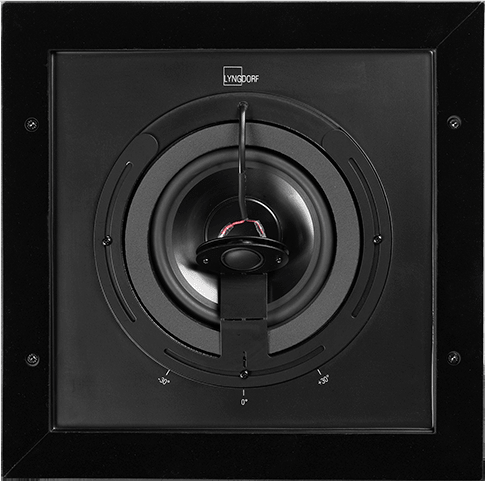
Taking a step back to look at reviewers' thoughts of the brand's entire lineup—not just this product—what stands out most is the following:
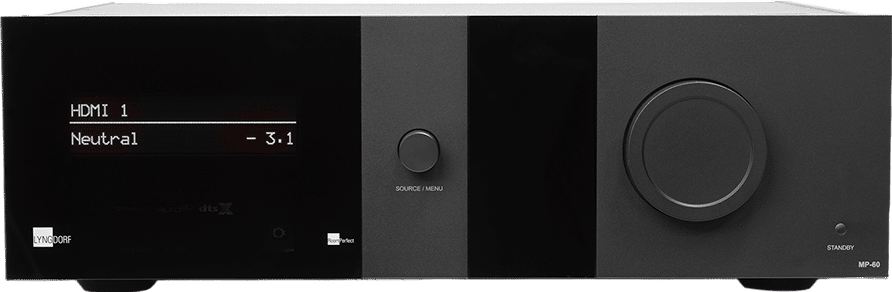
- The brand's digital amplifiers, underpinned by proprietary Equibit technology, minimize signal conversion for a cleaner, more direct signal path to the speakers.
- RoomPerfect technology allows Lyngdorf systems to analyze and adapt to the unique acoustic properties of any listening space, optimizing the sound for a more immersive experience.
Select products
MH-3
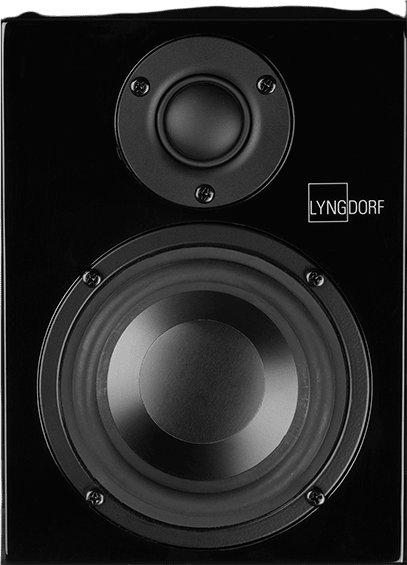
- Positioning: The entry-level speaker is compact, ideal for small stereo or media room installations.
- Description: Features a compact design, making it perfect for small spaces while still delivering dynamic performance. Uses a powerful 4-inch midrange driver with a magnet 50% stronger than traditional drivers, offering higher sensitivity and a linear frequency response. Compared to the FR-2 and Cue-100, it's more affordable and compact, making it suitable for those with limited space and budget, but lacks the advanced technologies and larger soundstage of the higher-end models.
FR-2
- Positioning: A mid-range floor-standing speaker designed for optimal wall placement.
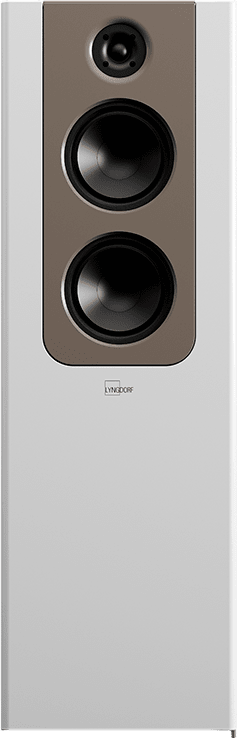
- Description: Features a shallow cabinet design and high-performance woofers, providing tight and powerful bass when placed against a wall. Uses a downward-facing bass reflex port for consistent acoustic performance. While it offers better bass response than the MH-3, it doesn't match the Cue-100's advanced driver technology and customization options.
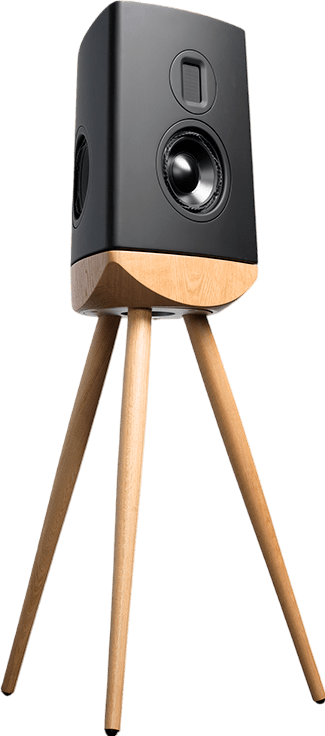
Cue-100
- Positioning: A high-end standmount loudspeaker aimed at audiophiles and design-conscious users.
- Description: Features Purifi USHINDI technology, which delivers ultra-low distortion and high sound purity. Its unique triangular design and customizable fabric covers offer both aesthetic appeal and acoustic excellence. Compared to the MH-3 and FR-2, provides superior sound quality and design flexibility.

Our take on the brand
Look inside the brand
Our interview with the brand
What are two key technological innovations or strong opinions that differ you from other brands?
Our own amplifier technology sets our TDAI streaming amps apart. It is a so-called digital amplification which amplifies digital audio directly, without the common analogue conversions, signal paths, and side effects within the unit. We also have a unique, absolutely lossless way of volume control, whereas in most amplifiers the incoming music signal is attenuated.
Our second key innovation is RoomPerfect, available in our stereo and home cinema products. This calibration measures and addresses room acoustical issues, which affect even the best listening rooms, yet without linearizing and neutralizing the sound too much.
What's your approach to customer support?
Every Lyngdorf dealer can be contacted no matter where one bought the product, but we are proud to also offer direct support by our team here at the headquarters in Denmark. They have direct access to all Lyngdorf products in our demo and test rooms. Furthermore, a Backup function in our amplifiers and processors allows us to mirror customer settings remotely on our device, so we can literally look into it and give better advice — for example, for setting up or finding faults along the audio chain.
Last but not least, we can offer support and repairs even for the first Lyngdorf products made here decades ago, which includes a 24-hour burn-in test — not only to verify functions but to measure the performance-relevant specs. [email protected]
What are your favorite tracks for showcasing the strength of your products?
Three? You mean three hundred?
Odetta – Hit or Miss. This is an old but excellent recording from 1970. It requires a good system and room to make it sound realistic and alive. Listen for well-separated instruments, good timing, and a tuneful bass. Everything is alright production-wise, so any shortcomings rather come from the listening room and audio system.
Vestbo Trio – Italian Movie, Portuguese Wine. This is a reference for capturing the sound and dynamics of real instruments in a good recording studio. No compression or autotune involved. Listen for the space, soundstage, and realism as the song shifts up one gear. You should almost have the guys playing in your room.
Gidge – Quasar. Electronic music can be quite challenging because there are no microphones as a filter. Someone with a computer and synthesizer can just go crazy, and the audio system has to cope. This Swedish duo will test the limits of your speakers. Listen whether it sounds powerful yet pure and defined at the same time. This kind of music is rather done for clubs, so it requires good speakers, speaker placement, and ideally some degree of calibration to control the energy in a normal living room.
What other products pair best with yours?
One great advantage of our room calibration RoomPerfect is that it doesn't do what many other calibrations do — linearizing and neutralizing the sound, and therefore linearizing the characteristic sound of someone's chosen loudspeaker. What many Lyngdorf owners, dealers, and reviewers like about RoomPerfect is that it preserves what the speaker is good at, so there's real synergy here. No matter whether someone prefers a Dali, Bowers & Wilkins, Dynaudio, Sonus Faber, Spendor, or any other. Our amplifiers also have no problem driving low-impedance speakers, so really not much to worry about regarding system matching. The biggest challenge is the listening room.

Used
Lyngdorf







What if you spend more?


.svg)
Product Strengths
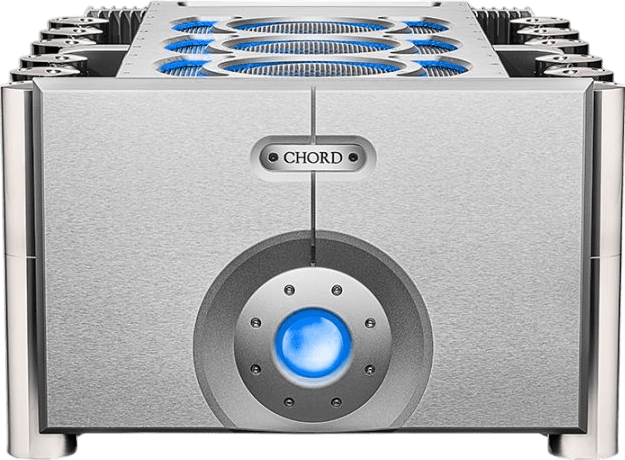
- Offers a remarkably smooth, unforced, and natural presentation with a touch of warmth
- Excels in detail retrieval and textured presentation of instruments and vocals, making the music feel alive
- Presents a wide and holographic soundstage, especially when paired with speakers that are already strong in this area
- Demonstrates agility, precision, and clarity, combined with a naturalness that eluded earlier generations of Chord amplifiers
- Scales dynamically and has the ability to punch hard when required
Product Considerations
- Has a minimalist design with just four line-level inputs, lacking features like phono stages, tone controls, headphone outputs, or DAC modules
- Some may find its sonic signature prioritizes articulation over qualities such as richness and authority, potentially sounding thin if partnered poorly
- Balance control has no center indent or marked position
- The polychromatic lighting may be an issue for the color-blind
- Remote operation can be affected by direct sunlight
Comparisons (according to reviewers)
- Vs Rega Elex-R Mk3, the Chord Ultima Integrated delivers undeniably elevated sound in all respects, with greater dimensionality and smoother vocals
- Vs Bryston 7B 3 monoblocks, the Chord Ultima Integrated offers a weightier and more thunderous delivery, especially in the midrange and vocals, with more inner warmth in tone
- Vs Benchmark AHB2, the Chord Ultima Integrated provides a more energetic and fun listening experience, with Thor-like bass impact and overall superior dynamics
- Vs Accuphase E-270, the Chord Ultima Integrated is warmer, rounder, more powerful, and refined, with a more fluid and emotionally engaging performance
Takeaway: The Chord Ultima Integrated is a unique and well-built amplifier that combines a visually pleasing design with a captivating sound, full of detail and dynamic precision. It brings music to life with an engaging and immersive experience, making it a worthy addition to any audiophile's setup.
Video review
Our take on the brand
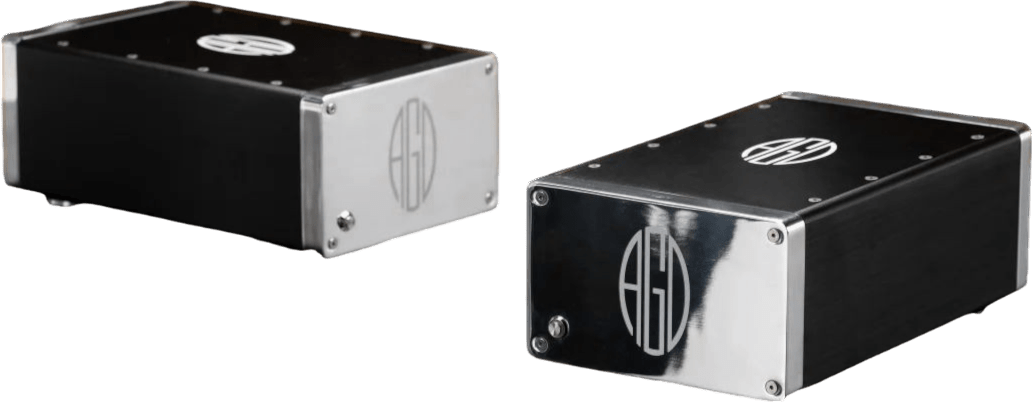

The AGD DUET Monoblock Amplifier, is the newest addition to our state of the art Hi-End Power Amplifiers family. The AGD DUET is our first compact Monoblock Amplifier utilizing 100% Gallium Nitride Power MOSFET design for both the output power stage and the power supply.
Our summary
Product Strengths
- Compact size, lightweight, and runs cool compared to traditional high-end amplifiers
- Exceptionally quiet operation, with reviewers noting a complete absence of hum or buzz
- Delivers a clean, crisp, and neutral sound signature without added coloration
- Upgradeable design, allowing users to update the amplifier with new GaN modules as technology evolves
- Produces a Single Ended Triode-like midrange and top end
Product Considerations
- The polished finish is a fingerprint magnet, requiring the use of gloves for handling
Comparisons (according to reviewers)
- Vs AGD Audion MKIII: The Duets offer a cleaner and more refined sound with improved bass and greater immediacy and snap compared to the Audion MKIII
- Vs Daniel Hertz Maria: The AGD Duets seem to have a little more inner resolution
- Vs Pass Labs X250.8: The AGD Duets performed to a higher level
- Vs Peachtree GaN 1/VTV GaN amps: AGD amps seem to be on another level in regards to design, and the sound is more refined and beautiful
- Vs Aavik U-150, Luxman 595, Yamaha A-S 3200, Axxess Forte 1, Line Magnetic 219ia: The AGD Duets performed to a higher level
Takeaway: The AGD Duet amplifiers offer a blend of cutting-edge technology, exceptional sound quality, and user-friendly design. They are a great option for those seeking a high-end audio experience in a compact and energy-efficient package.
Video review
Our take on the brand
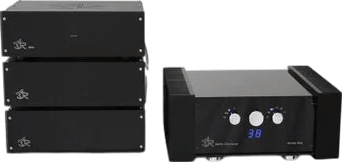

The Emitter II models are considered by real music connoisseurs and uncompromising audiophiles to be the ultimate in amplifier construction. Almost purely by hearsay, a music-addicted and ever-growing fan base has developed worldwide, which has realized its dream of a concert hall in its own home.
Powered by two separate power supplies, the most sophisticated loudspeakers and elaborately constructed dynamic converters are driven to peak sound performance. With an Emitter II Basic, music unfolds in the full dynamic range. From the breath to the slightest rustle on the stage to the power of the full orchestra, the Emitter II Basic reproduces all tones neutrally, powerfully, energetically, with high resolution and unadulterated in the listening room.
Especially at peak levels at concert volume, the playback and spatial imaging remain absolutely stable. Quiet listeners also rave about the noticeable and very pleasant energy in the sound, which makes the music a relaxing and pleasant experience even at low levels.
Product Strengths
- Known for combining the musicality of tube amplifiers with the precision and power of solid-state amplifiers.
- It provides a transparent sound with steel control, without the electronic 'shine' associated with transistor amplifiers.
- Exceptional bass performance, described as deep, explosive, and completely controlled.
- Homogeneous frequency range, offering a very high degree of transparency and control.
- Offers an ability to resolve even the finest musically significant details.
Product Considerations
- Requires a substantial amount of space due to its multi-component design.
- The sound offered might be 'too beautiful' for some listeners, as it is not 'brutal' or 'terse' enough.
- Requires care in using its switches to avoid shutdowns.
- Some reviewers note it was 'dark sounding' on the highs, though it did not lack information.
Comparisons (according to reviewers)
- Compared to Quad ESL loudspeakers, it surpasses the musicality and clarity achieved with many tube amps, rivaling even high-end options like Lamm Industries ML2.2 and Miyajima Laboratory 2010.
- The ASR has better bass and is more transparent than MBL, however, it lacks the grace that MBL offers.
- Compared to Rogue 180W monoblocks, the ASR Emitter II delivers better bass.
- The ASR Emitter II has slightly better bass control than Manley Neoclassic 500, but the Neoclassic 500 has a more marvelous style of fiddling.
- Compared to Edge and Audio Research, the ASR is darker sounding.
Takeaway: The ASR Emitter II Exclusive offers a combination of tube-like warmth and solid-state precision, making the listening experience a very involving one. It provides exceptional control and detail across the entire frequency range, making it a great choice for audiophiles.
Video review
Our take on the brand

Product Strengths
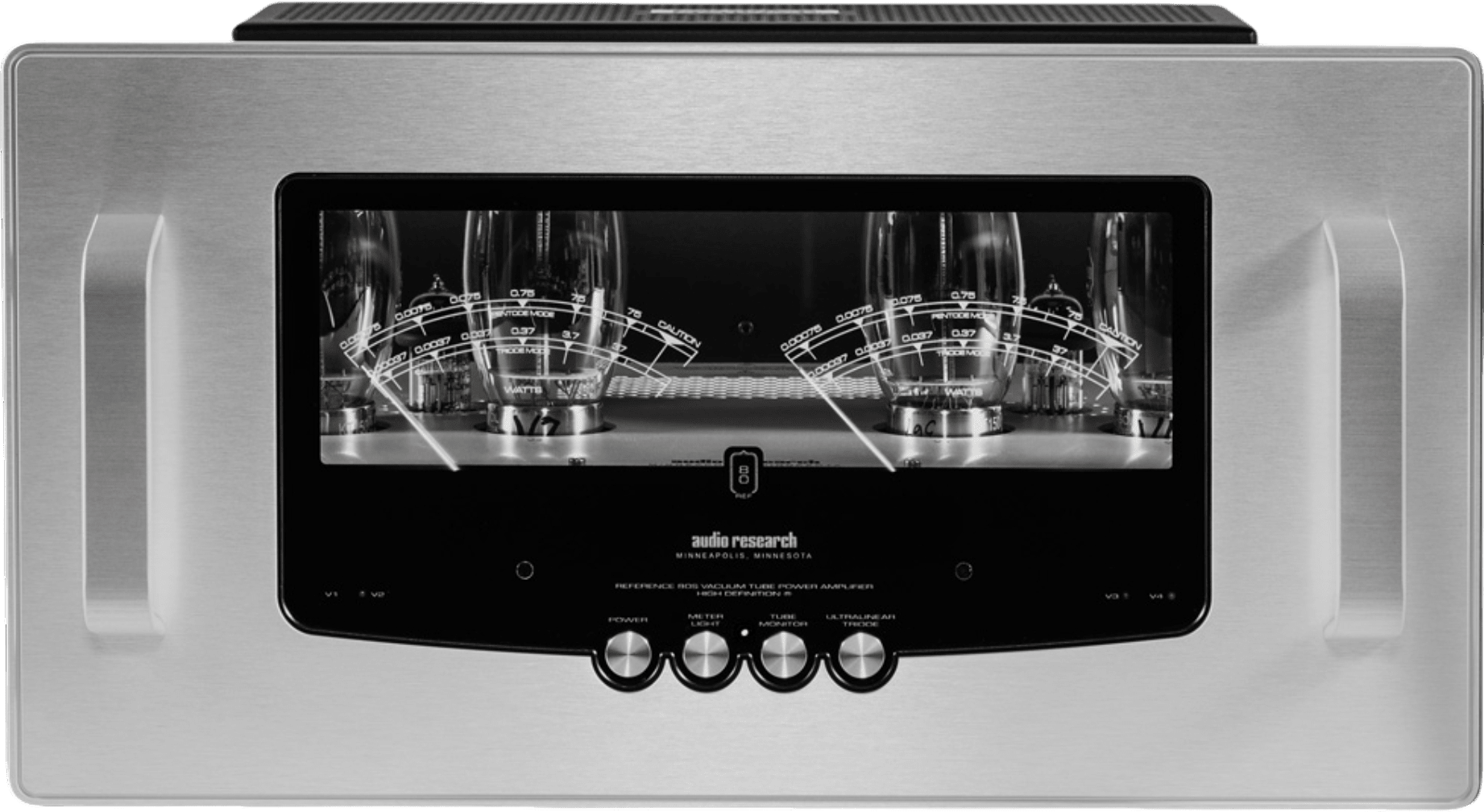
- Delivers power while handling subtlety and fine detail with aplomb
- Presents an engaging and naturally organic soundstage
- Offers switchable Ultralinear and Triode tube configurations
- Hand-wired, hand-soldered, and hand-assembled
- The top end is silky, resolved, and decent, resulting in no listening fatigue
Product Considerations
- The bass is not that punchy as with the best high-end amplifiers
- The amplifier can be demanding towards the acoustics of the room due to its heavy-on-bottom balance
- Limited power handling that does not allow for playing too loud
- The 80S sounds more homogenous, although the listening is rewarding and entertaining
- Ensure existing speakers will work with the Reference 80S to satisfaction before purchase
Comparisons (according to reviewers)
- Vs Simaudio Moon 860A v2 power amplifier, the voice of Hana was warmer and velvetier through the Audio Research—a bit more human for my ears—although the sound was slightly less transparent and less controlled
Takeaway: The Audio Research Reference 80S is a tube power amplifier that delivers precision and subtlety. If high-end audio is desired and a lot of power is not necessary, the Reference 80S could be a good fit for a listening space.
Video review
Our take on the brand
What competes at this price?

Our Summary
Product Strengths
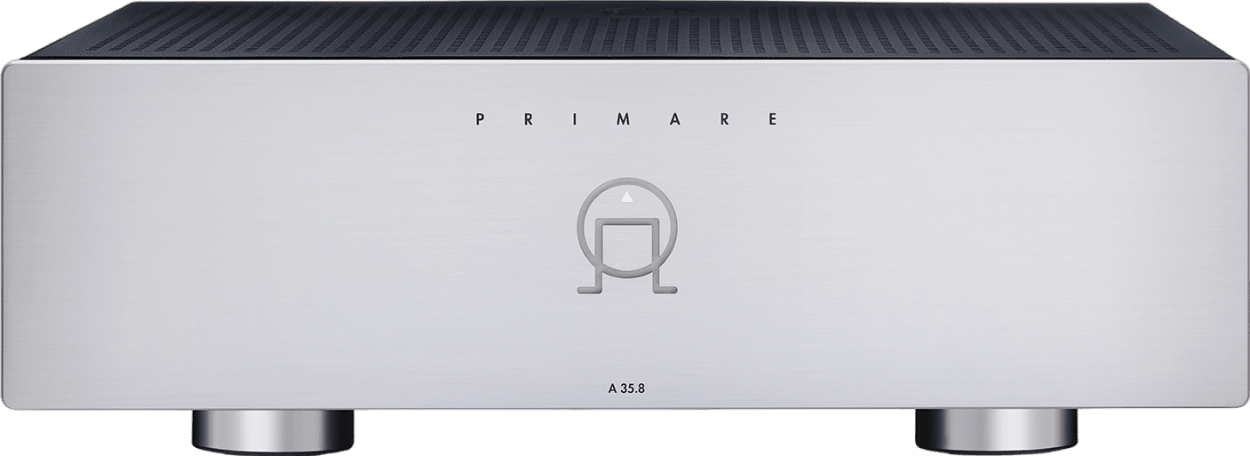
- The A35.8 provides eight channels of 'unimpeachable Class D power in a fairly compact and very flexible package'
- Flexible configuration options for power output to speakers are available, such as bi-amping and bridging
- Each stereo pair can be bridged separately to make four times 375 watts (8 Ohms) from the eight times 150 watts
- Fault-free sound quality
- High quality fit and finish
- The A35.8 offers flexible connectivity options
Product Considerations
- The 20-amp power inlet is the seldom-seen variety with three horizontal blades
- The speaker output posts are spaced too widely for dual-banana plugs
- Cabling can be tricky
- A high current power cord is needed
- Lower gain is present, though this doesn't necessarily need to be an issue
Comparisons (according to reviewers)
- Vs NAD M28, the A35.8 gets you one more channel and more versatility for a 10% price increase
- Vs Benchmark AHB2, the Benchmark presented a more neutral tonal balance and undistorted soundstage
- Vs NAD C 298 stereo amplifiers, the Primare seemed slightly more forward, often conveying an appealing liveliness
Takeaway: The A35.8 power amplifier is a flexible and versatile product worth considering for anyone seeking a high-quality multi-channel setup. Its ability to bridge channels offers many ways to configure your speaker system.
Video review
Our take on the brand

.png)
Our Summary
Product Strengths
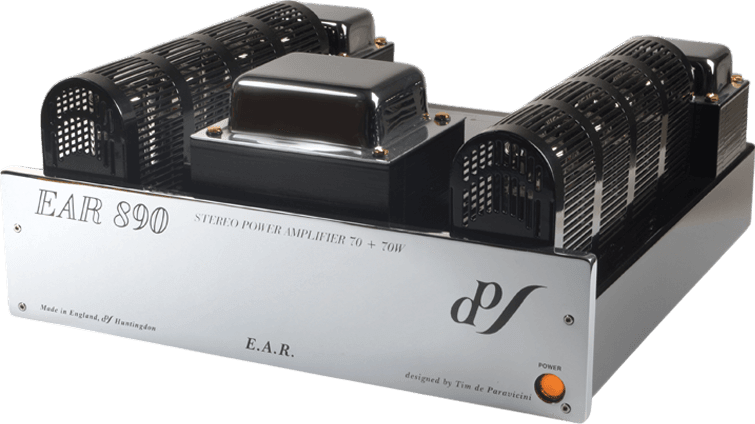
- The EAR 890 produces 70Wpc in stereo, and can be bridged to 140W in monoblock
- Neutral sound that gets out of the way and lets the user enjoy the music
- Complex and dense music textures are handled with ease, and dynamically demanding passages are sailed through
- Articulate midrange
- Detailed and realistic bass
Product Considerations
- Removing/installing tube cages is difficult and time-consuming
- The loudspeaker binding posts are positioned too close to the output transformers, making it hard to tighten them properly
- Some assembly work appeared amateurish, specifically the use of silicone in various locations, such as fastening chassis wires
- The amplifier can operate quite hot
- May not have as much bass impact compared to solid state amps
Comparisons (according to reviewers)
- The EAR 890 monoblocks achieve SET-like definition along with the authority and swagger necessary for most full-size speaker systems, when compared to Cary Audio 300B SET amps
- The EAR 890 is as textured as the top LAMM designs, but with noticeably better neutrality and more power
- The EAR 890 surpassed the deHavilland KE50As with a more articulate midrange, producing more color and separation in the microtones of instruments
Takeaway: The EAR 890 is easy to set up and sounds good with very little tweaking, making it easy to just sit back, relax, and enjoy the music. It's a good choice for people who want a tube amp that is both musical and powerful for their home listening experience.
Video review
Our take on the brand

Our Summary
Product Strengths
- Delivers amazing quality of sound and detail
- Bulletproof amplification
- Has a rhythmically soulful sound with a tremendously rich and natural midrange
- The A51's bass is well-defined, extremely textured, and robust
- With 250 watts on tap, the Parasound A51 will power virtually anything
Product Considerations
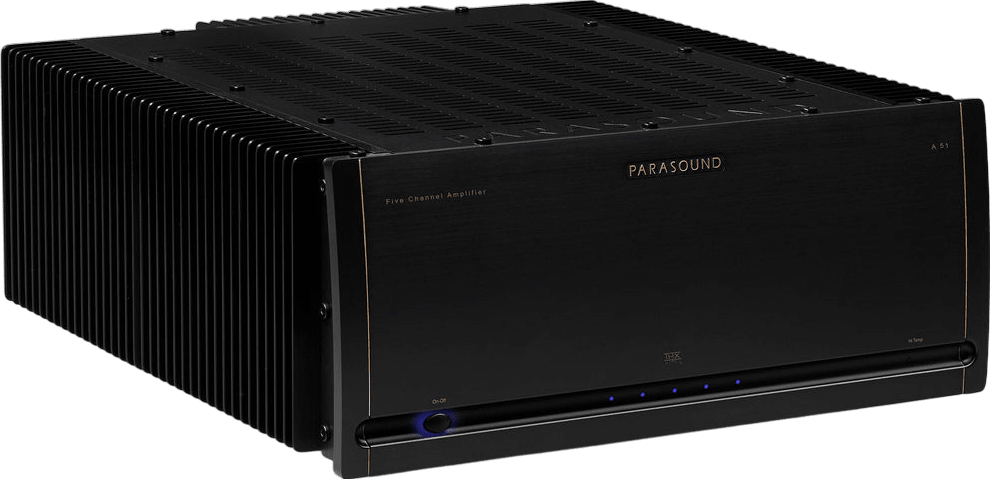
- Due to its class A/AB design, the A51 does get a bit warm and should be installed in a properly ventilated space and/or rack
- The A51 is large and heavy, and is best moved and/or positioned by two people
Comparisons (according to reviewers)
- Compared to Rotel, the Rotel makes the M&K Sound system slightly bright with a bit of sibilance, while the Parasound is more neutral
- Compared to Acurus A250, the Parasound had tighter bass, which is probably attributed to a better damping factor
Takeaway: The Parasound Halo A51 is a high-performance amplifier with great sound quality, detail, and build quality, making it an excellent choice for audiophiles and home theater enthusiasts. Its ability to deliver power and control to speakers makes it a valuable addition to any high-end audio system.
Video review
Our take on the brand
Our Summary
Product Strengths
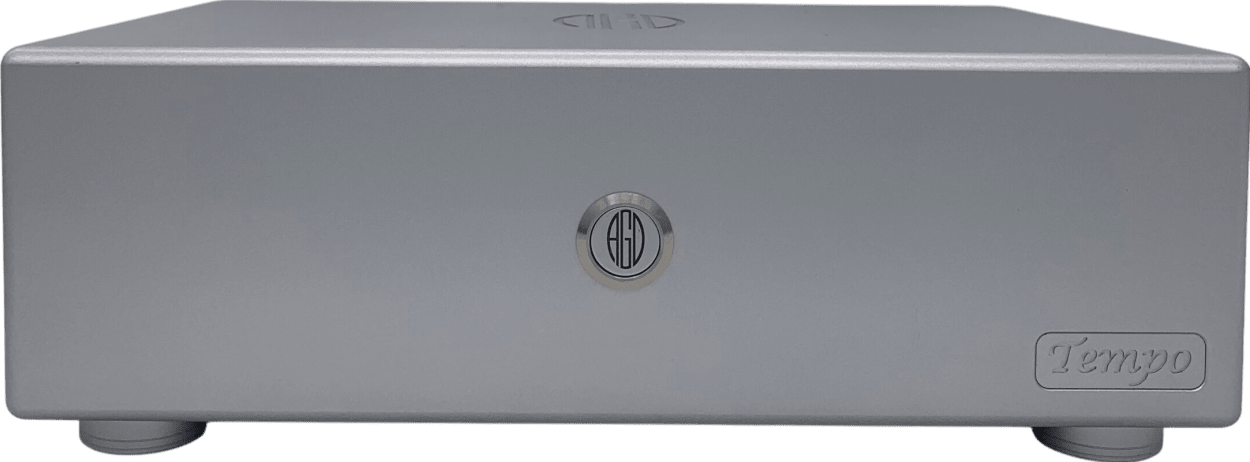
- GaN technology allows for efficient power usage, with 94% of energy being turned into sound
- Compact size challenges the notion that high-quality amps need to be large
- Design and packaging create pride of ownership
- It can be run in bridged mode to deliver 400 watts into one channel
- Stability and ability to handle complex impedance loads
Product Considerations
- The slight sonic signature may not be for everyone
- If truly outrageous amounts of power are needed to drive speakers, a second AGD Tempo amp might be needed to run in a bridged configuration
- High-frequency noise was discovered when XLR cables were not connected between them
- Power cords can make a large difference, the included power cord doesn't flatter the amp
- Some traditionalists may find it hard to accept that it's a Class-D amplifier
Comparisons (according to reviewers)
- Compared to Peachtree Audio GaN400, the AGD Tempo reports to have better overall specifications
- Compared to Parasound Halo A21+, the AGD Tempo is simply superior
- Compared to Bricasti M30 monoblock amplifiers, the level of which the most subtle detail exists approaches reference Bricasti M30 monoblock amplifiers
Takeaway: The AGD Productions Tempo is a cutting-edge amplifier that offers a new take on audiophile amplification and rivals more expensive amplifiers. It can drive speakers easily while being energy efficient.
Video review
Our take on the brand
Our Summary
Product Strengths
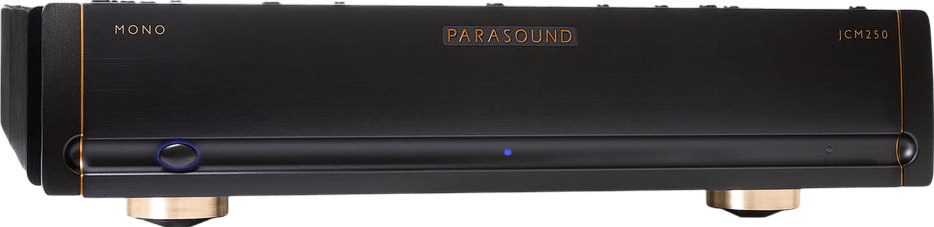
- Impressive parts quality uses FR408 circuit boards and an R-Core transformer to suppress power line noise
- The amplifier has a harmonic richness and bloom to the sound that's seductive
- Bass was tight, controlled, very extended with pitch definition and detailed
- The amplifier's ability to resolve low level spatial cues is amazing—sound stage layering, image specificity, size and shape are outstanding
- Excellent build quality includes a heavy duty chassis and heat sinks
Product Considerations
- It is only available in black
Comparisons (according to reviewers)
- The JCM250s give a performance very similar to Cambridge Audio JC1 Plus
- The JCM250 is a bit warmer than the Cambridge Audio Edge M, and includes controls to set bias and gain
- With the JCM250 monoblocks having a separate power supply for each channel, it has lower noise compared to the Cambridge Audio JC5
Takeaway: The JCM250 is a high-quality amplifier that uses the best components. It offers great versatility, fitting well with any preamp and speakers.
Video review
Our take on the brand
How to buy
Amplifiers
Search all hifi products
Explore our database of 10,000+ new and 25,000+ used hifi products.